⚡ FLASH SALE: Get 60% OFF All Premium 3D & STL Models! ⚡

In the exhilarating world of 3D visualization, where every curve and reflection tells a story, the choice of a renderer is paramount—especially when dealing with the intricate beauty of automotive models. For 3D artists, game developers, and visualization professionals alike, achieving photorealistic results for a 3D car model is a complex dance between artistic vision and technical mastery. The renderer acts as the engine of this process, translating raw 3D data into stunning, lifelike images. This comprehensive guide dives deep into three of the most prominent rendering powerhouses: V-Ray, Corona Renderer, and Cycles. We’ll explore their unique strengths, delve into their specific workflows for creating breathtaking automotive renders, and provide actionable insights into optimizing your scenes for unparalleled realism and efficiency. Whether you’re aiming for a pristine showroom shot, dynamic game assets, or cutting-edge AR/VR experiences, understanding these tools is your gateway to elevating your automotive visualization projects to new heights.
Achieving truly convincing automotive renders goes far beyond merely hitting the render button. It demands a foundational understanding of how light interacts with surfaces, the nuances of material definition, and the meticulous preparation of your 3D car models. This section lays the groundwork, highlighting essential concepts that are universally applicable, regardless of your chosen renderer.
At the heart of modern photorealistic rendering lies Physically Based Rendering (PBR). PBR materials are designed to simulate how light behaves in the real world, ensuring consistent and believable results under any lighting condition. For automotive models, this is critical. Car paint, metal rims, glass, rubber, and leather all have distinct physical properties that PBR accurately represents. Key PBR maps include Albedo (or Base Color), Metallic, Roughness (or Glossiness), Normal, and Ambient Occlusion. A metallic surface, for instance, will reflect light specularly without a diffuse component, while a rough plastic will scatter light more broadly. Understanding these maps and how they influence the PBR shader is fundamental to creating a believable car surface. High-quality 3D car models, often found on platforms like 88cars3d.com, are typically provided with meticulously crafted PBR textures, ready to be plugged into your chosen renderer, significantly streamlining the material setup process.
Even the most advanced PBR materials will fall short if the underlying 3D model lacks proper topology and UV mapping. Topology refers to the arrangement of polygons and edge flow on your model. For automotive models, clean, quad-based topology is crucial for smooth surface subdivision, accurate reflections, and deformation if the model is to be animated or used in a game engine. Poor topology can lead to pinching, artifacts, and incorrect shading, especially on highly reflective surfaces like car bodies. Aim for consistent mesh density, especially in areas with high curvature. UV mapping is the process of unwrapping the 3D surface into a 2D plane, allowing textures to be applied accurately. For complex car surfaces, efficient UV packing is vital. Non-overlapping UVs are a must for baked textures and PBR workflows. Consider using multiple UV sets: one for general PBR textures and another for specific details like decals or ambient occlusion. This meticulous approach ensures that your high-resolution textures, often 4K or even 8K, are applied without stretching or distortion, preserving every detail and ensuring your automotive rendering truly shines.
V-Ray, developed by Chaos Group, has long been a titan in the architectural and product visualization industries, and its capabilities for automotive rendering are nothing short of exceptional. Known for its robust feature set, speed, and flexibility, V-Ray offers artists unparalleled control over every aspect of their scene, making it a go-to choice for high-fidelity car visualizations.
V-Ray stands out with its powerful Hybrid Rendering capabilities, allowing users to leverage both CPU and GPU resources simultaneously. This flexibility means faster iteration times and the ability to scale rendering power based on available hardware, whether you have a farm of powerful CPUs or a workstation packed with GPUs. For complex automotive scenes with detailed environments and multiple light sources, this can drastically reduce render times. Another significant advantage is the integration of Chaos Cosmos, a vast asset library directly accessible within V-Ray. This includes a wealth of ready-to-use high-quality assets like trees, people, furniture, and even pre-built environments, which are invaluable for populating automotive scenes and adding context without spending hours on modeling. From realistic asphalt textures to detailed foliage, Chaos Cosmos accelerates scene setup, allowing artists to focus more on the car itself. V-Ray’s strong integration with industry-standard software like 3ds Max, Maya, and SketchUp also ensures a smooth workflow for many studios.
Crafting believable car materials in V-Ray requires a methodical approach. For car paint, the V-Ray Blend Material is often used to combine a base metallic coat with a clear coat layer, mimicking real-world automotive finishes. The base coat uses a V-Ray PBR material with metallic reflectivity, while the clear coat is a reflective material with a high IOR (around 1.5-1.6) and subtle Fresnel reflections. Don’t forget a slight “flakes” procedural map in the clear coat’s bump slot for added realism. Glass benefits from a V-Ray Material with refraction (often a black color for tinted windows) and reflection. Ensure the ‘Affect Shadows’ and ‘Affect Alpha’ options are enabled for accurate transparency and shadow casting. For chrome and metallic trim, a V-Ray PBR material with a high metallic value, low roughness, and an appropriate IOR (e.g., 20 for polished chrome) will yield excellent results. Pay close attention to subtle variations in roughness using texture maps to break up perfectly uniform reflections, adding a touch of realism to your 3D car model. Precise settings for reflectivity, glossiness, and fresnel are crucial to differentiate between different types of metals and finishes.
Large automotive scenes, often featuring high-polygon car models, detailed environments, and complex lighting, can be demanding on rendering resources. V-Ray offers several optimization techniques. Utilize V-Ray Proxies for repetitive or high-polygon assets like trees, fences, or even entire background buildings. Proxies load only a lightweight bounding box in the viewport, significantly reducing scene memory and improving viewport performance, with the full geometry loaded only at render time. For complex geometry, consider using V-Ray Fur or Chaos Scatter for procedural distribution of elements like grass or pebbles, which are far more efficient than individual models. Implement LODs (Level of Detail) for assets further away from the camera, reducing polygon counts for objects that don’t require high detail. Proper use of render elements allows for flexible post-processing, separating components like reflections, refractions, and diffuse passes, giving you more control in compositing. Lastly, leverage V-Ray’s built-in Denoiser to significantly cut down on render times by cleaning up noise, especially useful for interior shots or scenes with intricate details.
Corona Renderer has garnered immense popularity for its ease of use, intuitive interface, and ability to produce stunningly photorealistic results with minimal setup. For automotive artists looking for a straightforward yet powerful solution, Corona offers a compelling alternative, particularly within 3ds Max and Cinema 4D environments.
One of Corona’s most celebrated features is its dedication to simplicity and user-friendliness, without compromising on rendering quality. The Interactive Renderer is a game-changer for automotive artists, providing real-time feedback as you adjust materials, lighting, and camera angles. This immediate visual response dramatically speeds up the iteration process, allowing for creative experimentation and rapid refinement of your 3D car model’s appearance. Complementing this is LightMix, an invaluable post-processing tool that lets you adjust the intensity and color of individual light sources or light groups after rendering is complete. Imagine being able to fine-tune the color of your headlights, the intensity of your studio strobes, or even completely change the time of day without re-rendering the entire scene—LightMix makes this a reality, offering unprecedented flexibility in your automotive lighting design. Furthermore, Corona’s integrated Denoising, often powered by NVIDIA OptiX or Intel Open Image Denoise, effectively cleans up noise from renders, allowing you to achieve clean, production-ready images in significantly less time.
Lighting is arguably the most critical component in making an automotive render look real, and Corona excels in providing intuitive tools for this. High Dynamic Range Images (HDRIs) are the backbone of photorealistic image-based lighting. Corona’s HDRI setup is straightforward, allowing you to quickly load an HDRI map into the environment slot. For automotive photography, a well-chosen HDRI environment can provide all the necessary reflections and illumination for a convincing look. For outdoor scenes, Corona’s Sun and Sky system is incredibly powerful. It accurately simulates the physical properties of the sun and atmosphere, generating natural shadows, realistic sky gradients, and subtle color shifts throughout the day. Combining a Corona Sun with a physical Sky model offers artists dynamic lighting possibilities, from crisp morning light to dramatic sunset hues, all while maintaining physically accurate behavior. Pay close attention to the sun’s angle relative to your 3D car model to highlight its design features and create appealing reflections along its contours.
Corona’s material system, while powerful, remains intuitive. For complex automotive surfaces like car paint, the Corona Layered Material is your best friend. Similar to V-Ray’s blend material, it allows you to stack multiple materials, such as a metallic base coat, a clear coat, and even a subtle dust or grime layer, each with its own PBR properties. This layering approach provides granular control over the final appearance of your car paint, enabling you to replicate iridescent flakes, subtle scratches, and deep reflections. For materials like tire rubber or interior leather, standard Corona Physical Materials with appropriate PBR textures (Albedo, Roughness, Normal) will yield excellent results. For translucent elements like headlights or taillights, Subsurface Scattering (SSS) can be employed to simulate the way light penetrates and scatters beneath the surface, adding a crucial layer of realism that distinguishes professional work. Remember to utilize high-quality texture maps from marketplaces like 88cars3d.com, ensuring your materials have the necessary detail and imperfections to appear truly real.
Cycles, Blender’s physically based path tracer, has rapidly evolved into a formidable rendering engine, offering professional-grade results within an open-source ecosystem. Its tight integration with Blender’s comprehensive 3D suite makes it a highly attractive option for artists and studios, particularly those invested in the Blender workflow for creating their 3D car models and game assets.
One of Cycles’ most powerful and flexible features is its node-based shading system. Every material, from simple plastic to complex car paint, is constructed by connecting various nodes that control color, texture, reflections, refractions, and more. This visual programming approach offers immense creative freedom and precision. For automotive paint, you might combine Principled BSDF nodes for base metallic and clear coat layers, using mix shaders and Fresnel nodes to control their blending. For intricate patterns or procedural dirt, Geometry Nodes (as detailed in the Blender 4.4 documentation) offer a non-destructive way to manipulate mesh data and create complex effects directly on your 3D car model’s geometry. You can procedurally scatter details, generate custom patterns, or even create complex wireframe effects. This powerful combination of node-based materials and geometry nodes allows for unparalleled control and iteration, empowering artists to achieve highly customized and realistic automotive materials and effects.
Blender offers two primary renderers: Cycles and EEVEE. Understanding when to use each is crucial for efficient automotive visualization. Cycles is a physically accurate ray-tracing renderer. It excels at producing photorealistic images with complex global illumination, accurate reflections, and nuanced shadows. It’s the ideal choice for high-quality marketing renders, portfolio shots, and detailed visualizations where absolute realism is paramount. The trade-off is often longer render times, especially for complex scenes or animations. EEVEE, on the other hand, is a real-time renderer. It uses rasterization to provide instant feedback and is perfect for quick previews, animations that need to be rendered rapidly, or for use in real-time applications like game development pre-visualization. While EEVEE can achieve impressive results, particularly with careful lighting and material setup, it might not offer the same level of physical accuracy or subtle light bounces as Cycles. For game assets, baking Cycles-generated PBR textures onto lower-polygon models for use in EEVEE or game engines is a common and efficient workflow.
While Cycles is powerful, it can be demanding. Optimizing your scenes is key to efficient rendering.
Choosing the right renderer often comes down to balancing speed, ease of use, and specific feature sets against your project’s requirements and budget. While all three are capable of producing stunning automotive renders, their philosophies and strengths differ.
Historically, V-Ray has been a performance leader, especially with its hybrid rendering capabilities and highly optimized algorithms. For brute-force ray tracing, V-Ray often pulls ahead, particularly on high-end hardware with multiple GPUs. Corona Renderer is renowned for its speed with interactive rendering and for delivering clean renders quickly, especially in interior scenes or complex lighting scenarios where its unbiased approach shines. Its focus on physical accuracy means it often requires fewer samples to achieve a clean image compared to Cycles in certain situations. Cycles, particularly with its OptiX denoiser and GPU rendering capabilities, has become very competitive. For complex global illumination and physically accurate light interactions, Cycles holds its own. However, out-of-the-box, it might require more optimization and sample tuning to match the “cleanliness” of a Corona render in similar render times, especially for animations. When benchmarking, it’s crucial to consider scene complexity, material types, and lighting setups as these factors heavily influence render times across all engines. Ultimately, for raw speed on complex automotive scenes, V-Ray often takes the lead due to its highly optimized code and hybrid rendering, while Corona prioritizes interactive speed and ease of setup.
Corona Renderer is widely celebrated for its intuitive interface and minimal learning curve. Its philosophy is to make photorealism accessible, and it largely succeeds. Materials are straightforward, and lighting setup is highly logical, making it an excellent choice for newcomers or those who prefer to focus more on artistry than intricate technical settings. V-Ray, while powerful, has a steeper learning curve due to its extensive array of settings and parameters. This allows for immense control, but it can be intimidating for beginners. However, for experienced professionals seeking granular control over every aspect of the render, V-Ray’s depth is its strength. Cycles, being node-based, sits somewhere in the middle. While the node editor offers unparalleled flexibility, it requires a different way of thinking and can be initially challenging for those unfamiliar with node-based workflows. However, once mastered, the node system provides powerful control over materials and shaders, making it highly rewarding. For artists already proficient in Blender, Cycles is a natural extension, leveraging existing knowledge of the Blender ecosystem.
V-Ray boasts the most comprehensive feature set, including specialized tools for volumetrics, atmospheric effects, extensive render elements, and robust animation capabilities. Its integration into professional pipelines (3ds Max, Maya, Revit) is seamless, and the Chaos Cosmos library is a significant advantage for populating scenes. It’s a professional workhorse designed for high-end production. Corona Renderer excels in user experience, offering unique features like LightMix and powerful interactive rendering. While its feature set might be slightly less extensive than V-Ray’s in very niche areas, it covers all the bases for high-quality architectural and automotive visualization. Its primary integrations are with 3ds Max and Cinema 4D. Cycles, as part of Blender, benefits from Blender’s expansive ecosystem. This includes powerful modeling tools, sculpting, animation, simulation, and compositing, all within a single application. While Cycles itself is a renderer, its strength lies in this holistic integration, allowing artists to go from concept to final render without leaving Blender. It might require more manual setup for certain advanced effects compared to V-Ray’s specialized tools, but its open-source nature means a vibrant community and continuous development.
Beyond the choice of renderer, a true master of automotive visualization understands the broader workflow, from preparing the model to perfecting the final image. These advanced techniques and best practices are crucial for producing industry-standard results.
A raw render, no matter how good, is rarely the final product. Post-processing and compositing are essential steps that elevate a good render to an exceptional one. Utilizing software like Adobe Photoshop or Affinity Photo, artists can fine-tune colors, contrast, and sharpness. Crucially, render elements (or render passes) from your chosen renderer allow for non-destructive adjustments. Separate passes for reflections, refractions, diffuse color, raw lighting, and ambient occlusion provide granular control. For example, you can independently adjust the intensity of reflections on the car body or enhance the depth of field. Adding subtle effects like chromatic aberration, bloom, lens flares, and dust particles can inject realism and atmosphere. For complex shots, compositing multiple renders (e.g., a car in a studio environment combined with a separate background plate) allows for maximum flexibility and photorealism. Always render with enough headroom in your exposures (e.g., using EXR files) to allow for extensive grading and correction in post-production.
When transitioning 3D car models from high-fidelity rendering to real-time environments like Unity, Unreal Engine, or AR/VR applications, significant optimization is required.
The interoperability of 3D car models across various software and pipelines hinges on proper file format management.
Always ensure your models are exported with embedded media (textures) or that textures are correctly linked in a relative path structure to prevent missing files during transfer. When obtaining models from marketplaces such as 88cars3d.com, verify the provided file formats align with your pipeline requirements.
The journey to mastering automotive rendering is a continuous pursuit of technical excellence and artistic vision. We’ve explored V-Ray’s powerful control and hybrid rendering, Corona’s intuitive ease and interactive speed, and Cycles’ open-source flexibility and deep integration within Blender. Each renderer offers a unique set of advantages, making the “best” choice highly dependent on your specific project needs, existing software ecosystem, and personal workflow preferences. For large studios demanding ultimate control and robust features across multiple platforms, V-Ray often remains a top contender. For artists prioritizing rapid iteration and photorealistic results with minimal fuss, Corona is an exceptional choice. And for those deeply embedded in the Blender ecosystem, seeking a powerful, integrated, and cost-effective solution, Cycles provides an incredibly capable platform. Regardless of your chosen tool, remember that the foundational principles of clean topology, meticulous UV mapping, realistic PBR materials, and intelligent lighting are universal. By applying these insights and continually refining your techniques, you’ll transform your 3D car models into stunning, lifelike visualizations that captivate your audience. Explore high-quality assets and elevate your projects by visiting marketplaces like 88cars3d.com, where you can find premium 3D car models ready for your rendering adventures.

Texture: Yes
Material: Yes
Download the BMW 7 Series E38 3D Model featuring its iconic luxury sedan design and classic aesthetics. Includes .blend, .fbx, .obj, .glb, .stl, .ply, .unreal, and .max formats for rendering, simulation, and game development.
Price: $10.79

Texture: Yes
Material: Yes
Download the BMW 6 Series 640i F12 3D Model featuring a sleek design and detailed interior. Includes .blend, .fbx, .obj, .glb, .stl, .ply, .unreal, and .max formats for rendering, simulation, and game development.
Price: $10.79

Texture: Yes
Material: Yes
Download the BMW 6 Coupe E63 3D Model featuring a sleek design, detailed interior, and realistic exterior. Includes .blend, .fbx, .obj, .glb, .stl, .ply, .unreal, and .max formats for rendering, simulation, and game development.
Price: $10.79
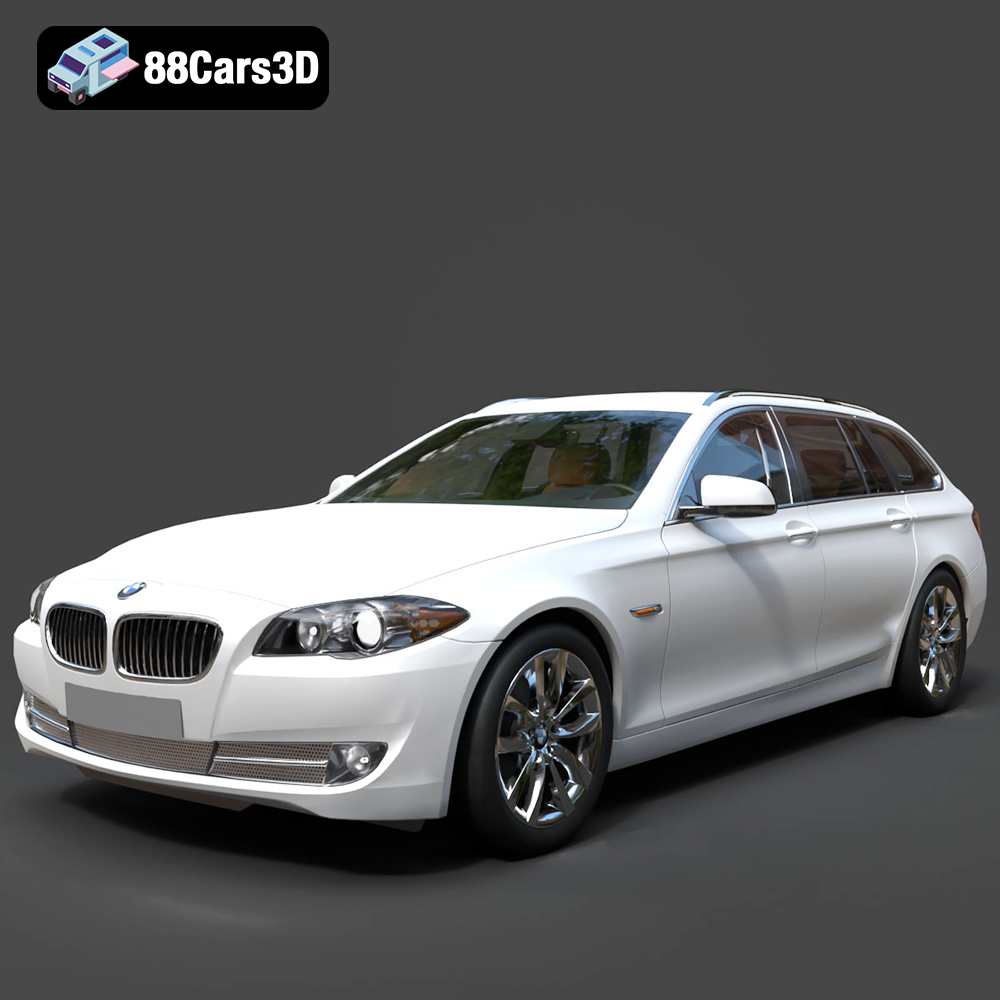
Texture: Yes
Material: Yes
Download the BMW 5 Series Touring F11-007 3D Model featuring a detailed exterior and interior. Includes .blend, .fbx, .obj, .glb, .stl, .ply, .unreal, and .max formats for rendering, simulation, and game development.
Price: $10.79
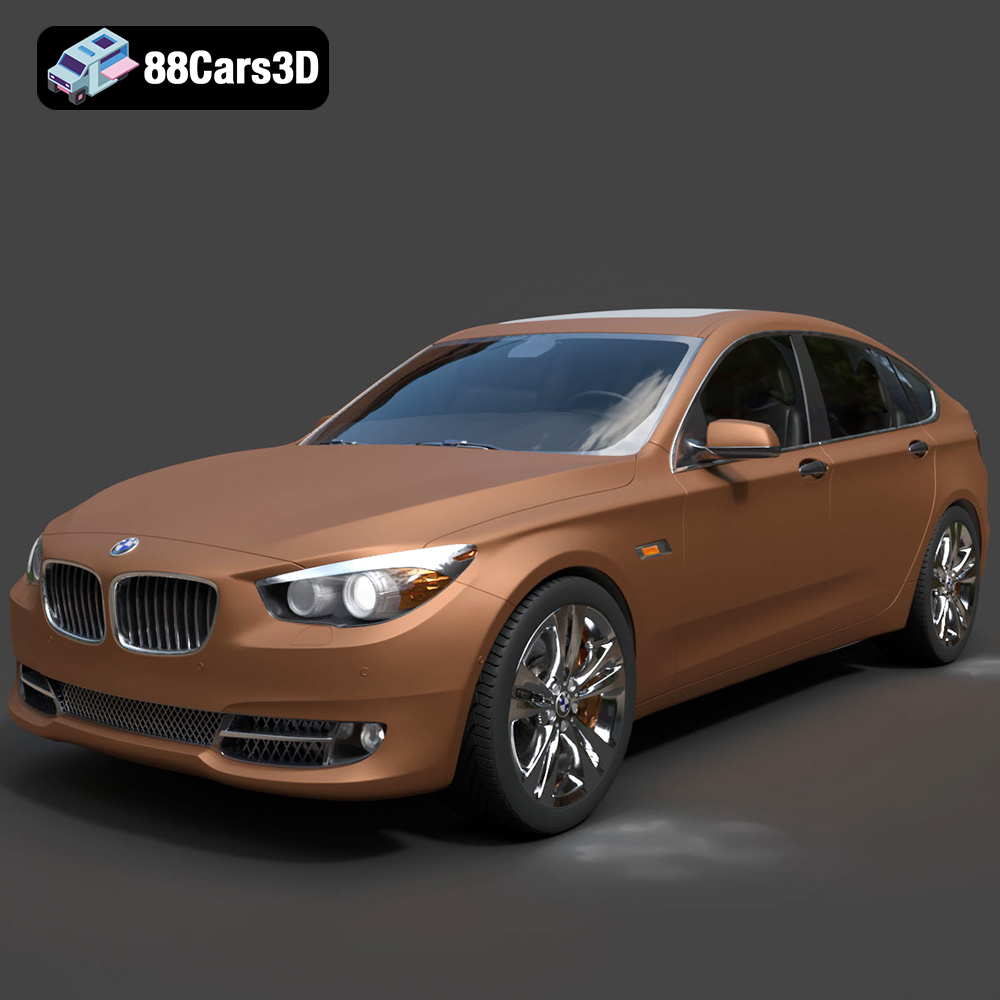
Texture: Yes
Material: Yes
Download the BMW 5 Series Gran Turismo F07-003 3D Model featuring a detailed exterior and interior. Includes .blend, .fbx, .obj, .glb, .stl, .ply, .unreal, and .max formats for rendering, simulation, and game development.
Price: $10.79
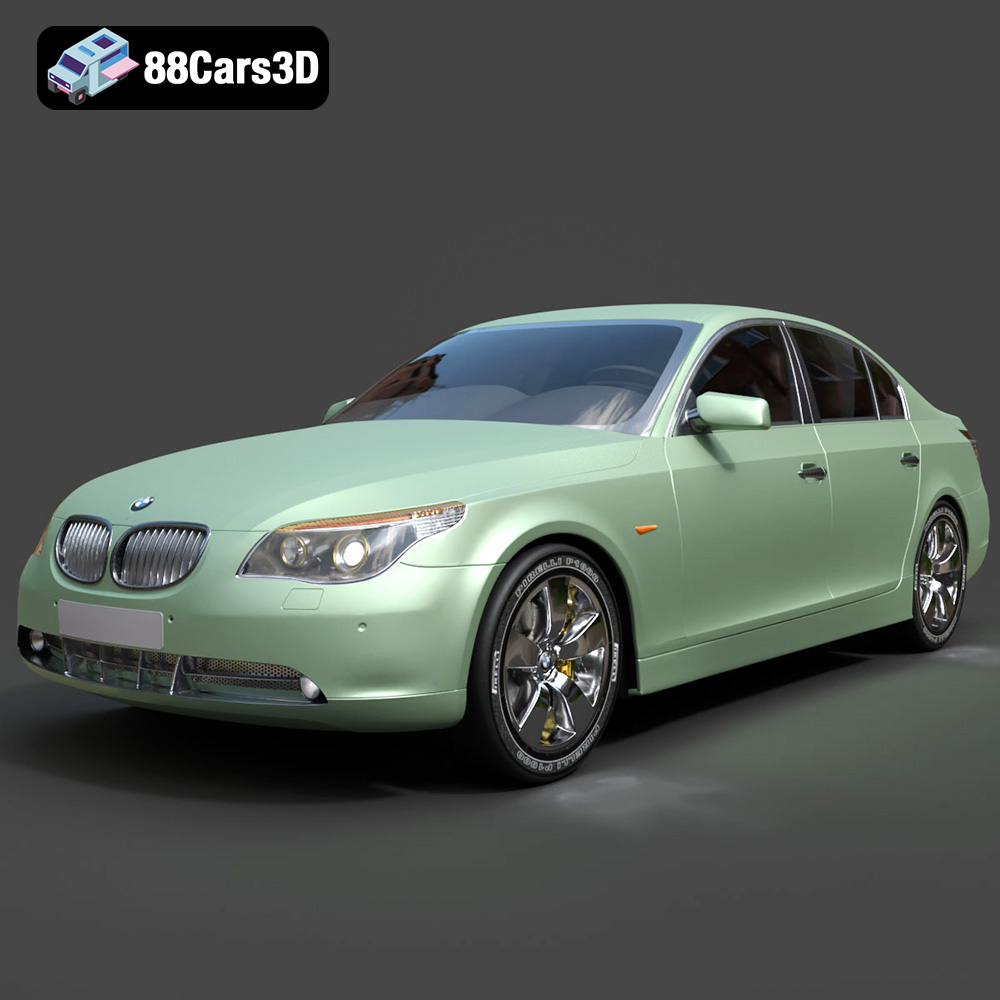
Texture: Yes
Material: Yes
Download the BMW 5 Series E60 3D Model featuring its iconic sedan design, detailed exterior, and interior. Includes .blend, .fbx, .obj, .glb, .stl, .ply, .unreal, and .max formats for rendering, simulation, and game development.
Price: $10.79

Texture: Yes
Material: Yes
Download the BMW 5 E34-535i 3D Model featuring an iconic design, detailed exterior and interior, and accurate representation. Includes .blend, .fbx, .obj, .glb, .stl, .ply, .unreal, and .max formats for rendering, simulation, and game development.
Price: $10.79
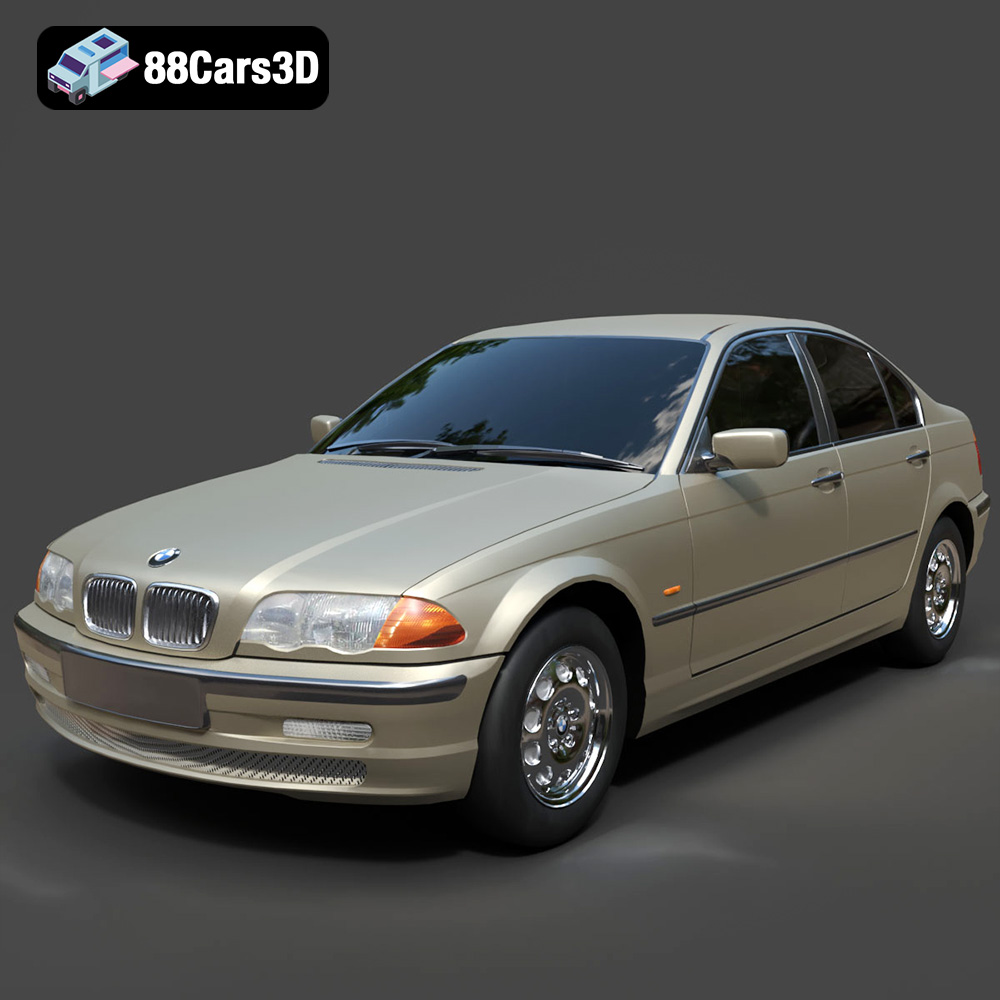
Texture: Yes
Material: Yes
Download the BMW 3 Series E46 3D Model featuring authentic exterior lines, a detailed interior, and separated components for animation. Includes .blend, .fbx, .obj, .glb, .stl, .ply, .unreal, and .max formats for rendering, simulation, and game development.
Price: $10.79
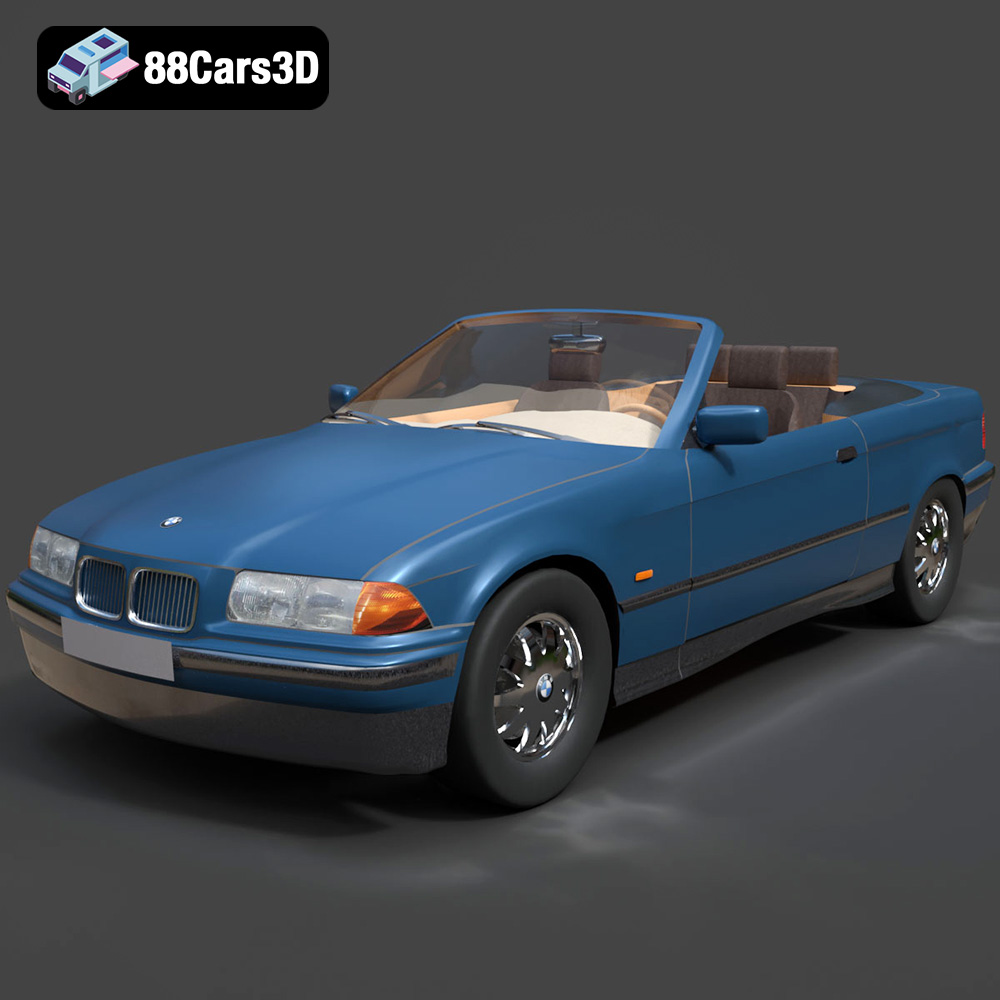
Texture: Yes
Material: Yes
Download the BMW 3 Series E36 Cabrio 325i 1998 3D Model featuring a classic convertible design and detailed interior. Includes .blend, .fbx, .obj, .glb, .stl, .ply, .unreal, and .max formats for rendering, simulation, and game development.
Price: $10.79
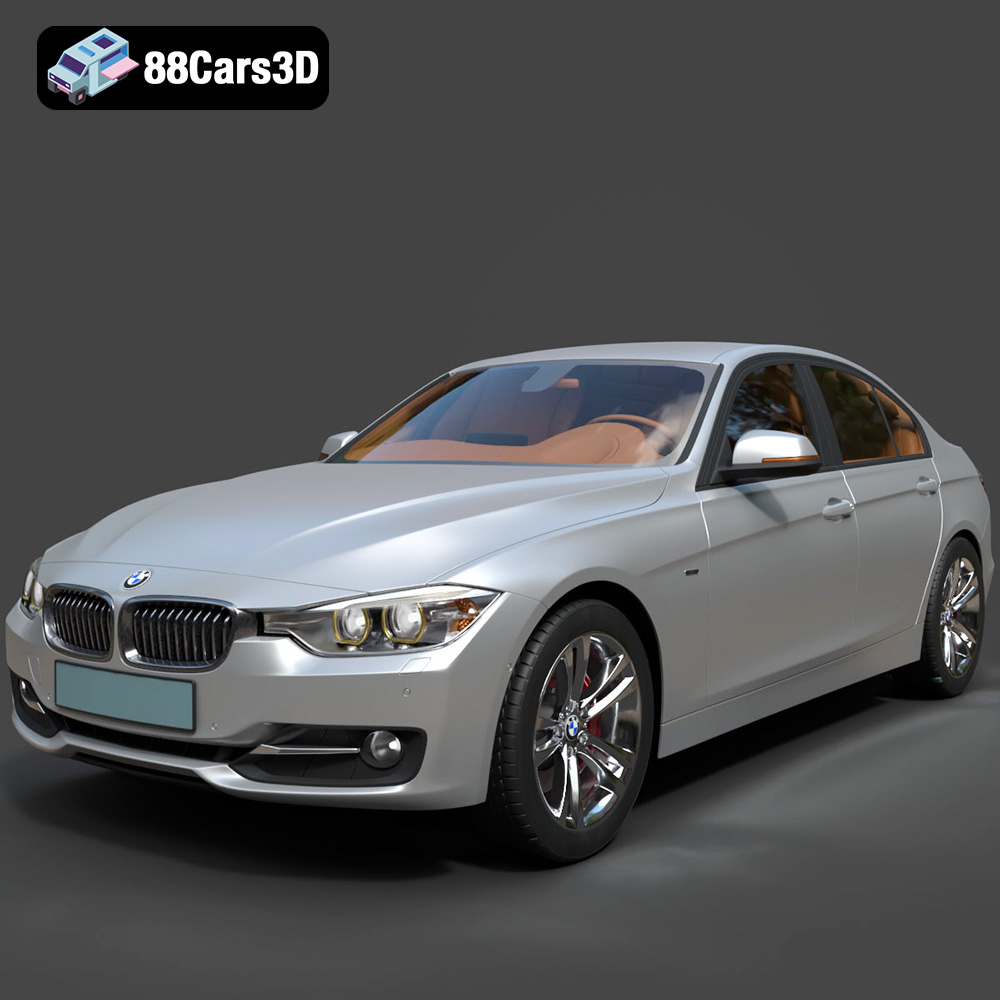
Texture: Yes
Material: Yes
Download the BMW 3 F30 3D Model featuring a detailed exterior, realistic interior, and optimized mesh. Includes .blend, .fbx, .obj, .glb, .stl, .ply, .unreal, and .max formats for rendering, simulation, and game development.
Price: $10.79

