⚡ FLASH SALE: Get 60% OFF All Premium 3D & STL Models! ⚡

The roar of an engine, the gleam of polished chrome, the sleek lines of a perfectly sculpted chassis – automotive design has always captivated the human imagination. In the realm of 3D artistry, recreating these mechanical marvels with stunning realism is both a challenge and a deeply rewarding pursuit. Whether you’re a seasoned professional looking to refine your craft, a game developer aiming for unparalleled visual fidelity, or an aspiring artist taking your first steps into the world of virtual vehicles, a robust and systematic workflow is paramount. This comprehensive guide will take you on an in-depth journey through the entire 3D automotive modeling process, from the initial concept and meticulous blueprint setup to the final, breathtaking render or optimized game asset. We’ll delve into the technical intricacies of topology, UV mapping, advanced PBR materials, rendering engine specifics, and optimization strategies for various applications like AR/VR and 3D printing. Prepare to unlock the secrets to crafting exceptional 3D car models that stand out in any digital landscape.
Every masterpiece begins with a solid foundation, and 3D automotive modeling is no exception. The initial stages involve meticulous planning and the careful construction of a high-polygon base mesh that captures every curve and contour with precision. This phase is critical for establishing the visual integrity of your 3D car model.
Before touching any polygons, extensive reference gathering is crucial. Collect high-resolution images, detailed blueprints, and even videos of your chosen vehicle. Seek out orthogonal views (front, back, side, top) as well as perspective shots that reveal subtle surface variations. For blueprint setup within your 3D software (e.g., 3ds Max, Maya, Blender), import your gathered images onto image planes or background images. Ensure these references are perfectly aligned and scaled to real-world dimensions. A common mistake is to rely solely on perspective photos, which can introduce distortion. Blueprints provide the accurate, measurable foundation needed for precise modeling. Double-check measurements using known dimensions of the car, such as wheelbase or overall length, to maintain accuracy throughout the modeling process.
The industry standard for high-quality automotive modeling is subdivision surface modeling (often referred to as SubD or Catmull-Clark subdivision). This technique allows you to create a relatively low-polygon base mesh and then smooth it out, adding detail and curvature without manually creating millions of polygons. The key to successful SubD modeling lies in impeccable topology – the arrangement of your polygons, specifically quads (four-sided polygons). Clean topology ensures smooth subdivision, prevents pinching, and facilitates easy editing. Essential practices include:
A typical high-polygon automotive model can easily reach several hundred thousand to a few million polygons, especially before optimization for game engines. Software like Blender excels in subdivision surface modeling; you can find detailed information on its workflow and tools, such as the Subdivision Surface Modifier, in the official Blender 4.4 documentation.
Once your 3D car model’s geometry is perfect, the next crucial step is to give it a realistic surface appearance through UV mapping and texturing. This process dictates how 2D textures wrap around your 3D model, defining its color, reflectivity, and surface imperfections.
UV mapping is the process of unfolding your 3D mesh into a 2D space, allowing you to paint or apply textures to it. For complex automotive surfaces, a strategic approach to UV layout is essential to avoid distortion and maximize texture quality. Key considerations include:
Physically Based Rendering (PBR) has revolutionized texturing, enabling artists to create materials that react to light in a physically accurate way, resulting in stunning realism across various rendering environments. PBR material workflows typically involve a set of texture maps:
Creating realistic car paint involves multiple layers, often using a clear coat effect. Glass requires accurate transparency, refraction, and reflectivity. Rubber needs subtle surface irregularities and a specific roughness value. Chrome demands high reflectivity and low roughness. Software like Substance Painter is a powerful tool for PBR texture creation, allowing artists to procedurally generate and paint these maps. In Blender, the Shader Editor provides a node-based system to build complex shader networks, connecting your PBR texture maps to a Principled BSDF shader for physically accurate material representation.
Texture resolutions typically range from 2K (2048×2048 pixels) to 4K (4096×4096 pixels) for game-ready models, and up to 8K or even 16K for cinematic or visualization projects. When sourcing models from marketplaces such as 88cars3d.com, pay close attention to the provided texture resolutions and PBR material setup to ensure they meet your project’s quality requirements.
While photorealistic renders demand maximum detail, real-time applications like video games, AR/VR experiences, and interactive visualizations require a careful balance between visual fidelity and performance. Optimization is key to ensuring your 3D car models run smoothly on target hardware.
One of the most effective optimization techniques is creating multiple Levels of Detail (LODs) for your 3D car model. This involves generating progressively lower-polygon versions of the same model. When the car is close to the camera, the high-detail LOD0 is used. As it moves further away, the game engine automatically switches to LOD1, then LOD2, and so on, using models with fewer polygons. This significantly reduces the computational load without a noticeable drop in visual quality at a distance.
Polygon reduction can be achieved using automatic decimation tools found in most 3D software (e.g., Blender’s Decimate modifier) or through manual retopology, which offers greater control over edge flow and detail preservation. The goal is to reduce poly count while maintaining the silhouette and primary forms of the vehicle.
Beyond geometry, texture usage and draw calls are significant performance factors. A “draw call” is a command from the CPU to the GPU to render an object. Each material and texture typically incurs a separate draw call, which can quickly add up and bottleneck performance.
Importing your optimized 3D car models into game engines like Unity or Unreal Engine requires specific considerations. Export your models in suitable formats like FBX or GLB, ensuring that your PBR textures are correctly assigned and that any normal maps are correctly oriented (some engines might require flipping the green channel). Set up collision meshes (simplified geometry used for physical interactions, distinct from the render mesh) to ensure realistic collisions without overly complex calculations. Baked lighting (pre-calculated light and shadow data stored in textures) is often used for static elements or less dynamic scenarios to reduce real-time lighting computations, especially for mobile game assets or AR/VR experiences.
For cinematic visuals, high-quality marketing materials, or breathtaking portfolio pieces, the focus shifts from optimization to achieving unparalleled photorealism. This involves mastering lighting, render engine settings, and post-processing.
Lighting is the single most critical factor in achieving a photorealistic render. It defines form, mood, and texture. For automotive rendering:
Each professional render engine has its strengths and specific workflows for achieving photorealism. While the core principles of PBR materials and lighting remain, the settings vary significantly.
For all engines, consider rendering out separate passes (e.g., diffuse, reflection, refractions, Z-depth, object ID) to give you maximum control during post-processing.
The final 10% of realism often comes from post-processing. Even the best raw render can be enhanced in a 2D image editor (like Photoshop) or compositing software (like After Effects or Blender’s compositor).
The utility of 3D car models extends far beyond static images and videos. They are becoming integral to interactive experiences in augmented reality (AR) and virtual reality (VR), as well as physical prototypes through 3D printing.
Deploying 3D car models in AR/VR environments presents a unique set of challenges, primarily centered around extreme performance optimization and specific technical requirements. Since AR/VR often runs on mobile devices or dedicated headsets with limited computational power, models must be highly optimized.
Translating a digital 3D car model into a physical object via 3D printing introduces an entirely different set of technical requirements. The mesh needs to be “watertight” and “manifold” to be printable.
The polygon count for 3D printing can be high, but excessive detail that’s smaller than the printer’s resolution will not be captured and only increases file size unnecessarily. Focus on clean, solid geometry.
A successful 3D modeling workflow isn’t just about creating the model; it’s also about managing your assets effectively, understanding file formats, and ensuring your work is professional and deliverable.
Navigating the diverse landscape of 3D file formats is crucial for compatibility and efficient data exchange:
Always consider the end-use of your model when choosing an export format. For example, a game developer might prefer FBX or GLB, while a 3D printer might require OBJ or STL (Stereolithography). When working with different software, test your export/import settings to ensure all data (especially UVs, normals, and materials) translates correctly.
As your projects grow in complexity, robust asset management becomes vital:
When working with clients or teams, delivering well-prepared assets is a hallmark of professionalism:
The journey from a conceptual idea to a polished 3D car model, whether for a cinematic render, an interactive game, or a physical print, is a multifaceted process demanding technical skill, artistic vision, and meticulous attention to detail. We’ve explored the critical stages: from establishing a precise blueprint and crafting pristine high-polygon geometry with impeccable topology, through the intricacies of UV mapping and physically based material creation, to optimizing models for real-time performance and achieving photorealistic renders with advanced lighting and post-processing techniques. We also touched upon the unique demands of AR/VR and 3D printing, alongside essential professional practices in file management and collaboration.
Mastering this workflow requires patience, continuous learning, and a willingness to embrace both the artistic and technical aspects of 3D production. Each step builds upon the last, and excellence in one area amplifies the quality of the entire project. By diligently applying the principles and techniques outlined in this guide, you can confidently tackle complex automotive projects, create stunning visualizations, and deliver high-quality assets tailored for any application. Remember to practice regularly, experiment with different software and techniques, and leverage valuable resources available, including the vast array of high-quality 3D car models and assets found on marketplaces like 88cars3d.com, to elevate your projects to the next level.

Texture: Yes
Material: Yes
Download the BMW 4 Series F32 3D Model featuring clean geometry, realistic detailing, and a fully modeled interior. Includes .blend, .fbx, .obj, .glb, .stl, .ply, .unreal, and .max formats for rendering, simulation, and game development.
Price: $12.99
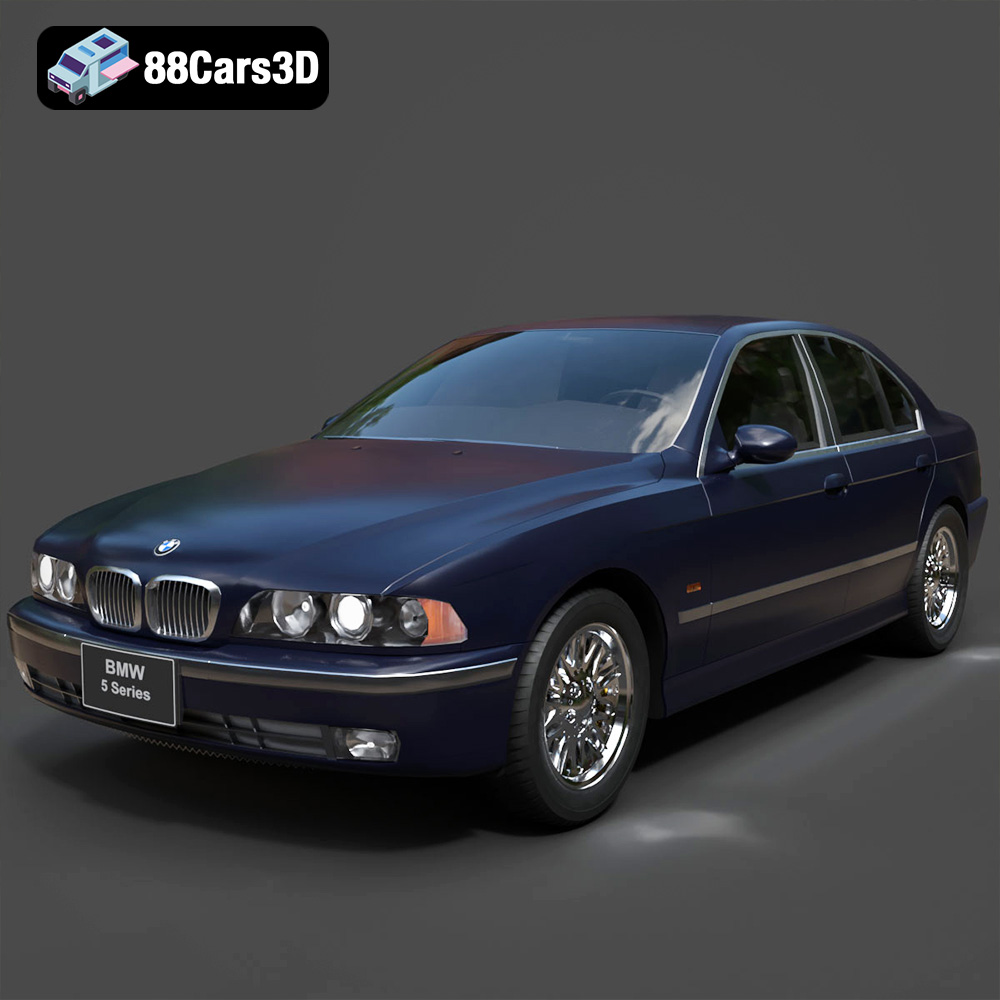
Texture: Yes
Material: Yes
Download the BMW E39 M5-540i 3D Model featuring its iconic sedan design, detailed exterior, and realistic interior. Includes .blend, .fbx, .obj, .glb, .stl, .ply, .unreal, and .max formats for rendering, simulation, and game development.
Price: $10.79

Texture: Yes
Material: Yes
Download the BMW 7 Series E38 3D Model featuring its iconic luxury sedan design and classic aesthetics. Includes .blend, .fbx, .obj, .glb, .stl, .ply, .unreal, and .max formats for rendering, simulation, and game development.
Price: $10.79

Texture: Yes
Material: Yes
Download the BMW 6 Series 640i F12 3D Model featuring a sleek design and detailed interior. Includes .blend, .fbx, .obj, .glb, .stl, .ply, .unreal, and .max formats for rendering, simulation, and game development.
Price: $10.79

Texture: Yes
Material: Yes
Download the BMW 6 Coupe E63 3D Model featuring a sleek design, detailed interior, and realistic exterior. Includes .blend, .fbx, .obj, .glb, .stl, .ply, .unreal, and .max formats for rendering, simulation, and game development.
Price: $10.79
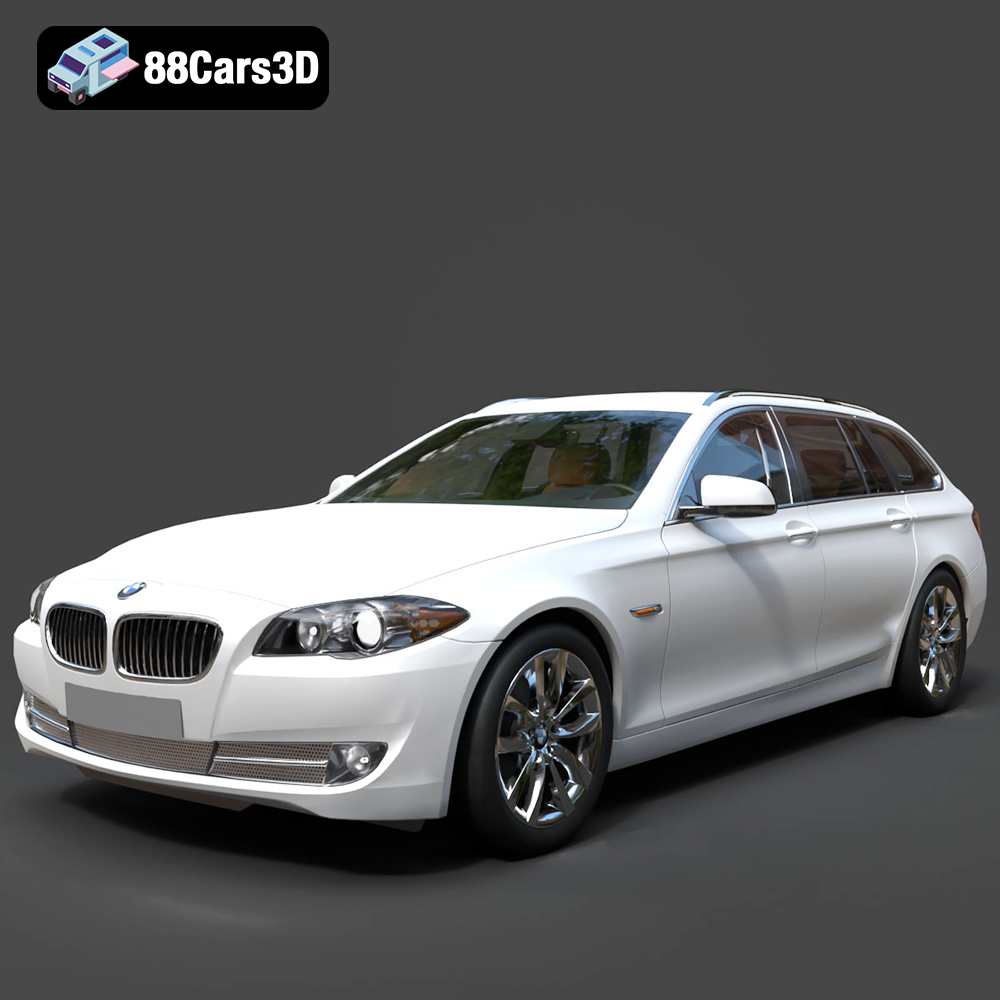
Texture: Yes
Material: Yes
Download the BMW 5 Series Touring F11-007 3D Model featuring a detailed exterior and interior. Includes .blend, .fbx, .obj, .glb, .stl, .ply, .unreal, and .max formats for rendering, simulation, and game development.
Price: $10.79
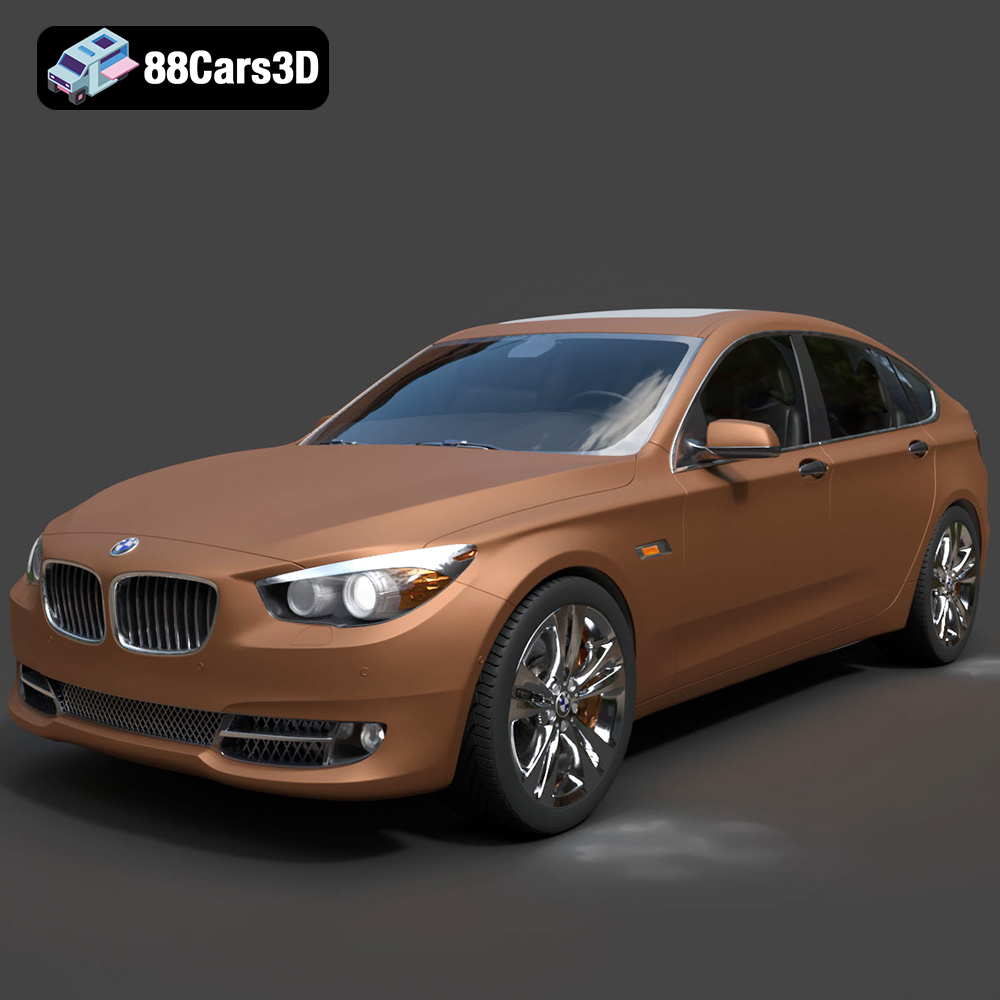
Texture: Yes
Material: Yes
Download the BMW 5 Series Gran Turismo F07-003 3D Model featuring a detailed exterior and interior. Includes .blend, .fbx, .obj, .glb, .stl, .ply, .unreal, and .max formats for rendering, simulation, and game development.
Price: $10.79
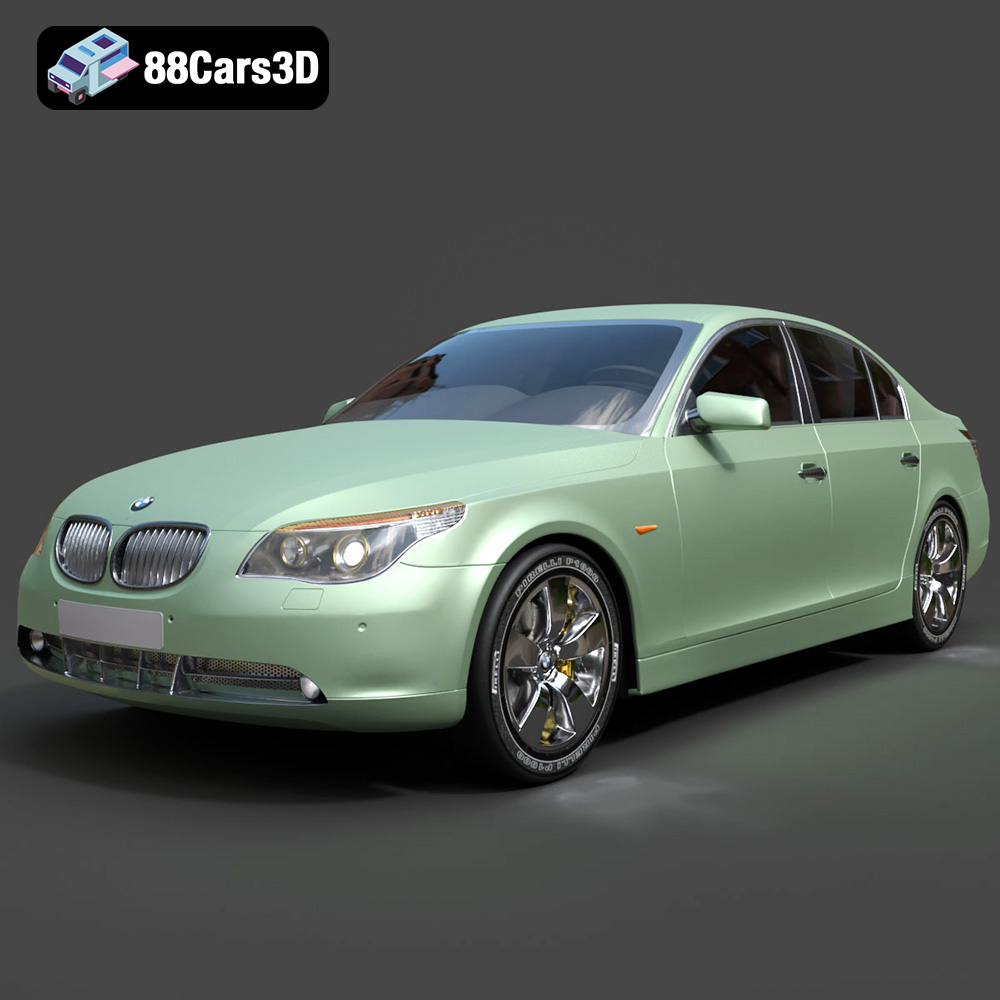
Texture: Yes
Material: Yes
Download the BMW 5 Series E60 3D Model featuring its iconic sedan design, detailed exterior, and interior. Includes .blend, .fbx, .obj, .glb, .stl, .ply, .unreal, and .max formats for rendering, simulation, and game development.
Price: $10.79

Texture: Yes
Material: Yes
Download the BMW 5 E34-535i 3D Model featuring an iconic design, detailed exterior and interior, and accurate representation. Includes .blend, .fbx, .obj, .glb, .stl, .ply, .unreal, and .max formats for rendering, simulation, and game development.
Price: $10.79
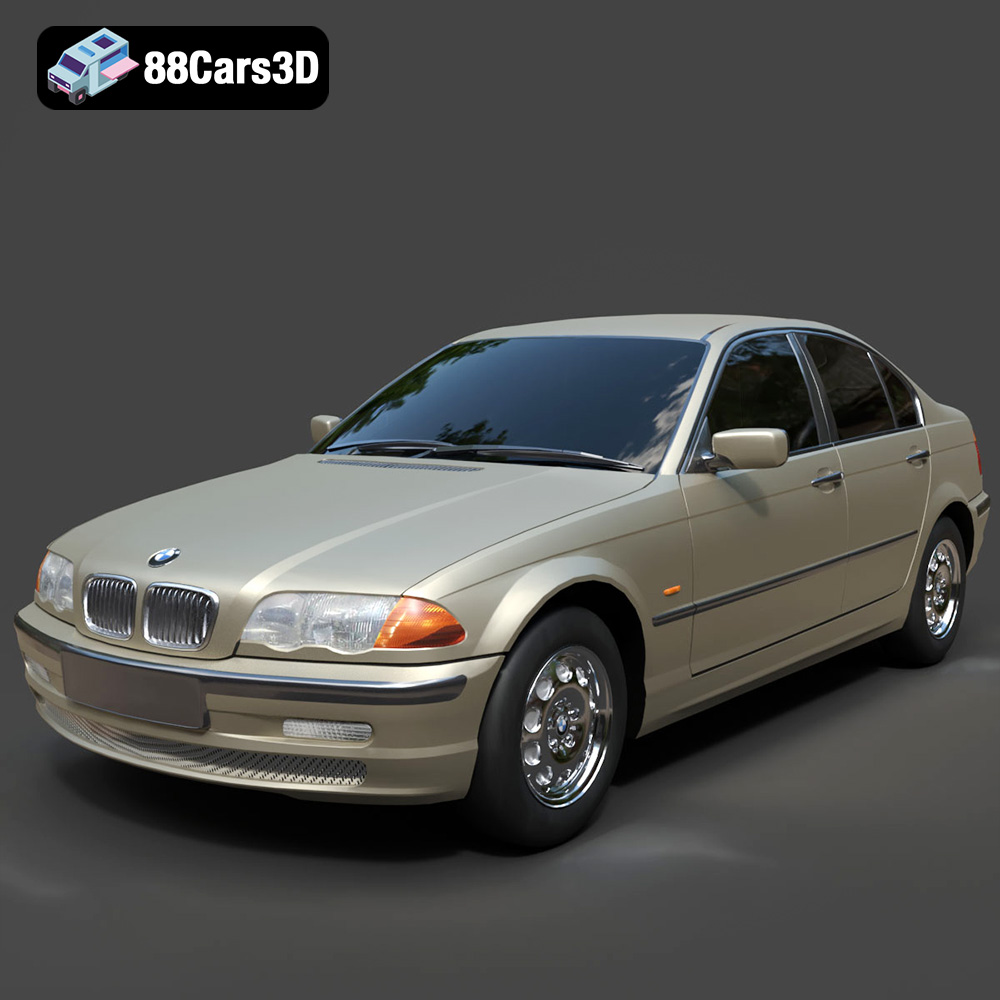
Texture: Yes
Material: Yes
Download the BMW 3 Series E46 3D Model featuring authentic exterior lines, a detailed interior, and separated components for animation. Includes .blend, .fbx, .obj, .glb, .stl, .ply, .unreal, and .max formats for rendering, simulation, and game development.
Price: $10.79

