⚡ FLASH SALE: Get 60% OFF All Premium 3D & STL Models! ⚡

The automotive industry is in constant motion, not just on the road, but also in how it engages with customers. Gone are the days when a static image or a limited brochure was enough to showcase a vehicle. Today, consumers demand immersive, interactive experiences that allow them to explore every detail, personalize their choices, and visualize their dream car before it even exists. This is where interactive automotive configurators built with Unreal Engine shine, offering unparalleled visual fidelity and real-time responsiveness.
Unreal Engine, a powerhouse in real-time rendering, has revolutionized how automotive brands present their products. From design validation to marketing campaigns, its capabilities empower developers and artists to create breathtakingly realistic visualizations that can run on various platforms. Building an automotive configurator isn’t just about swapping colors; it’s about crafting an intricate digital experience that encompasses detailed models, realistic lighting, dynamic user interfaces, and robust performance optimization. This comprehensive guide will walk you through the essential steps and advanced techniques for creating a stunning and functional automotive configurator in Unreal Engine, leveraging industry best practices and powerful engine features.
By the end of this article, you’ll understand the intricate workflow, from initial project setup and asset integration to advanced material creation, Blueprint scripting, and performance optimization using cutting-edge technologies like Nanite and Lumen. Whether you’re an experienced Unreal Engine developer or a 3D artist looking to dive into interactive automotive visualization, this guide will equip you with the knowledge to build compelling experiences.
The journey to a successful automotive configurator begins with a robust project foundation and the integration of high-quality 3D assets. The quality of your source models directly impacts the realism and performance of your final product. Investing in meticulously crafted 3D car models is paramount, as they serve as the visual cornerstone of your configurator. When sourcing automotive assets, platforms such as 88cars3d.com offer optimized models that come prepared for Unreal Engine, featuring clean topology, realistic UVs, and PBR-ready material setups, significantly streamlining the development process.
Before importing any assets, properly setting up your Unreal Engine project is crucial. Start by creating a new project, typically using the “Blank” or “Games” template, as this provides a clean slate. For automotive visualization, it’s often beneficial to enable certain plugins from the outset. Navigate to Edit > Plugins and enable:
Once plugins are enabled, consider your project settings under Edit > Project Settings. For high-fidelity rendering, ensure your default RHI (Rendering Hardware Interface) is set to DirectX 12 (Windows) for access to features like Lumen and Nanite. Also, review your global shader settings, ensuring features like ray tracing are enabled if your target hardware supports it and your project demands extreme realism. For a detailed guide on project settings, refer to the official Unreal Engine documentation at dev.epicgames.com/community/unreal-engine/learning.
Bringing your 3D car models into Unreal Engine requires a careful approach to ensure both visual quality and optimal performance. Most professional 3D car models, like those found on 88cars3d.com, come in formats like FBX or USD, which Unreal Engine handles exceptionally well. When importing, use the FBX Import Options dialog box to configure settings that impact performance and material setup.
After import, it’s critical to review and optimize the geometry. While high-quality models from marketplaces like 88cars3d.com are typically well-optimized, always inspect their polygon counts and ensure consistent scaling. For extremely high-fidelity models, particularly the car body, consider enabling Nanite, Unreal Engine’s virtualized geometry system, which allows for millions of polygons without significant performance loss. We’ll delve deeper into Nanite later, but initial import preparation for Nanite-ready meshes involves ensuring proper UVs and material IDs are preserved.
The visual appeal of an automotive configurator hinges on realistic materials and sophisticated lighting. Photorealistic PBR (Physically Based Rendering) materials are crucial for accurately representing car paint, chrome, leather, and glass. Coupled with Unreal Engine’s advanced real-time global illumination system, Lumen, these elements combine to create an immersive and believable virtual showroom.
Unreal Engine’s Material Editor is a node-based interface where you define how light interacts with the surface of your 3D models. For automotive configurators, you’ll primarily be working with several key PBR parameters:
To enable configurator functionality, you’ll need to create Material Instances. Create a master car paint material that exposes parameters like Base Color, Metallic, Roughness, and potentially a Flake Normal (for metallic flakes in car paint) via Scalar and Vector Parameters. Then, for each color option, create a Material Instance Constant (MIC) based on this master material and adjust the exposed parameters. This allows for rapid iteration and efficient material management. For instance, a “CarPaint_Master” material could have child MICs like “CarPaint_RedMetallic,” “CarPaint_BlueMatte,” etc., each with unique parameter values. This modularity is key for a seamless user experience when swapping options.
Lumen is Unreal Engine’s revolutionary real-time global illumination and reflections system, vital for achieving photorealistic lighting in automotive scenes. It dynamically calculates indirect lighting, allowing light to bounce off surfaces, illuminate surroundings, and create realistic color bleeding and soft shadows – all in real-time. This is particularly transformative for configurators, as it means every color or environment change instantly updates the scene’s lighting without baking.
To enable Lumen, go to Edit > Project Settings > Rendering and ensure Global Illumination and Reflections are set to Lumen. Lumen works best with Static Meshes, so ensure your car model components are set correctly. For maximum accuracy, ensure your environment meshes (floor, walls, backdrop) have sufficient detail and properly set materials.
Beyond Lumen, you’ll combine it with traditional lighting sources:
Experiment with light intensity, color temperature, and shadow settings to achieve the desired mood and highlight the car’s design. Leverage the Post Process Volume to fine-tune exposure, contrast, color grading, and add effects like Bloom, Vignette, and Chromatic Aberration for a cinematic look.
The core functionality of any interactive configurator lies in its ability to respond to user input and dynamically change vehicle components. Unreal Engine’s Blueprint Visual Scripting system is an incredibly powerful and accessible tool for building this interactivity without writing a single line of C++ code. Blueprints allow you to define game logic, manage UI interactions, and orchestrate complex sequences of events.
At the heart of an automotive configurator is the ability to swap parts. This typically involves changing meshes, materials, or even entire actor components. A common approach is to create a master “Vehicle Blueprint” that encapsulates all configurable parts. Inside this Blueprint, you would have:
SetCarPaintMaterial(UMaterialInstance* NewMaterial) would take a new material as an input and apply it to the car body mesh. Similarly, SetWheelMesh(UStaticMesh* NewWheelMesh, int WheelIndex) could replace a specific wheel’s mesh.The Blueprint logic would typically involve a series of Switch on Enum nodes or simple Select nodes to pick the correct asset from an array based on user selection. For example, when a user clicks “Red Paint,” an event is triggered that retrieves the “CarPaint_RedMetallic” Material Instance from an array of paint materials and applies it to the car body. You might also need to manage visibility: for options like spoilers, you would toggle the visibility of a Static Mesh Component rather than swapping it. This modular, event-driven approach ensures scalability and ease of modification as you add more configuration options. For more advanced Blueprint techniques, consult the official documentation on Blueprint Visual Scripting at dev.epicgames.com/community/unreal-engine/learning.
A configurator is only as good as its user interface. Unreal Engine uses UMG (Unreal Motion Graphics) UI Designer for creating interactive menus, buttons, and sliders. You’ll design Widgets for your main menu, color palettes, wheel selection, and other options. Each UI element needs to be wired up to trigger the Blueprint events you’ve created.
OnColorSelected, passing the selected material as a parameter.SetCarPaintMaterial).Input handling also extends to camera controls. Implement mouse and keyboard controls for rotating and zooming around the vehicle. This can be done using a Spring Arm Component attached to the camera, allowing for smooth orbital movement. You can also implement “camera hot spots” where clicking on specific areas of the car (e.g., a door handle) smoothly transitions the camera to a predefined view, enhancing the user’s exploration.
Creating a visually stunning automotive configurator is only half the battle; it must also perform smoothly across various target platforms. Performance optimization is an ongoing process that involves leveraging Unreal Engine’s cutting-edge technologies and adhering to best practices. Balancing visual fidelity with real-time performance is crucial, especially for applications targeting high-end visualization, AR/VR, or even web-based deployments.
Nanite is Unreal Engine 5’s virtualized geometry system, designed to handle incredibly high polygon counts without traditional performance bottlenecks. For automotive configurators, this is a game-changer. It means you can import highly detailed CAD models or cinematic-quality 3D car models (like those from 88cars3d.com with millions of triangles) directly into Unreal Engine and render them in real-time with stunning fidelity. Nanite works by streaming and processing only the necessary detail for pixels on screen, drastically reducing draw calls and memory footprint for complex meshes.
To enable Nanite on a Static Mesh, simply open the Static Mesh Editor and check the Enable Nanite box in the Details panel. It’s recommended for your car body, detailed interior components, and wheels. When a mesh is Nanite-enabled, Unreal Engine automatically generates a compact internal representation. Keep in mind that Nanite has certain considerations:
Using Nanite allows artists to focus on visual quality rather than painstakingly optimizing mesh topology, significantly speeding up the asset pipeline for photorealistic automotive visualization. However, it’s not a silver bullet for *all* performance issues; other optimization strategies remain vital.
Even with Nanite, effective Level of Detail (LOD) management remains crucial for non-Nanite meshes, UI elements, and overall scene optimization. LODs are simplified versions of a mesh that are swapped in at greater distances from the camera, reducing polygon count and draw calls. For components that aren’t Nanite-enabled (e.g., smaller interior props, engine parts visible only up close), manual or automatic LOD generation is necessary.
Unreal Engine provides robust tools for LOD generation:
Aim for a smooth transition between LODs to avoid pop-in. Typically, 3-5 LODs are sufficient for most assets, with the lowest LOD often being a very simple representation or even just a billboard for very distant objects. Optimize draw calls by combining small, static meshes where possible, using fewer materials, and implementing proper occlusion culling and frustum culling.
Data Streaming is another crucial aspect. For large configurators with many interchangeable parts, loading all assets into memory at once is inefficient. Instead, consider dynamically loading and unloading assets (meshes, materials, textures) based on user selections. This can be achieved through Blueprint scripting, using nodes like Load Asset Async, which helps manage memory footprint and reduce initial load times, making the application feel more responsive. This is particularly important for AR/VR applications where memory and performance budgets are tighter.
Beyond basic configuration, a truly compelling automotive configurator offers an elevated experience through cinematic presentations, realistic physics, and support for cutting-edge technologies like AR/VR and virtual production. These advanced features transform a simple product viewer into an immersive marketing and design tool.
Unreal Engine’s Sequencer is a powerful, non-linear cinematic editor that allows you to create high-quality animated sequences, perfect for showcasing your configured vehicle. Imagine a smooth camera fly-through highlighting design features, animating doors opening, or a dramatic reveal of a new color option. Sequencer provides a timeline-based interface where you can orchestrate:
For a configurator, you might create several short cinematic sequences for specific views (e.g., “Interior View,” “Engine Bay View,” “Driving Shot”). These can be triggered by UI buttons using Blueprint, providing users with professionally directed tours of their configured vehicle. Sequencer is not just for pre-rendered cinematics; it can drive real-time events, allowing for dynamic transitions and visual storytelling within the configurator itself.
For an even more engaging experience, integrating realistic physics and vehicle dynamics can add another layer of immersion. While not always necessary for a static configurator, it’s invaluable for interactive driving experiences or demonstrating suspension systems. Unreal Engine’s built-in Chaos Physics Engine provides robust capabilities for this.
While configuring full vehicle dynamics can be complex, even simple physics interactions can significantly enhance the perceived realism of the configurator. For example, a small camera shake synchronized with an engine start sound can add significant impact.
Unreal Engine’s versatility extends automotive configurators into cutting-edge applications like Augmented Reality (AR), Virtual Reality (VR), and Virtual Production. These technologies offer unique ways to interact with and visualize vehicles.
Each of these advanced applications demands a strong foundation in optimized assets and efficient Unreal Engine workflows, reiterating the importance of starting with high-quality 3D car models and a well-structured project.
Creating an interactive automotive configurator in Unreal Engine is a sophisticated endeavor that blends technical artistry with precise engineering. From the initial project setup and meticulous integration of 3D car models sourced from platforms like 88cars3d.com, to crafting breathtaking PBR materials and dynamic real-time lighting with Lumen, every step is crucial for achieving photorealistic results.
The true power of these configurators lies in their interactivity, driven by robust Blueprint scripting that allows for seamless component swaps and intuitive user interfaces. Furthermore, leveraging advanced Unreal Engine features such as Nanite for high-fidelity geometry and strategic LOD management ensures optimal performance across a spectrum of platforms. Beyond basic configuration, incorporating cinematic sequences with Sequencer, realistic physics, and expanding into AR/VR and virtual production capabilities transforms these configurators into versatile, cutting-edge tools for marketing, sales, and design visualization.
The journey to mastering automotive configurators in Unreal Engine is continuous, with new features and best practices constantly emerging. By focusing on asset quality, understanding core engine functionalities, and embracing optimization strategies, you can build compelling, immersive experiences that not only meet but exceed modern consumer expectations. Dive into Unreal Engine, experiment with its powerful tools, and unlock the full potential of real-time automotive visualization.
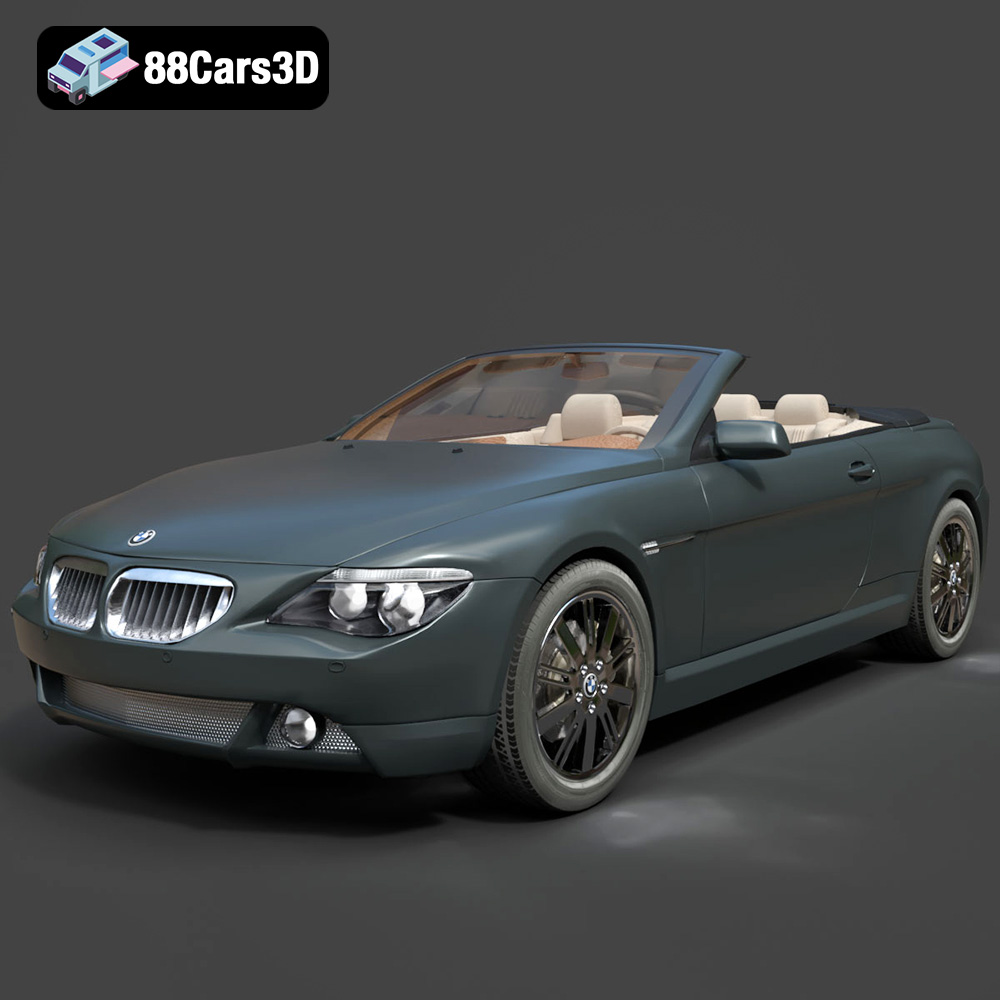
Texture: Yes
Material: Yes
Download the BMW 645ci 3D Model featuring a sleek, detailed exterior and optimized interior. Includes .blend, .fbx, .obj, .glb, .stl, .ply, .unreal, and .max formats for rendering, simulation, and game development.
Price: $10.79
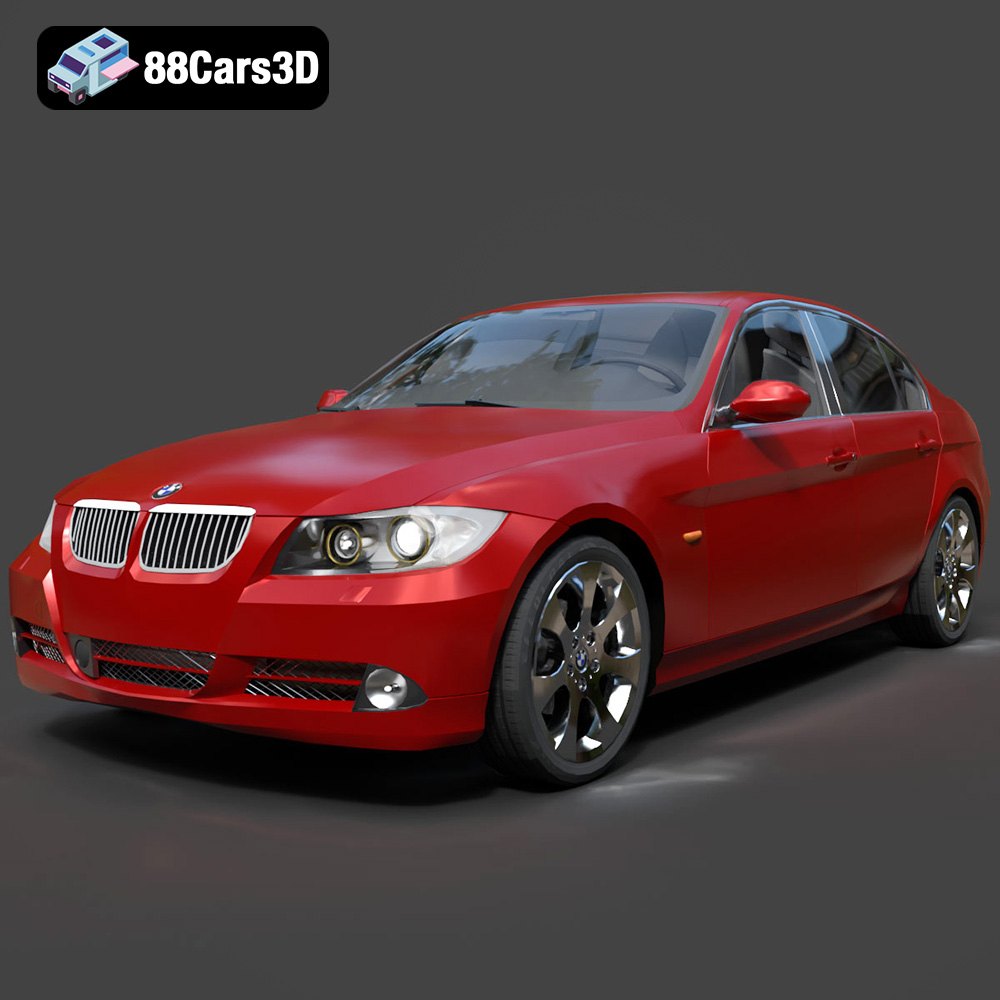
Texture: Yes
Material: Yes
Download the BMW 330i E90 3D Model featuring a detailed exterior, an optimized interior, and accurate mechanical components. Includes .blend, .fbx, .obj, .glb, .stl, .ply, .unreal, and .max formats for rendering, simulation, and game development.
Price: $14.79
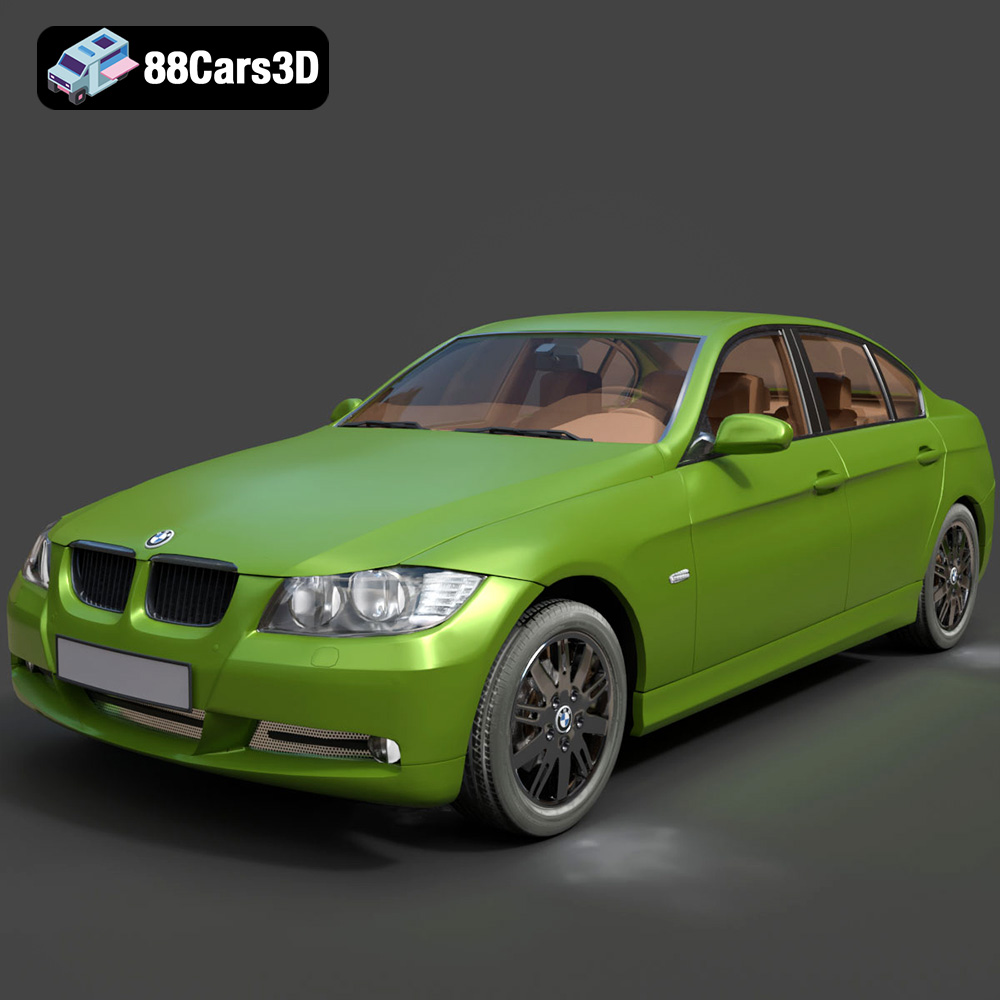
Texture: Yes
Material: Yes
Download the BMW 3-005 3D Model featuring a sleek design, detailed exterior and interior. Includes .blend, .fbx, .obj, .glb, .stl, .ply, .unreal, and .max formats for rendering, simulation, and game development.
Price: $14.99
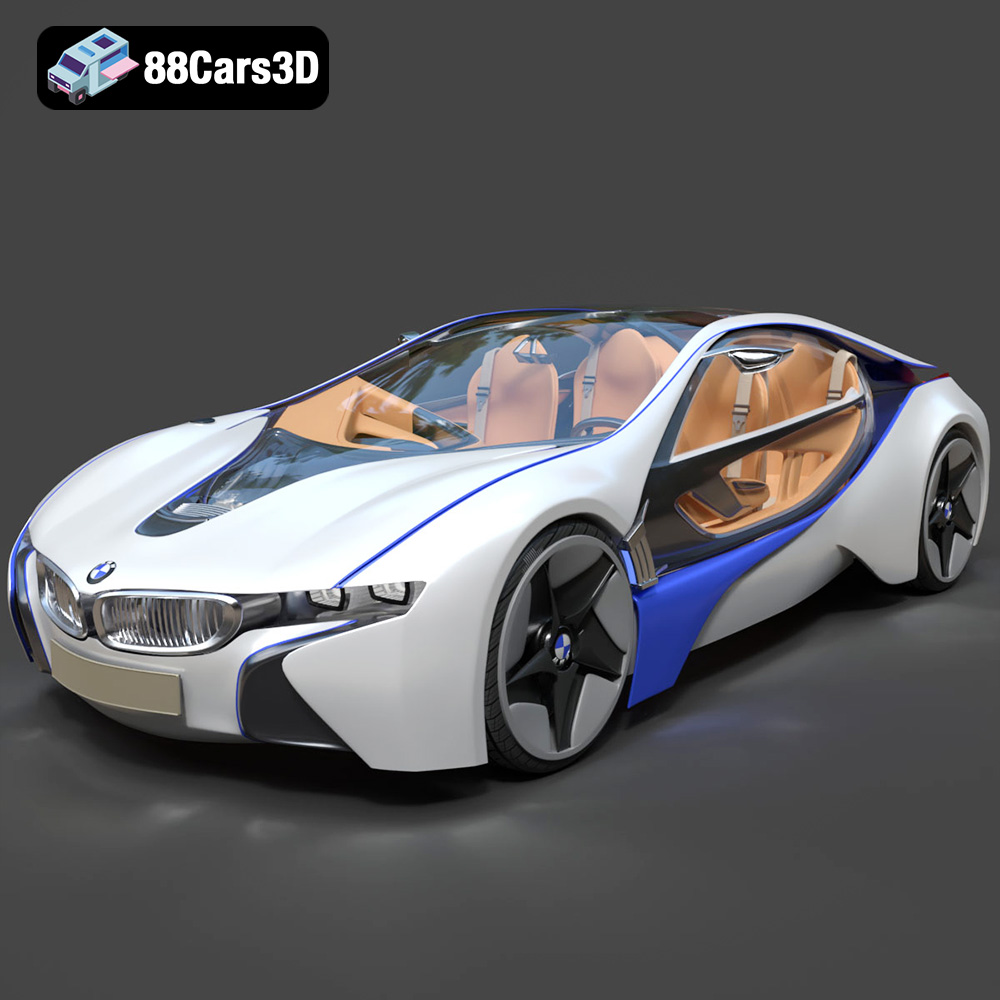
Texture: Yes
Material: Yes
Download the BMW Vision Effecient Dynamics-007 3D Model featuring a sleek, futuristic design and hybrid concept aesthetics. Includes .blend, .fbx, .obj, .glb, .stl, .ply, .unreal, and .max formats for rendering, simulation, and game development.
Price: $14.99
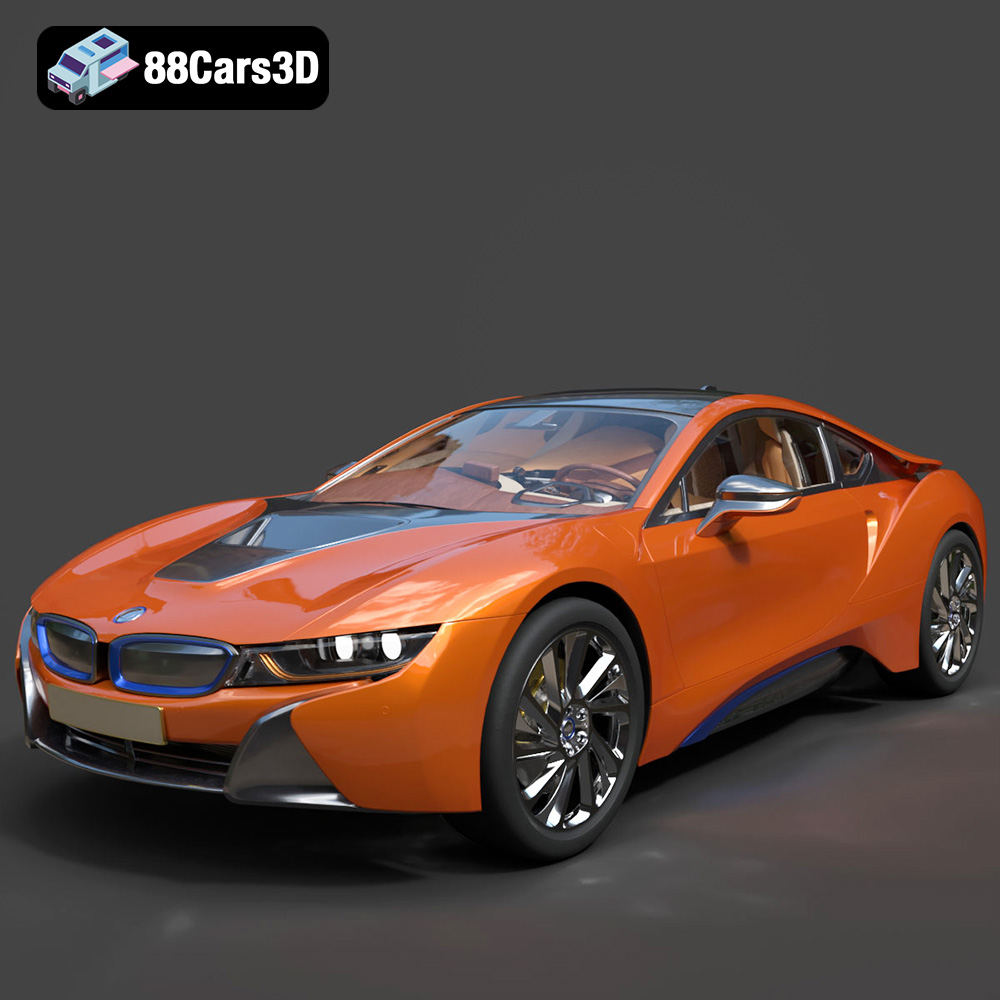
Texture: Yes
Material: Yes
Download the BMW i8 2015 3D Model featuring clean geometry, realistic detailing, and a fully modeled interior. Includes .blend, .fbx, .obj, .glb, .stl, .ply, .unreal, and .max formats for rendering, simulation, and game development.
Price: $12.99

Texture: Yes
Material: Yes
Download the BMW 4 Series F32 3D Model featuring clean geometry, realistic detailing, and a fully modeled interior. Includes .blend, .fbx, .obj, .glb, .stl, .ply, .unreal, and .max formats for rendering, simulation, and game development.
Price: $12.99
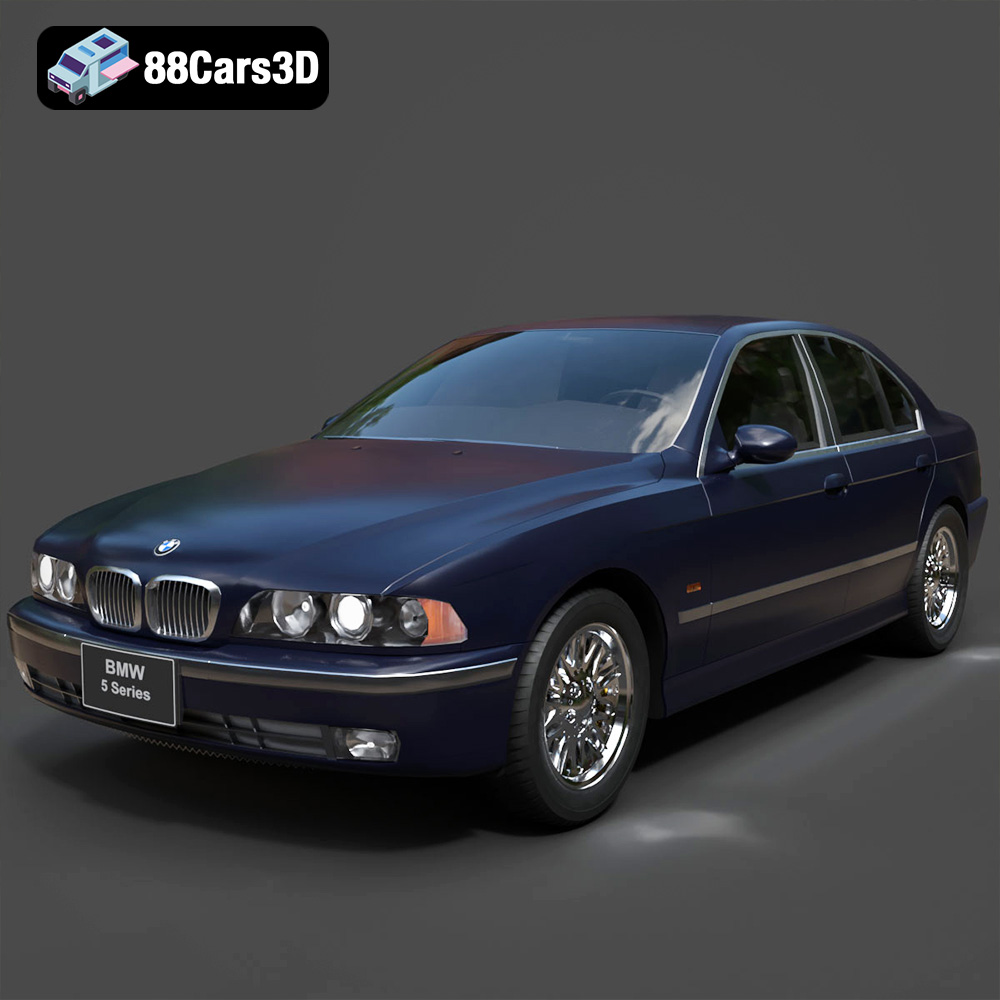
Texture: Yes
Material: Yes
Download the BMW E39 M5-540i 3D Model featuring its iconic sedan design, detailed exterior, and realistic interior. Includes .blend, .fbx, .obj, .glb, .stl, .ply, .unreal, and .max formats for rendering, simulation, and game development.
Price: $10.79

Texture: Yes
Material: Yes
Download the BMW 7 Series E38 3D Model featuring its iconic luxury sedan design and classic aesthetics. Includes .blend, .fbx, .obj, .glb, .stl, .ply, .unreal, and .max formats for rendering, simulation, and game development.
Price: $10.79

Texture: Yes
Material: Yes
Download the BMW 6 Series 640i F12 3D Model featuring a sleek design and detailed interior. Includes .blend, .fbx, .obj, .glb, .stl, .ply, .unreal, and .max formats for rendering, simulation, and game development.
Price: $10.79

Texture: Yes
Material: Yes
Download the BMW 6 Coupe E63 3D Model featuring a sleek design, detailed interior, and realistic exterior. Includes .blend, .fbx, .obj, .glb, .stl, .ply, .unreal, and .max formats for rendering, simulation, and game development.
Price: $10.79

