In the highly competitive world of automotive visualization and real-time rendering, simply having a meticulously crafted 3D car model is often not enough. To truly captivate an audience, whether for marketing campaigns, interactive configurators, or virtual productions, the final visual presentation must be nothing short of cinematic. This is where Unreal Engine’s powerful Post-Process Effects come into play, transforming raw renders into breathtaking spectacles that convey emotion, atmosphere, and a polished, professional finish.
Imagine showcasing a sleek, high-performance vehicle. While the underlying model, perhaps sourced from a platform like 88cars3d.com, boasts impeccable topology, PBR materials, and intricate details, it’s the subtle interplay of light, shadow, and optical effects that elevates it from a mere digital asset to a piece of art. Post-process effects are the final, crucial layer of visual enhancement that allows artists and developers to achieve this level of realism and artistic expression.
This comprehensive guide will delve deep into the art and science of leveraging Unreal Engine’s post-process capabilities for automotive visualization. We’ll explore everything from fundamental setup to advanced cinematic techniques, performance optimization, and integration with cutting-edge features like Lumen and Nanite. By the end, you’ll have a robust understanding of how to take your 3D car models and give them the cinematic treatment they deserve, making your projects stand out in a crowded digital landscape.
The Foundation: Understanding Unreal Engine Post-Process Volumes
At the heart of Unreal Engine’s post-processing system lies the Post-Process Volume. This versatile actor allows you to apply a wide array of visual effects to your scene, from subtle color corrections to dramatic atmospheric changes. Crucially, Post-Process Volumes can be configured to affect the entire scene (global) or only areas within their bounds (local), offering immense control over your visual narrative. For automotive visualization, particularly when showcasing specific features or details of a car model, strategic use of local volumes can draw the viewer’s eye exactly where you want it.
To begin, simply drag a “Post Process Volume” from the Modes panel (or Place Actors panel in newer versions) into your scene. By default, it acts locally. To make it a global effect, which is often desired for overall scene look development, select the volume and in its Details panel, check the “Infinite Extent (Unbound)” checkbox. This will ensure that the effects defined within this volume are applied everywhere, regardless of camera position. It’s common practice to have one main unbound volume for global settings and then layer smaller, bound volumes for specific areas or effects. For example, you might use a local volume around a car’s interior to enhance reflections or deepen shadows without affecting the exterior.
The Details panel of a Post-Process Volume is where the magic happens. It contains hundreds of properties, meticulously organized into categories like Film, Lens, Scene Color, Global Illumination, Reflections, and more. Each property offers granular control, allowing you to fine-tune every aspect of your scene’s final look. Exploring these settings systematically is key to developing a strong understanding of their impact. For comprehensive details on each setting, it’s always recommended to consult the official Unreal Engine documentation at dev.epicgames.com/community/unreal-engine/learning.
Essential Initial Settings and Their Impact
Before diving into exotic effects, mastering a few core settings is paramount for achieving a solid visual foundation:
- Exposure: This mimics a camera’s exposure settings, controlling the overall brightness of your scene. Auto Exposure can be useful but often requires manual tweaking (“Min Brightness” and “Max Brightness”) or disabling for consistent cinematic control. For a high-fidelity car render, you’ll want precise control to highlight details and create dramatic contrasts.
- White Balance: Essential for accurate color representation, especially for automotive paint finishes. Adjusting “Temp” (temperature) and “Tint” can remove unwanted color casts, ensuring your car models appear true to life under various lighting conditions.
- Color Grading: This is your primary tool for artistic direction. Under the “Color Grading” section, you have extensive control over Shadows, Midtones, and Highlights. You can adjust gain, gamma, offset, saturation, and contrast independently for each range, allowing for sophisticated color manipulation that sets the mood for your scene. For example, slightly desaturating shadows and adding a blue tint can evoke a cool, sophisticated feel for a luxury vehicle.
Performance Considerations for Post-Process Volumes
While powerful, post-process effects can be computationally intensive. Understanding their performance impact is crucial for maintaining real-time frame rates, especially for interactive experiences or AR/VR applications. Unreal Engine processes these effects sequentially, and each activated feature adds to the rendering cost.
- Blendables: This advanced feature allows you to use custom materials as post-process effects. While incredibly flexible, custom blendables require careful optimization. Ensure any custom materials used as blendables are as lean as possible, avoiding complex shader instructions where simple texture lookups would suffice.
- Weight and Priority: When multiple Post-Process Volumes overlap, their effects are blended. “Weight” determines the blend intensity (0.0 to 1.0), while “Priority” dictates which volume takes precedence if blendables conflict or are not used. For performance, keep the number of overlapping volumes to a minimum, and ensure your weights are appropriately set to avoid unnecessary blending calculations.
- Only Activate What You Need: Go through the Post-Process Volume’s details and only enable the effects you intend to use. Every unchecked box represents a potential performance saving. For example, if you’re not using Screen Space Reflections, disable it.
Elevating Visual Fidelity: Core Post-Process Effects for Realism
Once you have your foundational exposure and color settings dialed in, you can move on to effects that simulate real-world camera optics and atmospheric phenomena, adding layers of depth and immersion to your automotive scenes. These effects are pivotal in achieving that coveted “cinematic” look, making your 3D car models feel tangible and present.
Depth of Field (DoF): Cinematic Focus
Depth of Field is perhaps one of the most powerful cinematic tools in a photographer’s or cinematographer’s arsenal. It simulates the optical effect where objects at a certain distance are in sharp focus, while those closer or further away are progressively blurred. In automotive visualization, DoF is used to guide the viewer’s eye, emphasize a particular part of the car, or create a sense of scale and realism. For instance, a shallow DoF can beautifully isolate a car against a blurred background, making it pop off the screen.
In the Post-Process Volume’s “Lens” section, navigate to “Depth of Field.” Key settings include:
- Focal Distance: The distance from the camera where objects are in sharpest focus. You can pick this manually or use a target actor.
- Focal Region: The range around the Focal Distance that remains relatively sharp before blurring begins.
- Near/Far Transition Region: Controls how quickly the blur fades in/out from the focal region.
- Blade Count and Bokeh Shape: These settings simulate the aperture blades of a real camera, influencing the shape of blurred highlights (bokeh). Higher blade counts often result in smoother, more appealing bokeh.
- Aperture (f-stop): Directly impacts the intensity of the blur. Lower f-stop values (e.g., f/1.4, f/2.8) result in shallower DoF and more intense blur.
For high-resolution renders of models from 88cars3d.com, mastering DoF is essential for compelling product shots and dramatic cinematic sequences.
Bloom and Lens Flares: Simulating Camera Optics
Bloom and Lens Flares add a layer of realism by simulating the way light interacts with a camera lens. Bloom makes bright areas of the image glow and bleed into surrounding darker areas, mimicking overexposure. Lens Flares simulate streaks or circles of light that appear when a bright light source hits the lens directly.
Under the “Lens” category, you’ll find:
- Bloom: Adjust “Intensity” for the strength of the glow, and “Threshold” to define how bright a pixel needs to be before bloom is applied. “Scatter” affects how far the bloom spreads. Use bloom judiciously to enhance headlights, chrome reflections, or bright skies, without over-saturating the image.
- Lens Flares: While often overused, subtle lens flares can add dynamic realism to shots with direct light sources, like a sun glinting off a car’s windshield. Controls include “Intensity,” “Tint,” and “Distortion.”
Vignette and Chromatic Aberration: Subtle Imperfections
These subtle effects add a final touch of filmic quality by introducing controlled imperfections:
- Vignette: Darkens the edges of the screen, subtly drawing attention to the center of the frame. Control its “Intensity” in the “Lens” section. Use sparingly to avoid a distracting “tunnel vision” effect.
- Chromatic Aberration: Simulates the lens distortion where different colors are refracted at slightly different angles, causing a slight color fringing at high-contrast edges. Found under “Lens,” “Chromatic Aberration.” Again, subtlety is key for realism; too much can make the image look broken.
Screen Space Global Illumination (SSGI) and Reflections (SSR)
While Lumen handles global illumination and reflections brilliantly in modern Unreal Engine projects, SSGI and SSR offer supplementary or alternative screen-space techniques. SSGI provides a form of global illumination that calculates bounced light based on what’s visible on screen, offering a performance-friendly alternative or enhancement to ray-traced GI for certain scenarios. SSR likewise calculates reflections based on screen-space data. For high-fidelity automotive visualization, especially with the PBR materials of 88cars3d.com models, enabling these can further enhance the realism of metallic paints and polished surfaces.
Under the “Reflections” and “Global Illumination” sections:
- Screen Space Reflections: Control “Intensity” and “Roughness Falloff.” Great for sharp, immediate reflections, but limited by what’s on screen. Combine with Lumen for robust reflections.
- Screen Space Global Illumination: Enable and adjust “Intensity” and “Resolution.” Offers a lightweight way to add more bounced light, complementing Lumen or serving as a fallback for platforms that don’t fully support ray tracing.
Balancing these with Lumen’s ray-traced capabilities often involves testing and tweaking to achieve the best visual outcome for your target platform and performance budget.
Mastering Color Grading and Look-Up Tables (LUTs)
Color is arguably the most powerful tool for conveying mood, atmosphere, and brand identity in any visual medium. In Unreal Engine, the Post-Process Volume’s color grading tools provide an extensive suite of controls to sculpt the emotional resonance of your automotive scenes. Beyond simple brightness and contrast, you can fundamentally alter the perceived ‘feel’ of your visuals, turning a sterile render into a vibrant or dramatic piece.
The Power of Color: Mood and Atmosphere
Think about how different films use color palettes to evoke specific emotions. A warm, golden hue might suggest luxury and comfort, perfect for a high-end sedan. A cool, desaturated look could imply speed and aggression for a sports car. The Color Grading panel, found under the “Color Grading” section of your Post-Process Volume, offers granular control over:
- Saturation: Controls the intensity of colors. Lowering saturation can create a gritty, realistic feel, while increasing it can make a scene pop.
- Contrast: Adjusts the difference between the brightest and darkest parts of the image. High contrast is dramatic, low contrast is softer.
- Gamma, Gain, Offset: These are powerful controls for adjusting the luminosity and color balance across different tonal ranges.
- Gain: Multiplies color values, primarily affecting highlights.
- Gamma: Adjusts the mid-tones without dramatically impacting highlights or shadows.
- Offset: Adds a constant value to all color channels, effectively shifting the entire image’s brightness and color.
- Lift, Gamma, Gain (Shadows, Midtones, Highlights): This is where precise artistic control truly shines. You can independently tint, saturate, and adjust the luminosity of the shadows, midtones, and highlights. For example, you might add a subtle blue tint to the shadows of a nighttime scene to enhance its coolness, while adding a warm orange tint to highlights to simulate streetlights.
Experimenting with these controls is vital. There’s no single “right” way to color grade; it’s an artistic process. Reference real-world car photography and film stills to gather inspiration for desired looks.
Crafting Custom LUTs for Distinctive Styles
While the built-in color grading tools are robust, for truly unique or branded looks, Look-Up Tables (LUTs) are indispensable. A LUT is essentially a pre-defined set of color transformations stored in a small texture. It maps an input color to an output color, allowing you to apply complex color grades with a single texture asset. This is incredibly efficient for maintaining consistent visual styles across multiple scenes or projects.
The workflow for creating custom LUTs typically involves:
- Capture a Reference Screenshot: In Unreal Engine, with your scene (including your 3D car model from 88cars3d.com) set up, take a screenshot of your viewport. This screenshot should represent the lighting and general composition you’ll be working with.
- Export a Neutral LUT: In your Post-Process Volume’s “Color Grading” section, find the “Film” sub-section. Click the “Export” button next to “Color Grading Lookup Table.” This exports a neutral 256×16 .png file that serves as your starting point.
- Grade in External Software: Open both your reference screenshot and the neutral LUT in an image editing software like Adobe Photoshop, Affinity Photo, or DaVinci Resolve. Apply your desired color grading (curves, levels, color balance, selective color, etc.) to the *neutral LUT image*. It’s crucial to apply the effects to the LUT, not just the screenshot.
- Import the Custom LUT: Save the modified LUT as a .png. Back in Unreal Engine, import this .png as a texture. In the Texture Editor, ensure its “Compression Settings” are set to “UserInterface2D (RGBA)” or “Color Lookup Table,” and “Mip Gen Settings” are “NoMipmaps.”
- Apply the LUT in Post-Process Volume: In your Post-Process Volume, under “Color Grading,” simply assign your imported LUT texture to the “Color Grading Lookup Table” slot. You can then adjust its “Intensity” to blend it with other color grading settings.
Using custom LUTs allows artists to quickly switch between different “moods” for their automotive assets, perfect for demonstrating a car’s versatility across various environments or marketing themes.
Advanced Cinematic Tones: Film Grain, Motion Blur, and Ambient Occlusion
Beyond color, other effects contribute significantly to a cinematic aesthetic:
- Film Grain: Found under “Lens,” “Film Grain,” this adds a subtle noise pattern, mimicking the grain of traditional film stock. It can make a perfectly clean digital render feel more organic and “real.” Use very low values (e.g., 0.1-0.3) for best effect.
- Motion Blur: Under “Motion Blur,” this simulates the blurring of fast-moving objects or camera movement, a staple of action sequences. Crucial for dynamic car animations, ensure “Amount” and “Max” settings are tuned to avoid excessive blur.
- Ambient Occlusion (AO): While often handled by Lumen or screen-space methods, the Post-Process Volume offers additional “Ambient Occlusion” controls. This effect approximates softened shadows in crevices and corners, adding depth and realism to complex models, like the detailed chassis and interiors of 88cars3d.com’s vehicles. Tuning “Intensity” and “Radius” is important to avoid overly dark or muddy shadows.
Performance Optimization and Scalability for Automotive Projects
Achieving stunning cinematic visuals in Unreal Engine is exhilarating, but it’s equally critical to maintain optimal performance. For automotive projects, particularly interactive configurators, real-time demos, or AR/VR experiences, frame rate and responsiveness are paramount. Post-process effects, while visually impactful, can be resource-intensive. Strategic optimization ensures your high-fidelity 3D car models run smoothly without sacrificing visual quality.
The key to performance in real-time rendering is efficient resource management. Each post-process effect adds to the rendering budget, and understanding where to draw the line is an art in itself. Modern Unreal Engine features like Nanite and Lumen, while powerful, also demand resources. Leveraging Nanite for high-poly 3D car models (like those from 88cars3d.com) can free up significant CPU and GPU budget by intelligently streaming geometry, allowing more headroom for sophisticated post-process effects. However, even with Nanite, poor post-process choices can cripple performance.
LODs and Post-Process Blendables for Dynamic Quality Scaling
One of the most effective strategies for performance scalability is to dynamically adjust visual quality based on the user’s hardware or specific application needs. This is where Level of Detail (LODs) and Post-Process Blendables come into play:
- Post-Process Blendables: These allow you to apply custom materials as post-process effects. Beyond just applying a specific look, you can create blendable materials that dynamically switch or fade effects. For example, in an automotive configurator, you might have a “Performance Mode” Blueprint that switches to a simpler Post-Process Profile (or blends out certain effects like heavy DoF or film grain) for smoother interaction, then fades back to a “Cinematic Mode” when the user triggers a high-quality render.
- Programmatic Control via Blueprints: Unreal Engine’s Blueprint visual scripting system is ideal for creating dynamic quality settings. You can create a Blueprint that detects the user’s frame rate or graphics settings and then adjusts the Post-Process Volume’s parameters (e.g., reducing Bloom intensity, disabling Chromatic Aberration, or lowering SSR quality). You could even have multiple Post-Process Profiles (assets containing pre-saved settings) and swap between them using a Blueprint based on performance metrics or user input. For instance, an AR/VR application might use a lightweight profile, while a high-fidelity desktop experience uses a more demanding one.
This dynamic approach is crucial for broader audience reach without compromising the high-end look on capable hardware.
Culling and Optimization Strategies
Beyond dynamic scaling, several static optimization techniques can help manage the cost of post-processing:
- Post-Process Material Optimization: If you’re using custom post-process materials as blendables, ensure their shader complexity is minimized. Avoid complex calculations, extensive texture lookups, or branching logic within these materials. Profile them using the Shader Complexity view mode (Alt+8 in the viewport) to identify bottlenecks.
- Render Layer Optimization: Unreal Engine allows you to render specific objects to separate custom depth or stencil buffers, which can then be used in post-process materials for selective effects. While powerful for specific artistic needs (e.g., outlining a selected car part), this adds render passes. Use only when necessary and optimize the custom pass rendering.
- Mobile and VR Considerations: For mobile automotive apps or VR experiences, post-process effects are often the first to be scaled back due to their heavy GPU cost. Many advanced features like high-quality SSR, SSGI, deep DoF, and complex Bloom might need to be significantly reduced or entirely disabled. Always target your specific platform’s limitations. For example, on mobile, consider baked lighting over Lumen and minimal post-processing. The detailed 3D car models from 88cars3d.com will still look excellent, but the surrounding effects need to be carefully managed.
- Profile Your Scene: Use Unreal Engine’s built-in profilers (e.g., Stat GPU, Stat RHI) to identify which post-process effects are contributing most to your frame time. This data-driven approach allows you to make informed decisions about what to optimize or disable.
Remember that optimization is an ongoing process. Regularly test your project on various target hardware configurations to ensure a smooth and consistent user experience.
Advanced Workflows: Blueprint, Sequencer, and Virtual Production Integration
Unreal Engine’s power extends far beyond static visual effects. By integrating Post-Process Volumes with Blueprint, Sequencer, and even virtual production pipelines, you unlock dynamic, interactive, and truly cinematic possibilities for your automotive visualizations.
Blueprint for Interactive Post-Process Effects
Blueprint visual scripting allows you to make your post-process effects dynamic and interactive. Imagine a user in an automotive configurator changing the car’s paint color, and the environment’s mood subtly shifting through post-process effects to match. Or perhaps an interactive demo where a “night mode” toggle activates a darker, cooler color grade and increased bloom for headlights.
Here’s how you can use Blueprint:
- Get a Reference to Your Post-Process Volume: In a Level Blueprint or an Actor Blueprint, you can get a reference to your Post-Process Volume using “Get All Actors Of Class” (and then picking the first element if you only have one main volume) or by exposing a Post-Process Volume variable on an Actor and assigning it manually.
- Set Settings: Once you have a reference, you can use nodes like “Set Post Process Settings” to modify any of the Post-Process Volume’s properties. You can directly connect float or vector values to adjust specific parameters (e.g., “Bloom Intensity,” “Color Grading Saturation,” “Depth of Field Focal Distance”).
- Create Transitions: For smooth transitions, use “Lerp” (Linear Interpolate) nodes to gradually change values over time. For example, a “Timeline” node coupled with “Lerp” can smoothly fade in a new color grade over a few seconds when a player enters a new area or interacts with an object.
This allows for truly reactive visual experiences, where the environment dynamically responds to user choices or game events, enhancing the immersion of your 3D car models in various virtual scenarios.
Sequencer for Cinematic Automotive Renders
Sequencer is Unreal Engine’s powerful non-linear cinematic editor, and it’s where post-process effects truly shine for high-quality automotive cinematics. With Sequencer, you can keyframe almost any property of your Post-Process Volume, enabling dynamic visual shifts over time that are perfectly synchronized with camera movements, character actions, or vehicle animations.
Workflow in Sequencer:
- Add Your Post-Process Volume: In Sequencer, add your Post-Process Volume to the track list.
- Keyframe Properties: Expand the Post-Process Volume track, and then expand “Settings.” You’ll see all the individual properties (Bloom, DoF, Color Grading, etc.). Click the “+” icon next to any property to add a keyframe at the current timeline position.
- Animate Changes: Move the timeline cursor, change the property’s value, and add another keyframe. Sequencer will automatically interpolate between these keyframes, creating smooth transitions.
- Dynamic DoF: Keyframe the “Focal Distance” to smoothly pull focus from a background element to the car’s badge, or track a moving vehicle.
- Mood Shifts: Animate “Color Grading” properties (e.g., saturation, gamma) to transition from a bright, sunny daytime look to a dramatic, desaturated evening feel.
- Highlighting: Increase “Bloom Intensity” temporarily as a car’s headlights switch on, or when it drives through a particularly dramatic tunnel.
Sequencer is indispensable for creating captivating automotive marketing videos, virtual tours, or product reveals, ensuring that every visual detail, including the sophisticated effects applied to your 88cars3d.com models, contributes to the overall cinematic impact.
Virtual Production and LED Wall Workflows
Unreal Engine is at the forefront of virtual production, where real-time rendered environments are displayed on massive LED walls, allowing actors, props, and even real cars to be filmed against dynamic digital backdrops. Post-process effects play a critical role here in ensuring the final composite looks seamless and photographic.
- Real-time Color Matching: Post-process color grading is essential for matching the color temperature and mood of the LED wall content with the physical lighting on set. This ensures that the 3D car model, the physical foreground, and the digital background share a cohesive visual aesthetic.
- Lens Distortion Correction: Physical camera lenses introduce distortion. Post-process materials can be used to apply real-time lens distortion correction, ensuring the rendered background accurately matches the optical properties of the live-action camera.
- Performance for Large Displays: Rendering to massive LED walls requires immense performance. Post-process optimization is even more critical here. Utilizing features like Nanite to efficiently render detailed 88cars3d.com car models, combined with carefully optimized post-process effects, ensures a high-fidelity image that holds up on a large scale.
The ability to apply and animate these effects in real-time makes Unreal Engine an invaluable tool for automotive virtual production, offering unprecedented creative control and efficiency.
Case Studies & Best Practices: Applying PP to 88cars3d.com Models
Bringing all these concepts together, let’s explore how post-process effects enhance the presentation of high-quality 3D car models, such as those found on 88cars3d.com, and offer some professional tips for achieving top-tier automotive visualizations.
Showcasing High-Fidelity Car Models
When you’re working with meticulously detailed 3D car models, featuring clean topology, realistic PBR materials, and accurate UV mapping (qualities synonymous with 88cars3d.com’s offerings), post-process effects are the final polish that makes these assets truly shine. They act as the “lens” through which your audience perceives the model, emphasizing its strengths and elevating its presence.
- Emphasizing Material PBR Fidelity: The realistic reflections and metallic flakes on a car’s paint, the subtle texture of leather seats, or the precise refractive qualities of glass are all enhanced by well-tuned post-process effects. Slight bloom on specular highlights, accurate screen-space reflections, and subtle chromatic aberration can make materials feel incredibly tangible.
- Drawing Attention to Detail: A carefully calibrated Depth of Field can isolate intricate elements like brake calipers, headlight assemblies, or interior stitching, turning a casual glance into a focused inspection. For example, a beauty shot of a car’s emblem, with the rest of the vehicle softly blurred, communicates precision and craftsmanship.
- Creating an Emotional Connection: The chosen color grade, combined with film grain and vignette, can imbue a scene with a specific mood – luxury, sportiness, adventure, or nostalgia. This emotional layer is crucial for automotive marketing, where connecting with aspirations is key.
Achieving Photo-Realism vs. Stylized Looks
Post-process effects are versatile enough to push boundaries beyond photo-realism, enabling stylized aesthetics:
- Photo-Realism: For showroom-quality renders, the goal is to mimic a real camera and physical lighting as closely as possible. This involves subtle use of DoF, Bloom, Chromatic Aberration, and a neutral, accurate color grade. Focus on balancing all effects to avoid an “over-processed” look. Reference high-end automotive photography for inspiration.
- Stylized Looks: If your project calls for a more artistic approach – perhaps a cel-shaded car in a game, or a distinct brand aesthetic – post-process materials become essential. You can create custom blendables that apply comic book-like outlines, watercolor effects, or vintage film filters. The Post-Process Volume’s “Film” settings, including Tint, Grain, and Saturation, can be pushed further to achieve unique looks like sepia tones or high-contrast noir.
Professional Tips for Iterative Look Development
Developing a cinematic look is an iterative process. Here are some best practices:
- Reference is King: Always start with strong photographic or cinematic references. Analyze their lighting, color palettes, and use of camera effects. Trying to achieve a look without a clear target is like shooting in the dark.
- Work Iteratively and Save Often: Make small, incremental changes to your post-process settings. Use a second monitor to view a reference image. Consider using Unreal Engine’s Level Variant Sets to save different post-process looks for quick A/B comparisons.
- Start with a Strong Base: Ensure your lighting, PBR materials, and geometry (like the optimized models from 88cars3d.com) are excellent *before* heavily relying on post-processing. Post-processing enhances, it doesn’t fix fundamental issues.
- Less is Often More: Subtle effects often create a more convincing and sophisticated look than exaggerated ones. Overuse of Bloom, Vignette, or Chromatic Aberration can quickly make a scene look artificial or amateurish.
- Consider the Narrative: Every visual choice should serve the story or purpose of your automotive visualization. Is the car meant to look luxurious, rugged, futuristic, or classic? Let that guide your post-process decisions.
- Test on Target Hardware: Always test your cinematic look on the intended target platform. What looks great on a high-end development machine might perform poorly on a mid-range PC or mobile device.
Conclusion
Mastering Unreal Engine’s Post-Process Effects is a transformative skill for anyone involved in automotive visualization. It’s the difference between a technically accurate render and a visually compelling masterpiece. By understanding the intricate controls of Post-Process Volumes, from foundational exposure and color grading to advanced cinematic effects like Depth of Field, Bloom, and custom LUTs, you gain the power to craft truly immersive and emotionally resonant scenes.
We’ve explored how these effects integrate with cutting-edge features like Nanite and Lumen, how to optimize them for peak performance across various platforms, and how Blueprint and Sequencer unlock dynamic and interactive storytelling. Whether you’re creating a stunning product configurator, a captivating marketing cinematic, or a high-fidelity virtual production environment, the strategic application of post-processing will elevate your work.
Remember that the journey to cinematic look development is iterative and artistic. Start with exceptional assets, like the high-quality 3D car models found on 88cars3d.com, and then meticulously layer on post-process effects. Experiment, reference real-world photography, and always consider the mood and message you wish to convey. The tools are at your fingertips to transform your 3D automotive projects into unforgettable visual experiences. Go forth and create cinematic magic!
Featured 3D Car Models
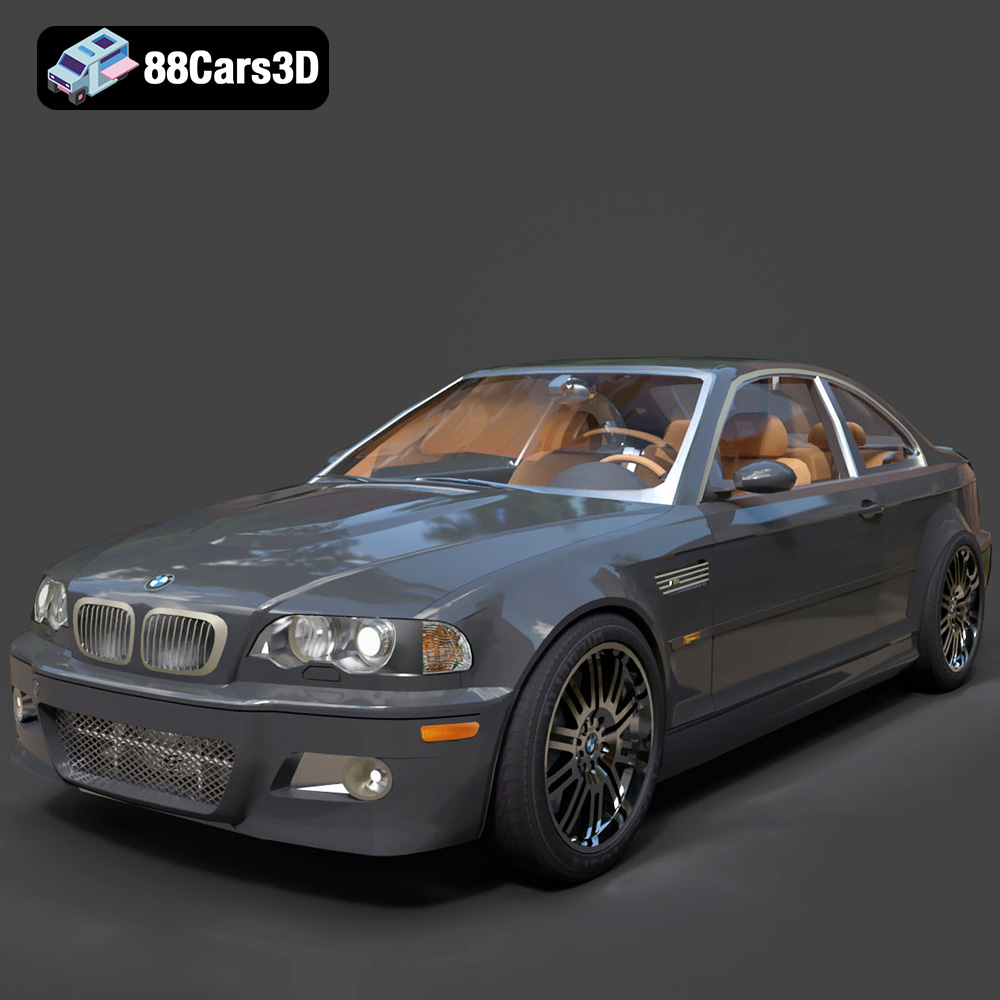
Texture: Yes
Material: Yes
Download the BMW M3 E46 3D Model featuring iconic sports car design and detailed interior. Includes .blend, .fbx, .obj, .glb, .stl, .ply, .unreal, and .max formats for rendering, simulation, and game development.
Price: $16.99
View Product
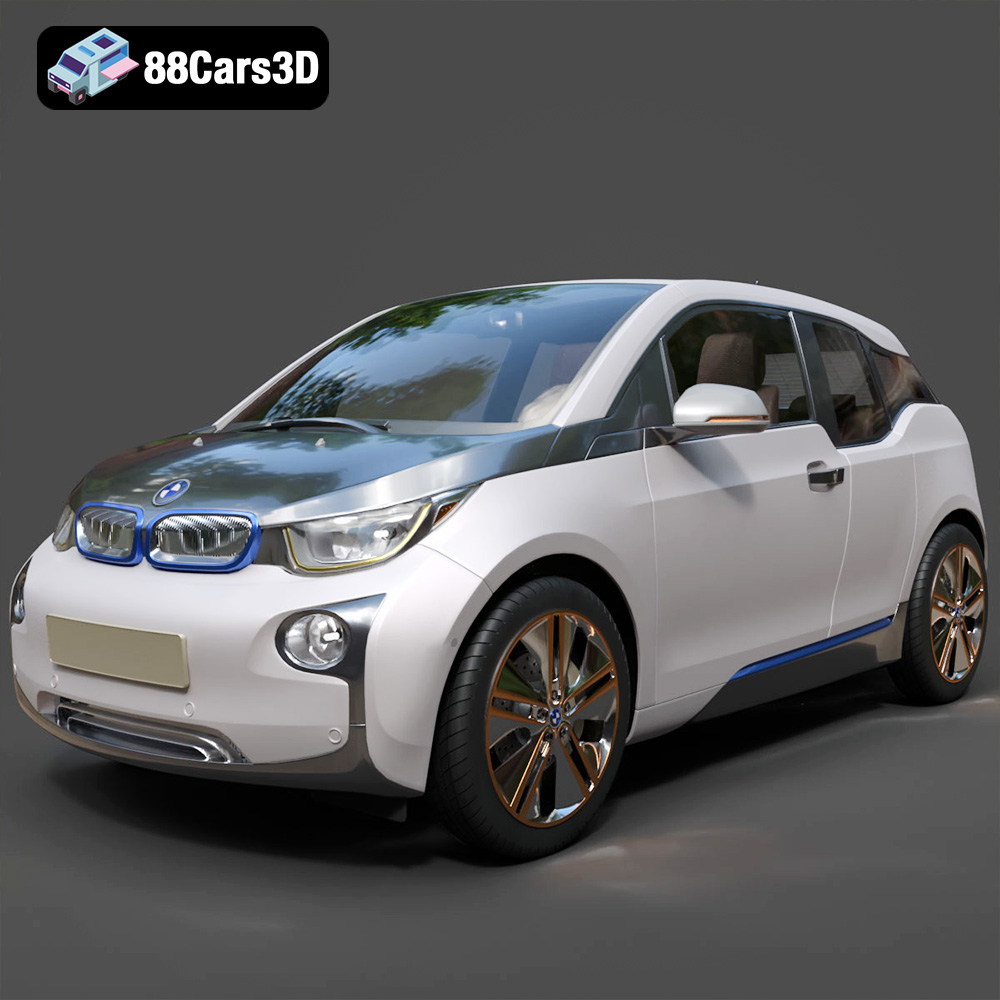
Texture: Yes
Material: Yes
Download the BMW i3 Coupe 3D Model featuring its iconic electric design and compact urban styling. Includes .blend, .fbx, .obj, .glb, .stl, .ply, .unreal, and .max formats for rendering, simulation, and game development.
Price: $17.99
View Product
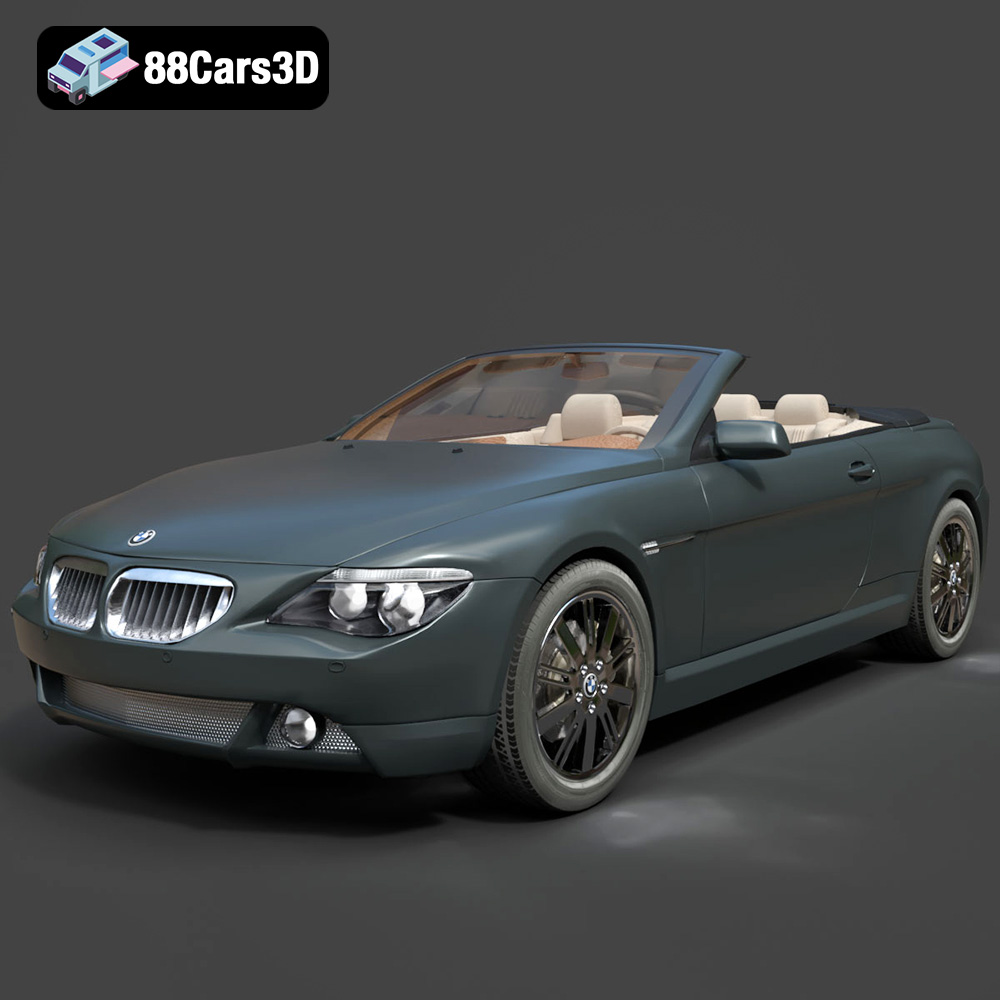
Texture: Yes
Material: Yes
Download the BMW 645ci 3D Model featuring a sleek, detailed exterior and optimized interior. Includes .blend, .fbx, .obj, .glb, .stl, .ply, .unreal, and .max formats for rendering, simulation, and game development.
Price: $10.79
View Product
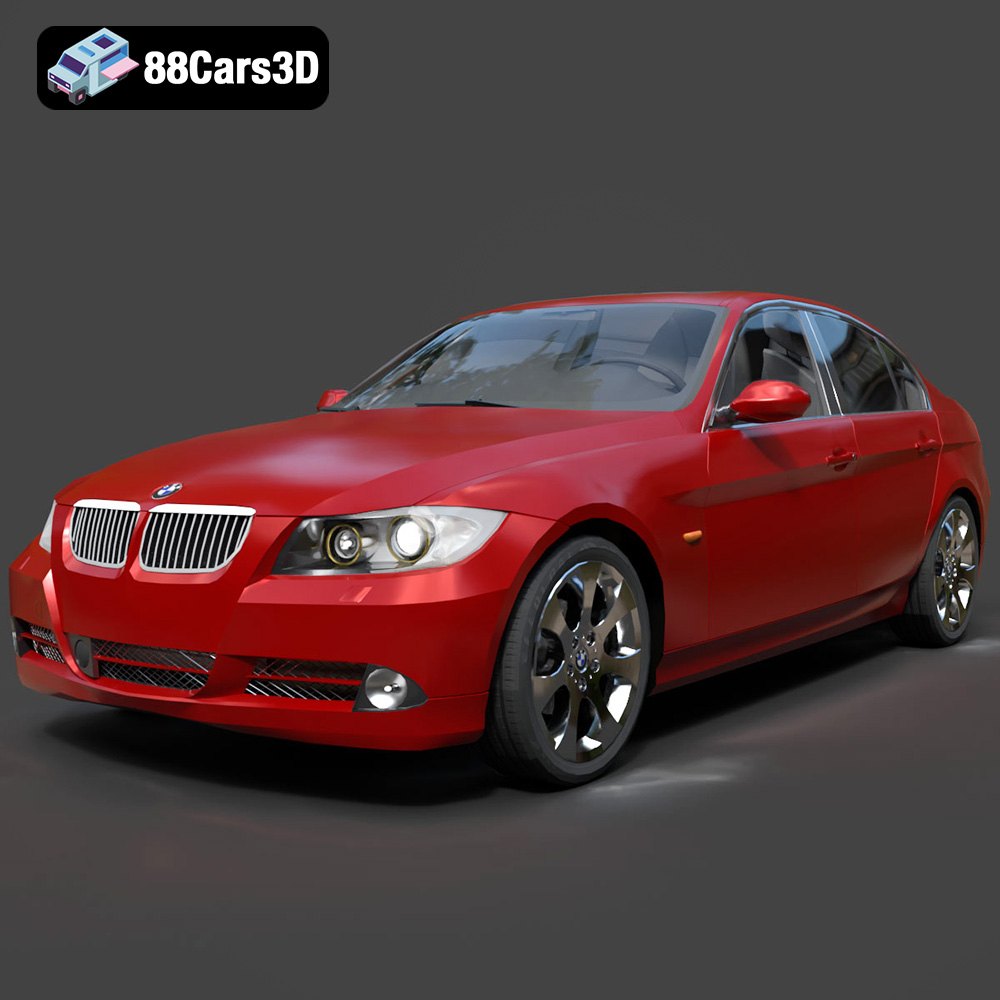
Texture: Yes
Material: Yes
Download the BMW 330i E90 3D Model featuring a detailed exterior, an optimized interior, and accurate mechanical components. Includes .blend, .fbx, .obj, .glb, .stl, .ply, .unreal, and .max formats for rendering, simulation, and game development.
Price: $14.79
View Product
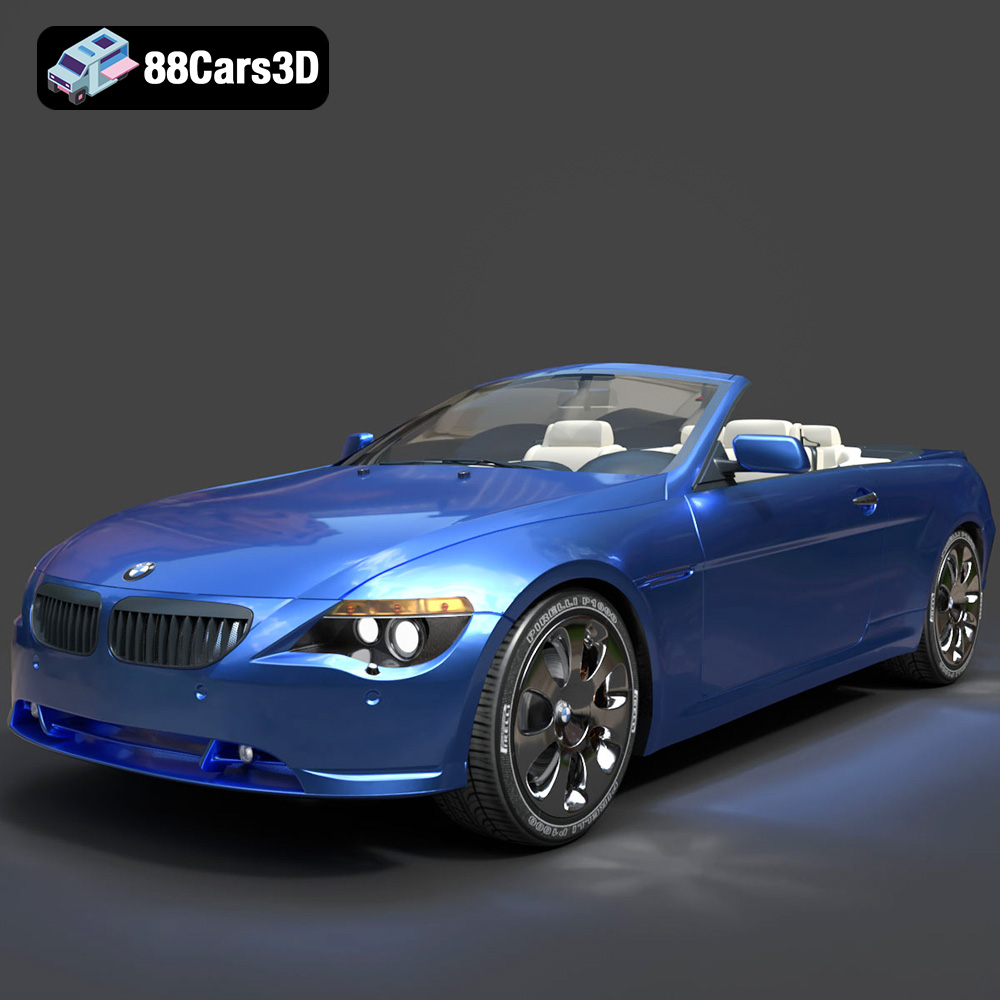
Texture: Yes
Material: Yes
Download the BMW 6 Series Convertible 3D Model featuring clean geometry, realistic detailing, and a fully modeled interior. Includes .blend, .fbx, .obj, .glb, .stl, .ply, .unreal, and .max formats for rendering, simulation, and game development.
Price: $14.99
View Product
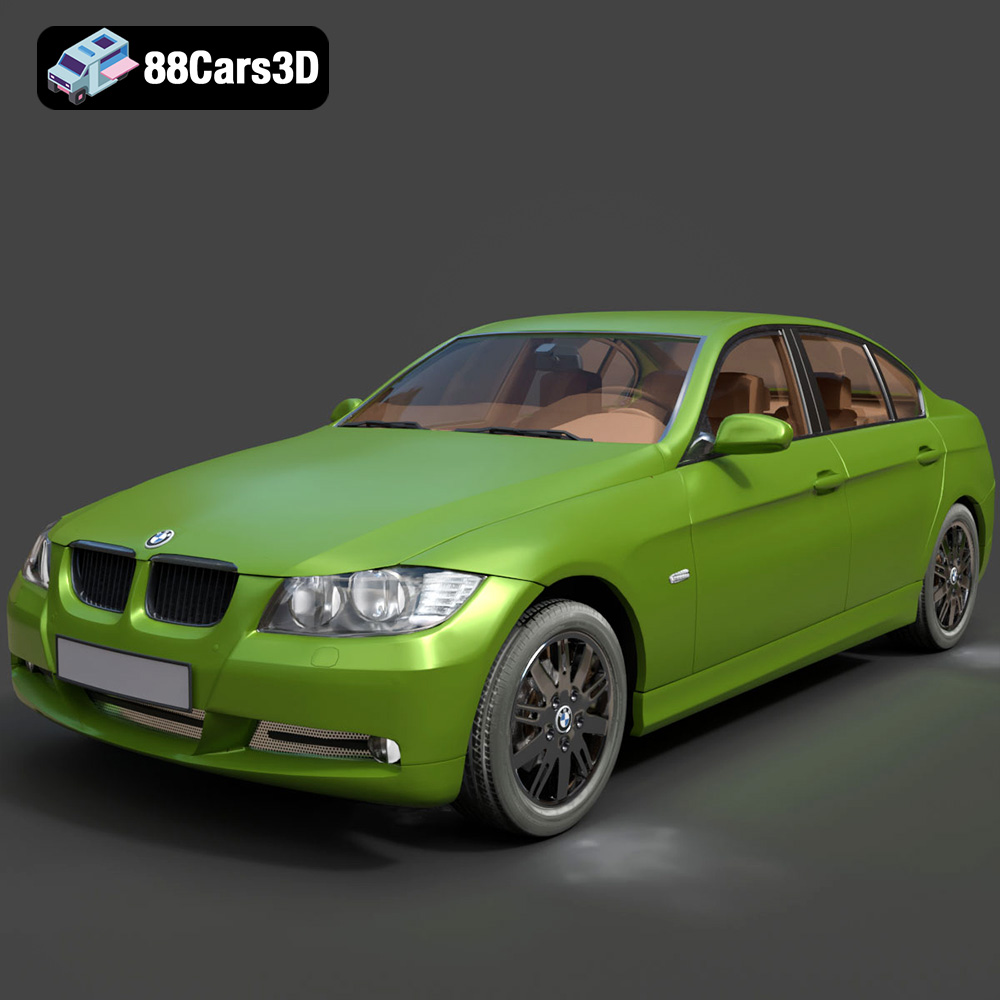
Texture: Yes
Material: Yes
Download the BMW 3-005 3D Model featuring a sleek design, detailed exterior and interior. Includes .blend, .fbx, .obj, .glb, .stl, .ply, .unreal, and .max formats for rendering, simulation, and game development.
Price: $14.99
View Product
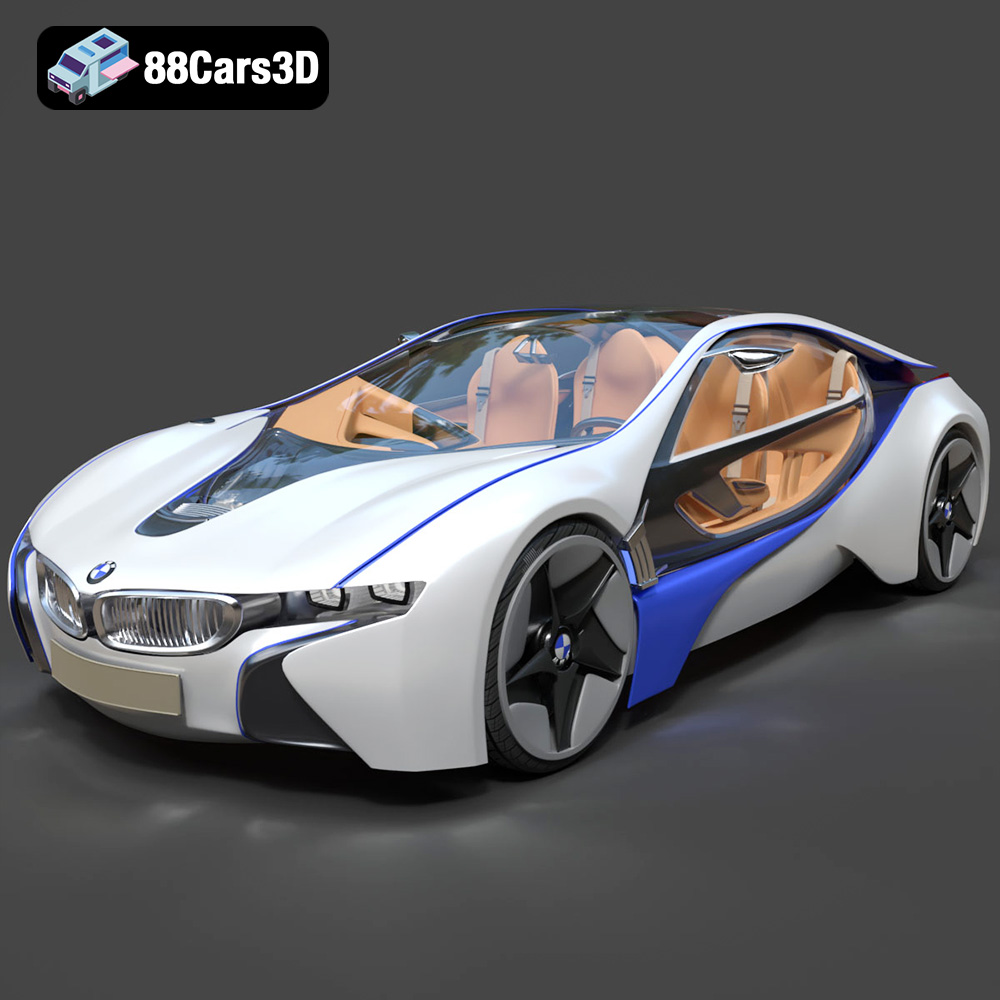
Texture: Yes
Material: Yes
Download the BMW Vision Effecient Dynamics-007 3D Model featuring a sleek, futuristic design and hybrid concept aesthetics. Includes .blend, .fbx, .obj, .glb, .stl, .ply, .unreal, and .max formats for rendering, simulation, and game development.
Price: $14.99
View Product
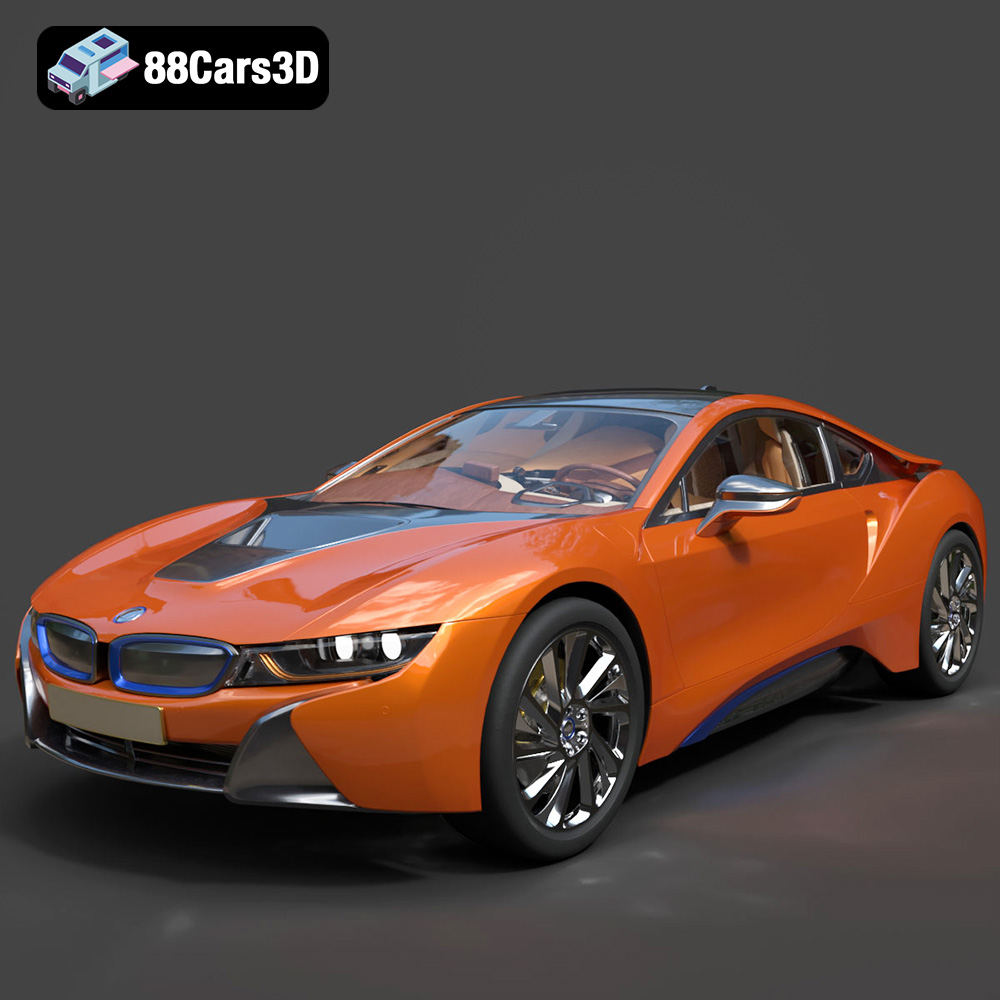
Texture: Yes
Material: Yes
Download the BMW i8 2015 3D Model featuring clean geometry, realistic detailing, and a fully modeled interior. Includes .blend, .fbx, .obj, .glb, .stl, .ply, .unreal, and .max formats for rendering, simulation, and game development.
Price: $12.99
View Product

Texture: Yes
Material: Yes
Download the BMW 4 Series F32 3D Model featuring clean geometry, realistic detailing, and a fully modeled interior. Includes .blend, .fbx, .obj, .glb, .stl, .ply, .unreal, and .max formats for rendering, simulation, and game development.
Price: $12.99
View Product
Texture: Yes
Material: Yes
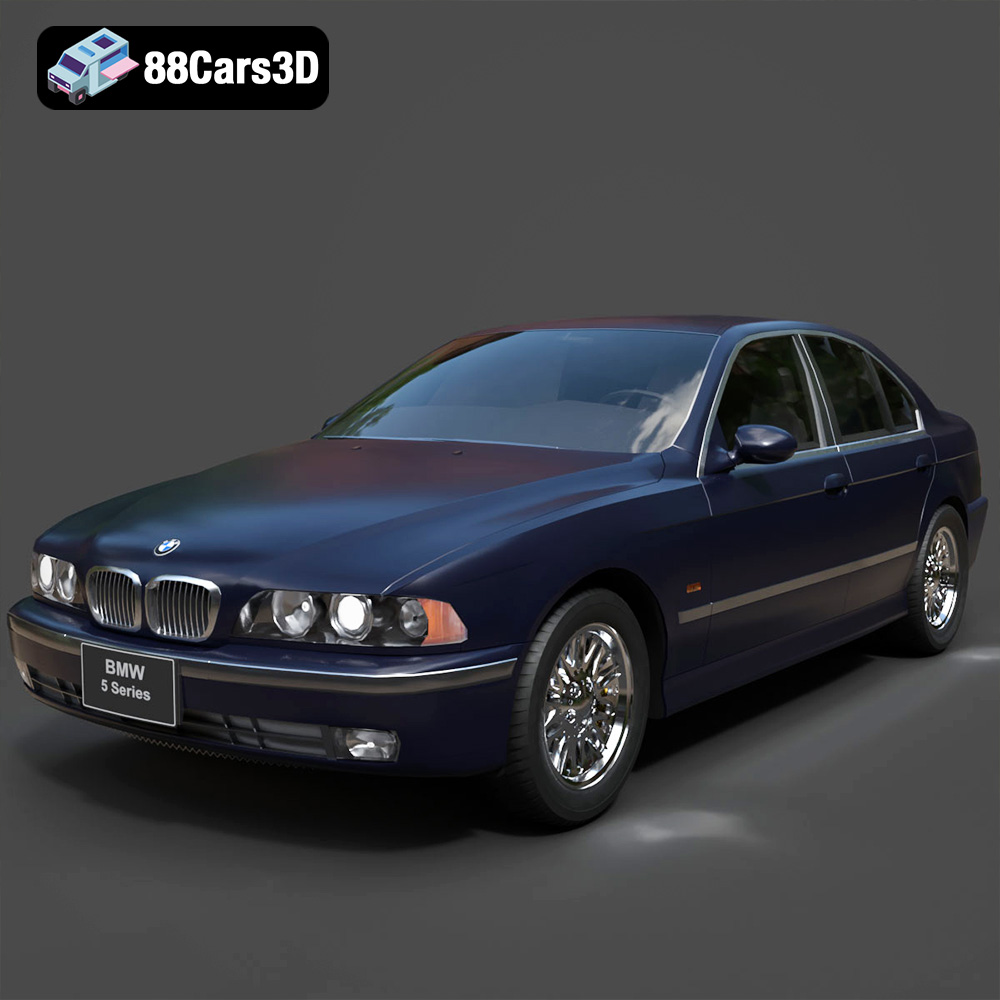
Download the BMW E39 M5-540i 3D Model featuring its iconic sedan design, detailed exterior, and realistic interior. Includes .blend, .fbx, .obj, .glb, .stl, .ply, .unreal, and .max formats for rendering, simulation, and game development.
Price: $10.79
View Product


