⚡ FLASH SALE: Get 60% OFF All Premium 3D & STL Models! ⚡

In the world of real-time rendering, especially within Unreal Engine, achieving unparalleled visual fidelity isn’t just about high-quality 3D models and realistic lighting. It’s about bringing environments and objects to life with dynamic, believable visual effects (VFX). For automotive visualization, game development, and virtual production, these effects are the magic dust that transforms static scenes into immersive experiences. Whether it’s the billowing tire smoke from a drift, the subtle heat haze radiating from an engine, or the dramatic splash of rain on a car’s sleek surface, impactful VFX can elevate your project from impressive to unforgettable.
Enter Unreal Engine’s Niagara VFX System – a powerful, modular, and data-driven particle system designed to create cutting-edge visual effects. Unlike its predecessor, Cascade, Niagara offers unparalleled flexibility, enabling artists and developers to build complex simulations with granular control, all while leveraging the power of modern GPUs. For creators working with high-fidelity 3D car models, Niagara is an indispensable tool for infusing realism and interactivity into every frame. This comprehensive guide will delve deep into the Niagara VFX System, exploring its core concepts, practical applications for automotive visualization, advanced techniques, and critical optimization strategies to ensure your real-time projects run smoothly.
Niagara represents a paradigm shift in how visual effects are created and managed within Unreal Engine. At its core, Niagara is a data-driven system, meaning you define the behavior of particles through a series of modules that process data streams. This modularity allows for incredibly complex and unique effects that can be easily customized and reused. For Unreal Engine developers and 3D artists focused on automotive visualization, this flexibility translates directly into the ability to create more realistic and interactive experiences around 3D car models.
Imagine showcasing a supercar: with Niagara, you can simulate the subtle exhaust fumes, the swirling dust kicked up as it accelerates, or even the refraction of heat waves above its engine. These details, often overlooked, are crucial for achieving photorealism and deeply engaging the viewer. Niagara’s architecture, which heavily leverages GPU simulation, allows for thousands, even millions, of particles to be rendered efficiently, a critical factor for real-time rendering environments like games, interactive configurators, and virtual reality applications. This capability ensures that even the most elaborate effects don’t bog down performance, maintaining smooth frame rates and a seamless user experience.
For many years, Cascade was the go-to particle editor in Unreal Engine. While capable, Cascade was largely a fixed-function system, limiting the depth of customization and scalability. Niagara, on the other hand, was built from the ground up to be fully programmable and data-driven. This means artists have access to a vast array of modules that control every aspect of a particle’s life – from its spawn to its death – and can even create custom modules using its robust scripting language. This power allows for effects that react intelligently to their environment, other systems, and even dynamic game parameters, making it a perfect match for complex automotive simulations.
The true value of Niagara for automotive projects lies in its ability to animate and interact with high-quality 3D car models. When sourcing automotive assets, platforms like 88cars3d.com offer optimized models featuring clean topology and realistic materials, ready for integration. Niagara can then breathe life into these static models by adding effects that respond to physical forces, vehicle speed, or user input. This goes beyond simple aesthetic enhancements; it creates a dynamic narrative. For instance, in a racing game, tire smoke can be precisely controlled by wheel friction and speed, while in an architectural visualization, falling rain can realistically streak down the car’s body, interacting with the PBR materials. Such attention to detail is paramount for creating truly immersive and believable automotive scenes.
Understanding the fundamental building blocks of Niagara is crucial before diving into complex effects. At its heart, Niagara is composed of Systems, Emitters, and Modules. A **Niagara System** acts as a container that can hold one or more **Niagara Emitters**. Each Emitter is responsible for spawning and managing a specific type of particle effect, such as smoke, sparks, or water splashes. Within each Emitter, a series of **Modules** dictate the behavior, appearance, and lifecycle of the particles. This hierarchical structure provides incredible organizational power and flexibility, allowing artists to combine disparate effects into a cohesive whole.
Creating your first Niagara System in Unreal Engine is a straightforward process that lays the groundwork for all future VFX. From the Content Browser, you can right-click and select “FX” > “Niagara System.” You’ll then be presented with options to create a new system from scratch or from a template. Using templates is an excellent way to learn, as they provide pre-configured effects that you can dissect and modify. Once created, double-clicking the Niagara System asset opens the powerful Niagara Editor, your primary workspace for designing and tweaking particle effects. This editor features several key panels: the System Overview, Emitter Stack, Preview panel, Details panel, and Curve Editor, all working in concert to provide a comprehensive view and control over your effects.
The Niagara Editor is where the magic happens. The **System Overview** provides a top-down view of your Niagara System, showing all its constituent Emitters and their relative order of execution. The **Emitter Stack** is where you spend most of your time, adding and configuring modules. Each Emitter has distinct stages: Emitter Spawn, Emitter Update, Particle Spawn, Particle Update, and Render. Modules placed in these stages determine when and how particles behave. The **Preview Panel** offers a real-time visualization of your effect, allowing for immediate feedback on changes. Finally, the **Details Panel** exposes all the parameters for selected modules, Emitters, or the System itself, while the **Curve Editor** provides precise control over values changing over time, essential for nuanced animations like fading particle opacity or scaling size.
Modules are the atomic units of Niagara, performing specific operations on particle data. They are categorized by the stage in which they typically operate:
By combining and configuring these modules, you can design an infinite array of visual effects. For more in-depth learning on specific modules and workflows, Epic Games provides extensive documentation at https://dev.epicgames.com/community/unreal-engine/learning.
Bringing 3D car models to life requires more than just excellent materials and lighting; it demands dynamic effects that respond to physics and environmental factors. Niagara excels at this, allowing artists to simulate phenomena like tire smoke, exhaust flames, dust trails, and even water spray with incredible realism. The key is to break down these complex effects into their fundamental particle behaviors and then reconstruct them using Niagara’s modular system. This often involves combining multiple emitters within a single system, each responsible for a different aspect of the overall effect.
For instance, a complete tire smoke effect might involve one emitter for the dense, initial cloud of smoke, another for finer, dissipating particles, and a third for small, gritty particles that mimic rubber fragments. Each emitter would use different textures, particle sizes, velocities, and lifespans, all orchestrated within the Niagara System. Achieving realism often relies on the careful selection and tweaking of PBR (Physically Based Rendering) compatible materials for your particles. Transparency and translucency are critical here, as many atmospheric effects require complex alpha blending to look convincing. Using flipbook textures or animated texture sheets can further enhance the realism of dynamic effects like fire or dissipating smoke.
Tire smoke is a staple of automotive realism, especially in racing simulations and cinematic sequences. To create convincing tire smoke in Niagara:
Precise control over these parameters, often driven by vehicle physics data, is what differentiates static effects from truly dynamic ones.
Water effects can dramatically enhance automotive visualization.
Subtle atmospheric effects like heat haze and exhaust fumes significantly boost realism.
Niagara’s true power lies in its deep customizability and ability to integrate seamlessly with other Unreal Engine systems, particularly Blueprint visual scripting. This allows for the creation of truly interactive and dynamic VFX that respond to game logic, player input, or specific events within a cinematic. Moving beyond static effects, you can design systems where tire smoke density reacts to engine RPM, water splashes vary with vehicle speed, or exhaust flames intensify based on turbo boost pressure. This level of interaction is critical for high-fidelity game assets and immersive automotive visualization experiences.
User parameters are a fundamental part of achieving this interactivity. These allow you to expose specific module properties within an Emitter or System, making them accessible from Blueprint or Sequencer. For example, you could create a ‘Smoke Density’ user parameter for your tire smoke system. In Blueprint, you could then get the current speed or wheel slip of your 3D car model and use that value to drive the ‘Smoke Density’ parameter, creating a physically believable response. This dynamic control opens up a world of possibilities for configurators, interactive demos, and realistic gameplay scenarios. Furthermore, Niagara allows for custom modules and data interfaces, empowering technical artists to extend the system’s capabilities far beyond its default offerings, crafting unique behaviors tailored to specific project needs.
Connecting Niagara to Blueprint enables responsive, dynamic VFX:
This allows effects to react to real-time data, creating a much more believable simulation.
For truly unique behaviors not covered by existing modules, Niagara allows you to create your own:
These advanced features push the boundaries of what’s possible, empowering developers to create truly bespoke visual effects that integrate deeply with their game or visualization logic.
While Niagara is incredibly powerful, creating complex effects for real-time rendering environments like games, AR/VR, or interactive automotive configurators requires a keen eye for performance optimization. An unoptimized particle system, even with the highest-quality 3D car models, can quickly cripple your frame rate. The goal is to achieve visual fidelity without sacrificing performance, making smart choices about particle counts, simulation types, and rendering methods. This is where understanding concepts like Level of Detail (LODs) for particles, efficient culling, and profiling tools becomes critical.
One of the most significant performance considerations is the choice between GPU and CPU particles. Niagara excels at GPU simulation, offloading particle calculations to the graphics card, which is far more efficient for large numbers of particles. However, CPU particles are sometimes necessary for specific interactions, such as precise collision with complex geometry or when particles need to communicate data back to the game thread. Balancing these choices, along with carefully managing particle lifespans and spawn rates, is key to maintaining a smooth experience. Unreal Engine’s built-in profilers and Niagara’s debug tools provide invaluable insights into where performance bottlenecks might occur, allowing for targeted optimizations.
Just like static meshes, particle effects benefit immensely from Level of Detail (LODs):
These strategies are paramount for environments with many simultaneous effects, like a bustling city scene with multiple cars.
Understanding the implications of GPU and CPU simulation is vital for optimization:
Always default to GPU particles unless a specific interaction necessitates CPU simulation.
Unreal Engine provides powerful tools to identify and resolve performance issues:
stat Niagara into the console to get a breakdown of Niagara performance, including particle counts, simulation times, and render times for each system.profilegpu to see how much GPU time is spent on particle rendering.Regular profiling during development is a critical best practice to catch and fix performance bottlenecks early.
Niagara’s capabilities extend far beyond interactive games and real-time configurators. Its robust design and integration with Unreal Engine’s powerful cinematic tools make it an indispensable asset for virtual production, cinematic rendering, and even AR/VR experiences. For filmmakers and animators working with 3D car models, Niagara allows for the creation of breathtaking visual sequences, from dynamic weather effects surrounding a vehicle to hyper-realistic destruction simulations. The ability to precisely control and animate these effects over time using Sequencer elevates the narrative potential of any automotive project.
In virtual production, where real-time rendering is projected onto LED walls, Niagara effects contribute significantly to the immersive background. The seamless integration ensures that effects like smoke, dust, or atmospheric haze blend perfectly with the physical sets and live-action elements. For AR/VR, while performance optimization is paramount, Niagara enables the creation of believable particle interactions in mixed-reality environments, enhancing the user’s sense of presence. Whether crafting a high-octane car chase or a serene drive through a rain-kissed landscape, Niagara provides the tools to tell compelling stories with unprecedented visual fidelity.
Sequencer, Unreal Engine’s non-linear cinematic editor, is the perfect companion for animating Niagara effects:
This workflow allows for finely tuned, synchronized visual effects that are perfectly integrated into your cinematic narrative.
Leveraging Niagara for cutting-edge production requires specific considerations:
These workflows demand a blend of artistic vision and technical prowess to deliver stunning, high-performance visual effects across diverse platforms.
The Unreal Engine Niagara VFX System is a game-changer for anyone looking to create dynamic, immersive, and visually stunning effects. For professionals in automotive visualization, game development, and virtual production, Niagara offers unparalleled control and flexibility to breathe life into 3D car models and their surrounding environments. From the billowing clouds of tire smoke and realistic rain effects to subtle heat hazes and interactive exhaust flames, Niagara empowers artists to craft details that truly elevate the sense of realism and engagement.
We’ve explored its core concepts, walked through practical applications, delved into advanced interactive techniques with Blueprint, and highlighted crucial optimization strategies for real-time rendering. The ability to leverage GPU particles, design custom modules, and integrate seamlessly with Unreal Engine’s cinematic tools makes Niagara an essential part of any modern VFX pipeline. By mastering this powerful system, you’re not just creating visual effects; you’re crafting experiences that captivate and immerse your audience.
Now, it’s your turn to unleash the power of Niagara. Experiment with different modules, explore the vast possibilities of user parameters, and start building your own breathtaking effects. If you’re looking for high-quality, ready-to-use 3D car models to kickstart your projects, remember that platforms like 88cars3d.com offer a wide selection of expertly crafted assets, perfectly optimized for Unreal Engine. Combine these top-tier models with your newfound Niagara skills, and watch your automotive visualization projects come alive like never before!

Texture: Yes
Material: Yes
Download the BMW 7 Series E38 3D Model featuring its iconic luxury sedan design and classic aesthetics. Includes .blend, .fbx, .obj, .glb, .stl, .ply, .unreal, and .max formats for rendering, simulation, and game development.
Price: $10.79

Texture: Yes
Material: Yes
Download the BMW 6 Series 640i F12 3D Model featuring a sleek design and detailed interior. Includes .blend, .fbx, .obj, .glb, .stl, .ply, .unreal, and .max formats for rendering, simulation, and game development.
Price: $10.79

Texture: Yes
Material: Yes
Download the BMW 6 Coupe E63 3D Model featuring a sleek design, detailed interior, and realistic exterior. Includes .blend, .fbx, .obj, .glb, .stl, .ply, .unreal, and .max formats for rendering, simulation, and game development.
Price: $10.79
Texture: Yes
Material: Yes
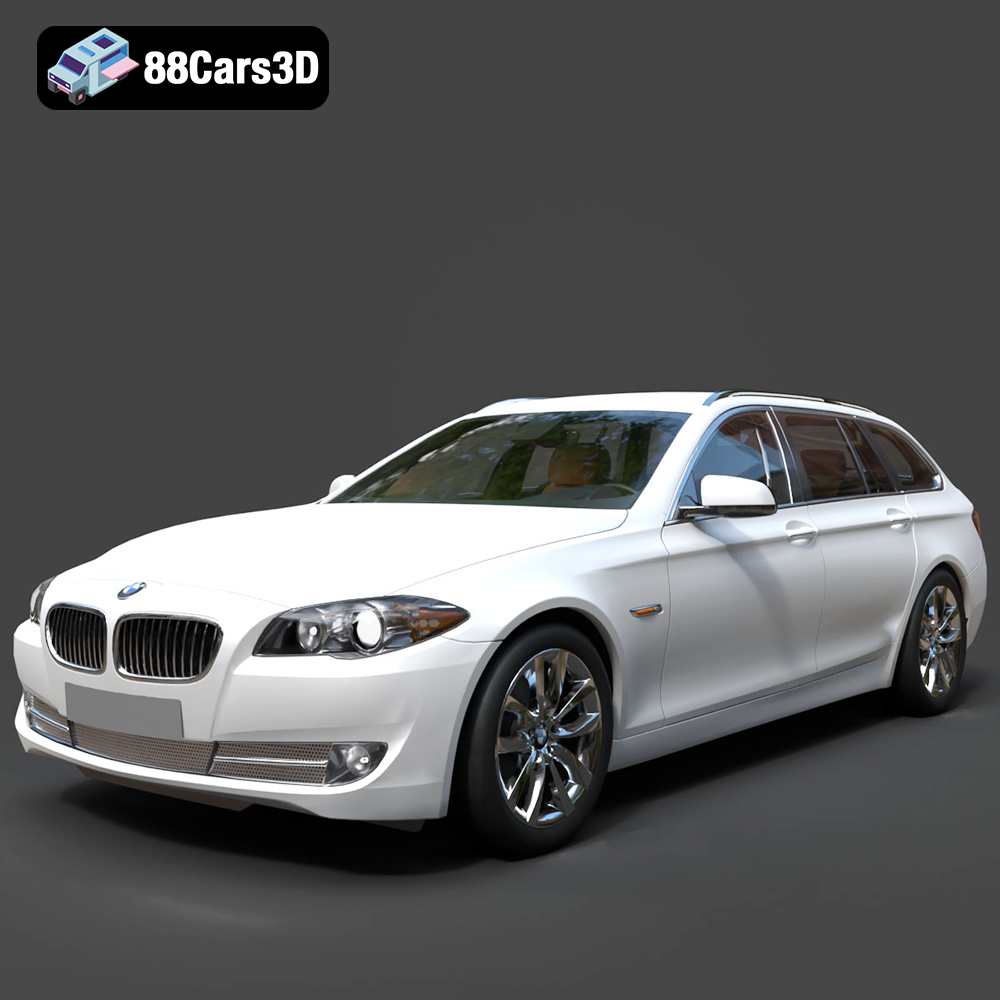
Download the BMW 5 Series Touring F11-007 3D Model featuring a detailed exterior and interior. Includes .blend, .fbx, .obj, .glb, .stl, .ply, .unreal, and .max formats for rendering, simulation, and game development.
Price: $10.79
Texture: Yes
Material: Yes
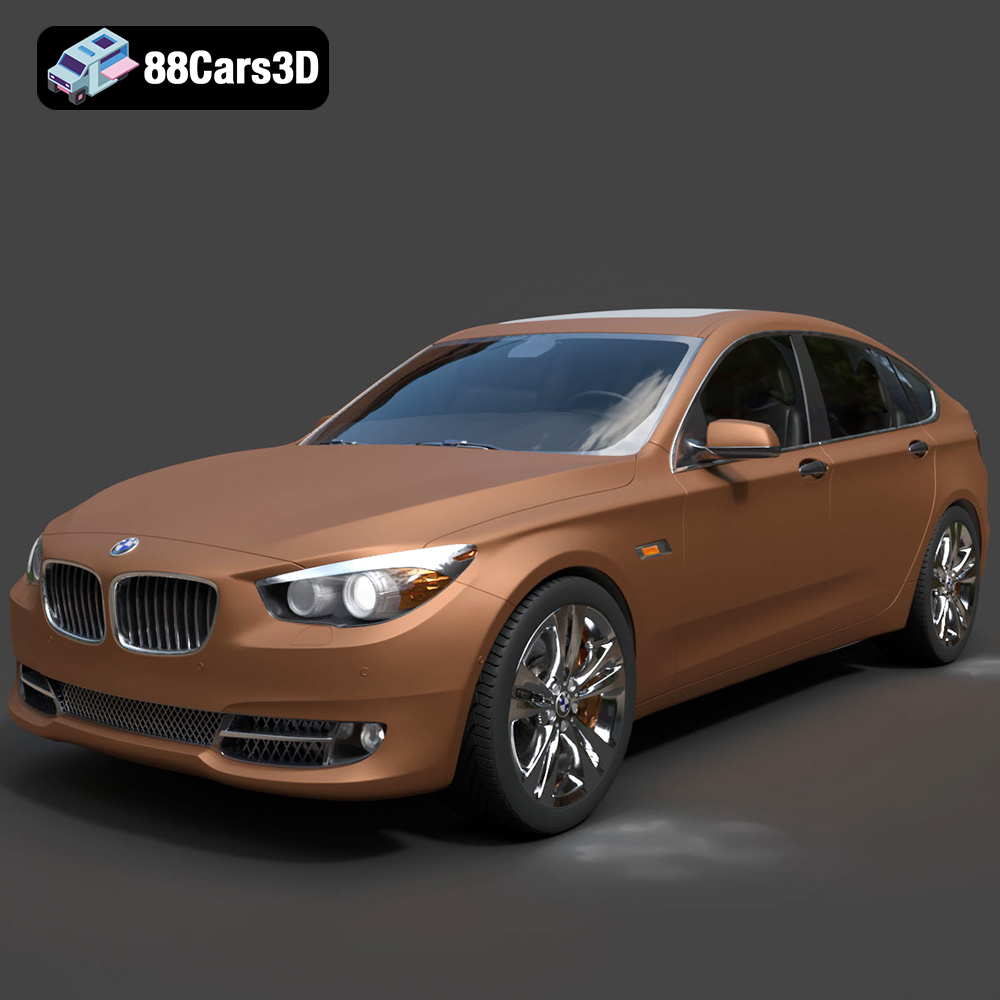
Download the BMW 5 Series Gran Turismo F07-003 3D Model featuring a detailed exterior and interior. Includes .blend, .fbx, .obj, .glb, .stl, .ply, .unreal, and .max formats for rendering, simulation, and game development.
Price: $10.79
Texture: Yes
Material: Yes
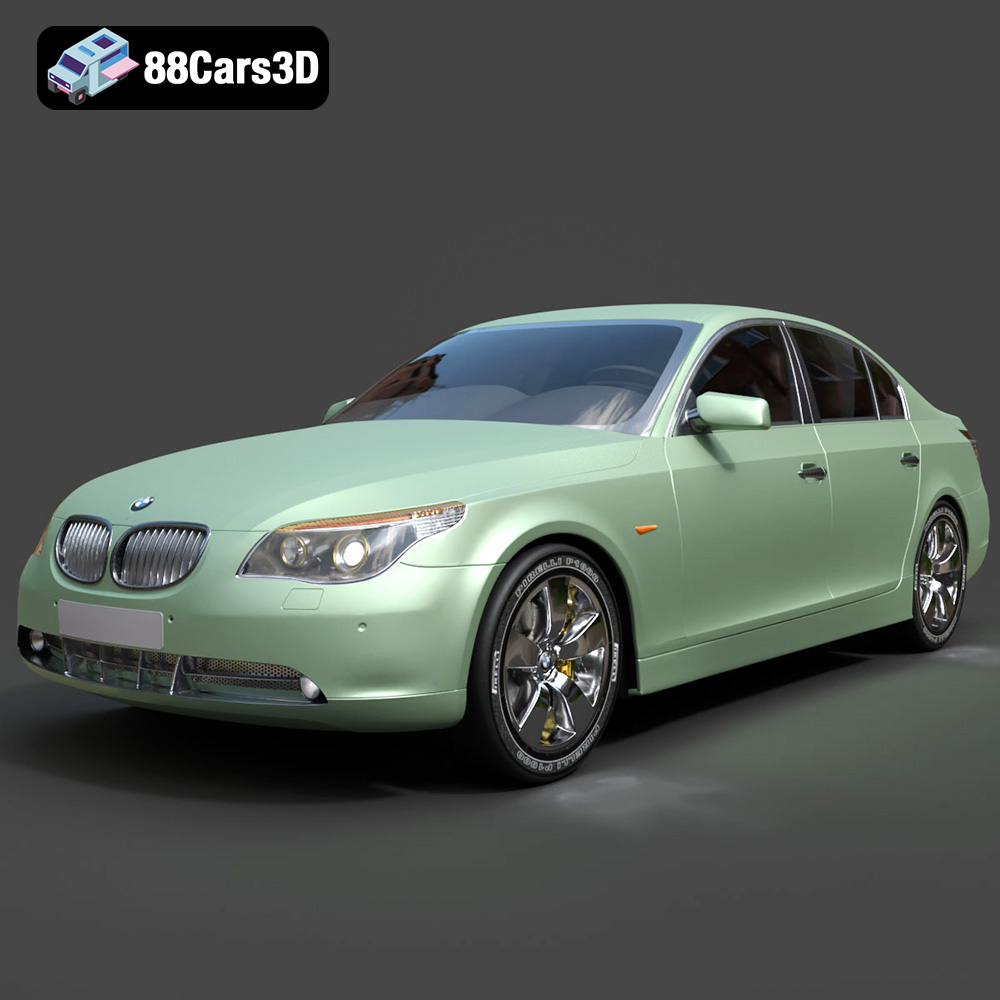
Download the BMW 5 Series E60 3D Model featuring its iconic sedan design, detailed exterior, and interior. Includes .blend, .fbx, .obj, .glb, .stl, .ply, .unreal, and .max formats for rendering, simulation, and game development.
Price: $10.79

Texture: Yes
Material: Yes
Download the BMW 5 E34-535i 3D Model featuring an iconic design, detailed exterior and interior, and accurate representation. Includes .blend, .fbx, .obj, .glb, .stl, .ply, .unreal, and .max formats for rendering, simulation, and game development.
Price: $10.79
Texture: Yes
Material: Yes
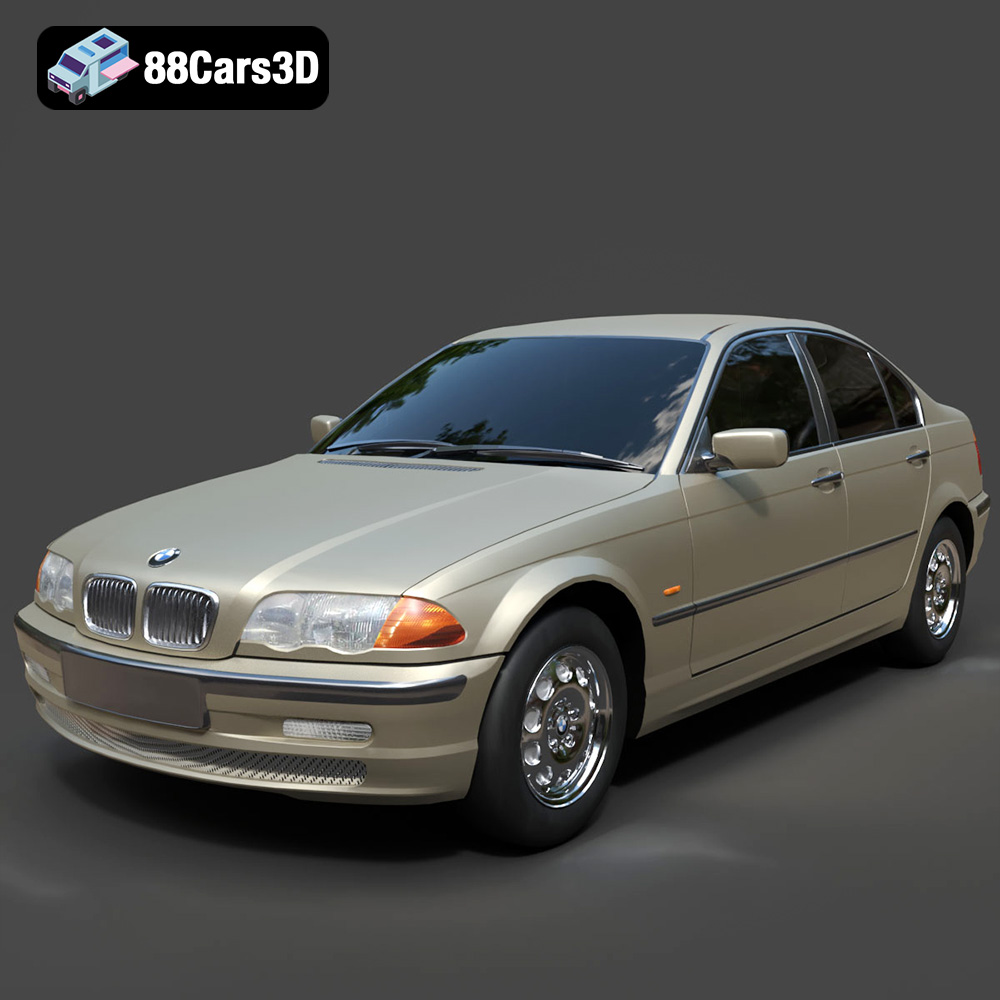
Download the BMW 3 Series E46 3D Model featuring authentic exterior lines, a detailed interior, and separated components for animation. Includes .blend, .fbx, .obj, .glb, .stl, .ply, .unreal, and .max formats for rendering, simulation, and game development.
Price: $10.79
Texture: Yes
Material: Yes
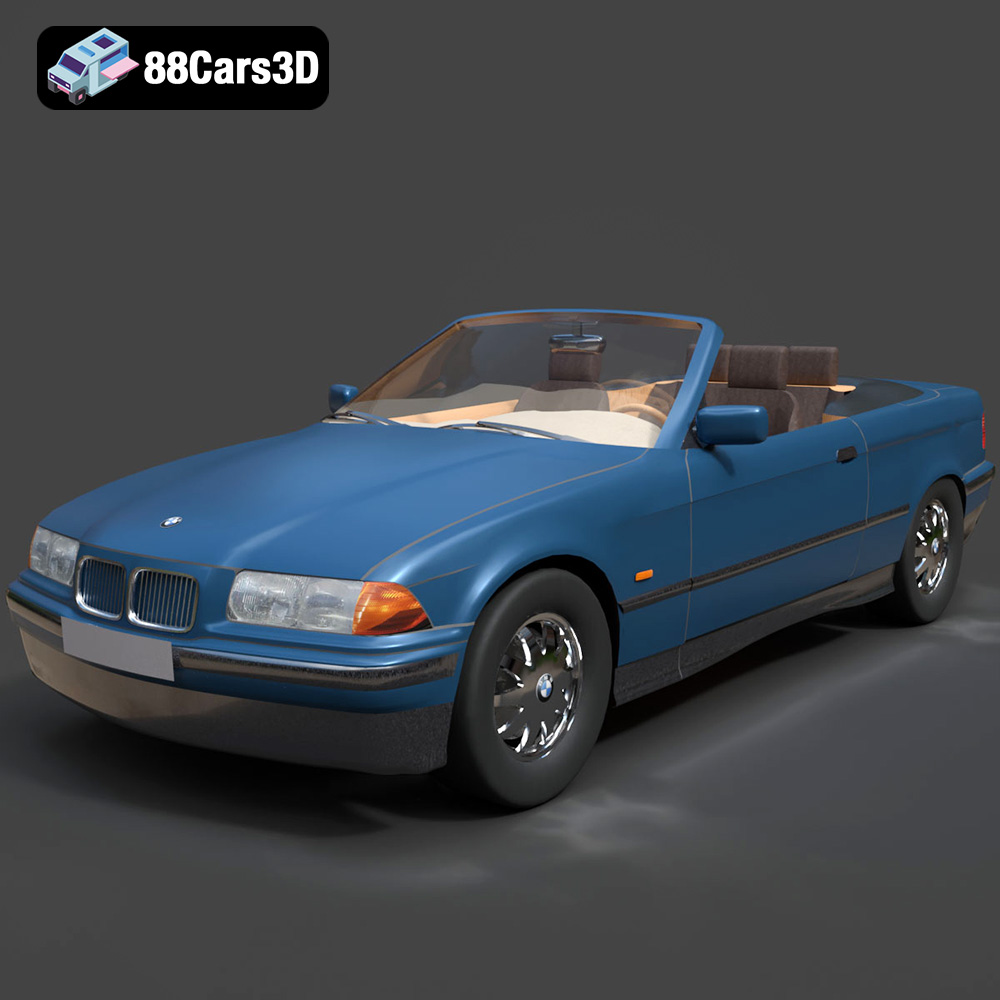
Download the BMW 3 Series E36 Cabrio 325i 1998 3D Model featuring a classic convertible design and detailed interior. Includes .blend, .fbx, .obj, .glb, .stl, .ply, .unreal, and .max formats for rendering, simulation, and game development.
Price: $10.79
Texture: Yes
Material: Yes
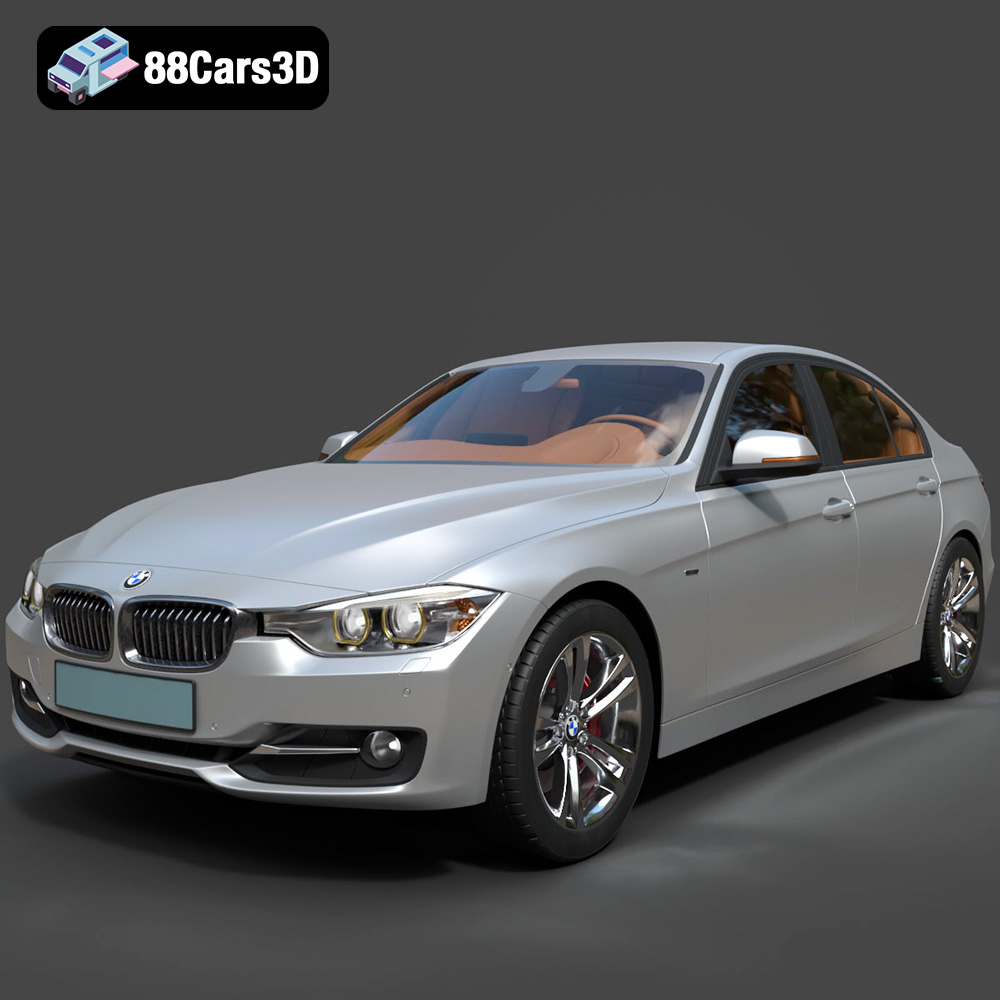
Download the BMW 3 F30 3D Model featuring a detailed exterior, realistic interior, and optimized mesh. Includes .blend, .fbx, .obj, .glb, .stl, .ply, .unreal, and .max formats for rendering, simulation, and game development.
Price: $10.79

