⚡ FLASH SALE: Get 60% OFF All Premium 3D & STL Models! ⚡

The world of 3D printing has unlocked incredible possibilities for automotive enthusiasts, model makers, and hobbyists. The ability to bring detailed car models to life, from entire vehicles to intricate individual components like wheels and tires, is now within reach. At 88cars3d.com, we understand the passion behind creating these replicas. However, the journey from a digital STL file to a flawless physical print involves a nuanced understanding of preparation, slicing, and printing. This guide delves deep into the technical aspects of 3D printing car parts, focusing on wheels and tires, and equipping you with the knowledge to achieve professional-quality results every time. We’ll cover everything from understanding the STL file format to mastering advanced slicing techniques, selecting the right materials, and troubleshooting common issues, ensuring your printed automotive masterpieces are as accurate and detailed as possible.
The foundation of any 3D print lies in its digital representation, most commonly the STL file format. STL (STereoLithography) is a ubiquitous file format that describes the surface geometry of a 3D object using a collection of triangular facets. For intricate automotive parts like wheels and tires, the quality and integrity of the STL mesh are paramount. A well-constructed STL file ensures that the slicer software can accurately interpret the model’s contours, details, and intended structure, leading to a successful print. Issues like non-manifold geometry, inverted normals, or holes in the mesh can cause significant problems during slicing and printing, resulting in distorted parts or complete print failures. Platforms like 88cars3d.com are dedicated to providing high-quality, print-ready STL files, meaning our models undergo rigorous checks to ensure clean geometry and optimal structure for additive manufacturing.
An STL file represents a 3D model as a mesh of interconnected triangles. Each triangle is defined by three vertices and a normal vector, which indicates the outward-facing direction of the surface. This information is crucial for the slicer to determine which parts of the mesh are solid and which are hollow, and how to orient the layers during printing. For complex curved surfaces common in car wheels, a higher density of triangles (a finer mesh) is required to capture subtle details and curves accurately. However, excessively high polygon counts can lead to massive file sizes and slower processing times in slicers. Finding the right balance is key for efficient workflow and optimal print quality. When examining an STL file, pay attention to the consistency of normal vectors; all normals should point outwards from the solid body of the model.
Several common mesh errors can plague STL files, particularly those downloaded from less reputable sources or generated without careful consideration for 3D printing. These include:
Fortunately, software like Meshmixer, Blender, or Netfabb offers powerful tools to automatically detect and repair these issues. Before sending any file to your slicer, especially for critical components like wheels, performing a mesh check and repair is a best practice. This ensures that the digital model is a true and watertight representation of the object you intend to print.
Slicing software is the bridge between your 3D model and your 3D printer. It translates the STL geometry into layer-by-layer instructions (G-code) that the printer follows. For detailed automotive parts like wheels and tires, mastering slicing parameters is crucial for achieving the desired level of detail, strength, and surface finish. The choices you make regarding layer height, wall thickness, infill, print speed, and temperature directly impact the final output. For intricate designs found in car models, a balance between speed and quality is often necessary. For example, printing a highly detailed wheel might require a smaller layer height for smooth curves, while a more robust chassis component might benefit from thicker walls and higher infill for strength.
Layer height is arguably the most significant factor affecting print resolution and print time. For small, highly detailed parts like intricate wheel spokes or tire treads, a smaller layer height is essential. Common settings range from 0.1mm to 0.15mm for FDM printers to capture fine details. While a 0.05mm layer height might yield incredibly smooth results, it can dramatically increase print times. Conversely, a larger layer height (e.g., 0.2mm or 0.3mm) prints faster but results in more visible layer lines, which might be undesirable for display models. For resin printers, layer heights are typically much smaller, often ranging from 0.025mm to 0.05mm, producing exceptionally smooth surfaces out of the box.
Wall thickness (also known as shell thickness or perimeter count) dictates the number of solid outer layers. For wheels and tires that need to withstand some handling or pressure, increasing wall thickness provides greater structural integrity. A minimum of 2-3 walls is generally recommended for functional parts, translating to approximately 1.0mm to 1.5mm of thickness on a standard 0.4mm nozzle. For display pieces, fewer walls might suffice. Infill density and pattern control the internal structure of the print. For most non-structural car parts, an infill density of 10-20% is usually sufficient. Patterns like ‘grid’, ‘gyroid’, or ‘cubic’ offer a good balance of strength and speed. For parts requiring higher impact resistance or rigidity, increasing infill density to 50% or more, possibly with more robust patterns like ‘gyroid’, becomes necessary. However, for simple decorative elements, even 0% infill (print hollow) might be acceptable if wall thickness is adequate.
Optimizing print speed and temperature is crucial for filament adhesion and print quality. For intricate details on wheels, printing at a slightly slower speed (e.g., 40-60 mm/s for outer walls) helps ensure precise filament deposition. Bridging performance, crucial for gaps between spokes, can be improved by adjusting retraction settings and cooling fan speeds. Temperature settings are material-dependent. PLA typically prints well between 190-220°C, PETG around 230-250°C, and ABS requires higher temperatures (240-260°C) and an enclosed printer. Incorrect temperatures can lead to poor layer adhesion (too cold) or stringing and oozing (too hot). Always perform temperature towers and retraction tests for new filaments and printer combinations.
3D printing relies on building objects layer by layer, and gravity is always a factor. For overhangs and bridges that exceed the printer’s capabilities, support structures are essential. Printing car parts, especially detailed wheels with intricate spokes, suspension components, or aerodynamic elements, often presents significant challenges in support generation and removal. The goal is to provide adequate support without damaging delicate features or leaving excessive marks on the finished model. Understanding different support types, their placement, and how to remove them cleanly is a critical skill for any serious 3D printing hobbyist working with automotive models.
Slicers offer various support options, each with its own strengths and weaknesses:
For car wheels, tree supports are often the preferred choice due to their ability to navigate the complex geometry between spokes and the rim, minimizing contact points and making removal easier. Experimenting with different support patterns and densities within your slicer is key to finding what works best for specific models and printers.
Careful configuration of support settings can dramatically improve the success rate and finish quality of your prints. Key parameters include:
When printing wheels or other detailed car parts, it’s often beneficial to manually enable supports only where necessary, rather than generating them globally. This allows for greater control and can significantly reduce post-processing time and effort.
The orientation of your 3D model on the print bed and the adhesion of the first layer are fundamental to a successful print, especially for parts with specific shapes like car wheels and tires. Incorrect orientation can lead to increased support material, weaker parts, and visible layer lines in undesirable areas. Similarly, poor bed adhesion is one of the most common causes of print failure, leading to prints detaching mid-print, warping, or becoming severely distorted. For automotive components that might have aesthetic or structural requirements, getting these aspects right from the start is crucial.
For car wheels, the orientation often depends on the specific design and desired outcome:
For tires, orienting them flat on the bed, tread side up, is usually the best approach. This minimizes the need for supports for the tread pattern and ensures a smooth bottom surface for adhesion.
Reliable first-layer adhesion is non-negotiable. Several factors contribute to it:
For parts with delicate contact points, like the edges of a tire or the base of a wheel, a brim can be a lifesaver. Always check the adhesion of the first layer visually before letting the print continue.
The choice of printing material significantly impacts the appearance, durability, and functionality of your 3D printed car parts. From the common PLA to more robust PETG and ABS, and the fine detail capabilities of resin, each material has its own set of advantages and disadvantages for automotive modeling. Understanding these differences is key to selecting the right filament for your specific project, whether it’s a display model, a functional component for a RC car, or a prototype for a larger design.
PLA is the most popular filament for FDM 3D printing due to its ease of use, low warping tendency, and availability in a vast array of colors. It’s an excellent choice for general-purpose car models, decorative elements, and parts that won’t be subjected to significant stress or heat. Its fine detail capabilities are good, and it sands and paints well, making it ideal for display pieces. However, PLA has a relatively low glass transition temperature (around 60°C), meaning it can deform under moderate heat, making it unsuitable for applications near engines or in hot environments.
PETG offers a compelling blend of strength, flexibility, and temperature resistance compared to PLA. It’s more impact-resistant and has a higher glass transition temperature (around 80°C), making it a better choice for parts that might experience some stress or elevated temperatures. It adheres well to the build plate and exhibits less warping than ABS. PETG can be slightly trickier to print than PLA, sometimes requiring higher temperatures and slower speeds to avoid stringing. Its surface finish can also be shinier than PLA, which may or may not be desirable depending on the aesthetic. It’s a great option for RC car components, chassis parts, or any part requiring moderate durability.
ABS is known for its toughness, impact resistance, and high-temperature performance (glass transition around 105°C). It’s the material used in many consumer goods and automotive interior parts. For 3D printing, ABS requires more advanced setup: a heated bed (ideally 90-110°C), an enclosure to maintain ambient temperature and prevent warping, and good ventilation due to fumes. While challenging to print, it offers excellent mechanical properties and can be smoothed with acetone vapor for a glossy finish. If your car parts need to withstand heat or significant stress, ABS is a strong contender, but it’s not recommended for beginners.
For the absolute highest level of detail, especially for intricate wheels, emblems, or small-scale model parts, resin printing (SLA/DLP) is unparalleled. Resin printers use UV light to cure liquid photopolymer resin layer by layer, achieving incredibly fine features and smooth surfaces unattainable with FDM. Various resin types are available, including standard resins for general use, tough resins for increased durability, and flexible resins. Post-processing involves washing the prints in isopropyl alcohol and curing them under UV light. While resin prints can be brittle depending on the type, they are ideal for creating highly accurate and visually stunning car models and components.
Once your car parts emerge from the 3D printer, the journey to a finished product is often not complete. Post-processing techniques are essential for enhancing the aesthetic appeal, improving the structural integrity, and achieving a professional look for your printed models. This can involve anything from simply removing supports to extensive sanding, filling, and painting. The level of post-processing required will depend on the material used, the printing method, the desired finish, and the specific application of the part.
Careful and patient removal of support structures is the first step. For FDM prints, tools like pliers, flush cutters, hobby knives, and dental picks are invaluable. For resin prints, supports are typically removed after washing and before final curing. Taking your time here prevents accidental damage to delicate parts. Once supports are removed, use a hobby knife or deburring tool to clean up any small remnants or marks left behind. For resin prints, sanding is generally easier due to the smoother surface finish.
For FDM prints, sanding is crucial for eliminating visible layer lines and achieving a smooth surface, especially if you plan to paint the model. Start with a coarser grit sandpaper (e.g., 120-220 grit) to remove major imperfections and then progressively move to finer grits (e.g., 400, 800, 1000+ grit). Wet sanding can help reduce dust and create an even smoother finish. For ABS, vapor smoothing with acetone can produce an incredibly glossy and smooth surface, but it requires careful handling and safety precautions. Resin prints typically require less aggressive sanding, often starting with 400-600 grit sandpaper.
If significant layer lines or gaps persist after sanding, applying a filler primer or using modeling putty can help. Apply a thin, even coat of filler primer and then sand it back. Repeat this process until the desired smoothness is achieved. Primer also creates a uniform surface that promotes better adhesion for paint. Ensure you are working in a well-ventilated area when using spray primers or putties.
The painting process is where your printed car parts truly come to life. Acrylic model paints, spray paints, and airbrushing are common methods. For wheels, consider painting the rims and tires separately before assembly if applicable. Masking tape is essential for achieving clean lines between different colored areas. Applying a clear coat (gloss, satin, or matte) at the end protects the paint job and provides a consistent finish. For metallic finishes on wheels, specialized metallic paints or applying a chrome paint can yield impressive results. Experimentation is key to finding the painting techniques that best suit your chosen materials and desired aesthetic.
Mastering the art of 3D printing intricate automotive components, from detailed wheels and tires to entire car bodies, is a rewarding endeavor. By understanding the nuances of STL file preparation, the critical parameters within your slicing software, the best practices for support generation and removal, and the diverse properties of different printing materials, you can elevate your prints from simple prototypes to museum-quality replicas. The journey requires patience, attention to detail, and a willingness to experiment. Whether you’re a seasoned maker or just beginning your 3D printing adventure, armed with the knowledge from this guide, you are well-equipped to tackle complex projects. Remember, the quality of your final print is a direct reflection of the care taken at each stage of the process. For a vast selection of meticulously prepared and print-ready STL files of automotive models, explore resources like 88cars3d.com to kickstart your next project with confidence. Happy printing!

Texture: Yes
Material: Yes
Download the Bentley Continental Flying Spur 3D Model featuring clean geometry, realistic detailing, and a fully modeled interior. Includes .blend, .fbx, .obj, .glb, .stl, .ply, .unreal, and .max formats for rendering, simulation, and game development.
Price: $14.99
Texture: Yes
Material: Yes
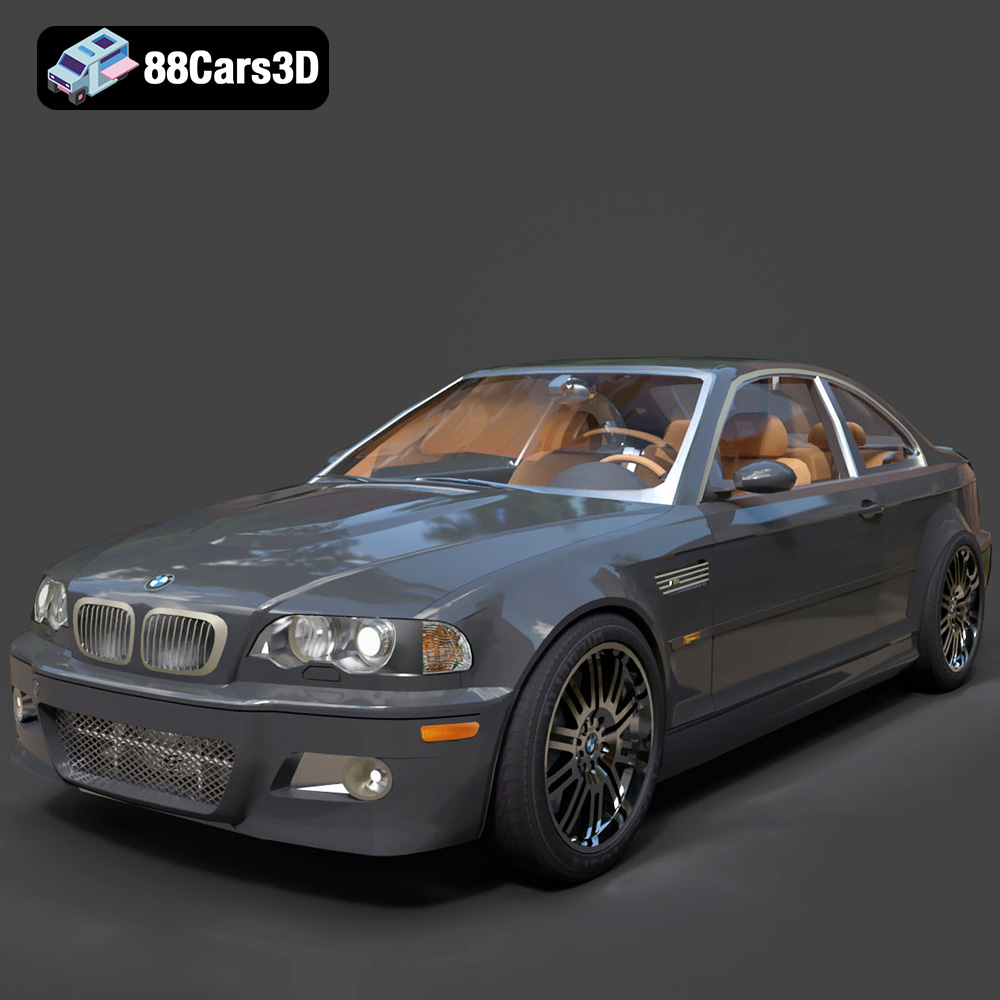
Download the BMW M3 E46 3D Model featuring iconic sports car design and detailed interior. Includes .blend, .fbx, .obj, .glb, .stl, .ply, .unreal, and .max formats for rendering, simulation, and game development.
Price: $16.99

Texture: Yes
Material: Yes
Download the BMW i3 Coupe 3D Model featuring its iconic electric design and compact urban styling. Includes .blend, .fbx, .obj, .glb, .stl, .ply, .unreal, and .max formats for rendering, simulation, and game development.
Price: $17.99
Texture: Yes
Material: Yes
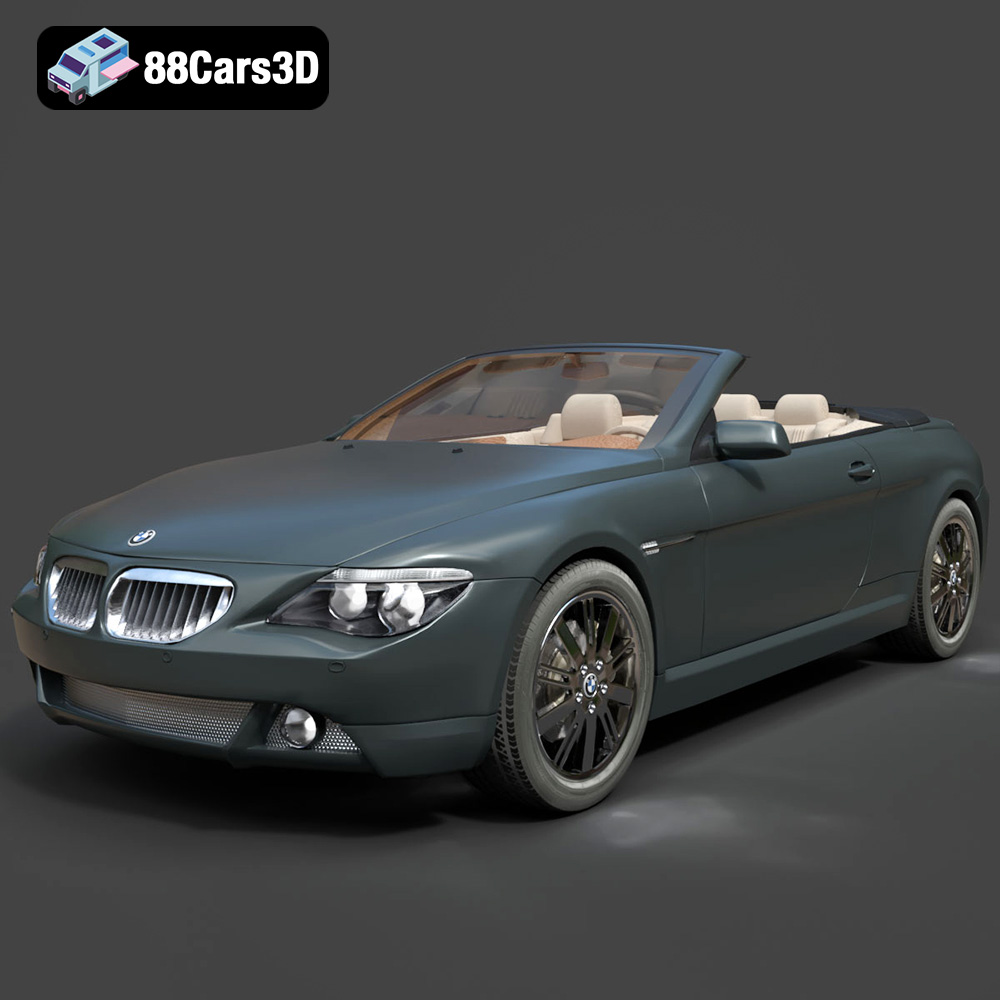
Download the BMW 645ci 3D Model featuring a sleek, detailed exterior and optimized interior. Includes .blend, .fbx, .obj, .glb, .stl, .ply, .unreal, and .max formats for rendering, simulation, and game development.
Price: $10.79
Texture: Yes
Material: Yes
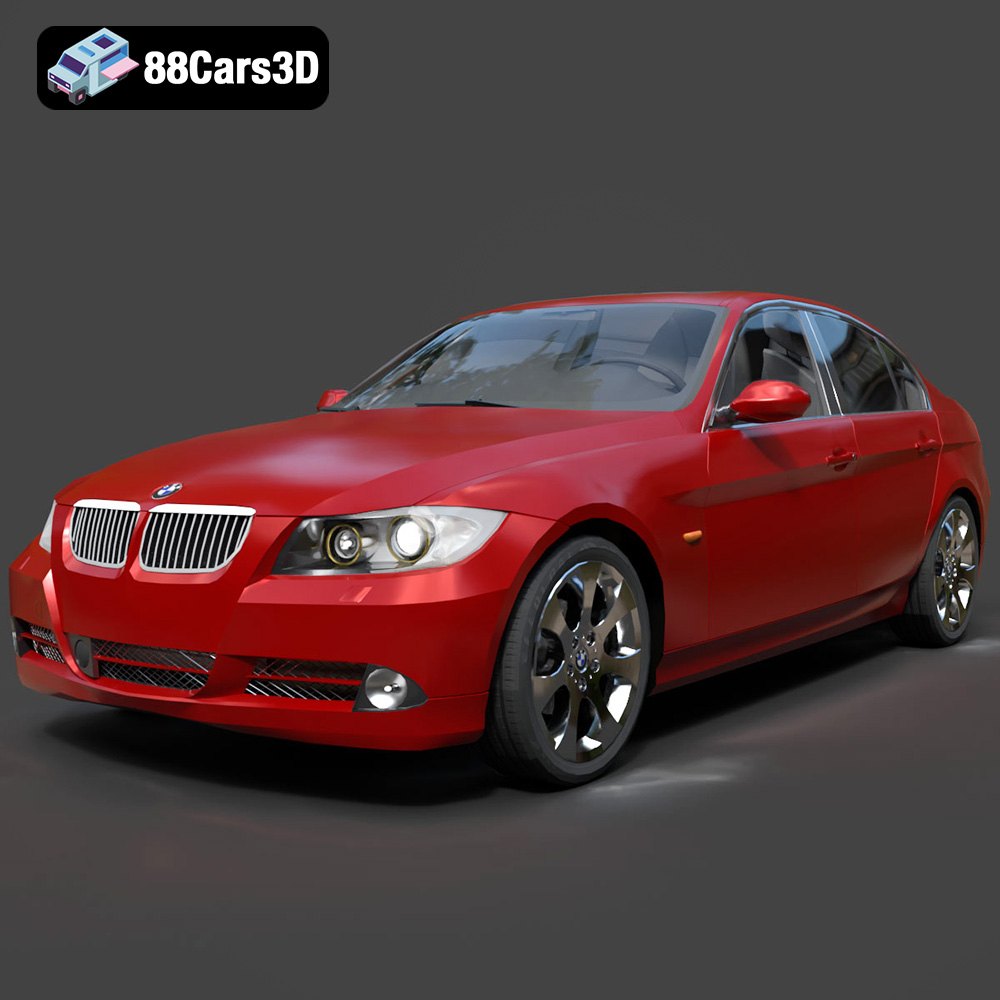
Download the BMW 330i E90 3D Model featuring a detailed exterior, an optimized interior, and accurate mechanical components. Includes .blend, .fbx, .obj, .glb, .stl, .ply, .unreal, and .max formats for rendering, simulation, and game development.
Price: $14.79
Texture: Yes
Material: Yes
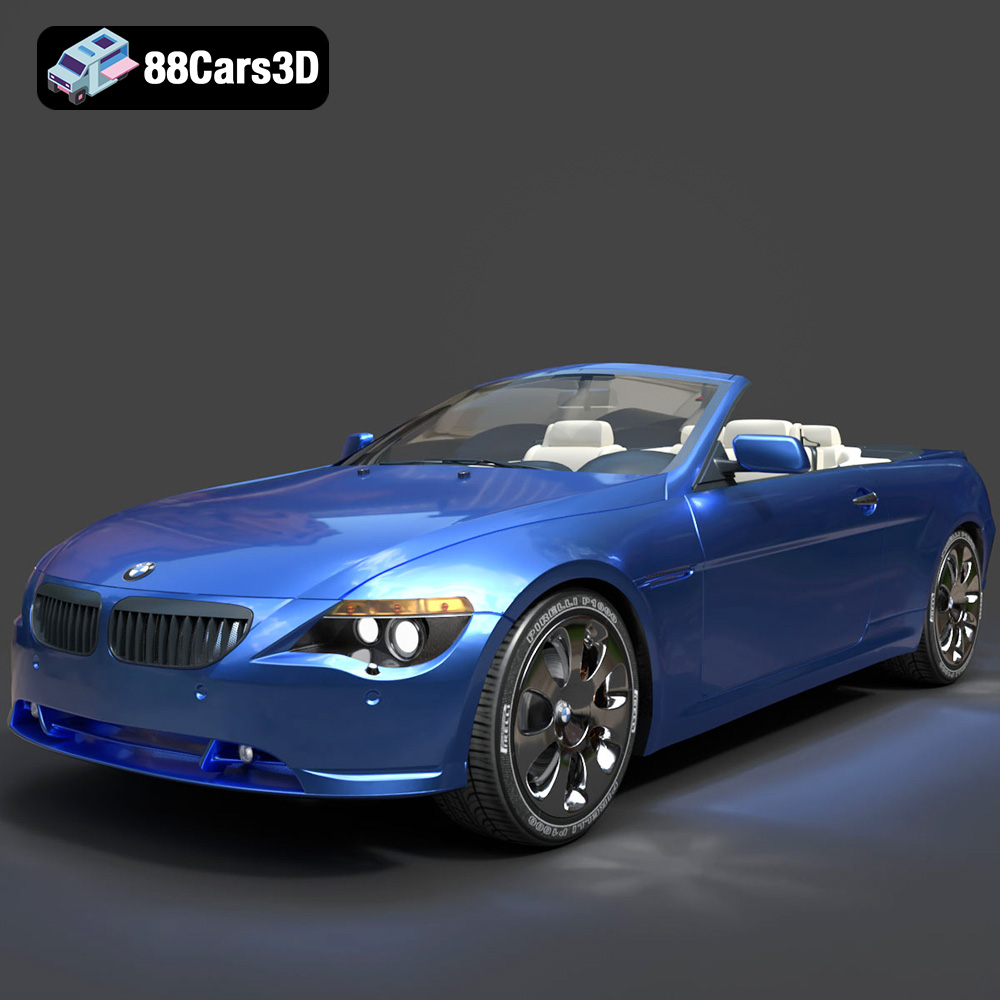
Download the BMW 6 Series Convertible 3D Model featuring clean geometry, realistic detailing, and a fully modeled interior. Includes .blend, .fbx, .obj, .glb, .stl, .ply, .unreal, and .max formats for rendering, simulation, and game development.
Price: $14.99
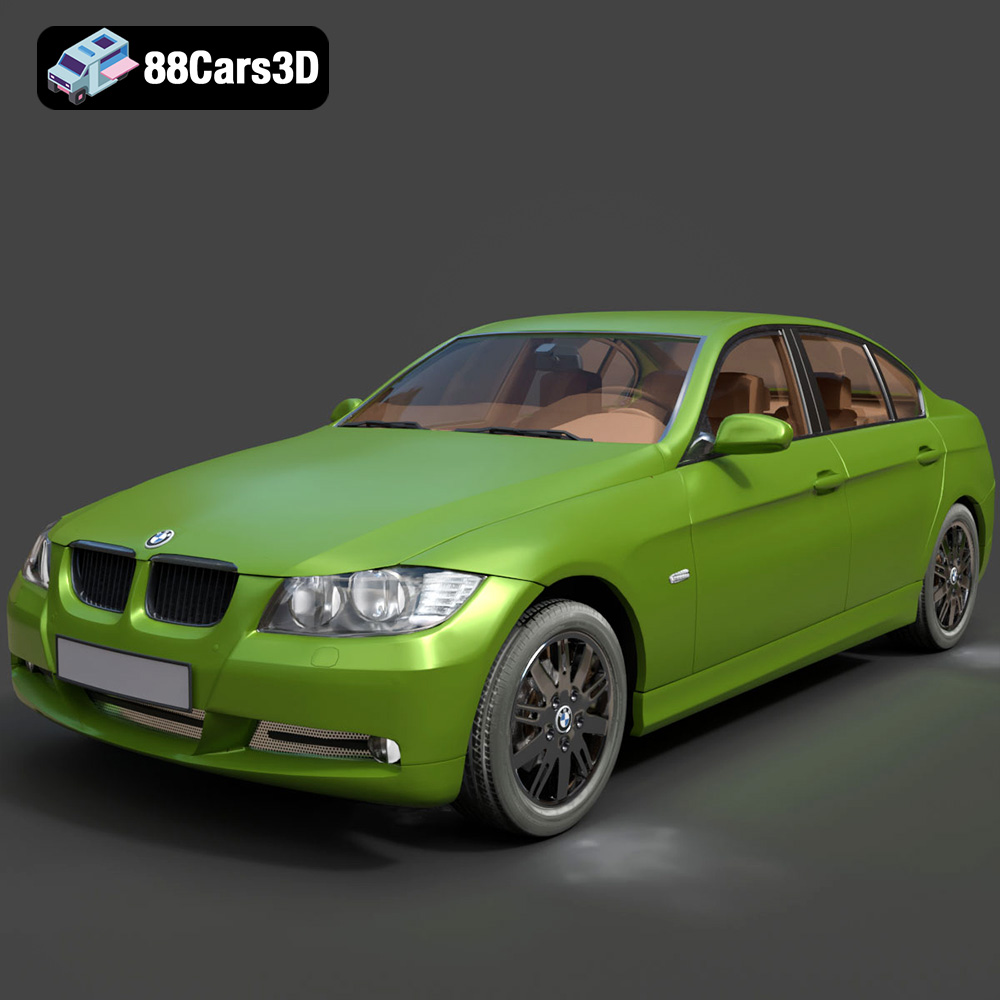
Texture: Yes
Material: Yes
Download the BMW 3-005 3D Model featuring a sleek design, detailed exterior and interior. Includes .blend, .fbx, .obj, .glb, .stl, .ply, .unreal, and .max formats for rendering, simulation, and game development.
Price: $14.99
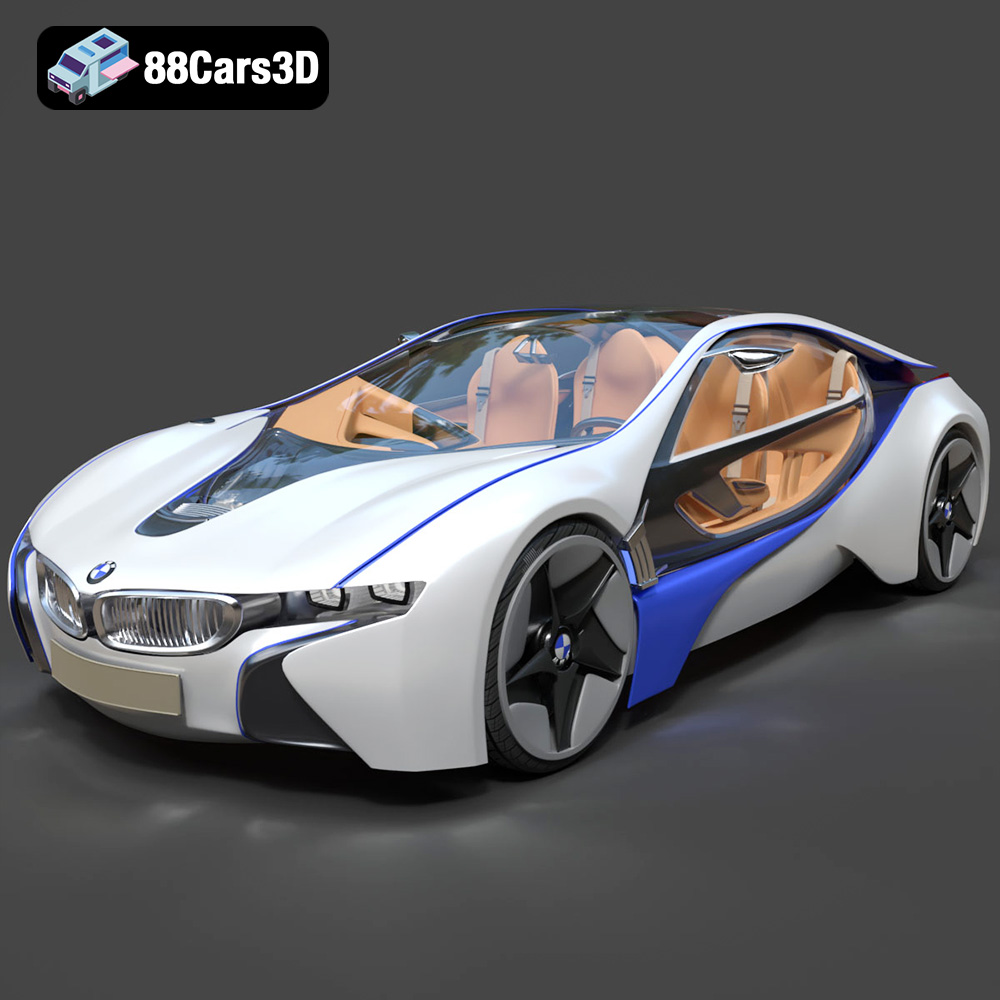
Texture: Yes
Material: Yes
Download the BMW Vision Effecient Dynamics-007 3D Model featuring a sleek, futuristic design and hybrid concept aesthetics. Includes .blend, .fbx, .obj, .glb, .stl, .ply, .unreal, and .max formats for rendering, simulation, and game development.
Price: $14.99
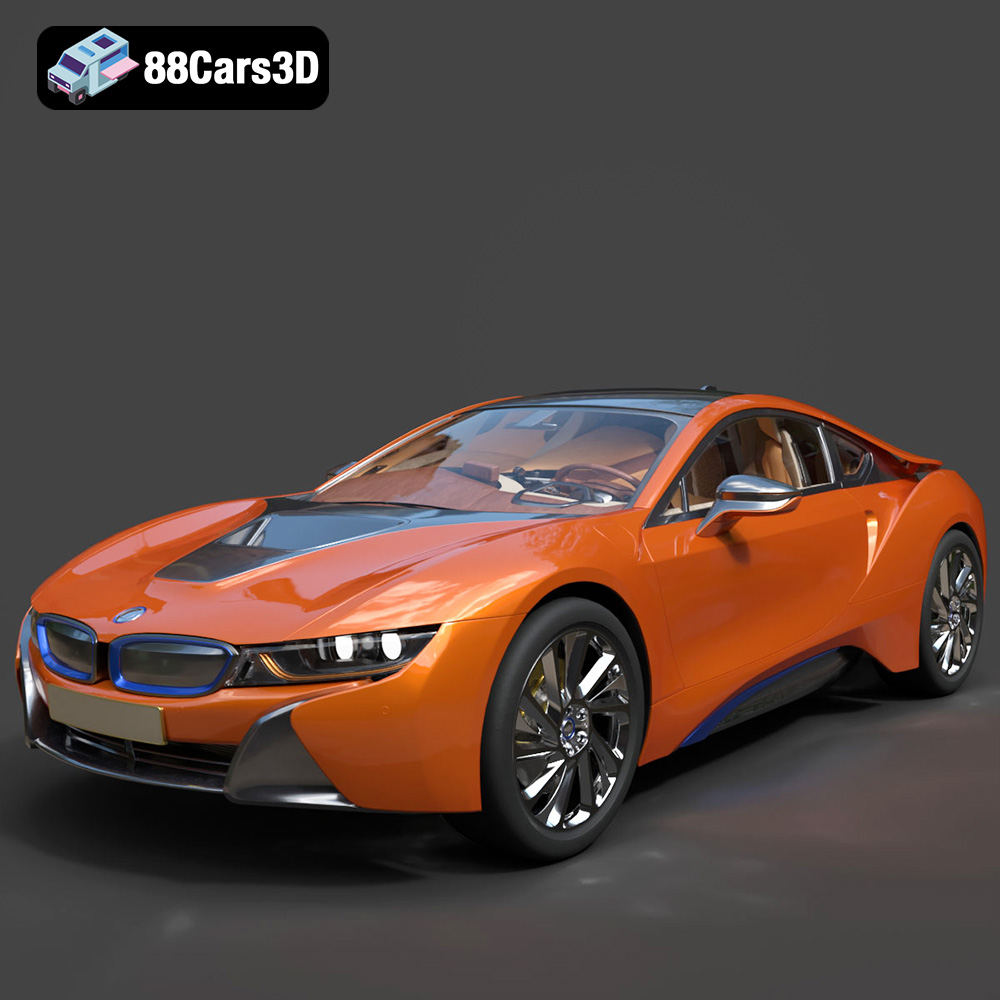
Texture: Yes
Material: Yes
Download the BMW i8 2015 3D Model featuring clean geometry, realistic detailing, and a fully modeled interior. Includes .blend, .fbx, .obj, .glb, .stl, .ply, .unreal, and .max formats for rendering, simulation, and game development.
Price: $12.99

Texture: Yes
Material: Yes
Download the BMW 4 Series F32 3D Model featuring clean geometry, realistic detailing, and a fully modeled interior. Includes .blend, .fbx, .obj, .glb, .stl, .ply, .unreal, and .max formats for rendering, simulation, and game development.
Price: $12.99

