⚡ FLASH SALE: Get 60% OFF All Premium 3D & STL Models! ⚡

The quest for photorealism in real-time rendering has long been a demanding journey, especially in the automotive industry where precision and fidelity are paramount. Traditionally, 3D artists and developers faced a perpetual struggle: how to render incredibly detailed 3D car models—complete with millions of polygons, intricate interiors, and finely modeled chassis—without crippling performance. The answer often involved painstaking manual optimization, a tedious process of creating multiple Levels of Detail (LODs) and sacrificing visual integrity. This constant trade-off between visual quality and performance has been a significant bottleneck, limiting creative freedom and increasing development cycles for everything from virtual showrooms to cinematic sequences.
Enter Unreal Engine 5, a groundbreaking platform that fundamentally redefines what’s possible in real-time. At the heart of this revolution is **Nanite Virtualized Geometry**, a technology that allows artists to import and render film-quality source assets with millions or even billions of polygons directly into Unreal Engine. For automotive visualization, game development, and interactive experiences, Nanite is a paradigm shift. It liberates creators from the constraints of poly counts, empowering them to deliver unprecedented detail without manual optimization. This deep dive will explore how Nanite, combined with other powerful UE5 features, is transforming 3D workflows, offering practical insights and best practices for leveraging this technology with high-quality 3D car models, such as those found on platforms like 88cars3d.com.
For decades, the standard approach to managing complex 3D assets in real-time engines involved a rigorous optimization pipeline. Artists would meticulously sculpt high-polygon models, often reaching millions or even hundreds of millions of triangles, suitable for offline rendering. However, integrating these assets into a real-time environment like Unreal Engine required a drastic reduction in complexity. This process typically involved creating multiple simplified versions, or Levels of Detail (LODs), for each asset. The engine would then swap between these LODs based on the object’s distance from the camera, aiming to maintain visual quality up close while improving performance further away.
This traditional LOD workflow, while functional, was inherently inefficient and prone to visual compromises. It was a manual, time-consuming process that often led to “popping” artifacts as LODs swapped, and still struggled with scenes containing many detailed objects. Each unique LOD also added to asset management overhead and memory footprint, making large-scale, high-fidelity environments a constant battle against performance budgets. Automotive models, with their complex curves, detailed dashboards, and intricate mechanical components, were particularly challenging, often requiring dozens of meticulously crafted LODs just for a single vehicle.
Before Nanite, managing high-fidelity 3D car models, which inherently boast millions of polygons to capture every nuanced curve and panel gap, was a significant challenge. Artists would typically model a pristine, high-resolution version (often tens of millions of polygons) and then use tools to automatically or manually generate several lower-resolution LODs. For example, a car might have LOD0 (full detail, 5M polys), LOD1 (medium detail, 1M polys), LOD2 (low detail, 200k polys), and LOD3 (simplified, 50k polys).
The engine would then render the appropriate LOD based on screen size. While this approach helped manage performance, it presented several drawbacks:
This meant that achieving truly cinematic quality in real-time was often out of reach for projects that couldn’t afford the immense time and resources required for manual optimization.
Nanite fundamentally rethinks how geometry is processed and rendered. Instead of traditional LODs, Nanite virtualizes geometry, allowing Unreal Engine 5 to render incredibly complex meshes (millions or even billions of triangles) in real-time with virtually no loss in fidelity. It achieves this through a highly efficient, cluster-based rendering system that streams and processes only the necessary detail for each pixel on screen.
Here’s a simplified breakdown of how Nanite works:
This revolutionary approach means that artists can now focus on creating the highest quality 3D car models without worrying about poly count limitations, enabling unparalleled visual fidelity for automotive visualization and real-time experiences. For more in-depth technical details on Nanite, refer to the official Unreal Engine documentation at https://dev.epicgames.com/community/unreal-engine/learning.
Bringing your meticulously crafted 3D car models into Unreal Engine 5 with Nanite is a straightforward process, but understanding the nuances can greatly enhance your workflow. The goal is to leverage Nanite’s power to maintain every curve and surface detail of your high-fidelity assets while ensuring optimal performance. Marketplaces like 88cars3d.com specialize in providing highly detailed 3D car models that are often already optimized for game engine compatibility while retaining exceptional geometric quality, making them ideal candidates for Nanite integration.
Once imported, the real magic begins in configuring the materials to truly bring the vehicle to life. Photorealistic rendering relies heavily on Physically Based Rendering (PBR) principles, where materials accurately simulate how light interacts with real-world surfaces. For car models, this means carefully crafting textures and material graphs for everything from glossy paint finishes and reflective chrome to textured tires and intricate interior fabrics. Nanite handles the geometry, but PBR materials provide the crucial visual authenticity, ensuring your automotive visualizations are indistinguishable from reality.
The process begins with importing your high-quality 3D car model into Unreal Engine 5. Most professional 3D car models, including those from 88cars3d.com, are typically provided in `.FBX` or `.USD` (Universal Scene Description) formats. USD is increasingly becoming the preferred format due to its ability to handle complex scene hierarchies, variants, and material assignments robustly, making it excellent for collaborative pipelines and asset management.
When importing your mesh, ensure you select the **”Build Nanite”** option in the import dialog. If you forget this during import, you can easily enable Nanite later within the Static Mesh Editor:
It’s important to note that Nanite works best with **Static Meshes**. Dynamic objects that move or deform significantly, skinned meshes (like characters), or meshes with masked/translucent materials currently have limitations with direct Nanite support, although workarounds and future updates are continually improving these aspects. For the static body and interior components of a car, Nanite is perfect.
While Nanite handles the geometry, realistic PBR materials are crucial for achieving visual fidelity. Car paint, in particular, requires a sophisticated setup to capture its unique metallic flakes, clear coat reflections, and subsurface scattering characteristics.
Here’s a breakdown of essential PBR material components for an automotive asset in Unreal Engine:
Texture resolutions are key. For close-up automotive visualization, 4K (4096×4096) or even 8K textures for critical components like the car body or dashboard are often necessary to prevent pixelation. Ensure your UV mapping is clean and non-overlapping for optimal texture projection, a standard feature of high-quality models found on 88cars3d.com.
With Nanite taking care of your complex geometry, the next frontier in achieving stunning automotive visualization in Unreal Engine 5 is mastering its dynamic global illumination and reflection systems: Lumen and Ray Tracing. These technologies work in concert with Nanite to create environments where light behaves realistically, bouncing off surfaces, illuminating interiors, and producing breathtaking reflections on glossy car bodies. The combination of Nanite’s detail and Lumen’s lighting fidelity means your 3D car models will look their absolute best, reacting dynamically to every change in the environment, which is crucial for interactive experiences and product showcasing.
However, realizing this level of realism requires thoughtful configuration. Balancing performance with visual quality for Lumen and Ray Tracing can be intricate, particularly when dealing with the highly reflective and metallic surfaces common in automotive design. Understanding how these systems interact with your scene, how to optimize their settings, and when to augment them with traditional lighting techniques will be essential for producing truly captivating and performant real-time automotive visualizations.
Lumen is Unreal Engine 5’s fully dynamic global illumination and reflections system, providing incredibly realistic lighting that reacts in real-time to changes in light sources, geometry, and materials. For automotive visualization, Lumen is a game-changer:
To enable Lumen, ensure it’s selected as your Global Illumination and Reflections method in your Project Settings under “Engine > Rendering.” You’ll typically want to use Hardware Ray Tracing for Lumen if your target platform supports it, as it offers the highest quality. However, Lumen also has software ray tracing fallback for broader compatibility. Properly configured Lumen ensures that the detailed geometry brought in by Nanite is lit in the most convincing way possible.
While Lumen provides excellent dynamic global illumination, achieving peak automotive realism often involves augmenting it with specific reflection and lighting techniques:
Remember that performance can be a concern with high-quality Ray Tracing. Use the “r.RayTracing.Reflections.MaxRoughness” console variable to limit ray-traced reflections to very smooth surfaces, letting Lumen handle rougher ones, thereby optimizing performance without significant visual loss for most materials.
The synergy between Nanite’s geometric fidelity and Unreal Engine’s interactivity features unlocks powerful possibilities for automotive applications beyond linear cinematics. Imagine a virtual car configurator where customers can explore every detail of a vehicle, customize options, and see real-time photorealistic updates, all driven by high-poly models. Or consider virtual production workflows where real-time rendered cars are integrated seamlessly onto LED stages, providing immediate visual feedback for filmmakers. Nanite is a cornerstone for these experiences, ensuring that the visual quality remains uncompromised regardless of how close the camera gets or how many options are being swapped.
This section delves into how Nanite enables these advanced interactive and cinematic workflows. We’ll explore using Unreal Engine’s Blueprint visual scripting to create dynamic configurators, allowing users to switch colors, materials, and even components on a detailed 3D car model without performance hiccups. Furthermore, we’ll examine how Nanite integrates into virtual production pipelines, enhancing the quality of real-time visualizations for film, advertising, and broadcast, and how Sequencer can be used to choreograph stunning automotive cinematics with unparalleled detail.
Automotive configurators are a prime application for Nanite-enabled assets. Customers expect to see every detail of their potential purchase, from the stitching on the seats to the intricate design of the alloy wheels. Blueprint visual scripting makes it possible to create highly interactive experiences without writing a single line of code.
Here’s how Blueprint can leverage Nanite-enabled car models:
With Nanite, you no longer need to worry about the poly count of each individual car part when creating variations; you can simply swap between high-fidelity versions, focusing on the visual design rather than aggressive optimization.
Virtual production workflows, especially those involving LED walls for real-time environments, are seeing immense benefits from Nanite. High-detail 3D car models can be integrated seamlessly into virtual sets, allowing filmmakers and advertisers to see their products in context, on set, with accurate lighting and reflections.
Key applications and techniques include:
The combination of Nanite’s virtually limitless poly count and Sequencer’s robust animation tools means creative professionals can craft automotive content with unprecedented visual quality and flexibility, revolutionizing traditional production pipelines. Further information on Sequencer and virtual production workflows can be found in the Unreal Engine learning resources at https://dev.epicgames.com/community/unreal-engine/learning.
While Nanite dramatically simplifies the process of rendering high-polygon meshes, it’s not a magic bullet that negates all performance considerations. Understanding how Nanite operates under the hood and implementing best practices is crucial for ensuring your automotive visualization projects run smoothly, especially when integrating multiple high-fidelity 3D car models and complex environments. Performance optimization shifts from managing poly counts and draw calls to managing Nanite’s unique resource consumption and rendering characteristics.
Effective utilization of Nanite requires a mindful approach to asset creation, scene construction, and engine configuration. Even with Nanite handling billions of triangles, factors like texture resolution, material complexity, Lumen settings, and the number of non-Nanite objects in your scene can still impact your frame rate and memory footprint. This section will delve into the nuances of Nanite’s performance, providing actionable strategies to keep your automotive projects both stunning and performant.
Nanite’s strength lies in its ability to vastly reduce CPU overhead by minimizing draw calls and handling geometry streaming efficiently. However, this doesn’t mean it’s free. It shifts the computational burden primarily to the **GPU**.
Key performance aspects to consider:
Profiling your project with tools like the Unreal Engine Profiler and GPU Visualizer is essential to identify bottlenecks and understand where your resources are being spent.
Even with Nanite, strategic optimization is vital for complex automotive projects involving multiple high-detail vehicles and rich environments.
Here are some best practices:
By combining Nanite’s power with smart optimization practices, you can create breathtakingly detailed automotive experiences that run smoothly on your target hardware.
While Nanite provides the foundational geometric fidelity, achieving truly ultimate automotive realism in Unreal Engine 5 requires a holistic approach, integrating Nanite with a suite of other advanced features. The visual spectacle of a photorealistic car is not just about its perfectly rendered body; it’s about how it interacts with its environment, how dynamic elements behave, and how it’s presented in a final, polished form. From simulating realistic physics and environmental effects to generating pristine offline renders and optimizing for emerging platforms like AR/VR, every component plays a role in creating a believable and immersive experience.
This final section explores how to combine Nanite’s power with other cutting-edge Unreal Engine 5 technologies. We’ll look at how Chaos Physics can add realistic vehicle dynamics and destruction, how Niagara can generate stunning visual effects, and how the Path Tracer can produce offline-quality renders. Furthermore, we’ll discuss the critical considerations for adapting these high-fidelity automotive assets for performance-sensitive platforms like AR/VR, emphasizing the importance of well-optimized source models from marketplaces like 88cars3d.com for building these diverse experiences.
A truly immersive automotive experience extends beyond static beauty. It requires dynamic interaction and stunning visual embellishments.
These features, when combined, create a rich and believable automotive environment that enhances the visual impact of your Nanite-driven car models.
The automotive industry is rapidly adopting Augmented Reality (AR) and Virtual Reality (VR) for design reviews, interactive showrooms, and training. While Nanite is a massive leap for fidelity, AR/VR platforms often have stringent performance requirements that necessitate further optimization.
Key considerations for AR/VR:
By understanding these nuances and leveraging the robust features of Unreal Engine 5 alongside a strategic optimization mindset, developers can future-proof their automotive visualizations, making them ready for the immersive experiences of tomorrow.
Unreal Engine 5, powered by Nanite Virtualized Geometry, marks a pivotal moment for automotive visualization and real-time rendering. The traditional shackles of poly count limitations and the tedious process of manual LOD creation have largely been lifted, ushering in an era where creative vision can be translated directly into high-fidelity real-time experiences. Artists and developers are now empowered to integrate film-quality 3D car models, brimming with intricate details, directly into their projects without the performance compromises that once plagued the industry.
From crafting breathtaking marketing cinematics with Sequencer to building highly interactive automotive configurators with Blueprint, Nanite ensures that every curve, every reflection, and every interior stitch on your vehicle models is rendered with unprecedented precision. When combined with dynamic global illumination from Lumen, physically accurate reflections from Ray Tracing, and advanced visual effects from Niagara, the result is an immersive and photorealistic experience that was once the exclusive domain of offline renderers.
This revolution simplifies workflows, accelerates development, and ultimately pushes the boundaries of what’s possible in automotive design, marketing, and interactive engagement. By sourcing high-quality, cleanly optimized 3D car models from platforms like 88cars3d.com and strategically integrating them with Nanite and other UE5 features, you’re not just creating visualizations; you’re building next-generation interactive realities. Embrace Nanite, and unlock a new dimension of unrestricted automotive realism in your Unreal Engine projects.
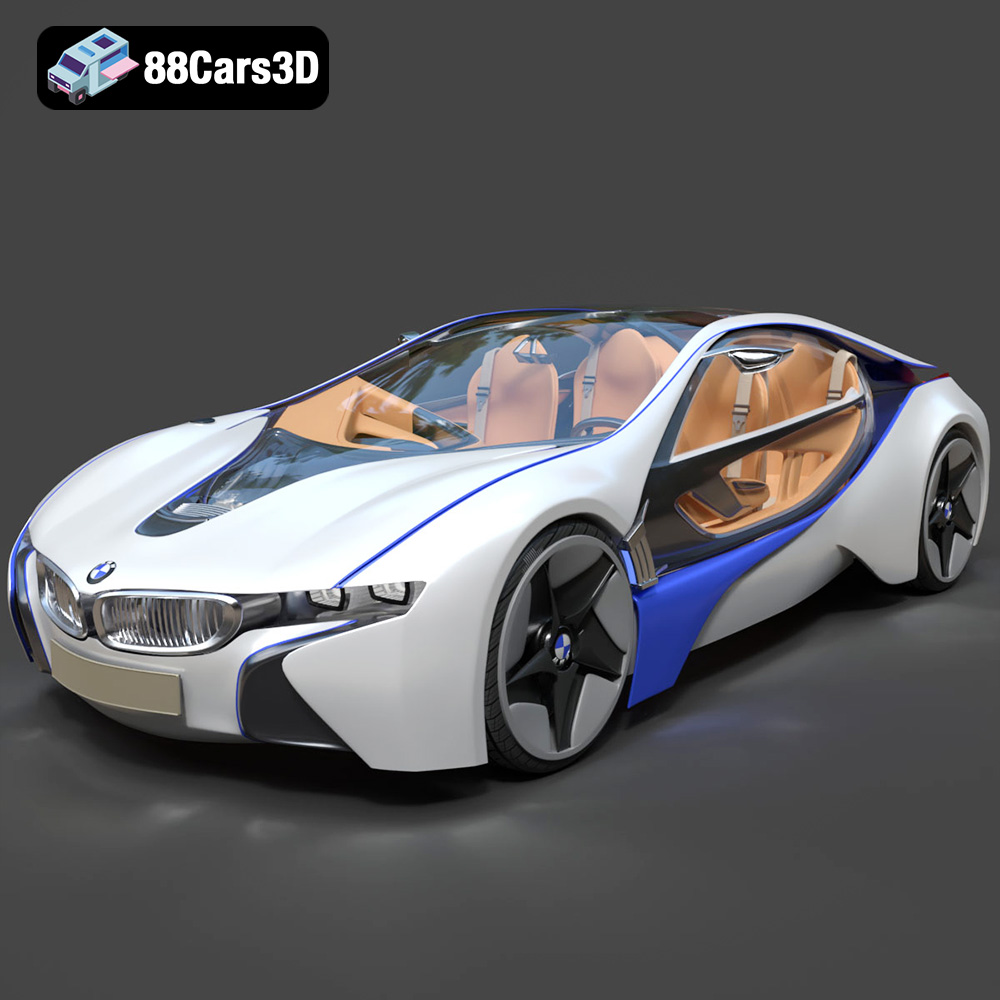
Texture: Yes
Material: Yes
Download the BMW Vision Effecient Dynamics-007 3D Model featuring a sleek, futuristic design and hybrid concept aesthetics. Includes .blend, .fbx, .obj, .glb, .stl, .ply, .unreal, and .max formats for rendering, simulation, and game development.
Price: $14.99
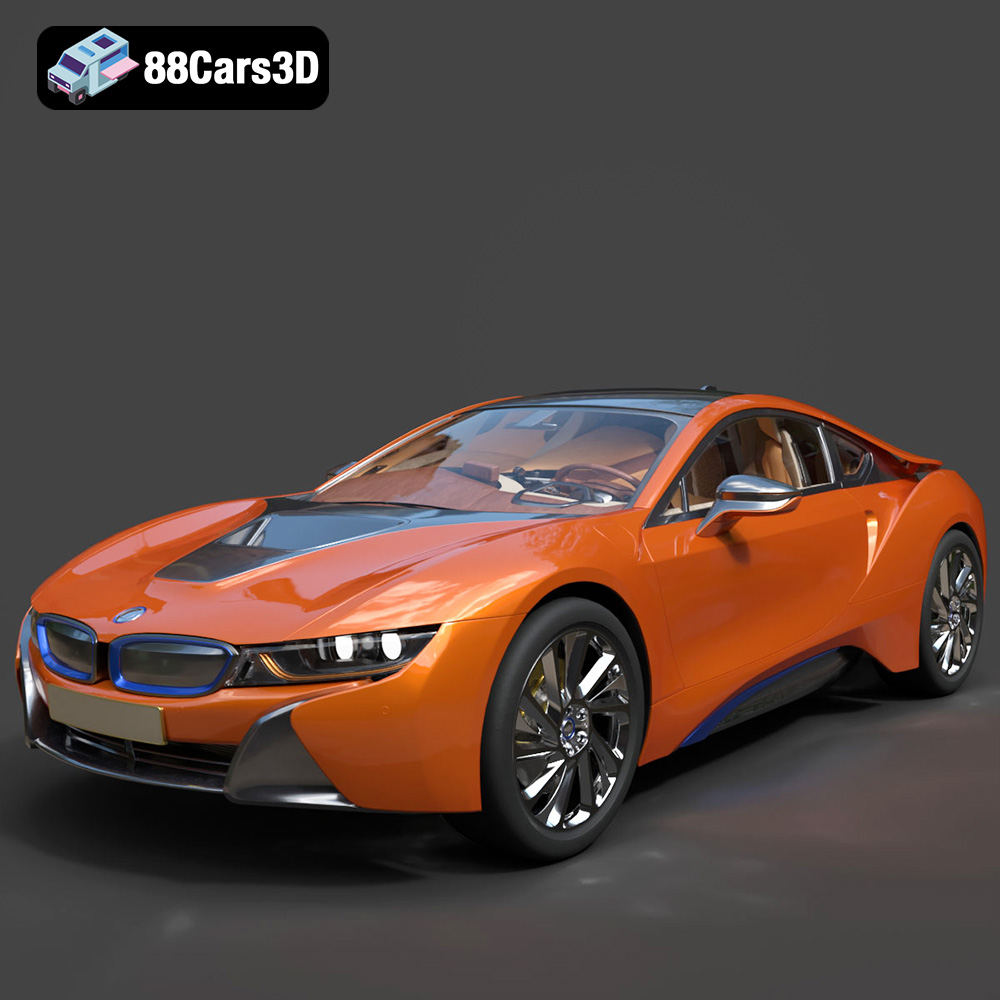
Texture: Yes
Material: Yes
Download the BMW i8 2015 3D Model featuring clean geometry, realistic detailing, and a fully modeled interior. Includes .blend, .fbx, .obj, .glb, .stl, .ply, .unreal, and .max formats for rendering, simulation, and game development.
Price: $12.99

Texture: Yes
Material: Yes
Download the BMW 4 Series F32 3D Model featuring clean geometry, realistic detailing, and a fully modeled interior. Includes .blend, .fbx, .obj, .glb, .stl, .ply, .unreal, and .max formats for rendering, simulation, and game development.
Price: $12.99
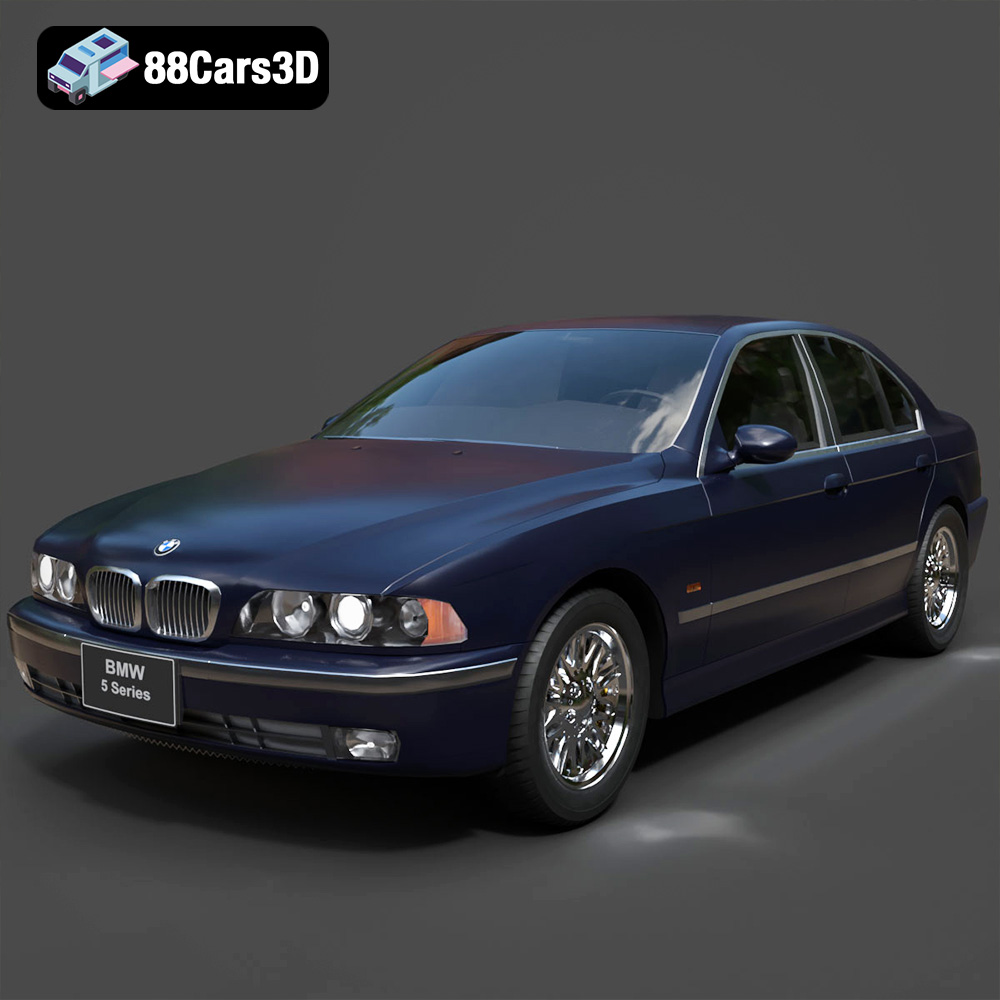
Texture: Yes
Material: Yes
Download the BMW E39 M5-540i 3D Model featuring its iconic sedan design, detailed exterior, and realistic interior. Includes .blend, .fbx, .obj, .glb, .stl, .ply, .unreal, and .max formats for rendering, simulation, and game development.
Price: $10.79

Texture: Yes
Material: Yes
Download the BMW 7 Series E38 3D Model featuring its iconic luxury sedan design and classic aesthetics. Includes .blend, .fbx, .obj, .glb, .stl, .ply, .unreal, and .max formats for rendering, simulation, and game development.
Price: $10.79

Texture: Yes
Material: Yes
Download the BMW 6 Series 640i F12 3D Model featuring a sleek design and detailed interior. Includes .blend, .fbx, .obj, .glb, .stl, .ply, .unreal, and .max formats for rendering, simulation, and game development.
Price: $10.79

Texture: Yes
Material: Yes
Download the BMW 6 Coupe E63 3D Model featuring a sleek design, detailed interior, and realistic exterior. Includes .blend, .fbx, .obj, .glb, .stl, .ply, .unreal, and .max formats for rendering, simulation, and game development.
Price: $10.79
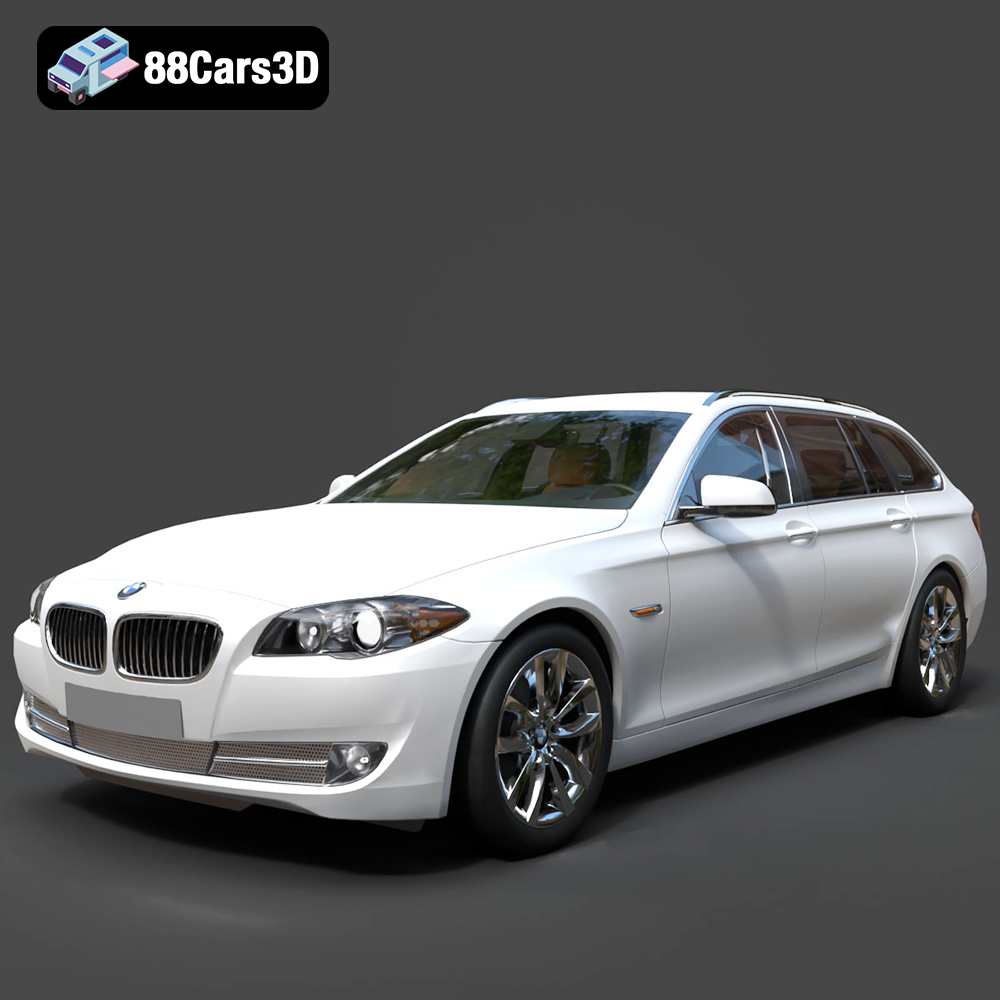
Texture: Yes
Material: Yes
Download the BMW 5 Series Touring F11-007 3D Model featuring a detailed exterior and interior. Includes .blend, .fbx, .obj, .glb, .stl, .ply, .unreal, and .max formats for rendering, simulation, and game development.
Price: $10.79
Texture: Yes
Material: Yes
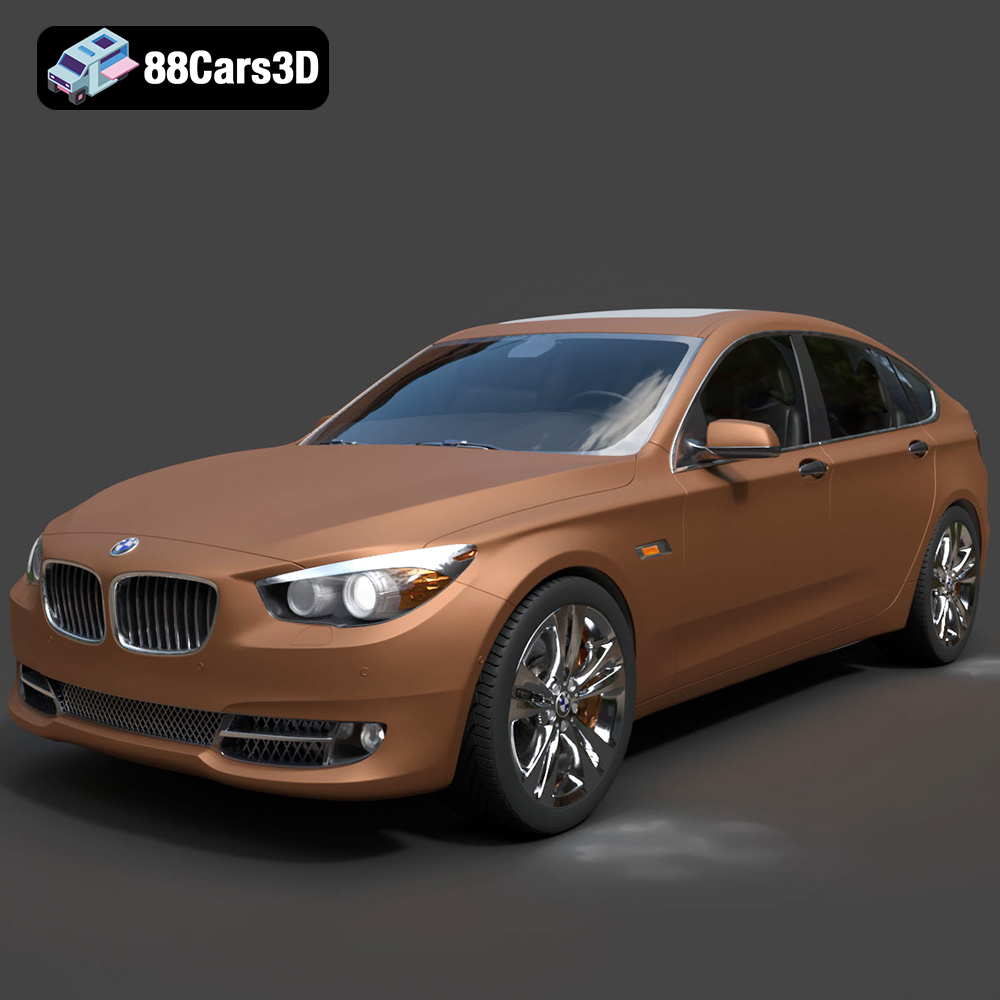
Download the BMW 5 Series Gran Turismo F07-003 3D Model featuring a detailed exterior and interior. Includes .blend, .fbx, .obj, .glb, .stl, .ply, .unreal, and .max formats for rendering, simulation, and game development.
Price: $10.79
Texture: Yes
Material: Yes
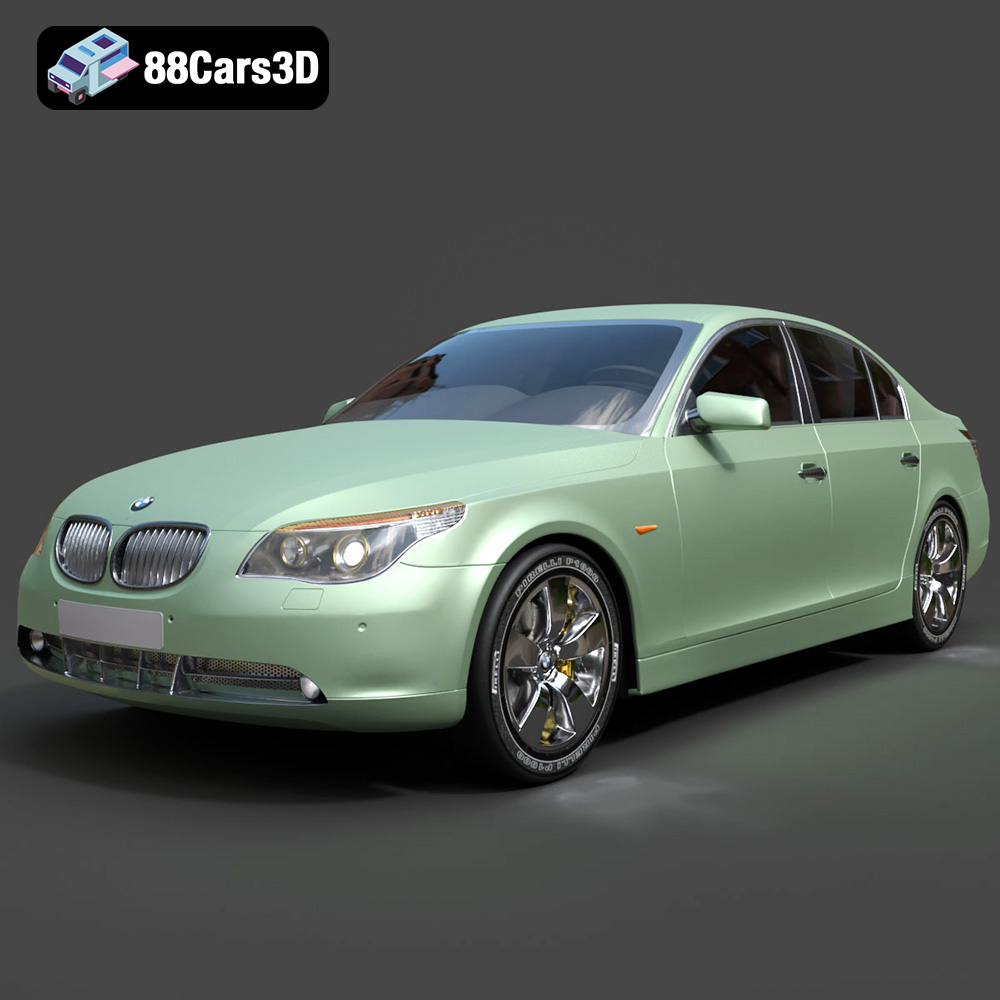
Download the BMW 5 Series E60 3D Model featuring its iconic sedan design, detailed exterior, and interior. Includes .blend, .fbx, .obj, .glb, .stl, .ply, .unreal, and .max formats for rendering, simulation, and game development.
Price: $10.79

