⚡ FLASH SALE: Get 60% OFF All Premium 3D & STL Models! ⚡

“`html
The allure of a perfectly rendered 3D printable car model is undeniable. Whether you’re a seasoned maker, a dedicated automotive enthusiast, or an engineer prototyping a new design, the quest for that smooth, professional finish on your printed creations is paramount. At 88cars3d.com, we understand the importance of clean geometry and print-ready files, but the final output is a collaboration between the digital model and your physical printing process. Achieving a surface finish that rivals injection-molded parts requires a meticulous approach, covering everything from file preparation and slicing strategy to printer calibration and post-processing. This comprehensive guide will equip you with the knowledge and techniques necessary to elevate your 3D printed car models from good to absolutely stunning. We’ll explore the intricacies of STL file formats, delve into advanced slicing parameters, master the art of support generation, and unlock the secrets to achieving that coveted smooth surface on both FDM and resin printers.
Before your chosen slicer even opens, the quality of the STL file itself plays a critical role in the final surface finish. STL (STereoLithography) files represent a 3D model as a collection of triangular facets. While simple in concept, the way these triangles are arranged, their size, and whether the mesh is “watertight” directly impacts how smoothly your 3D printer can interpret and replicate the model’s geometry. For intricate car models, especially those with curved body panels and fine details, the resolution and integrity of the STL mesh are paramount. Models from reputable sources like 88cars3d.com are typically optimized for 3D printing, featuring clean topology and adequate tessellation. However, understanding common mesh issues and how they manifest on your prints is essential for troubleshooting and achieving superior results.
The density of triangles in an STL file, known as tessellation, determines the level of detail the file can represent. A low-resolution STL will have larger, more noticeable triangles, leading to a stepped or faceted appearance on curved surfaces, even with optimal print settings. Conversely, an extremely high-resolution STL, while capturing minute details, can result in unnecessarily large file sizes and can sometimes overwhelm slicer software or even your printer’s processing capabilities. For automotive models, a good balance is key. Look for STL files that provide smooth curves when previewed in your slicer without excessive file bloat. Many slicers allow you to adjust the visual resolution of the model, but this doesn’t change the underlying mesh data. True detail comes from the originating model’s tessellation.
A “watertight” or manifold mesh is crucial for successful 3D printing. This means the mesh has no holes, no internal faces, and no inverted normals – essentially, it forms a closed volume that a slicer can reliably fill and shell. Non-manifold geometry can cause slicers to misinterpret the model, leading to gaps in the print, incorrect wall thicknesses, or complete slicing failures. Software like Meshmixer, Blender, or Autodesk Netfabb are invaluable tools for checking and repairing STL files. Performing a quick “Make Solid” or “Analyze and Repair” function in these programs can often fix minor issues. For car models, ensuring that body panels are perfectly joined and that there are no holes where there shouldn’t be is critical for a smooth, seamless exterior.
The slicer is where the digital STL file is translated into layer-by-layer instructions for your 3D printer. The settings you choose here have a profound impact on surface quality. Moving beyond default profiles and understanding how each parameter influences the print is the next step towards achieving those desirable smooth surfaces on your car models. This involves optimizing layer height, print speed, retraction settings, and carefully considering the flow rate and cooling for each print.
This is arguably the most significant factor influencing surface smoothness on FDM prints. The layer height dictates the vertical resolution of your print. A smaller layer height (e.g., 0.08mm to 0.12mm) will result in more layers for a given height, creating a smoother transition between layers and significantly reducing the visible “stair-stepping” effect on curved surfaces. However, smaller layer heights dramatically increase print time. For highly detailed car models, you might opt for a very fine layer height for the main body, potentially using a larger layer height for internal components or less visible areas to save time. Resin printers, by their nature, typically offer much finer layer heights (often 0.025mm to 0.05mm), contributing to their inherent surface detail capabilities.
Printing too fast can lead to a variety of surface imperfections, including ringing (ghosting), poor layer adhesion, and inconsistent extrusion, all of which detract from a smooth finish. For smoother surfaces on car models, especially on the outer shell, reducing print speeds is often necessary. A common starting point for outer walls is around 30-50 mm/s. Furthermore, tuning acceleration and jerk settings in your printer’s firmware or slicer can minimize vibrations, reducing ringing artifacts. Lowering acceleration values, particularly for outer walls, allows the printer to change direction more gently, preventing overshoot and preserving detail and surface smoothness. Experimentation is key; find the fastest speed that still yields acceptable surface quality for your specific printer and material.
Improper retraction settings can lead to stringing and blobs, marring an otherwise smooth surface. Ensure your retraction distance and speed are dialed in for your filament. Over-extrusion, where the printer lays down too much plastic, can cause surface roughness, bulging edges, and poor detail. Calibrating your extruder’s E-steps and performing a “flow calibration” or “extrusion multiplier” test is essential. This involves printing a single-wall cube and measuring the wall thickness, adjusting the flow rate in your slicer until the actual thickness matches the expected thickness dictated by your line width setting. Consistent and accurate extrusion is foundational for smooth surfaces.
Car models often feature overhangs, bridges, and complex geometries that necessitate support structures. The way supports are generated, their density, contact Z distance, and interface layers directly influence the quality of the surface they touch. Poorly designed or difficult-to-remove supports can leave behind unsightly marks, divots, or rough patches that are challenging to fix. The goal is to create supports that are effective yet minimize their impact on the model’s final appearance.
Most slicers offer different support types, such as ‘Normal,’ ‘Tree’ (or ‘Organic’), and ‘Custom.’ Tree supports, available in slicers like Cura and PrusaSlicer, are often ideal for organic shapes and can be configured to touch the model only where absolutely necessary, minimizing contact points. For automotive models, strategically placing supports is crucial. Avoid placing supports directly on visible body panels or intricate details like grilles and spoilers. Instead, try to position them in areas that will be less visible once assembled or painted, or on flat surfaces where removal will be cleaner. Some models are designed with built-in supports or keyed sections to facilitate easier printing without excessive external supports.
Support density determines how solid the support structure is. A lower density can make supports easier to remove but might not provide adequate stability for severe overhangs. For smoother surfaces, especially on the underside of overhangs, increasing support density slightly or enabling “Support Interface” layers is highly recommended. Support interfaces are a denser, solid layer printed just below the model’s surface where the support touches. This creates a smoother surface on the model itself, making removal cleaner and leaving fewer marks. Experiment with the interface spacing (distance between the interface and the model) and the interface pattern; a fine grid or lines often works well.
The “Support Z Distance” setting (sometimes called “Support Interface Z Distance” or “Support Gap”) is the vertical gap between the top of the support structure and the bottom of the model overhang it’s supporting. A smaller Z distance means the support is closer to the model, potentially providing better support but making removal more difficult and risking surface scarring. A larger Z distance makes removal easier but can lead to sagging or incomplete features on the overhang. For smoother finishes, a carefully calibrated Z distance is essential. Often, a value of 0.1mm to 0.2mm works well, but this depends on your printer and nozzle size. When removing supports, use appropriate tools like flush cutters, pliers, and hobby knives gently. For stubborn supports, a quick blast of compressed air or even gentle heating with a heat gun can sometimes help detach them cleanly.
The choice of material and the meticulous calibration of your 3D printer are fundamental pillars for achieving high-quality prints. Different materials have unique properties that affect surface finish, and a well-calibrated printer ensures consistent and repeatable results, minimizing common printing defects that degrade surface smoothness.
PLA (Polylactic Acid): Generally the easiest material to print with, PLA offers good detail and a relatively smooth surface finish out-of-the-box. It has low warping and is ideal for beginners and intricate models. However, it can be brittle.
PETG (Polyethylene Terephthalate Glycol): More durable and temperature-resistant than PLA, PETG can be trickier to print. It’s prone to stringing and can leave a slightly rougher surface if not dialed in correctly. Careful retraction and temperature tuning are crucial.
ABS (Acrylonitrile Butadiene Styrene): Known for its strength and temperature resistance, ABS requires a heated enclosure to prevent warping and is prone to emitting fumes. Achieving a smooth surface with ABS often involves post-processing, such as vapor smoothing.
Resin (SLA/DLP/MSLA): Resin printers excel at producing incredibly smooth surfaces and fine details due to their layer-by-layer curing process with light. Different resin formulations offer varying properties (toughness, flexibility, high-temp resistance), but all generally yield superior surface finish compared to FDM for fine models.
Bed Leveling: A perfectly level print bed is non-negotiable for the first layer, which sets the foundation for the entire print. Any unevenness will propagate upwards, affecting surface quality. Auto bed leveling systems help, but manual verification and adjustment are often still necessary.
First Layer Calibration: The first layer should be slightly squished onto the build plate for good adhesion without being so thin that it becomes transparent or too thick, leading to elephant’s foot. Adjust your Z-offset precisely. A good first layer is crucial for overall print integrity and smoothness.
PID Tuning: This process calibrates your hotend and heated bed temperature controllers to maintain stable temperatures. Temperature fluctuations can lead to inconsistent extrusion and surface defects.
E-Step Calibration: As mentioned earlier, this ensures your extruder is pushing the correct amount of filament. Under- or over-extrusion directly impacts surface smoothness and dimensional accuracy.
Even with perfect printing, some level of post-processing is often required to achieve that truly flawless, professional look on your 3D printed car models. This stage transforms a good print into a display-worthy piece. Whether you’re aiming for a smooth paintable surface or a clean, assembled model, these techniques are invaluable.
Sanding is the most common method for smoothing layer lines on FDM prints. Start with a coarser grit sandpaper (e.g., 220-400 grit) to remove significant imperfections and layer marks, progressing to finer grits (e.g., 800, 1200, 2000, and even higher) for a progressively smoother finish. Wet sanding, using sandpaper with water, can help reduce dust and achieve a finer finish. For very stubborn layer lines or difficult-to-reach areas, rotary tools with sanding attachments can be used carefully. Always wear a mask to avoid inhaling plastic dust.
For ultimate smoothness, especially before painting, filling minor imperfections, layer lines, or support marks is often necessary. Various fillers can be used, including automotive body fillers, wood fillers, or specialized 3D print smoothing compounds. Apply the filler to imperfections, let it cure, and then sand it smooth. Multiple applications may be needed. Once the surface is smooth and free of defects, applying a filler primer is highly recommended. The primer fills microscopic imperfections and provides a uniform base coat, revealing any remaining flaws that need further attention before applying your final paint job.
For prints made from ABS or ASA, vapor smoothing offers a dramatic transformation. This process involves exposing the print to the solvent vapor (typically acetone for ABS) in a controlled environment. The vapor slightly melts the outer surface, allowing surface tension to pull it into a smooth, glossy finish. This technique is highly effective but requires careful safety precautions due to the flammability and fumes of the solvents. It’s crucial to research and understand the process thoroughly before attempting it, as improper execution can damage the model.
Many complex car models are designed to be printed in multiple parts for easier printing and assembly. Careful cleanup of printed parts, including removing any remaining support material and flash, is essential before gluing. Cyanoacrylate (super glue) is commonly used for bonding plastic parts, often with an accelerator for faster setting. Once assembled, further sanding, filling, and priming can be done to create a seamless, one-piece look. Painting with acrylics, enamels, or airbrushing, followed by clear coats, will bring your printed car model to life. Decals and weathering can add the final, realistic touches.
Achieving perfectly smooth surfaces on your 3D printed car models is a journey that involves understanding your digital files, mastering your slicing software, carefully managing your printing process, and embracing post-processing techniques. By paying close attention to mesh quality, optimizing slicer settings like layer height and print speed, strategically employing support structures, ensuring your printer is meticulously calibrated, and employing effective post-processing methods, you can elevate your prints to a professional standard. Whether you’re downloading intricate designs from marketplaces like 88cars3d.com or working with your own creations, these principles will guide you towards printing car models with stunning, showroom-quality finishes. The dedication to detail in every step, from the initial STL to the final polish, is what separates a good print from a truly exceptional one.
“`

Texture: Yes
Material: Yes
Download the Bentley Continental Flying Spur 3D Model featuring clean geometry, realistic detailing, and a fully modeled interior. Includes .blend, .fbx, .obj, .glb, .stl, .ply, .unreal, and .max formats for rendering, simulation, and game development.
Price: $14.99
Texture: Yes
Material: Yes
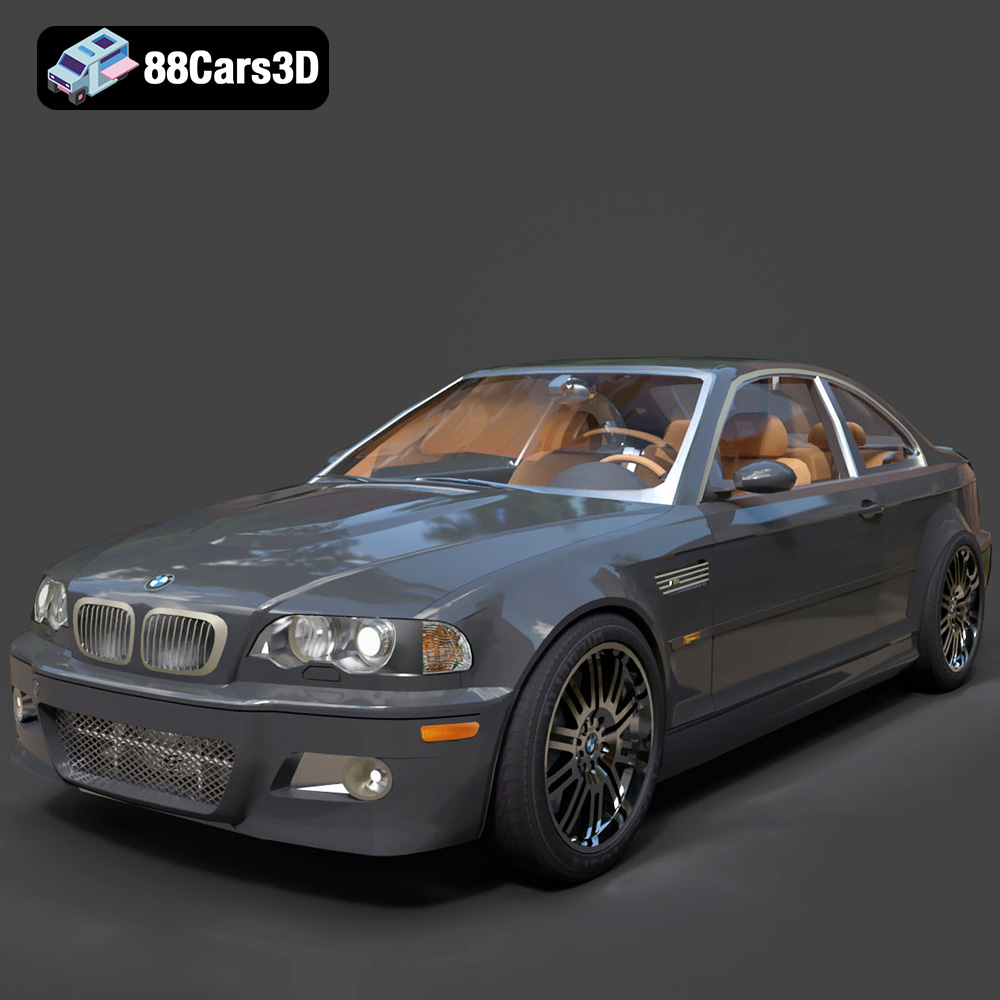
Download the BMW M3 E46 3D Model featuring iconic sports car design and detailed interior. Includes .blend, .fbx, .obj, .glb, .stl, .ply, .unreal, and .max formats for rendering, simulation, and game development.
Price: $16.99

Texture: Yes
Material: Yes
Download the BMW i3 Coupe 3D Model featuring its iconic electric design and compact urban styling. Includes .blend, .fbx, .obj, .glb, .stl, .ply, .unreal, and .max formats for rendering, simulation, and game development.
Price: $17.99
Texture: Yes
Material: Yes
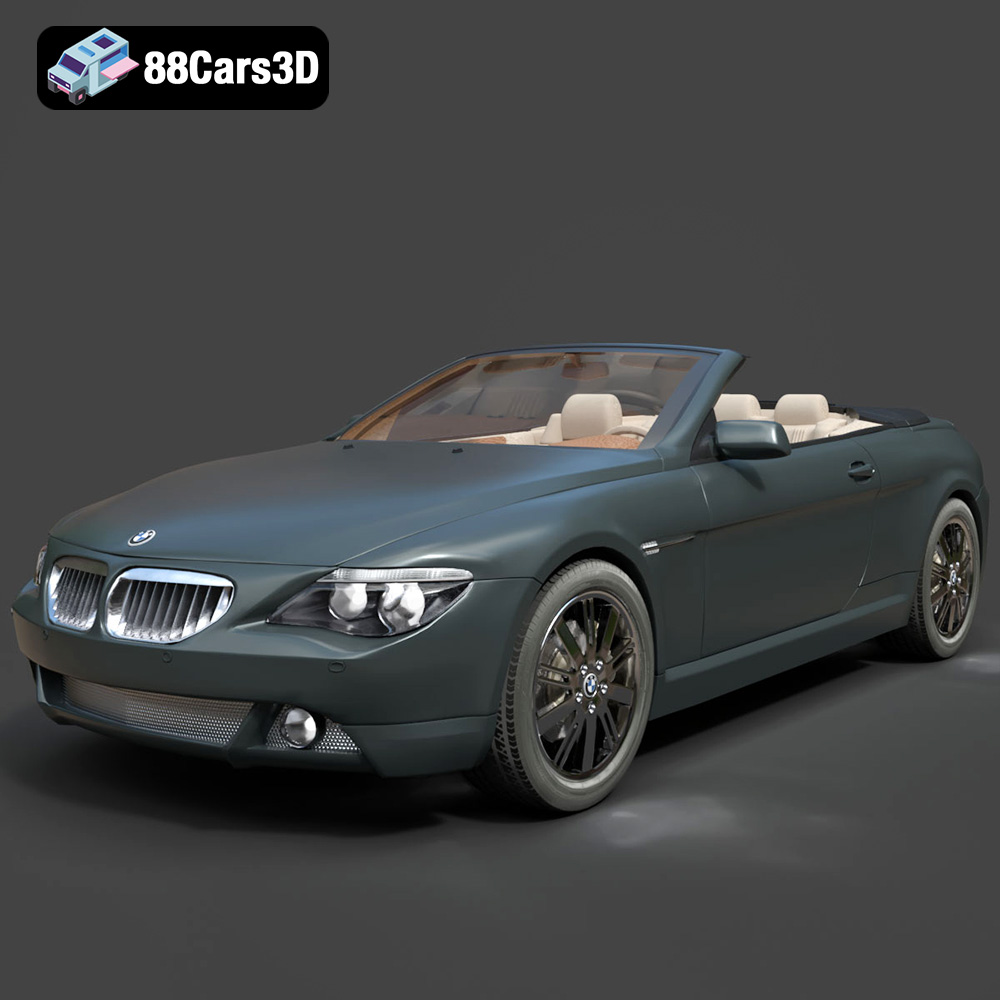
Download the BMW 645ci 3D Model featuring a sleek, detailed exterior and optimized interior. Includes .blend, .fbx, .obj, .glb, .stl, .ply, .unreal, and .max formats for rendering, simulation, and game development.
Price: $10.79
Texture: Yes
Material: Yes
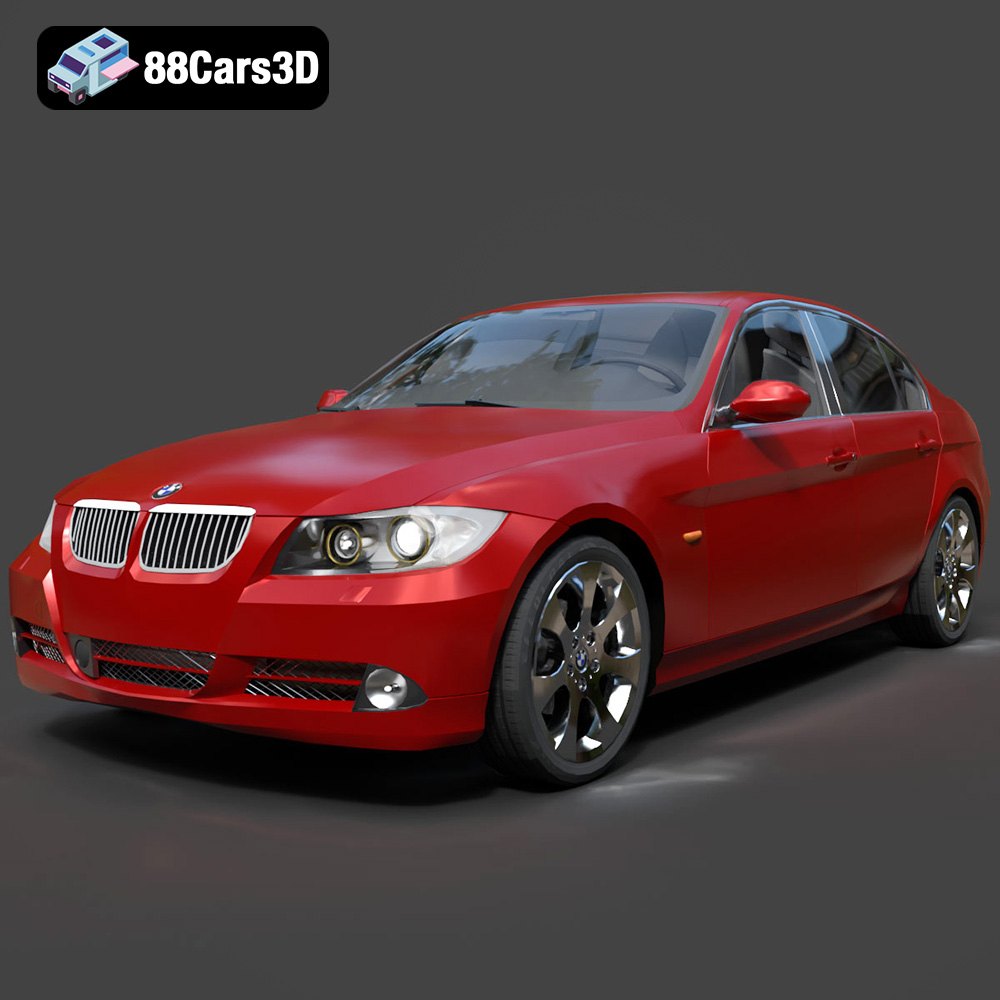
Download the BMW 330i E90 3D Model featuring a detailed exterior, an optimized interior, and accurate mechanical components. Includes .blend, .fbx, .obj, .glb, .stl, .ply, .unreal, and .max formats for rendering, simulation, and game development.
Price: $14.79
Texture: Yes
Material: Yes
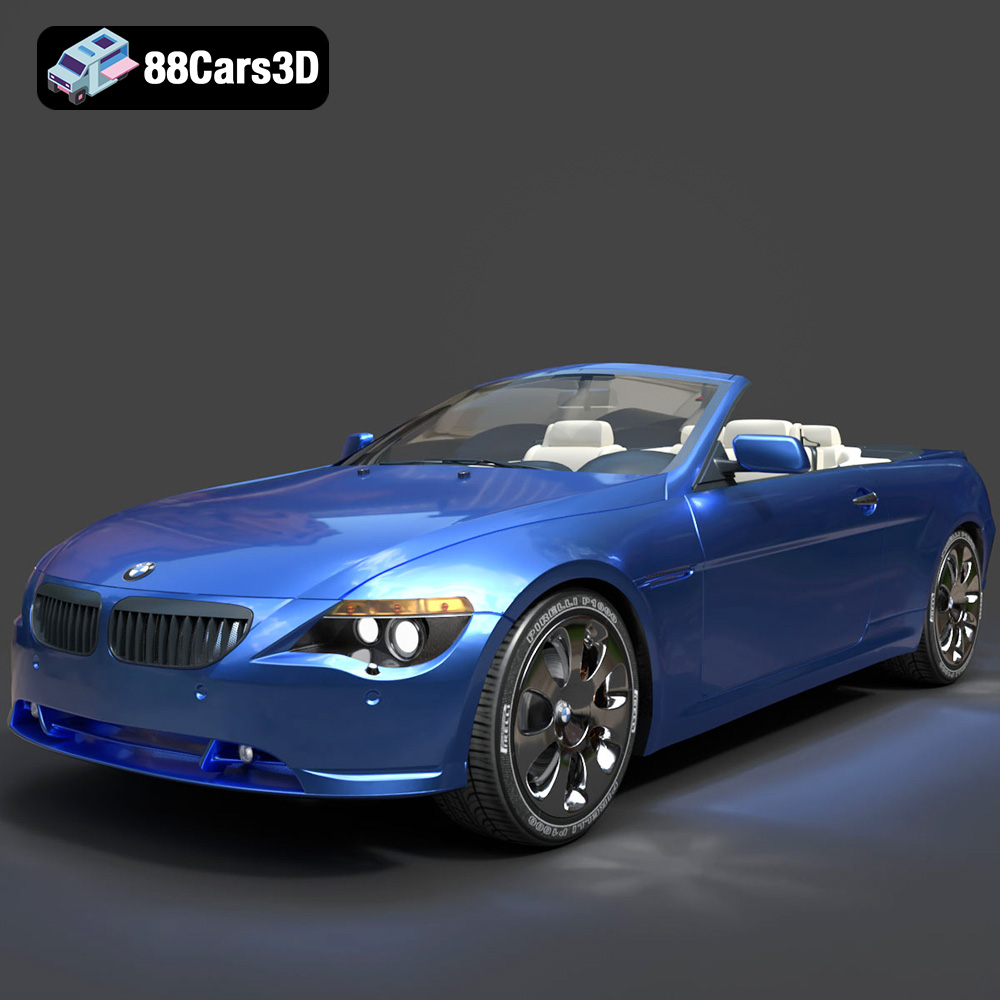
Download the BMW 6 Series Convertible 3D Model featuring clean geometry, realistic detailing, and a fully modeled interior. Includes .blend, .fbx, .obj, .glb, .stl, .ply, .unreal, and .max formats for rendering, simulation, and game development.
Price: $14.99
Texture: Yes
Material: Yes
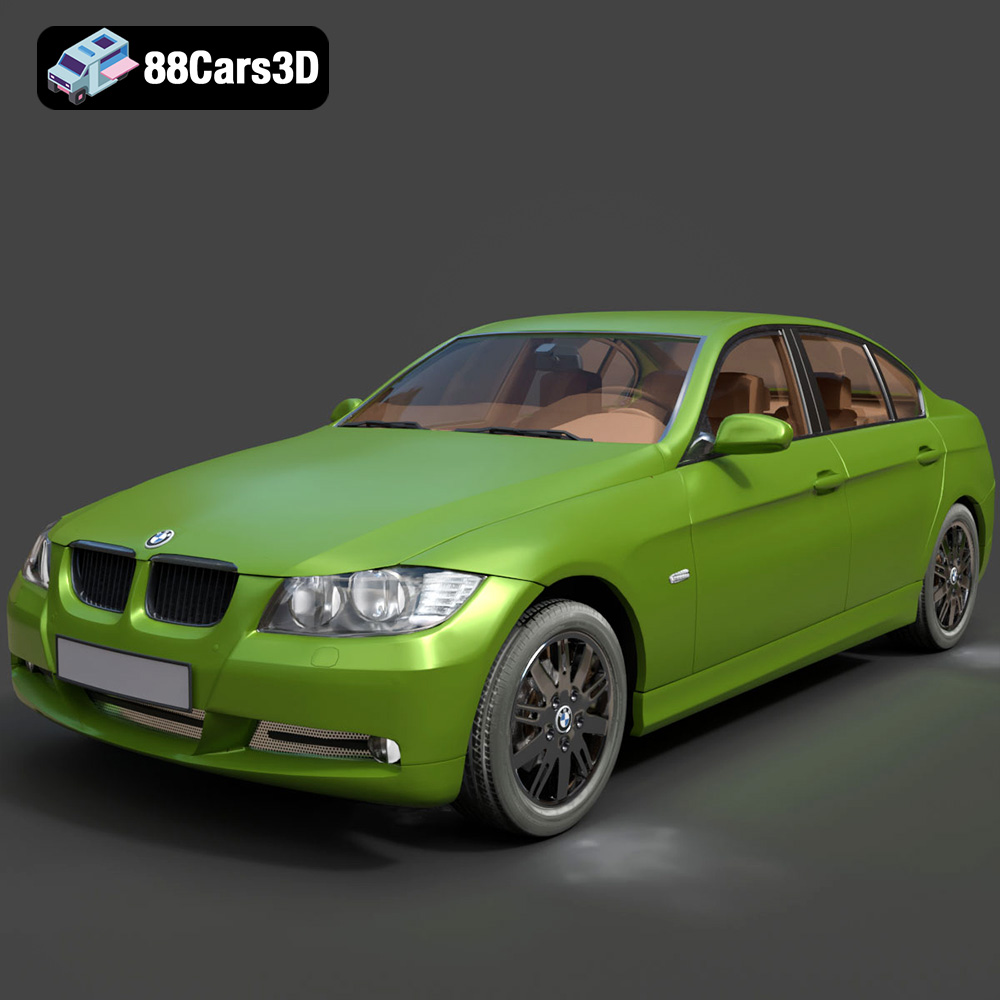
Download the BMW 3-005 3D Model featuring a sleek design, detailed exterior and interior. Includes .blend, .fbx, .obj, .glb, .stl, .ply, .unreal, and .max formats for rendering, simulation, and game development.
Price: $14.99

Texture: Yes
Material: Yes
Download the BMW Vision Effecient Dynamics-007 3D Model featuring a sleek, futuristic design and hybrid concept aesthetics. Includes .blend, .fbx, .obj, .glb, .stl, .ply, .unreal, and .max formats for rendering, simulation, and game development.
Price: $14.99
Texture: Yes
Material: Yes
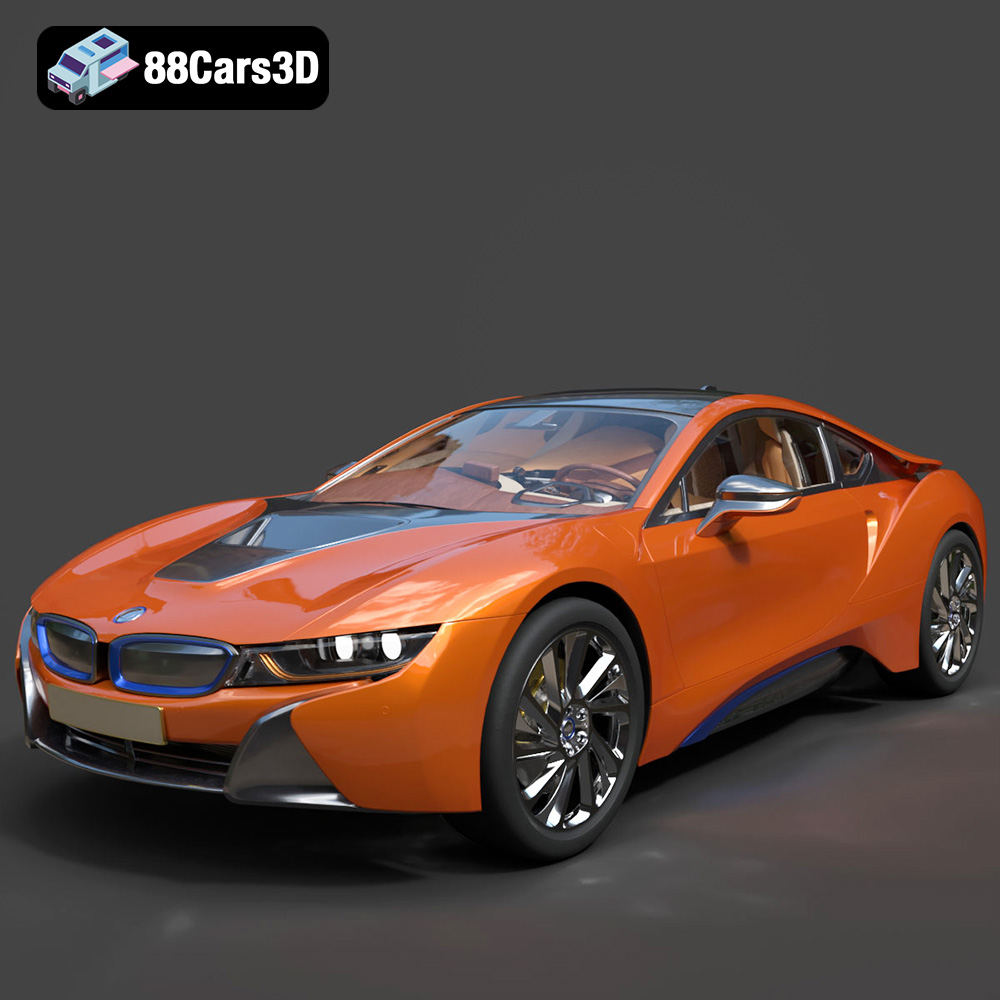
Download the BMW i8 2015 3D Model featuring clean geometry, realistic detailing, and a fully modeled interior. Includes .blend, .fbx, .obj, .glb, .stl, .ply, .unreal, and .max formats for rendering, simulation, and game development.
Price: $12.99

Texture: Yes
Material: Yes
Download the BMW 4 Series F32 3D Model featuring clean geometry, realistic detailing, and a fully modeled interior. Includes .blend, .fbx, .obj, .glb, .stl, .ply, .unreal, and .max formats for rendering, simulation, and game development.
Price: $12.99

