⚡ FLASH SALE: Get 60% OFF All Premium 3D & STL Models! ⚡

The allure of a beautifully rendered 3D car model often lies in its exterior curves and reflective paintwork. However, true immersion and professional quality are unlocked when the interior matches the exterior’s exquisite detail. A meticulously crafted 3D car interior transforms a mere model into a living, breathing digital asset, essential for everything from high-end automotive visualization and compelling game assets to immersive AR/VR experiences. This comprehensive guide will take you on a journey through the intricate process of creating photorealistic 3D car interiors, covering everything from foundational research and precision modeling to advanced material creation, lighting, and optimization. We’ll delve into industry-standard workflows, technical considerations, and best practices that will elevate your 3D car models to an unparalleled level of realism, making them highly sought after on platforms like 88cars3d.com. Prepare to unlock the secrets behind capturing every stitch, grain, and reflection that defines a truly remarkable automotive interior.
Before a single vertex is placed, the most critical step in creating a realistic 3D car interior is an exhaustive research phase. Accuracy is paramount, and compromising on reference material will inevitably lead to discrepancies in your final model. This foundational stage dictates the success of your entire project.
Begin by compiling a vast library of high-resolution photographs and videos of the specific car interior you intend to recreate. Look for professional reviews, manufacturer galleries, and even enthusiast forums that often provide unedited, detailed shots. Pay close attention to various lighting conditions, as these reveal subtle nuances in material reflections and textures. Capture images from every conceivable angle: dashboard, center console, door panels, seats, roof lining, and even the often-overlooked footwells. Crucially, seek out images that show details like stitching patterns, button textures, vent designs, and the intricate typography on instrument clusters. Video walkthroughs can be invaluable for understanding the volumetric space and how light interacts with different surfaces as the perspective changes. Don’t shy away from visiting dealerships or car shows to gather firsthand references if possible; the tactile experience can inform your material choices significantly.
While visual references are crucial for aesthetics, technical drawings, and blueprints provide the necessary dimensional accuracy. Search for CAD data, official specifications, or even patent drawings related to the car model. These can offer precise measurements for major components like the dashboard width, seat dimensions, and steering wheel diameter. Overlays of blueprints in your 3D software (such as 3ds Max, Blender, or Maya) become your guiding framework, ensuring proportions are correct from the outset. Consider the car’s general design philosophy—is it luxurious, sporty, minimalist? This influences everything from material choices to the overall ergonomic layout. For complex parts like air vents or speaker grilles, understanding their internal structure can help you model them more accurately, even if only the exterior is visible. This blend of artistic observation and technical precision forms the bedrock of a truly authentic interior.
With a solid reference base, the next stage involves translating those details into a clean, optimized 3D mesh. This is where your modeling prowess comes into play, focusing on topology, edge flow, and capturing every subtle curve and hard edge.
Tackle the interior by breaking it down into logical, manageable components. Instead of modeling the entire dashboard as one continuous mesh, separate it into main housing, instrument cluster, infotainment screen bezel, air vents, and glove compartment door. Similarly, seats can be broken into cushions, backrests, headrests, and adjustment mechanisms. This modular approach offers several benefits: it keeps your scene organized, makes it easier to work on individual parts without affecting others, allows for easier UV mapping, and facilitates the creation of Levels of Detail (LODs) for game assets. Start with the largest, most prominent forms, then progressively add smaller details. This prevents getting bogged down in tiny elements before the main structure is sound.
For the smooth, often curved surfaces found in car interiors, Subdivision Surface (Sub-D) modeling is the technique of choice. This involves creating a low-polygon base mesh that, when subdivided, produces a smooth, high-polygon result. The key here is maintaining pristine topology – ensuring all faces are quads (four-sided polygons). Triangles and N-gons can lead to shading artifacts and issues during subdivision. Crucially, focus on perfect edge flow: edges should follow the natural contours and deformations of the surface. For instance, around a button or vent, your edge loops should perfectly delineate its boundary, providing crispness when subdivided. This control allows you to introduce support loops (crease edges) to sharpen specific areas like panel gaps or the edges of a speaker grille, without sacrificing the overall smoothness. Understanding how your mesh will deform under subdivision is vital for achieving that manufactured look. For advanced topology techniques in Blender, you can refer to the official Blender 4.4 documentation on modeling tools at https://docs.blender.org/manual/en/4.4/modeling/index.html.
The realism of an interior often hinges on the smallest details. Every button, switch, dial, lever, and seam must be carefully considered. These aren’t just flat textures; they are distinct geometric forms. Model buttons with slight bevels, and ensure dials have appropriate indentations or ridges. Don’t forget the subtle curvature of glass displays, the delicate texture of a speaker mesh, or the intricate stitching on leather seats. For fabric textures, a combination of modeling (e.g., for major wrinkles or folds) and normal mapping (for finer weave details) works best. Pay attention to the gaps between panels and components; these “shut lines” are critical for believability. Sometimes, even elements that will be mostly hidden, like the internal structure of vents, add to the model’s integrity and can catch light in unexpected ways, enhancing realism.
Once the geometry is precise, materials breathe life into your interior. The advent of Physically Based Rendering (PBR) workflows has revolutionized how we approach materials, ensuring they react accurately to light in any environment.
Every material in a car interior—leather, plastic, metal, wood trim, fabric, glass—has unique properties. The PBR workflow requires you to define these properties using specific texture maps:
Utilize software like Substance Painter or Quixel Mixer to create these maps. For leather, focus on subtle color variations, pores, and wear patterns. For plastics, consider their specific finish (matte, semi-gloss, textured) and apply appropriate roughness and normal maps. Metals require precise metallic and roughness values to reflect light authentically. Even seemingly simple materials like glass need accurate transmission, refraction, and absorption values.
Beyond basic PBR, several advanced shader techniques elevate realism. For glossy plastics or high-gloss wood trims, a clear coat layer in your shader network is essential. This simulates the extra protective layer, creating a distinct, sharper reflection on top of the base material. Brushed metals, such as those found on dashboard accents or steering wheel spokes, benefit immensely from anisotropic reflections, which stretch reflections in a specific direction, mimicking the fine scratches from brushing. Subsurface scattering (SSS) can be used subtly for certain types of leather, particularly lighter shades, to simulate how light penetrates the surface and scatters internally before exiting. For illuminated elements like instrument panel lights or infotainment screens, emissive materials combined with bloom effects in rendering are crucial. Don’t forget the tiny details like dust particles on surfaces, which can be simulated with a subtle noise texture applied to the roughness map or through advanced shader setups that collect dust in crevices.
Combining texture painting with procedural generation offers immense flexibility. Use Substance Painter to texture paint wear and tear, smudges, and unique details directly onto your UV-mapped interior components. This is ideal for specific stains on fabric, scratches on plastic, or wear on the steering wheel. For repeating patterns like fabric weaves or fine plastic grains, procedural textures (generated within your 3D software or external tools) can offer resolution-independent detail. Blend these techniques for maximum effect. For instance, start with a procedural noise for a plastic grain, then layer hand-painted grunge and fingerprints to break up uniformity. Remember that resolution matters; aim for texture maps of 2K or 4K for close-up interior shots, potentially higher for unique, critical elements.
UV mapping is the invisible art that bridges your 3D model with its 2D textures. For complex car interiors, intelligent UV strategies are paramount to achieve seamless, distortion-free textures and efficient material usage.
Every surface that needs a texture must be “unwrapped” into a 2D layout. For an interior, this means meticulously segmenting your model to minimize stretching and seams. Components like the dashboard, which might have large, relatively flat areas, can be unwrapped with planar projections. Seats, with their organic curves and intricate stitching, will require more advanced unwrapping techniques, often involving pelting or relying on automatic unwrappers followed by manual cleanup to ensure uniform texel density. Be mindful of seams: try to place them in less visible areas, such as along an edge crease or underneath a component. For repetitive elements like bolts or small buttons, consider overlapping UVs if they share identical textures to save texture space and draw calls, which is beneficial for game asset optimization.
Consistency in texel density across your entire interior is crucial for visual fidelity. Texel density refers to the number of texture pixels per unit of 3D space. An object that is close to the camera (e.g., the steering wheel) might require a higher texel density than something further away (e.g., the rear seat fabric). Maintain a relatively consistent texel density for most visible interior elements to avoid obvious blurriness or pixelation. Once unwrapped, efficiently pack your UV islands into the 0-1 UV space of your texture atlas. Manual packing offers the most control, but modern tools often have robust automatic packing algorithms that can maximize space utilization, reducing wasted pixels. Overlapping UVs for mirrored or identical parts (e.g., buttons, vents) is a common optimization technique.
While overlapping UVs are great for identical elements, for high-resolution, unique details found in premium automotive rendering, UDIMs (Universal Dimensions) come into play. UDIMs allow you to use multiple texture tiles for a single object, each tile being its own 0-1 UV space. This is incredibly useful for interiors where you might have many unique components, each requiring substantial texture resolution without compromising others. For example, the dashboard might occupy one UDIM tile, the driver’s seat another, and the center console a third. This prevents having to fit all textures onto a single, massive 8K or 16K map, which can become unwieldy. Software like Substance Painter and Mari seamlessly support UDIM workflows, making them a go-to for professional texture artists. This approach ensures every intricate detail, from the finest grain on a leather armrest to the most delicate circuitry pattern on an infotainment screen, receives the resolution it deserves.
Even the most perfectly modeled and textured interior will fall flat without compelling lighting and a professional rendering and post-processing workflow. This stage is where your 3D scene truly comes to life.
Lighting an interior is about simulating natural light sources and the car’s internal illumination. Start with an Exterior HDRI (High Dynamic Range Image) environment. A high-quality HDRI of an overcast sky or a studio environment will provide realistic ambient light, global illumination, and subtle reflections. Supplement this with targeted area lights placed strategically to mimic sunlight streaming through windows or diffused light from interior dome lights. Use small, subtle spot lights or mesh lights for dashboard illumination, infotainment screens, and instrument clusters. Pay attention to how light falls on different materials – shiny plastics will have sharp highlights, while matte fabrics will diffuse light. Experiment with light temperature (warm vs. cool tones) to evoke different moods. Remember to include subtle volumetric fog or atmospheric effects to catch light rays and add depth, especially in dust-filled environments.
Each render engine (Corona Render, V-Ray, Blender Cycles, Arnold) has its unique strengths and settings, but the core principles remain.
Familiarize yourself with your chosen engine’s specific material overrides and light linking options to fine-tune your results. For Blender users, understanding the Cycles rendering engine’s various settings is key for photorealistic results, as detailed in the Blender 4.4 manual’s rendering section: https://docs.blender.org/manual/en/4.4/render/cycles/index.html.
The render straight out of your 3D software is rarely the final image. Post-processing in tools like Adobe Photoshop or DaVinci Resolve is crucial.
Compositing multiple render passes gives you granular control over each aspect of the image, allowing for precise adjustments without re-rendering the entire scene.
A stunning 3D car interior for an offline render might be too heavy for real-time applications like games or AR/VR visualization. Optimization is crucial to ensure smooth performance without sacrificing visual quality.
For game engines (Unity, Unreal Engine) and AR/VR, every polygon counts. Implement Levels of Detail (LODs) for all interior components. This means creating multiple versions of each mesh: a high-poly version for close-ups (LOD0), a medium-poly version for mid-range views (LOD1), and a low-poly version for distant views (LOD2+). The engine automatically switches between these based on the camera’s distance, drastically reducing polygon count when components are not close to the viewer. For example, a dashboard with 100,000 polygons at LOD0 might be reduced to 20,000 at LOD1 and a mere 5,000 at LOD2, while still looking convincing from a distance. Tools like Blender’s Decimate modifier or external re-topology software can aid in generating efficient LODs.
To further optimize for real-time, employ texture atlasing. Instead of having dozens of individual texture maps for different interior parts, combine multiple smaller textures into one larger atlas. This reduces the number of draw calls (requests for the GPU to render an object), significantly improving performance. For example, all the plastic textures for buttons, vents, and bezels can be baked into a single texture atlas. Similarly, consolidate materials. If multiple objects share similar material properties, try to use a single material instance with different texture sets to reduce material overhead. Instance repetitive objects like screws or bolts whenever possible, as instancing is far more efficient than having unique geometry for each. When acquiring 3D car models from marketplaces such as 88cars3d.com, check if they offer optimized versions or detailed statistics on polycount and texture usage, especially if your target is real-time.
Ensuring your meticulously crafted interior is compatible with various platforms is essential. Common file formats include FBX (standard for game engines), OBJ (universal exchange format), GLB (optimized for web 3D and AR/VR), and USDZ (Apple’s AR/VR format). When exporting, pay attention to scale, axis conventions (Y-up vs. Z-up), and embedding textures. For AR/VR, polygon counts need to be extremely lean, often requiring aggressive LODs and careful texture compression. Always test your exports in the target environment to catch any scaling, material, or animation issues. For 3D printing purposes, the interior may need to be “solidified” or made watertight, ensuring there are no open edges or non-manifold geometry, followed by mesh repair. This is a specialized process often requiring tools like Meshmixer or Netfabb to prepare the mesh.
Creating a truly realistic 3D car interior is a labor of love, demanding an intricate blend of artistic vision and technical precision. From the initial painstaking hours spent gathering precise references to the final subtle tweaks in post-processing, every stage contributes to the overall immersive experience. We’ve explored the critical importance of a modular modeling approach, the necessity of pristine topology and edge flow for smooth surfaces, and the power of PBR workflows paired with advanced shader techniques to simulate every material with stunning accuracy. Strategic UV mapping ensures texture fidelity, while intelligent lighting and rendering bring your digital scene to life. Finally, robust optimization strategies are vital for ensuring your high-quality assets perform seamlessly in demanding real-time environments like games and AR/VR.
By mastering these techniques, you’re not just creating a 3D car model; you’re crafting a believable, interactive space that captures the essence of automotive design. Whether your goal is a jaw-dropping visualization, a high-performance game asset, or an engaging AR/VR experience, investing in a hyper-realistic interior will significantly elevate the perceived value and quality of your work. Continuously refine your skills, experiment with new tools, and always strive for that next level of detail. Platforms like 88cars3d.com thrive on high-quality, meticulously detailed models, and a stunning interior is often the differentiator that makes a model truly stand out. Embark on this challenging yet rewarding journey, and let your interiors speak volumes about your dedication to excellence in 3D art.
Texture: Yes
Material: Yes
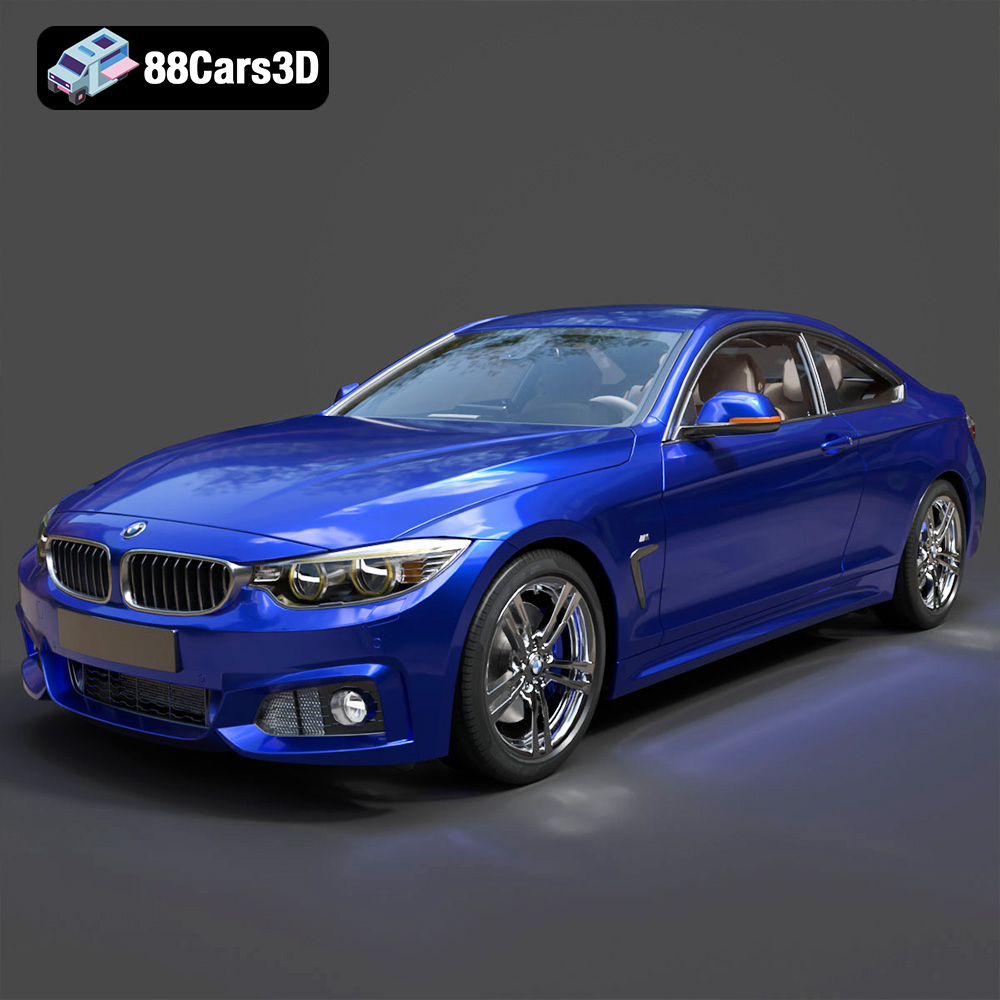
Download the BMW 4 Series Coupe M Sport 2014 3D Model featuring clean geometry, realistic detailing, and a fully modeled interior. Includes .blend, .fbx, .obj, .glb, .stl, .ply, .unreal, and .max formats for rendering, simulation, and game development.
Price: $14.99

Texture: Yes
Material: Yes
Download the Bentley Brooklands 2008 3D Model featuring clean geometry, realistic detailing, and a fully modeled interior. Includes .blend, .fbx, .obj, .glb, .stl, .ply, .unreal, and .max formats for rendering, simulation, and game development.
Price: $14.99
Texture: Yes
Material: Yes
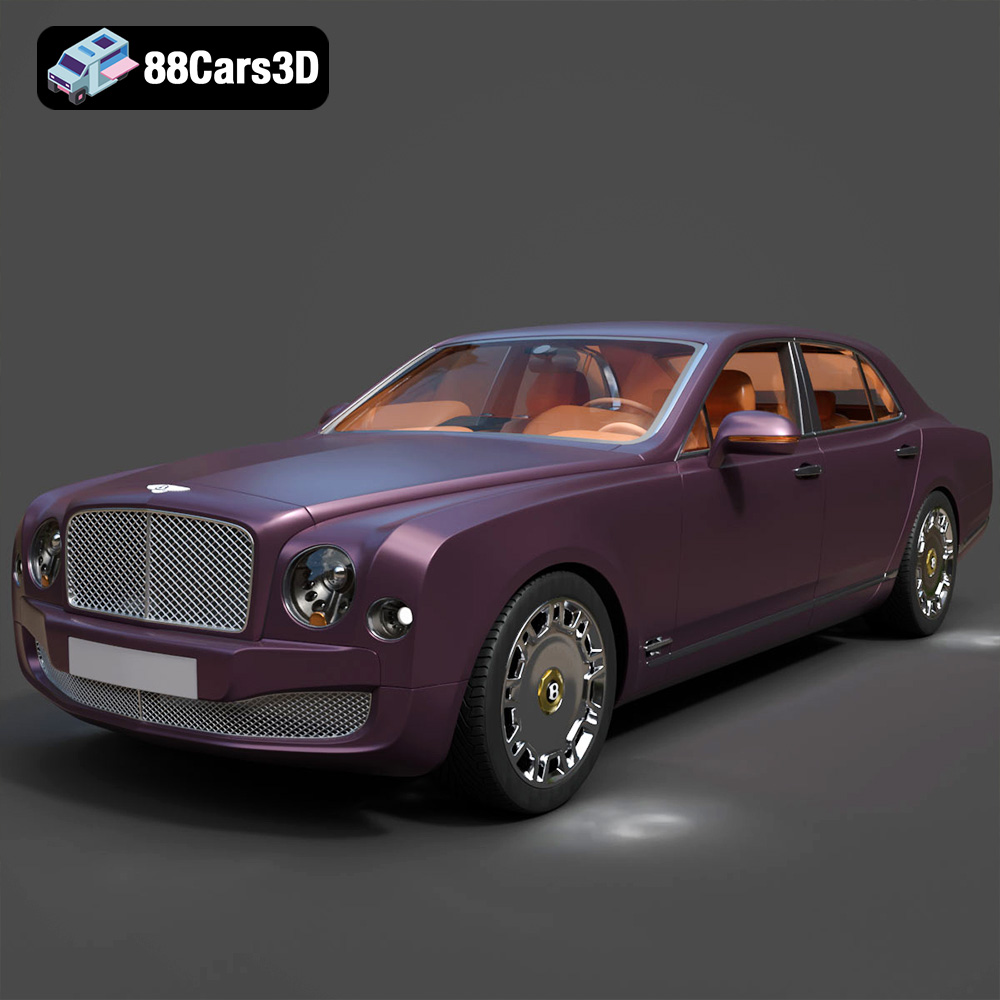
Download the Bentley Mulsanne Luxury Sedan 3D Model featuring clean geometry, realistic detailing, and a fully modeled interior. Includes .blend, .fbx, .obj, .glb, .stl, .ply, .unreal, and .max formats for rendering, simulation, and game development.
Price: $14.99

Texture: Yes
Material: Yes
Download the Bentley Continental GT 2011 3D Model featuring clean geometry, realistic detailing, and a fully modeled interior. Includes .blend, .fbx, .obj, .glb, .stl, .ply, .unreal, and .max formats for rendering, simulation, and game development.
Price: $14.99

Texture: Yes
Material: Yes
Download the Bentley Continental Flying Spur 3D Model featuring clean geometry, realistic detailing, and a fully modeled interior. Includes .blend, .fbx, .obj, .glb, .stl, .ply, .unreal, and .max formats for rendering, simulation, and game development.
Price: $14.99
Texture: Yes
Material: Yes
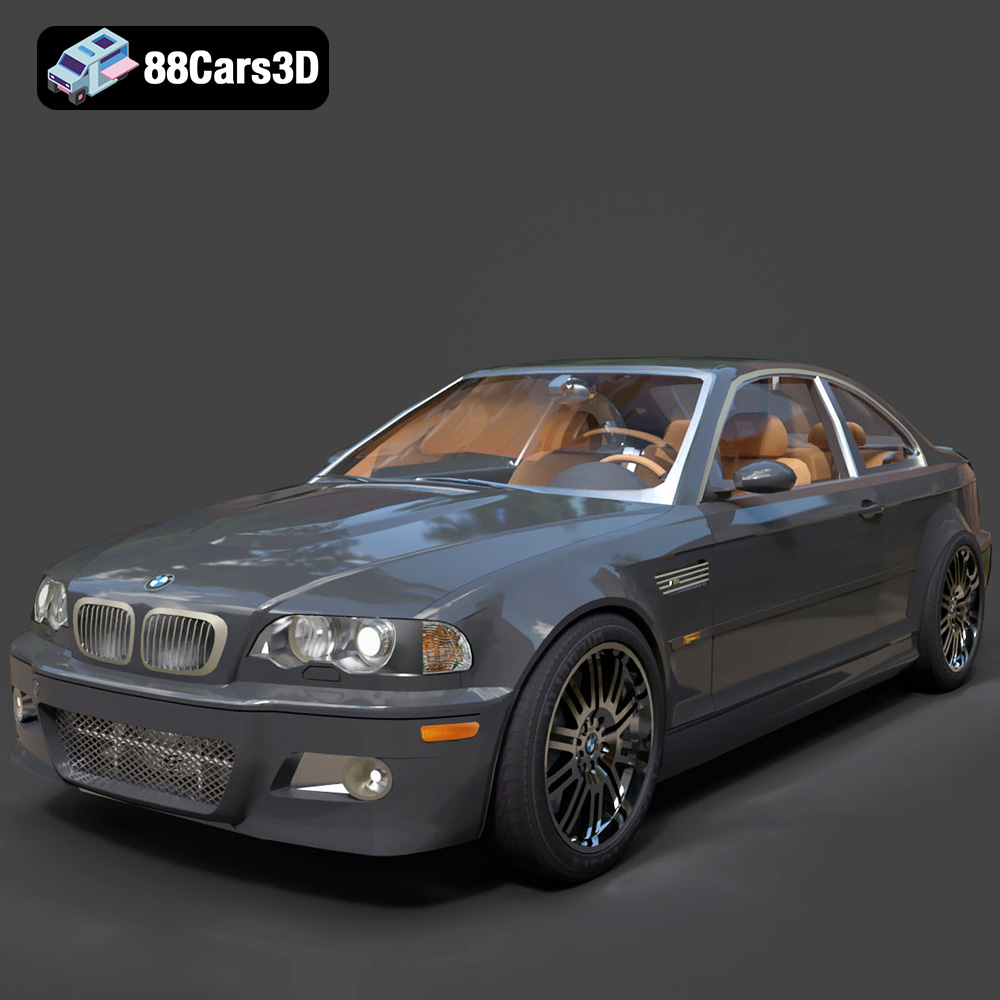
Download the BMW M3 E46 3D Model featuring iconic sports car design and detailed interior. Includes .blend, .fbx, .obj, .glb, .stl, .ply, .unreal, and .max formats for rendering, simulation, and game development.
Price: $16.99
Texture: Yes
Material: Yes
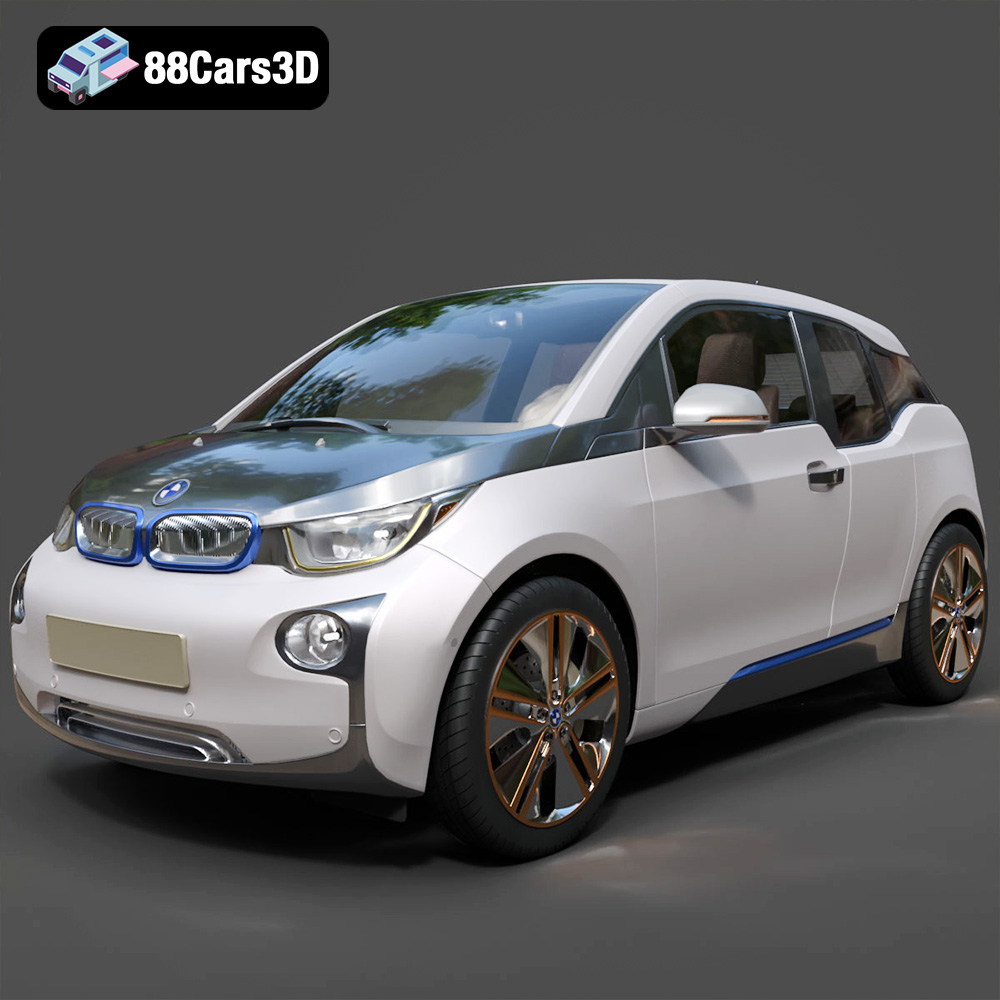
Download the BMW i3 Coupe 3D Model featuring its iconic electric design and compact urban styling. Includes .blend, .fbx, .obj, .glb, .stl, .ply, .unreal, and .max formats for rendering, simulation, and game development.
Price: $17.99
Texture: Yes
Material: Yes
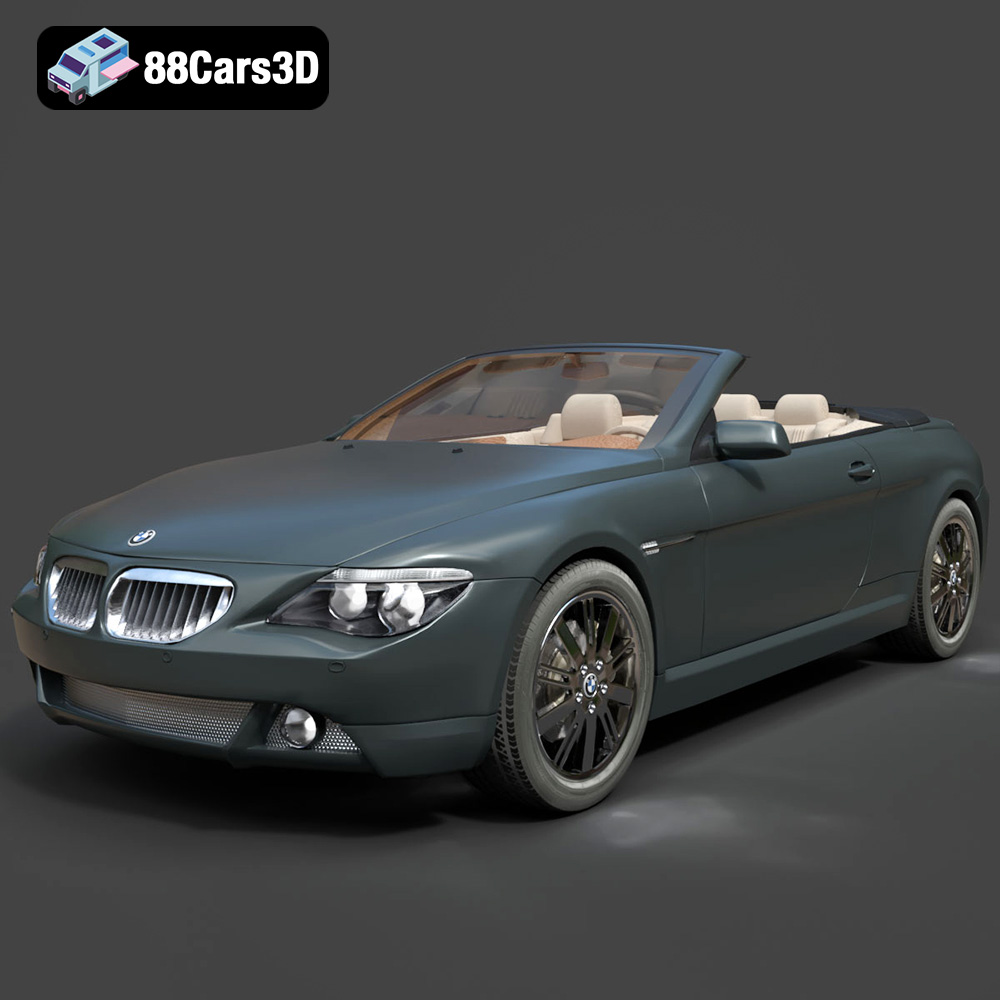
Download the BMW 645ci 3D Model featuring a sleek, detailed exterior and optimized interior. Includes .blend, .fbx, .obj, .glb, .stl, .ply, .unreal, and .max formats for rendering, simulation, and game development.
Price: $10.79
Texture: Yes
Material: Yes
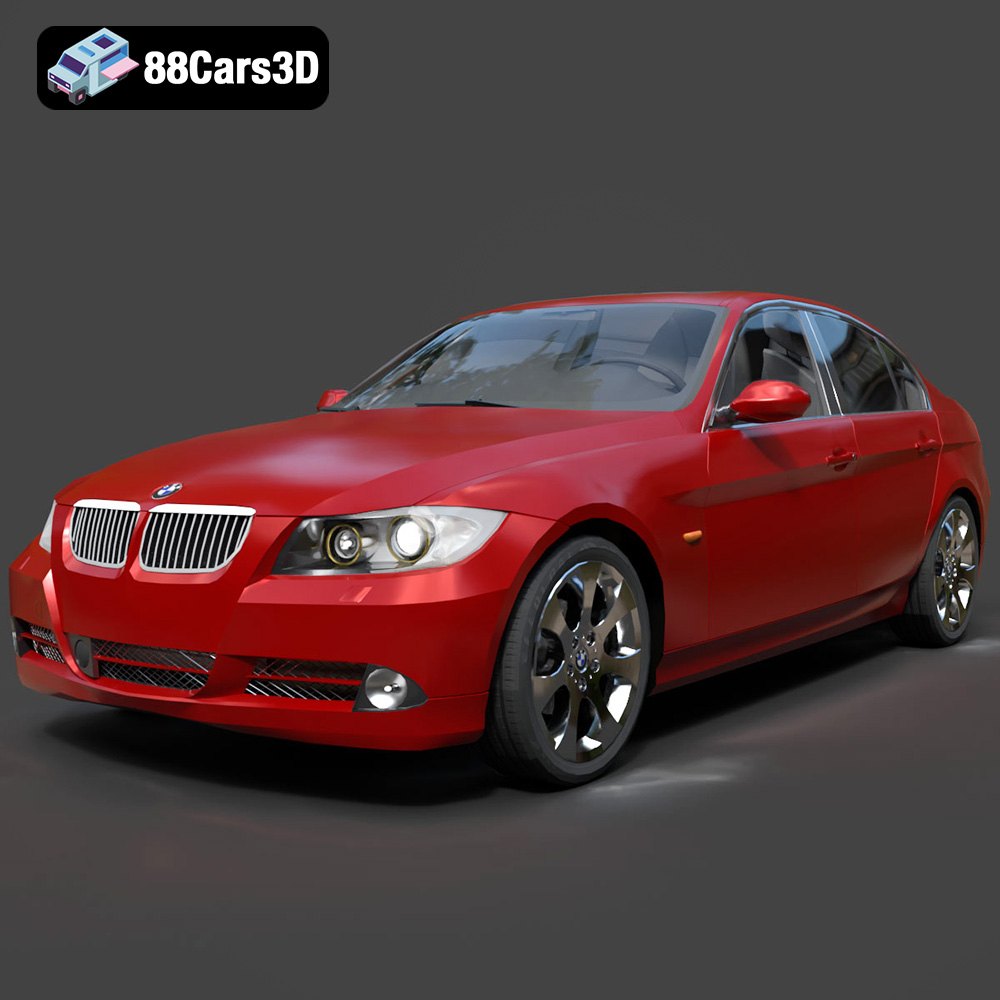
Download the BMW 330i E90 3D Model featuring a detailed exterior, an optimized interior, and accurate mechanical components. Includes .blend, .fbx, .obj, .glb, .stl, .ply, .unreal, and .max formats for rendering, simulation, and game development.
Price: $14.79
Texture: Yes
Material: Yes
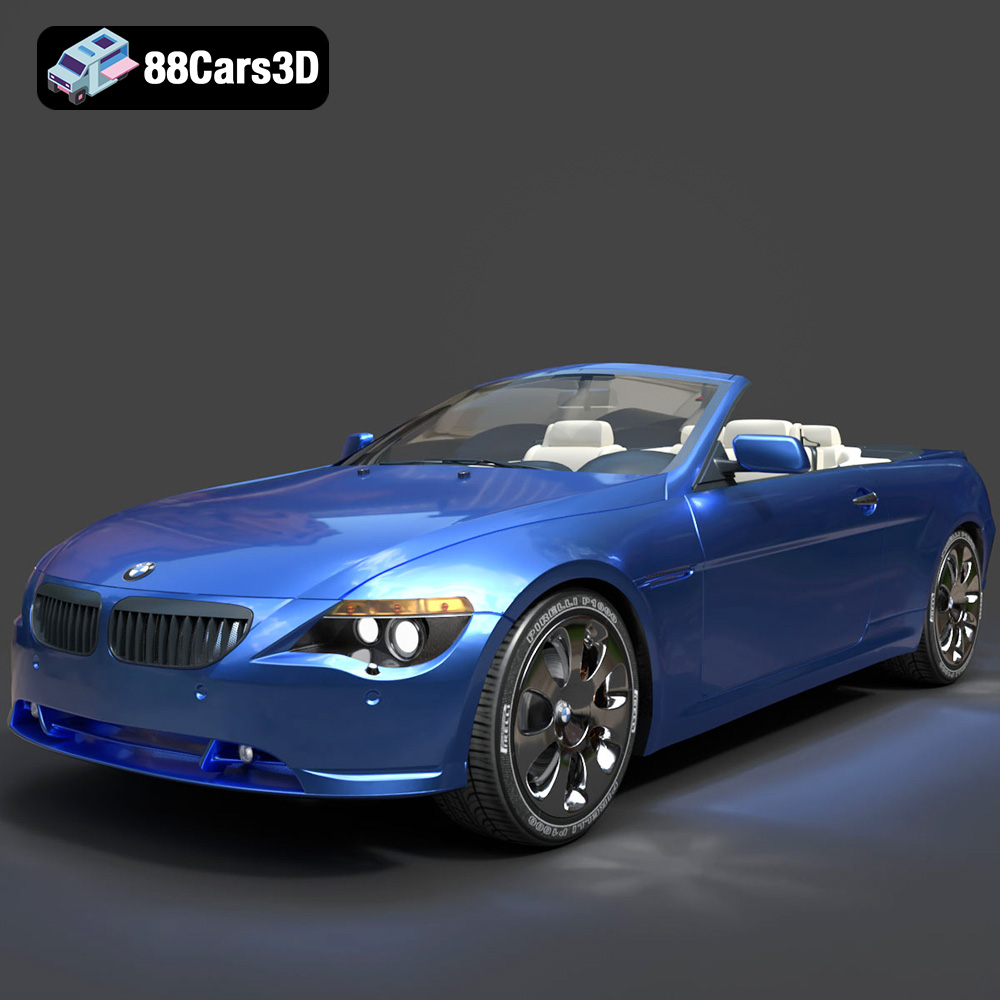
Download the BMW 6 Series Convertible 3D Model featuring clean geometry, realistic detailing, and a fully modeled interior. Includes .blend, .fbx, .obj, .glb, .stl, .ply, .unreal, and .max formats for rendering, simulation, and game development.
Price: $14.99

