⚡ FLASH SALE: Get 60% OFF All Premium 3D & STL Models! ⚡

In the competitive world of 3D visualization, the ability to create renders that blur the line between digital and reality is not just a skill—it’s an art form. For automotive enthusiasts, designers, and marketers, achieving photorealism in car renders is paramount. It captivates audiences, sells concepts, and showcases designs with unparalleled clarity. This comprehensive guide will take you on an in-depth journey through the intricate process of creating stunningly realistic car renders using Corona Renderer, a powerful and intuitive rendering engine known for its unbiased, physically based results.
From the foundational principles of 3D modeling and topology to the nuances of physically based rendering (PBR) materials, sophisticated lighting setups, and crucial post-processing techniques, we will cover every step required to elevate your automotive visualizations. Whether you’re a seasoned 3D artist aiming to refine your workflow or a newcomer eager to produce breathtaking imagery for your portfolio, game development projects, or architectural visualizations, this article will equip you with the knowledge and actionable insights to achieve truly photorealistic results. Prepare to unlock the full potential of Corona Renderer and transform your 3D car models into digital masterpieces that will leave viewers questioning, “Is that real?”
The journey to a photorealistic car render begins long before you hit the render button. It starts with the very foundation of your scene: the 3D car model itself. The quality of your model, particularly its topology and UV mapping, directly impacts the realism of your final image. A meticulously crafted model ensures smooth reflections, accurate deformations, and flawless texture application, all critical elements in achieving that coveted “real-world” look. Investing time in or sourcing high-quality models is non-negotiable for professional-grade results.
Topology refers to the arrangement of polygons (faces, edges, and vertices) on your 3D model. For automotive models, clean, quad-based topology is essential. Quads (four-sided polygons) deform predictably, allowing for smooth subdivision and consistent shading across complex curved surfaces like car bodies. Avoid triangles and n-gons (polygons with more than four sides) on visible surfaces, as they can lead to pinching, artifacts, and undesirable shading discontinuities, especially when applying subdivision surfaces (like OpenSubdiv or TurboSmooth).
Edge flow is another critical aspect. It dictates how the edges of your model follow the natural contours and creases of the car. Good edge flow ensures that reflections propagate smoothly across the car’s paintwork, mimicking the continuous curves of a real vehicle. Pay close attention to areas like panel gaps, body lines, wheel arches, and headlight surrounds. These areas require dense, well-defined edge loops to maintain sharp details and prevent geometric softening during subdivision. For intricate details such as grilles, vents, and interior components, ensure that the topology supports the desired level of detail without creating overly dense meshes that can bog down your scene. Polygon count is a delicate balance: while high-resolution meshes offer more detail, excessively dense models can slow down viewport performance, increase render times, and become challenging to manage. For rendering, a clean, subdividable mesh is often preferred, allowing you to control the final polygon count at render time. When sourcing models from marketplaces such as 88cars3d.com, always check the wireframe and mesh density to ensure it meets your quality standards for clean topology and efficient edge flow.
Once your model’s topology is solid, the next crucial step is UV mapping. UV mapping is the process of flattening the 3D surface of your model into a 2D space, allowing you to apply 2D textures (like diffuse, normal, or roughness maps) accurately. For complex car surfaces, proper UV unwrapping is vital to prevent texture stretching, distortion, or seams. Imagine trying to wrap a flat piece of paper around a sphere—you’d have to cut and fold it. UV mapping is the digital equivalent, but done precisely to avoid visible “cuts.”
Start by identifying natural breaks in your car model, such as along panel gaps or hidden edges, to define your UV seams. The goal is to create UV islands that are as flat and unstretched as possible, maintaining a consistent texel density across the entire model. For high-resolution textures, especially for large car bodies, consider using a UDIM workflow. UDIM (U-Dimension) allows you to use multiple UV tiles (each a 0-1 UV space) for a single object, enabling incredibly detailed textures without exceeding resolution limits of a single map. This is particularly useful for achieving ultra-realistic car paint, decals, and detailed interior surfaces. When arranging your UV islands, maximize the use of the UV space, but leave adequate padding between islands to prevent texture bleeding. Tools like Blender (for detailed information on Blender’s UV unwrapping tools and workflows, artists can refer to the official Blender 4.4 documentation), 3ds Max, or Maya offer robust UV editing suites that include features like pelt mapping, packing algorithms, and checkerboard overlays to help visualize and refine your unwraps. A well-executed UV map is the unsung hero behind every convincing textured surface.
Materials are the skin of your 3D car model, and in the pursuit of photorealism, physically based rendering (PBR) materials are indispensable. PBR ensures that your materials interact with light in a physically accurate way, mimicking how surfaces behave in the real world. This results in consistent and believable renders across different lighting conditions, a critical factor for automotive visualization.
At its core, PBR relies on two main workflows: Metallic-Roughness and Specular-Glossiness. Corona Renderer primarily utilizes the Metallic-Roughness workflow, which simplifies material creation by focusing on how metallic a surface is and how rough it appears. The key PBR maps you’ll be working with include:
In Corona Renderer, these maps are typically plugged into a Corona Mtl. The Albedo goes into “Diffuse Color,” Metallic into “Metalness,” and Roughness into “Roughness.” Normal maps are connected via a “Corona Normal” map to the “Bump” slot, while displacement maps go into the “Displacement” slot in the material editor or render settings.
Creating realistic car paint is one of the most challenging yet rewarding aspects of automotive rendering. Real car paint is a complex, layered material, usually consisting of a base coat (color, often with metallic flakes) and a clear coat (a glossy, protective layer). In Corona, you can simulate this using a Corona LayeredMtl.
Adjust the “Amount” of the clear coat in the LayeredMtl to control its thickness. Experiment with different Roughness values for both layers to simulate various paint finishes, from showroom-glossy to slightly weathered.
Don’t overlook the details. Realistic interior materials—leather, fabric, plastic, carbon fiber—are crucial for a convincing render. Use PBR textures for each component, paying attention to subtle variations in roughness and color. Leather often has slight imperfections and varying sheen; fabric benefits from detailed normal maps for weave patterns. For plastics, differentiate between soft-touch, matte, and glossy finishes using roughness maps. Carbon fiber requires intricate normal and diffuse patterns combined with a subtle clear coat. For tires, focus on a robust rubber shader with a distinct roughness, incorporating tread patterns via normal or displacement maps. Add subtle dirt, dust, and wear maps (using techniques like ambient occlusion or curvature maps to drive blending) to give these materials a lived-in, authentic feel. Even small imperfections contribute significantly to photorealism.
Lighting is arguably the most critical factor in achieving photorealistic renders. It defines the mood, highlights the car’s design, and reveals the nuances of its materials. Poor lighting can make even the best model look fake, while expert lighting can transform a simple scene into a captivating image. For automotive renders, understanding how to control light sources and their interaction with reflective surfaces is paramount.
For pristine showroom renders or product photography, a controlled studio lighting setup is ideal. The goal is to highlight the car’s curves and reflections without distracting elements. Key elements include:
Experiment with different light temperatures (cooler lights for a crisp look, warmer for a more inviting feel) and intensities. The placement of your lights will dramatically affect how the car’s reflections appear, so iterate and refine until you find the perfect balance that showcases the car’s design effectively.
Outdoor scenes offer a different set of challenges and opportunities. The aim is to integrate the 3D car seamlessly into a real-world environment, whether it’s a bustling city street or a serene natural landscape. This often involves:
The key to dynamic outdoor scenes is meticulous matching of light direction, color temperature, and intensity between your 3D elements and the real-world environment. This blend is what truly convinces the viewer.
Corona Renderer is renowned for its ease of use and high-quality output, but understanding its settings can further optimize your workflow, leading to faster renders without compromising visual fidelity. Balancing speed and quality is crucial for efficient production.
Corona Renderer operates on a progressive rendering approach, meaning it continuously refines the image until a desired noise level or time limit is reached. However, for a truly clean image, especially with complex materials or lighting, you’ll need to utilize its denoising capabilities and render passes.
Access these in the “Render Elements” tab in your render settings.
Apply denoising in the Corona Frame Buffer during or after rendering. You can choose to denoise specific passes or the entire beauty pass. Adjust the “Denoise amount” to find a balance between noise reduction and detail preservation.
Corona’s default settings are often excellent, but fine-tuning can make a difference:
For photorealistic stills, PT + PT or PT + UHD Cache are common choices.
Regularly test render with lower settings to check lighting and materials, only ramping up the quality for final production renders. This iterative process saves valuable time and resources.
While Corona Renderer produces incredible raw images, the final polish often comes in post-processing and compositing. This stage is where you refine the mood, enhance details, and add the subtle artistic touches that elevate a render from good to breathtaking. Think of it as the digital darkroom for your 3D photography.
Corona’s integrated Frame Buffer (VFB) offers a powerful suite of post-processing tools that allow you to make significant adjustments without ever leaving your 3D software. Mastering these tools can drastically improve your render’s impact:
The beauty of the Corona VFB is that all these adjustments are non-destructive and can be tweaked in real-time as your render progresses or after it’s complete, giving you immense flexibility.
For the ultimate control and artistic freedom, export your render passes and composite them in dedicated image editing software like Adobe Photoshop or Nuke, or video editing software like After Effects for animations. This allows for far greater precision than in-VFB post-processing:
Compositing allows you to isolate and refine every aspect of your image, giving you the power to achieve that elusive, flawless photorealistic finish.
The demand for photorealistic automotive assets extends beyond static renders to real-time applications in game engines and immersive AR/VR experiences. While Corona excels in offline rendering, preparing your models for real-time environments requires a different set of optimizations to ensure performance without sacrificing visual quality.
Real-time engines like Unity and Unreal Engine have strict performance budgets, especially concerning polygon counts and draw calls. Therefore, optimization is paramount:
Platforms like 88cars3d.com often provide game-ready assets with optimized LODs and baked textures, saving artists significant time in this crucial preparation stage.
Blender is an incredibly versatile tool for preparing automotive assets for game engines. Its robust modeling, sculpting, and UV editing features make it ideal for the optimization process:
Augmented Reality (AR) and Virtual Reality (VR) environments present even stricter performance demands due to the need for high frame rates (typically 90+ FPS) and low latency to prevent motion sickness.
Developing for AR/VR is a balance between visual fidelity and absolute performance. Every polygon, every material layer, and every dynamic light needs to be critically evaluated to ensure a smooth, immersive experience.
Creating photorealistic car renders with Corona Renderer is a rewarding journey that blends technical mastery with artistic vision. As we’ve explored, it’s a multi-faceted process that demands attention to detail at every stage, from the foundational quality of your 3D model and its topology to the intricate dance of physically based materials, strategic lighting, and the final polish of post-processing. Each element plays a crucial role in bringing your digital automotive concepts to life, making them indistinguishable from real-world photography.
By understanding the importance of clean, subdividable topology, mastering PBR material workflows for realistic car paint and intricate interiors, and leveraging Corona’s powerful lighting tools—be it for controlled studio setups or dynamic outdoor scenes—you gain the ability to tell compelling visual stories. Furthermore, optimizing render settings and harnessing the flexibility of the Corona Frame Buffer and external compositing software allows you to achieve unparalleled quality and efficiency. The principles extend beyond rendering, guiding you in preparing robust assets for real-time applications in game engines and immersive AR/VR experiences.
Remember, photorealism is not a destination but an iterative process of experimentation and refinement. Don’t be afraid to push boundaries, try new techniques, and scrutinize every detail. Platforms like 88cars3d.com provide an excellent starting point with high-quality 3D car models, freeing you to focus on the art of rendering. With the insights gained from this guide and a commitment to continuous learning, you are now well-equipped to transform your 3D car models into stunning, photorealistic automotive masterpieces that captivate and inspire. Now, go forth and render!

Texture: Yes
Material: Yes
Download the Bentley Continental GT 2011 3D Model featuring clean geometry, realistic detailing, and a fully modeled interior. Includes .blend, .fbx, .obj, .glb, .stl, .ply, .unreal, and .max formats for rendering, simulation, and game development.
Price: $14.99

Texture: Yes
Material: Yes
Download the Bentley Continental Flying Spur 3D Model featuring clean geometry, realistic detailing, and a fully modeled interior. Includes .blend, .fbx, .obj, .glb, .stl, .ply, .unreal, and .max formats for rendering, simulation, and game development.
Price: $14.99
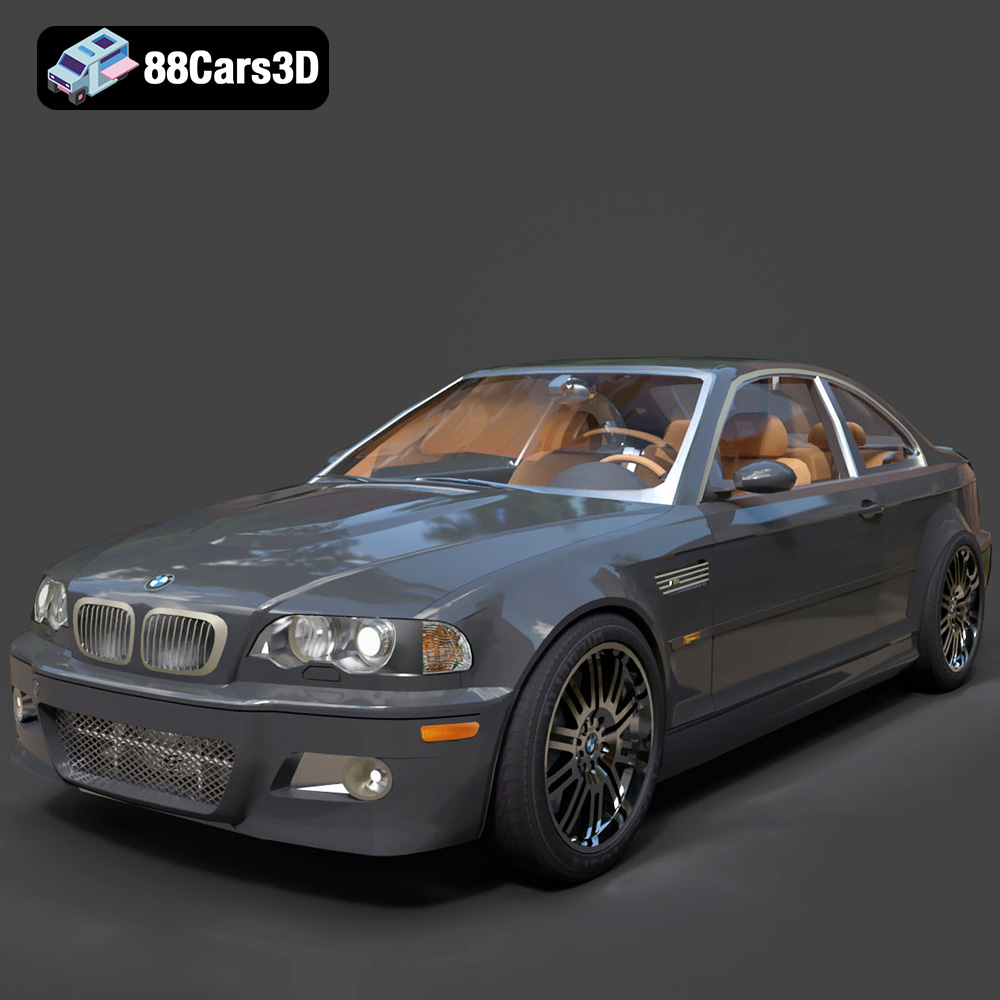
Texture: Yes
Material: Yes
Download the BMW M3 E46 3D Model featuring iconic sports car design and detailed interior. Includes .blend, .fbx, .obj, .glb, .stl, .ply, .unreal, and .max formats for rendering, simulation, and game development.
Price: $16.99
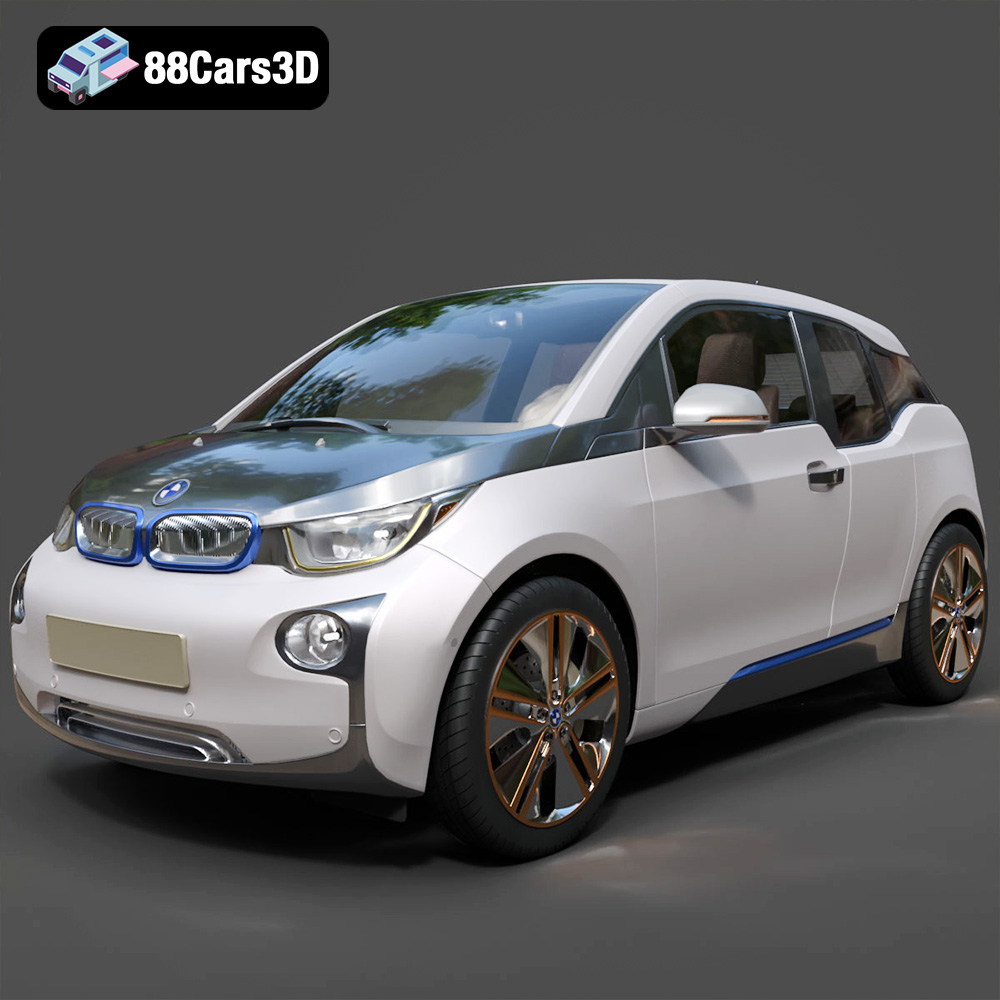
Texture: Yes
Material: Yes
Download the BMW i3 Coupe 3D Model featuring its iconic electric design and compact urban styling. Includes .blend, .fbx, .obj, .glb, .stl, .ply, .unreal, and .max formats for rendering, simulation, and game development.
Price: $17.99
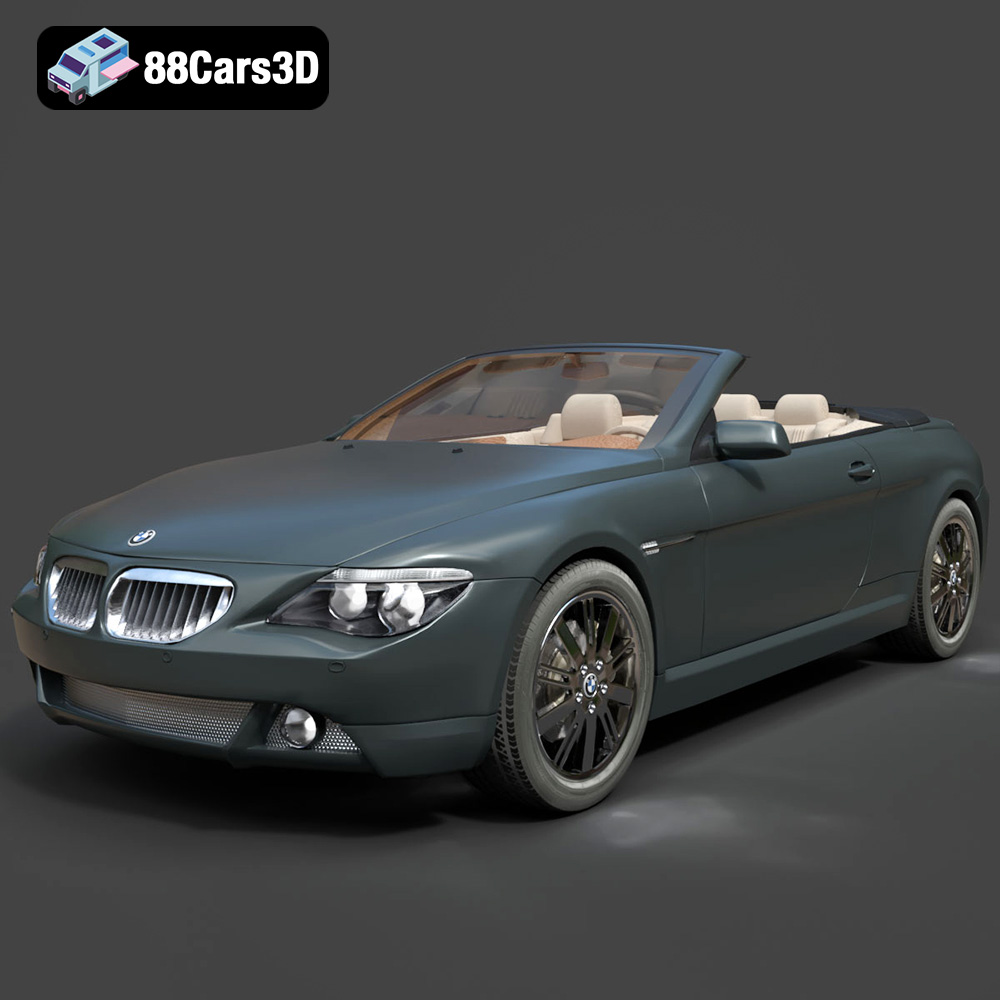
Texture: Yes
Material: Yes
Download the BMW 645ci 3D Model featuring a sleek, detailed exterior and optimized interior. Includes .blend, .fbx, .obj, .glb, .stl, .ply, .unreal, and .max formats for rendering, simulation, and game development.
Price: $10.79
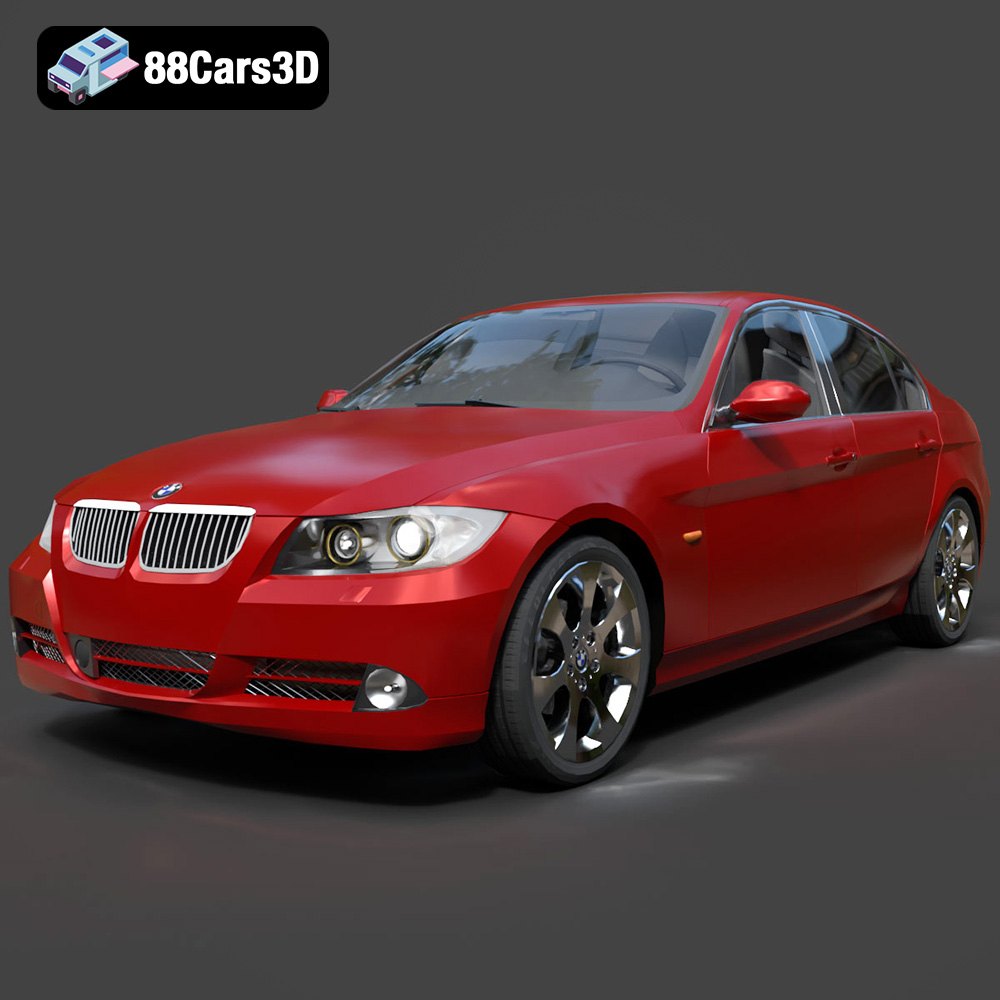
Texture: Yes
Material: Yes
Download the BMW 330i E90 3D Model featuring a detailed exterior, an optimized interior, and accurate mechanical components. Includes .blend, .fbx, .obj, .glb, .stl, .ply, .unreal, and .max formats for rendering, simulation, and game development.
Price: $14.79
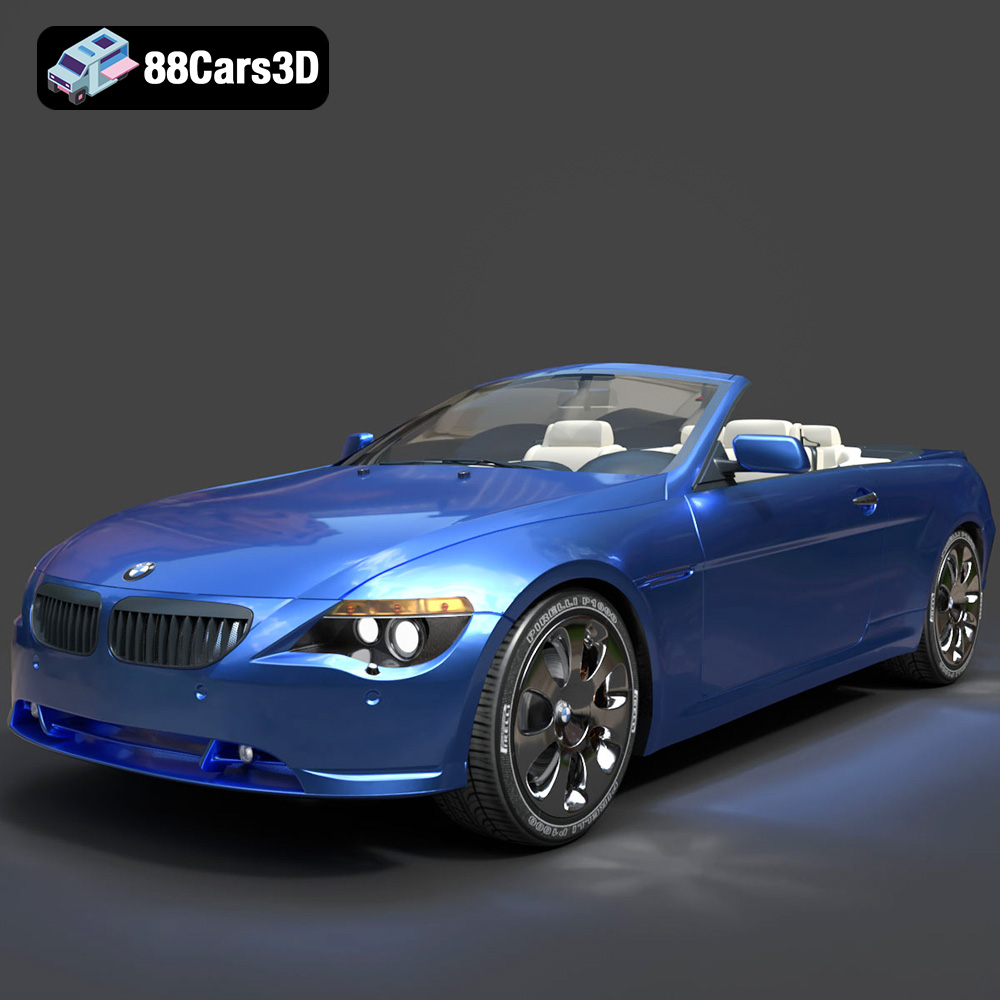
Texture: Yes
Material: Yes
Download the BMW 6 Series Convertible 3D Model featuring clean geometry, realistic detailing, and a fully modeled interior. Includes .blend, .fbx, .obj, .glb, .stl, .ply, .unreal, and .max formats for rendering, simulation, and game development.
Price: $14.99
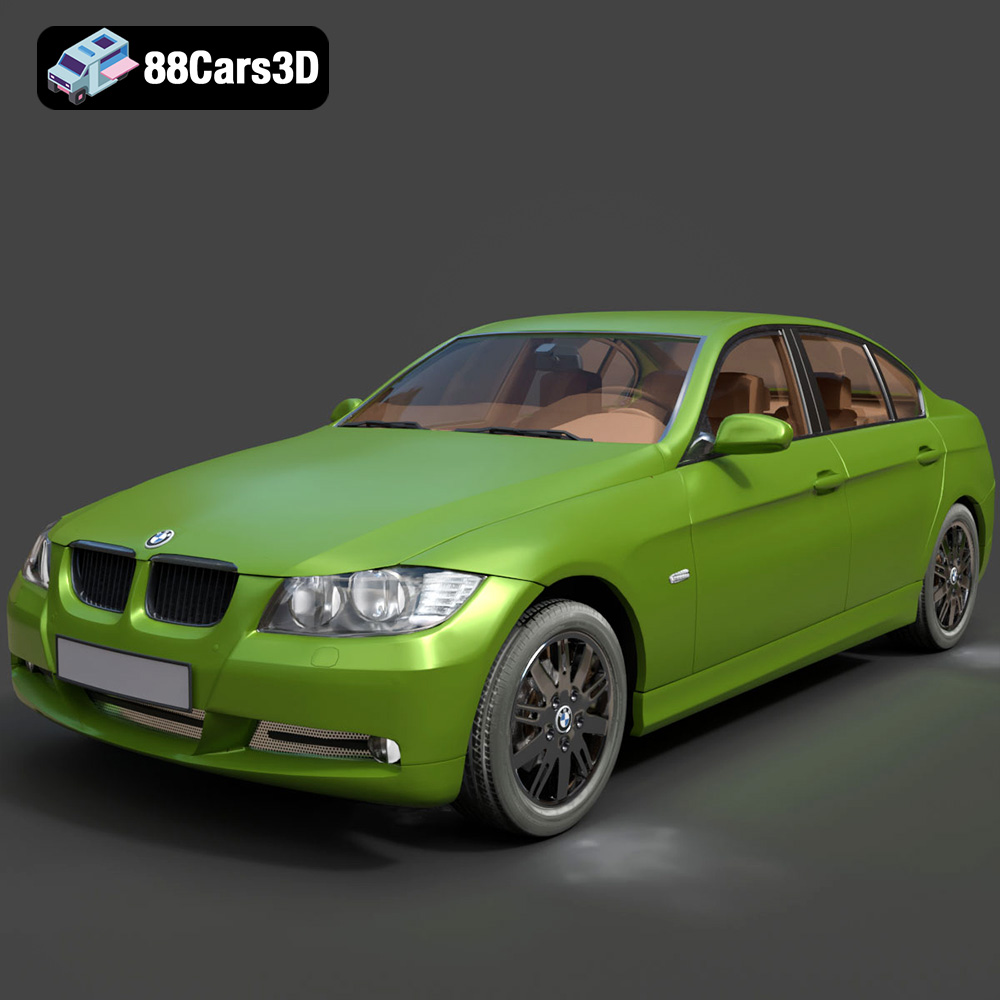
Texture: Yes
Material: Yes
Download the BMW 3-005 3D Model featuring a sleek design, detailed exterior and interior. Includes .blend, .fbx, .obj, .glb, .stl, .ply, .unreal, and .max formats for rendering, simulation, and game development.
Price: $14.99
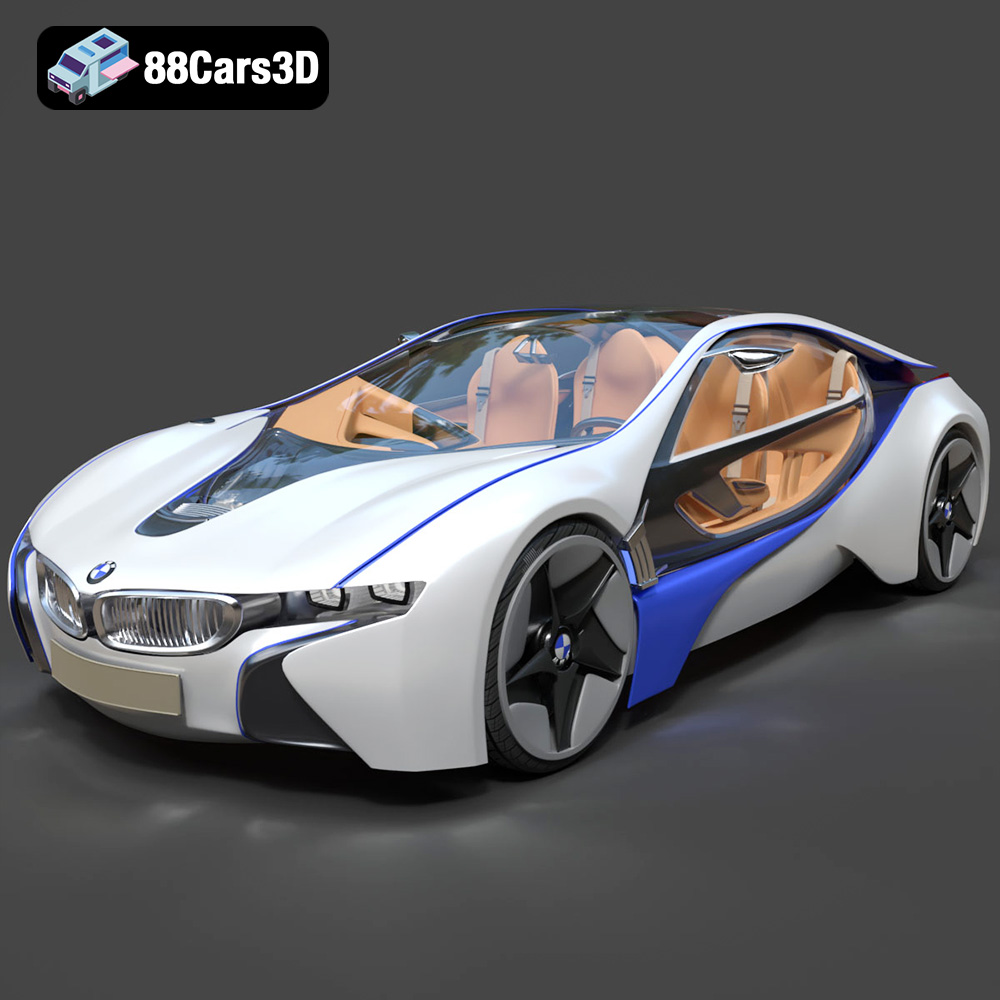
Texture: Yes
Material: Yes
Download the BMW Vision Effecient Dynamics-007 3D Model featuring a sleek, futuristic design and hybrid concept aesthetics. Includes .blend, .fbx, .obj, .glb, .stl, .ply, .unreal, and .max formats for rendering, simulation, and game development.
Price: $14.99
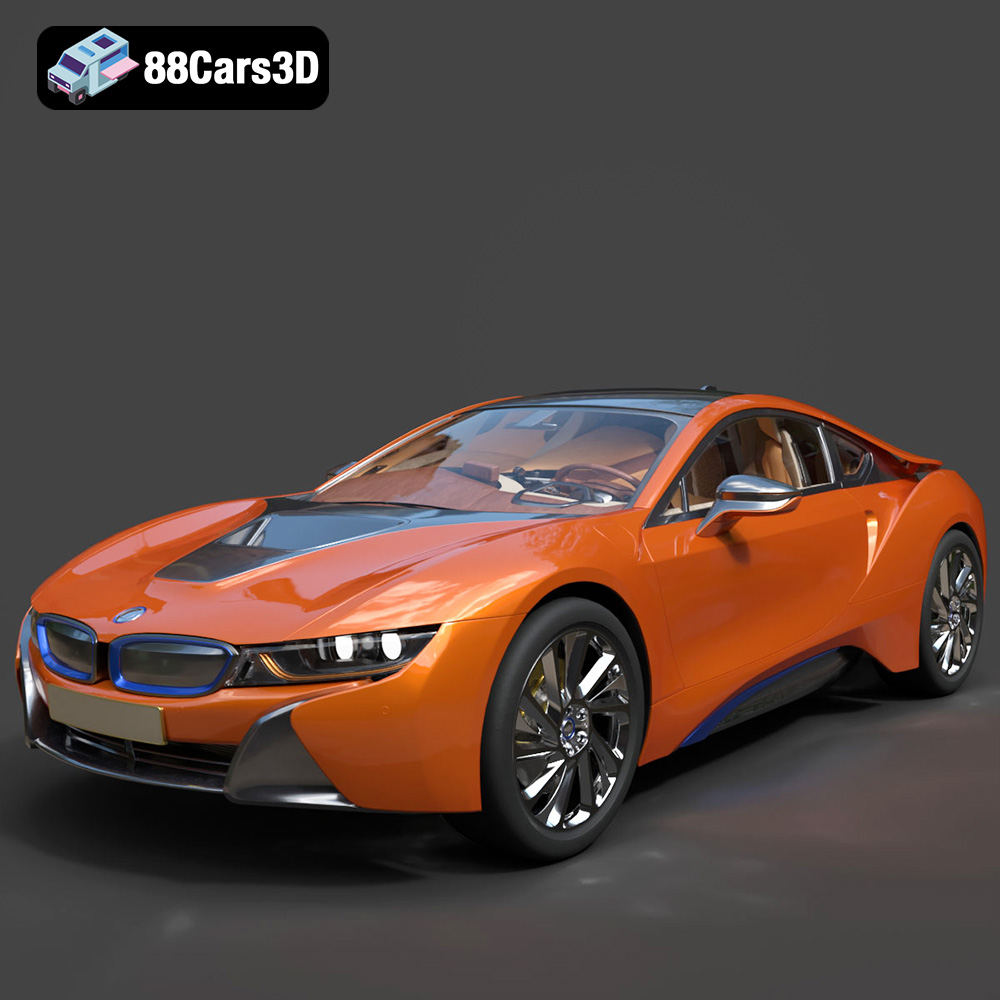
Texture: Yes
Material: Yes
Download the BMW i8 2015 3D Model featuring clean geometry, realistic detailing, and a fully modeled interior. Includes .blend, .fbx, .obj, .glb, .stl, .ply, .unreal, and .max formats for rendering, simulation, and game development.
Price: $12.99

