⚡ FLASH SALE: Get 60% OFF All Premium 3D & STL Models! ⚡

“`html
The world of 3D printing offers an incredible gateway into replicating the automotive masterpieces you love, right in your own home. Whether you’re a seasoned maker, an automotive enthusiast looking to build a miniature collection, or an educator bringing engineering concepts to life, understanding your 3D printer’s capabilities is paramount. Among the most crucial, yet often overlooked, settings are the nozzle diameter and the build volume (bed size). These two factors significantly influence print quality, speed, detail, and the very feasibility of printing complex geometries, like the intricate designs found in high-quality printable car models. This comprehensive guide will dive deep into the technical nuances of selecting the optimal nozzle and bed size for your projects, ensuring your STL files translate into stunning, print-ready replicas. We’ll explore the trade-offs, provide actionable advice, and equip you with the knowledge to conquer any print job, from tiny, detailed components to larger display pieces.
The nozzle is where the magic of FDM 3D printing truly happens – it’s the critical interface between your chosen filament and the final, solidified object. The diameter of this small, often brass, component is a fundamental setting that dictates the width of each extruded line of plastic, known as the extrusion width or line width. This, in turn, has a profound impact on print resolution, print time, and structural integrity. Most FDM printers come equipped with a standard 0.4mm nozzle, which offers a good balance for general-purpose printing. However, understanding when to deviate from this standard can elevate your print quality significantly, especially when dealing with the fine details often present in 3D printable car models.
For achieving intricate details, sharp edges, and smooth surfaces – all essential for realistic car models – smaller nozzle diameters are your best friend. Nozzles ranging from 0.1mm to 0.3mm allow for much finer extrusion lines. This translates to a higher effective resolution, meaning more detail can be captured from your STL files. When printing small-scale models or components that require delicate features like grilles, emblems, or panel lines, a smaller nozzle can make the difference between a recognizable model and a truly exquisite replica. For instance, printing a 1:64 scale model of a classic sports car might necessitate a 0.2mm or even 0.15mm nozzle to resolve the tiny logos and intricate wheel designs.
Conversely, larger nozzle diameters (0.6mm, 0.8mm, 1.0mm, and even larger) excel in situations where speed and structural integrity are prioritized over microscopic detail. For larger car models, functional prototypes, or parts where layer lines are less of a concern, a bigger nozzle can drastically reduce print times. A 0.8mm nozzle can lay down plastic up to twice as fast as a 0.4mm nozzle, making it ideal for printing larger chassis components or display bases quickly. Furthermore, the wider extrusion lines create stronger layer adhesion, resulting in more robust prints. This is particularly beneficial for parts that might undergo stress or require a more solid feel. For example, if you’re printing a large, display-sized model and want to minimize print time, a 0.6mm or 0.8mm nozzle can be a game-changer.
When downloading STL files from platforms like 88cars3d.com, consider the scale and intended purpose of the model. For highly detailed, collectible-scale models, a 0.2mm or 0.25mm nozzle is often recommended. For larger, more robust models or if you’re prioritizing speed, a 0.4mm or 0.6mm nozzle might be more appropriate. Some advanced users even employ multiple nozzle sizes within a single print job (if their printer supports it) to achieve the best of both worlds – fine detail for specific areas and faster, stronger prints for others. Always check the model description on marketplaces such as 88cars3d.com, as creators often provide recommendations for optimal print settings, including nozzle size.
The nozzle diameter is just one piece of the puzzle. Your slicer software – whether it’s Cura, PrusaSlicer, Simplify3D, or another – is where you translate the 3D model (your STL file) into machine instructions that your 3D printer understands. The settings within your slicer are crucial for leveraging your chosen nozzle size effectively. Key parameters like layer height, extrusion width, print speed, and infill density are all interconnected and influence the final outcome. Mastering these settings allows you to fine-tune your prints for either maximum detail or maximum speed, depending on your project’s needs.
Layer height refers to the thickness of each individual layer deposited by the printer. This is arguably the most significant setting affecting vertical resolution and surface finish. For a 0.4mm nozzle, typical layer heights range from 0.1mm (high detail) to 0.3mm (faster, less detailed). Smaller nozzles can achieve even lower layer heights (e.g., 0.05mm to 0.1mm with a 0.15mm nozzle), while larger nozzles might struggle to deposit layers below 0.15mm to 0.2mm effectively.
While the nozzle diameter sets the physical limit, the extrusion width in your slicer can be adjusted to a certain extent. It’s common practice to set the extrusion width slightly larger than the nozzle diameter (e.g., 110% to 150% of nozzle diameter) for FDM printing to ensure good layer adhesion and fill. For example, with a 0.4mm nozzle, an extrusion width of 0.4mm to 0.6mm is often used.
Print speed directly impacts how quickly your printer operates. Faster speeds often lead to reduced quality, especially with smaller nozzles or complex geometries. Infill density and pattern determine the internal structure of your print. For decorative car models, low infill (5-15%) is usually sufficient. For functional parts, higher infill (30-60% or more) and strong patterns like gyroid or cubic are recommended.
The build volume, commonly referred to as the print bed size, defines the maximum dimensions (X, Y, and Z axes) of an object your 3D printer can create in a single piece. This is a fundamental hardware limitation that dictates the scale of your prints and whether you can print a complete model or need to break it down into smaller sections. For automotive enthusiasts and model makers, the build volume can be a significant consideration, especially when aiming for larger, more impressive replicas or multiple car models simultaneously.
Build volumes are typically expressed in millimeters (mm) or inches (in). Common sizes include 220x220x250mm (standard for many consumer printers), 300x300x300mm, or even larger industrial machines. The Z-axis height is often the most limiting factor for tall prints, while the X and Y dimensions determine the width and depth.
For many detailed printable car models, especially those intended for display at larger scales (e.g., 1:10 or 1:8), the complete model will exceed the build volume of most consumer-grade printers. In such cases, the STL files are often designed to be printed in multiple sections. This requires careful planning and execution during both slicing and post-processing.
Even with a standard-sized build volume, you can optimize your printing efficiency by strategically arranging multiple parts. This is particularly useful when printing a fleet of smaller car models or batches of identical components.
While nozzle and bed size are critical, they interact closely with material properties and the overall calibration of your 3D printer. The filament you choose affects how it extrudes through different nozzle sizes, and a well-calibrated printer ensures consistent results regardless of your chosen settings. Neglecting these foundational elements can undermine even the most carefully selected nozzle and bed size strategies.
Different filament types have varying melting points, viscosities, and particulate content, which influence their suitability for different nozzle sizes. Understanding these properties is key to avoiding clogs and achieving optimal extrusion.
A well-calibrated printer is essential for achieving accurate dimensions, smooth surfaces, and reliable prints. Key calibration steps include:
Regular cleaning and maintenance of your nozzle are crucial. When switching nozzle sizes, ensure the printer’s hotend is heated to a moderate temperature (around 240°C for most filaments) to loosen any remaining plastic before attempting to unscrew the old nozzle. Carefully tighten the new nozzle while the hotend is hot, ensuring it seals against the heat break, not the heater block, to prevent leaks.
By understanding the interplay between nozzle size, build volume, material properties, and printer calibration, you are well-equipped to tackle any 3D printing project. Whether you’re printing delicate components for a miniature supercar or a larger, more robust display model, these technical considerations will guide you towards successful and high-quality results. Remember to consult specific recommendations for the STL files you download, as creators often provide valuable insights into optimal printing parameters.
The journey to mastering 3D printing, especially for intricate subjects like automotive models, is an ongoing learning process. The nozzle diameter and build volume are not mere specifications; they are fundamental parameters that dictate the possibilities and limitations of your prints. By understanding the trade-offs between detail and speed, resolution and print time, you can make informed decisions that align with your project goals. A smaller nozzle (0.1mm-0.3mm) is ideal for capturing the exquisite details found in many printable car models from 88cars3d.com, perfect for collectors and those prioritizing fidelity. Conversely, larger nozzles (0.6mm-1.0mm+) offer significant speed advantages and increased robustness for larger models or functional parts, albeit with a sacrifice in fine detail. Your printer’s build volume sets the stage, influencing whether you can print a complete model or need to expertly section and assemble it. This requires careful slicing, precise alignment, and suitable assembly techniques.
Beyond these core hardware considerations, remember the crucial role of your slicer software settings – layer height, extrusion width, print speed, and infill – which work in tandem with your chosen nozzle. Furthermore, never underestimate the importance of material selection and consistent printer calibration. A well-tuned printer and an appropriate filament choice are the bedrock upon which successful prints are built. By embracing these technical insights, experimenting with settings, and learning from each print, you’ll be well on your way to producing stunning, high-quality STL files reproductions of your favorite automobiles. So, dive in, explore the settings, and let your 3D printer bring your automotive passion to life, one layer at a time!
“`

Texture: Yes
Material: Yes
Download the Bentley Continental Flying Spur 3D Model featuring clean geometry, realistic detailing, and a fully modeled interior. Includes .blend, .fbx, .obj, .glb, .stl, .ply, .unreal, and .max formats for rendering, simulation, and game development.
Price: $14.99
Texture: Yes
Material: Yes
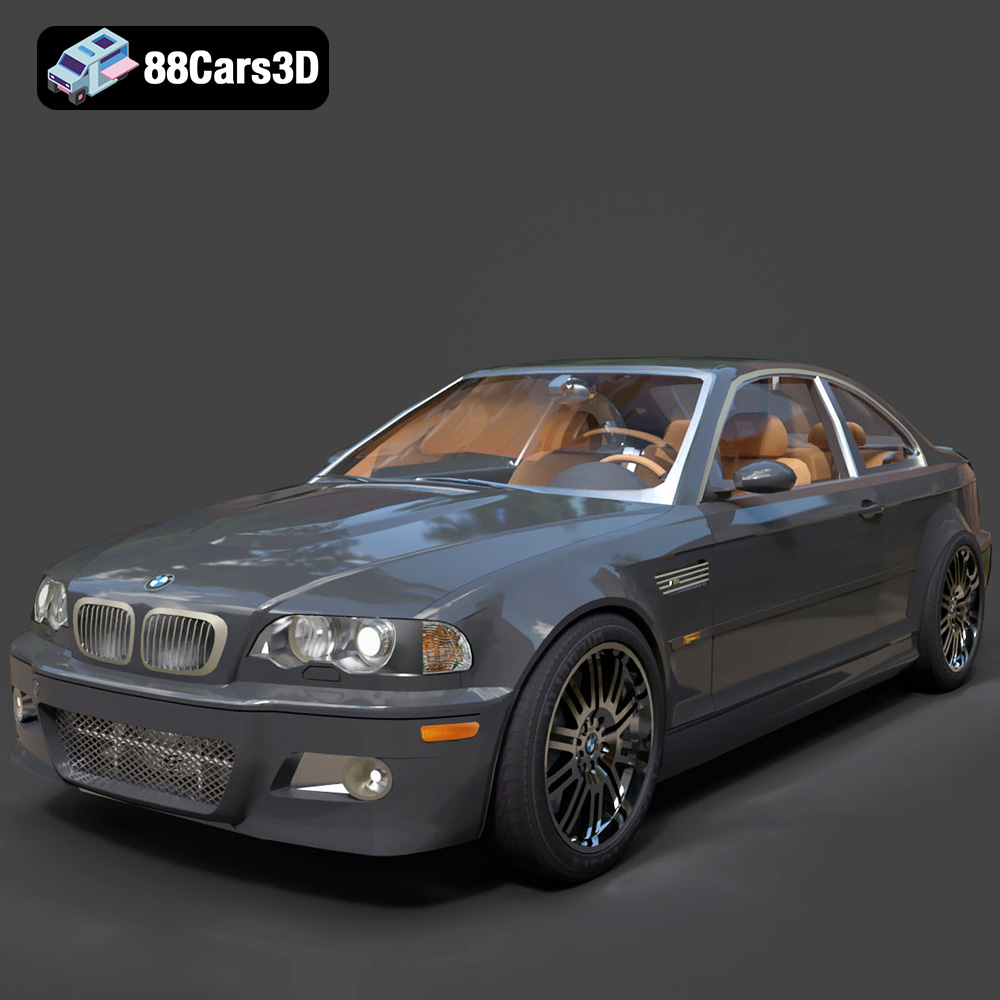
Download the BMW M3 E46 3D Model featuring iconic sports car design and detailed interior. Includes .blend, .fbx, .obj, .glb, .stl, .ply, .unreal, and .max formats for rendering, simulation, and game development.
Price: $16.99
Texture: Yes
Material: Yes
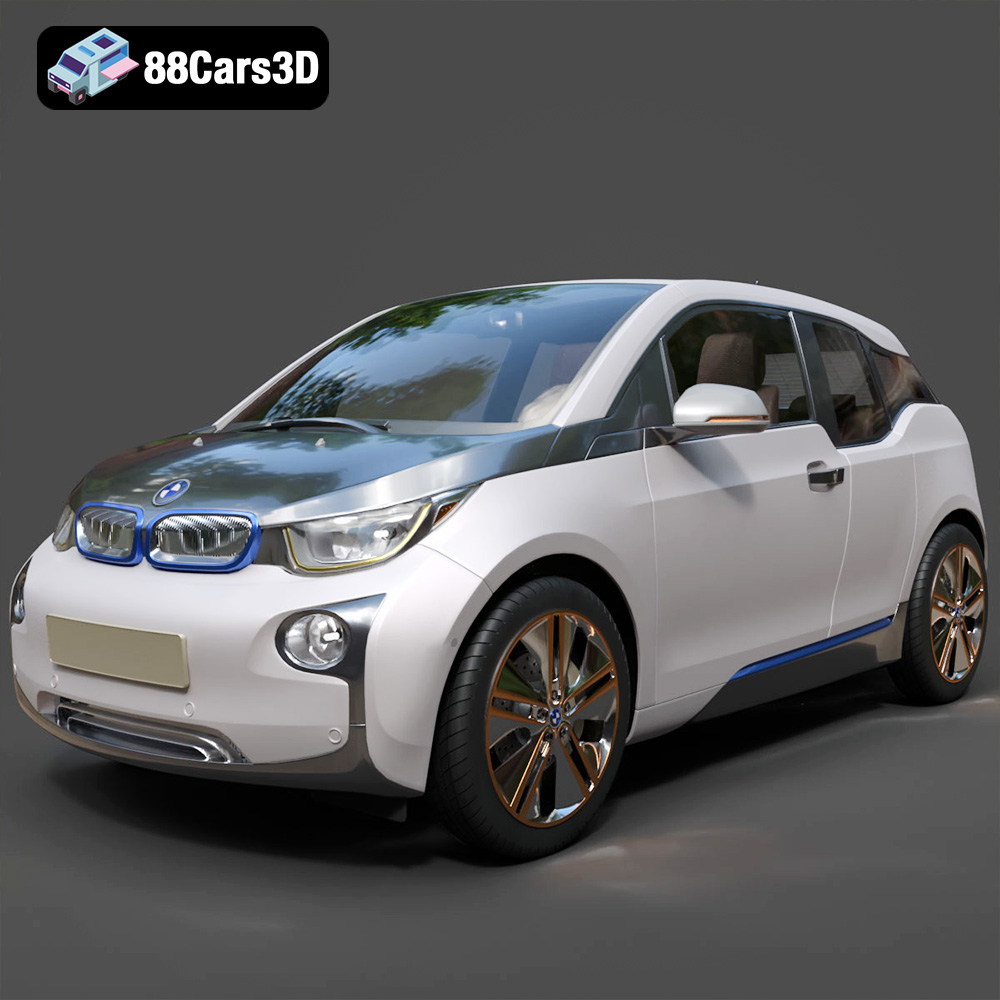
Download the BMW i3 Coupe 3D Model featuring its iconic electric design and compact urban styling. Includes .blend, .fbx, .obj, .glb, .stl, .ply, .unreal, and .max formats for rendering, simulation, and game development.
Price: $17.99
Texture: Yes
Material: Yes
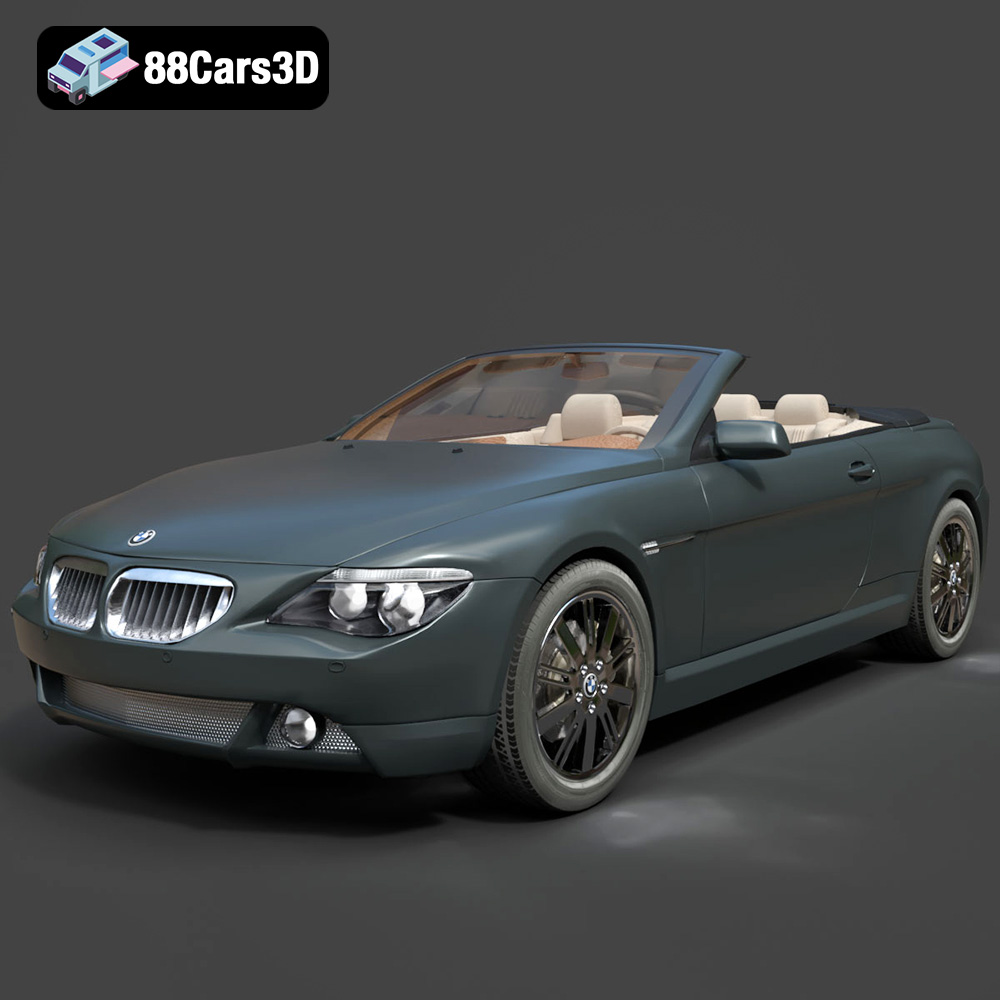
Download the BMW 645ci 3D Model featuring a sleek, detailed exterior and optimized interior. Includes .blend, .fbx, .obj, .glb, .stl, .ply, .unreal, and .max formats for rendering, simulation, and game development.
Price: $10.79
Texture: Yes
Material: Yes
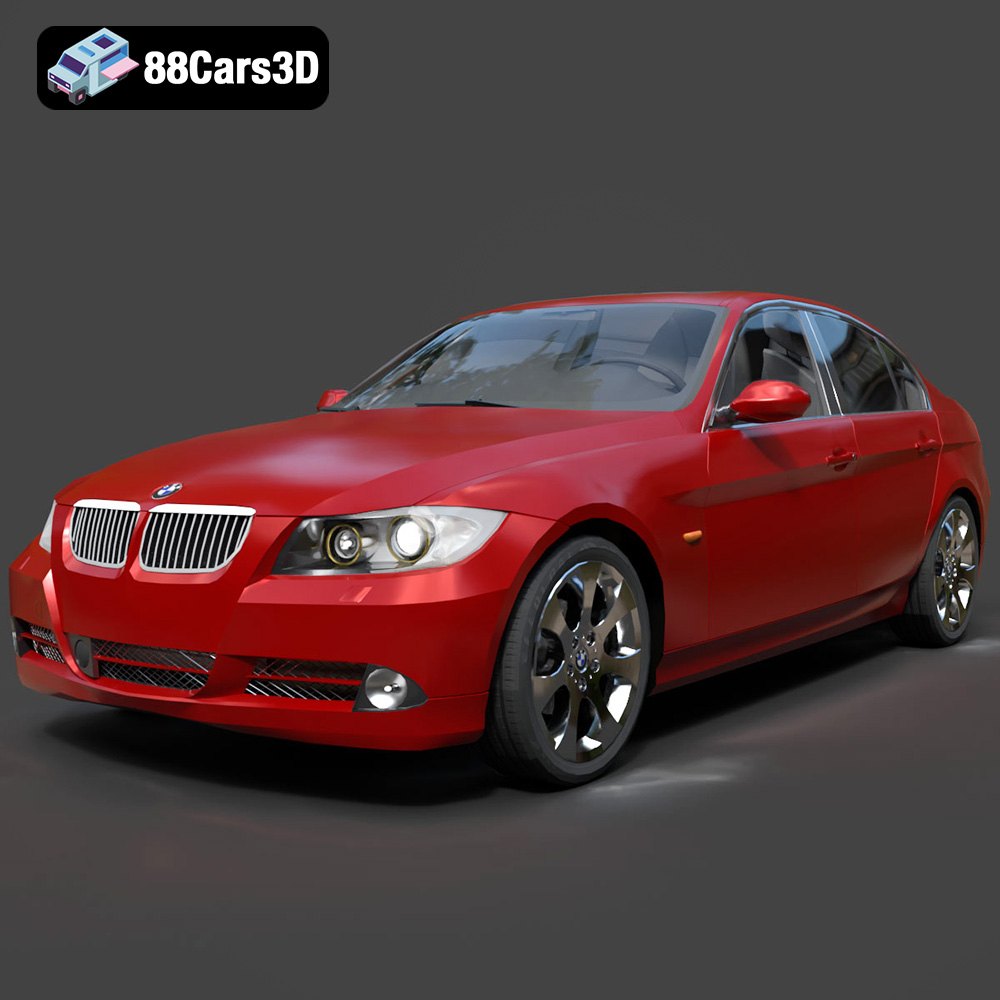
Download the BMW 330i E90 3D Model featuring a detailed exterior, an optimized interior, and accurate mechanical components. Includes .blend, .fbx, .obj, .glb, .stl, .ply, .unreal, and .max formats for rendering, simulation, and game development.
Price: $14.79
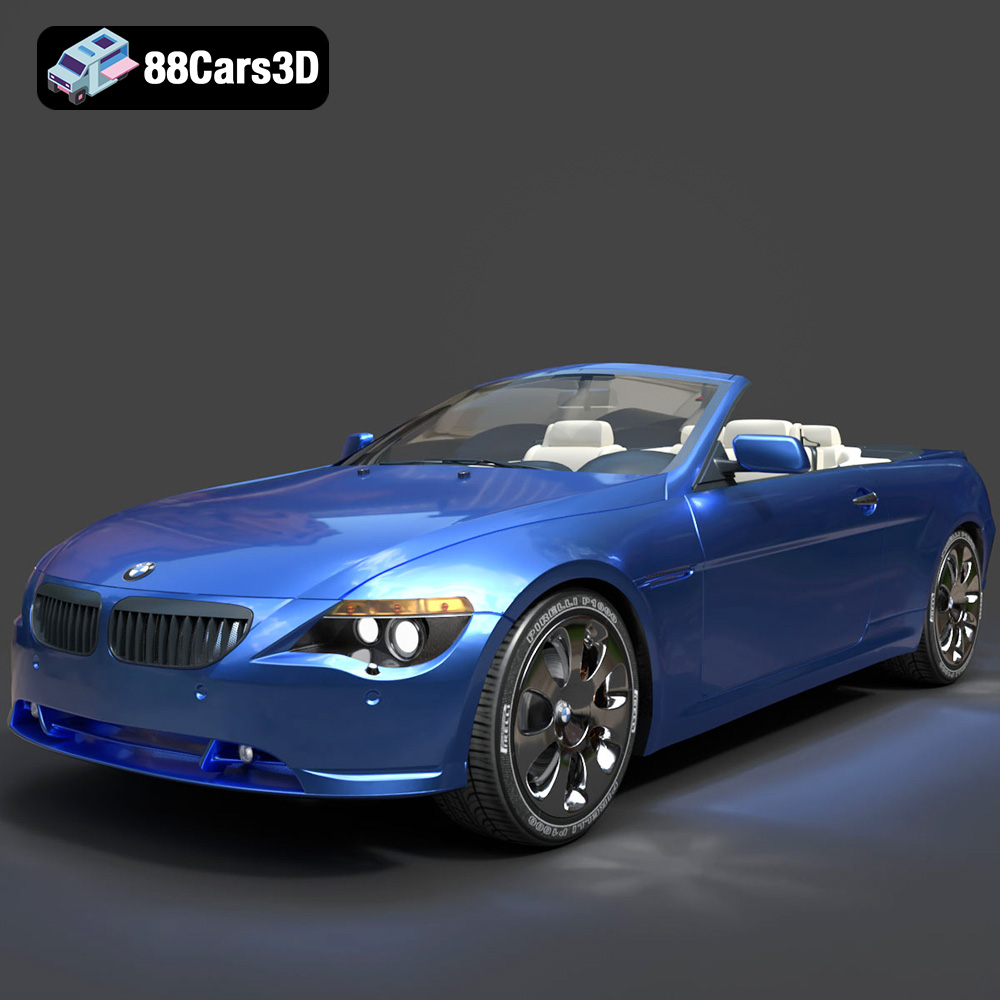
Texture: Yes
Material: Yes
Download the BMW 6 Series Convertible 3D Model featuring clean geometry, realistic detailing, and a fully modeled interior. Includes .blend, .fbx, .obj, .glb, .stl, .ply, .unreal, and .max formats for rendering, simulation, and game development.
Price: $14.99
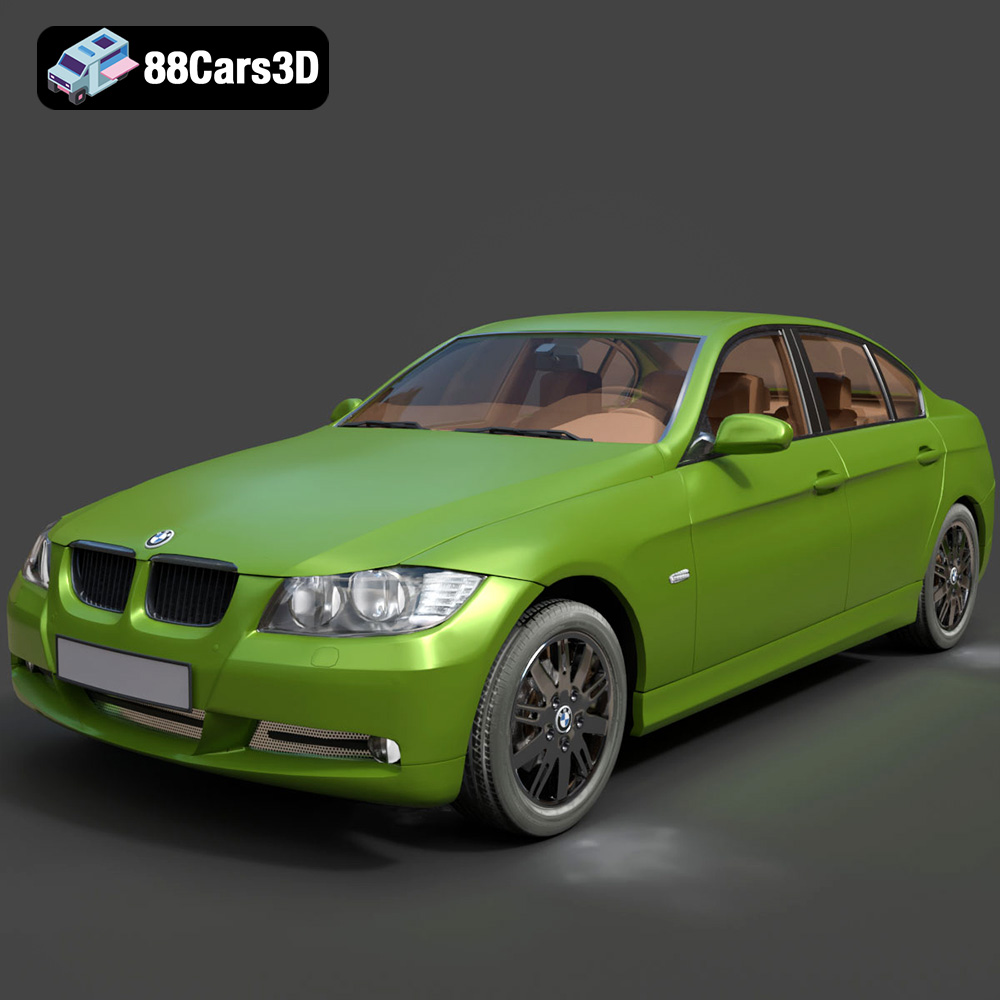
Texture: Yes
Material: Yes
Download the BMW 3-005 3D Model featuring a sleek design, detailed exterior and interior. Includes .blend, .fbx, .obj, .glb, .stl, .ply, .unreal, and .max formats for rendering, simulation, and game development.
Price: $14.99
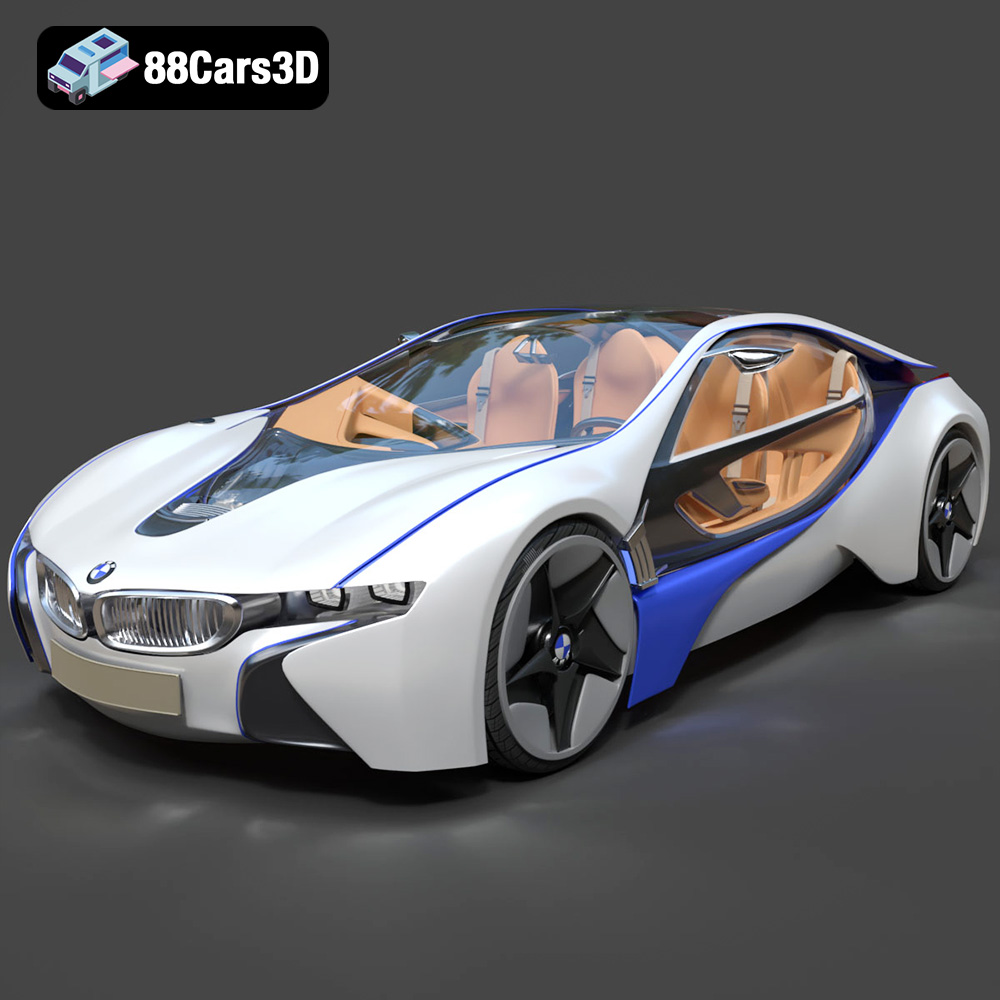
Texture: Yes
Material: Yes
Download the BMW Vision Effecient Dynamics-007 3D Model featuring a sleek, futuristic design and hybrid concept aesthetics. Includes .blend, .fbx, .obj, .glb, .stl, .ply, .unreal, and .max formats for rendering, simulation, and game development.
Price: $14.99
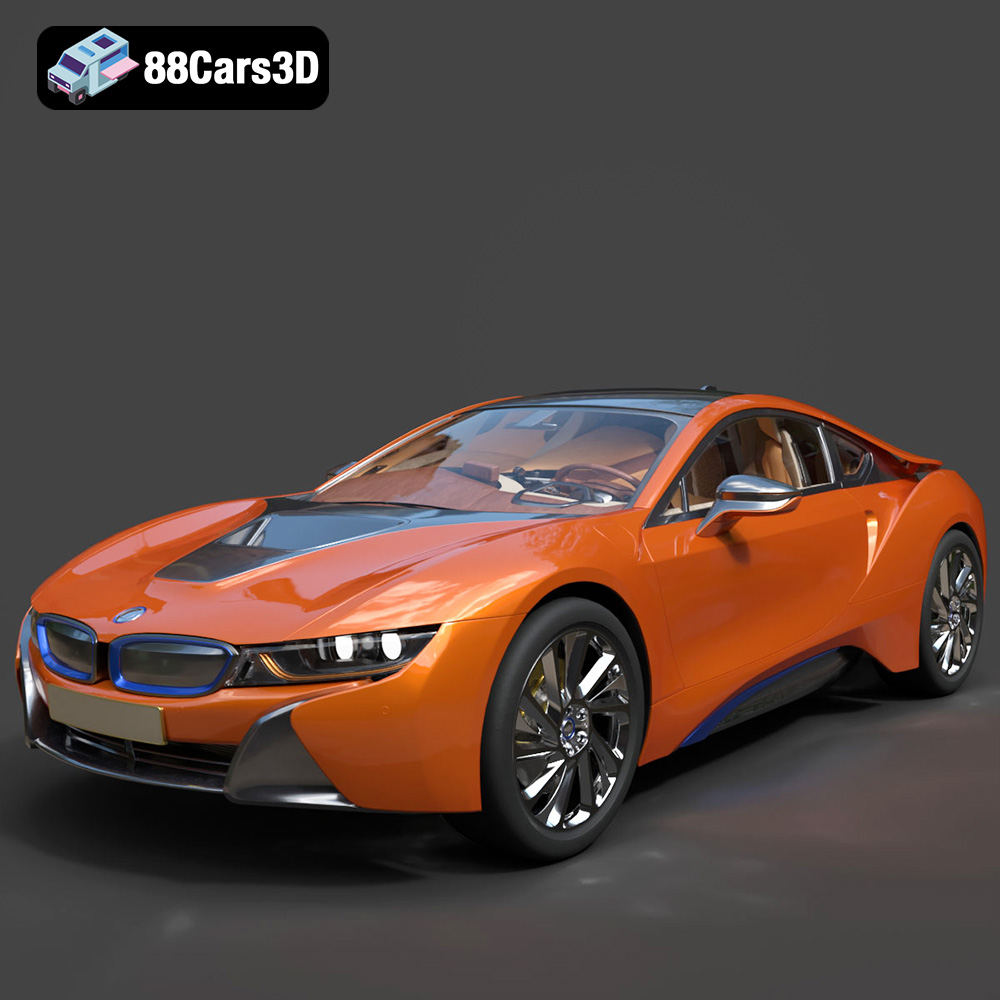
Texture: Yes
Material: Yes
Download the BMW i8 2015 3D Model featuring clean geometry, realistic detailing, and a fully modeled interior. Includes .blend, .fbx, .obj, .glb, .stl, .ply, .unreal, and .max formats for rendering, simulation, and game development.
Price: $12.99

Texture: Yes
Material: Yes
Download the BMW 4 Series F32 3D Model featuring clean geometry, realistic detailing, and a fully modeled interior. Includes .blend, .fbx, .obj, .glb, .stl, .ply, .unreal, and .max formats for rendering, simulation, and game development.
Price: $12.99

