⚡ FLASH SALE: Get 60% OFF All Premium 3D & STL Models! ⚡

“`html
Welcome, fellow enthusiasts and makers, to a deep dive into the world of 3D printing and its application to one of our shared passions: automotive models. At 88cars3d.com, we’re dedicated to providing you with the highest quality printable car models in STL file format, ready for your printers. But the journey from a digital file to a tangible model involves crucial decisions, none more significant than choosing the right 3D printing technology. This article will dissect the two dominant players in desktop 3D printing – Fused Deposition Modeling (FDM) and Stereolithography (SLA)/Digital Light Processing (DLP) or, broadly, Resin printing. We’ll explore their strengths, weaknesses, and suitability for bringing intricate car models to life, helping you make an informed decision for your next project. Prepare to understand the nuances of layer heights, support structures, material properties, and more, as we guide you towards achieving stunning results with your chosen 3D printer.
The choice between FDM and resin printing is often the first major hurdle for 3D printing hobbyists and professionals alike. Both technologies build objects layer by layer, but their fundamental mechanisms and resulting print characteristics are vastly different. Understanding these differences is paramount when selecting the optimal method for printing detailed printable car models from STL files, especially when aiming for collector-grade quality or functional prototypes. FDM, also known as fused filament fabrication, is the most widespread and accessible form of 3D printing. It works by melting a thermoplastic filament and extruding it through a heated nozzle, depositing the molten plastic onto a build platform in precise paths dictated by the digital model. This process is akin to a sophisticated, automated hot glue gun. Resin printing, on the other hand, encompasses SLA, DLP, and LCD-based technologies. These methods use a light source (a laser, projector, or UV LED array) to selectively cure liquid photopolymer resin layer by layer. The build platform is submerged in the resin vat, and each layer is cured by the light shining through a transparent window, hardening the resin in the desired shape before the platform moves up or down for the next layer. This fundamental difference in material handling and curing leads to distinct advantages and disadvantages for each technology.
FDM printing relies on thermoplastics supplied in filament spools, commonly PLA, PETG, ABS, and TPU. The process involves feeding this filament into a heated hotend, where it melts to a semi-liquid state. A stepper motor then precisely controls the movement of the nozzle across the X and Y axes, extruding the melted plastic onto the build plate according to the sliced instructions of your STL file. The Z-axis motor then moves the build plate or the nozzle assembly up or down by a set increment – the layer height – to begin the next layer. The visual characteristic of FDM prints is the presence of visible layer lines, a direct result of the extrusion process. The nozzle size, typically ranging from 0.2mm to 1.0mm, directly influences the resolution and the speed at which a print can be completed. Smaller nozzles allow for finer detail but significantly increase print time. Likewise, the quality of the extruded line is affected by the printer’s calibration, filament quality, and ambient temperature, all of which play a role in the success of printing complex geometries found in automotive models.
Resin printing offers a contrasting approach, utilizing liquid photopolymer resins that harden when exposed to specific wavelengths of UV light. In SLA, a UV laser precisely traces each layer’s cross-section. DLP uses a digital projector to cure an entire layer at once, making it faster for larger, less detailed layers. LCD-based resin printers (often referred to as MSLA) use a UV LED array shining through an LCD screen which acts as a mask, exposing only the desired pixels for each layer, offering a balance of speed and resolution. The build platform is lowered into a resin vat, and a layer of uncured resin is allowed to adhere to the platform before the light source cures it. The platform then retracts, allowing fresh resin to flow beneath the cured layer, and the process repeats. The primary advantage of resin printing is its exceptional resolution and surface finish. Because the light can be focused to very fine points (or expose tiny pixels), layer lines are virtually invisible, resulting in incredibly smooth surfaces and sharp details. This makes resin ideal for highly intricate components, small-scale models, and applications where surface finish is paramount, such as detailed car interiors or delicate exterior trim.
When it comes to capturing the subtle curves, sharp edges, and intricate details that define an automotive model, resolution is king. This is where resin printing typically holds a significant advantage over FDM. The finer resolution achievable with resin printers means that details like panel gaps, emblems, tire treads, and interior elements can be rendered with a fidelity that is often difficult or impossible to match with standard FDM setups. This is particularly important for collectors who demand accuracy and realism, or for engineers prototyping complex automotive components where every subtle feature matters. The smooth surface finish also means less post-processing is required to achieve a paint-ready surface, saving valuable time and effort for model builders.
Resin printers, especially those utilizing SLA or DLP technology, can achieve resolutions of 25-100 microns (µm) or even finer, depending on the specific printer and light source. This means that features as small as a millimeter or less can be reproduced with remarkable accuracy. For instance, replicating the delicate grille work of a classic car or the intricate spokes of a wheel becomes significantly more feasible. The ability to print at these resolutions means that complex STL files, often featuring a high polygon count and fine geometric details, can be translated into physical objects with impressive fidelity. The liquid nature of the resin also allows it to flow into every nook and cranny of the model’s geometry, ensuring that even the smallest details are captured without the limitations imposed by an FDM nozzle’s diameter. When downloading models from marketplaces such as 88cars3d.com, the inherent detail in the sculpt is more likely to be fully preserved with resin printing.
FDM printing’s resolution is primarily limited by the diameter of the nozzle and the layer height. While a 0.4mm nozzle is standard, using a 0.2mm nozzle can increase detail, but at the cost of dramatically longer print times and increased risk of clogging. Layer heights on FDM printers typically range from 0.05mm to 0.3mm. Even at 0.05mm, the layer lines will be noticeable, especially on curved surfaces. To mitigate this, FDM users often employ post-processing techniques like sanding, filling, and priming to smooth out layer lines. Additionally, optimizing the orientation of the printable car model can help minimize the visibility of layer lines on critical surfaces. For example, orienting a car body such that the layer lines run parallel to the direction of travel can make them less apparent. However, even with these efforts, achieving the surface smoothness and detail clarity of resin prints can be challenging for highly detailed automotive models.
While resin excels in detail, FDM printing often has an edge when it comes to material selection, mechanical properties, and overall durability. The range of filaments available for FDM printers is vast, offering a spectrum of characteristics from flexible to rigid, and from basic to high-performance. This versatility allows for the creation of car models that can withstand more handling, be used for functional prototypes that undergo stress testing, or even be printed in materials that mimic the look and feel of real automotive plastics. Furthermore, FDM prints generally have better layer adhesion when printed correctly, making them less brittle than some resin prints. This robustness is a critical factor for models that will be handled frequently, used in educational settings, or integrated into functional assemblies.
Common FDM filaments like PLA are easy to print and offer good detail for static models. PETG provides increased strength and temperature resistance, making it suitable for parts that might experience some stress. ABS, while more challenging to print due to warping, offers excellent mechanical properties and can be smoothed with acetone vapor for a glass-like finish. For specialized applications, FDM printers can also handle flexible filaments like TPU for tires, or even composite filaments incorporating carbon fiber or wood for unique aesthetics and enhanced strength. The choice of filament directly impacts the final appearance, durability, and even the scent of your printed car model. When considering platforms like 88cars3d.com, you might find models that are specifically designed or recommended for certain FDM materials, allowing you to leverage these properties effectively.
Standard photopolymer resins typically produce parts that are hard and brittle, similar to polystyrene. While this is excellent for capturing sharp detail, it makes them more prone to breaking under stress or impact. Engineered resins have emerged to address this, offering improved toughness, flexibility, and temperature resistance. However, these specialized resins often come at a higher cost and may require more specific printing parameters and post-curing processes. For most hobbyist applications, standard resins are generally less durable than common FDM filaments. Furthermore, uncured resin is a chemical that requires careful handling and disposal, and post-processing, including washing and UV curing, is essential to achieve optimal material properties and ensure safety. This adds an extra layer of complexity and potential mess compared to simply removing supports from an FDM print.
When embarking on larger projects or needing to produce multiple models, print speed and build volume become critical factors. Each technology has its own trade-offs in these areas. FDM printers generally boast larger build volumes, allowing for the printing of bigger models or multiple smaller parts in a single print job. However, their print speeds can be significantly slower, especially when high detail is desired. Resin printers, while often having smaller build volumes, can sometimes achieve faster print times for certain types of models, particularly those with large, flat cross-sections where entire layers can be cured simultaneously. The complexity of the model and the slicing settings heavily influence the actual print time for both technologies.
The typical build volume for a desktop FDM printer might range from 200x200x200mm to 400x400x400mm or more. This allows for printing entire car bodies, even at a 1:18 scale, in one piece. However, achieving high detail with FDM often necessitates smaller layer heights (e.g., 0.1mm) and slower print speeds to ensure good layer adhesion and surface quality. A complex FDM print of a detailed car model, even at a modest scale, could take anywhere from 12 hours to several days to complete. The material cost is generally lower for FDM filaments compared to resins, making larger prints more economically viable. Careful consideration of print orientation and support structures is essential to minimize print time and material usage, especially for complex geometries found in many car models.
Resin printers often have smaller build volumes, typically ranging from 120x68x150mm to 170x130x200mm for popular desktop models. This means larger car models often need to be sliced into multiple parts and assembled later. However, the speed advantage of resin printing comes into play when printing many small, detailed parts simultaneously or when the layers are large and uniform. For example, printing a batch of intricate car wheels or detailed interior components can be very efficient on a resin printer, as the exposure time per layer is largely independent of how much of the build plate is occupied. Some advanced resin printers can cure a layer in just a few seconds, leading to significantly faster overall print times for certain types of models compared to FDM, even with the necessary retraction and layer separation movements. However, printing very tall, thin objects can still be time-consuming due to the cumulative layer exposure times.
The workflow for preparing and finishing prints differs dramatically between FDM and resin printing. Slicing software plays a crucial role in translating your STL file into machine instructions, and the strategies for generating and removing supports are vital for print success. Post-processing also varies significantly, from simple support removal and sanding for FDM to washing, curing, and more intensive finishing for resin prints. Understanding these workflows is key to managing expectations and optimizing your printing experience. For anyone sourcing high-quality printable car models from places like 88cars3d.com, knowing how to best prepare and finish these models is as important as the models themselves.
FDM slicing software like Cura or PrusaSlicer offers a vast array of settings to fine-tune prints. Key parameters include layer height (e.g., 0.1mm for detail, 0.2mm for speed), print speed (e.g., 50mm/s for quality), infill percentage and pattern (e.g., 10-20% gyroid for strength and minimal material), retraction settings, and cooling fan speed. Support generation is crucial for overhangs, and FDM typically uses linear or tree-like structures that can be manually broken away or cut off. Post-processing often involves removing these supports, potentially sanding down nubs, filling layer lines with putty, and priming before painting. Tools like Meshmixer or Blender can be used for more advanced mesh repair or to manually add custom supports or keyways for assembly.
Resin slicing software (e.g., ChiTuBox, Lychee Slicer) focuses heavily on model orientation to minimize peel forces and optimize support placement. Supports for resin printing are typically needle-like and attach directly to the model, providing excellent stability but often requiring careful removal to avoid damaging fine details. Angle the model correctly on the build plate is critical to prevent suction forces from detaching it. Post-processing involves washing the printed part in isopropyl alcohol (IPA) or a specialized resin cleaner to remove uncured resin, followed by UV curing under a UV lamp or in a UV curing station to fully harden the material. Resin prints can be very smooth straight off the printer, but if sanding is required, it must be done wet to avoid inhaling fine resin dust. This multi-step post-processing is essential for both the integrity and safety of the final print.
When considering which technology to invest in, the initial cost of the printer, ongoing material costs, and the overall complexity of operation are significant factors. Historically, FDM printers have been more accessible and affordable, making them a popular choice for beginners and hobbyists. However, the gap is narrowing, and resin printers have become increasingly competitive in terms of price and ease of use, though material costs can be higher.
Desktop FDM printers can be purchased for as little as $200-$300 for entry-level models, with mid-range and professional machines costing upwards of $1000. The cost of filament is also relatively low, typically ranging from $15-$30 per kilogram, making it an economical choice for printing multiple or large-scale models. The learning curve for FDM can be steeper initially, requiring more calibration and troubleshooting, but once mastered, it offers a robust and versatile printing solution. The wide availability of open-source hardware and software further contributes to its accessibility.
Entry-level resin printers can be found for around $200-$400, but higher-resolution machines and those with larger build volumes can easily cost $1000 or more. The primary ongoing cost is the resin itself, which can range from $30-$70 or more per liter, making it significantly more expensive per volume than FDM filaments. Additionally, resin printing requires accessories like IPA for cleaning, gloves, and safety masks, as well as a dedicated post-curing station, adding to the overall investment. While the resolution is superior, the specialized handling and post-processing requirements can make it less appealing for those seeking a simpler, plug-and-play experience.
The “better” technology ultimately depends on your priorities and the specific application for your printable car models. If your primary goal is to create highly detailed, visually stunning models for display or collection, and you value surface finish and intricate details above all else, then resin printing is likely the superior choice. The ability to capture subtle curves, sharp edges, and tiny features with near-invisible layer lines will yield results that are hard to replicate with FDM. This is especially true for models sourced from platforms like 88cars3d.com, where the quality of the digital sculpt is paramount.
However, if you need to print larger models, require greater durability and mechanical strength, are working on a tighter budget, or prefer a more straightforward printing and post-processing workflow, then FDM printing remains an excellent option. With careful 3D printer settings, meticulous slicing, and judicious post-processing, you can still achieve impressive results with FDM. FDM is ideal for functional prototypes, models that will be handled frequently, or when cost-effectiveness for larger prints is a major consideration. For many hobbyists, a combination of both technologies, using each for its specific strengths, offers the most comprehensive approach to 3D printing automotive models.
Ultimately, understanding the trade-offs between detail, material properties, speed, cost, and workflow will guide you to the right decision. Whether you choose the microscopic precision of resin or the robust versatility of FDM, the world of 3D printable car models offers endless possibilities for bringing your automotive passion to life.
“`
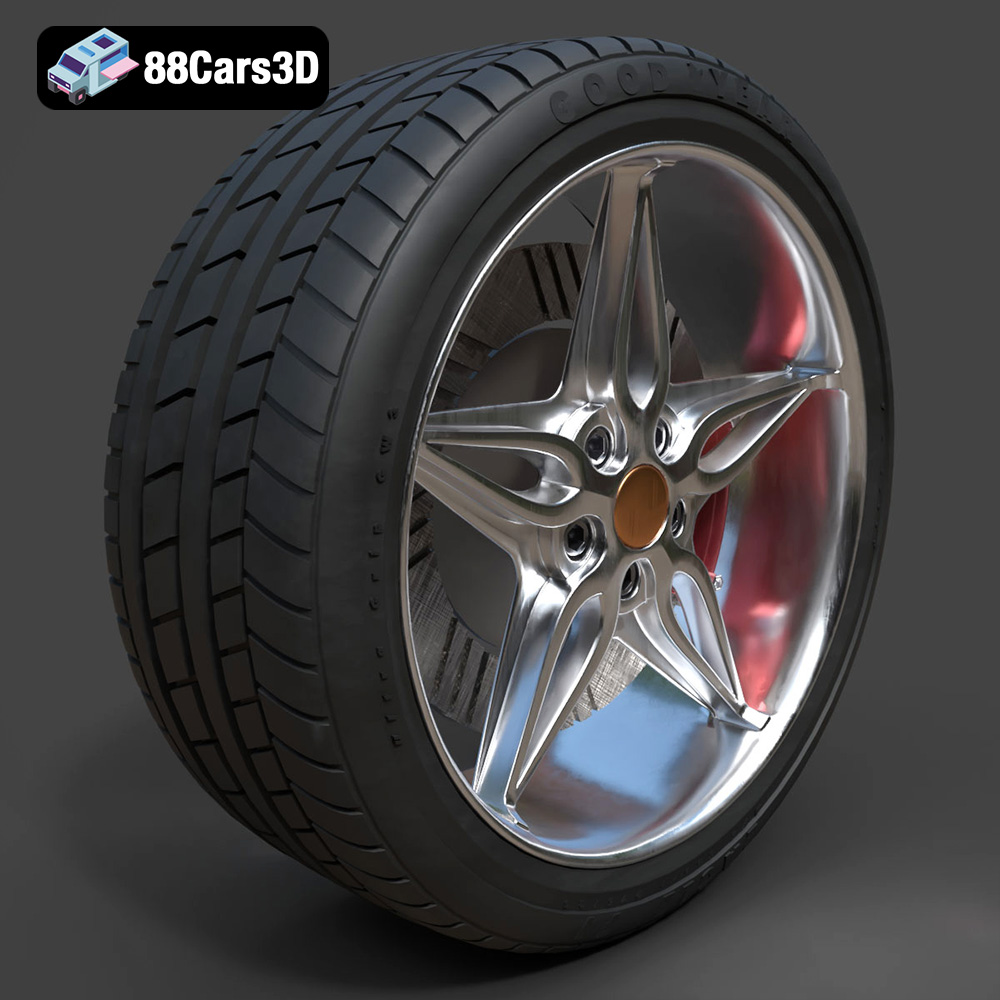
Texture: Yes
Material: Yes
Download the Wheel-001 Component 3D Model featuring clean geometry, realistic detailing, and a fully modeled interior. Includes .blend, .fbx, .obj, .glb, .stl, .ply, .unreal, and .max formats for rendering, simulation, and game development.
Price: $10.99

Texture: Yes
Material: Yes
Download the BMW 3 series Touring 335i (F31) 2013 3D Model featuring a highly detailed exterior, realistic interior, and modular design. Includes .blend, .fbx, .obj, .glb, .stl, .ply, .unreal, and .max formats for rendering, simulation, and game development.
Price: $30.79
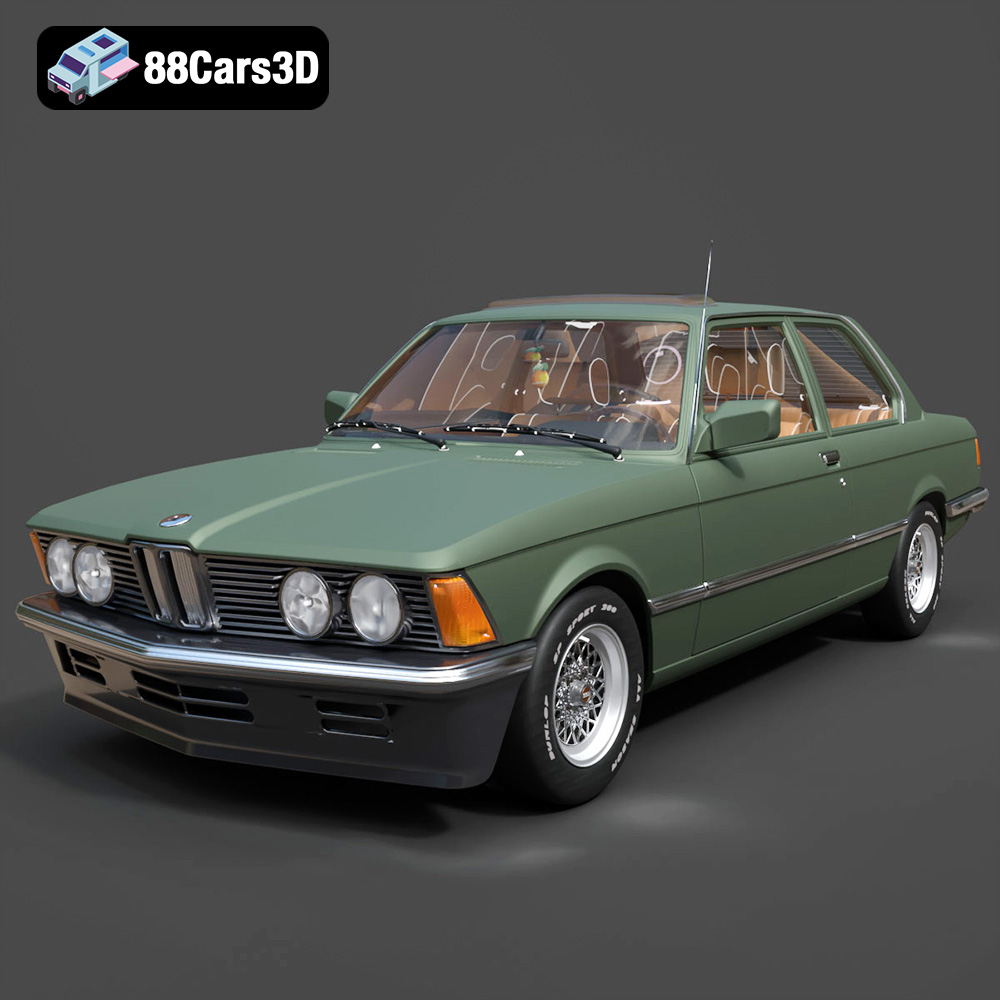
Texture: Yes
Material: Yes
Download the BMW 3 Series E21 3D Model featuring authentic exterior design, detailed interior, and accurate proportions. Includes .blend, .fbx, .obj, .glb, .stl, .ply, .unreal, and .max formats for rendering, simulation, and game development.
Price: $20.79

Texture: Yes
Material: Yes
Download the BMW 1 Series 3-Door E81 3D Model featuring a detailed exterior, functional interior elements, and clean geometry. Includes .blend, .fbx, .obj, .glb, .stl, .ply, .unreal, and .max formats for rendering, simulation, and game development.
Price: $14.79
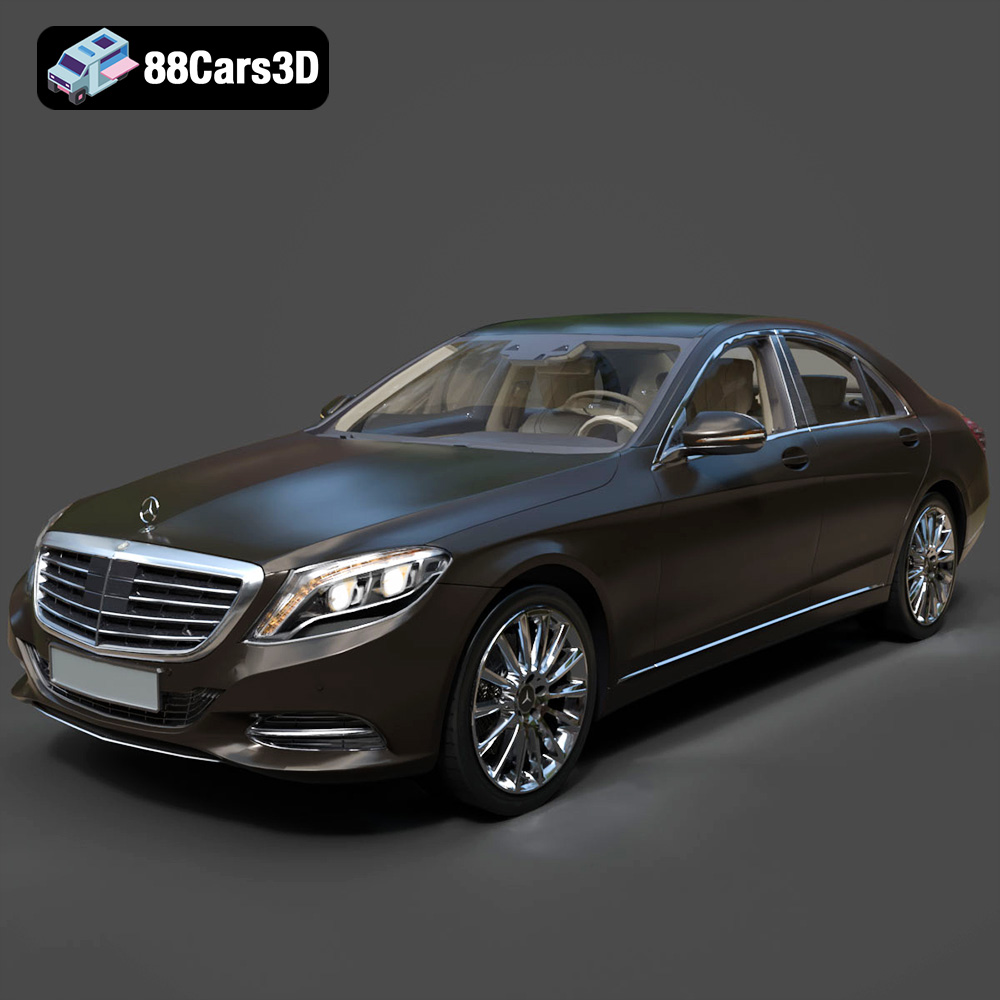
Texture: Yes
Material: Yes
Download the Mercedes-Benz S500 2022 3D Model featuring clean geometry, realistic detailing, and a fully modeled interior. Includes .blend, .fbx, .obj, .glb, .stl, .ply, .unreal, and .max formats for rendering, simulation, and game development.
Price: $19.99
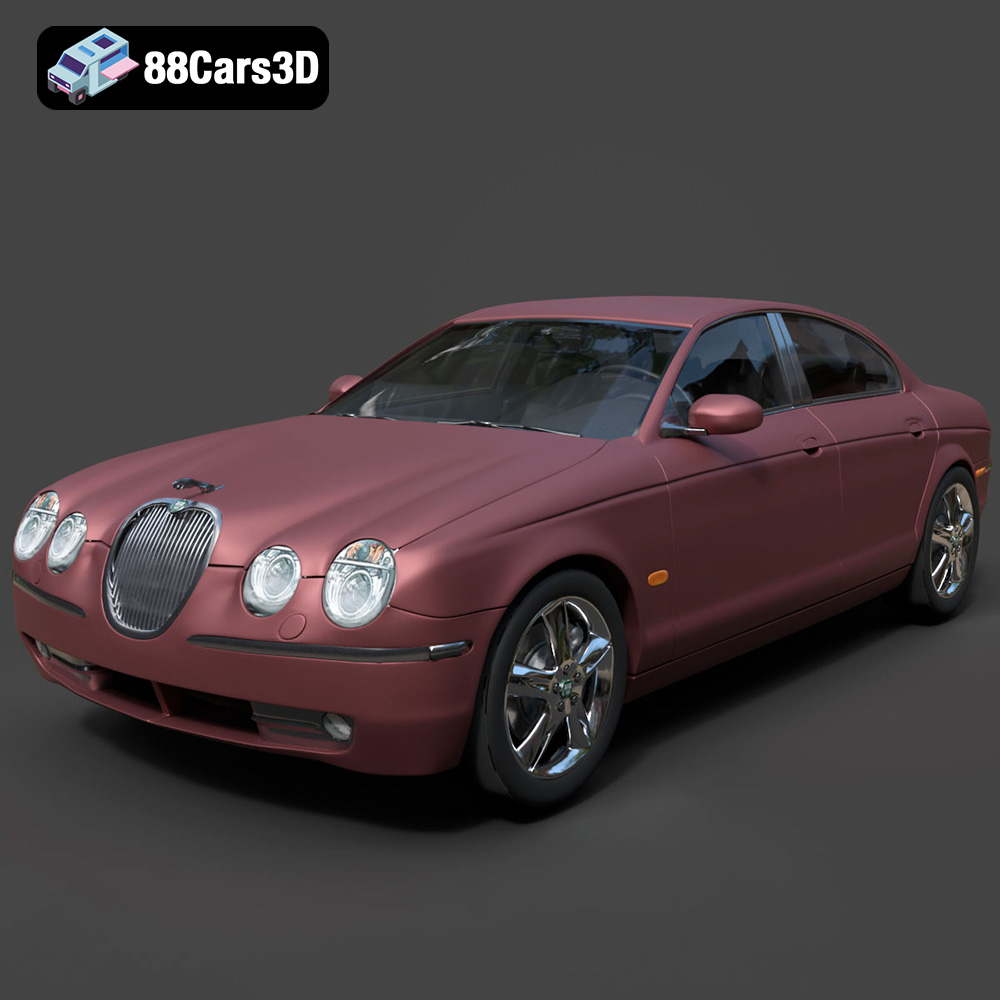
Texture: Yes
Material: Yes
Download the Jaguar S-Type Sedan 3D Model featuring clean geometry, realistic detailing, and a fully modeled interior. Includes .blend, .fbx, .obj, .glb, .stl, .ply, .unreal, and .max formats for rendering, simulation, and game development.
Price: $18.99
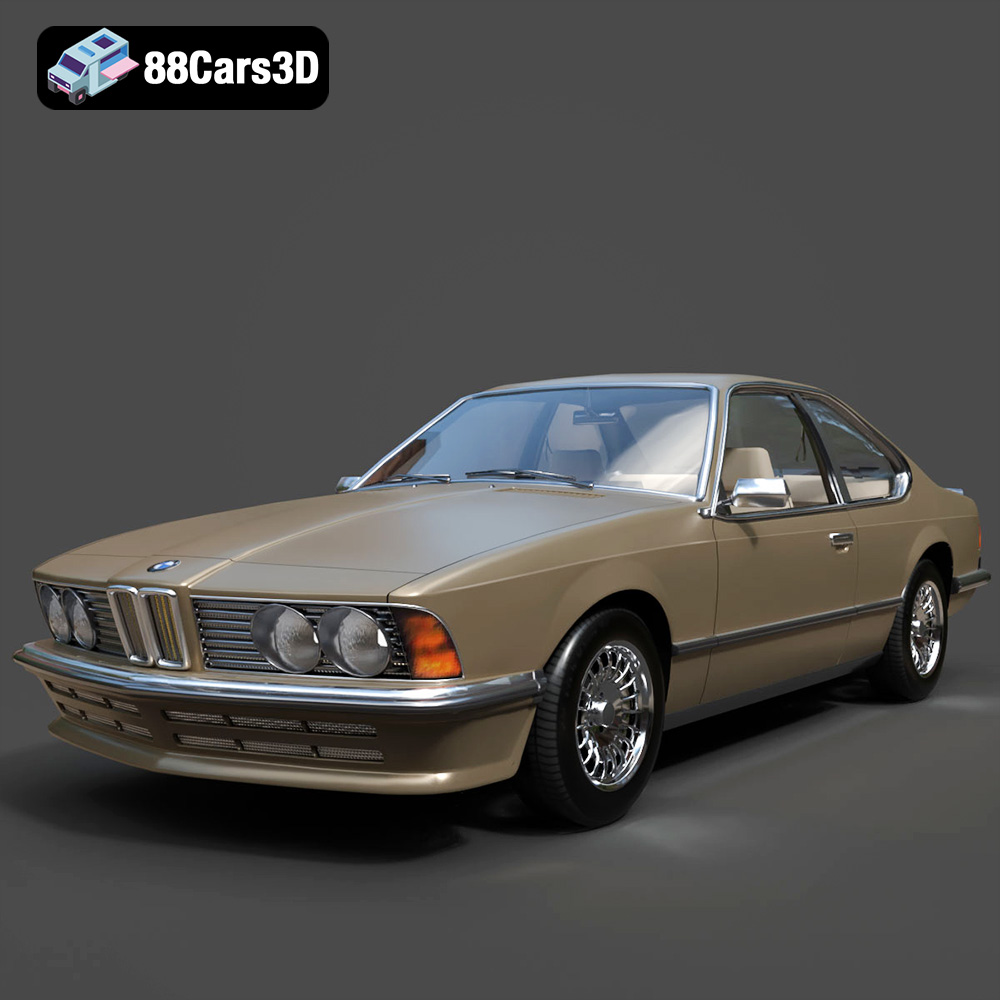
Texture: Yes
Material: Yes
Download the BMW 6 Series 1986 3D Model featuring clean geometry, realistic detailing, and a fully modeled interior. Includes .blend, .fbx, .obj, .glb, .stl, .ply, .unreal, and .max formats for rendering, simulation, and game development.
Price: $16.99
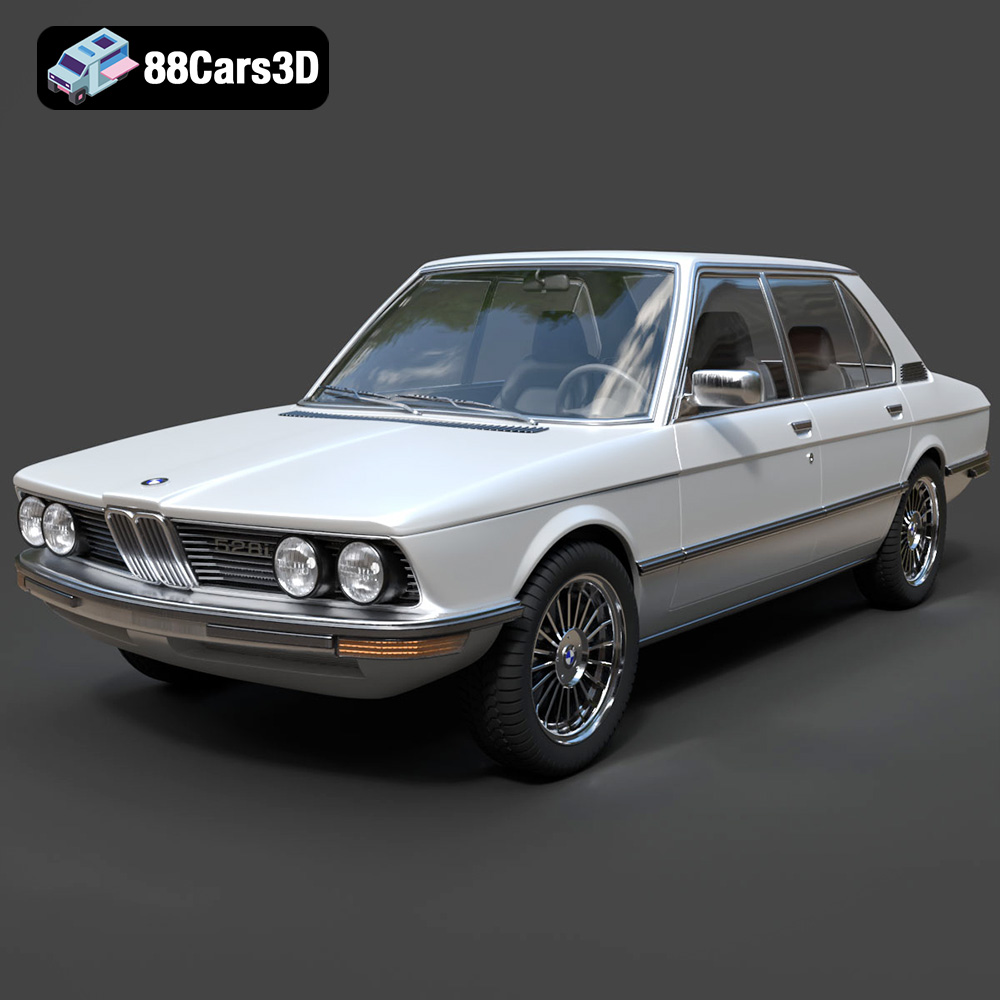
Texture: Yes
Material: Yes
Download the BMW 5 Series E12 528i 3D Model featuring clean geometry, realistic detailing, and a fully modeled interior. Includes .blend, .fbx, .obj, .glb, .stl, .ply, .unreal, and .max formats for rendering, simulation, and game development.
Price: $14.99

Texture: Yes
Material: Yes
Download the BMW 5 Series F10 3D Model featuring clean geometry, realistic detailing, and a fully modeled interior. Includes .blend, .fbx, .obj, .glb, .stl, .ply, .unreal, and .max formats for rendering, simulation, and game development.
Price: $14.99

Texture: Yes
Material: Yes
Download the BMW 4 Series Coupe M Sport 2014 3D Model featuring clean geometry, realistic detailing, and a fully modeled interior. Includes .blend, .fbx, .obj, .glb, .stl, .ply, .unreal, and .max formats for rendering, simulation, and game development.
Price: $14.99

