⚡ FLASH SALE: Get 60% OFF All Premium 3D & STL Models! ⚡

The automotive industry is in a constant state of evolution, and with it, the methods used to design, visualize, and present vehicles. For years, static renders and lengthy offline production pipelines dominated, but the rise of real-time rendering, powered by engines like Unreal Engine, has revolutionized automotive visualization. From interactive configurators and virtual showrooms to cinematic presentations and virtual production, Unreal Engine offers an unparalleled platform for bringing 3D car models to life with stunning realism and dynamic interactivity.
For 3D artists, game developers, and visualization professionals, mastering Unreal Engine for automotive projects is no longer just an advantage—it’s a necessity. This comprehensive guide will take you on a journey through the essential workflows, cutting-edge features, and optimization strategies required to harness the full potential of Unreal Engine for automotive visualization. We’ll explore everything from efficient asset import and PBR material creation to advanced lighting with Lumen and the power of Nanite, ensuring your 3D car models, perhaps sourced from high-quality marketplaces like 88cars3d.com, shine brighter than ever before. Prepare to unlock new levels of visual fidelity, interactivity, and performance in your next automotive project.
Embarking on an automotive visualization project in Unreal Engine begins with a solid foundation: proper project setup and efficient asset integration. Configuring your project correctly from the outset ensures optimal performance and access to the necessary tools for high-fidelity rendering. When working with complex 3D car models, especially those boasting clean topology and intricate details like those found on 88cars3d.com, the import process is critical. A well-prepared asset pipeline can save countless hours and prevent common pitfalls, setting the stage for a smooth development cycle and breathtaking visual results.
Choosing the right Unreal Engine version and enabling relevant plugins is paramount. For automotive visualization, features like Ray Tracing, Lumen, and Nanite are often central to achieving photorealism, so ensuring these are enabled and configured correctly in your project settings is a first step. You might also consider plugins for specific functionalities, such as advanced material editors or CAD import tools, depending on your workflow. Performance and scalability settings, particularly those related to anti-aliasing (like TSR or TAA), global illumination, and shadow quality, should be carefully balanced to target your desired frame rate and visual fidelity.
Starting an Unreal Engine project for automotive visualization demands specific configurations to leverage its advanced rendering capabilities. When creating a new project, select the “Games” category, and then choose a “Blank” or “Architectural Visualization” template, as these often provide a good starting point with fewer unnecessary assets. Immediately navigate to Edit > Project Settings. Here, you’ll want to focus on several key areas:
These initial steps establish a robust framework for handling complex automotive assets and utilizing Unreal Engine’s cutting-edge rendering technologies. For more in-depth setup guidance, refer to the official Unreal Engine documentation on project settings and rendering features at https://dev.epicgames.com/community/unreal-engine/learning.
The quality of your final visualization heavily relies on the quality of your source 3D car models. High-quality assets, characterized by clean topology, proper UV mapping, and realistic material separation, are crucial. When sourcing models, platforms like 88cars3d.com often provide pre-optimized assets that ease the import process.
Common file formats for importing 3D car models into Unreal Engine include:
Upon import, always check the “Import Options” dialog. Key settings include:
After import, inspect the mesh. Check for inverted normals, scale issues, and excessive polygon counts. While Nanite mitigates high poly counts, optimizing topology for non-Nanite components and ensuring efficient UV maps for texture baking remains a best practice.
The visual fidelity of a 3D car model in Unreal Engine hinges significantly on its materials. Physically Based Rendering (PBR) is the cornerstone of realism, simulating how light interacts with surfaces based on real-world physical properties. Understanding and mastering the PBR workflow in Unreal Engine’s Material Editor is essential for achieving the convincing look of car paint, chrome, glass, and intricate interior fabrics. This involves not only creating the core material networks but also optimizing the texture assets that drive these properties, balancing visual quality with real-time performance demands. A meticulous approach to PBR materials can transform a well-modeled car into a photorealistic masterpiece, reflecting its environment and responding to light precisely as its real-world counterpart would.
The Material Editor in Unreal Engine is a node-based interface that allows artists to construct complex material graphs. Each PBR material typically requires inputs for Base Color, Normal, Roughness, Metallic, and Ambient Occlusion. Car paint, for instance, is a complex material that often requires layering clear coats, metallic flakes, and potentially subsurface scattering for deeper colors. Chrome demands high metallic values and low roughness, while glass involves transparency, refraction, and subtle reflections. Beyond these core parameters, advanced material functions can be used for wear and tear, dirt, or dynamic effects like headlight emissions. The careful creation and organization of these material networks are vital for achieving the nuanced appearances expected in high-end automotive visualization.
Creating compelling PBR materials for automotive assets in Unreal Engine involves understanding the core principles and translating them into the Material Editor. A standard PBR material for a car component will typically use the following texture maps:
For complex materials like car paint, you might employ advanced techniques:
Always use Material Instances to apply variations (e.g., different paint colors, rim finishes) from a single master material. This promotes efficiency and reduces draw calls. Organize your material graphs cleanly, using comments and reroute nodes for readability.
While high-resolution textures contribute to visual fidelity, they can quickly impact performance and memory. A balanced approach to texture optimization is essential, especially for real-time automotive projects.
Regularly profiling your project (using tools like the Stat GPU and Stat RHI commands) will help identify texture-related performance bottlenecks. Always aim for the lowest resolution that still provides acceptable visual quality, ensuring your automotive models run smoothly across target platforms.
Lighting is arguably the most critical element in conveying realism and mood within any 3D scene, and automotive visualization is no exception. A beautifully modeled car can look flat and unconvincing without proper illumination that accentuates its curves, materials, and reflections. Unreal Engine offers a powerful suite of lighting tools, from traditional static and dynamic lights to cutting-edge global illumination systems like Lumen and real-time ray tracing. Mastering these techniques allows artists to create captivating environments that highlight the aesthetic qualities of a vehicle, mimicking everything from a bright outdoor showroom to a moody studio setup. The interplay of light and shadow defines the perceived realism, depth, and overall atmosphere of an automotive scene.
The choice between dynamic global illumination (Lumen), ray tracing, or baked lighting depends heavily on the project’s requirements for interactivity, target platform, and visual fidelity. Lumen, specifically designed for dynamic global illumination and reflections, provides incredibly realistic bounces and reflections for highly dynamic scenes. Ray tracing takes this a step further, offering physically accurate shadows, reflections, and ambient occlusion, albeit with a higher performance cost. For more controlled, pre-rendered scenarios or environments with mostly static lighting, baked lighting using Lightmass can provide superior quality and performance. A holistic approach often involves combining these methods, using dynamic solutions for interactive elements and baked solutions for static background geometry to achieve optimal results.
Lumen is Unreal Engine’s default global illumination and reflections system, providing real-time dynamic indirect lighting for highly dynamic scenes. This is invaluable for automotive visualization, allowing vehicles to be moved, doors opened, and lighting conditions changed without needing to re-bake lights. Lumen accurately calculates how light bounces around the scene, resulting in soft, realistic ambient lighting and colored reflections.
Hardware Ray Tracing, when enabled, provides even more physically accurate lighting, shadows, reflections, and ambient occlusion. For automotive scenes, ray-traced reflections on car paint and chrome are exceptionally realistic. To enable it, ensure “Hardware Ray Tracing” is checked in Project Settings > Rendering, and set “Ray Tracing” for relevant features like shadows and reflections. Be mindful of the significant performance overhead; it’s generally suited for high-end PCs or virtual production environments.
Even with advanced systems like Lumen and Ray Tracing, traditional lighting tools remain fundamental for shaping and enhancing your automotive scenes. These lights provide direct illumination and allow for precise artistic control.
High Dynamic Range Image (HDRI) Maps: These are indispensable for realistic environmental lighting. Import an HDRI into Unreal Engine and assign it to your Sky Light’s “Source Cubemap” or “Source Texture.” HDRIs not only provide realistic global illumination but also accurate reflections on the car’s surface, grounding it within the environment. Ensure your HDRI is of high resolution and has a wide dynamic range for the best results.
Combine these lights strategically. For instance, a strong Directional Light for the sun, a Sky Light with an HDRI for ambient and reflections, and Rect Lights for studio fill and specular highlights can create a stunning and believable automotive scene. Use the Exposure settings in your Post Process Volume to fine-tune the overall brightness and contrast of your scene.
Achieving breathtaking visual fidelity in automotive visualization often involves working with incredibly detailed 3D models—think millions of polygons for a single car. Traditionally, such high geometric complexity posed significant challenges for real-time rendering, necessitating rigorous optimization through manual mesh reduction and Level of Detail (LOD) management. However, Unreal Engine’s Nanite virtualized geometry system has fundamentally changed this paradigm, allowing artists to import and render cinematic-quality assets with unprecedented polygon counts directly within the engine. Yet, Nanite isn’t a silver bullet for all performance issues. A comprehensive optimization strategy still requires smart LOD management for non-Nanite meshes, efficient data instancing, and a deep understanding of rendering bottlenecks to ensure smooth frame rates across diverse hardware targets. Balancing visual ambition with real-time performance is a continuous process of strategic decision-making and technical implementation.
The shift towards real-time interactivity demands that automotive projects not only look incredible but also run smoothly. This is especially true for applications like virtual reality (VR) experiences, interactive configurators, and high-frame-rate cinematic renders. Therefore, a multi-faceted approach to optimization is crucial. While Nanite handles geometric complexity, other factors like material complexity, texture memory usage, draw calls, and CPU overhead still need careful management. Implementing efficient culling techniques, understanding the impact of various rendering features, and leveraging Unreal Engine’s profiling tools are all integral components of a robust optimization workflow. The goal is to maximize visual quality within the constraints of the target hardware, delivering a polished and performant experience for the end-user.
Nanite is Unreal Engine’s virtualized geometry system that allows for the import and real-time rendering of incredibly high-polygon meshes—think millions to billions of triangles—with virtually no loss in detail or significant performance degradation. This is revolutionary for automotive visualization, enabling artists to use highly detailed CAD data or scanned models without extensive manual optimization.
Benefits for Automotive:
Enabling Nanite:
Considerations:
For in-depth details on Nanite, including its various modes and limitations, consult the official Unreal Engine documentation at https://dev.epicgames.com/community/unreal-engine/learning.
Even with Nanite, strategic LOD (Level of Detail) management remains crucial for non-Nanite meshes (like animated car parts, characters, or foliage) and for optimizing scenes for lower-end hardware or VR applications. LODs swap out high-detail meshes for progressively lower-detail versions as the camera moves further away, significantly reducing polygon count and draw calls.
LOD Generation:
Data Instancing: This is a powerful optimization technique for objects that are repeated many times in a scene, such as wheel bolts, small engine components, or environmental props like streetlights. Instead of rendering each instance as a separate draw call, Unreal Engine can render them efficiently as a single batched call, drastically reducing CPU overhead.
Achieving optimal real-time performance involves a holistic approach:
stat fps, stat unit, stat gpu, stat rhi, profilegpu, stat scenerendering) to identify bottlenecks (CPU vs. GPU bound, draw calls, shader complexity, memory).Continuously test and profile your project on your target hardware to ensure consistent performance. A well-optimized automotive scene provides a smooth, immersive experience, critical for professional presentations and interactive applications.
In modern automotive visualization, simply rendering a static image or turntable animation is often not enough. Clients and audiences demand immersive, interactive experiences that allow them to explore vehicles from every angle, customize options, and witness them in dynamic scenarios. Unreal Engine excels at this, providing powerful tools like Blueprint visual scripting for creating rich interactivity and Sequencer for crafting stunning cinematic narratives. These features transform passive viewing into an engaging exploration, allowing users to open doors, change paint colors, switch wheel designs, or even drive the vehicle. For a platform like 88cars3d.com, providing models that seamlessly integrate with these interactive and cinematic workflows adds immense value to artists and developers.
The synergy between Blueprint and Sequencer is particularly potent. Blueprint empowers artists and designers without coding expertise to build complex logical systems, from simple button presses to intricate configurator UIs. This interactivity can then be enhanced and showcased through Sequencer, Unreal Engine’s non-linear cinematic editor. With Sequencer, you can orchestrate camera movements, character animations, environmental effects, and even trigger Blueprint events to create compelling, high-quality videos or real-time cutscenes. This dual approach allows for both a deep dive into customization and a polished, professional presentation, elevating the entire automotive visualization experience beyond traditional renders.
Blueprint is Unreal Engine’s powerful visual scripting system, enabling artists and designers to create complex gameplay and interactive functionalities without writing a single line of code. For automotive visualization, Blueprint is indispensable for building interactive configurators, functional vehicle components, and engaging user interfaces.
Common Automotive Blueprint Applications:
Tips for Effective Blueprinting:
Blueprint provides an intuitive way to bring a static 3D car model to life, offering a truly engaging and personalized experience for viewers.
Sequencer is Unreal Engine’s non-linear cinematic editor, allowing you to create stunning, professional-quality videos and real-time cutscenes for your automotive projects. It’s the go-to tool for orchestrating complex camera moves, animating vehicle components, and directing overall scene flow.
Key Sequencer Features for Automotive:
Workflow Tips:
By leveraging Sequencer, you can produce compelling marketing assets, showcase vehicle features, or create dynamic presentations that captivate your audience, far beyond what static images can achieve.
The application of Unreal Engine in the automotive sector extends far beyond traditional visualization. As technology advances, so do the innovative ways in which car manufacturers, designers, and marketers leverage real-time rendering. From interactive automotive configurators that empower customers to design their dream car in photorealistic detail, to cutting-edge virtual production workflows utilizing massive LED walls for in-camera visual effects, Unreal Engine is at the forefront of this transformation. Furthermore, the push towards immersive experiences in Augmented Reality (AR) and Virtual Reality (VR) is reshaping how vehicles are conceptualized, presented, and even test-driven, demanding specialized optimization techniques. These advanced applications represent not just future trends, but current capabilities that are redefining the boundaries of automotive design and presentation.
The ability to integrate realistic physics simulations and vehicle dynamics within Unreal Engine further enhances the utility of 3D car models. This allows for more than just visual representation; it enables realistic driving experiences, virtual test drives, and even performance analysis in a virtual environment. This level of technical depth and creative freedom positions Unreal Engine as an indispensable tool throughout the entire automotive lifecycle, from initial design iterations to final marketing campaigns. As an artist or developer, understanding these advanced applications not only broadens your skillset but also opens doors to exciting new opportunities in a rapidly evolving industry, where tools like Unreal Engine and high-quality assets from platforms like 88cars3d.com are driving innovation.
Automotive Configurators:
Interactive configurators are perhaps one of the most impactful applications of Unreal Engine in the automotive industry. They allow potential customers to personalize a vehicle in real-time, choosing colors, trims, wheels, and accessories, and instantly seeing the photorealistic result. These configurators can range from standalone applications to web-based experiences, leveraging Unreal Engine’s pixel streaming technology.
Virtual Production (VP) Workflows with LED Walls:
Virtual production, popularized by shows like “The Mandalorian,” is increasingly being adopted by the automotive sector for real-time filmmaking and marketing. This involves projecting dynamic 3D environments onto large LED walls, allowing a physical car and actors to be shot in front of a virtual world, with camera tracking synchronizing the perspective.
Augmented Reality (AR) and Virtual Reality (VR) offer incredibly immersive ways to experience automotive concepts, from virtual showrooms to interactive design reviews. However, these platforms demand extreme optimization due to their strict performance requirements (e.g., high, stable frame rates to prevent motion sickness).
VR Optimization Strategies:
AR Optimization Strategies:
AR applications (e.g., for mobile phones or head-mounted AR devices) also require significant optimization.
Beyond static presentation, Unreal Engine allows for the integration of realistic vehicle physics, enabling interactive driving experiences, virtual test drives, and dynamic simulations. Unreal Engine’s Chaos Physics engine provides the foundation for this.
Implementing realistic physics adds a whole new dimension to automotive visualization, turning a static model into a drivable, interactive machine, perfect for training, testing, or marketing experiences.
The journey from a static 3D car model to a dynamic, photorealistic, and interactive experience in Unreal Engine is a testament to the power and versatility of real-time rendering. We’ve explored the critical steps, from meticulous project setup and the efficient integration of high-quality assets (like those available on marketplaces such as 88cars3d.com) to the intricacies of PBR material creation, advanced lighting with Lumen and Ray Tracing, and the revolutionary impact of Nanite for handling extreme geometric detail. Furthermore, we’ve delved into the transformative capabilities of Blueprint for interactive configurators and Sequencer for cinematic storytelling, culminating in discussions on cutting-edge applications like virtual production and immersive AR/VR experiences.
Mastering these workflows and features empowers you to not only meet the demanding visual standards of the automotive industry but to push the boundaries of what’s possible. Whether you’re an automotive designer visualizing future concepts, a game developer crafting realistic vehicle gameplay, or a marketing professional creating captivating digital showrooms, Unreal Engine provides the tools for unparalleled realism and interactivity. The key lies in a disciplined approach to optimization, a keen eye for visual fidelity, and a continuous exploration of new technologies. By embracing these principles, you’re not just creating images; you’re crafting immersive experiences that truly bring 3D car models to life.

Texture: Yes
Material: Yes
Download the Bentley Continental Flying Spur 3D Model featuring clean geometry, realistic detailing, and a fully modeled interior. Includes .blend, .fbx, .obj, .glb, .stl, .ply, .unreal, and .max formats for rendering, simulation, and game development.
Price: $14.99
Texture: Yes
Material: Yes
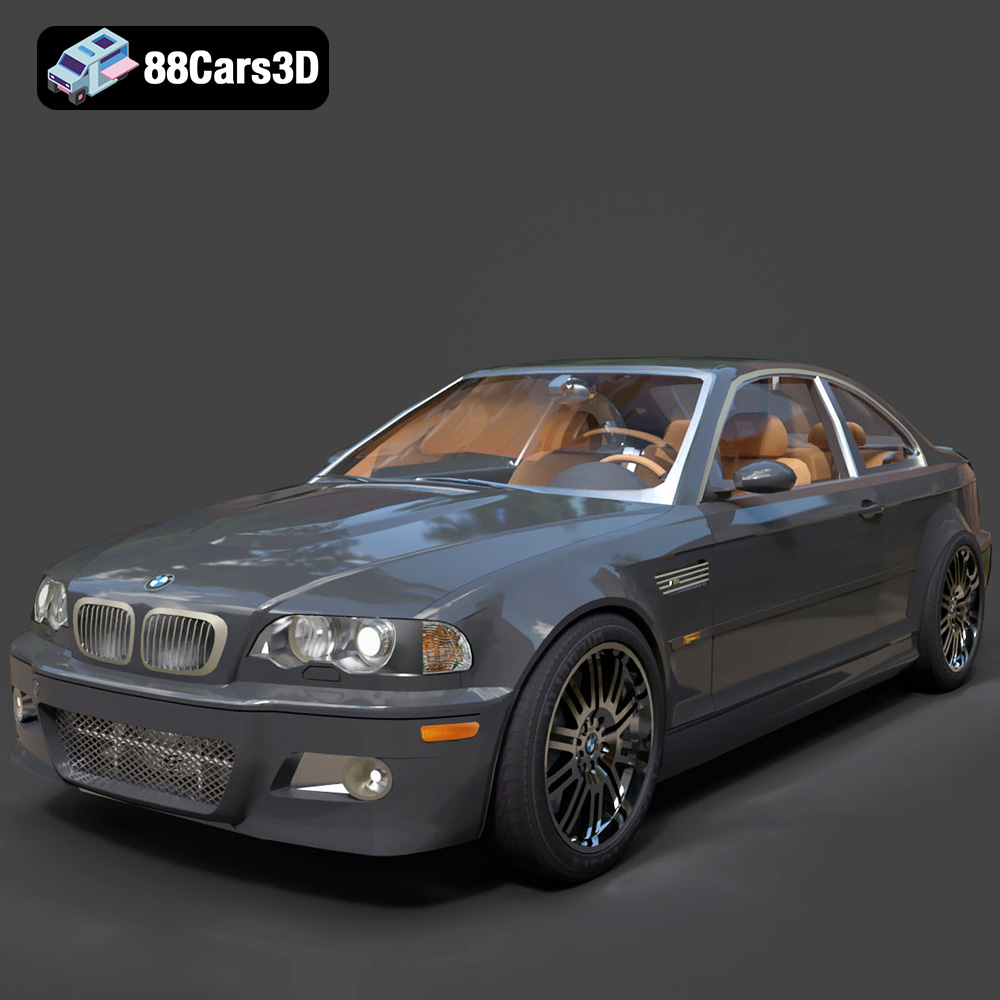
Download the BMW M3 E46 3D Model featuring iconic sports car design and detailed interior. Includes .blend, .fbx, .obj, .glb, .stl, .ply, .unreal, and .max formats for rendering, simulation, and game development.
Price: $16.99
Texture: Yes
Material: Yes
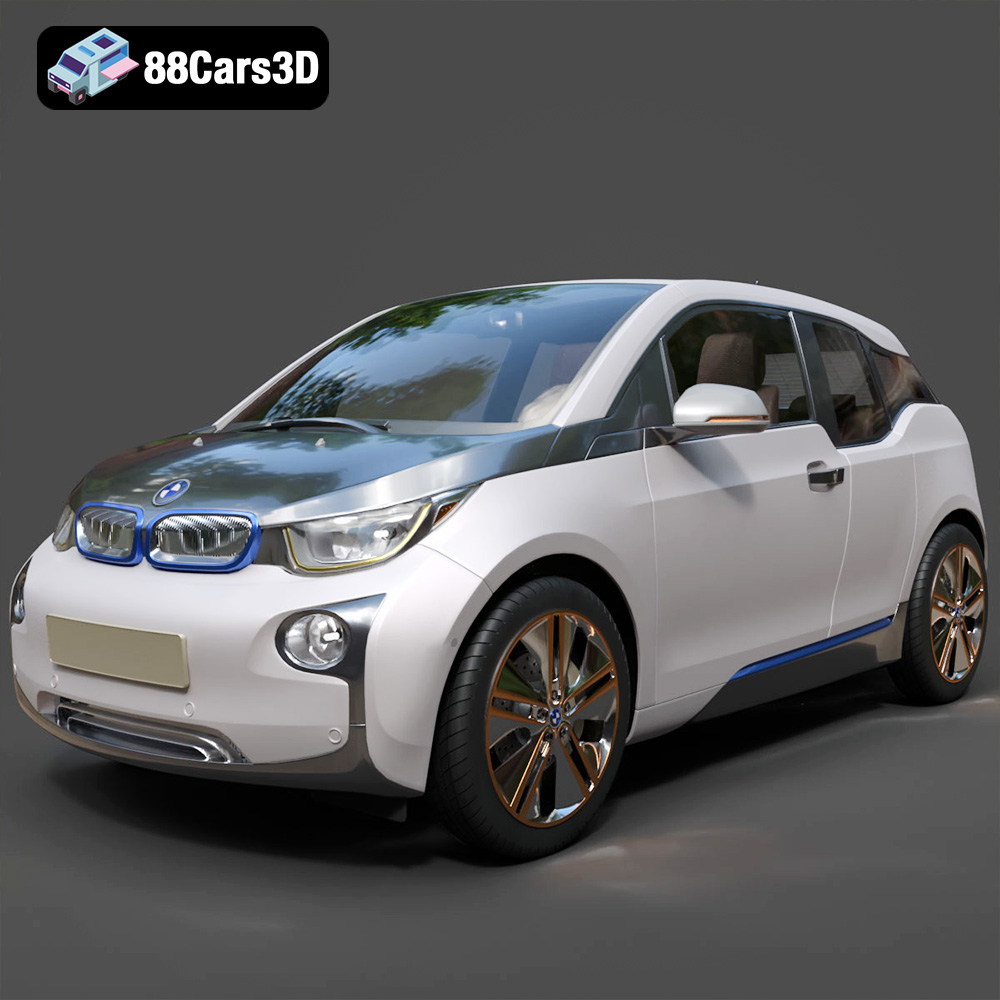
Download the BMW i3 Coupe 3D Model featuring its iconic electric design and compact urban styling. Includes .blend, .fbx, .obj, .glb, .stl, .ply, .unreal, and .max formats for rendering, simulation, and game development.
Price: $17.99
Texture: Yes
Material: Yes
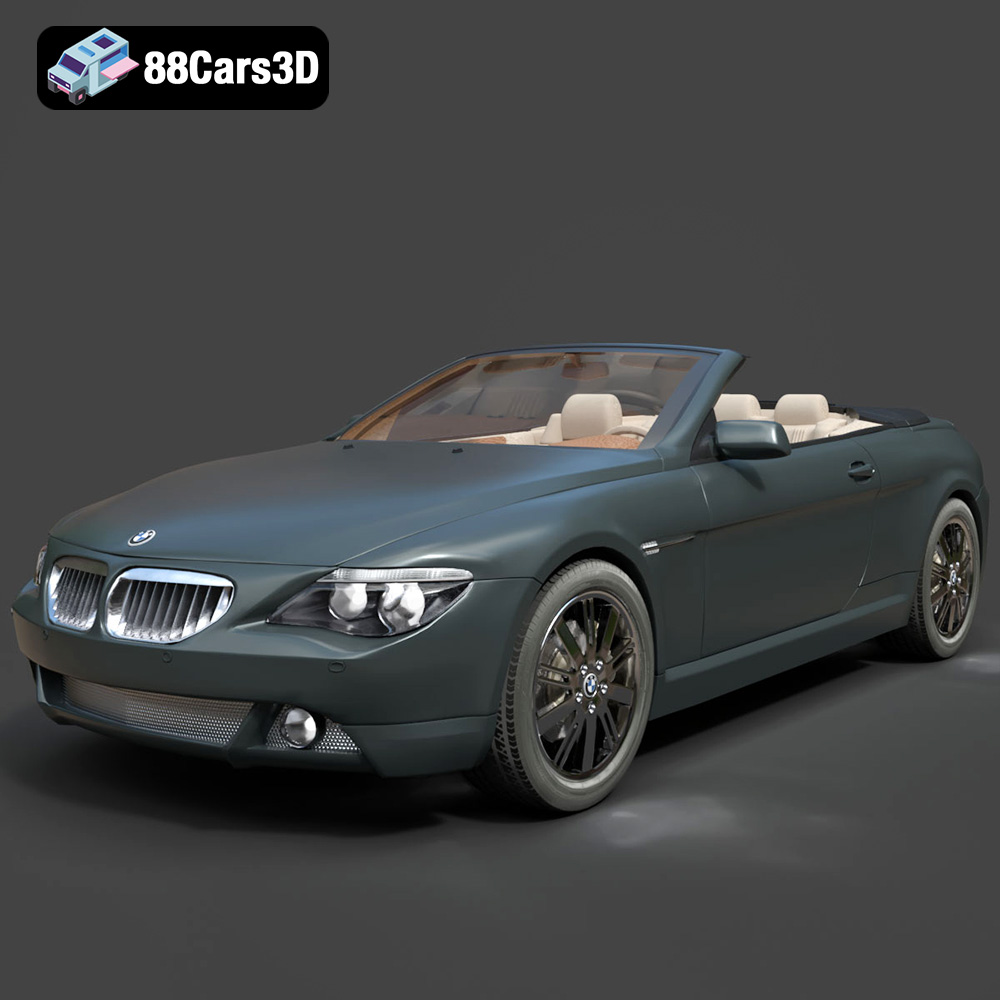
Download the BMW 645ci 3D Model featuring a sleek, detailed exterior and optimized interior. Includes .blend, .fbx, .obj, .glb, .stl, .ply, .unreal, and .max formats for rendering, simulation, and game development.
Price: $10.79
Texture: Yes
Material: Yes
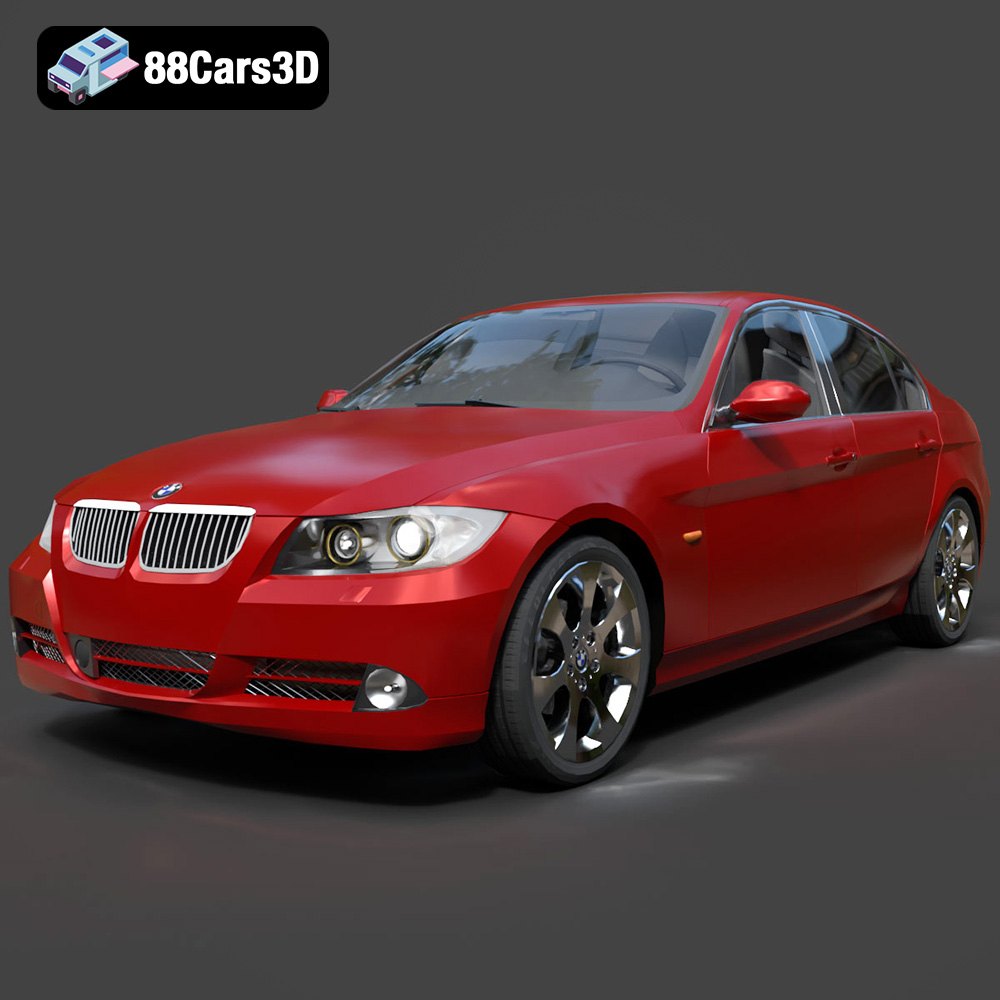
Download the BMW 330i E90 3D Model featuring a detailed exterior, an optimized interior, and accurate mechanical components. Includes .blend, .fbx, .obj, .glb, .stl, .ply, .unreal, and .max formats for rendering, simulation, and game development.
Price: $14.79
Texture: Yes
Material: Yes
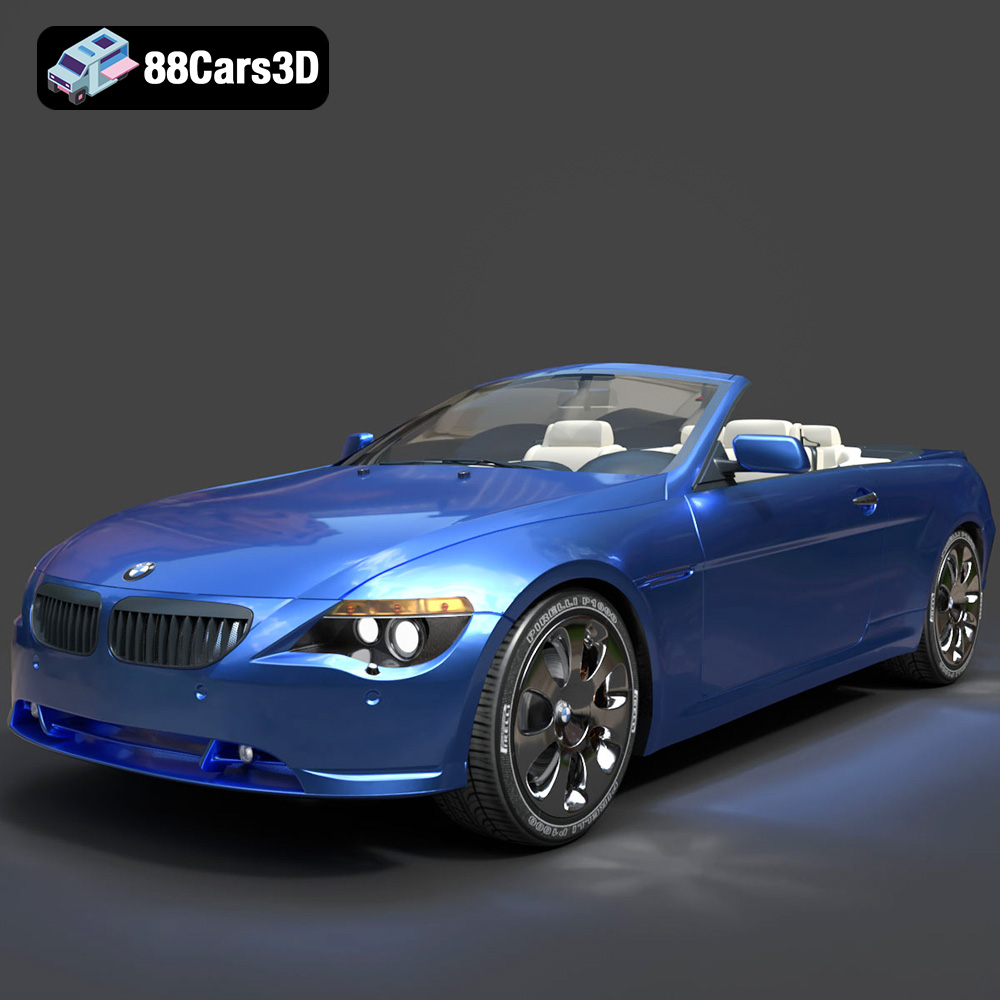
Download the BMW 6 Series Convertible 3D Model featuring clean geometry, realistic detailing, and a fully modeled interior. Includes .blend, .fbx, .obj, .glb, .stl, .ply, .unreal, and .max formats for rendering, simulation, and game development.
Price: $14.99
Texture: Yes
Material: Yes
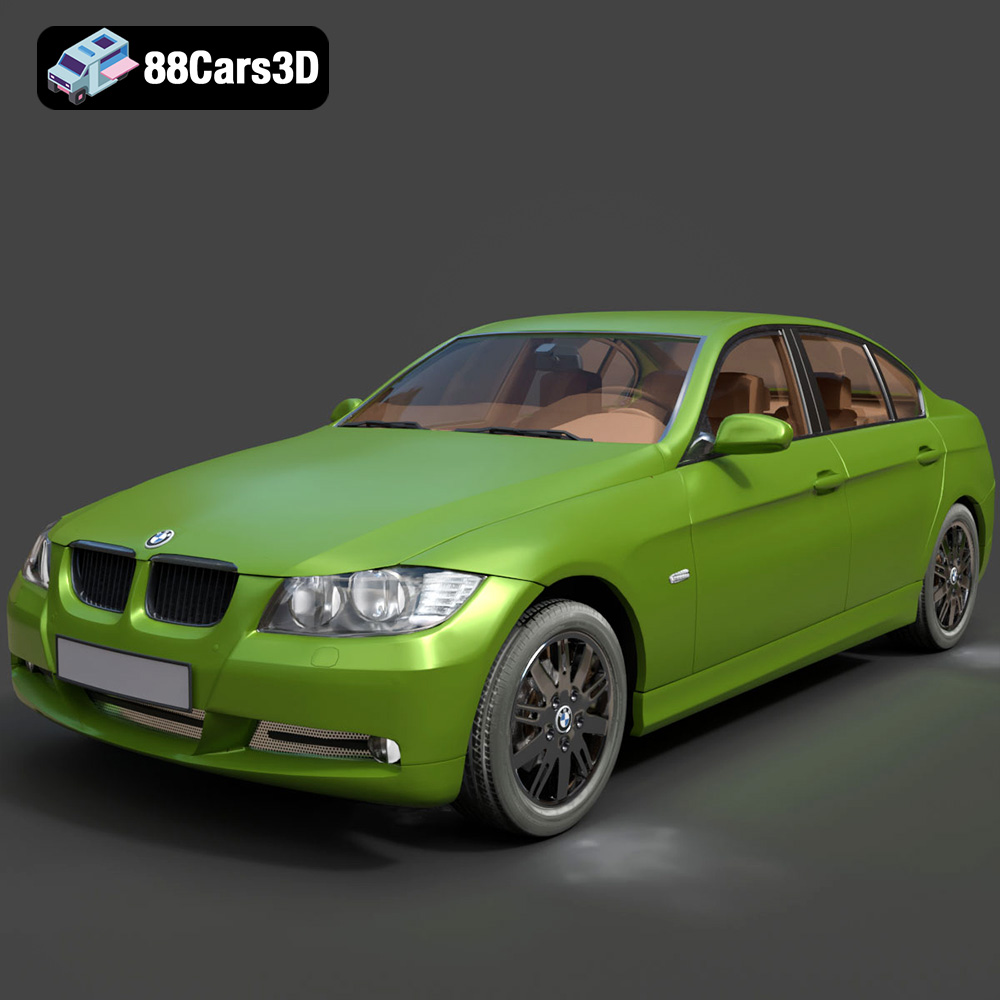
Download the BMW 3-005 3D Model featuring a sleek design, detailed exterior and interior. Includes .blend, .fbx, .obj, .glb, .stl, .ply, .unreal, and .max formats for rendering, simulation, and game development.
Price: $14.99
Texture: Yes
Material: Yes
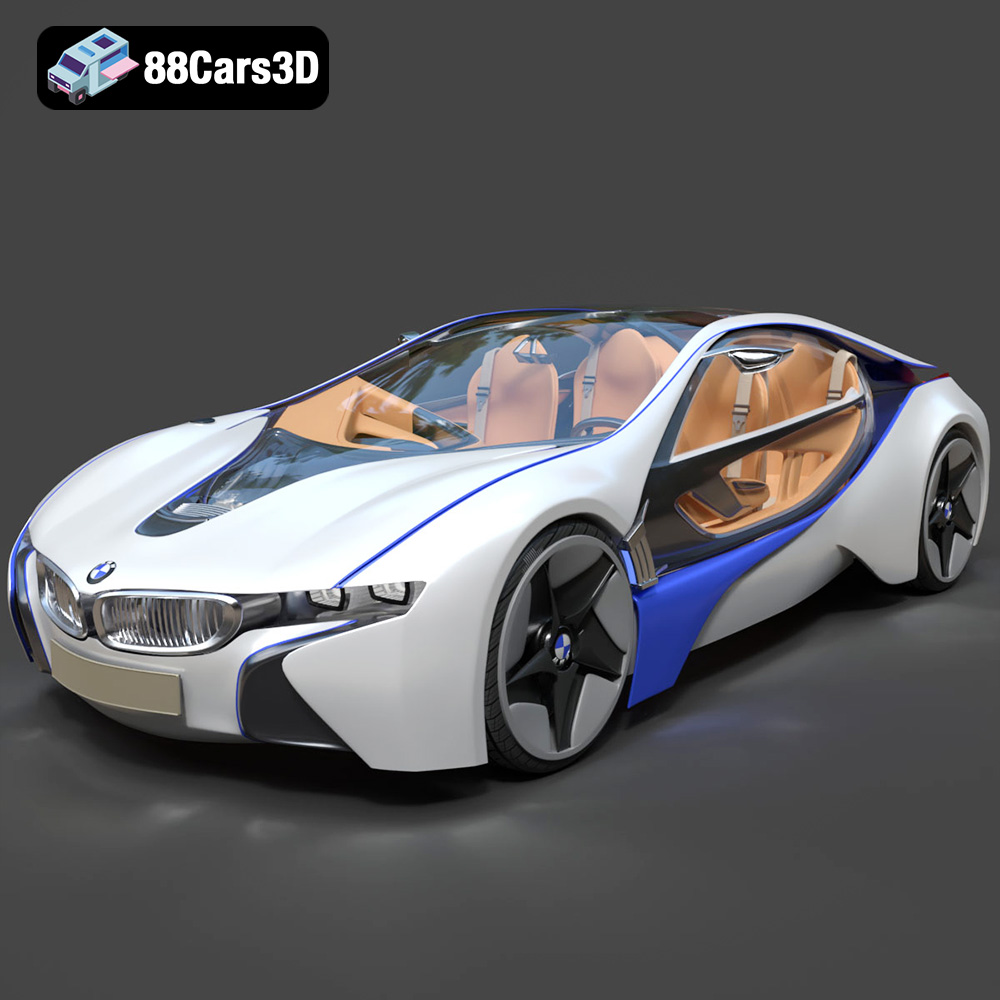
Download the BMW Vision Effecient Dynamics-007 3D Model featuring a sleek, futuristic design and hybrid concept aesthetics. Includes .blend, .fbx, .obj, .glb, .stl, .ply, .unreal, and .max formats for rendering, simulation, and game development.
Price: $14.99
Texture: Yes
Material: Yes
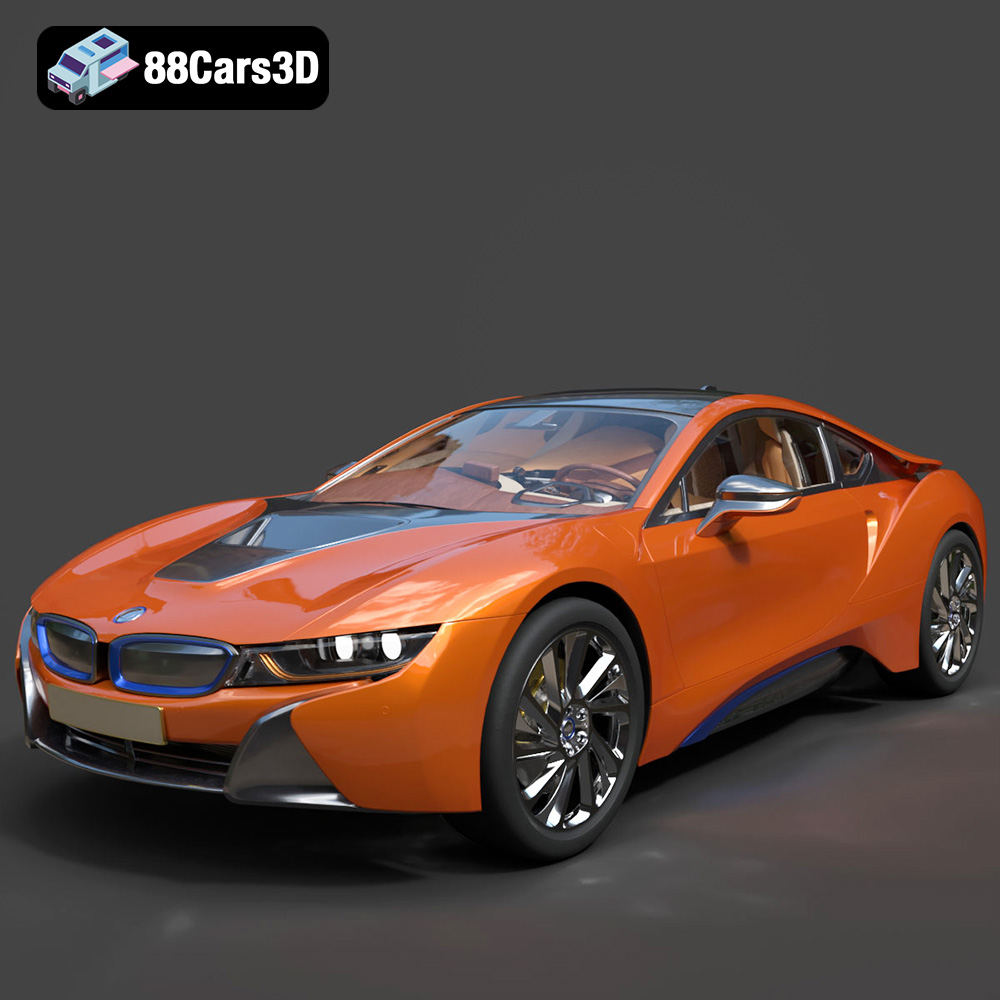
Download the BMW i8 2015 3D Model featuring clean geometry, realistic detailing, and a fully modeled interior. Includes .blend, .fbx, .obj, .glb, .stl, .ply, .unreal, and .max formats for rendering, simulation, and game development.
Price: $12.99

Texture: Yes
Material: Yes
Download the BMW 4 Series F32 3D Model featuring clean geometry, realistic detailing, and a fully modeled interior. Includes .blend, .fbx, .obj, .glb, .stl, .ply, .unreal, and .max formats for rendering, simulation, and game development.
Price: $12.99

