⚡ FLASH SALE: Get 60% OFF All Premium 3D & STL Models! ⚡

The pursuit of photorealism in real-time rendering has always been a challenging yet exhilarating journey for 3D artists and developers. In the realm of automotive visualization, where every reflection, every metallic flake, and every subtle curvature contributes to the overall aesthetic, achieving unparalleled fidelity is paramount. For years, Physically Based Rendering (PBR) served as the industry standard, revolutionizing how we approach material creation. However, as ambitions grow and hardware capabilities evolve, even PBR began to reveal its limitations when confronted with the intricate complexities of real-world materials like multi-layered car paints, iridescent surfaces, or complex translucencies.
Enter Unreal Engine’s Substrate Material System: a groundbreaking paradigm shift that redefines material authoring. Substrate is not merely an incremental update; it’s a fundamental rethinking of how materials behave and interact with light, designed to unlock levels of visual fidelity previously unattainable in real-time. For professionals leveraging high-quality 3D car models from marketplaces like 88cars3d.com, understanding and implementing Substrate is no longer optional but essential for pushing the boundaries of realism in automotive visualization, game development, and virtual production. This comprehensive guide will deep dive into Substrate, exploring its core concepts, implementation workflows, optimization strategies, and its transformative impact on creating stunning automotive experiences.
Before Substrate, Unreal Engine’s material system, while powerful, relied on a monolithic PBR model. This model typically used a few key parameters – Base Color, Metallic, Specular, Roughness, and Normal – to define a material’s surface properties. This approach worked exceptionally well for a vast range of materials, providing a standardized way to achieve physically plausible rendering across different lighting conditions. However, the real world is often far more complex than a single layer of properties can convey.
Traditional PBR workflows, while a significant leap forward, encountered inherent limitations when attempting to replicate certain highly complex materials, particularly those prevalent in the automotive industry. Car paint, for instance, is rarely a simple, single-layered surface. It typically consists of a base color coat, metallic or pearlescent flakes suspended within that coat, and multiple layers of clear coat providing protection and gloss. Simulating the subtle interplay of light reflecting off the flakes, refracting through the clear coat, and then reflecting again from the top surface was incredibly challenging with the standard Metallic/Roughness model. Artists often resorted to clever texture tricks, custom shader hacks, or complex blend materials, which were difficult to manage, optimize, and sometimes broke physical accuracy.
Another area where traditional PBR struggled was with volumetric scattering (e.g., fog lamps, complex glass with absorption), thin-film interference (like iridescent coatings or oil slicks), and subsurface scattering for thick, translucent plastics. These phenomena require a more nuanced approach than what a single “surface” material could offer. The artistic compromises often led to materials that looked “good enough” but lacked the convincing depth and nuanced light interaction seen in reality, especially under dynamic lighting conditions.
Substrate fundamentally addresses these limitations by moving away from a single, monolithic PBR shader to a composable, layered material framework. Instead of defining a material as a single set of properties, Substrate allows artists to build materials by stacking and blending multiple “layers,” each representing a distinct physical property or interaction. Think of it like a physically accurate Photoshop for materials, where you can combine base layers, clear coats, translucent layers, and volumetric layers, each with its own set of parameters and blending modes.
This paradigm shift offers unprecedented flexibility. Each layer can contribute its own BRDF (Bidirectional Reflectance Distribution Function) or BTDF (Bidirectional Transmittance Distribution Function) properties, allowing for highly complex light interactions to be accurately modeled. For instance, a car paint material can now have a base metallic flake layer, topped with a dedicated clear coat layer that accurately simulates refraction and reflection. Furthermore, additional layers like dirt, scratches, or even a thin film for iridescence can be added and controlled independently, all while maintaining physical accuracy. This layered approach not only enhances realism but also simplifies material authoring for complex surfaces, making it more intuitive and powerful for artists, especially when working with high-fidelity assets from resources like 88cars3d.com that demand precise material representation.
Understanding the fundamental building blocks of Substrate is key to leveraging its full potential. The system revolves around the concept of “material layers” and “material functions” that are connected in a graph-based interface, similar to Unreal Engine’s traditional Material Editor, but with expanded capabilities for hierarchical composition.
The core innovation of Substrate lies in its layered material model. Instead of one output, Substrate materials can output multiple “stacks” of layers. These layers are defined using specific Substrate expressions that represent physical material types. Key Substrate expressions include:
These layers can be stacked using `SubstrateMerge` nodes, allowing artists to define a complex material recipe. For example, a realistic car paint material might start with a `SubstrateBase` for the primary paint color and metallic flakes, then have a `SubstrateClearCoat` merged on top to simulate the glossy finish. Further, a `SubstrateDiffusion` layer could be added for the primer beneath, or a `SubstrateThinFilm` for an iridescent effect, each contributing to the material’s final appearance in a physically accurate manner. This modularity means materials are far more descriptive and predictable.
Working with Substrate involves a revised approach within the Unreal Engine Material Editor. When you create a new material or convert an existing one to Substrate, the material graph gains new input nodes and a different output structure. Instead of a single final output for Base Color, Metallic, etc., you’ll connect Substrate expressions to a `SubstrateMaterialOutput` node.
The workflow typically involves:
This graph-based system, while initially requiring a shift in mindset, provides incredible control. Artists can define complex shader networks for each layer, allowing for dynamic material changes via Blueprint or Sequencer. For example, different clear coat types or levels of wear and tear can be parameterized and swapped in real-time. Unreal Engine provides extensive documentation on Substrate expressions and their usage at dev.epicgames.com/community/unreal-engine/learning, which is an invaluable resource for exploring the full range of possibilities.
The true power of Substrate shines brightest when applied to detailed assets like those found on 88cars3d.com. These models are often designed with clean UV mapping and high-resolution textures, providing the perfect foundation for Substrate’s advanced layering capabilities.
Migrating from a traditional PBR material to Substrate is a straightforward process, though it requires understanding how your existing textures translate to the new layered model. For a basic PBR material, you’ll typically start by converting your material to Substrate and then adding a `SubstrateBase` layer. Your existing Base Color, Normal, Roughness, and Metallic maps can be plugged directly into the corresponding inputs of the `SubstrateBase` node. This effectively re-creates your PBR material within the Substrate framework.
From there, you can begin to add complexity. For a car’s metallic paint, you might add a `SubstrateClearCoat` layer on top of your `SubstrateBase`. The `SubstrateClearCoat` has its own Roughness, Normal, and IOR (Index of Refraction) inputs, allowing you to define the properties of the transparent lacquer independently. For a typical automotive clear coat, a low Roughness value (e.g., 0.05-0.1) and an IOR around 1.5 would be common starting points. You would then merge these two layers using a `SubstrateMerge` node, ensuring the clear coat is on top.
Step-by-step for a basic car paint with clear coat:
The real magic happens when you push beyond basic clear coats. Substrate allows for highly specialized materials:
The ability to define separate roughness, normal, and even base color for each layer means you can simulate minute details like micro-scratches on the clear coat independent of the underlying paint texture. This level of granular control is transformative for automotive visualization, enabling artists to create materials that hold up under extreme scrutiny and dynamic lighting conditions, essential for rendering compelling vehicles.
With great power comes the question of performance. While Substrate offers unparalleled visual fidelity, careful consideration must be given to optimization, especially for real-time applications like games, AR/VR experiences, and interactive configurators. Fortunately, Substrate is designed with performance in mind, and it integrates seamlessly with other powerful Unreal Engine features.
A common misconception is that more layers automatically equate to worse performance. While it’s true that complex materials will naturally require more computational resources than simpler ones, Substrate is optimized to handle layering efficiently. It leverages smart shader compilation and can avoid redundant calculations for layers that don’t significantly contribute to a specific pixel’s final shading. The performance impact largely depends on the number of active layers, the complexity of the shader network within each layer, and the blending operations.
Tips for managing Substrate performance:
The overhead introduced by Substrate is generally outweighed by the visual benefits it provides, especially for hero assets like cars where realism is paramount. It allows for a more efficient and artist-friendly creation of complex materials compared to the hacks required in previous systems.
Substrate isn’t an isolated feature; it’s designed to work in harmony with Unreal Engine’s other revolutionary technologies, creating a holistic approach to next-generation rendering:
Together, Substrate, Nanite, and Lumen form a formidable trio, empowering developers to achieve a level of realism and interactivity that was previously the domain of offline renderers. This combination is particularly impactful for automotive visualization, where every detail matters.
While Substrate enhances realism, adapting it for performance-critical real-time applications requires strategic optimization. For games, AR/VR, and interactive automotive configurators, maintaining high frame rates is crucial. Here are practical tips:
By balancing visual ambition with practical optimization techniques, Substrate materials can deliver breathtaking realism across a wide range of real-time applications, ensuring your automotive experiences are both stunning and performant.
While car paint is often the flagship application for Substrate, its versatility extends to every material within and around a vehicle, allowing for unprecedented fidelity across the board.
The interior of a vehicle is a complex tapestry of diverse materials: leather, fabric, plastics, polished metals, wood veneers, and subtle lighting elements. Substrate is perfectly suited to render each of these with precision:
The ability to layer these distinct material properties means that elements like dashboard buttons, seat upholstery, or metallic trim pieces can achieve a level of realism that significantly elevates the overall immersion of a virtual vehicle interior. The consistent quality of models from marketplaces like 88cars3d.com, with their detailed interior meshes, becomes truly spectacular when paired with Substrate.
Car glass is notoriously difficult to render convincingly in real-time. It involves reflection, refraction, absorption, and often complex multi-layered structures. Substrate provides the tools to tackle these challenges head-on:
By leveraging Substrate’s advanced layering, artists can move beyond simple opaque or transparent glass textures to create truly interactive and physically accurate glass, enhancing the realism of vehicle exteriors and their interaction with the environment.
The implications of Substrate extend far beyond simply making cars look better. It fundamentally changes what’s possible in real-time automotive visualization, opening doors to new levels of immersion and utility across various industries.
One of the most immediate and impactful applications of Substrate is in interactive automotive configurators and virtual showrooms. Imagine a potential customer exploring a car in a virtual environment:
This capability allows automotive brands to create compelling marketing tools, empowering customers to personalize their dream car in vivid detail before it even rolls off the assembly line, bridging the gap between virtual and physical product experiences.
Substrate’s impact also resonates profoundly within virtual production and cinematic rendering pipelines. For studios utilizing Unreal Engine for high-end automotive commercials, film sequences, or marketing renders, Substrate unlocks new creative possibilities:
The future of automotive visualization is one where real-time engines deliver indistinguishable quality from reality, and Substrate is a cornerstone of that future. It empowers artists and developers to transcend previous limitations, creating automotive experiences that are not only visually stunning but also deeply engaging and informative. The continuous evolution of Unreal Engine, with features like Substrate, ensures that the digital representations of vehicles will continue to push the boundaries of realism and interactivity.
Unreal Engine’s Substrate Material System represents a monumental leap forward in real-time rendering, particularly for industries where material fidelity is paramount, such as automotive visualization. By moving beyond the limitations of traditional PBR, Substrate introduces a flexible, layered, and physically accurate framework that empowers artists to craft materials with unprecedented depth and realism. From the shimmering clear coats of a luxury car to the intricate textures of its interior, Substrate provides the tools to bring every detail to life with startling authenticity.
We’ve explored how Substrate’s composable layer system allows for the creation of complex materials like multi-layered car paints and realistic glass, offering granular control over every aspect of light interaction. We delved into the practical workflows of implementing Substrate, its synergistic relationship with features like Nanite and Lumen, and crucial optimization strategies for ensuring high performance across various real-time applications. The ability to render such complex and accurate materials in real-time transforms what’s possible for interactive configurators, virtual showrooms, virtual production, and high-end cinematics.
For any professional seeking to elevate their automotive projects in Unreal Engine, mastering Substrate is an essential step. It’s a technology that not only meets the demands of today’s cutting-edge visualization but also lays the groundwork for the photorealistic experiences of tomorrow. As you embark on your journey with Substrate, remember to leverage high-quality 3D car models from trusted sources like 88cars3d.com, which provide the optimal foundation for applying these advanced material techniques. Experiment with its capabilities, delve into the official Unreal Engine documentation, and prepare to unlock a new dimension of visual fidelity in your automotive creations.
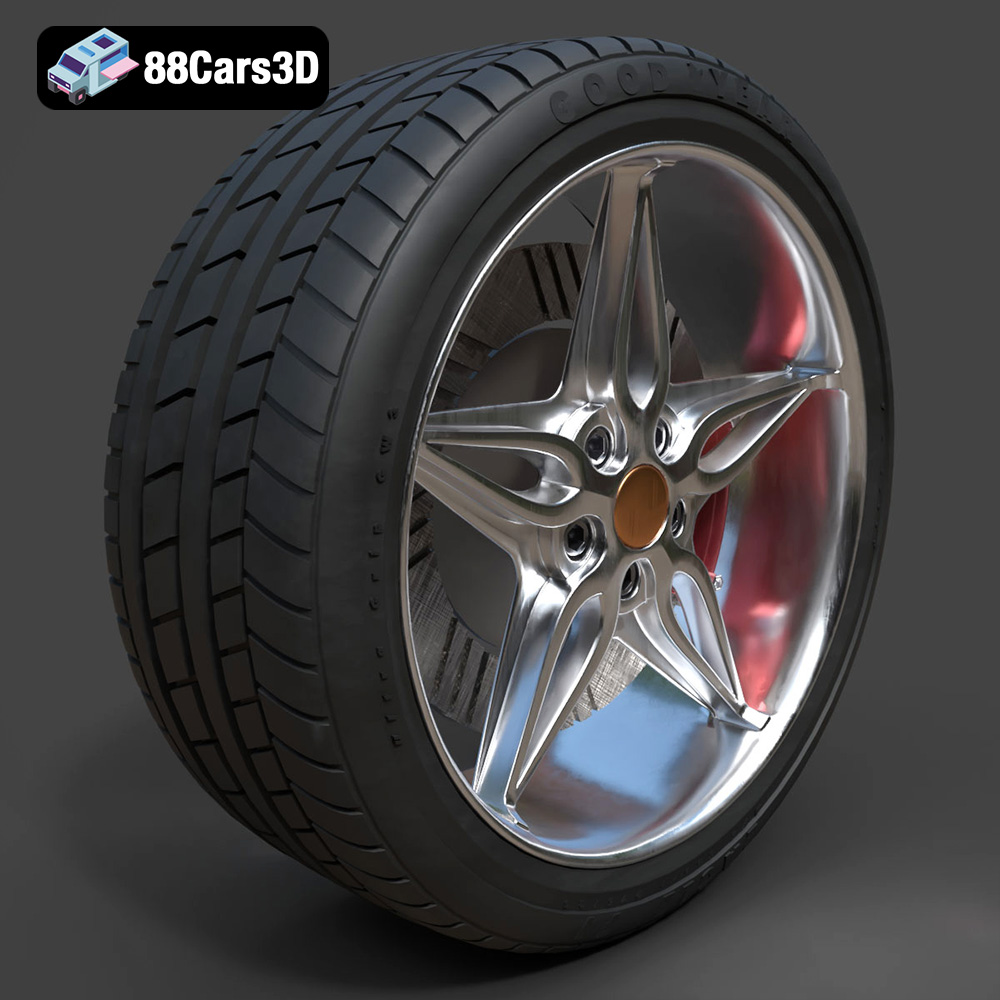
Texture: Yes
Material: Yes
Download the Wheel-001 Component 3D Model featuring clean geometry, realistic detailing, and a fully modeled interior. Includes .blend, .fbx, .obj, .glb, .stl, .ply, .unreal, and .max formats for rendering, simulation, and game development.
Price: $10.99
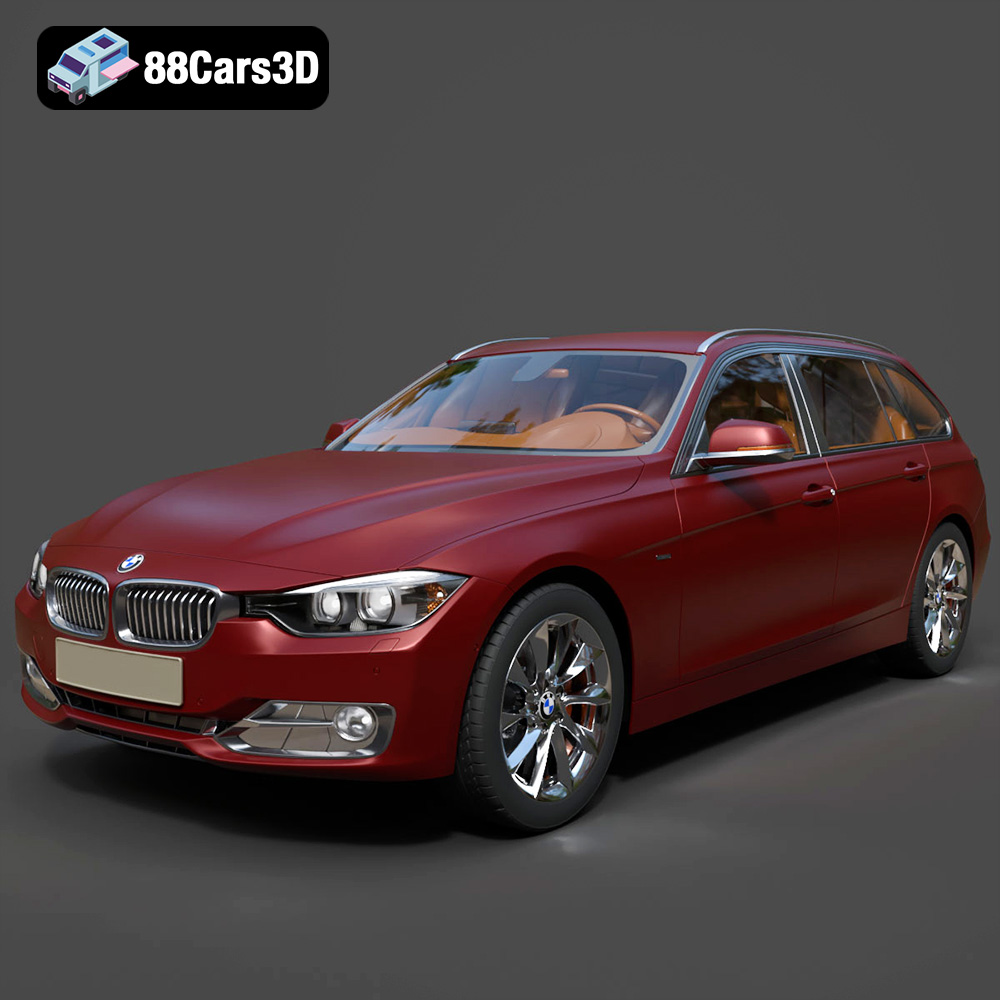
Texture: Yes
Material: Yes
Download the BMW 3 series Touring 335i (F31) 2013 3D Model featuring a highly detailed exterior, realistic interior, and modular design. Includes .blend, .fbx, .obj, .glb, .stl, .ply, .unreal, and .max formats for rendering, simulation, and game development.
Price: $30.79
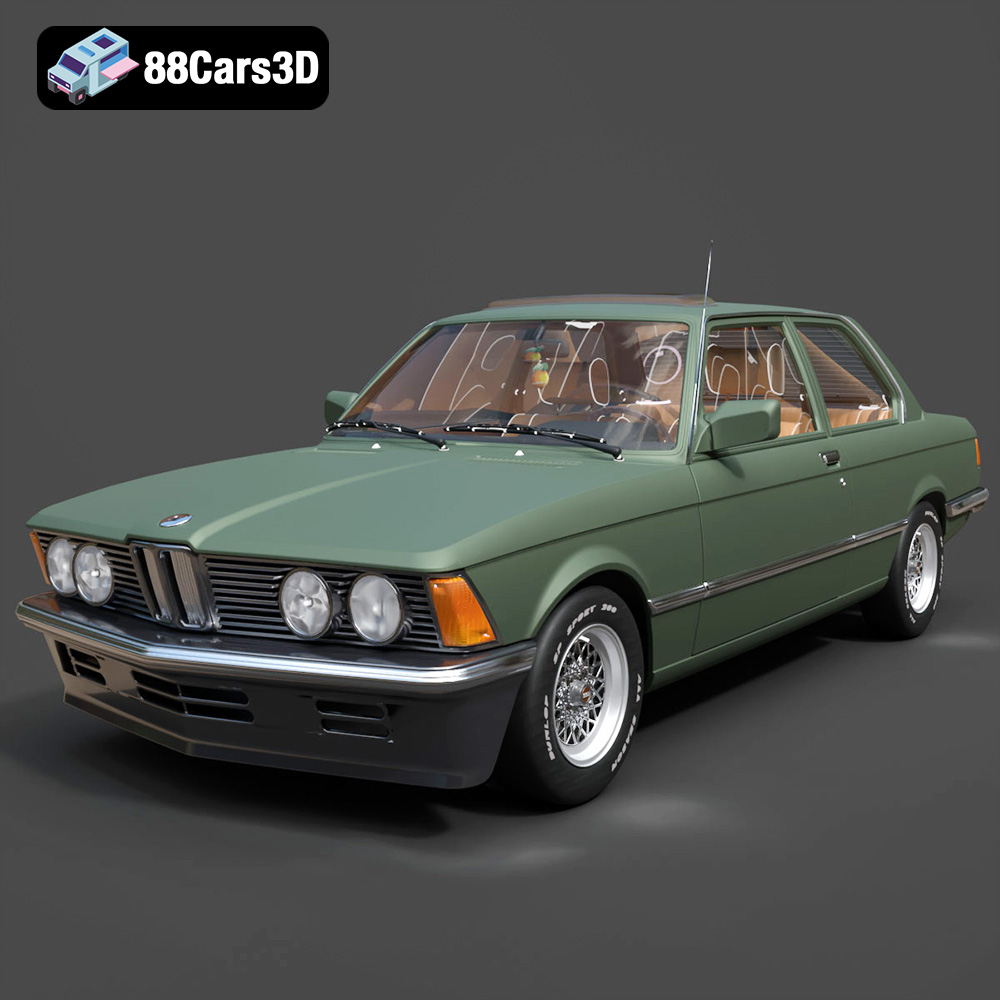
Texture: Yes
Material: Yes
Download the BMW 3 Series E21 3D Model featuring authentic exterior design, detailed interior, and accurate proportions. Includes .blend, .fbx, .obj, .glb, .stl, .ply, .unreal, and .max formats for rendering, simulation, and game development.
Price: $20.79

Texture: Yes
Material: Yes
Download the BMW 1 Series 3-Door E81 3D Model featuring a detailed exterior, functional interior elements, and clean geometry. Includes .blend, .fbx, .obj, .glb, .stl, .ply, .unreal, and .max formats for rendering, simulation, and game development.
Price: $14.79
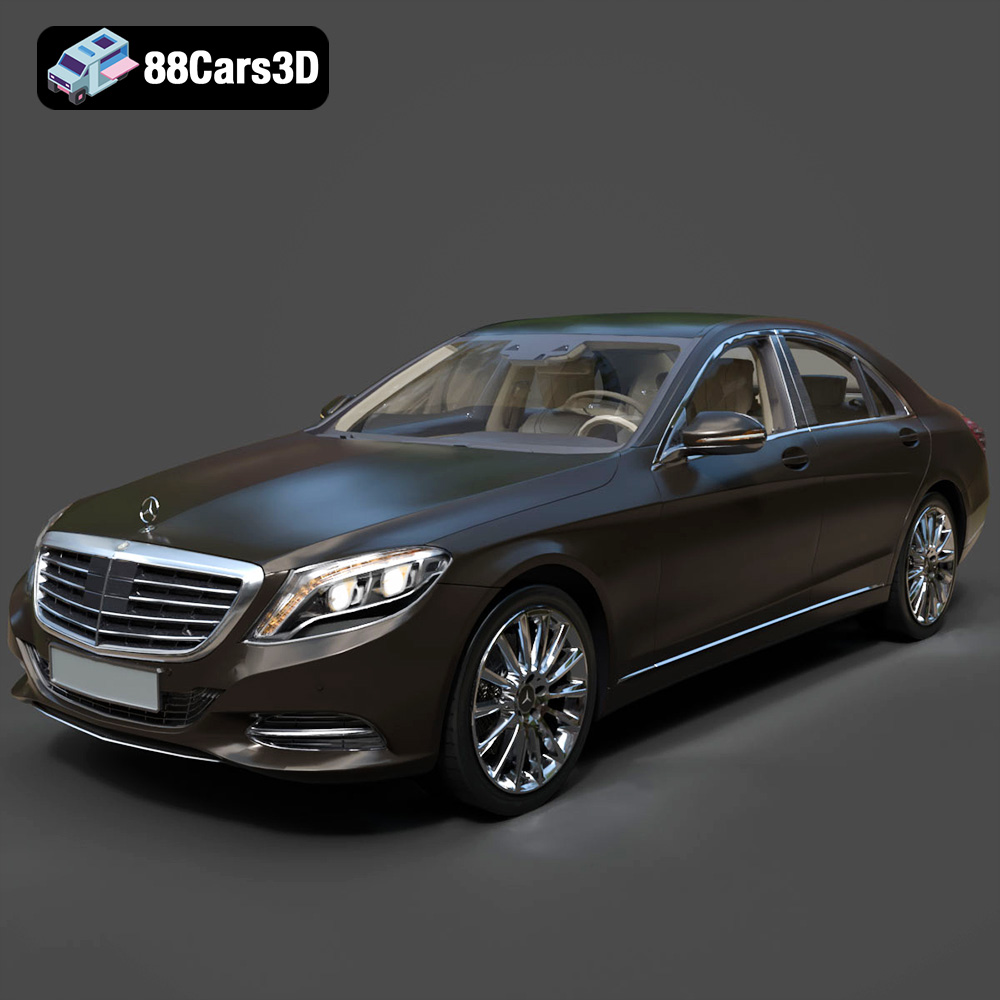
Texture: Yes
Material: Yes
Download the Mercedes-Benz S500 2022 3D Model featuring clean geometry, realistic detailing, and a fully modeled interior. Includes .blend, .fbx, .obj, .glb, .stl, .ply, .unreal, and .max formats for rendering, simulation, and game development.
Price: $19.99
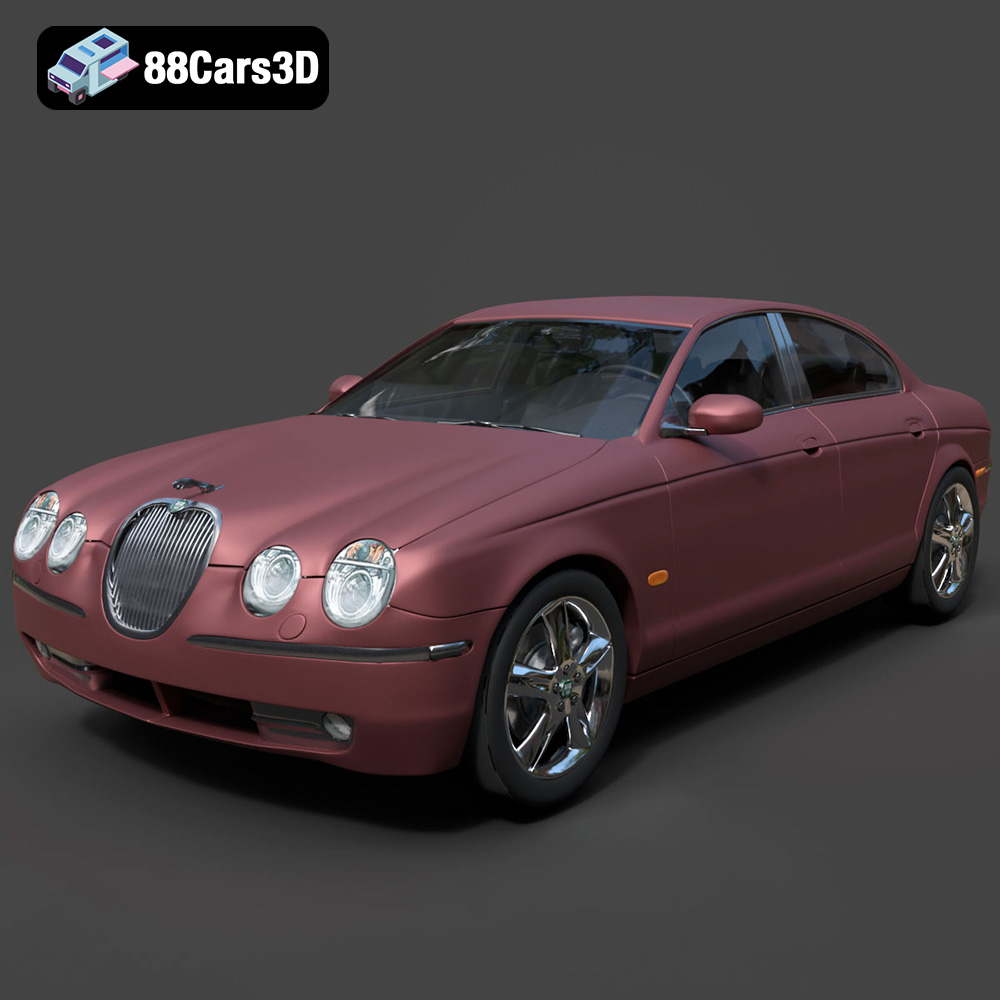
Texture: Yes
Material: Yes
Download the Jaguar S-Type Sedan 3D Model featuring clean geometry, realistic detailing, and a fully modeled interior. Includes .blend, .fbx, .obj, .glb, .stl, .ply, .unreal, and .max formats for rendering, simulation, and game development.
Price: $18.99
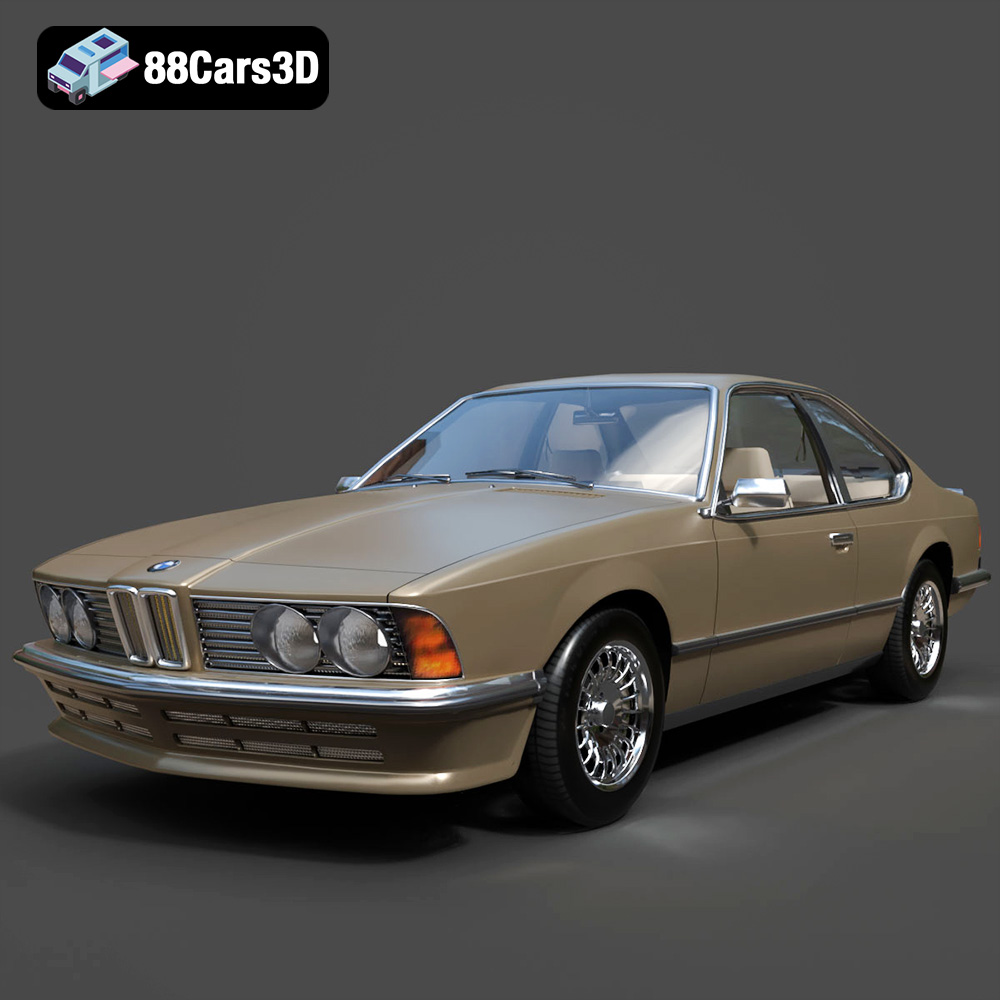
Texture: Yes
Material: Yes
Download the BMW 6 Series 1986 3D Model featuring clean geometry, realistic detailing, and a fully modeled interior. Includes .blend, .fbx, .obj, .glb, .stl, .ply, .unreal, and .max formats for rendering, simulation, and game development.
Price: $16.99
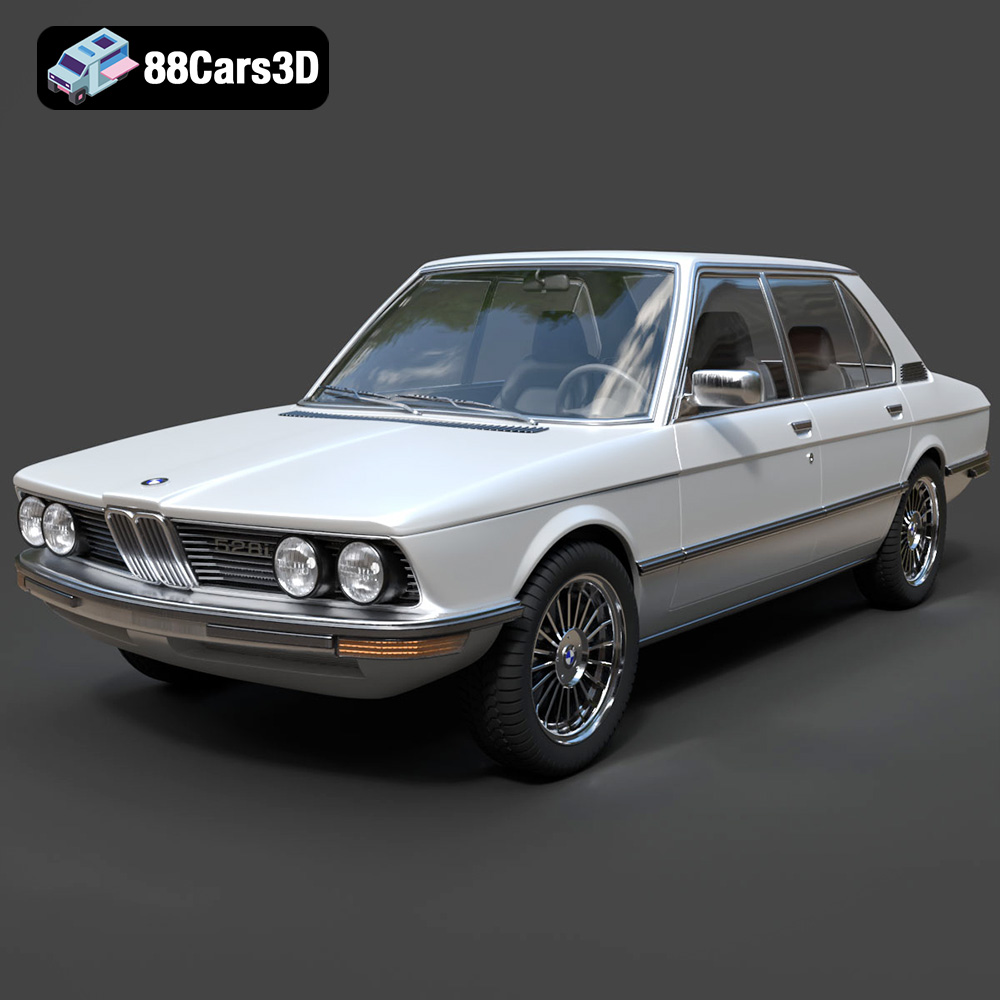
Texture: Yes
Material: Yes
Download the BMW 5 Series E12 528i 3D Model featuring clean geometry, realistic detailing, and a fully modeled interior. Includes .blend, .fbx, .obj, .glb, .stl, .ply, .unreal, and .max formats for rendering, simulation, and game development.
Price: $14.99

Texture: Yes
Material: Yes
Download the BMW 5 Series F10 3D Model featuring clean geometry, realistic detailing, and a fully modeled interior. Includes .blend, .fbx, .obj, .glb, .stl, .ply, .unreal, and .max formats for rendering, simulation, and game development.
Price: $14.99
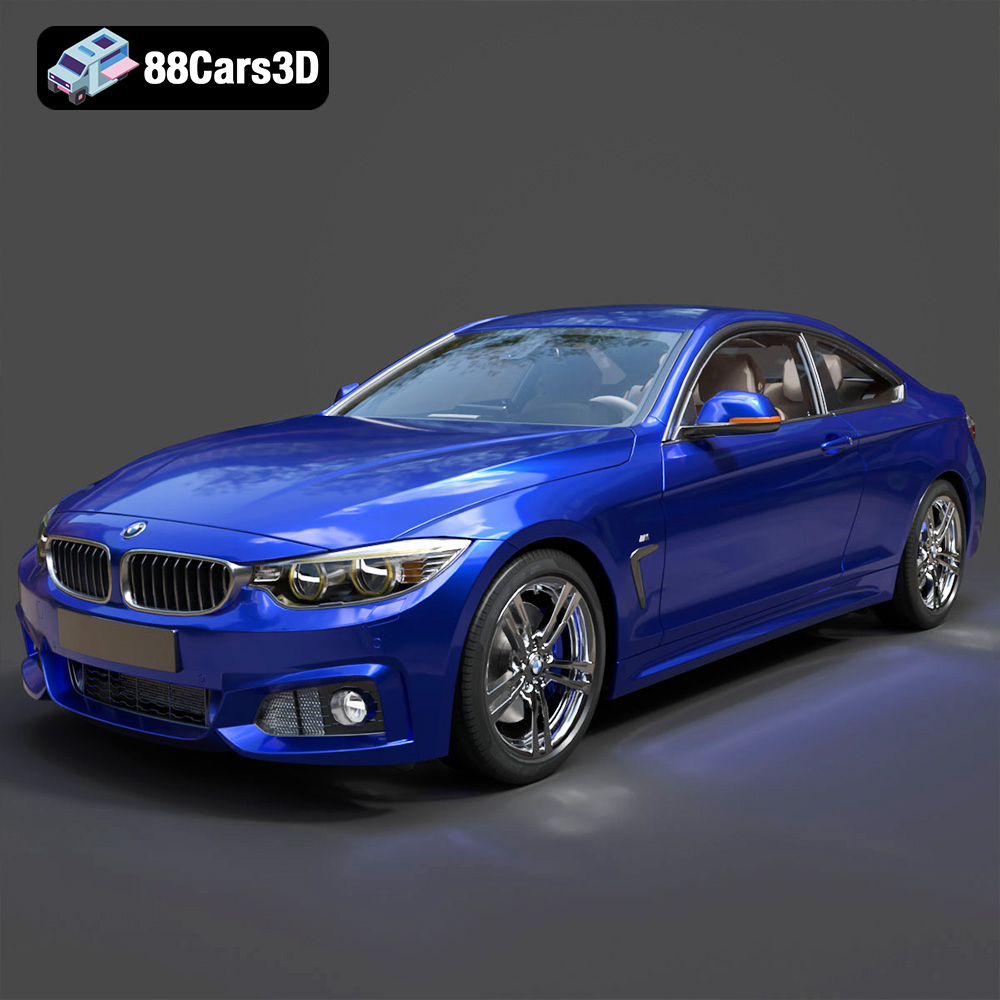
Texture: Yes
Material: Yes
Download the BMW 4 Series Coupe M Sport 2014 3D Model featuring clean geometry, realistic detailing, and a fully modeled interior. Includes .blend, .fbx, .obj, .glb, .stl, .ply, .unreal, and .max formats for rendering, simulation, and game development.
Price: $14.99

