⚡ FLASH SALE: Get 60% OFF All Premium 3D & STL Models! ⚡

The world of real-time rendering is constantly evolving, pushing the boundaries of visual fidelity and interactive experiences. At the heart of this revolution, especially within demanding fields like automotive visualization, lies the incredible power of shaders. While Unreal Engine’s Material Editor provides an unparalleled visual node-based system for crafting stunning materials, sometimes the complexity, performance requirements, or sheer uniqueness of a visual effect demands a deeper dive: into the realm of High-Level Shading Language (HLSL).
For Unreal Engine developers and 3D artists aiming to achieve truly bespoke and hyper-realistic automotive renders, understanding and leveraging HLSL is a game-changer. It unlocks the ability to create custom lighting models, intricate paint effects, advanced reflections, and optimized rendering techniques that go beyond what’s possible with standard material graphs alone. Imagine car paint with physically accurate multi-layer clear coats, iridescent flakes responding subtly to light, or glass with complex dispersion and internal reflections – these are the kinds of effects HLSL empowers you to build from the ground up. This comprehensive guide will take you through the journey of integrating HLSL into your Unreal Engine projects, specifically tailored for enhancing automotive visualization, providing the tools to elevate your 3D car models, like those found on 88cars3d.com, to an unprecedented level of realism and interactivity.
Before diving headfirst into writing HLSL code, it’s crucial to grasp where custom shaders fit within Unreal Engine’s complex rendering architecture. Unreal Engine employs a deferred renderer, meaning that geometry information (like position, normal, base color, roughness, metallic) is first written to G-buffers, and then lighting calculations are performed in a separate pass using these buffers. This architecture is highly efficient for scenes with many lights but presents a specific integration point for custom shaders. Custom HLSL allows developers to inject their own logic at various stages, from modifying vertex positions to calculating unique pixel colors or even entirely custom post-processing effects.
Unreal Engine’s Material Editor is an incredibly powerful and intuitive tool, allowing artists to construct complex PBR materials using a node-based visual scripting system. It abstracts away much of the underlying HLSL, making shader development accessible. For most standard PBR materials, custom masks, and even many procedural textures, the Material Editor is the ideal choice due to its rapid iteration, ease of debugging, and artist-friendly workflow. Its strengths lie in quick prototyping and leveraging Unreal Engine’s built-in shading models and lighting pipelines.
However, there are scenarios where HLSL becomes indispensable. If you need to implement a unique shading model not natively supported by Unreal Engine (e.g., a highly specific clear coat model for automotive paint), optimize a performance-critical calculation, create complex procedural effects that are difficult to express with nodes, or directly interact with low-level rendering features like compute shaders or custom vertex factories, HLSL is your path forward. It offers ultimate control over the GPU, allowing for fine-tuned performance optimizations and pushing visual boundaries beyond the standard offering. For example, a custom HLSL implementation might reduce the instruction count for a particular effect by half compared to its Material Editor counterpart, significantly impacting performance in real-time applications like AR/VR or interactive configurators.
Integrating custom HLSL shaders into Unreal Engine requires a more structured approach than just using the Material Editor. The engine expects custom shaders to be organized within a dedicated “Shader” directory structure, typically within a C++ plugin or game module. This setup allows the engine’s build system to compile your custom shader files (`.usf` and `.ush`) alongside its own shaders.
A basic `.usf` file often includes directives like `#include “/Engine/Private/Common.ush”` to bring in common engine shader functionalities. Within these files, you define functions and structs using HLSL syntax. For example, a global shader might have a structure to hold its parameters:
BEGIN_GLOBAL_SHADER_PARAMETER_STRUCT(FMyCustomShaderParameters, )
    SHADER_PARAMETER(float, MyScalarValue)
    SHADER_PARAMETER_TEXTURE2D(Texture2D, MyInputTexture)
    SHADER_PARAMETER_SAMPLER(SamplerState, MyInputTextureSampler)
END_GLOBAL_SHADER_PARAMETER_STRUCT()

IMPLEMENT_GLOBAL_SHADER(FMyCustomPixelShader, "/Plugin/YourPlugin/Shaders/Private/MyCustomShader.usf", "MainPS", SF_Pixel);
This snippet illustrates how parameters are declared and how the shader is implemented, tying it to a specific `.usf` file and an entry point function (e.g., `MainPS` for a pixel shader). The Unreal Engine documentation at https://dev.epicgames.com/community/unreal-engine/learning offers extensive resources on setting up shader modules and understanding the render pipeline in more detail.
While custom shader modules offer the deepest integration, the most common and accessible way for artists and developers to leverage HLSL within existing Material Editor workflows is through the `Custom` expression node. This powerful node acts as a bridge, allowing you to embed small snippets of HLSL code directly into your material graph, effectively extending the capabilities of the visual editor.
The `Custom` expression node in the Material Editor is an incredibly versatile tool. When you add it to your graph, you’ll find an input section where you define the variables you want to pass from your material graph into the HLSL code, and a code block where you write your HLSL. The node’s output then becomes available for further connections within the Material Editor.
Here’s a breakdown of its basic usage:
Example: Custom Fresnel Effect
A standard Fresnel effect calculates how much light is reflected off a surface based on the viewing angle. While the Material Editor has a Fresnel node, a custom HLSL version could be more performant or offer unique variations. Here’s a simple example:
// Inputs:
// WorldNormal (Float3) - Tangent space normal converted to world space
// CameraVector (Float3) - World space camera vector

float NdotV = dot(WorldNormal, -CameraVector);
float Power = 5.0; // Example power
float Fresnel = pow(1.0 - NdotV, Power);
return Fresnel;
This code calculates the dot product of the world normal and the inverted camera vector, then raises it to a power to create the Fresnel effect. By exposing `Power` as an input, you can dynamically adjust it from the Material Editor. You can pass texture samples, scalar values, vector data, and even UV coordinates through these inputs, providing immense flexibility.
While direct code input into the `Custom` node is convenient for small snippets, for larger, more complex, or reusable shader functions, it’s highly recommended to use external `.ush` (Unreal Shader Header) files. This approach offers several significant advantages:
To include an external shader file, you simply use the `#include` directive within your `Custom` node’s code. The path is relative to one of the engine’s shader directories (or your custom module’s shader directory configured in `Build.cs`).
Example: Including a Custom Function
First, create a `.ush` file (e.g., `MyCustomFunctions.ush`) in a recognized shader directory:
// MyCustomFunctions.ush
float CalculateAdvancedFresnel(float NdotV, float Bias, float Scale, float Power)
{
    float Fresnel = Bias + Scale * pow(1.0 - NdotV, Power);
    return Fresnel;
}
Then, in your `Custom` node:
// In Custom node Code field
#include "/Plugin/YourPlugin/Shaders/Public/MyCustomFunctions.ush"

// Inputs:
// WorldNormal (Float3)
// CameraVector (Float3)
// FresnelBias (Float)
// FresnelScale (Float)
// FresnelPower (Float)

float NdotV = dot(WorldNormal, -CameraVector);
return CalculateAdvancedFresnel(NdotV, FresnelBias, FresnelScale, FresnelPower);
This method significantly streamlines complex material development, especially when working on intricate automotive shaders where many components might share common mathematical functions or helper routines. Remember that while using the `Custom` node is powerful, it still operates within the bounds of the material system’s compilation process. For highly optimized or entirely custom render passes, a full C++ shader module integration might still be necessary.
Automotive visualization demands an exceptionally high level of realism, especially when it comes to materials like car paint, glass, and intricate metallic details. While Unreal Engine’s default PBR (Physically Based Rendering) models are excellent, HLSL allows you to push these materials further, capturing nuanced behaviors that are critical for photorealism. Platforms like 88cars3d.com provide high-quality 3D car models that serve as ideal canvases for applying these advanced HLSL-driven materials.
Car paint is one of the most challenging materials to render accurately. It’s not just a base color; it’s a complex multi-layered structure involving a base coat, metallic flakes, and a protective clear coat, often exhibiting iridescent or pearlescent shifts. HLSL is instrumental in recreating these subtleties:
These custom paint shaders often have high instruction counts, so optimization using techniques like half-precision floats (`half` type) for less critical calculations and careful branching is essential. Refer to the Unreal Engine PBR documentation at https://dev.epicgames.com/community/unreal-engine/learning to understand the underlying principles before extending them with HLSL.
Automotive glass, from windscreens to intricate headlight lenses, is another area where HLSL can significantly enhance realism. Simple opacity and refraction are often not enough; real glass exhibits dispersion, complex internal reflections, and interaction with light sources.
When developing these materials, especially for models sourced from marketplaces like 88cars3d.com, ensure that the underlying 3D mesh has clean topology and appropriate UV mapping. Accurate UVs are crucial for applying complex textures, masks, and ensuring that procedural effects correctly align with the geometry. High-quality base models reduce the time spent on mesh preparation, allowing you to focus on the advanced shader work.
The pursuit of visual fidelity must always be balanced with performance, especially in real-time applications like games, AR/VR, and interactive automotive configurators. HLSL provides granular control, enabling significant optimization opportunities that can make the difference between a smooth experience and a stuttering mess. Furthermore, understanding how custom shaders interact with Unreal Engine 5’s cutting-edge technologies like Nanite and Lumen is crucial for next-generation visuals.
Optimizing HLSL shaders is an art form. Every instruction, every texture sample, and every branch can impact performance. Here are key techniques:
For AR/VR applications, every millisecond counts. Targeting 90-120 FPS means extremely tight budget for shader instruction counts (often below 100-200 instructions for pixel shaders) and draw calls. HLSL provides the control necessary to meet these stringent performance targets.
Unreal Engine 5 introduced two groundbreaking technologies: Nanite for virtualized geometry and Lumen for real-time global illumination. Custom HLSL shaders need to respect and ideally integrate with these systems:
By understanding these interactions, you can create custom HLSL effects that not only look fantastic but also seamlessly integrate with Unreal Engine’s advanced rendering features, ensuring your automotive visualizations are both stunning and performant.
Static, pre-defined materials are a thing of the past for cutting-edge automotive visualization. Modern applications demand interactivity, allowing users to customize vehicles in real-time configurators, experience dynamic weather effects, or witness physically accurate damage. HLSL, combined with Unreal Engine’s Blueprint visual scripting and C++ programming, empowers you to create truly dynamic and interactive shader effects.
Blueprint is the bridge between your custom HLSL shaders and interactive gameplay or user interfaces. While HLSL defines the complex calculations, Blueprint allows artists and designers to expose and manipulate shader parameters at runtime without writing a single line of C++.
The primary mechanisms for this are:
Blueprint enables rapid prototyping of interactive experiences. From simple color changes to complex procedural animations driven by user input or game logic, it’s an essential tool for leveraging your HLSL shaders dynamically.
While Blueprint is incredibly powerful, there are limits to its capabilities when it comes to shader manipulation. For truly advanced custom rendering solutions, compute shaders, or unique vertex transformations, you’ll need to dive into C++.
C++ integration allows for the creation of unique rendering features that are indistinguishable from engine-level functionality. While it has a steeper learning curve, it provides the ultimate freedom to innovate and push the boundaries of real-time automotive visualization.
Developing custom HLSL shaders for complex automotive assets requires a disciplined workflow and adherence to best practices to ensure stability, performance, and maintainability. Given the intricate nature of car models and the demanding visual quality expected in this domain, a robust approach is critical.
Debugging HLSL shaders can be notoriously challenging due to their parallel execution nature and the lack of traditional breakpoints. However, Unreal Engine and external tools offer several strategies:
When custom HLSL files become integral to your project, treating them like any other code asset is crucial for team collaboration and project stability:
The foundation of any stunning automotive visualization is a high-quality 3D model. Starting with optimized 3D car models from platforms like 88cars3d.com significantly streamlines your workflow and ensures your custom HLSL shaders are applied to the best possible canvas. These models are typically provided with:
By using professional-grade base assets, you can accelerate your development cycle and dedicate your expertise to crafting unique, performant, and visually groundbreaking custom shaders that truly make your automotive projects shine.
Unreal Engine offers an incredible ecosystem for real-time rendering, but for those who seek to push the boundaries of visual fidelity and create truly unique effects, especially within the highly demanding realm of automotive visualization, HLSL shader development is an indispensable skill. It’s the key to crafting bespoke car paints with multi-layered clear coats and shimmering metallic flakes, glass with accurate dispersion, and interactive experiences driven by dynamic materials.
Throughout this guide, we’ve explored the fundamental concepts of integrating HLSL into Unreal Engine, from understanding the rendering pipeline and setting up custom shader modules to leveraging the `Custom` expression node. We delved into crafting advanced automotive materials, discussed crucial optimization techniques, and highlighted how to drive dynamic shader parameters with Blueprint and C++. By adopting best practices for debugging, version control, and by starting with high-quality 3D car models from trusted sources like 88cars3d.com, you set yourself up for success.
The journey into HLSL shader development is an advanced one, requiring dedication and a willingness to explore the depths of GPU programming. However, the rewards are immense: unparalleled control over visual output, optimized performance, and the ability to create truly distinctive and cutting-edge automotive visualizations. So, arm yourself with this knowledge, experiment with the provided concepts, and embark on the exciting path of mastering custom materials in Unreal Engine. Your next project will undoubtedly captivate audiences with its bespoke rendering solutions and stunning realism.

Texture: Yes
Material: Yes
Download the Bentley Continental Flying Spur 3D Model featuring clean geometry, realistic detailing, and a fully modeled interior. Includes .blend, .fbx, .obj, .glb, .stl, .ply, .unreal, and .max formats for rendering, simulation, and game development.
Price: $14.99
Texture: Yes
Material: Yes
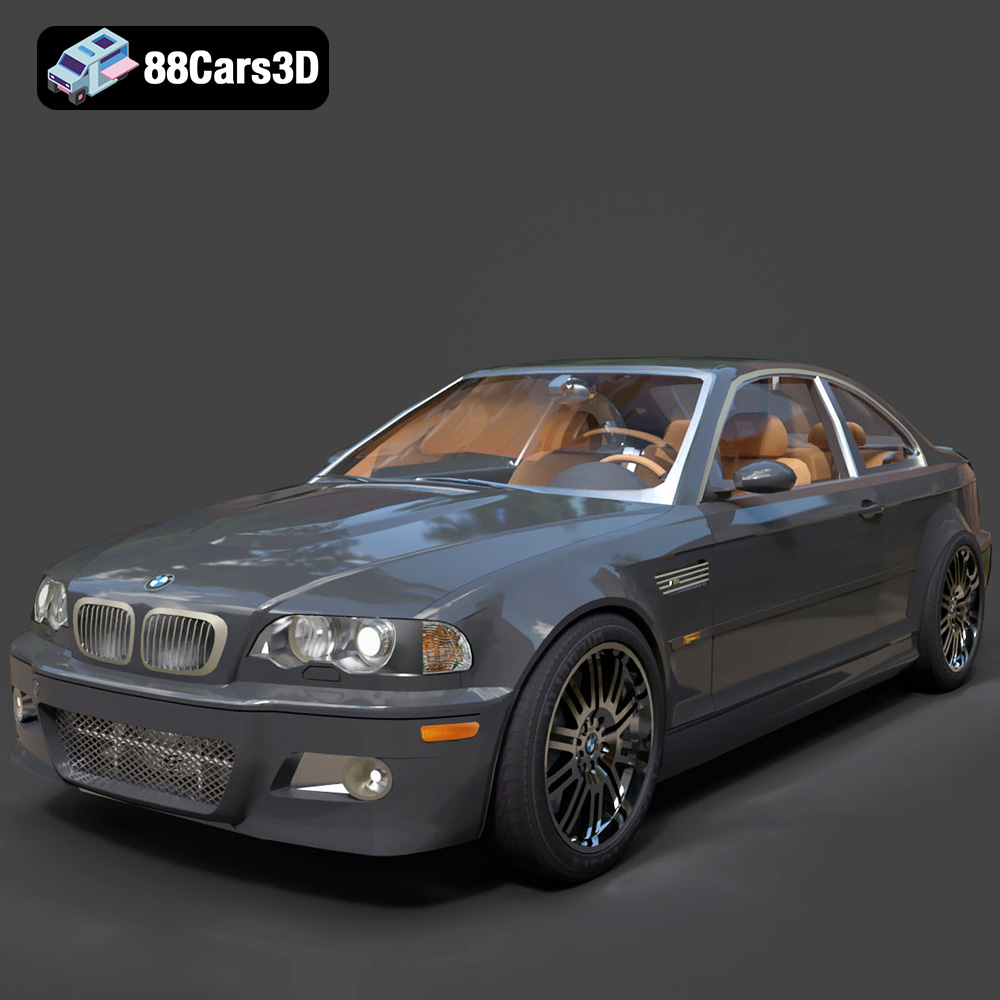
Download the BMW M3 E46 3D Model featuring iconic sports car design and detailed interior. Includes .blend, .fbx, .obj, .glb, .stl, .ply, .unreal, and .max formats for rendering, simulation, and game development.
Price: $16.99

Texture: Yes
Material: Yes
Download the BMW i3 Coupe 3D Model featuring its iconic electric design and compact urban styling. Includes .blend, .fbx, .obj, .glb, .stl, .ply, .unreal, and .max formats for rendering, simulation, and game development.
Price: $17.99
Texture: Yes
Material: Yes
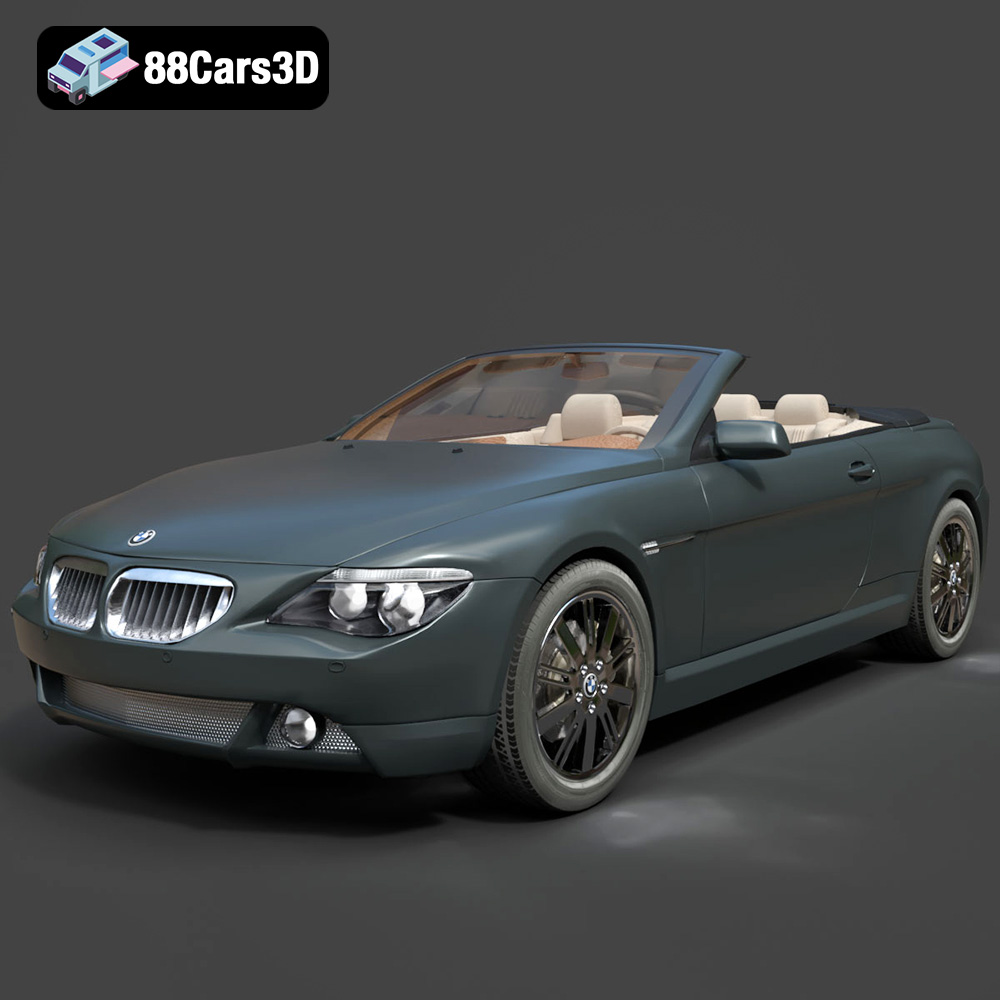
Download the BMW 645ci 3D Model featuring a sleek, detailed exterior and optimized interior. Includes .blend, .fbx, .obj, .glb, .stl, .ply, .unreal, and .max formats for rendering, simulation, and game development.
Price: $10.79
Texture: Yes
Material: Yes
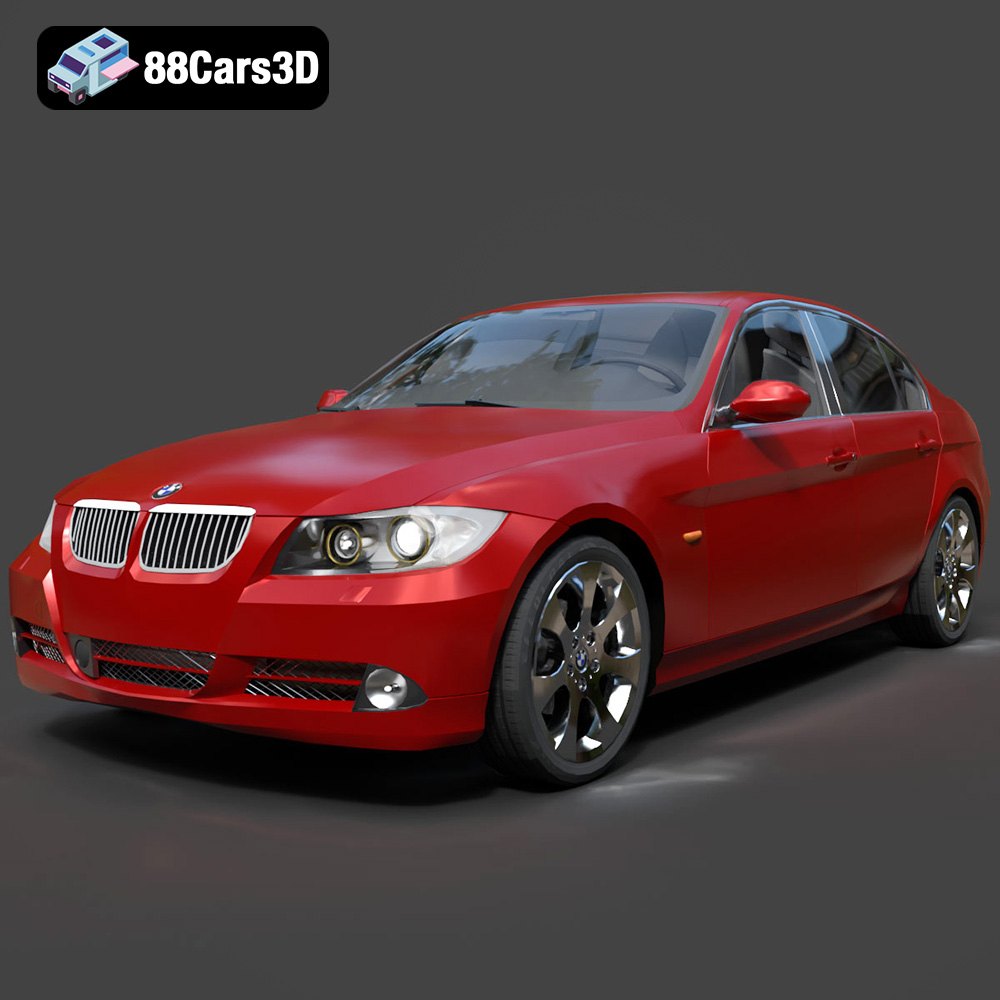
Download the BMW 330i E90 3D Model featuring a detailed exterior, an optimized interior, and accurate mechanical components. Includes .blend, .fbx, .obj, .glb, .stl, .ply, .unreal, and .max formats for rendering, simulation, and game development.
Price: $14.79
Texture: Yes
Material: Yes
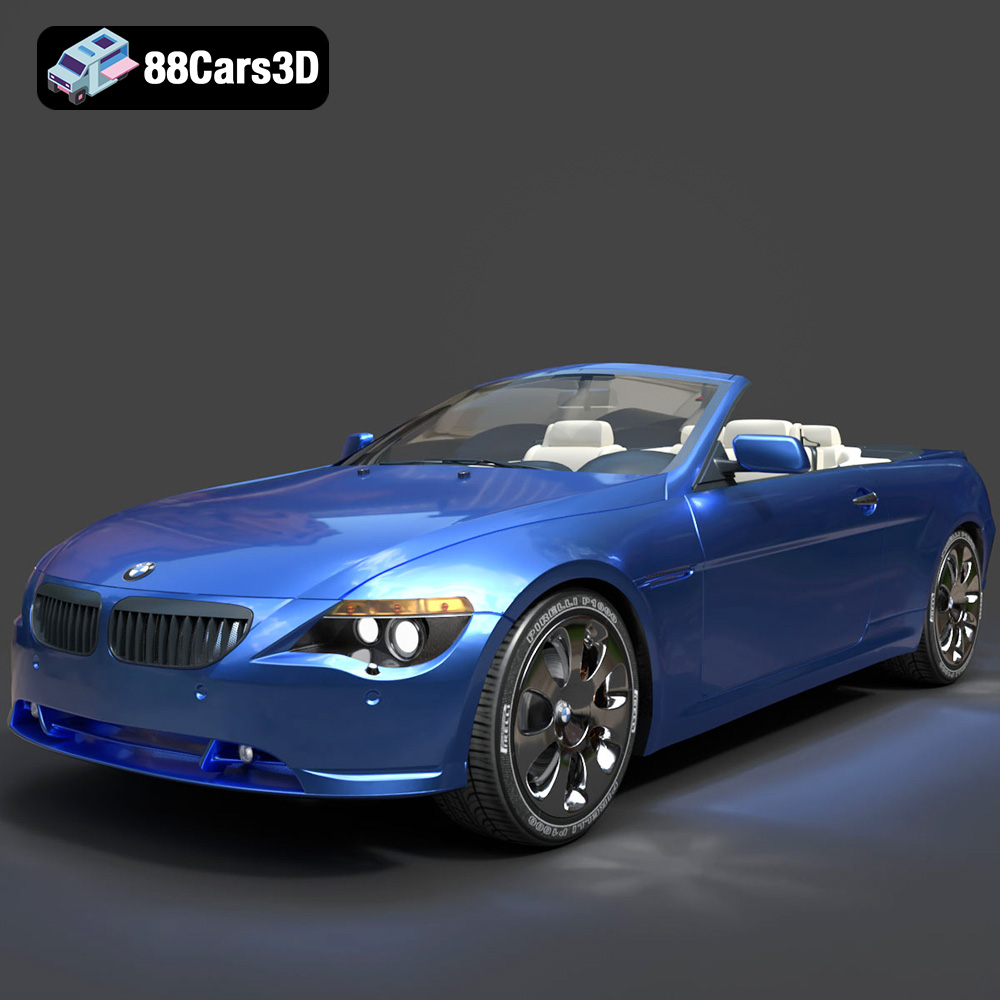
Download the BMW 6 Series Convertible 3D Model featuring clean geometry, realistic detailing, and a fully modeled interior. Includes .blend, .fbx, .obj, .glb, .stl, .ply, .unreal, and .max formats for rendering, simulation, and game development.
Price: $14.99
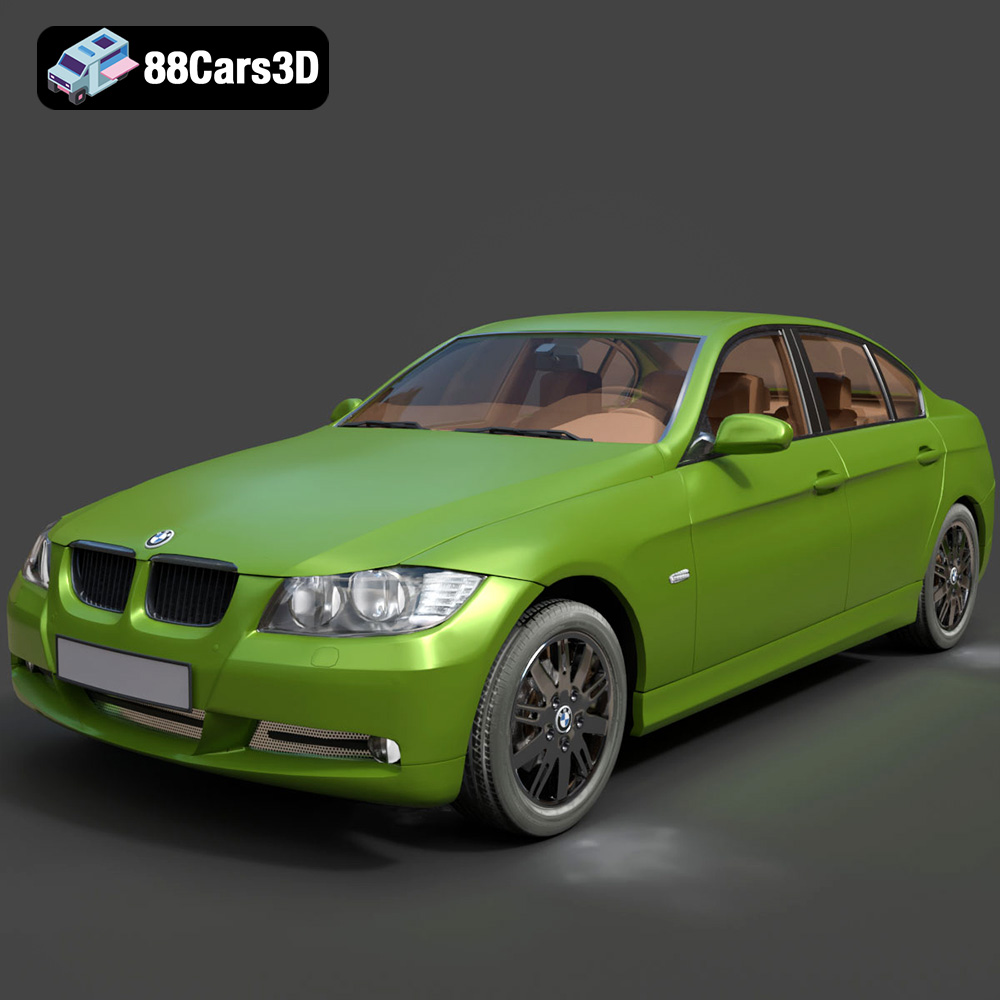
Texture: Yes
Material: Yes
Download the BMW 3-005 3D Model featuring a sleek design, detailed exterior and interior. Includes .blend, .fbx, .obj, .glb, .stl, .ply, .unreal, and .max formats for rendering, simulation, and game development.
Price: $14.99
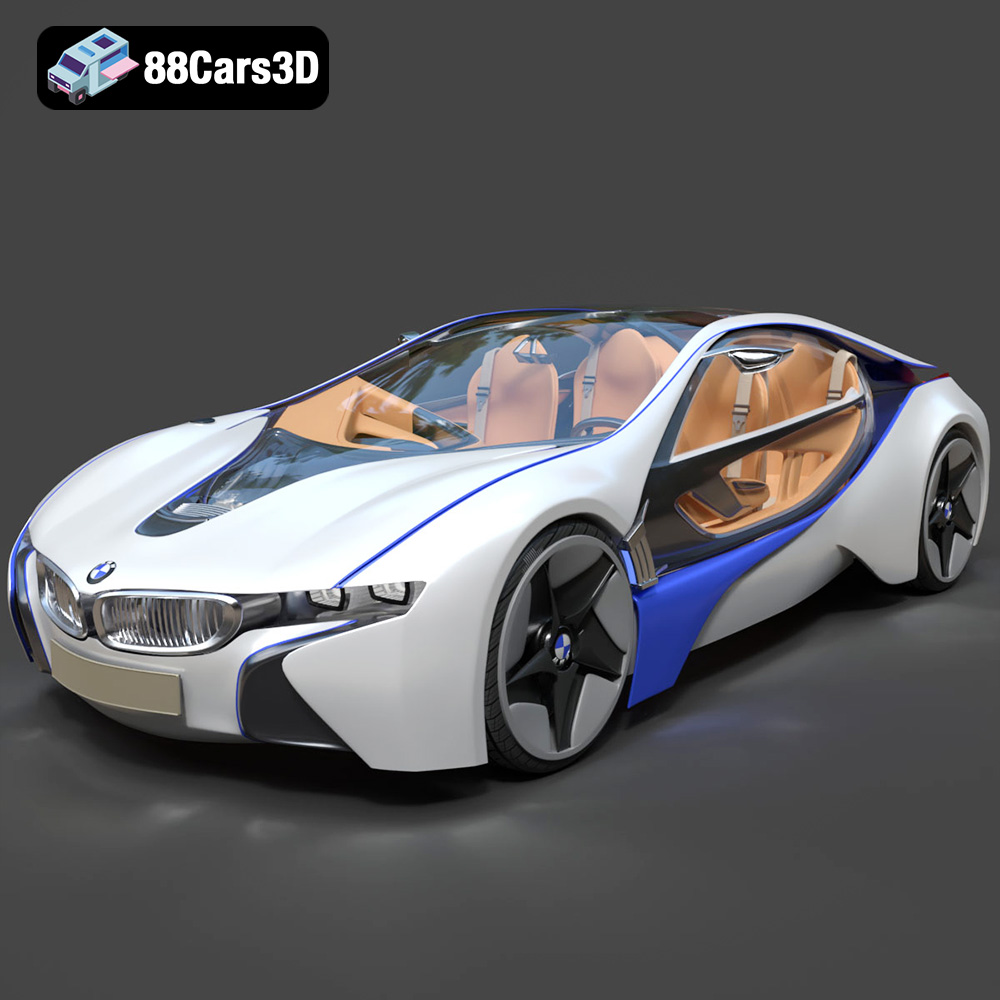
Texture: Yes
Material: Yes
Download the BMW Vision Effecient Dynamics-007 3D Model featuring a sleek, futuristic design and hybrid concept aesthetics. Includes .blend, .fbx, .obj, .glb, .stl, .ply, .unreal, and .max formats for rendering, simulation, and game development.
Price: $14.99
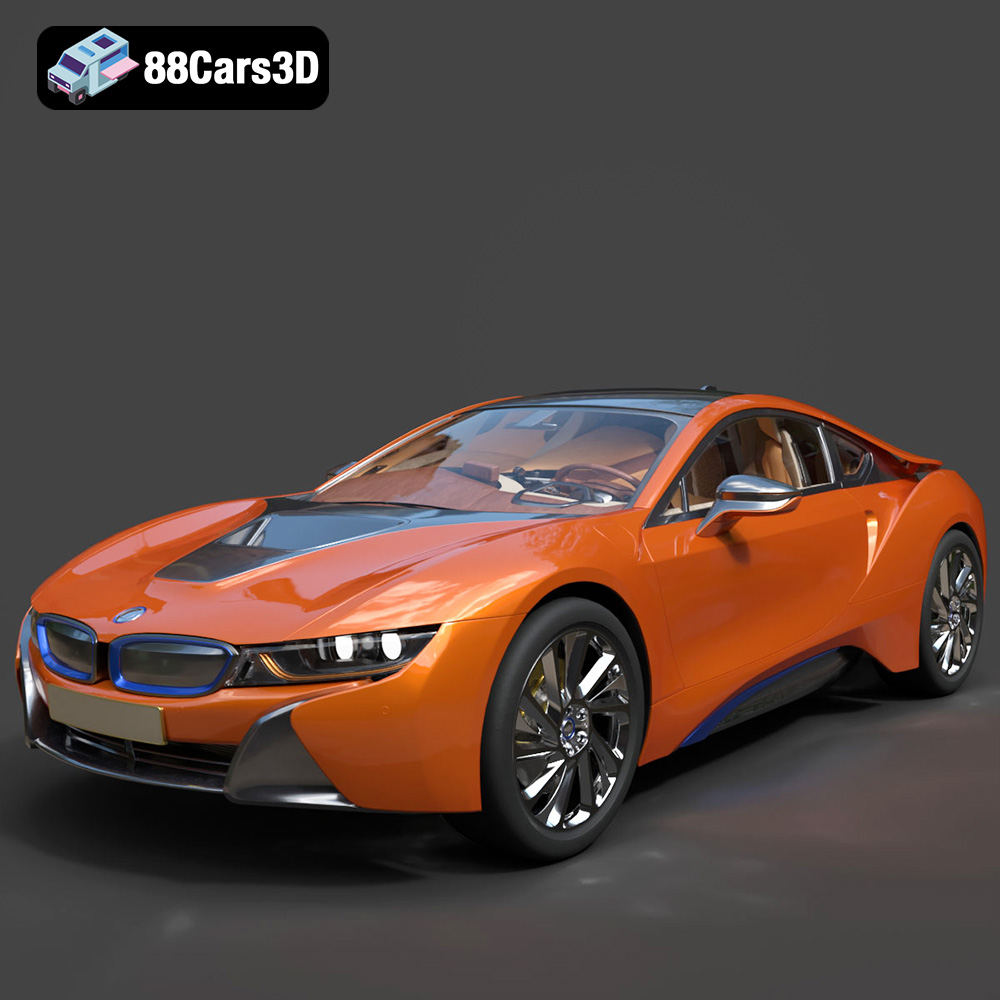
Texture: Yes
Material: Yes
Download the BMW i8 2015 3D Model featuring clean geometry, realistic detailing, and a fully modeled interior. Includes .blend, .fbx, .obj, .glb, .stl, .ply, .unreal, and .max formats for rendering, simulation, and game development.
Price: $12.99

Texture: Yes
Material: Yes
Download the BMW 4 Series F32 3D Model featuring clean geometry, realistic detailing, and a fully modeled interior. Includes .blend, .fbx, .obj, .glb, .stl, .ply, .unreal, and .max formats for rendering, simulation, and game development.
Price: $12.99

