⚡ FLASH SALE: Get 60% OFF All Premium 3D & STL Models! ⚡

In the dynamic world of 3D visualization, realism is paramount, especially when it comes to capturing the intricate beauty and engineering prowess of automotive designs. Whether you’re a seasoned 3D artist, a game developer crafting immersive open worlds, or an automotive designer visualizing future concepts, the quality of your 3D car models hinges significantly on one crucial element: Physically Based Rendering (PBR) materials. PBR is not just a trend; it’s a fundamental shift in how we approach shading and texturing, ensuring that your digital assets react to light in a way that mimics real-world physics.
This comprehensive guide will delve deep into the best practices for creating and implementing PBR materials for automotive 3D models. We’ll explore everything from the foundational theories of PBR to advanced texturing workflows, software-specific implementations, and crucial optimization strategies for diverse applications like automotive rendering, game assets, and AR/VR visualization. By mastering these techniques, you’ll be able to create stunningly realistic vehicles that stand out, ensuring your models are not only visually impressive but also technically sound and versatile for any project. Prepare to elevate your understanding and execution of PBR, transforming your 3D automotive creations.
Physically Based Rendering (PBR) represents a sophisticated approach to computer graphics that aims to render materials in a way that is mathematically consistent with physical laws. For 3D car models, this means simulating how light interacts with surfaces like paint, metal, glass, and rubber with unprecedented accuracy. Gone are the days of guessing arbitrary color values and specular intensities; PBR provides a standardized framework that ensures materials look consistent and realistic under various lighting conditions, making them ideal for high-fidelity automotive rendering.
At its core, PBR relies on a set of texture maps, each representing a specific physical property of the material. The primary maps include:
There are two primary PBR workflows: Metallic-Roughness and Specular-Glossiness. The Metallic-Roughness workflow, favored by many modern game engines and renderers, uses Albedo, Metallic, and Roughness maps. In contrast, Specular-Glossiness uses Diffuse, Specular (which defines the color of reflections), and Glossiness (the inverse of roughness) maps. For automotive models, Metallic-Roughness is often preferred due to its intuitive nature and broader adoption in tools like Substance Painter and engines like Unity and Unreal. It simplifies the material creation process, making it easier to achieve realistic car paint, chrome, and plastic surfaces.
Applying these parameters correctly to an automotive model requires a nuanced understanding of real-world materials. Car paint, for instance, is a complex multi-layered material. It starts with a metallic base coat, often with embedded flakes, covered by several layers of clear coat, which acts as a dielectric. Simulating this requires careful blending or layered materials. For chrome, a metallic value of 1 and a very low roughness are key. Glass will have unique transmission and refraction properties, often handled by dedicated shader parameters rather than just PBR maps, although roughness can still define its clarity. Understanding these specific material behaviors is the bedrock for truly convincing visualization.
Creating high-quality PBR textures for 3D car models is an art form that combines technical precision with artistic vision. The goal is to translate the nuances of real-world automotive materials into digital maps that interact correctly with light. This section will guide you through the texturing workflows, focusing on industry-standard tools and resolutions to achieve optimal results for automotive rendering and game asset development.
The journey often begins with meticulous UV mapping, a critical prerequisite for effective texturing. Clean, non-overlapping UV mapping is essential, especially for complex car surfaces, to avoid distortion and ensure texture accuracy. Tools like RizomUV, Blender, and Maya offer robust UV unwrapping capabilities, allowing artists to create optimized UV layouts. For a car body, it’s common to have multiple UV sets or texture sheets: one for the main body, one for interior elements, one for tires, and perhaps another for small details or trim.
Once the UVs are prepared, artists typically move to dedicated texturing software. Substance Painter by Adobe has become an industry staple for PBR texturing due to its layer-based workflow, smart materials, and ability to bake essential maps (like normal, ambient occlusion, curvature, and thickness) directly from the high-poly mesh. For automotive paint, Substance Painter allows for intricate layering: a base metallic layer, followed by a clear coat material that adds reflection and gloss. You can even simulate orange peel texture, dust, and subtle scratches using procedural masks and generators, adding a layer of realism often missed in simpler workflows.
For highly detailed or unique surfaces, traditional 2D painting software like Adobe Photoshop or specialized tools like Mari might be used, though they require manual map creation or channel painting. These are particularly useful for creating custom decals, intricate logos, or detailed wear and tear that might be harder to achieve procedurally.
Car paint is perhaps the most complex automotive material to simulate with PBR. A truly realistic car paint shader often involves several layers:
Texture resolutions are vital. For a hero asset like a 3D car model, resolutions of 4K (4096×4096) or even 8K (8192×8192) are standard for body panels to capture fine details and ensure crisp reflections. Interior elements might use 2K textures, while smaller components can use 1K. Balancing resolution with performance, especially for game assets, is key.
Interior surfaces demand attention to detail. Leather, fabric, plastic, and carbon fiber all have distinct PBR properties. Leather, for example, requires a subtle normal map for grain and a roughness map that varies based on wear and oil accumulation. Fabric materials will heavily rely on roughness and potentially anisotropic parameters for realistic weave patterns. Tire rubber requires a specific texture set: a detailed normal map for treads and sidewall text, a roughness map indicating its matte, slightly worn surface, and an albedo map for its deep black color. Dirt and dust overlays can be added as blend layers to enhance realism, reflecting the real-world usage of a vehicle. The goal is to capture the unique interaction of light with each distinct material, contributing to the overall believability of the automotive visualization.
Once your PBR textures are created, the next crucial step is integrating them into your chosen 3D software and render engine. The process involves connecting the various PBR texture maps to the appropriate slots within the material shader. While the underlying principles remain consistent, the exact workflow and terminology can vary slightly between applications like 3ds Max, Blender, and Maya, and renderers such as Corona, V-Ray, Cycles, and Arnold.
Regardless of the software, the fundamental task is to assign your Albedo, Metallic, Roughness, Normal, and Ambient Occlusion maps to the corresponding input channels of a PBR material shader. Most modern renderers provide a dedicated PBR shader (e.g., Physical Material in 3ds Max, Principled BSDF in Blender, aiStandardSurface in Arnold) designed to handle these maps correctly. Understanding how each renderer interprets these inputs is key to achieving consistent and realistic results across different rendering environments.
Blender, with its powerful Cycles and Eevee renderers, utilizes a node-based material system, offering immense flexibility and control over PBR materials. The ‘Principled BSDF’ shader node is the heart of PBR in Blender, encapsulating most of the parameters needed for physically accurate materials. To set up a PBR material:
Blender’s flexibility allows for advanced layering and blending of PBR materials using mix shaders and masks, which is invaluable for complex automotive paint or detailed interior surfaces. For more in-depth information on working with the Principled BSDF and node-based materials, you can always refer to the official Blender 4.4 documentation.
In 3ds Max, both V-Ray and Corona Renderer provide robust PBR material solutions. For V-Ray, the ‘VRayMtl’ (V-Ray Material) or the newer ‘VRayPBRMtl’ are ideal. You would connect your maps:
Corona Renderer features the ‘CoronaPhysicalMtl’, which is highly intuitive for PBR workflows. It offers dedicated slots for Base Color, Metalness, Roughness, and a robust Clear Coat system, which is perfect for automotive rendering. Simply drag and drop your texture maps into the corresponding slots, and the material handles the rest, ensuring physically accurate light interactions. Both renderers offer advanced features like anisotropy, subsurface scattering (for things like headlight lenses), and emissive properties for displays or lights, allowing for truly comprehensive automotive visualization.
The application of PBR materials extends beyond offline rendering into the demanding world of real-time game engines and immersive AR/VR experiences. For game assets, especially detailed 3D car models, achieving PBR realism while maintaining optimal performance is a critical balancing act. Game engines like Unity and Unreal Engine are built with PBR workflows in mind, offering specialized shaders and tools to ensure stunning visuals at interactive frame rates.
When preparing 3D car models for real-time applications, optimization is paramount. High polygon counts, excessive texture resolutions, and too many unique materials can quickly overwhelm a game engine, leading to poor performance. Therefore, a strategic approach to PBR material implementation is necessary, focusing on efficiency without sacrificing visual quality.
In Unity, the Standard Shader (or Universal Render Pipeline/High Definition Render Pipeline PBR shaders) provides clear slots for Albedo, Metallic, Smoothness (inverse of Roughness), and Normal maps. Unreal Engine’s material editor is node-based, similar to Blender, allowing for highly customized and complex PBR material graphs. The ‘Metallic’ and ‘Roughness’ inputs are direct, and normal maps are connected to the ‘Normal’ input. Both engines allow for the creation of intricate car paint shaders using combinations of layers, clear coat effects, and custom parameters, much like their offline rendering counterparts, but always with an eye towards performance budgets.
To manage the complexity of automotive models in real-time environments, Level of Detail (LOD) systems are indispensable. LODs involve creating multiple versions of a single 3D asset, each with decreasing polygon counts and simplified PBR textures, to be displayed based on the camera’s distance from the object. For a 3D car model, this could mean:
This strategy drastically reduces the processing load. Other crucial optimization techniques include:
AR/VR optimization presents even greater challenges, especially for mobile devices where computational power is limited. For AR/VR automotive visualization, PBR materials need to be highly optimized. This often means:
When sourcing 3D car models for AR/VR from marketplaces like 88cars3d.com, it’s essential to check if models are already optimized with appropriate LODs and efficient PBR setups. Many platforms provide specifications on polygon counts and texture sizes, which are critical for smooth performance in AR/VR environments.
Beyond the fundamental PBR maps, there are several advanced techniques that can significantly enhance the realism of 3D car models. These methods allow artists to simulate more complex material behaviors, push the boundaries of visual fidelity, and solve common rendering challenges. Mastering these nuances is what truly differentiates a good PBR material from an exceptional one, especially for high-end automotive rendering and visualization.
Displacement Maps: While normal maps simulate surface detail by faking height, displacement maps actually alter the geometry of the mesh, adding true physical detail. For cars, this can be used subtly for intricate grilles, fine panel gaps, or the texture of rubber seals where genuine geometric displacement adds a lot to realism. It’s computationally more expensive than normal mapping but offers unparalleled depth. When using displacement, ensure your model has sufficient tessellation or subdivision at render time to resolve the detail accurately.
Subsurface Scattering (SSS): This technique simulates how light penetrates a translucent surface, scatters beneath the surface, and then exits at a different point. While not overtly common for car bodies, SSS is crucial for realistic headlights and taillight lenses, where plastic diffuses light internally, creating a soft glow. It also applies to materials like rubber gaskets or some interior plastics, giving them a less “hard” appearance. Adjusting parameters like scatter color and radius allows for precise control over the effect.
Emissive Maps: For any light-emitting elements on a car, such as dashboard displays, LED strips, or glowing brake lights, emissive maps are used. These maps define areas that emit light independently of external illumination. An emissive map is typically a color map that, when connected to the emissive channel of a PBR shader, causes the material to glow, contributing to the scene’s illumination (especially in real-time engines) and adding visual pop to the automotive visualization.
One of the most common challenges with PBR is ensuring materials react correctly under various lighting conditions. If a material looks great in one lighting setup but appears ‘plastic’ or ‘flat’ in another, it often points to incorrect calibration. Key troubleshooting steps include:
Real-world surfaces are rarely pristine. Adding imperfections like dust, dirt, scratches, and wetness dramatically enhances realism. These effects are typically achieved by blending multiple PBR materials or using layered textures with masks:
These advanced techniques, while requiring more artistic effort and technical understanding, are crucial for creating highly convincing and visually rich 3D car models that truly capture the essence of reality, whether for static renders or interactive experiences.
In the expansive ecosystem of 3D car models available online, understanding what constitutes a high-quality PBR model is crucial for both buyers and sellers. Marketplaces like 88cars3d.com set standards to ensure that artists and developers receive assets that are not only visually appealing but also technically sound and ready for integration into various pipelines. The efficacy of PBR materials is directly tied to the underlying geometry and UV layout of the model, making these fundamental aspects non-negotiable for professional-grade assets.
When searching for a 3D car model, the description should ideally detail the PBR workflow used (Metallic-Roughness or Specular-Glossiness), the texture resolutions provided, and a list of included maps (Albedo, Normal, Roughness, Metallic, AO, etc.). High-quality models will boast clean, Quad-based topology with proper edge flow, which is essential for smooth deformations and accurate normal map baking. Sub-division surfaces (like Turbosmooth or Subdivision Surface modifiers) should be supported, allowing for dynamic detail scaling. Bad topology can lead to artifacts, shading errors, and difficulties in UV unwrapping, compromising the PBR material’s appearance.
Equally important is excellent UV mapping. UVs should be logically laid out, free from stretching or overlapping, and ideally, grouped by material type or object part to optimize texture memory. For complex car models, multiple UV sets (for exterior, interior, glass, tires) are a good indicator of professional asset creation. Models with poorly unwrapped UVs will display distorted or pixelated textures, regardless of the PBR map quality, undermining the entire effort of realistic material creation.
A significant advantage of PBR is its promise of consistency across different rendering environments. However, subtle differences in how renderers interpret PBR parameters can arise. To ensure maximum compatibility:
Common file formats that support PBR material data include:
When acquiring models from platforms such as 88cars3d.com, checking the provided file formats and PBR specifications is crucial to guarantee seamless integration into your projects without extensive re-texturing or material setup.
The evolution of PBR is continuous. We are seeing advancements in areas like layered PBR shaders that mimic real-world multi-layer paint systems more closely, procedural material generation that leverages AI (artificial intelligence) for faster iteration, and the increasing adoption of spectral rendering that simulates light at a wavelength level for even greater accuracy. The concept of digital automotive twins, hyper-realistic 3D models that precisely replicate their physical counterparts, is heavily reliant on advanced PBR. These twins are used throughout a car’s lifecycle, from design and engineering to marketing and even maintenance, requiring PBR materials that are indistinguishable from reality in any lighting condition or virtual environment.
Mastering PBR materials is no longer an optional skill but an essential requirement for anyone serious about creating compelling and realistic 3D car models. As we’ve explored, PBR provides a standardized, physically accurate framework for defining how surfaces interact with light, moving beyond artistic approximation to scientific precision. From understanding the core principles of albedo, roughness, and metallic properties to executing intricate texturing workflows in tools like Substance Painter and implementing these materials in renderers such as Cycles or V-Ray, every step contributes to the final masterpiece.
The journey also extends into the realm of optimization for real-time applications, where strategies like LODs, texture atlasing, and mobile-specific PBR workflows are critical for smooth performance in game assets and demanding AR/VR visualization projects. We’ve seen how advanced techniques like displacement, SSS, and emissive maps can push realism further, while diligent calibration and troubleshooting ensure consistent, high-quality results across various lighting conditions.
Ultimately, the quality of your PBR materials is intrinsically linked to the underlying craftsmanship of your 3D car models—clean topology, precise UV mapping, and adherence to industry standards in file formats. Platforms like 88cars3d.com exemplify the commitment to providing high-quality assets that meet these rigorous demands. By applying the best practices outlined in this guide, you equip yourself with the knowledge and techniques to produce breathtakingly realistic automotive visualizations that captivate audiences and meet the evolving needs of the 3D industry. Continue to experiment, learn, and push the boundaries of what’s possible, and your automotive creations will truly shine.

Texture: Yes
Material: Yes
Download the BMW 5 Series F10 3D Model featuring clean geometry, realistic detailing, and a fully modeled interior. Includes .blend, .fbx, .obj, .glb, .stl, .ply, .unreal, and .max formats for rendering, simulation, and game development.
Price: $14.99
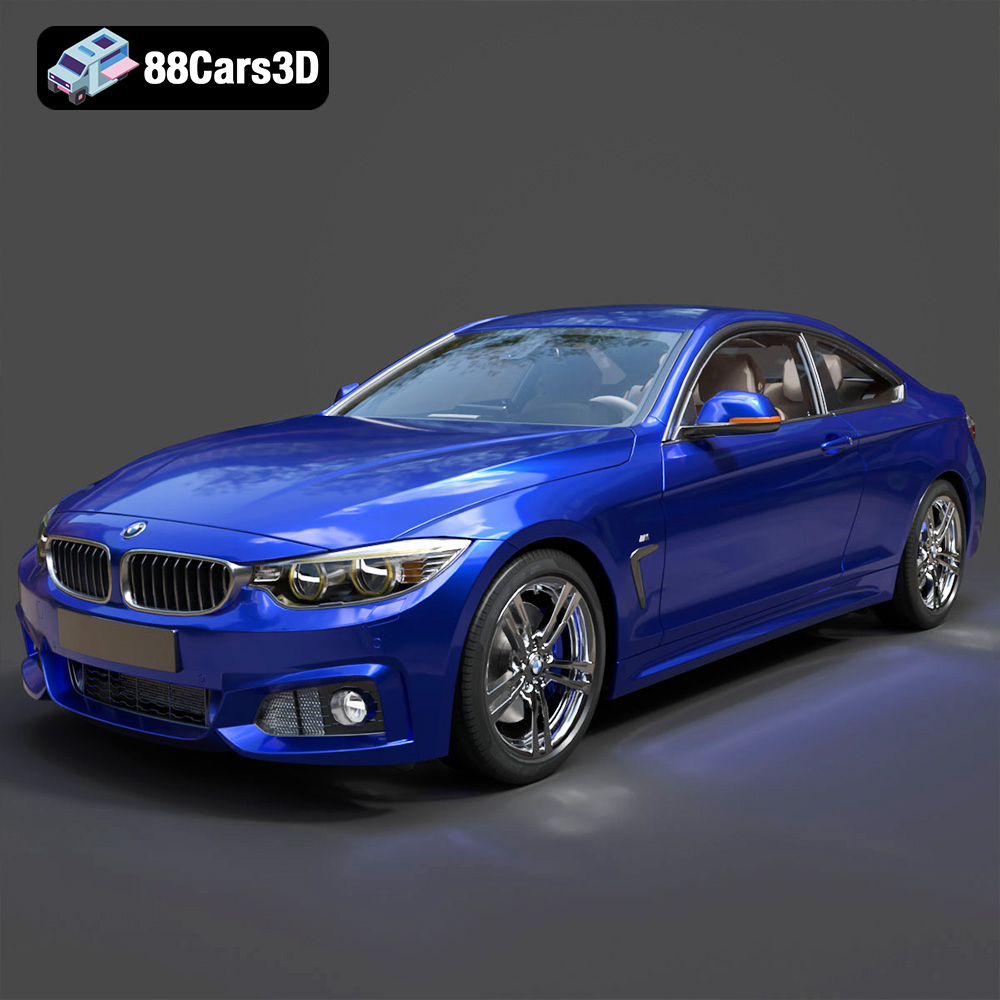
Texture: Yes
Material: Yes
Download the BMW 4 Series Coupe M Sport 2014 3D Model featuring clean geometry, realistic detailing, and a fully modeled interior. Includes .blend, .fbx, .obj, .glb, .stl, .ply, .unreal, and .max formats for rendering, simulation, and game development.
Price: $14.99

Texture: Yes
Material: Yes
Download the Bentley Brooklands 2008 3D Model featuring clean geometry, realistic detailing, and a fully modeled interior. Includes .blend, .fbx, .obj, .glb, .stl, .ply, .unreal, and .max formats for rendering, simulation, and game development.
Price: $14.99
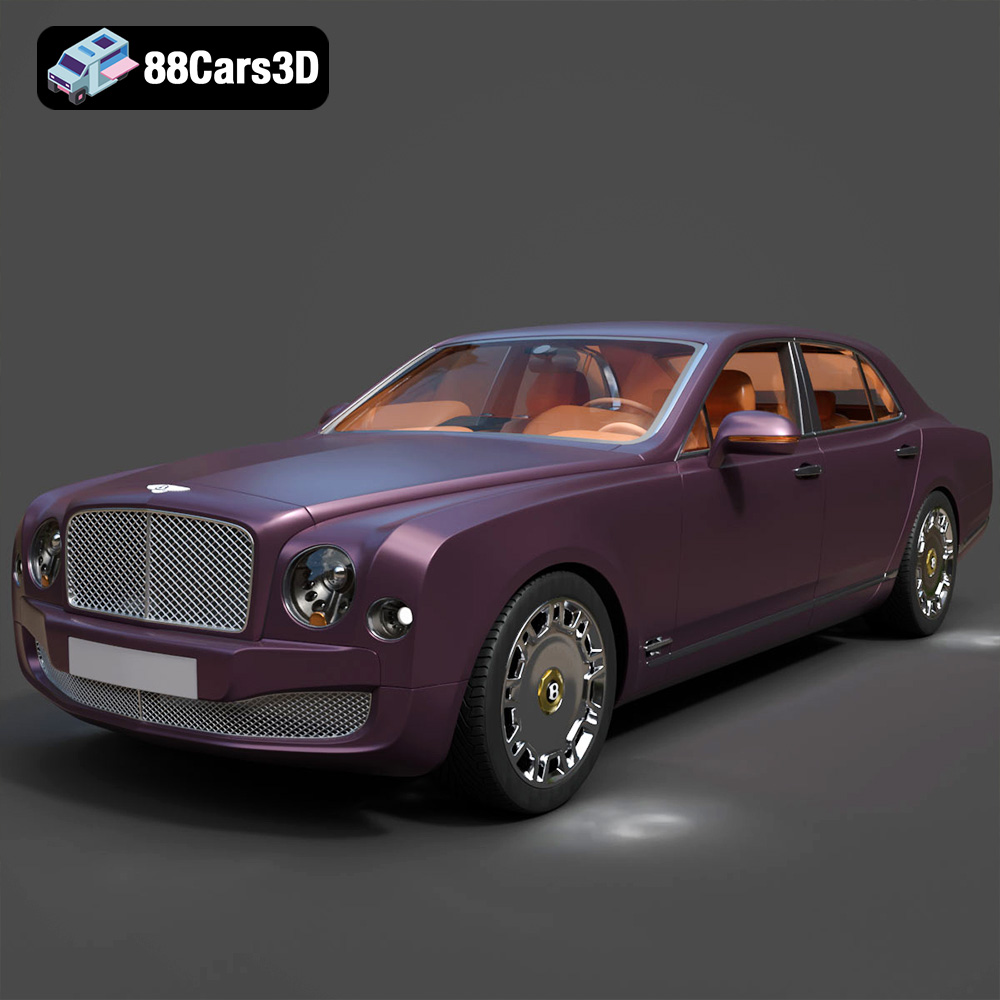
Texture: Yes
Material: Yes
Download the Bentley Mulsanne Luxury Sedan 3D Model featuring clean geometry, realistic detailing, and a fully modeled interior. Includes .blend, .fbx, .obj, .glb, .stl, .ply, .unreal, and .max formats for rendering, simulation, and game development.
Price: $14.99

Texture: Yes
Material: Yes
Download the Bentley Continental GT 2011 3D Model featuring clean geometry, realistic detailing, and a fully modeled interior. Includes .blend, .fbx, .obj, .glb, .stl, .ply, .unreal, and .max formats for rendering, simulation, and game development.
Price: $14.99

Texture: Yes
Material: Yes
Download the Bentley Continental Flying Spur 3D Model featuring clean geometry, realistic detailing, and a fully modeled interior. Includes .blend, .fbx, .obj, .glb, .stl, .ply, .unreal, and .max formats for rendering, simulation, and game development.
Price: $14.99
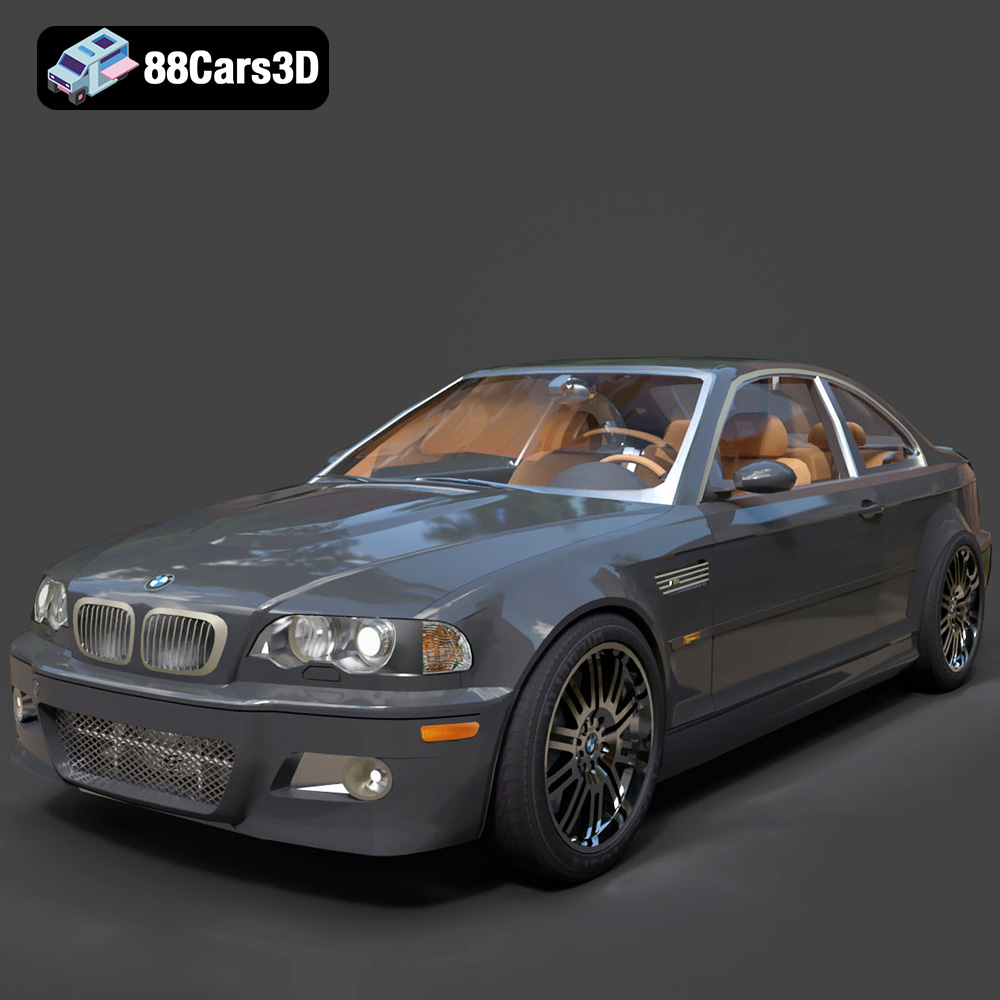
Texture: Yes
Material: Yes
Download the BMW M3 E46 3D Model featuring iconic sports car design and detailed interior. Includes .blend, .fbx, .obj, .glb, .stl, .ply, .unreal, and .max formats for rendering, simulation, and game development.
Price: $16.99
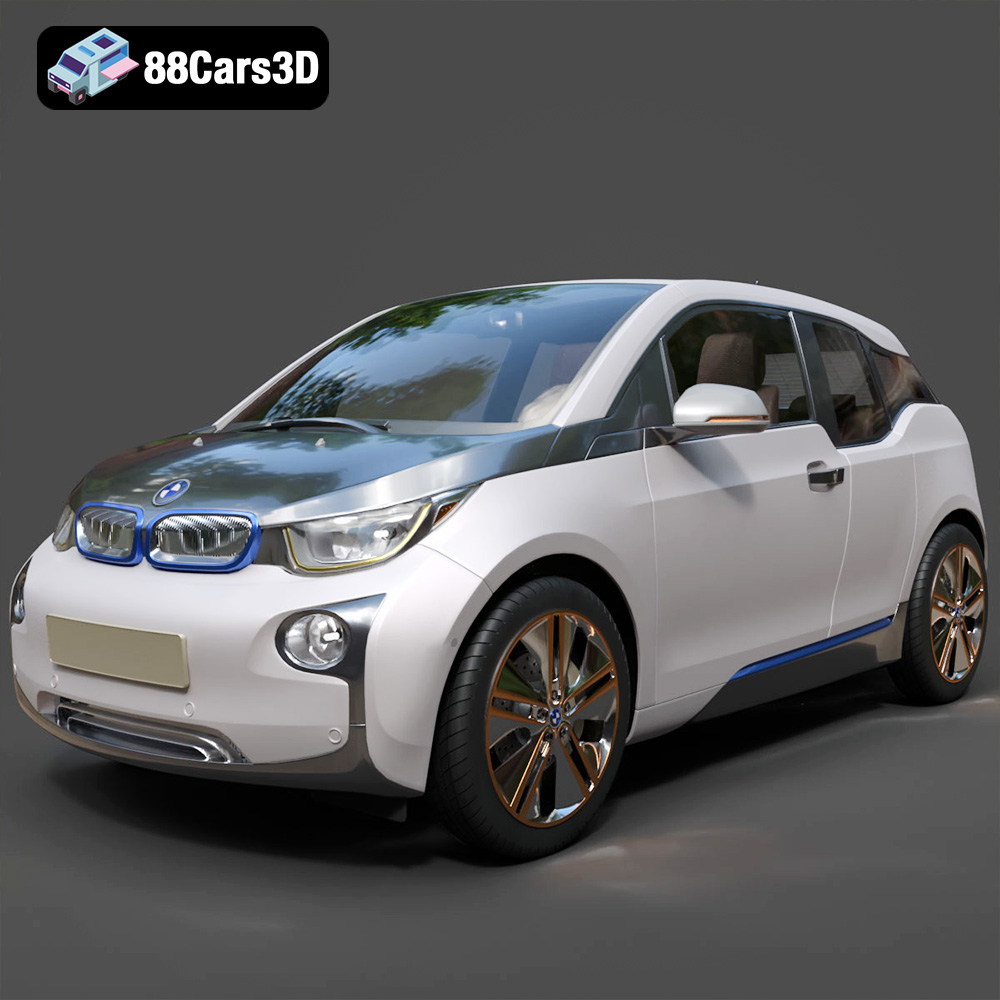
Texture: Yes
Material: Yes
Download the BMW i3 Coupe 3D Model featuring its iconic electric design and compact urban styling. Includes .blend, .fbx, .obj, .glb, .stl, .ply, .unreal, and .max formats for rendering, simulation, and game development.
Price: $17.99
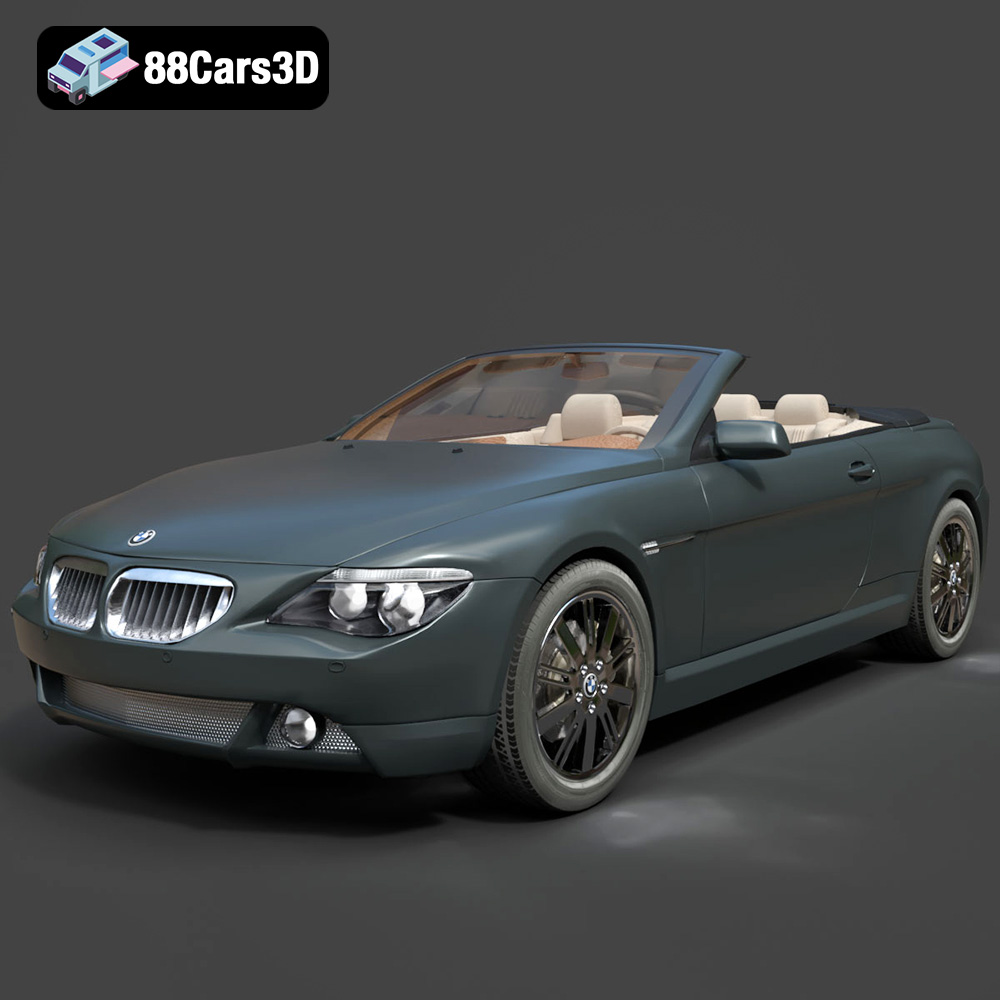
Texture: Yes
Material: Yes
Download the BMW 645ci 3D Model featuring a sleek, detailed exterior and optimized interior. Includes .blend, .fbx, .obj, .glb, .stl, .ply, .unreal, and .max formats for rendering, simulation, and game development.
Price: $10.79
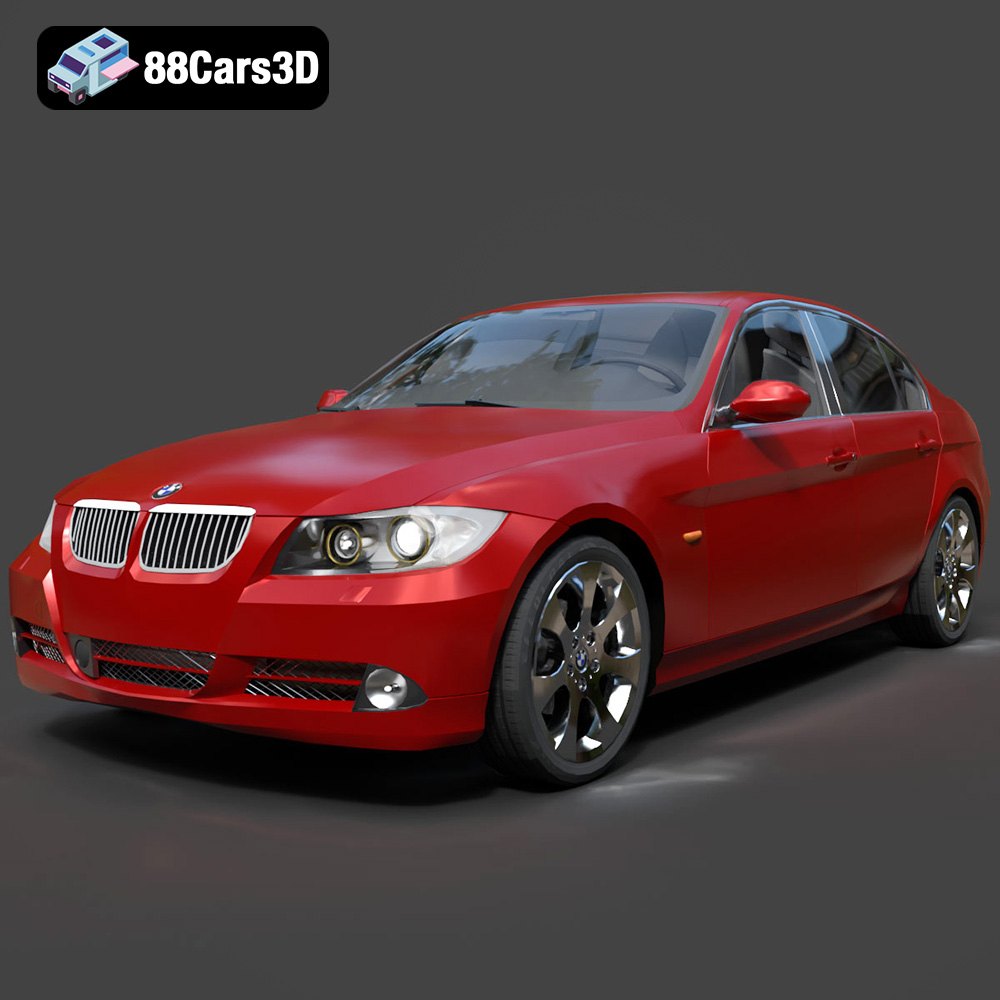
Texture: Yes
Material: Yes
Download the BMW 330i E90 3D Model featuring a detailed exterior, an optimized interior, and accurate mechanical components. Includes .blend, .fbx, .obj, .glb, .stl, .ply, .unreal, and .max formats for rendering, simulation, and game development.
Price: $14.79

