⚡ FLASH SALE: Get 60% OFF All Premium 3D & STL Models! ⚡

“`html
The allure of bringing a meticulously designed 3D car model to life on your printer is undeniable. Whether you’re a seasoned hobbyist or embarking on your first 3D printing adventure, the journey from a digital STL file to a tangible, detailed replica requires careful preparation. At 88cars3d.com, we pride ourselves on offering high-quality, print-ready STL files designed for seamless printing. However, understanding the underlying principles of 3D model preparation is crucial for achieving professional-grade results, maximizing print success, and minimizing frustration. This comprehensive guide will walk you through the essential steps, from understanding file structures to fine-tuning your slicer settings, ensuring your next 3D printed car model is a masterpiece. We’ll delve into technical specifics, best practices, and common pitfalls to help you master the art of 3D printing preparation.
The STL file format (STereoLithography or Standard Triangle Language) is the de facto standard for 3D printing. It describes the surface geometry of a 3D object using a collection of triangular facets. Each triangle is defined by three vertices and a normal vector, indicating the outward direction. For successful printing, the underlying mesh must be “watertight” or manifold, meaning it has no holes, inverted normals, or self-intersections. Think of it as a perfectly sealed container; if there are any breaches, your printer won’t know where to “fill” the object, leading to errors during slicing and printing. Understanding this fundamental structure is the first step towards successful model preparation. Many models available on platforms like 88cars3d.com are meticulously checked for manifold integrity, but it’s always good practice to be aware of these principles, especially when working with models from various sources.
A manifold mesh ensures that each edge is shared by exactly two triangles, and that the surface normals are consistently oriented outwards. Non-manifold geometry, such as a single edge shared by more than two triangles or a vertex connected to intersecting faces, can confuse the slicing software. This can result in missing sections, distorted features, or outright print failures. Inspecting your model for these issues is paramount. Software tools like Meshmixer, Blender, or even dedicated mesh repair tools like Netfabb can help identify and fix these problems. Look for visual cues like gaps in the surface, internal faces, or edges that appear “floated” without being connected to a surface.
The normal vector of each triangle dictates which side of the surface is “outward.” If normals are inverted (pointing inward), the slicer might interpret the object as hollow in unexpected ways or fail to generate internal structures correctly. Most 3D modeling software provides tools to visualize and recalculate normals. Ensure all normals are facing outwards consistently. This is especially critical for models with intricate details, as an improperly oriented normal on a small surface could lead to that feature being missed entirely by the slicer or printed incorrectly.
The slicer is your bridge between the digital 3D model and the physical 3D printer. It translates the STL file into a series of G-code instructions – the language your printer understands. Choosing the right slicer and configuring its parameters correctly is where the magic truly happens. Popular choices include Cura, PrusaSlicer, and Simplify3D, each offering a robust set of tools for fine-tuning your prints. The goal is to balance print quality, speed, and material usage. For intricate models like those found on 88cars3d.com, precise control over settings is key to capturing fine details and ensuring structural integrity.
Several parameters significantly impact print quality:
Most printable car models feature overhangs and bridges that cannot be printed in mid-air. Supports are temporary structures generated by the slicer to hold these features during printing. Effective support placement is critical for print success and ease of removal.
How you orient your model on the print bed and ensure it adheres properly can make or break a print. The chosen orientation affects print time, the amount of support needed, and the surface finish. Bed adhesion prevents the model from detaching during printing, a common cause of failure.
For car models, consider the following:
A solid foundation is crucial:
The choice of filament or resin directly impacts the look, feel, and durability of your 3D printed car model. Equally important is ensuring your printer is correctly calibrated to handle the chosen material effectively. Calibration ensures that your printer consistently produces accurate dimensions and high-quality prints.
For hobbyist car models, several materials are popular:
Before tackling that detailed 1969 Mustang model, ensure your printer is dialed in:
Even with the best intentions, STL files can sometimes contain errors, and printed parts almost always benefit from post-processing to achieve a truly professional finish. Mastering these advanced techniques elevates your 3D prints from good to exceptional.
If you encounter issues with an STL file, whether it’s a slight imperfection or a major flaw, specialized software can help:
The raw print is just the beginning. Post-processing brings out the true potential of your 3D printed car model:
Even with meticulous preparation, things can occasionally go wrong. Understanding common 3D printing failures and their causes can help you quickly diagnose and resolve issues, saving time and filament.
Layer shifting, where layers are misaligned horizontally, is often caused by the print head colliding with an incorrectly printed section of the model or a mechanical issue with the printer’s belts or motors. Ensure your print speed isn’t too high for the model’s complexity, check belt tension, and confirm nothing is obstructing the print head’s movement. Delamination, where layers fail to bond together properly, is usually a temperature issue – either the nozzle is too cool, or the ambient temperature is too low (especially for materials like ABS). Double-check your filament temperatures and consider using an enclosure.
Warping occurs when the plastic cools and contracts, pulling the print corners off the bed. This is common with materials like ABS. Ensure your bed is properly leveled and heated, use a brim or raft, consider an enclosure to maintain ambient temperature, and avoid drafts. If the first layer isn’t sticking well, recalibrate your Z-offset, clean your print bed thoroughly, and consider using adhesion aids.
Stringing—fine wisps of filament between separate parts of the print—is typically caused by excessive retraction distance or temperature, or by filament that has absorbed moisture. Dial in your retraction settings (distance and speed) using calibration prints. Dry your filament using a filament dryer or oven at a low temperature. Oozing is similar and often related to temperature or pressure build-up in the nozzle; ensure your temperatures are optimal and consider a “coasting” setting in your slicer.
By understanding these fundamental principles and advanced techniques, you’re well-equipped to tackle even the most intricate printable car models. Platforms like 88cars3d.com provide a fantastic starting point with high-quality, optimized STL files. Remember that practice and experimentation are key. Don’t be afraid to adjust slicer settings, try different materials, and refine your post-processing workflow. The satisfaction of holding a perfectly printed, detailed replica of your favorite car, brought to life through your own efforts, is incredibly rewarding. Happy printing!
“`

Texture: Yes
Material: Yes
Download the BMW 5 Series F10 3D Model featuring clean geometry, realistic detailing, and a fully modeled interior. Includes .blend, .fbx, .obj, .glb, .stl, .ply, .unreal, and .max formats for rendering, simulation, and game development.
Price: $14.99
Texture: Yes
Material: Yes
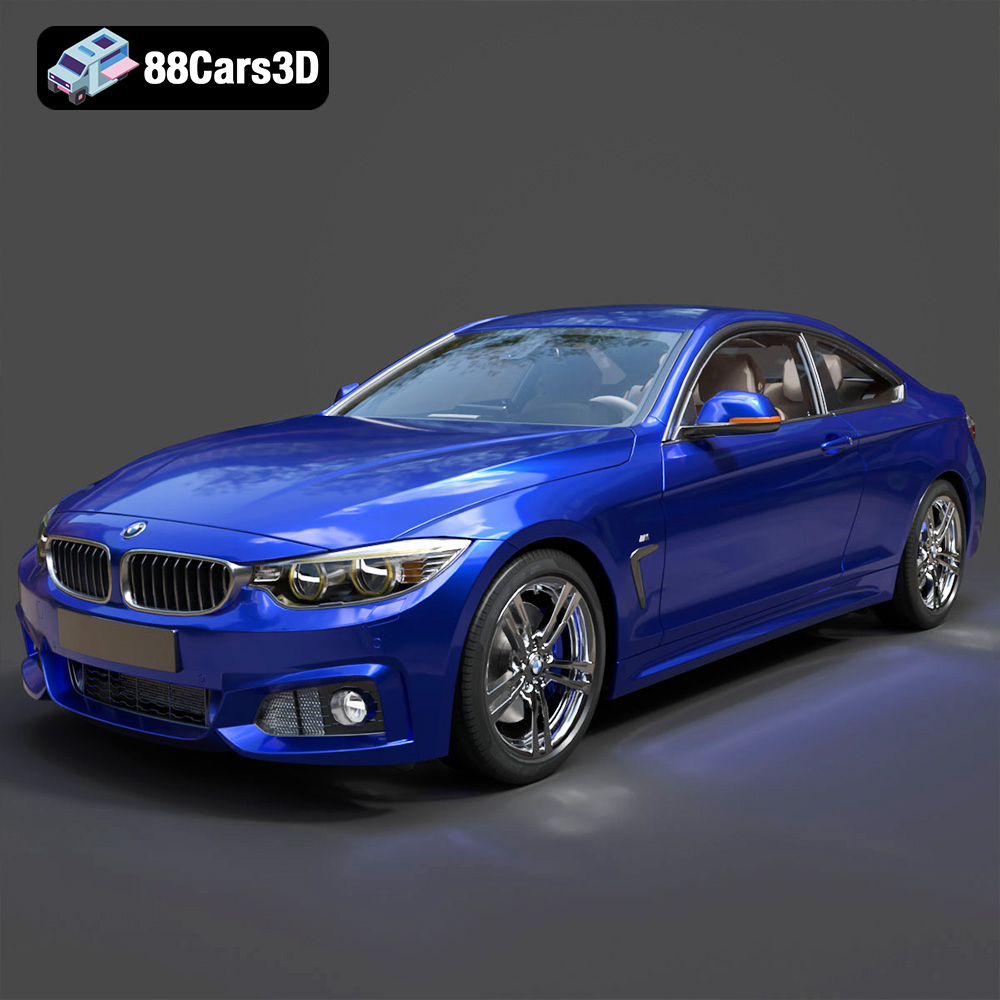
Download the BMW 4 Series Coupe M Sport 2014 3D Model featuring clean geometry, realistic detailing, and a fully modeled interior. Includes .blend, .fbx, .obj, .glb, .stl, .ply, .unreal, and .max formats for rendering, simulation, and game development.
Price: $14.99

Texture: Yes
Material: Yes
Download the Bentley Brooklands 2008 3D Model featuring clean geometry, realistic detailing, and a fully modeled interior. Includes .blend, .fbx, .obj, .glb, .stl, .ply, .unreal, and .max formats for rendering, simulation, and game development.
Price: $14.99
Texture: Yes
Material: Yes
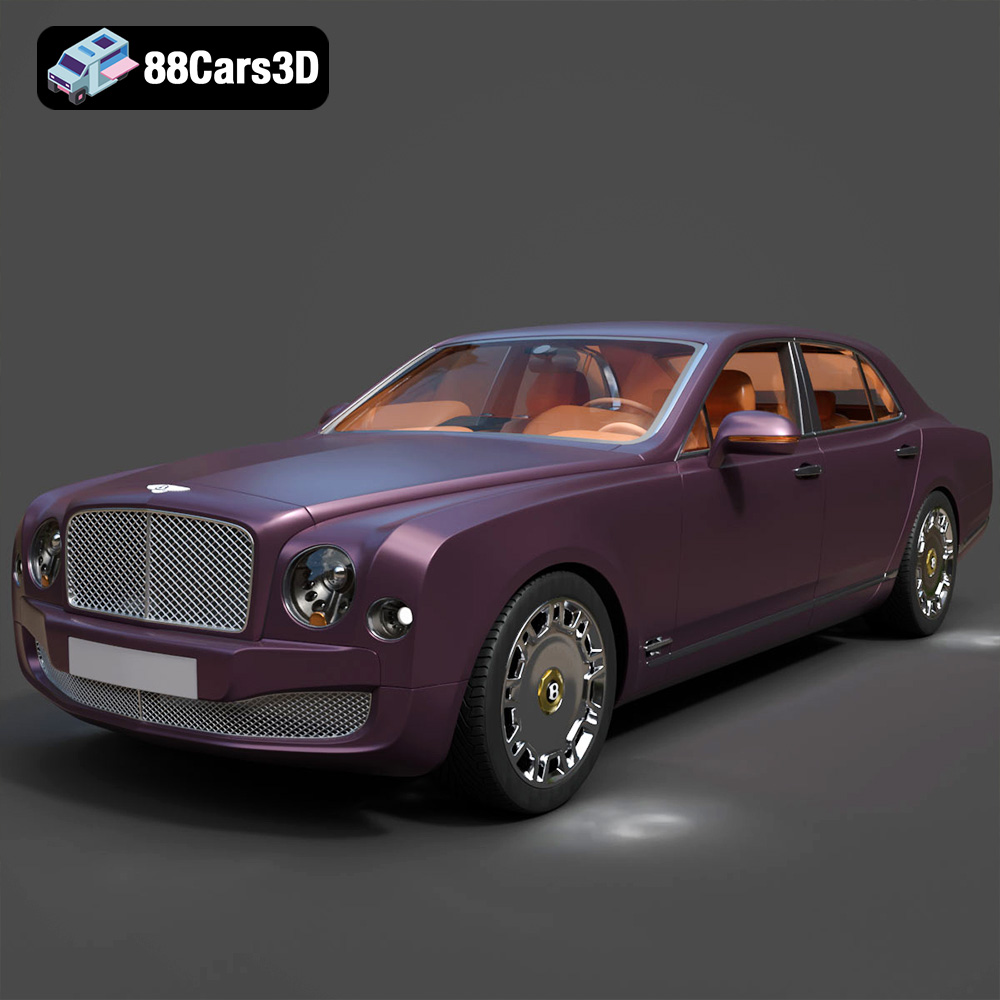
Download the Bentley Mulsanne Luxury Sedan 3D Model featuring clean geometry, realistic detailing, and a fully modeled interior. Includes .blend, .fbx, .obj, .glb, .stl, .ply, .unreal, and .max formats for rendering, simulation, and game development.
Price: $14.99

Texture: Yes
Material: Yes
Download the Bentley Continental GT 2011 3D Model featuring clean geometry, realistic detailing, and a fully modeled interior. Includes .blend, .fbx, .obj, .glb, .stl, .ply, .unreal, and .max formats for rendering, simulation, and game development.
Price: $14.99

Texture: Yes
Material: Yes
Download the Bentley Continental Flying Spur 3D Model featuring clean geometry, realistic detailing, and a fully modeled interior. Includes .blend, .fbx, .obj, .glb, .stl, .ply, .unreal, and .max formats for rendering, simulation, and game development.
Price: $14.99
Texture: Yes
Material: Yes
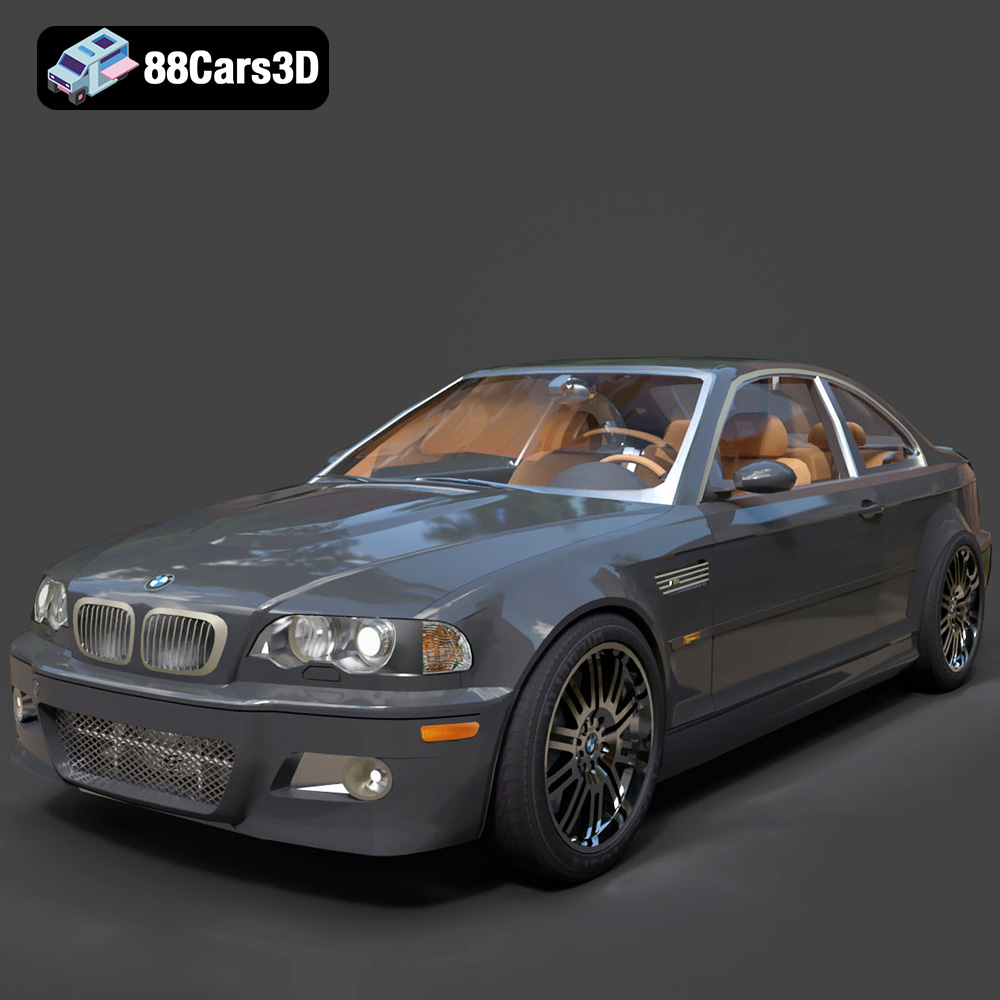
Download the BMW M3 E46 3D Model featuring iconic sports car design and detailed interior. Includes .blend, .fbx, .obj, .glb, .stl, .ply, .unreal, and .max formats for rendering, simulation, and game development.
Price: $16.99

Texture: Yes
Material: Yes
Download the BMW i3 Coupe 3D Model featuring its iconic electric design and compact urban styling. Includes .blend, .fbx, .obj, .glb, .stl, .ply, .unreal, and .max formats for rendering, simulation, and game development.
Price: $17.99
Texture: Yes
Material: Yes
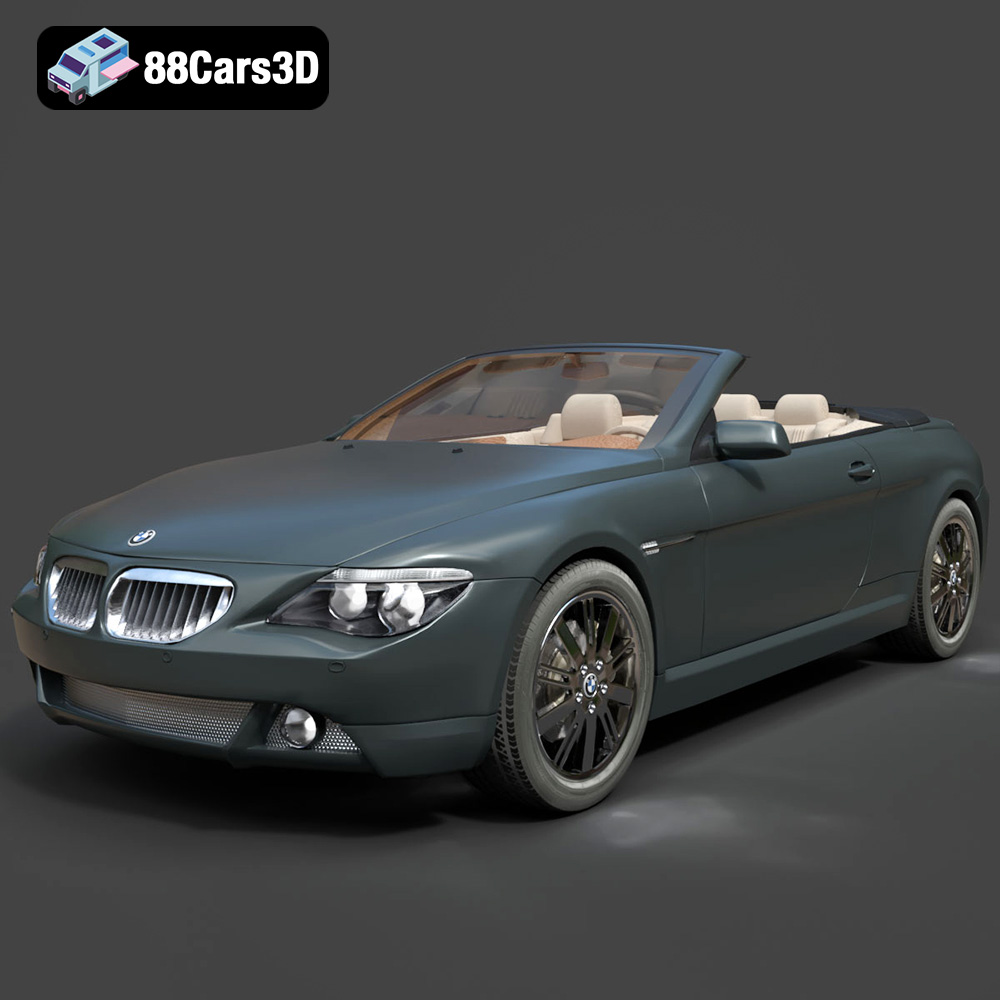
Download the BMW 645ci 3D Model featuring a sleek, detailed exterior and optimized interior. Includes .blend, .fbx, .obj, .glb, .stl, .ply, .unreal, and .max formats for rendering, simulation, and game development.
Price: $10.79
Texture: Yes
Material: Yes
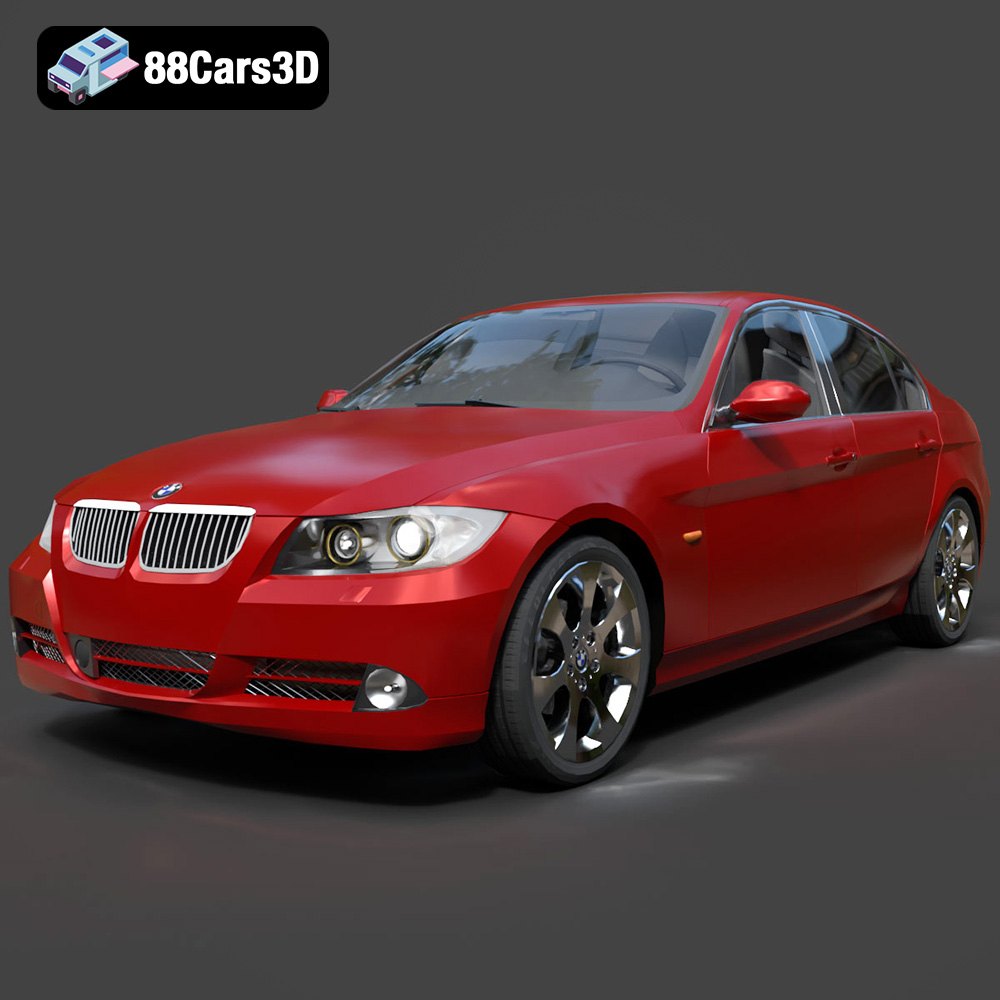
Download the BMW 330i E90 3D Model featuring a detailed exterior, an optimized interior, and accurate mechanical components. Includes .blend, .fbx, .obj, .glb, .stl, .ply, .unreal, and .max formats for rendering, simulation, and game development.
Price: $14.79

