⚡ FLASH SALE: Get 60% OFF All Premium 3D & STL Models! ⚡

“`html
Welcome to the exciting world of 3D printable car models! Whether you’re a seasoned maker, a budding automotive enthusiast, or an engineer looking for precise prototyping, the journey from a digital STL file to a tangible replica is incredibly rewarding. At 88cars3d.com, we’re passionate about providing you with high-quality, print-ready STL files of your favorite cars. But before you hit print, a crucial decision looms: which 3D printing technology will best bring your chosen model to life? This post dives deep into the capabilities of two dominant 3D printing methods – Fused Deposition Modeling (FDM) and Stereolithography (Resin printing) – helping you choose the perfect approach for your next printable car model project.
We’ll explore the intricate details of each technology, from their fundamental working principles to their impact on print quality, speed, and material versatility. Understanding these differences is key to achieving stunning results, whether you’re printing a detailed scale model for display or a functional prototype. Get ready to unravel the technical nuances of FDM printing versus resin printing, covering everything from slicing strategies to post-processing techniques, ensuring your next print is a masterpiece.
The fundamental difference between FDM and resin printing lies in how they build a 3D object layer by layer. FDM, often referred to as fused filament fabrication, is the most common type of desktop 3D printing. It works by melting a thermoplastic filament and extruding it through a heated nozzle, depositing the molten plastic precisely onto a build platform. Think of it like a highly precise, automated hot glue gun building your model from the ground up. The filament is fed from a spool, and the print head moves in three dimensions (X, Y, and Z axes) to create the desired shape. The layers fuse together as the plastic cools, forming a solid object.
Resin printing, on the other hand, utilizes photopolymer resins that cure (harden) when exposed to specific wavelengths of light, typically UV light. There are several subtypes of resin printing, with the most common for desktop use being Stereolithography (SLA) and Digital Light Processing (DLP). In SLA, a UV laser precisely draws each layer onto the surface of the liquid resin vat, curing it. In DLP, a projector flashes an image of the entire layer onto the resin simultaneously, allowing for faster layer curing. Regardless of the light source, the build platform moves upwards or downwards, pulling the solidified resin layer out of the vat to form the object. This process generally results in smoother surfaces and finer details compared to FDM.
In FDM printing, the resolution is primarily determined by the nozzle diameter and the layer height. Typical nozzle sizes range from 0.4mm to 0.8mm, with layer heights often set between 0.1mm and 0.3mm for standard prints. This means that visible layer lines are often present on the surface of FDM prints, especially on curved surfaces. The extrusion process can also lead to artifacts like stringing or blobs if not properly calibrated. The materials used are solid filaments like PLA, PETG, ABS, and TPU, offering a wide range of mechanical properties and colors.
Resin printing, with its laser or projector-based curing, offers significantly higher resolution. Layer heights can be as low as 0.025mm to 0.05mm, and the focused light source allows for incredibly fine details. This results in much smoother surfaces with virtually no visible layer lines, making it ideal for highly detailed models. The liquid resin itself comes in various formulations, including standard, tough, flexible, and castable resins, each with different properties. However, working with resins requires more careful handling due to their liquid nature and potential for skin irritation.
FDM printers generally offer larger build volumes compared to most desktop resin printers. This means you can print larger objects or multiple smaller objects in a single print job. Print speeds can vary greatly depending on the complexity of the model, printer settings, and material. While FDM can sometimes be faster for solid, bulky objects, resin printing can be surprisingly quick for detailed, solid models where each layer is cured in its entirety (especially DLP). However, for models requiring extensive supports or very fine details, FDM might take significantly longer due to the need for slower speeds and smaller layer heights.
When it comes to capturing intricate details and achieving a smooth, polished finish, resin printing often takes the lead. The ability to print at very low layer heights (e.g., 25 microns) and the precision of the UV light source allow for the reproduction of fine textures, sharp edges, and complex geometries that are challenging, if not impossible, to achieve with standard FDM setups. For highly detailed printable car models, especially those with delicate features like grilles, emblems, or intricate interior components, resin printing is often the preferred choice.
The smooth surfaces produced by resin prints also mean less post-processing is required to achieve a paint-ready finish. While FDM prints can be smoothed using various techniques like sanding, filling, or vapor smoothing, these processes add significant time and effort to the workflow. Resin prints often require just a basic wash and cure, with minimal sanding needed to remove support marks, making them ideal for hobbyists who want to get to the painting stage quickly.
Consider the delicate elements on a vintage car model – intricate chrome trim, fine panel gaps, or the texture of a leather interior. Resin printing excels at replicating these nuances. The focused laser or projector ensures that even the smallest details are accurately reproduced, resulting in a more realistic and visually appealing final product. With FDM, achieving such fine details can be limited by the nozzle diameter. While smaller nozzles (e.g., 0.2mm) and very fine layer heights (e.g., 0.05mm) can improve detail, they also significantly increase print time and can be prone to clogging. The inherent nature of extruding plastic means that achieving perfectly sharp edges and completely smooth curves is more challenging.
Both FDM and resin printing require support structures for overhangs and bridges to prevent print failures. However, the nature of supports differs. For FDM, supports are typically printed from the same material (or a soluble support material) and can leave a rougher surface where they attach. Removing FDM supports can sometimes damage the model’s surface, requiring careful sanding. Resin printing supports are much finer and more delicate. They are printed from the same cured resin and can be removed with cutters or pliers. While support removal on resin prints can still leave small marks, they are generally easier to sand smooth due to the smoother underlying surface finish.
The most noticeable difference in visual appearance is the presence of layer lines in FDM prints. While some hobbyists embrace these as part of the 3D printing aesthetic, for those seeking a perfectly smooth, injection-molded look, they can be a drawback. Layer lines are less visible or entirely absent on resin prints, giving them a more refined and professional appearance straight off the printer. This is particularly important for car models where a glossy paint finish is desired, as layer lines can become more pronounced under paint.
FDM printing offers a vast array of material options, each with unique properties that can be beneficial for different applications. PLA, the most common FDM material, is easy to print, biodegradable, and comes in countless colors. PETG offers good strength, temperature resistance, and chemical resistance, making it suitable for parts that might experience some stress or heat. ABS, while trickier to print due to warping, offers excellent durability and impact resistance. For flexible car parts like tires or suspension components, TPU is an excellent choice. This material versatility allows FDM users to tailor their prints to specific functional requirements.
Resin printing materials, while evolving, are generally more limited and often more expensive than FDM filaments. Standard resins offer excellent detail but can be brittle. “Tough” or “ABS-like” resins aim to improve durability and impact resistance, but they may still not match the strength of some FDM materials like ABS or PETG. Flexible resins are available, but their properties might differ from flexible FDM filaments. For functional car parts requiring significant mechanical stress or temperature resistance, FDM might be the more practical choice due to material availability and cost.
If you’re printing a printable car model that needs to withstand handling, minor impacts, or even operate in a slightly warmer environment, FDM materials like PETG or ABS offer superior mechanical properties. For example, printing a chassis for a remote-controlled car might benefit from the toughness of ABS. If you need to print parts that can bend or flex, like tires or suspension components, flexible FDM filaments like TPU are readily available and perform well. While some engineering-grade resins can offer good strength, they are often more expensive and may require specialized printers and post-processing.
Generally, FDM filaments are more affordable and widely available than photopolymer resins. A kilogram spool of PLA or PETG can cost significantly less than a liter of resin. This cost difference becomes particularly relevant for larger prints or for users who print frequently. The sheer variety of colors, finishes (wood-filled, metal-filled, glow-in-the-dark), and specialized filaments available for FDM printers also provides a much broader creative palette for hobbyists and makers.
Both FDM and resin prints benefit from post-processing, but the techniques vary. FDM prints can be sanded, primed, and painted for a smooth finish. For even smoother surfaces, techniques like vapor smoothing with acetone (for ABS) or XTC-3D epoxy coatings can be applied. Resin prints also benefit from sanding and painting. However, due to their inherent smoothness, extensive sanding is often unnecessary. The primary post-processing steps for resin involve washing the uncured resin off the print (usually with isopropyl alcohol or specialized cleaners) and then post-curing the object under UV light to achieve its final hardness and stability.
FDM printing is often considered more beginner-friendly due to its simpler setup and less messy workflow. Loading filament is straightforward, and the machines are generally more robust and forgiving. Troubleshooting common FDM issues like bed adhesion problems or clogged nozzles is well-documented, with numerous online resources and communities available. The overall process is less involved, making it a great entry point for those new to 3D printing.
Resin printing, while capable of superior detail, can involve a steeper learning curve and a more involved workflow. Handling liquid resins requires gloves and proper ventilation due to potential fumes and skin irritation. Post-processing involves washing and curing steps that add complexity and require additional equipment (wash stations, curing stations). While advancements in resin printer design have made them more user-friendly, there’s still a greater emphasis on safety and meticulousness compared to FDM.
Setting up an FDM printer typically involves bed leveling, ensuring the nozzle is at the correct height, and loading filament. While bed leveling can sometimes be a point of frustration, modern printers often feature auto-leveling systems to simplify this. Resin printers require ensuring the build plate is clean, the resin vat is free of debris, and the correct resin profile is selected in the slicer. Calibration for resin printers usually involves optimizing exposure times for different resins to ensure proper curing and adhesion without over-curing, which can lead to detail loss.
Both FDM and resin printing rely on slicing software to convert 3D models into machine instructions. Popular FDM slicers like Cura and PrusaSlicer offer a vast array of settings that allow for fine-tuning print quality, speed, and support generation. For resin printing, slicers like ChiTuBox or Lychee Slicer are commonly used, with settings focused on layer height, exposure times, lift speeds, and support density. Understanding these specific parameters is crucial for achieving optimal results with each technology. Platforms like 88cars3d.com often provide guidance on recommended slicing settings for their STL files, tailored to both FDM and resin printing.
FDM printing generally requires less stringent safety precautions. The primary concerns are the heated nozzle and print bed, and minimal fumes are emitted, especially with PLA. A well-ventilated room is usually sufficient. Resin printing, however, demands more careful attention to safety. Photopolymer resins can be irritants, and their fumes can be unpleasant or even harmful in enclosed spaces. It’s essential to work in a well-ventilated area, wear nitrile gloves when handling resin and prints, and consider using a respirator. Proper disposal of uncured resin and cleaning materials is also critical.
The initial cost of entry can vary significantly. Basic FDM printers can be purchased for a few hundred dollars, making them highly accessible. Mid-range and high-end FDM printers offer more features and build volume, costing upwards of $1000. Desktop resin printers also have a wide price range, with entry-level models starting around $200-$300, while more advanced or larger-format printers can easily exceed $1000. When considering running costs, FDM filament is generally cheaper per kilogram than resin. However, resin printing consumables like isopropyl alcohol for washing and UV curing lamps also contribute to the overall cost. The lifespan of FDM printer components like nozzles and build plates is generally longer and replacement parts are more readily available and cheaper than specialized components for resin printers.
For the budget-conscious hobbyist, an entry-level FDM printer offers a fantastic way to start 3D printing. These machines are capable of producing decent quality prints for many applications. As your needs grow or you require higher detail, you can invest in more advanced FDM printers with features like direct drive extruders, larger build volumes, or enclosed build chambers. Similarly, basic resin printers can be very affordable, but they might have smaller build volumes and slower printing speeds. If high detail and large prints are your priority from the outset, you might need to consider a more expensive resin printer, which can rival the cost of a good FDM machine.
Filament for FDM printing is readily available in various materials and brands, with prices typically ranging from $20-$40 per kilogram. This makes printing large objects or experimenting with different materials relatively economical. Resin costs can range from $30-$70 per liter, and the amount of resin used per print, especially with supports, can add up. Additionally, resin printing often requires consumables like IPA for cleaning, paper towels, gloves, and specialized curing equipment. For FDM, besides filament, common ongoing expenses include replacement nozzles, build surface sheets, and occasional lubrication for the printer’s moving parts.
Both FDM and resin printers require regular maintenance to ensure optimal performance. FDM printers need periodic cleaning of the print bed, lubrication of rods and lead screws, and potential replacement of worn-out parts like nozzles or PTFE tubes. Resin printers require regular cleaning of the resin vat and FEP film, replacement of the FEP film when it becomes scratched or opaque, and occasional calibration of the Z-axis. The lifespan of key components like the FEP film in a resin printer can be shorter than the lifespan of an FDM nozzle, potentially leading to more frequent replacements.
The best choice between FDM and resin printing for your printable car models from 88cars3d.com ultimately depends on your priorities and the specific model you’re printing. For everyday printing, larger models, functional prototypes, or if you’re on a tighter budget, FDM printing is an excellent and versatile option. You can achieve good results with proper slicing and settings, and the wide range of materials allows for creative applications. Many collectors and hobbyists successfully print beautiful car models using FDM, often employing post-processing techniques to achieve a smooth finish.
However, if your primary goal is to achieve the highest level of detail, incredibly smooth surfaces, and a finish that closely mimics injection-molded models, resin printing is likely the superior choice. It excels at capturing the intricate design elements of classic and modern automobiles, making it ideal for display models where visual fidelity is paramount. When downloading models from marketplaces such as 88cars3d.com, consider the intended use of the final print to guide your technology decision.
For purely aesthetic display models, especially those with intricate details like multi-piece body panels, delicate spoilers, or finely detailed interiors, resin printing offers unmatched fidelity. The smooth surfaces and fine resolution mean that even the smallest emblems, badges, and panel lines will be reproduced with remarkable accuracy. If you plan to paint your model, the smooth finish of resin prints provides an ideal canvas for professional-looking paint jobs. For functional prototypes, such as testing the fit of a custom spoiler or the mechanics of a moving part, FDM might be more suitable due to the wider availability of strong and durable materials like PETG and ABS, and often larger build volumes for bigger components.
The complexity of the specific STL file from 88cars3d.com is a major factor. A model with very thin, intricate components, such as delicate mirrors, complex grilles, or spoked wheels, will benefit significantly from the high resolution of resin printing. Trying to print such fine details on an FDM printer can lead to weak, brittle parts that break easily or may not print at all if the nozzle size is too large. Conversely, a simpler, more robust car model with fewer delicate features might print perfectly well on an FDM printer, potentially faster and more cost-effectively.
Consider your budget for both the printer and consumables. If you’re just starting and want to explore 3D printing without a significant upfront investment, an FDM printer is a more accessible entry point. If you’re willing to invest more for superior detail and are prepared for a slightly more involved workflow, a resin printer is a viable option. Also, think about your time commitment. While FDM can sometimes be slower for highly detailed prints, the entire workflow from slicing to finished print can feel more streamlined. Resin printing’s post-processing steps, while efficient for detail, add extra stages that require dedicated time and equipment.
In the realm of 3D printing and crafting meticulous car models from STL files, the choice between FDM and resin technology is a pivotal one. FDM printing stands out for its versatility, material variety, larger build volumes, and generally more accessible entry cost, making it an excellent choice for hobbyists, functional prototyping, and printing larger or less intricate printable car models. Its straightforward workflow and readily available materials make it a forgiving and cost-effective option for many applications. You can achieve highly satisfying results with FDM by mastering slicing techniques, optimizing printer settings, and employing effective post-processing.
Resin printing, on the other hand, reigns supreme when absolute detail and surface smoothness are paramount. Its ability to reproduce intricate features and minimize layer lines makes it the go-to technology for highly detailed display models, miniature figurines, and applications where visual fidelity is critical. While it involves a more hands-on workflow, including careful handling of resins and post-processing steps like washing and curing, the stunning results often justify the effort. When exploring the fantastic collection at 88cars3d.com, consider the inherent complexity and intended display quality of each model to make the most informed decision.
Ultimately, both FDM and resin printing offer unique advantages, and the “better” technology is subjective and depends entirely on your project’s specific requirements, your budget, and your desired outcome. By understanding the technical nuances of each, from file formats and mesh repair to support structures and material science, you can confidently select the right tool for the job and bring your favorite cars to life with incredible precision and detail.
“`

Texture: Yes
Material: Yes
Download the Mercedes-Benz S500 2022 3D Model featuring clean geometry, realistic detailing, and a fully modeled interior. Includes .blend, .fbx, .obj, .glb, .stl, .ply, .unreal, and .max formats for rendering, simulation, and game development.
Price: $19.99
Texture: Yes
Material: Yes
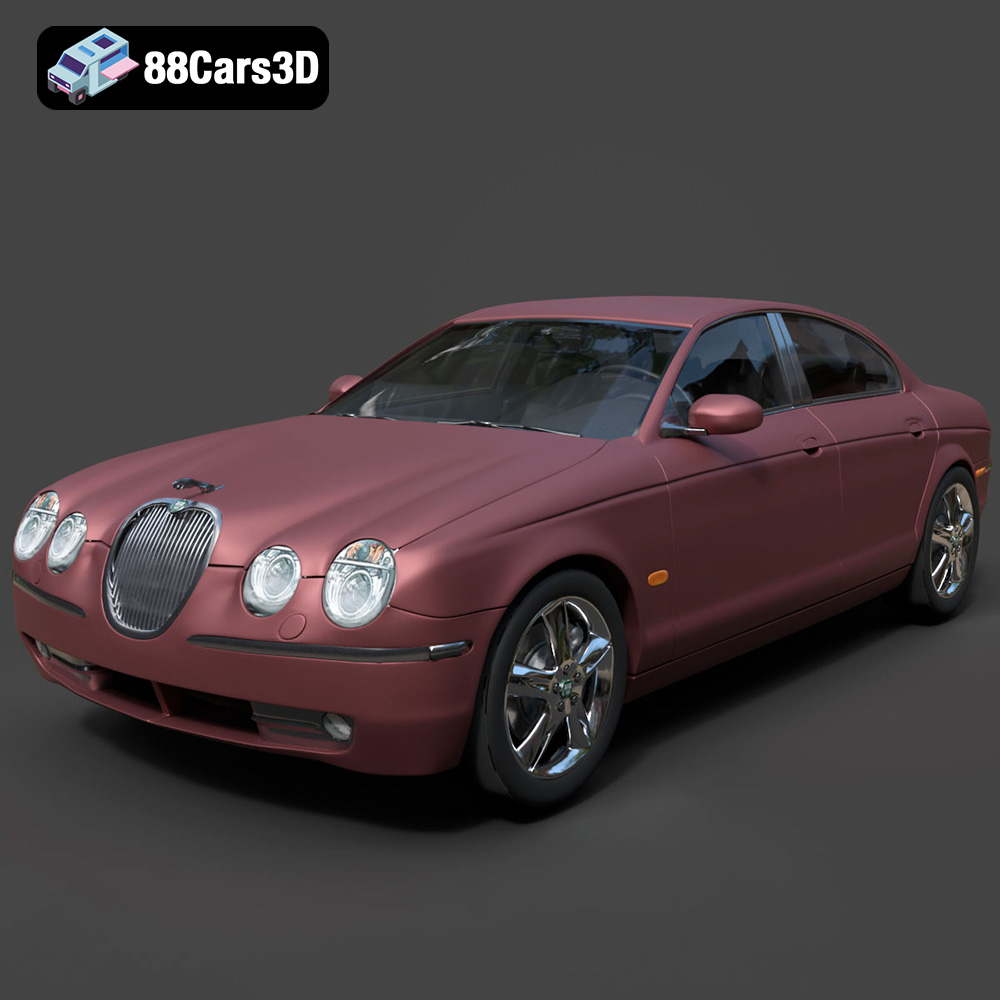
Download the Jaguar S-Type Sedan 3D Model featuring clean geometry, realistic detailing, and a fully modeled interior. Includes .blend, .fbx, .obj, .glb, .stl, .ply, .unreal, and .max formats for rendering, simulation, and game development.
Price: $18.99
Texture: Yes
Material: Yes
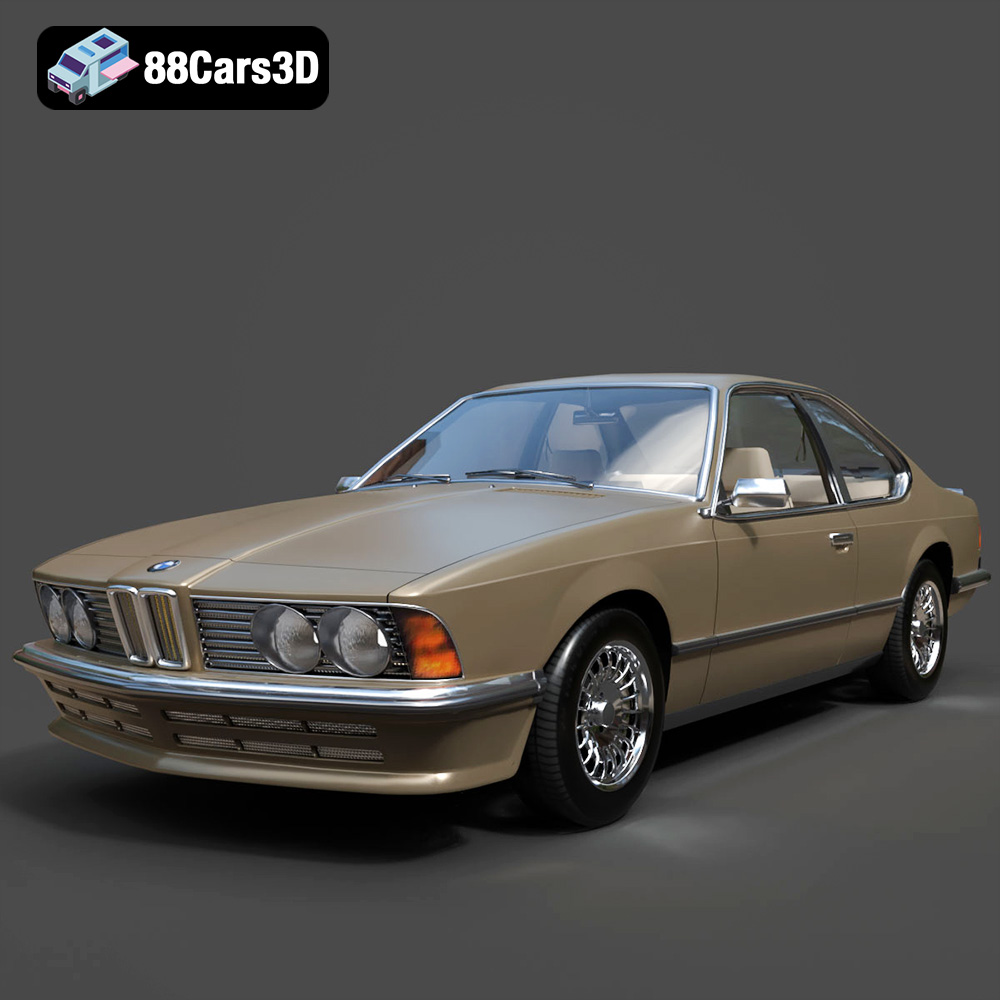
Download the BMW 6 Series 1986 3D Model featuring clean geometry, realistic detailing, and a fully modeled interior. Includes .blend, .fbx, .obj, .glb, .stl, .ply, .unreal, and .max formats for rendering, simulation, and game development.
Price: $16.99
Texture: Yes
Material: Yes
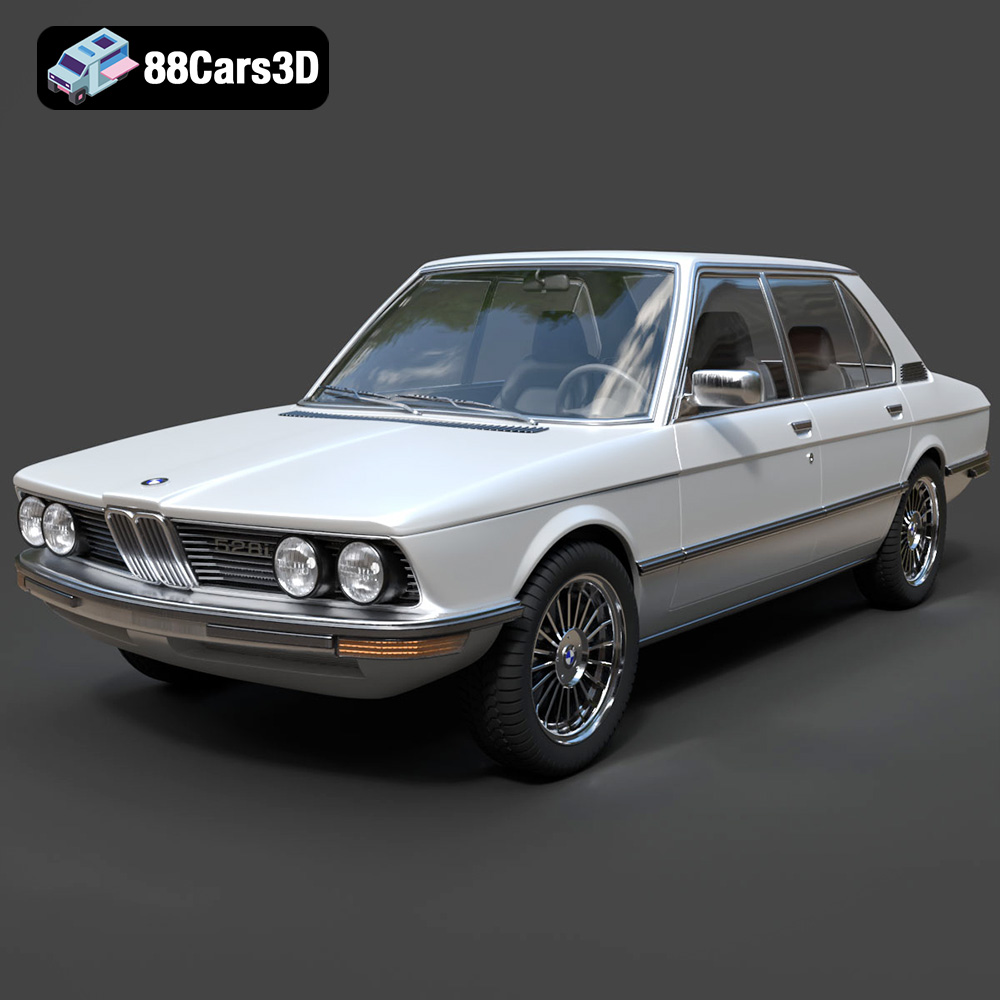
Download the BMW 5 Series E12 528i 3D Model featuring clean geometry, realistic detailing, and a fully modeled interior. Includes .blend, .fbx, .obj, .glb, .stl, .ply, .unreal, and .max formats for rendering, simulation, and game development.
Price: $14.99

Texture: Yes
Material: Yes
Download the BMW 5 Series F10 3D Model featuring clean geometry, realistic detailing, and a fully modeled interior. Includes .blend, .fbx, .obj, .glb, .stl, .ply, .unreal, and .max formats for rendering, simulation, and game development.
Price: $14.99

Texture: Yes
Material: Yes
Download the BMW 4 Series Coupe M Sport 2014 3D Model featuring clean geometry, realistic detailing, and a fully modeled interior. Includes .blend, .fbx, .obj, .glb, .stl, .ply, .unreal, and .max formats for rendering, simulation, and game development.
Price: $14.99

Texture: Yes
Material: Yes
Download the Bentley Brooklands 2008 3D Model featuring clean geometry, realistic detailing, and a fully modeled interior. Includes .blend, .fbx, .obj, .glb, .stl, .ply, .unreal, and .max formats for rendering, simulation, and game development.
Price: $14.99
Texture: Yes
Material: Yes
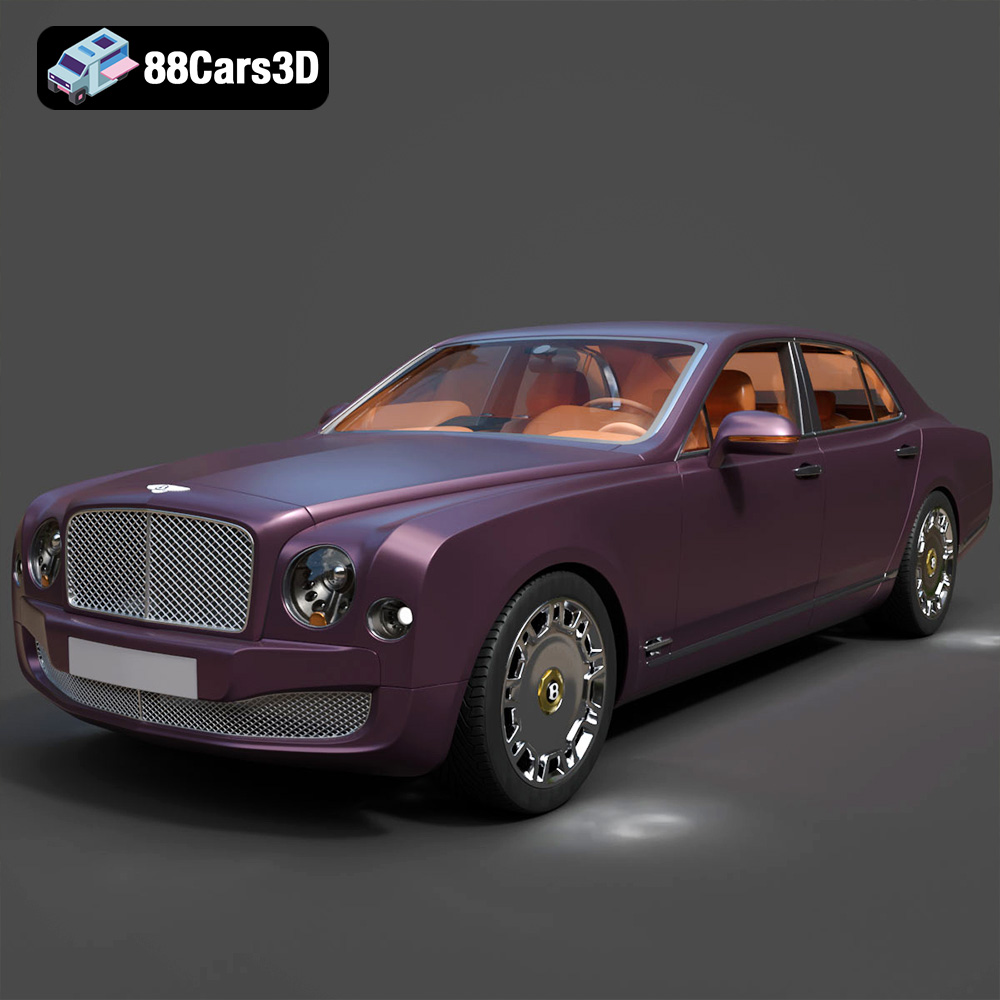
Download the Bentley Mulsanne Luxury Sedan 3D Model featuring clean geometry, realistic detailing, and a fully modeled interior. Includes .blend, .fbx, .obj, .glb, .stl, .ply, .unreal, and .max formats for rendering, simulation, and game development.
Price: $14.99

Texture: Yes
Material: Yes
Download the Bentley Continental GT 2011 3D Model featuring clean geometry, realistic detailing, and a fully modeled interior. Includes .blend, .fbx, .obj, .glb, .stl, .ply, .unreal, and .max formats for rendering, simulation, and game development.
Price: $14.99

Texture: Yes
Material: Yes
Download the Bentley Continental Flying Spur 3D Model featuring clean geometry, realistic detailing, and a fully modeled interior. Includes .blend, .fbx, .obj, .glb, .stl, .ply, .unreal, and .max formats for rendering, simulation, and game development.
Price: $14.99

