⚡ FLASH SALE: Get 60% OFF All Premium 3D & STL Models! ⚡

The pursuit of ultimate visual fidelity in automotive visualization has always been a driving force for artists and engineers alike. From stunning concept renders to interactive configurators and cinematic showcases, the quest for photorealism demands increasingly sophisticated tools. For years, Physically Based Rendering (PBR) materials have been the industry standard, offering a robust framework for realistic surfaces. However, as the complexity of real-world materials grows – think multi-layered car paints, iridescent finishes, or intricate carbon fiber weaves – traditional PBR models often encounter limitations. These limitations necessitate clever workarounds or compromise on true physical accuracy, especially when targeting real-time performance.
Enter Unreal Engine’s Substrate Material System. This groundbreaking framework, introduced as an experimental feature and rapidly evolving, represents a fundamental shift in how we approach material creation. Substrate moves beyond the fixed parameters of traditional PBR, offering a modular, layered architecture that empowers artists with unprecedented control and realism. It’s a game-changer for anyone working with high-quality 3D car models, enabling a level of visual authenticity that was previously unattainable in real-time environments. In this comprehensive guide, we’ll dive deep into Substrate, exploring its core concepts, implementation workflows, optimization strategies, and how it revolutionizes automotive visualization in Unreal Engine. If you’re ready to unlock the next generation of shading for your automotive projects, prepare to transform your understanding of materials.
For many years, Physically Based Rendering (PBR) has been the bedrock of realistic material creation across various 3D applications, including Unreal Engine. PBR material workflows simplify the complex world of light interaction by providing a set of standardized parameters – typically Albedo (or Base Color), Metallic, Roughness, and Normal – that mimic how real-world surfaces behave when illuminated. This system allowed artists to create materials that looked consistent under diverse lighting conditions, significantly improving visual quality and reducing guesswork compared to older, artistic-driven shading models. While PBR remains incredibly powerful and fundamental, the increasing demand for ultra-realistic digital assets, particularly in the highly competitive automotive sector, began to expose its inherent limitations.
The core challenge with traditional PBR lies in its often monolithic nature. Most PBR models assume a single, homogeneous surface. What happens when a material is inherently layered, such as a metallic car paint with a clear coat on top, or a translucent headlight casing with intricate internal reflectors? Simulating such complex interactions accurately with a single set of PBR parameters often leads to compromises. Artists frequently resort to blending multiple materials or using custom shader nodes, which can be computationally expensive, difficult to manage, and still not achieve true physical accuracy. Complex phenomena like iridescence, volumetric scattering within materials, or highly detailed subsurface scattering for leather seats were particularly challenging to represent authentically within the standard PBR framework without significant custom shader development. This is precisely the void that Substrate was designed to fill, offering a more flexible and physically accurate way to construct virtually any material.
Traditional PBR materials typically rely on a simplified shading model that works exceptionally well for opaque, non-layered surfaces. For instance, a basic metal material can be defined by a metallic value of 1, a specific base color, and a roughness value. A plastic material would have a metallic value of 0, a base color, and a roughness. This simplicity is its strength, allowing for efficient rendering and intuitive authoring. However, consider the nuances of an automotive finish. A high-quality car paint is not merely a diffuse color with a metallic sheen; it’s a complex system involving a base metallic pigment layer, often with flakes, topped by multiple layers of clear coat, which introduces its own reflections and specular highlights. The clear coat might also exhibit interference effects, leading to subtle color shifts depending on the viewing angle.
Recreating this accurately with a single PBR shader is nearly impossible. You might try to fake it by adjusting roughness maps or using normal maps to simulate flakes, but the interaction between the base layer and the clear coat’s reflections and refractions will not be physically correct. Similarly, materials like rubber tires, which exhibit complex micro-surface details and subsurface scattering properties, or realistic automotive glass, which requires precise control over transmission, absorption, and multiple reflection surfaces, push the boundaries of standard PBR. These limitations often forced artists to choose between visual authenticity and real-time performance, a trade-off that Substrate aims to eliminate by providing a unified, extensible system that can handle these complexities elegantly.
Substrate in Unreal Engine fundamentally rethinks material creation by adopting a modular and layered approach, much like how materials exist in the real world. Instead of a single PBR shader, Substrate allows artists to stack and blend various “components,” each representing a specific physical property or layer of a material. Think of it as a material graph where you define the base properties of a surface, then add layers on top, such as clear coats, thin films, or even volumetric components for more complex effects. This framework moves beyond the limitations of single-layer PBR by enabling a multitude of shading models to coexist and interact within a single material.
The core innovation of Substrate lies in its ability to compose complex materials from simpler, physically-based building blocks. For example, a car paint can now be accurately constructed by combining a metallic base layer with a clear coat component, each contributing its distinct optical properties. This not only enhances realism but also provides artists with a far more intuitive and flexible workflow. Instead of tweaking abstract PBR parameters to achieve a desired look, artists can now model the physical construction of a material directly. Substrate provides a unified shading path, ensuring that these complex materials integrate seamlessly with Unreal Engine’s advanced rendering features like Lumen global illumination and Nanite virtualized geometry, leading to truly next-generation visual experiences. Platforms like 88cars3d.com offer high-quality 3D car models that are prime candidates for receiving this level of material treatment, instantly elevating their visual impact.
To truly harness the power of Substrate, it’s essential to understand its underlying architecture and how its various components come together to form incredibly realistic materials. At its heart, Substrate is a node-based system within the Unreal Engine Material Editor, but unlike traditional material graphs that often focus on texture blending and parameter manipulation, Substrate’s nodes represent physical layers and their interactions. This architectural shift allows for unprecedented flexibility, enabling artists to describe materials in a way that closely mimics their real-world counterparts, providing a framework that can handle everything from a simple matte plastic to a multi-layered, iridescent automotive finish with volumetric internal scattering. The modularity of Substrate means that you’re not constrained by a fixed set of inputs; instead, you build up your material piece by piece, layer by layer, leading to highly accurate and physically plausible results.
The beauty of this system lies in its extensibility. As rendering technology evolves and new material properties need to be simulated, Substrate can be expanded with new components without having to overhaul the entire material system. This future-proof design ensures that artists will continue to have access to cutting-edge material capabilities. Furthermore, by standardizing the way complex materials are defined, Substrate promotes consistency across projects and teams, simplifying the process of sharing and reusing advanced material setups. This deep dive into its components and graph structure will provide the foundation for creating stunning automotive visualizations that stand out.
Substrate materials are composed of various components, each designed to simulate a specific optical phenomenon or material layer. These components are like Lego bricks, allowing you to combine them in countless ways to describe any real-world surface. Understanding these core components is key to unlocking Substrate’s potential:
These components are connected in the material graph, allowing you to stack them logically. For instance, a clear coat might be applied on top of a metallic base using a Merge node, ensuring that the clear coat’s reflections and refractions correctly interact with the underlying paint layer. This hierarchical approach offers unparalleled control and physical accuracy.
The Substrate Material Editor provides a visual, node-based environment where you construct your materials. This graph is where you define the connections between different Substrate components and feed them with various inputs like textures, parameters, and mathematical expressions. The workflow is intuitive for anyone familiar with Unreal Engine’s traditional Material Editor, but with added power and flexibility:
The Substrate graph empowers artists to think physically about material construction. Instead of trying to trick a simple shader into looking like a clear-coated metallic paint, you explicitly model the base metallic layer and then apply a clear coat layer on top. This approach not only yields superior visual results but also makes the material authoring process more logical and easier to debug. For further detailed information on Substrate, artists can always refer to the official Unreal Engine documentation at dev.epicgames.com/community/unreal-engine/learning.
The automotive industry thrives on visual realism, and with the introduction of Unreal Engine’s Substrate, achieving unparalleled authenticity for 3D car models has become more accessible than ever. Whether you’re showcasing the latest luxury vehicle, developing a next-gen racing game, or creating an interactive configurator, the quality of your materials can make or break the visual experience. Substrate empowers artists to move beyond generic PBR approximations and craft materials that truly capture the intricate details of automotive surfaces – from the multi-layered sheen of a premium paint job to the subtle textures of leather interiors and the complex refractions of advanced lighting components. This section will guide you through the practical steps of setting up your project for Substrate and creating some of the most challenging automotive materials, demonstrating how high-quality assets sourced from marketplaces like 88cars3d.com can be transformed into breathtaking digital representations.
The shift to Substrate requires a slightly different mindset than traditional material authoring. Instead of focusing on a single set of PBR maps, you’ll be thinking in terms of physical layers and their optical interactions. This layered approach not only enhances realism but also provides a more intuitive way to design materials that mirror real-world manufacturing processes. By breaking down complex materials into their fundamental components, artists can achieve a level of detail and physical accuracy that was previously unimaginable in real-time rendering, all while leveraging Unreal Engine’s robust toolset.
Before you can begin crafting advanced Substrate materials, you need to enable the feature in your Unreal Engine project. Since Substrate is still an evolving system, it’s typically an experimental feature that requires activation:
With Substrate enabled and your first material created, you’re ready to explore the exciting possibilities of layered shading. This foundational setup is the gateway to elevating your automotive visualization projects to an entirely new level of realism.
Automotive paint is perhaps the quintessential example of a material that benefits enormously from Substrate’s layered approach. Traditional PBR struggles with the distinct reflections and refractions of the clear coat interacting with the underlying metallic flake base. With Substrate, this becomes a straightforward, physically accurate process:
By following these steps, you’ll create a car paint material that accurately simulates both the underlying metallic pigment and the protective, reflective clear coat, producing stunningly realistic results that are indistinguishable from real-world vehicles. High-quality 3D car models from 88cars3d.com provide the perfect mesh foundation for applying such advanced material treatments.
Substrate’s versatility extends far beyond car paint, allowing for the creation of numerous other complex automotive materials:
Each of these examples leverages Substrate’s ability to layer different shading models, providing the precision needed for truly next-gen automotive visualization. The ability to simulate these materials with such fidelity in real-time is a testament to Substrate’s power.
While Unreal Engine’s Substrate Material System unlocks an unprecedented level of visual fidelity for automotive visualization, it’s crucial to remember that this power comes with considerations for real-time performance. Creating incredibly detailed, multi-layered materials is fantastic for capturing realism, but without proper optimization, it can quickly impact frame rates and responsiveness. The goal is always to strike a balance: achieve breathtaking visuals without sacrificing the smooth, interactive experience that Unreal Engine is known for. This section will explore how Substrate materials interact with Unreal Engine’s rendering pipeline, delve into practical optimization strategies, and demonstrate how Substrate harmonizes with cutting-edge features like Nanite and Lumen to deliver high-quality results efficiently.
Understanding the performance implications of your Substrate material choices is just as important as knowing how to construct them. Each additional layer, each complex calculation within your material graph, contributes to the overall shader complexity. Therefore, a thoughtful approach to material authoring, coupled with diligent profiling, is essential for maintaining optimal performance. By following best practices and leveraging Unreal Engine’s built-in optimization tools, artists can fully exploit Substrate’s capabilities to create stunning automotive scenes that run smoothly across various platforms and applications.
Substrate materials are designed to integrate seamlessly with Unreal Engine’s modern rendering pipeline, which includes deferred shading, Lumen global illumination, and Nanite virtualized geometry. However, their layered nature means they can introduce additional computational cost compared to simpler PBR materials. Here’s how to think about their interaction:
stat gpu) provides detailed breakdowns of rendering costs, helping pinpoint material-related bottlenecks.Understanding these interactions allows you to make informed decisions during material authoring, ensuring that your pursuit of realism is grounded in practical performance considerations.
Optimizing Substrate materials involves a combination of smart graph design and careful parameter management. Here are key strategies:
By implementing these strategies, you can maintain high visual fidelity while ensuring your projects run efficiently, even with the demanding requirements of automotive visualization.
The combination of Substrate, Nanite, and Lumen represents the pinnacle of real-time rendering in Unreal Engine for automotive visualization. Each technology addresses a different aspect of complexity, working synergistically to create environments and vehicles of unprecedented realism:
This powerful trio allows automotive designers and artists to achieve photorealistic results in real-time, whether for design review, marketing materials, or interactive experiences. It means that high-fidelity assets, like the meticulously crafted 3D car models available on 88cars3d.com, can be fully realized and showcased in their best possible light, pushing the boundaries of what’s achievable in real-time automotive visualization. To delve deeper into these features and their integration, Epic Games provides extensive learning resources at dev.epicgames.com/community/unreal-engine/learning.
The true power of Unreal Engine extends beyond static renders, enabling the creation of fully interactive and cinematic automotive experiences. With Substrate, this dynamic capability reaches new heights. Imagine a prospective buyer effortlessly customizing a car’s paint finish, interior trim, and wheel materials in real-time, with each change instantly showcasing physically accurate reflections and material responses. Or consider a high-octane automotive commercial where the car’s surface reacts dynamically to its environment, portraying speed, wear, or even subtle weather effects with unparalleled realism. Substrate’s flexible and parameter-driven nature makes these scenarios not just possible, but highly efficient to implement.
This section explores how Substrate materials can be integrated into interactive configurators using Blueprint visual scripting, how they elevate cinematic storytelling with Sequencer, and the critical considerations for optimizing them within performance-sensitive AR/VR applications. By leveraging Substrate in these dynamic contexts, artists and developers can create immersive and engaging automotive experiences that truly resonate with audiences, pushing the boundaries of digital product showcasing and interactive design visualization.
One of the most compelling applications of Substrate in automotive visualization is for interactive configurators. These tools allow users to personalize a vehicle in real-time, making material variations a core feature. Substrate’s parameter-driven approach integrates seamlessly with Unreal Engine’s Blueprint visual scripting system:
This workflow enables the creation of highly customizable and engaging automotive configurators, where the physically accurate materials of Substrate truly shine under various user-defined options.
Unreal Engine’s Sequencer is a powerful non-linear editor for creating cinematic sequences, animations, and real-time cutscenes. Substrate materials, with their high fidelity and parameter control, are instrumental in achieving photorealistic shots for automotive commercials, virtual productions, and marketing content:
By leveraging Sequencer with Substrate, artists can tell compelling stories and showcase automotive designs with unparalleled visual flair and realism.
Augmented Reality (AR) and Virtual Reality (VR) offer immersive ways to experience automotive designs, from virtual showrooms to interactive driving simulations. Substrate’s realism is highly desirable in these environments, but performance optimization is critical to maintain the high frame rates (typically 90 FPS or higher) required for a comfortable and convincing AR/VR experience:
By carefully balancing visual fidelity with performance, Substrate empowers developers to create cutting-edge AR/VR automotive experiences that are both breathtaking and perfectly smooth. For more detailed information on optimizing for AR/VR, the official Unreal Engine learning resources at dev.epicgames.com/community/unreal-engine/learning are an excellent starting point.
Unreal Engine’s Substrate Material System marks a pivotal moment in real-time rendering, particularly for demanding fields like automotive visualization. By moving beyond the inherent limitations of traditional PBR, Substrate provides a flexible, physically accurate, and modular framework for crafting materials of unparalleled realism. We’ve explored how this groundbreaking system allows artists to deconstruct and rebuild complex automotive surfaces – from multi-layered clear coat paints and intricate carbon fiber to lifelike glass and leather – with a fidelity previously confined to offline renderers.
The ability to accurately layer different shading models within a unified framework not only enhances visual quality but also streamlines workflows, empowering artists with intuitive control over their creations. Coupled with Unreal Engine’s powerful features like Nanite for geometry and Lumen for dynamic global illumination, Substrate enables the creation of breathtaking automotive experiences that are both visually stunning and performant in real-time. Whether you’re building interactive configurators with Blueprint, producing cinematic showcases with Sequencer, or pushing the boundaries of AR/VR, Substrate is the key to unlocking the next generation of visual authenticity for your automotive projects.
As you embark on your journey with Substrate, remember to embrace its modularity, optimize where necessary, and always leverage the physical properties that make this system so powerful. The future of automotive visualization is here, and it’s rendered with Substrate. We encourage you to explore the vast potential of this system and pair it with the highest quality 3D car models available, such as those meticulously crafted and optimized for Unreal Engine at 88cars3d.com, to truly bring your vision to life.
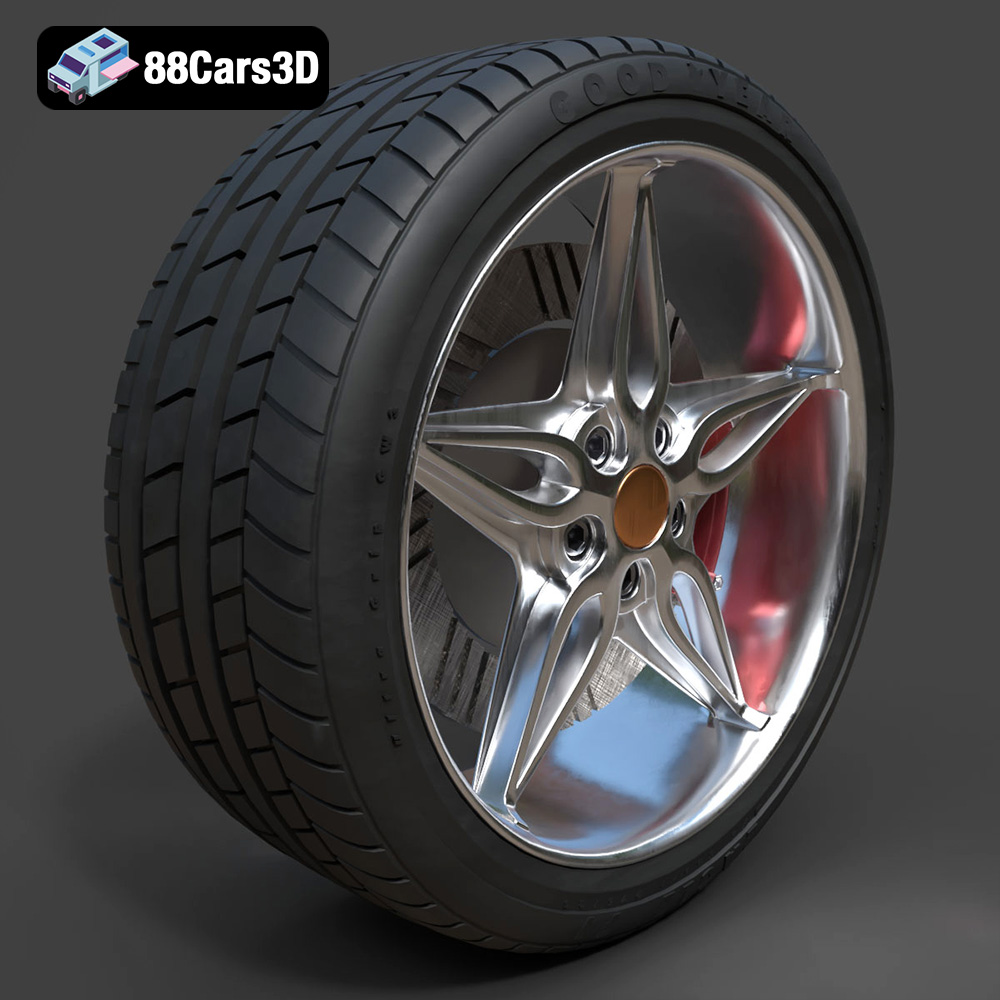
Texture: Yes
Material: Yes
Download the Wheel-001 Component 3D Model featuring clean geometry, realistic detailing, and a fully modeled interior. Includes .blend, .fbx, .obj, .glb, .stl, .ply, .unreal, and .max formats for rendering, simulation, and game development.
Price: $10.99
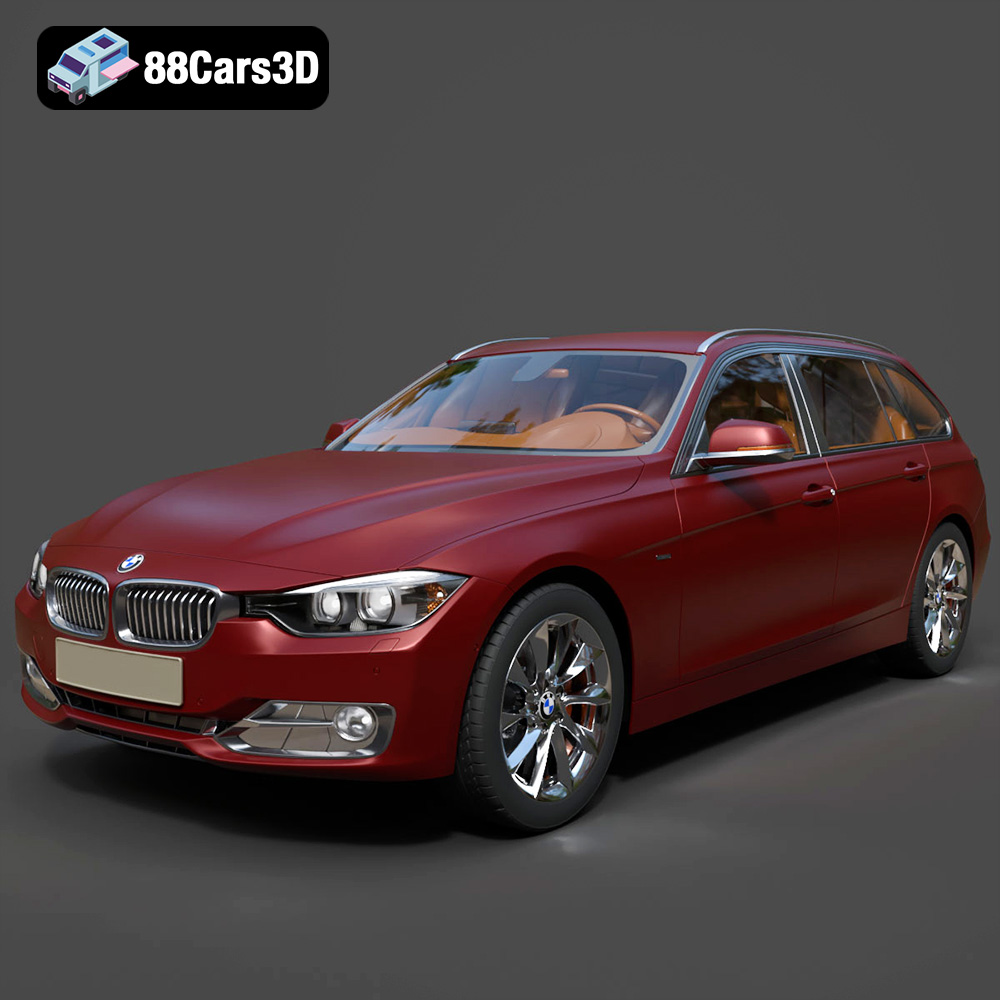
Texture: Yes
Material: Yes
Download the BMW 3 series Touring 335i (F31) 2013 3D Model featuring a highly detailed exterior, realistic interior, and modular design. Includes .blend, .fbx, .obj, .glb, .stl, .ply, .unreal, and .max formats for rendering, simulation, and game development.
Price: $30.79
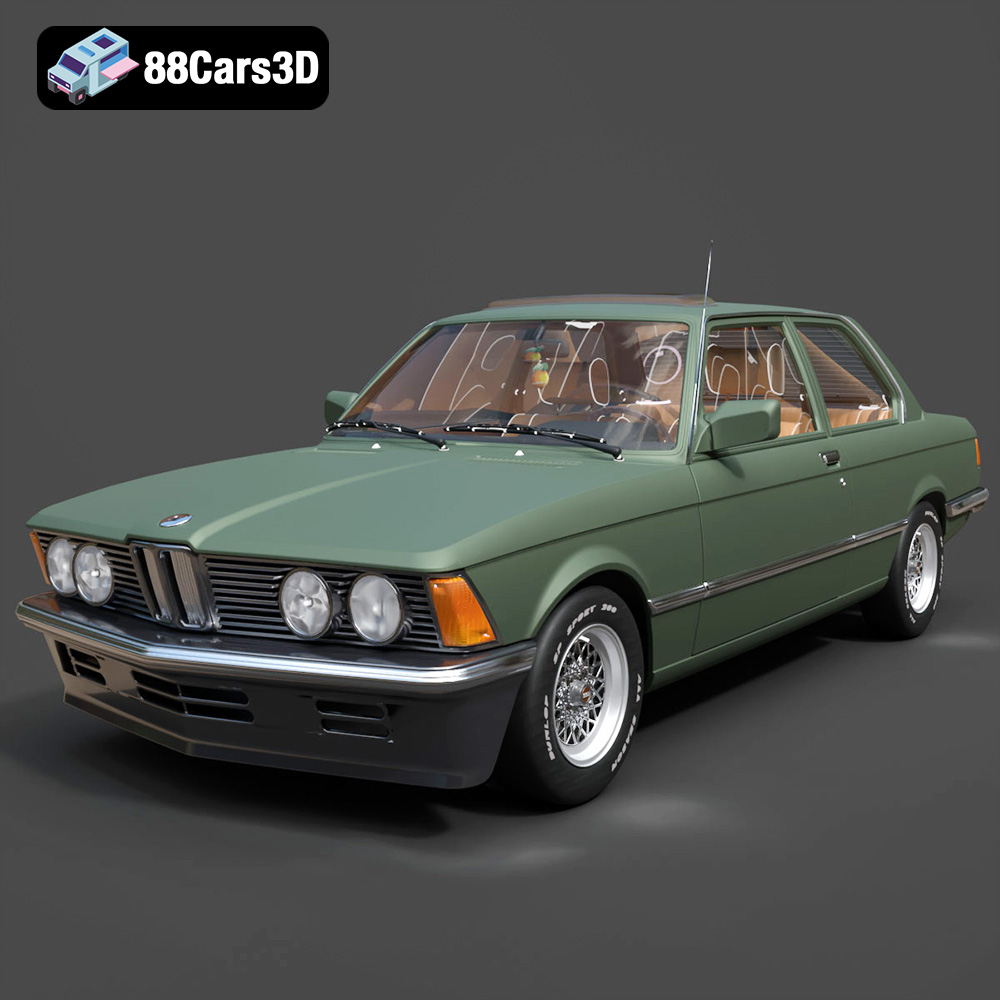
Texture: Yes
Material: Yes
Download the BMW 3 Series E21 3D Model featuring authentic exterior design, detailed interior, and accurate proportions. Includes .blend, .fbx, .obj, .glb, .stl, .ply, .unreal, and .max formats for rendering, simulation, and game development.
Price: $20.79

Texture: Yes
Material: Yes
Download the BMW 1 Series 3-Door E81 3D Model featuring a detailed exterior, functional interior elements, and clean geometry. Includes .blend, .fbx, .obj, .glb, .stl, .ply, .unreal, and .max formats for rendering, simulation, and game development.
Price: $14.79
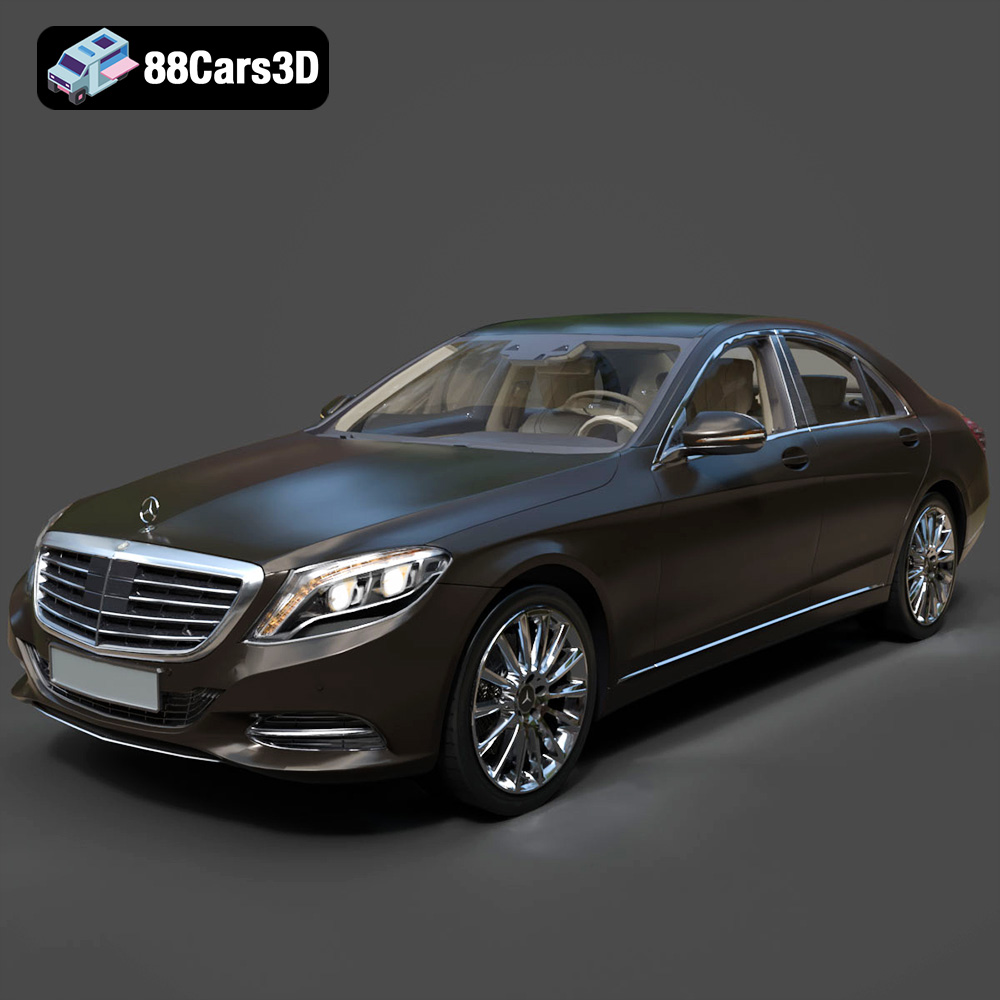
Texture: Yes
Material: Yes
Download the Mercedes-Benz S500 2022 3D Model featuring clean geometry, realistic detailing, and a fully modeled interior. Includes .blend, .fbx, .obj, .glb, .stl, .ply, .unreal, and .max formats for rendering, simulation, and game development.
Price: $19.99
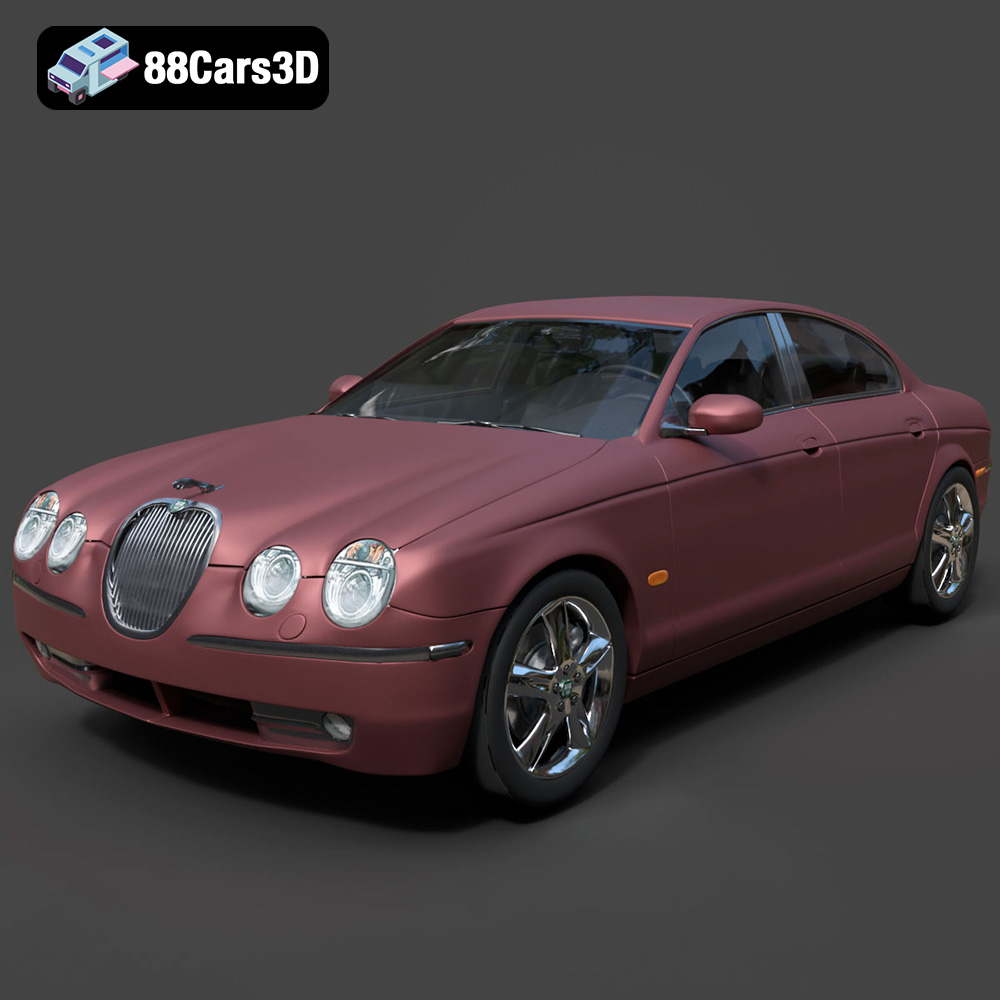
Texture: Yes
Material: Yes
Download the Jaguar S-Type Sedan 3D Model featuring clean geometry, realistic detailing, and a fully modeled interior. Includes .blend, .fbx, .obj, .glb, .stl, .ply, .unreal, and .max formats for rendering, simulation, and game development.
Price: $18.99
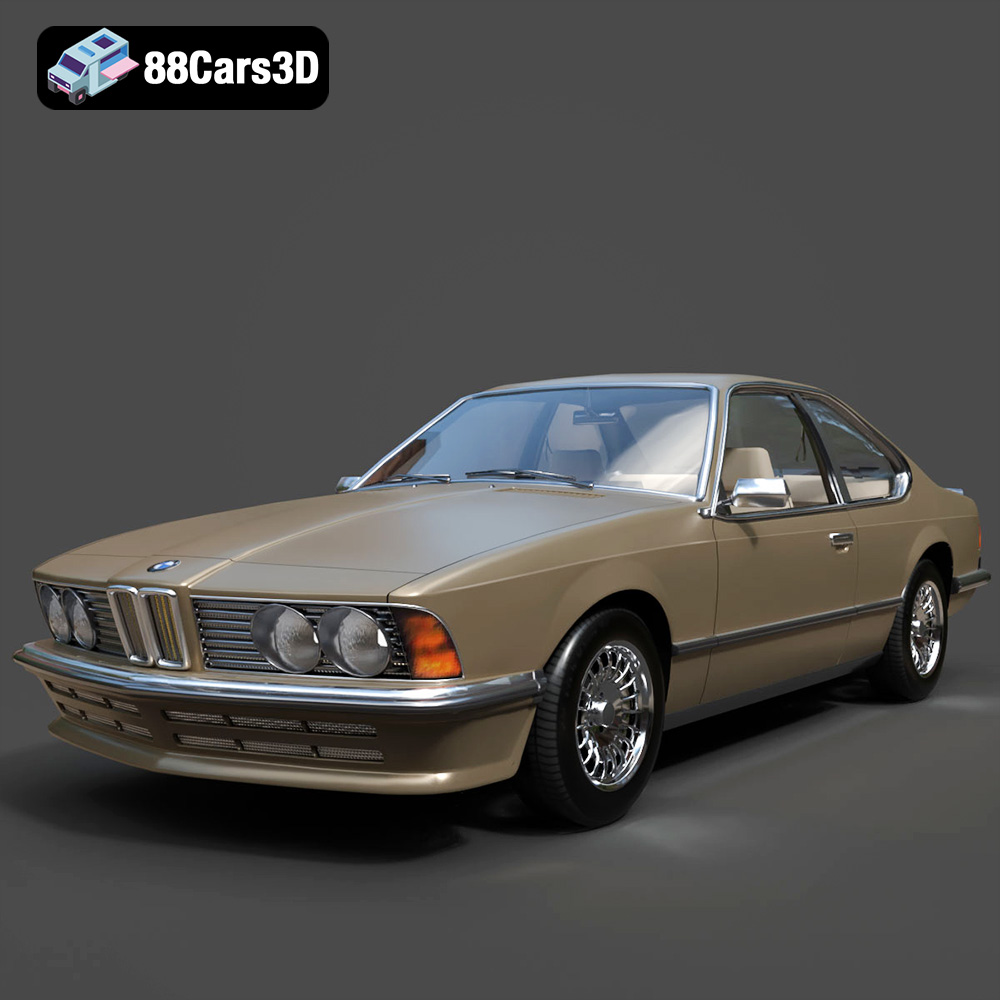
Texture: Yes
Material: Yes
Download the BMW 6 Series 1986 3D Model featuring clean geometry, realistic detailing, and a fully modeled interior. Includes .blend, .fbx, .obj, .glb, .stl, .ply, .unreal, and .max formats for rendering, simulation, and game development.
Price: $16.99
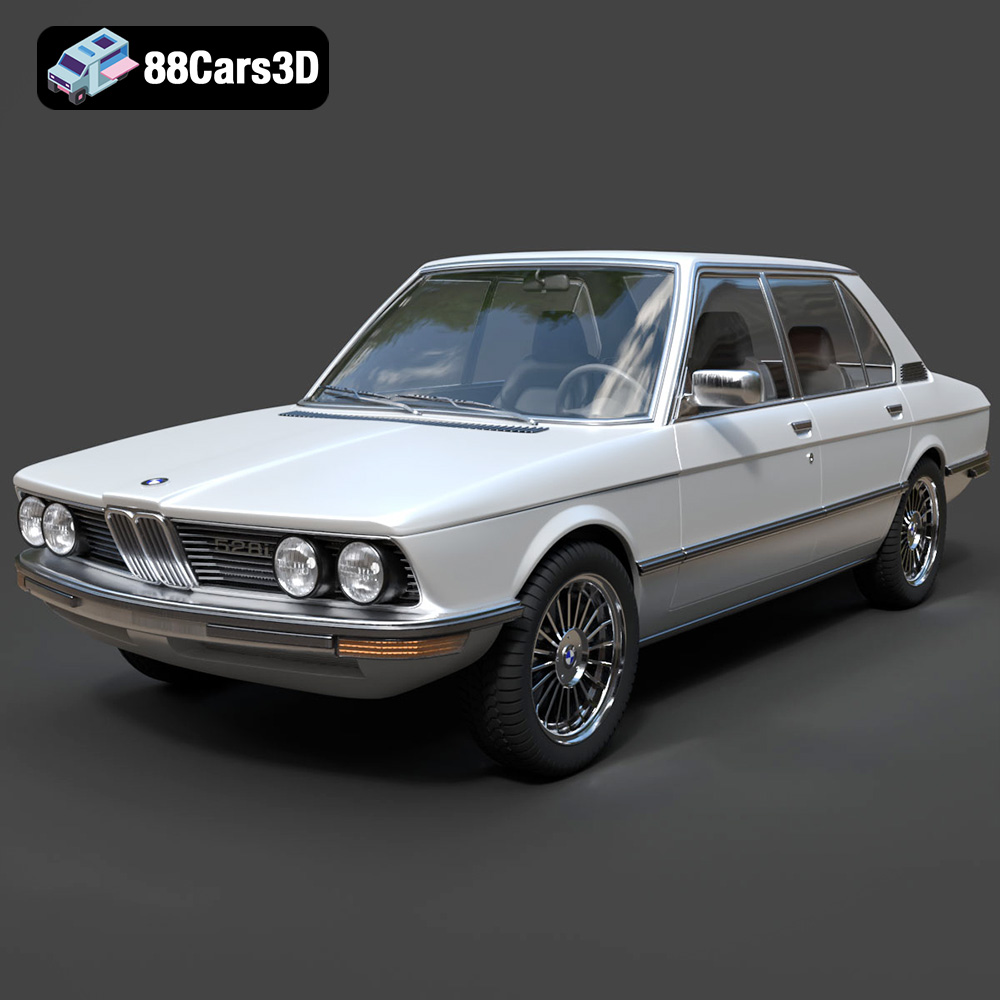
Texture: Yes
Material: Yes
Download the BMW 5 Series E12 528i 3D Model featuring clean geometry, realistic detailing, and a fully modeled interior. Includes .blend, .fbx, .obj, .glb, .stl, .ply, .unreal, and .max formats for rendering, simulation, and game development.
Price: $14.99

Texture: Yes
Material: Yes
Download the BMW 5 Series F10 3D Model featuring clean geometry, realistic detailing, and a fully modeled interior. Includes .blend, .fbx, .obj, .glb, .stl, .ply, .unreal, and .max formats for rendering, simulation, and game development.
Price: $14.99
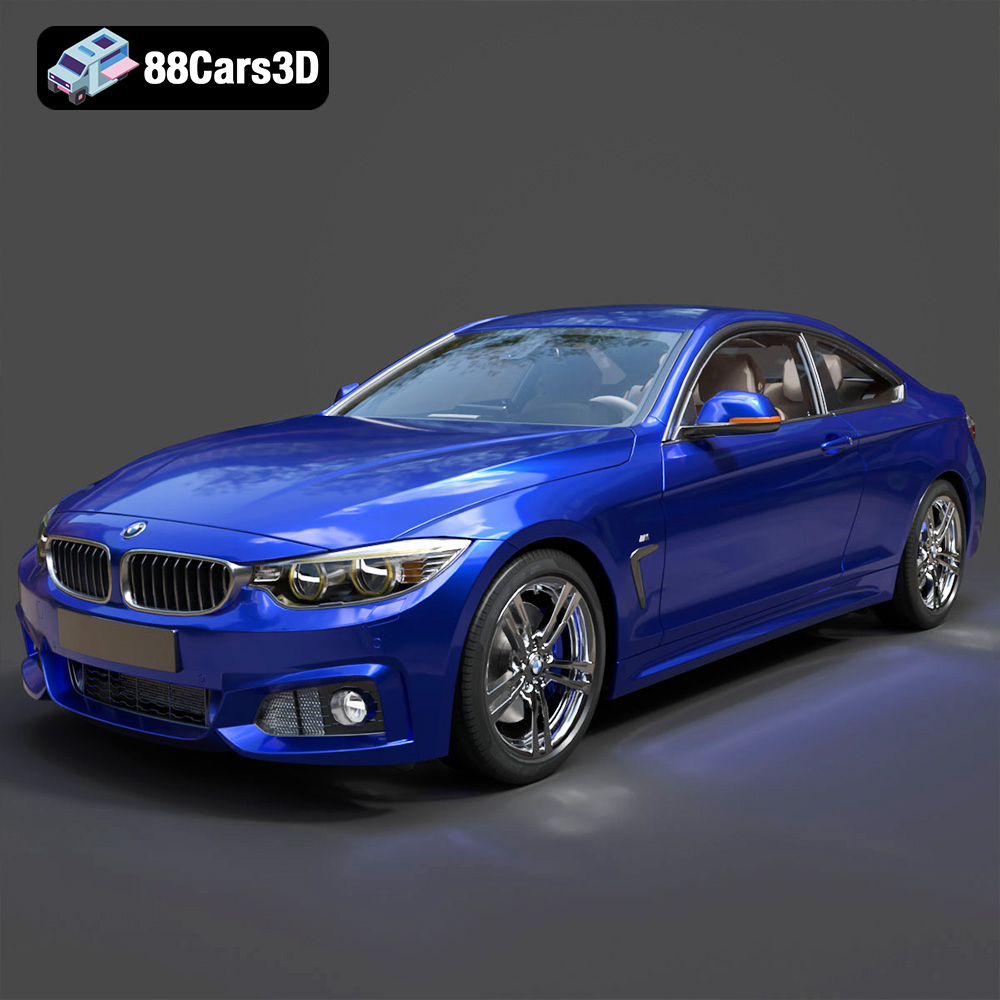
Texture: Yes
Material: Yes
Download the BMW 4 Series Coupe M Sport 2014 3D Model featuring clean geometry, realistic detailing, and a fully modeled interior. Includes .blend, .fbx, .obj, .glb, .stl, .ply, .unreal, and .max formats for rendering, simulation, and game development.
Price: $14.99

