⚡ FLASH SALE: Get 60% OFF All Premium 3D & STL Models! ⚡

In the relentless pursuit of ultimate realism within automotive visualization and game development, creators constantly seek innovative ways to breathe life into their digital environments. While meticulously detailed 3D car models are undoubtedly the stars of the show—and platforms like 88cars3d.com excel in providing these high-fidelity assets—the surrounding world often dictates the overall immersion. A static scene, no matter how beautifully rendered, can feel sterile and lifeless. Imagine a bustling city street, a vibrant car show, or a dynamic racing environment; these scenes demand more than just parked vehicles. They require the dynamic presence of crowds, traffic, and interactive elements to truly come alive.
This is where Unreal Engine’s groundbreaking Mass Entity System steps in. Developed from a data-oriented design (DOD) philosophy, Mass Entity provides an incredibly efficient framework for managing vast numbers of simulated entities, making it the perfect solution for creating believable crowds, complex traffic simulations, and other large-scale dynamic elements without compromising performance. For automotive visualization professionals, game developers, and AR/VR creators, understanding and implementing Mass Entity can unlock a new level of environmental realism that elevates your Unreal Engine projects far beyond the ordinary.
In this comprehensive guide, we’ll dive deep into the Mass Entity System, exploring its fundamentals, technical implementation, optimization strategies, and direct applications for enhancing automotive scenes. You’ll learn how to populate your worlds with dynamic crowds that interact with your high-quality car models, creating truly immersive and unforgettable experiences. From setting up your project to crafting intricate behaviors and optimizing for real-time rendering, prepare to transform your static environments into vibrant, living digital spaces.
At its heart, Unreal Engine’s Mass Entity System represents a fundamental shift in how developers can manage and simulate large numbers of objects or “entities” within a scene. Unlike the traditional Actor-based approach, which relies on an object-oriented programming (OOP) paradigm where each entity is a full-fledged Actor with its own set of components, Mass Entity adopts a Data-Oriented Design (DOD) and an Entity-Component-System (ECS) architecture. This paradigm prioritizes data contiguity and processing efficiency, making it incredibly powerful for large-scale simulations like realistic crowds, dynamic traffic patterns, or even vast numbers of interactive props.
The core problem Mass Entity solves for automotive visualization is the performance bottleneck associated with simulating hundreds or thousands of Actors. Each Actor, even a simple one, carries a certain amount of overhead. When you multiply that overhead by hundreds or thousands, frame rates plummet, and interactivity suffers. Mass Entity bypasses this by stripping down entities to their essential data (components) and processing this data in highly optimized, parallelized “processors.” This allows the engine to handle orders of magnitude more entities than traditional methods, enabling developers to populate scenes with believable pedestrians, dynamic environmental elements, or even complex traffic scenarios involving multiple vehicles and characters, all without bringing your real-time rendering to a crawl. For scenes featuring exquisite 3D car models from marketplaces like 88cars3d.com, having a dynamic, performance-friendly backdrop is crucial for overall immersion.
The distinction between DOD and OOP is critical to understanding Mass Entity’s power. In OOP, data and the functions that operate on it are encapsulated within objects. While excellent for modularity and code organization, accessing data scattered across memory can be inefficient for large datasets due to cache misses. DOD, on the other hand, focuses on organizing data in contiguous memory blocks, allowing processors to operate on large chunks of related data very quickly. This “cache-friendly” approach dramatically boosts performance, especially for parallel computation. For simulating thousands of crowd members, where each character needs position, velocity, and animation state data, DOD ensures that this data can be processed at lightning speed, making large-scale simulations feasible.
TransformFragment (position, rotation, scale), MassMovementFragment (velocity, acceleration), MassStateFragment (idle, walking, running), or even custom fragments for animation states or AI goals. Entities gain functionality by having specific components attached to them.MovementProcessor might iterate over all entities possessing TransformFragment and MassMovementFragment, updating their positions based on their velocities. Processors operate on data, not on individual objects, leading to highly optimized operations.This separation of data (Components) from logic (Processors) orchestrated by lightweight identifiers (Entities) allows Unreal Engine to manage an immense scale of simulations efficiently. By leveraging this system, developers can create truly dynamic environments that complement the visual fidelity of high-quality 3D car models and elevate the overall immersive quality of any Unreal Engine project.
Integrating the Mass Entity System into your Unreal Engine project requires a foundational setup that enables the necessary modules and configures the basic framework for your crowd or traffic simulations. This process is relatively straightforward but crucial for leveraging the system’s power. For automotive visualization, this setup is the first step towards transforming static backdrops into living, breathing urban landscapes or bustling event spaces around your meticulously crafted car models.
Begin by ensuring your Unreal Engine project has the correct plugins enabled. The Mass Entity System is modular, meaning you’ll activate specific plugins based on your simulation needs. For crowd simulation, you’ll primarily be working with MassEntity, MassRepresentation, MassMovement, MassCrowd, MassAI, and MassNavigation. These plugins provide the core framework for entities, their visual representation, movement logic, and AI behaviors. Once enabled, you’ll need to restart the editor. With the plugins active, you can then start defining your custom entities and their associated components and processors. Remember that while Mass Entity is powerful, it’s about efficient data management, so even your crowd characters should be optimized with reasonable polygon counts and shared texture atlases to ensure optimal performance alongside your detailed 3D car models.
To enable the necessary plugins:
Edit > Plugins in your Unreal Engine project.Once restarted, these modules provide the backbone for creating your mass entities. It’s a good practice to consult the official Unreal Engine documentation for the latest details on plugin dependencies and best practices.
After enabling the plugins, the next step is to create a blueprint or C++ class that will act as a “Mass Spawner” or a “Mass Entity Config.” This object will define the types of entities you want to spawn and what components (fragments) they should possess. For a crowd member, a basic setup might involve:
UMassEntityConfigAsset: This asset defines the initial components and traits an entity will have upon creation.FMassMovementFragment (for speed, acceleration) and FMassTargetLocationFragment (for desired destination).FMassRepresentationFragment to link the entity to a visual mesh. This is typically an Instanced Static Mesh or Skeletal Mesh component for more complex animations. For pedestrians, a simplified skeletal mesh with a few LODs is common.FMassAIStateFragment or custom fragments to define states like “Idle,” “Walking,” “Waiting,” which processors will interpret.FMassNavigationFragment to enable pathfinding capabilities over the NavMesh.You would then create a UMassSpawner blueprint or C++ class that references this UMassEntityConfigAsset and defines how and where entities are spawned. This spawner can be placed in your level, allowing you to easily control the density and distribution of your crowd. For an automotive scene, you might have spawners positioned along sidewalks, around a virtual showroom, or within a parking lot, all interacting dynamically with your high-fidelity car models sourced from 88cars3d.com.
A truly dynamic automotive scene isn’t just about having static crowds; it’s about creating believable behaviors and interactions. Unreal Engine’s Mass Entity System, coupled with its dedicated AI and Navigation modules, empowers developers to simulate intricate crowd movements and reactions that greatly enhance the realism of any environment. For automotive visualization, this means pedestrians realistically navigating around your featured vehicles, waiting at crossings, or reacting to events in the scene, transforming a mere backdrop into an interactive experience.
The foundation for realistic crowd movement lies in Mass Navigation. This module integrates seamlessly with Unreal’s existing NavMesh system, allowing your Mass Entities to find paths, avoid obstacles, and generally traverse your level intelligently. Beyond pathfinding, Mass AI provides the tools to define a rich variety of behaviors. By combining different Mass Fragments and Processors, you can dictate everything from an entity’s desired speed and acceleration to its avoidance logic and interaction with the environment. Imagine a virtual car launch event where attendees naturally flow through the exhibit space, gathering around the latest 3D car models. Or a street scene where pedestrians avoid moving cars and react to traffic signals. These are the kinds of complex, believable interactions that Mass Entity enables.
To enable realistic movement for your crowd entities:
NavMesh Bounds Volume, scale it to cover your walkable areas, and build navigation (Build > Build Paths).FMassNavigationFragment. This fragment holds navigation-related data for each entity.MassProcessor_CalculatePath, MassProcessor_MoveOnPath) that use the NavMesh to calculate paths and update entity movement. You can also create custom processors to implement specific navigation logic, like following specific splines for a guided tour or having entities move towards points of interest, such as an 88cars3d.com vehicle display.Properly configured navigation ensures that your crowds move naturally through your Unreal Engine scene, whether it’s an urban street, a bustling airport concourse, or a virtual exhibition hall showcasing the latest automotive designs.
Diversity in behavior is key to a convincing crowd. Mass Traits and custom fragments allow you to inject unique characteristics and actions into your entities:
FMassFragment to store specific data for unique behaviors. For instance, a FMassInterestPointFragment could define a location an entity is drawn to, and a corresponding processor would guide it there.FMassAvoidanceFragment) and processors that calculate evasive maneuvers. This is crucial for realistic interactions between crowd members, and especially between pedestrians and moving vehicles from 88cars3d.com, preventing unnatural overlaps.By layering these behaviors, you can create a truly dynamic and responsive crowd that enhances the narrative and interactivity of your automotive visualization projects, making every detail, from the shining car paint to the surrounding bustling environment, feel authentic and alive.
Creating thousands of entities with complex behaviors is only half the battle; rendering them efficiently in real-time is equally crucial. For automotive visualization and game development, maintaining a high frame rate while displaying detailed 3D car models alongside dynamic crowds requires strategic optimization. Unreal Engine’s Mass Entity System offers several mechanisms to ensure your simulated worlds look great without sacrificing performance, complementing features like Nanite for static geometry and Lumen for global illumination, which free up performance budgets for your dynamic elements.
The key to optimizing Mass Entity visualization lies in smart representation and aggressive culling. Instead of treating each crowd member as a full-blown Skeletal Mesh Actor, Mass Entity leans heavily on instancing and Level of Detail (LOD) management. This means using shared geometry and materials wherever possible, and dynamically reducing detail based on distance from the camera. Furthermore, leveraging Unreal Engine’s advanced rendering features, even if not directly for Mass Entities, plays a vital role in the overall scene performance. For instance, if your environment’s static meshes (buildings, roads) are optimized with Nanite, and your lighting with Lumen, the freed-up GPU resources can then be allocated to rendering your dense Mass Entity crowds, allowing your premium 3D car models from 88cars3d.com to truly shine in a believable, performance-friendly setting.
While Mass Entities themselves don’t directly use features like Nanite or Lumen in the same way traditional Actors do (they are rendered via Mass Representation), these technologies play a crucial indirect role in maintaining overall scene performance in Unreal Engine:
By meticulously optimizing the rendering of your Mass Entities and leveraging Unreal Engine’s cutting-edge features for the surrounding environment, you can achieve breathtaking levels of realism and interactivity, making your real-time rendering projects truly stand out.
The true power of Unreal Engine’s Mass Entity System for automotive visualization lies not just in its ability to simulate large numbers of entities, but in its capacity for dynamic, intelligent interaction within complex environments. Beyond merely populating a scene, Mass Entity can facilitate sophisticated behaviors that respond to player input, interact with high-fidelity vehicles, and contribute to cinematic narratives, pushing the boundaries of what’s possible in real-time rendering.
Imagine an interactive car configurator where a prospective buyer can change vehicle features, and a simulated crowd dynamically responds to the reveal of a new color or accessory. Or a virtual production scenario where cameras track a hero car from 88cars3d.com as it navigates a bustling city street, with pedestrians and other traffic entities exhibiting believable avoidance behaviors. Mass Entity provides the framework to script these intricate interactions, bridging the gap between static assets and a truly dynamic, responsive world. Furthermore, for AR/VR applications, smart interaction and optimization are paramount to maintaining immersion and performance.
While Mass Entity is primarily a C++ system, Blueprint scripting offers powerful ways to interface with it and trigger dynamic events:
UMassSignalSubsystem, UMassEventSubsystem) that allows entities to send and receive signals. A Blueprint for a hero car (e.g., a highly detailed model from 88cars3d.com) could send a “VehicleApproaching” signal, and nearby crowd entities would receive it via a Mass Processor, triggering avoidance behavior.This integration allows for intuitive control and dynamic responses, essential for creating interactive automotive demos or engaging virtual experiences.
The applications of Mass Entity in automotive visualization are vast and transformative:
By embracing these advanced interactions, developers can craft truly immersive and highly dynamic automotive experiences that resonate with users and effectively showcase the stunning detail of their 3D car models.
The journey through Unreal Engine’s Mass Entity System reveals a powerful paradigm shift in how we approach large-scale simulations, opening up unprecedented opportunities for enriching automotive visualization and game development. By moving from traditional object-oriented paradigms to a data-oriented design, Mass Entity empowers developers to create incredibly detailed and dynamic environments, populating them with thousands of believable entities without compromising the crucial real-time rendering performance.
We’ve explored how Mass Entity’s core principles of Entities, Components, and Processors enable efficient crowd and traffic simulation, transforming static scenes into vibrant, interactive worlds. From the initial project setup and plugin activation to crafting intricate navigation paths and diverse behaviors, the system provides a robust framework. Furthermore, understanding the interplay between Mass Entity optimization techniques—like efficient rendering with instancing and aggressive LODs—and powerful Unreal Engine features such as Nanite and Lumen, is key to achieving visual fidelity alongside high frame rates. For those working with high-quality 3D car models, this means your vehicles can be presented in a truly immersive, living context.
The applications for automotive professionals are immense: from crafting captivating interactive configurators and bustling virtual production environments to developing sophisticated urban simulations and highly optimized AR/VR experiences. Mass Entity, when combined with Unreal Engine’s versatile toolkit including Blueprint, offers a limitless canvas for creativity. Your ultimate goal should be to create engaging, believable worlds where your premium assets, such as the exquisite 3D car models found on marketplaces like 88cars3d.com, can genuinely stand out and tell their story within a dynamic, living backdrop.
Now is the time to experiment. Dive into the Mass Entity System, start small, and gradually build up your complex simulations. The learning curve is rewarding, and the potential to elevate your Unreal Engine projects to new heights of realism and interactivity is truly boundless. Begin creating dynamic automotive worlds that captivate and immerse your audience today.
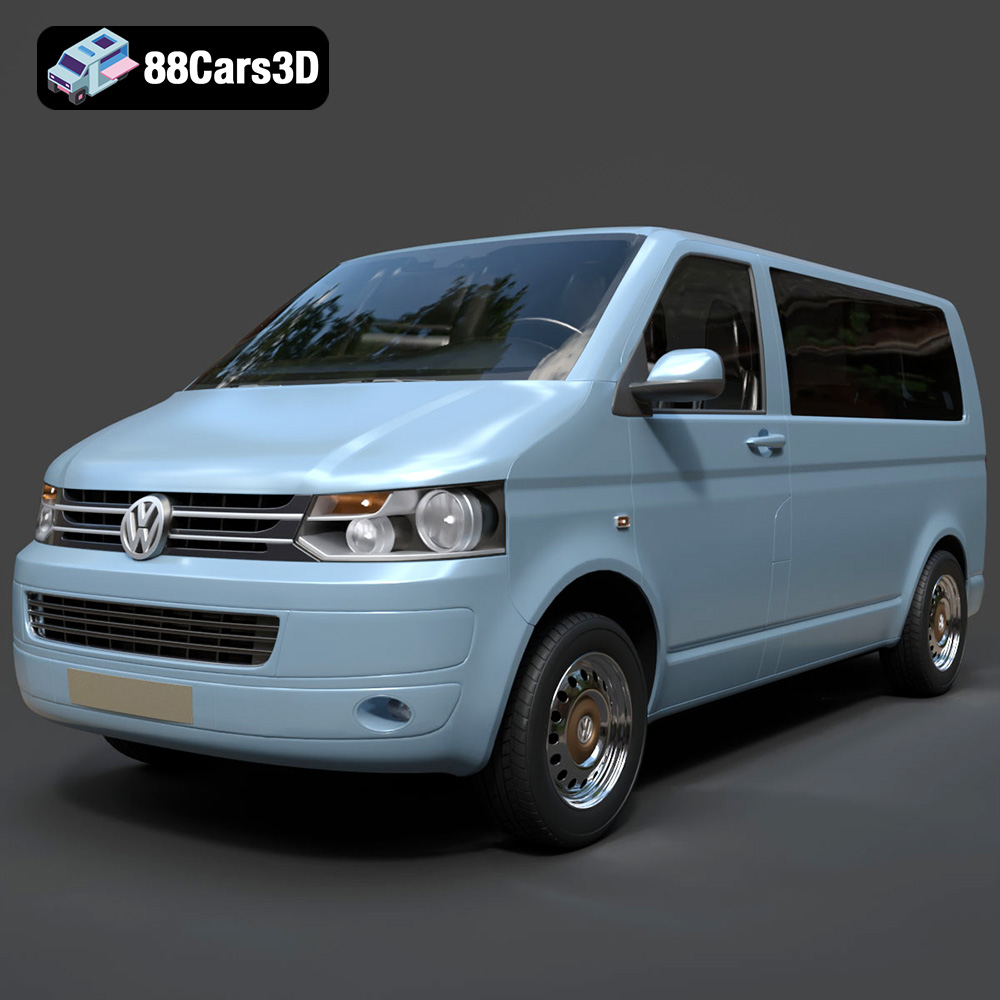
Texture: Yes
Material: Yes
Download the Volkswagen Transporter T5 FL 2010 3D Model featuring clean geometry, realistic detailing, and a fully modeled interior. Includes .blend, .fbx, .obj, .glb, .stl, .ply, .unreal, and .max formats for rendering, simulation, and game development.
Price: $22.99
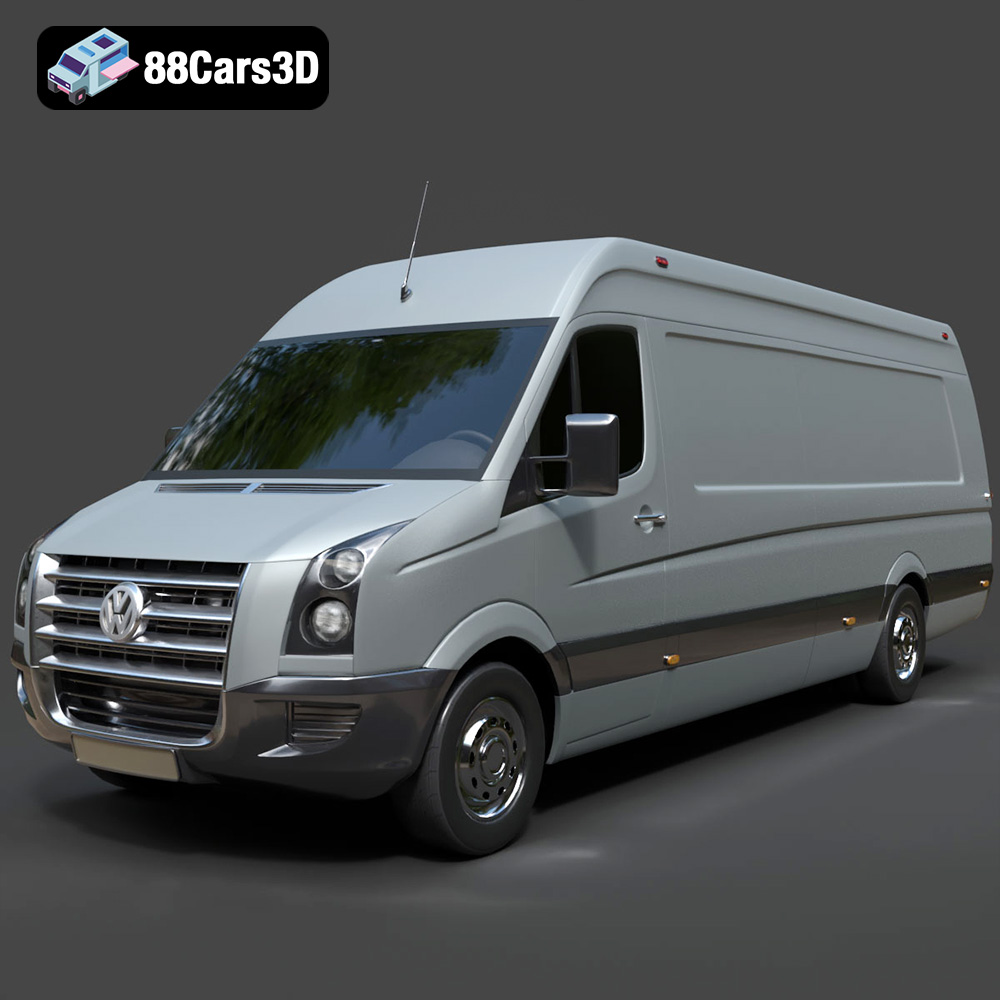
Texture: Yes
Material: Yes
Download the Volkswagen Crafter 2020 3D Model featuring clean geometry, realistic detailing, and a fully modeled interior. Includes .blend, .fbx, .obj, .glb, .stl, .ply, .unreal, and .max formats for rendering, simulation, and game development.
Price: $22.99
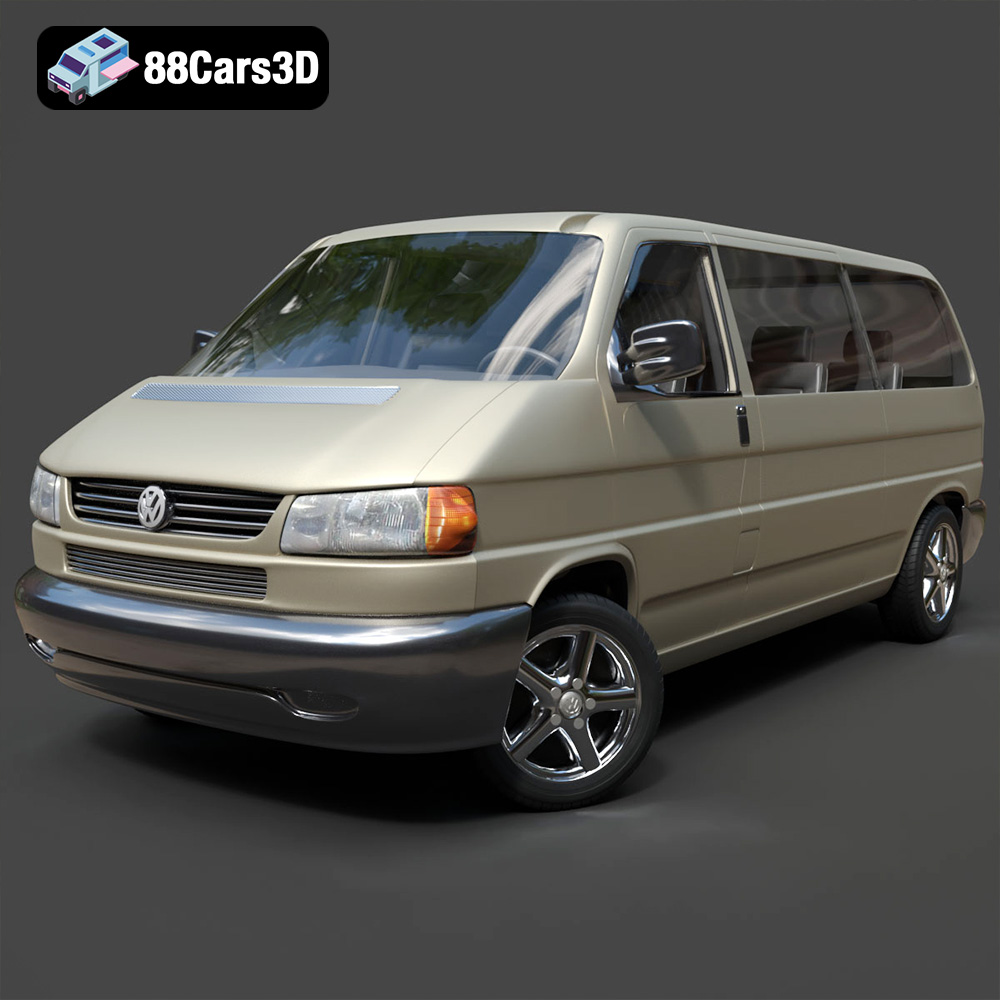
Texture: Yes
Material: Yes
Download the Volkswagen Caravelle 3D Model featuring a detailed exterior, functional interior, and optimized topology. Includes .blend, .fbx, .obj, .glb, .stl, .ply, .unreal, and .max formats for rendering, simulation, and game development.
Price: $23.99
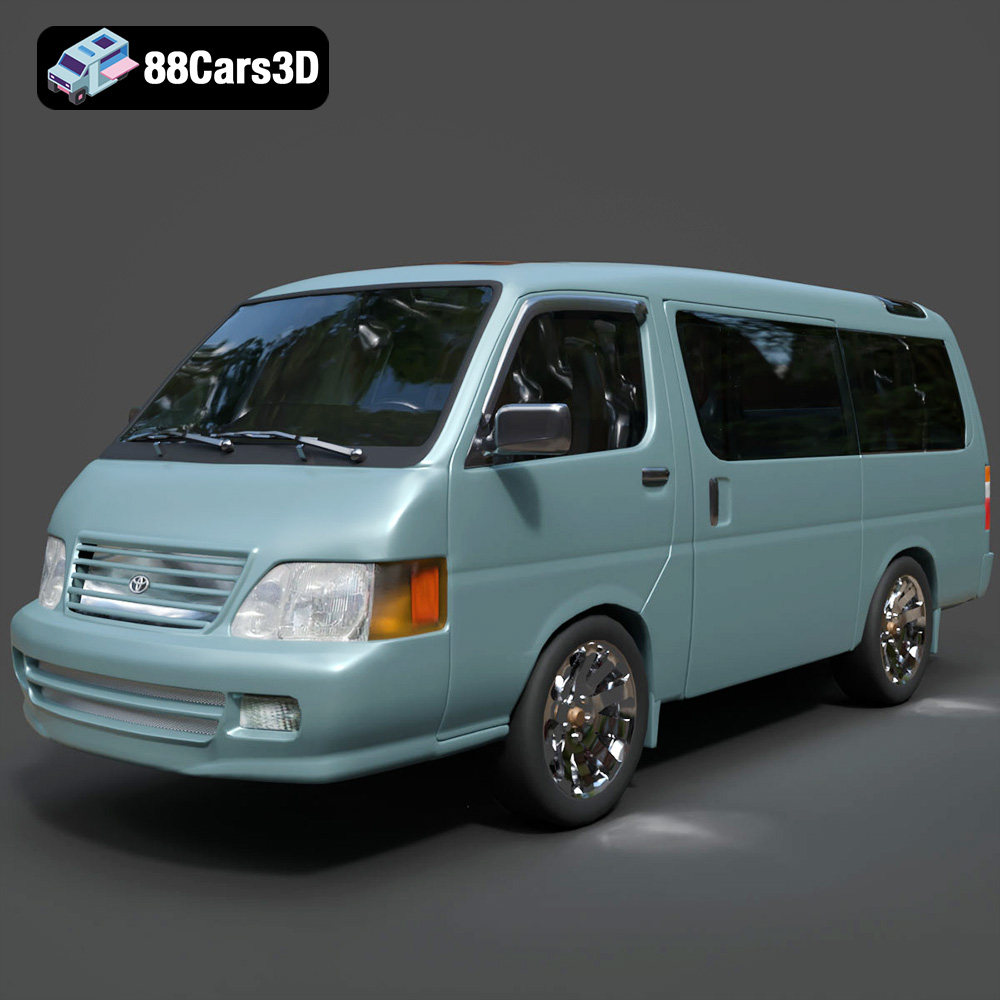
Texture: Yes
Material: Yes
Download the Toyota Hiace 3D Model featuring versatile design and detailed exterior. Includes .blend, .fbx, .obj, .glb, .stl, .ply, .unreal, and .max formats for rendering, simulation, and game development.
Price: $21.99
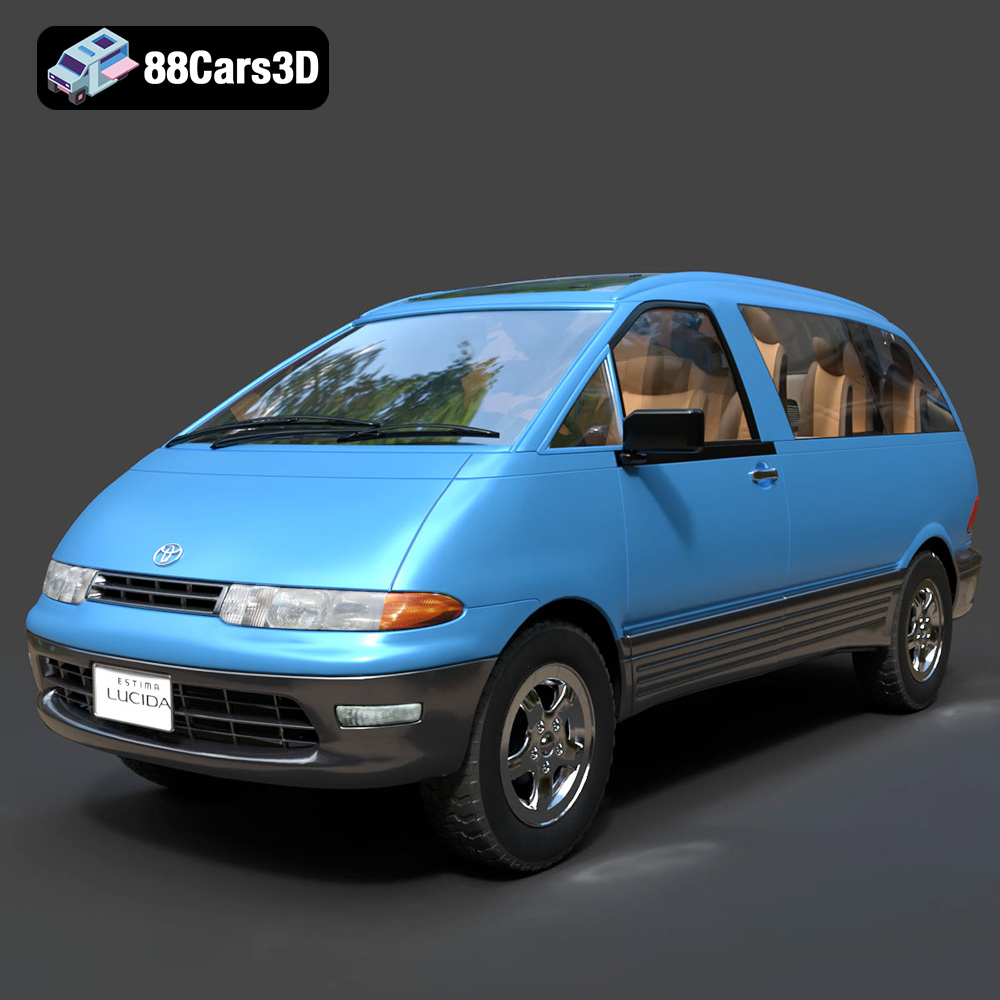
Texture: Yes
Material: Yes
Download the Toyota Estima Lucida 3D Model featuring its iconic compact MPV design, versatile interior, and accurate exterior details. Includes .blend, .fbx, .obj, .glb, .stl, .ply, .unreal, and .max formats for rendering, simulation, and game development.
Price: $24.99

Texture: Yes
Material: Yes
Download the Toyota Alphard 3D Model featuring a detailed luxury minivan design with an accurate exterior and interior. Includes .blend, .fbx, .obj, .glb, .stl, .ply, .unreal, and .max formats for rendering, simulation, and game development.
Price: $21.99
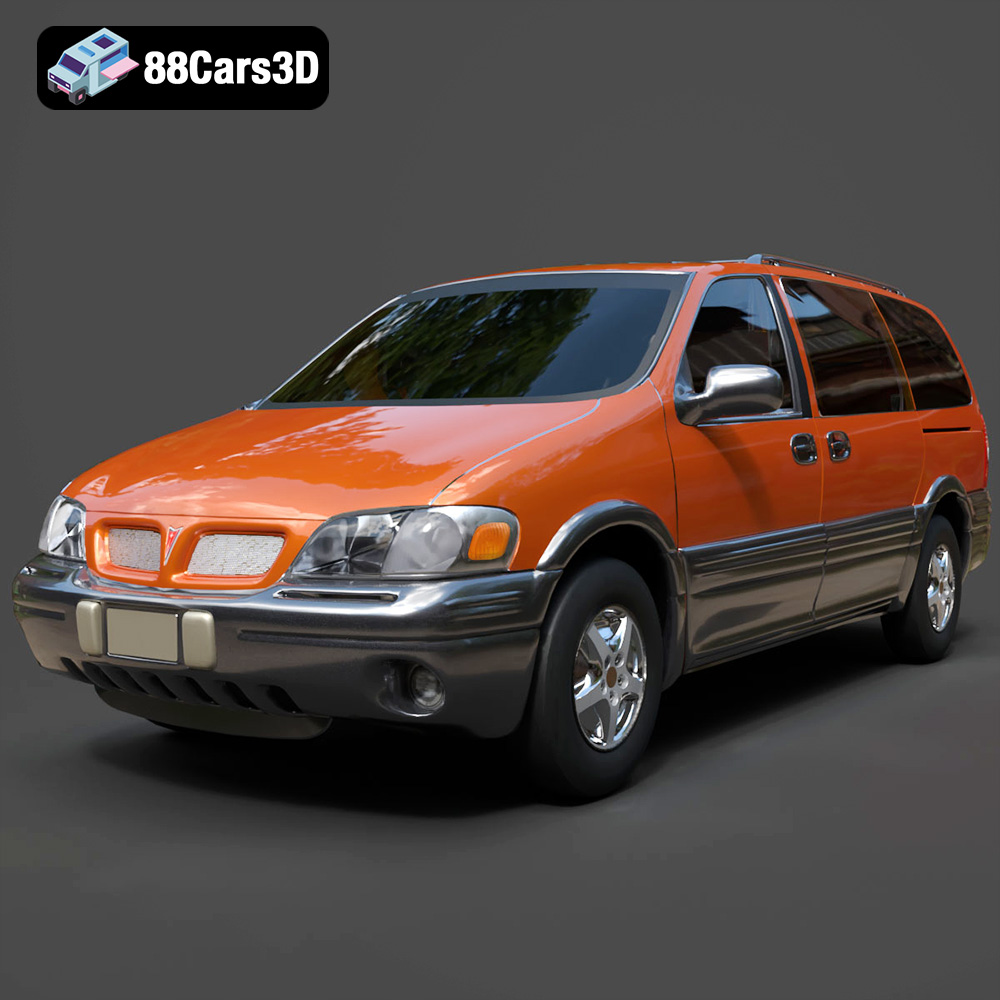
Texture: Yes
Material: Yes
Download the Pontiac Montana 1998 3D Model featuring a detailed exterior, functional interior, and optimized mesh. Includes .blend, .fbx, .obj, .glb, .stl, .ply, .unreal, and .max formats for rendering, simulation, and game development.
Price: $21.99
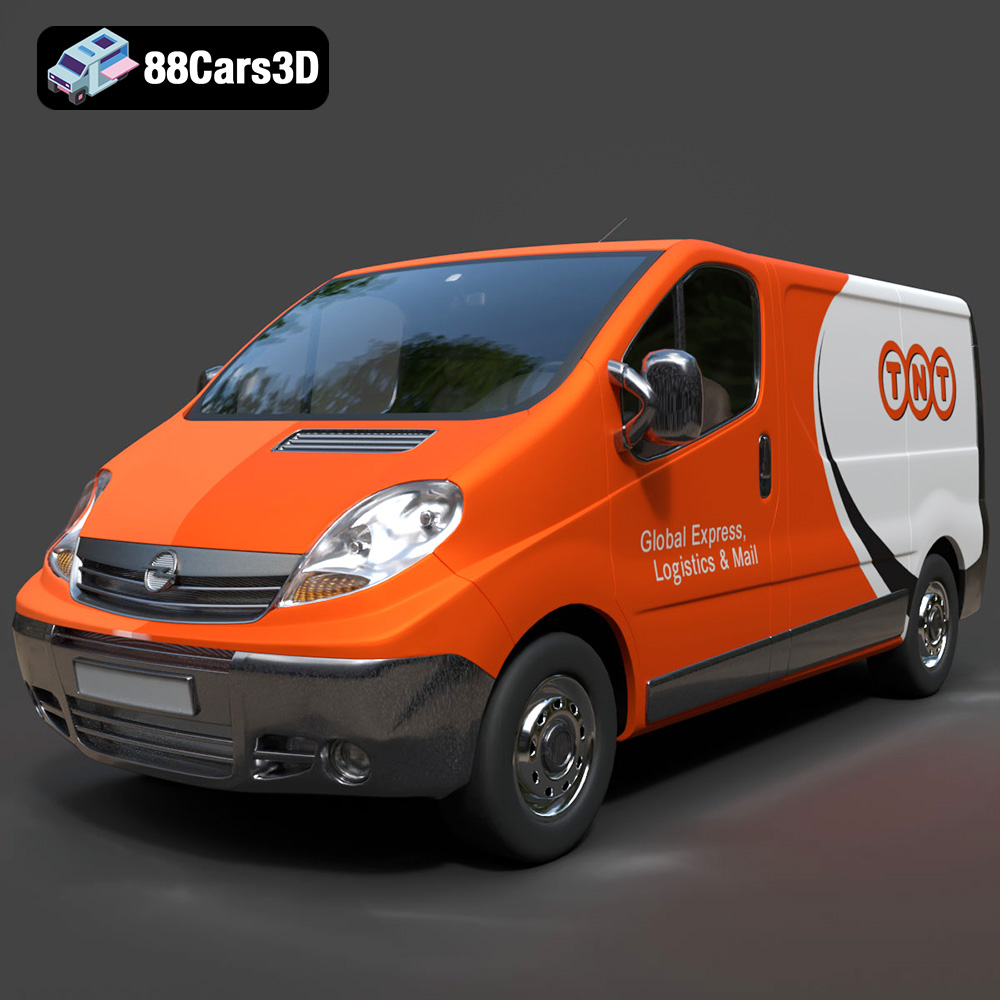
Texture: Yes
Material: Yes
Download the Opel Vivaro 3D Model featuring a versatile commercial van design with balanced detailing. Includes .blend, .fbx, .obj, .glb, .stl, .ply, .unreal, and .max formats for rendering, simulation, and game development.
Price: $21.99
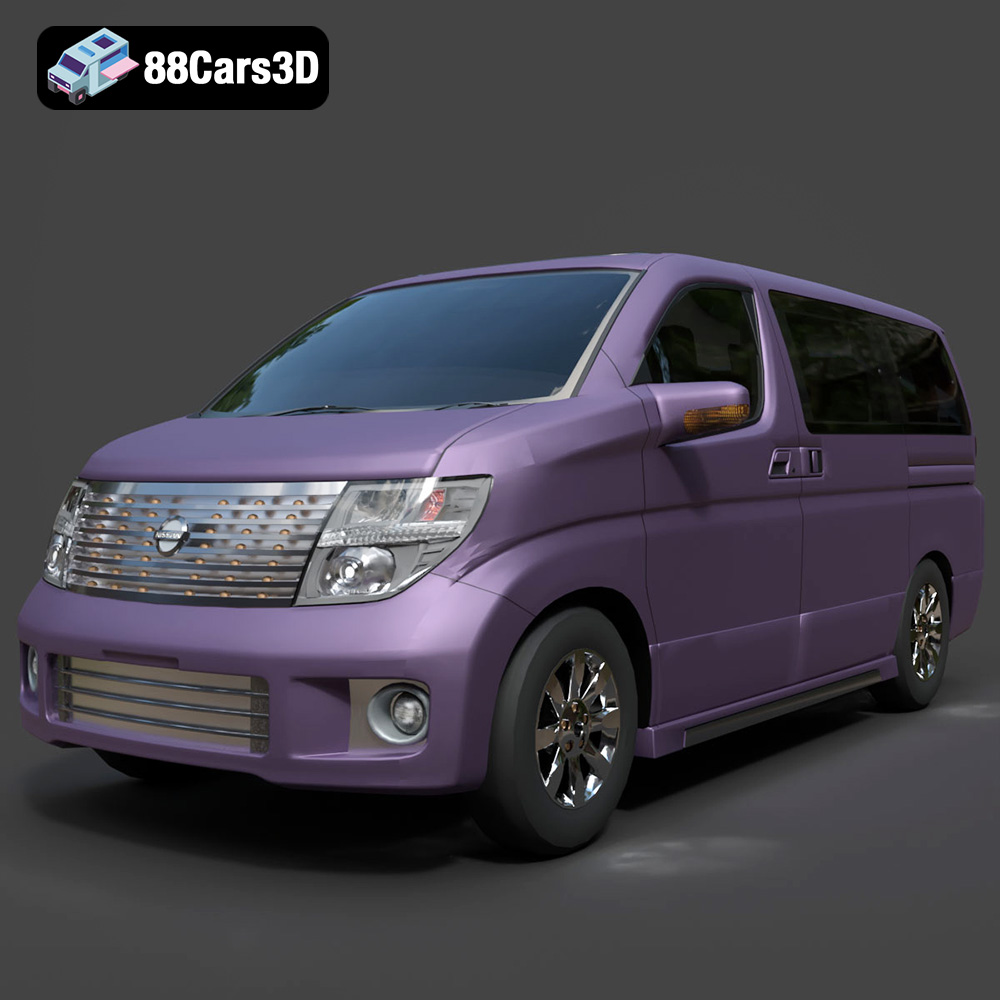
Texture: Yes
Material: Yes
Download the Nissan Elgrand 3D Model featuring a versatile minivan design. Includes .blend, .fbx, .obj, .glb, .stl, .ply, .unreal, and .max formats for rendering, simulation, and game development.
Price: $21.99
Texture: Yes
Material: Yes
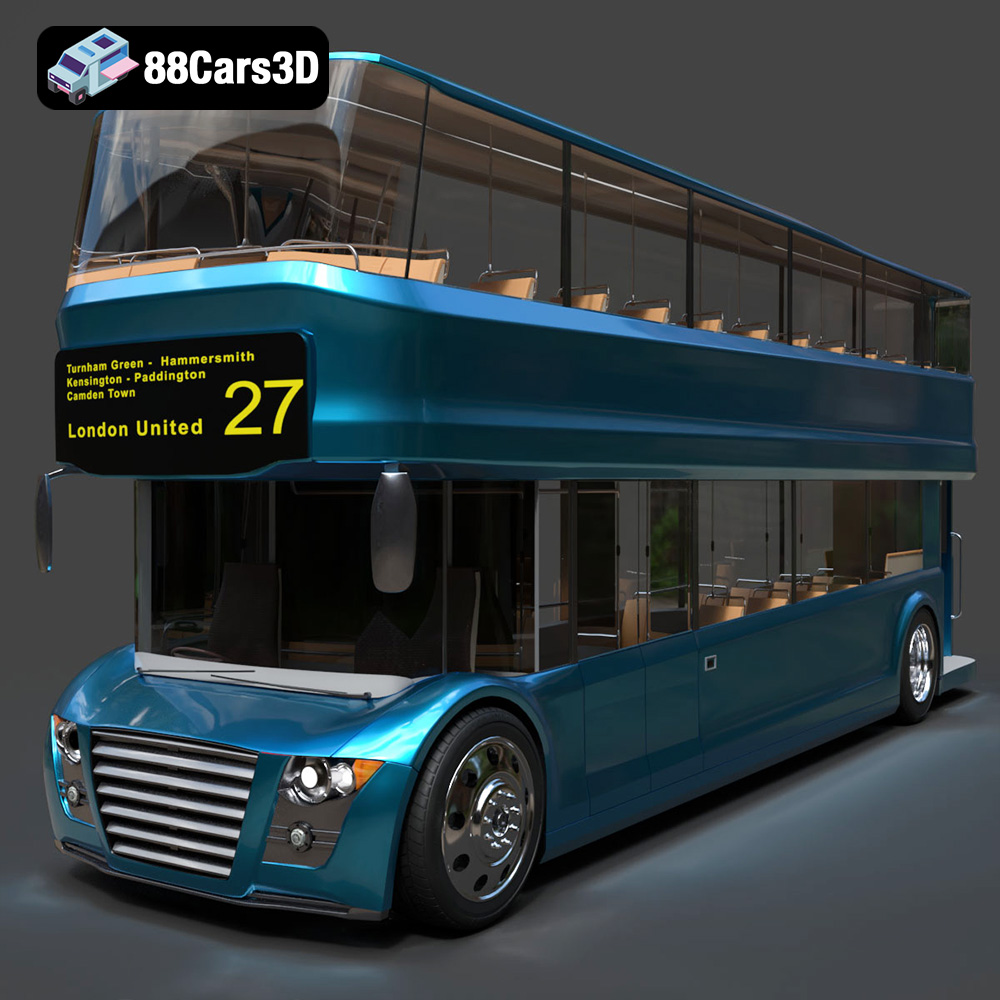
Download the New Bus For London 3D Model featuring a detailed exterior and interior, optimized for rendering and animation. Includes .blend, .fbx, .obj, .glb, .stl, .ply, .unreal, and .max formats for rendering, simulation, and game development.
Price: $21.99

