⚡ FLASH SALE: Get 60% OFF All Premium 3D & STL Models! ⚡

In the rapidly evolving landscape of real-time 3D, developers and artists are constantly striving to reach broader audiences across a multitude of devices. The dream of building a single game or interactive experience that performs flawlessly on high-end PCs, next-gen consoles, mobile devices, and even AR/VR headsets is no longer a distant fantasy. Thanks to robust engines like Unreal Engine, this cross-platform capability is now a tangible reality, empowering creators to maximize their reach and impact.
For professionals in automotive visualization, game development, and architectural rendering, the ability to deploy their creations across various platforms opens up unprecedented opportunities. Imagine showcasing a photorealistic 3D car model, meticulously crafted and optimized, as part of an interactive configurator available on a web browser, a high-fidelity console game, or an augmented reality app on a smartphone. This versatility demands not just powerful tools, but also a deep understanding of optimization strategies and engine features. This comprehensive guide will delve into the intricacies of leveraging Unreal Engine for successful cross-platform game development, from project setup and asset optimization to lighting, scripting, and performance profiling, ensuring your automotive visions, sourced from marketplaces like 88cars3d.com, shine on every screen.
Building a project destined for multiple platforms requires a strategic approach from the very outset. Unreal Engine’s flexibility allows developers to target a vast array of devices, but successful cross-platform deployment hinges on thoughtful planning and configuration. The key is to design for scalability, ensuring that your core content can adapt to varying hardware capabilities without compromising the user experience.
A fundamental step is understanding your target platforms and their respective performance envelopes. Are you aiming for high-fidelity PC and console experiences, or are mobile and web (e.g., Pixel Streaming, WebGL) your primary goals? This initial assessment will dictate many of your subsequent decisions regarding asset quality, lighting techniques, and interactive complexity. Unreal Engine’s project settings offer a wealth of options to tailor your project for different platforms. Under Project Settings > Platforms, you can configure platform-specific packaging, splash screens, icons, and even override certain rendering settings. It’s crucial to establish a baseline that can scale both up and down.
Unreal Engine provides powerful built-in scalability settings that allow you to dynamically adjust visual quality based on hardware performance. These settings control parameters like view distance, anti-aliasing, shadow quality, post-processing effects, and more. When designing for cross-platform, it’s essential to define a range of these settings, from “Cinematic” for high-end systems to “Low” or “Minimum” for less powerful devices. This is managed efficiently through Device Profiles.
Device Profiles, accessible via Window > Developer Tools > Device Profiles, enable you to create custom configuration sets for specific hardware. For instance, you can define a profile for “High-End PC,” “Next-Gen Console,” “Mid-Range Mobile,” and “Low-End Mobile.” Each profile can override console variables (CVars) to adjust rendering features, texture resolutions, frame rates, and even enable/disable certain effects. For example, a mobile profile might disable Lumen Global Illumination, reduce shadow map resolution, or force a lower texture streaming pool size to conserve memory and GPU cycles. This granular control is indispensable for delivering optimized experiences across diverse hardware. For more details on console variables and their impact, refer to the official Unreal Engine documentation at dev.epicgames.com/community/unreal-engine/learning.
A well-organized asset pipeline is paramount for any large-scale project, and even more so for cross-platform development. Adhering to strict naming conventions and folder structures from the beginning helps maintain order, especially when dealing with platform-specific asset variants or LODs. Consistency simplifies collaboration and reduces the risk of errors when managing multiple versions of an asset.
When sourcing 3D car models from marketplaces such as 88cars3d.com, you often benefit from pre-optimized, cleanly structured assets. However, it’s good practice to establish your own internal guidelines. For instance, suffixing assets with their intended quality level (e.g., SM_Car_Sports_LOD0, SM_Car_Sports_LOD1, T_Car_Sports_Albedo_4K, T_Car_Sports_Albedo_1K) can significantly improve clarity. Additionally, using Unreal Engine’s asset redirectors and migrating tools carefully can help manage large content sets efficiently. Think about how textures, materials, and meshes might need to be scaled or adapted for different platforms, and design your asset pipeline to support these variations without creating a chaotic mess of duplicate files.
High-quality 3D car models are the heart of any automotive visualization or racing game. However, a model that looks stunning on a high-end PC with Nanite enabled might cripple performance on a mobile device. Effective cross-platform development demands a multi-tiered approach to asset optimization, particularly for complex assets like vehicles, which often feature intricate geometries, detailed interiors, and multiple material layers. The goal is to maintain visual fidelity appropriate for each platform while staying within its performance budget.
This optimization begins with the geometry itself. While platforms like PC and next-gen consoles can handle millions of polygons with features like Nanite, mobile devices might struggle with even hundreds of thousands. Striking the right balance is crucial. When acquiring automotive assets, such as those available on 88cars3d.com, look for models with clean topology, proper UV mapping, and ideally, multiple Levels of Detail (LODs) already provided. This foundational quality significantly streamlines the optimization process.
Levels of Detail (LODs) are an indispensable technique for managing geometric complexity. An LOD system swaps out a high-polygon mesh for a lower-polygon version as the object moves further away from the camera. For a hero vehicle, you might have LOD0 (the highest detail, e.g., 150,000-300,000 triangles) for close-ups, LOD1 (50,000-100,000 triangles) for mid-range, and LOD2-3 (5,000-20,000 triangles) for distant views, and even a billboard or impostor for extreme distances. Unreal Engine’s Static Mesh Editor provides robust tools for automatically generating LODs or importing custom ones. Manually created LODs often yield better results, especially for intricate mechanical parts of a car.
For high-end platforms, Nanite Virtualized Geometry revolutionizes how Unreal Engine handles extremely detailed meshes. Nanite allows artists to import film-quality assets with billions of triangles without manual LOD creation or performance concerns. It streams and renders only the necessary detail in real-time, making it perfect for showcasing the intricate details of a premium car model. However, Nanite is currently limited to high-end PCs and next-gen consoles (PlayStation 5, Xbox Series X/S) and is not available for mobile, VR, or older generation consoles. Therefore, when utilizing Nanite for your primary high-fidelity asset, it is absolutely critical to configure a proper Nanite fallback mesh and traditional LODs for all other target platforms. This ensures that your detailed 88cars3d.com vehicle model degrades gracefully to traditional meshes and LODs on less capable hardware, maintaining visual integrity and performance. Ensuring consistent UVs across LODs is also vital to avoid texture popping when the engine switches between different detail levels.
Physically Based Rendering (PBR) materials are fundamental to achieving realism in Unreal Engine. A consistent PBR workflow ensures that your car models react correctly to light, irrespective of the platform. However, texture resolution and material complexity can be significant performance bottlenecks, especially on mobile devices with limited memory and bandwidth.
When creating PBR materials, it’s essential to be mindful of texture resolutions. While 4K or even 8K textures might be appropriate for the main body of a hero vehicle on cinematic projects or high-end PCs, they are excessive for mobile. A common practice is to use 2K or 1K textures for mobile, with smaller elements (like emblems or interior buttons) potentially using 512×512 or 256×256. Unreal Engine’s Texture Streaming system helps manage memory by loading higher-resolution mipmaps only when needed. You can further optimize this by adjusting the TextureGroup for each texture, ensuring that less critical textures are loaded at lower resolutions or have higher mip-bias settings. Using Material Instances extensively is another best practice. A master material can define the core PBR properties, and instances can inherit from it, allowing you to tweak parameters like color, roughness, or normal map intensity without recompiling shaders, leading to better performance and faster iteration times. Consider texture packing (e.g., combining Metallic, Roughness, and Ambient Occlusion into different channels of a single RGB texture) to reduce texture sampling and memory footprint. For projects targeting WebGL or older mobile devices, simplifying complex materials and reducing the number of texture lookups per pixel is a crucial optimization.
Lighting is paramount in defining the mood and realism of an automotive scene. Unreal Engine offers a powerful suite of lighting tools, from dynamic global illumination systems to traditional baked lighting. For cross-platform development, the challenge lies in leveraging these tools effectively to achieve compelling visuals on every platform, while respecting their unique performance constraints.
The choice between dynamic and static lighting often forms the core of your cross-platform rendering strategy. While high-end platforms can handle sophisticated real-time global illumination, mobile and lower-spec devices require more performant, often pre-calculated, solutions. The key is to understand the trade-offs and implement a hybrid approach where necessary, ensuring a consistent aesthetic even with varying levels of graphical fidelity.
Lumen Global Illumination is Unreal Engine 5’s groundbreaking dynamic GI and reflections system, providing incredibly realistic indirect lighting and reflections in real-time. For cinematic quality and high-end games targeting PC and next-gen consoles, Lumen is a game-changer, allowing for dynamic time-of-day, interactable lighting, and stunning realism for your 88cars3d.com vehicle models. However, Lumen is computationally intensive and not suitable for most mobile or even some current-gen console applications due to its performance demands.
For platforms where Lumen is not viable, a strong strategy involves Baked Lighting using Lightmass. Lightmass pre-calculates global illumination and shadows into lightmaps and vertex lighting, offering significantly better performance at the cost of dynamism. This approach is ideal for static environments or situations where lighting changes are limited. You can still incorporate dynamic elements, such as headlights or brake lights, using a combination of baked indirect lighting and real-time direct lighting. For automotive scenarios, consider baking the general environment lighting onto your car models or using pre-computed environment maps (cubemaps) to simulate global illumination and reflections efficiently. This technique allows for impressive visual quality even on constrained hardware, providing a solid fallback when Lumen is beyond reach. When baking lighting, ensure sufficient lightmap resolution for your critical assets like the ground plane or walls to avoid pixelation.
Post-processing effects can dramatically enhance the visual appeal of a scene, adding bloom, depth of-field, color grading, ambient occlusion, and anti-aliasing. While these effects are essential for achieving cinematic quality, they also come with a performance cost. For cross-platform development, it’s vital to selectively enable and tweak these effects based on the target platform.
Unreal Engine’s Render Feature Levels (e.g., SM5 for DirectX 11/12, ES3_1 for OpenGL ES 3.1) automatically adjust rendering capabilities based on the GPU. You can further refine this by controlling specific post-processing volumes for different device profiles. For instance, on mobile platforms, you might disable computationally expensive effects like Screen Space Global Illumination (SSGI) or reduce the quality of Screen Space Ambient Occlusion (SSAO). Instead, rely on efficient alternatives or simply accept a slightly less complex visual output. Focus on effects that provide the most visual impact for the least performance cost, such as subtle color grading and anti-aliasing. Experiment with settings to find the sweet spot for each platform, carefully balancing visual fidelity with frame rate. The GPU Visualizer (accessible via stat gpu in console) is an invaluable tool for identifying performance bottlenecks introduced by post-processing effects across different target hardware.
Interactivity is at the core of any game or simulation. Whether it’s a driving experience, an interactive car configurator, or an AR vehicle showcase, the underlying logic needs to be robust, performant, and, crucially, scalable across different platforms. Unreal Engine offers both Blueprint Visual Scripting and C++ programming, providing powerful tools to build complex interactive systems that can adapt to various input methods and hardware capabilities.
The key to cross-platform interactivity lies in designing your logic to be as platform-agnostic as possible, with clear points for platform-specific overrides or inputs. This modular approach ensures that your core gameplay mechanics or configuration logic remains consistent, while the user interface and input handling can be tailored to the nuances of touchscreens, gamepads, or keyboard/mouse combinations.
Blueprint Visual Scripting is a cornerstone of rapid prototyping and development in Unreal Engine. For cross-platform projects, it encourages a modular design that isolates gameplay logic from platform-specific input or UI elements. For example, instead of directly checking for a specific key press in your car’s movement Blueprint, create an “Input Action” that abstracts the command (e.g., “Accelerate,” “Brake”). Then, map different physical inputs (keyboard ‘W’, gamepad ‘Right Trigger’, touchscreen ‘Throttle Button’) to this action in your Input Mapping Contexts (Enhanced Input System) or Project Settings > Input.
This abstraction allows your core vehicle physics and control logic to remain unchanged, while input mappings can be easily swapped for different platforms. Consider using Interfaces for common interactions, allowing different objects to respond consistently regardless of their specific implementation. When designing UIs for interactive configurators, use UMG (Unreal Motion Graphics) and ensure your widgets are responsive to different screen resolutions and aspect ratios. Anchor points, size boxes, and canvas panels are essential tools for creating adaptable UIs that scale gracefully from a desktop monitor to a smartphone screen. Remember to account for touch input on mobile by considering touch zones and gestures in addition to traditional click events. For more best practices on Blueprint development, refer to the official Unreal Engine documentation.
Realistic physics simulation and vehicle dynamics are critical for automotive projects. Whether it’s a high-fidelity driving simulator or a simple car configurator allowing users to spin the wheels, consistent physics behavior across platforms is essential for a predictable and enjoyable experience. Unreal Engine’s physics system (Chaos) provides a powerful foundation, but careful optimization is necessary for cross-platform deployment.
The Chaos Physics Engine, Unreal Engine’s default physics solution, offers high performance and determinism. When configuring vehicle physics, use realistic mass distributions, suspension settings, and tire friction values. These parameters will govern how your 88cars3d.com car models interact with the environment. For performance, ensure that the collision meshes for your vehicles are optimized – simplified convex hulls or a few primitive shapes are often sufficient for physics calculations, rather than using the complex visual mesh directly. Reduce the number of physics sub-steps or iteration counts on lower-end platforms, but be mindful that this can impact stability and accuracy. It’s often better to simplify the physics setup (e.g., fewer simulated components, simpler collision shapes) than to drastically reduce simulation quality, which can lead to unpredictable vehicle behavior. Profiling physics performance using tools like the Chaos Debugger or Stat Physics is crucial to identify bottlenecks, especially on target hardware with limited CPU power, ensuring your vehicles handle consistently across all platforms.
Developing a cross-platform game or visualization is an iterative process of creation, testing, and optimization. A visually stunning experience on a high-end PC might become a slideshow on a mobile device without rigorous profiling and targeted optimizations. Understanding how to identify performance bottlenecks on different hardware is crucial for delivering a consistent and enjoyable user experience across all your target platforms.
Unreal Engine provides a comprehensive suite of profiling tools that allow developers to analyze CPU, GPU, memory, and network performance in real-time. The ability to deploy builds to various target devices and collect performance data is invaluable. This section will guide you through the essential profiling techniques and the importance of thorough cross-platform testing.
To identify where your project is spending its processing power, you need to use Unreal Engine’s built-in profiling tools. These tools allow you to pinpoint specific assets, rendering features, or Blueprint/C++ code that are consuming too many resources. Here are some key tools and console commands:
stat fps: Displays the current frame rate.stat unit: Shows timings for Game (CPU logic), Draw (CPU sending commands to GPU), GPU (GPU rendering), and Slate (UI). This helps differentiate CPU vs. GPU bound issues.stat rhi: Provides detailed RHI (Render Hardware Interface) statistics, including draw calls, triangles rendered, and texture memory.stat gpu: Opens the GPU Visualizer, a powerful tool for breaking down GPU frame time by passes (e.g., G-Buffer, Shadows, Post Processing), invaluable for identifying GPU bottlenecks.stat game: Details CPU game thread performance, including Blueprint execution, physics, and AI.When profiling, make sure to test on actual target hardware. Emulators can provide rough estimates, but nothing beats real-device testing for accurate performance metrics and identifying platform-specific issues related to thermal throttling, memory bandwidth, or driver peculiarities.
Effective LOD management is not just about creating lower-detail meshes; it’s about meticulously configuring when those LODs swap to achieve optimal performance without noticeable visual degradation. For your 88cars3d.com vehicle models, this means fine-tuning the screen size thresholds for each LOD. You can adjust these settings in the Static Mesh Editor. A common mistake is to have LODs swap too aggressively, leading to popping, or not aggressively enough, wasting performance on distant objects. Additionally, ensuring consistent UV mapping across LODs prevents texture swimming or popping during transitions.
Beyond LODs, general performance optimization for cross-platform includes:
The true power of cross-platform development with Unreal Engine extends beyond traditional games into sophisticated interactive applications like automotive configurators and immersive AR/VR experiences. Leveraging high-quality 3D car models, such as those found on 88cars3d.com, allows for compelling, real-time product visualization that can be deployed across a wide range of devices, from showroom kiosks to personal mobile phones.
These advanced applications demand not only robust optimization strategies but also creative solutions for user interaction and visual fidelity across disparate platforms. The goal is to provide a consistent, high-impact experience that highlights the intricate details and design elements of a vehicle, regardless of the hardware it’s running on.
Building an automotive configurator in Unreal Engine allows users to customize a vehicle in real-time – changing paint colors, wheel types, interior trims, and even viewing different accessory packages. To make this cross-platform, your design must account for varying input methods (mouse/keyboard, touch, gamepad) and rendering capabilities. For high-end desktop configurators, you can leverage Lumen, Nanite, and Sequencer for cinematic sequences, offering unparalleled visual realism for your 88cars3d.com models.
Augmented Reality (AR) and Virtual Reality (VR) offer immersive ways to experience 3D car models. Imagine walking around a virtual car in your living room (AR) or being seated inside a future concept vehicle (VR). However, AR/VR platforms, especially standalone headsets and mobile AR, have stringent performance requirements (e.g., consistent 60+ FPS for AR, 72/90/120 FPS for VR to avoid motion sickness).
By carefully balancing visual ambition with performance pragmatism, you can create compelling cross-platform automotive experiences that leverage the full potential of Unreal Engine and high-quality assets from sources like 88cars3d.com.
The journey of building cross-platform games and interactive experiences with Unreal Engine is both challenging and incredibly rewarding. It demands a meticulous approach to optimization, a deep understanding of engine features, and a willingness to iterate and profile tirelessly. However, the payoff—reaching a vast audience across diverse hardware, from high-fidelity consoles to accessible mobile devices—is immense.
By strategically setting up your project for scalability, rigorously optimizing your 3D car models with techniques like LODs and intelligent texture streaming, adapting your lighting and rendering pipelines for varying performance budgets, and crafting robust, platform-agnostic interactive logic with Blueprint, you can ensure your automotive visions shine consistently. The ability to deploy complex automotive configurators, immersive AR/VR showcases, or engaging racing games across multiple screens unlocks unparalleled opportunities for engagement and impact in industries ranging from entertainment to product visualization.
Remember, the foundation of any great real-time experience lies in its assets. When embarking on your cross-platform journey, leveraging high-quality, pre-optimized 3D car models from trusted marketplaces like 88cars3d.com provides a significant head start. These assets are often designed with clean topology, PBR materials, and proper UV mapping, reducing your initial optimization workload and allowing you to focus on the intricate details of cross-platform deployment. With Unreal Engine as your canvas and a strategic approach to optimization, the possibilities for your automotive creations are truly limitless, extending your reach to every potential user, no matter their device.
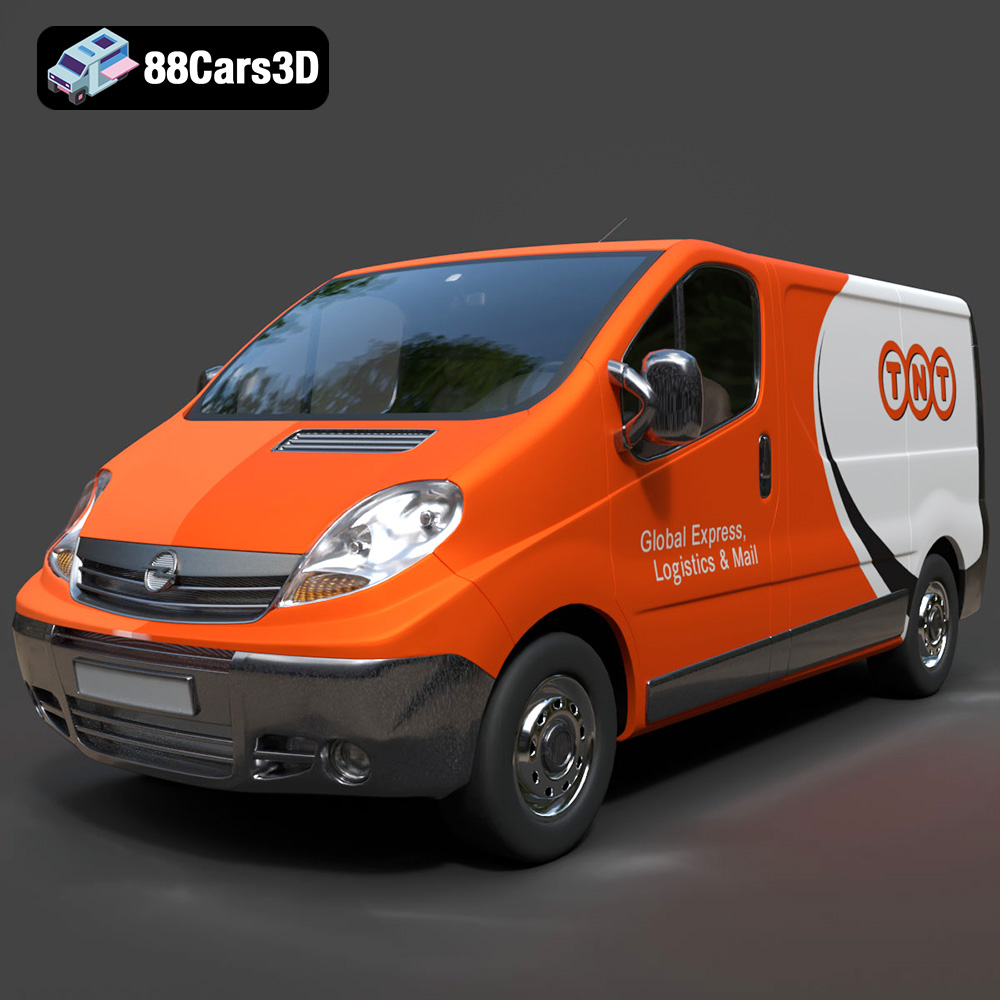
Texture: Yes
Material: Yes
Download the Opel Vivaro 3D Model featuring a versatile commercial van design with balanced detailing. Includes .blend, .fbx, .obj, .glb, .stl, .ply, .unreal, and .max formats for rendering, simulation, and game development.
Price: $21.99
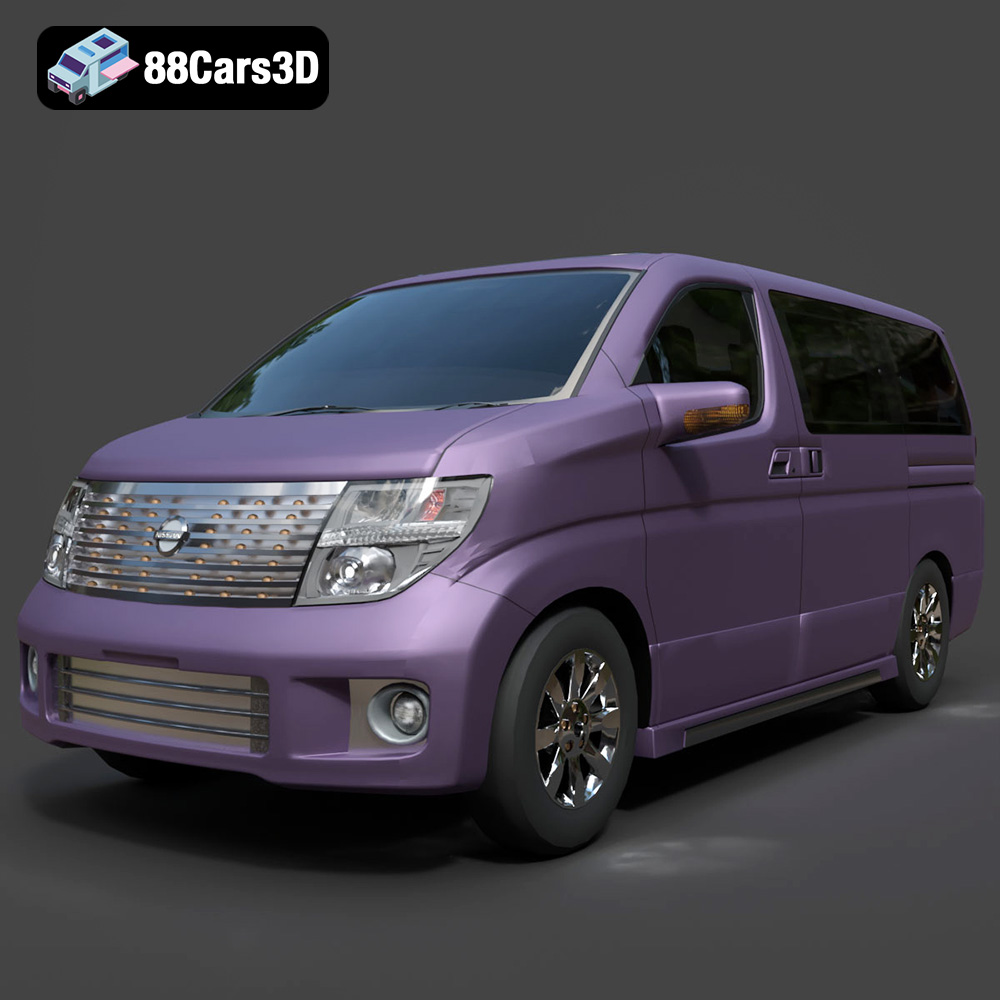
Texture: Yes
Material: Yes
Download the Nissan Elgrand 3D Model featuring a versatile minivan design. Includes .blend, .fbx, .obj, .glb, .stl, .ply, .unreal, and .max formats for rendering, simulation, and game development.
Price: $21.99
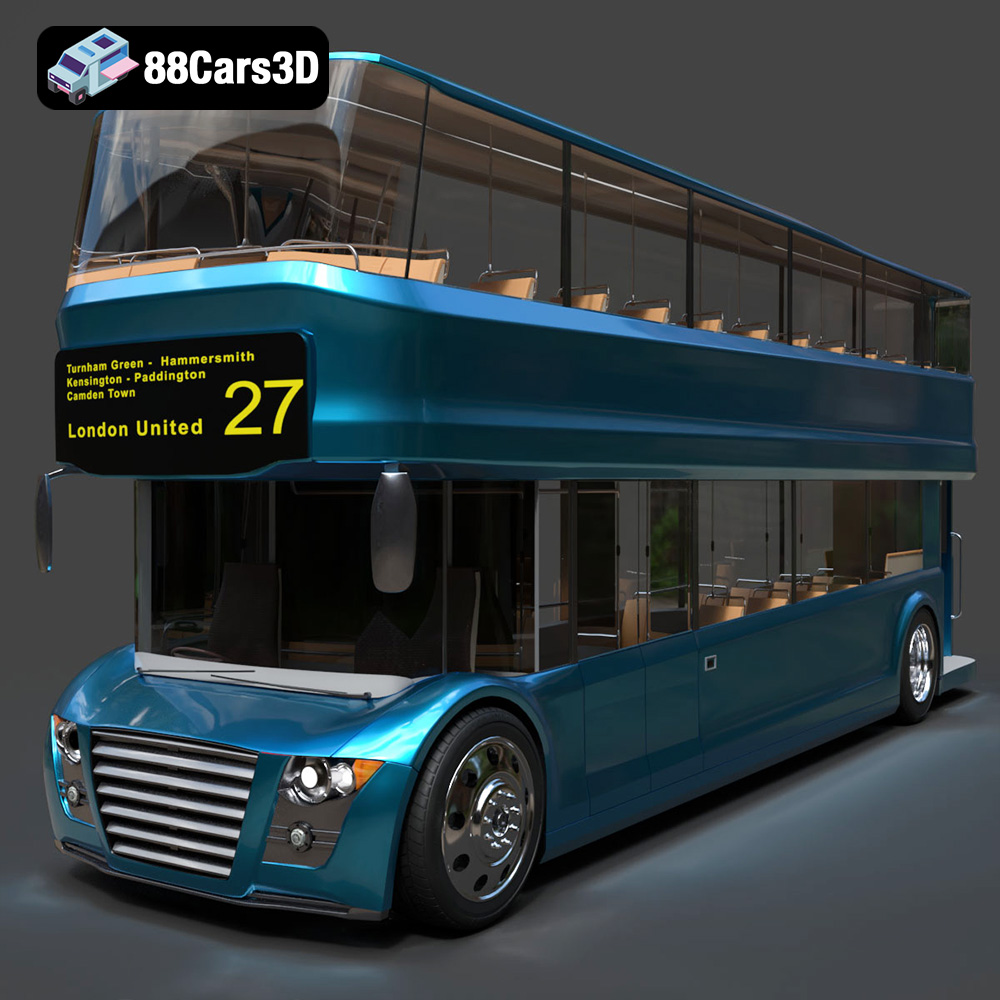
Texture: Yes
Material: Yes
Download the New Bus For London 3D Model featuring a detailed exterior and interior, optimized for rendering and animation. Includes .blend, .fbx, .obj, .glb, .stl, .ply, .unreal, and .max formats for rendering, simulation, and game development.
Price: $21.99

Texture: Yes
Material: Yes
Download the Mini-Bus 3D Model featuring an efficient design for urban transport simulations. Includes .blend, .fbx, .obj, .glb, .stl, .ply, .unreal, and .max formats for rendering, simulation, and game development.
Price: $21.99

Texture: Yes
Material: Yes
Download the Mercedes-Benz Sprinter Ambulance 3D Model featuring a detailed exterior, full interior, and emergency lighting setup. Includes .blend, .fbx, .obj, .glb, .stl, .ply, .unreal, and .max formats for rendering, simulation, and game development.
Price: $21.99
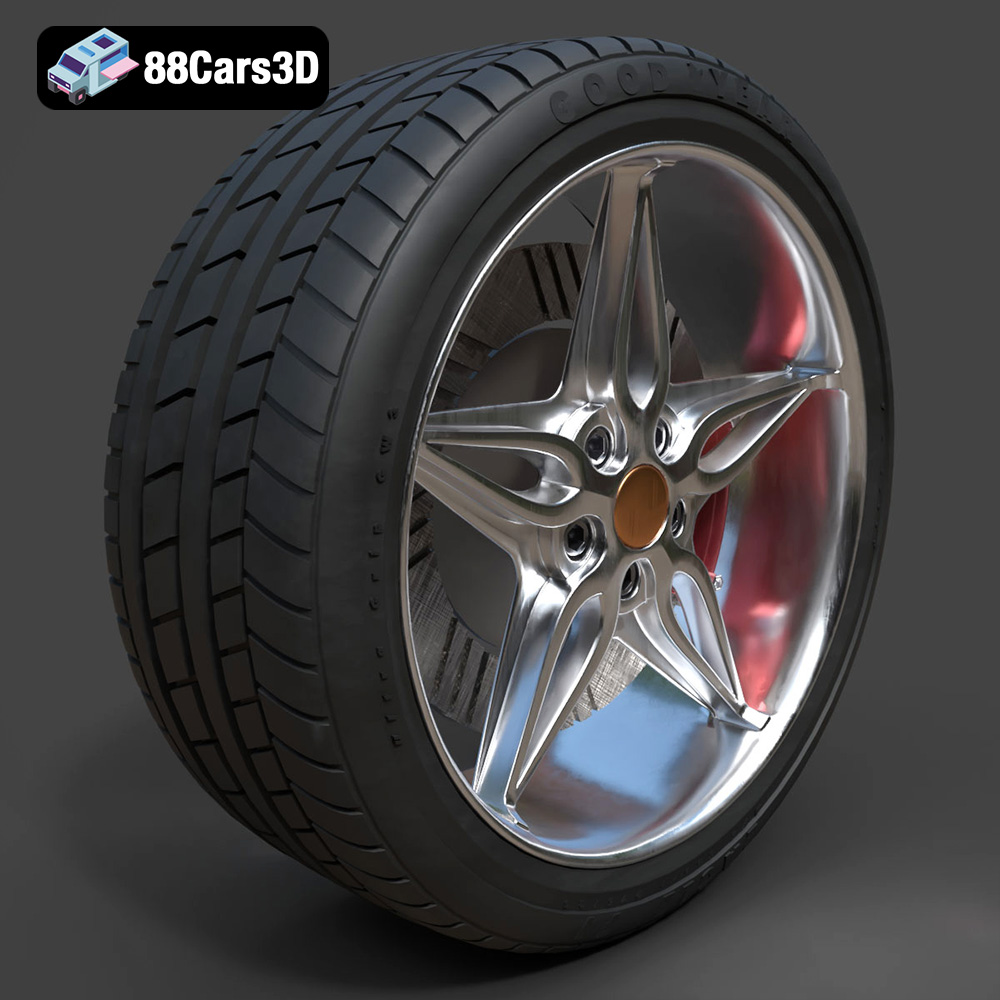
Texture: Yes
Material: Yes
Download the Wheel-001 Component 3D Model featuring clean geometry, realistic detailing, and a fully modeled interior. Includes .blend, .fbx, .obj, .glb, .stl, .ply, .unreal, and .max formats for rendering, simulation, and game development.
Price: $10.99
Texture: Yes
Material: Yes
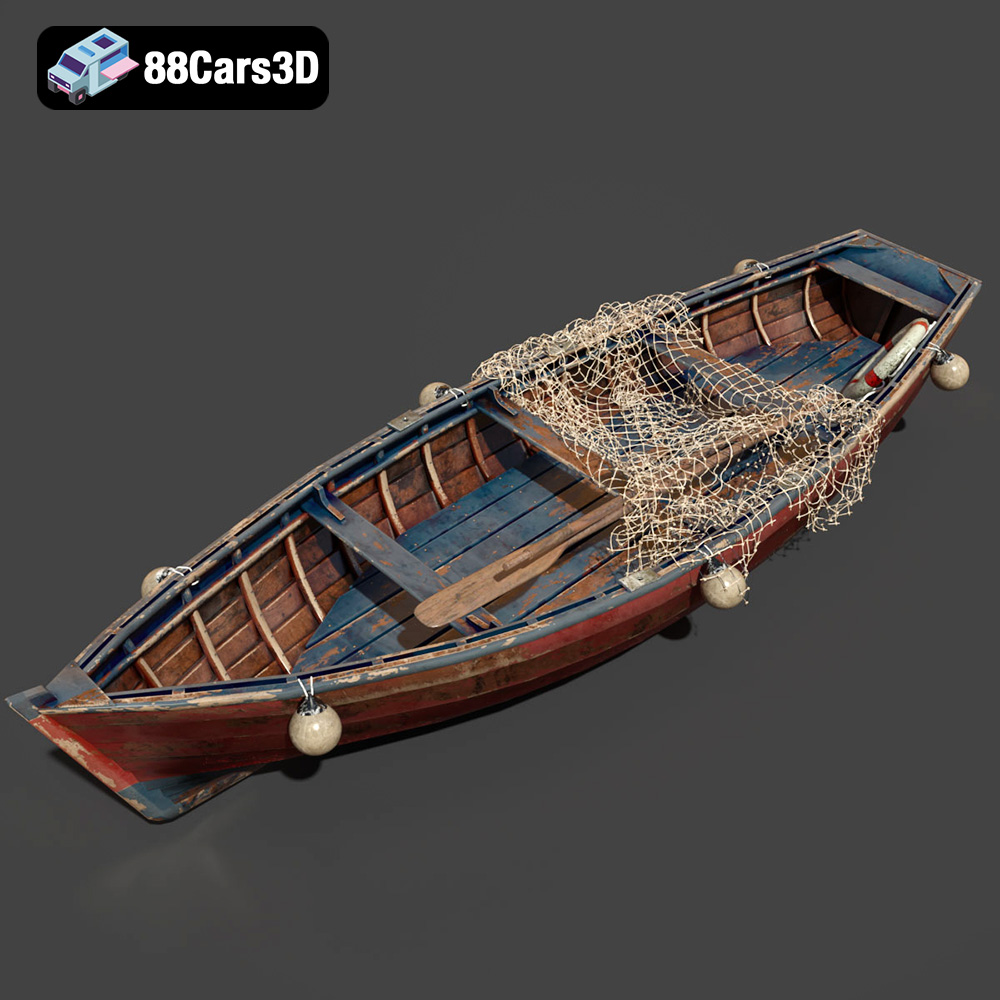
Download the Old Fishing Boat 2014 3D Model featuring clean geometry, realistic detailing, and a fully modeled interior. Includes .blend, .fbx, .obj, .glb, .stl, .ply, .unreal, and .max formats for rendering, simulation, and game development.
Price: $9.99
Texture: Yes
Material: Yes
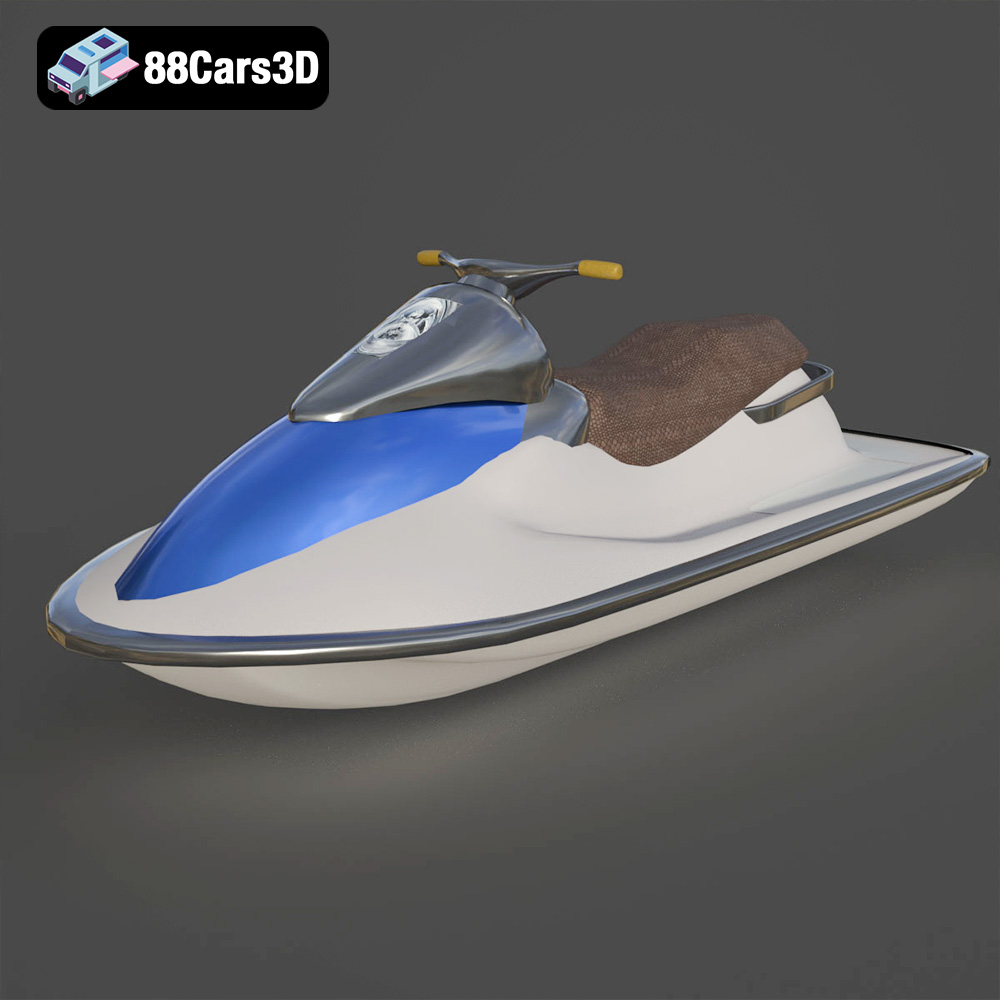
Download the Chevrolet Corvette Stingray 2023 3D Model featuring clean geometry, realistic detailing, and a fully modeled interior. Includes .blend, .fbx, .obj, .glb, .stl, .ply, .unreal, and .max formats for rendering, simulation, and game development.
Price: $10
Texture: Yes
Material: Yes
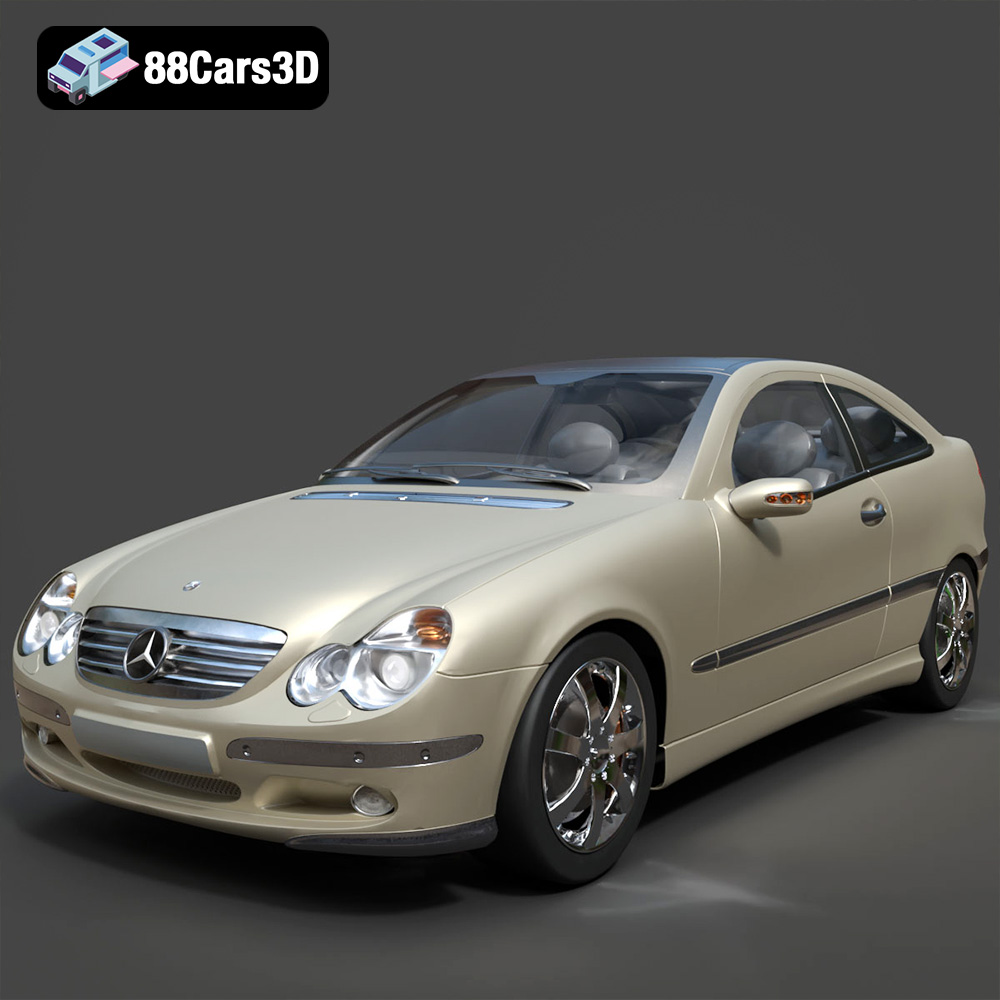
Download the Mercedes Benz C230 3D Model featuring clean geometry, realistic detailing, and a fully modeled interior. Includes .blend, .fbx, .obj, .glb, .stl, .ply, .unreal, and .max formats for rendering, simulation, and game development.
Price: $14.99
Texture: Yes
Material: Yes
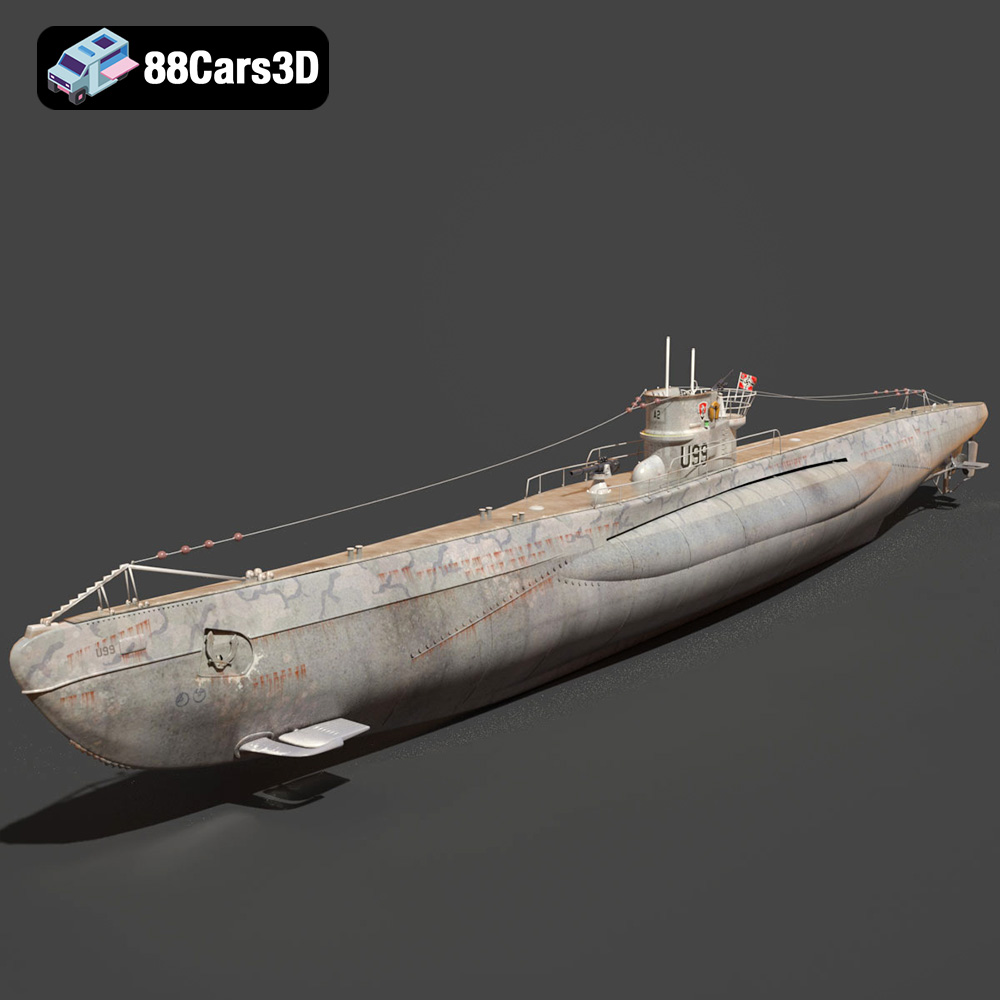
Download the German U-Boat U-99 Submarine 3D Model featuring clean geometry, realistic detailing, and a fully modeled interior. Includes .blend, .fbx, .obj, .glb, .stl, .ply, .unreal, and .max formats for rendering, simulation, and game development.
Price: $10

