⚡ FLASH SALE: Get 60% OFF All Premium 3D & STL Models! ⚡

In the expansive realm of real-time rendering and immersive experiences, the backdrop against which your creations are showcased is just as vital as the creations themselves. For automotive visualization professionals, game developers, and 3D artists, the meticulously crafted 3D car models often require an equally stunning and believable environment to truly shine. Whether you’re presenting a sleek supercar on a winding coastal road, an off-road beast conquering rugged terrain, or a futuristic concept vehicle cruising through an urban landscape, the environment sets the mood, enhances realism, and provides critical context.
Unreal Engine, a powerhouse in real-time rendering, offers an unparalleled suite of tools specifically designed for landscape creation and sculpting. These tools empower artists to build vast, detailed, and highly interactive terrains, from sprawling deserts to dense forests and snow-capped mountains. This comprehensive guide will take you through the intricacies of leveraging Unreal Engine’s Landscape tools, transforming a blank canvas into a dynamic world for your automotive projects. We’ll delve into everything from initial setup and advanced sculpting techniques to intricate PBR material layering, foliage optimization, and crucial performance considerations. By the end of this journey, you’ll be equipped to design breathtaking environments that complement and elevate the high-quality 3D car models you find on platforms like 88cars3d.com, ensuring your visualizations leave a lasting impact.
Before you begin molding mountains and carving valleys, a solid foundation for your Unreal Engine project is paramount. Proper setup not only ensures optimal performance but also streamlines your workflow, especially when dealing with the vast scale of landscapes. For automotive visualization, the choice of project template and initial configurations can significantly impact the final look and feel of your scene, as well as its real-time performance.
When creating a new project, you can start with a ‘Blank’ template for maximum control, or consider the ‘Games > Open World’ template if your primary focus is a large, expansive environment from the outset. While the latter provides pre-configured settings and assets, starting blank allows for a more tailored approach, adding only what’s necessary for your specific automotive scene. Once your project is open, navigate the editor using the various modes accessible via Shift+1 to Shift+8 (or the ‘Modes’ dropdown menu) – ‘Select,’ ‘Landscape,’ ‘Foliage,’ ‘Mesh Paint,’ ‘Modeling,’ ‘Brushes,’ ‘Volumetrics,’ and ‘Mass.’ The ‘Landscape’ mode (Shift+2) is where our journey truly begins.
To create your first landscape, switch to ‘Landscape’ mode. You’ll be presented with options to either ‘Create New’ or ‘Import From File.’ For a fresh start, ‘Create New’ allows you to define the fundamental characteristics of your terrain. Key parameters here include ‘Size,’ ‘Section Size,’ ‘Sections Per Component,’ and ‘Number of Components.’ The ‘Section Size’ (e.g., 63×63 or 127×127 quads) defines the resolution of individual landscape components, while ‘Sections Per Component’ (e.g., 1×1 or 2×2) dictates how many sections make up a single component. The total ‘Number of Components’ then determines the overall dimensions of your landscape. Choosing these wisely is crucial: larger section sizes and fewer components generally mean better performance but less granular control over detail, while smaller sections and more components offer finer detail at the cost of increased draw calls. For most automotive scenes, a balance is key, focusing on the visible area around the vehicle.
Alternatively, for unparalleled realism, you can ‘Import From File’ using a heightmap. Heightmaps are grayscale images (typically 16-bit PNG or RAW files) where white represents the highest elevation and black represents the lowest. Sourcing real-world heightmap data from geographical services (like USGS Earth Explorer or terrain.party) allows you to recreate actual locations, providing a tangible sense of realism for automotive showcases. When importing, Unreal Engine scales the heightmap data to fit your chosen landscape dimensions, giving you control over the overall Z-scale to adjust vertical exaggeration. This method is incredibly powerful for establishing believable, large-scale environments that can perfectly frame the detailed 3D car models available on marketplaces like 88cars3d.com.
The performance of your landscape is directly tied to its complexity. One of the primary factors is the number of ‘Components’ and ‘Sections.’ Each component represents a distinct render unit, and a high number of components can lead to increased draw calls, impacting CPU performance. While a massive open world might necessitate thousands of components, an automotive visualization scene often focuses on a smaller, highly detailed area. Strategically reducing the overall landscape size or utilizing Level Streaming to only load visible sections can significantly improve frame rates.
Another crucial setting is the ‘Collision Mip Level.’ This determines the resolution of the collision mesh generated for the landscape. A lower mip level (higher resolution) provides more accurate collisions, essential for realistic vehicle physics, but also increases memory usage and computational overhead. Conversely, a higher mip level (lower resolution) is lighter on resources but might result in less precise collision detection. For vehicle simulations and driveable paths, a balance is often struck around Mip Level 0 or 1. Furthermore, ‘Streaming Distances’ manage how far landscape components are rendered, preventing unnecessary loading of distant terrain. Understanding these initial configurations ensures that your automotive scene runs smoothly while maintaining the visual fidelity required for professional-grade presentations.
Once your landscape is initialized, the true artistry begins with Unreal Engine’s robust sculpting tools. These allow you to intuitively shape the terrain, transforming a flat plane into a dynamic, varied environment that can perfectly complement any automotive scene, from a challenging off-road track to a serene coastal drive. The Landscape mode offers a plethora of brushes, each designed for specific topographical manipulations, providing immense creative freedom.
The primary sculpting brushes include ‘Sculpt,’ ‘Smooth,’ ‘Flatten,’ ‘Ramp,’ ‘Erosion,’ ‘Hydro Erosion,’ and ‘Noise.’ The ‘Sculpt’ brush is your fundamental tool, raising or lowering terrain based on the brush’s strength and falloff. ‘Smooth’ is indispensable for blending harsh edges and creating natural, organic transitions between different elevations. ‘Flatten’ is perfect for creating level surfaces for roads, parking lots, or building foundations, ensuring a stable ground for your vehicles. The ‘Ramp’ tool is a powerful utility for creating perfectly straight inclines or declines between two points, ideal for designing precise roadways or architectural ramps. For naturalistic details, ‘Erosion’ and ‘Hydro Erosion’ brushes simulate the effects of wind and water, generating realistic cracks, rivulets, and sediment build-up that add incredible depth to your terrain. The ‘Noise’ brush introduces procedural variations, breaking up monotonous surfaces and adding a touch of randomness to mimic natural imperfections.
Beyond the basic brushes, Unreal Engine allows for more nuanced and detailed sculpting. Utilizing ‘Alpha brushes’ opens up possibilities for specific terrain features. By importing a grayscale image as an alpha, you can define the shape and intensity of your brush, enabling you to stamp complex patterns like rock formations, tire tracks, or even stylized ground textures directly onto the landscape. This method is particularly useful for adding highly specific, non-procedural details to an automotive scene, such as gravel patches or eroded tire ruts along a dirt road.
Layered sculpting is another technique where you build up complexity gradually. Start with large-scale forms, then refine them with smaller, more focused brushes. A common challenge is achieving natural-looking transitions without visible seams or overly sharp angles. The ‘Smooth’ brush is your best friend here, but also consider adjusting the ‘Falloff’ setting of your sculpting brushes. A higher falloff creates a softer, more gradual impact, while a lower falloff results in a sharper, more defined edge. If you encounter overly jagged edges, especially after aggressive sculpting, the ‘Retopologize’ tool, while not strictly for landscapes, helps to smooth out and optimize mesh geometry in a general sense, and some of its principles can be applied to careful smoothing passes on your landscape. For more information on precise terrain manipulation, consider consulting the official Unreal Engine documentation on Landscape Tools: https://dev.epicgames.com/community/unreal-engine/learning.
When sculpting landscapes for automotive visualization, the car models from 88cars3d.com are the stars, and the terrain should enhance their presentation. This means thinking about how vehicles will interact with the environment. For realistic driving scenarios, sculpt precise road beds. Use the ‘Flatten’ tool with a specific brush size to create consistent road widths, then use ‘Ramp’ for controlled inclines and declines. The ‘Sculpt’ tool with a low strength and high falloff can then be used to gently blend the road edges into the surrounding terrain, avoiding unnaturally sharp transitions.
For off-road or rally simulations, you might intentionally create challenging terrain features. Use ‘Noise’ to add subtle bumps and undulations, and then selectively use ‘Erosion’ and ‘Hydro Erosion’ to create realistic gullies and worn paths that a vehicle would navigate. Always consider the scale of your environment relative to the car. A small hill that looks insignificant from a distance might be a formidable obstacle for a car. Regularly import one of your high-quality 3D car models into the scene and drive around (even with basic physics) to test the scale and driveability of your sculpted paths. This iterative process ensures that your custom-designed landscape provides a believable and engaging stage for any vehicle from your collection.
A beautifully sculpted terrain comes to life with realistic materials. Unreal Engine’s Physically Based Rendering (PBR) material system is crucial for achieving this realism, ensuring that your landscape interacts with light in a physically accurate manner. Creating a Landscape Material involves setting up a network of textures and parameters that define how different areas of your terrain look and feel. This system allows you to paint various material layers—such as grass, dirt, rock, sand, or snow—onto your landscape, each with its unique PBR properties.
The foundation of a good Landscape Material involves using ‘Landscape Layer Blend’ nodes. These nodes allow you to combine multiple material layers using different blend modes. ‘Weight Blend’ is the most common, where you paint the weight of each layer using the Landscape Paint tool, smoothly transitioning between textures. ‘Alpha Blend’ uses a mask to define layer distribution, while ‘Height Blend’ is particularly powerful for adding subtle depth to layer transitions, simulating how dirt might accumulate in crevices or snow might settle on higher ground. Each layer within your Landscape Material will typically consist of an Albedo (Base Color), Normal, Roughness, and sometimes Ambient Occlusion and Height/Displacement map, all connected to their respective inputs in the main material node. The precision of these PBR materials, combined with well-optimized 3D car models, is what truly elevates automotive visualizations.
Achieving a dynamic and realistic landscape texture requires more than just slapping on a few textures. You need to consider how different materials interact and blend. Start by importing high-quality PBR texture sets for each terrain type you envision. In your Landscape Material, connect these textures to their corresponding PBR inputs within each layer. For example, a “Grass” layer would have grass Albedo, Normal, and Roughness maps, while a “Rock” layer would use rock-specific textures.
To avoid noticeable tiling on large landscapes, especially from a distance, implement ‘macro variation.’ This involves blending a large, desaturated world-space texture over your detailed textures using a ‘Lerp’ node and a ‘LandscapeCoords’ node with a much larger tiling value. This breaks up repetition and adds subtle color and value shifts across vast areas. Furthermore, consider adding procedural details based on landscape attributes. By leveraging the ‘LandscapeLayerWeight’ node and a ‘Dot Product’ with the ‘VertexNormalWS’ node, you can automatically blend in snow or rock textures on steeper slopes or higher altitudes. This creates a more organic distribution of materials, simulating natural environmental processes, and significantly enhances the believability of your terrain for automotive scene setups.
While visual fidelity is crucial, it must be balanced with performance, especially for real-time applications like automotive configurators or VR experiences. Landscape materials, with their numerous textures and complex calculations, can quickly become performance bottlenecks. One of the primary optimization techniques is efficient texture packing. Instead of using separate textures for Roughness, Ambient Occlusion, and Height, combine them into the RGB channels of a single texture map. This reduces the number of texture lookups and memory footprint. For example, Roughness in Red, AO in Green, and Height in Blue.
Additionally, pay close attention to ‘Shader Complexity.’ Use the ‘Shader Complexity’ view mode (Alt+8) to visualize the cost of your material in real-time. Aim for green or light blue areas; red indicates very expensive shaders. Simplify complex calculations where possible, and ensure unnecessary features are culled. ‘Texture Streaming’ settings should also be configured correctly for each texture; Unreal Engine automatically manages texture mip levels based on distance and screen size, but ensuring proper ‘MipGenSettings’ (e.g., ‘FromTextureGroup’ or ‘SharedDuplicate’) and ‘NeverStream’ for small, critical textures is vital. While tessellation and displacement can add incredible detail, they are computationally intensive. For large landscapes, especially with the advent of Nanite, consider if per-pixel displacement is truly necessary or if normal maps suffice for distant detail. Use it sparingly and intelligently, focusing on areas directly visible to the user and their 3D car models.
A sculpted and textured landscape is a strong foundation, but it’s the finer details—the trees, bushes, rocks, and small ground cover—that truly bring an environment to life and make it feel authentic. Unreal Engine’s ‘Foliage’ mode (Shift+3) is specifically designed for efficiently populating your landscape with thousands, even millions, of static mesh instances, transforming a barren terrain into a vibrant ecosystem. This is particularly important for automotive scenes, as natural elements provide scale, depth, and a compelling context for the vehicles.
In ‘Foliage’ mode, you can select static meshes (e.g., a tree, a cluster of rocks, a patch of grass) and paint them directly onto your landscape. The tools provide extensive control over placement, density, scale, rotation, and alignment. You can set the ‘Density’ to control how many instances are painted per unit area, ‘Scale X/Y/Z’ to introduce natural size variations, and ‘Align to Normal’ to ensure foliage instances sit flush with the terrain’s surface. Crucially, ‘Collision’ settings allow you to specify how vehicles or characters interact with the foliage. For larger objects like trees, you’ll want complex collision, while small bushes might only need simple collision or no collision at all to save performance. The flexibility of the foliage tool allows you to quickly populate vast areas, creating believable forests, rocky outcrops, or grassy fields that beautifully frame the detailed 3D car models available on platforms like 88cars3d.com.
Populating a vast landscape with detailed foliage can be a significant performance drain if not managed correctly. Therefore, optimizing foliage is paramount. The primary method for optimization is the use of ‘Level of Detail’ (LODs). Each foliage mesh should have multiple LODs, progressively simplifying its geometry and material complexity as it moves further from the camera. In the Static Mesh Editor, ensure your LODs are set up, with appropriate ‘Screen Size’ thresholds for switching between them. For instance, a complex tree might have 4-5 LODs, with the lowest LOD being a simple billboard or impostor for very distant views.
Beyond LODs, ‘Culling Distances’ are critical. In the Foliage settings, you can define ‘Cull Distance Min’ and ‘Cull Distance Max’ for each foliage type. This ensures that instances beyond a certain range are completely removed from rendering, and those within a minimum range are always visible. Additionally, enabling ‘Hierarchical Instanced Static Meshes’ (HISMs) for your foliage types is a powerful optimization. HISMs group similar instances into a single draw call, dramatically reducing the CPU overhead of rendering thousands of individual objects. Finally, for an added layer of realism, leverage wind effects. Within the Static Mesh Editor, you can assign ‘Foliage Type’ settings to enable wind, which then interacts with wind parameters in your material, bringing subtle, dynamic movement to your trees and plants without significant performance cost. For detailed guidance on optimizing foliage, refer to the Unreal Engine documentation on instanced foliage: https://dev.epicgames.com/community/unreal-engine/learning.
Unreal Engine 5 introduces groundbreaking technologies like Nanite and Lumen, which are transformative for creating highly immersive and performant landscapes. ‘Nanite’ virtualized geometry fundamentally changes how high-polygon meshes are handled. Instead of relying heavily on traditional LODs for individual static meshes, Nanite intelligently streams and renders only the necessary detail, allowing you to use film-quality assets with millions of polygons without significant performance penalties. For your landscape, this means you can place extremely detailed rocks, fallen logs, or even individual high-poly trees as static meshes (not necessarily through the Foliage tool if they are unique hero assets) and have them render efficiently, regardless of their complexity. This eliminates much of the manual LOD setup for these specific high-fidelity assets and greatly enhances the visual quality of up-close environment details around your automotive models.
‘Lumen,’ Unreal Engine 5’s fully dynamic global illumination and reflections system, revolutionizes landscape lighting. No longer are you limited to baked lighting or simplified approximations. Lumen accurately calculates how light bounces and reflects off every surface in real time, bringing unparalleled realism to your environments. For landscapes, this means natural light from your ‘Directional Light’ (sun) and ‘Sky Light’ will accurately illuminate slopes, valleys, and crevices, creating soft shadows and realistic color bleeding. This dynamic lighting reacts instantly to changes in the environment, such as time of day adjustments or moving clouds, providing a truly living world for your automotive visualization. When combined, Nanite enables incredibly detailed assets, and Lumen ensures they are lit with breathtaking accuracy, creating environments that are indistinguishable from reality—a perfect stage for the high-fidelity vehicles sourced from 88cars3d.com.
With your landscape sculpted, textured, and populated, the final polish comes from mastering lighting, adding interactivity, and ensuring peak performance. These elements are crucial for transforming a static scene into a dynamic, compelling automotive visualization that truly showcases the intricate details of your 3D car models.
Lighting is the single most powerful tool for setting the mood and enhancing realism in your landscape. The ‘Directional Light’ typically represents the sun, dictating primary shadows and overall brightness. Its ‘Source Angle’ controls shadow softness, while ‘Light Color’ and ‘Temperature’ can simulate different times of day or atmospheric conditions. The ‘Sky Light,’ especially when integrated with Lumen, captures ambient light from the sky dome, filling in shadowed areas with natural bounced light and color, adding significant depth to your terrain. For example, a warm evening sun (Directional Light) combined with a cool blue Sky Light can create a stunning sunset scene. To add atmospheric depth, ‘Exponential Height Fog’ is indispensable. Adjusting its ‘Fog Density,’ ‘Fog Inscattering Color,’ and ‘Start Distance’ can create realistic haze, volumetric god rays, and a sense of vastness. For even more dynamic skies, Unreal Engine’s ‘Volumetric Clouds’ offer highly customizable, real-time cloudscapes that interact realistically with your directional light, casting shadows and adding another layer of realism to your automotive setting. Finally, the ‘Post-Process Volume’ is where you fine-tune the final image. Adjusting ‘Exposure,’ ‘Color Grading’ (e.g., contrast, saturation, white balance), ‘Bloom,’ and ‘Screen Space Ambient Occlusion’ (SSAO) allows you to achieve a cinematic look, ensuring your landscape and the cars within it are presented in the most flattering light.
For automotive configurators, interactive demos, or virtual production, making your landscape dynamic is key. ‘Blueprint’ visual scripting empowers you to add a wide array of interactive elements. Imagine a Blueprint that changes the time of day, transitioning from dawn to dusk, automatically adjusting the Directional Light and Sky Light parameters. You could implement interactive weather effects, changing the landscape material to show wet ground or snow, or even triggering Niagara particle systems for rain or snow falling. For vehicle interaction, ensure your landscape has robust collision; Unreal Engine’s built-in physics engine will then handle how your 3D car models react to the terrain, simulating realistic bumps, slopes, and friction. You can use Spline components combined with Blueprints to create precise, driveable paths or even automated camera tracks for cinematic car presentations. Speaking of cinematics, ‘Sequencer’ is Unreal Engine’s powerful non-linear editor. Use it to choreograph camera movements, animate environmental elements (like a rising sun or moving clouds), and capture stunning car action shots against your custom-designed terrain. Combining these interactive elements elevates your automotive visualization from a static render to a truly engaging experience.
Even with Nanite and Lumen, large, detailed landscapes can challenge performance. Proactive optimization is crucial. ‘Level Streaming’ is essential for vast open worlds, allowing you to load and unload portions of your landscape as the player moves, significantly reducing memory and rendering overhead. Grouping related landscape components and assets into distinct levels allows for efficient management. Continuously monitor ‘Culling Distances’ for all assets – foliage, static meshes, and even lights – to ensure objects beyond the viewer’s immediate perception are not rendered. The ‘Shader Complexity’ view mode, as mentioned earlier, should be checked regularly for all your landscape materials. Furthermore, manage your ‘Texture Streaming Pools’; if you see warnings about exceeding the budget, consider reducing texture resolutions or re-packing materials more efficiently. For deep dives into performance bottlenecks, use Unreal Engine’s built-in profilers: ‘Stat FPS’ for frame rate, ‘Stat GPU’ for GPU performance, and ‘Stat RHI’ for rendering hardware interface information. These tools provide invaluable insights into where your scene’s resources are being spent, allowing you to target optimizations effectively. Remember, starting with well-optimized assets, such as the high-quality 3D car models from 88cars3d.com, provides a solid foundation, ensuring your landscape optimizations are even more impactful.
Pushing the boundaries of landscape creation in Unreal Engine involves exploring advanced workflows that cater to massive scale, collaborative development, and cutting-edge applications like virtual production. These techniques are particularly beneficial for automotive studios seeking to create hyper-realistic testing grounds, interactive showcases, or stunning cinematic backdrops for their vehicle assets.
For truly gargantuan landscapes, Unreal Engine 5’s ‘World Partition’ system is a game-changer. It replaces traditional Level Streaming for vast open worlds by automatically managing the streaming of content based on distance and player proximity. Instead of manually breaking your world into separate levels, World Partition treats your entire world as a single, contiguous entity, intelligently loading and unloading cells of data as needed. This significantly simplifies the workflow for creating landscapes stretching for kilometers, eliminating the need for artists to manually manage level boundaries. For automotive environments, this means you can design expansive test tracks, winding cross-country roads, or sprawling cityscapes without worrying about performance limitations inherent in loading an entire monolithic map. World Partition also introduces ‘Data Layers,’ allowing you to organize different aspects of your world (e.g., foliage, roads, buildings) into distinct layers that can be toggled on and off. This greatly enhances collaborative workflows and allows for greater control over what assets are streamed, leading to more efficient development of large-scale automotive environments.
The synergy between custom landscapes and virtual production is revolutionizing automotive content creation. By projecting your meticulously crafted Unreal Engine landscape onto LED walls, you can create dynamic, real-time backgrounds for physical car shoots. Imagine a high-quality 3D car model from 88cars3d.com placed on a turntable, with a custom-built desert landscape rendered in Unreal Engine displayed behind it. As the car rotates, the perspective of the virtual landscape also shifts, providing an incredibly realistic and immersive backdrop that interacts perfectly with physical lighting and camera movements. This allows filmmakers and advertisers to achieve stunning visual effects in-camera, reducing post-production time and costs. Furthermore, these real-time environments are crucial for AR/VR applications in automotive design. Whether it’s an interactive car configurator where users can explore different environments in VR, or an augmented reality application overlaying a concept car onto a real-world setting, optimized landscapes are essential for delivering fluid, high-fidelity experiences on performance-constrained devices. Ensuring your landscapes are optimized with careful LODs, efficient materials, and judicious use of Nanite and Lumen is critical for these demanding applications.
The quality of your final automotive visualization is a sum of its parts. Just as your landscape needs to be performant and visually stunning, so do the assets placed within it. This underscores the importance of sourcing clean geometry and optimized textures for any static meshes you populate your landscape with. When sourcing automotive assets from marketplaces such as 88cars3d.com, you benefit from models that are already optimized for Unreal Engine, featuring clean topology, realistic PBR materials, and proper UV mapping. This seamless integration allows you to focus more on creative landscape design rather than asset cleanup. For larger projects, implementing version control systems like Perforce or Git is non-negotiable. Landscapes, especially with World Partition, involve many interconnected files, and version control ensures collaborative efforts are synchronized and errors can be rolled back. Finally, adopt an iterative design and testing philosophy. Build, test, refine, repeat. Regularly test your landscape with your 3D car models, adjusting scale, detail, and performance until you achieve the perfect balance of visual fidelity and real-time responsiveness. This professional approach guarantees high-quality results for any automotive project.
Crafting immersive and realistic landscapes in Unreal Engine is a powerful skill that elevates automotive visualization to new heights. We’ve journeyed from the foundational steps of project setup and initial landscape creation to the intricate art of sculpting, material layering, and foliage population. We explored advanced concepts like Nanite and Lumen, understanding how these cutting-edge technologies enable unprecedented detail and dynamic lighting for your environments. Crucially, we emphasized performance optimization strategies, ensuring that your vast worlds run smoothly, whether for real-time configurators, cinematic sequences, or virtual production stages.
A stunning environment is not just a backdrop; it’s an integral part of the story you tell about your automotive designs. It provides context, evokes emotion, and dramatically enhances the perception of quality for the 3D car models you showcase. By mastering Unreal Engine’s Landscape tools, you gain the ability to create infinite worlds, each tailored to perfectly complement the precision and beauty of your vehicles. Remember to experiment, iterate, and continuously refine your techniques. The journey of creating compelling real-time environments is ongoing, filled with new possibilities and creative challenges.
Now, equipped with this comprehensive knowledge, take the wheel and begin designing the next breathtaking stage for your automotive masterpieces. Whether you’re building a winding track for a high-performance sports car or a rugged trail for an off-road SUV, the tools are at your fingertips. Start creating your next automotive masterpiece with a stunning landscape as its stage, perhaps featuring a meticulously crafted vehicle from 88cars3d.com. The virtual road awaits!
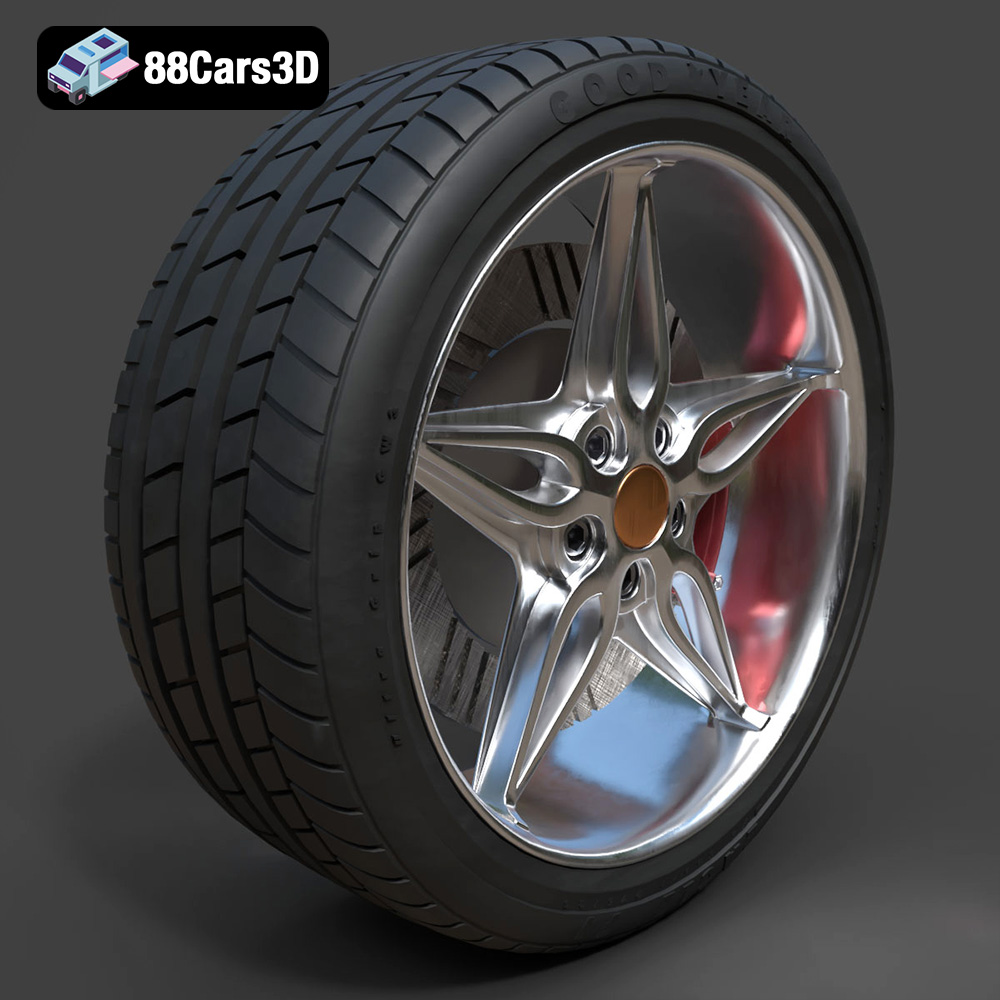
Texture: Yes
Material: Yes
Download the Wheel-001 Component 3D Model featuring clean geometry, realistic detailing, and a fully modeled interior. Includes .blend, .fbx, .obj, .glb, .stl, .ply, .unreal, and .max formats for rendering, simulation, and game development.
Price: $10.99

Texture: Yes
Material: Yes
Download the BMW 3 series Touring 335i (F31) 2013 3D Model featuring a highly detailed exterior, realistic interior, and modular design. Includes .blend, .fbx, .obj, .glb, .stl, .ply, .unreal, and .max formats for rendering, simulation, and game development.
Price: $30.79
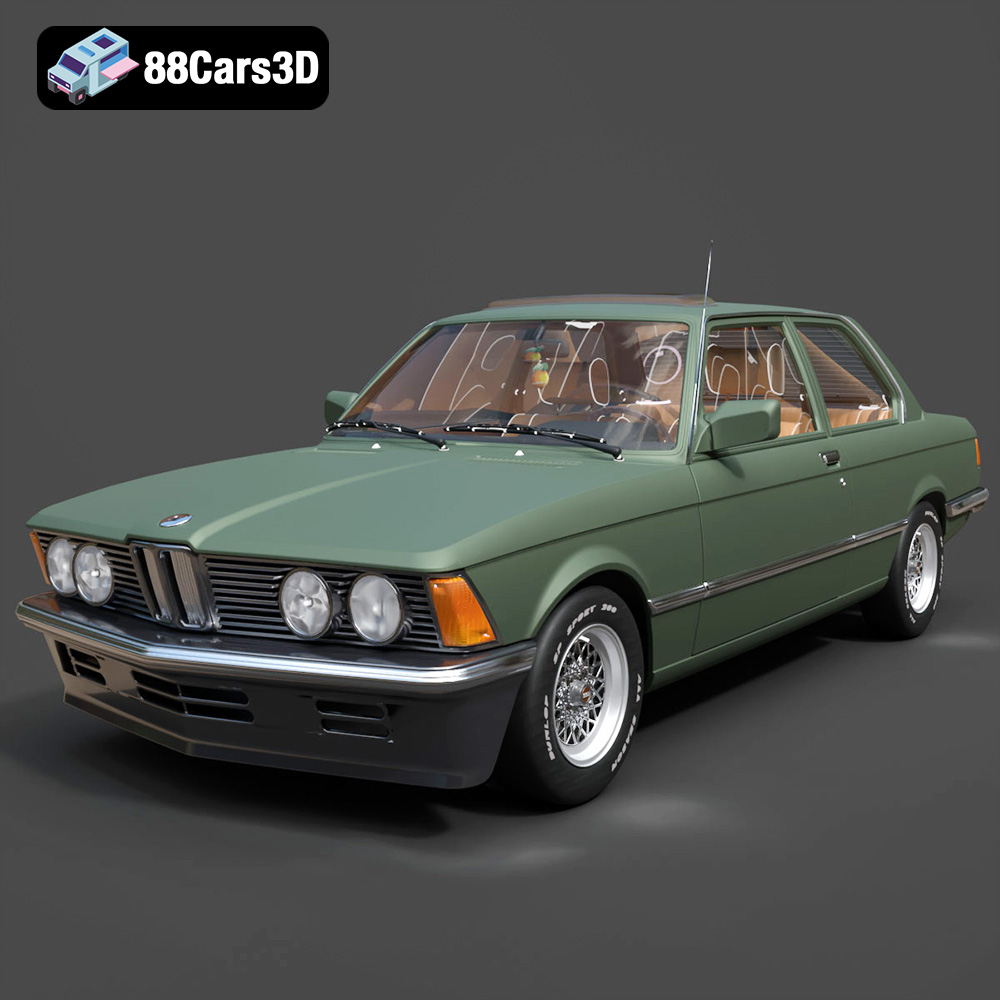
Texture: Yes
Material: Yes
Download the BMW 3 Series E21 3D Model featuring authentic exterior design, detailed interior, and accurate proportions. Includes .blend, .fbx, .obj, .glb, .stl, .ply, .unreal, and .max formats for rendering, simulation, and game development.
Price: $20.79

Texture: Yes
Material: Yes
Download the BMW 1 Series 3-Door E81 3D Model featuring a detailed exterior, functional interior elements, and clean geometry. Includes .blend, .fbx, .obj, .glb, .stl, .ply, .unreal, and .max formats for rendering, simulation, and game development.
Price: $14.79
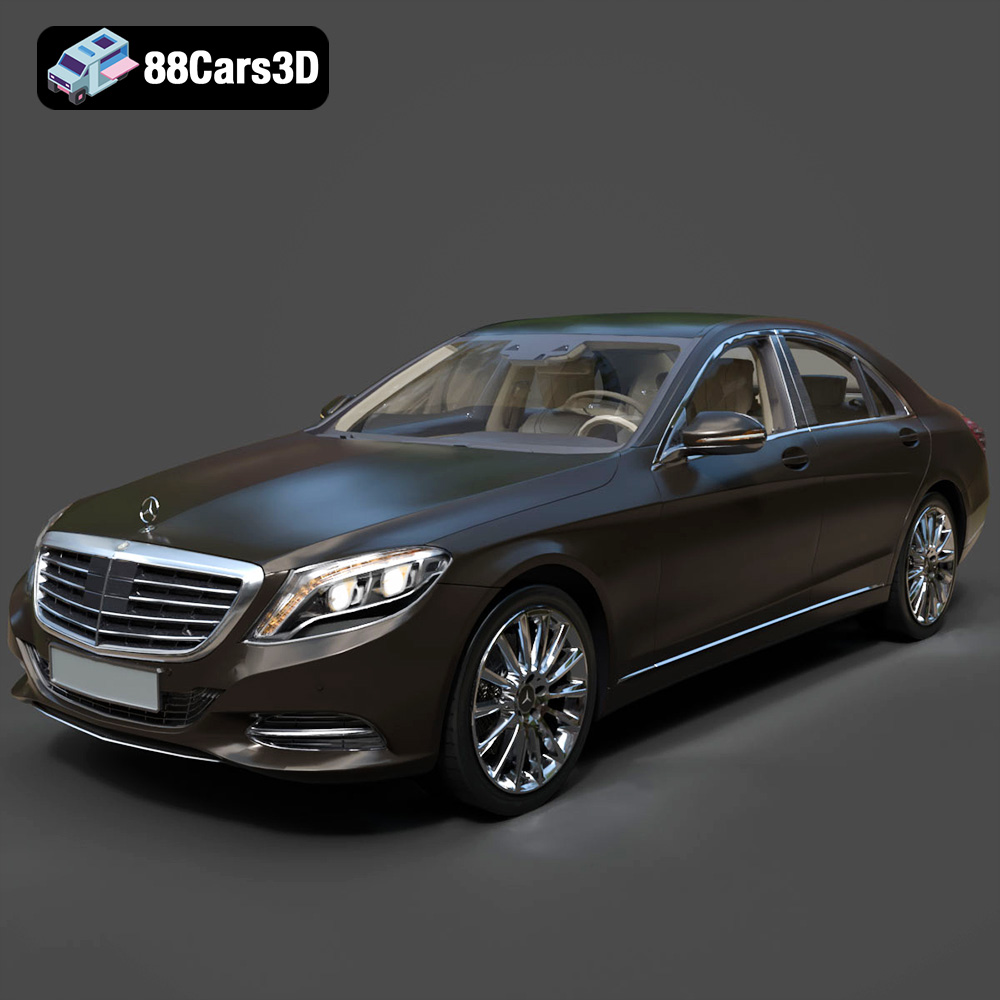
Texture: Yes
Material: Yes
Download the Mercedes-Benz S500 2022 3D Model featuring clean geometry, realistic detailing, and a fully modeled interior. Includes .blend, .fbx, .obj, .glb, .stl, .ply, .unreal, and .max formats for rendering, simulation, and game development.
Price: $19.99
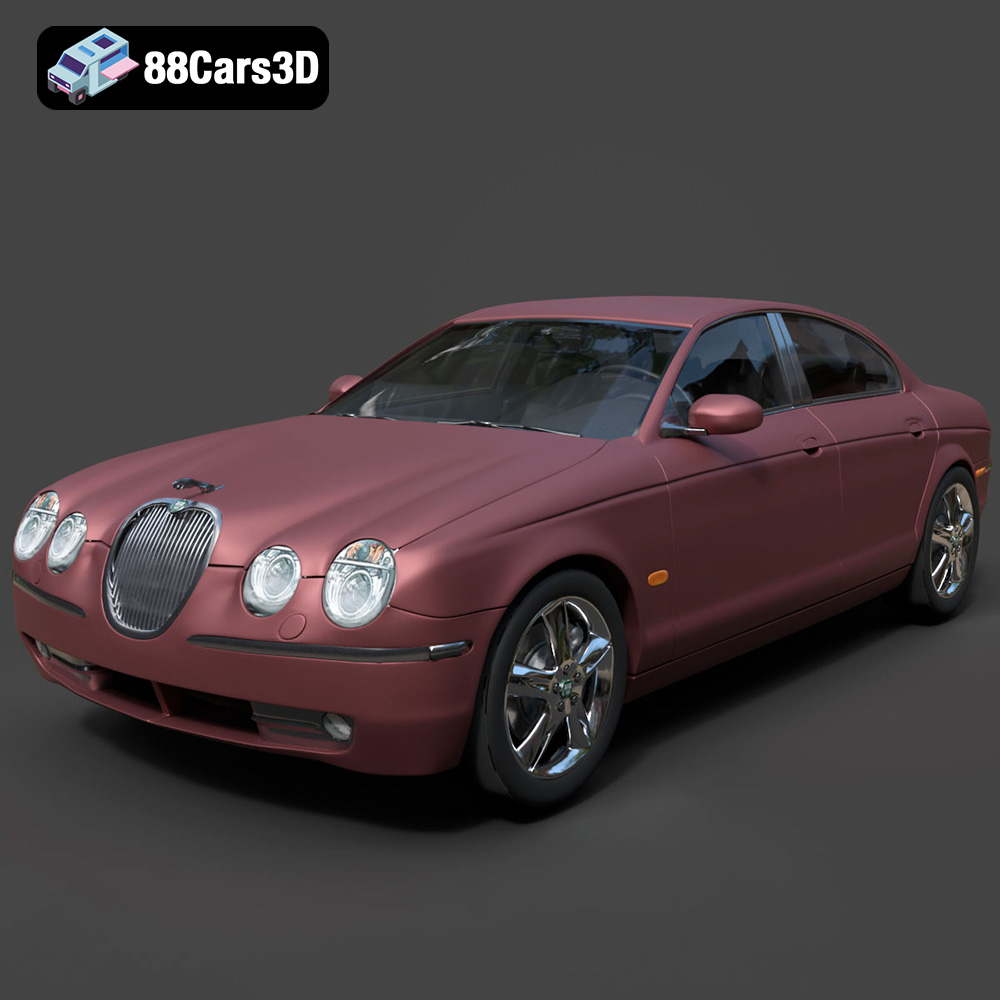
Texture: Yes
Material: Yes
Download the Jaguar S-Type Sedan 3D Model featuring clean geometry, realistic detailing, and a fully modeled interior. Includes .blend, .fbx, .obj, .glb, .stl, .ply, .unreal, and .max formats for rendering, simulation, and game development.
Price: $18.99
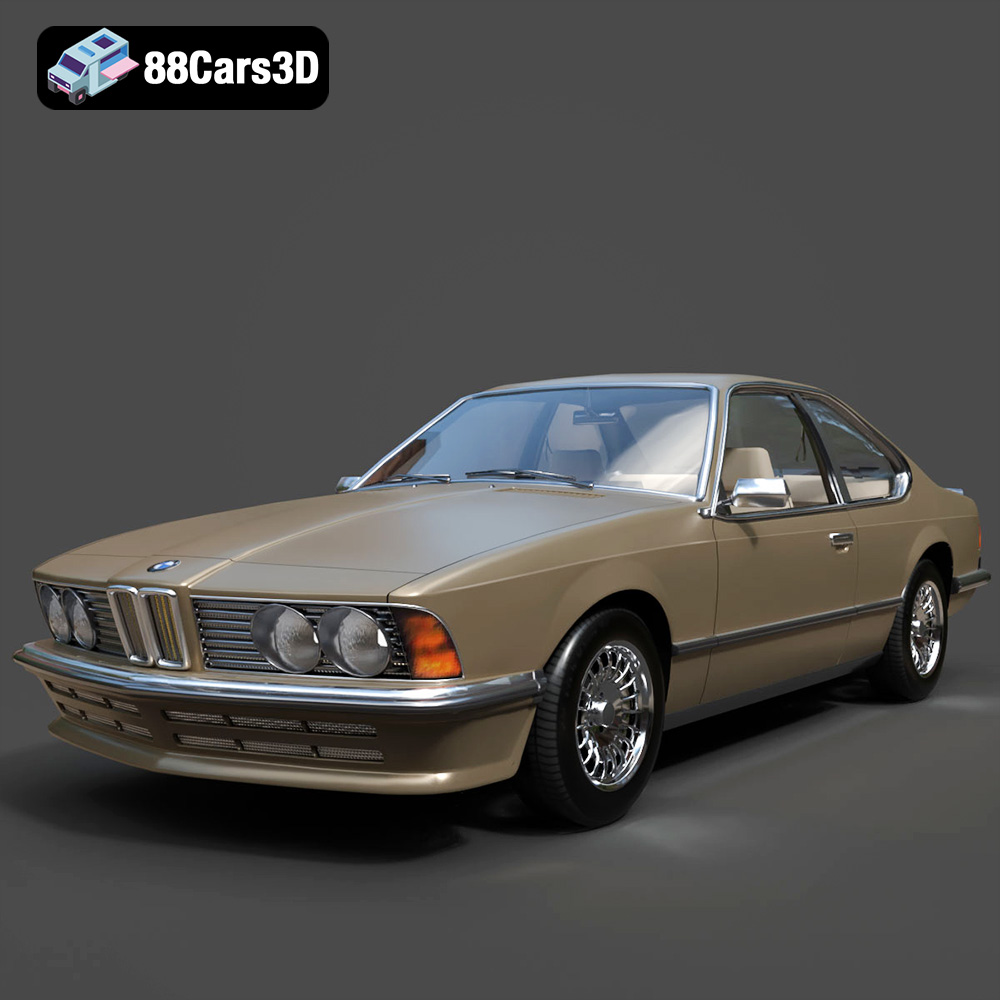
Texture: Yes
Material: Yes
Download the BMW 6 Series 1986 3D Model featuring clean geometry, realistic detailing, and a fully modeled interior. Includes .blend, .fbx, .obj, .glb, .stl, .ply, .unreal, and .max formats for rendering, simulation, and game development.
Price: $16.99
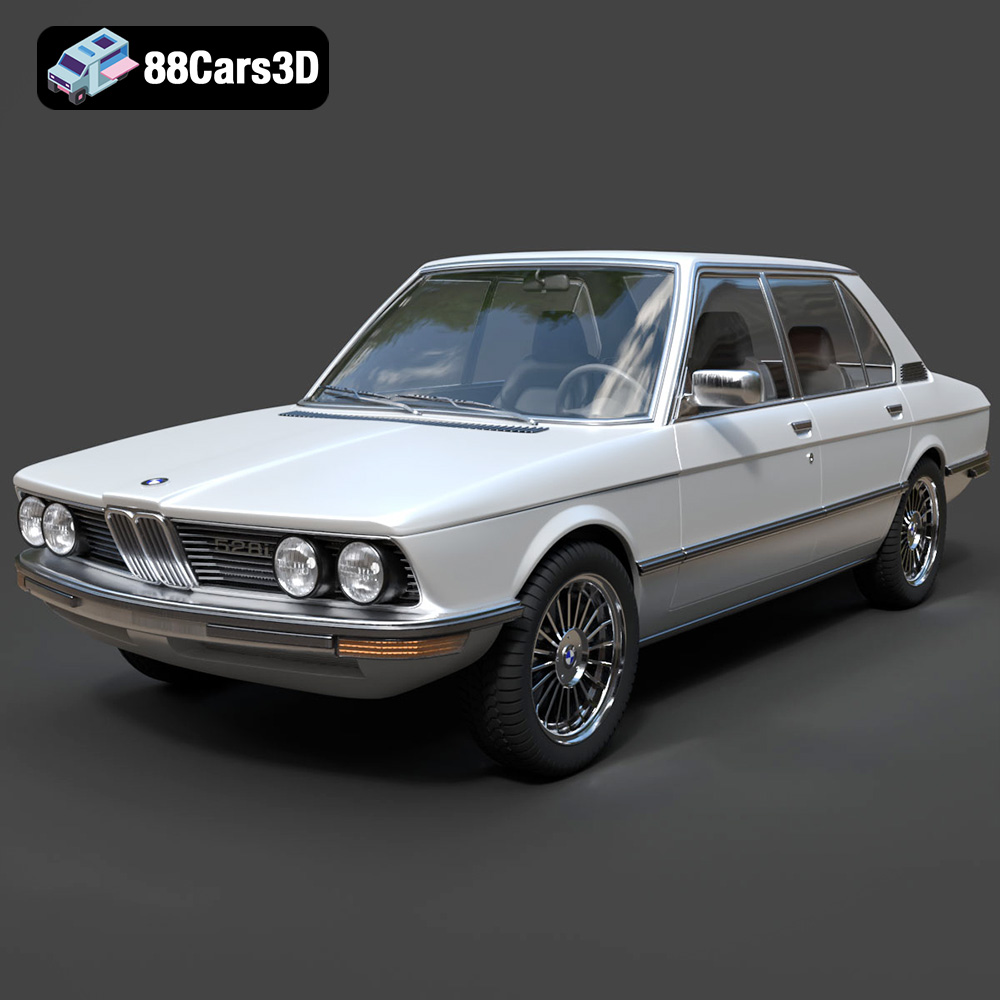
Texture: Yes
Material: Yes
Download the BMW 5 Series E12 528i 3D Model featuring clean geometry, realistic detailing, and a fully modeled interior. Includes .blend, .fbx, .obj, .glb, .stl, .ply, .unreal, and .max formats for rendering, simulation, and game development.
Price: $14.99

Texture: Yes
Material: Yes
Download the BMW 5 Series F10 3D Model featuring clean geometry, realistic detailing, and a fully modeled interior. Includes .blend, .fbx, .obj, .glb, .stl, .ply, .unreal, and .max formats for rendering, simulation, and game development.
Price: $14.99

Texture: Yes
Material: Yes
Download the BMW 4 Series Coupe M Sport 2014 3D Model featuring clean geometry, realistic detailing, and a fully modeled interior. Includes .blend, .fbx, .obj, .glb, .stl, .ply, .unreal, and .max formats for rendering, simulation, and game development.
Price: $14.99

