⚡ FLASH SALE: Get 60% OFF All Premium 3D & STL Models! ⚡

The automotive industry, ever at the forefront of innovation, continually seeks cutting-edge solutions for training its workforce. Traditional training methods, often reliant on physical prototypes, printed manuals, and classroom lectures, can be prohibitively expensive, time-consuming, and limited in their ability to simulate complex, real-world scenarios. Enter the transformative power of Unreal Engine – a real-time 3D creation tool that has revolutionized game development and is now making profound waves across diverse industries, including automotive visualization and interactive training.
Creating interactive training simulations in Unreal Engine offers an unparalleled opportunity to immerse trainees in highly realistic, consequence-free environments. From vehicle assembly and maintenance procedures to advanced driver assistance system (ADAS) operation and sales configurators, these simulations provide hands-on experience that boosts retention, reduces costs, and enhances safety. At the heart of these compelling simulations are high-fidelity 3D car models, and sourcing such assets from specialized marketplaces like 88cars3d.com ensures you begin with top-tier, optimized geometry designed for performance and visual fidelity within Unreal Engine. This comprehensive guide will walk you through the essential steps and advanced techniques required to harness Unreal Engine for building powerful, interactive automotive training simulations, covering everything from project setup and material creation to advanced physics and AR/VR deployment.
Embarking on an interactive training simulation project in Unreal Engine begins with meticulous project setup and the efficient integration of your core assets. A well-structured project not only streamlines development but also ensures optimal performance and scalability, especially when dealing with complex automotive models. Understanding the initial configurations and proper import workflows is paramount to building a robust foundation for your simulation.
When starting a new project in Unreal Engine, selecting the appropriate template and configuring essential settings can save significant time. While a “Blank” project offers maximum flexibility, considering templates like “Games > Vehicle” might provide a good starting point for basic vehicle locomotion, which can then be adapted. Crucially, several plugins should be enabled immediately for automotive visualization and large-scale asset import:
Beyond plugins, review your project settings. Navigate to Edit > Project Settings. Under the “Rendering” section, ensure Lumen and Nanite are enabled (if using Unreal Engine 5 or later) for superior global illumination and geometry handling. For automotive applications, setting the default physics sub-step count higher might improve simulation accuracy. Proper input settings for keyboard, mouse, and gamepads are also vital for user interaction.
The quality of your 3D car models directly impacts the realism and performance of your simulation. Platforms like 88cars3d.com offer high-quality, pre-optimized 3D car models, often available in formats like FBX or USD, which are ideal for direct import into Unreal Engine. While Datasmith handles complex CAD data and scene files, FBX is often the go-to for individual mesh assets.
When importing FBX files:
After importing, place your vehicle in the level. Ensure its pivot point is correctly centered at the bottom of the vehicle for ease of manipulation and interaction. For a deeper dive into Unreal Engine’s import pipeline, consult the official Unreal Engine documentation on asset importing.
Visual realism is the cornerstone of effective training simulations, as it enhances immersion and engagement. In Unreal Engine, this realism is primarily driven by the creation of physically based rendering (PBR) materials and sophisticated real-time lighting solutions like Lumen. These elements work in concert to make your 3D car models appear tangible and true-to-life.
Physically Based Rendering (PBR) is crucial for materials to react realistically to light, mimicking how surfaces behave in the real world. For automotive assets, specific material properties are critical, especially for car paint, glass, and interior finishes. PBR materials typically rely on a set of textures:
For realistic car paint in Unreal Engine, you’ll often use a layered material approach. The base layer provides the primary color and metallic properties, while a clear coat layer simulates the glossy, protective finish found on real cars. The clear coat parameters (ClearCoat, ClearCoatRoughness) in the Unreal Engine Material Editor are essential here. You might also introduce subtle flake normals for metallic paints to catch the light realistically. Ensure your materials utilize high-resolution textures (e.g., 4K or 8K) and that your 3D car models from sources like 88cars3d.com have clean, optimized UV mapping to prevent stretching or artifacts. Using Material Instances allows you to create numerous variations (different car colors, interior trims) from a single master material, making iteration faster and reducing memory overhead.
Lighting is the sculptor of perception, defining mood, depth, and realism. Unreal Engine’s Lumen global illumination system, introduced in UE5, is a game-changer for real-time automotive visualization. Lumen provides dynamic global illumination and reflections that react instantly to light changes, making light bounces and indirect illumination incredibly realistic without complex baking processes.
To set up Lumen:
For environmental lighting, an HDRI (High Dynamic Range Image) sky dome is indispensable. Import an HDRI texture (e.g., from Poly Haven) and create a Material with it, then apply it to a Sky Sphere or a simple dome mesh. The HDRI provides realistic ambient light and, more importantly, accurate reflections on your car’s glossy surfaces, which are crucial for showcasing paint quality. Pair this with a Directional Light (for the sun), a Sky Light (capturing the HDRI for ambient indirect light), and potentially local Point Lights or Spot Lights for specific accents (e.g., interior lights, headlights). Adjusting their intensity, color, and shadows will fine-tune the scene’s mood. For detailed guidelines on leveraging Lumen, refer to the Unreal Engine documentation.
High-fidelity 3D car models, with their intricate details and complex geometries, are often heavy on polygon counts. In real-time simulations, maintaining smooth frame rates is critical for an immersive user experience. Unreal Engine offers powerful tools like Nanite and traditional Level of Detail (LOD) systems to manage performance without sacrificing visual quality, ensuring your simulations are both stunning and playable.
Nanite, Unreal Engine 5’s virtualized geometry system, fundamentally changes how high-polygon meshes are handled. Instead of traditional LODs that swap out less detailed meshes at distance, Nanite intelligently streams and processes only the pixel-level detail needed, regardless of the original polygon count. This means you can import highly detailed, unoptimized source meshes – even millions of polygons – and Nanite will render them efficiently.
For 3D car models, Nanite is a game-changer, allowing you to:
To enable Nanite on a Static Mesh:
While Nanite excels with static, opaque meshes, it has some limitations. It generally doesn’t support dynamic meshes that are constantly moving or deforming (though experimental features are being developed), non-static meshes (e.g., Skeletal Meshes for animated characters), or specific material features like World Position Offset or masked materials with pixel depth offset. For these cases, traditional LODs are still necessary.
For parts of your car model that don’t qualify for Nanite (e.g., deformable tires, animated components, transparent glass, or smaller interactive elements) or for environmental assets around the car, traditional Level of Detail (LOD) management is essential. LODs are simplified versions of a mesh that are swapped in at increasing distances from the camera, reducing the polygon count and improving performance.
Unreal Engine can automatically generate LODs for Static Meshes. In the Static Mesh Editor, navigate to the “LOD Settings” section. You can specify the number of LODs and adjust the “LOD Group” for presets or manually configure reduction settings for each LOD. However, for critical assets like car components, creating custom, hand-optimized LODs in a 3D modeling software often yields better results, ensuring key silhouette details are preserved.
Beyond geometry, consider these optimization strategies:
Regularly profile your scene using commands like Stat GPU, Stat RHI, and Stat Engine in the console to pinpoint performance bottlenecks. Optimization is an ongoing process, and starting with well-optimized assets from the outset, such as those often found on 88cars3d.com, provides a significant advantage.
A training simulation’s true value lies in its interactivity. While visual fidelity draws the user in, the ability to manipulate objects, trigger events, and receive feedback transforms a passive experience into an active learning one. Unreal Engine’s Blueprint visual scripting system empowers developers to create complex interactive mechanics without writing a single line of C++ code, making it incredibly accessible for artists and designers.
Blueprint is an event-driven scripting system where you connect nodes to define logic. For automotive training simulations, Blueprints can enable a vast array of interactive elements:
The core concept is to listen for events (e.g., “OnComponentHit,” “OnInputKey,” “Event Begin Play”), then execute a sequence of actions. For example, a “Begin Play” event could initialize the simulation, display welcome instructions, and enable interaction with the car. User inputs would then trigger specific functions like “OpenDoor” or “StartEngine.”
For training simulations that involve driving, movement, or complex mechanical interactions, implementing realistic vehicle dynamics is crucial. Unreal Engine provides robust physics capabilities, particularly with the Chaos physics engine.
Integrating player input (keyboard, gamepad, or even custom hardware like a steering wheel setup) with these physics systems is done via Input Actions and Input Mappings in Project Settings, which then feed into your Blueprint logic to control the vehicle’s behavior.
To truly elevate an automotive training simulation, incorporating advanced visual and audio elements is key, along with strategies for deploying across various platforms, including cutting-edge AR/VR environments. These features enhance immersion, provide richer feedback, and expand the reach of your training solutions.
Beyond static models and basic interactions, Unreal Engine offers powerful tools to bring your simulation environments to life with dynamic effects:
Niagara’s modular nature allows for precise control over particle behavior, forces, and rendering.
Ensure sounds are spatialized (3D audio) for realistic positioning and attenuation.
Interactive training simulations are perfectly suited for Augmented Reality (AR) and Virtual Reality (VR), offering unparalleled immersion and hands-on learning. However, these platforms demand stringent optimization due to their high performance requirements.
Starting with well-optimized 3D car models, such as those available on 88cars3d.com, is a foundational step that significantly eases the burden of AR/VR development, as it allows you to allocate performance budgets to more complex simulation logic and environmental details.
The journey of creating interactive training simulations in Unreal Engine for the automotive sector is a testament to the power of real-time 3D technology. By following a structured approach, leveraging Unreal Engine’s robust feature set, and integrating high-quality 3D assets, developers can build immersive experiences that transform traditional learning into engaging, hands-on training modules. We’ve explored everything from the critical initial setup and the artistic pursuit of physically accurate materials and lighting, to the technical mastery of performance optimization with Nanite and LODs. We’ve also delved into the dynamic world of Blueprint scripting for interactivity and embraced advanced features like Niagara particle systems and AR/VR deployment for ultimate immersion.
The synergy between meticulously crafted 3D car models – readily available from specialized platforms like 88cars3d.com – and the versatile capabilities of Unreal Engine unlocks limitless potential. These simulations not only reduce training costs and accelerate skill acquisition but also provide a safe, repeatable environment for trainees to master complex procedures. Whether for maintenance, sales, design review, or advanced driver training, the future of automotive education is interactive, realistic, and powered by Unreal Engine. Embrace this technology, explore the vast resources at your disposal, and start building the next generation of training simulations today.
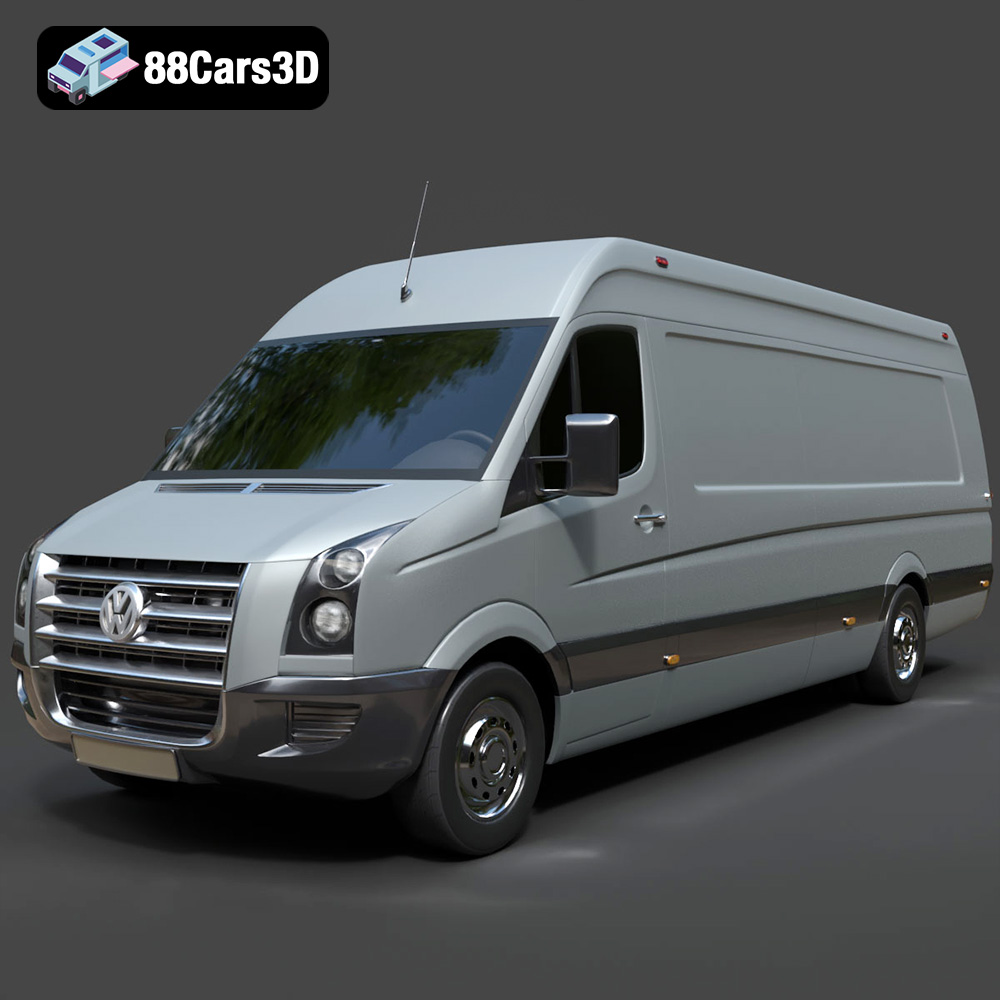
Texture: Yes
Material: Yes
Download the Volkswagen Crafter 2020 3D Model featuring clean geometry, realistic detailing, and a fully modeled interior. Includes .blend, .fbx, .obj, .glb, .stl, .ply, .unreal, and .max formats for rendering, simulation, and game development.
Price: $22.99
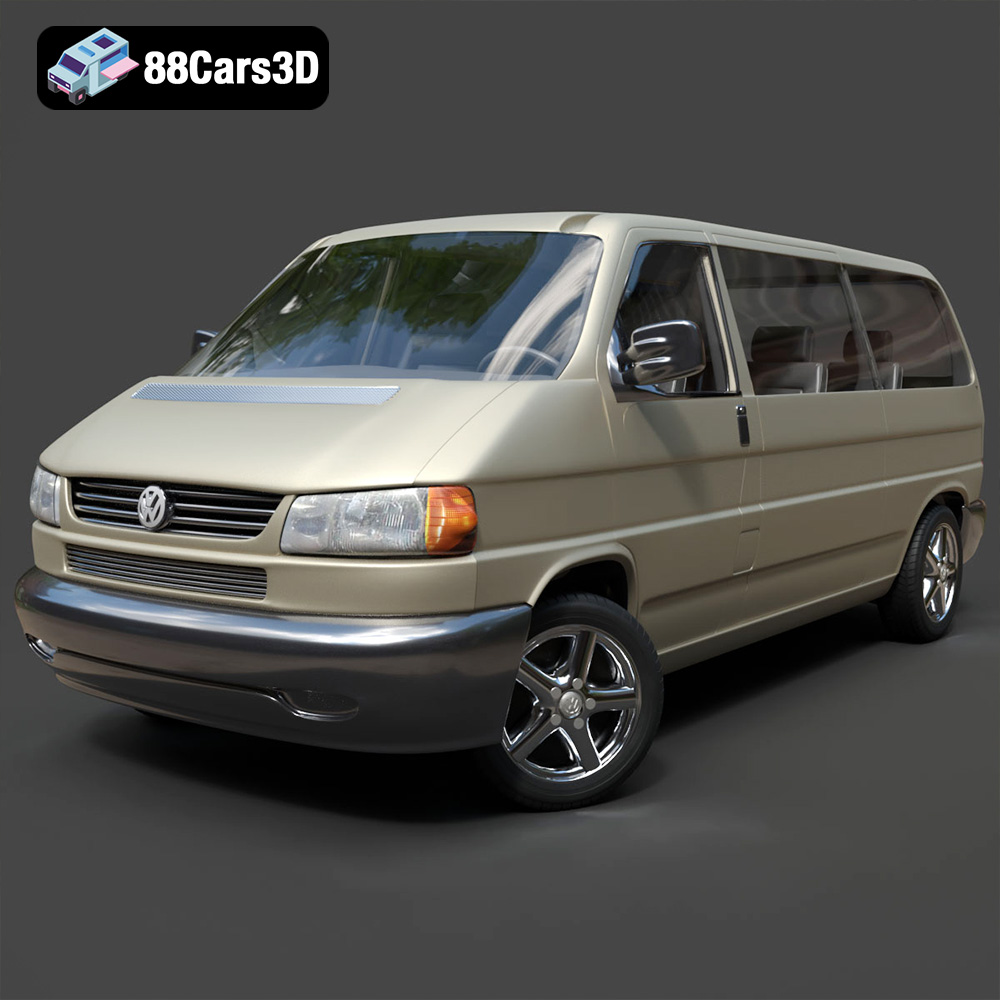
Texture: Yes
Material: Yes
Download the Volkswagen Caravelle 3D Model featuring a detailed exterior, functional interior, and optimized topology. Includes .blend, .fbx, .obj, .glb, .stl, .ply, .unreal, and .max formats for rendering, simulation, and game development.
Price: $23.99
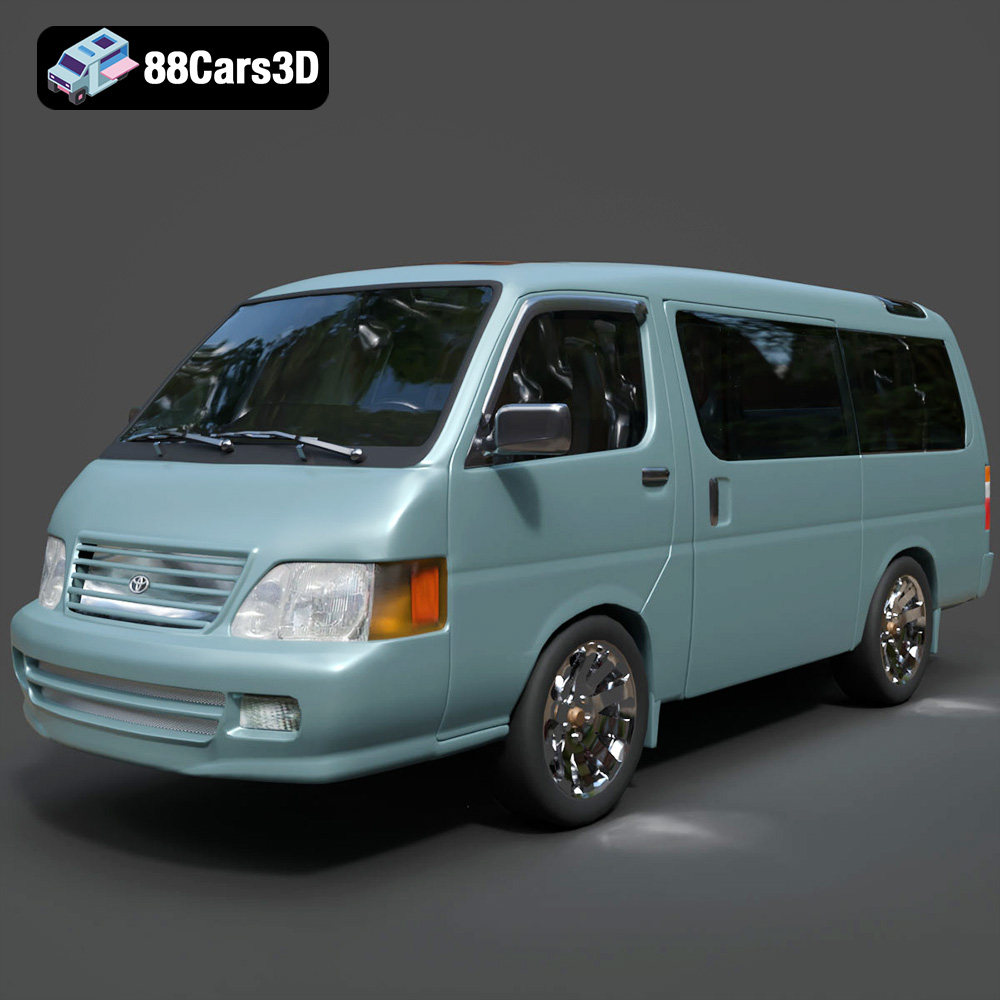
Texture: Yes
Material: Yes
Download the Toyota Hiace 3D Model featuring versatile design and detailed exterior. Includes .blend, .fbx, .obj, .glb, .stl, .ply, .unreal, and .max formats for rendering, simulation, and game development.
Price: $21.99
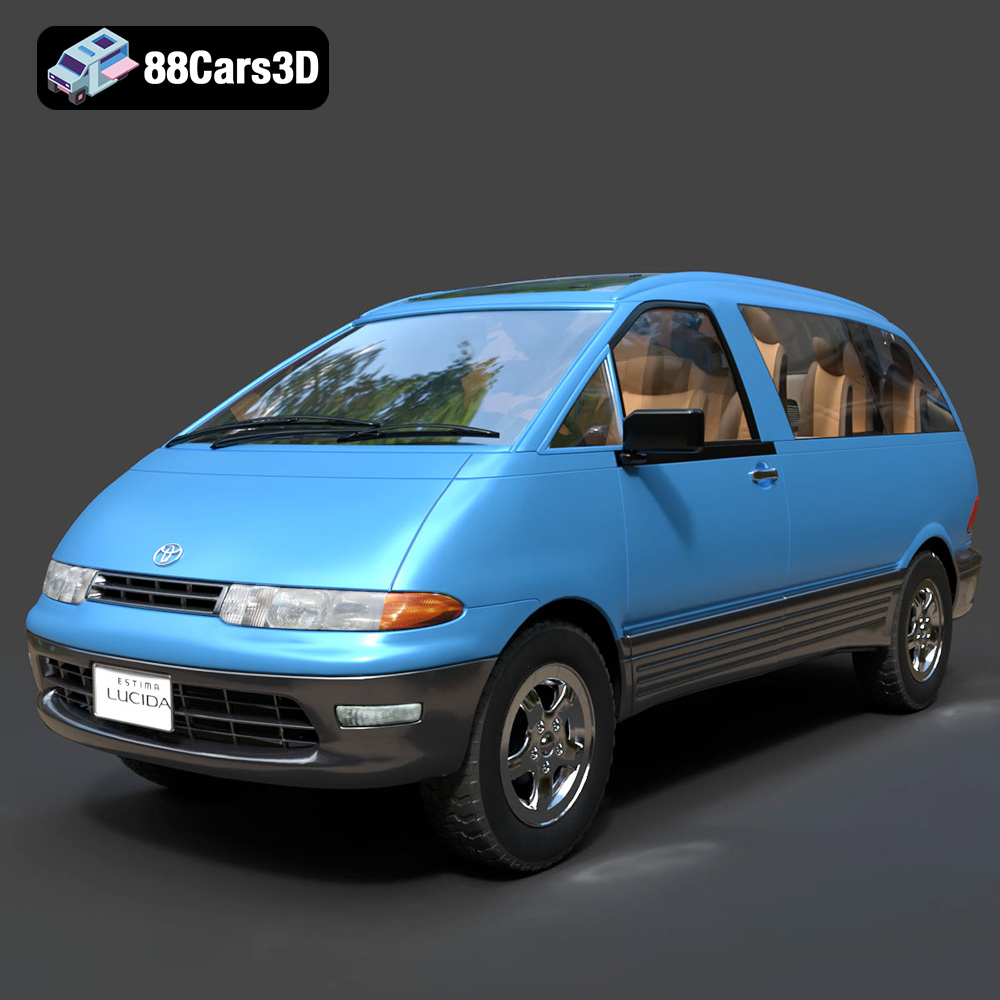
Texture: Yes
Material: Yes
Download the Toyota Estima Lucida 3D Model featuring its iconic compact MPV design, versatile interior, and accurate exterior details. Includes .blend, .fbx, .obj, .glb, .stl, .ply, .unreal, and .max formats for rendering, simulation, and game development.
Price: $24.99

Texture: Yes
Material: Yes
Download the Toyota Alphard 3D Model featuring a detailed luxury minivan design with an accurate exterior and interior. Includes .blend, .fbx, .obj, .glb, .stl, .ply, .unreal, and .max formats for rendering, simulation, and game development.
Price: $21.99
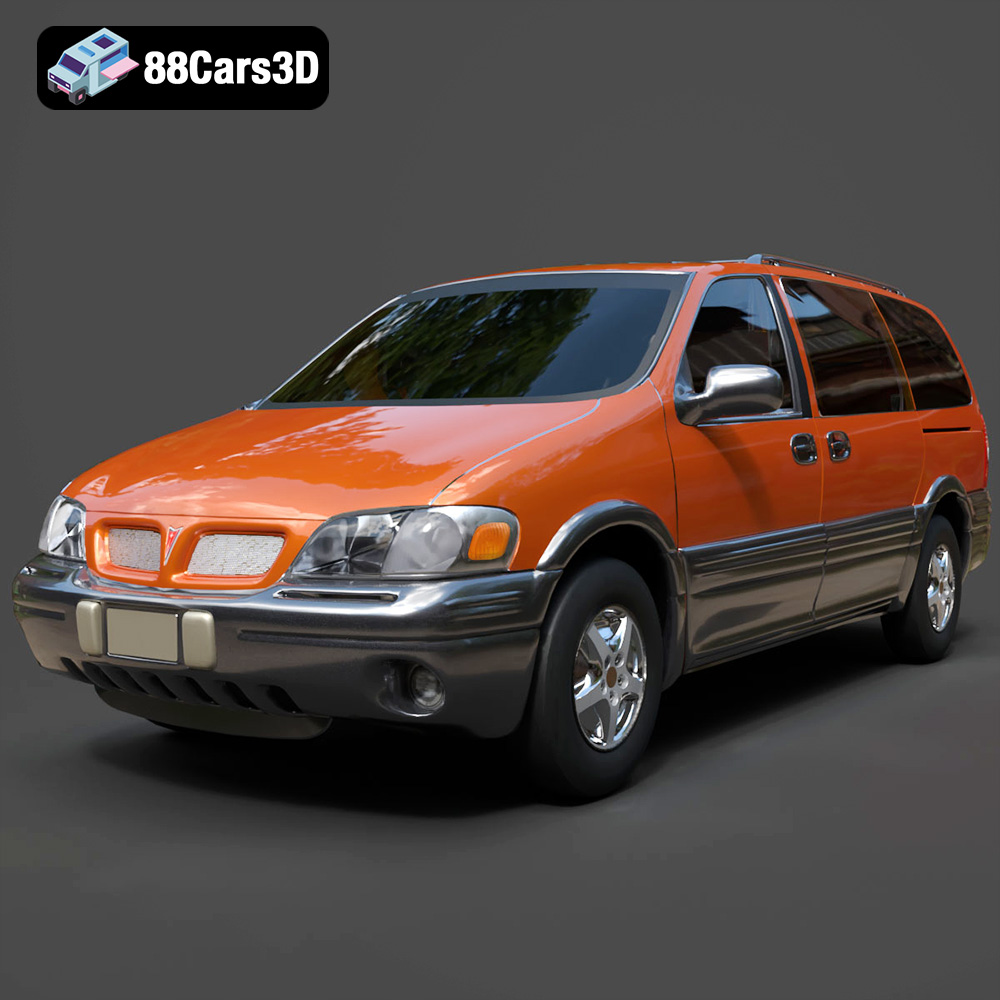
Texture: Yes
Material: Yes
Download the Pontiac Montana 1998 3D Model featuring a detailed exterior, functional interior, and optimized mesh. Includes .blend, .fbx, .obj, .glb, .stl, .ply, .unreal, and .max formats for rendering, simulation, and game development.
Price: $21.99
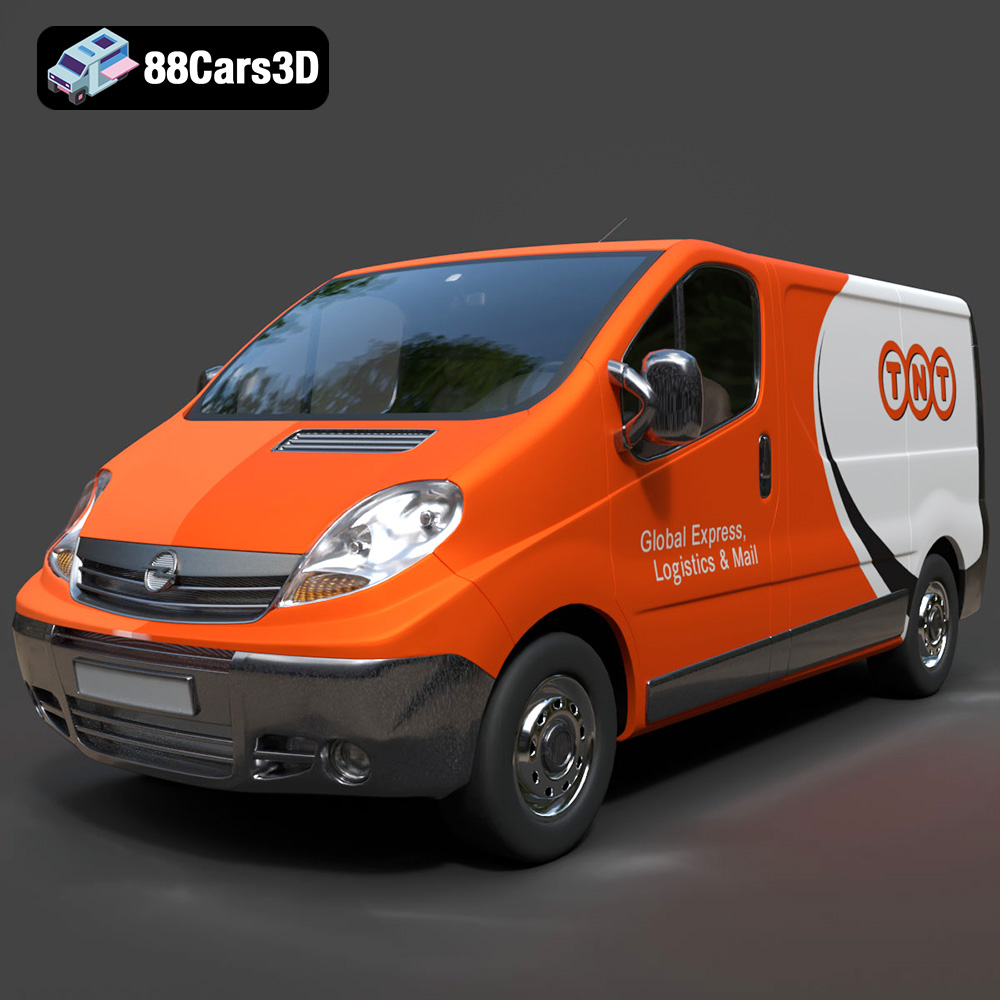
Texture: Yes
Material: Yes
Download the Opel Vivaro 3D Model featuring a versatile commercial van design with balanced detailing. Includes .blend, .fbx, .obj, .glb, .stl, .ply, .unreal, and .max formats for rendering, simulation, and game development.
Price: $21.99
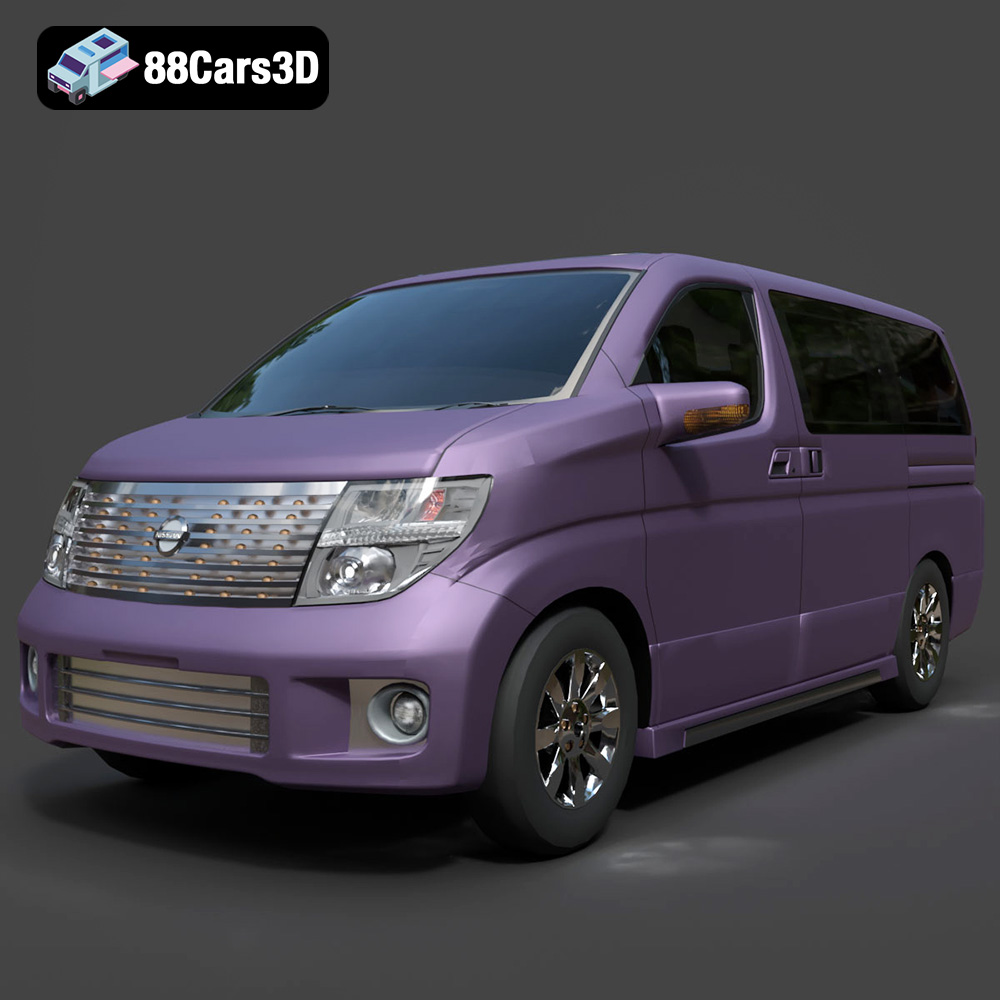
Texture: Yes
Material: Yes
Download the Nissan Elgrand 3D Model featuring a versatile minivan design. Includes .blend, .fbx, .obj, .glb, .stl, .ply, .unreal, and .max formats for rendering, simulation, and game development.
Price: $21.99
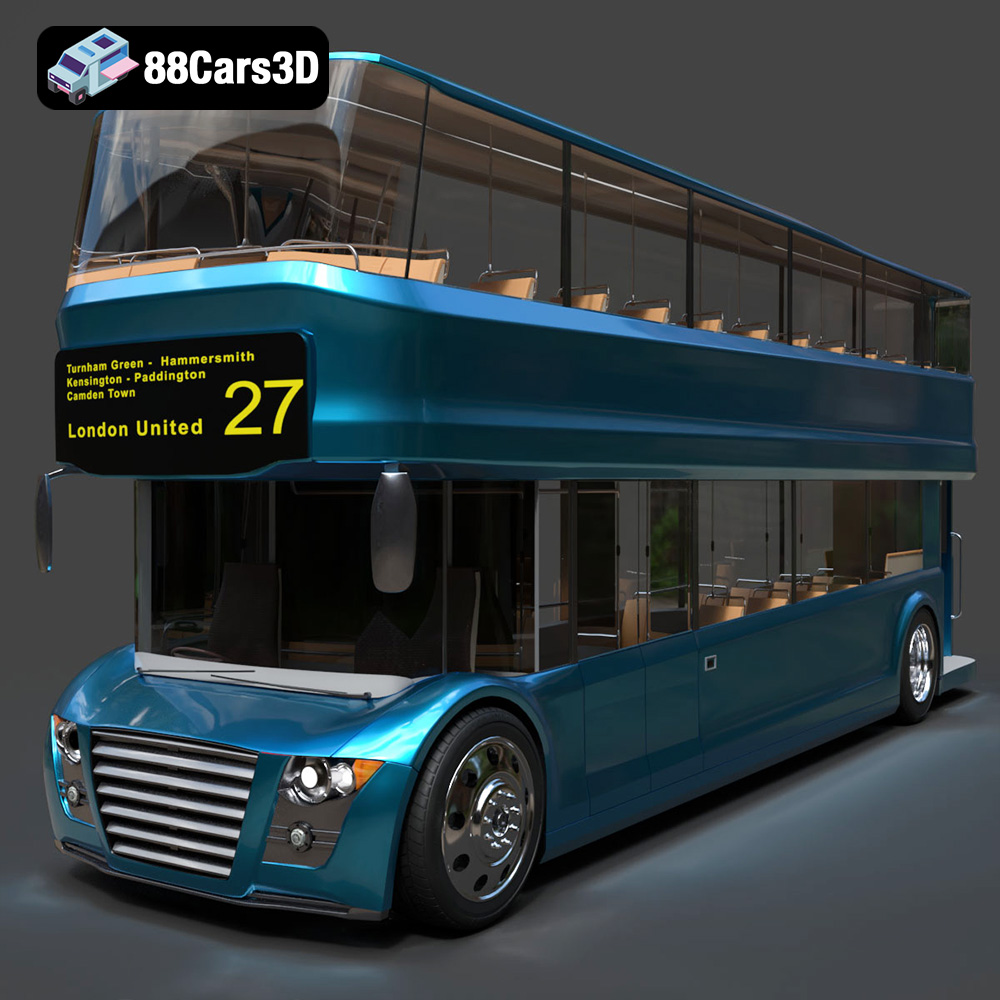
Texture: Yes
Material: Yes
Download the New Bus For London 3D Model featuring a detailed exterior and interior, optimized for rendering and animation. Includes .blend, .fbx, .obj, .glb, .stl, .ply, .unreal, and .max formats for rendering, simulation, and game development.
Price: $21.99

Texture: Yes
Material: Yes
Download the Mini-Bus 3D Model featuring an efficient design for urban transport simulations. Includes .blend, .fbx, .obj, .glb, .stl, .ply, .unreal, and .max formats for rendering, simulation, and game development.
Price: $21.99

