⚡ FLASH SALE: Get 60% OFF All Premium 3D & STL Models! ⚡

The automotive industry is in a constant state of evolution, and nowhere is this more evident than in how consumers interact with products before purchase. Gone are the days when static images and limited video tours sufficed. Today, the demand is for immersive, real-time experiences that allow users to explore, customize, and truly connect with a vehicle. This is where interactive automotive configurators built with Unreal Engine shine. They empower manufacturers, dealerships, and artists to create stunningly realistic, real-time digital showrooms that redefine the buying journey.
Unreal Engine, with its cutting-edge rendering capabilities, robust development tools, and unparalleled visual fidelity, has become the industry standard for creating these next-generation configurators. From photorealistic car paint shaders and dynamic lighting with Lumen to intricate customization logic driven by Blueprint visual scripting, Unreal Engine provides every tool necessary to transform static 3D models into fully interactive, customizable experiences. This comprehensive guide will walk you through the essential steps and advanced techniques for building your own high-fidelity automotive configurators, demonstrating how platforms like 88cars3d.com provide the perfect foundation with their optimized 3D car models, ready for integration.
Whether you’re an Unreal Engine developer, a 3D artist, or an automotive visualization professional, this article will equip you with the knowledge to leverage features like Nanite, Lumen, and Blueprint to deliver captivating real-time experiences. We’ll delve into project setup, material creation, lighting techniques, scripting interactivity, and crucial performance optimization strategies, ensuring your configurators are not just beautiful, but also performant across various platforms. Prepare to unlock the full potential of real-time automotive visualization.
The journey to creating an exceptional automotive configurator begins with a solid foundation in Unreal Engine. Proper project setup and the selection of high-quality 3D assets are paramount to achieving photorealistic results and efficient workflows. A well-configured project provides the performance headroom and visual fidelity required to make your virtual vehicles indistinguishable from their real-world counterparts. It’s about setting the stage for success before even a single material is applied or a line of code is written.
Unreal Engine offers a plethora of templates, but for automotive visualization, starting with a Blank or a Cinematic template often provides the cleanest slate, allowing you to selectively enable the features you need. This approach helps to keep project overhead low and focus resources on what truly matters for a high-fidelity car configurator. Careful consideration of your target hardware and deployment platform (PC, VR, Web, mobile) should also guide your initial project settings, impacting everything from rendering features to texture streaming pools. Remember, a robust configurator isn’t just about visuals; it’s about delivering a smooth, responsive experience to the user.
When starting a new Unreal Engine project for automotive visualization, several key configurations are essential. Begin by creating a new project, typically choosing a “Blank” template, which gives you maximum control. Navigate to Edit > Project Settings and adjust the following:
These initial settings lay the groundwork for optimal visual quality and performance. For deeper dives into specific features, the official Unreal Engine documentation is an invaluable resource.
The quality of your 3D car model is the single most critical factor determining the realism of your configurator. Low-quality models with poor topology, incorrect scaling, or missing UVs will hinder even the most skilled artist. This is where marketplaces specializing in high-quality assets become indispensable. When sourcing automotive assets from marketplaces such as 88cars3d.com, you are investing in models that are specifically designed for real-time rendering, featuring:
Once you have your FBX or USD car model, importing it into Unreal Engine is straightforward. Use the File > Import Into Level or drag and drop into the Content Browser. During import, ensure you select options like “Combine Meshes” (if appropriate for the asset), “Generate Missing Collision” (for basic interactions), and “Import Textures” / “Import Materials” to bring in associated assets. Always verify the scale upon import; car models should ideally be in meters and appear correctly sized in the Unreal Editor.
After importing, even high-quality models may require some initial preparation within Unreal Engine to ensure they are configurator-ready. One of the first steps is to verify scaling. A real-world car is typically 4-5 meters long. If your imported model is significantly different, you might need to adjust its scale uniformly or re-export it from your 3D application. Incorrect scaling can lead to issues with physics, lighting calculations, and even user interface interactions.
Pivot points are also crucial. For interactive elements like doors, wheels, or hoods, their pivot points must be correctly positioned at the rotation axis. You can adjust pivots in Unreal Engine using the modeling tools or by creating a new Blueprint Actor, placing the meshes within it, and then moving the meshes relative to the Blueprint’s origin. For individual components that will be swapped (e.g., different wheel designs), ensure they share the same world-space transform or pivot offset for seamless replacement.
Finally, grouping and hierarchy are vital for managing complex car models. Break down the car into logical components: body, wheels (individual), doors, interior, engine bay, etc. If the model comes as a single mesh, consider using the “Mesh Editor” or re-importing parts separately. Organize these components within a Blueprint Actor, establishing a clear hierarchy (e.g., Car Body as root, Wheels attached to Body). This structured approach makes it far easier to manage materials, hide/show components, and implement interactive logic later on.
The visual appeal of an automotive configurator hinges significantly on the quality and realism of its materials. In Unreal Engine, this means mastering Physically Based Rendering (PBR) workflows. PBR materials accurately simulate how light interacts with surfaces in the real world, leading to highly convincing car paint, glass, metal, and plastic textures. Achieving photorealism isn’t just about having high-resolution textures; it’s about understanding the underlying principles of light and surface properties, and then translating that knowledge into the Material Editor.
Car paint, in particular, presents unique challenges due to its multi-layered, reflective, and sometimes metallic nature. Crafting dynamic materials that respond realistically to changing lighting conditions and allow for real-time customization is a cornerstone of any interactive configurator. This involves meticulous work with parameters, material functions, and instances to ensure both visual fidelity and optimal performance. An efficient material setup can handle countless color variations, finish types, and texture swaps without bogging down the rendering pipeline, providing a seamless user experience. Mastering PBR is about balancing stunning visuals with smart optimization.
PBR is a method of rendering graphics that attempts to simulate the physical properties of materials. For automotive applications, this is critical because car surfaces exhibit a wide range of complex light interactions. The core PBR parameters in Unreal Engine are:
By correctly mapping these properties using textures and scalar values, you can create materials that look incredibly realistic, whether it’s the subtle sheen of an interior plastic or the deep, lustrous reflection of car paint.
Creating realistic car paint in Unreal Engine is an art form. It’s often not a single PBR material but a layered shader that mimics real-world automotive finishes. A typical car paint material might involve:
To make this dynamic, expose parameters like Base Color, Metallic Flake Intensity, Clear Coat Roughness, and even Normal Map strength as Material Parameters. This allows designers to adjust these properties in real-time within the Blueprint or Sequencer, creating an infinite array of paint finishes. Utilizing Material Functions to encapsulate common car paint logic can also streamline development and promote reusability across multiple car models.
Material instances are foundational for creating efficient and customizable automotive configurators. Instead of duplicating a complex master material for every variation (e.g., red paint, blue paint, green paint), you create a single “Master Material” and then derive multiple “Material Instances” from it. These instances inherit the logic of the master material but allow you to override exposed parameters (like color, roughness, flake intensity) without recompiling the shader, which is a significant performance gain.
Workflow:
For a configurator, you’ll have a set of pre-defined Material Instances for each customizable option (e.g., `MI_CarPaint_Red`, `MI_CarPaint_Blue`, `MI_Wheel_Chrome`, `MI_Wheel_MatteBlack`). When the user selects an option in the UI, your Blueprint script simply swaps the currently applied Material Instance on the mesh with the new one. This approach is incredibly performant and memory-efficient, as all instances share the same compiled shader code, only differing in their parameter values. It’s an indispensable technique for managing the vast array of options typically found in automotive configurators.
Lighting is the soul of any visually compelling real-time experience, and for automotive configurators, it’s where a 3D model truly comes to life. Realistic lighting can transform a bland digital asset into a vibrant, emotional representation of a vehicle. Unreal Engine’s advanced lighting systems, particularly Lumen, offer unprecedented opportunities to create dynamic, photorealistic environments that respond naturally to changes in time of day, environment, or user interaction. Achieving professional-grade automotive lighting involves a careful balance of global illumination, reflections, and strategic placement of specific light sources to highlight the car’s design details.
Beyond Lumen, traditional studio lighting techniques are invaluable for showcasing specific features or creating controlled, appealing presentations. Combining these methods with sophisticated post-processing effects allows artists to craft a polished, cinematic look that rivals offline renderers. The goal is not just to illuminate the scene, but to sculpt the light, guiding the viewer’s eye and enhancing the car’s aesthetic qualities. Understanding how to harness Unreal Engine’s powerful lighting tools is crucial for delivering a configurator that truly stands out.
Lumen is Unreal Engine’s fully dynamic global illumination and reflections system designed for next-generation consoles and high-end PCs. It solves many of the challenges associated with real-time indirect lighting, making it ideal for automotive configurators where light needs to bounce realistically off car surfaces and within complex interior spaces.
Key aspects of Lumen:
Pairing Lumen with a Directional Light (representing the sun) and a Sky Light (capturing ambient sky contribution, often driven by an HDR Sky texture) forms a powerful outdoor lighting setup. The Sky Light, especially when set to “Stationary” or “Movable” and capturing a high-dynamic-range image (HDRI), provides incredibly realistic ambient light and reflections, crucial for truly grounding your vehicle in its environment.
While Lumen excels at natural environments, professional product visualization often requires controlled studio lighting. This allows you to highlight specific design elements, control reflections, and create a sophisticated, clean aesthetic. Common studio lighting techniques in Unreal Engine include:
For a clean studio backdrop, create a large, curved cyclorama mesh in your scene. Materialize it with a uniform PBR material (e.g., a pure white or neutral gray with low roughness) that catches light smoothly. This creates an infinite background, free from distracting seams, perfect for focusing solely on the vehicle. Experiment with different light temperatures (cooler for modern, warmer for classic) to evoke specific moods.
Post-processing is the final layer of polish that can elevate your configurator from looking good to looking cinematic. Applied via a Post Process Volume, these effects simulate camera lenses and film stock, adding depth, atmosphere, and visual impact. Key post-processing effects for automotive configurators include:
Always apply post-processing judiciously. The goal is to enhance realism and mood, not to over-process and make the scene artificial. A subtle hand yields the best results. Test your post-processing settings across various display types and lighting conditions to ensure consistent visual quality.
At the core of any interactive automotive configurator lies the logic that governs user choices and visual feedback. In Unreal Engine, this logic is primarily handled by Blueprint Visual Scripting. Blueprint empowers artists and designers to create complex interactive systems without writing a single line of C++ code, making it incredibly accessible for implementing everything from simple color changes to elaborate part swaps and dynamic environment adjustments. Understanding Blueprint is not just about connecting nodes; it’s about structuring your logic efficiently, anticipating user input, and ensuring a robust, bug-free experience.
Blueprint allows for rapid prototyping and iteration, enabling you to quickly test different customization options and user interface layouts. For an automotive configurator, this means translating user selections (e.g., “choose red paint,” “select sport wheels”) into real-time changes on the 3D car model. This section will guide you through the fundamental Blueprint concepts required to build an engaging and functional configurator, from basic material swapping to more complex component visibility controls and integrating with user interface elements.
The most fundamental aspect of an automotive configurator is the ability to change colors and swap components. This is primarily achieved by dynamically assigning different Material Instances or Static Meshes to the car’s components. Here’s a common Blueprint approach:
This basic structure provides a robust foundation for handling a multitude of customization options. Remember, the key is to expose parameters and create functions that can be called externally, typically from your User Interface.
Beyond simple material and mesh swaps, configurators often require dynamic visibility changes or the swapping of more complex components like bumpers, spoilers, or interior trims. This builds upon the previous logic but often involves more mesh components.
For even greater modularity, consider attaching entire `Actor Blueprints` (e.g., a `BP_SpoilerVariant_A`, `BP_SpoilerVariant_B`) to sockets on your main car mesh, rather than just swapping static meshes. This allows for complex sub-components with their own logic or particle effects. This approach requires careful management of parent-child relationships and component attachments.
A beautiful car model and clever Blueprint logic are useless without a user interface (UI) to control them. Unreal Engine’s User Widget Blueprint (UMG) provides a powerful visual editor for creating responsive and interactive UIs. Here’s how to integrate it with your configurator logic:
Consider using `Data Tables` or `Structs` to manage large numbers of customization options (e.g., an array of car colors with names, hex codes, and associated Material Instances). This makes the UI more dynamic and easier to update without modifying core Blueprint logic. Ensure your UI is intuitive and provides clear feedback to the user on their selections.
Achieving photorealistic visuals in real-time, especially for complex automotive models, often comes at a significant performance cost. An interactive configurator must strike a delicate balance between visual fidelity and smooth frame rates across diverse hardware. Unreal Engine offers powerful tools like Nanite Virtualized Geometry and comprehensive Level of Detail (LOD) systems to manage this challenge. Optimizing your assets and scene is not an afterthought; it’s an ongoing process woven into every stage of development.
Without careful optimization, even the most beautiful car model can bring a high-end PC to its knees, let alone an AR/VR headset. This section focuses on leveraging Unreal Engine’s advanced features to maintain stunning visual quality while ensuring your configurator runs efficiently. From managing polygon counts with Nanite to strategically reducing complexity with LODs and employing profiling tools, we’ll cover essential techniques to deliver a performant and visually impressive experience for your users.
Nanite is Unreal Engine 5’s groundbreaking virtualized geometry system, designed to handle incredibly high polygon counts (millions to billions) without significant performance impact. For automotive visualization, Nanite is a game-changer, allowing artists to import highly detailed CAD models or sculpted meshes directly, retaining all geometric fidelity without the need for manual retopology or baking normal maps for fine details.
How Nanite works: It intelligently streams and renders only the necessary detail for each pixel on screen. This means complex parts far from the camera render with fewer triangles, while those up close receive full detail. It also effectively removes traditional LOD management headaches for Nanite-enabled meshes.
Implementing Nanite for Car Models:
Benefits for Automotive:
Caveats: Nanite does not currently support skeletal meshes (for deformers/animations), translucent materials with per-pixel effects, or some complex material features like world position offset or custom depth. For these, traditional static meshes and LODs are still necessary. Ensure your car model is broken down into static mesh components where Nanite can be most effectively applied, such as the body, interior panels, and engine components.
While Nanite handles detail for its enabled meshes, traditional Level of Detail (LOD) systems remain critical for non-Nanite meshes (like transparent glass, animated parts, or lower-end target platforms) and for managing overall scene complexity. LODs are simplified versions of a mesh that are swapped in at increasing distances from the camera, reducing polygon count and draw calls.
Implementing LODs:
LODs for Configurators:
Combining Nanite for the core, high-fidelity parts of the car with meticulously managed LODs for other components provides a comprehensive strategy for balancing visual quality and performance.
Even with Nanite and LODs, performance bottlenecks can arise. Effective optimization requires systematic profiling to identify and address these issues. Unreal Engine provides powerful profiling tools:
General Optimization Strategies:
AR/VR Specific Optimizations:
AR/VR environments impose extremely strict performance targets (e.g., 90+ FPS per eye) and often run on less powerful hardware.
Continuous testing and profiling on your target hardware are essential to ensure a smooth and immersive experience for all users.
Once the core configurator functionality is in place, the next step is to elevate the user experience beyond simple customization. Unreal Engine offers a suite of advanced features that can transform a functional configurator into a truly immersive and memorable brand experience. From integrating realistic physics simulations for dynamic interactions to crafting cinematic sequences that showcase design prowess, these capabilities push the boundaries of real-time visualization.
Moreover, the deployment strategy for your configurator is as crucial as its development. Whether it’s a standalone application, an interactive web experience, or a cutting-edge AR/VR application, each platform presents unique opportunities and challenges. Exploring these advanced features and understanding deployment considerations allows you to create a configurator that not only meets but exceeds industry expectations, setting the stage for future innovations in real-time automotive marketing and design.
For some configurator experiences, particularly those aimed at showcasing driving characteristics or interactive demonstrations, integrating basic physics and vehicle dynamics can add a layer of realism and engagement. While a full-blown racing simulator is a complex undertaking, you can implement simplified vehicle physics for a more interactive presentation.
The key is to balance realism with performance and the specific needs of a configurator. Most configurators do not require full driving physics but can benefit from subtle touches that enhance immersion.
Beyond interactive customization, configurators can also serve as powerful tools for cinematic presentations. Unreal Engine’s Sequencer is a multi-track non-linear editor that allows you to create high-quality, pre-rendered or real-time rendered cinematic sequences directly within the engine. This is perfect for:
Sequencer Workflow:
Sequencer supports audio, visual effects (Niagara particle systems), and even director-level controls, making it an incredibly versatile tool for polished, professional-grade automotive presentations.
The ultimate goal of a configurator is to reach its intended audience. Unreal Engine offers various deployment options, each with its own advantages and considerations:
Each deployment method requires specific project settings, plugin configurations, and optimization strategies. Always test thoroughly on your intended target hardware and ensure that the user experience is consistent and high-quality across all platforms. The versatility of Unreal Engine means your high-quality 3D car models, whether sourced from 88cars3d.com or created in-house, can reach virtually any audience.
Creating interactive automotive configurators in Unreal Engine is a journey that combines artistic vision with technical precision. By leveraging Unreal Engine’s powerful rendering capabilities, sophisticated material systems, and robust Blueprint scripting, developers and artists can craft truly immersive experiences that redefine how customers engage with vehicles. We’ve explored everything from initial project setup and optimizing high-quality 3D car models (often sourced from platforms like 88cars3d.com) to mastering PBR materials, dynamic lighting with Lumen, and implementing complex customization logic through Blueprint.
The integration of Nanite virtualized geometry, meticulous LOD management, and rigorous performance optimization strategies ensures that these configurators deliver stunning visual fidelity without compromising on frame rates, even on demanding platforms like AR/VR. Furthermore, advanced features like vehicle physics and cinematic sequences using Sequencer open doors to richer, more engaging user interactions and marketing opportunities. The journey from a static 3D model to a fully interactive digital showroom is complex, but with the right tools and knowledge, it’s an incredibly rewarding endeavor.
The automotive industry is rapidly embracing real-time rendering as a fundamental tool for design, marketing, and sales. By applying the techniques and best practices outlined in this guide, you are well-equipped to contribute to this exciting future. Begin by experimenting with a simple car model, focusing on one customization feature at a time, and gradually build up your complexity. Explore the extensive Unreal Engine documentation for deeper insights into specific tools. The future of automotive visualization is interactive, immersive, and built in Unreal Engine – and you are now ready to be a part of it.
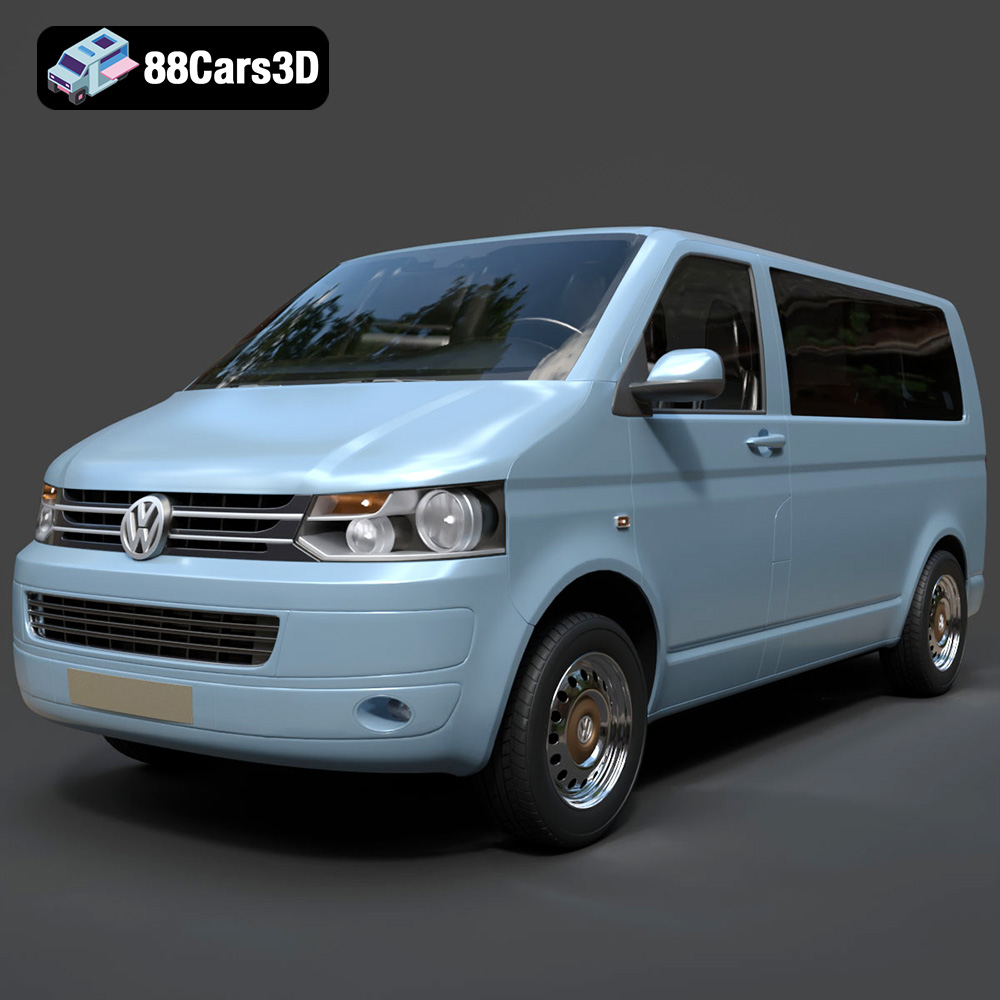
Texture: Yes
Material: Yes
Download the Volkswagen Transporter T5 FL 2010 3D Model featuring clean geometry, realistic detailing, and a fully modeled interior. Includes .blend, .fbx, .obj, .glb, .stl, .ply, .unreal, and .max formats for rendering, simulation, and game development.
Price: $22.99
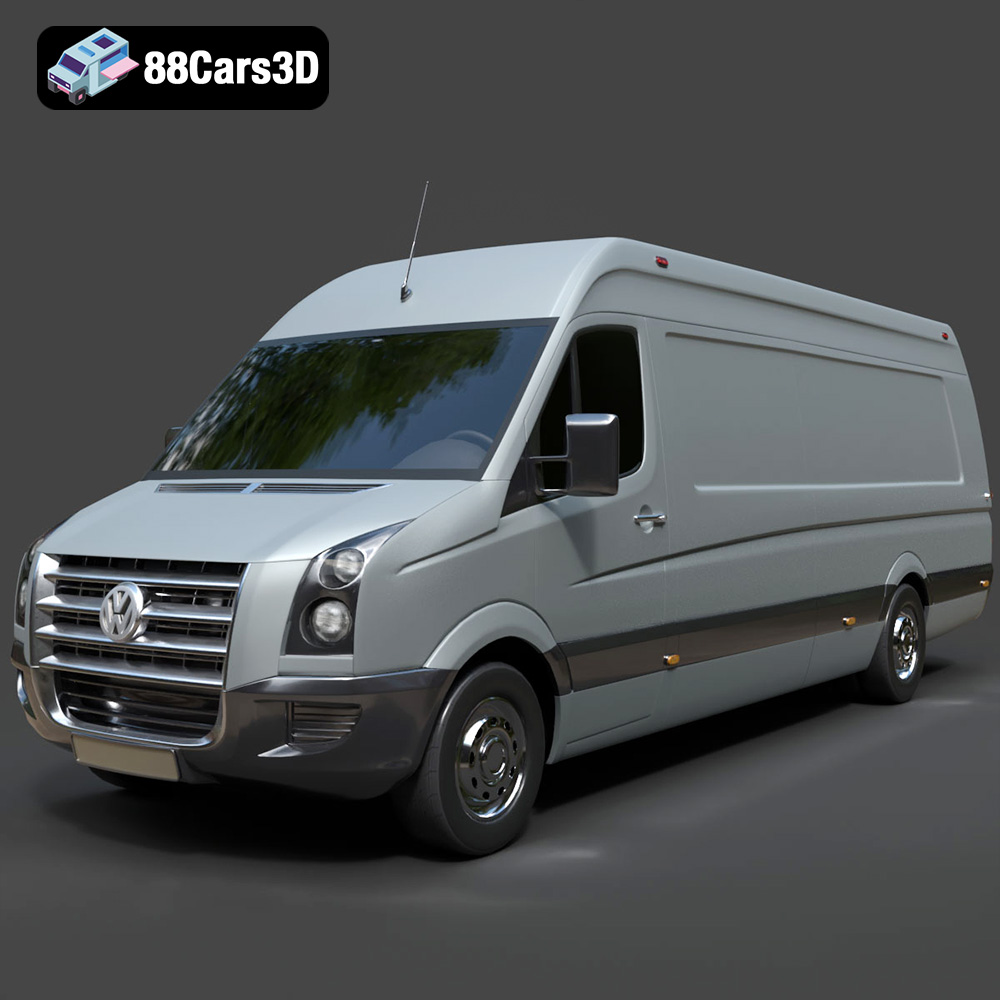
Texture: Yes
Material: Yes
Download the Volkswagen Crafter 2020 3D Model featuring clean geometry, realistic detailing, and a fully modeled interior. Includes .blend, .fbx, .obj, .glb, .stl, .ply, .unreal, and .max formats for rendering, simulation, and game development.
Price: $22.99
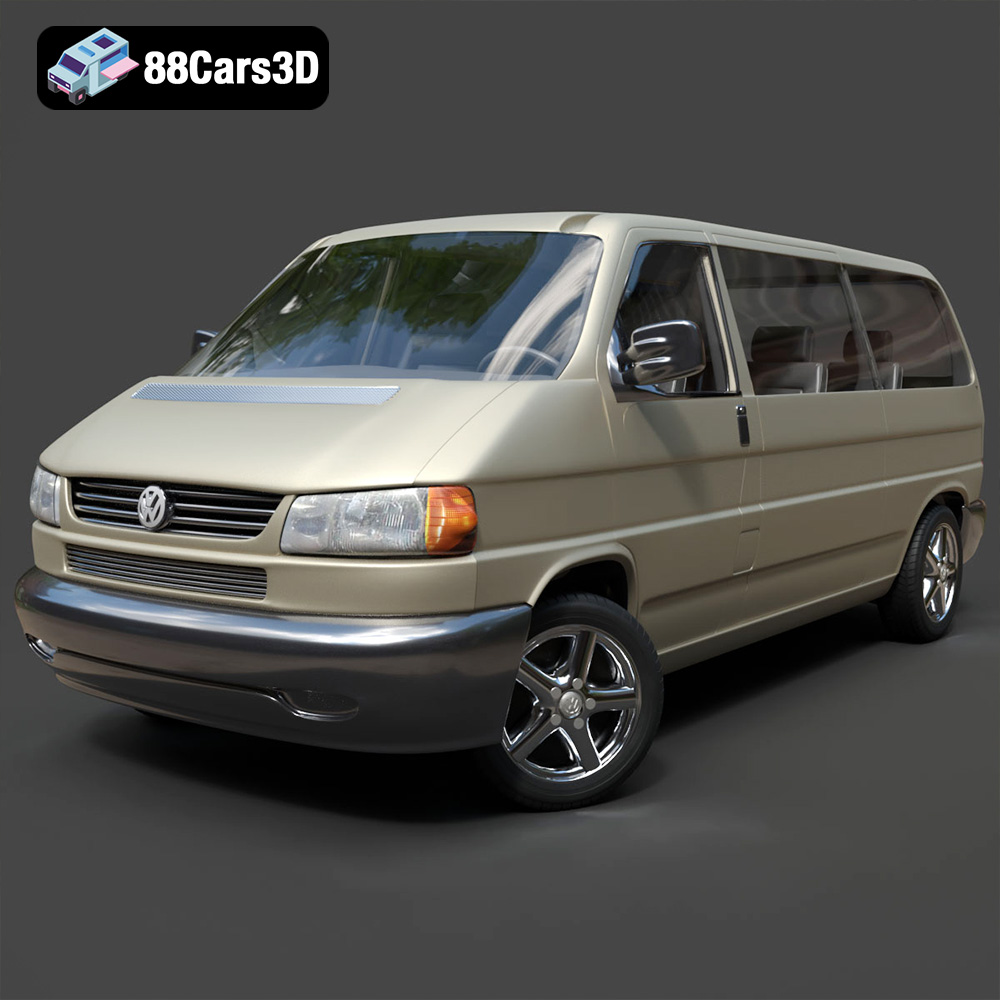
Texture: Yes
Material: Yes
Download the Volkswagen Caravelle 3D Model featuring a detailed exterior, functional interior, and optimized topology. Includes .blend, .fbx, .obj, .glb, .stl, .ply, .unreal, and .max formats for rendering, simulation, and game development.
Price: $23.99
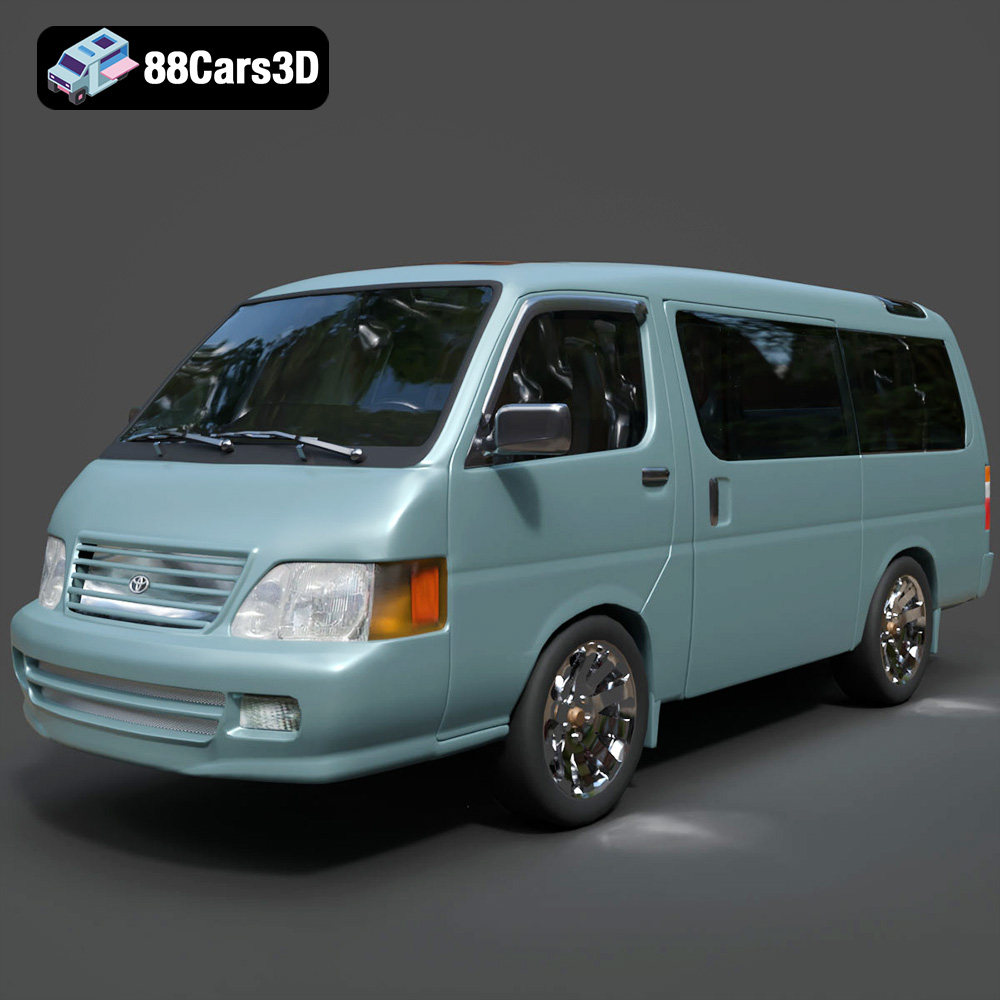
Texture: Yes
Material: Yes
Download the Toyota Hiace 3D Model featuring versatile design and detailed exterior. Includes .blend, .fbx, .obj, .glb, .stl, .ply, .unreal, and .max formats for rendering, simulation, and game development.
Price: $21.99
Texture: Yes
Material: Yes
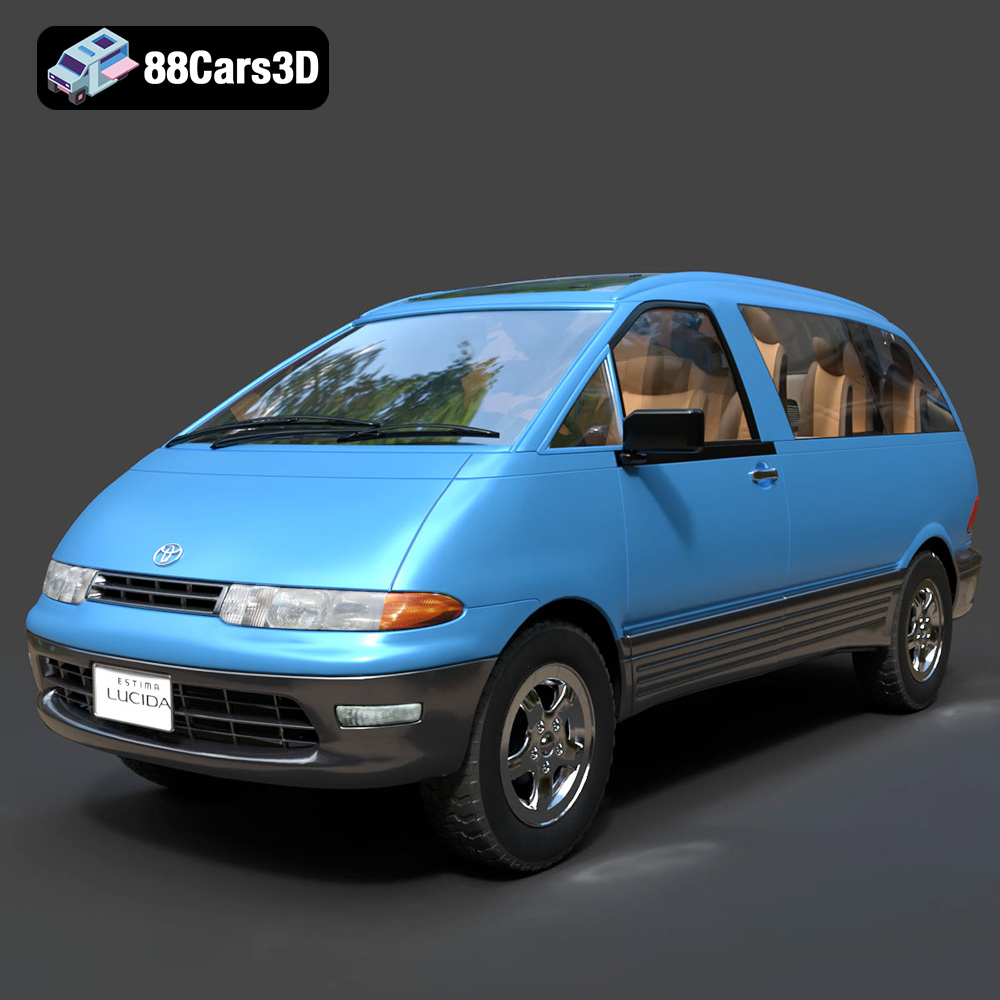
Download the Toyota Estima Lucida 3D Model featuring its iconic compact MPV design, versatile interior, and accurate exterior details. Includes .blend, .fbx, .obj, .glb, .stl, .ply, .unreal, and .max formats for rendering, simulation, and game development.
Price: $24.99

Texture: Yes
Material: Yes
Download the Toyota Alphard 3D Model featuring a detailed luxury minivan design with an accurate exterior and interior. Includes .blend, .fbx, .obj, .glb, .stl, .ply, .unreal, and .max formats for rendering, simulation, and game development.
Price: $21.99
Texture: Yes
Material: Yes
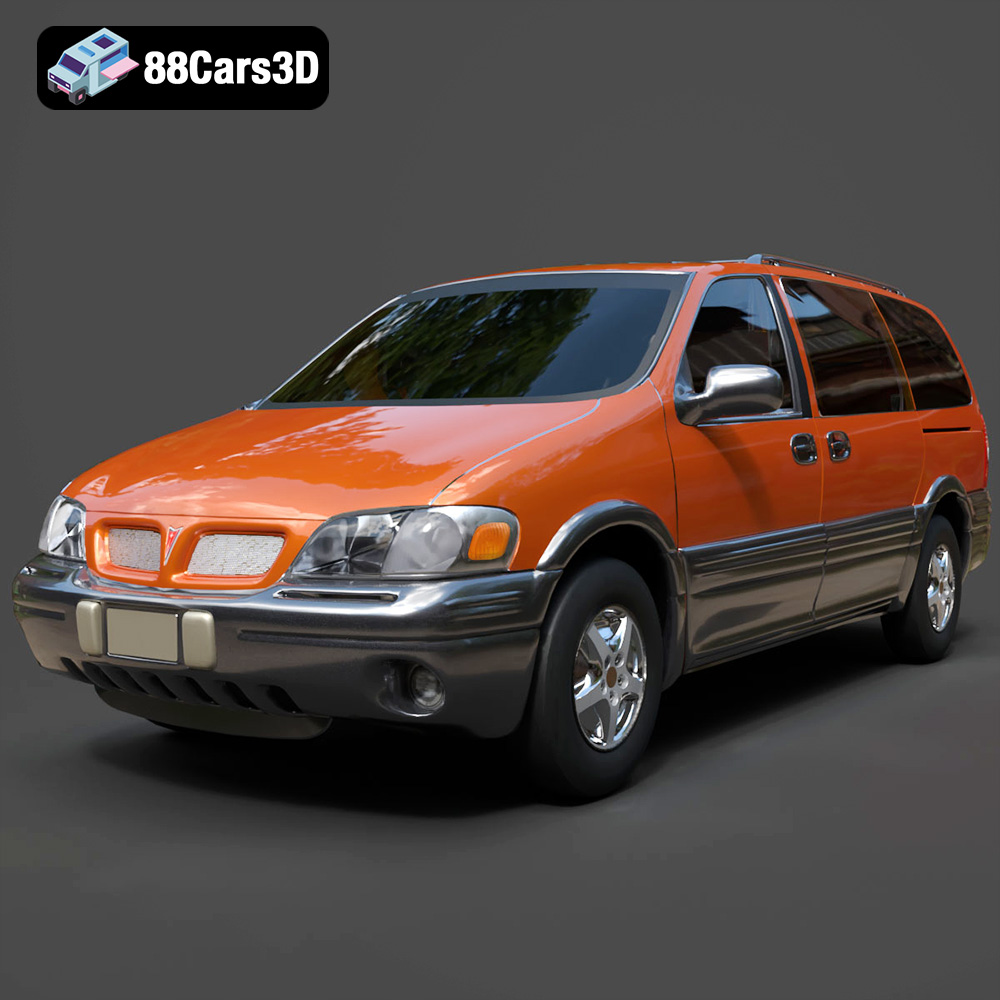
Download the Pontiac Montana 1998 3D Model featuring a detailed exterior, functional interior, and optimized mesh. Includes .blend, .fbx, .obj, .glb, .stl, .ply, .unreal, and .max formats for rendering, simulation, and game development.
Price: $21.99
Texture: Yes
Material: Yes
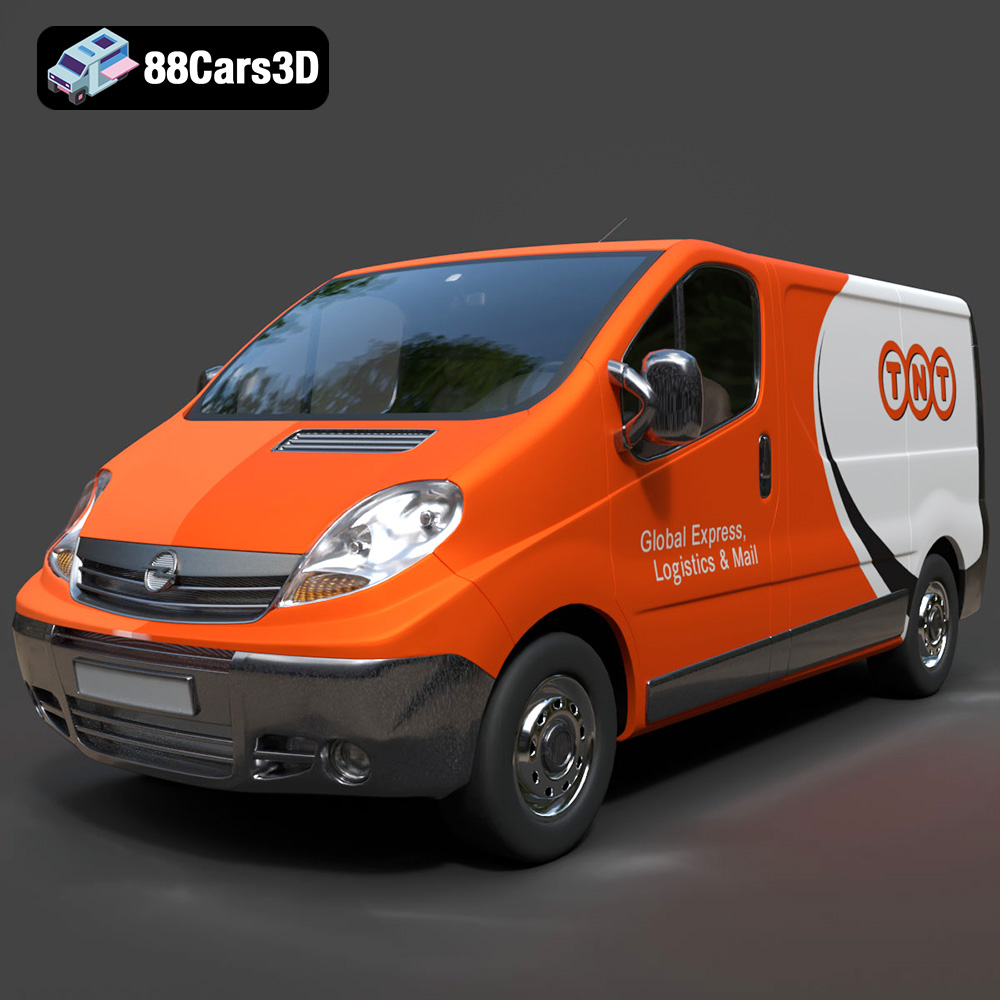
Download the Opel Vivaro 3D Model featuring a versatile commercial van design with balanced detailing. Includes .blend, .fbx, .obj, .glb, .stl, .ply, .unreal, and .max formats for rendering, simulation, and game development.
Price: $21.99
Texture: Yes
Material: Yes
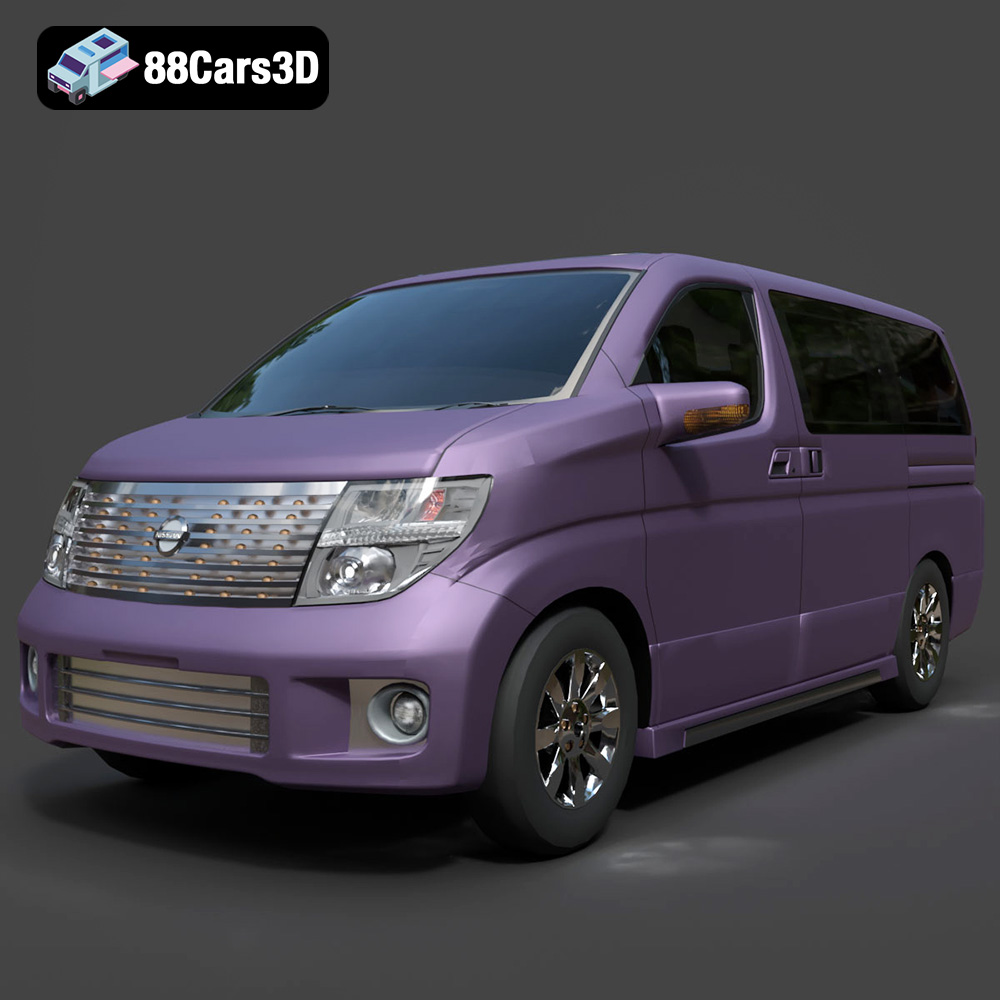
Download the Nissan Elgrand 3D Model featuring a versatile minivan design. Includes .blend, .fbx, .obj, .glb, .stl, .ply, .unreal, and .max formats for rendering, simulation, and game development.
Price: $21.99
Texture: Yes
Material: Yes
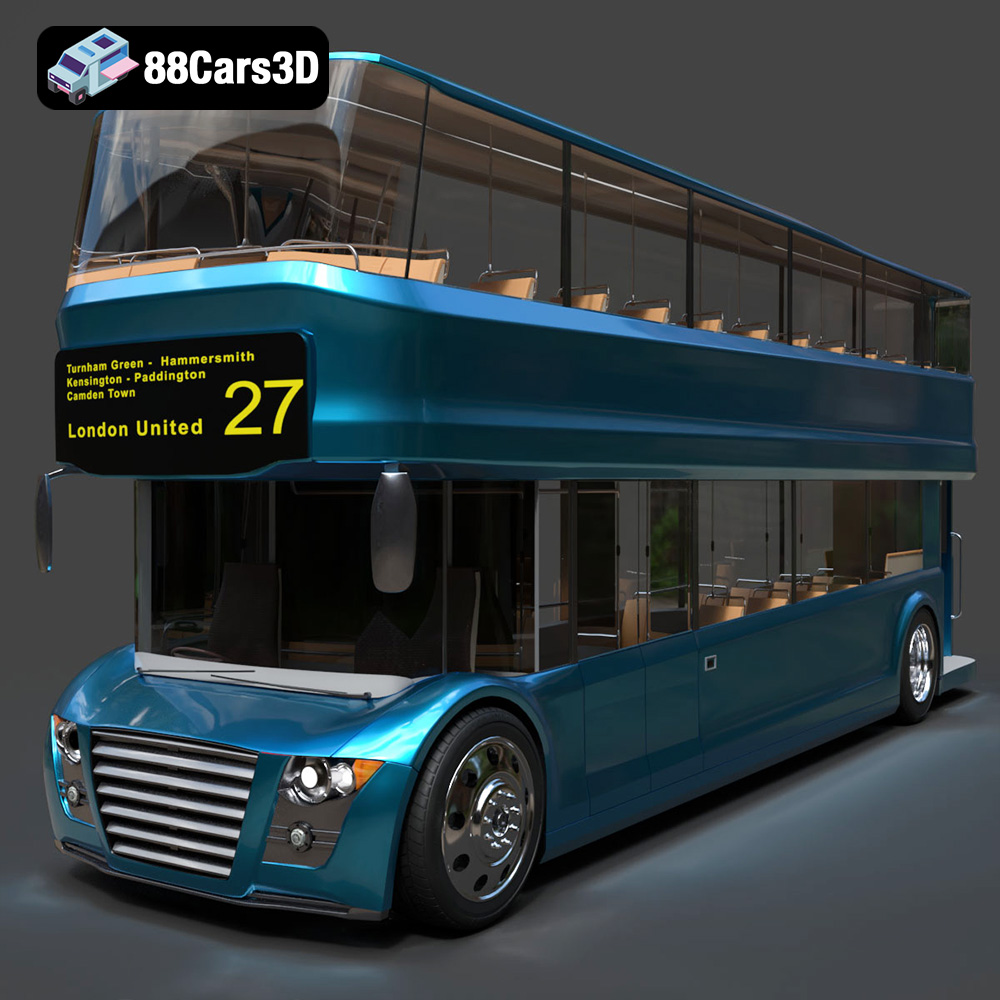
Download the New Bus For London 3D Model featuring a detailed exterior and interior, optimized for rendering and animation. Includes .blend, .fbx, .obj, .glb, .stl, .ply, .unreal, and .max formats for rendering, simulation, and game development.
Price: $21.99

