⚡ FLASH SALE: Get 60% OFF All Premium 3D & STL Models! ⚡

The automotive industry has always been at the forefront of technological innovation, and its visualization needs are no exception. From concept design and engineering reviews to marketing campaigns and interactive consumer experiences, the demand for high-fidelity, real-time automotive content is skyrocketing. At the heart of this revolution lies Unreal Engine, a powerful platform that has transformed how artists, designers, and developers create stunning, photorealistic virtual worlds. However, achieving breathtaking results isn’t just about the engine itself; it hinges critically on the quality and optimization of your 3D assets.
This comprehensive guide will take you on a deep dive into the essential process of importing and optimizing 3D car models for Unreal Engine. Whether you’re a seasoned Unreal Engine developer, a 3D artist new to real-time, or an automotive professional looking to leverage cutting-edge visualization, you’ll learn the best practices and advanced techniques to bring your vehicles to life. We’ll cover everything from initial project setup and efficient model acquisition—where platforms like 88cars3d.com offer invaluable high-quality assets—to advanced rendering features like Nanite and Lumen, interactive Blueprint scripting, and critical performance optimization strategies for various deployment targets. Prepare to unlock the full potential of your automotive visualization projects within Unreal Engine.
Before any polygons hit your Unreal Engine viewport, a solid foundation must be laid. This involves setting up your project correctly and, crucially, sourcing or preparing 3D car models that are designed for real-time performance and visual fidelity. The quality of your source models will dictate the final output and the efficiency of your workflow.
Starting with the right project template and enabling necessary plugins is paramount. While you might be tempted to use a “Games” template, for pure automotive visualization, film, or architectural projects, a “Blank” or “Film, Television, and Live Events” template often provides a cleaner slate with fewer game-specific configurations. Once your project is created, navigate to Edit > Plugins and activate key features:
Beyond plugins, review your Project Settings (Edit > Project Settings). Under Engine > Rendering, ensure features like “Hardware Ray Tracing” (if using an RTX card), “Lumen Global Illumination,” and “Nanite Virtualized Geometry” are enabled to leverage Unreal Engine’s cutting-edge rendering capabilities. Also, consider “Forward Shading” for specific performance-critical scenarios like VR, though deferred rendering is often preferred for high-fidelity visualization due to its flexibility with lighting.
The backbone of any stunning automotive visualization is a meticulously crafted 3D car model. What constitutes “high-quality” in this context? It’s a combination of several technical attributes:
When sourcing automotive assets, marketplaces such as 88cars3d.com specialize in providing models specifically designed with these best practices in mind, often pre-optimized for Unreal Engine workflows. This saves countless hours of cleanup and preparation. Always inspect the models in your preferred 3D software (Blender, Maya, 3ds Max) before import to ensure scale (Unreal Engine uses 1 unit = 1 centimeter), pivot points (at the center of the car for rotation, or individual components for hinges), and overall mesh integrity.
Once your project is configured and you have your high-quality 3D car model ready, the next step is to bring it into Unreal Engine. This process, when done correctly, sets the stage for optimal performance and visual fidelity, especially when leveraging cutting-edge features like Nanite.
The primary method for importing individual meshes and skeletal meshes is via the FBX format. To import, simply drag your FBX file into the Content Browser or use the Add/Import button. Key import settings to consider:
For more complex scenes or CAD data, the Datasmith Importer provides a more robust workflow. Datasmith can import entire scenes, preserving hierarchies, metadata, and even some basic material definitions from CAD software or DCC tools. This is particularly useful for design review processes where you need to import an entire assembly with thousands of parts. After enabling the Datasmith plugin, use the Datasmith > Import option from the main toolbar.
The USD Importer also offers a modern alternative. Importing a .USD or .USDZ file can bring in geometry, materials, animations, and even variants, making it a powerful tool for collaborative pipelines and virtual production environments where data interoperability is key. Unreal Engine’s USD support continues to expand, offering a flexible way to handle complex automotive assets.
Nanite Virtualized Geometry is one of Unreal Engine’s most groundbreaking features, fundamentally changing how high-polygon models are handled in real-time. Before Nanite, artists had to spend countless hours optimizing poly counts, creating LODs, and baking normal maps. With Nanite, you can import highly detailed, film-quality source meshes with millions of polygons directly into Unreal Engine.
How it works: Nanite intelligently streams and processes only the necessary detail for a given view, rendering cinematic-quality assets in real-time without traditional LODs or significant performance penalties. It achieves this by virtualizing geometry, which means it processes individual triangles instead of entire meshes. The benefits are profound:
Enabling Nanite: For most imported Static Meshes, you can enable Nanite by opening the Static Mesh Editor (double-click the mesh in the Content Browser) and checking the “Enable Nanite” box under the “Nanite Settings” section in the Details panel. Unreal Engine will then process the mesh for Nanite. For optimal results, ensure your original mesh is indeed high-poly (e.g., >100,000 triangles for a complex component). While Nanite is a game-changer, it’s important to note its current limitations: it does not support skeletal meshes, masked materials (like complex car grilles with transparent cutouts), or world-position offset. For these, traditional optimization methods or specific material setups will still be required. Monitoring Nanite statistics (using console commands like stat nanite) can help you understand its performance impact.
The visual appeal of any 3D car model in Unreal Engine largely depends on its materials and how it interacts with light. Achieving photorealism requires a deep understanding of Physically Based Rendering (PBR) principles and Unreal Engine’s advanced lighting systems, particularly Lumen.
Physically Based Rendering (PBR) is a shading model that aims to render graphics in a way that more accurately models the interaction of light with surfaces. This results in materials that look consistent and realistic under various lighting conditions. In Unreal Engine’s Material Editor, you construct materials using a node-based graph. The core PBR inputs for a typical opaque material are:
Specific Car Materials:
To manage variations efficiently, create Material Instances. A Master Material contains the complex node network, exposing parameters (colors, roughness values, texture switches) that can be easily adjusted in Material Instances without recompiling the shader, saving development time and improving performance. For optimal texture streaming, ensure your textures are properly imported with Mip Maps enabled and appropriate compression settings. Recommended texture resolutions vary, but 2K (2048×2048) or 4K are standard for detailed surfaces, while 8K might be used for large, critical elements like the main body panels of a hero vehicle.
Unreal Engine 5’s Lumen Global Illumination and Reflections system is a game-changer for achieving real-time photorealism. Lumen provides dynamic global illumination and reflections, meaning light bounces, indirect lighting, and reflections update in real-time as you move lights or objects, without needing to bake lightmaps. This is invaluable for automotive visualization, enabling dynamic studio setups, interactive configurators, and realistic outdoor scenes.
Setting up Lumen:
Lighting Sources:
For outdoor or studio environments, using an HDRI (High Dynamic Range Image) captured with high dynamic range information is paramount. Import the HDRI as a Cube Map texture, and apply it to your Sky Light. This will automatically provide realistic environmental lighting and reflections that Lumen will intelligently integrate. Post-processing effects, controlled via the Post Process Volume, further enhance the visual output. Adjust settings like Exposure, Color Grading (White Balance, Saturation, Contrast), Bloom (for light sources), Vignette, and Depth of Field to achieve a cinematic look. For an in-depth understanding of Lumen and its intricacies, refer to the official Unreal Engine documentation at https://dev.epicgames.com/community/unreal-engine/learning.
Static renders are impressive, but the real power of Unreal Engine shines when you add interactivity and animation. Whether you’re building an interactive car configurator or crafting a stunning cinematic, Unreal Engine provides robust tools like Blueprint and Sequencer to bring your automotive visions to life.
Blueprint Visual Scripting is Unreal Engine’s powerful node-based scripting system that allows designers and artists to create complex gameplay and interactive functionalities without writing a single line of code. For automotive visualization, Blueprint is indispensable for building dynamic configurators, interactive demos, and even driveable vehicles.
Core Concepts:
Building Interactive Elements:
Integrating User Interface (UI) elements with UMG (Unreal Motion Graphics) and Blueprint is essential for user-friendly configurators. Create UMG Widgets (buttons, sliders, text) and bind their events (e.g., “OnClicked”) to custom Blueprint events in your car’s Blueprint, driving the interactive logic. For driveable cars, Unreal Engine’s Chaos Vehicles system provides a robust framework. You’ll need to create a Chaos Vehicle Blueprint, assign wheel meshes, configure engine and suspension parameters, and set up input mappings for steering, acceleration, and braking. This allows for realistic physics simulation and engaging driving experiences.
For creating stunning, pre-rendered cinematic sequences, commercials, or in-engine cutscenes, Unreal Engine’s Sequencer is the tool of choice. Sequencer is a multi-track, non-linear editor that allows you to choreograph every aspect of your scene over time.
Sequencer Workflow:
Once your cinematic is complete, use the Movie Render Queue (enabled via plugins) to render it. MRQ offers advanced features like temporal anti-aliasing (for crisp edges without jaggies), output in high-quality formats (EXR, ProRes), render passes (for compositing), and custom console variables, ensuring your final output is of broadcast quality.
While Unreal Engine’s rendering capabilities are phenomenal, maintaining optimal performance is crucial for real-time applications, especially when deploying to diverse platforms like AR/VR headsets or lower-end gaming PCs. Effective optimization involves strategic use of LODs, efficient instancing, and targeted platform-specific adjustments.
Even with Nanite handling hero assets, traditional Levels of Detail (LODs) remain vital for non-Nanite meshes (like skeletal meshes, complex transparent parts, or smaller details), objects that don’t benefit from Nanite, or for target platforms where Nanite isn’t available or performant (e.g., mobile AR).
Monitoring your project’s performance is essential. Use the console commands stat fps, stat unit, and stat rhi to get real-time performance metrics. The Profiler (Window > Developer Tools > Session Frontend > Profiler) provides in-depth analysis of CPU and GPU bottlenecks.
Deploying automotive visualizations to demanding platforms like Augmented Reality (AR) or Virtual Reality (VR) requires an even more rigorous approach to optimization. The target frame rate for VR is typically 90 frames per second (fps) or higher to prevent motion sickness, and AR also benefits from smooth performance.
For game development, general optimization principles apply: efficient asset cooking, level streaming to load/unload parts of the map dynamically, and careful management of physics objects and particle systems (Niagara). Always profile on the target hardware to identify bottlenecks. For comprehensive details on optimizing your Unreal Engine projects for specific platforms, refer to the extensive documentation available at https://dev.epicgames.com/community/unreal-engine/learning.
The journey of importing and optimizing 3D car models for Unreal Engine is a blend of technical expertise, artistic vision, and strategic planning. We’ve explored the entire pipeline, from configuring your Unreal Engine project and sourcing high-quality assets (such as those available on 88cars3d.com) to leveraging powerful features like Nanite for unparalleled geometric detail and Lumen for dynamic, photorealistic lighting.
Understanding PBR material workflows, mastering Blueprint for interactive experiences, and harnessing Sequencer for cinematic storytelling empowers you to create captivating automotive visualizations. Crucially, we’ve delved into advanced optimization techniques, including LOD management, instancing, and platform-specific adjustments for AR/VR and game development, ensuring your projects run smoothly and efficiently across various deployment targets. Unreal Engine provides an incredibly versatile and powerful toolkit, but the secret to unlocking its full potential lies in the careful preparation and ongoing optimization of your 3D assets.
By applying the best practices outlined in this guide, you can significantly elevate the quality and performance of your automotive projects, delivering immersive and visually stunning experiences that truly resonate. The world of real-time automotive visualization is constantly evolving, and with Unreal Engine, you are equipped to lead the charge. Start your next ground-breaking project today with high-quality, pre-optimized 3D car models from 88cars3d.com, and bring your automotive visions to life with unparalleled realism and interactivity.
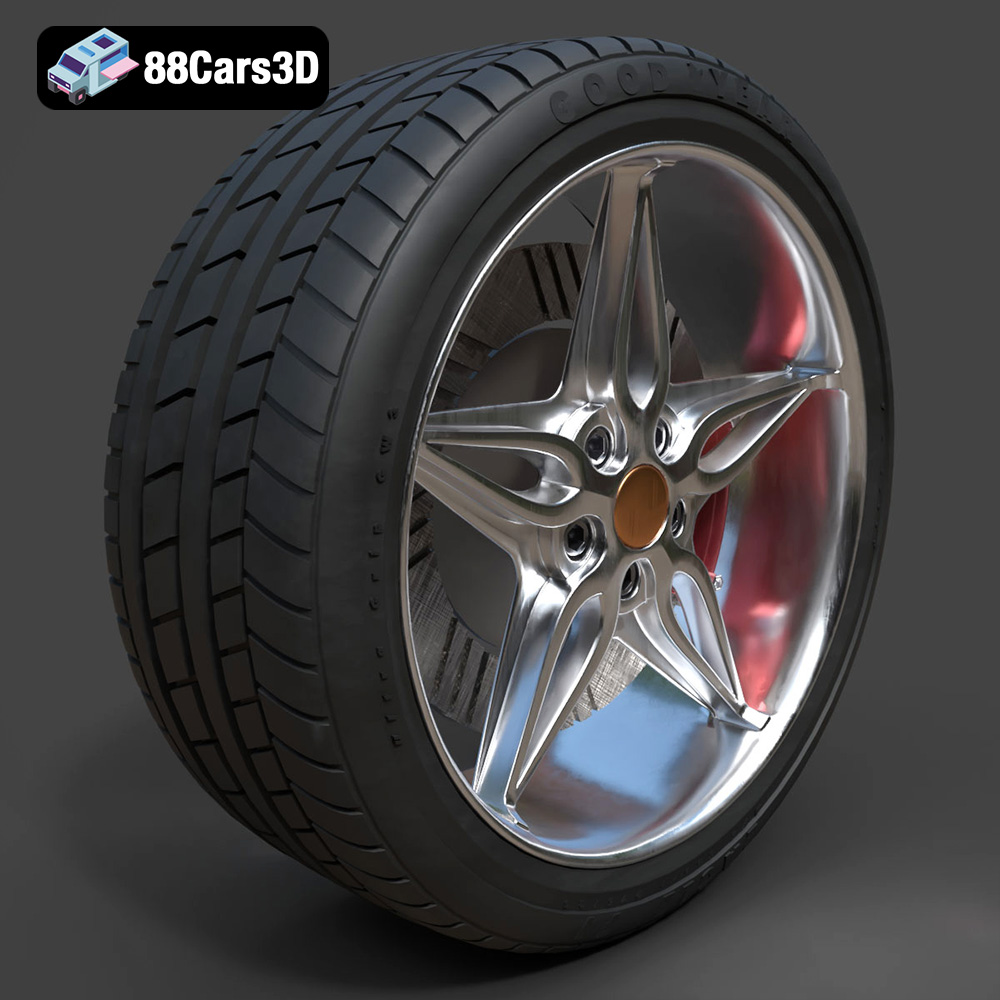
Texture: Yes
Material: Yes
Download the Wheel-001 Component 3D Model featuring clean geometry, realistic detailing, and a fully modeled interior. Includes .blend, .fbx, .obj, .glb, .stl, .ply, .unreal, and .max formats for rendering, simulation, and game development.
Price: $10.99
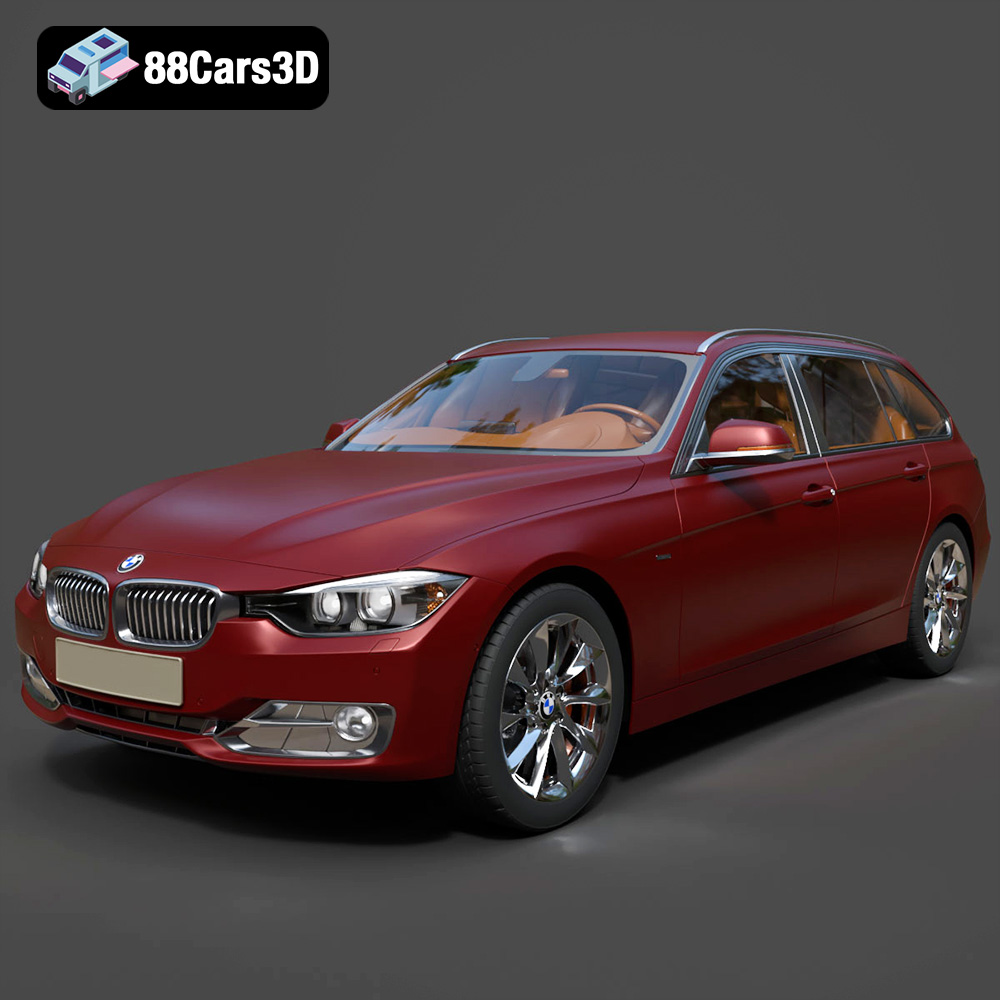
Texture: Yes
Material: Yes
Download the BMW 3 series Touring 335i (F31) 2013 3D Model featuring a highly detailed exterior, realistic interior, and modular design. Includes .blend, .fbx, .obj, .glb, .stl, .ply, .unreal, and .max formats for rendering, simulation, and game development.
Price: $30.79
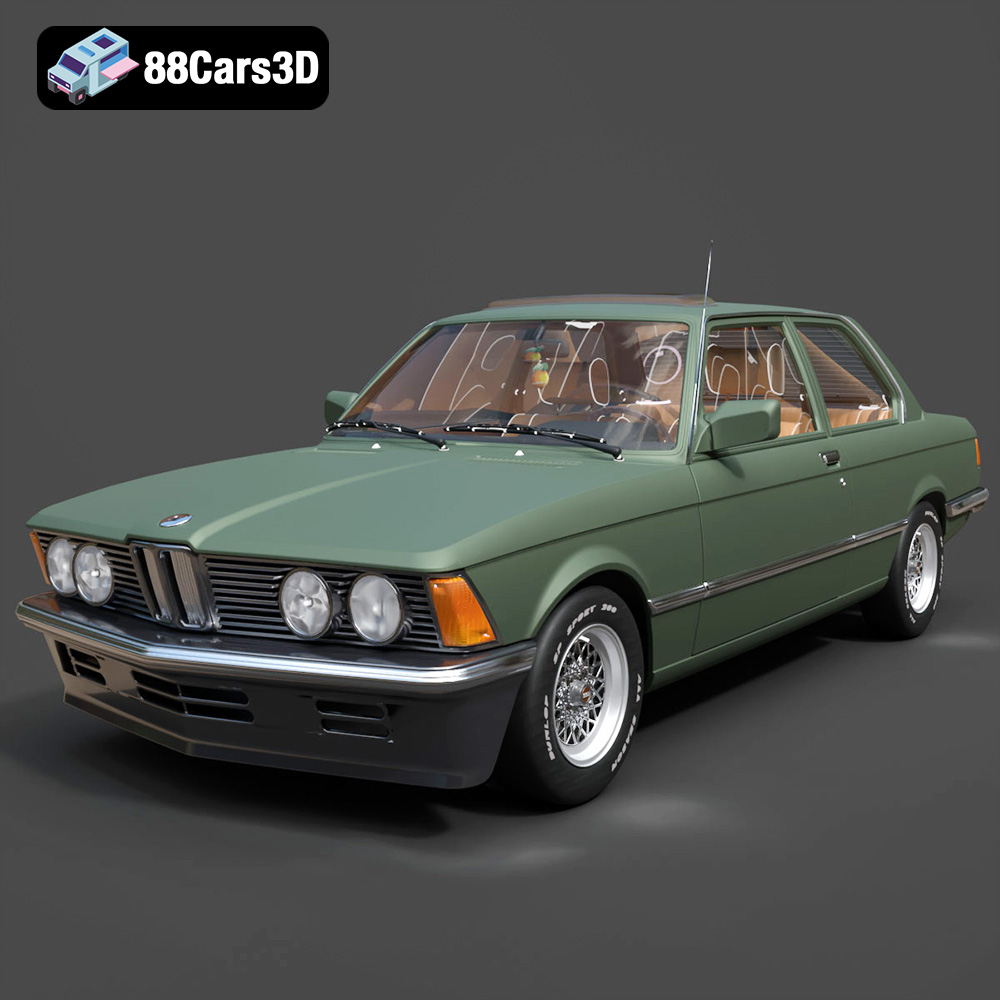
Texture: Yes
Material: Yes
Download the BMW 3 Series E21 3D Model featuring authentic exterior design, detailed interior, and accurate proportions. Includes .blend, .fbx, .obj, .glb, .stl, .ply, .unreal, and .max formats for rendering, simulation, and game development.
Price: $20.79
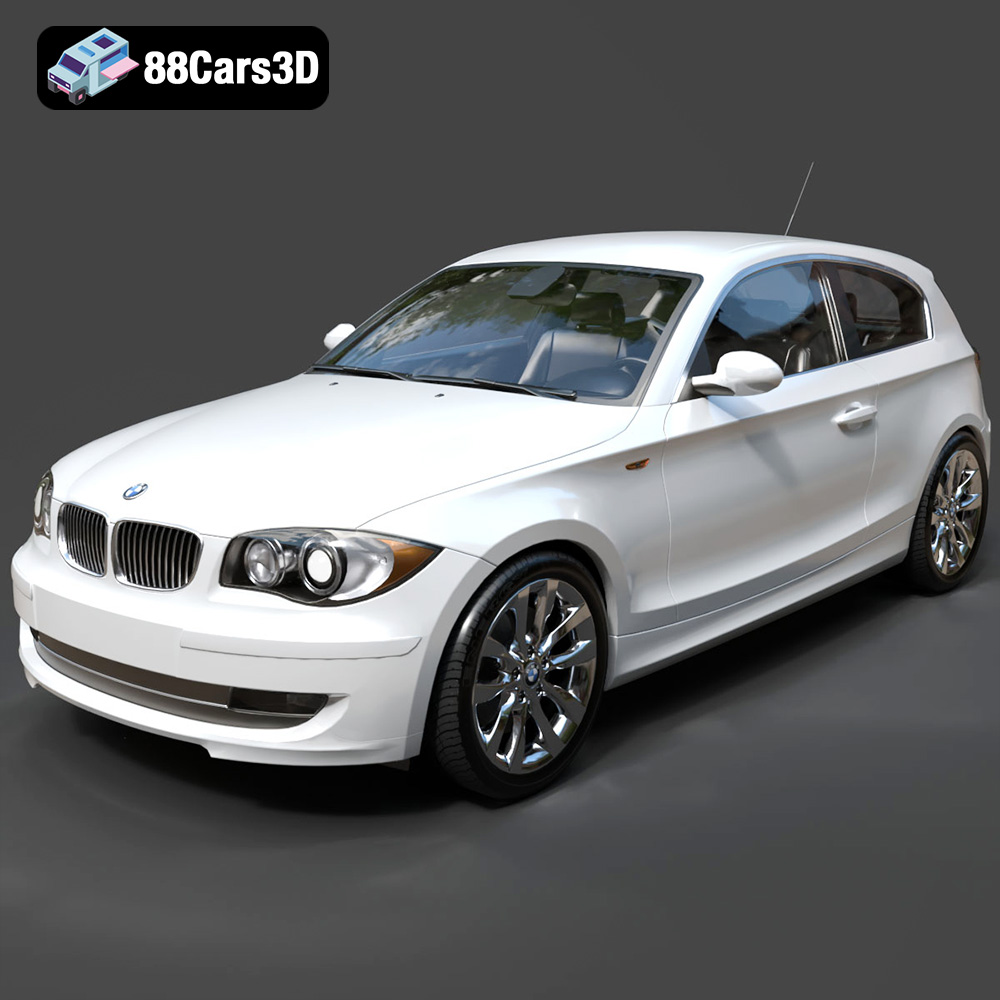
Texture: Yes
Material: Yes
Download the BMW 1 Series 3-Door E81 3D Model featuring a detailed exterior, functional interior elements, and clean geometry. Includes .blend, .fbx, .obj, .glb, .stl, .ply, .unreal, and .max formats for rendering, simulation, and game development.
Price: $14.79
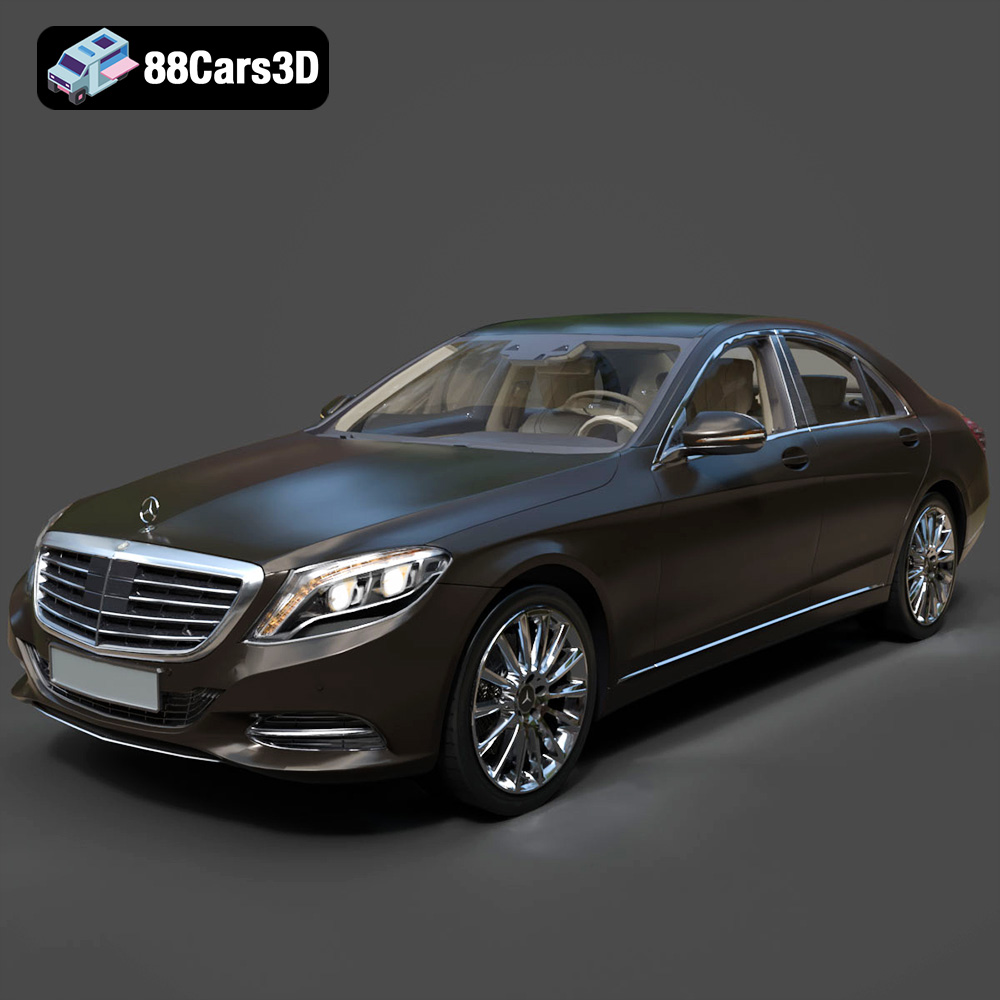
Texture: Yes
Material: Yes
Download the Mercedes-Benz S500 2022 3D Model featuring clean geometry, realistic detailing, and a fully modeled interior. Includes .blend, .fbx, .obj, .glb, .stl, .ply, .unreal, and .max formats for rendering, simulation, and game development.
Price: $19.99
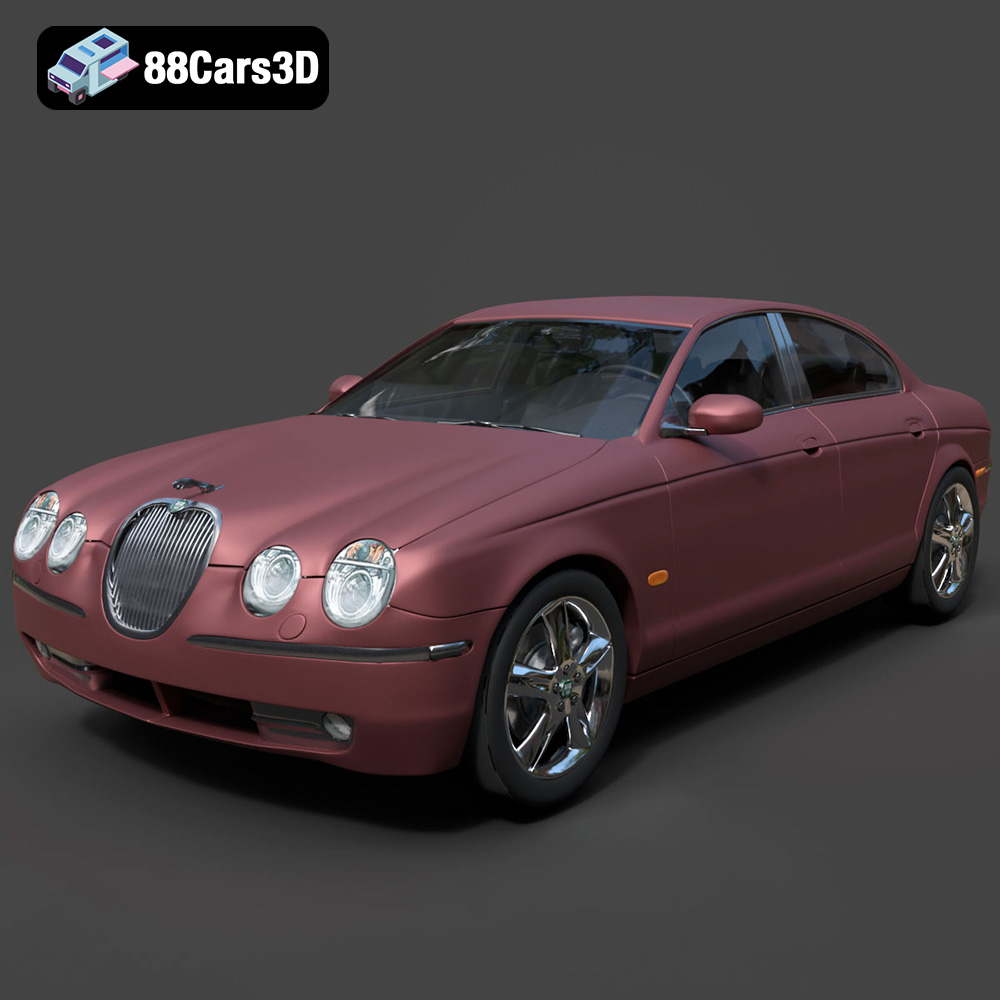
Texture: Yes
Material: Yes
Download the Jaguar S-Type Sedan 3D Model featuring clean geometry, realistic detailing, and a fully modeled interior. Includes .blend, .fbx, .obj, .glb, .stl, .ply, .unreal, and .max formats for rendering, simulation, and game development.
Price: $18.99
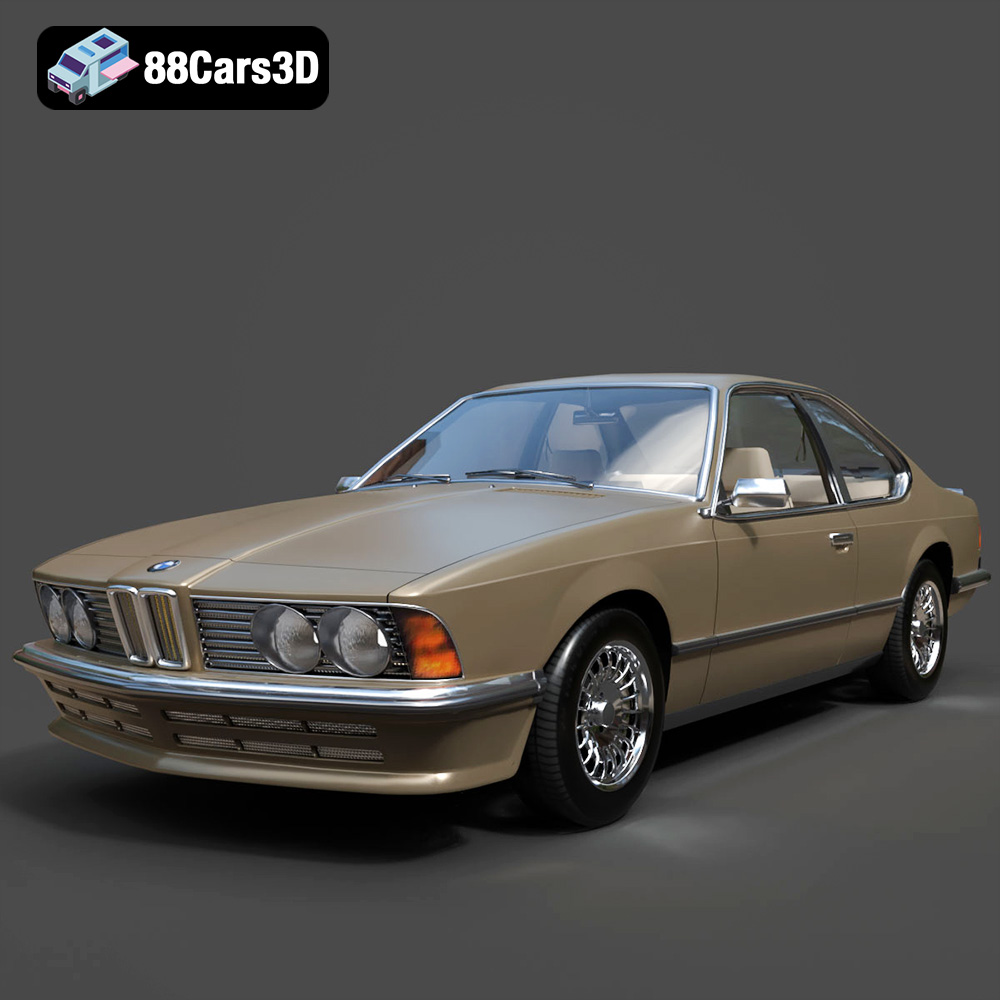
Texture: Yes
Material: Yes
Download the BMW 6 Series 1986 3D Model featuring clean geometry, realistic detailing, and a fully modeled interior. Includes .blend, .fbx, .obj, .glb, .stl, .ply, .unreal, and .max formats for rendering, simulation, and game development.
Price: $16.99
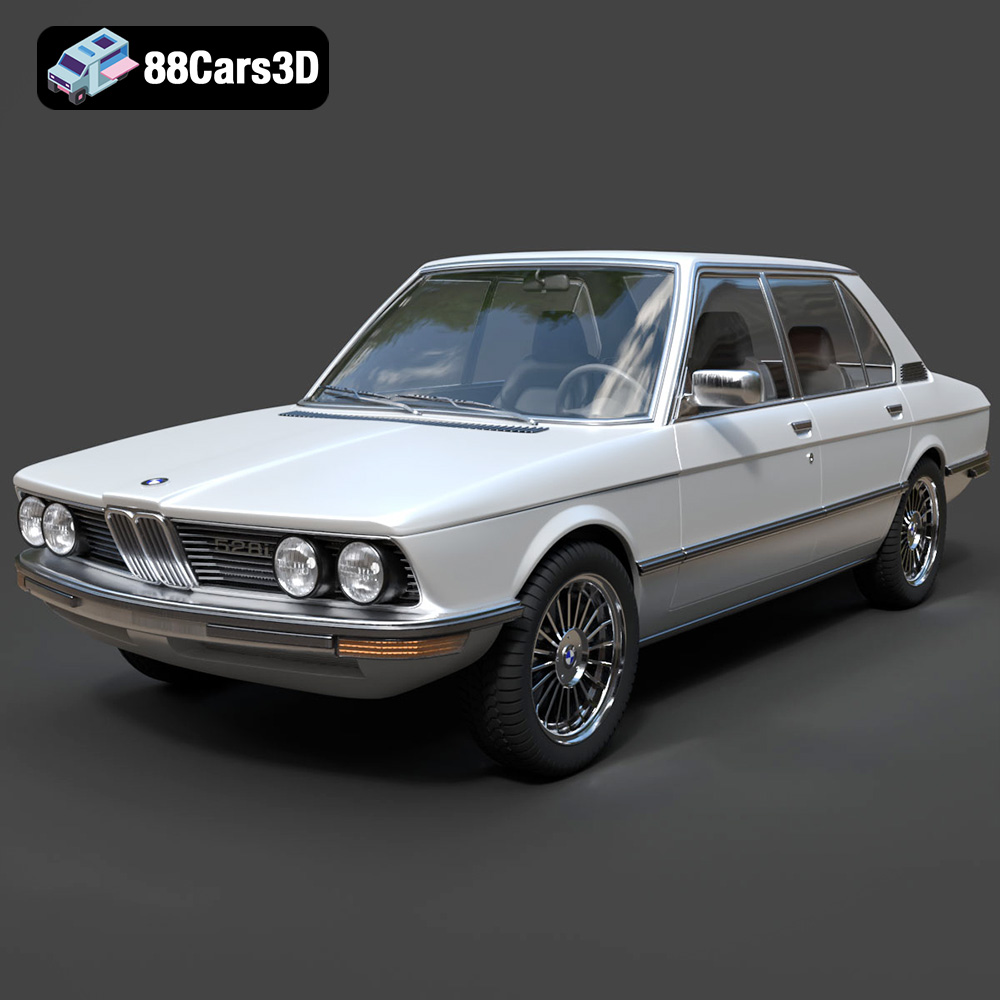
Texture: Yes
Material: Yes
Download the BMW 5 Series E12 528i 3D Model featuring clean geometry, realistic detailing, and a fully modeled interior. Includes .blend, .fbx, .obj, .glb, .stl, .ply, .unreal, and .max formats for rendering, simulation, and game development.
Price: $14.99

Texture: Yes
Material: Yes
Download the BMW 5 Series F10 3D Model featuring clean geometry, realistic detailing, and a fully modeled interior. Includes .blend, .fbx, .obj, .glb, .stl, .ply, .unreal, and .max formats for rendering, simulation, and game development.
Price: $14.99
Texture: Yes
Material: Yes
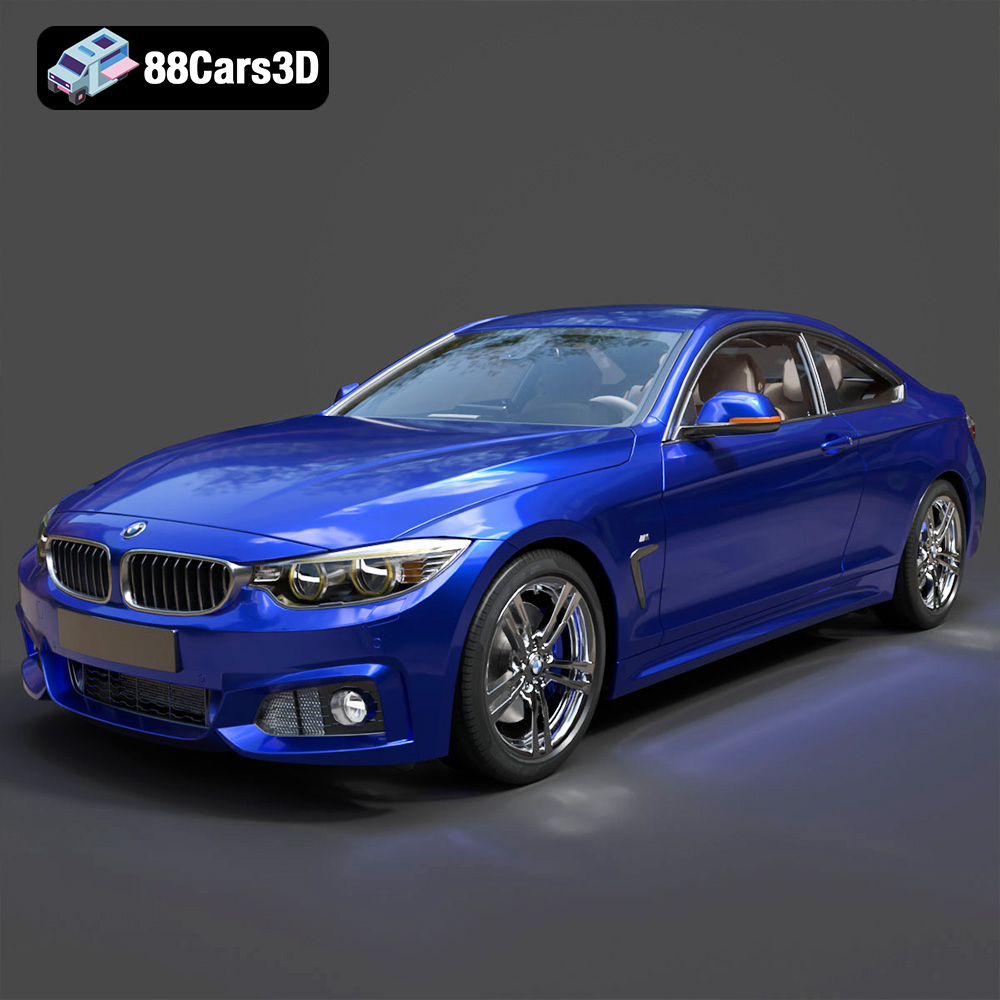
Download the BMW 4 Series Coupe M Sport 2014 3D Model featuring clean geometry, realistic detailing, and a fully modeled interior. Includes .blend, .fbx, .obj, .glb, .stl, .ply, .unreal, and .max formats for rendering, simulation, and game development.
Price: $14.99

