⚡ FLASH SALE: Get 60% OFF All Premium 3D & STL Models! ⚡

The allure of a perfectly rendered automobile is undeniable. From high-stakes marketing campaigns to immersive game environments and breathtaking architectural visualizations, photorealistic 3D car models are a cornerstone of modern digital content creation. Achieving that coveted level of realism, however, is a journey that demands a blend of technical prowess, artistic vision, and a deep understanding of rendering principles. In this comprehensive guide, we’ll embark on an exploration of how to harness the power of Corona Renderer, a CPU-based unbiased render engine, to transform raw 3D car models into stunning, lifelike imagery. We’ll delve into everything from the foundational importance of model topology and advanced UV mapping to intricate PBR material creation, sophisticated lighting setups, render optimization, and the critical final touches of post-processing. Whether you’re a seasoned 3D artist or an aspiring automotive designer, prepare to unlock the secrets behind captivating car renders that truly stand out, leveraging high-quality assets often found on platforms like 88cars3d.com.
The journey to photorealism begins not in the render engine, but with the 3D model itself. A poorly constructed model, rife with topological issues, will be a constant struggle regardless of how advanced your rendering techniques are. For automotive models, which feature smooth, reflective surfaces that demand flawless light reflection, clean topology is paramount. It dictates how subdivision surfaces behave, how light flows across the mesh, and ultimately, the fidelity of your final render.
Clean topology for car models adheres to several core principles. Firstly, quad dominance is essential. While triangles are unavoidable in some areas (especially after triangulation for game engines or certain subdivision surface algorithms), a model primarily built with four-sided polygons (quads) offers predictable subdivision behavior and smoother deformations. Avoid n-gons (polygons with more than four sides) at all costs, as they can lead to unpredictable shading and pinching artifacts, particularly when subdivided. Edge loops should flow intelligently, following the natural contours and design lines of the car. This not only aids in modeling and selection but also ensures that highlights reflect realistically and don’t break up along seams. Uniform polygon density, especially on large, smooth panels, prevents areas of lower resolution from appearing faceted or blocky. Key areas like panel gaps, creases, and hard edges require a concentration of supporting edge loops to hold their shape during subdivision, preventing them from becoming soft or rounded. For those starting with existing models, like those available on 88cars3d.com, inspecting the wireframe and mesh integrity is always a crucial first step.
Before any rendering work begins, a thorough inspection and preparation of your 3D car model are necessary. If you’re creating the model from scratch, meticulously adhering to the topology principles discussed is your primary goal. If you’re sourcing a model, perhaps from a marketplace like 88cars3d.com, it’s vital to check for common issues. This includes examining the mesh for open edges, flipped normals, overlapping vertices, and non-manifold geometry, which can all cause rendering artifacts. Tools like 3ds Max’s ‘XView’ or Blender’s ‘Mesh Lint’ (available as an add-on or through manual checks as outlined in the official Blender 4.4 documentation) can help identify these problems. Ensure the model is at a correct, real-world scale – this is critical for accurate light interaction and physical camera settings in Corona. The model’s origin point should also be logically placed, typically at the center of the car or the ground plane, to facilitate easier scene manipulation. High-resolution render models for automotive visualization often feature polygon counts ranging from 500,000 to 2 million triangles for a complete vehicle, ensuring ample detail for close-up shots without excessive overhead.
Once you have a clean, topologically sound 3D car model, the next crucial step towards photorealism is impeccable UV mapping. UVs are the 2D coordinates that tell your 3D software how to project 2D textures onto the 3D surface. For the highly reflective and often intricately textured surfaces of an automobile, perfect UVs are not just important; they are absolutely critical for realistic PBR (Physically Based Rendering) material application.
The goal of strategic UV layout is to create a seamless, distortion-free, and logically organized 2D representation of your 3D model. For car bodies, this often means segmenting the model into logical, easy-to-unwrap pieces – hood, doors, roof, fenders, bumpers, etc. Each piece should be unwrapped to minimize stretching and compression of textures. Imagine trying to flatten a crumpled piece of paper; the goal is to make it as flat as possible without tearing or excessive creasing. Texel density – the number of pixels per unit of surface area – should be consistent across all major panels. This ensures that a 4K texture on the hood doesn’t look blurry compared to a similar texture on a door panel. Tools in 3ds Max, Blender, or Maya offer various projection methods (planar, cylindrical, spherical, box) and unwrapping algorithms (e.g., Pelt Mapping, LSCM) to achieve this. Manually stitching and relaxing UV islands after projection is often necessary to refine the layout and maximize UV space utilization.
Automotive UV mapping presents unique challenges. Complex curved surfaces, such as the rounded edges of a fender or the intricate grilles, can be difficult to unwrap without distortion. Using multiple small UV islands or careful seam placement can mitigate this. For example, a fender might require seams along its inner edges where they meet other panels, allowing the main outer surface to unwrap cleanly. Overlapping UVs are another consideration. While generally avoided for unique texturing, they can be strategically used for shared materials. For instance, if all four door handles use the exact same texture set, overlapping their UVs means only one set of texture maps needs to be created and managed. However, this is only applicable if there is no unique dirt or wear variation intended for those parts. Headlights and taillights, with their often complex internal reflectors and lenses, demand meticulous unwrapping, sometimes requiring a combination of automatic and manual methods to ensure texture accuracy. Understanding how your textures will behave on these surfaces, especially normal maps and anisotropic reflections, is key to placing seams effectively. A well-organized UV set not only aids in texturing but also makes future adjustments and material changes significantly easier.
With a robust 3D model and meticulously crafted UVs, we arrive at the heart of photorealism: physically based rendering (PBR) materials. PBR shaders simulate how light interacts with real-world surfaces, ensuring consistent and believable results across different lighting conditions. Corona Renderer excels at this, providing an intuitive yet powerful material editor that allows artists to construct complex shader networks.
Automotive paint is one of the most complex materials to replicate accurately due to its multi-layered nature. A typical car paint shader in Corona involves several components:
Texture resolutions for these materials can vary, but generally, 4K (4096×4096) or even 8K textures are used for critical components like car paint and tire sidewalls for close-up renders. Smaller details like interior fabrics might use 2K textures.
Beyond car paint, a photorealistic render demands a convincing array of other materials:
Each material will have its own unique node setup in the Corona Material Editor, combining Albedo (Base Color), Roughness, Metallic, Normal, Ambient Occlusion (AO), and Displacement maps to achieve its distinct appearance. Understanding the interplay of these maps and how they influence light interaction is key to building compelling shader networks.
Lighting is arguably the most critical component in achieving photorealism. It shapes the model, defines its mood, and brings out the nuances of your meticulously crafted materials. Without compelling lighting, even the best model and textures will fall flat. Corona Renderer offers robust tools for creating naturalistic and dramatic illumination.
The foundation of realistic automotive lighting often lies in High Dynamic Range Imaging (HDRI) environments. HDRIs capture the full range of light intensities from real-world locations, providing both illumination and reflections in a single image. This makes them incredibly powerful for placing a 3D car model within a believable context.
For complex studio setups, using a combination of a studio HDRI and supplementary Corona Lights provides maximum control over reflections and highlights.
While HDRIs provide global illumination, Corona’s native light sources allow for precise artistic control and enhancement of the scene.
The interplay of these light sources, combined with a well-chosen HDRI, creates a rich and dynamic lighting environment that truly brings out the form and finish of the automotive model.
Corona Renderer is renowned for its ease of use, physical accuracy, and robust feature set. However, achieving both stunning quality and efficient render times requires a solid understanding of its optimization strategies. As a CPU-based, unbiased renderer, Corona calculates light paths physically, which can be computationally intensive but yields incredibly realistic results.
Corona’s render settings are designed for flexibility. For automotive visualization, several key parameters are crucial:
For high-resolution final renders, especially for hero shots, it’s common to let Corona run for longer, aiming for a noise limit below 2% or even 1%, before applying denoising. This ensures maximum detail preservation.
Optimizing render times involves more than just settings; it also includes smart scene management:
By combining intelligent scene organization with Corona’s powerful rendering features, you can achieve both breathtaking quality and efficient render pipelines for your automotive visualizations.
The render coming straight out of Corona, while highly accurate, is rarely the final image. Post-processing and compositing in software like Adobe Photoshop, Affinity Photo, or Blackmagic Fusion are indispensable steps that elevate a good render to an exceptional one. This is where you inject artistic flair, refine subtleties, and ensure the image has maximum visual impact.
Armed with your beauty pass and various render elements, you can perform a series of non-destructive adjustments:
Using render passes like reflection, refraction, and shadow passes gives you isolated control over these elements. For example, you can selectively boost reflections on the car body without affecting other parts of the scene, or slightly darken shadows for more depth.
To further enhance realism and cinematic quality, consider adding these effects:
The key to post-processing is subtlety. The goal is to enhance, not to overpower, the inherent realism of your Corona render. Each adjustment should serve to bring the image closer to what a real photograph would look like, or to achieve a specific artistic vision. By mastering these post-production techniques, you can transform your raw renders into polished, professional-grade automotive masterpieces.
Creating photorealistic automotive renders with Corona Renderer is a multifaceted discipline that combines technical precision with artistic intuition. We’ve journeyed from the foundational importance of immaculate 3D model topology and strategic UV mapping, through the intricate world of PBR material creation, the art of illuminating a scene with advanced lighting setups, and the crucial steps of optimizing Corona Renderer for both speed and quality. Finally, we explored the transformative power of post-processing and compositing, which elevates a technically accurate render into a truly captivating image.
The pursuit of photorealism is an iterative process, demanding patience, experimentation, and a keen eye for detail. Every parameter, from a subtle tweak in a material’s roughness to the precise angle of a key light, contributes to the overall believability of your final output. Remember, the best tools are only as effective as the artist wielding them. Continuously practice, experiment with different techniques, and analyze real-world photography to train your eye. For those looking to jumpstart their projects with high-quality assets, platforms like 88cars3d.com offer a vast selection of professionally crafted 3D car models that provide an excellent foundation for your rendering endeavors. Embrace the journey, and you’ll soon be crafting automotive visualizations that not only look real but also tell a compelling story.
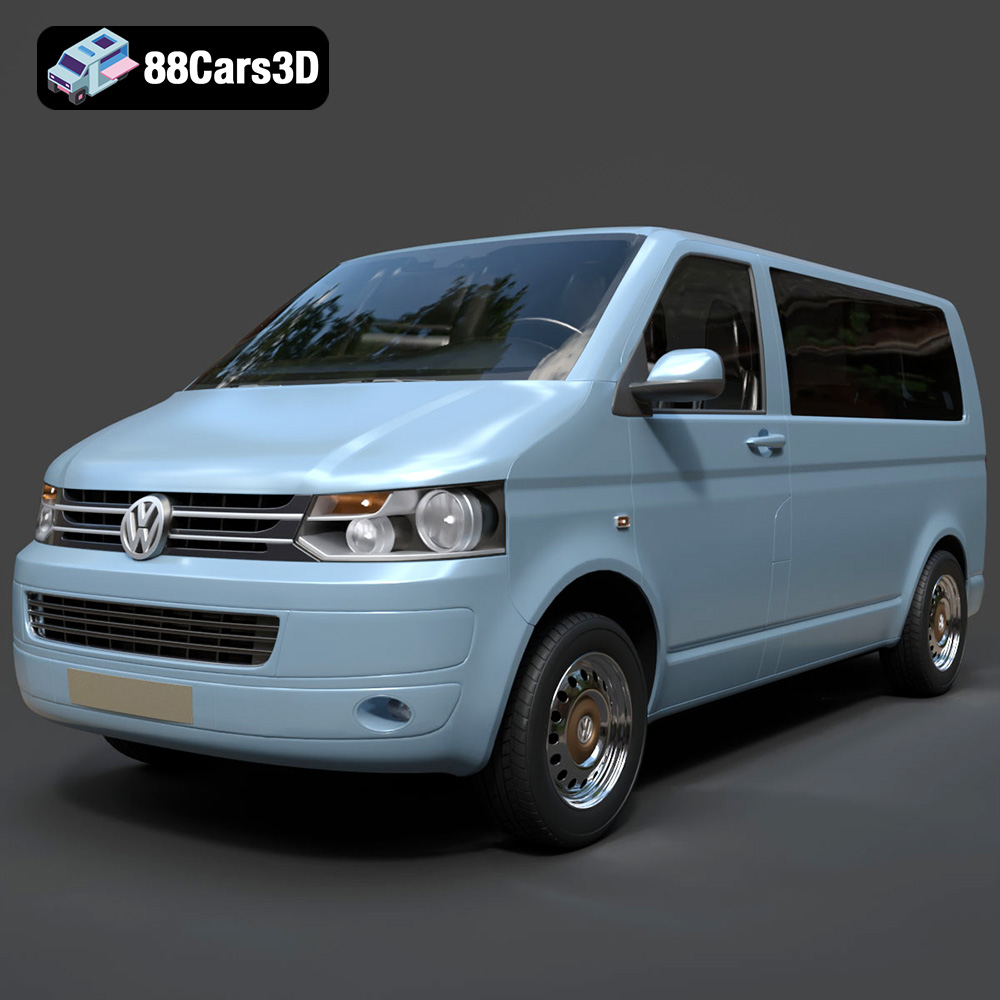
Texture: Yes
Material: Yes
Download the Volkswagen Transporter T5 FL 2010 3D Model featuring clean geometry, realistic detailing, and a fully modeled interior. Includes .blend, .fbx, .obj, .glb, .stl, .ply, .unreal, and .max formats for rendering, simulation, and game development.
Price: $22.99
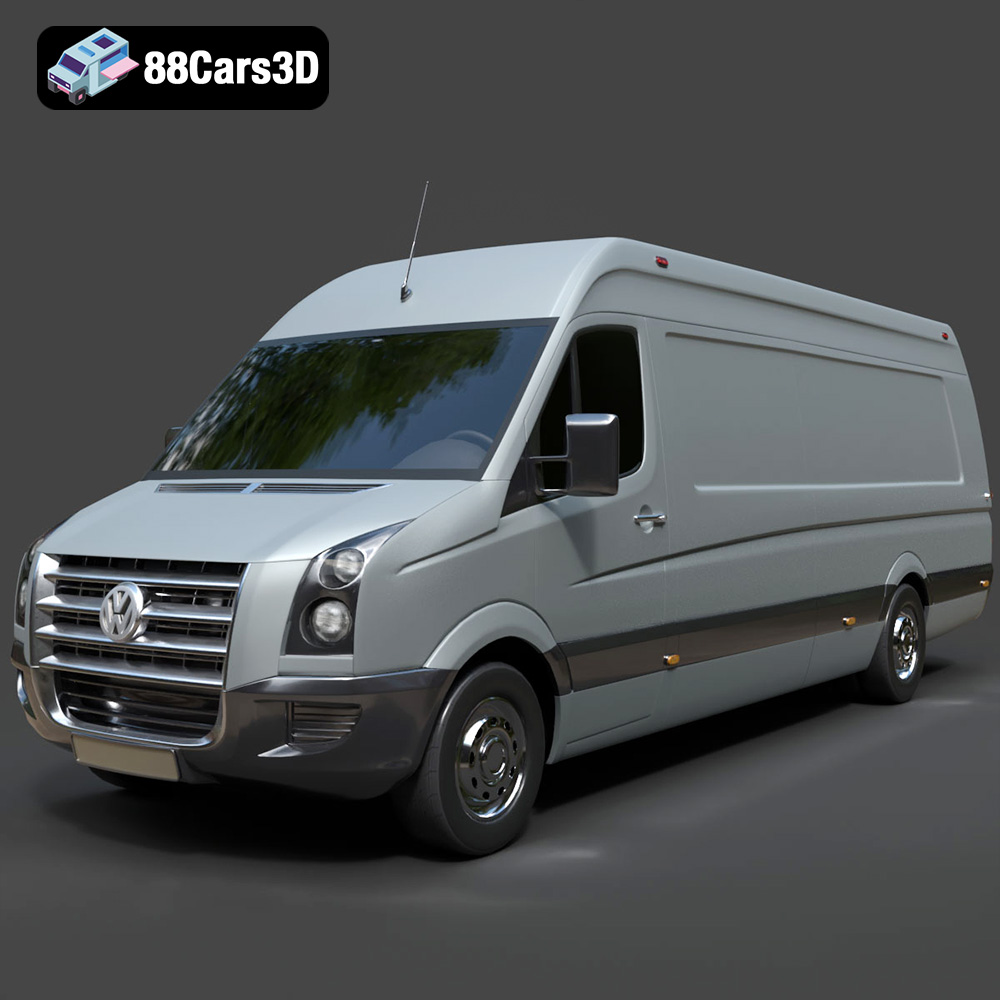
Texture: Yes
Material: Yes
Download the Volkswagen Crafter 2020 3D Model featuring clean geometry, realistic detailing, and a fully modeled interior. Includes .blend, .fbx, .obj, .glb, .stl, .ply, .unreal, and .max formats for rendering, simulation, and game development.
Price: $22.99
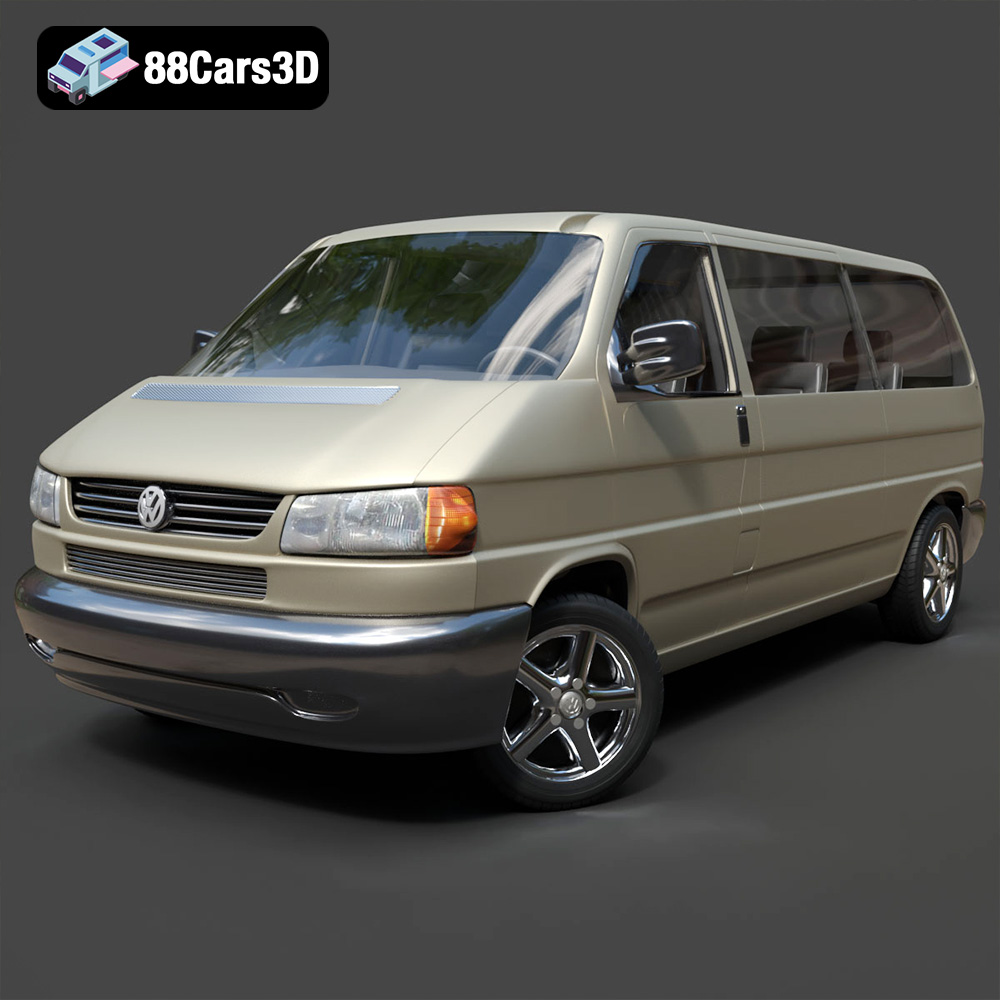
Texture: Yes
Material: Yes
Download the Volkswagen Caravelle 3D Model featuring a detailed exterior, functional interior, and optimized topology. Includes .blend, .fbx, .obj, .glb, .stl, .ply, .unreal, and .max formats for rendering, simulation, and game development.
Price: $23.99
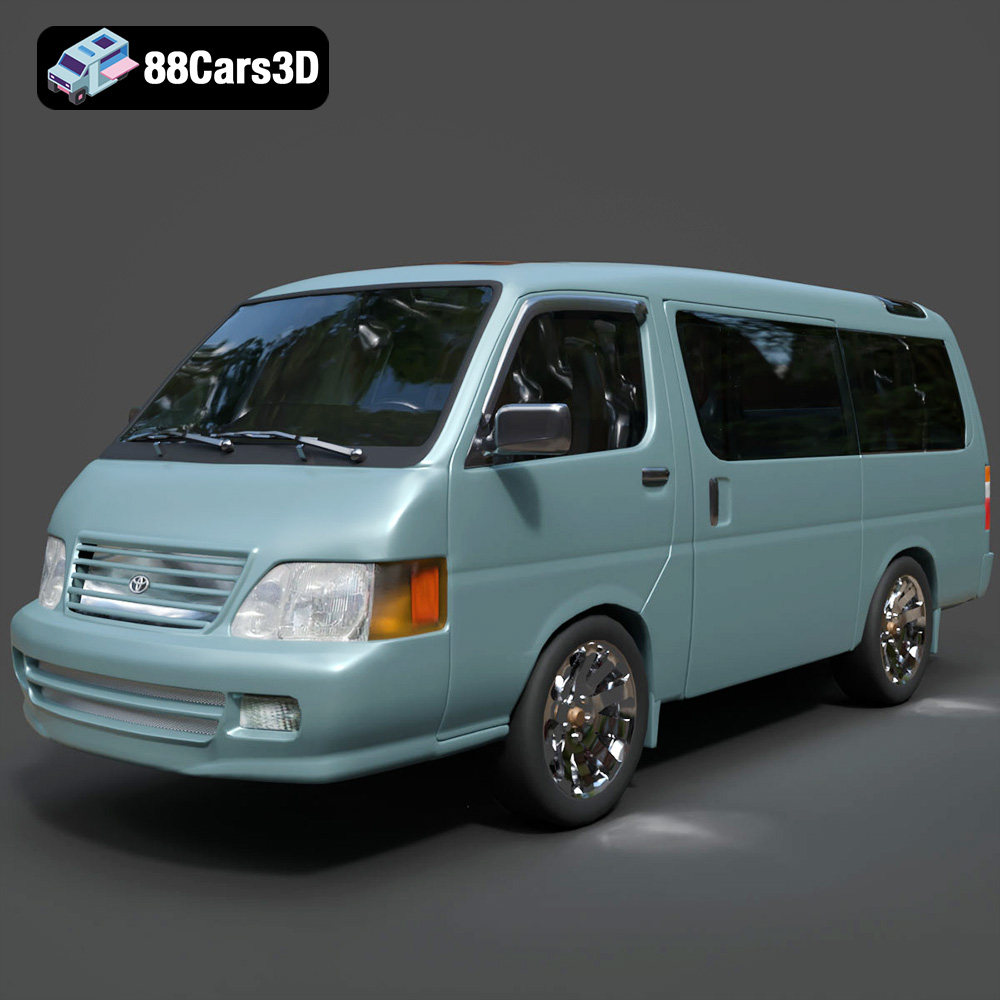
Texture: Yes
Material: Yes
Download the Toyota Hiace 3D Model featuring versatile design and detailed exterior. Includes .blend, .fbx, .obj, .glb, .stl, .ply, .unreal, and .max formats for rendering, simulation, and game development.
Price: $21.99
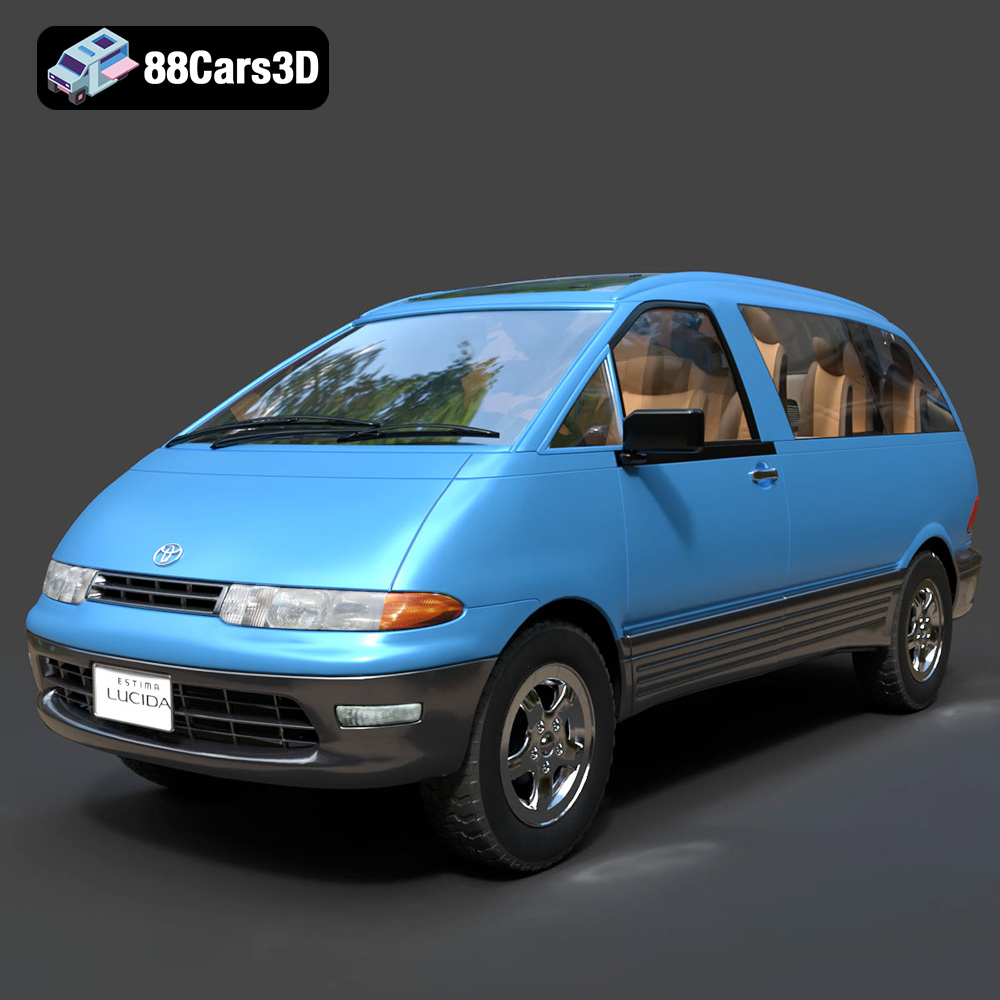
Texture: Yes
Material: Yes
Download the Toyota Estima Lucida 3D Model featuring its iconic compact MPV design, versatile interior, and accurate exterior details. Includes .blend, .fbx, .obj, .glb, .stl, .ply, .unreal, and .max formats for rendering, simulation, and game development.
Price: $24.99

Texture: Yes
Material: Yes
Download the Toyota Alphard 3D Model featuring a detailed luxury minivan design with an accurate exterior and interior. Includes .blend, .fbx, .obj, .glb, .stl, .ply, .unreal, and .max formats for rendering, simulation, and game development.
Price: $21.99
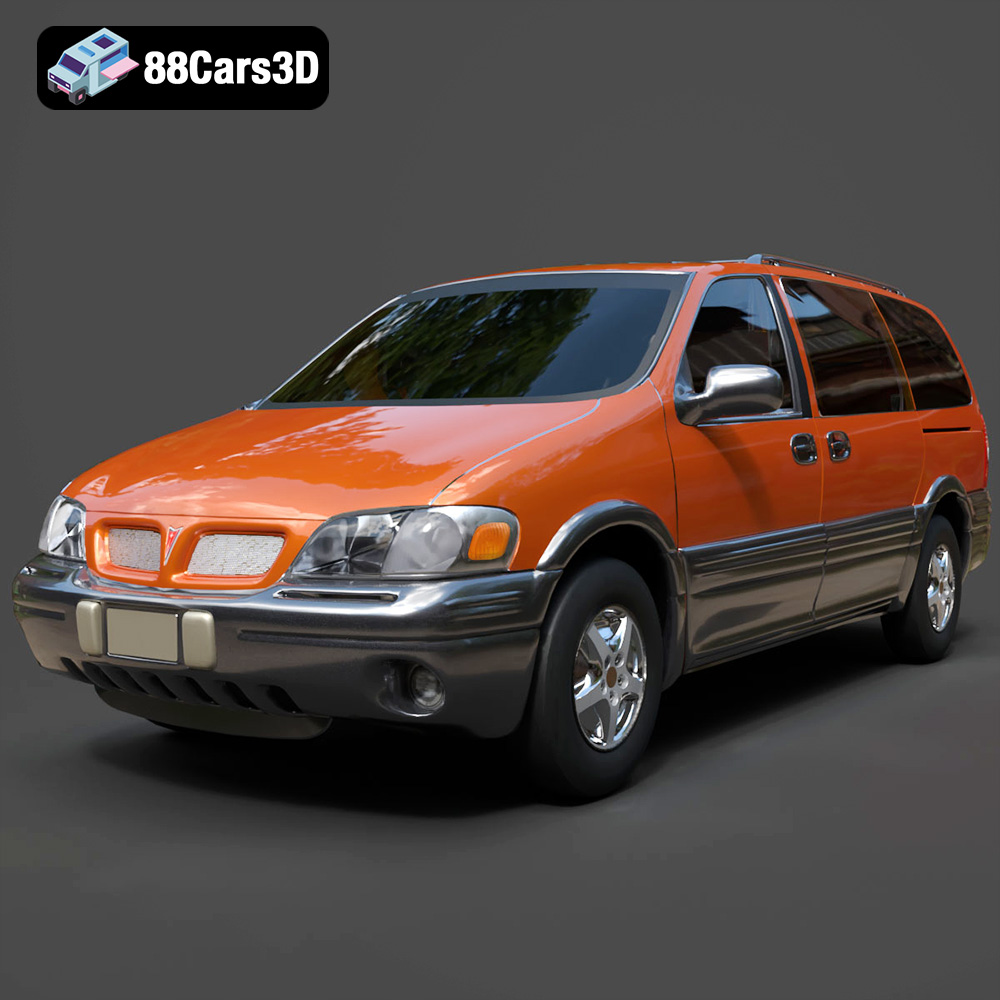
Texture: Yes
Material: Yes
Download the Pontiac Montana 1998 3D Model featuring a detailed exterior, functional interior, and optimized mesh. Includes .blend, .fbx, .obj, .glb, .stl, .ply, .unreal, and .max formats for rendering, simulation, and game development.
Price: $21.99
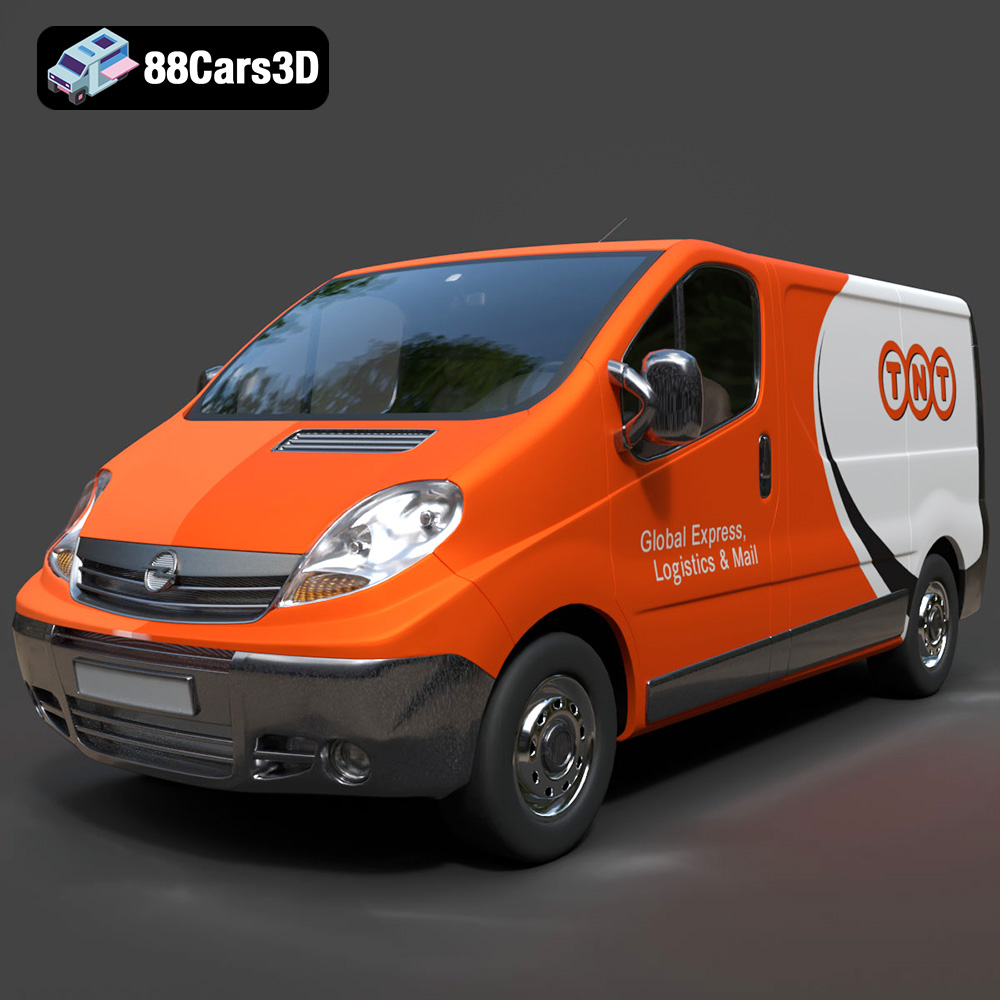
Texture: Yes
Material: Yes
Download the Opel Vivaro 3D Model featuring a versatile commercial van design with balanced detailing. Includes .blend, .fbx, .obj, .glb, .stl, .ply, .unreal, and .max formats for rendering, simulation, and game development.
Price: $21.99
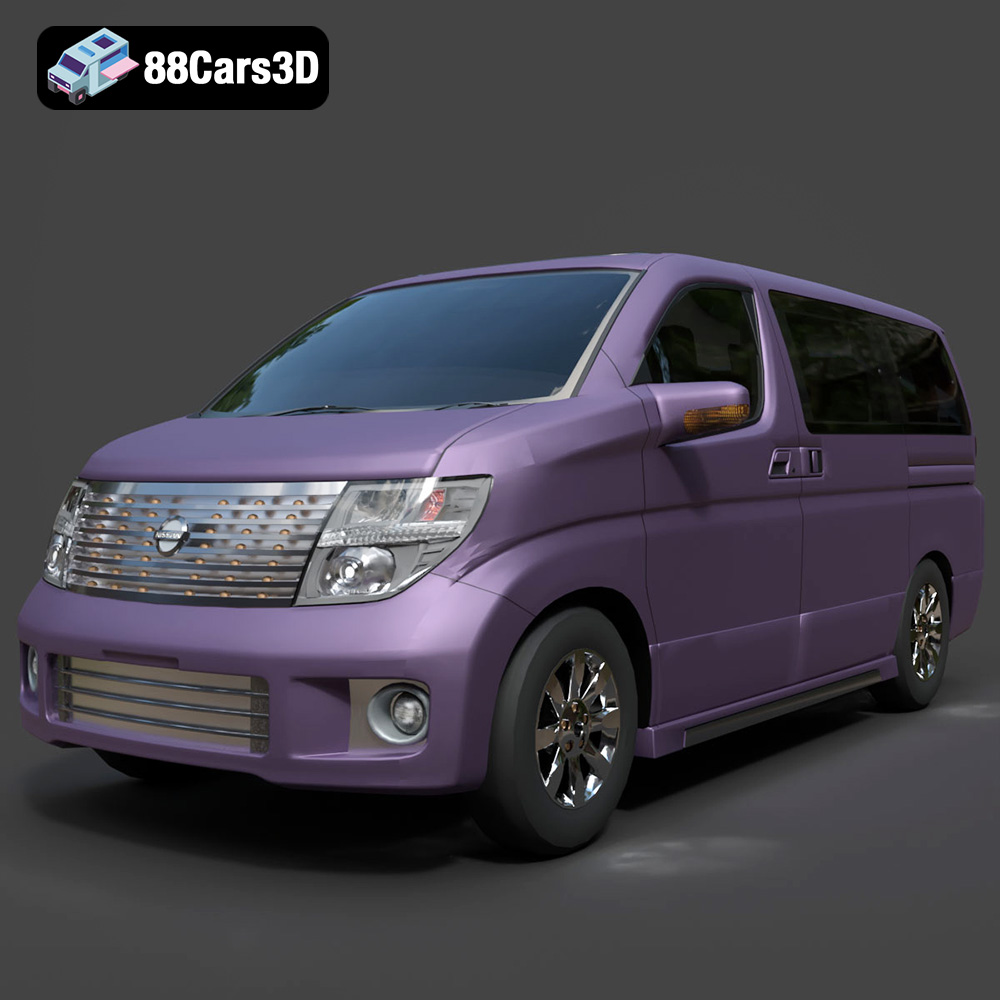
Texture: Yes
Material: Yes
Download the Nissan Elgrand 3D Model featuring a versatile minivan design. Includes .blend, .fbx, .obj, .glb, .stl, .ply, .unreal, and .max formats for rendering, simulation, and game development.
Price: $21.99
Texture: Yes
Material: Yes
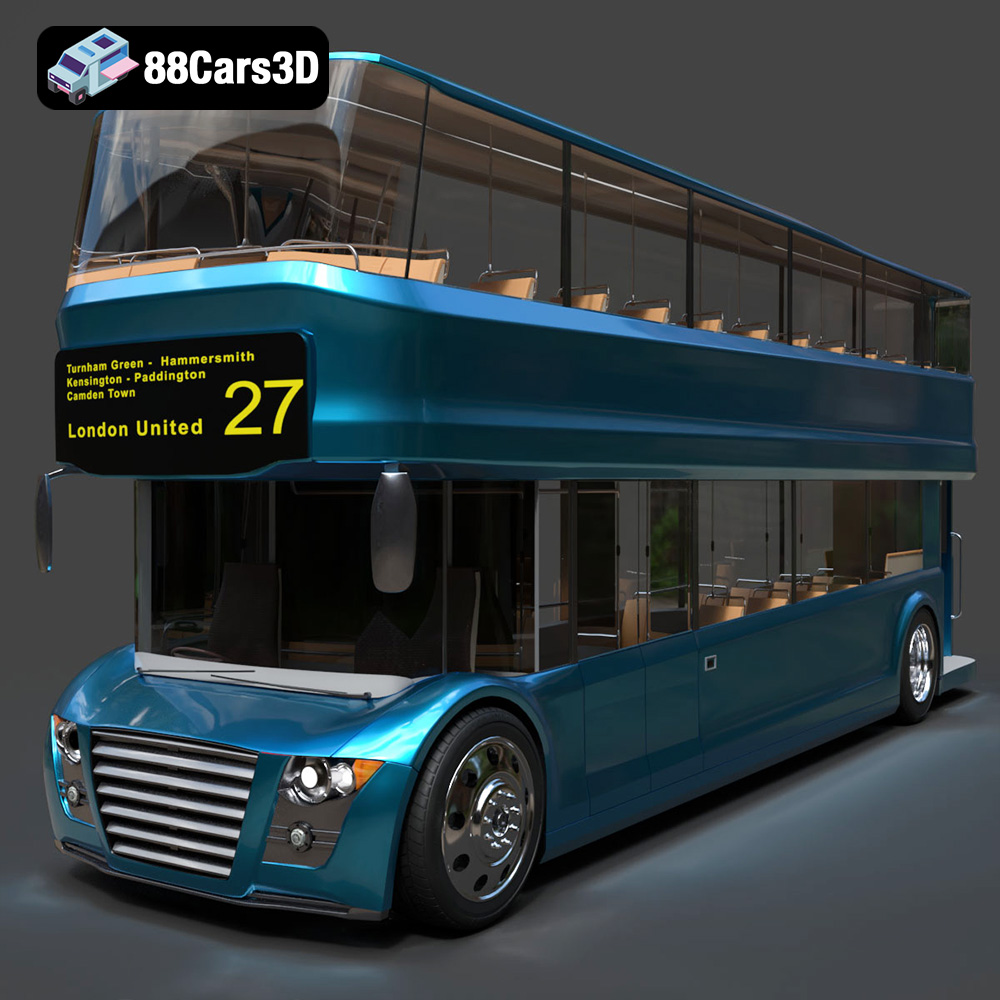
Download the New Bus For London 3D Model featuring a detailed exterior and interior, optimized for rendering and animation. Includes .blend, .fbx, .obj, .glb, .stl, .ply, .unreal, and .max formats for rendering, simulation, and game development.
Price: $21.99

