⚡ FLASH SALE: Get 60% OFF All Premium 3D & STL Models! ⚡

“`html
The allure of 3D printing lies in its ability to transform digital designs into tangible objects. For automotive enthusiasts and model makers, bringing a detailed car model to life through additive manufacturing is incredibly rewarding. However, achieving that showroom-smooth finish, mirroring the sleek lines of a real vehicle, can be one of the most challenging aspects of 3D printing. From visible layer lines to rough patches and imperfections, achieving a polished surface requires a deep understanding of not just the 3D printer itself, but also the intricate details of your STL files and the slicing process. This guide will delve into the technical nuances of preparing and printing printable car models, focusing on strategies to eliminate surface imperfections and elevate your creations from hobbyist prints to display-worthy masterpieces. We’ll cover everything from the fundamental properties of STL files to advanced 3D printer settings, support structure optimization, and post-processing techniques, empowering you to achieve breathtakingly smooth surfaces on your next project.
The journey to a smooth 3D print begins long before the nozzle touches the build plate. It starts with the digital model, most commonly represented by an STL file. Understanding the underlying structure of these files is crucial for diagnosing and preventing surface defects. An STL file is essentially a polygonal mesh that approximates the surface geometry of a 3D object using a collection of triangles. The resolution and quality of this mesh directly impact the potential surface finish of your printed model. Low-resolution meshes, which use fewer, larger triangles, will inherently have a more faceted or stepped appearance, even with perfect printing. Conversely, high-resolution meshes, with smaller, more numerous triangles, can capture finer details and allow for smoother curves, provided your 3D printer and slicing settings are up to par.
When working with STL files, particularly those downloaded from marketplaces like 88cars3d.com, paying attention to the mesh topology is important. Models designed for 3D printing are typically “manifold,” meaning they represent a watertight, solid object without holes or non-manifold edges. Non-manifold geometry can lead to slicing errors and printing artifacts. Beyond manifold integrity, the density of the triangles is key. A car model with 100,000 triangles might appear smooth on screen but could still reveal distinct facets when printed at a large scale or with coarse settings. Conversely, a model with millions of triangles might be overly complex, leading to longer slicing times and potentially larger file sizes without a significant improvement in print quality if your printer’s resolution is the limiting factor. For most FDM printing applications, a well-optimized mesh with a reasonable triangle count (often in the tens to hundreds of thousands) is ideal. For high-resolution resin printers, even greater detail can be resolved, allowing for meshes with millions of triangles to be beneficial.
While STL is the de facto standard for 3D printing, it’s a tessellated format, meaning it’s an approximation of the original geometry. Some high-end models may originate from CAD software where they are defined by precise mathematical surfaces (NURBS). When exporting these to STL, the “resolution” or “deviation” settings in the CAD software’s export function are critical. Too low a setting results in a faceted STL, while too high a setting creates an unnecessarily large file. Ideally, the creator of the printable car model will have exported the STL with appropriate settings to capture the intended smooth curves of the vehicle. For users acquiring models from platforms like 88cars3d.com, it’s often a given that these files have been prepared with printing in mind, but understanding this aspect helps appreciate the source quality.
The slicer is your digital workshop, translating the STL file into layer-by-layer instructions for your 3D printer. Optimizing slicer settings is paramount for achieving smooth surfaces, especially on curved and angled geometries common in car models. This involves a careful balancing act between print speed, detail resolution, and layer adhesion. The goal is to make each layer’s height as imperceptible as possible while maintaining structural integrity and reasonable print times. This often means deviating from default settings and experimenting with advanced options tailored to capturing smooth automotive finishes.
The most direct way to influence surface smoothness is through layer height. For FDM printing, typical layer heights range from 0.1mm to 0.3mm. To achieve a visibly smoother surface, you’ll want to reduce this value significantly. Common settings for high-quality prints are 0.1mm or even 0.08mm. On resin printers, layer heights can be much finer, often 0.05mm or even 0.025mm, contributing to their inherent surface detail capabilities. While a smaller layer height directly increases print time (a 0.1mm layer height will take roughly twice as long as a 0.2mm layer height for the same model height), the improvement in surface finish, particularly on the curved body panels of a car model, is often well worth the wait.
Beyond layer height, the speed at which your printer operates plays a significant role. Printing too fast can lead to ringing artifacts (ghosting) and poor layer adhesion, both of which detract from a smooth finish. For smooth surfaces, reducing the overall print speed, especially for outer walls, is highly recommended. A typical outer wall speed for smooth finishes might be in the range of 25-40 mm/s for FDM printing. Similarly, reducing acceleration and jerk settings can prevent vibrations and ensure the print head moves smoothly, resulting in cleaner lines. Experiment with lowering these values, particularly for the external perimeters, to see a noticeable improvement. For example, setting outer wall acceleration to 500-1000 mm/s² can make a difference.
Modern slicers like Cura, PrusaSlicer, and Simplify3D offer advanced features designed to improve surface quality. These include “Ironing” in Cura and PrusaSlicer, which re-melts the top surface of each layer to create an exceptionally smooth finish. This process involves the nozzle making a second pass over the top surface with very little or no extrusion, effectively ironing out any minor imperfections. While it adds considerable print time, for horizontal top surfaces (like hoods or roofs), it can produce near-flawless results. Another feature is “Slight Layer Height” or “Adaptive Layer Height,” which allows the slicer to automatically use smaller layer heights on curved or detailed sections and larger ones on straighter, less critical areas, optimizing print time while preserving surface quality where it matters most.
Support structures are a necessary evil in 3D printing, enabling the creation of overhangs and bridges that would otherwise collapse. However, their removal can often leave behind undesirable marks, scars, and rough patches on the model’s surface, especially on delicate car bodies. Therefore, optimizing support generation and placement is critical for minimizing their impact and ensuring a smooth final product.
The choice of support type significantly impacts surface finish. “Normal” or “Grid” supports are common but can be difficult to remove cleanly. “Tree” or “Branching” supports (available in Cura and PrusaSlicer) are often preferred for complex models like cars. These supports branch out from a single point, contacting the model at fewer, more strategic locations, often at sharper edges or less visible areas. This minimizes surface scarring. When placing supports, consider their density and interface layers. Reducing support density (e.g., to 5-10% for tree supports) makes them easier to break away. The “Support Interface” setting is crucial; enabling a denser interface layer (e.g., 80-90% infill) directly beneath the model can create a smoother surface where the support touches, making it easier to clean up after removal.
Several other slicer settings directly influence support removal and the resulting surface quality. Support Z Distance is the gap between the top of the support structure and the bottom of the model’s overhang. Increasing this value (e.g., from 0.1mm to 0.2mm or 0.25mm) can make supports easier to remove, but too large a gap can lead to drooping and a rougher surface on the underside of the overhang. Support XY Distance controls the horizontal gap between the support and the model. A slightly larger XY distance can also aid in easier separation. Furthermore, consider using “Support on Build Plate Only” if possible, to avoid supports directly on the model’s surface. For areas that require supports but cannot have them directly on the model, consider adding small “support blockers” or manually designing temporary support structures that are easily removable and leave minimal marks.
For intricate models, manual intervention in support generation can yield the best results. Using software like Meshmixer or even directly within some slicers, you can add custom supports or remove generated ones in critical areas. For instance, on a car model, you might add a small, easily removable support to the underside of a wing mirror that would otherwise require extensive cleanup if supported by standard methods. Another technique involves orienting the model on the build plate to minimize the need for supports in the first place. Sometimes, printing a car body in multiple parts and assembling them later is a better strategy to avoid complex support challenges on visible surfaces.
How you orient your printable car model on the build plate and ensuring reliable bed adhesion are foundational steps that profoundly impact surface quality, print success rate, and ease of post-processing. The orientation determines which surfaces will be exposed to the challenges of overhangs, layer lines, and support interaction, while proper bed adhesion prevents shifts and warping that can ruin an otherwise perfect print.
For car models, the ideal orientation often involves placing the vehicle on its wheels. This typically positions the largest, most critical exterior surfaces (hood, roof, sides, trunk) facing upwards or vertically. Vertical orientation can expose layer lines on the sides, but often results in fewer overhangs and easier support placement on the underside. Placing the model on its back (roof down) might seem appealing for a smooth top surface, but it creates significant overhangs for the entire undercarriage and wheel wells, requiring extensive and difficult-to-remove supports. The best approach is often a compromise: orienting the car at a slight angle (e.g., 10-20 degrees) can sometimes reduce the severity of overhangs and improve airflow around the model, while still keeping the main body reasonably vertical or slightly angled. Experimentation is key here, and considering how layer lines will be most or least visible on the final painted model is a strategic decision.
Poor bed adhesion is a common culprit for print failures, leading to warped edges, detached prints, and layers that don’t align correctly. For smooth exterior surfaces, any print that detaches or shifts is a disaster. Ensuring excellent adhesion depends on several factors. First, a clean build surface is non-negotiable. Oils from fingerprints or residual adhesives can prevent proper bonding. Using Isopropyl Alcohol (IPA) for cleaning is standard practice. Second, the bed leveling must be precise. An uneven bed means the first layer will be too close in some areas (causing scraping or extrusion issues) and too far in others (leading to poor adhesion). Many printers have auto-leveling features, but manual checks and adjustments are often still necessary. Third, consider the first layer settings in your slicer. Printing the first layer slower (e.g., 15-20 mm/s) and at a slightly higher temperature (both nozzle and bed) can significantly improve adhesion. Using a brim or raft can also provide a larger surface area for the first layer to grip, though brims can sometimes be slightly more challenging to remove cleanly than a simple skirt.
Different filament materials have varying adhesion properties. PLA generally adheres well to most surfaces with minimal issues. PETG can be more prone to sticking too strongly, sometimes damaging the build surface, and requires careful temperature control. ABS, known for its strength and temperature resistance, is notoriously difficult to print without a heated enclosure due to its tendency to warp and delaminate. If warping is a concern for your car model’s larger parts, using materials like ABS with an enclosure and potentially ABS slurry or specialized adhesion aids might be necessary. For high-detail resin prints, ensuring the build plate is properly cleaned and often slightly roughened (if recommended by the resin manufacturer) is crucial for the initial layers adhering strongly to the platform.
The choice of filament or resin, along with the specific settings of your 3D printer, directly impacts the achievable surface finish. While FDM printing is more accessible and versatile for larger prints, resin printing (SLA/DLP/MSLA) generally offers superior surface detail and smoothness out-of-the-box due to its much finer layer resolution. However, excellent results are achievable with FDM printers through careful material selection and meticulous printer calibration.
PLA is often the go-to material for hobbyists due to its ease of printing, low warping, and good detail reproduction. Its relatively low printing temperature (190-220°C) and good layer adhesion make it suitable for detailed car models. For slightly more durable parts or those requiring higher temperature resistance, PETG is a good option (230-250°C nozzle temperature), though it can be stringier and require more tuning for clean exterior surfaces. ABS (240-260°C nozzle temperature, heated bed 90-110°C, and an enclosure) offers the best mechanical properties but is the most challenging to print smoothly due to warping and fumes. For particularly smooth finishes on FDM, consider filaments specifically engineered for smoothness, often referred to as “smooth” or “high-detail” PLA, which may have additives to improve flow and surface finish.
Resin 3D printing uses liquid photopolymer resins cured by UV light layer by layer. The resolution is determined by the pixel size of the projector/screen and the layer height. This typically allows for incredibly fine details and very smooth surfaces, often requiring minimal post-processing to achieve a near-perfect finish. Common resin types include Standard, Tough, ABS-like, and Flexible resins, each offering different properties. For car models, Standard or ABS-like resins are often excellent choices, balancing detail with durability. While resin prints often look smooth immediately after printing and washing, UV curing can sometimes induce slight shrinkage or warping, and support marks, though generally smaller and easier to sand than FDM supports, still exist.
Regardless of the technology, a well-calibrated printer is essential for smooth prints. This includes:
Regular maintenance, such as cleaning nozzle orifices and lubricating Z-axis rods, also contributes to consistent print quality and smoother surfaces.
Even with the most optimized print settings, some level of post-processing is often required to achieve that truly flawless, showroom-smooth finish on your printable car models. This stage transforms a good print into a professional-looking replica. The techniques employed will depend on whether you used FDM printing or resin printing, and the desired final appearance.
The first step is careful support removal. For FDM, use flush cutters, pliers, or a hobby knife to delicately break away supports. Patience is key; rushing can lead to accidental damage to the model’s surface. For resin prints, supports are typically removed after washing and before final curing. Tools like flush cutters and hobby knives work well here too. After support removal, inspect the model for any remaining nubs or rough areas. Small burrs can often be removed with a quick pass of a sharp hobby knife. For FDM prints, areas where supports touched might have small marks or a slightly rough texture. These are prime candidates for sanding.
Sanding is arguably the most effective way to achieve a perfectly smooth surface. Start with a coarser grit sandpaper (e.g., 220-400 grit) to remove larger imperfections and support marks, progressing to finer grits (e.g., 600, 800, 1000, 2000 grit, and even higher for a mirror finish). Wet sanding, where you use water or a light lubricant with the sandpaper, can help prevent clogging and produce a smoother finish. For FDM prints, you may need to fill layer lines before sanding. This can be done using various methods:
For resin prints, sanding is usually sufficient to remove support marks and smooth out any minor imperfections. Be cautious with aggressive sanding on thin resin parts.
Once the surface is smooth and any filler is applied and sanded, the model is ready for painting. A good primer coat is essential to reveal any remaining imperfections and provide a uniform base for your colors. Automotive spray primers, often available in gray, white, or black, work exceptionally well. Apply in thin, even coats. After priming and any necessary spot-sanding or filling, multiple thin coats of your chosen paint (acrylics, enamels, or automotive paints) will build up the final color. For that authentic car finish, consider applying a clear coat (gloss, satin, or matte) to protect the paint and provide the desired sheen. For an ultra-high-gloss finish, a multi-stage polishing process using automotive polishing compounds can be employed after the clear coat has fully cured.
Achieving a truly smooth, display-worthy finish on your printable car models from STL files is a journey that combines careful digital preparation, precise 3D printer settings, thoughtful support strategies, and dedicated post-processing. By understanding the nuances of STL file structure, mastering your slicer’s capabilities, and employing effective post-processing techniques, you can overcome the inherent challenges of additive manufacturing. Whether you’re using FDM printing or resin printing, the principles of fine detail optimization remain consistent. Remember that each model and printer combination is unique; don’t be afraid to experiment with different settings and techniques. Platforms like 88cars3d.com provide a fantastic starting point with high-quality, print-ready car models, allowing you to focus your efforts on perfecting the printing and finishing process. With patience and practice, you’ll be creating incredibly smooth, detailed automotive replicas that rival professionally manufactured models.
“`
Texture: Yes
Material: Yes
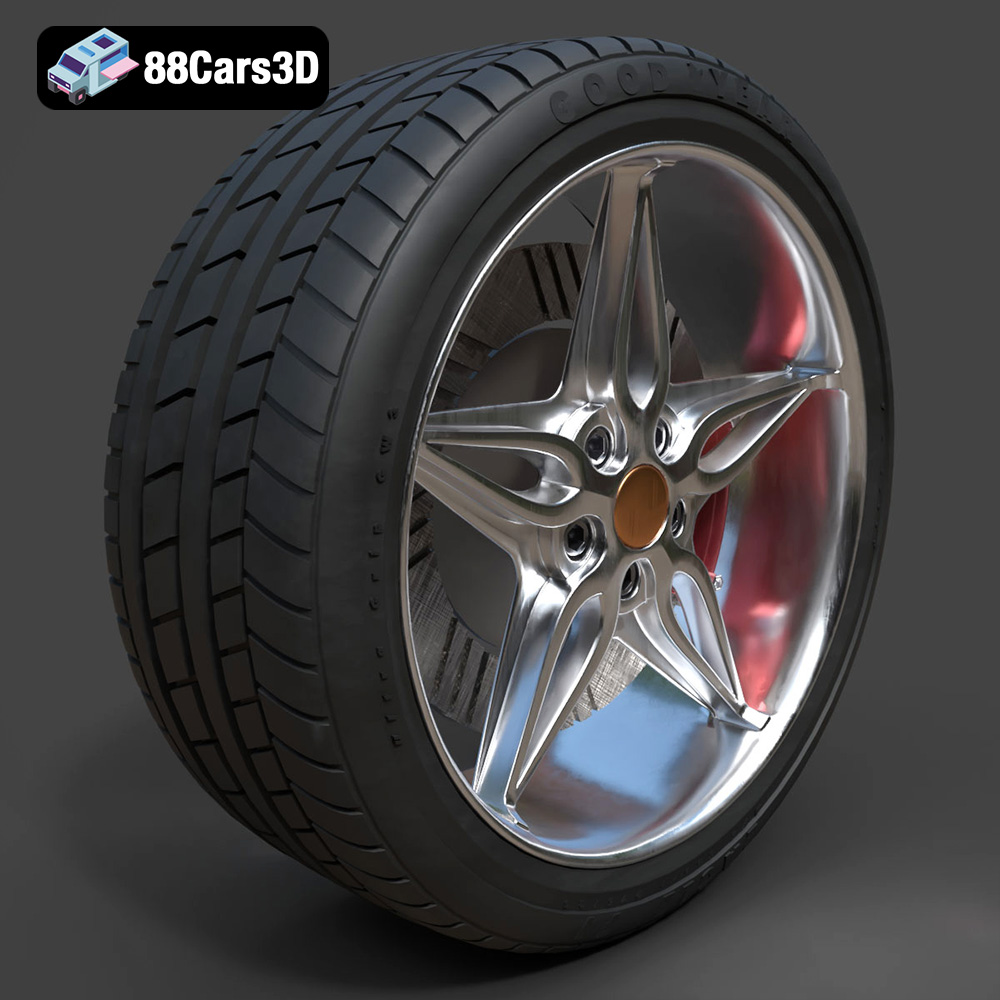
Download the Wheel-001 Component 3D Model featuring clean geometry, realistic detailing, and a fully modeled interior. Includes .blend, .fbx, .obj, .glb, .stl, .ply, .unreal, and .max formats for rendering, simulation, and game development.
Price: $10.99

Texture: Yes
Material: Yes
Download the BMW 3 series Touring 335i (F31) 2013 3D Model featuring a highly detailed exterior, realistic interior, and modular design. Includes .blend, .fbx, .obj, .glb, .stl, .ply, .unreal, and .max formats for rendering, simulation, and game development.
Price: $30.79
Texture: Yes
Material: Yes
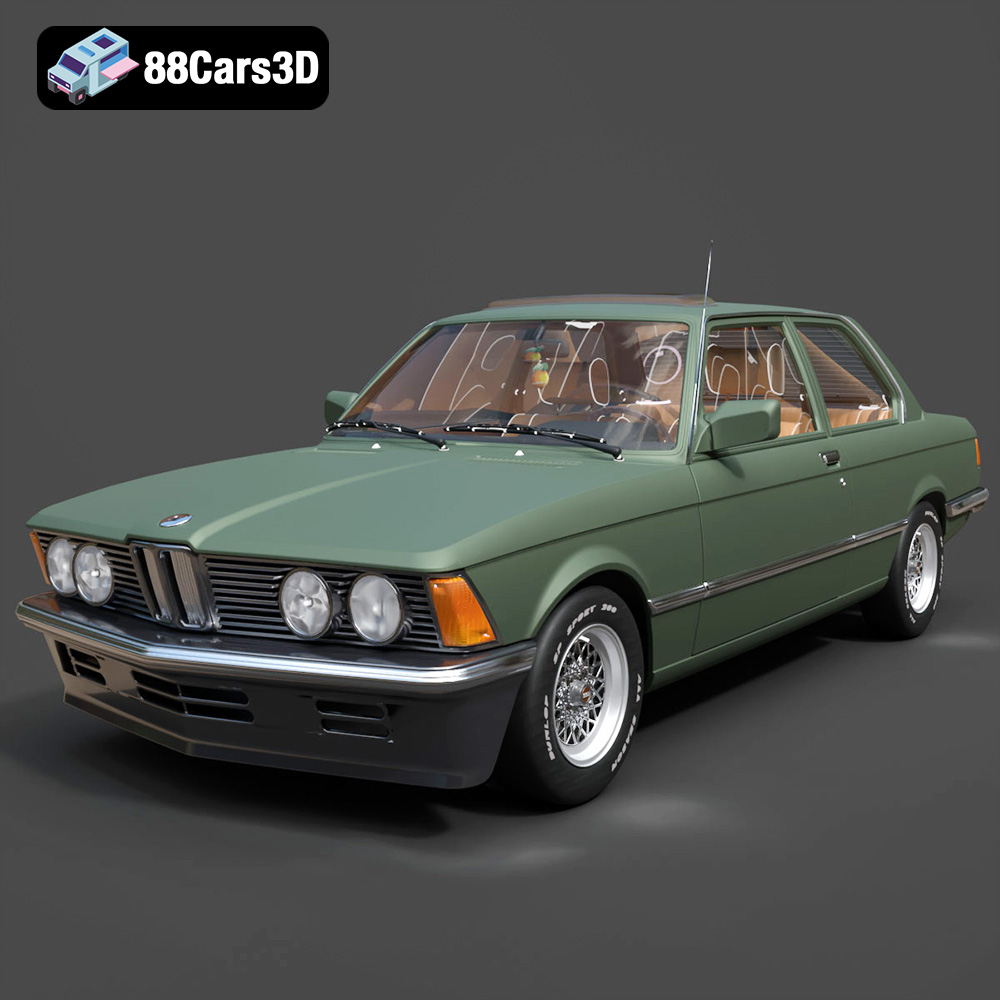
Download the BMW 3 Series E21 3D Model featuring authentic exterior design, detailed interior, and accurate proportions. Includes .blend, .fbx, .obj, .glb, .stl, .ply, .unreal, and .max formats for rendering, simulation, and game development.
Price: $20.79

Texture: Yes
Material: Yes
Download the BMW 1 Series 3-Door E81 3D Model featuring a detailed exterior, functional interior elements, and clean geometry. Includes .blend, .fbx, .obj, .glb, .stl, .ply, .unreal, and .max formats for rendering, simulation, and game development.
Price: $14.79

Texture: Yes
Material: Yes
Download the Mercedes-Benz S500 2022 3D Model featuring clean geometry, realistic detailing, and a fully modeled interior. Includes .blend, .fbx, .obj, .glb, .stl, .ply, .unreal, and .max formats for rendering, simulation, and game development.
Price: $19.99
Texture: Yes
Material: Yes
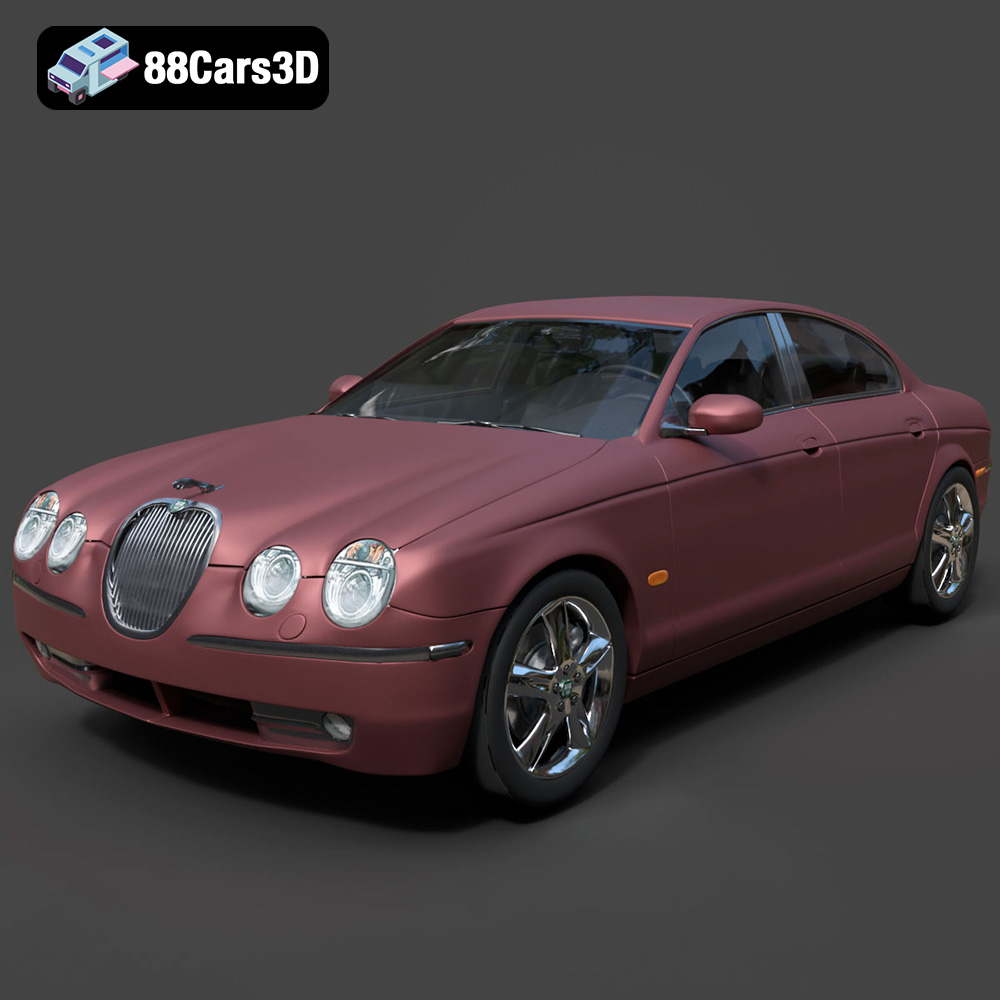
Download the Jaguar S-Type Sedan 3D Model featuring clean geometry, realistic detailing, and a fully modeled interior. Includes .blend, .fbx, .obj, .glb, .stl, .ply, .unreal, and .max formats for rendering, simulation, and game development.
Price: $18.99
Texture: Yes
Material: Yes
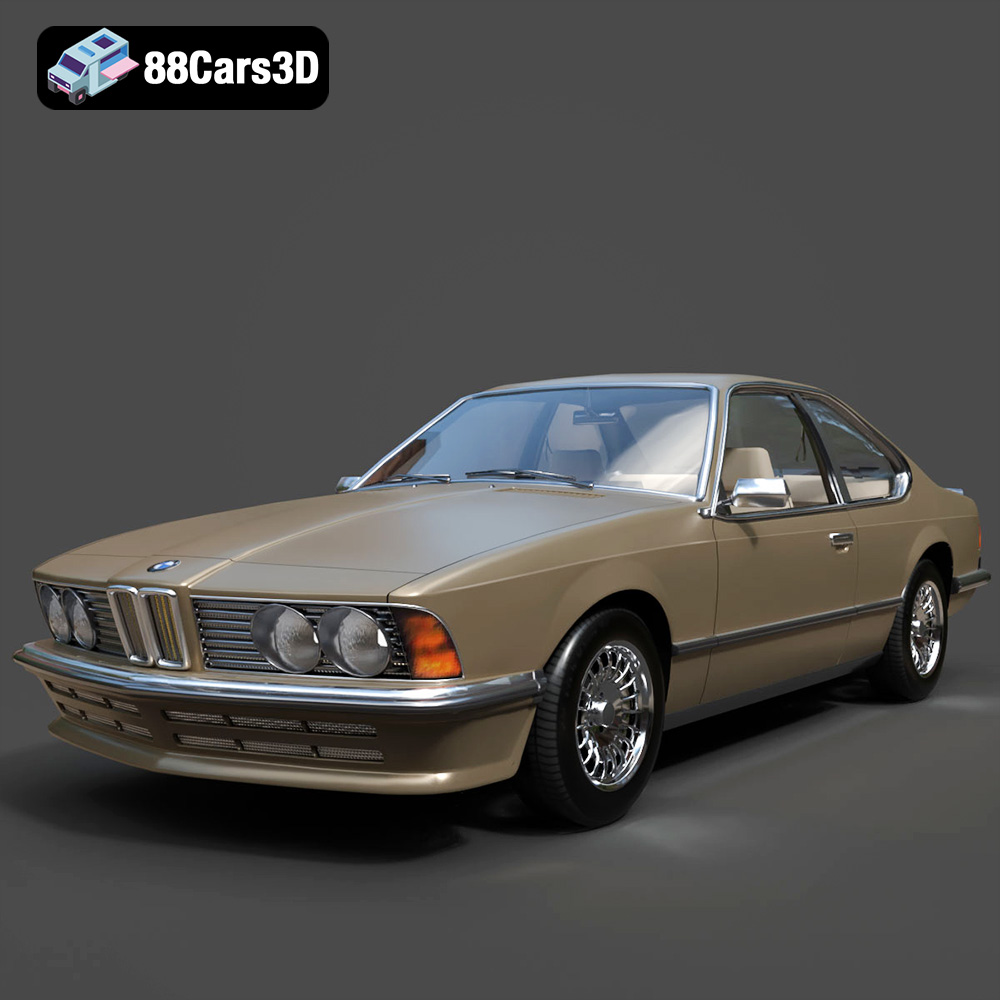
Download the BMW 6 Series 1986 3D Model featuring clean geometry, realistic detailing, and a fully modeled interior. Includes .blend, .fbx, .obj, .glb, .stl, .ply, .unreal, and .max formats for rendering, simulation, and game development.
Price: $16.99
Texture: Yes
Material: Yes
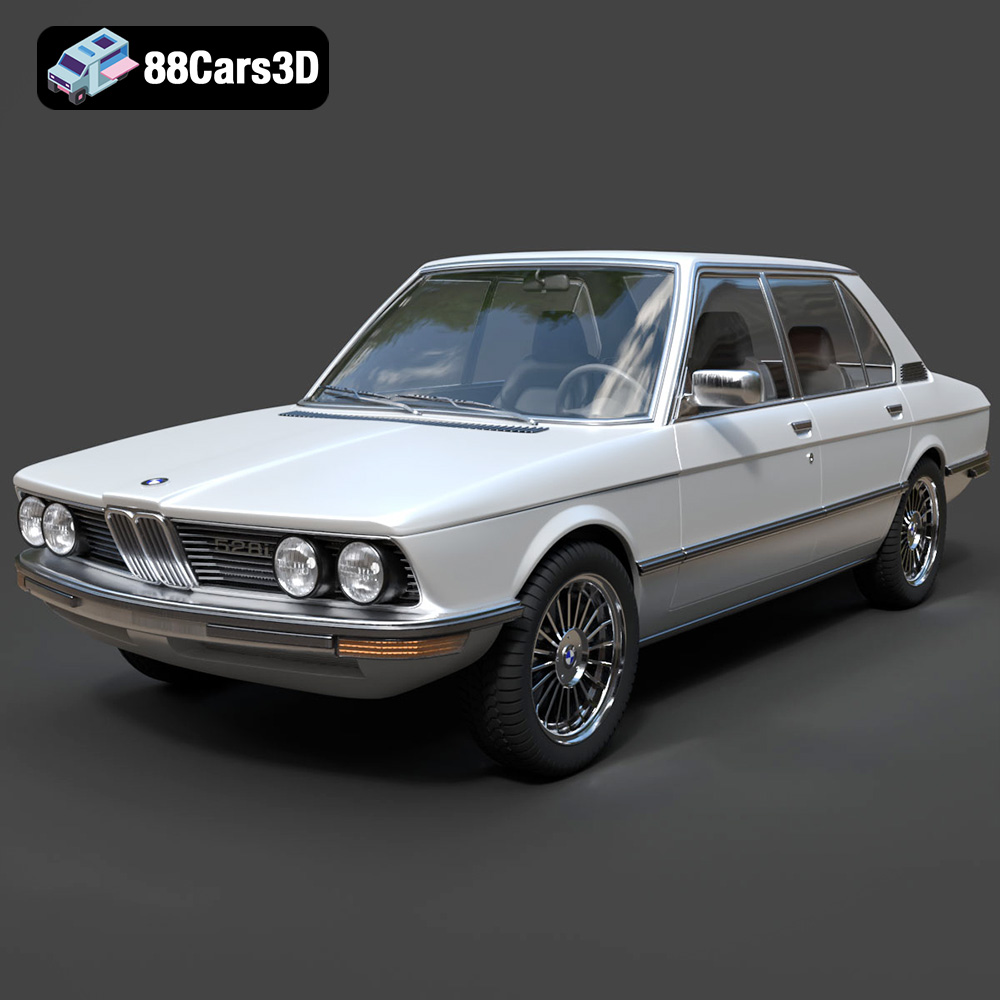
Download the BMW 5 Series E12 528i 3D Model featuring clean geometry, realistic detailing, and a fully modeled interior. Includes .blend, .fbx, .obj, .glb, .stl, .ply, .unreal, and .max formats for rendering, simulation, and game development.
Price: $14.99

Texture: Yes
Material: Yes
Download the BMW 5 Series F10 3D Model featuring clean geometry, realistic detailing, and a fully modeled interior. Includes .blend, .fbx, .obj, .glb, .stl, .ply, .unreal, and .max formats for rendering, simulation, and game development.
Price: $14.99

Texture: Yes
Material: Yes
Download the BMW 4 Series Coupe M Sport 2014 3D Model featuring clean geometry, realistic detailing, and a fully modeled interior. Includes .blend, .fbx, .obj, .glb, .stl, .ply, .unreal, and .max formats for rendering, simulation, and game development.
Price: $14.99

