⚡ FLASH SALE: Get 60% OFF All Premium 3D & STL Models! ⚡

“`html
The allure of a perfectly rendered 3D printed car model goes beyond mere replication; it’s about capturing the sleek lines, aerodynamic curves, and polished finish that defines automotive design. For enthusiasts and professionals alike, achieving a mirror-like surface on your 3D printed creations is often the ultimate goal. Whether you’re crafting a display piece, a functional prototype, or a detailed replica from marketplaces like 88cars3d.com, the surface finish can make or break the final result. This comprehensive guide delves into the technical intricacies of transforming raw STL files into models with exceptionally smooth surfaces, exploring everything from fundamental slicing parameters to advanced post-processing techniques. We’ll navigate the nuances of layer adhesion, support strategies, material science, and software optimization to empower you to print car models that not only look stunning but feel impeccably smooth to the touch.
Prepare to elevate your 3D printing game as we dissect the factors influencing surface quality. You’ll learn how to fine-tune your 3D printer settings, select the right materials, and employ best practices in file preparation and slicing to minimize visible layer lines and imperfections. From optimizing infill for structural integrity that translates to surface smoothness, to understanding the critical role of support structures in preventing blemishes, this guide provides actionable insights for both FDM and resin printing technologies. Join us on a journey to uncover the secrets behind achieving professional-grade finishes on your most ambitious 3D printable car models.
Before your 3D printer even whirs to life, the journey to a smooth surface begins with the STL file itself. The Standard Tessellation Language (STL) format, while ubiquitous, is fundamentally a representation of a 3D object’s surface geometry using triangular facets. The quality and structure of this mesh directly impact how well the object can be sliced and, consequently, how it will print. For automotive models, which often feature complex curves and subtle contours, mesh imperfections can manifest as visible artifacts, stair-stepping, or general roughness on the final print.
High-quality STL files, like those meticulously prepared by vendors on platforms such as 88cars3d.com, are designed with printability in mind. This means they typically feature a well-defined, manifold mesh with consistent triangle density and a clean topology. A manifold mesh, often referred to as a “watertight” mesh, is crucial because it ensures there are no holes or non-manifold edges that can confuse slicing software, leading to printing errors or poor surface quality. Models with overly dense meshes can also pose challenges for slicers, potentially increasing processing time and introducing aliasing effects if not handled correctly.
The resolution of an STL file, determined by the number of triangles used to represent the surface, directly correlates with the level of detail it can capture. For smooth, curved surfaces like car bodies, a higher triangle count is generally beneficial. However, excessively high resolution can lead to unmanageably large files. Professional 3D modelers often employ smoothing algorithms during the modeling process to create perceptually smooth surfaces while maintaining an optimized triangle count. Tools like Blender, Maya, or specialized CAD software offer features for subdivision surface modeling and mesh simplification that can achieve this balance. When working with existing STL files, software like Meshmixer or Netfabb can be invaluable for analyzing and repairing mesh issues. These tools can identify non-manifold geometry, flipped normals, and intersecting triangles, and often provide automated or semi-automated repair functions. Furthermore, they can be used to subtly smooth out jagged edges or reduce faceting artifacts on curved surfaces without drastically altering the model’s overall shape.
Even with seemingly clean STL files, unexpected issues can arise. Common problems include holes in the mesh, inverted or flipped triangle normals (which can cause slicing errors or print failures), and self-intersecting triangles. A robust file repair workflow is essential. Start by importing your STL file into a mesh editing software. Visually inspect the model for any obvious flaws. Most slicers have basic repair functions, but for more complex issues, dedicated software is recommended. Meshmixer’s “Make Solid” or “Repair All” features are powerful, as is Autodesk Netfabb’s suite of analysis and repair tools. For example, if you notice a section of your car model’s body that appears to have holes or is not properly enclosed, using the “Inspector” tool in Netfabb can pinpoint these areas. Subsequently, employing the “Fix Holes” or “Remove Thickness” operations can create a watertight mesh. For flipped normals, many programs have a “Recalculate Normals” function. Once repaired, export the corrected mesh, preferably as an STL with binary format for smaller file sizes, and re-import it into your slicer for the next stage.
The slicer is the crucial intermediary between your digital 3D model and your physical 3D printer. The settings you choose within your slicing software (such as Cura, PrusaSlicer, Simplify3D) have a profound impact on the surface quality of your printed car model. Achieving smooth surfaces requires a deliberate approach to parameters that govern how each layer is deposited and how the printer navigates the geometry.
The primary goal is to minimize the visibility of individual layer lines and to ensure consistent material extrusion. This involves carefully balancing speed, temperature, layer height, and extrusion multiplier. For highly detailed car models, especially those with sweeping curves and delicate features, a slow and steady printing process often yields the best results. While it might be tempting to speed up the printing process, particularly for larger models, rushing can lead to poor layer adhesion, ringing artifacts, and inconsistent extrusion, all of which detract from surface smoothness.
Layer height is arguably the most influential setting for achieving smooth surfaces. It dictates the vertical resolution of your print. A smaller layer height means more layers are used to build the model, resulting in a finer step-over effect and a smoother overall appearance. For FDM printing, standard layer heights range from 0.1mm to 0.3mm. To achieve exceptionally smooth surfaces on car models, especially on curved body panels, consider printing at 0.1mm or even 0.08mm layer height. While this significantly increases print time, the visual improvement is substantial. For resin printers (SLA/DLP/MSLA), layer heights are typically much finer, often between 0.025mm and 0.05mm, inherently producing smoother surfaces on most models without the extreme time penalties associated with FDM.
It’s crucial to understand the direct relationship between layer height and print duration. If you halve the layer height, you effectively double the number of layers required to print the same height. For instance, printing a 100mm tall car model at 0.2mm layer height requires 500 layers. Printing the same model at 0.1mm layer height necessitates 1000 layers. This means the print time can double or even triple when reducing layer height. You must weigh the desired surface quality against the acceptable print time. For display models where aesthetics are paramount, a longer print time for a smoother finish is often justifiable. For rapid prototyping or functional parts where surface finish is secondary, a larger layer height might be more practical.
Print speed dictates how fast the print head moves while extruding filament. Faster speeds can lead to under-extrusion, ringing (ghosting) artifacts, and poor layer adhesion, all of which degrade surface quality. For smooth car models, especially those with complex curves and sharp edges, reducing print speeds is paramount. A common recommendation for outer walls is to print them significantly slower than infill or inner walls. For example, setting the outer wall speed to 30-40 mm/s can drastically improve surface finish. Furthermore, acceleration and jerk settings control how quickly the print head changes speed and direction. High acceleration values can cause vibrations that manifest as ripples or ghosting on the print surface. Reducing acceleration values, particularly for outer walls, can help mitigate these dynamic artifacts. Experimenting with lower values, such as 500 mm/s² for acceleration and 5 mm/s for jerk, can yield smoother results.
The outer wall is what you see, so its quality is critical. Most slicers allow you to set specific speeds for outer walls, which should be considerably slower than other print movements. Aim for 25-40 mm/s for outer walls. Equally important is the flow rate (or extrusion multiplier) for the outer wall. Ensuring that the filament is extruded at precisely the right amount prevents over-extrusion (blobs) and under-extrusion (gaps). Calibrating your extruder and then fine-tuning the flow rate, typically starting around 95-100% and adjusting based on test prints, is essential. Some slicers also offer “Print Thin Walls” or “Detect Thin Walls” features, which can be useful for delicate car model components but should be used cautiously to avoid gaps.
Support structures are essential for printing overhangs and bridges that would otherwise collapse mid-print. However, the interface between the model and its supports is a prime area where surface imperfections can occur. The way supports are generated, their density, their contact Z distance, and how they are removed all play a significant role in the final surface finish of your car model.
The goal is to create supports that are strong enough to hold the overhanging geometry but can be removed cleanly, leaving minimal scarring on the model’s surface. This requires careful selection of support type, pattern, and interface settings. For high-detail car models, the choice of support structure can be the difference between a pristine finish and a model that requires extensive post-processing to look acceptable.
Slicers offer various support types, including standard, tree (or organic), and custom supports. For intricate car models with complex undercuts and overhangs (like wheel wells, spoilers, or spoilers), tree supports are often superior. They tend to use less material and have fewer contact points with the model, making them easier to remove cleanly. Standard supports, while robust, can leave more prominent marks. Support patterns also matter. Patterns like lines or zig-zags are common, but for smoother interfaces, consider patterns like concentric or a grid. The key is to minimize the density of the support contact points while ensuring structural integrity.
The most critical settings for support quality are the ‘Support Interface’ and ‘Support Roof/Floor Contact Distance’. Support interfaces create a denser, smoother layer at the top and bottom of the support structure, directly touching the model. Enabling this feature and setting a high density (e.g., 80-100%) for the roof and floor can create a much smoother surface where the supports meet the model. The ‘Support Roof/Floor Contact Distance’ determines the gap between the model and the support interface. For FDM printing, a Z distance of 0.1mm to 0.2mm is a good starting point. A smaller distance can create a smoother surface but makes removal harder. A larger distance makes removal easier but might result in a less smooth surface or allow the overhang to droop slightly. For resin printers, the Z distance is often set to 0, meaning the support interface is directly on the model, but the fine layers produce minimal marks.
The method of support removal is as important as their generation. For FDM prints, allow the model to cool sufficiently, as this can make supports more brittle and easier to snap off. Use a combination of tools: pliers for gripping and twisting, flush cutters for precise snipping, and hobby knives or scalpels for carefully cleaning up any remaining nubs or marks. For resin prints, supports are typically removed after washing and before the final cure. Use sharp cutters and potentially a heated environment (like a warm car on a summer day or a carefully controlled low-heat oven) to make the resin supports more pliable and less prone to cracking the model during removal. Patience is key; rushing the removal process is a common cause of damaging the printed model.
The choice of printing material and the calibration of your 3D printer are fundamental pillars supporting surface quality. Different materials possess unique properties that influence how they flow, adhere, and cool, all of which impact the final finish. Similarly, a well-calibrated printer ensures that your printer’s movements are precise and its extrusion is consistent, laying the groundwork for smooth, accurate prints.
For automotive models, materials that offer good surface finish and are amenable to post-processing are often preferred. While PLA is popular for its ease of printing, it can be brittle. PETG offers better durability but can be stringy. ABS is known for its strength and smooth finish potential (especially with acetone vapor smoothing) but is more challenging to print. Resin printers, by their nature, excel at fine details and smooth surfaces, with materials like standard resins, tough resins, and high-detail resins offering varying degrees of finish and durability.
PLA (Polylactic Acid): Easy to print, low warping, good detail. However, it can be brittle and prone to visible layer lines due to its relatively low glass transition temperature. It’s a good starting point for many car models.
PETG (Polyethylene Terephthalate Glycol): More durable and temperature-resistant than PLA, but prone to stringing and can have a slightly rougher surface finish if not dialed in. Requires higher printing temperatures.
ABS (Acrylonitrile Butadiene Styrene): Strong, durable, and can achieve very smooth surfaces, especially with post-processing like sanding or acetone vapor smoothing. However, it warps significantly, requires an enclosure and heated bed, and emits fumes.
Resin (SLA/DLP/MSLA): Typically produces the smoothest surfaces out-of-the-box due to very fine layer heights. Standard resins are great for detail, while engineering resins offer improved toughness and durability. Post-processing (washing and curing) is critical for optimal results.
For sheer surface smoothness and intricate detail, resin printers generally outperform FDM printers without significant post-processing. The microscopic layer lines typical of FDM are virtually non-existent on resin prints. However, resin prints can sometimes exhibit “drainage marks” or “pitting” from uncured resin. FDM printers, especially when printing with larger nozzles or at coarser layer heights, will inherently show more pronounced layer lines. The choice between FDM and resin often comes down to the desired level of detail, surface finish requirements, model size, and post-processing capabilities. Models downloaded from sites like 88cars3d.com are often optimized for specific printing technologies, so pay attention to recommendations.
A properly calibrated printer is non-negotiable for smooth surfaces. This includes:
Bed Leveling: An uneven print bed leads to poor first-layer adhesion, warping, and inconsistent extrusion, all of which affect the base and subsequent layers. Ensure your bed is perfectly level and the nozzle is at the correct height for the first layer.
E-Steps Calibration: This ensures that your extruder pushes out the correct amount of filament. An incorrectly calibrated E-step count will lead to over- or under-extrusion, causing rough surfaces, gaps, or blobs.
Temperature Tuning (PID Tuning): Stable nozzle and bed temperatures are crucial for consistent filament extrusion and layer adhesion. PID tuning helps maintain these temperatures accurately.
Flow Rate/Extrusion Multiplier Calibration: After E-steps, this fine-tunes the amount of filament extruded, ensuring accurate dimensions and preventing surface imperfections caused by over- or under-extrusion.
Retraction Settings: Proper retraction prevents stringing, which can leave fine wisps of plastic on the surface of your car model, marring its finish.
For FDM printing, the nozzle size directly influences the minimum achievable layer height and the width of the extruded line. Standard nozzles are 0.4mm. Using a smaller nozzle (e.g., 0.2mm or 0.25mm) allows for finer layer heights and potentially smoother curves, as the extruded line is narrower and can better trace intricate details. However, printing with smaller nozzles significantly increases print time and can be more prone to clogs. Conversely, larger nozzles (e.g., 0.6mm or 0.8mm) print faster but produce more pronounced layer lines. The optimal layer height is often 25-50% of the nozzle diameter. For example, with a 0.4mm nozzle, layer heights of 0.1mm to 0.2mm are common. With a 0.2mm nozzle, you can achieve 0.05mm to 0.1mm layer heights.
Even with meticulous slicing and printing, achieving a truly flawless, professional-looking finish on your 3D printed car model often requires post-processing. This stage involves removing support marks, smoothing layer lines, and preparing the surface for painting or further detailing. The techniques employed can range from simple sanding to more advanced chemical treatments.
The goal of post-processing is to bridge the gap between a raw 3D print and a display-ready model. For automotive models, this often means achieving a smooth, paintable surface that mimics the finish of a real car. The specific techniques you choose will depend on the material you printed with, the level of detail you need to preserve, and the desired final aesthetic. Investing time in post-processing can dramatically elevate the perceived quality and realism of your printed car models.
Sanding is the most common method for smoothing FDM prints. Start with a coarser grit sandpaper (e.g., 150-220 grit) to remove larger imperfections and layer lines, working your way up to finer grits (e.g., 400, 800, 1200, and even higher for a mirror finish). For intricate areas, sanding sticks or files can be useful. Be cautious not to oversand delicate features. For FDM prints made from materials like ABS or ASA, a process called “vapor smoothing” can achieve incredible results. This involves carefully exposing the print to acetone vapor, which slightly melts and smooths the outer surface. This technique requires careful execution and safety precautions due to the flammability of acetone. For filling gaps or larger imperfections, modeling putties, Bondo, or even specialized 3D printing fillers can be used. Apply them in thin layers, allowing each to dry completely before sanding.
Wet sanding, using sandpaper with water or a lubricant like soapy water, can help reduce dust and create a smoother finish, especially with finer grits. It also helps prevent sandpaper from clogging. After extensive sanding, applying a primer is essential. A good quality spray primer (e.g., automotive primer) will reveal any remaining imperfections that were missed during sanding. Any pinholes, scratches, or uneven areas will become highly visible under the primer. You can then use spot putty or filler to address these areas, followed by more sanding and another layer of primer. This iterative process of priming, sanding, and filling is key to achieving a perfectly smooth, paintable surface for your car model.
Once the surface is perfectly smooth and primed, you can apply your chosen paint. For car models, airbrushing offers the most professional and even finish, allowing for thin, consistent coats. Spray cans can also be effective but require more practice to avoid drips and uneven coverage. Acrylics are popular for their ease of use and low VOCs, while lacquers and enamels offer different levels of durability and finish. Multiple thin coats are always better than one thick coat. After painting, applying a clear coat (gloss, satin, or matte, depending on the desired finish) will protect the paint job and enhance the overall appearance. For a truly show-stopping finish, consider techniques like applying decals, weathering effects, or even adding clear coats for a deep, glossy “wet look” similar to automotive paint.
In conclusion, achieving perfectly smooth surfaces on your 3D printed car models is a multi-faceted endeavor that starts with the quality of your STL files and extends through meticulous slicing, careful support management, informed material selection, precise printer calibration, and dedicated post-processing. By understanding and applying the technical principles discussed in this guide, you can transform your prints from mere representations into stunning, high-fidelity replicas. Explore the vast collection of meticulously crafted STL files available on platforms like 88cars3d.com, and then apply these techniques to bring your automotive creations to life with unparalleled smoothness and detail. Happy printing!
“`
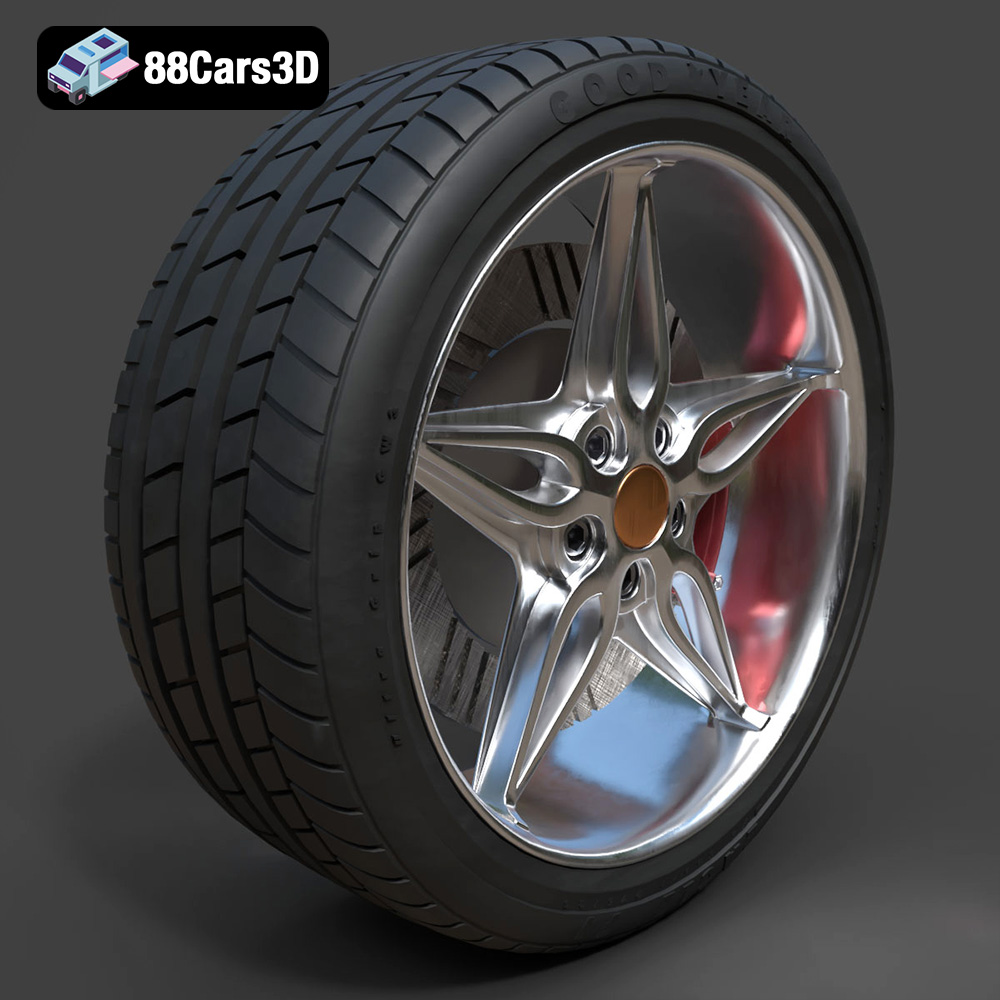
Texture: Yes
Material: Yes
Download the Wheel-001 Component 3D Model featuring clean geometry, realistic detailing, and a fully modeled interior. Includes .blend, .fbx, .obj, .glb, .stl, .ply, .unreal, and .max formats for rendering, simulation, and game development.
Price: $10.99

Texture: Yes
Material: Yes
Download the BMW 3 series Touring 335i (F31) 2013 3D Model featuring a highly detailed exterior, realistic interior, and modular design. Includes .blend, .fbx, .obj, .glb, .stl, .ply, .unreal, and .max formats for rendering, simulation, and game development.
Price: $30.79
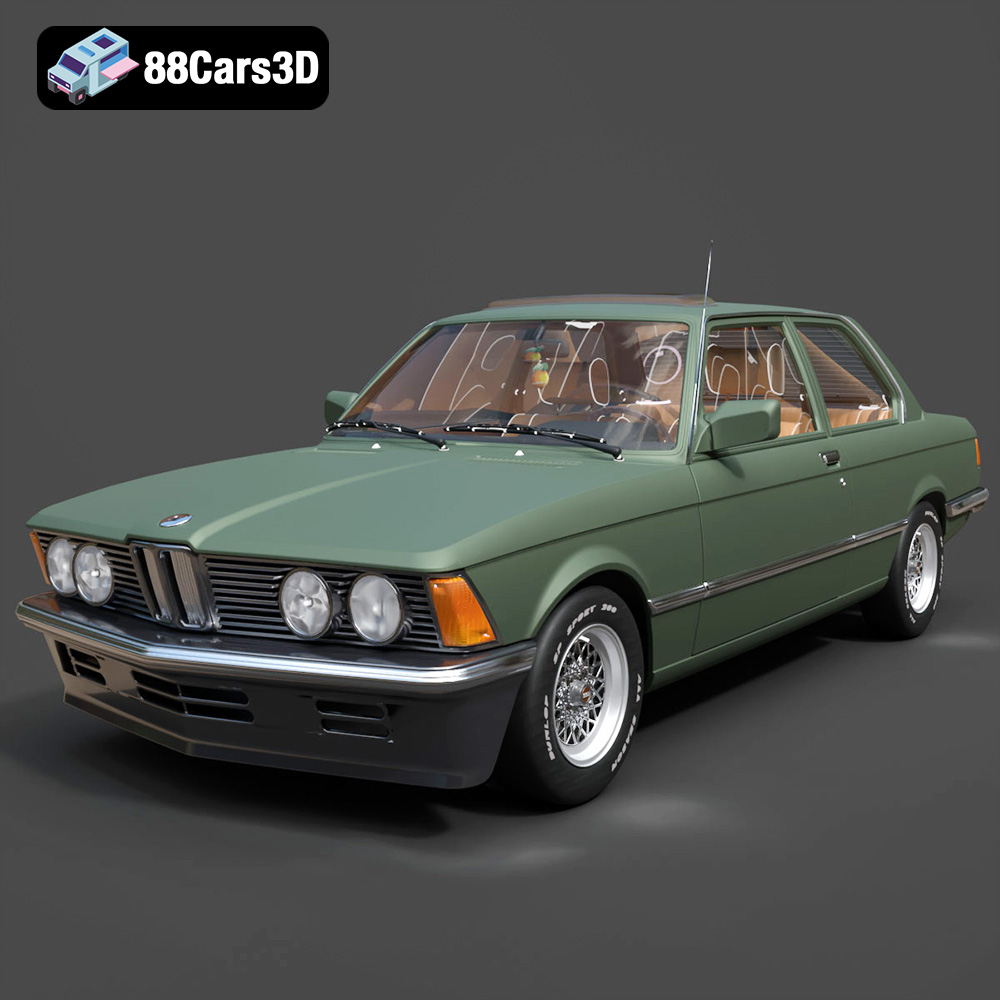
Texture: Yes
Material: Yes
Download the BMW 3 Series E21 3D Model featuring authentic exterior design, detailed interior, and accurate proportions. Includes .blend, .fbx, .obj, .glb, .stl, .ply, .unreal, and .max formats for rendering, simulation, and game development.
Price: $20.79

Texture: Yes
Material: Yes
Download the BMW 1 Series 3-Door E81 3D Model featuring a detailed exterior, functional interior elements, and clean geometry. Includes .blend, .fbx, .obj, .glb, .stl, .ply, .unreal, and .max formats for rendering, simulation, and game development.
Price: $14.79

Texture: Yes
Material: Yes
Download the Mercedes-Benz S500 2022 3D Model featuring clean geometry, realistic detailing, and a fully modeled interior. Includes .blend, .fbx, .obj, .glb, .stl, .ply, .unreal, and .max formats for rendering, simulation, and game development.
Price: $19.99
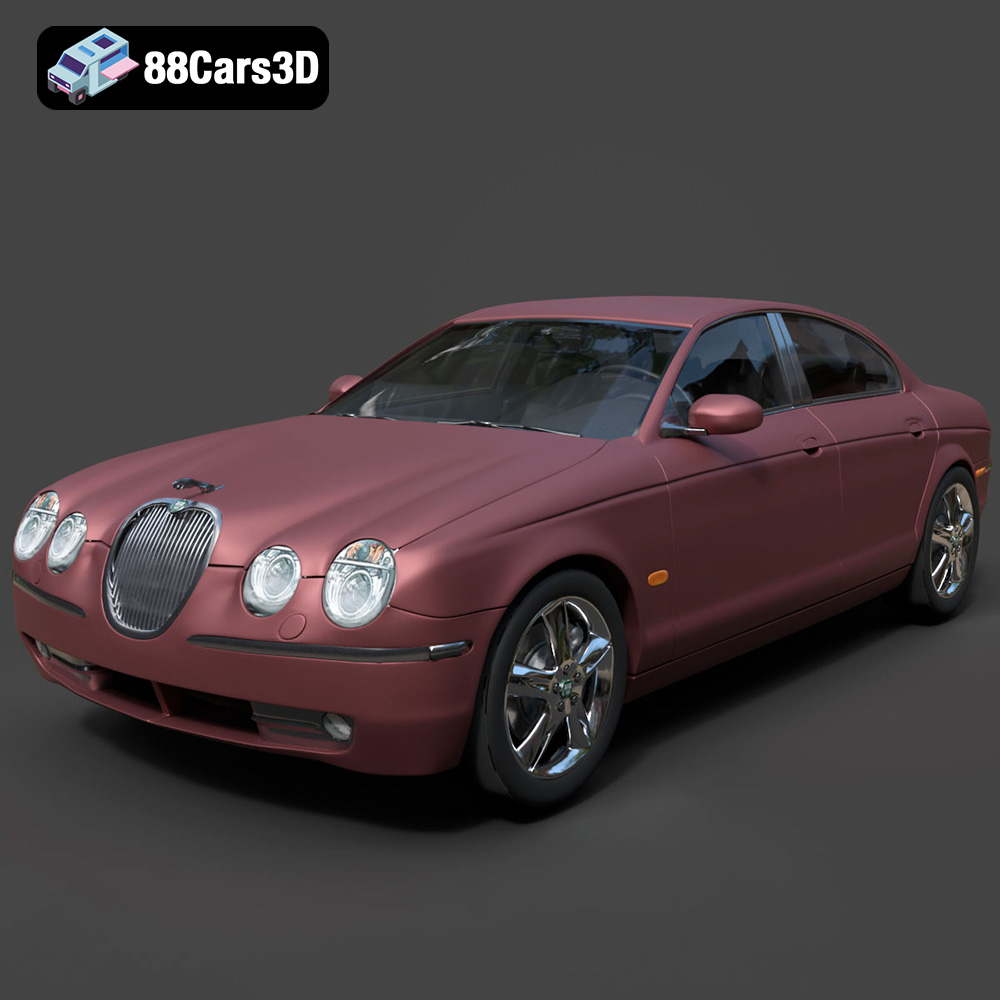
Texture: Yes
Material: Yes
Download the Jaguar S-Type Sedan 3D Model featuring clean geometry, realistic detailing, and a fully modeled interior. Includes .blend, .fbx, .obj, .glb, .stl, .ply, .unreal, and .max formats for rendering, simulation, and game development.
Price: $18.99
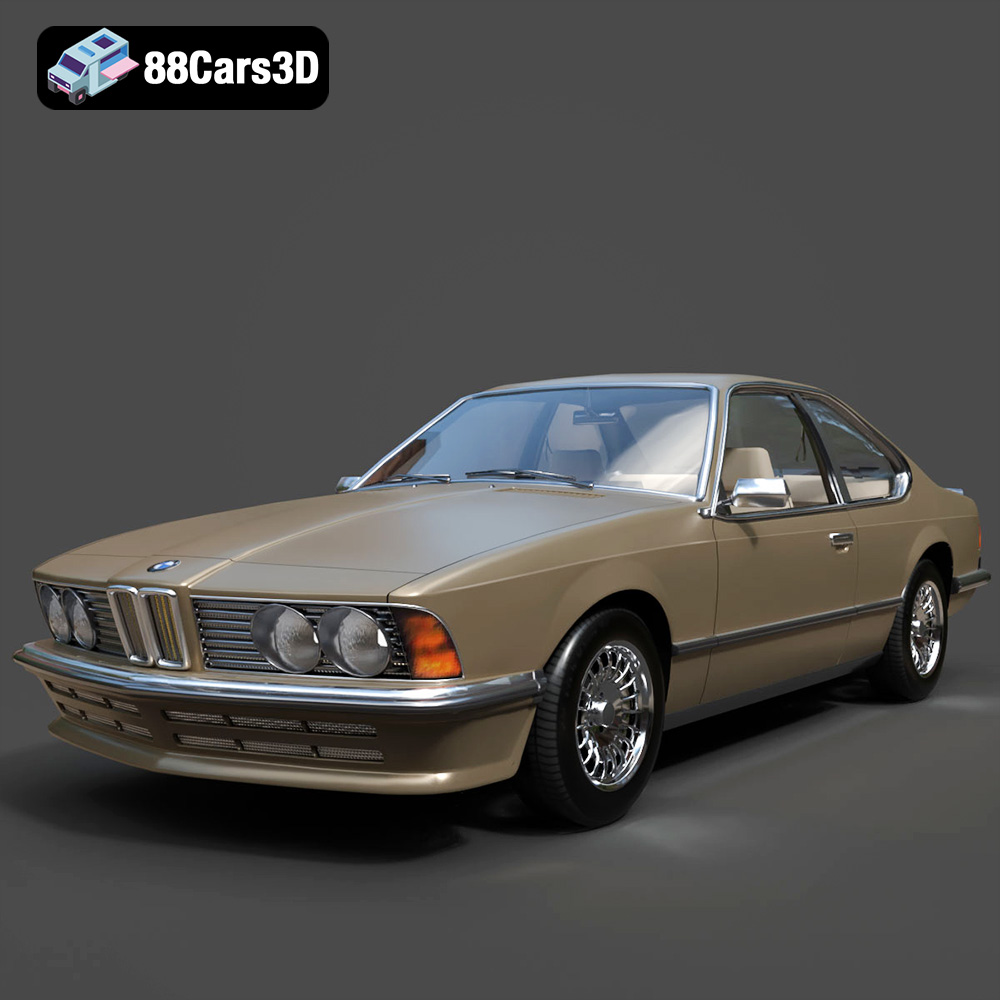
Texture: Yes
Material: Yes
Download the BMW 6 Series 1986 3D Model featuring clean geometry, realistic detailing, and a fully modeled interior. Includes .blend, .fbx, .obj, .glb, .stl, .ply, .unreal, and .max formats for rendering, simulation, and game development.
Price: $16.99
Texture: Yes
Material: Yes
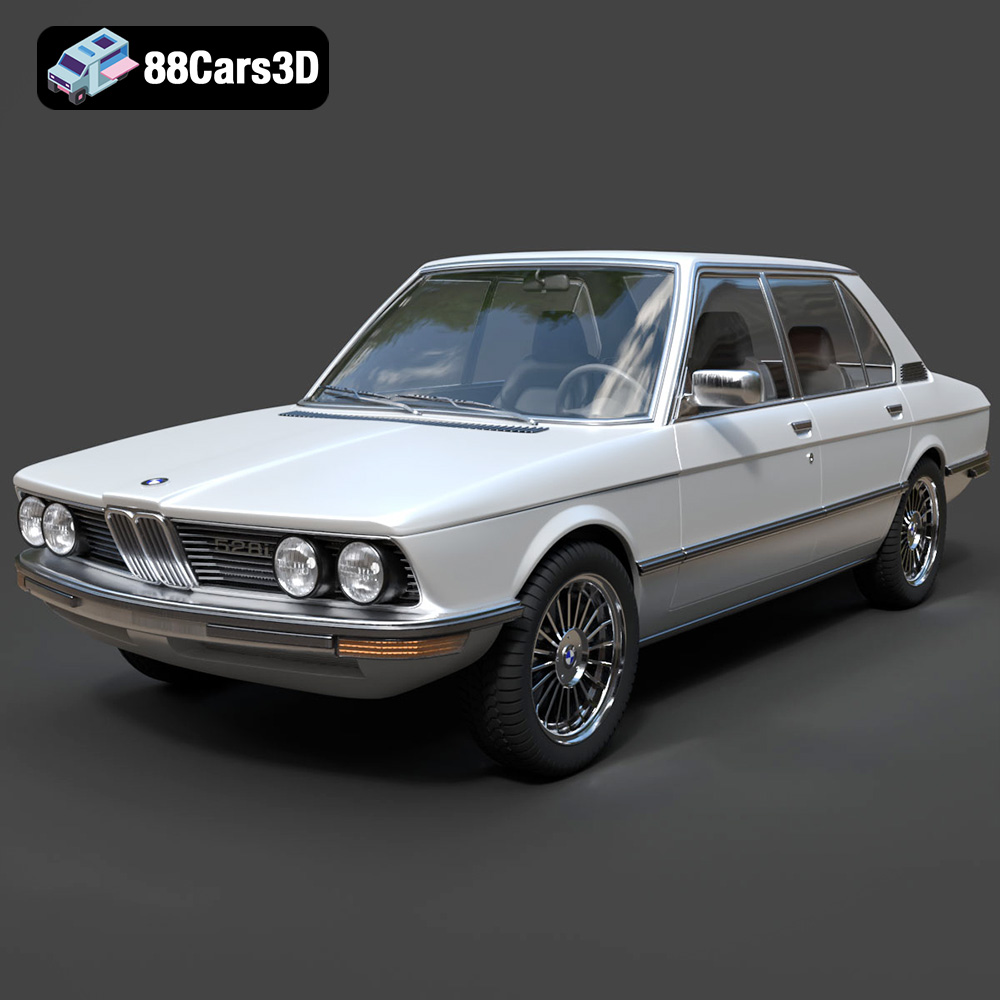
Download the BMW 5 Series E12 528i 3D Model featuring clean geometry, realistic detailing, and a fully modeled interior. Includes .blend, .fbx, .obj, .glb, .stl, .ply, .unreal, and .max formats for rendering, simulation, and game development.
Price: $14.99

Texture: Yes
Material: Yes
Download the BMW 5 Series F10 3D Model featuring clean geometry, realistic detailing, and a fully modeled interior. Includes .blend, .fbx, .obj, .glb, .stl, .ply, .unreal, and .max formats for rendering, simulation, and game development.
Price: $14.99

Texture: Yes
Material: Yes
Download the BMW 4 Series Coupe M Sport 2014 3D Model featuring clean geometry, realistic detailing, and a fully modeled interior. Includes .blend, .fbx, .obj, .glb, .stl, .ply, .unreal, and .max formats for rendering, simulation, and game development.
Price: $14.99

