⚡ FLASH SALE: Get 60% OFF All Premium 3D & STL Models! ⚡

“`html
The thrill of holding a perfectly rendered 3D printed car model in your hands is immense. Whether you’re a seasoned maker meticulously building a fleet of classics, a hobbyist eager to bring iconic vehicles to life, or an engineer prototyping a new automotive design, the journey from digital file to tangible object hinges on one crucial step: preparation. The STL file format, ubiquitous in 3D printing, represents your model as a mesh of triangles. However, not all STL files are created equal. A seemingly perfect digital model can result in print failures, wasted material, and immense frustration if not properly prepared. This guide dives deep into the essential steps of preparing your 3D models, focusing specifically on achieving stunning results with intricate automotive designs. We’ll cover everything from understanding STL file structure and mesh integrity to optimizing slicing parameters and mastering support generation, ensuring your next print from platforms like 88cars3d.com is a resounding success.
Before we can print, we must understand what we’re printing. The STL (STereoLithography) file format is the de facto standard for 3D printing. It describes the surface geometry of a 3D object using a collection of connected triangles, essentially a tessellated representation of the model. Each triangle is defined by the coordinates of its three vertices and a normal vector indicating which side of the triangle is “outward” (facing away from the object’s interior). While simple, this format can hide several underlying issues that directly impact printability. Understanding these potential pitfalls is the first step towards successful printing.
A “watertight” or manifold mesh is crucial for 3D printing. Imagine trying to fill your 3D model with water; if it leaks anywhere, it’s not watertight. In STL terms, this means there should be no holes, gaps, or non-manifold geometry. Non-manifold edges are edges shared by more than two triangles, which is impossible in physical geometry. Holes occur when the surface is incomplete. Most slicer software will attempt to detect and repair these issues, but manual intervention is often necessary for complex models. Thoroughly checking for these imperfections ensures that your printer’s slicing software can correctly interpret the model’s volume and generate toolpaths without errors. Tools like Meshmixer, Blender, or even Netfabb (now part of Autodesk Fusion 360) offer robust mesh analysis and repair capabilities. For intricate car models, ensuring the chassis, body panels, and interior components are all sealed surfaces is paramount. A hole in a wheel arch, for example, could lead to the slicer creating unintended internal structures or failing to print that section altogether.
The resolution of an STL file dictates the level of detail it can represent. A low-resolution STL will have fewer triangles, resulting in a faceted or blocky appearance, especially on curved surfaces. Conversely, a very high-resolution STL, while capturing fine details, can lead to excessively large file sizes, slower processing times in slicers, and potentially more complex meshes that are harder to repair. Finding the right balance is key. For automotive models, you want enough triangles to represent the smooth curves of a car’s body, the sharp edges of spoilers, and the intricate details of grilles and wheels, without becoming unwieldy. When downloading models from marketplaces such as 88cars3d.com, you’ll often find options for different resolutions or pre-optimized files. If you’re modeling yourself, consider the capabilities of your printer and the desired level of detail. Exporting from CAD software often involves a “tolerance” or “deviation” setting; a smaller tolerance yields a more detailed mesh but a larger file.
The slicer is your digital bridge between the 3D model and the 3D printer. It takes your STL file and converts it into a series of G-code commands – the instructions your printer follows layer by layer. The settings you choose in your slicer (like Cura, PrusaSlicer, or Simplify3D) have a profound impact on print quality, strength, and print time. For detailed car models, these settings require careful consideration.
Layer height is arguably the most significant setting affecting surface finish and print time. It determines the thickness of each individual layer deposited by the printer. For FDM printers, common layer heights range from 0.1mm (fine detail) to 0.3mm (faster prints, less detail). For highly detailed automotive models, especially those with smooth curves and intricate features like badges or interior elements, a lower layer height (e.g., 0.1mm or 0.12mm) is often preferred. This reduces the visible “stair-stepping” effect on curved surfaces. However, printing at lower layer heights significantly increases print time. A trade-off must be made based on the specific model, your patience, and the printer’s capabilities. For less visible areas or parts where speed is prioritized, a slightly higher layer height (e.g., 0.15mm or 0.2mm) might be acceptable.
Infill refers to the internal structure printed within the outer walls of your model. It provides structural support and affects the model’s strength, weight, and print time. For display models, high infill density is often unnecessary. An infill density of 10-20% is typically sufficient for rigidity and can save considerable print time and material. More complex infill patterns, such as gyroid or cubic, can offer better support in multiple directions compared to simpler patterns like grid or lines, which might be beneficial for models with overhangs or delicate components. For functional parts or models that will be handled frequently, a higher infill density (30-50%) might be required.
Print speed directly impacts print time and quality. Printing too fast can lead to under-extrusion, layer shifting, and poor surface finish. Printing too slow can cause heat creep and stringing. For detailed automotive models, it’s often advisable to slow down the outer wall and top/bottom print speeds to ensure the best surface quality. A good starting point for outer walls might be 30-40mm/s, while infill can be printed faster (e.g., 50-60mm/s). Nozzle temperature and bed temperature are material-dependent and critical for proper adhesion and layer bonding. Always consult the filament manufacturer’s recommendations. For PLA, typical nozzle temperatures range from 190-220°C, and bed temperatures from 50-60°C. PETG requires higher temperatures (230-250°C nozzle, 70-80°C bed), and ABS needs even higher temps and often an enclosed printer (240-260°C nozzle, 90-110°C bed).
Automotive models are often characterized by complex geometries, including significant overhangs, bridges, and intricate details like spoilers, mirrors, and undercarriage components. Without proper support, these features will fail to print correctly, leading to sagging, drooping, or complete collapse. Generating and managing supports effectively is a critical skill for printing such models.
Most slicers offer automatic support generation, which can be a good starting point. However, for detailed models, automatic supports can sometimes be excessive, difficult to remove, or placed in suboptimal locations, potentially damaging fine details. Many slicers allow for manual support placement, enabling you to add supports only where absolutely necessary. This approach offers greater control and often leads to cleaner prints with easier post-processing. Platforms like 88cars3d.com often provide models optimized for printing, sometimes including suggestions for support placement or even pre-supported versions.
Slicers offer various support types, such as “Normal” (trees branching from the build plate), “Tree” (organic branching structures that often use less material and are easier to remove), and “Draft” (for quick checks). Key settings to consider include:
Fine-tuning these settings is crucial. For delicate car parts, you might opt for tree supports with a moderate interface density and a slightly larger Z distance to facilitate easier removal without damaging the print.
Removing supports cleanly is an art. For FDM prints, this often involves carefully prying them away with tools like pliers, hobby knives, or dental picks. Start with the larger sections and work your way to finer details. For resin prints, supports are removed either before or after the final UV cure, using flush cutters or a similar sharp tool. Patience is key. If a support is resisting, don’t force it; try to find a better angle or use a different tool. A small amount of sanding or filing may be necessary to clean up any marks left by the supports.
How you orient your model on the print bed and how well that first layer adheres are fundamental to a successful print. Incorrect orientation can exacerbate overhang issues, weaken the model, or ruin the surface finish. Poor bed adhesion leads to prints detaching mid-print, warping, or elephant’s foot.
For car models, consider these orientation strategies:
Experimentation is often required. Some complex models might even benefit from being printed in multiple parts and assembled later, allowing for optimal orientation of each component.
A solid first layer is non-negotiable. This involves several factors:
The choice of printing material and the calibration of your 3D printer are fundamental to achieving the desired outcome, especially for detailed automotive models where aesthetics and durability can both be important.
Different materials offer distinct properties:
For the ultra-fine details often found in collectible car models, high-resolution resin printing is frequently the preferred method. For larger, more robust FDM prints, PLA or PETG are excellent choices.
A well-calibrated printer is essential for accurate dimensions and reliable prints. Key calibration steps include:
Regular printer maintenance, including cleaning the nozzle, checking belt tension, and lubricating moving parts, also contributes to consistent print quality. When dealing with highly detailed files, such as those found on marketplaces like 88cars3d.com, a perfectly calibrated printer is the difference between a masterpiece and a mess.
The print is just the beginning. Post-processing is where a raw 3D print is transformed into a finished piece. This stage is crucial for automotive models, where aesthetics are paramount.
As discussed, careful removal of supports is the first step. Once supports are gone, you’ll likely have marks or rough areas. For FDM prints, sanding is the most common method for achieving a smooth surface. Start with coarser grit sandpaper (e.g., 120-220 grit) to remove significant imperfections and gradually move to finer grits (400, 800, 1000, and even higher) for a polished finish. Wet sanding can often produce smoother results. For resin prints, minimal sanding might be needed, often focusing on areas where supports attached. For extremely smooth finishes on FDM prints, vapor smoothing (using acetone for ABS or specific chemicals for PLA/PETG) can be employed, but this requires extreme caution and proper ventilation.
Some prints may have small gaps, especially at layer lines or where parts join. These can be filled using modeling putty, wood filler, or specialized 3D printing fillers. Once hardened, these fillers can be sanded smooth. If your model is designed to be printed in multiple parts (common for complex car models to facilitate printing and detail), careful alignment and gluing are essential. Cyanoacrylate (super glue) is commonly used, but two-part epoxies can provide stronger bonds for larger sections.
Priming your model before painting is crucial. A good quality primer (e.g., a filler primer) will fill minor imperfections, provide a uniform surface, and help the topcoat adhere better. For automotive models, a smooth, even finish is key. Use light, even coats of spray paint or an airbrush. Acrylic paints are popular for their ease of use and cleanup. Masking tape is essential for achieving clean lines between different color sections (e.g., body color, trim, windows). Decals and weathering techniques can then be applied to add the final touches of realism.
Mastering the preparation of STL files for 3D printing, especially for intricate subjects like automotive models, is a journey that combines technical understanding with practical skill. By thoroughly understanding the STL format, meticulously configuring your slicer settings, mastering support generation, optimizing print orientation, selecting the right materials, and calibrating your printer, you lay the groundwork for successful prints. Post-processing then allows you to elevate these prints into stunning displays or functional parts. Whether you’re downloading print-ready files from curated collections or preparing your own creations, investing time in these preparation steps will invariably lead to higher quality results, saving you time, material, and frustration. Happy printing!
“`
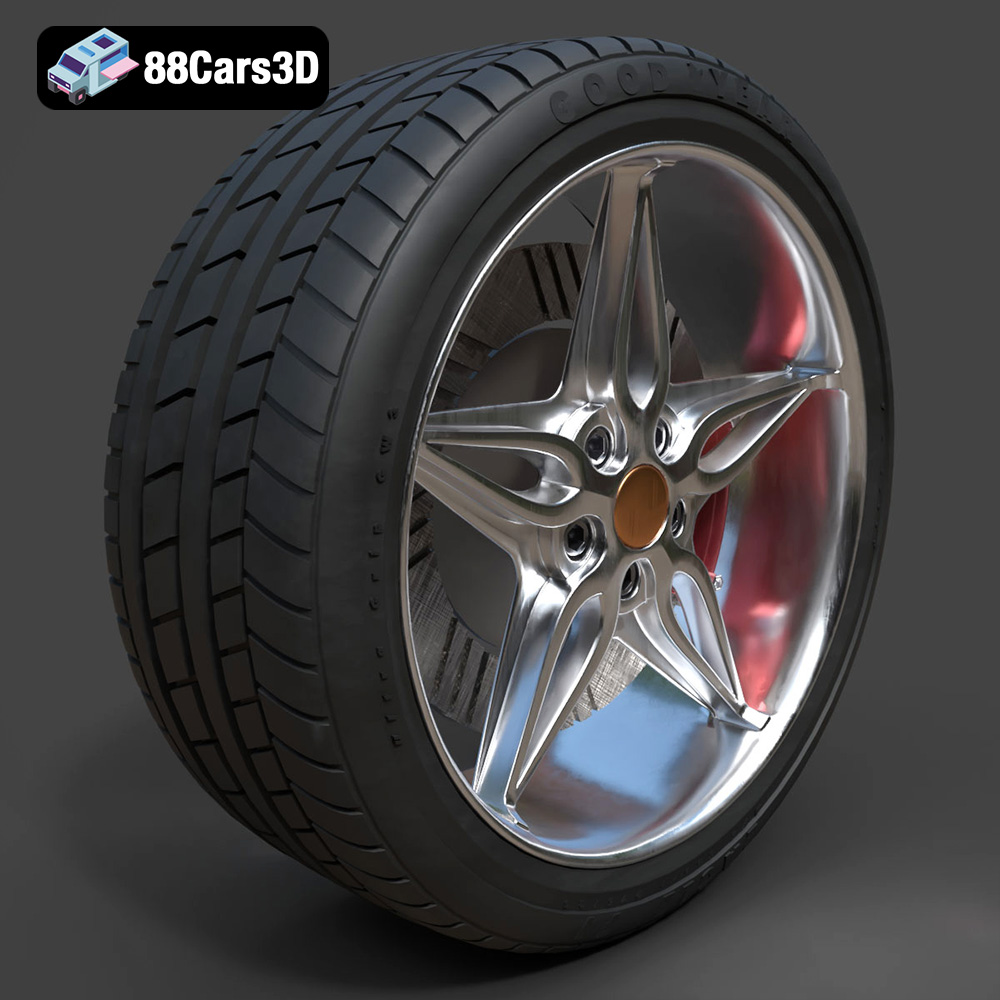
Texture: Yes
Material: Yes
Download the Wheel-001 Component 3D Model featuring clean geometry, realistic detailing, and a fully modeled interior. Includes .blend, .fbx, .obj, .glb, .stl, .ply, .unreal, and .max formats for rendering, simulation, and game development.
Price: $10.99

Texture: Yes
Material: Yes
Download the BMW 3 series Touring 335i (F31) 2013 3D Model featuring a highly detailed exterior, realistic interior, and modular design. Includes .blend, .fbx, .obj, .glb, .stl, .ply, .unreal, and .max formats for rendering, simulation, and game development.
Price: $30.79
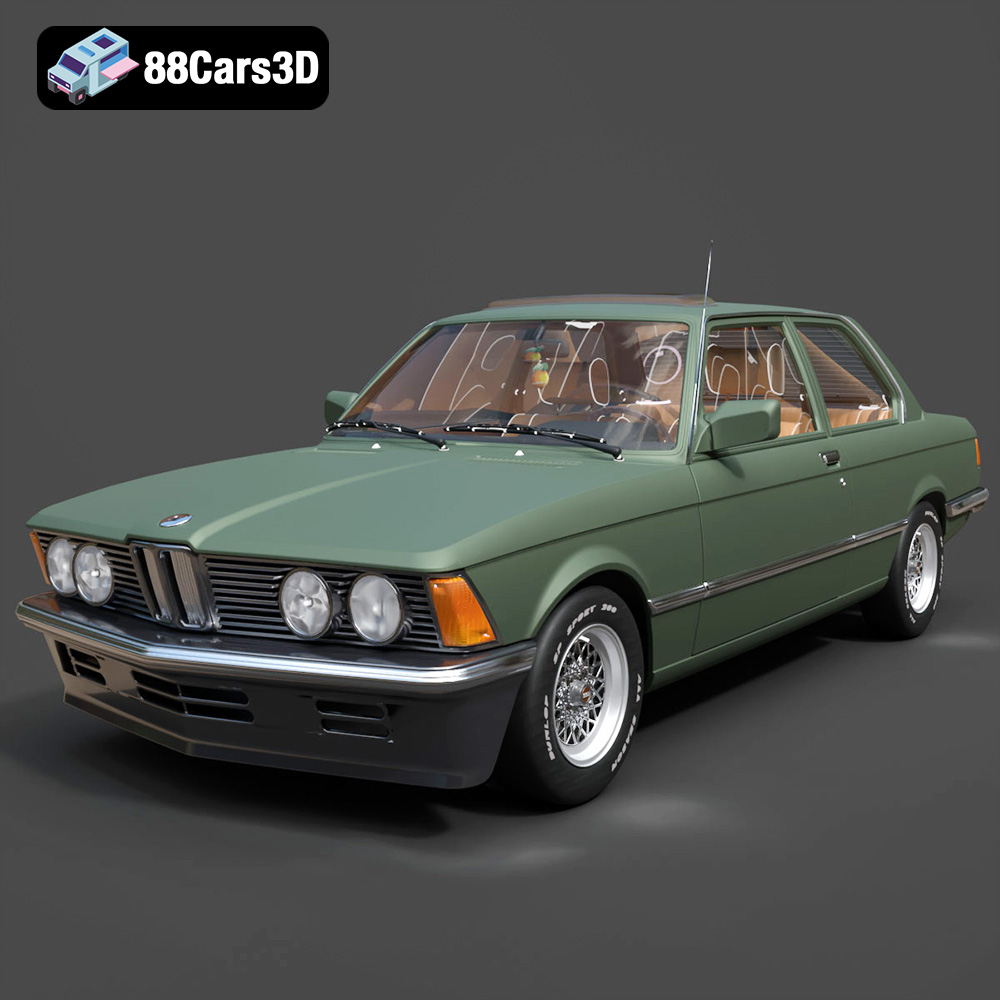
Texture: Yes
Material: Yes
Download the BMW 3 Series E21 3D Model featuring authentic exterior design, detailed interior, and accurate proportions. Includes .blend, .fbx, .obj, .glb, .stl, .ply, .unreal, and .max formats for rendering, simulation, and game development.
Price: $20.79

Texture: Yes
Material: Yes
Download the BMW 1 Series 3-Door E81 3D Model featuring a detailed exterior, functional interior elements, and clean geometry. Includes .blend, .fbx, .obj, .glb, .stl, .ply, .unreal, and .max formats for rendering, simulation, and game development.
Price: $14.79

Texture: Yes
Material: Yes
Download the Mercedes-Benz S500 2022 3D Model featuring clean geometry, realistic detailing, and a fully modeled interior. Includes .blend, .fbx, .obj, .glb, .stl, .ply, .unreal, and .max formats for rendering, simulation, and game development.
Price: $19.99
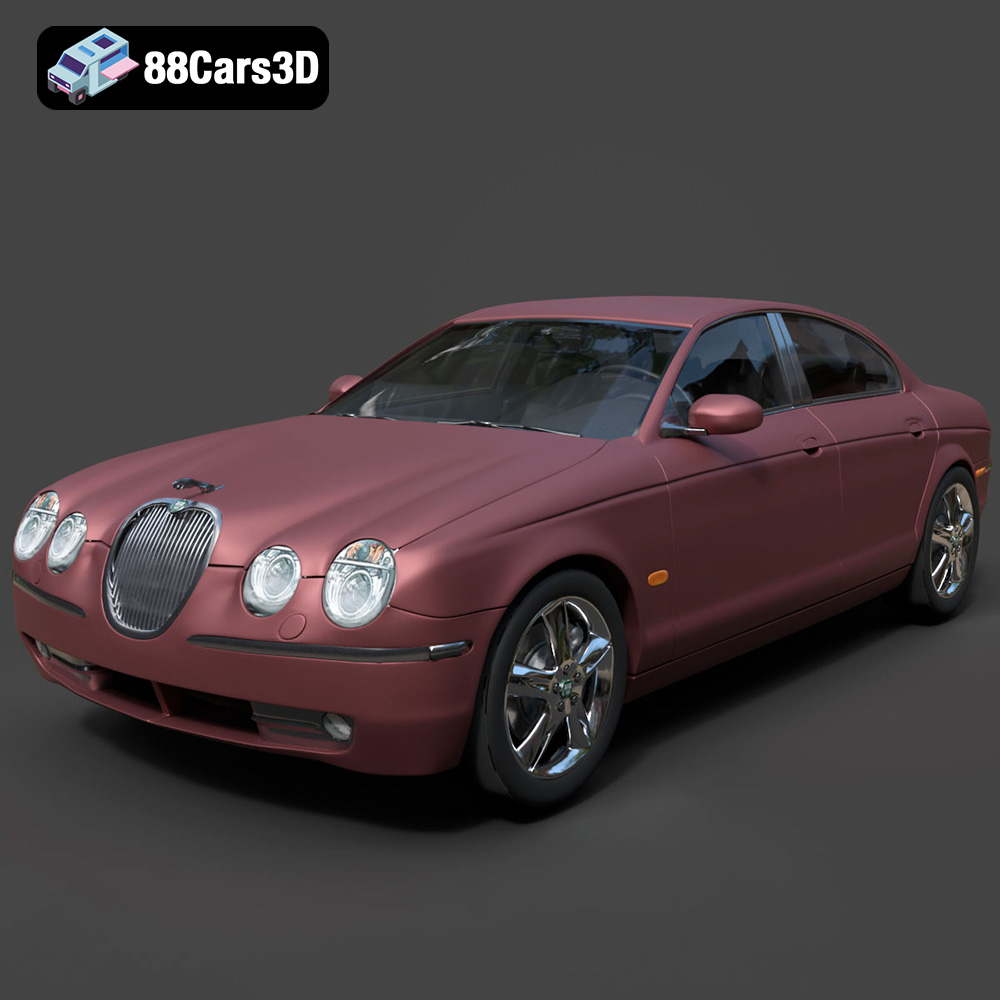
Texture: Yes
Material: Yes
Download the Jaguar S-Type Sedan 3D Model featuring clean geometry, realistic detailing, and a fully modeled interior. Includes .blend, .fbx, .obj, .glb, .stl, .ply, .unreal, and .max formats for rendering, simulation, and game development.
Price: $18.99
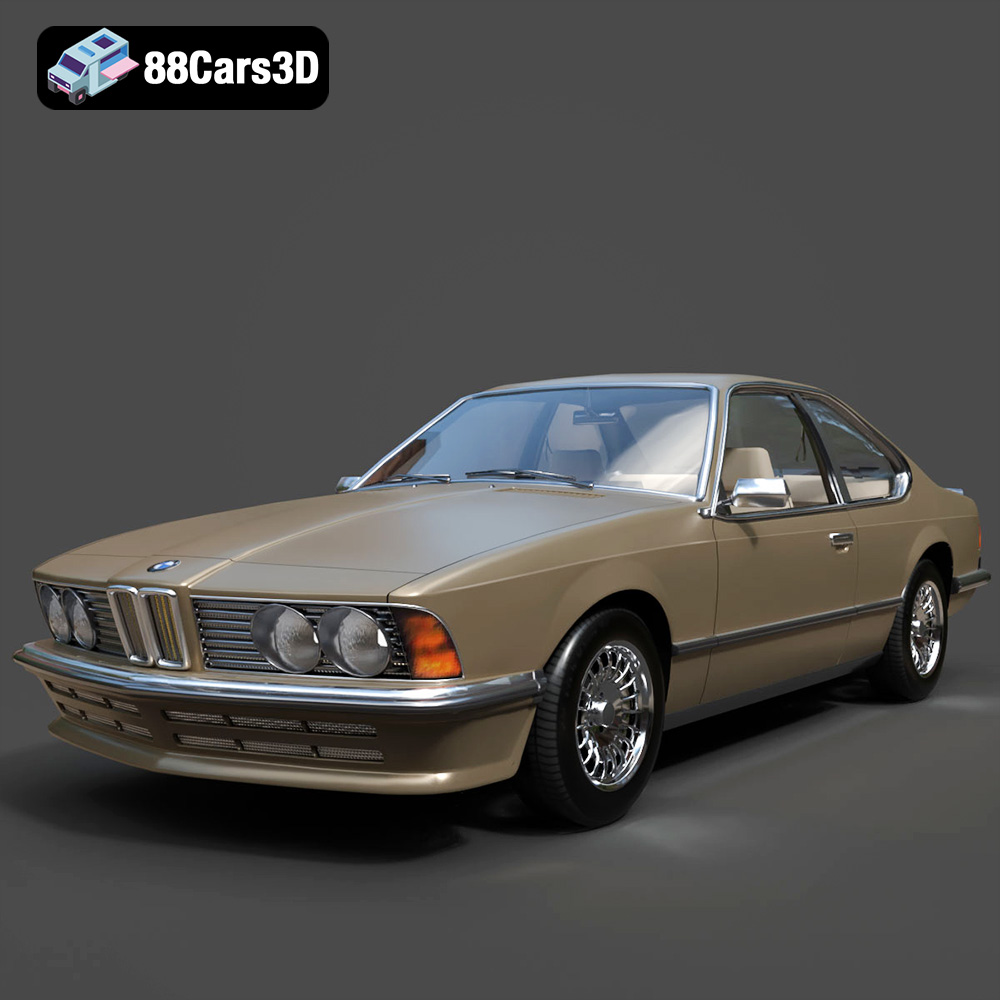
Texture: Yes
Material: Yes
Download the BMW 6 Series 1986 3D Model featuring clean geometry, realistic detailing, and a fully modeled interior. Includes .blend, .fbx, .obj, .glb, .stl, .ply, .unreal, and .max formats for rendering, simulation, and game development.
Price: $16.99
Texture: Yes
Material: Yes
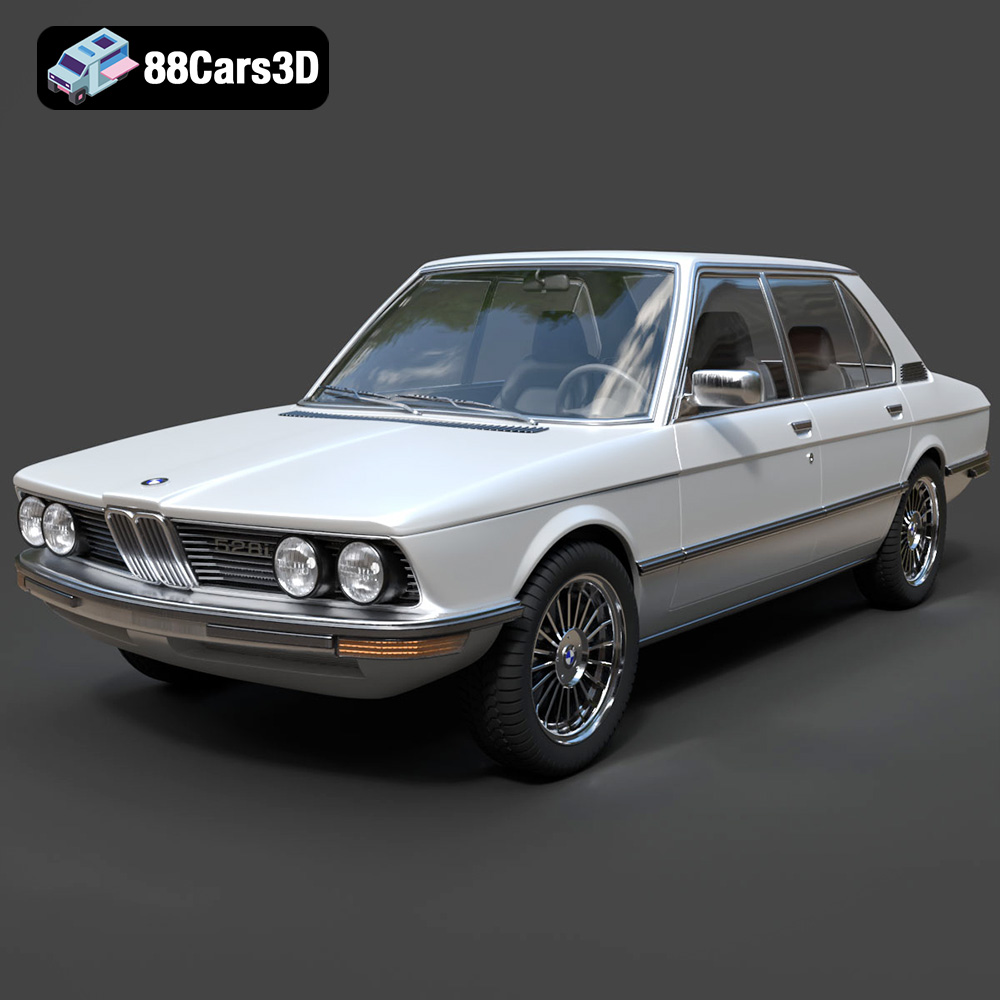
Download the BMW 5 Series E12 528i 3D Model featuring clean geometry, realistic detailing, and a fully modeled interior. Includes .blend, .fbx, .obj, .glb, .stl, .ply, .unreal, and .max formats for rendering, simulation, and game development.
Price: $14.99

Texture: Yes
Material: Yes
Download the BMW 5 Series F10 3D Model featuring clean geometry, realistic detailing, and a fully modeled interior. Includes .blend, .fbx, .obj, .glb, .stl, .ply, .unreal, and .max formats for rendering, simulation, and game development.
Price: $14.99

Texture: Yes
Material: Yes
Download the BMW 4 Series Coupe M Sport 2014 3D Model featuring clean geometry, realistic detailing, and a fully modeled interior. Includes .blend, .fbx, .obj, .glb, .stl, .ply, .unreal, and .max formats for rendering, simulation, and game development.
Price: $14.99

