⚡ FLASH SALE: Get 60% OFF All Premium 3D & STL Models! ⚡

The world of 3D printing, especially when delving into the intricate details of automotive models, hinges on precision and adaptability. At 88cars3d.com, we understand that the journey from a digital STL file to a stunning physical replica of a classic car or a cutting-edge supercar is paved with crucial decisions. Two of the most fundamental, yet often overlooked, parameters that significantly impact your print quality, speed, and the overall success of your project are your 3D printer’s nozzle diameter and its build volume (bed size). Selecting the appropriate combination isn’t just a matter of preference; it’s a technical decision that dictates what types of models you can print, how detailed they can be, and how efficiently you can produce them. This comprehensive guide will demystify the science and art behind nozzle and bed size selection, empowering you to make informed choices for your next automotive 3D printing endeavor.
We’ll explore how nozzle size influences layer height, print speed, and the level of fine detail achievable, particularly relevant for the sharp lines and intricate components of car models. Simultaneously, we’ll dissect the implications of build volume, ensuring you can print entire vehicles or strategically section larger models for easier assembly and enhanced detail. Whether you’re a seasoned maker accustomed to tweaking every setting or a newcomer eager to understand the foundational elements, this article will provide the technical insights needed to optimize your 3D printing workflow. Get ready to elevate your prints from good to exceptional, unlocking the full potential of your 3D printer for stunning automotive creations.
The nozzle is where the magic of additive manufacturing truly happens – it’s the gateway through which your chosen filament is melted and precisely deposited layer by layer. The diameter of this aperture is arguably the single most influential factor dictating the fine details, print speed, and structural integrity of your 3D prints. For enthusiasts printing detailed car models, this decision becomes even more critical. A standard nozzle size for most FDM printers is 0.4mm, offering a good balance between detail and print speed for general-purpose applications. However, this may not always be ideal for the specific demands of automotive replicas.
When printing complex automotive parts, such as delicate spoilers, intricate grille designs, or small emblems, a smaller nozzle diameter becomes a significant advantage. Nozzles like 0.2mm or 0.25mm allow for significantly finer extrusion lines. This translates directly into sharper corners, smoother curves, and the ability to capture subtle surface details that a larger nozzle would simply obliterate. Imagine printing a miniature badge; a 0.4mm nozzle might struggle to resolve the text, while a 0.2mm nozzle can render it with impressive clarity. However, this increased detail comes at a cost: print time. Extruding finer lines means more passes are required to fill an area, substantially increasing the overall print duration. Furthermore, smaller nozzles are more prone to clogging, especially with filaments containing particulates or if there’s even a slight inconsistency in the filament diameter. Regular maintenance and careful filament selection are paramount.
For incredibly detailed car models, especially those intended for display or competition, opting for a smaller nozzle is often the preferred route. Think of printing a 1:18 scale model of a classic sports car. Components like side mirrors, intricate wheel spokes, or even the delicate framework of a convertible roof benefit immensely from the precision of a 0.2mm or 0.25mm nozzle. The reduced extrusion width allows for sharper edges and a more refined surface finish, minimizing the appearance of visible layer lines, even before post-processing. When slicing such models, you’ll typically pair these smaller nozzles with lower layer heights (e.g., 0.08mm to 0.12mm) to further enhance surface smoothness and capture the subtle curves of automotive bodywork. Remember that printing with a smaller nozzle also necessitates careful calibration. Ensure your E-steps are accurately set and your retraction settings are finely tuned to prevent stringing, which can become exponentially more noticeable on finely detailed prints.
The ubiquitous 0.4mm nozzle remains a workhorse for a reason. It provides a robust balance between print speed and acceptable detail for a vast range of models, including many car parts that don’t require microscopic precision. For larger components or less critical parts of a car model, a 0.4mm nozzle can significantly reduce print times compared to its smaller counterparts. For instance, printing the main body of a 1:24 scale model might take several days with a 0.2mm nozzle, but could be completed in under a day with a 0.4mm nozzle, using a layer height of 0.15mm to 0.2mm. This makes it ideal for functional prints, prototypes, or when rapid iteration is necessary. When using a 0.4mm nozzle, you can often get away with slightly larger layer heights (e.g., 0.2mm to 0.3mm) without a drastic loss in perceived quality, further accelerating the printing process. It’s also generally more tolerant of less-than-perfect filament quality and less susceptible to clogging, making it a more forgiving option for everyday printing.
While less common for highly detailed car models, larger nozzles (0.6mm, 0.8mm, or even 1.0mm) have their place in the 3D printing world, primarily for enhancing print speed and structural integrity. If you’re printing very large car models, functional parts that require high strength, or prototypes where speed trumps fine detail, a larger nozzle can be your ally. Extruding thicker lines allows the printer to lay down more material per pass, drastically reducing print times. A 0.8mm nozzle, for example, can print a given volume of material significantly faster than a 0.4mm nozzle. This is particularly useful for creating larger chassis components or structural elements where speed is a priority. However, the trade-off is a significant reduction in fine detail and visible layer lines. Expect a more “blocky” appearance and less ability to resolve small features. When using larger nozzles, consider increasing infill density slightly to compensate for any potential loss in strength due to thicker layers, and adjust your flow rate accordingly to prevent over-extrusion.
The build volume, often referred to as the bed size, dictates the maximum dimensions of a single-piece object that your 3D printer can physically create. This is typically expressed in millimeters (e.g., 220x220x250mm). For automotive enthusiasts, the significance of bed size is multifaceted. It determines whether you can print an entire car model in one go, or if you’ll need to strategically design or adapt your chosen STL files to be printed in multiple sections. The ability to print a complete model without seams can be aesthetically desirable, but larger printers also come with their own set of considerations.
A larger build volume offers the freedom to print larger-scale models or entire vehicles without the need for complex assembly. Imagine printing a 1:8 scale model of a supercar; this would almost certainly require a printer with a substantial build volume. Furthermore, printing larger objects as a single piece can sometimes lead to a more cohesive and structurally sound final product, as you eliminate the potential weak points associated with glued or assembled parts. However, larger prints naturally take longer and consume more filament. They also present a higher risk of failure. A print running for several days is more susceptible to power outages, filament run-outs, or unexpected print bed adhesion issues. The larger the surface area on the print bed, the greater the potential for warping, especially with materials like ABS.
For those aspiring to print truly impressive, large-scale automotive models – think 1:8, 1:10, or even larger – a printer with a significant build volume is non-negotiable. Models of this scale demand dimensions that far exceed the capabilities of standard desktop printers. Printers with build volumes of 400x400x400mm or larger are often required. When printing such ambitious projects, especially from curated collections like those found on 88cars3d.com, it’s crucial to consider print orientation and potential need for internal supports or a more robust internal structure to withstand the stresses of a large, single-piece print. You’ll also need to factor in the sheer amount of filament required, which can run into kilograms for a single model. Planning for extended print times, potentially spanning weeks, is essential. Many advanced users choose to print large models with larger nozzles (0.6mm or 0.8mm) and higher layer heights (0.2mm to 0.3mm) to make these immense projects feasible within a reasonable timeframe, accepting a reduction in fine surface detail that can be addressed in post-processing.
The reality for most hobbyists is a printer with a more modest build volume. Fortunately, this doesn’t preclude you from printing impressive car models. The key lies in strategically sectioning larger STL files into manageable parts. Software like Meshmixer, Blender, or even built-in features within slicers like Cura or PrusaSlicer allow you to cut models along designated planes. For example, a car body can be divided into sections like the hood, roof, doors, fenders, and rear. When sectioning, it’s crucial to add alignment features, such as pegs and holes, or flat mating surfaces, to ensure accurate and strong assembly after printing. This also provides an excellent opportunity to orient individual parts for optimal print quality, minimizing the need for complex supports and maximizing surface finish on visible areas. Platforms like 88cars3d.com often provide models that are already pre-sectioned for ease of printing on standard build volumes, saving you significant preparation time.
As build volume increases, so does the challenge of maintaining consistent bed adhesion and preventing warping. Larger surface areas are more susceptible to temperature fluctuations and uneven cooling, which can lead to corners lifting off the print bed – a phenomenon known as warping. For FDM printing, especially with materials prone to shrinkage like ABS, this is a significant concern. Strategies to combat this include using an enclosure to maintain a stable ambient temperature, employing a heated bed at appropriate temperatures (e.g., 90-110°C for ABS), and utilizing adhesion aids like glue stick, hairspray, or specialized build surface tapes. For very large prints, adding a brim or raft in your slicer settings can also provide a wider base of contact with the print bed, increasing the surface area for adhesion and anchoring the print more securely. Monitoring the initial layers of a large print is critical; if you see any signs of lifting, it’s often best to stop the print and re-evaluate your adhesion strategy.
The true mastery of 3D printing lies in understanding how your nozzle diameter and build volume interact with your chosen model and printer. There isn’t a one-size-fits-all solution; instead, it’s about selecting the right combination for your specific printing goal. For highly detailed, smaller-scale car models (e.g., 1:32 or smaller) intended for display, you might opt for a smaller nozzle (0.2mm) and a moderate build volume, accepting longer print times for superior surface finish and detail resolution. If you aim to print a larger, more simplified model quickly, or a functional component, you might use a larger nozzle (0.6mm) on a printer with a larger build volume, prioritizing speed and structural integrity.
Consider the specific parts of a car model. The intricate wheels and body panels might benefit from a smaller nozzle and finer layer height (0.1mm), while the chassis or interior components could be printed faster with a 0.4mm nozzle and a 0.2mm layer height. When downloading models from marketplaces such as 88cars3d.com, examine the recommended print settings or the complexity of the model. If a model is designed with extremely fine details and sharp edges, it’s likely intended for use with smaller nozzles and finer layer heights. Conversely, if the model features larger, simpler forms, it will be more forgiving with larger nozzles and coarser settings.
The relationship between nozzle diameter and layer height is fundamental. A general rule of thumb is that your layer height should not exceed 75-80% of your nozzle diameter. For a 0.4mm nozzle, this means layer heights up to approximately 0.32mm. For a 0.2mm nozzle, this limit drops to around 0.16mm. To achieve maximum detail on car models, you’ll want to push this ratio lower, often printing at 50% or less of the nozzle diameter. For a 0.2mm nozzle, layer heights of 0.08mm to 0.1mm are common for display-quality prints. This provides exceptionally smooth surfaces and allows intricate details to be rendered with incredible clarity. However, printing at these fine resolutions drastically increases print time. A single component that takes 2 hours at 0.2mm layer height might take 8-10 hours at 0.1mm. Conversely, if speed is your priority, you can increase your layer height significantly. Using a 0.4mm nozzle at 0.2mm or even 0.3mm layer height can cut print times by more than half while still providing acceptable results for many functional parts or larger models.
Different filament materials behave differently and have varying impacts on nozzle choice. Standard PLA is generally forgiving and works well with most nozzle sizes. However, filaments with additives, such as carbon fiber-filled or wood-filled filaments, are abrasive and can rapidly wear down brass nozzles. For these materials, hardened steel nozzles are highly recommended. These are more durable and resistant to abrasion, preventing the nozzle orifice from elongating over time. Abrasive filaments can also be more prone to clogging, especially in smaller nozzles. If you experience frequent clogs with these materials, consider using a larger nozzle (0.4mm or larger) and ensuring your filament is stored correctly to prevent moisture absorption. Flexible filaments like TPU can also present challenges, especially with smaller nozzles, as they can bunch up or get ground down in the extruder gears. A larger nozzle can sometimes offer a more consistent extrusion for flexible materials.
Your slicer software is the bridge between your chosen nozzle and bed size and the actual print. Crucially, you must inform your slicer about your nozzle diameter. Failing to do so will result in incorrect extrusion widths and poor print quality. When you change your nozzle, you’ll need to adjust several key slicer settings:
For large build volumes, ensure your “Build Plate Size” settings in the slicer accurately reflect your printer’s dimensions. This allows the slicer to optimize toolpaths and confirm that your model fits within the available space.
Choosing the right nozzle and understanding the implications of your printer’s bed size are foundational skills for any serious 3D printing enthusiast, particularly when working with the detailed and often complex automotive models available at 88cars3d.com. A smaller nozzle (0.2-0.25mm) paired with finer layer heights (0.08-0.12mm) is your go-to for maximizing detail and achieving a smooth, professional finish, ideal for display pieces. Conversely, a standard 0.4mm nozzle offers a versatile balance for general use, while larger nozzles (0.6mm+) excel at rapid prototyping and printing robust, large-scale components where speed and strength are paramount.
Your printer’s build volume dictates the scale of your ambitions. Whether you can print an entire car model in one piece or must strategically section it, careful planning is key. Sectioning, combined with alignment features, opens up a world of possibilities for printers of all sizes, allowing access to even the most expansive digital models. Remember that larger prints require meticulous attention to bed adhesion and environmental stability to prevent warping. By mastering the interplay between nozzle size, layer height, build volume, and slicer settings, you can unlock a new level of precision and efficiency in your 3D printing workflow. Armed with this knowledge, you’re well-equipped to tackle any automotive STL file and produce stunning, high-quality results that will impress any car enthusiast.
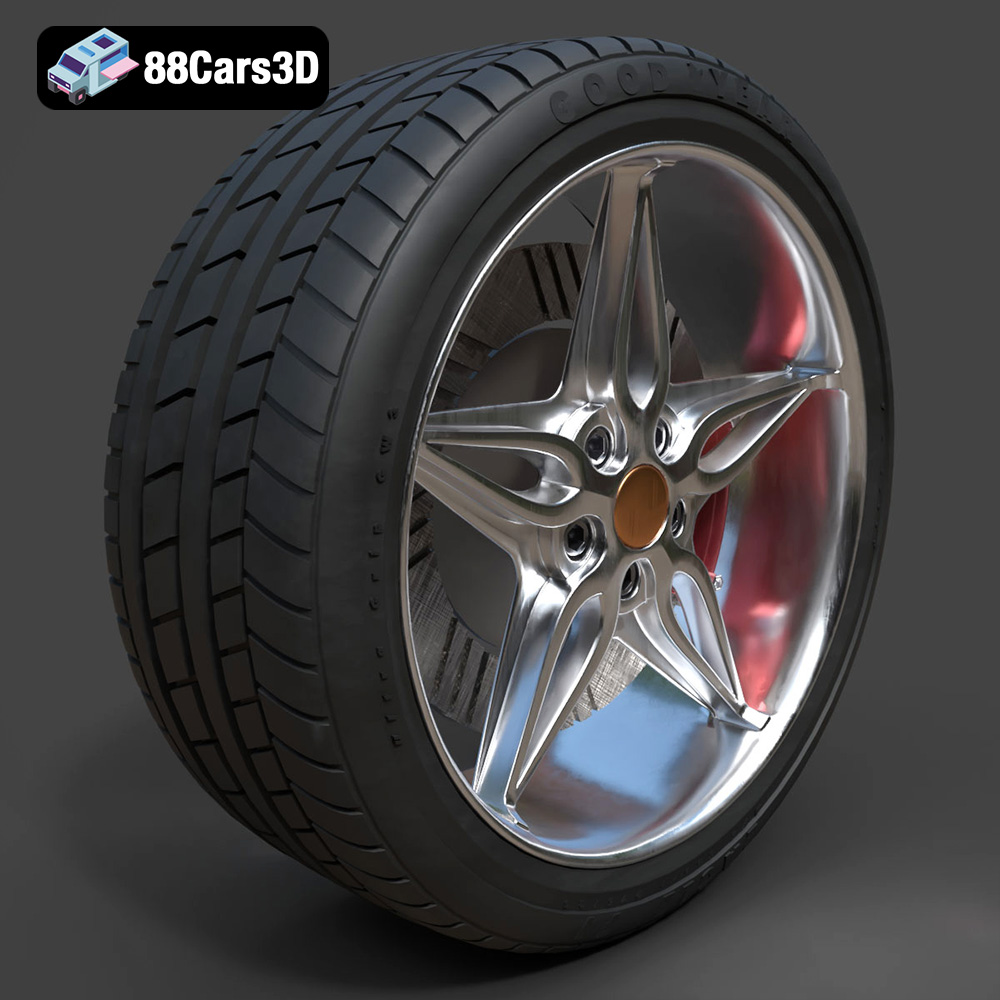
Texture: Yes
Material: Yes
Download the Wheel-001 Component 3D Model featuring clean geometry, realistic detailing, and a fully modeled interior. Includes .blend, .fbx, .obj, .glb, .stl, .ply, .unreal, and .max formats for rendering, simulation, and game development.
Price: $10.99
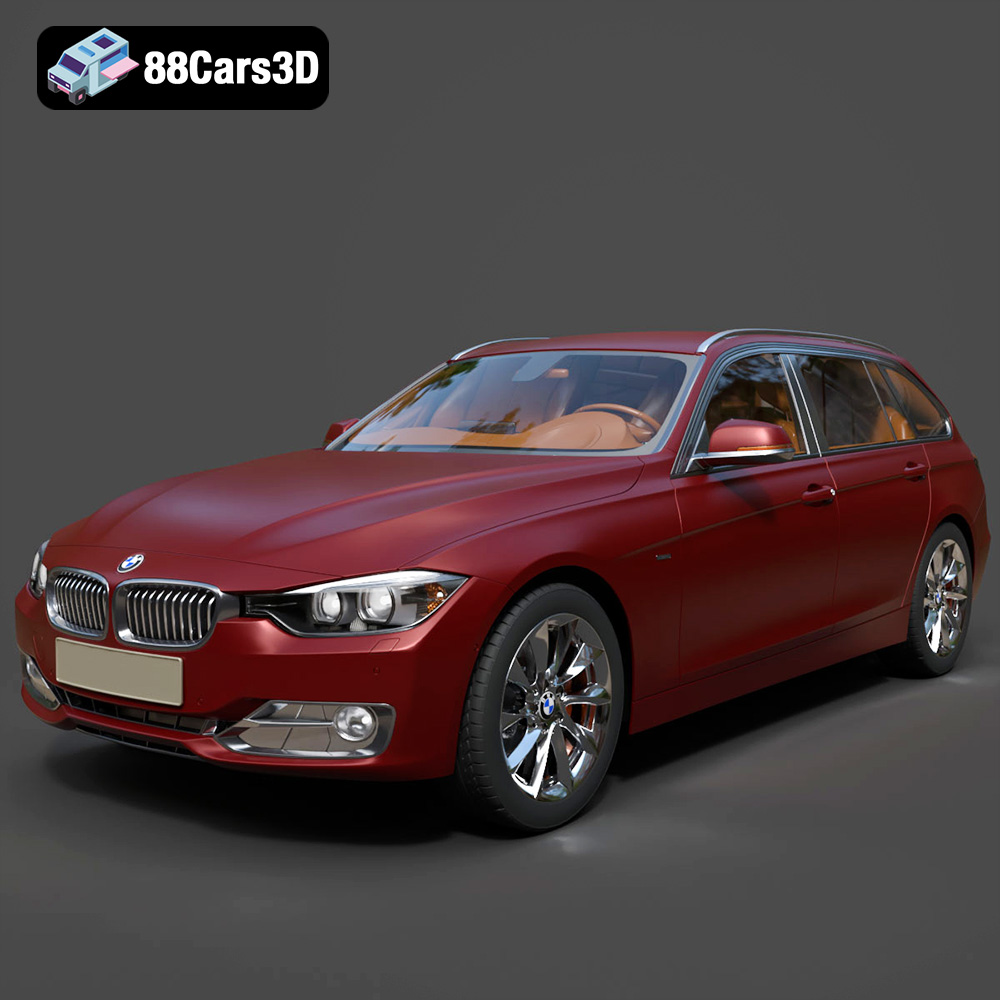
Texture: Yes
Material: Yes
Download the BMW 3 series Touring 335i (F31) 2013 3D Model featuring a highly detailed exterior, realistic interior, and modular design. Includes .blend, .fbx, .obj, .glb, .stl, .ply, .unreal, and .max formats for rendering, simulation, and game development.
Price: $30.79
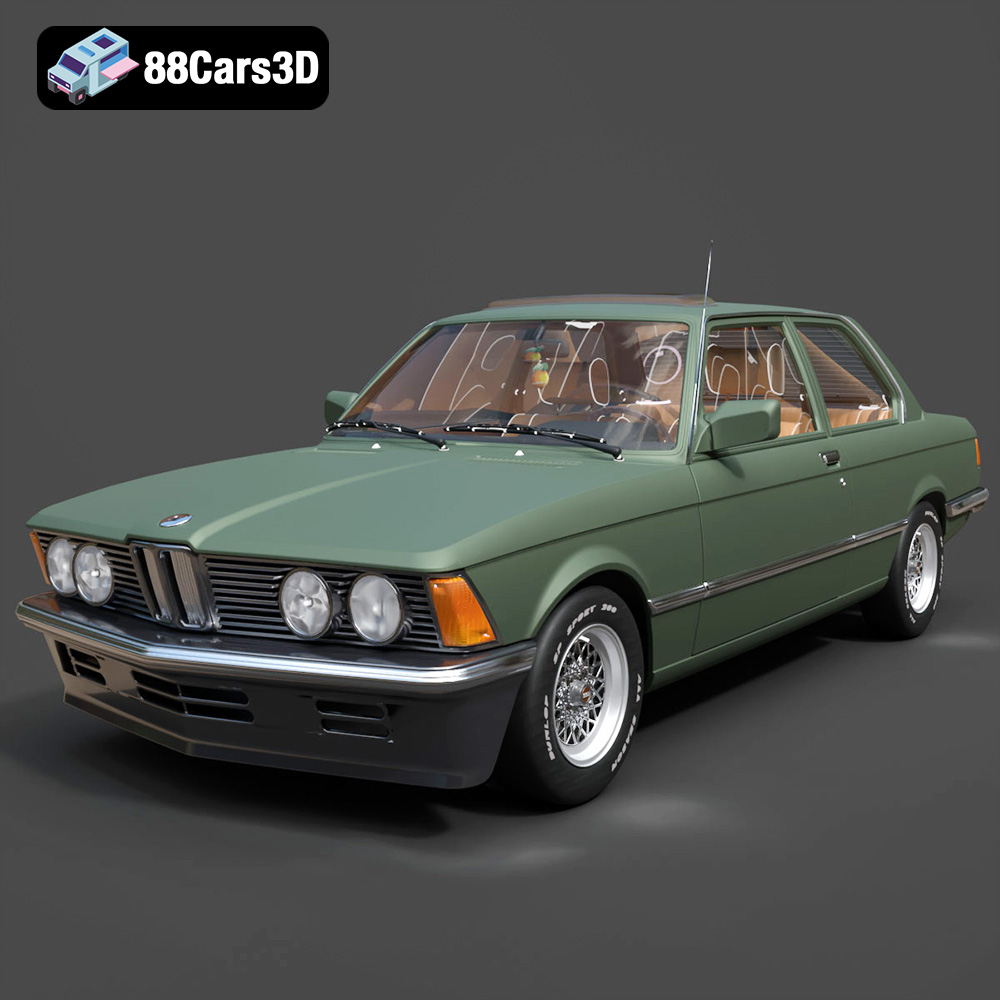
Texture: Yes
Material: Yes
Download the BMW 3 Series E21 3D Model featuring authentic exterior design, detailed interior, and accurate proportions. Includes .blend, .fbx, .obj, .glb, .stl, .ply, .unreal, and .max formats for rendering, simulation, and game development.
Price: $20.79
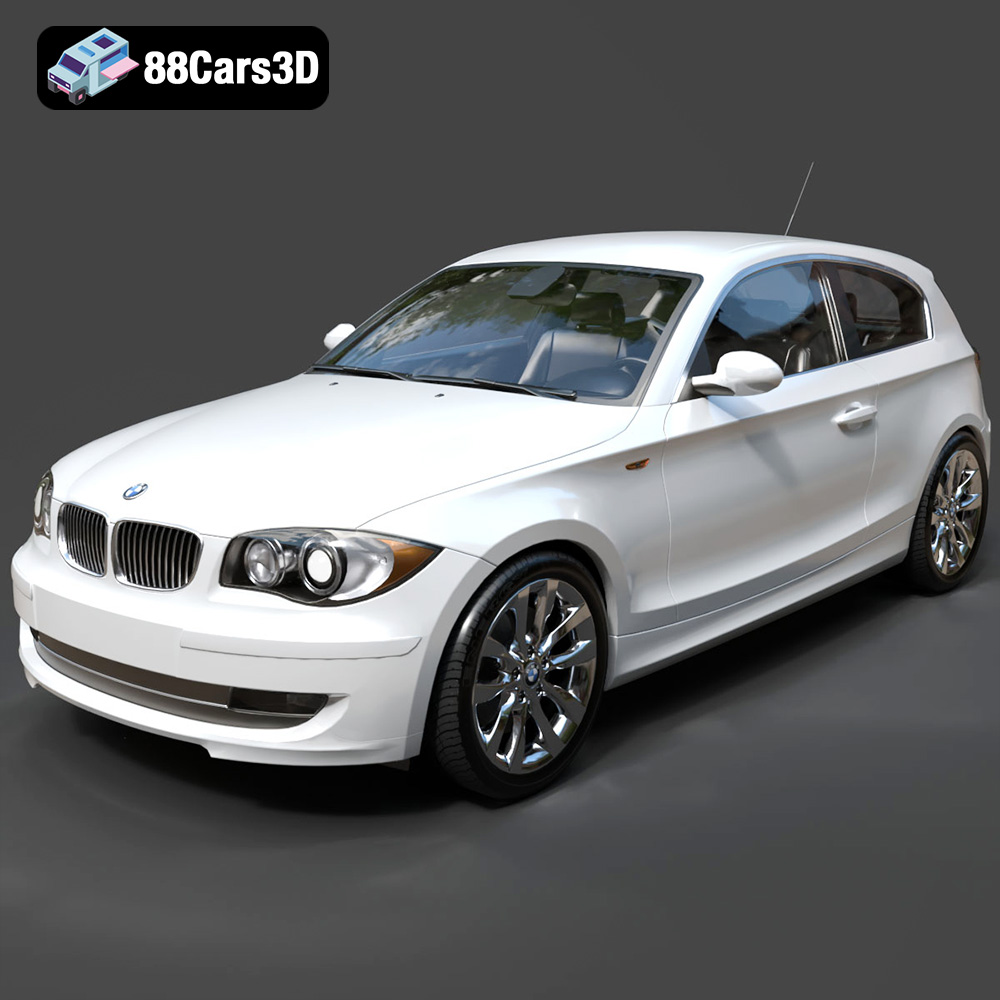
Texture: Yes
Material: Yes
Download the BMW 1 Series 3-Door E81 3D Model featuring a detailed exterior, functional interior elements, and clean geometry. Includes .blend, .fbx, .obj, .glb, .stl, .ply, .unreal, and .max formats for rendering, simulation, and game development.
Price: $14.79
Texture: Yes
Material: Yes
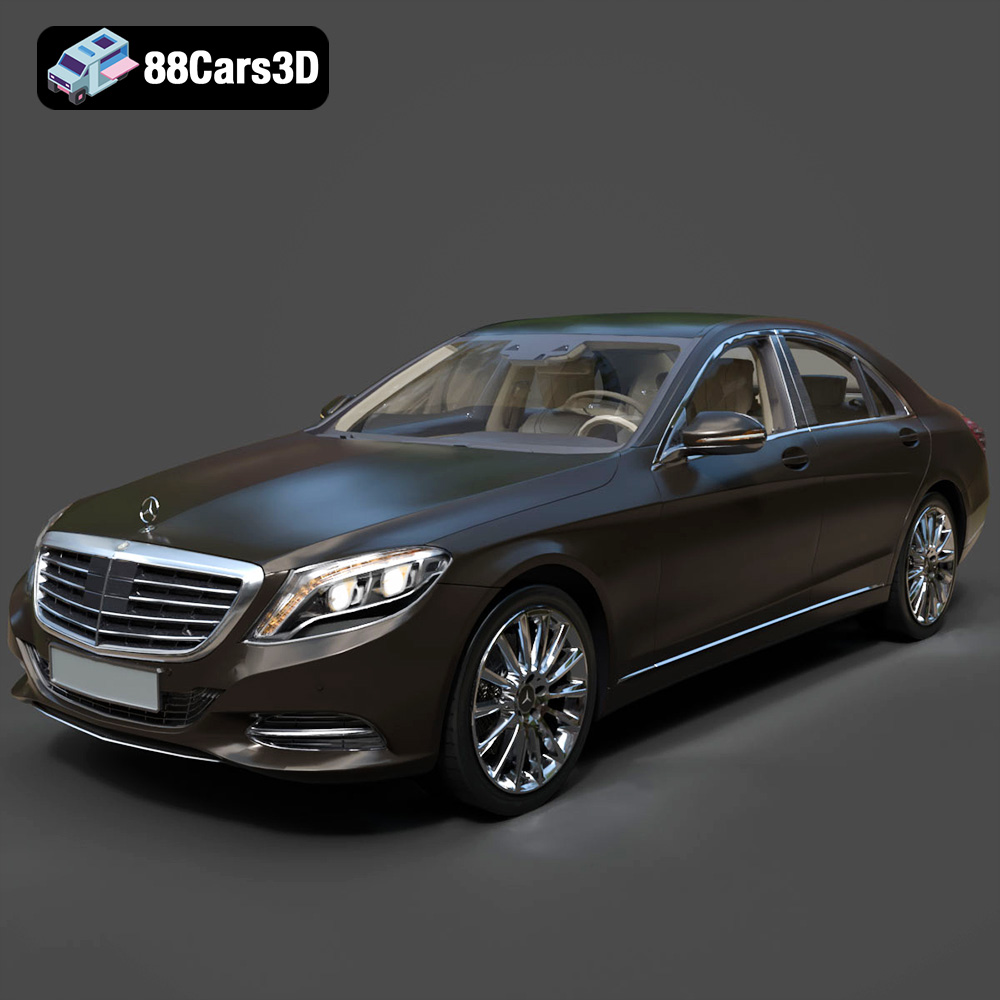
Download the Mercedes-Benz S500 2022 3D Model featuring clean geometry, realistic detailing, and a fully modeled interior. Includes .blend, .fbx, .obj, .glb, .stl, .ply, .unreal, and .max formats for rendering, simulation, and game development.
Price: $19.99
Texture: Yes
Material: Yes
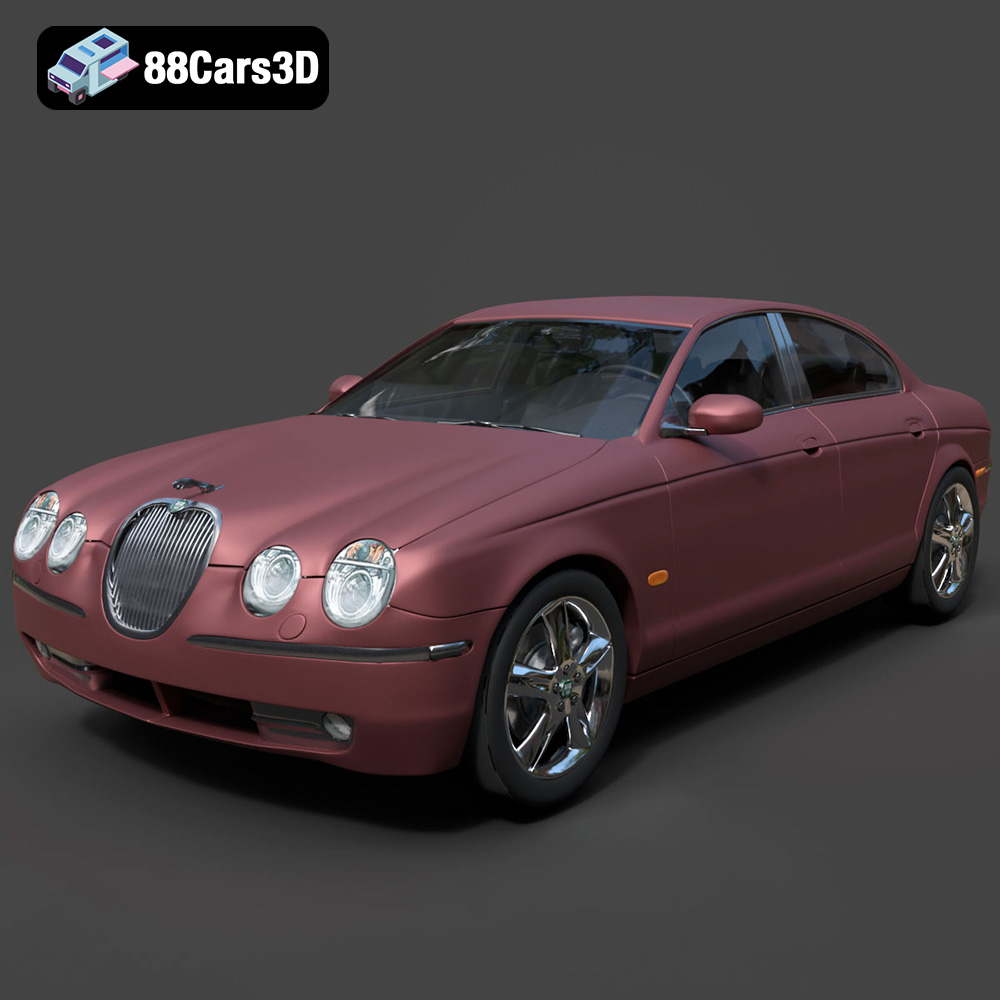
Download the Jaguar S-Type Sedan 3D Model featuring clean geometry, realistic detailing, and a fully modeled interior. Includes .blend, .fbx, .obj, .glb, .stl, .ply, .unreal, and .max formats for rendering, simulation, and game development.
Price: $18.99
Texture: Yes
Material: Yes
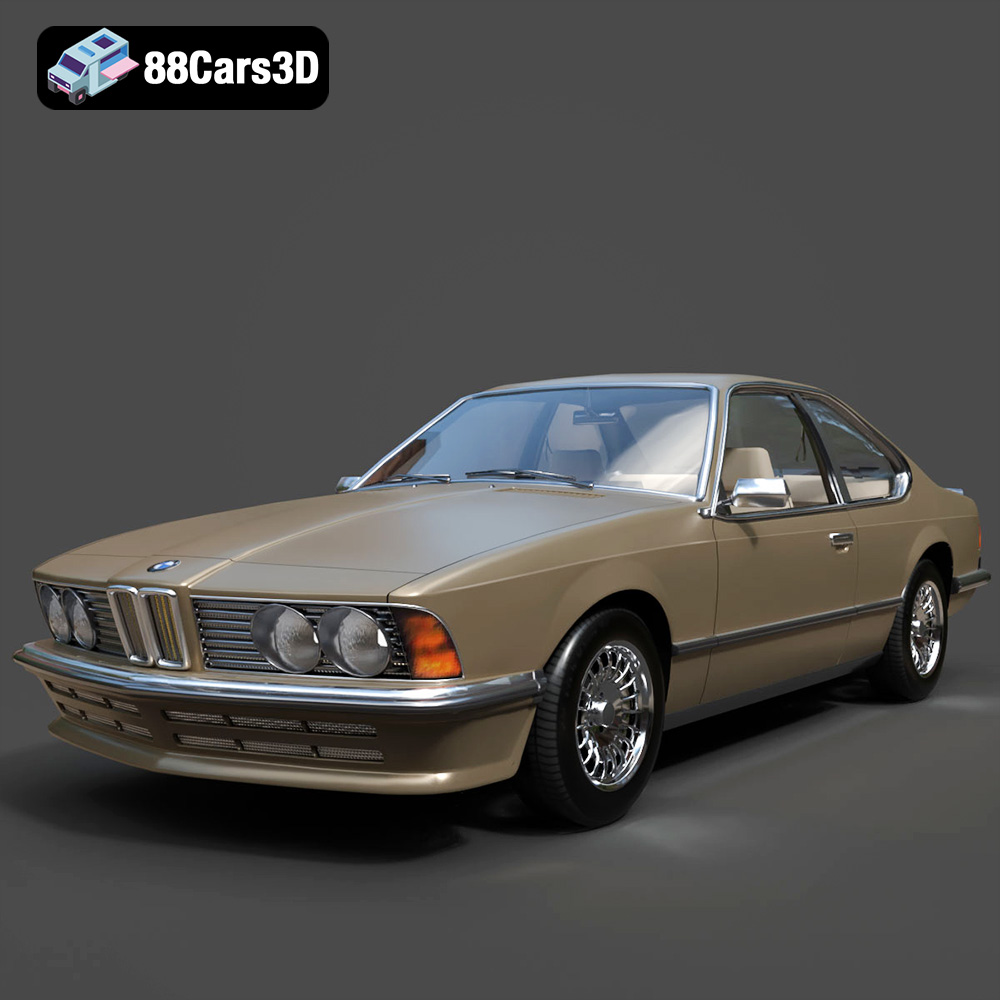
Download the BMW 6 Series 1986 3D Model featuring clean geometry, realistic detailing, and a fully modeled interior. Includes .blend, .fbx, .obj, .glb, .stl, .ply, .unreal, and .max formats for rendering, simulation, and game development.
Price: $16.99
Texture: Yes
Material: Yes
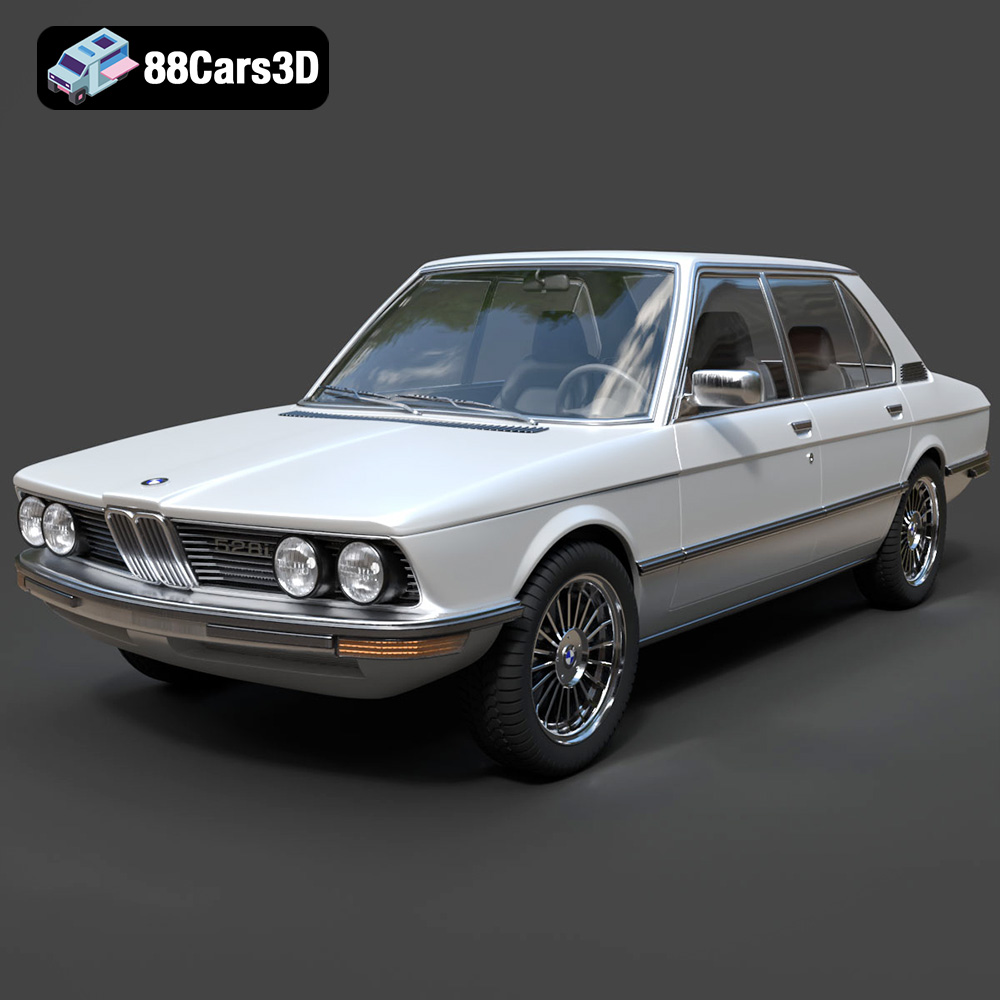
Download the BMW 5 Series E12 528i 3D Model featuring clean geometry, realistic detailing, and a fully modeled interior. Includes .blend, .fbx, .obj, .glb, .stl, .ply, .unreal, and .max formats for rendering, simulation, and game development.
Price: $14.99

Texture: Yes
Material: Yes
Download the BMW 5 Series F10 3D Model featuring clean geometry, realistic detailing, and a fully modeled interior. Includes .blend, .fbx, .obj, .glb, .stl, .ply, .unreal, and .max formats for rendering, simulation, and game development.
Price: $14.99
Texture: Yes
Material: Yes
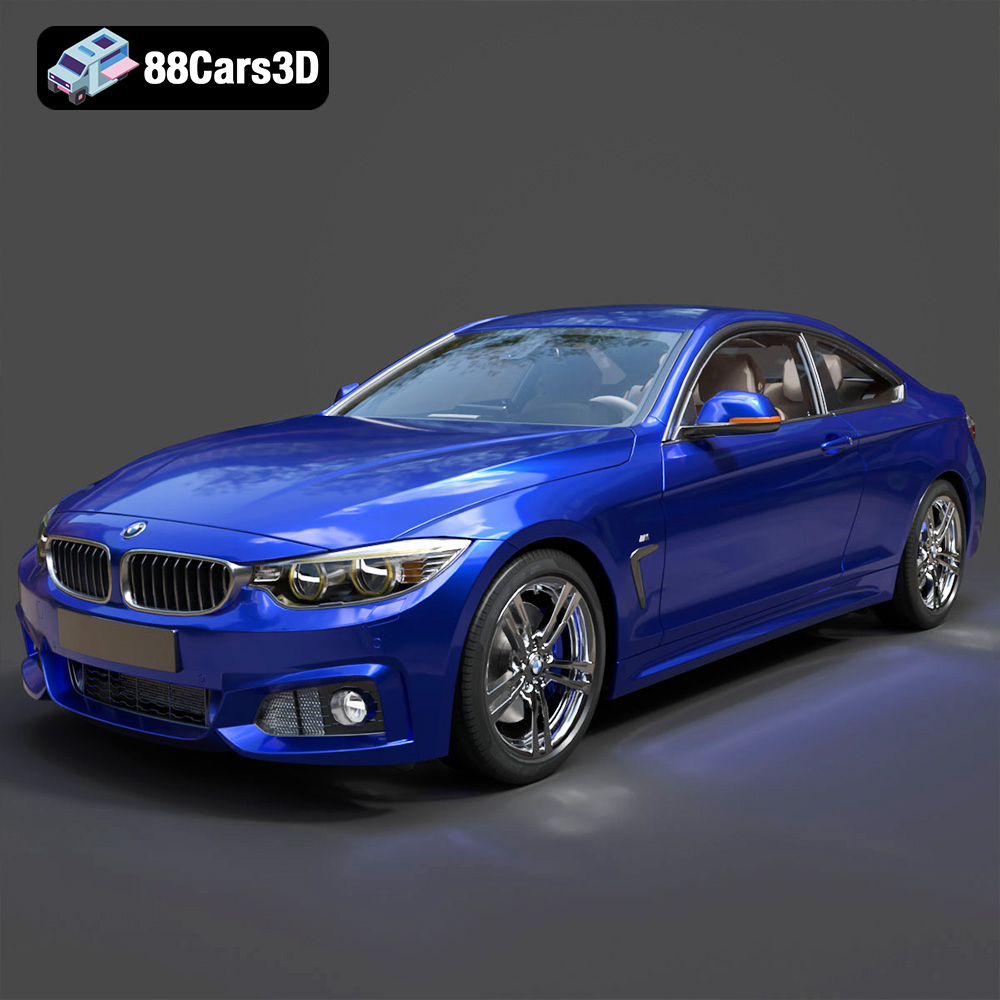
Download the BMW 4 Series Coupe M Sport 2014 3D Model featuring clean geometry, realistic detailing, and a fully modeled interior. Includes .blend, .fbx, .obj, .glb, .stl, .ply, .unreal, and .max formats for rendering, simulation, and game development.
Price: $14.99

