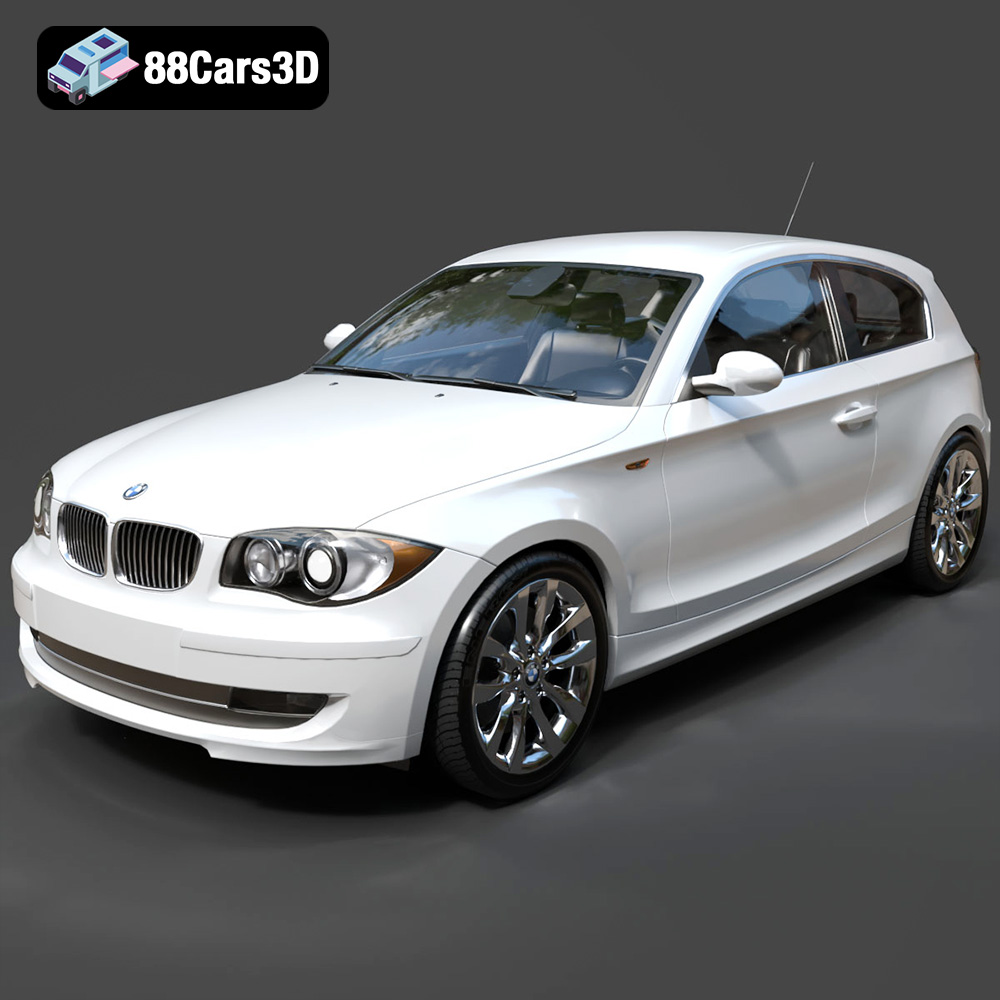
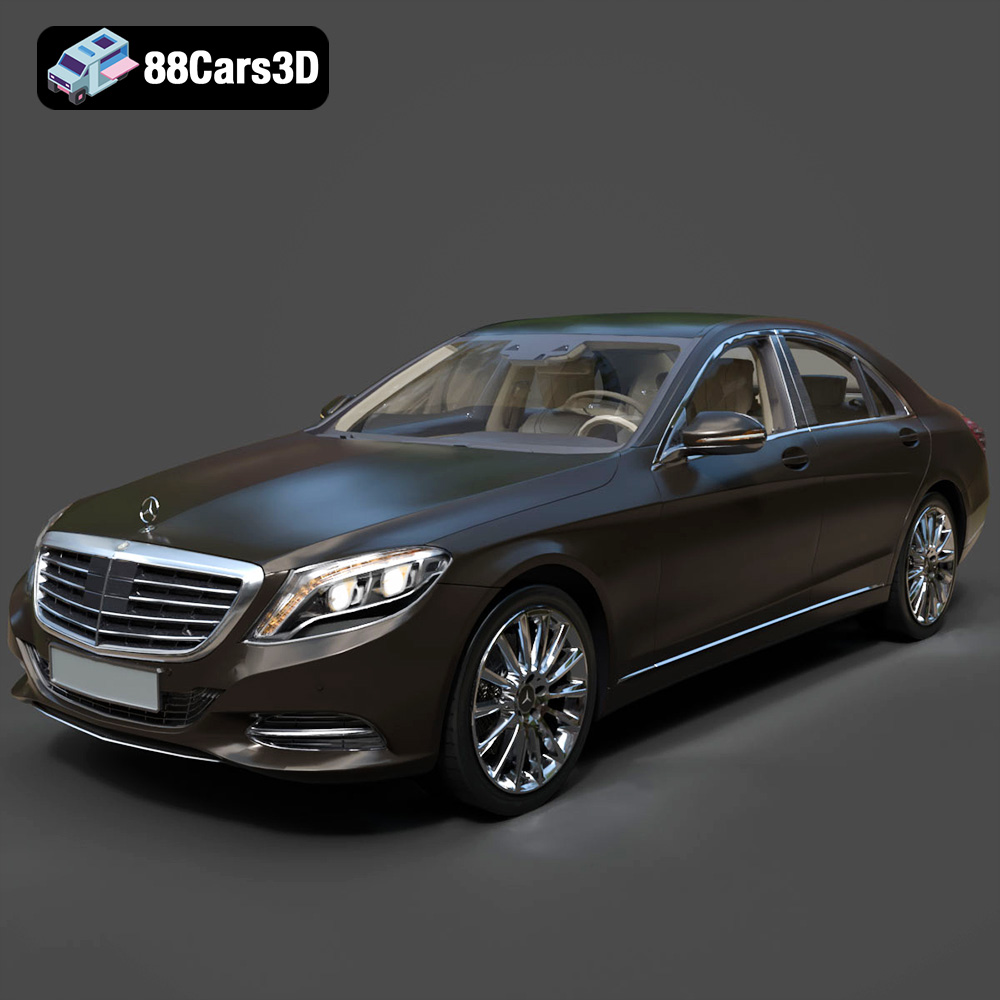
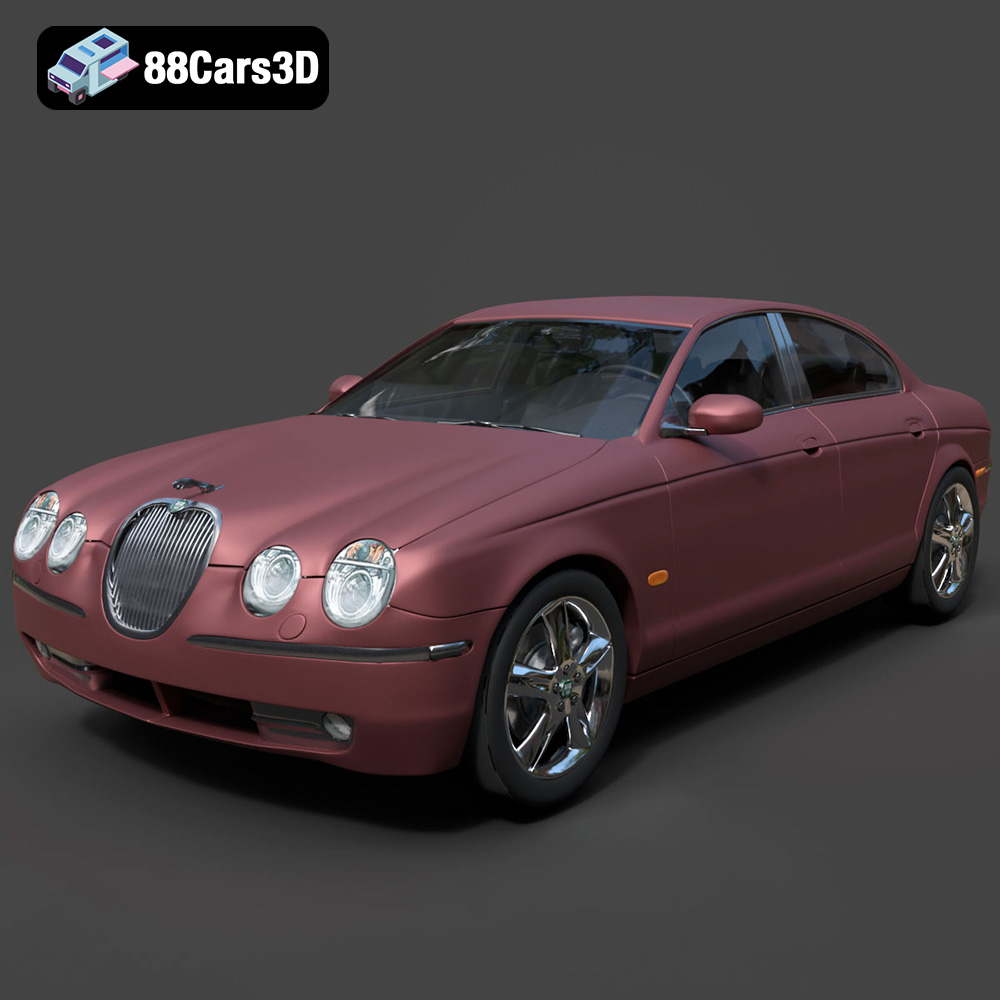
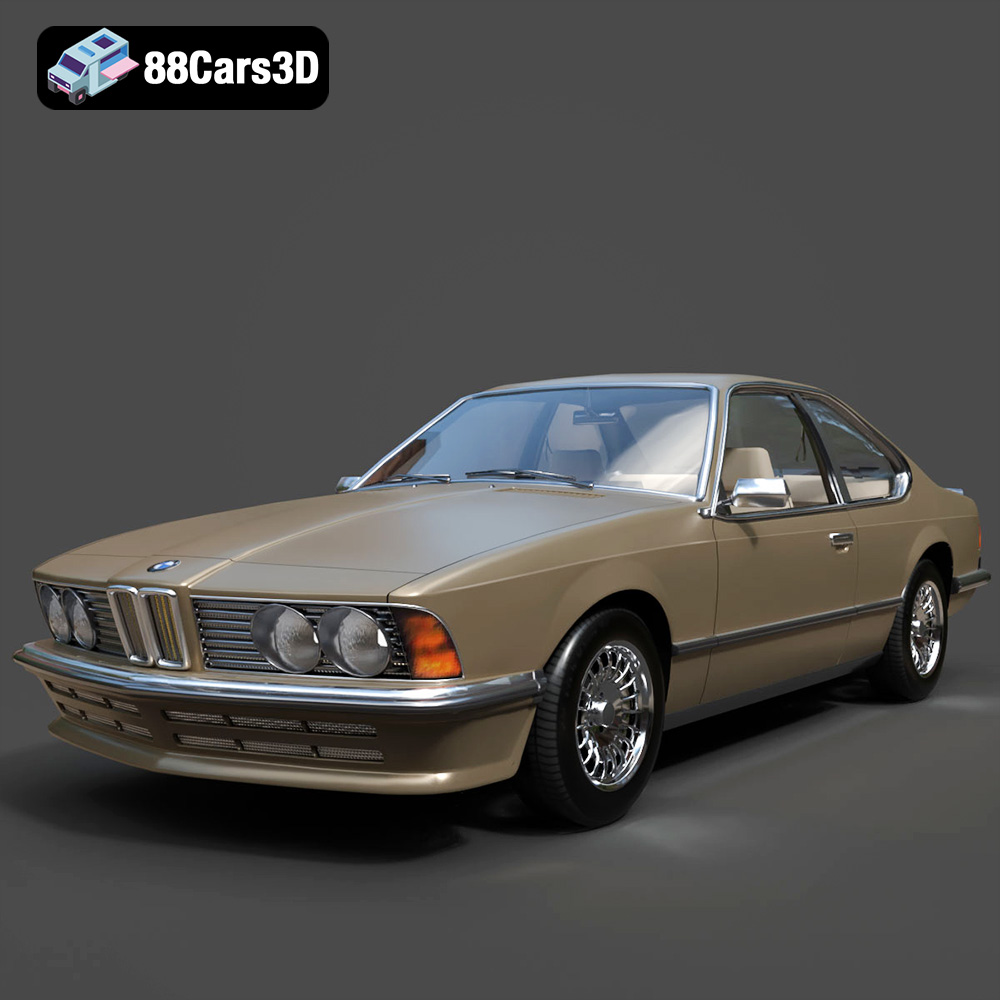
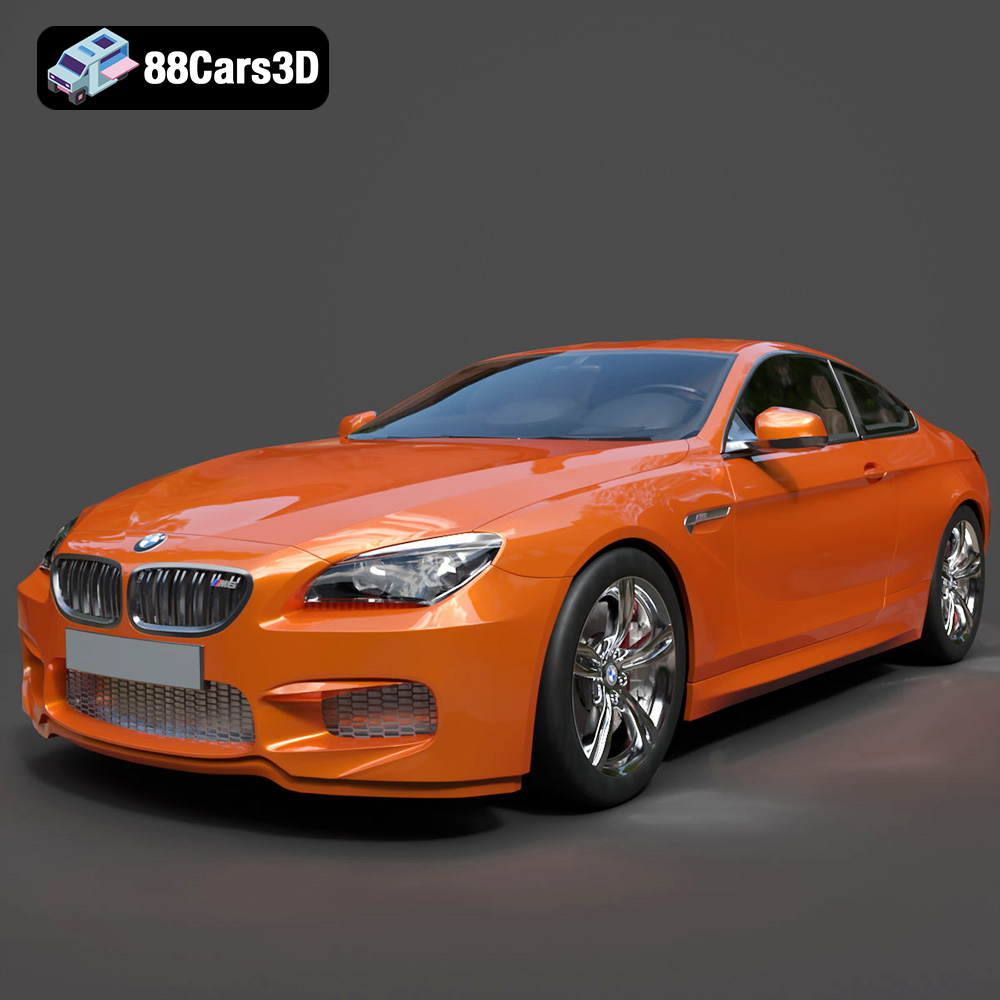
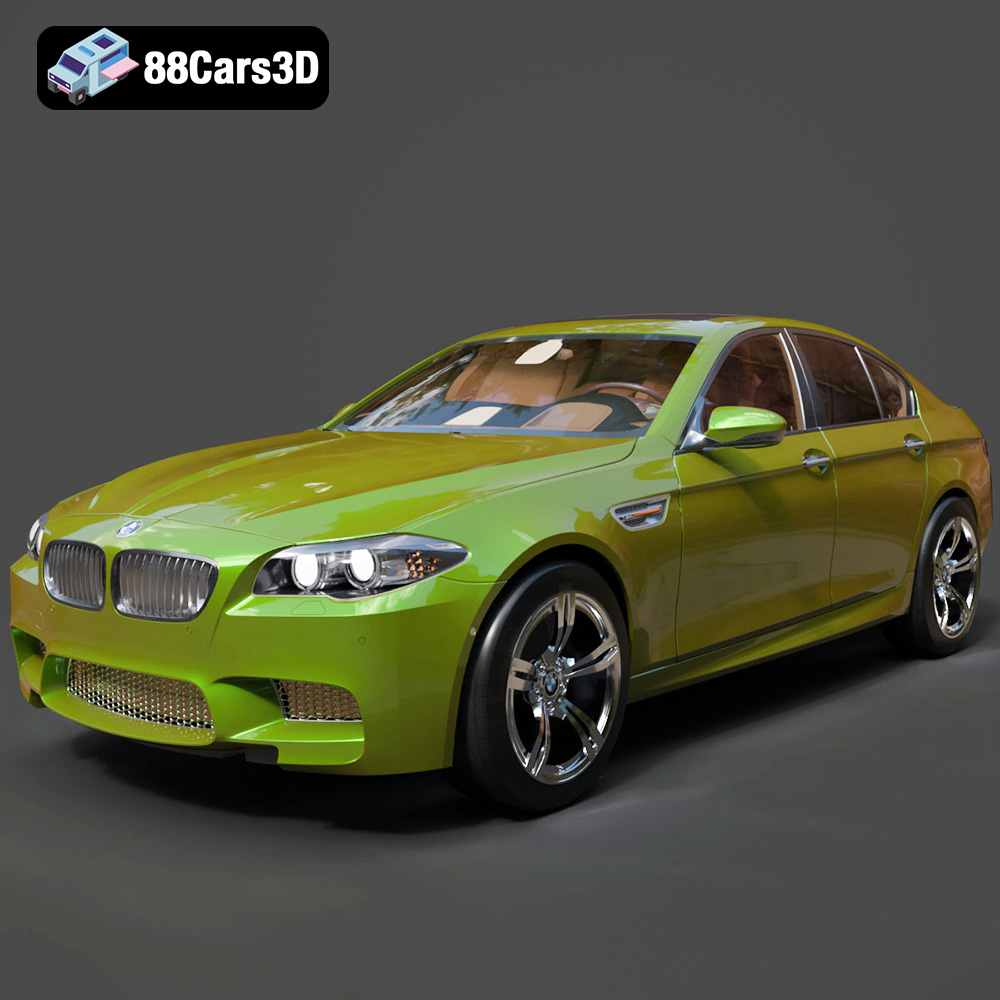
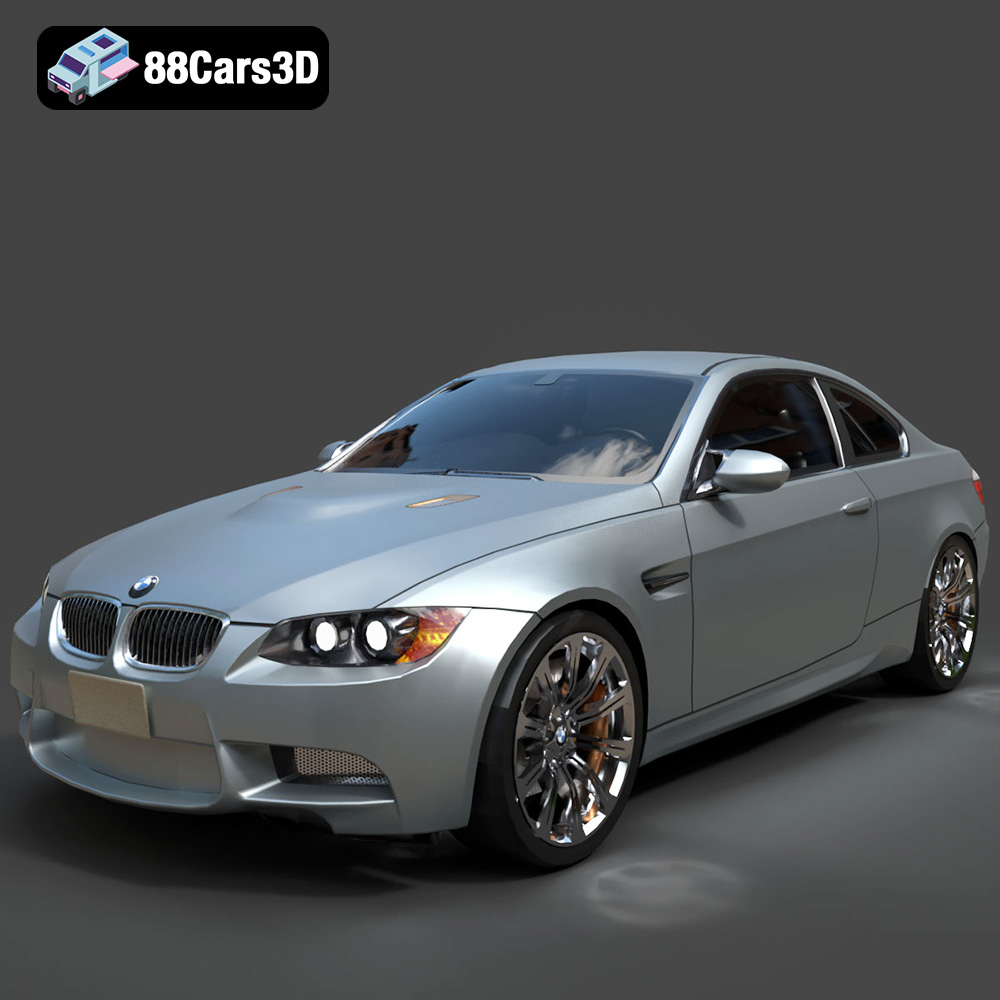
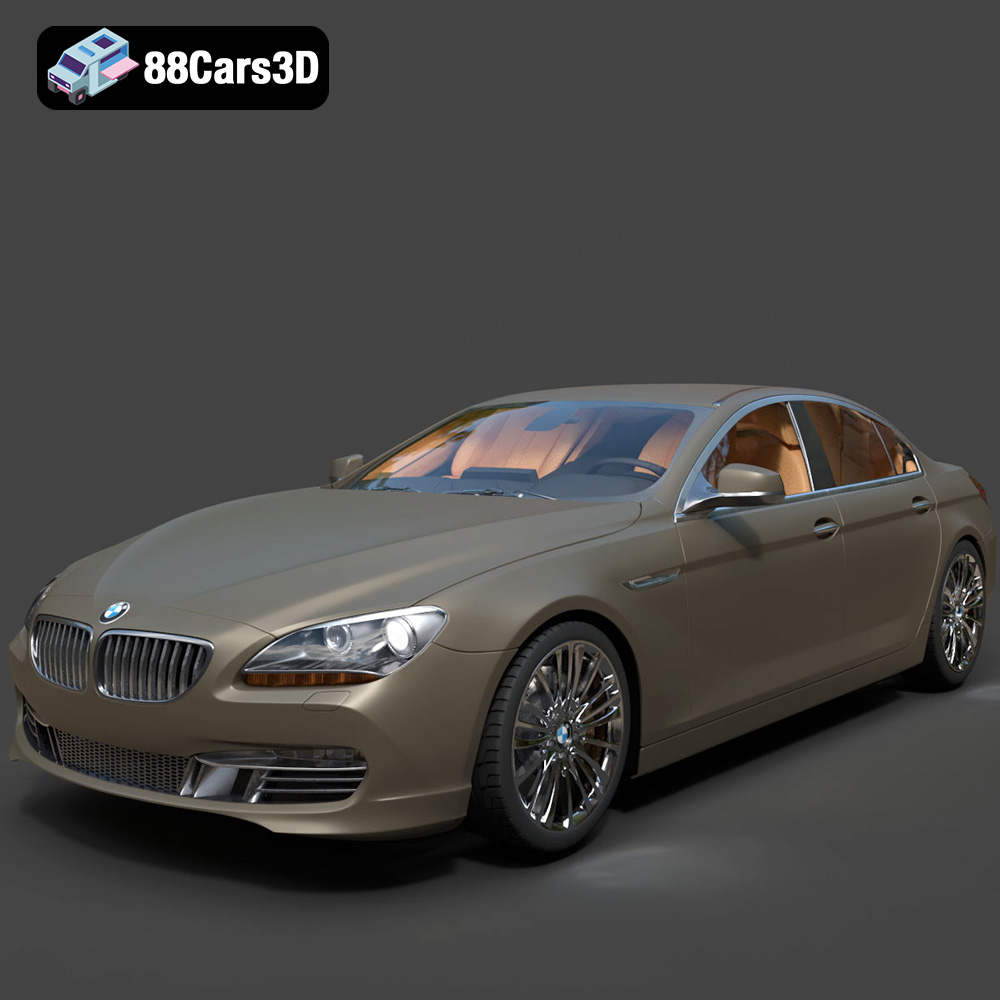
⚡ FLASH SALE: Get 60% OFF All Premium 3D & STL Models! ⚡

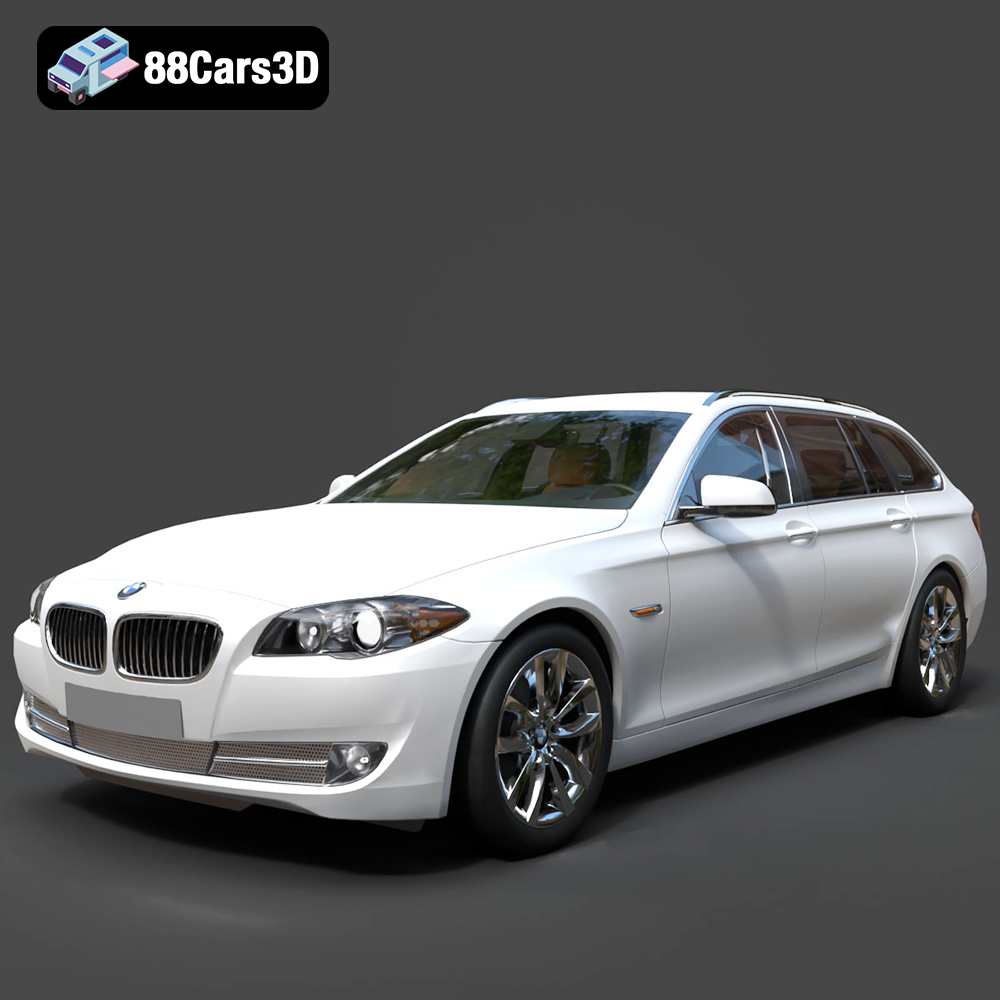
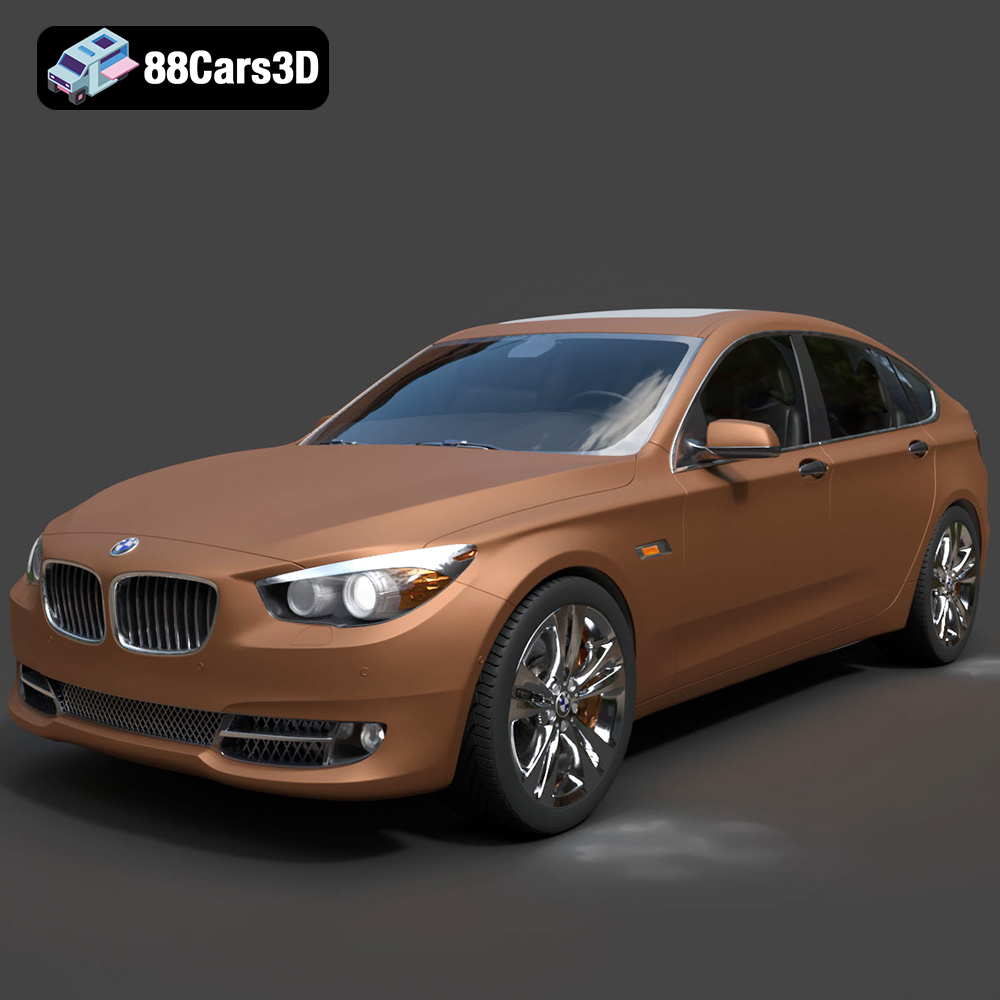
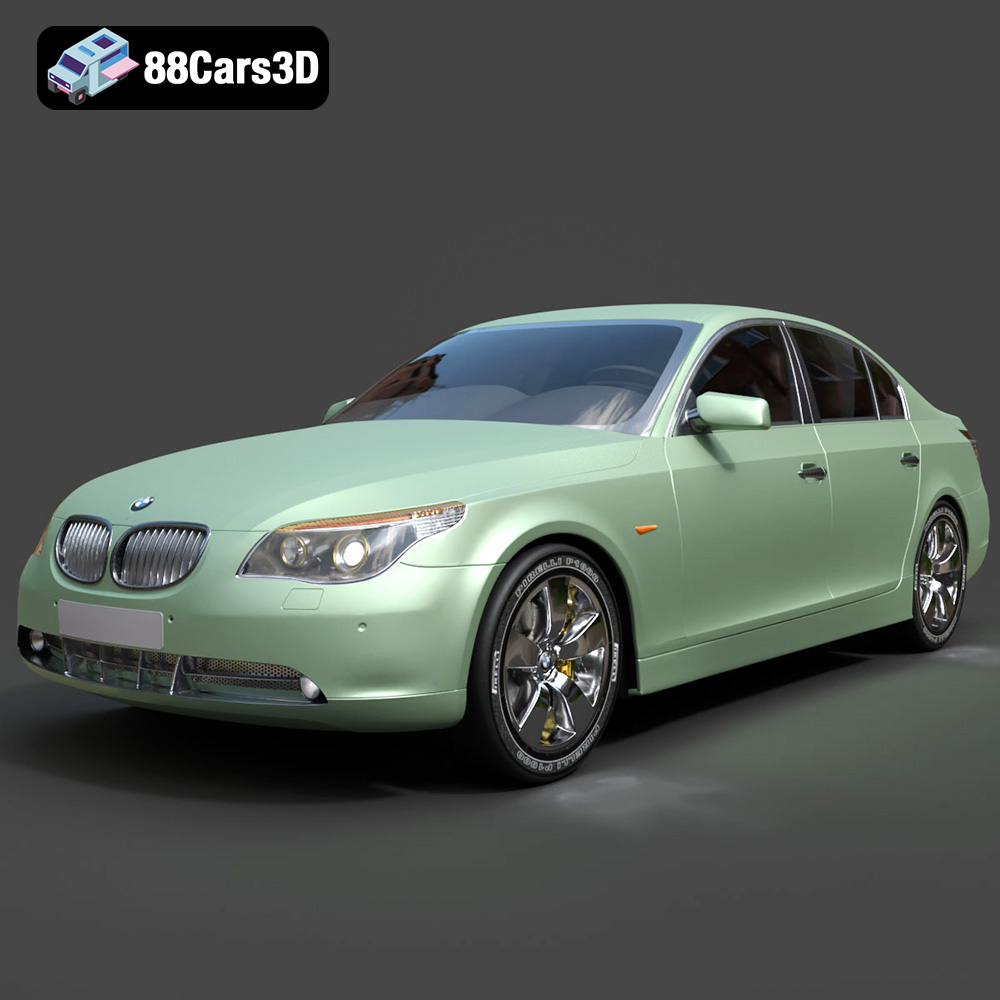
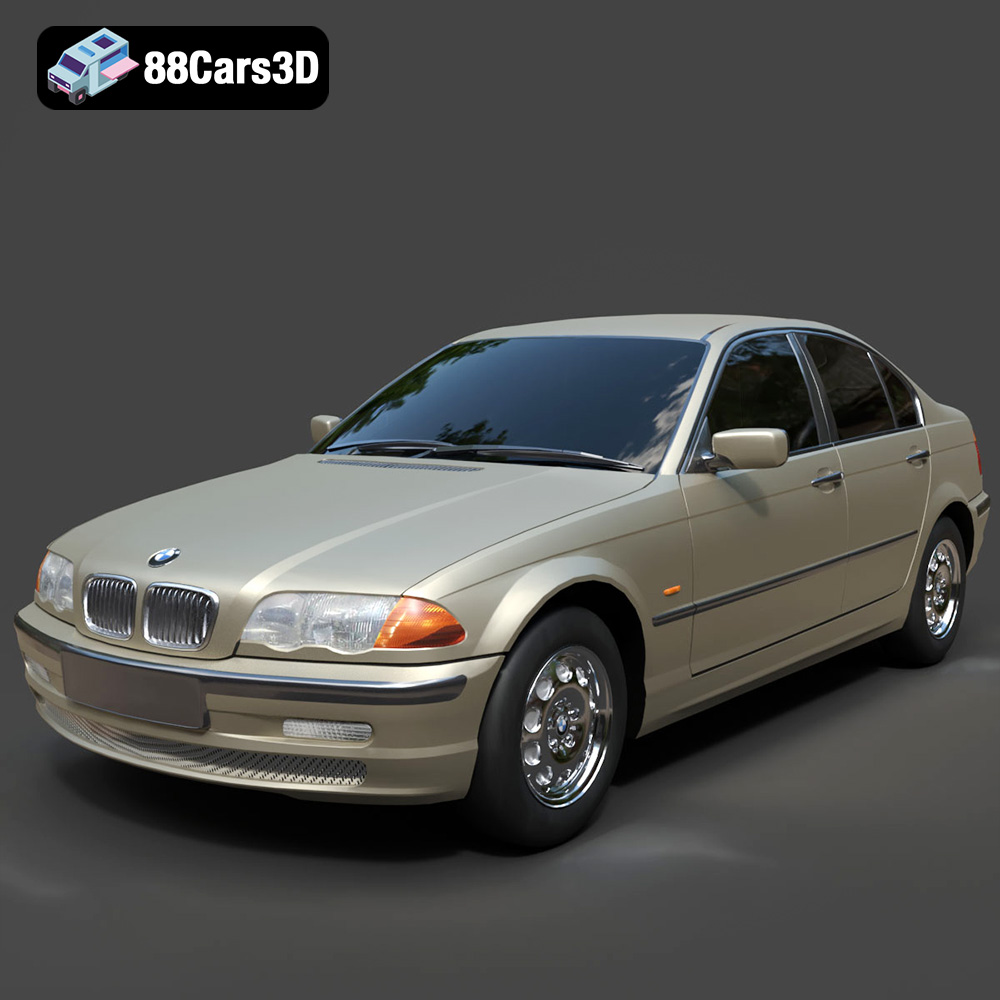
In the rapidly evolving digital landscape, the demand for photorealistic and highly functional 3D car models has never been greater. From cinematic automotive rendering to immersive game assets and cutting-edge AR/VR experiences, premium 3D vehicle models are the foundational building blocks that transform vision into virtual reality. They represent a complex interplay of artistic detail and rigorous technical execution, crucial for projects that demand authenticity and performance.
Whether you’re an architect visualizing a new urban development, a game developer crafting the next-generation racing title, or an advertising agency creating a dazzling car commercial, the quality of your 3D car models directly impacts the final product’s impact and believability. This post will delve deep into the technical intricacies, workflows, and diverse applications of high-quality 3D car models, demonstrating why investing in superior assets is paramount for any serious digital endeavor. A reliable source for such assets is 88cars3d.com, offering a diverse range of models tailored for various professional needs.
The choice of file format for your 3D car models is a critical decision, influencing everything from software compatibility and ease of editing to real-time performance and final output quality. Each format is optimized for specific use cases and workflows, making a clear understanding of their strengths and limitations essential for any professional working with digital assets. The models found on 88cars3d.com are typically available in a range of these widely-used formats, ensuring maximum flexibility for artists and developers.
The .blend format is the native file format for Blender, the powerful open-source 3D creation suite. A .blend file typically contains a complete scene, including the 3D car model’s mesh data, materials, textures, lighting setups, cameras, animations, and even physics simulations. This format is ideal for users working primarily within Blender, as it preserves all aspects of the original project, allowing for full editability and iterative design. For complex setups and ongoing development, .blend offers unparalleled flexibility within its native environment.
.fbx (Filmbox) is a proprietary file format owned by Autodesk, widely regarded as the industry standard for interchange between various 3D software applications and game engines. It excels at transferring comprehensive data, including mesh geometry, materials (with texture references), animations, skeletal data, and even camera and light information. Its robustness makes it an ideal choice for pipelines involving Unreal Engine, Unity, 3ds Max, Maya, and Blender, where complex animated or rigged 3D car models need to move seamlessly between platforms. For real-time applications and cinematics, .fbx is often the go-to due to its ability to encapsulate a wealth of data efficiently.
The .obj (Wavefront OBJ) format is one of the oldest and most universally supported 3D file formats. It primarily stores geometric data—vertices, normals, texture coordinates (UVs), and faces—and can reference external .mtl (material) files for color and texture information. While .obj does not support animations, rigging, or scene information like cameras and lights, its simplicity and widespread compatibility make it an excellent choice for static mesh transfer across virtually any 3D software. It’s a reliable fallback for ensuring basic geometry and UVs are preserved when other formats encounter issues, especially for applications like 3D printing or basic rendering.
.glb (GL Transmission Format Binary) is the binary version of glTF, a royalty-free specification for the efficient transmission and loading of 3D scenes and models by engines and applications. .glb packages all assets (geometry, materials, textures, animations) into a single, compact binary file. This makes it exceptionally well-suited for web-based 3D viewers, AR (Augmented Reality), VR (Virtual Reality), and any application where quick loading times and small file sizes are paramount. Its optimization for real-time rendering and web delivery makes it increasingly popular for interactive 3D car models on e-commerce sites or immersive browser experiences.
.stl (Stereolithography) is primarily used for 3D printing and rapid prototyping. It describes only the surface geometry of a 3D object using a tessellated mesh of triangles, without any color, texture, or material information. While simple, its universal acceptance by 3D printing software makes it indispensable for transforming a digital 3D car model into a physical object. Precision and watertight meshes are crucial for .stl files to ensure successful print outcomes.
.ply (Polygon File Format) is a versatile format for storing 3D data, particularly suited for scanner data and point clouds. It can store various properties beyond just geometry, including color per vertex, normal vectors, and transparency, making it useful for precision mesh models from CAD or 3D scanning applications. While less common for general asset exchange, it holds significance in scientific visualization and reverse engineering workflows.
.max is the native project file format for Autodesk 3ds Max, one of the most powerful and widely used 3D modeling, animation, and rendering software packages in the industry. Like .blend, a .max file stores an entire 3ds Max scene, including geometry, materials, textures, lights, cameras, animations, modifiers, and plugin data. It offers full editability within 3ds Max, making it invaluable for professionals who utilize this software for high-end architectural visualization, automotive rendering, and character animation.
The .unreal format refers to engine-ready assets specifically prepared for Unreal Engine. While not a standalone file extension in the same way as .fbx or .obj, it represents a complete asset package optimized for Unreal’s internal data structures. This includes properly imported meshes, materials, textures, collision setups, LODs (Levels of Detail), and potentially Blueprints or animation sequences. Assets designated as ‘.unreal’ are typically meticulously processed and configured to integrate seamlessly into an Unreal project, minimizing post-import setup and ensuring optimal performance within the engine’s real-time environment. This level of preparation is particularly beneficial for game assets, where performance and ease of use are critical.
The aesthetic appeal of a 3D car model is intrinsically linked to its technical foundation. Behind every sleek curve and reflective surface lies a meticulous construction process that adheres to rigorous standards. High-quality 3D car models, such as those available on 88cars3d.com, are not just visually stunning but also technically sound, ensuring versatility across diverse applications.
Topology refers to the arrangement of polygons (usually quads or triangles) that define the surface of the 3D model. Excellent topology is characterized by clean, evenly distributed quads that flow along the natural curvature of the object. This ensures smooth deformations during animation, avoids unsightly pinching or stretching, and facilitates easy modification. For automotive models, perfect topology is crucial for representing the subtle curves and sharp edges of a vehicle accurately without introducing artifacts.
Poly count, or polygon count, dictates the number of polygons used to create the model. A higher poly count generally means more detail, smoother surfaces, and a more realistic appearance. However, excessively high poly counts can significantly impact performance, especially in real-time applications like games or AR/VR. Premium 3D car models often come in various poly count configurations (e.g., high-poly for rendering, mid-poly for cinematics, low-poly for games) or include Levels of Detail (LODs) to intelligently manage performance. The challenge lies in finding the optimal balance: enough polygons to capture the vehicle’s intricate design without overburdening the system.
UV mapping is the process of unwrapping the 3D surface of a model into a 2D plane, similar to flattening out a paper box. This 2D map, known as a UV layout, dictates how a 2D texture image will be projected onto the 3D surface. Professional 3D car models feature clean, non-overlapping, and efficiently packed UV layouts, minimizing distortion and maximizing texture resolution. Good UVs are critical for applying realistic textures consistently across the entire vehicle.
Texturing involves creating and applying image maps (diffuse, specular, normal, roughness, metallic, etc.) to the UV-mapped surface. These textures define the visual properties of the car, such as paint color, reflections, scratches, dirt, and even subtle panel gaps. PBR (Physically Based Rendering) textures are now standard, designed to react realistically to light in any rendering environment, providing consistent and accurate material representation. High-resolution PBR textures, often at 4K or 8K, are essential for achieving the photorealism expected in modern automotive rendering and game assets.
A material shader is a set of instructions that tells the rendering engine how light should interact with the surface of a 3D model. This goes beyond simple textures, defining properties like reflectivity, refractivity, transparency, and emission. For 3D car models, sophisticated shaders are vital for accurately replicating automotive paints (with clear coat, metallic flakes, and pearl effects), glass (with realistic refractions), tires (with subtle rubber textures and wear), and chrome finishes. Advanced shaders can simulate complex effects such as iridescent paint or the nuanced reflections seen on highly polished metal, elevating the realism of the entire scene. Understanding and correctly configuring these shaders is a key skill in achieving truly photorealistic automotive rendering.
Automotive rendering is an art form that merges technical expertise with an aesthetic eye. It’s about more than just applying textures; it’s about crafting an environment where the 3D car model truly shines, evoking emotion and presenting the vehicle in its best light. Whether using 3ds Max, Blender, or Unreal Engine, the principles of lighting, camera work, and post-processing remain fundamental.
Lighting is arguably the most critical factor in achieving photorealistic automotive rendering. Just like in real-world photography, effective lighting can highlight key design features, emphasize contours, and create a specific mood. Common techniques include:
The interplay of light and shadow, combined with accurate material shaders, is what truly brings a 3D car model to life, giving it weight and presence within the scene.
Just as important as the model itself are the camera angles and settings used to present it. Emulating real-world cinematography principles is key:
The rendering process doesn’t end when the image is calculated. Post-processing in software like Photoshop, Lightroom, or even directly within renderers (e.g., Unreal Engine’s Post Process Volume) is crucial for the final polish. This includes:
These final touches can elevate a good render to an exceptional one, making the 3D car model look indistinguishable from a photograph.
For game developers, high-quality 3D car models are more than just visual assets; they are interactive elements that must perform flawlessly in real-time environments. Integrating these models, especially in powerful engines like Unreal Engine, requires specific optimizations and considerations.
When importing 3D car models into Unreal Engine, the process often begins with the .fbx format due to its comprehensive data transfer capabilities. However, raw imported models need significant optimization:
Collision meshes are invisible simplified versions of the 3D car model that the physics engine interacts with. A well-optimized collision mesh accurately represents the car’s physical boundaries without the computational overhead of the detailed visual mesh. This is critical for realistic driving mechanics, preventing the car from getting stuck on geometry, and managing impacts.
Levels of Detail (LODs) are different versions of the same 3D car model, each with a progressively lower poly count. As the car moves further away from the camera in-game, the engine automatically switches to a lower LOD, reducing the number of polygons that need to be rendered. This drastically improves performance without a noticeable drop in visual quality to the player. Professional 3D car models often come pre-packaged with several LODs, saving valuable development time and ensuring smooth performance across various hardware specifications.
In Unreal Engine, Blueprints allow developers to add complex functionality and interactivity to 3D car models without writing C++ code. This can include:
The quality of the initial 3D car model, particularly its mesh integrity and UV layout, directly influences the ease and success of implementing these interactive elements, making a reliable asset source like 88cars3d.com invaluable.
The utility of high-quality 3D car models extends far beyond traditional rendering and gaming. Emerging technologies like Augmented Reality (AR), Virtual Reality (VR), and 3D printing are opening up new frontiers for interaction and creation, each with its unique technical demands.
AR and VR environments demand even stricter optimization than traditional games due to the need for extremely high frame rates (typically 90 FPS or more) to prevent motion sickness and ensure immersion. For 3D car models in AR/VR:
The immersive nature of AR/VR makes even minor technical flaws or performance drops highly noticeable, emphasizing the need for meticulously optimized 3D car models.
3D printing transforms digital 3D car models into tangible objects. While it offers incredible possibilities for prototyping, display models, or custom parts, it requires specific preparation:
Converting a complex, render-ready 3D car model into a print-ready file often involves significant mesh cleanup, simplification, and validation to ensure a successful physical output.
The journey from conceptual design to a photorealistic render, an interactive game asset, or a tangible 3D print relies heavily on the quality of the initial 3D car model. As we’ve explored, technical specifications such as topology, poly count, UV mapping, and material shaders are not mere details; they are the bedrock upon which all subsequent creative and technical processes are built. Understanding various file formats and their specific applications further empowers artists and developers to streamline their workflows and achieve optimal results.
Whether you’re pushing the boundaries of automotive rendering, crafting immersive game assets, or pioneering new experiences in AR/VR, the demand for meticulously crafted and technically sound 3D car models is universal. Investing in high-quality assets saves time, ensures visual fidelity, and provides the flexibility needed to adapt to diverse project requirements. For professionals seeking premium, production-ready 3D car models across a spectrum of formats and levels of detail, 88cars3d.com stands as a valuable resource, providing the foundation for countless digital innovations.