⚡ FLASH SALE: Get 60% OFF All Premium 3D & STL Models! ⚡

The automotive industry has always pushed the boundaries of visual fidelity, from stunning concept art to breathtaking marketing campaigns. Traditionally, achieving photorealistic renders of vehicles required extensive offline rendering farms, often taking hours or even days to produce a single high-resolution image. However, the advent of real-time rendering, particularly with the power of Unreal Engine and ray tracing technology, has completely revolutionized this landscape. Artists, designers, and developers can now create, visualize, and interact with automotive designs in real-time, blurring the lines between concept and reality.
Unreal Engine stands at the forefront of this revolution, offering unparalleled tools for high-fidelity visualization, interactive experiences, and virtual production. Its integration of real-time ray tracing capabilities has been a game-changer, enabling physically accurate lighting, reflections, and shadows that were once exclusive to offline renderers. For anyone working with 3D car models – be it for game development, automotive design, AR/VR applications, or cinematic showcases – mastering real-time ray tracing in Unreal Engine is no longer a luxury but a fundamental skill.
In this comprehensive guide, we’ll delve deep into the world of real-time ray tracing within Unreal Engine, specifically tailored for automotive visualization. We’ll explore how to set up your projects, optimize high-quality 3D car models (like those available on platforms such as 88cars3d.com), craft exquisite physically-based materials, implement dynamic lighting, and build interactive experiences and cinematic sequences. Get ready to elevate your automotive visualizations to an unprecedented level of realism and immersion.
Real-time ray tracing represents a paradigm shift in how we approach computer graphics, moving beyond the approximations of traditional rasterization. Instead of projecting a 3D scene onto a 2D screen, ray tracing simulates the physical behavior of light rays. It traces paths from the camera into the scene, calculating intersections with objects and determining how light interacts with materials, resulting in incredibly accurate reflections, refractions, and global illumination. For automotive visualization, where the subtle interplay of light on reflective surfaces and intricate geometries defines realism, this technology is invaluable.
Unreal Engine’s implementation of real-time ray tracing leverages modern GPU architectures (like NVIDIA RTX and AMD RDNA 2) to deliver cinematic-quality visuals at interactive framerates. This means designers can instantly see how different materials, lighting conditions, or environmental changes affect a vehicle’s appearance, dramatically accelerating the design iteration process. The visual fidelity offered by these features is simply astounding, making real-time interactive configurators and virtual showrooms indistinguishable from reality.
Traditional real-time rendering, primarily based on rasterization, works by rendering polygons to the screen and then applying various techniques (like shadow maps, screen-space reflections, and baked global illumination) to simulate lighting effects. While highly optimized for performance, these methods often involve approximations and can struggle with complex global illumination or multi-bounce reflections, particularly on highly reflective surfaces like car paint or chrome. Ray tracing, by contrast, simulates light paths more accurately. A ray traced reflection, for instance, genuinely reflects the surrounding environment and other objects in the scene, rather than relying on screen-space data or cubemaps. This fundamental difference is what allows ray tracing to achieve such a high degree of physical accuracy and realism, especially crucial for detailed 3D car models. It’s about moving from ‘looks good enough’ to ‘physically correct’.
Unreal Engine provides a comprehensive suite of ray tracing features that significantly enhance automotive visualization. These include:
Each of these features contributes to a more immersive and visually accurate automotive scene, enabling artists to create renders that truly captivate.
Before harnessing the visual power of ray tracing, a solid foundation is essential. This involves correctly configuring your Unreal Engine project and integrating high-quality 3D car models optimized for real-time performance. The journey begins in the project settings and extends to how your assets are prepared and imported.
When starting an Unreal Engine project intended for automotive visualization with ray tracing, ensure your hardware meets the minimum specifications for ray tracing (RTX 20 series or AMD RDNA 2 equivalent and newer GPUs). A well-prepared project sets the stage for flawless rendering and smooth development. Sourcing high-quality 3D car models, such as those found on 88cars3d.com, is a crucial first step, as these models often come with clean topology, proper UVs, and PBR-ready materials, significantly reducing setup time and ensuring optimal results.
Enabling ray tracing in Unreal Engine is a straightforward process, but it requires a few key steps:
Edit > Project Settings > Platforms > Windows. Set the Default RHI to DirectX 12. Then, under Targeted RHIs, ensure SM6 is checked for shader compilation. These are prerequisites for ray tracing.Project Settings > Engine > Rendering, scroll down to the Hardware Ray Tracing section and enable Ray Tracing. You may also want to enable Support hardware ray tracing under Global Illumination and Support ray tracing for translucent materials for comprehensive effects.Post Process Volume to your scene and set its Infinite Extent (Unbound) property to true. This ensures its settings apply everywhere. Within the Post Process Volume, you can enable and fine-tune various ray tracing effects:
Rendering Features > Global Illumination, set Method to Ray Tracing. Adjust Samples Per Pixel and Max Bounces.Rendering Features > Reflections, set Method to Ray Tracing. Adjust Samples Per Pixel and Max Bounces.Rendering Features > Ambient Occlusion, set Method to Ray Tracing.Rendering Features > Shadows, enable Ray Traced Shadows for specific light sources, or global settings in the Post Process Volume.For more detailed information on specific console variables and advanced settings, the official Unreal Engine documentation at https://dev.epicgames.com/community/unreal-engine/learning is an excellent resource.
High-quality 3D car models often feature intricate details, leading to very high polygon counts. Historically, this meant extensive optimization, decimation, and LOD creation. Unreal Engine’s Nanite virtualized geometry system, however, has fundamentally changed this workflow. Nanite allows you to import and render millions, even billions, of polygons without significant performance loss, making it ideal for the highly detailed surfaces of automotive assets.
Combine Meshes, Import Normals, and Import Textures. For models sourced from platforms like 88cars3d.com, ensure they come with clean UV mapping and appropriate material assignments for a smooth transition.Enable Nanite box under the Details panel. Unreal Engine will automatically convert the mesh to a Nanite representation.When preparing your assets, focus on maintaining clean topology in your source application. While Nanite is incredibly robust, a well-modeled asset will always yield better results and fewer potential issues. High-quality PBR textures are also paramount for driving the realism, complementing the geometric detail provided by Nanite.
The visual impact of a 3D car model is ultimately defined by its materials and lighting. Physically Based Rendering (PBR) materials, combined with ray-traced lighting, are the bedrock of automotive realism in Unreal Engine. They ensure that light interacts with surfaces in a way that mimics real-world physics, resulting in convincing car paint, glass, metals, and rubber.
Achieving truly stunning results requires a deep understanding of PBR principles and how to translate them into Unreal Engine’s Material Editor, all while leveraging the dynamic and accurate lighting provided by ray tracing and advanced illumination systems like Lumen. This synergy transforms a static model into a photorealistic visual experience.
PBR materials rely on a few core textures and parameters to define a surface’s properties:
Unreal Engine Material Editor Techniques:
Shading Model to Clear Coat. This adds a secondary specular lobe, simulating the transparent protective layer over the base paint. You can then control the clear coat’s roughness, normal, and even a secondary color. Fine-tuning the Clear Coat Roughness and Clear Coat Normal is vital for capturing the subtle nuances of automotive finishes.Translucency blending mode, and for ray-traced refraction, ensure Support ray tracing for translucent materials is enabled in project settings and the Post Process Volume. Parameters like Refraction and Absorption Color can be key.High-quality textures with proper PBR values, combined with clean UVs (a hallmark of well-optimized assets from sources like 88cars3d.com), are paramount. Incorrect PBR values can quickly break realism, making a metallic surface look like plastic or vice versa. Always reference real-world materials and use calibrated PBR textures.
Lighting is where ray tracing truly shines in automotive visualization. Accurate global illumination, reflections, and shadows bring the car model to life:
Sky Light in your scene and set its Source Type to Captured Scene or Specified Cubemap, then assign your HDRI. Ensure Real Time Capture is enabled for dynamic scenarios.Cast Ray Traced Shadow for physically accurate skylight shadows.Cast Ray Traced Shadows on the Directional Light for sharp, accurate shadows with realistic soft edges depending on light source angle and distance. Control its intensity, color, and angle for dramatic effects.Cast Ray Traced Shadows on these lights as well. The precise shadow and reflection behavior from ray tracing makes these lights incredibly effective for creating compelling automotive renders.Global Illumination, ensure Method is set to Lumen, and then within Lumen’s settings, you can specify its ray tracing parameters. This combined approach offers the best of both worlds: Lumen’s robust dynamic GI with the physical accuracy of hardware ray tracing.Experimentation is key. Adjusting light temperatures, intensities, and angles, along with the HDRI rotation, can dramatically change the mood and visual impact of your automotive scene. Always observe how the ray-traced reflections and shadows interact with the car’s surfaces to achieve the desired realism.
Beyond static renders, Unreal Engine empowers developers to create dynamic, interactive automotive experiences and breathtaking cinematic sequences, all rendered in real-time with ray tracing. This opens up vast possibilities for product configurators, virtual showrooms, marketing content, and even virtual production.
The ability to dynamically change materials, interact with vehicle components, and produce high-quality animated sequences without lengthy render times is a significant advantage. Ray tracing ensures that these interactive and cinematic elements maintain an unprecedented level of visual fidelity, making every interaction and every frame photorealistic.
Unreal Engine’s Blueprint Visual Scripting system is a powerful tool for creating interactive experiences without writing a single line of code. For an automotive configurator, Blueprint can handle:
Set Material node or Set Scalar/Vector Parameter Value node on the static mesh component to apply the chosen material or adjust its parameters on the MID.Set Relative Rotation or Set Relative Location nodes over time, often driven by a Timeline node for smooth interpolation.The instant feedback provided by real-time ray tracing is crucial here. As a user selects a new paint color, the ray-traced reflections and global illumination update instantly, providing a physically accurate preview of the change, enhancing the sense of realism and immersion. This interactivity, combined with high fidelity, is what makes virtual showrooms truly compelling.
Unreal Engine’s Sequencer is a robust multi-track editor for creating cinematic sequences, animations, and even gameplay events. When combined with real-time ray tracing, it’s an incredibly powerful tool for automotive marketing and content creation.
When rendering out your cinematic from Sequencer, choose appropriate output settings (e.g., Movie Render Queue for higher quality and advanced settings) to maximize fidelity, anti-aliasing, and temporal upsampling. The resulting videos will boast stunning ray-traced visuals, showcasing your 3D car models in the best possible light.
While real-time ray tracing delivers breathtaking visuals, it’s also computationally intensive. Achieving a stable and desirable framerate, especially for interactive applications or AR/VR, requires careful optimization. Understanding how to balance visual quality with performance is a critical skill for any Unreal Engine developer working with automotive visualization.
Optimization isn’t just about tweaking settings; it’s a holistic approach that encompasses project configuration, asset preparation, and runtime profiling. By strategically managing ray tracing parameters and employing various optimization techniques, you can ensure your high-fidelity 3D car models perform beautifully in any real-time scenario.
Several parameters directly impact ray tracing performance. Fine-tuning these in your Post Process Volume is crucial:
Max Bounces (e.g., r.RayTracing.Reflections.MaxBounces or r.RayTracing.GlobalIllumination.MaxBounces) will significantly boost performance. Often, 1-2 bounces for reflections and 2-3 for GI are sufficient for visually convincing results without crippling framerates.Screen Percentage in your Post Process Volume or use console commands (e.g., r.ScreenPercentage 75) to render the scene at a lower resolution and then upscale it. This is a powerful performance lever, especially for demanding ray-traced scenes.Visible in Ray Tracing in their Static Mesh settings to exclude them from ray tracing calculations, thereby saving performance.Always profile your scene using Unreal Engine’s built-in tools like Stat GPU, Stat RHI, and Unreal Insights (consult the official Unreal Engine documentation at https://dev.epicgames.com/community/unreal-engine/learning for guidance on these tools) to identify performance bottlenecks and measure the impact of your optimization efforts.
Beyond ray tracing specific settings, general Unreal Engine optimization strategies remain vital:
By diligently applying these optimization techniques, you can ensure that your stunning, ray-traced 3D car models perform smoothly across a range of hardware and applications, delivering an optimal experience to your audience.
The journey through real-time ray tracing in Unreal Engine for automotive visualization reveals a profound transformation in how we create and interact with 3D car models. Gone are the days of painstaking offline renders and static imagery. Today, Unreal Engine, armed with its powerful ray tracing capabilities, Nanite virtualized geometry, and intuitive tools like Blueprint and Sequencer, empowers artists and developers to achieve unprecedented levels of realism and interactivity.
We’ve covered everything from the foundational project setup and the seamless integration of high-quality assets (such as those meticulously crafted and optimized by 88cars3d.com) to the nuanced art of PBR material creation and dynamic ray-traced lighting. We’ve explored the exciting possibilities of building interactive configurators and producing cinematic masterpieces, and delved into the essential strategies for optimizing performance, ensuring your breathtaking visuals run smoothly.
The ability to render physically accurate reflections, global illumination, and shadows in real-time has not only streamlined workflows but has also opened new avenues for engaging audiences, from immersive virtual showrooms to cutting-edge virtual production pipelines. The core takeaway is clear: while powerful, Unreal Engine’s advanced features require a thoughtful, structured approach. By understanding the underlying principles and best practices, you can unlock the full potential of this technology to create truly captivating automotive experiences.
We encourage you to experiment, explore, and push the boundaries of what’s possible. The future of automotive visualization is here, it’s real-time, and it’s spectacular. Dive in, and let your creativity drive the next generation of automotive experiences.
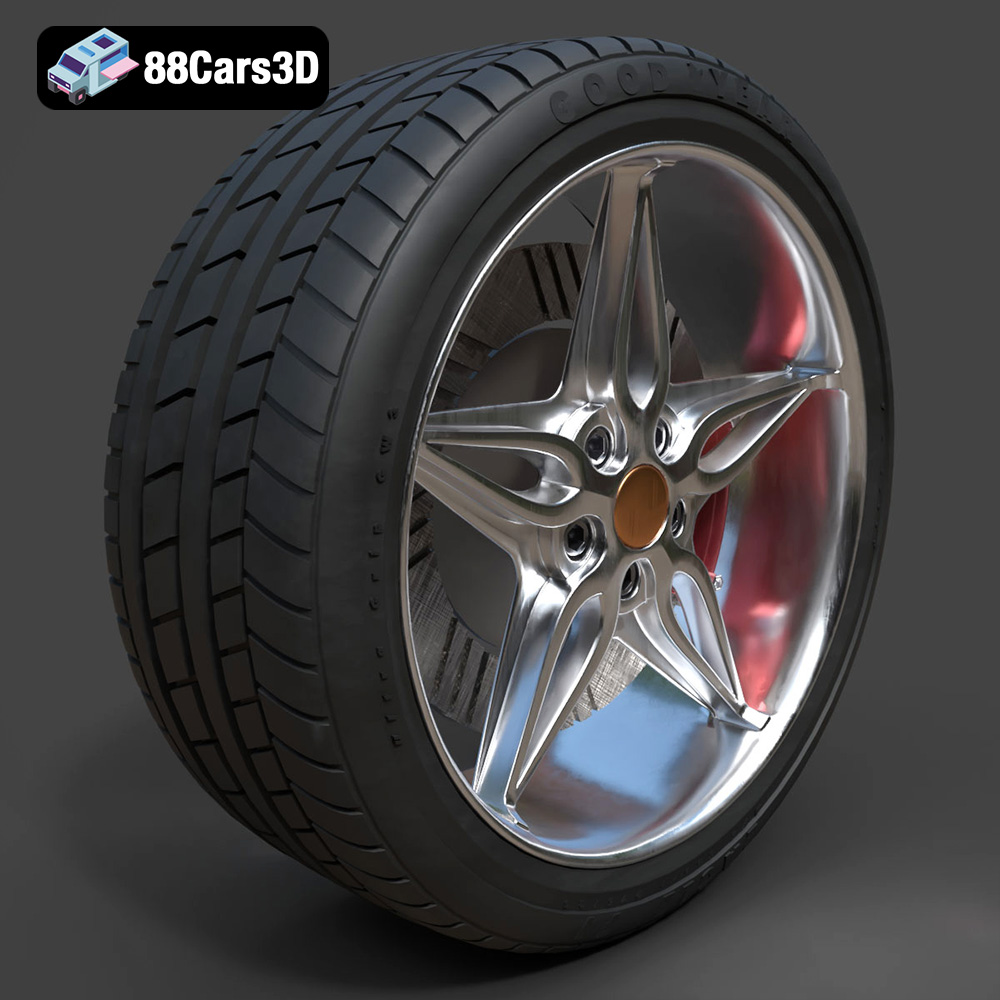
Texture: Yes
Material: Yes
Download the Wheel-001 Component 3D Model featuring clean geometry, realistic detailing, and a fully modeled interior. Includes .blend, .fbx, .obj, .glb, .stl, .ply, .unreal, and .max formats for rendering, simulation, and game development.
Price: $10.99
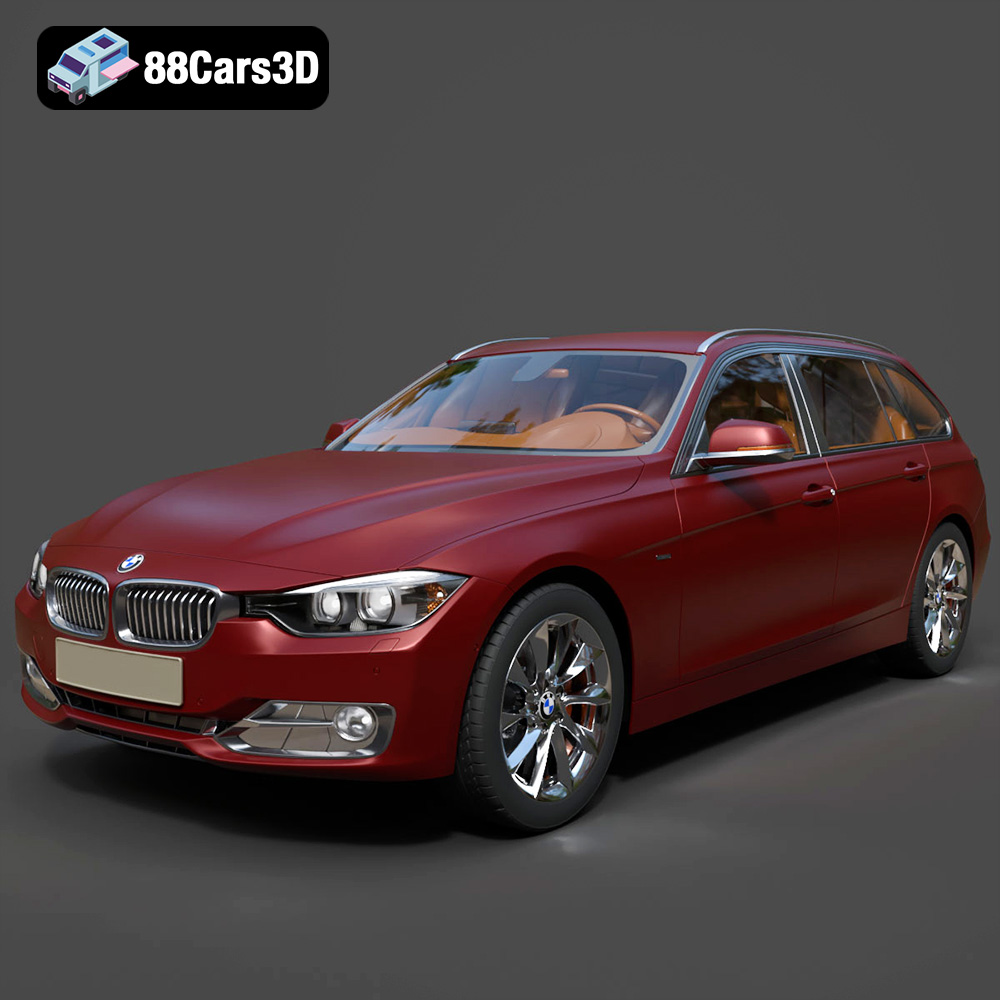
Texture: Yes
Material: Yes
Download the BMW 3 series Touring 335i (F31) 2013 3D Model featuring a highly detailed exterior, realistic interior, and modular design. Includes .blend, .fbx, .obj, .glb, .stl, .ply, .unreal, and .max formats for rendering, simulation, and game development.
Price: $30.79
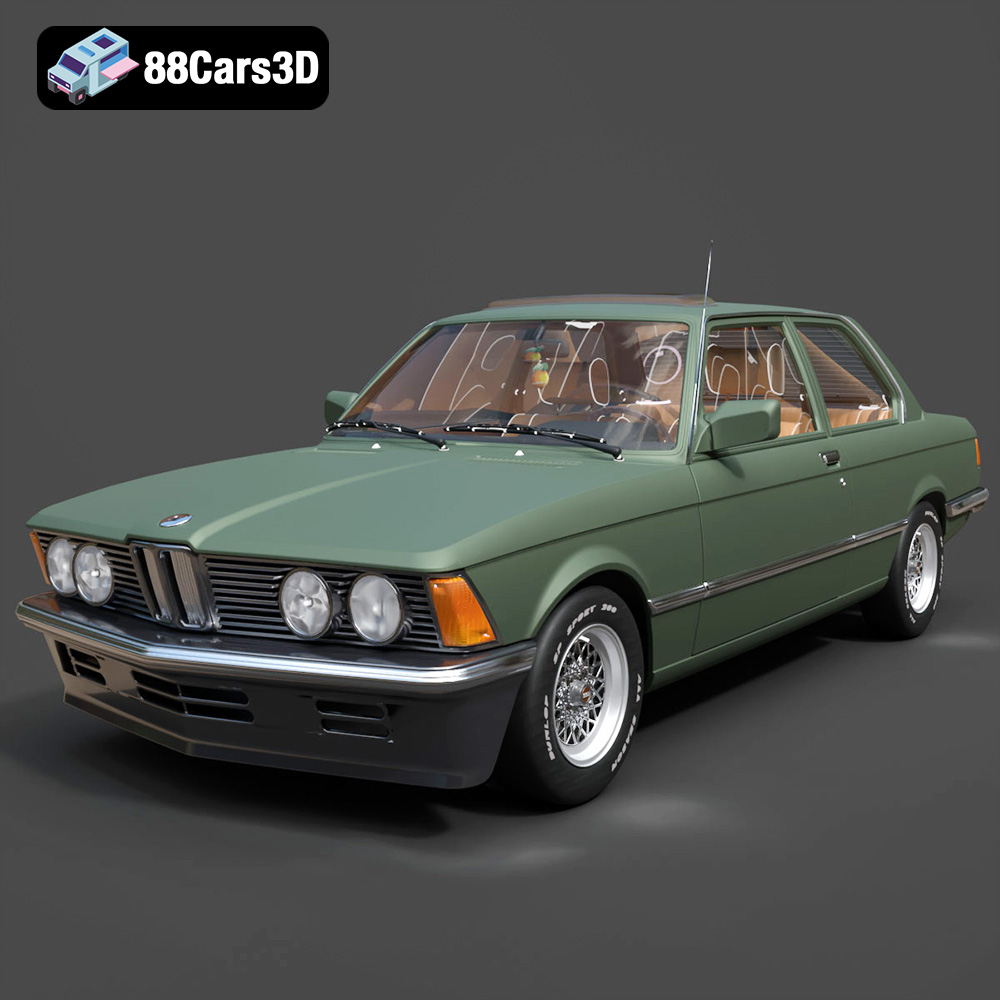
Texture: Yes
Material: Yes
Download the BMW 3 Series E21 3D Model featuring authentic exterior design, detailed interior, and accurate proportions. Includes .blend, .fbx, .obj, .glb, .stl, .ply, .unreal, and .max formats for rendering, simulation, and game development.
Price: $20.79
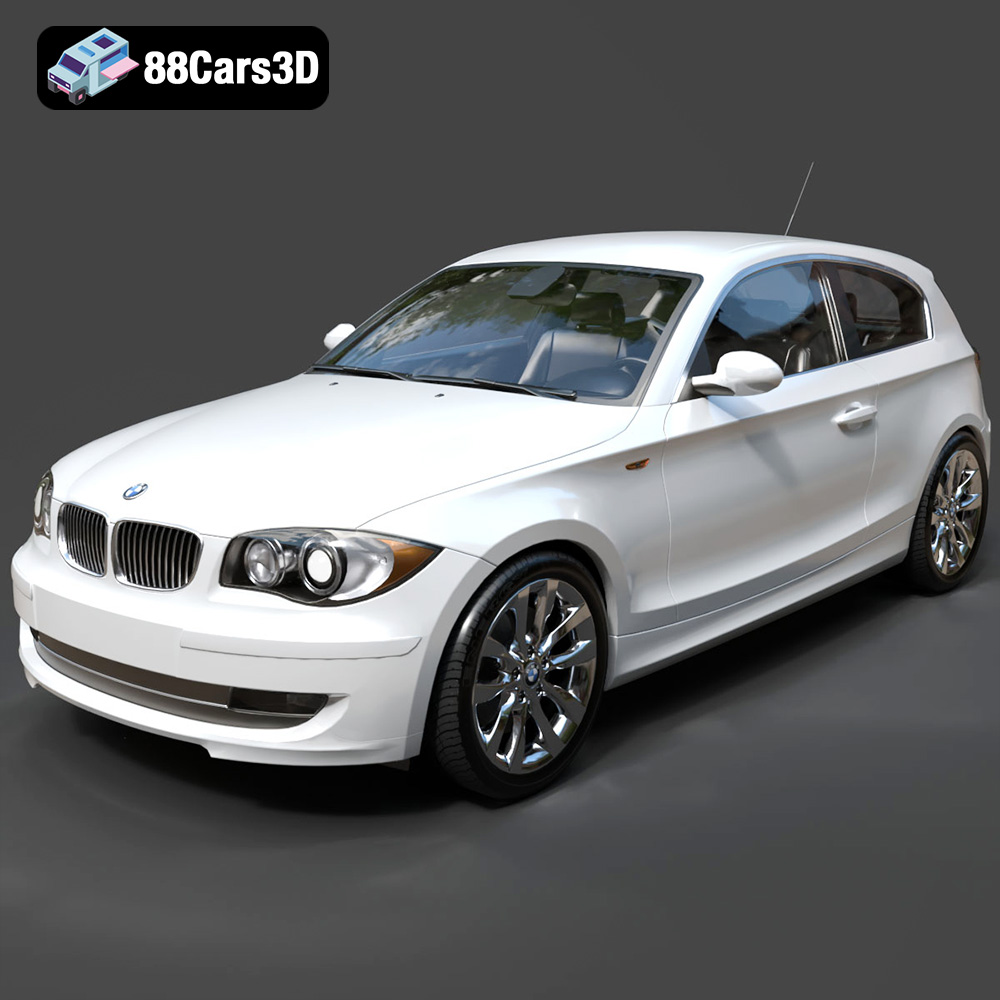
Texture: Yes
Material: Yes
Download the BMW 1 Series 3-Door E81 3D Model featuring a detailed exterior, functional interior elements, and clean geometry. Includes .blend, .fbx, .obj, .glb, .stl, .ply, .unreal, and .max formats for rendering, simulation, and game development.
Price: $14.79
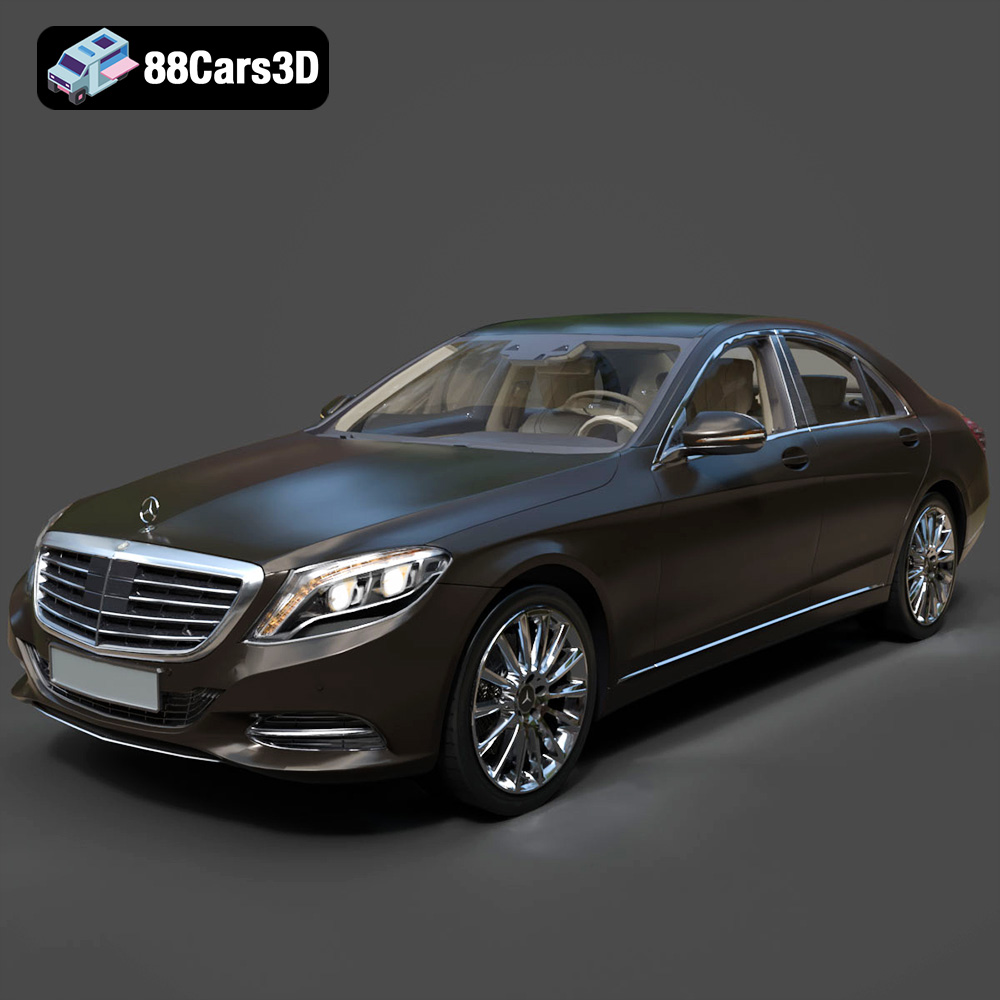
Texture: Yes
Material: Yes
Download the Mercedes-Benz S500 2022 3D Model featuring clean geometry, realistic detailing, and a fully modeled interior. Includes .blend, .fbx, .obj, .glb, .stl, .ply, .unreal, and .max formats for rendering, simulation, and game development.
Price: $19.99
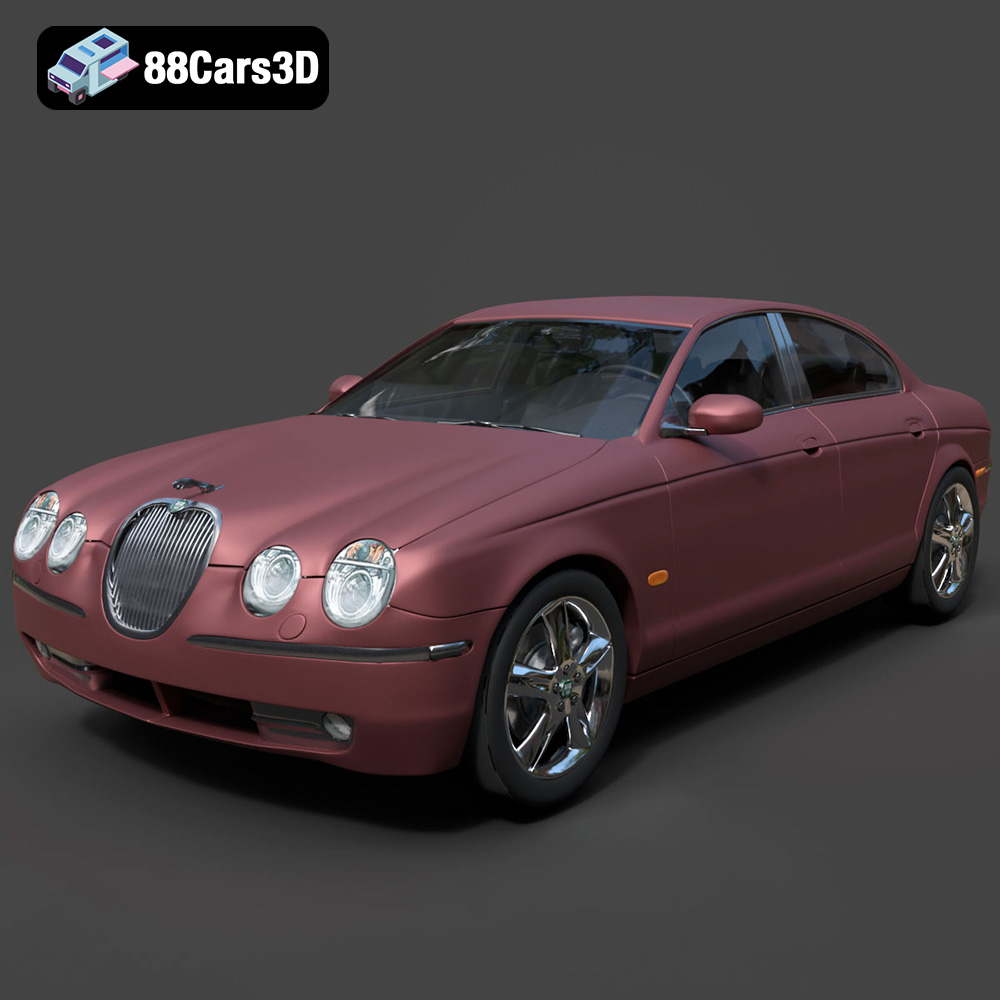
Texture: Yes
Material: Yes
Download the Jaguar S-Type Sedan 3D Model featuring clean geometry, realistic detailing, and a fully modeled interior. Includes .blend, .fbx, .obj, .glb, .stl, .ply, .unreal, and .max formats for rendering, simulation, and game development.
Price: $18.99
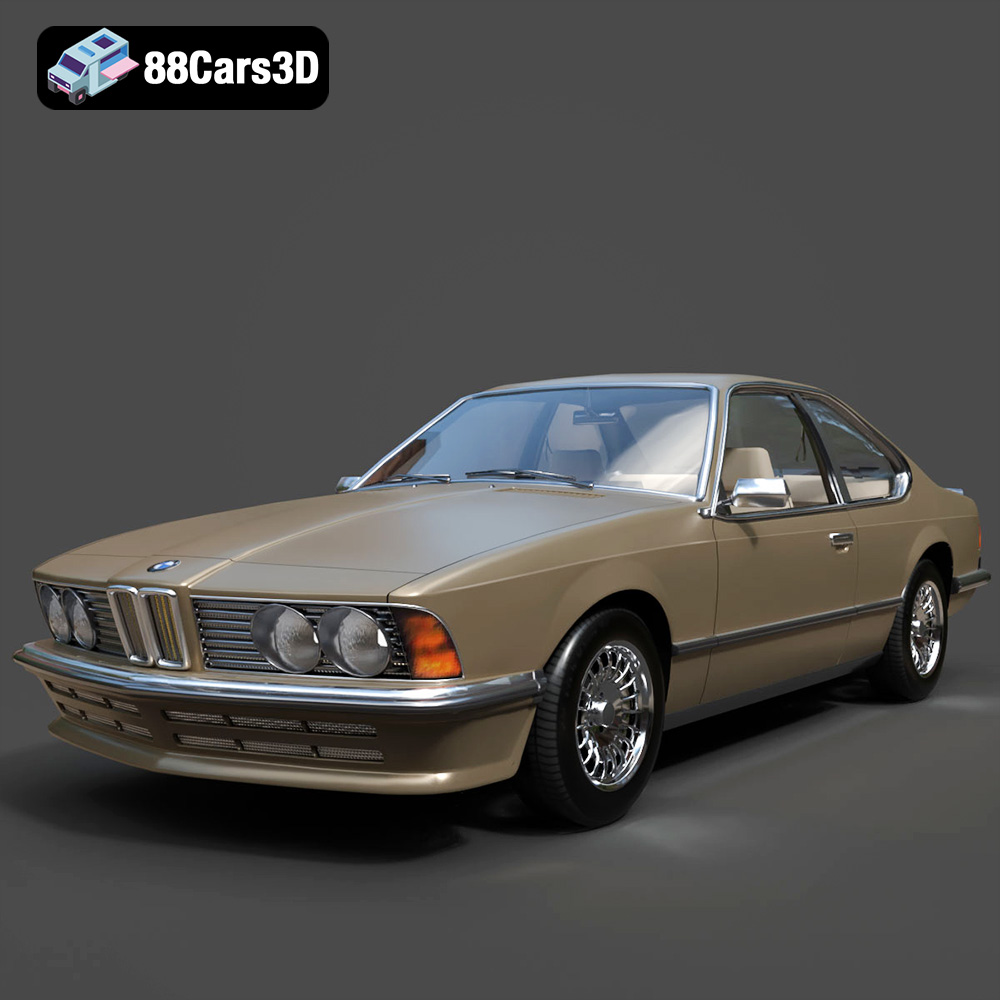
Texture: Yes
Material: Yes
Download the BMW 6 Series 1986 3D Model featuring clean geometry, realistic detailing, and a fully modeled interior. Includes .blend, .fbx, .obj, .glb, .stl, .ply, .unreal, and .max formats for rendering, simulation, and game development.
Price: $16.99
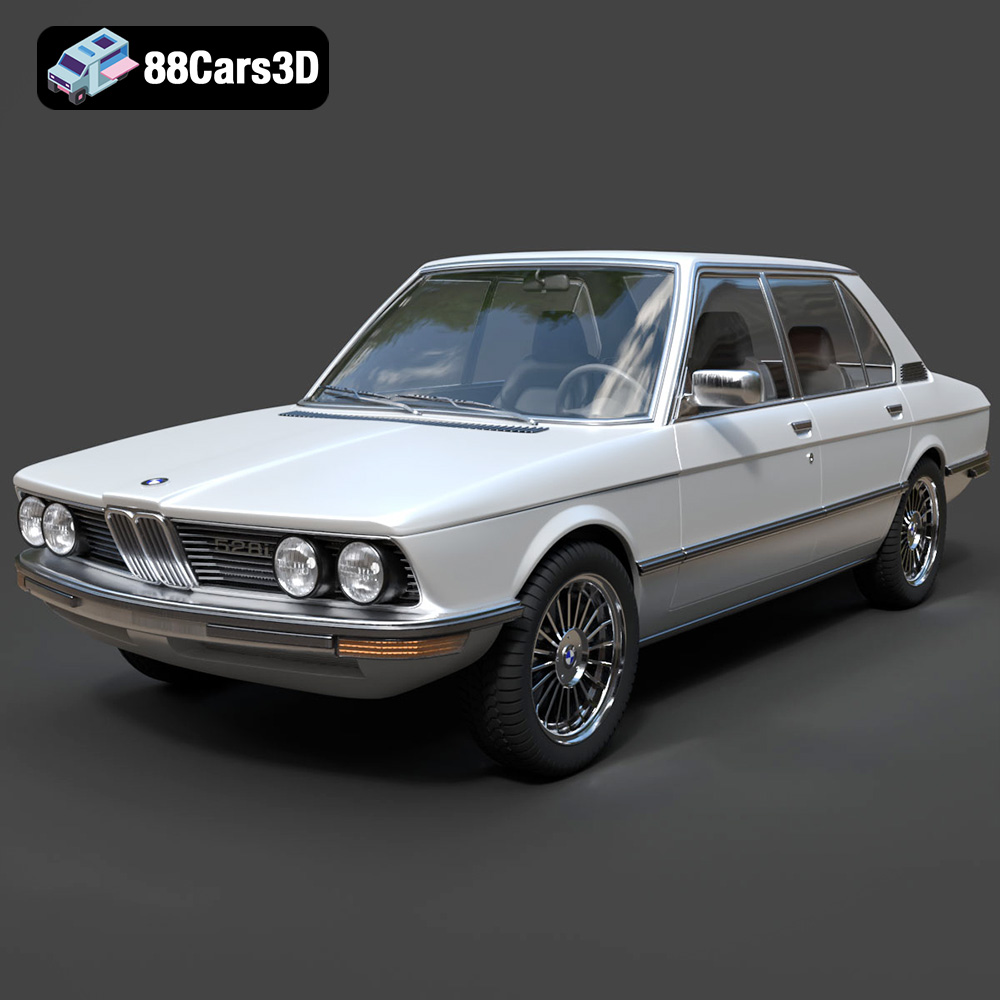
Texture: Yes
Material: Yes
Download the BMW 5 Series E12 528i 3D Model featuring clean geometry, realistic detailing, and a fully modeled interior. Includes .blend, .fbx, .obj, .glb, .stl, .ply, .unreal, and .max formats for rendering, simulation, and game development.
Price: $14.99

Texture: Yes
Material: Yes
Download the BMW 5 Series F10 3D Model featuring clean geometry, realistic detailing, and a fully modeled interior. Includes .blend, .fbx, .obj, .glb, .stl, .ply, .unreal, and .max formats for rendering, simulation, and game development.
Price: $14.99
Texture: Yes
Material: Yes
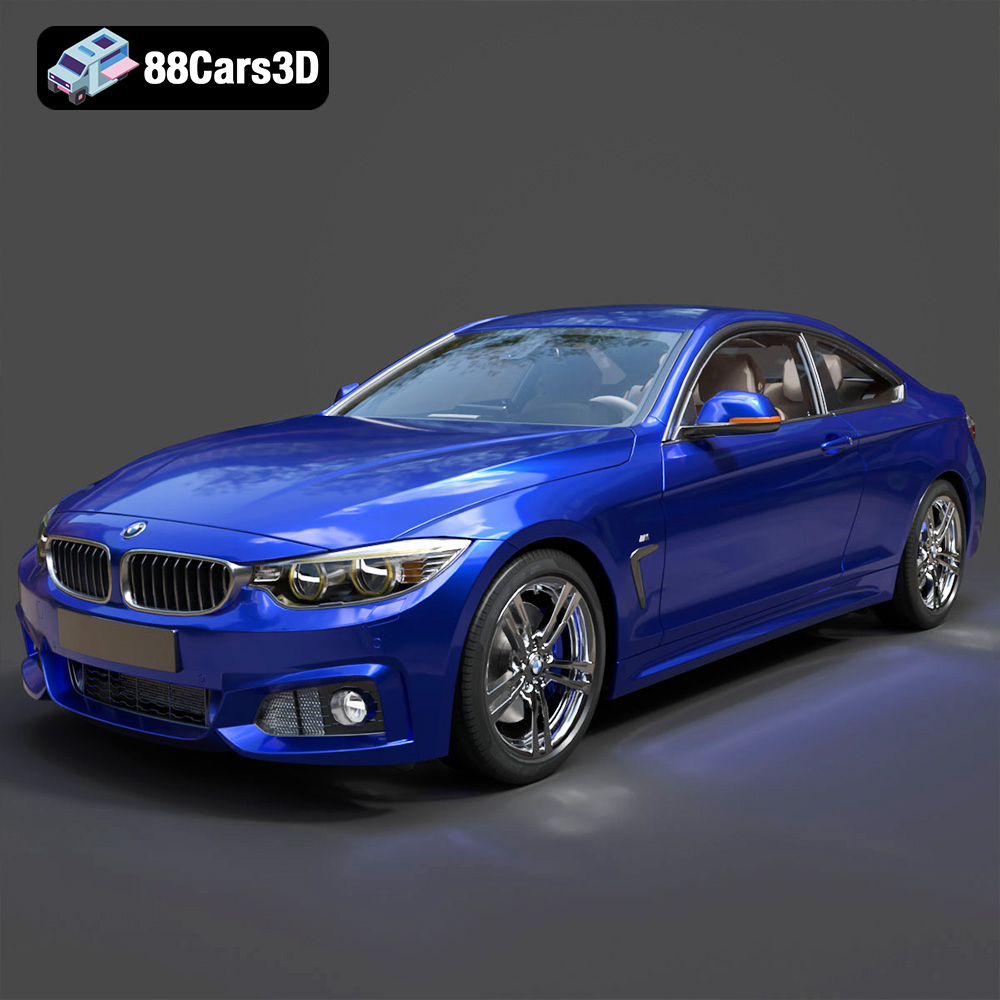
Download the BMW 4 Series Coupe M Sport 2014 3D Model featuring clean geometry, realistic detailing, and a fully modeled interior. Includes .blend, .fbx, .obj, .glb, .stl, .ply, .unreal, and .max formats for rendering, simulation, and game development.
Price: $14.99

