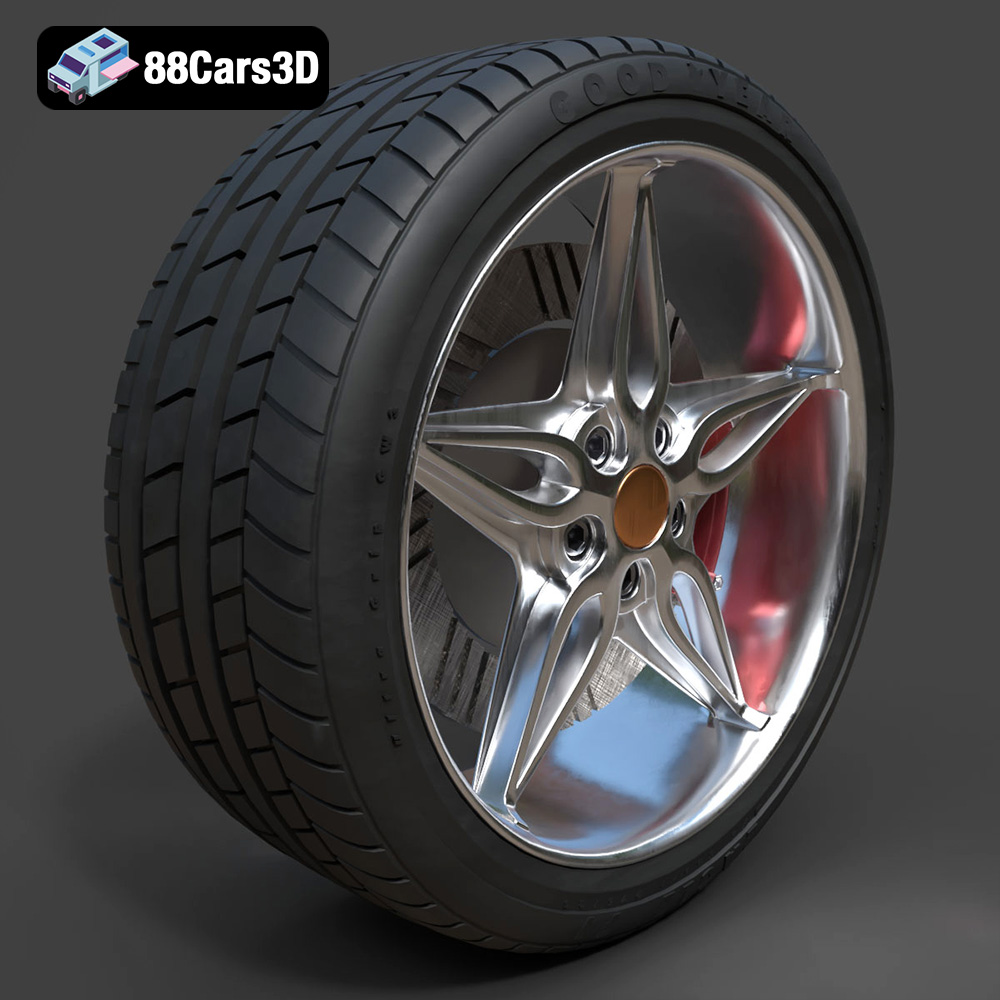
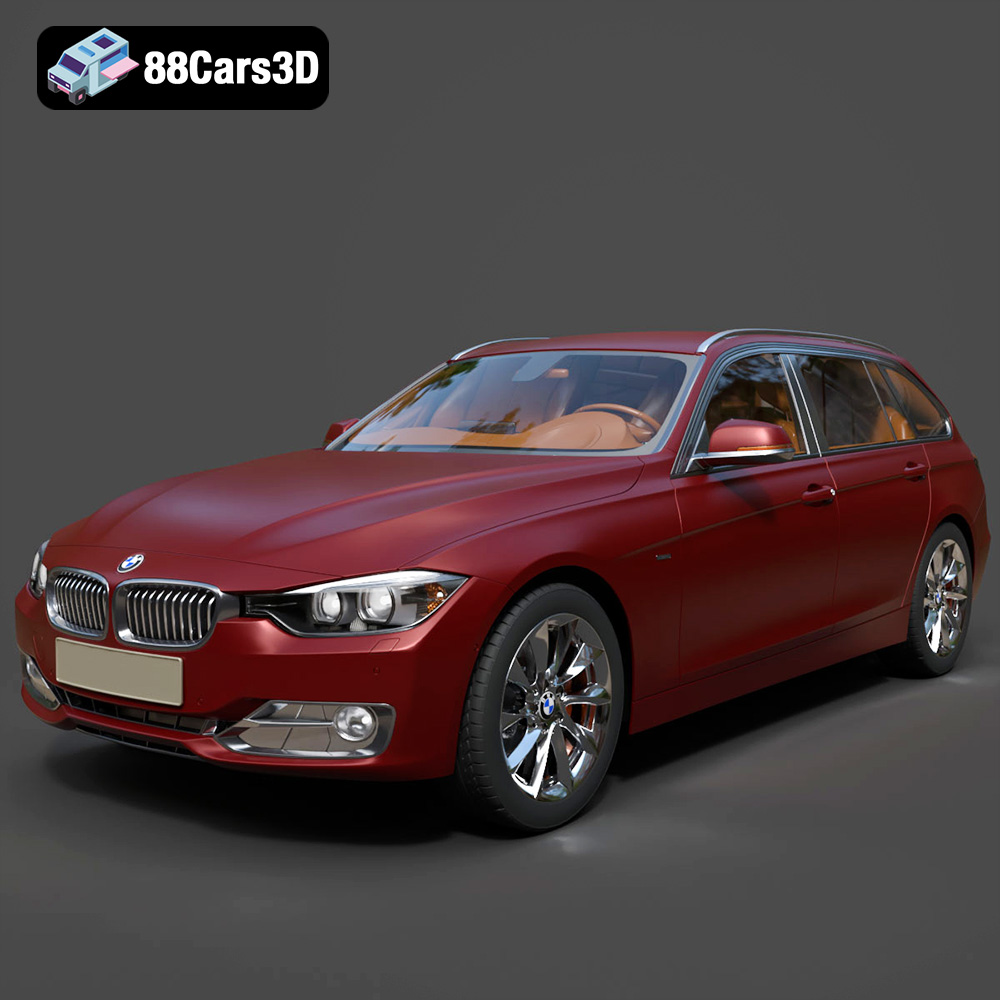
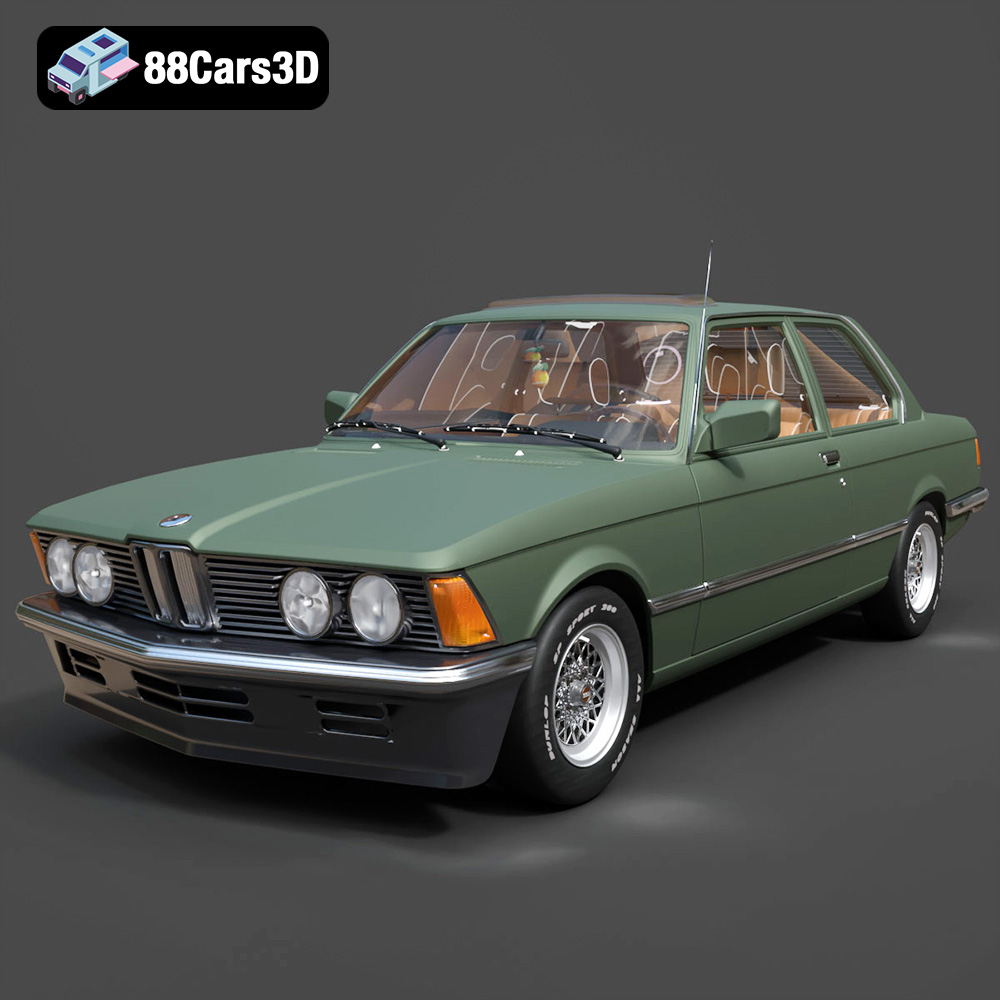
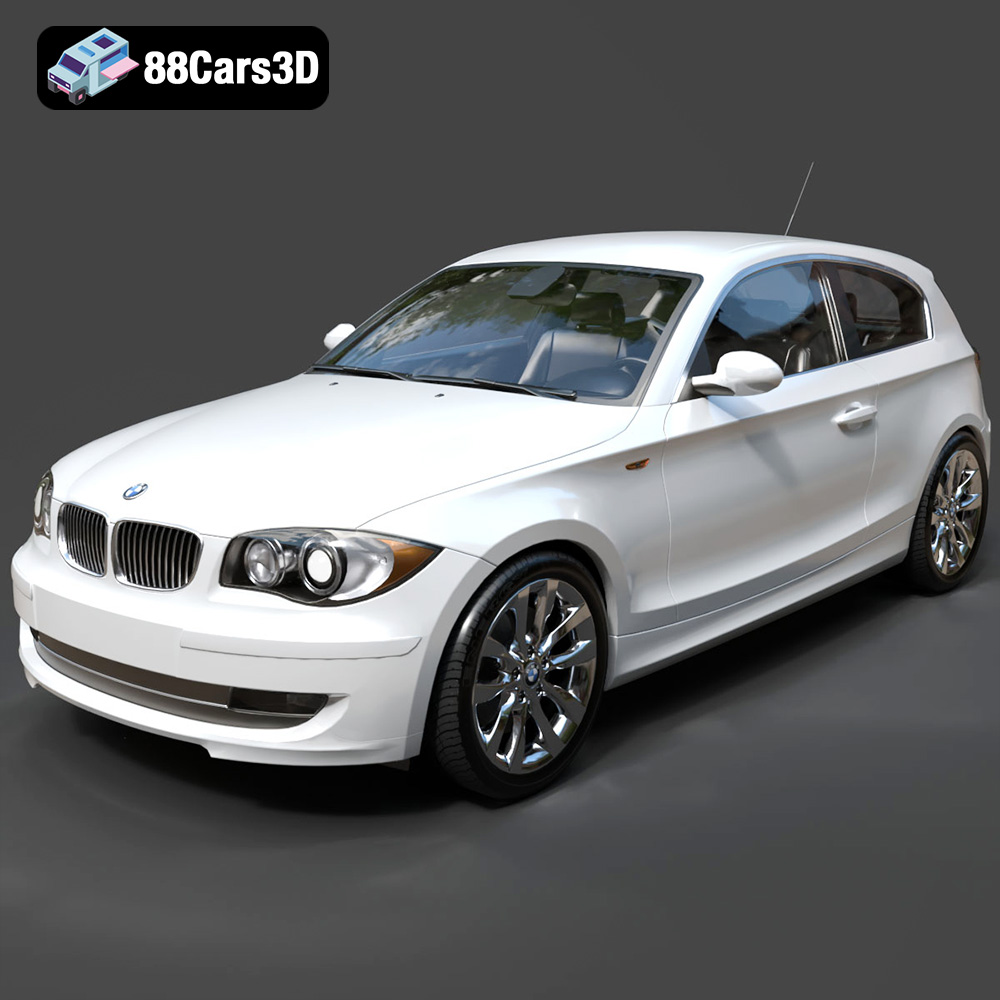
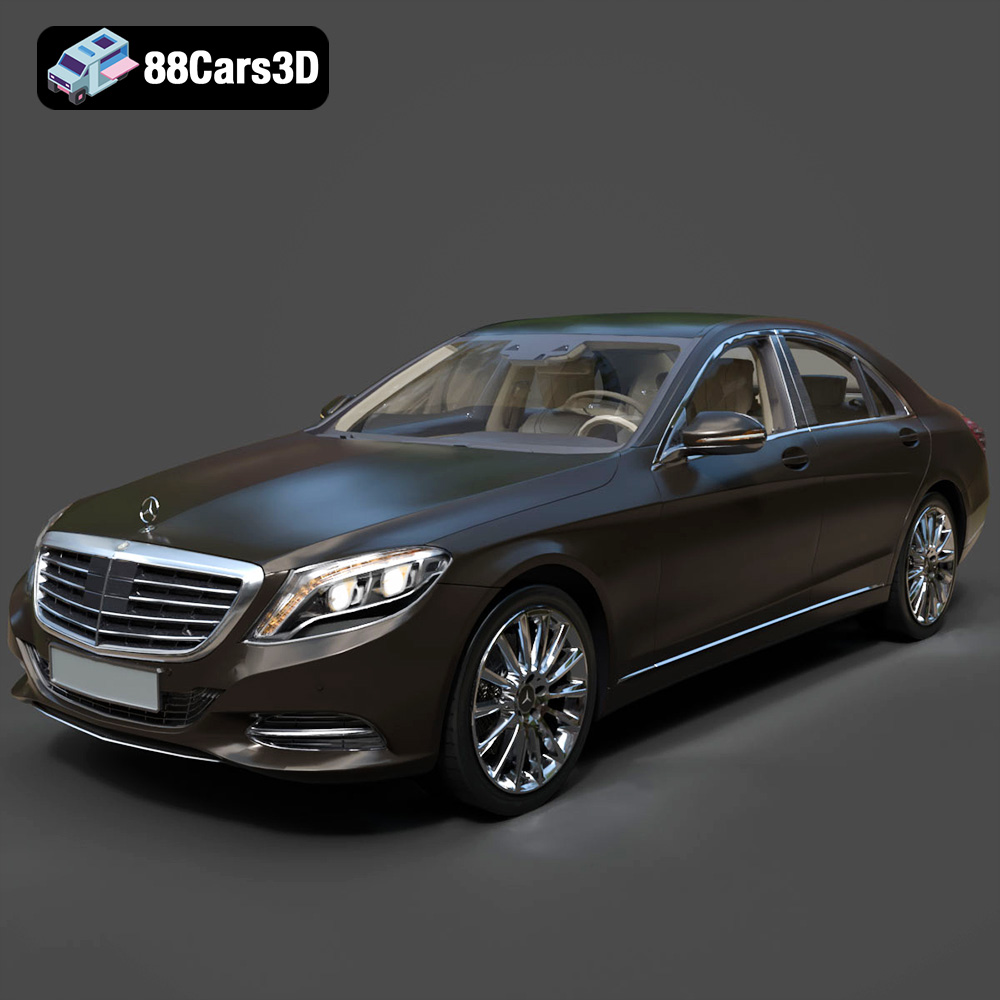
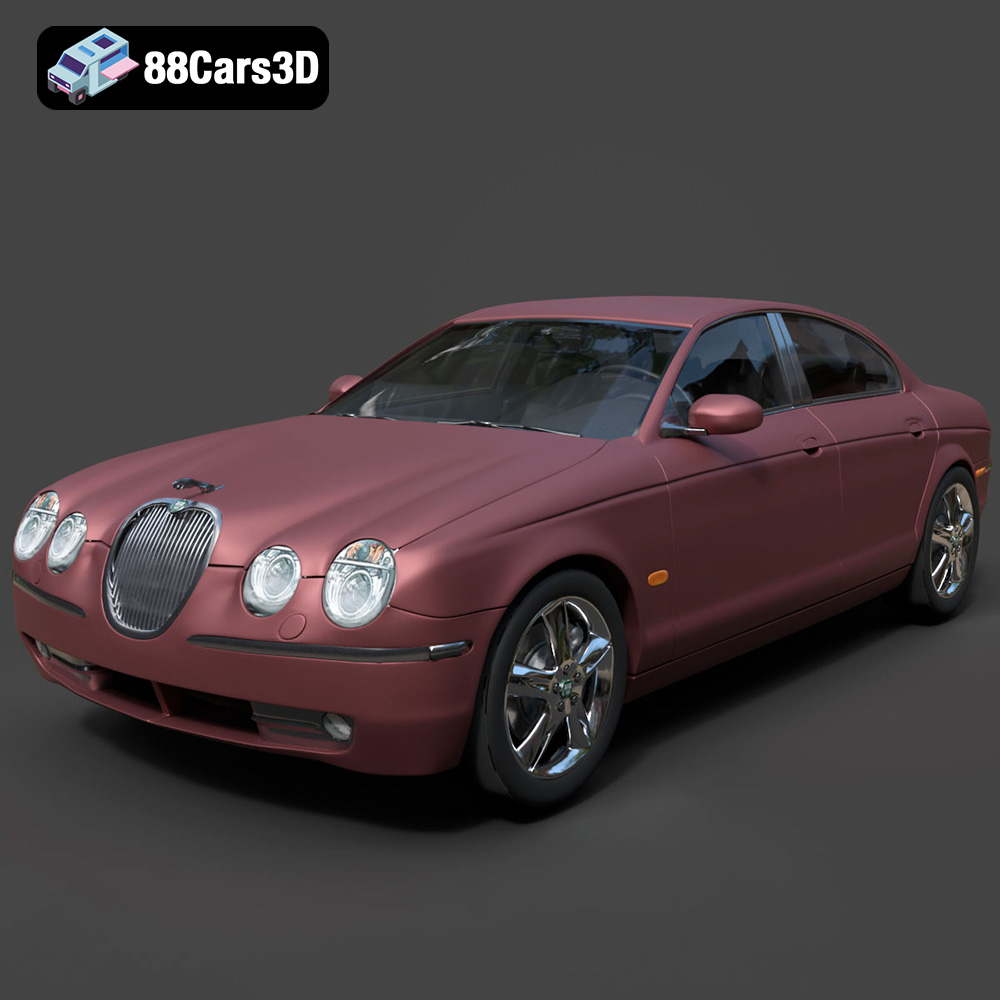
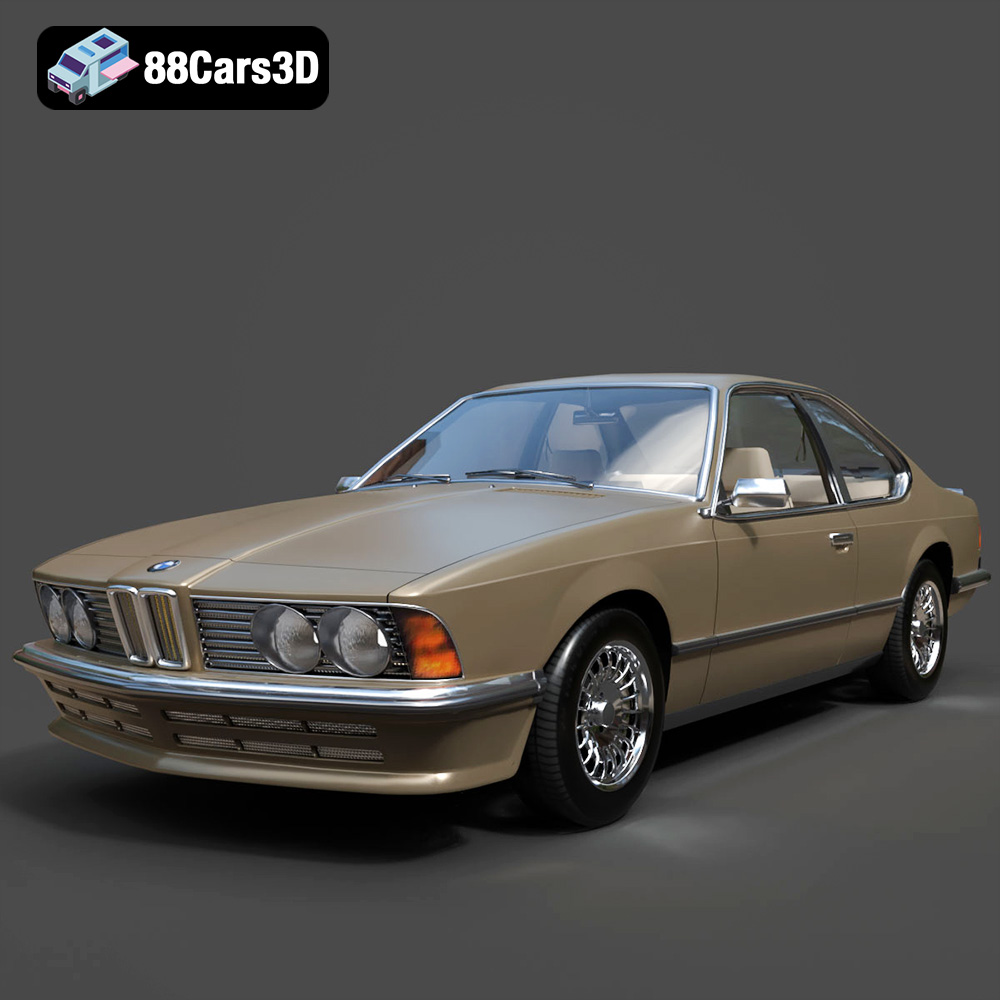
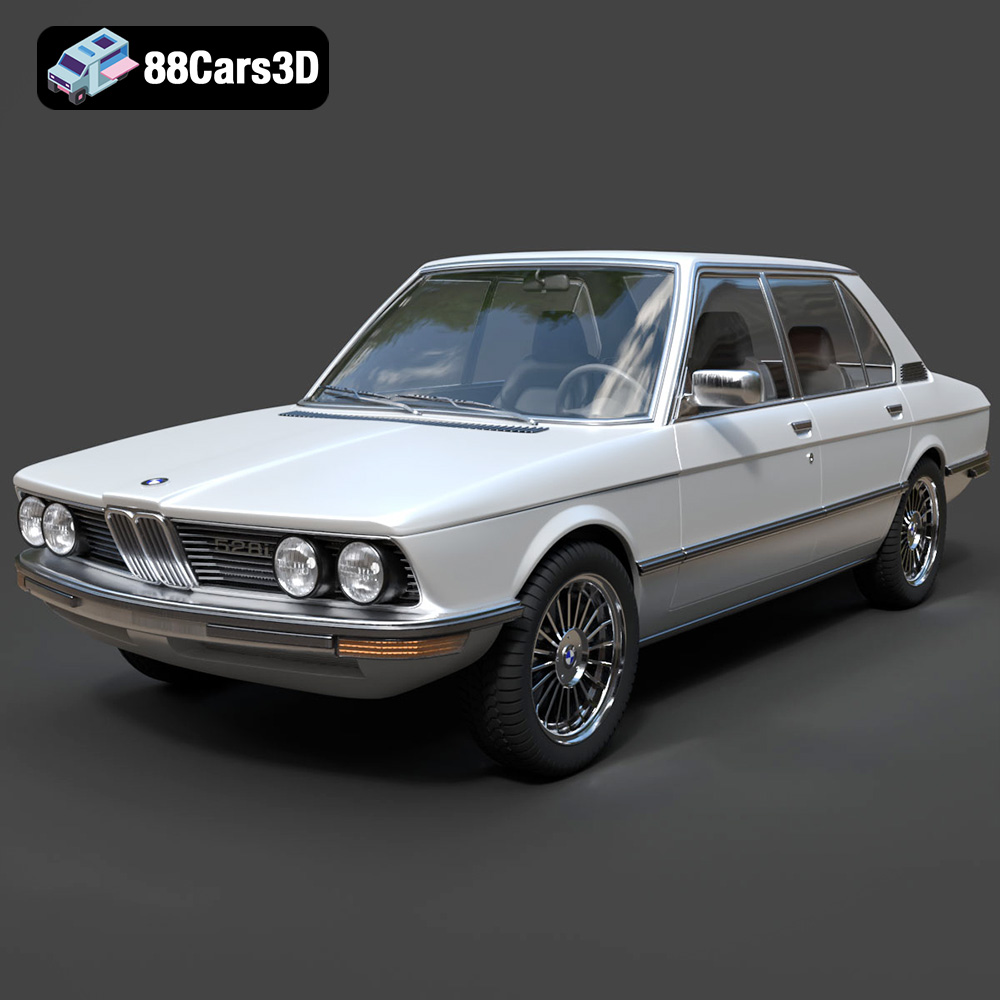
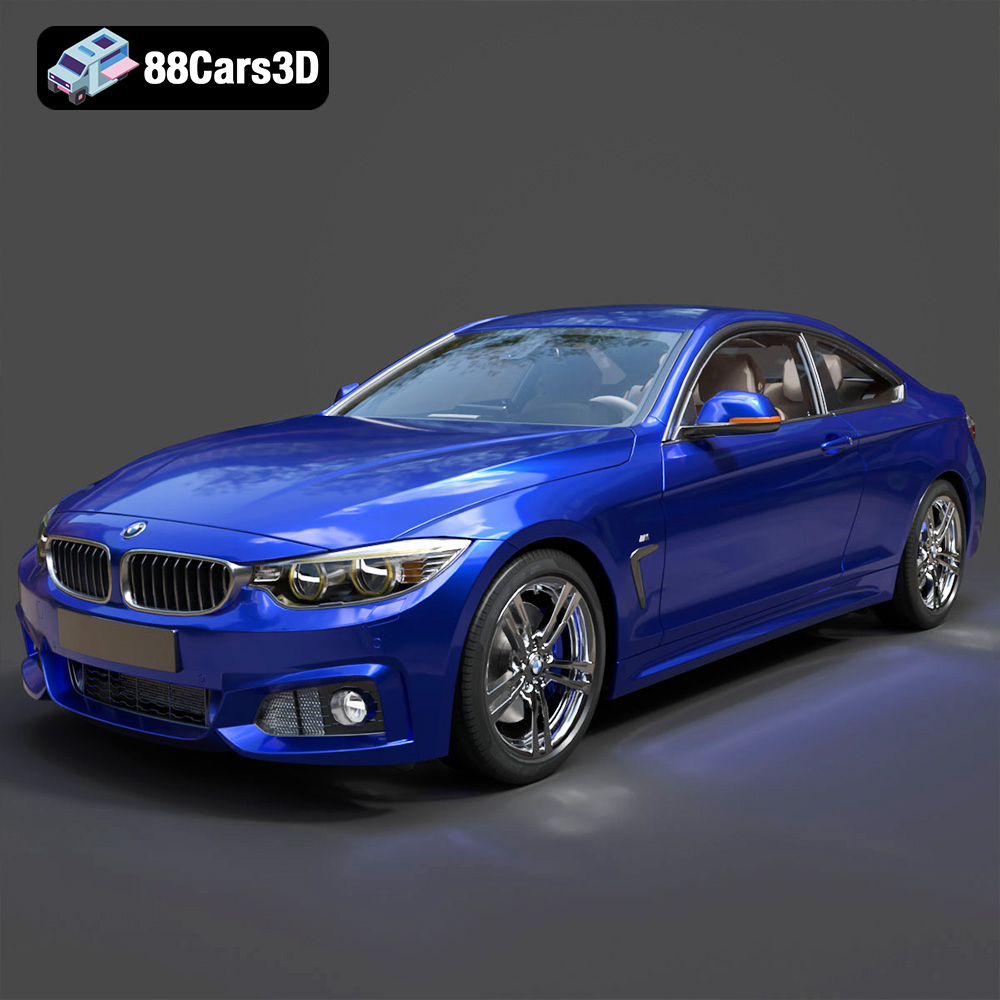
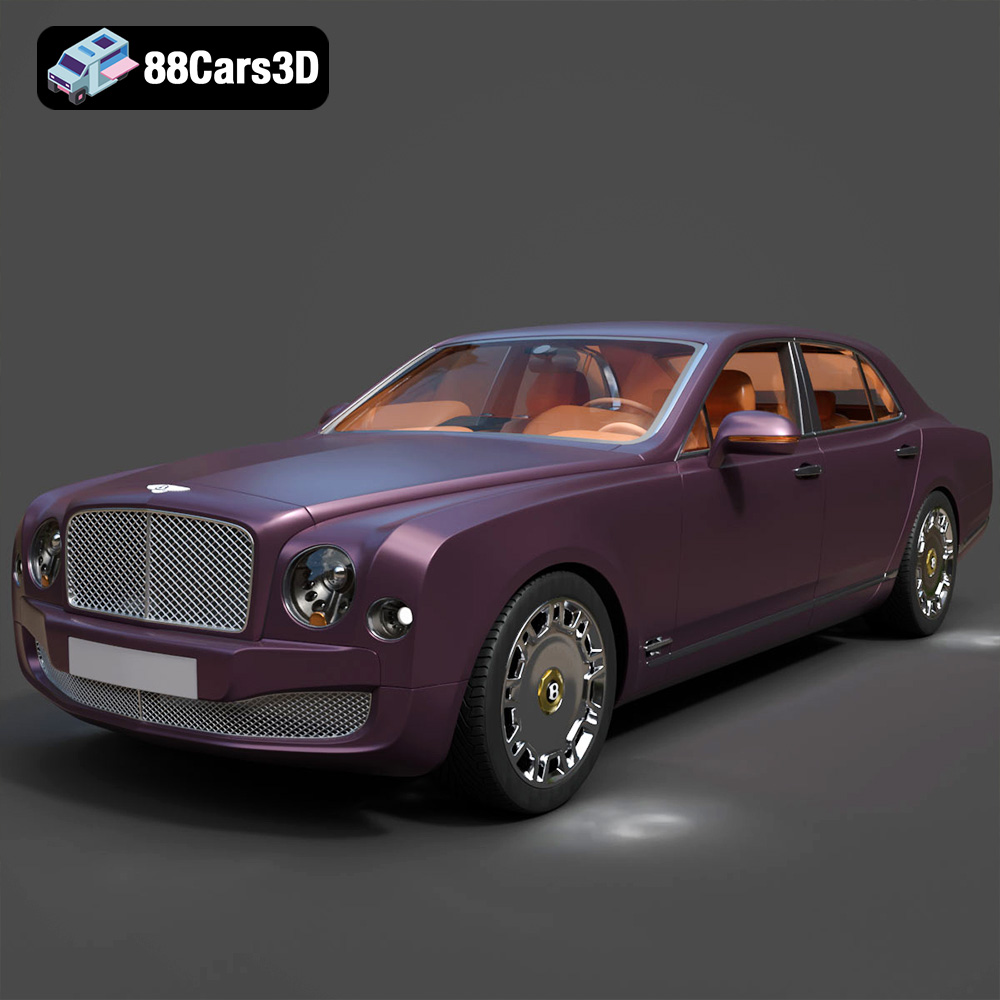
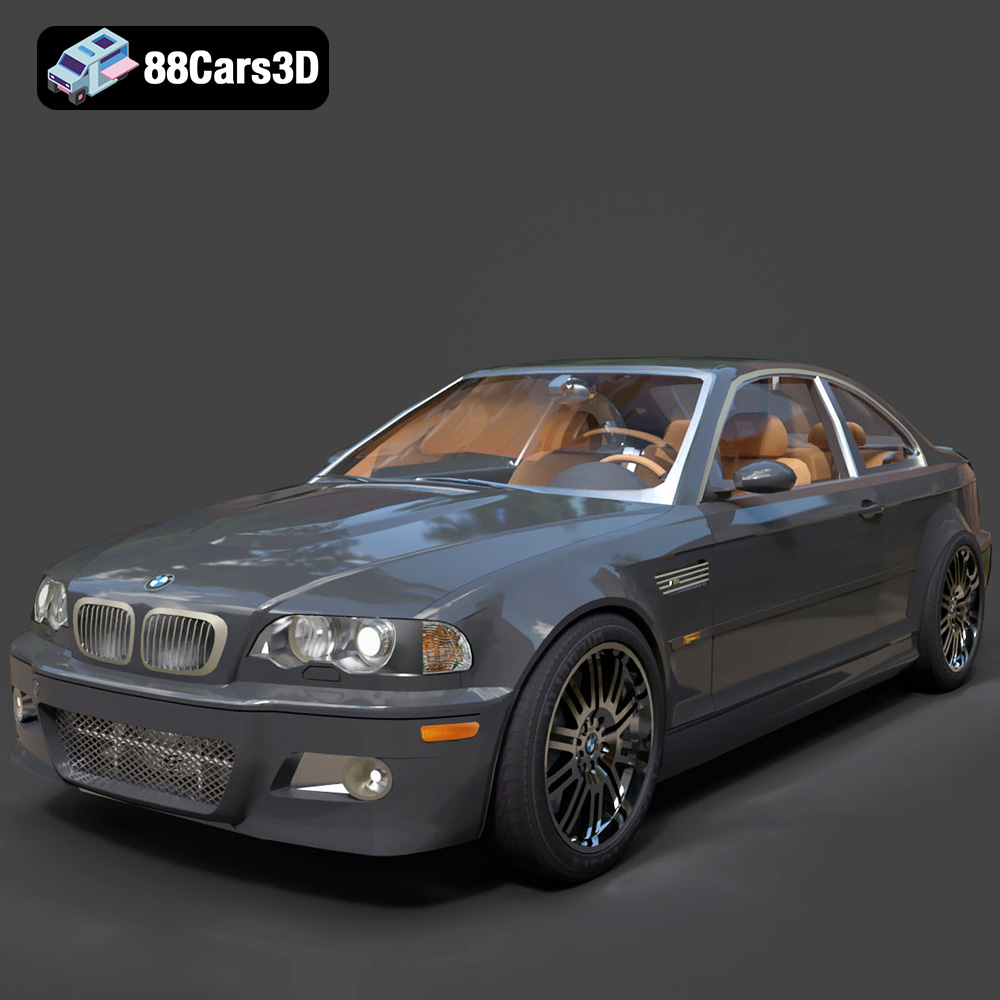
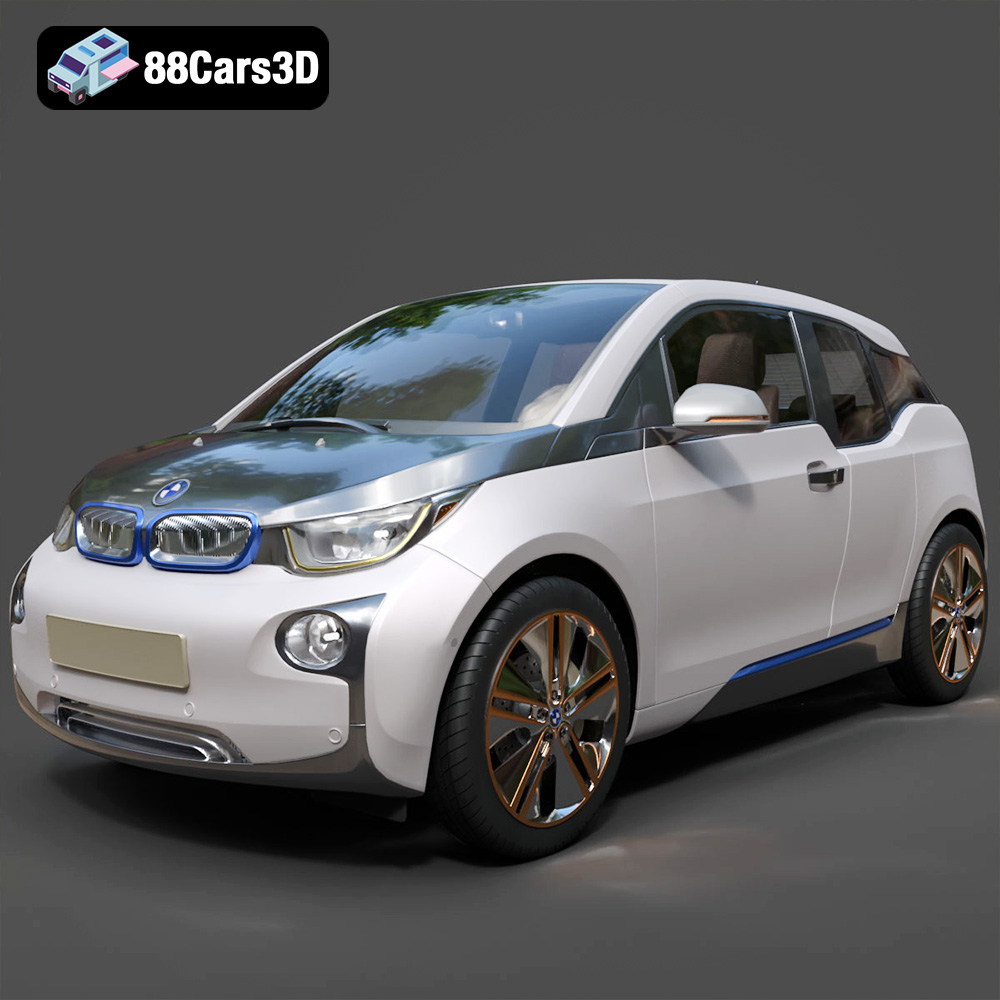
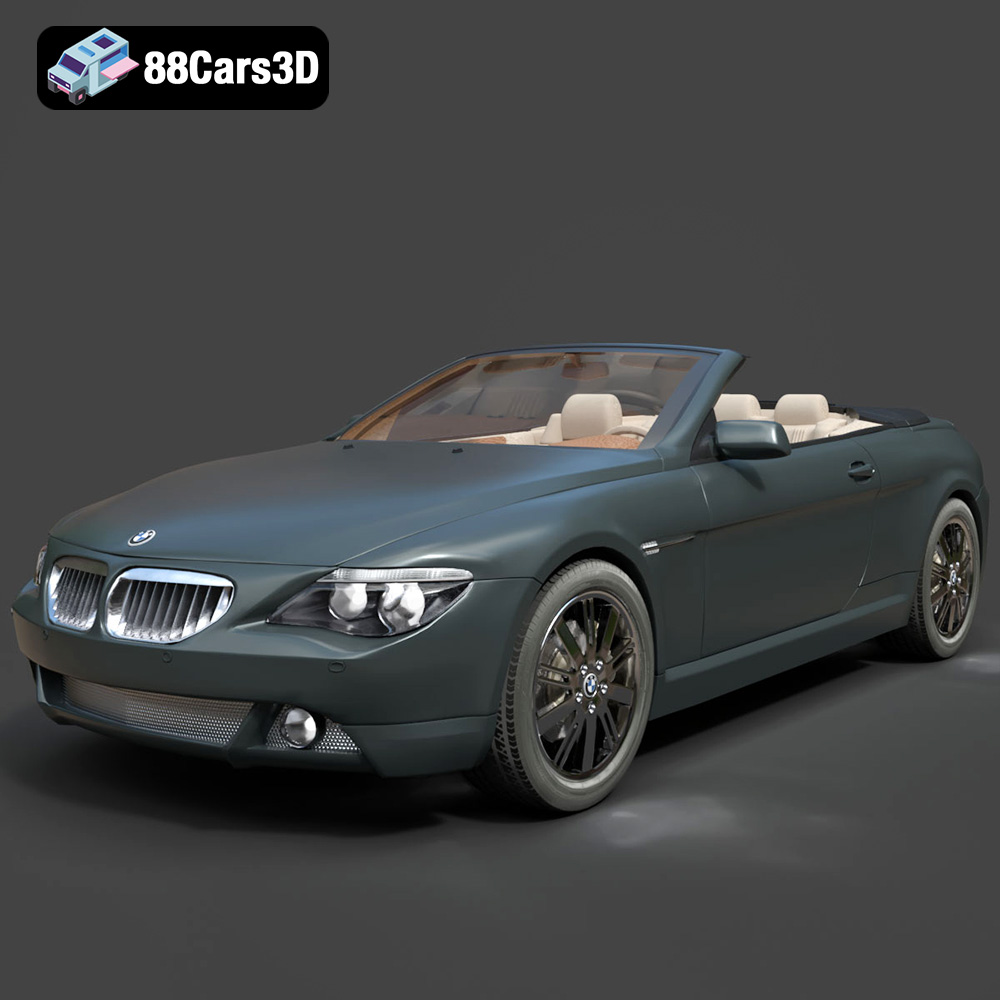
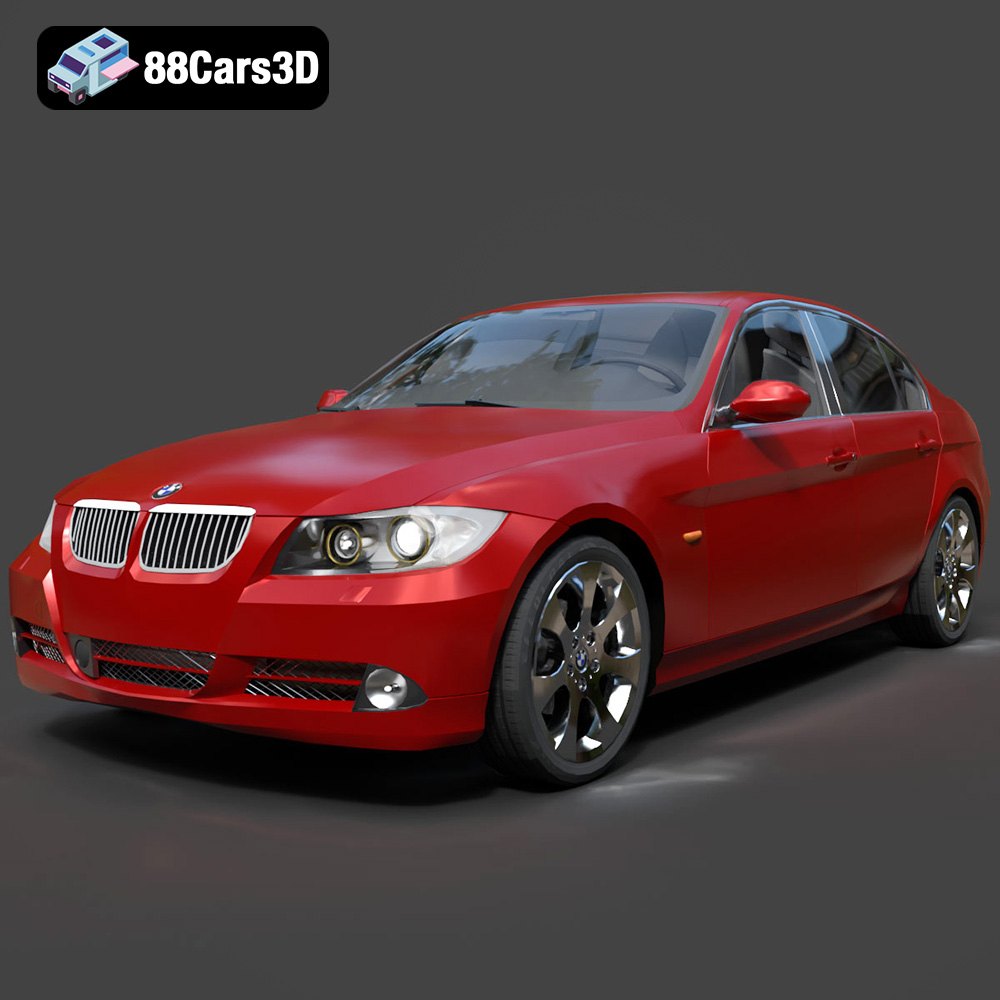
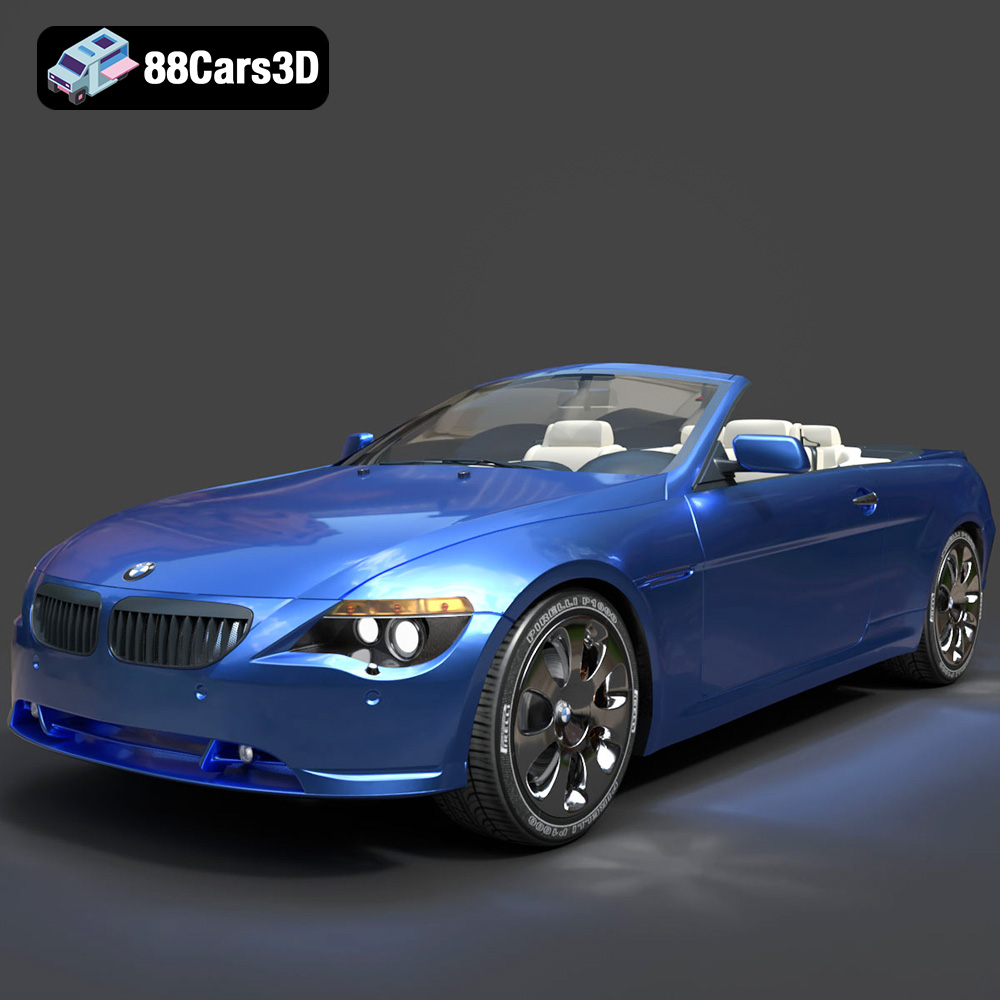
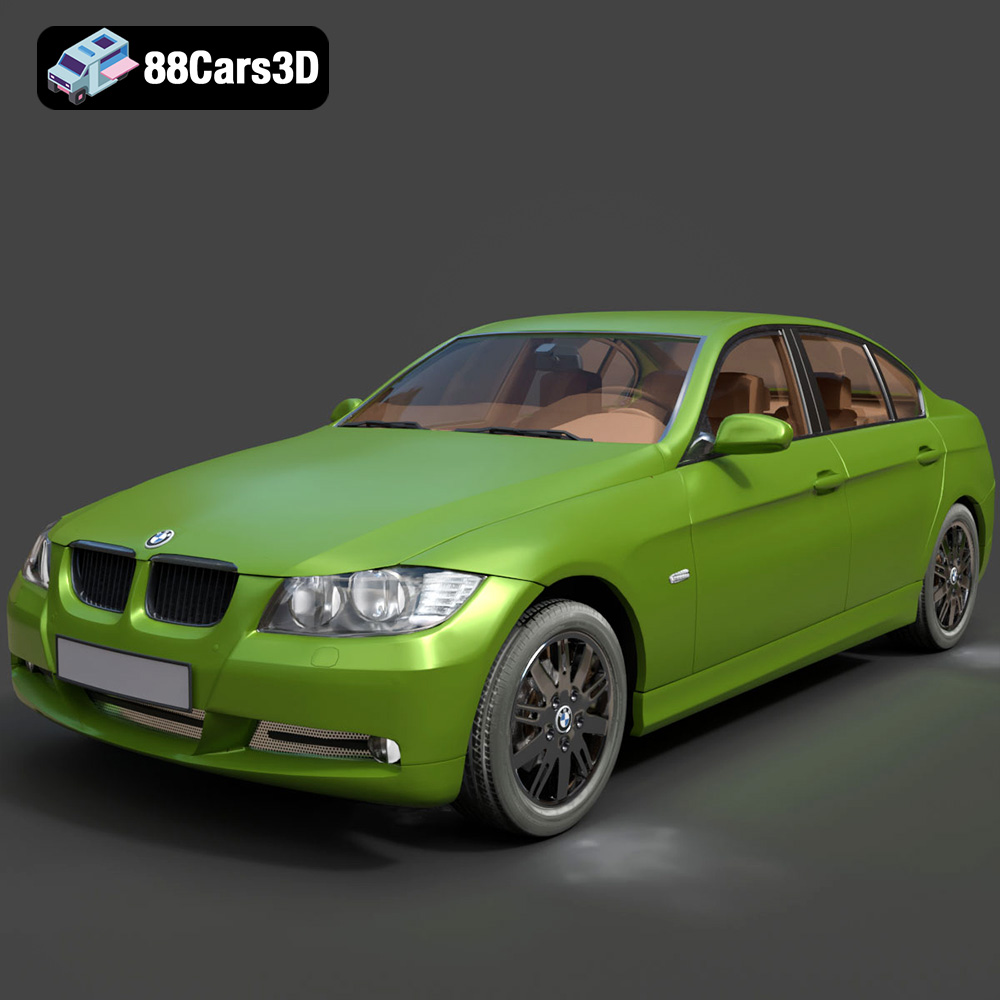
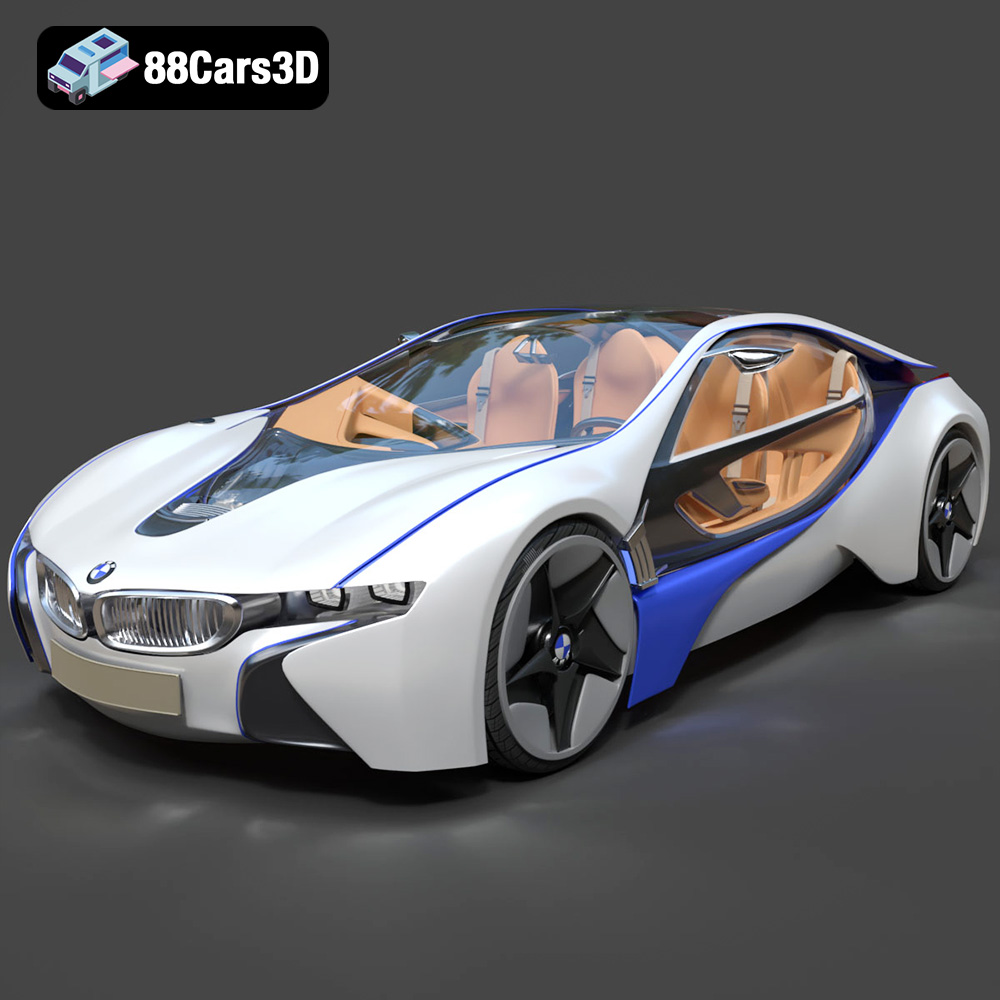
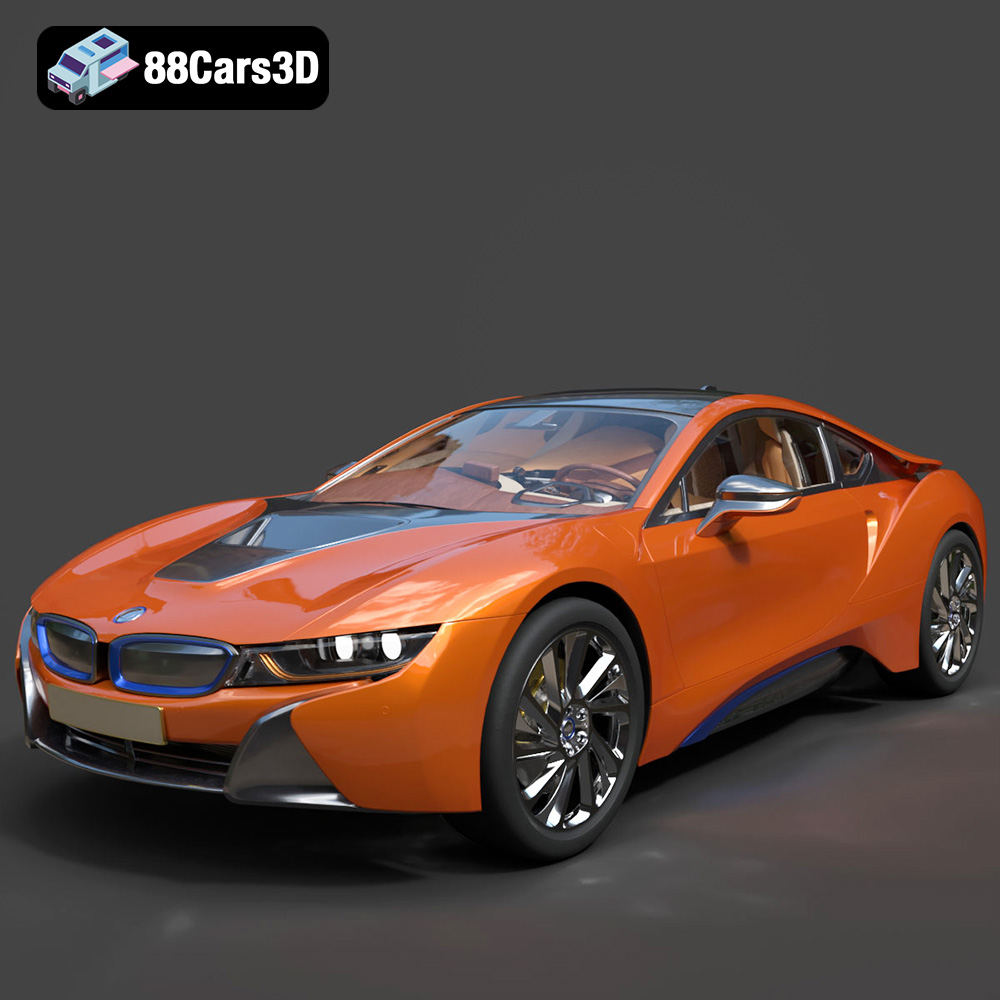
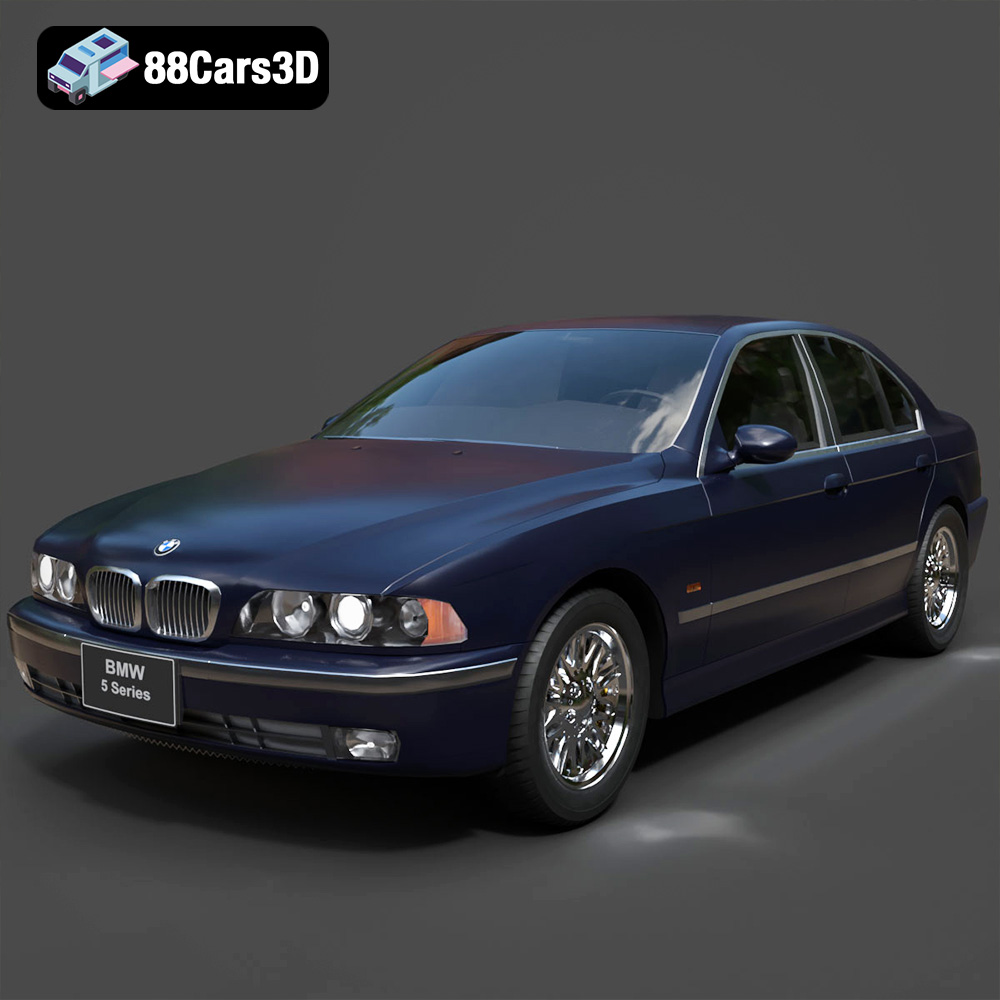
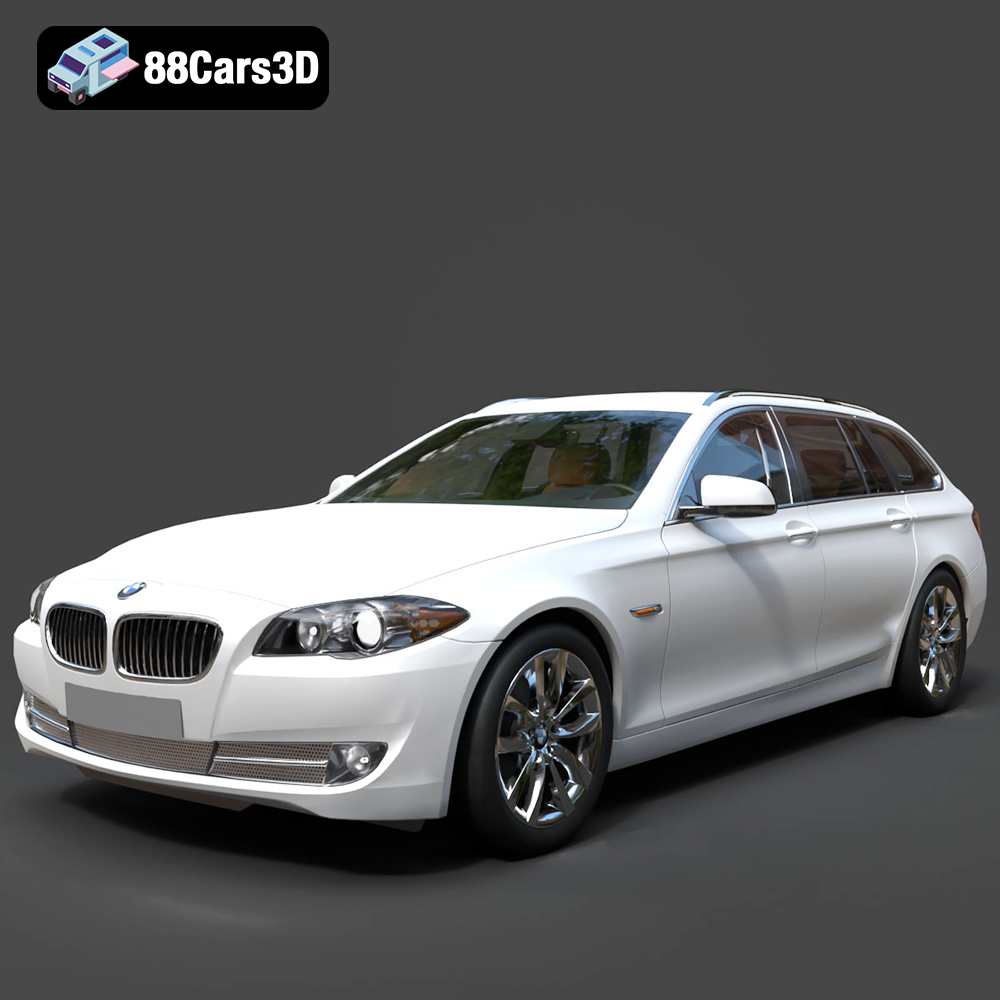
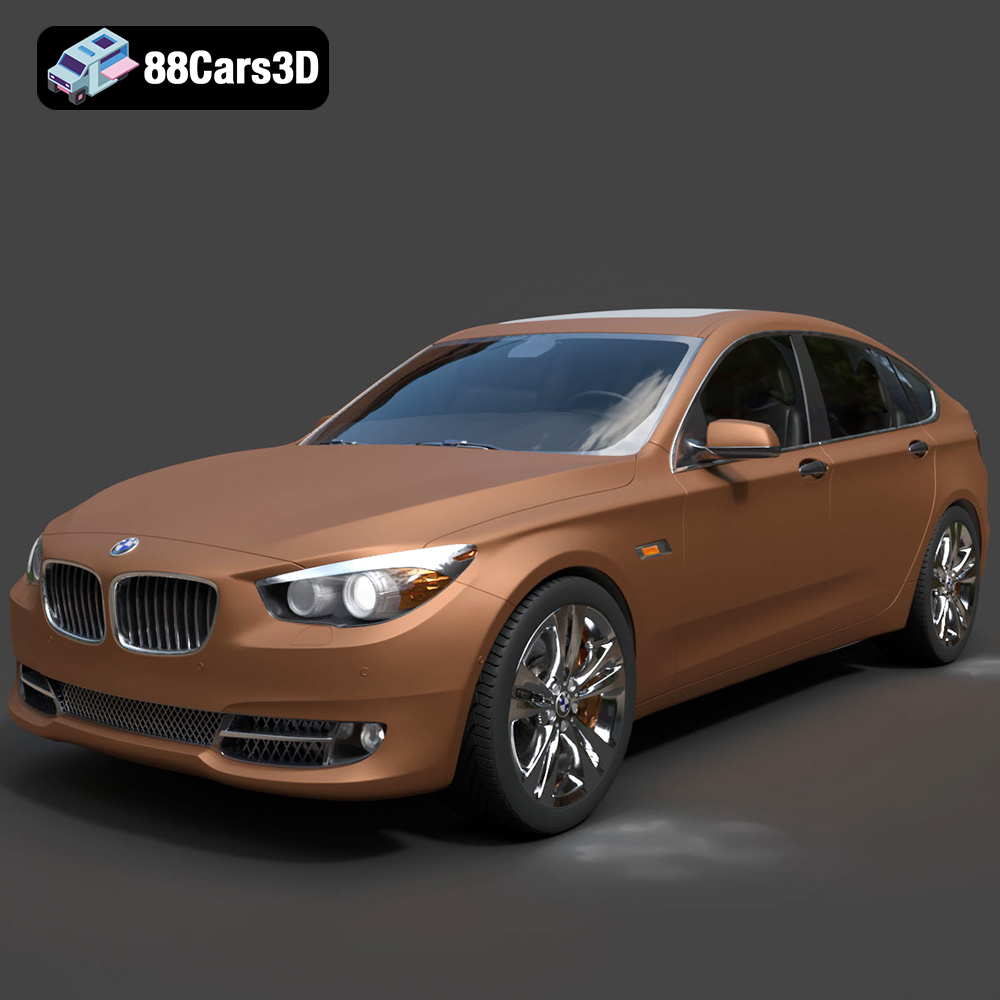
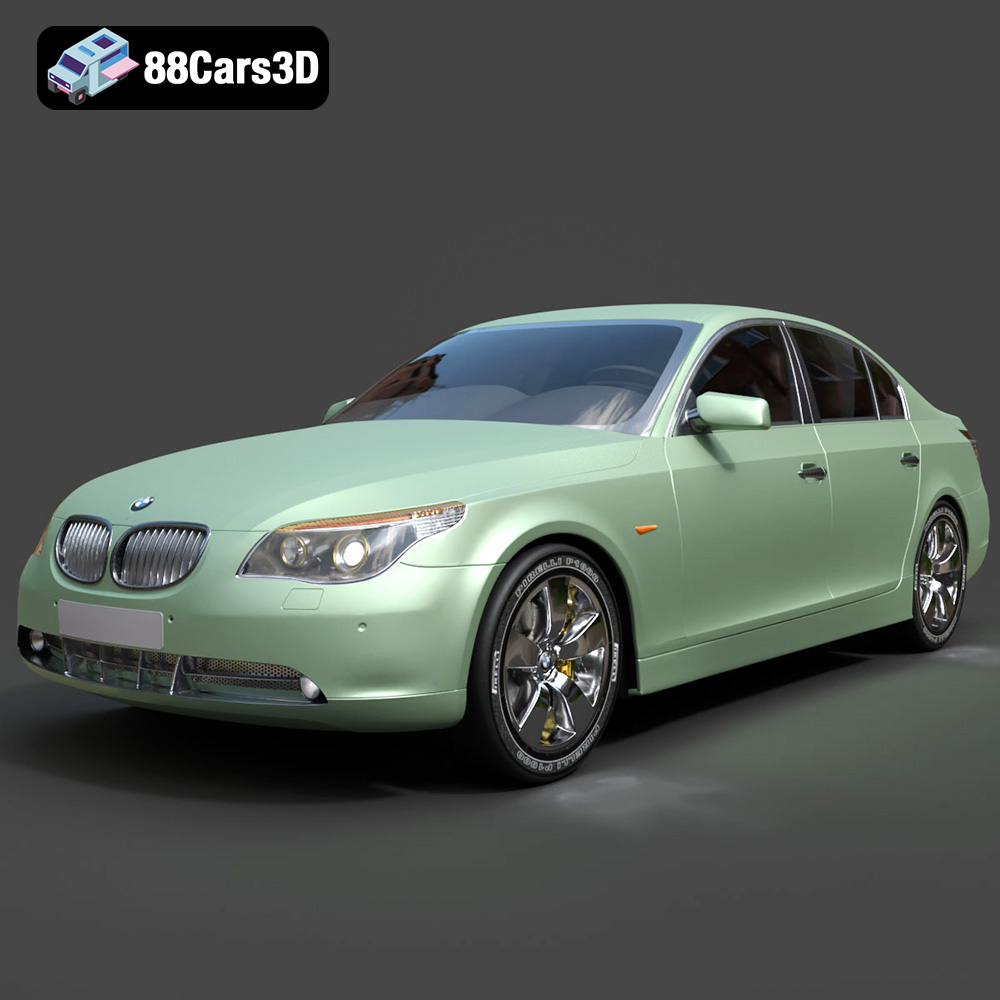
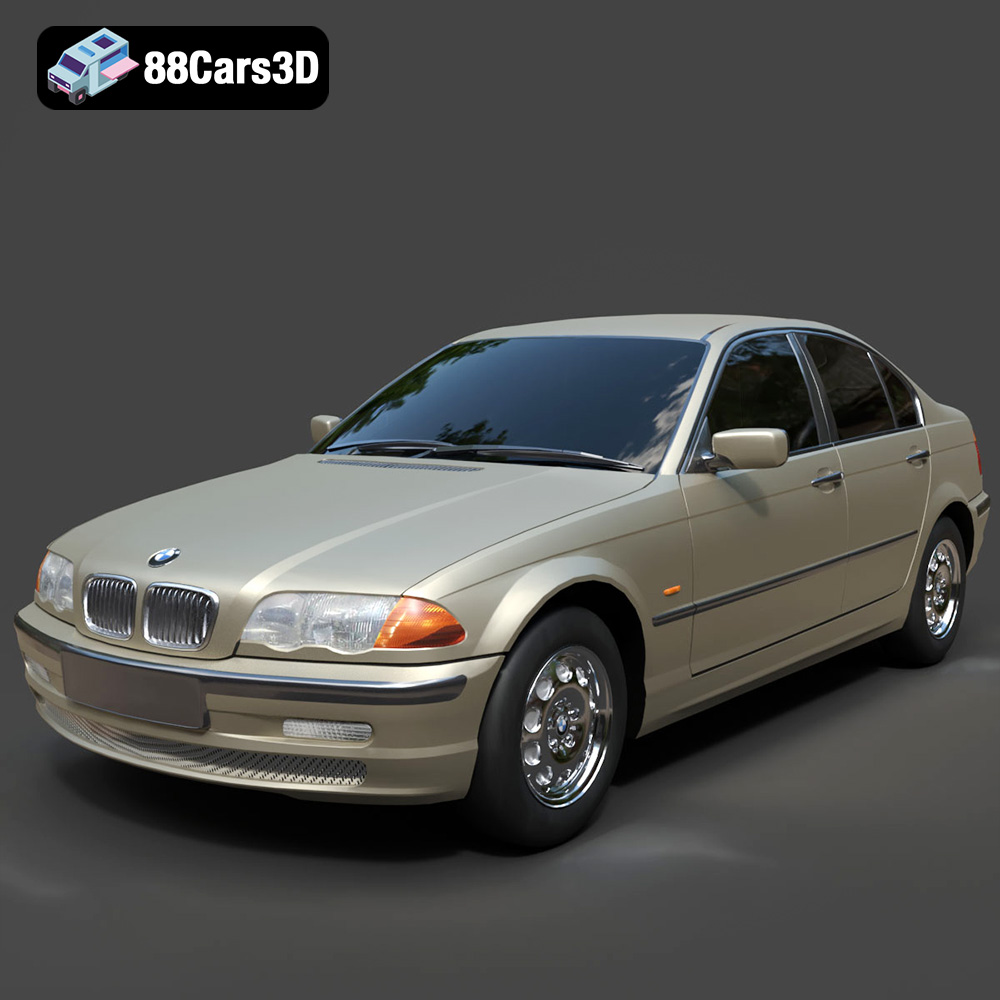
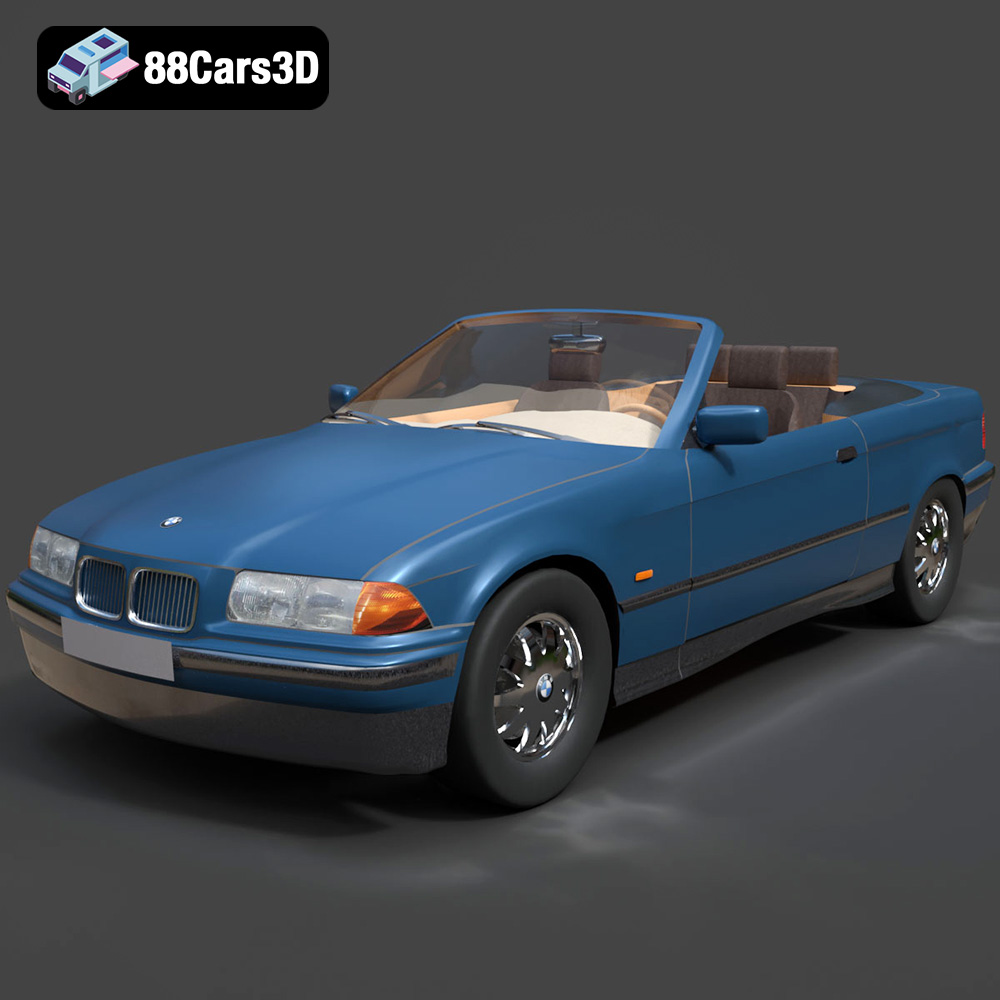
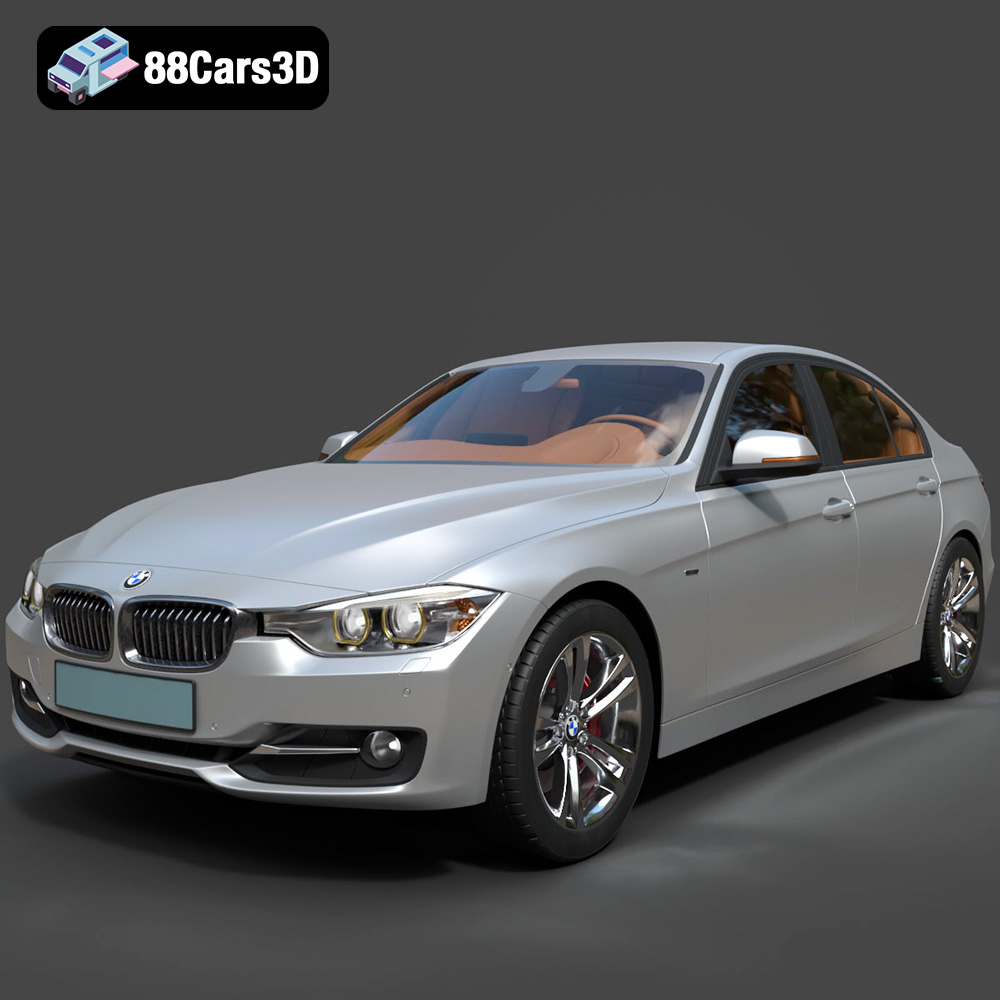
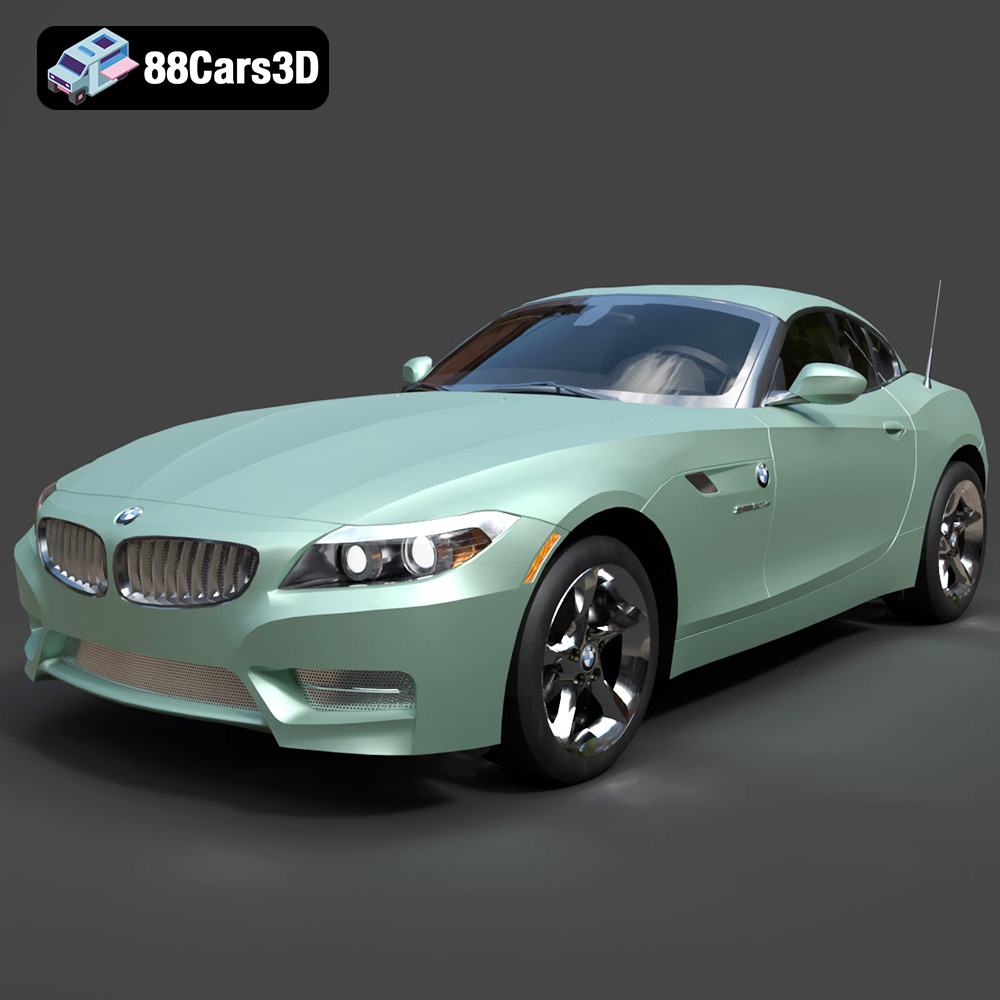
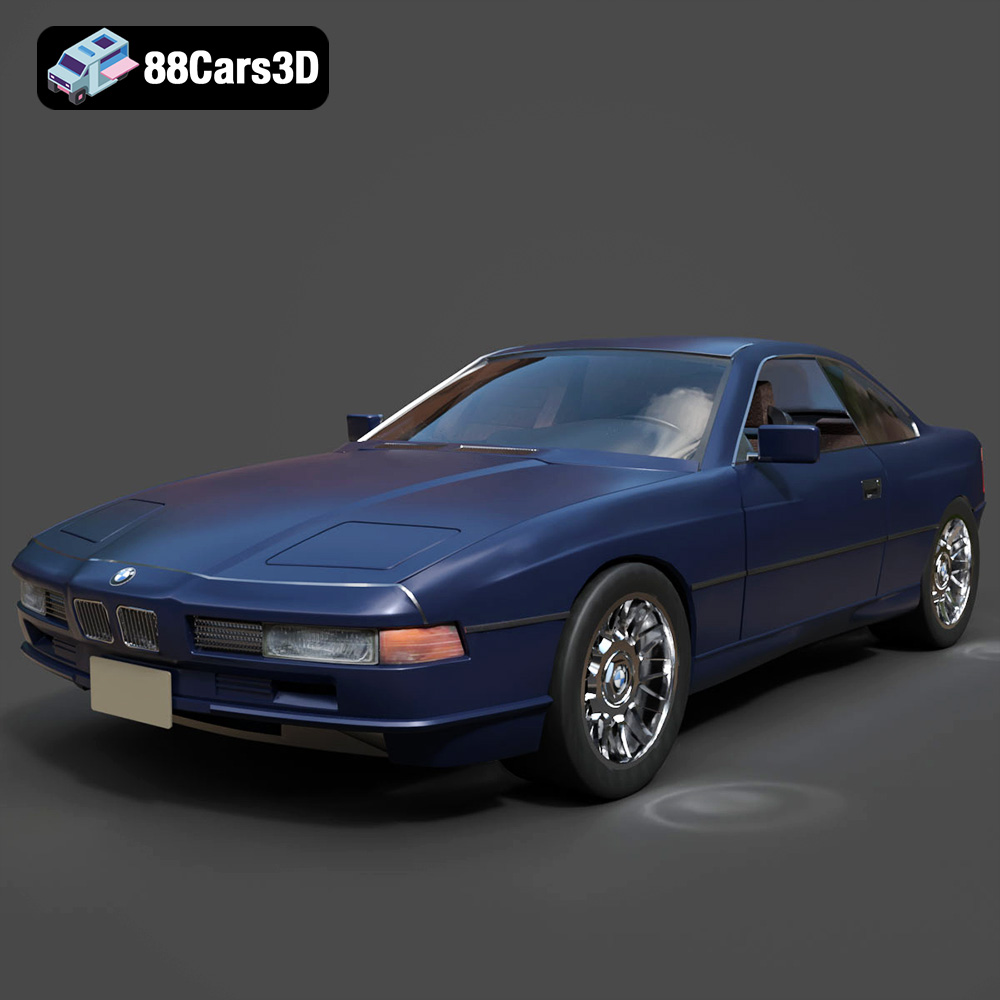
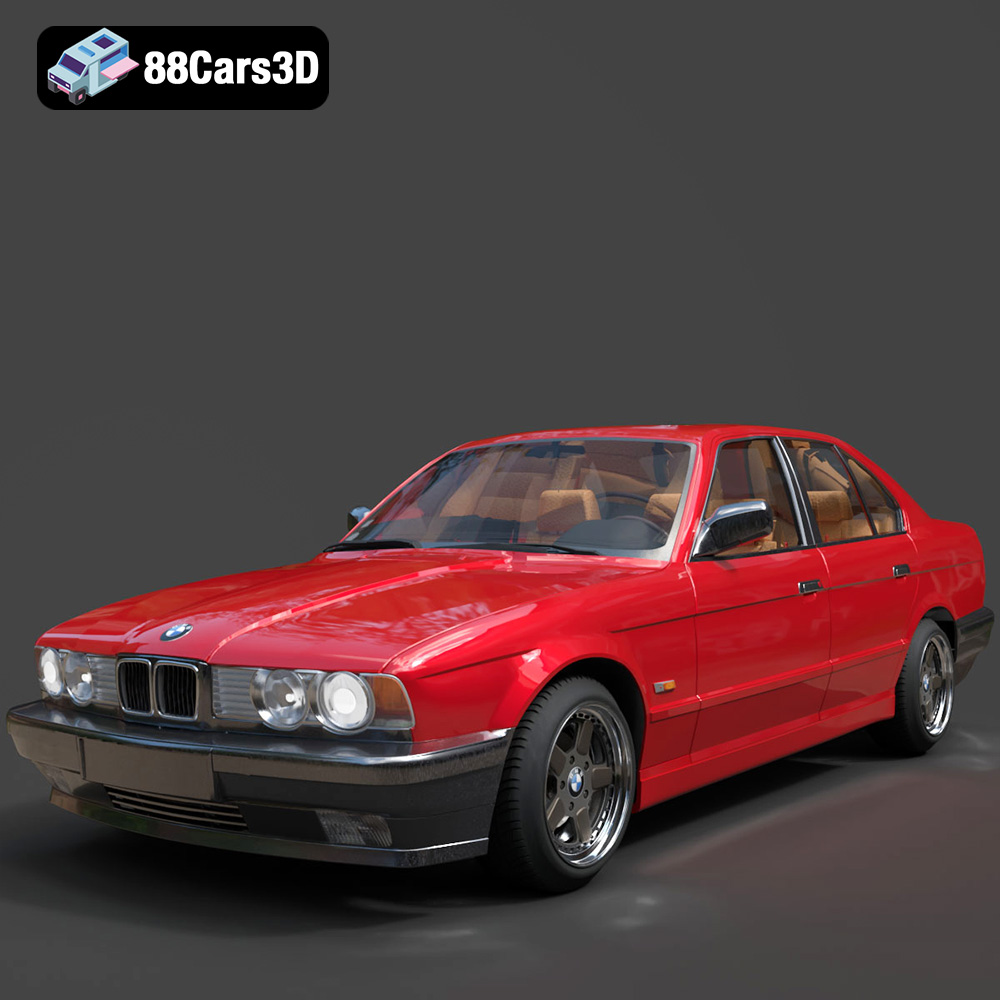
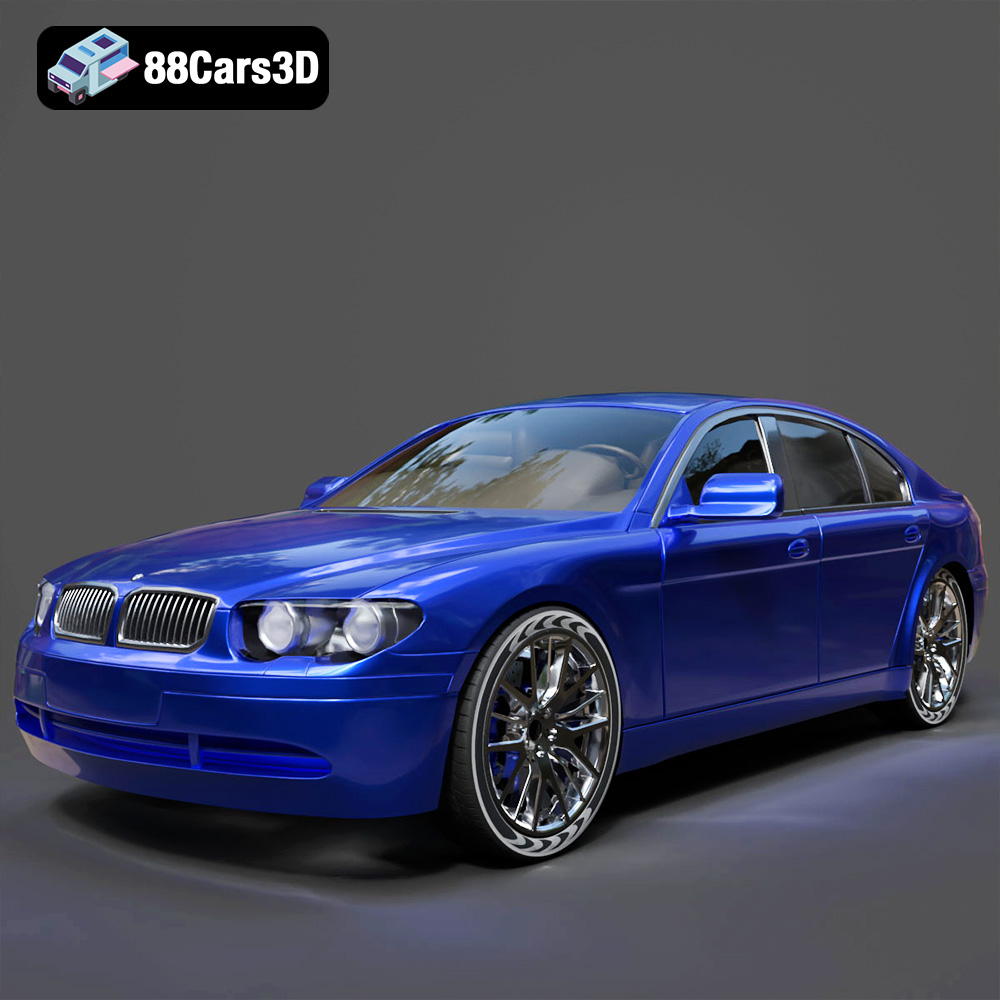
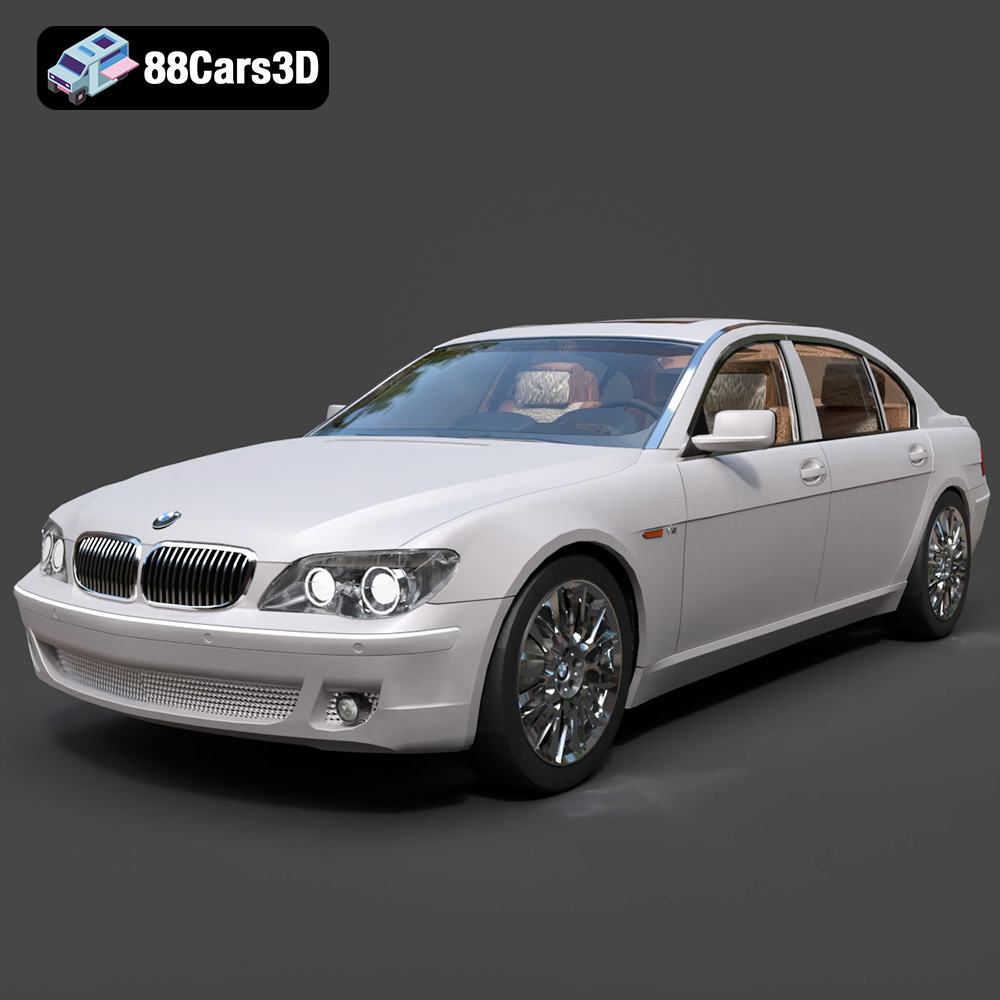
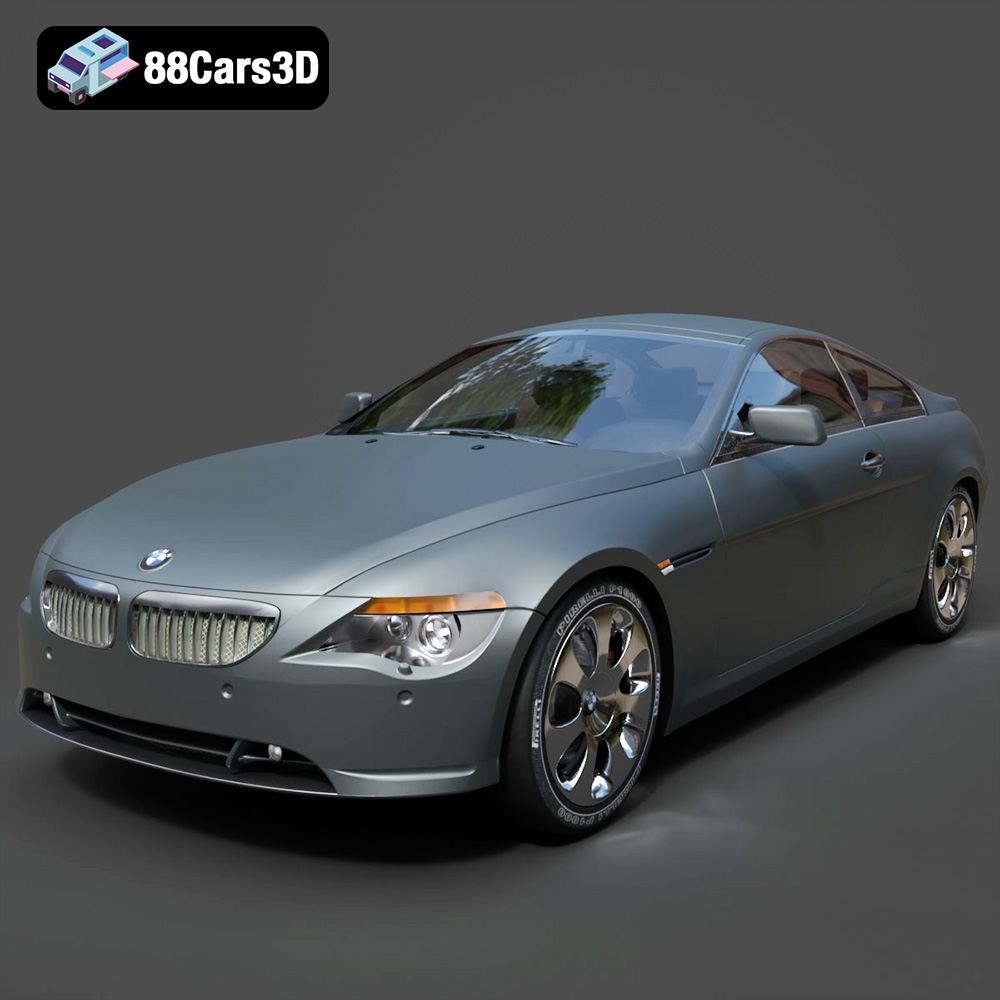
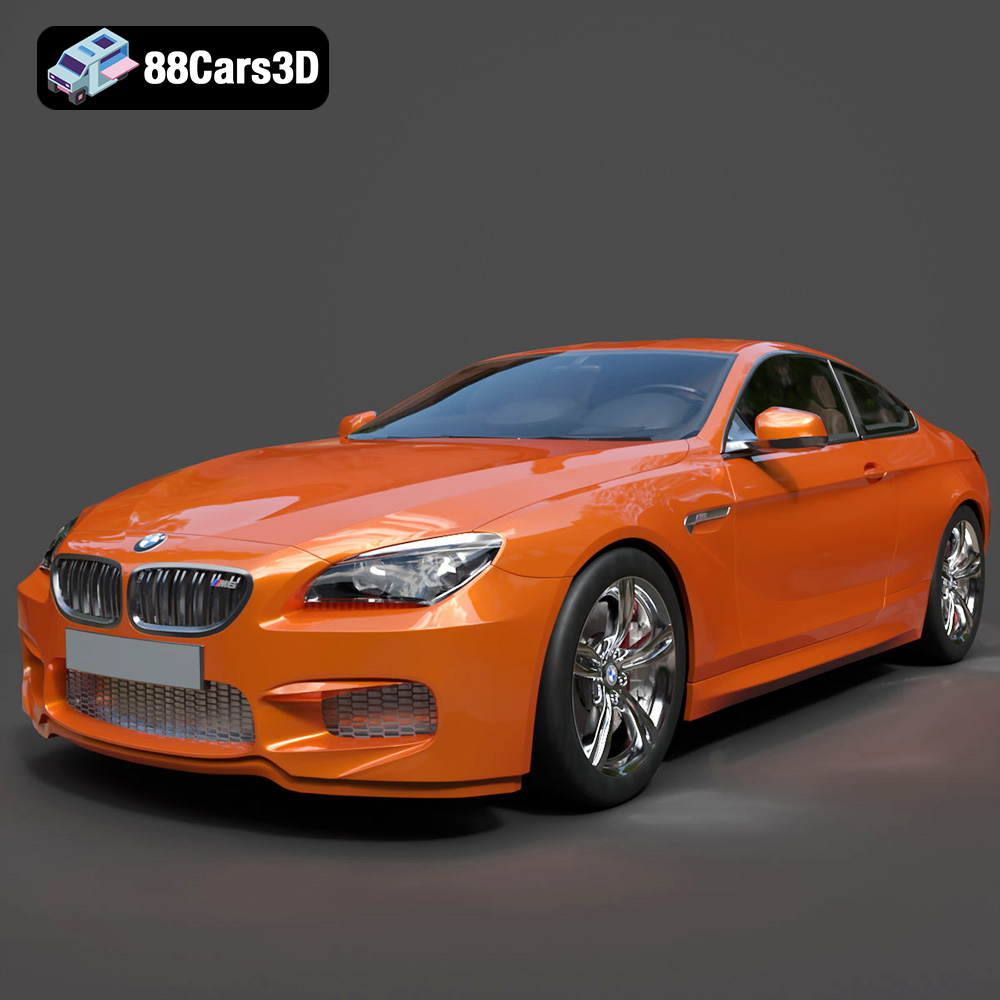
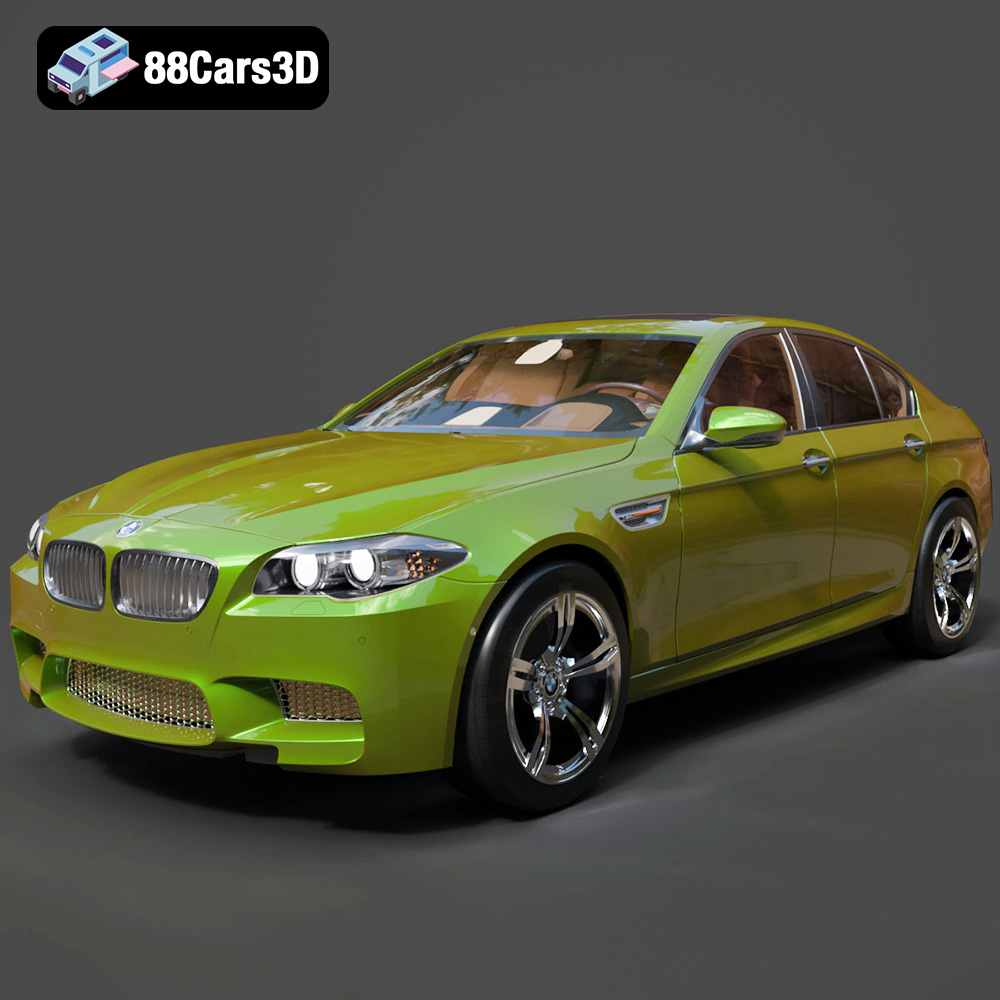
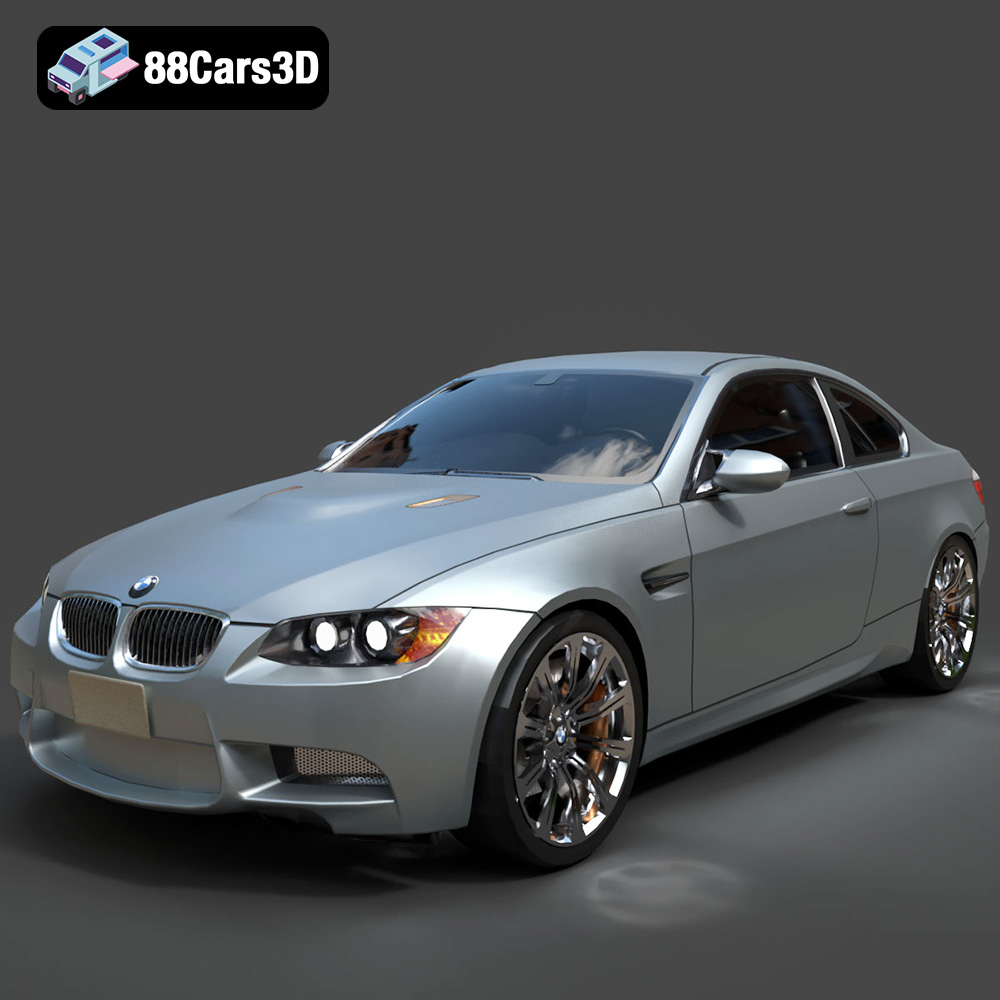
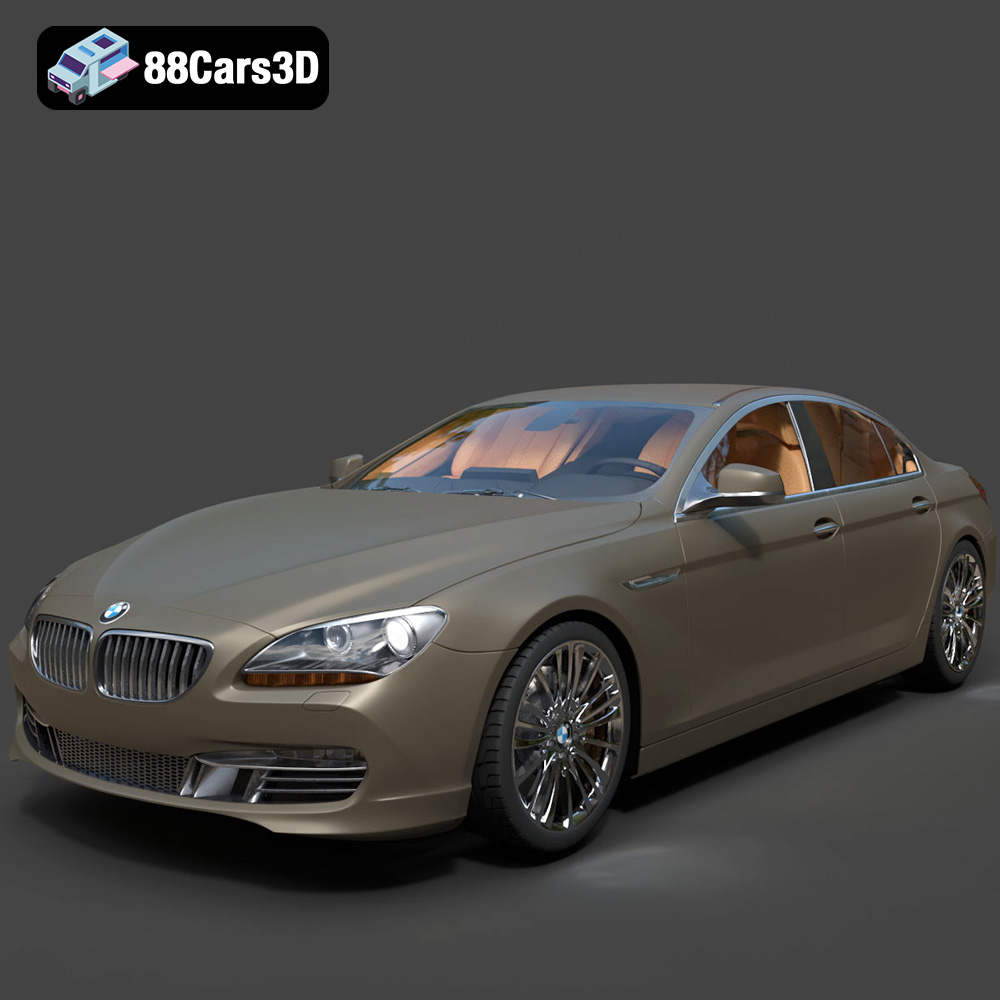
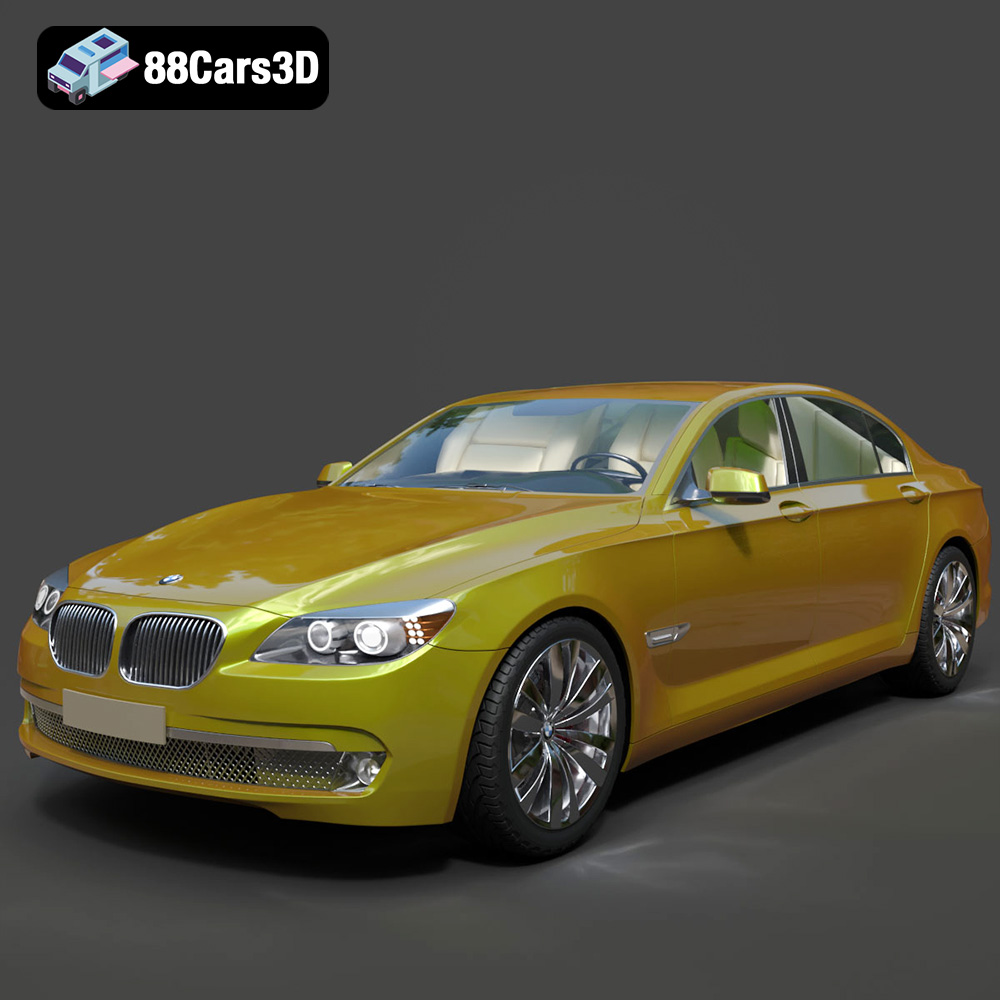
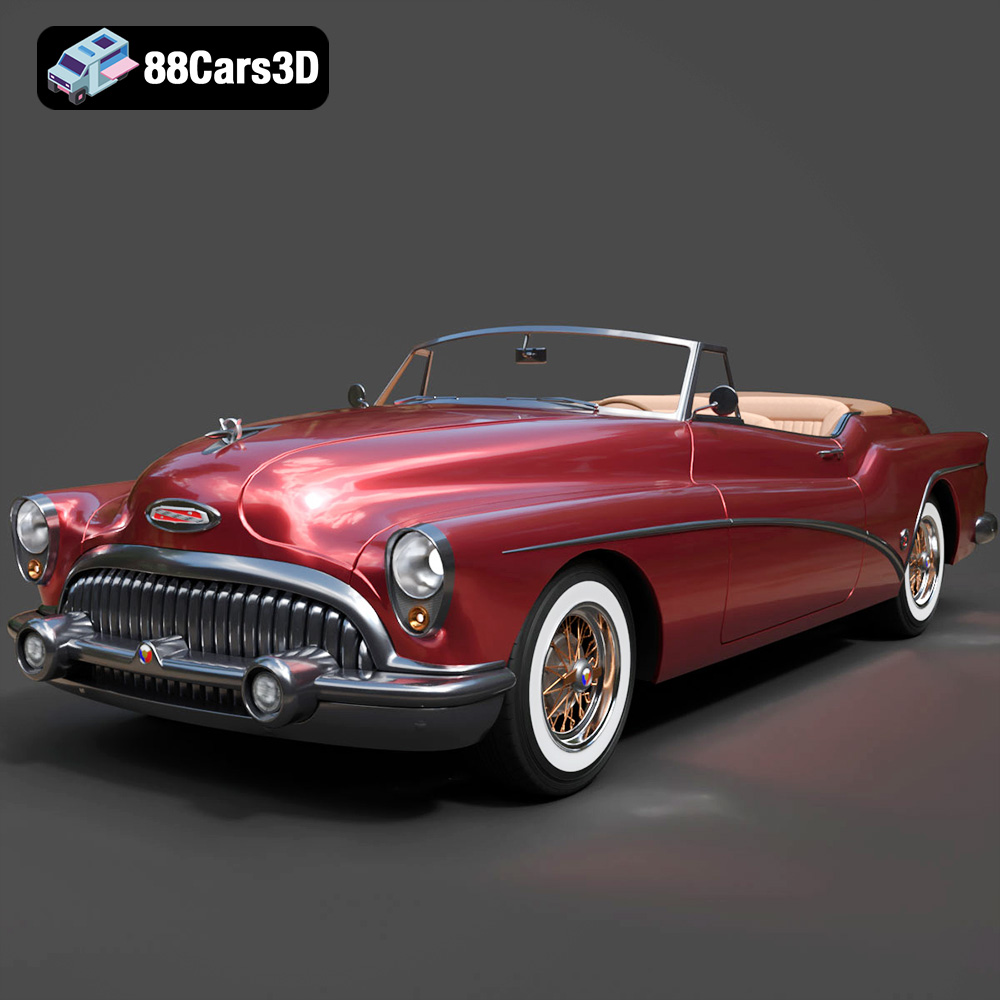
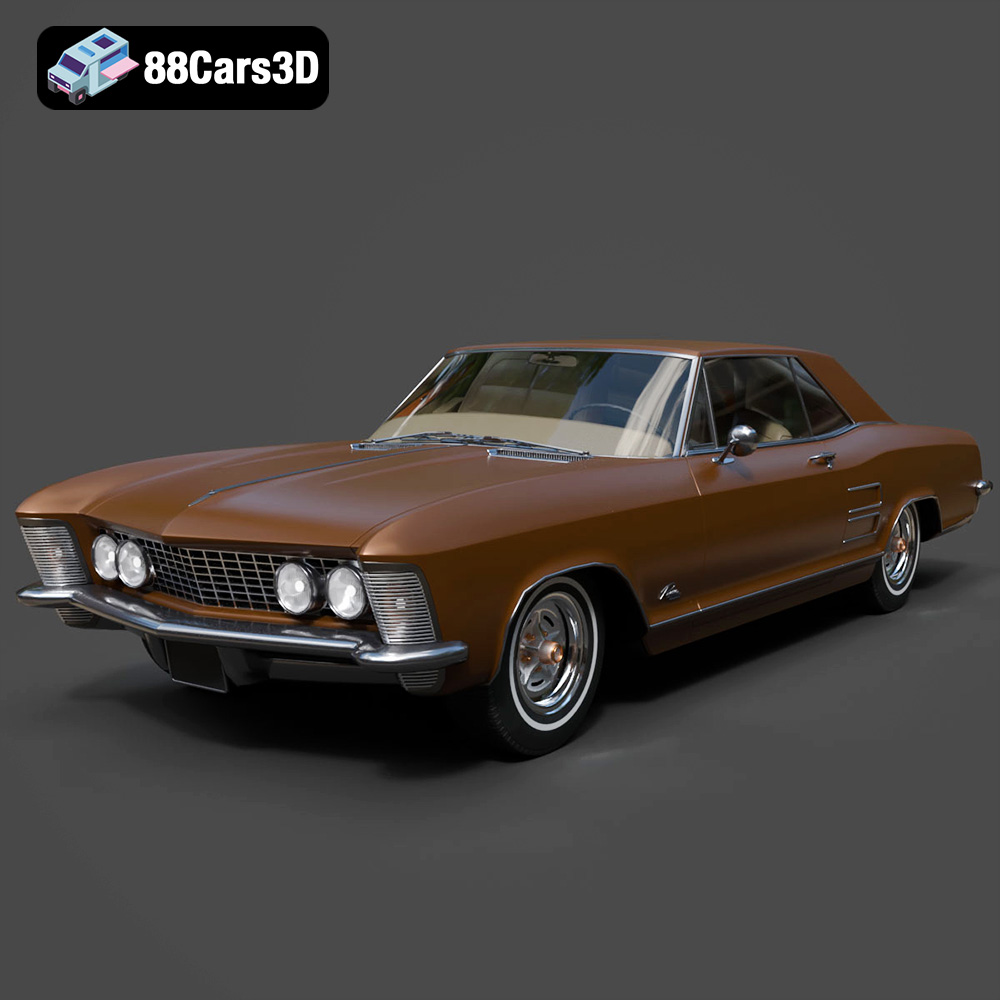
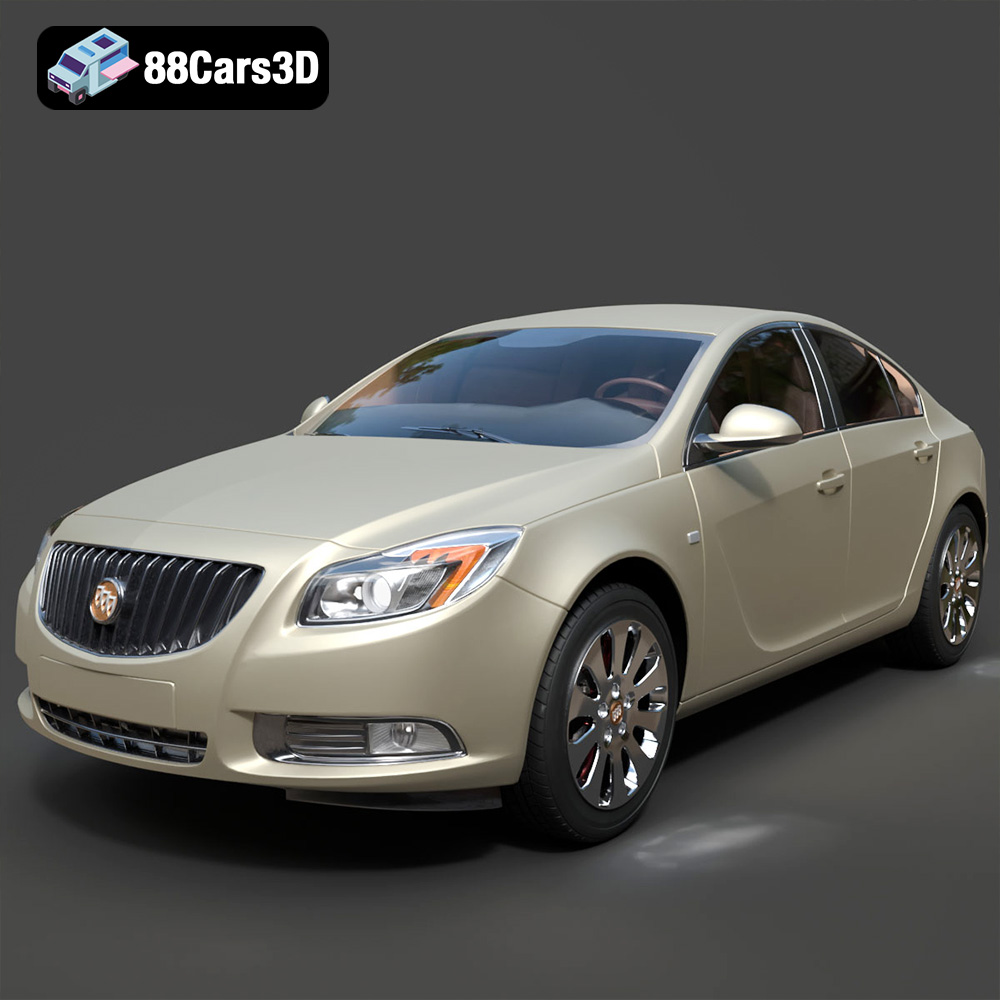
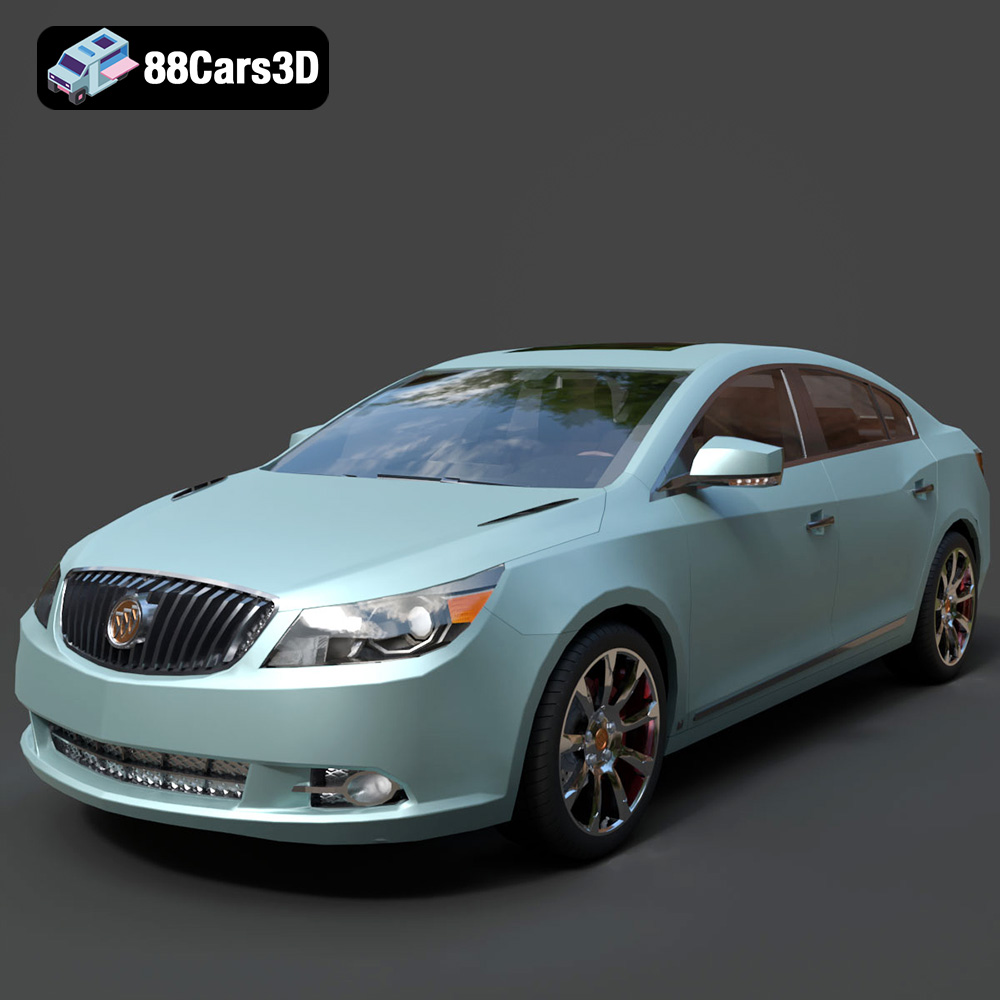
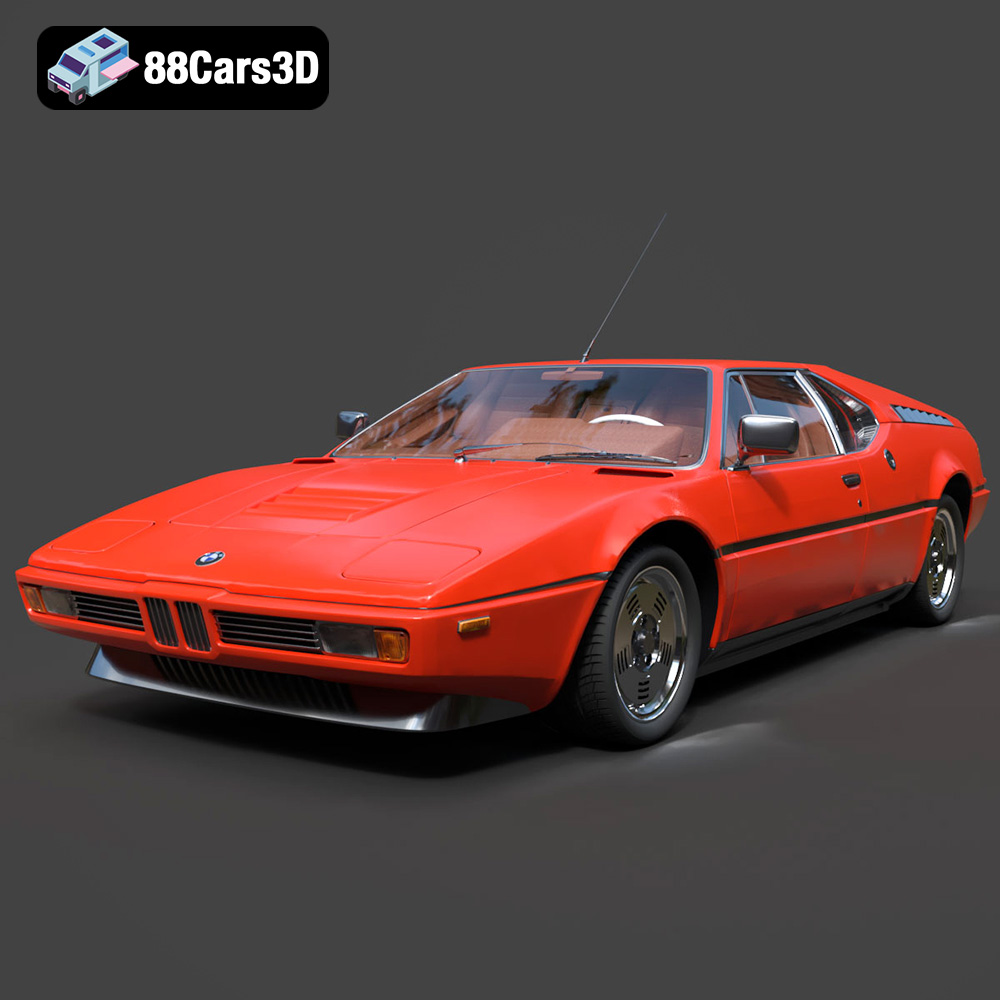
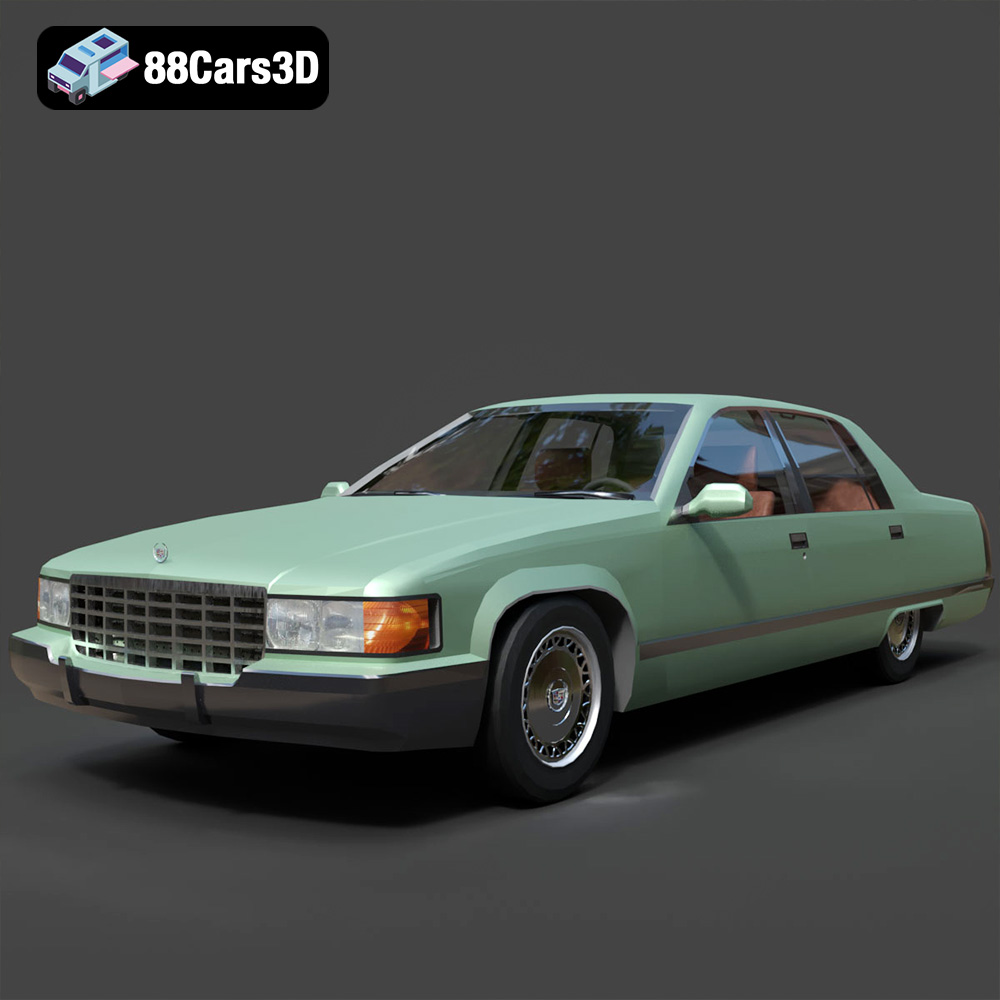
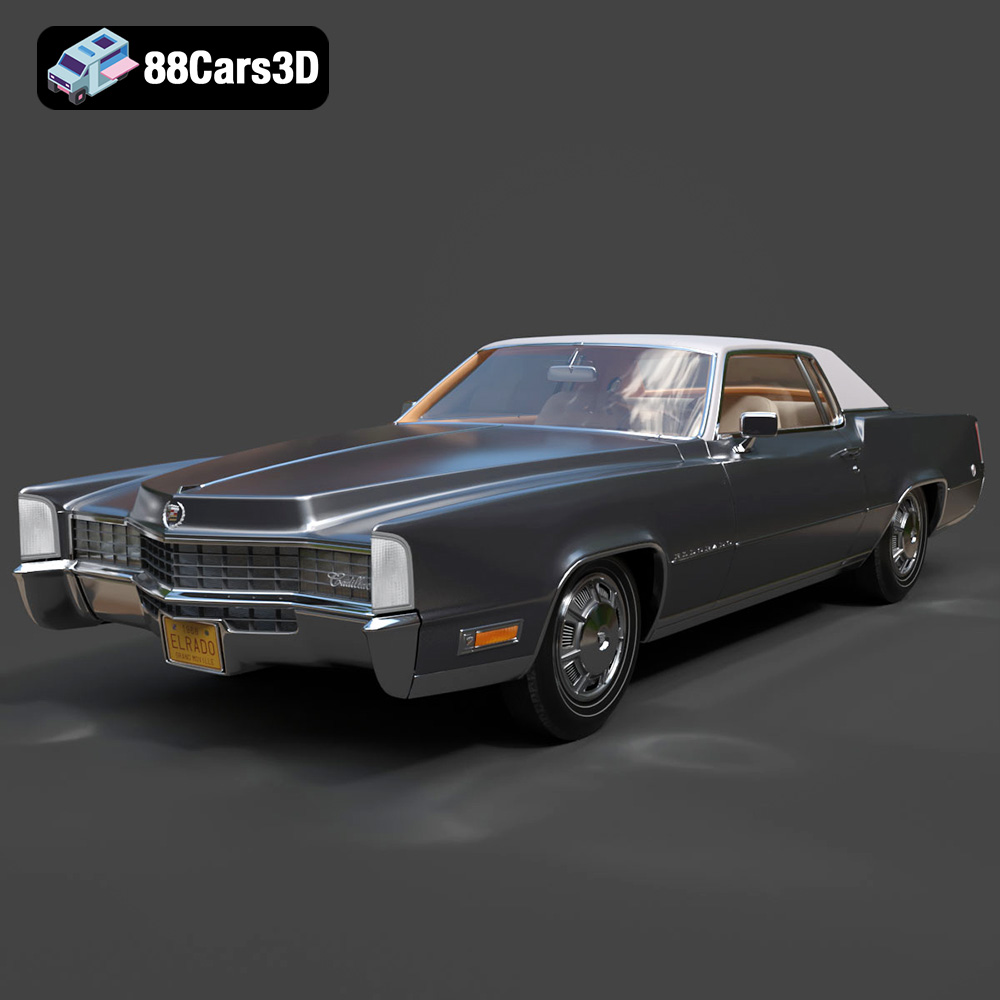
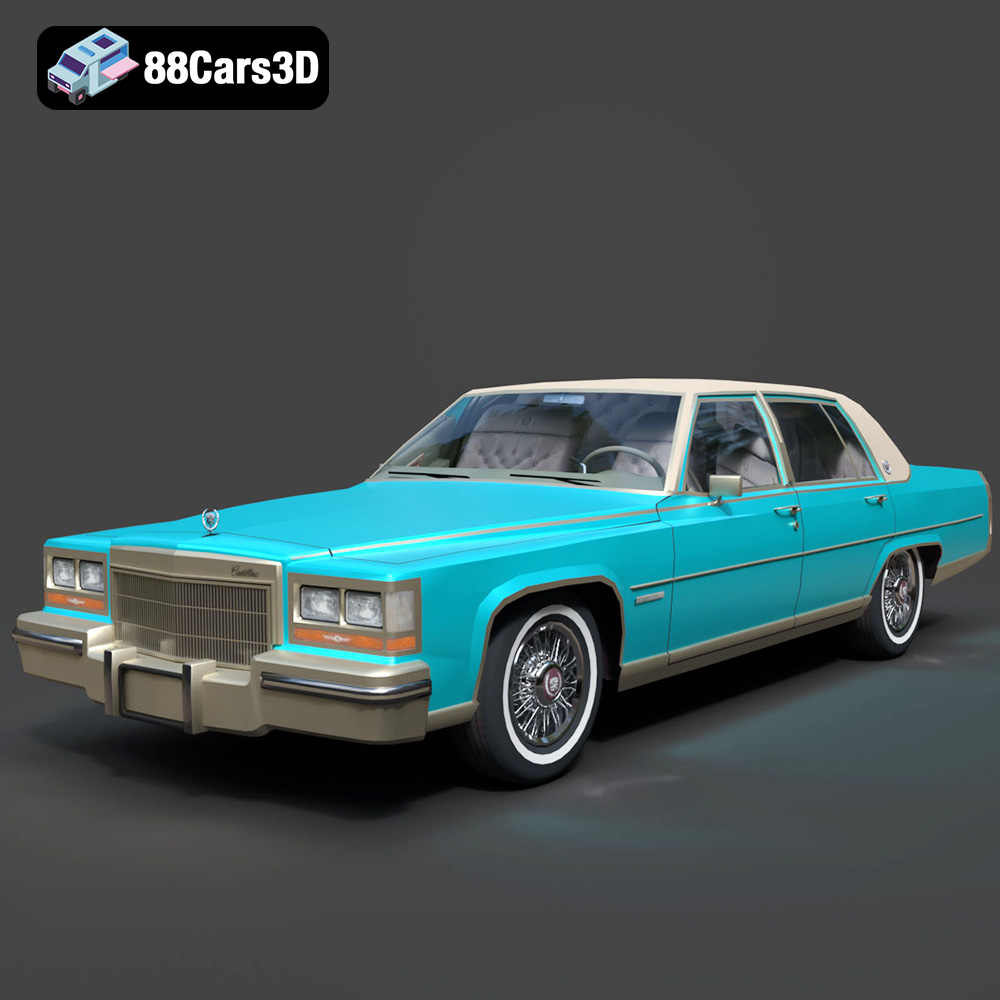
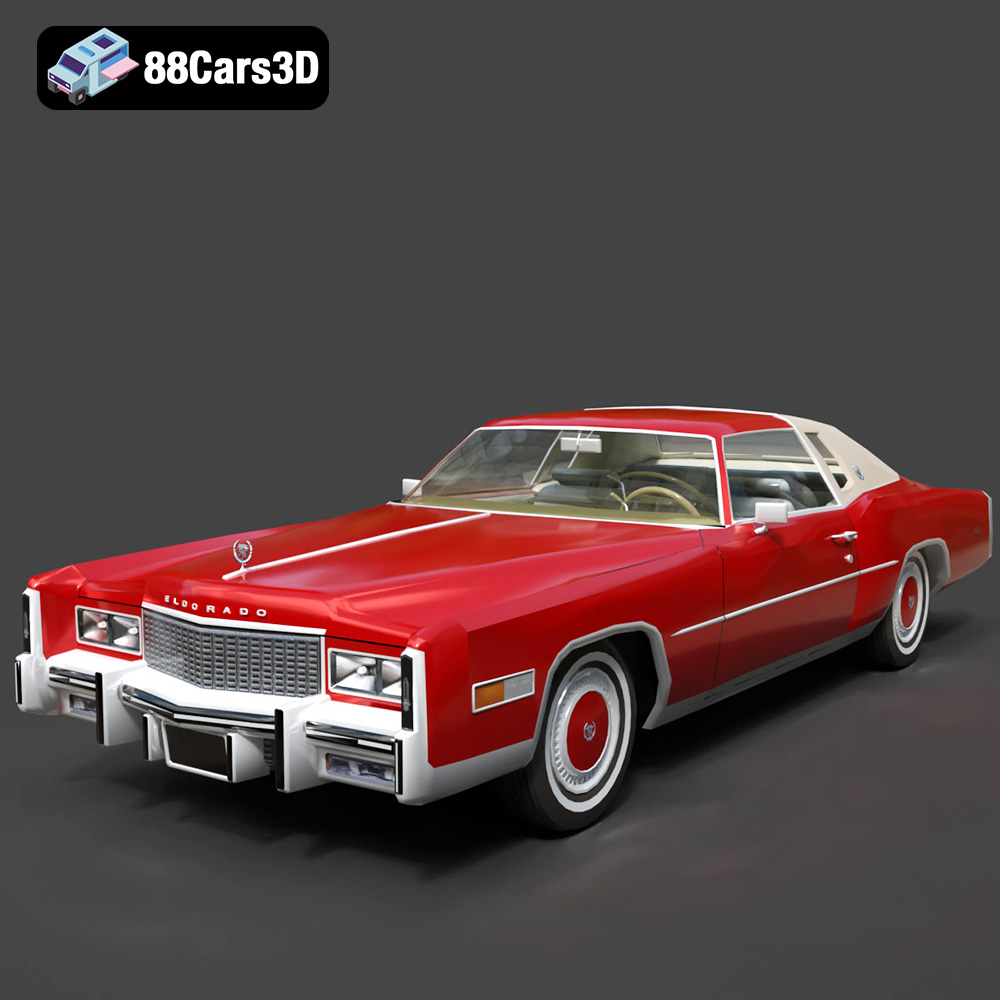
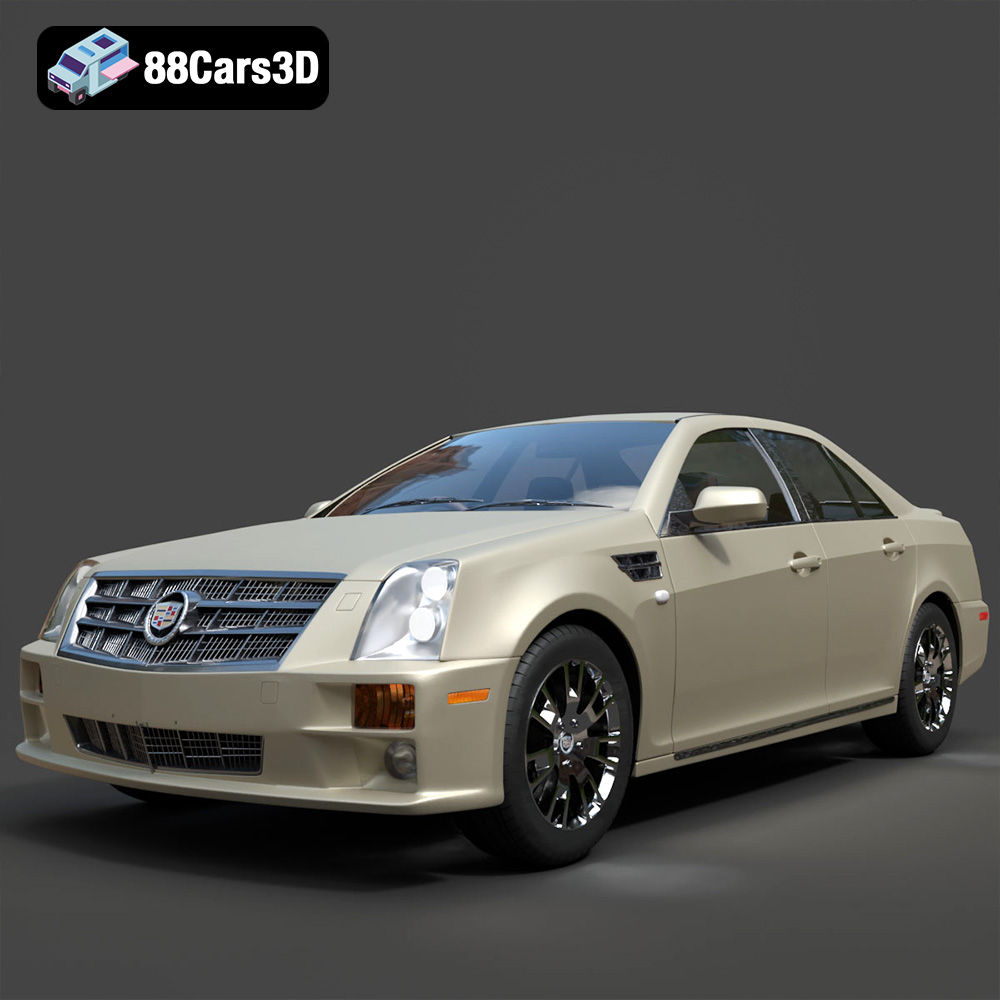
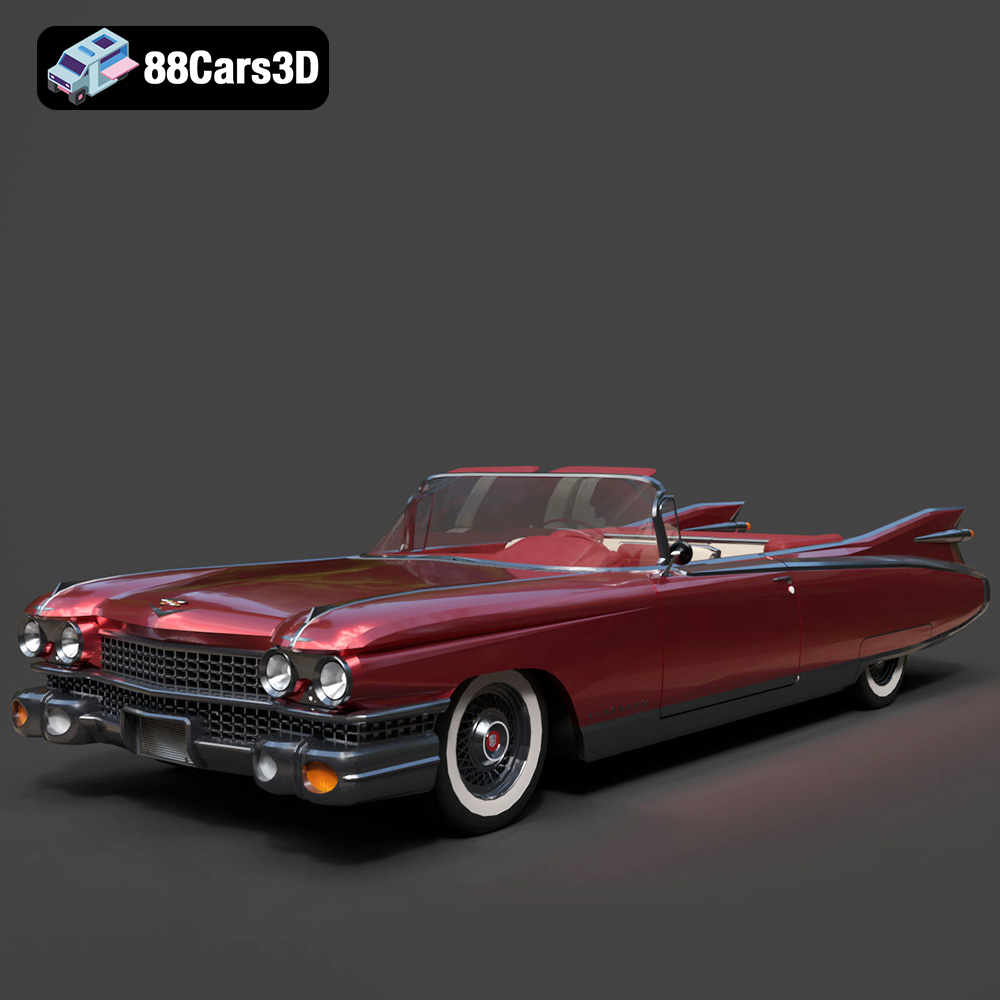
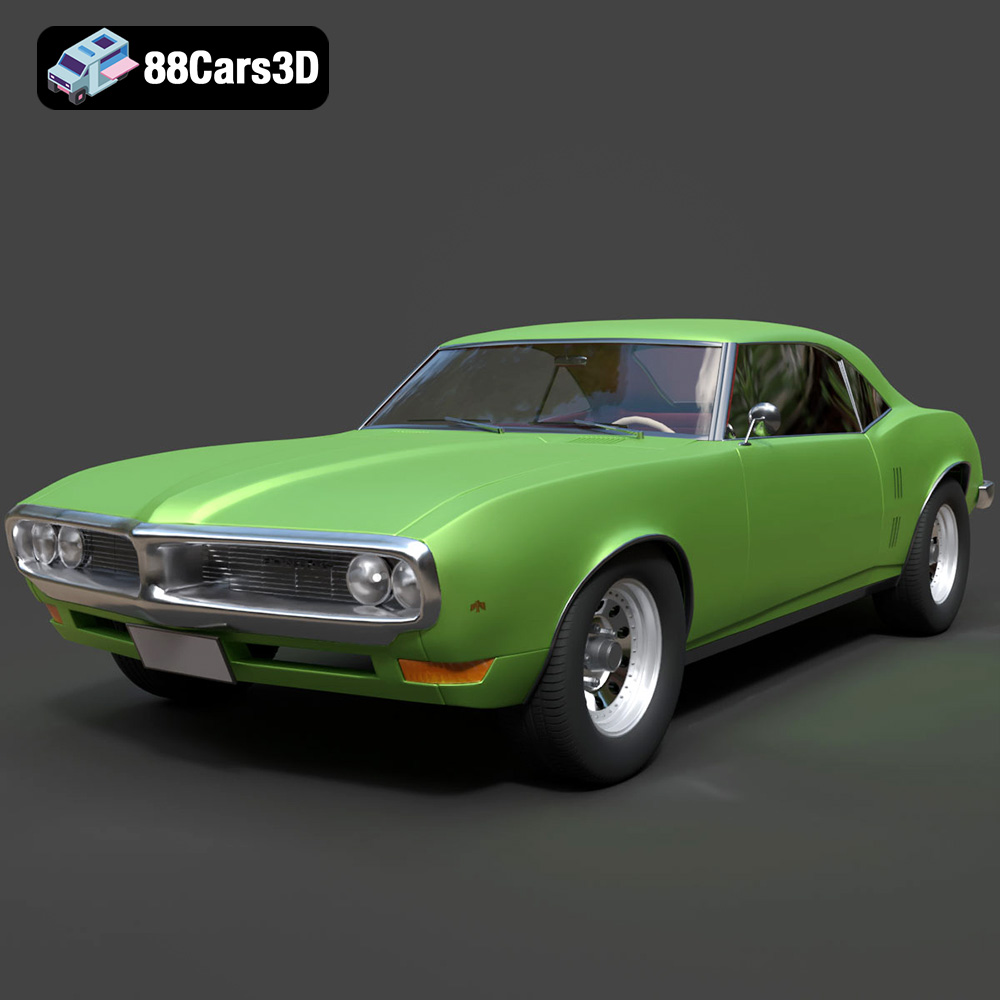
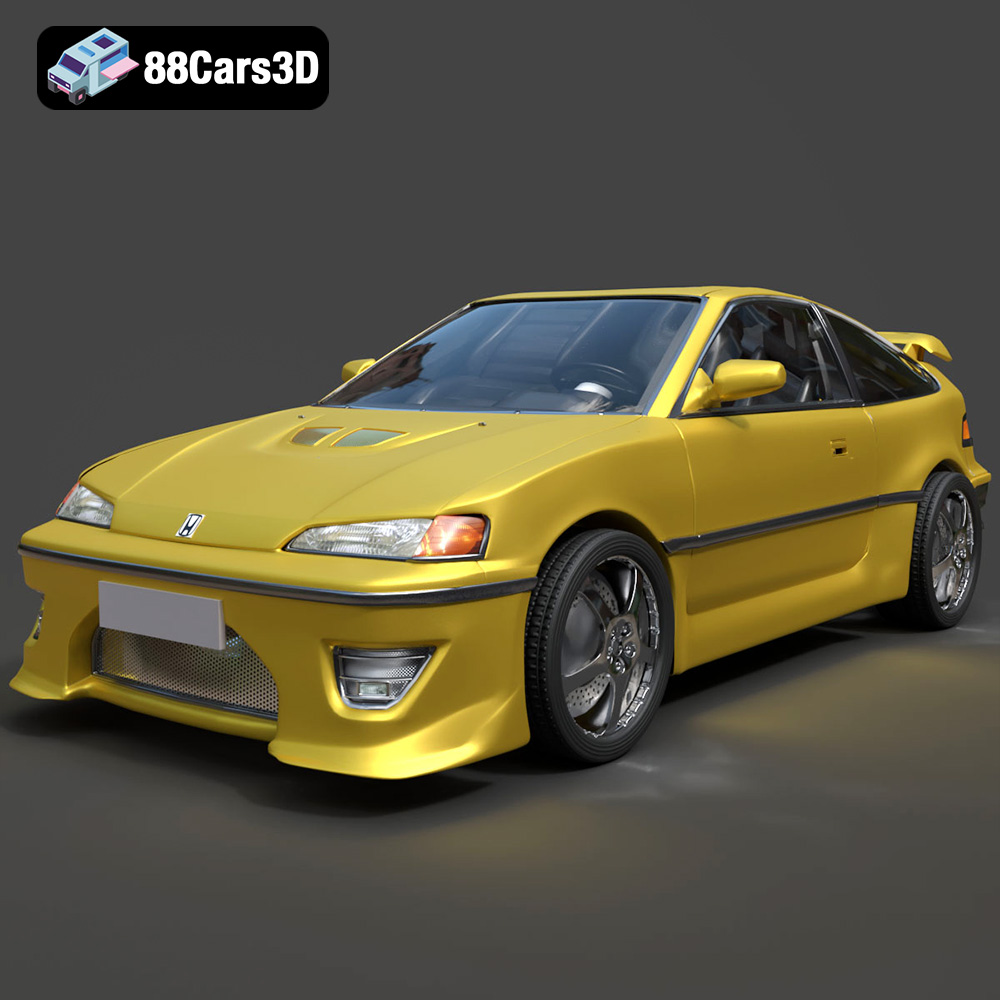
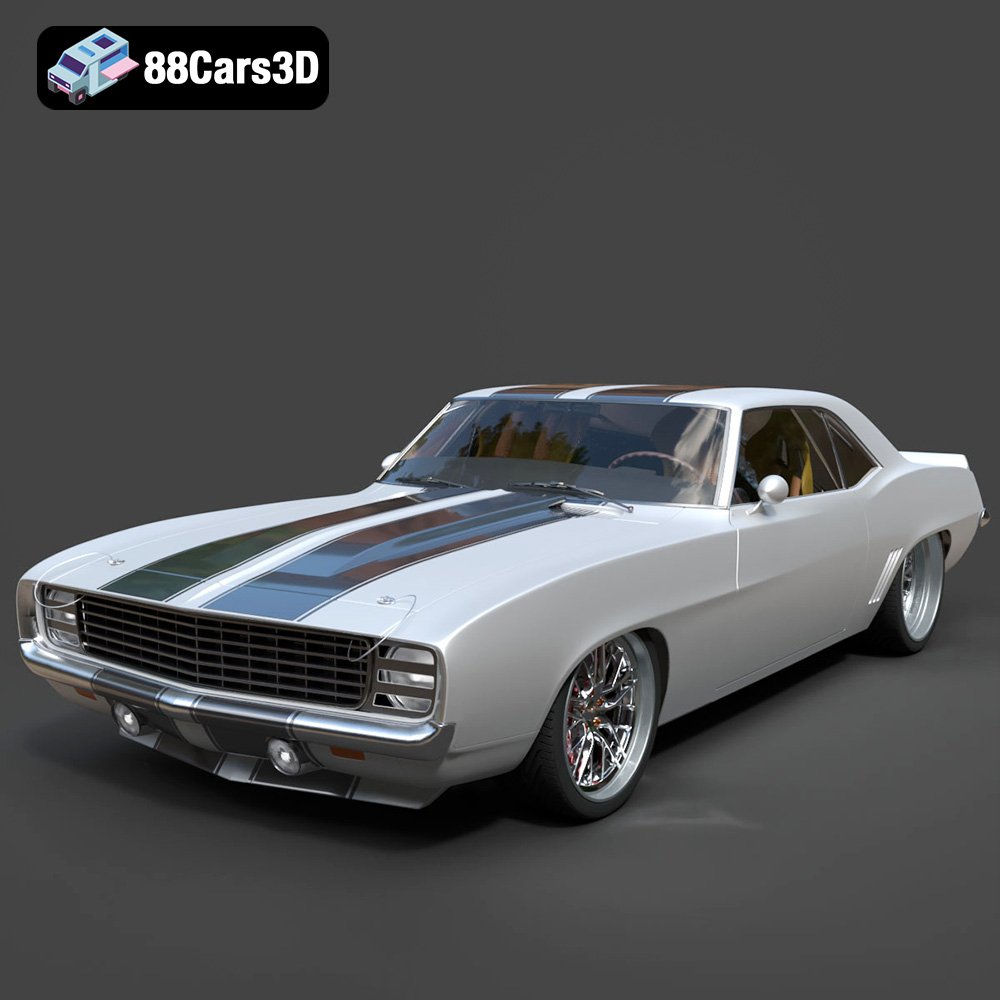
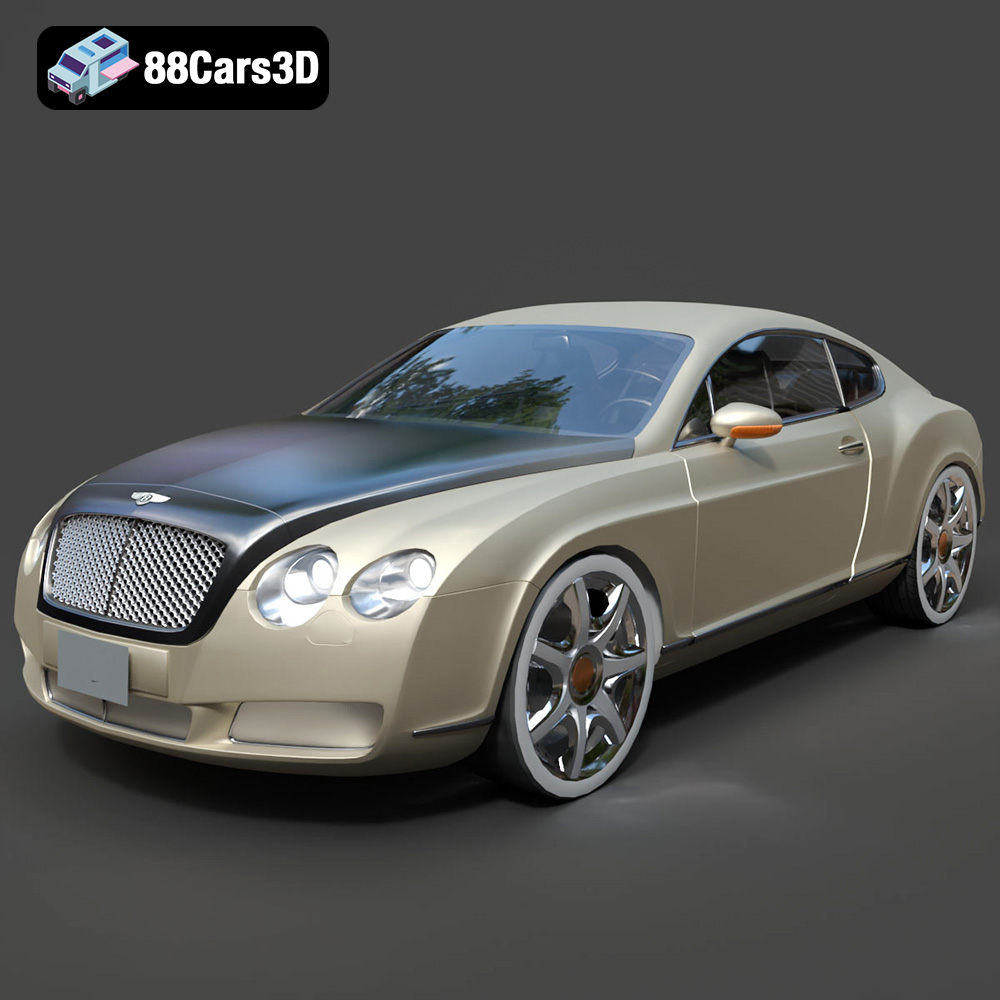
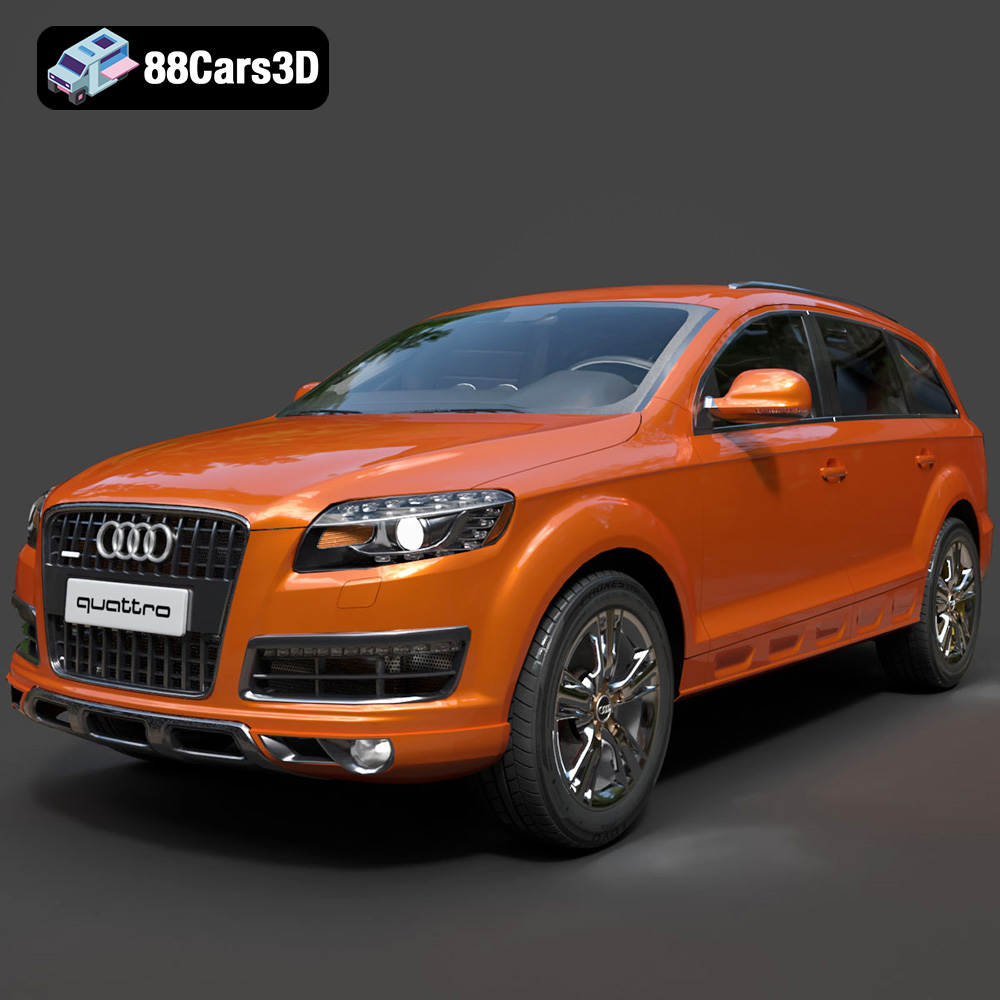
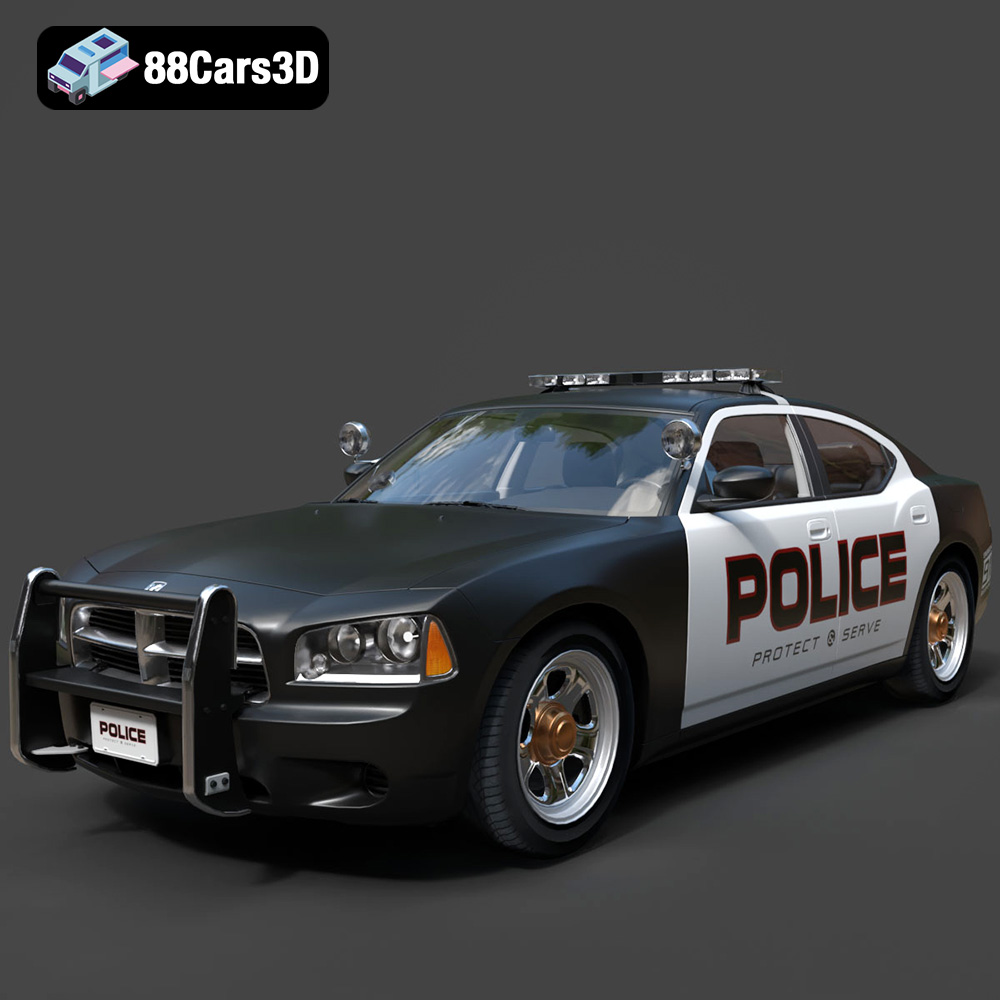
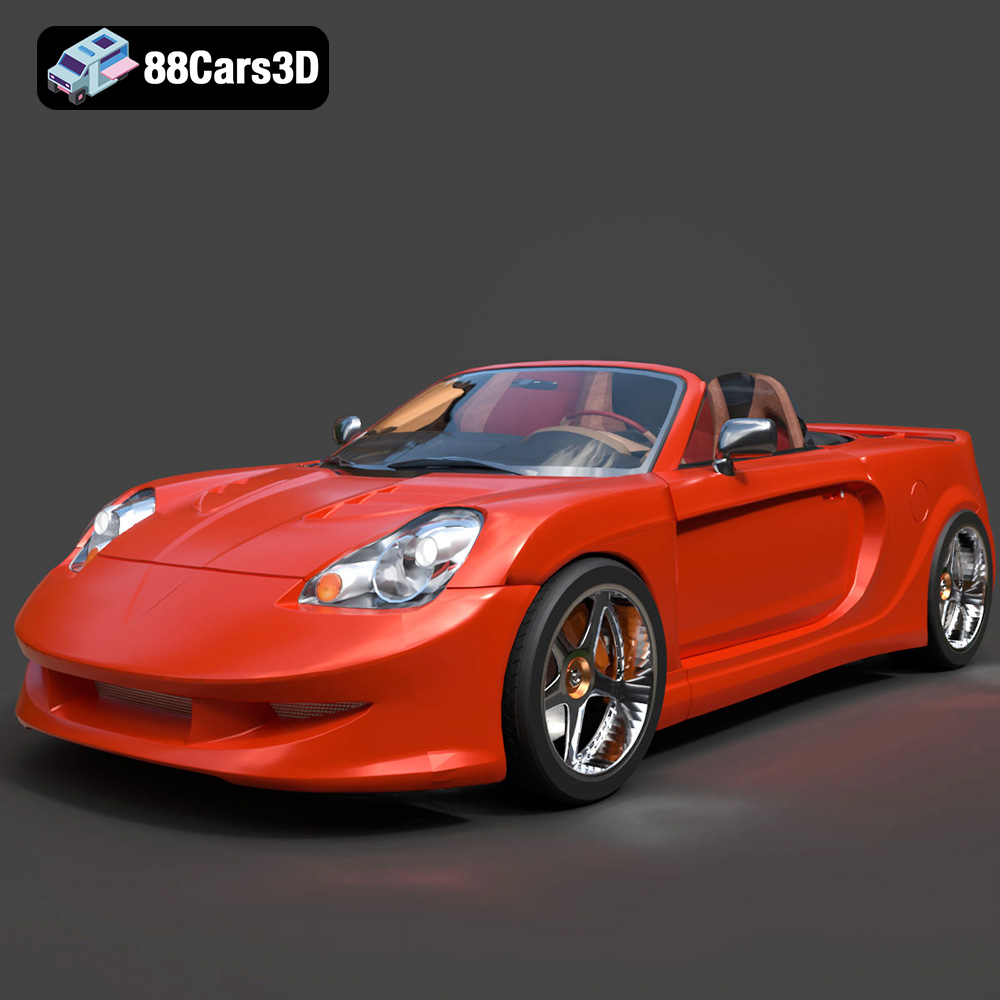
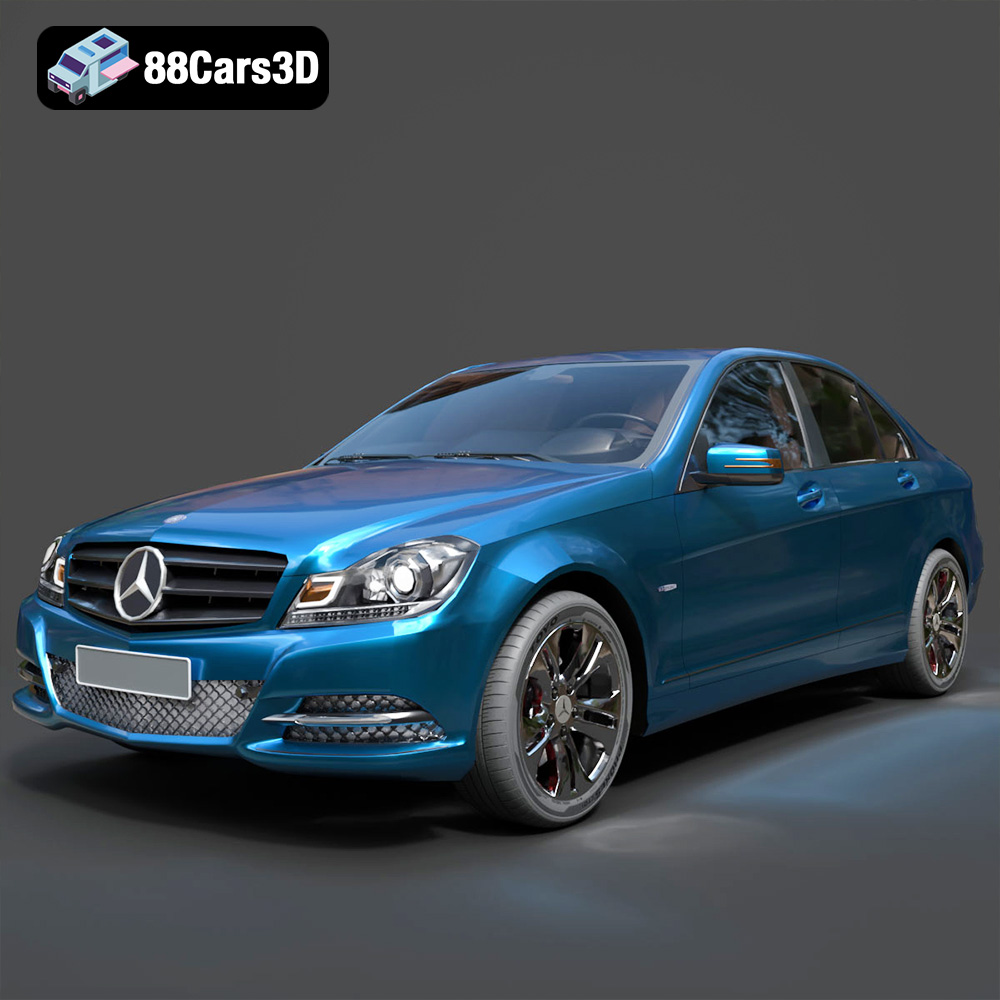
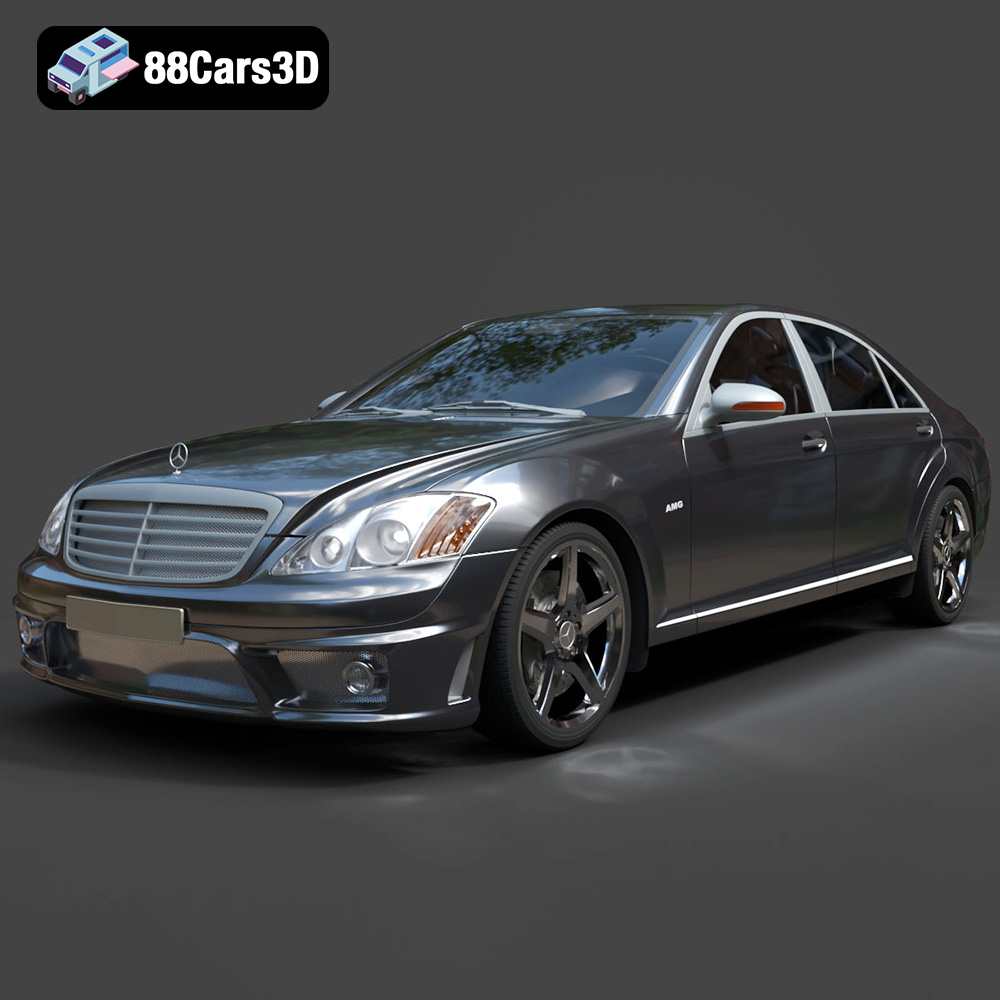
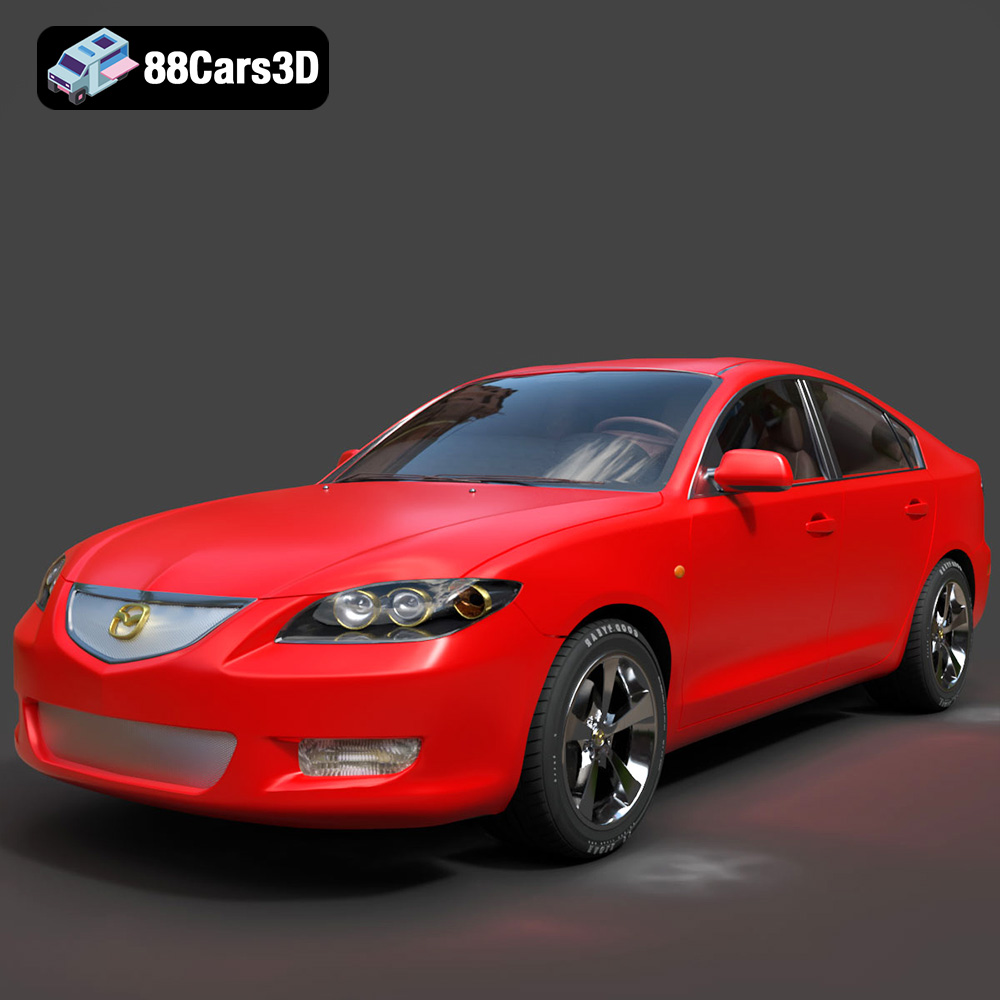
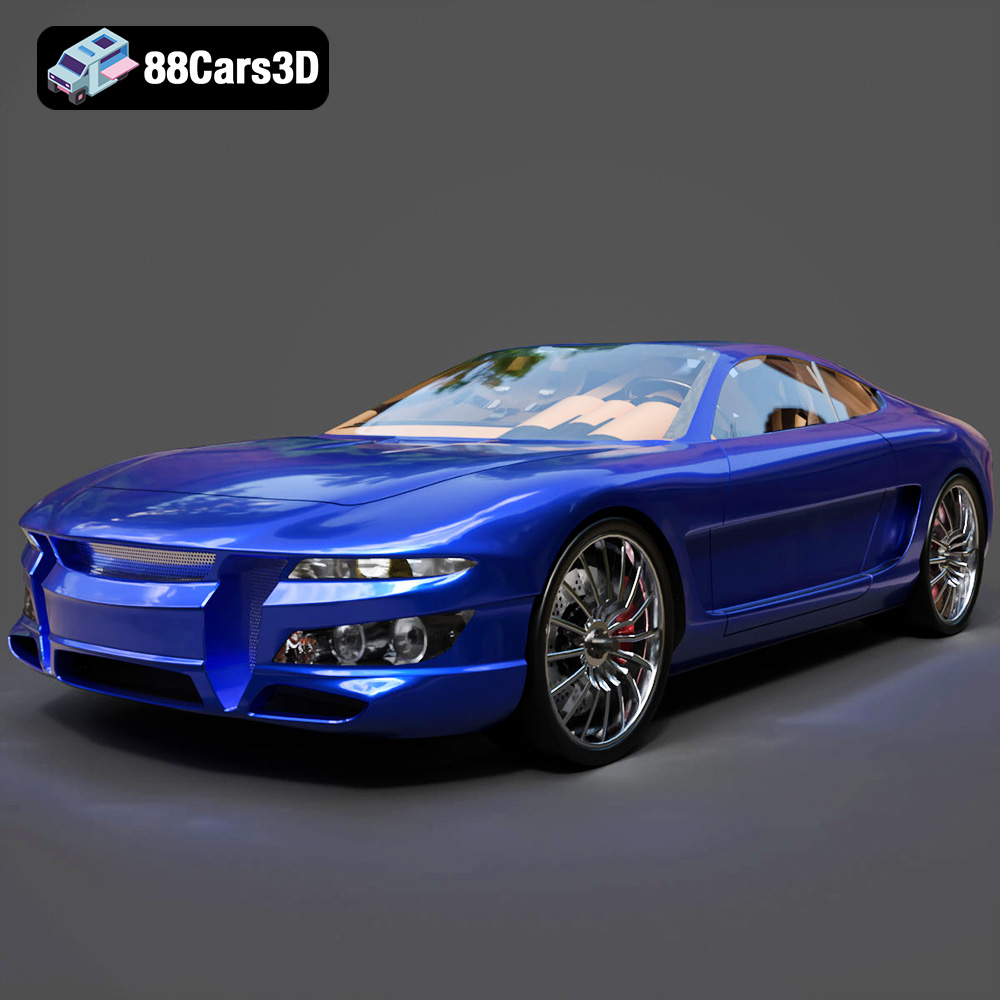
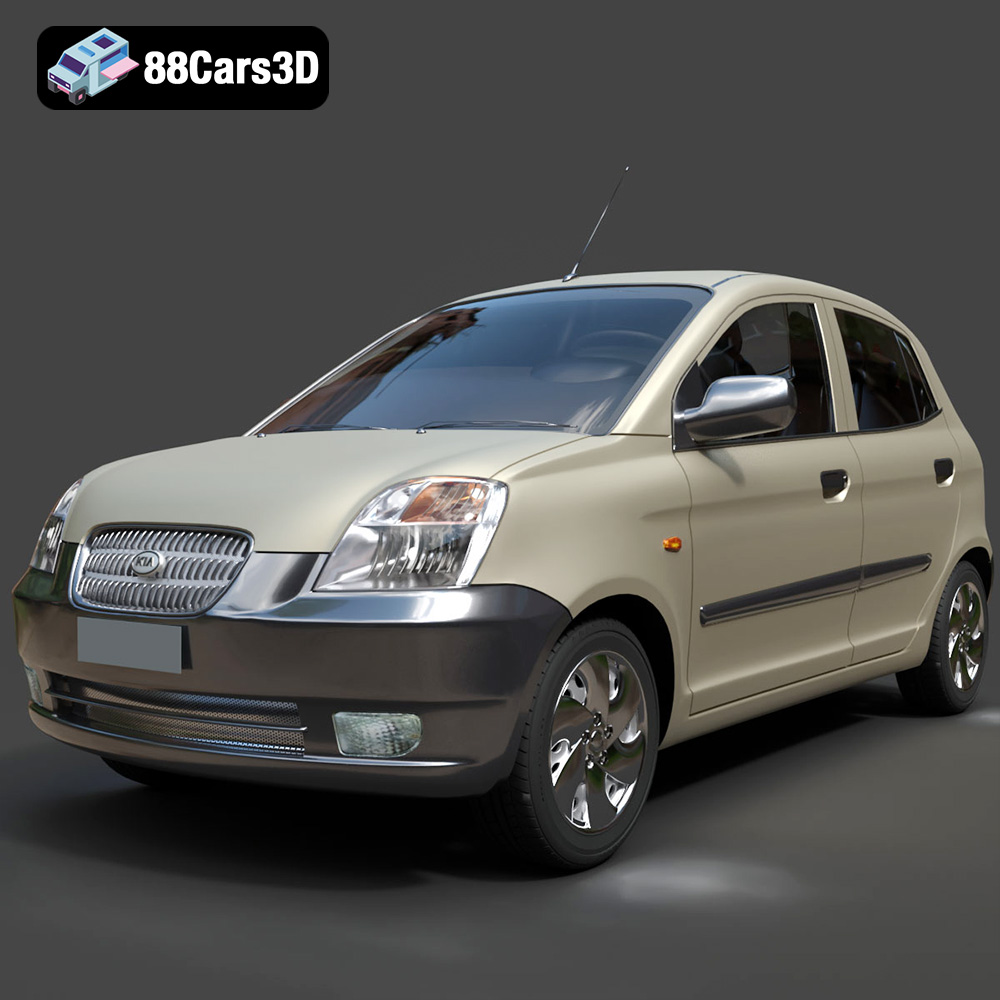
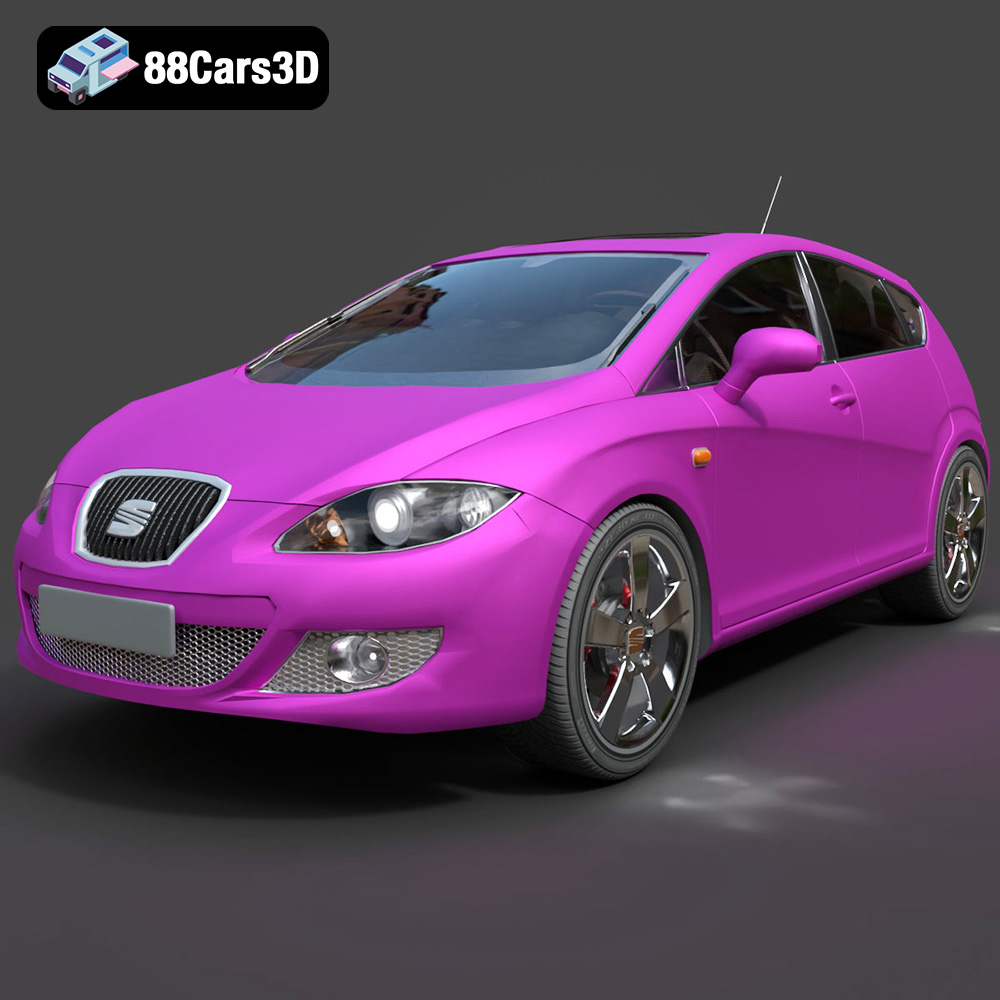
In the dynamic realm of 3D visualization, the demand for incredibly realistic and versatile 3D car models has never been higher. From breathtaking cinematic sequences and cutting-edge video games to interactive virtual showrooms and precision engineering prototypes, high-fidelity vehicle assets are the cornerstone of many innovative projects. Achieving photorealism and optimal performance across these diverse applications requires a deep understanding of not just the artistic process but also the intricate technical details of 3D asset creation and integration. This comprehensive guide delves into the technicalities, workflows, and vast potential of professional-grade 3D car models, providing insights for artists, developers, and designers aiming to elevate their projects.
Understanding 3D Model File Formats
The choice of file format for your 3D car model is far more critical than many realize. It dictates compatibility across software, impacts performance, and determines how easily an asset can be integrated into various pipelines, from rendering and game development to AR/VR and 3D printing. Understanding the strengths and limitations of each format is paramount for a smooth and efficient workflow.
The Importance of Format Selection
Each 3D file format is designed with specific use cases in mind. Selecting the correct format ensures that your model retains its integrity, materials, textures, animations, and other crucial data when moved between different applications or engines. An incorrect choice can lead to lost data, broken materials, or compatibility nightmares, costing valuable time and resources. Professional marketplaces like 88cars3d.com understand this necessity, often providing models in multiple formats to cater to diverse professional needs.
Key Formats for 3D Car Models
- .blend – Fully Editable Blender Scene with Materials: The native format for Blender, the powerful open-source 3D creation suite. A .blend file encapsulates the entire scene, including mesh data, materials (often node-based PBR setups), textures packed within the file or linked externally, lights, cameras, animations, and modifiers.
- When to use: Ideal for Blender users who need full control over the asset, wish to modify geometry, animation, or materials extensively within the Blender ecosystem, or leverage Blender’s comprehensive toolset for rendering and modeling.
- Technical details: Efficient data compression, supports complex scene hierarchies, robust material system (Cycles/Eevee), and non-destructive workflows.
- .fbx – Ideal for Unreal, Unity, and Real-Time Pipelines: Autodesk’s FilmBox format is the industry standard for interchange between 3D software and game engines. It’s a versatile format that can store model data (meshes, UVs), materials (with texture references), animations, rigging, and even entire scene hierarchies.
- When to use: Absolutely essential for game development in Unreal Engine or Unity, virtual production, and any workflow requiring robust data exchange with animation and rigging support.
- Technical details: Binary format, excellent for transferring animated characters and complex scenes. While highly compatible, users should be aware of versioning and potential scaling issues when importing into different applications.
- .obj – Universal Format for Cross-Software Compatibility: The Wavefront OBJ format is one of the oldest and most widely supported 3D formats. It’s a simple, text-based format primarily designed to store geometric data (vertices, faces, UV coordinates) and references to external material files (.mtl).
- When to use: Best for static mesh data when broad compatibility is prioritized, and animation or complex material setups are not required. Great for archival purposes or basic model exchange.
- Technical details: Does not inherently support animations, rigging, or PBR materials directly within the file; materials are typically defined in an accompanying .mtl file that references texture maps.
- .glb – Optimized for AR, VR, and Browser-Based Display: The binary version of glTF (Graphics Language Transmission Format), .glb is an efficient, single-file format designed for the efficient transmission and loading of 3D scenes and models by engines and applications. It includes mesh, textures, PBR materials, and animation.
- When to use: The go-to format for web-based 3D viewers, Augmented Reality (AR), Virtual Reality (VR) applications, and any scenario where compact file size and fast loading times are critical for real-time interactive experiences.
- Technical details: Self-contained, optimized for runtime usage, supports PBR materials, skeletal animation, and morph targets. Increasingly adopted as the “JPEG of 3D.”
- .stl – Suitable for 3D Printing Output: STL (STereoLithography) is a tessellated format that represents a 3D model as a collection of unconnected triangular facets. It contains only geometry information—no color, texture, or material data.
- When to use: The industry standard for Additive Manufacturing (3D printing). If your goal is to physically manifest a 3D car model, .stl is the format for preparing it for a slicer.
- Technical details: Simplistic, compact for geometry, but requires a watertight mesh to ensure printability. Lacks high-level data like smoothing groups or UVs.
- .ply – Precision Mesh Format for CAD or Analysis: The Polygon File Format (.ply) is a flexible format capable of storing a wide range of properties, including color, transparency, normals, texture coordinates, and even properties per vertex or face. It’s often associated with 3D scanning data.
- When to use: Useful for models derived from 3D scanning, scientific visualization, or when precise geometric analysis and detailed per-vertex/face data are important for CAD (Computer-Aided Design) or simulation.
- Technical details: Supports both ASCII and binary encodings. More robust than .obj in terms of storing additional mesh properties but less common for general artist workflows.
- .unreal – Engine-Ready Asset for Real-Time Environments: While not a single file format in the traditional sense like .fbx or .obj, “unreal” typically refers to an asset that has been fully prepared, imported, and saved within an Unreal Engine project. These assets are optimized for the engine’s renderer, include material instances, collision meshes, LODs, and potentially blueprints or sequences.
- When to use: When purchasing or transferring assets specifically designed for direct integration into an Unreal Engine project, minimizing setup time and ensuring optimal performance within that ecosystem.
- Technical details: Includes all necessary components (static mesh, material instances, texture assets, physics assets, etc.) organized and configured for the engine’s internal structure.
- .max – Editable 3ds Max Project for Animation and Rendering: The proprietary file format for Autodesk 3ds Max. A .max file contains a complete scene, including geometry, materials (often V-Ray, Corona, or Arnold specific), lights, cameras, animation, rigging, and plugin data.
- When to use: Essential for studios and artists who primarily work in 3ds Max, especially for high-end architectural visualization, product rendering, or film VFX where complex scene setups and renderer-specific features are crucial.
- Technical details: Stores the most comprehensive data for a 3ds Max scene. While powerful, version compatibility can be a factor, and external assets (textures, IES lights) need to be managed carefully.
The Art of Automotive Rendering: Achieving Photorealism
Transforming a 3D model into an image indistinguishable from reality is the hallmark of professional automotive rendering. It’s a meticulous process that blends technical prowess with artistic vision, demanding attention to detail in materials, lighting, and post-processing.
PBR Workflows and Material Fidelity
At the heart of modern photorealistic rendering lies Physically Based Rendering (PBR). PBR materials mimic how light interacts with surfaces in the real world, producing consistent and accurate results regardless of lighting conditions. For 3D car models, this means painstakingly crafting textures for:
- Car Paint: A complex PBR material, often requiring multiple layers – a base coat (albedo), a clear coat (specular/roughness with Fresnel reflections), and sometimes flake maps for metallic or pearlescent finishes. Parameters like metallicness, roughness, and anisotropy are crucial for achieving that characteristic automotive sheen.
- Glass: Requires precise control over refraction, reflection (with accurate Fresnel), and tint. Realistic glass isn’t just transparent; it subtly distorts and reflects its environment.
- Rubber & Plastics: Generally lower metallic values, higher roughness, and subtle normal maps to simulate fine surface imperfections and grain.
- Chrome & Metal Trim: High metallic values, low roughness, and often a clear coat layer for polished surfaces. Anisotropy can be key for brushed metals.
Each component, from the intricate stitching on a leather seat to the tread pattern on a tire, contributes to the overall believability through its unique PBR texture set (Albedo/Base Color, Metallic, Roughness, Normal, Ambient Occlusion, Height maps).
Lighting, Cameras, and Environment Design
Just as a photographer carefully lights a car for a photoshoot, a 3D artist must expertly craft the virtual lighting setup. This often involves a combination of:
- HDRI (High Dynamic Range Image) Lighting: A single 360-degree image that provides both environment reflections and accurate global illumination, placing the car in a realistic virtual world.
- Physical Lights: Additional spot, area, or dome lights used to highlight specific features, create dramatic shadows, or simulate studio lighting setups. Understanding light falloff, intensity, and color temperature is vital.
Camera settings are equally important. Realistic depth of field, appropriate focal lengths (e.g., 85mm-135mm for flattering car shots), and subtle motion blur for action shots emulate professional photography. The environment itself – a sprawling cityscape, a serene studio, or a rugged landscape – needs to be carefully chosen and modeled or imported to complement the vehicle and contribute to the overall realism and narrative of the render.
Post-Processing and Final Touches
Even after a technically perfect render, post-processing in tools like Photoshop or Affinity Photo is essential. This stage refines the image, adding the subtle imperfections and artistic flair that elevate it from a raw render to a finished masterpiece. Techniques include:
- Color Grading: Adjusting hue, saturation, and luminance to establish mood and visual cohesion.
- Lens Effects: Adding subtle bloom, glare, chromatic aberration, or vignetting to mimic real-world camera optics.
- Sharpening & Noise Reduction: Enhancing details and cleaning up any digital artifacts.
- Compositional Adjustments: Fine-tuning levels, curves, and contrasts to guide the viewer’s eye and improve visual impact.
Optimizing 3D Car Models for Game Development
While photorealism is the goal for cinematic rendering, game development introduces the critical constraint of real-time performance. Game assets, especially complex ones like cars, must be meticulously optimized to run smoothly on diverse hardware while maintaining visual quality.
Polygon Budgets and Level of Detail (LODs)
Game engines have strict polygon budgets to maintain frame rates. A single high-resolution 3D car model used for rendering might have millions of polygons, which is unfeasible for a game environment with many vehicles and characters. Optimization strategies include:
- Polygon Reduction: Using tools for automatic decimation or manual retopology to reduce face counts while preserving essential forms and silhouettes. A game-ready car might have 50,000-150,000 triangles for a hero vehicle, significantly less for background cars.
- Level of Detail (LODs): Creating multiple versions of the same model with varying polygon counts. LOD0 (highest poly) is used when the car is close to the camera, LOD1 (medium poly) for mid-distance, and LOD2+ (lowest poly) for far distances. Game engines automatically swap these models based on camera proximity, saving significant processing power.
Each LOD must be carefully crafted to look convincing at its intended distance, with normal maps often baked from the high-poly model onto lower-poly versions to retain fine surface details.
Efficient UV Unwrapping and Texture Atlasing
Texture mapping is crucial for visual fidelity, and efficient UV unwrapping is key to optimizing game assets. Clean UV layouts ensure textures are displayed without stretching or distortion and utilize texture space effectively.
- Seamless UVs: Minimizing seams and ensuring continuity across different parts of the model for a clean texture application.
- Texture Atlasing: Combining multiple smaller textures into a single, larger texture atlas. This reduces the number of draw calls a game engine needs to make, significantly improving performance, especially for vehicles with many distinct parts (wheels, interior, body).
- PBR Texture Optimization: Game engines heavily rely on PBR textures. Optimizing these includes using appropriate resolutions (e.g., 2K or 4K for hero vehicles), compressing textures effectively, and potentially packing multiple grayscale maps (like roughness, metallic, ambient occlusion) into different channels of a single RGB texture to save memory.
Collision Meshes and Physics Integration
For vehicles to interact realistically within a game world, they need collision geometry and integration with a physics engine.
- Simplified Collision Meshes: Instead of using the high-detail visual mesh for physics calculations, simplified proxy meshes (often convex hulls, boxes, or capsules) are created. These invisible meshes provide accurate enough collision detection for gameplay while being far less computationally expensive.
- Physics Assets: In engines like Unreal, physics assets define the physical properties of the vehicle, including mass, friction, suspension, and how different parts interact (e.g., destructible car parts). These are often linked to a skeletal mesh for articulated movement.
Integrating these optimized game assets with engines like Unreal or Unity requires careful setup of materials, LODs, collision, and often bespoke vehicle physics systems to deliver an immersive and performant driving experience. Many quality 3D car models from marketplaces like 88cars3d.com come pre-optimized for such demanding environments.
Beyond Rendering and Games: Diverse Applications of 3D Car Models
The utility of high-quality 3D car models extends far beyond traditional rendering and gaming, powering innovation across numerous industries. Their versatility makes them indispensable tools for visualization, interaction, and even manufacturing.
AR/VR and Interactive Experiences
Augmented Reality (AR) and Virtual Reality (VR) are transforming how we interact with digital content, and 3D car models are at the forefront of this revolution. Companies are leveraging these technologies for:
- Virtual Showrooms and Configurators: Allowing prospective buyers to explore new car models in 3D, customize options, and even “place” the car in their driveway using AR – all before the physical vehicle is built. This provides an immersive and highly interactive purchasing experience.
- Training and Simulation: Realistic vehicle models are crucial for developing sophisticated training simulators for drivers, mechanics, or emergency responders, offering a safe and cost-effective way to practice complex procedures.
For AR/VR, optimization for real-time performance is paramount, with .glb files being a preferred format due to their efficiency and browser compatibility.
Virtual Production and Film VFX
The film industry has embraced 3D car models for everything from subtle background elements to full-blown digital doubles in action sequences. Virtual production, in particular, utilizes these models in real-time environments on LED stages, allowing directors to visualize and interact with digital sets and vehicles during principal photography.
- Digital Doubles: High-fidelity models can replace real cars for dangerous stunts, impossible maneuvers, or when a specific prototype doesn’t physically exist yet.
- Set Extensions and Backgrounds: Populating digital cityscapes or creating historically accurate vehicle fleets for period pieces.
- Pre-visualization: Storyboarding complex car chases or establishing camera angles with realistic digital vehicles saves immense time and resources on set.
These applications typically demand extremely high-poly models with meticulous texture work to hold up to the scrutiny of the big screen, often rendered offline with advanced ray tracing for ultimate realism.
3D Printing and Prototyping
Bridging the gap between the digital and physical worlds, 3D car models are instrumental in rapid prototyping and manufacturing. Designers can create detailed digital models of new vehicle concepts, then use 3D printing to quickly produce physical prototypes for review and testing.
- Concept Prototyping: Automotive designers can iterate on exterior styling, interior layouts, and component designs with unparalleled speed.
- Scale Models and Memorabilia: Producing highly detailed physical replicas for collectors or promotional purposes.
- Functional Parts: Printing specific car components for testing fit, form, and even function before mass production.
For 3D printing, models must be “watertight” (no holes in the mesh) and are typically exported in .stl format, ensuring they are suitable for slicing software and print preparation.
Sourcing and Integrating High-Quality 3D Car Models into Your Workflow
Whether you’re an independent artist or part of a large studio, creating every 3D car model from scratch is often impractical. Sourcing professionally crafted assets can drastically accelerate your workflow and enhance project quality. However, discerning quality and integrating models effectively are crucial skills.
The Value of Professionally Crafted Assets
Investing in pre-made, high-quality 3D car models offers several significant advantages:
- Time and Cost Savings: Building a complex vehicle model, from blueprints to final textures, can take hundreds of hours. Purchasing a ready-made asset saves immense time and resources, making it far more cost-effective for many projects.
- Consistent Quality and Technical Excellence: Reputable marketplaces like 88cars3d.com offer models created by experienced artists who adhere to industry best practices. This means clean topology, accurate UV unwrapping, detailed PBR textures, and often pre-configured materials for popular renderers or game engines.
- Optimization and Versatility: Professional assets are often optimized for various uses (e.g., multiple LODs for games, clean topology for subdivisions in rendering) and provided in multiple formats, ensuring flexibility across different pipelines.
Evaluating Model Quality and Technical Specifications
Before acquiring a 3D car model, it’s vital to assess its quality and suitability for your specific project:
- Polygon Count and Topology: Examine the wireframe. Is the mesh clean, quad-based, and efficiently structured? Is the polygon count appropriate for your target platform (e.g., low-poly for games, high-poly for rendering)?
- Texture Resolution and PBR Setup: Check the resolution of included textures (Albedo, Normal, Roughness, Metallic, etc.). Are they high enough for close-ups? Are the PBR material setups logical and easy to adapt?
- UV Unwrapping: Look for clean, non-overlapping UVs without stretching, which is crucial for texture fidelity and efficient texture atlasing in games.
- Real-World Scale: Ensure the model is built to real-world dimensions. Incorrect scale can cause issues with lighting, physics, and integration into existing scenes.
- Included Formats: Verify that the model is available in the formats you need (.fbx for Unreal, .blend for Blender, .max for 3ds Max, .glb for web, etc.).
- Rigging and Animation: If the model includes animation or rigging (e.g., opening doors, suspension), check its functionality and quality.
A good seller on 88cars3d.com will provide detailed descriptions, multiple preview images (including wireframes), and clear technical specifications to help you make an informed decision.
Workflow Integration: From Purchase to Project
Once you’ve acquired a 3D car model, integrating it into your workflow typically involves:
- Importing: Use the appropriate file format (e.g., .fbx for Unreal Engine, .blend for Blender) and import the model into your chosen 3D software or game engine.
- Scaling and Positioning: Adjust the model’s scale to match your scene and position it correctly.
- Material Assignment and Adjustment: Connect the PBR texture maps to the model’s materials. You may need to tweak parameters (roughness, metallic, normal strength) to match your specific lighting and renderer settings.
- Lighting and Environment Setup: Integrate the car into your scene’s lighting environment. This might involve setting up HDRI lighting, adding physical lights, and creating reflection probes.
- Optimization (if needed): For game development, further optimization like generating LODs, creating simplified collision meshes, and setting up physics assets may be required.
With high-quality assets and a solid understanding of these technical steps, you can seamlessly integrate sophisticated 3D car models into any project, driving efficiency and elevating visual impact.
Conclusion
The journey through the world of 3D car models reveals a sophisticated ecosystem where artistic vision meets rigorous technical execution. From the crucial decision of selecting the right file format to the intricate process of achieving photorealistic rendering, optimizing for real-time game engines, or leveraging models for groundbreaking AR/VR experiences and 3D printing, each application demands a specific set of skills and technical considerations.
Mastering these aspects empowers artists and developers to create truly immersive and believable automotive visualizations. The value of professionally crafted assets cannot be overstated, offering a shortcut to quality and efficiency that frees up creative energy for impactful storytelling and innovative design. As industries continue to embrace digital transformation, the demand for versatile and high-fidelity 3D car models will only grow, making the expertise in handling these assets an increasingly vital skill. For those seeking to elevate their projects with top-tier vehicle assets, exploring a reputable source like 88cars3d.com can be an excellent starting point.
Featured 3D Car Models