⚡ FLASH SALE: Get 60% OFF All Premium 3D & STL Models! ⚡

The quest for realism in automotive visualization and game development has continuously pushed the boundaries of real-time rendering. From impeccably sculpted vehicle meshes to photorealistic PBR materials, every detail contributes to immersion. However, true realism extends beyond static beauty; it embraces dynamism and interactivity, especially when it comes to the inevitable forces of impact and destruction. This is where Unreal Engine’s Chaos Physics system emerges as a transformative technology, offering unparalleled control over rigid body destruction, soft body deformation, and vehicle dynamics.
For studios and independent developers leveraging high-quality 3D car models from marketplaces like 88cars3d.com, integrating robust physics simulations is the next frontier. Imagine a meticulously detailed sports car not just looking stunning, but also crumpling, bending, and shattering with breathtaking fidelity upon impact. Chaos Physics makes this possible, empowering creators to craft experiences that are not only visually spectacular but also physically believable. In this comprehensive guide, we’ll dive deep into Unreal Engine’s Chaos Physics system, exploring its capabilities for destruction and simulation, and uncovering how you can harness its power to bring unprecedented levels of realism and interactivity to your automotive projects.
Unreal Engine’s Chaos Physics system represents a fundamental overhaul of the engine’s physics capabilities, designed from the ground up to be scalable, high-performance, and feature-rich. Replacing the legacy PhysX system, Chaos offers a modular and extendable framework that caters to a vast array of simulation needs, from cinematic-quality destruction to lightweight, game-ready interactions. For anyone working with 3D car models, whether for automotive configurators, driving simulators, or action-packed games, understanding Chaos is paramount to achieving next-generation realism and interactivity. It’s an internal physics engine built directly into Unreal Engine, ensuring tighter integration and optimization across all its features.
Chaos is not just about destruction; it’s a comprehensive physics solution encompassing rigid body dynamics, cloth, soft bodies, fluid simulations, and even vehicle physics. Its core strength lies in its ability to handle massive amounts of simulated geometry, allowing for extremely detailed destruction events that were previously unfeasible in real-time. This includes everything from a single impact fracture to cascading destruction across large environments. The system is highly configurable, offering artists and developers fine-tuned control over how objects break, deform, and interact with the environment, providing a powerful toolkit for creating truly immersive automotive experiences.
At its heart, Chaos Physics is Unreal Engine’s native, high-performance physics solver. Unlike external plugins, Chaos is deeply integrated, allowing for seamless interaction with other engine features like Nanite, Lumen, Niagara, and Blueprint. For automotive projects, this deep integration is a game-changer. It means you can have a highly detailed 3D car model, perhaps sourced from 88cars3d.com with millions of polygons, undergo dynamic destruction while still leveraging Nanite for efficient rendering and Lumen for realistic global illumination on the fractured pieces. The ability to simulate complex interactions like crumpled metal, shattering glass, or even deploying airbags (using soft body physics) directly within the engine streamlines workflows and enhances visual fidelity. Furthermore, Chaos provides the foundation for the new Chaos Vehicle component, offering advanced vehicle dynamics simulation that surpasses previous implementations in realism and configurability.
Chaos comprises several interconnected components that work in harmony to deliver its robust simulation capabilities. The most prominent for destruction is the Geometry Collection, which is a specialized asset type that holds fractured mesh data. These collections define how an object will break apart, specifying fracture patterns, materials for interior faces, and collision settings. Fields are another critical component, acting as invisible forces or zones that influence how physics objects behave. These can be used to trigger destruction, apply radial forces, or modify physical properties dynamically. Dataflow graphs allow for procedural generation and manipulation of these physics assets, while Solver settings provide global control over the physics simulation, including iteration counts, friction, and collision properties. For specific vehicle behaviors, the Chaos Vehicle Component provides a dedicated physics model for cars, trucks, and other wheeled vehicles, handling everything from suspension to tire friction and engine power. Understanding these components is essential for effectively leveraging Chaos in your automotive projects.
Before diving into the exciting world of car destruction, you need to ensure Chaos Physics is enabled in your Unreal Engine project. This is a straightforward process. Navigate to Edit > Plugins, then search for “Chaos.” You’ll typically find several Chaos-related plugins, including “Chaos Vehicles,” “Chaos Destruction,” and “Chaos Solver.” Ensure that “Chaos Destruction” and “Chaos Vehicles” (if you plan to use vehicle physics) are enabled. After enabling, you’ll be prompted to restart the editor. It’s also a good practice to check your Project Settings under Engine > Physics to ensure “Chaos” is selected as the default physics engine. For detailed setup instructions and best practices, always refer to the official Unreal Engine documentation at https://dev.epicgames.com/community/unreal-engine/learning, which provides comprehensive guides on enabling and configuring Chaos features.
The foundation of any compelling destruction sequence lies in the quality and preparation of your source 3D models. A beautifully crafted 3D car model from a platform like 88cars3d.com provides an excellent starting point, but preparing it for Chaos destruction involves specific steps to ensure realistic fracturing, efficient performance, and proper visual integrity post-destruction. Clean topology, well-defined material IDs, and a hierarchical structure are all crucial considerations before you even begin fracturing. Rushing this preparatory phase can lead to undesirable visual artifacts, performance bottlenecks, or unstable simulations, undermining the realism you’re striving for.
The goal is to transform a static mesh into a dynamic Geometry Collection, a specialized asset type that Chaos uses to manage destructible objects. This process involves defining how the object will break apart, creating interior faces for the fractured pieces, and assigning appropriate physical properties. Careful planning and execution in this stage will greatly influence the visual quality and computational cost of your destruction effects. Paying attention to details like interior material assignments and the granularity of fractures ensures that when your high-fidelity car model meets its end, it does so with believable and impactful visual feedback.
When embarking on a project involving destructible cars, the quality of your base mesh is paramount. Platforms like 88cars3d.com offer professionally optimized 3D car models with clean topology, proper UV mapping, and PBR-ready materials, making them ideal candidates for Chaos integration. Look for models that are already modular, with separate meshes for components like doors, hoods, wheels, and interior parts. This modularity simplifies the fracturing process, allowing for more controlled and realistic destruction of individual components. Before importing, perform an initial optimization pass: ensure polygon counts are appropriate for your target platform (even with Nanite, a reasonable base mesh helps), clean up any non-manifold geometry, and consolidate materials where possible. While Nanite handles high poly counts, a well-structured mesh makes the fracturing process more stable and predictable.
Once your model is ready, the next step is to create a Geometry Collection. In Unreal Engine, this is done using the Fracture Editor. Import your static mesh (or a hierarchy of meshes) into the editor, then right-click on the mesh and select “Create Geometry Collection.” This converts your static mesh into a new Chaos asset. Within the Fracture Editor, you can use various fracturing tools:
It’s crucial to consider the level of detail for fracturing. For car bodies, you might want coarser fractures for large panels and finer details for glass or intricate parts. You can achieve multi-level destruction by fracturing a Geometry Collection, then re-fracturing specific pieces within it. This allows for pieces to break into smaller pieces upon subsequent impacts. Remember to assign “interior” materials to the faces generated by the fracture process – this ensures that when a car panel breaks, the exposed inner surfaces have appropriate textures, like bare metal or undercoating. This step is critical for visual authenticity.
The visual believability of destruction heavily relies on your material setup. When an object fractures, Chaos creates new interior faces. You must assign appropriate PBR materials to these faces within the Geometry Collection’s settings. Consider creating several materials:
Using the Material Editor, you can create complex materials that respond to damage. For instance, a blend between a clean paint material and a scratched metal material can be controlled by a damage mask. For cars from 88cars3d.com, their high-quality PBR textures are an excellent starting point; you’ll extend these by creating supplementary textures for the damaged states, ensuring consistency in your PBR workflow. This attention to detail in materials transforms generic broken chunks into specific, recognizable pieces of a damaged vehicle.
Once your 3D car model is meticulously prepared as a Geometry Collection, the real fun begins: implementing dynamic destruction. This involves defining how and when the car breaks, how it reacts to external forces, and how visual and auditory feedback enhances the experience. Chaos provides a powerful suite of tools, primarily leveraging Fields and Blueprint scripting, to orchestrate these complex interactions. The goal is not just to make the car break, but to make it break in a physically plausible and visually impactful manner, immersing the player or viewer in the destructive event.
Achieving realistic destruction goes beyond simply smashing an object. It requires a nuanced understanding of impact thresholds, structural integrity, and the interplay of various forces. From a simple radial explosion to precisely targeted bullet impacts, Chaos offers the flexibility to script highly specific destruction scenarios. Coupled with particle effects and sound design, a well-implemented destruction system can significantly elevate the overall quality and engagement of your automotive project.
Chaos leverages Fields to apply forces and modify properties of Geometry Collections dynamically. Fields are invisible actors or components that operate within a defined area or volume, influencing any Chaos physics object that enters or interacts with them. Common field types for destruction include:
You’ll often use Blueprint scripting to trigger these fields based on game events. For example, on a collision event (OnComponentHit), you can spawn a Radial Force Field at the impact location. You can also use Blueprints to apply direct impulses to specific pieces of a Geometry Collection, simulating precise impacts. For vehicles, you might check the impact speed or force from a collision event in the Chaos Vehicle component and, if it exceeds a certain threshold, activate a destruction field on the affected body panels. This programmatic control allows for highly interactive and contextual destruction.
The visual quality of destruction depends heavily on how you design the fracture patterns and set up the thresholds for activation. Within the Geometry Collection editor, you can set parameters such as:
A professional tip is to use multiple Geometry Collections for different parts of the vehicle (e.g., one for the chassis, one for each door, one for the hood, one for glass). This modularity allows for more controlled and localized destruction, reflecting how real cars crumple and break. For instance, a fender bender might only damage a single fender Geometry Collection, while a high-speed crash could trigger destruction across multiple collections, including the engine block and chassis. Experiment with these parameters to find the sweet spot between performance and visual realism for various impact scenarios.
Destruction isn’t just about mesh fracturing; it’s also about the accompanying visual spectacle. Unreal Engine’s Niagara particle system is the perfect companion for Chaos destruction, allowing you to create stunning real-time visual effects (VFX) that enhance the impact and believability of your breaking vehicles. When a Geometry Collection breaks, you can trigger Niagara particle systems at the fracture points or on the fragments themselves. Consider these effects:
You can use Blueprint to detect when a Geometry Collection fractures and then spawn Niagara emitters at the world location of the break. Additionally, Niagara can be used to simulate persistent effects like a damaged engine smoking or a tire bursting, adding continuous visual feedback to the damaged state of the vehicle. For a professional finish, synchronize these effects with impactful sound effects to create a truly visceral destruction experience.
While rigid body destruction is a hallmark of Chaos, the system’s capabilities extend far beyond simply breaking things. For automotive visualization and game development, Chaos offers sophisticated tools for simulating realistic vehicle dynamics, soft body deformations for components like airbags, and cloth physics for elements such as covers or banners. These advanced simulation features allow developers to push the boundaries of realism, creating highly interactive and physically accurate automotive environments that react authentically to forces and player input.
Integrating these advanced aspects of Chaos into your automotive projects means going beyond static representations. It’s about bringing every element of the vehicle and its interaction with the environment to life, from the precise handling characteristics of a sports car to the crumpling of interior components during a crash. This holistic approach to physics simulation contributes significantly to player immersion and visual fidelity, transforming a mere 3D model into a living, reacting entity within the virtual world.
The Chaos Vehicle component in Unreal Engine provides a robust framework for simulating the complex physics of wheeled vehicles. It’s a complete overhaul from previous vehicle implementations, offering greater accuracy and configurability. Instead of relying on approximations, Chaos Vehicles simulates each wheel individually, accounting for factors like:
When sourcing a high-quality car model from a site like 88cars3d.com, you’ll want to ensure it has properly separated wheel meshes and a skeletal structure that can be adapted for the Chaos Vehicle component. This component allows for highly realistic handling that responds to varying terrain, driving styles, and even damage. You can use Blueprint to modify vehicle parameters in real-time, simulating tire blowouts, engine damage, or suspension failures, further enhancing the dynamic realism of your automotive scenarios.
Chaos also includes powerful capabilities for soft body and cloth simulation, opening up new avenues for automotive realism.
Both soft body and cloth simulations are computationally intensive, so careful optimization is key. Use lower polygon counts for these elements where possible, and employ LODs (Levels of Detail) to reduce simulation complexity at a distance. When incorporating these into car models from 88cars3d.com, ensure the meshes you intend to simulate as cloth or soft bodies are separate and have appropriate UVs and topology for deformation.
Leveraging Chaos Physics for dynamic damage significantly enhances the interactivity of automotive configurators and virtual showrooms. Instead of merely swapping static meshes to show different body kits, you can present a car that accumulates damage in real-time. Imagine a virtual test drive where collisions realistically deform the vehicle, or a configurator where users can ‘stress test’ different materials and see how they fare against impacts.
This level of dynamic feedback transforms a passive viewing experience into an engaging, interactive exploration of automotive resilience and design, making your 88cars3d.com assets truly come alive.
The raw power of Chaos Physics to simulate complex destruction and deformation can be incredibly demanding on system resources. While modern GPUs and CPUs are capable of handling impressive simulations, achieving both visual fidelity and smooth real-time performance, especially for detailed automotive models, requires a strategic approach to optimization. Without careful consideration, a seemingly realistic destruction event can quickly bring frame rates to a crawl, undermining the immersive experience you’re trying to create. Optimization is not just about reducing complexity; it’s about smart management of resources, ensuring that the most visually impactful elements receive the necessary processing power while less critical details are efficiently handled.
The key lies in understanding the bottlenecks of physics simulations and employing various techniques to mitigate them. This involves intelligent use of Levels of Detail (LODs) for both visuals and physics, leveraging new rendering technologies like Nanite, and employing targeted culling strategies. A well-optimized Chaos setup ensures that your detailed 3D car models from 88cars3d.com can undergo spectacular destruction without sacrificing the smooth, interactive experience expected in modern applications.
One of the most effective optimization strategies for Chaos Geometry Collections is the intelligent use of Levels of Detail (LODs) and debris culling.
By intelligently managing the complexity of fractured geometry and debris, you can maintain high visual fidelity up close while ensuring performance remains smooth at a distance.
Unreal Engine’s Nanite virtualized geometry system is a game-changer for high-fidelity assets, allowing for incredibly detailed models with millions of polygons to be rendered efficiently. The good news is that Nanite and Chaos Destruction can work together seamlessly. When a Geometry Collection fractures, its individual pieces can still leverage Nanite’s efficient rendering capabilities. This means you can have a highly detailed car model from 88cars3d.com with intricate details, and when it breaks, each resulting piece remains Nanite-enabled.
However, there are important considerations:
The combination of Nanite for rendering and Chaos for physics allows for unprecedented levels of visual fidelity for destructible objects, enabling truly cinematic destruction even in real-time applications. However, always profile your scene to ensure a balanced performance, especially when many objects are simultaneously breaking.
Optimizing Chaos Physics requires effective profiling and debugging tools. Unreal Engine provides several built-in methods to help identify and resolve performance bottlenecks:
'p.Chaos.DebugDraw.Enabled 1', this tool allows you to visualize various aspects of the Chaos simulation, such as collision shapes, clusters, bounds, and sleep states. This is invaluable for understanding why objects are behaving unexpectedly or consuming too many resources.'stat physics', 'stat Chaos', 'stat scenerendering', and 'stat gpu' to monitor the performance impact of your physics simulations. Look for high CPU times related to physics processing.By systematically profiling your scenes and utilizing these debugging tools, you can pinpoint inefficient fracture patterns, overly complex collision meshes, or excessive active physics bodies. This iterative process of testing, profiling, and refining is crucial for achieving a balance between stunning visual destruction and smooth real-time performance in your automotive projects.
The capabilities of Unreal Engine’s Chaos Physics system extend far beyond traditional game development, opening up transformative possibilities across various industries, particularly in automotive visualization and virtual production. The ability to simulate highly realistic destruction, deformation, and vehicle dynamics in real-time has profound implications for how cars are designed, tested, and showcased. From interactive training simulations to immersive marketing experiences, Chaos Physics is driving innovation and blurring the lines between the digital and physical worlds.
As technology continues to advance, the integration of sophisticated physics engines like Chaos will become even more integral to creating believable and engaging automotive content. It enables developers and artists to explore new frontiers in interactive storytelling, engineering visualization, and virtual prototyping, cementing Unreal Engine’s position as a leading tool for automotive innovation. The future promises even more intricate simulations and seamless integration with emerging technologies, ensuring that your 3D car models from 88cars3d.com can be brought to life with unparalleled realism.
Chaos Physics has a significant role in modern automotive visualization and virtual production.
The ability to achieve real-time, high-fidelity destruction and simulation means that automotive content creation is becoming more agile, immersive, and cost-effective.
For game developers, Chaos Physics is a goldmine for creating deeply immersive and engaging experiences centered around vehicles.
By integrating Chaos, game developers can move beyond pre-scripted events to truly dynamic, player-driven destruction that enhances both visual spectacle and gameplay mechanics.
Augmented Reality (AR) and Virtual Reality (VR) offer unparalleled opportunities for immersive automotive experiences, from virtual test drives to interactive training. Integrating Chaos Physics into these applications presents unique optimization challenges due to the stringent performance requirements of AR/VR.
By carefully balancing visual fidelity with performance, Chaos Physics can bring dynamic destruction and realistic vehicle behavior to AR/VR automotive applications, creating truly compelling and interactive experiences, making those premium 3D car models from 88cars3d.com feel incredibly tangible in a virtual space.
Unreal Engine’s Chaos Physics system stands as a monumental leap forward in real-time simulation, offering unprecedented control and fidelity for destruction, vehicle dynamics, and soft body interactions. For anyone involved in automotive visualization, game development, or virtual production, harnessing Chaos is essential for creating experiences that are not only visually stunning but also deeply immersive and physically believable. From preparing your high-quality 3D car models sourced from platforms like 88cars3d.com to meticulously crafting destruction patterns and optimizing for performance, every step contributes to the ultimate goal of realism.
By understanding Geometry Collections, leveraging Fields and Blueprint for dynamic triggers, and mastering optimization techniques like LODs and Nanite integration, you can transform static automotive scenes into dynamic, reactive environments. The future of automotive content creation is inherently tied to such advanced physics simulations, promising more engaging configurators, exhilarating game experiences, and powerful pre-visualization tools. Dive into Chaos Physics, experiment with its vast capabilities, and unlock a new dimension of realism for your automotive projects. The power to create truly epic, destructive, and interactive automotive worlds is now at your fingertips.
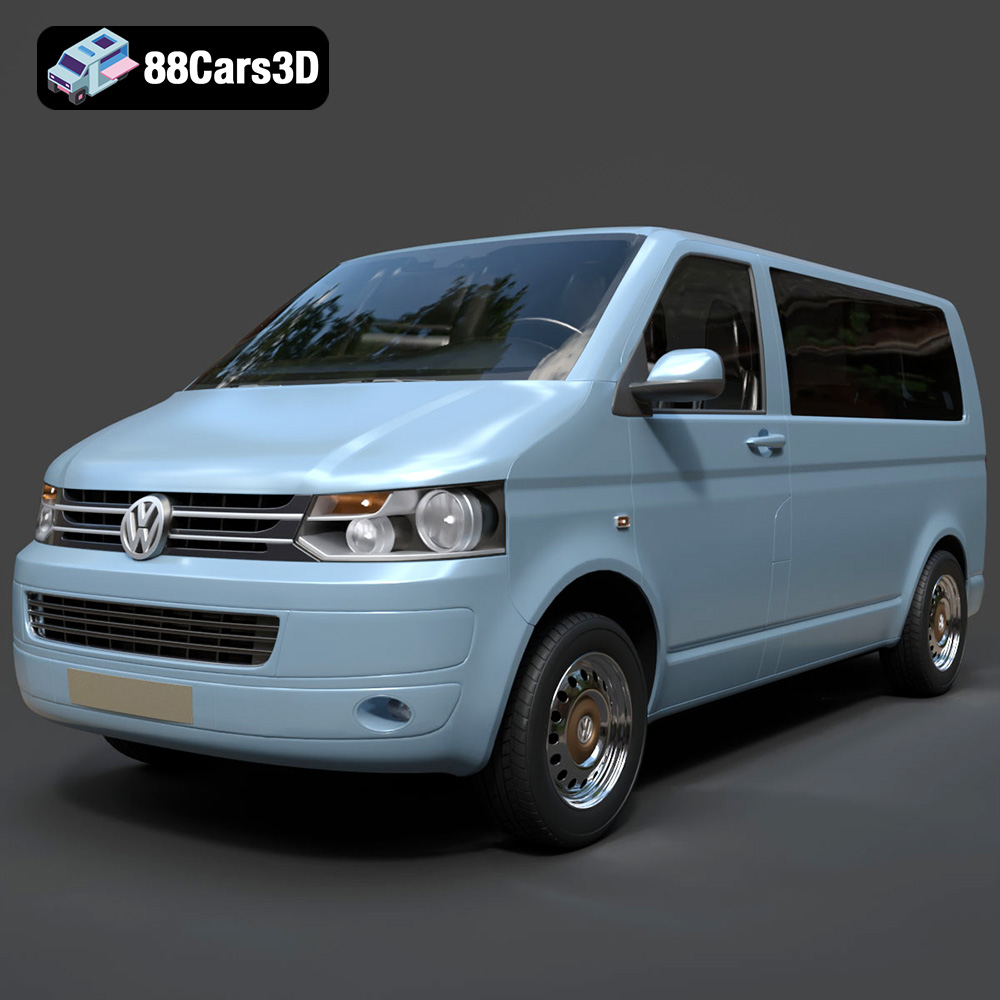
Texture: Yes
Material: Yes
Download the Volkswagen Transporter T5 FL 2010 3D Model featuring clean geometry, realistic detailing, and a fully modeled interior. Includes .blend, .fbx, .obj, .glb, .stl, .ply, .unreal, and .max formats for rendering, simulation, and game development.
Price: $22.99
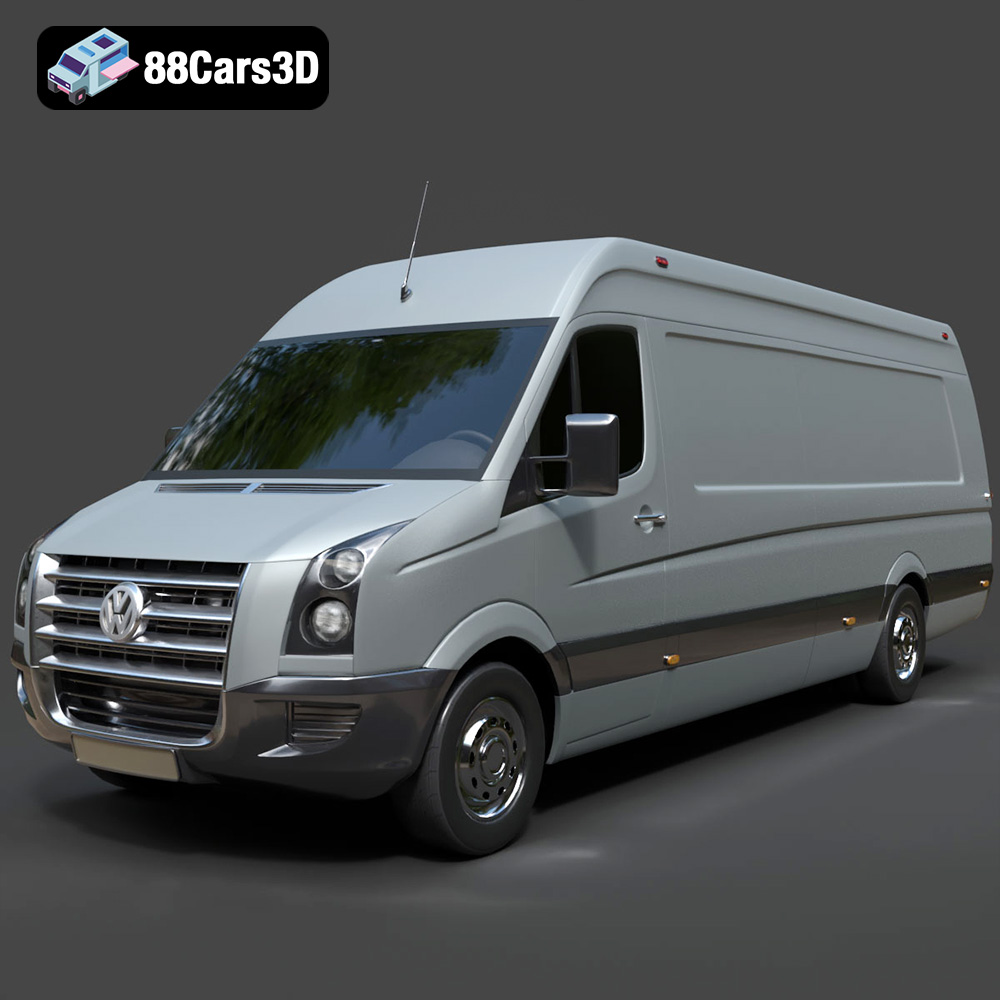
Texture: Yes
Material: Yes
Download the Volkswagen Crafter 2020 3D Model featuring clean geometry, realistic detailing, and a fully modeled interior. Includes .blend, .fbx, .obj, .glb, .stl, .ply, .unreal, and .max formats for rendering, simulation, and game development.
Price: $22.99
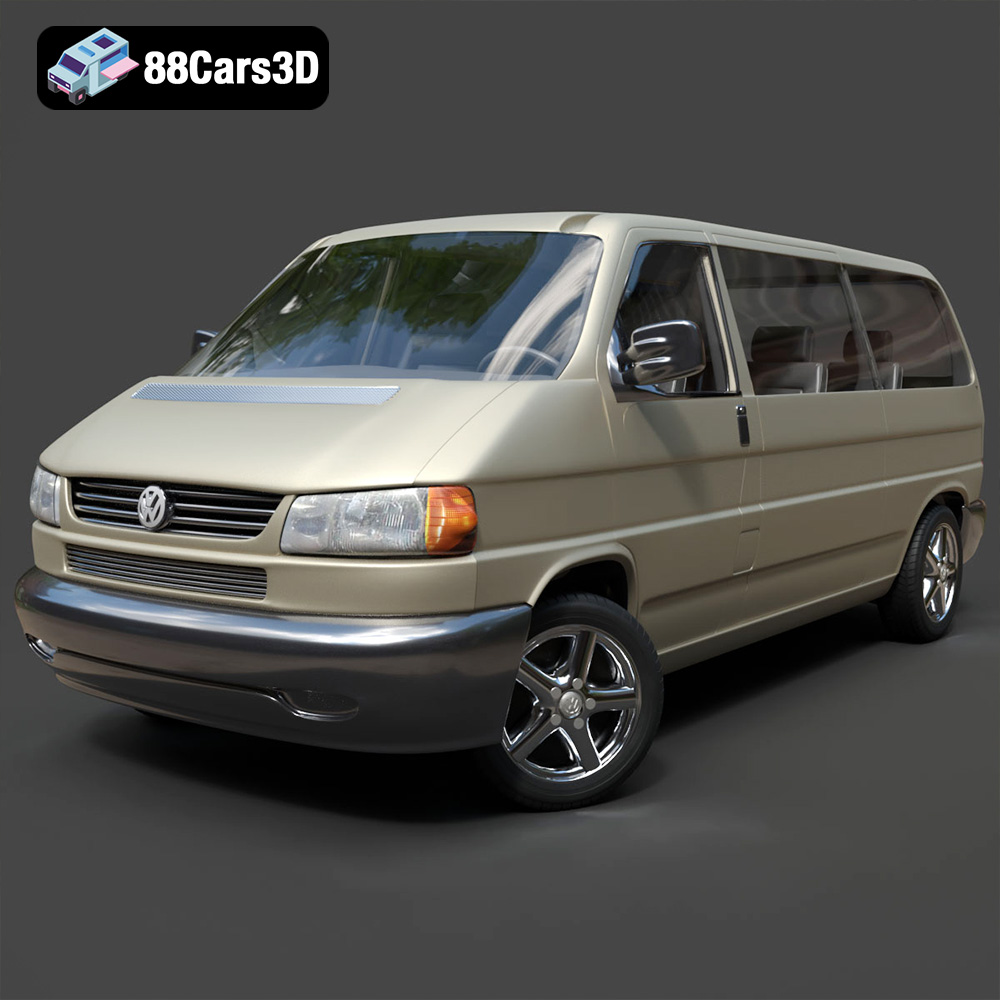
Texture: Yes
Material: Yes
Download the Volkswagen Caravelle 3D Model featuring a detailed exterior, functional interior, and optimized topology. Includes .blend, .fbx, .obj, .glb, .stl, .ply, .unreal, and .max formats for rendering, simulation, and game development.
Price: $23.99
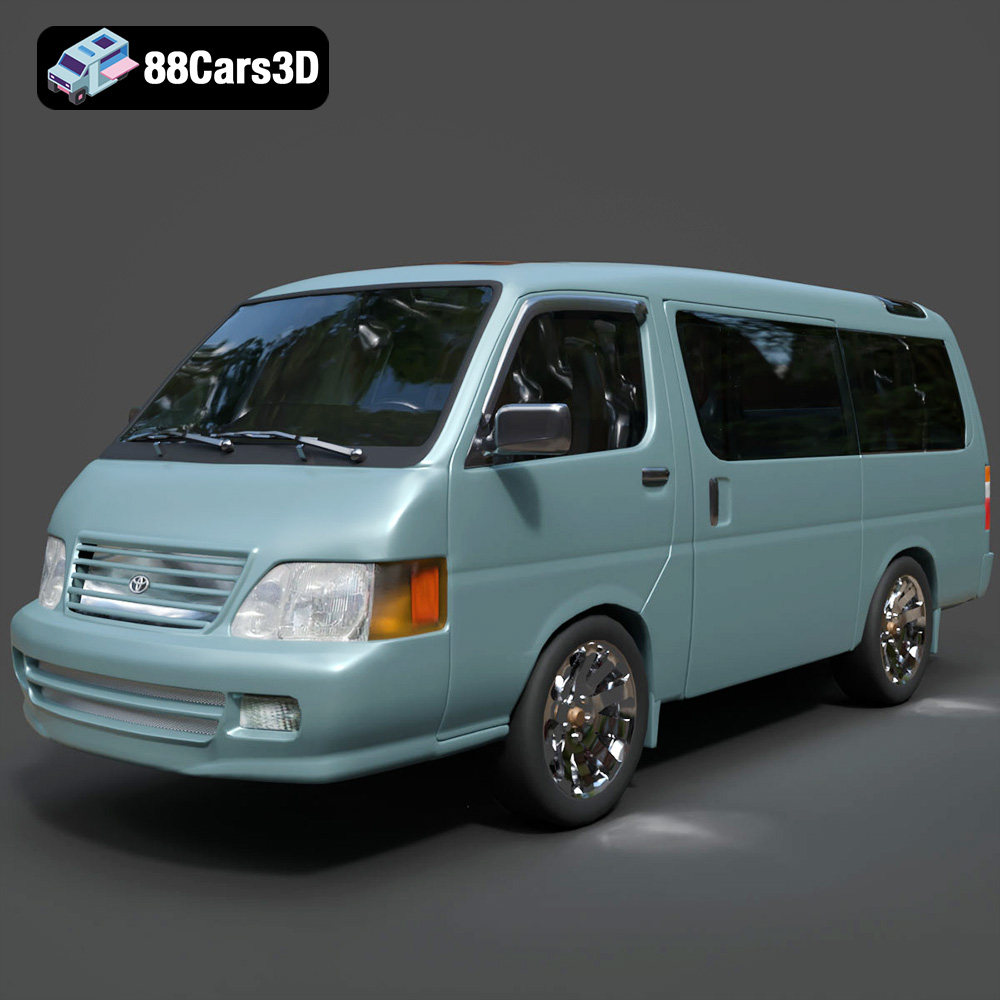
Texture: Yes
Material: Yes
Download the Toyota Hiace 3D Model featuring versatile design and detailed exterior. Includes .blend, .fbx, .obj, .glb, .stl, .ply, .unreal, and .max formats for rendering, simulation, and game development.
Price: $21.99
Texture: Yes
Material: Yes
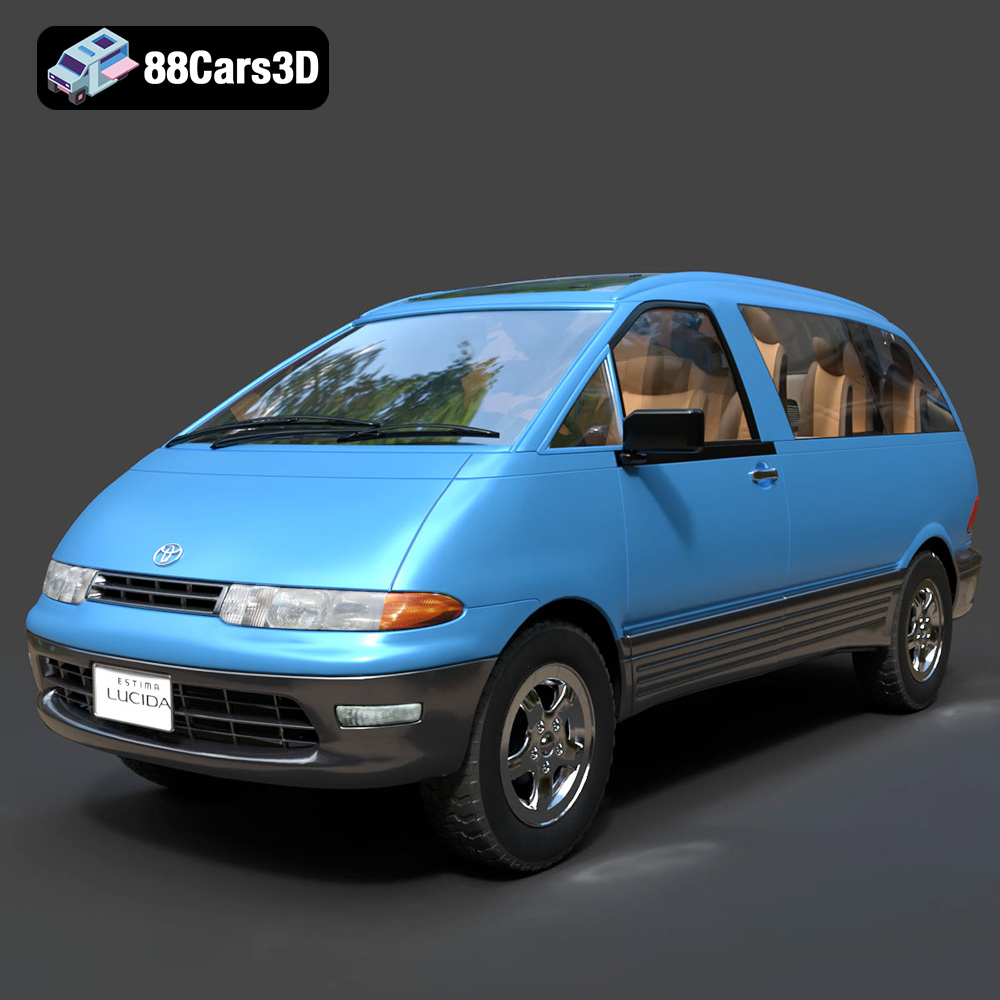
Download the Toyota Estima Lucida 3D Model featuring its iconic compact MPV design, versatile interior, and accurate exterior details. Includes .blend, .fbx, .obj, .glb, .stl, .ply, .unreal, and .max formats for rendering, simulation, and game development.
Price: $24.99

Texture: Yes
Material: Yes
Download the Toyota Alphard 3D Model featuring a detailed luxury minivan design with an accurate exterior and interior. Includes .blend, .fbx, .obj, .glb, .stl, .ply, .unreal, and .max formats for rendering, simulation, and game development.
Price: $21.99
Texture: Yes
Material: Yes
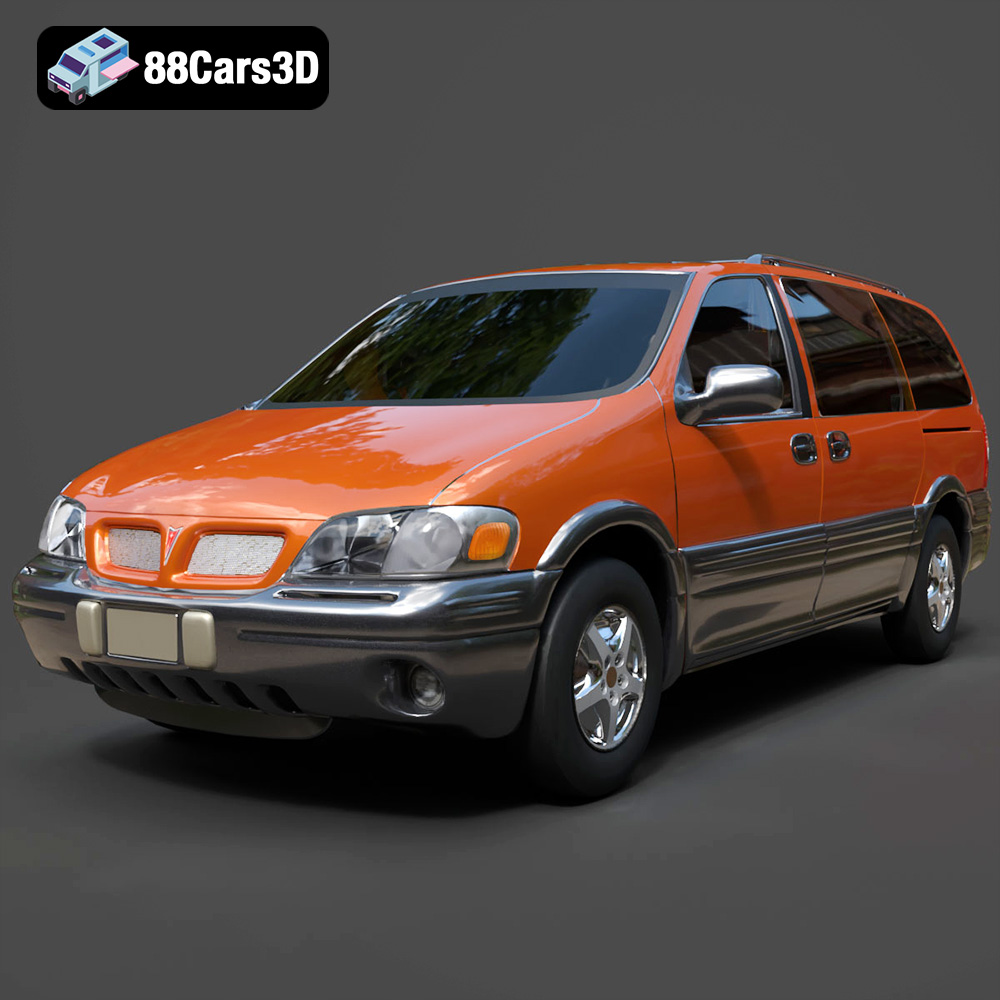
Download the Pontiac Montana 1998 3D Model featuring a detailed exterior, functional interior, and optimized mesh. Includes .blend, .fbx, .obj, .glb, .stl, .ply, .unreal, and .max formats for rendering, simulation, and game development.
Price: $21.99
Texture: Yes
Material: Yes
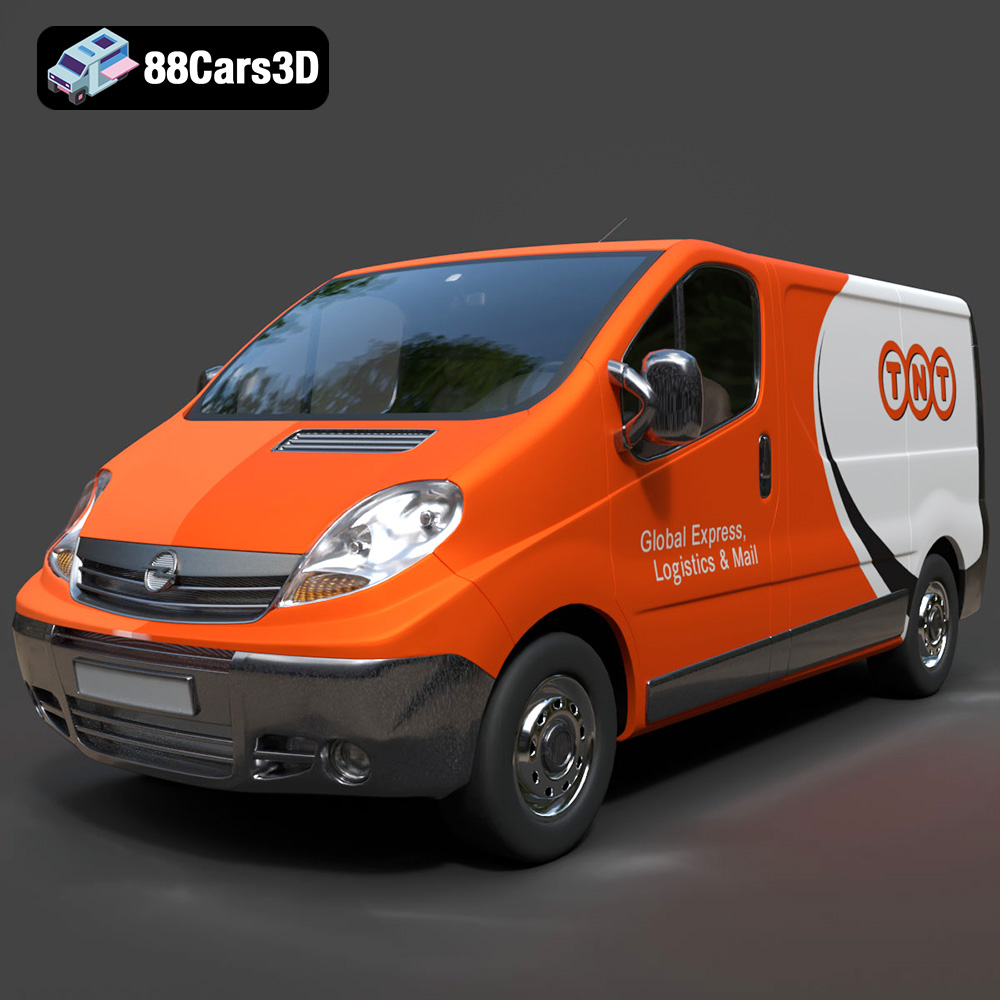
Download the Opel Vivaro 3D Model featuring a versatile commercial van design with balanced detailing. Includes .blend, .fbx, .obj, .glb, .stl, .ply, .unreal, and .max formats for rendering, simulation, and game development.
Price: $21.99
Texture: Yes
Material: Yes
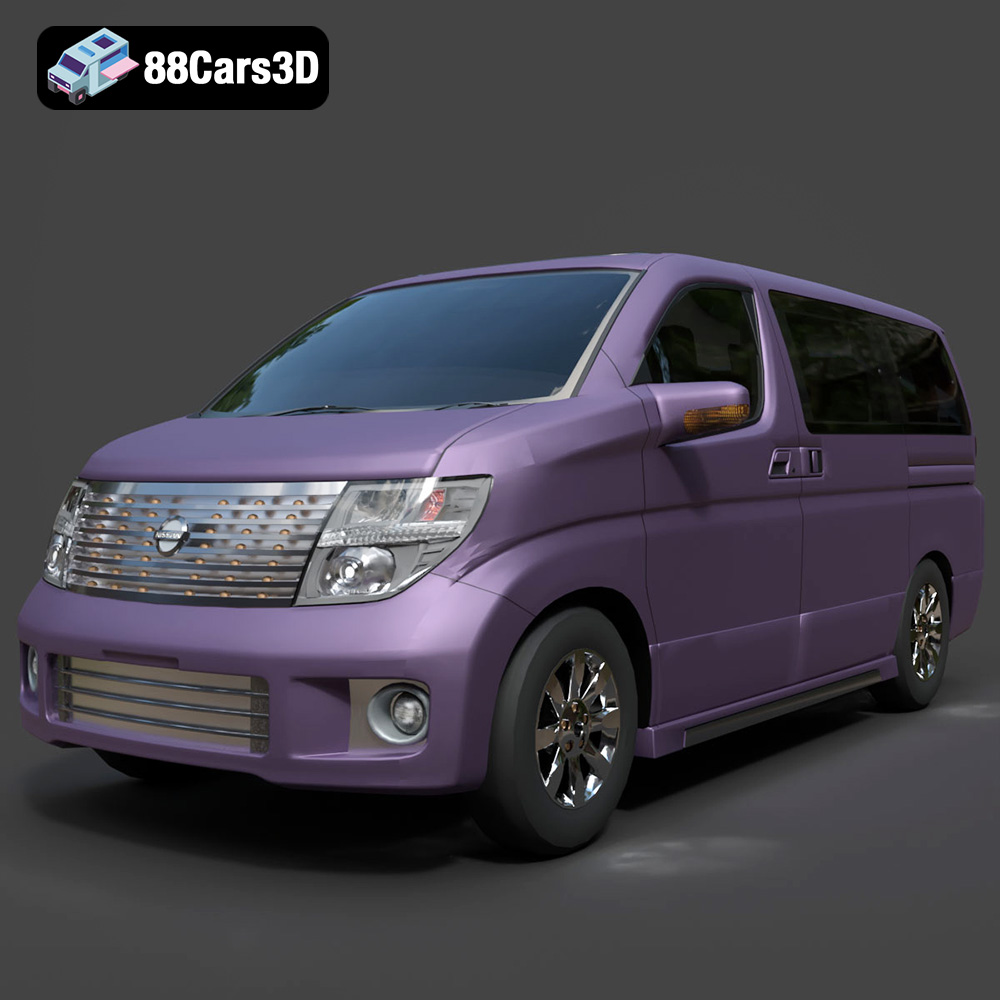
Download the Nissan Elgrand 3D Model featuring a versatile minivan design. Includes .blend, .fbx, .obj, .glb, .stl, .ply, .unreal, and .max formats for rendering, simulation, and game development.
Price: $21.99
Texture: Yes
Material: Yes
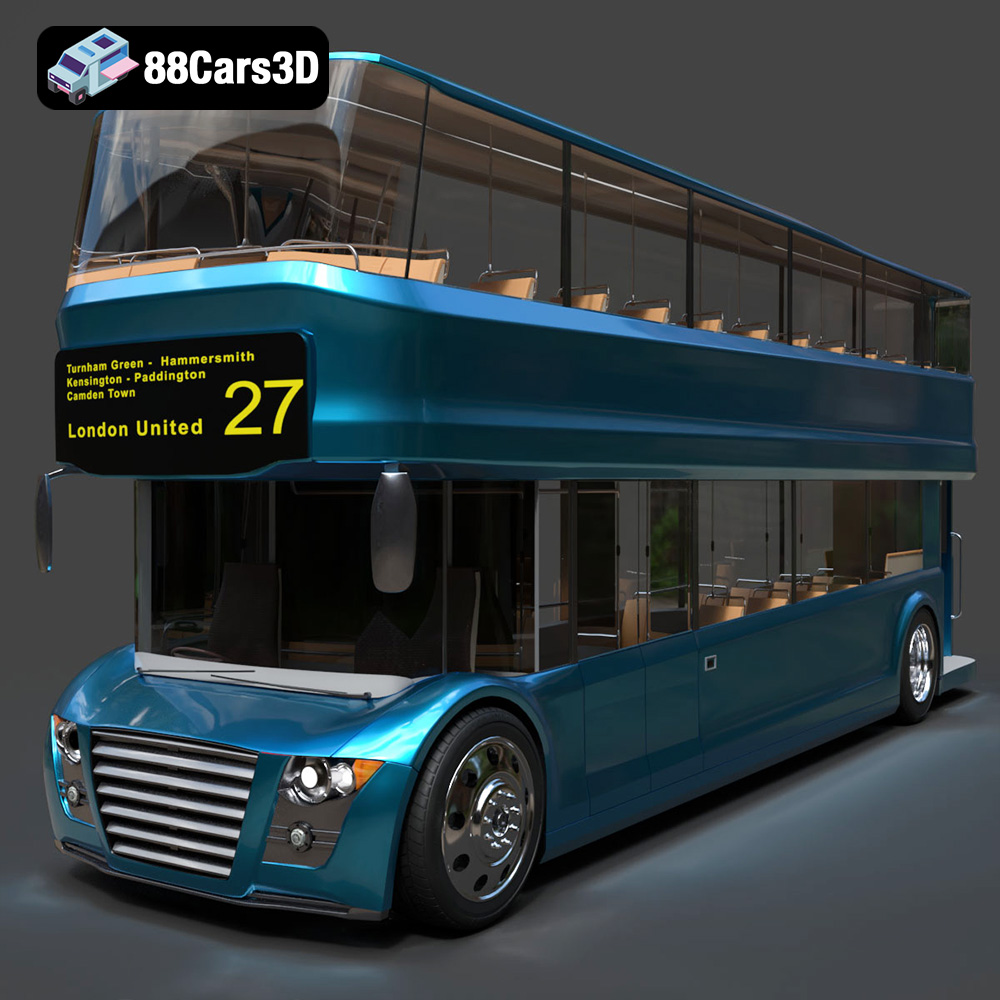
Download the New Bus For London 3D Model featuring a detailed exterior and interior, optimized for rendering and animation. Includes .blend, .fbx, .obj, .glb, .stl, .ply, .unreal, and .max formats for rendering, simulation, and game development.
Price: $21.99

