⚡ FLASH SALE: Get 60% OFF All Premium 3D & STL Models! ⚡

The automotive industry is in a perpetual state of transformation, driven by innovation not just in engineering, but also in visualization and user experience. As the lines between physical and digital showrooms blur, the demand for immersive, interactive, and collaborative experiences is surging. Unreal Engine stands at the forefront of this revolution, empowering developers and artists to craft stunning real-time visualizations that push boundaries.
For professionals in automotive design, marketing, and game development, merely showcasing a static 3D model is no longer enough. The future is about shared virtual spaces where multiple users can explore, customize, and interact with vehicles together, regardless of their geographical location. This is where Unreal Engine’s robust multiplayer networking capabilities become indispensable. Imagine a global design team collaborating on a new vehicle iteration in real-time, or potential customers configuring their dream car alongside a salesperson in a virtual showroom.
This comprehensive guide will delve deep into the fundamentals of Unreal Engine’s multiplayer networking, equipping you with the knowledge to build seamless, high-performance collaborative automotive experiences. We’ll explore core concepts like replication, Remote Procedure Calls (RPCs), and crucial optimization strategies. Whether you’re aiming to create an interactive configurator, a virtual test drive experience, or a collaborative design review tool, understanding these principles is paramount. We’ll also highlight how high-quality 3D car models, such as those available on marketplaces like 88cars3d.com, form the essential visual foundation for these advanced real-time applications.
At its heart, Unreal Engine’s networking framework operates on a client-server model. This paradigm dictates that one instance of the game acts as the ‘server,’ which holds the authoritative version of the game state, while all other instances are ‘clients’ that connect to and receive updates from the server. This fundamental structure ensures consistency across all connected players, preventing desynchronization and maintaining a fair, predictable experience. The server is responsible for processing game logic, physics, and authoritative state changes, then replicating these changes to all connected clients.
Within this model, Unreal Engine distinguishes between two primary server types: **Dedicated Servers** and **Listen Servers**. A Dedicated Server runs purely as a server, without a local player or rendering the game world, making it ideal for large-scale applications or persistent worlds. It conserves resources by focusing solely on game logic and networking. A Listen Server, on the other hand, is a game instance where one of the players also acts as the server. While convenient for smaller peer-to-peer experiences or local multiplayer, it ties server performance to the host player’s machine and internet connection, and if the host disconnects, the game typically ends. For professional automotive visualization involving multiple collaborators, a dedicated server generally offers superior stability and performance, especially when using complex assets like high-fidelity 3D car models from 88cars3d.com.
The Unreal Engine documentation provides extensive details on the various game framework classes. Two critical classes in a networked environment are GameMode and GameState. The AGameMode class (or its base, AGameModeBase) exists only on the server. It dictates the rules of the game: player spawning, scoring, match transitions, and overall game flow. Since it doesn’t exist on clients, clients cannot directly interact with or query its state. Any changes to game rules or player management must be initiated on the server via the GameMode.
Conversely, the GameState (or AGameStateBase) is a replicated actor that exists on both the server and all clients. It’s designed to hold information about the current state of the game that all players need to know. This could include the number of players, current round, global timers, or even shared vehicle customization progress. When the server updates the GameState, these changes are automatically replicated to all connected clients, ensuring everyone has an up-to-date view of the shared game world. For a collaborative automotive configurator, the current state of a vehicle’s customization (e.g., selected color, rim type, interior trim) would be an ideal candidate for replication through the GameState.
Beyond the global game state, individual player information is managed through PlayerState and PlayerController. The PlayerController is unique to each player and exists on both their client and the server. It acts as the interface between the player and the game world, handling input, managing the player’s Pawn (e.g., their avatar or the car they’re driving), and making RPC calls to the server. Importantly, each client only possesses its own PlayerController; it doesn’t have local copies of other players’ PlayerControllers, though the server has all of them.
The PlayerState, like GameState, is a replicated actor that exists for each player on both the server and all clients. It’s used to store persistent, replicated information about a specific player, such as their name, score, team, or even their selected vehicle model in a multi-user environment. While the PlayerController manages input and control, the PlayerState maintains shared information about that player’s identity and status. Together, these classes provide a robust framework for managing individual player data and ensuring it’s synchronized across the network for a consistent collaborative experience.
The cornerstone of any networked Unreal Engine application is **replication** – the process of synchronizing the state of Actors and their properties across the network. Without replication, a change made on the server or by one client would not be visible to others, leading to a fragmented and non-interactive experience. Understanding how to correctly mark Actors and their properties for replication is fundamental to building a functional multiplayer application, especially when dealing with dynamic elements like interactive 3D car models.
When an Actor is spawned on the server and designated for replication, Unreal Engine automatically creates corresponding ‘shadow’ copies of that Actor on all connected clients. These client-side copies then receive updates from the server, ensuring their state matches the server’s authoritative version. This synchronization is not continuous; Unreal Engine intelligently batches updates and sends them efficiently to minimize bandwidth usage. For high-fidelity automotive visualization, where details matter, precise and timely replication is crucial to convey changes like a new paint job, an activated headlight, or a door opening seamlessly across all participants.
To enable replication for an Actor, you simply need to set its bReplicates property to true. This is typically done in the Actor’s constructor in C++ or in its class defaults in Blueprint. Once an Actor is marked for replication, Unreal Engine’s networking system takes over, managing its creation, destruction, and synchronization across the network. Additionally, the bAlwaysRelevant property can be set. If bAlwaysRelevant is true, the Actor will always be replicated to all clients, regardless of their proximity or other relevance rules. This is useful for global Actors like the GameState or critical UI elements. For most dynamic Actors, especially those representing vehicles or interactable objects in a large environment, it’s often more efficient to let Unreal Engine determine relevance based on player proximity, thereby reducing network traffic.
When designing your Actor hierarchies, remember that child Actors inherit the replication settings of their parent. However, components attached to an Actor can also be explicitly replicated. For instance, if you have a StaticMeshComponent representing a car door, and you want its open/closed state to be replicated, you would need to ensure the parent car Actor is replicated, and then manage the door’s state (e.g., its rotation) through replicated properties or RPCs on the car Actor itself, or by replicating the component if its transform needs to be controlled independently and authoritatively. The clean topology and modularity of 3D car models sourced from platforms like 88cars3d.com make this process much smoother, as components like doors, wheels, and hoods are often separate, well-defined meshes, simplifying their individual manipulation and replication.
While Actors replicate as a whole, it’s often individual properties within an Actor that need to be synchronized. To replicate a property in C++, you use the UPROPERTY(Replicated) specifier. This tells Unreal Engine that changes to this variable on the server should be sent to all clients. For Blueprint properties, simply check the “Replicated” checkbox in the Details panel. After marking a property as replicated, you also need to implement the GetLifetimeReplicatedProps function (in C++) or use the DOREPLIFETIME macro to register the property with the networking system. For example:
void AMyCarActor::GetLifetimeReplicatedProps(TArray<FLifetimeProperty>& Props) const
{
    Super::GetLifetimeReplicatedProps(Props);

    DOREPLIFETIME(AMyCarActor, CarColor);
    DOREPLIFETIME(AMyCarActor, bDoorOpen);
}

// In Blueprint, simply tick "Replicated" for the variable.
Sometimes, when a replicated property changes on a client, you might want to trigger a local event, such as playing an animation or updating a material. This is where RepNotify functions come in handy. By using UPROPERTY(ReplicatedUsing=OnRep_CarColor) in C++ (or selecting “RepNotify” for Blueprint variables), you can specify a function that will be automatically called on clients whenever that property’s value is updated by the server. This is immensely useful for visual feedback; for instance, when the CarColor property replicates, the OnRep_CarColor function can be called on all clients to immediately apply the new color material to the 3D car model. This ensures that visual changes, like a new paint scheme on a vehicle from 88cars3d.com, are instantly reflected for all collaborators without requiring additional network calls, leading to a smooth and responsive multi-user automotive configurator.
While property replication handles the synchronization of an Actor’s state, Remote Procedure Calls (RPCs) provide a mechanism for one machine (client or server) to execute a function on another. RPCs are crucial for initiating actions, responding to user input, and triggering specific events across the network that don’t directly involve a change in a replicated property. For instance, a client might need to request the server to open a car door, or the server might need to inform all clients to play a specific animation sequence. Understanding the different types of RPCs and their execution flow is key to designing robust interactive networked experiences.
RPCs facilitate direct communication between client and server, allowing for a structured and secure way to perform actions. Without RPCs, clients would have no authoritative way to request changes from the server, and the server would struggle to broadcast immediate, one-off events to all clients. When implementing RPCs, it’s vital to consider security and ‘trust.’ Clients should never be trusted with critical game logic; instead, they should request the server to perform actions, and the server should then validate and execute those actions authoritatively before potentially replicating the result back to clients via property changes or other RPCs. This server-authoritative approach is a fundamental best practice in networked game development.
Unreal Engine provides three primary types of RPCs, each with a specific purpose:
Server in C++ (e.g., UFUNCTION(Server, Reliable, WithValidation)) or “Run on Server” in Blueprint. A Server RPC is called by a client and executed on the server. This is the most common type for player-initiated actions that require server validation, such as a player pressing a button to change a car’s tire type. The server receives the request, validates it, performs the necessary logic (e.g., updating the replicated tire property), and then that property change is automatically sent back to all clients.Client in C++ (e.g., UFUNCTION(Client, Reliable)) or “Run on Owning Client” in Blueprint. A Client RPC is called by the server and executed on a specific client. This is useful for the server to send a personalized message or trigger a client-specific UI element, like displaying a notification only to the player who just customized a part of the vehicle.NetMulticast in C++ (e.g., UFUNCTION(NetMulticast, Reliable)) or “Multicast” in Blueprint. A NetMulticast RPC is called by the server and executed on all connected clients, including the server itself. This is ideal for synchronized visual or audio effects that everyone should experience simultaneously, such as a car horn sounding, an explosion animation, or a shared camera transition in a virtual showroom.Each RPC type can also be designated as Reliable or Unreliable. Reliable RPCs are guaranteed to arrive at their destination and in order, but incur a slight overhead. Unreliable RPCs are faster but may be dropped or arrive out of order, suitable for frequently updated, non-critical data like minor particle effects. For critical actions in automotive visualization, such as configuring a car’s specification, `Reliable` RPCs are almost always preferred to ensure consistency.
Implementing RPCs is straightforward in both Blueprint and C++. In C++, you declare a function with the appropriate `UFUNCTION` specifiers and define its implementation. For Server RPCs, it’s good practice to also include a validation function (e.g., AMyActor::MyServerFunction_Validate) to verify the client’s request before execution. In Blueprint, you simply create a Custom Event and then, in its Details panel, set its “Replicates” dropdown to “Run on Server,” “Run on Owning Client,” or “Multicast.”
Let’s consider an example for an automotive configurator using a 3D car model from 88cars3d.com. A player wants to change the car’s paint color:
ServerSetCarColor(FLinearColor NewColor)).ServerSetCarColor. It validates that the requested color is legitimate and that the player has permission to change it.CarPaintMaterial, to point to the new red material.CarPaintMaterial is a replicated property (possibly with a RepNotify), its change on the server is automatically sent to all clients.RepNotify function (e.g., OnRep_CarPaintMaterial) is called, which applies the new red material to their local instance of the car’s mesh.NetMulticast RPC after validating the color change.This flow ensures that the server remains the single source of truth for all critical game state, while clients efficiently receive updates and trigger local visual feedback. This robust network flow is essential for creating truly collaborative and engaging automotive experiences.
Network performance is a critical factor in any multiplayer application, but it becomes especially challenging in automotive visualization. High-fidelity 3D car models, detailed environments, and complex interactive systems mean a lot of data might need to be synchronized. Poor network optimization leads to lag, desynchronization, and a frustrating user experience. Our goal is to minimize bandwidth usage and latency while maintaining a smooth, responsive simulation across all connected clients. This involves a strategic approach to what, when, and how data is replicated.
One of the biggest culprits of network strain in Unreal Engine projects, especially those featuring detailed vehicles, is often over-replication. Every replicated property, every RPC call, and every actor transform adds to the network payload. Without careful management, even a small number of concurrent users interacting with complex assets can quickly saturate network connections. Effective optimization involves understanding the various settings and techniques Unreal Engine provides to control the granularity and frequency of replication, ensuring that only necessary data is sent, and only when it’s truly needed. Leveraging highly optimized 3D car models with clean UVs, efficient PBR materials, and proper LODs from sources like 88cars3d.com provides a solid foundation, allowing network optimizations to focus purely on state synchronization rather than asset streaming.
Unreal Engine offers several parameters and techniques to fine-tune replication and reduce bandwidth:
NetUpdateFrequency and MinNetUpdateFrequency: These properties, found in an Actor’s replication settings, control how often an Actor is allowed to send network updates. NetUpdateFrequency sets the maximum rate (e.g., 100 updates per second), while MinNetUpdateFrequency sets the minimum interval between updates, preventing an Actor from being starved for updates even if it’s not changing frequently. Adjust these values based on the dynamism of the Actor; a fast-moving vehicle needs higher frequencies than a static prop.DOREPLIFETIME_WITH_CONDS): This powerful C++ macro (or its Blueprint equivalent for specific conditions) allows you to specify conditions under which a property should be replicated. For instance, you might only replicate the exact fuel level of a car to its owner, while other players only need to know if the tank is “full” or “empty.” Common conditions include COND_OwnerOnly, COND_SkipOwner, COND_InitialOnly (replicate only once when spawned), and COND_Custom for bespoke logic.bOnlyRelevantToOwner for Actors that only matter to one specific client (e.g., a player’s inventory). For large automotive scenes, setting appropriate relevance distances for distant parked cars versus interactive ones can drastically cut down on network traffic.NetPriority property on an Actor determines its importance for replication. Higher priority Actors (like the player’s own car) will receive updates more frequently than lower priority ones when network bandwidth is constrained.Moreover, the quality of your base assets directly impacts network load. Models from 88cars3d.com, featuring efficient PBR materials, optimized meshes, and proper LODs (Levels of Detail), reduce the overall data footprint of your scene. This allows the networking system to focus on state changes rather than struggling with excessively heavy base geometry or textures, which are primarily handled through asset loading, but still impact memory and VRAM which can indirectly affect networking performance by competing for resources.
Even with optimal bandwidth usage, latency (the delay between sending and receiving data) is an unavoidable reality of networking. Unreal Engine provides techniques to mitigate its visual impact:
UCharacterMovementComponent and UChaosVehicleMovementComponent) handle this automatically, ensuring client visual state eventually matches the server’s truth.Net stat and Net profile provide real-time statistics on bandwidth, packet loss, and replication counts. The Network Profiler tool in the Unreal Editor (under Window > Developer Tools) offers a visual breakdown of network traffic, showing exactly which Actors and properties are consuming the most bandwidth. Simulating latency and packet loss (e.g., via network driver tools or console commands like net pktlag=X and net pktloss=X) is also crucial for stress-testing your networking solution.By diligently applying these optimization strategies and regularly profiling your network performance, you can create smooth, responsive, and truly collaborative automotive experiences, even with the highly detailed 3D car models and complex scenes that are characteristic of professional visualization.
The true power of Unreal Engine’s networking shines when applied to creating dynamic, interactive, and collaborative automotive experiences. From multi-user configurators to shared virtual test drives, the ability to synchronize actions and visual states across multiple participants unlocks new paradigms for design, marketing, and sales. Leveraging high-quality assets like the 3D car models from 88cars3d.com, which feature clean topology and modular components, significantly streamlines the development of these interactive systems.
The core challenge in building these experiences lies in translating user input from one client into a universally visible change across all connected clients. This requires a robust interplay of replicated properties, RPCs, and careful consideration of authority. For instance, when a user clicks to change a car’s color, that action must be processed authoritatively by the server, and the resulting visual change then broadcast to everyone. This ensures that every participant sees the exact same customization in real-time, fostering a truly collaborative environment rather than isolated individual experiences. The scalability of these systems also hinges on efficient asset management and optimized scene setup, minimizing the data load at every stage.
A collaborative car configurator is one of the most compelling applications of multiplayer networking in automotive visualization. Imagine multiple designers, engineers, or even potential customers, located across the globe, simultaneously customizing the same 3D car model. Here’s how Unreal Engine makes this possible:
bRoofRackVisible) on the car Actor. The RepNotify for this boolean would then toggle the visibility of the corresponding StaticMeshComponent for all clients.UMaterialInstanceDynamic on the car Actor, and its RepNotify would apply the new material to the relevant mesh parts. Crucially, the PBR materials provided with 88cars3d.com models are designed for flexibility, often allowing for easy parameter changes (like color tint or roughness) through material instances, making these real-time modifications highly performant.UStaticMesh* CurrentWheelMesh pointer could be updated on the server, and its RepNotify would set the new mesh on the wheel’s StaticMeshComponent.OnRep_Color function (or a similar Blueprint event) would then apply the material change for all clients, creating a synchronized visual.The modularity inherent in professionally prepared 3D car models ensures that components can be swapped, hidden, or re-textured with minimal effort, forming a robust foundation for these complex configurator systems. Proper UV mapping, another feature of 88cars3d.com models, ensures that material changes are applied correctly and without distortion.
Beyond static configurators, multi-user virtual showrooms and interactive test drives offer even deeper immersion:
UCharacterMovementComponent and UChaosVehicleMovementComponent are designed with replication in mind, automatically handling client-side prediction and server reconciliation for smooth movement. For vehicle-based experiences, ensuring reliable physics replication is paramount.By thoughtfully applying these networking principles, developers can transform static automotive models into dynamic, interactive, and truly collaborative experiences, opening up new possibilities for design review, sales, and user engagement.
Developing robust multiplayer applications, especially with the demanding visual fidelity of automotive visualization, often requires delving into more advanced networking concepts and a systematic approach to debugging. Network-related issues can be notoriously difficult to track down, ranging from subtle desynchronization to severe lag and connection drops. Unreal Engine provides a suite of powerful debugging tools and logging capabilities that are essential for diagnosing and resolving these problems. Furthermore, understanding the nuances of networked physics, particularly for vehicles, is crucial for creating convincing and consistent driving experiences across a distributed network.
As you scale your multiplayer automotive project, whether it’s an expansive virtual showroom or a multi-user test drive simulation, you’ll inevitably encounter situations where clients and the server don’t agree on the state of the world. This is where a deep understanding of Unreal Engine’s network logging, profiling, and simulation capabilities becomes invaluable. These tools allow you to peel back the layers of the networking stack, observe the flow of data, and pinpoint exactly where discrepancies or performance bottlenecks are occurring. Mastering these advanced topics will allow you to build and maintain high-quality, stable, and performant multiplayer automotive applications, ensuring a seamless experience for all collaborators or customers.
Unreal Engine provides an extensive set of commands and tools for network debugging:
Net stat, Net profile): These are your first line of defense.
net stat: Displays real-time networking statistics in the game window, including bandwidth usage (sent/received), packet loss, average ping, and the number of replicated actors and properties. This gives an immediate overview of network health.net profile: Provides more detailed profiling information, breaking down network traffic by Actor class, property, and RPC calls. This helps identify which specific elements are consuming the most bandwidth.LogNet, LogRep): Unreal Engine’s logging system can be configured to output detailed network-related messages.
LogNet Verbose: Provides extensive details on connections, packets sent/received, and general network events.LogRep Verbose: Crucial for debugging replication. It shows when properties are being replicated, what their values are, and which Actors are being updated. This is invaluable for tracking down desynchronization issues. You can enable these verbose logs via the console (e.g., log LogNet Verbose) or by editing the DefaultEngine.ini file for persistent logging.
net pktlag=100 for 100ms latency, net pktloss=10 for 10% packet loss). This allows you to verify how your client-side prediction, server reconciliation, and general network resilience hold up in real-world scenarios.Replicating physics-driven Actors, especially complex vehicles, presents unique challenges. Physics simulations are inherently stateful and sensitive to minor differences in initial conditions or input, making it difficult to achieve perfect synchronization across a network. Unreal Engine’s Chaos physics engine, coupled with its networking framework, provides robust solutions, but understanding the underlying principles is key.
AWheeledVehicle and UChaosVehicleMovementComponent with Replication:
AWheeledVehicle and the UChaosVehicleMovementComponent, are specifically designed with network replication in mind. They automatically handle much of the complexity of client-side prediction and server reconciliation for vehicle movement.By understanding and effectively utilizing these debugging tools and embracing the client-side prediction/server-side correction model for physics, you can build incredibly robust and engaging multiplayer automotive applications, providing stable and synchronized experiences even in demanding scenarios.
The journey into Unreal Engine’s multiplayer networking fundamentals reveals a powerful and sophisticated framework, essential for crafting the next generation of interactive and collaborative automotive experiences. From understanding the core client-server architecture and the roles of GameMode, GameState, PlayerController, and PlayerState, to mastering the intricacies of Actor and property replication, and utilizing Remote Procedure Calls (RPCs), you now possess the foundational knowledge to build truly dynamic multi-user applications.
We’ve emphasized the critical importance of optimization – reducing bandwidth, intelligently controlling replication frequency, and employing techniques like client-side prediction to combat latency. These strategies are paramount for maintaining a smooth, responsive experience, especially when dealing with the highly detailed 3D car models and complex environments characteristic of automotive visualization. Moreover, the quality of your initial assets significantly impacts performance; sourcing optimized models with clean topology, realistic PBR materials, and proper UV mapping from marketplaces like 88cars3d.com provides an indispensable head start, allowing you to focus on the networking logic itself.
The ability to create collaborative car configurators, interactive virtual showrooms, and shared test drives opens up unprecedented opportunities for automotive designers, marketers, and sales teams. Imagine global teams reviewing designs in real-time or customers co-creating their dream vehicles with personalized guidance, all within a stunning, photorealistic environment powered by Unreal Engine. The future of automotive interaction is undoubtedly multi-user and real-time.
Your next step is to put this knowledge into practice. Start experimenting with simple networked projects. Build a basic multi-user configurator that allows two players to change the color of a shared 3D car model. Gradually introduce more complexity, such as interactive components, synced animations, or even basic vehicle movement. Embrace the powerful debugging tools Unreal Engine provides to diagnose and resolve network issues. The path to creating groundbreaking multiplayer automotive experiences is an exciting one, filled with learning and innovation. The tools are at your disposal – now, go build the future.
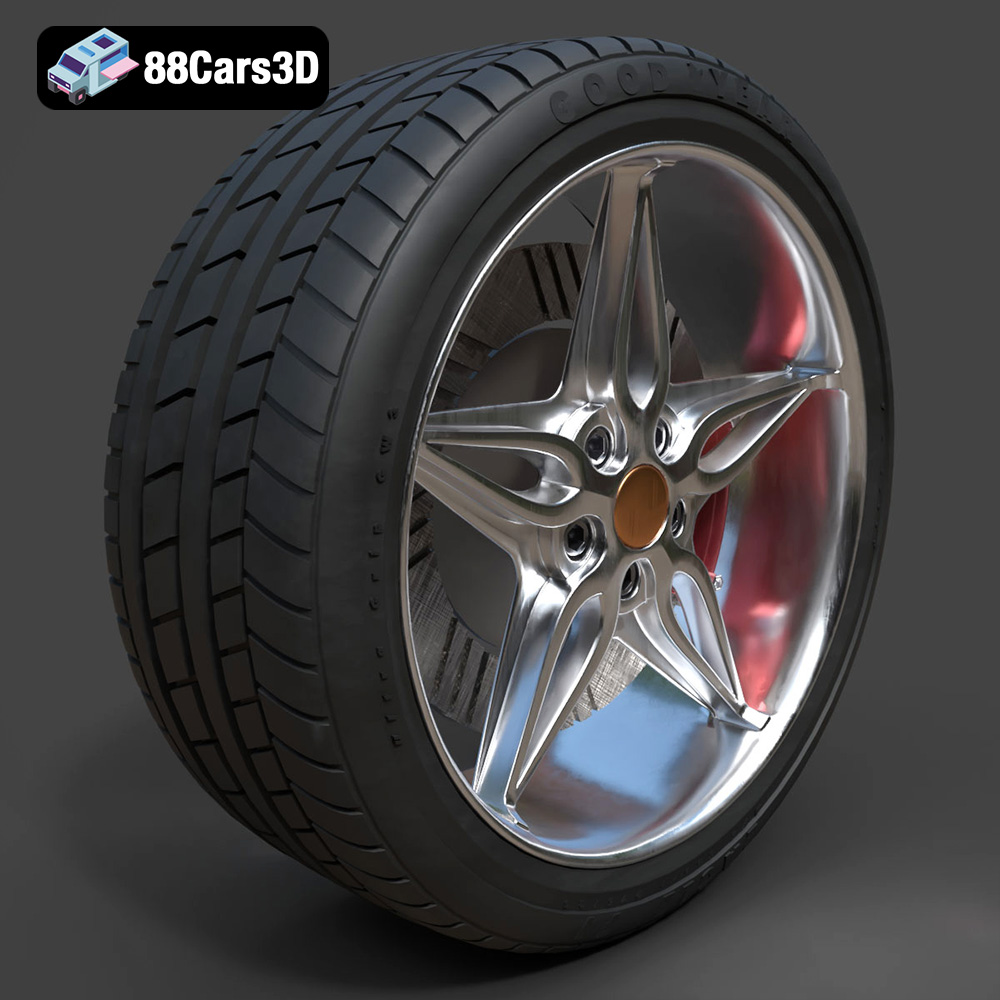
Texture: Yes
Material: Yes
Download the Wheel-001 Component 3D Model featuring clean geometry, realistic detailing, and a fully modeled interior. Includes .blend, .fbx, .obj, .glb, .stl, .ply, .unreal, and .max formats for rendering, simulation, and game development.
Price: $10.99
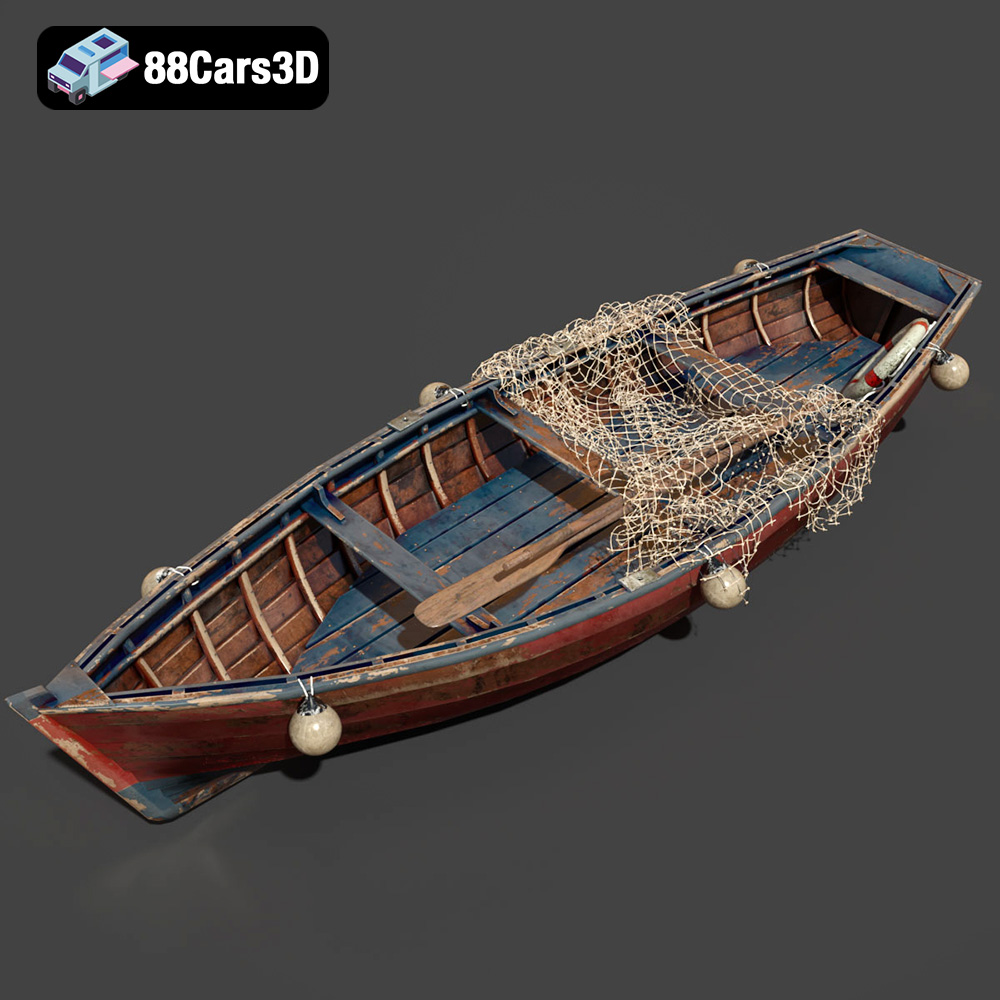
Texture: Yes
Material: Yes
Download the Old Fishing Boat 2014 3D Model featuring clean geometry, realistic detailing, and a fully modeled interior. Includes .blend, .fbx, .obj, .glb, .stl, .ply, .unreal, and .max formats for rendering, simulation, and game development.
Price: $9.99
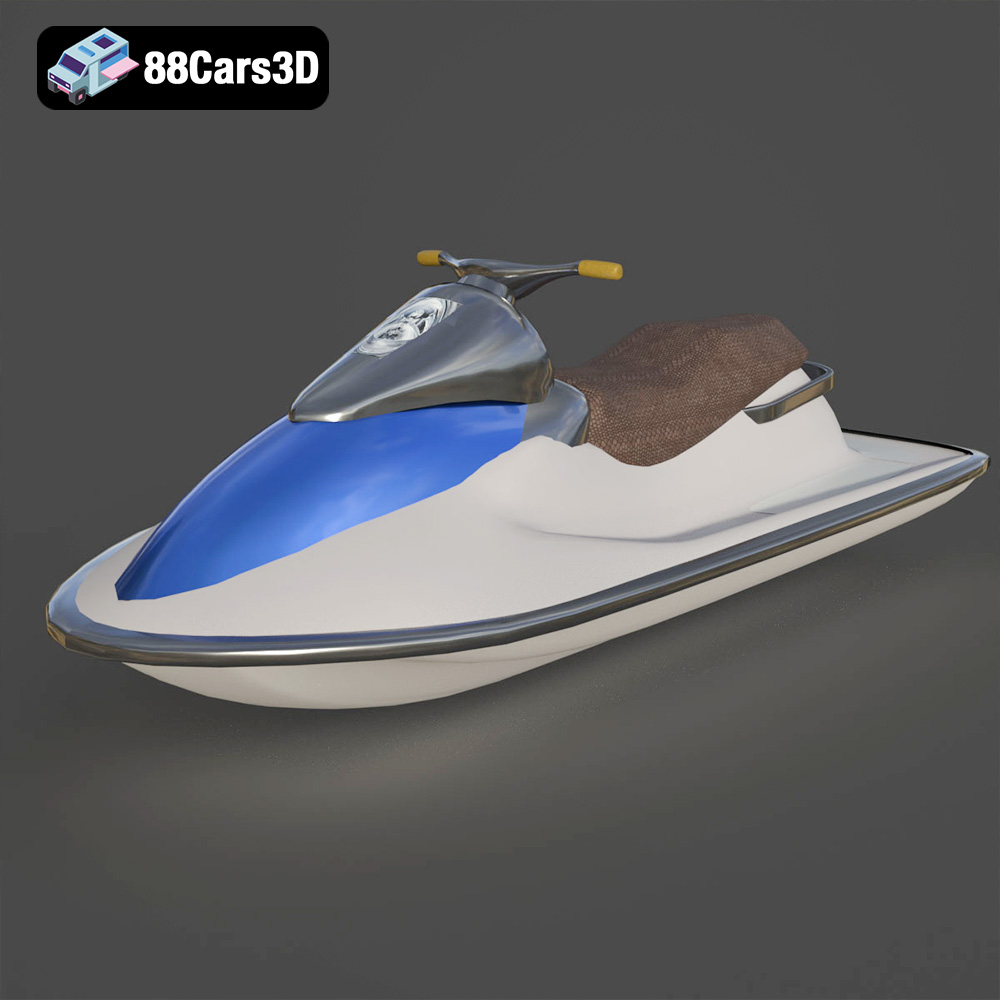
Texture: Yes
Material: Yes
Download the Chevrolet Corvette Stingray 2023 3D Model featuring clean geometry, realistic detailing, and a fully modeled interior. Includes .blend, .fbx, .obj, .glb, .stl, .ply, .unreal, and .max formats for rendering, simulation, and game development.
Price: $10
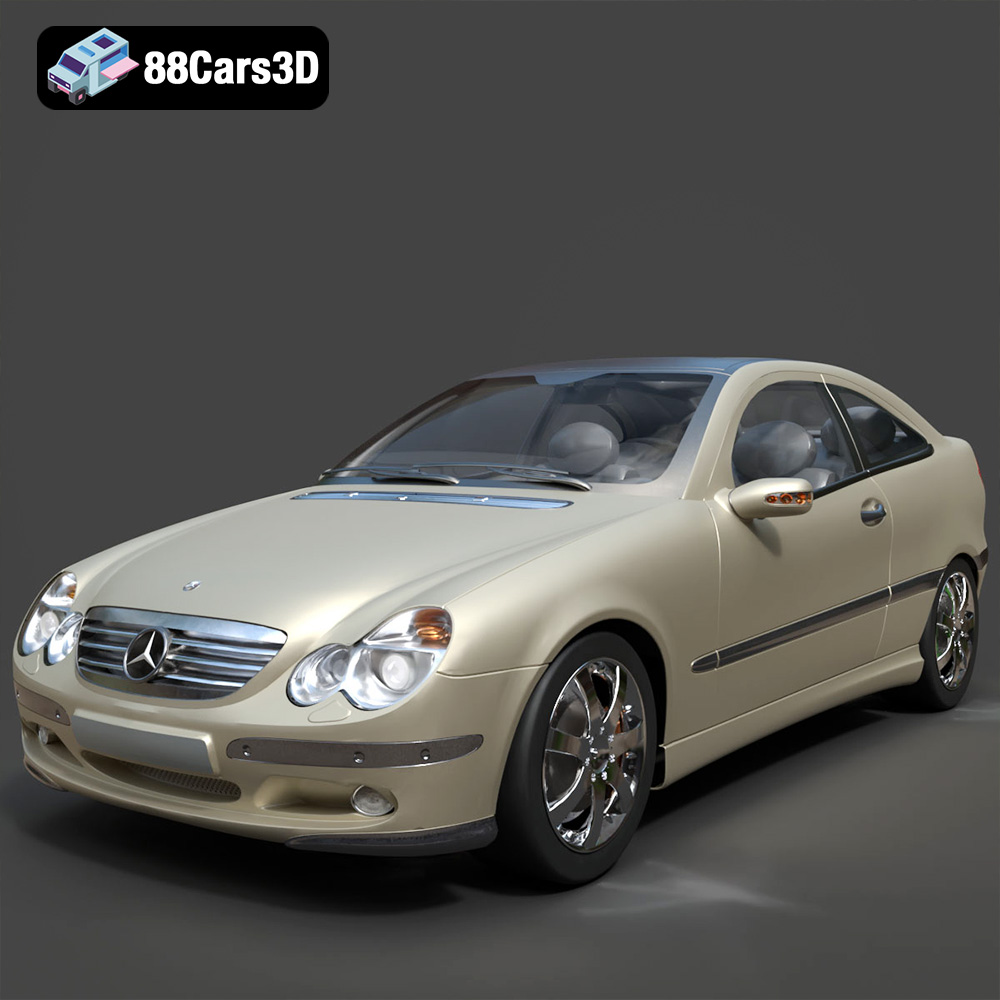
Texture: Yes
Material: Yes
Download the Mercedes Benz C230 3D Model featuring clean geometry, realistic detailing, and a fully modeled interior. Includes .blend, .fbx, .obj, .glb, .stl, .ply, .unreal, and .max formats for rendering, simulation, and game development.
Price: $14.99
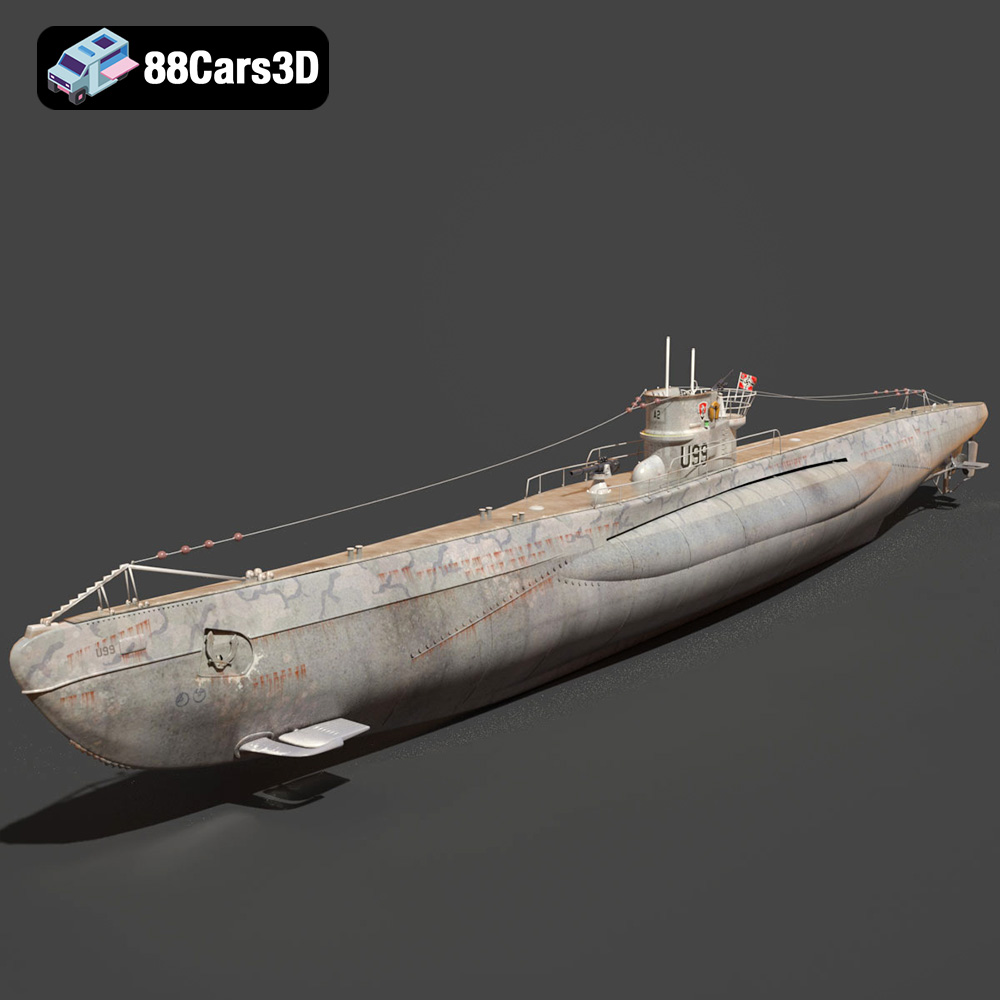
Texture: Yes
Material: Yes
Download the German U-Boat U-99 Submarine 3D Model featuring clean geometry, realistic detailing, and a fully modeled interior. Includes .blend, .fbx, .obj, .glb, .stl, .ply, .unreal, and .max formats for rendering, simulation, and game development.
Price: $10
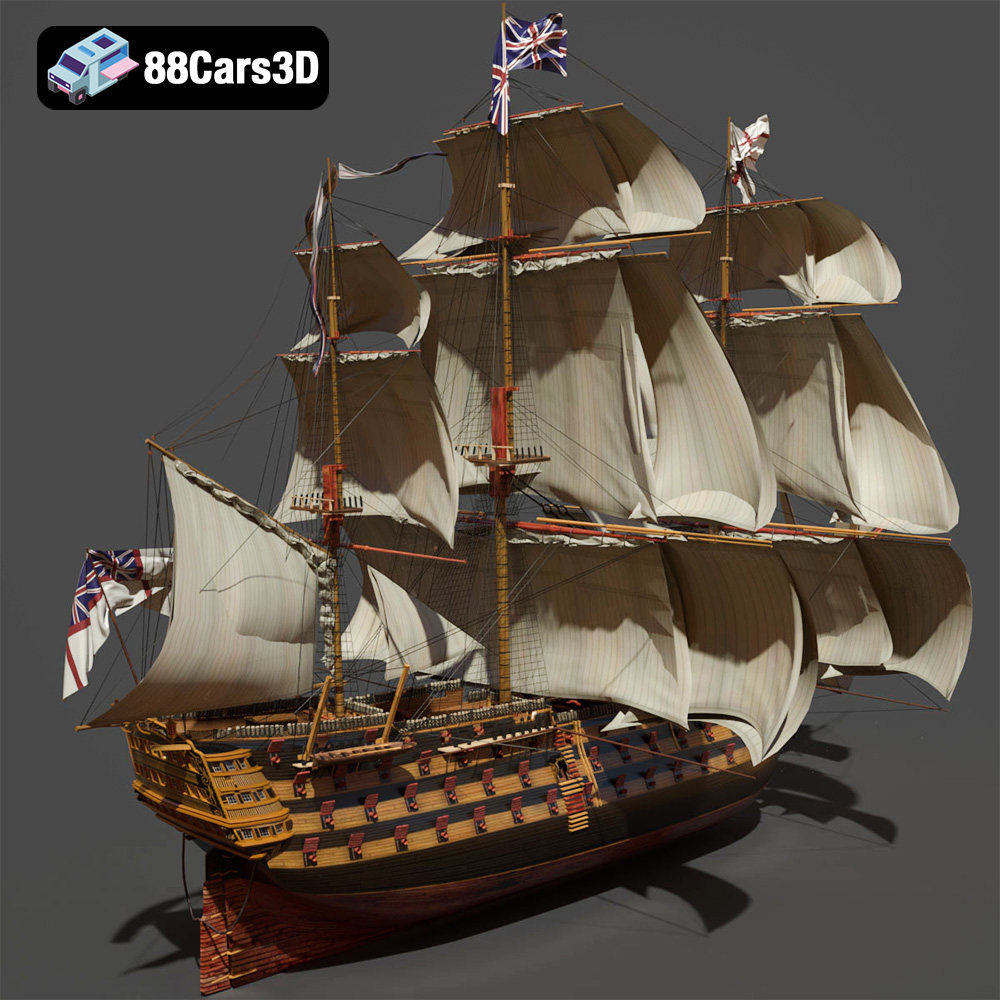
Texture: Yes
Material: Yes
Download the KEMA ELKANLI-001 3D Model featuring clean geometry, realistic detailing, and a fully modeled interior. Includes .blend, .fbx, .obj, .glb, .stl, .ply, .unreal, and .max formats for rendering, simulation, and game development.
Price: $9.99
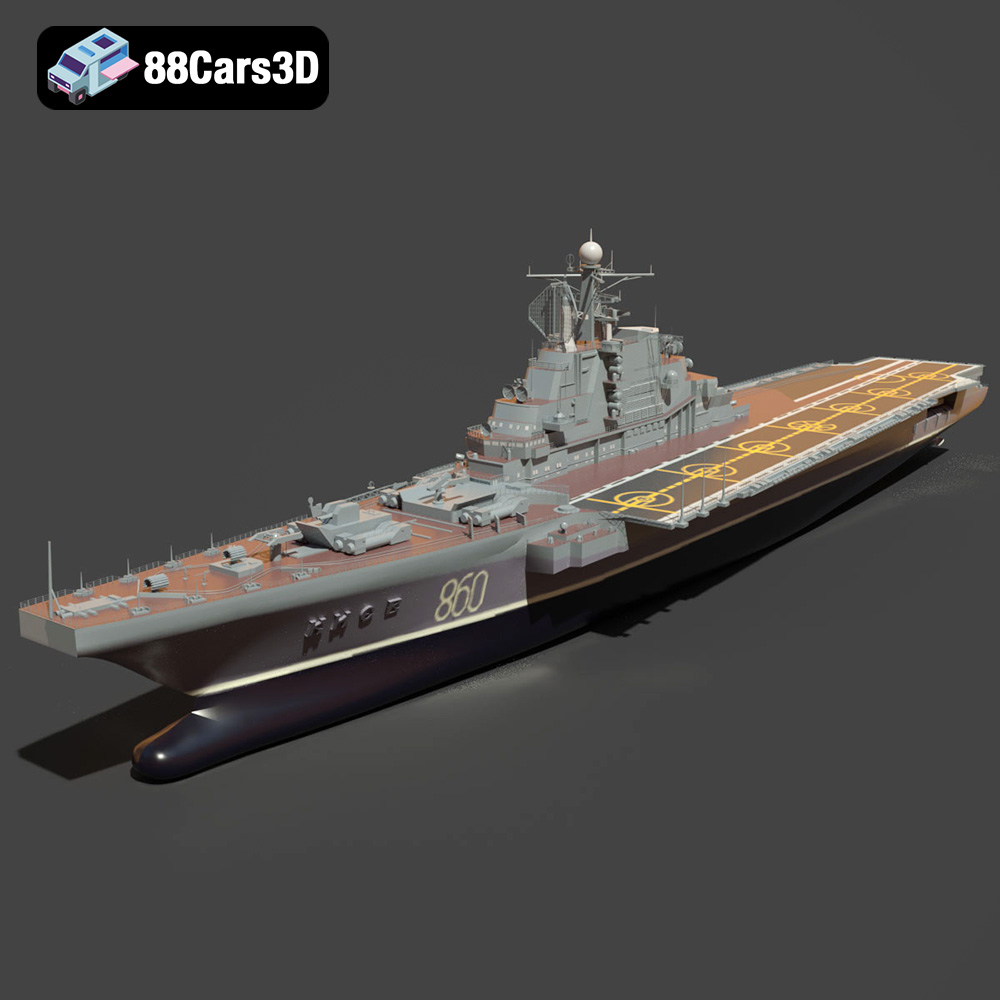
Texture: Yes
Material: Yes
Download the Carrier 006 3D Model featuring a robust design and detailed components. Includes .blend, .fbx, .obj, .glb, .stl, .ply, .unreal, and .max formats for rendering, simulation, and game development.
Price: $10.79
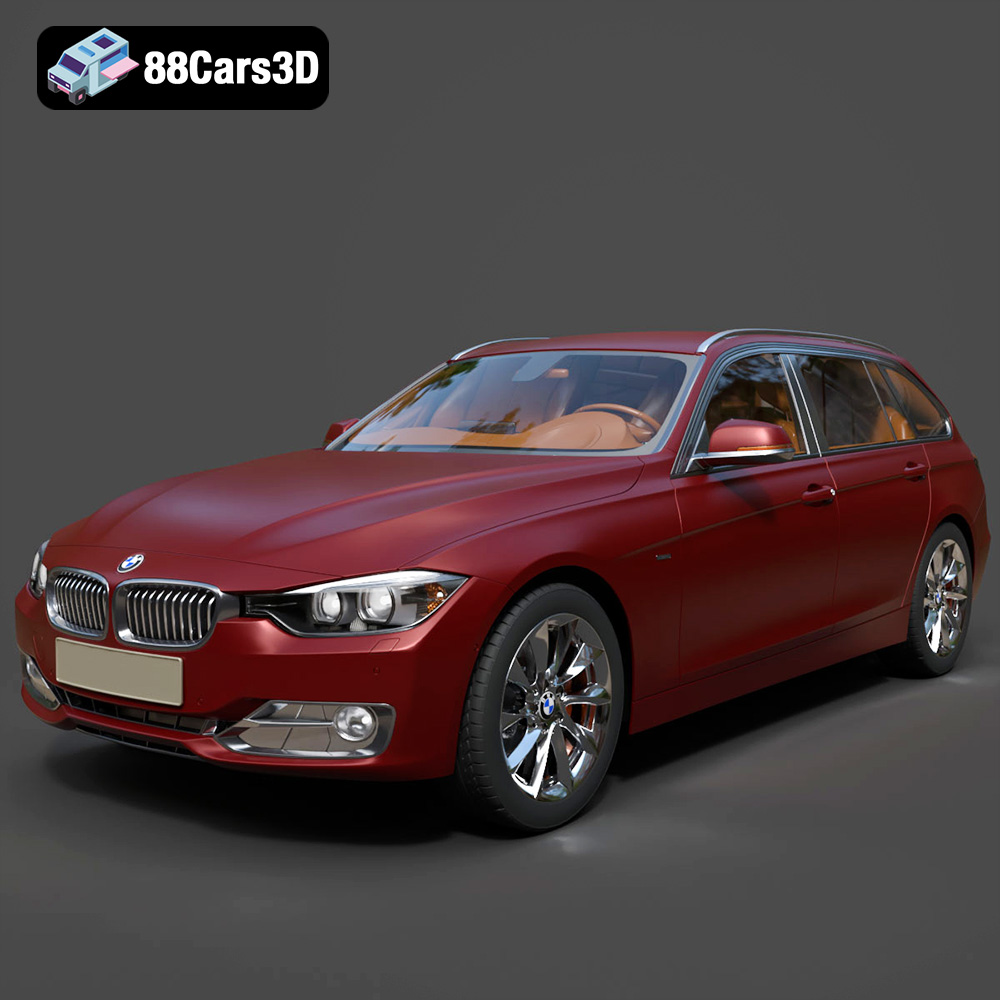
Texture: Yes
Material: Yes
Download the BMW 3 series Touring 335i (F31) 2013 3D Model featuring a highly detailed exterior, realistic interior, and modular design. Includes .blend, .fbx, .obj, .glb, .stl, .ply, .unreal, and .max formats for rendering, simulation, and game development.
Price: $30.79
Texture: Yes
Material: Yes
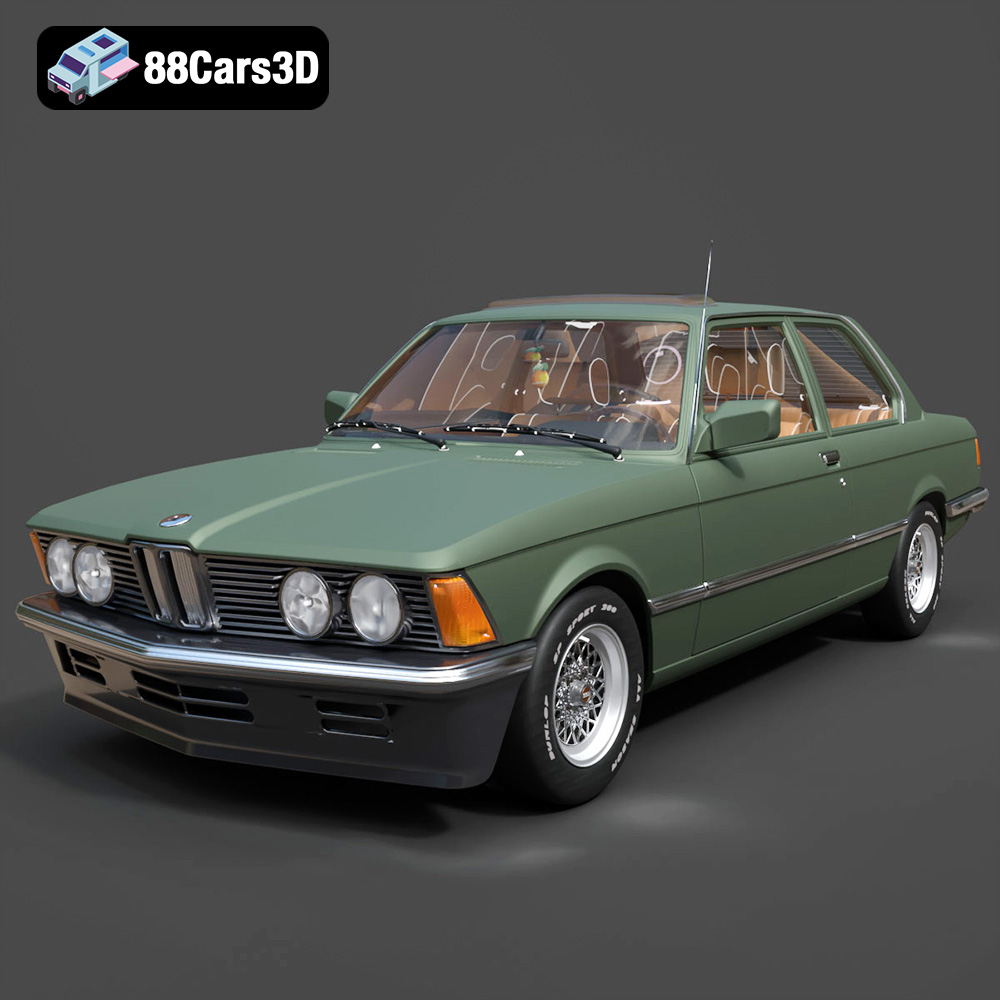
Download the BMW 3 Series E21 3D Model featuring authentic exterior design, detailed interior, and accurate proportions. Includes .blend, .fbx, .obj, .glb, .stl, .ply, .unreal, and .max formats for rendering, simulation, and game development.
Price: $20.79

Texture: Yes
Material: Yes
Download the BMW 1 Series 3-Door E81 3D Model featuring a detailed exterior, functional interior elements, and clean geometry. Includes .blend, .fbx, .obj, .glb, .stl, .ply, .unreal, and .max formats for rendering, simulation, and game development.
Price: $14.79

