⚡ FLASH SALE: Get 60% OFF All Premium 3D & STL Models! ⚡

Welcome to the exciting world of 3D printing and scale modeling! For enthusiasts and hobbyists looking to bring their favorite vehicles to life, 3D printable car models offer an unparalleled level of detail and customization. Whether you’re a seasoned maker or just starting your journey, understanding the capabilities and limitations of your 3D printer is crucial for achieving stunning results. At 88cars3d.com, we pride ourselves on providing meticulously crafted STL files that are optimized for printing. But even the best models require a capable machine and the right settings. This guide will delve into the essential features that matter most when selecting or utilizing a 3D printer for detailed model making, with a particular focus on creating exceptional car replicas. We’ll explore everything from print resolution and build volume to material compatibility and software integration, empowering you to make informed decisions and elevate your 3D printing projects.
When it comes to model making, especially intricate automotive replicas, the devil is truly in the details. The ability of a 3D printer to reproduce fine features like panel lines, badges, grilles, and interior elements directly correlates to the perceived quality of the final print. Therefore, **print resolution** and **accuracy** are paramount. This isn’t just about the smallest layer height a printer can achieve; it’s a combination of mechanical precision, firmware control, and the printer’s overall ability to execute commands faithfully.
For models from sources like 88cars3d.com, which are designed with fine details, a higher resolution printer is essential. Low-resolution prints can result in visible layer lines, blocky edges, and a loss of subtle contours, fundamentally detracting from the realism of a car model. Think about replicating the sharp creases on a supercar’s body or the delicate spokes of a wheel – these require a printer capable of precise extrusion and movement.
The most commonly cited metric for print resolution is **layer height**. This refers to the thickness of each individual layer of material deposited by the printer. For FDM (Fused Deposition Modeling) printers, layer heights typically range from 0.05mm to 0.3mm. For highly detailed model making, you’ll want to aim for the lower end of this spectrum.
When downloading print-ready STL files from marketplaces like 88cars3d.com, the models are often designed with these finer layer heights in mind, ensuring that the intended details are captured by the printer. Always check the recommended layer height for specific models if provided by the vendor.
Beyond layer height, the printer’s **dimensional accuracy** is critical. This is the printer’s ability to produce parts that match the exact dimensions specified in the 3D model. Poor dimensional accuracy can lead to parts not fitting together correctly, especially if you’re printing components that need to be assembled, such as chassis parts, interior components, or even multi-part body panels. This is often affected by factors like thermal expansion and contraction of the filament, calibration of the extruder steps per millimeter, and the rigidity of the printer’s frame.
**Repeatability** refers to the printer’s ability to produce the same result multiple times. For model makers, this is important if you need to print multiple identical parts or if you’re iterating on a design. A highly repeatable printer ensures consistency in your output, saving you time and frustration. Key contributors to accuracy and repeatability include a robust frame, precise stepper motors, quality linear motion components (rods, rails, belts), and well-calibrated firmware.
The **build volume** of your 3D printer dictates the maximum size of a single object you can print. For model makers, this can be a crucial consideration, influencing whether you can print a complete car model in one go or if you’ll need to split larger models into smaller, printable sections.
Car models, even in scale, can vary significantly in size. A 1:10 scale model of a classic muscle car will require a considerably larger build volume than a 1:32 scale replica of a modern sports car. Understanding the intended scale of the models you wish to print is key to choosing a printer with an adequate build volume.
For printers with smaller build volumes, the ability to strategically split larger STL files into multiple parts is essential. This is where 3D modeling software like Meshmixer or Blender, or even the cutting features within some slicers (like Cura or PrusaSlicer), become invaluable. These tools allow you to divide a complex model, such as a car body, into manageable sections that fit within your printer’s build area. The challenge then shifts to ensuring accurate alignment and strong bonds between these printed sections during assembly.
Even with smaller build volumes, a printer with excellent accuracy can still produce fantastic results if you’re willing to embrace the multi-part printing and assembly workflow. Conversely, a large build volume doesn’t automatically guarantee detail; it simply expands the potential for single-piece prints.
If your printer has a sufficiently large build volume to accommodate a model in a single print, careful consideration of **print orientation** becomes critical. The way you orient the model on the print bed significantly impacts:
For car models, orienting the body with the roof upwards and the undercarriage facing down is often a good starting point, as it minimizes supports on visible exterior surfaces. However, this will place layer lines prominently on the roof. Alternatively, printing it upside down might be better for exterior finish but requires extensive support on the underside, which may include detailed chassis elements.
The type of material you can print with significantly influences the final appearance, durability, and post-processing capabilities of your 3D printed car models. Different filaments and resins offer unique properties, and a versatile 3D printer will support a wider range of these materials.
For FDM printing, several common materials are suitable for model making:
A printer’s ability to handle these materials often comes down to its **hotend temperature capabilities**, **heated bed performance**, and whether it has an **enclosed build chamber**. For ABS, an enclosure is almost mandatory to maintain stable temperatures and prevent warping. For materials like PETG and TPU, precise temperature control is key to avoiding stringing and ensuring good layer adhesion.
Resin printers, using technologies like SLA (Stereolithography), DLP (Digital Light Processing), and MSLA (Masked Stereolithography), excel at producing incredibly high-resolution prints with smooth surfaces. These are often the go-to for intricate scale models:
When considering a resin printer for model making, factors like build volume (often smaller than FDM printers), resin cost, ventilation requirements (fumes), and the mess involved in handling liquid resin are important considerations. However, for sheer detail on small to medium-sized car models, resin printing is often superior.
The journey from an STL file to a printable object relies heavily on **slicer software**. This software translates the 3D model’s geometry into machine instructions (G-code) that the 3D printer understands. The capabilities and user-friendliness of the slicer, and how well it integrates with your printer, are vital.
Reputable marketplaces like 88cars3d.com provide files that are generally well-prepared, meaning they are “manifold” (watertight) and free from common mesh errors. However, even the best files might require some adjustment in your slicer. Key features to look for in slicing software include:
Popular slicers like Cura, PrusaSlicer, and Simplify3D offer powerful features that allow you to fine-tune every aspect of the printing process. Understanding these settings is often more important than the specific slicer used.
While platforms like 88cars3d.com strive to deliver clean STL files, occasionally you might encounter issues, especially if you plan to modify a model. Mesh errors such as non-manifold edges, inverted normals, or holes can prevent a file from slicing correctly or lead to printing defects. Specialized software is often used for this:
For simple repairs, Meshmixer’s “Inspector” tool and “Make Solid” function can often resolve common issues quickly. Ensuring your mesh is manifold (watertight) is the absolute priority before slicing.
Effective **support structures** are the unsung heroes of successful 3D printing for complex models. They prevent overhangs from collapsing and ensure clean prints. However, poorly generated supports can be difficult to remove, leave unsightly marks, and even damage delicate details.
Experimentation with support settings is key. A setting that works perfectly for one model might need adjustment for another. Always preview your sliced model with supports to ensure they are strategically placed and won’t cause issues.
Even the most feature-rich 3D printer will underperform if it’s not properly calibrated and maintained. The ease with which you can achieve and maintain optimal performance is a significant aspect of the user experience, especially for model makers who prioritize quality.
The first layer is the foundation of any print. **Bed leveling** ensures that the print surface is equidistant from the nozzle across its entire area. Uneven leveling leads to the nozzle digging into the bed in some spots (causing clogs) and the filament not sticking in others. Modern printers often feature:
**Bed adhesion** is the ability of the first layer to stick firmly to the print surface. Factors include the print surface material (glass, PEI, BuildTak), temperature of the heated bed, and the use of adhesion aids (glue stick, hairspray, special adhesives). A printer that consistently provides good first-layer adhesion reduces print failures significantly.
The **extruder** is responsible for pushing filament into the hotend. **E-steps calibration** ensures that when the printer is instructed to extrude, say, 100mm of filament, it actually extrudes 100mm. Incorrect E-steps lead to under-extrusion (weak, gappy prints) or over-extrusion (bloated, imprecise prints).
**Flow rate (or extrusion multiplier)** is a slicer setting that fine-tunes the amount of plastic extruded. Even after E-steps calibration, slight adjustments might be needed for different filaments or to compensate for minor inaccuracies. For highly detailed models, precise flow control is essential to prevent blobs and ensure sharp edges.
Regular maintenance is key to consistent print quality. This includes:
A printer that is easy to access for maintenance and has readily available spare parts will save you time and ensure your model-making projects run smoothly.
Selecting a 3D printer for model making, particularly for intricate car replicas from sources like 88cars3d.com, involves balancing several key features. **High print resolution and accuracy** are non-negotiable for capturing fine details. While layer height is a primary indicator, mechanical rigidity and precise motion control are equally important. The **build volume** determines your flexibility in printing larger models or entire vehicles in one piece, though creative slicing and assembly can overcome limitations.
**Material versatility** opens up a world of possibilities, from the ease of PLA to the durability of ABS and the stunning detail of resin prints. Understanding your printer’s capabilities in handling different materials will guide your choice of filament or resin. Finally, the synergy between your printer, its **slicer software**, and your approach to **file preparation and calibration** is what truly unlocks its potential. Investing time in learning your slicer, mastering support strategies, and maintaining your printer will consistently yield better results.
Ultimately, the “best” 3D printer is the one that best suits your specific needs, budget, and desired level of detail. For the aspiring automotive model maker, a printer offering fine layer heights, consistent accuracy, and good material support – whether FDM or resin – will be an invaluable asset. By understanding these critical features, you’re well-equipped to embark on a rewarding journey of bringing your favorite vehicles to life, one printed layer at a time.
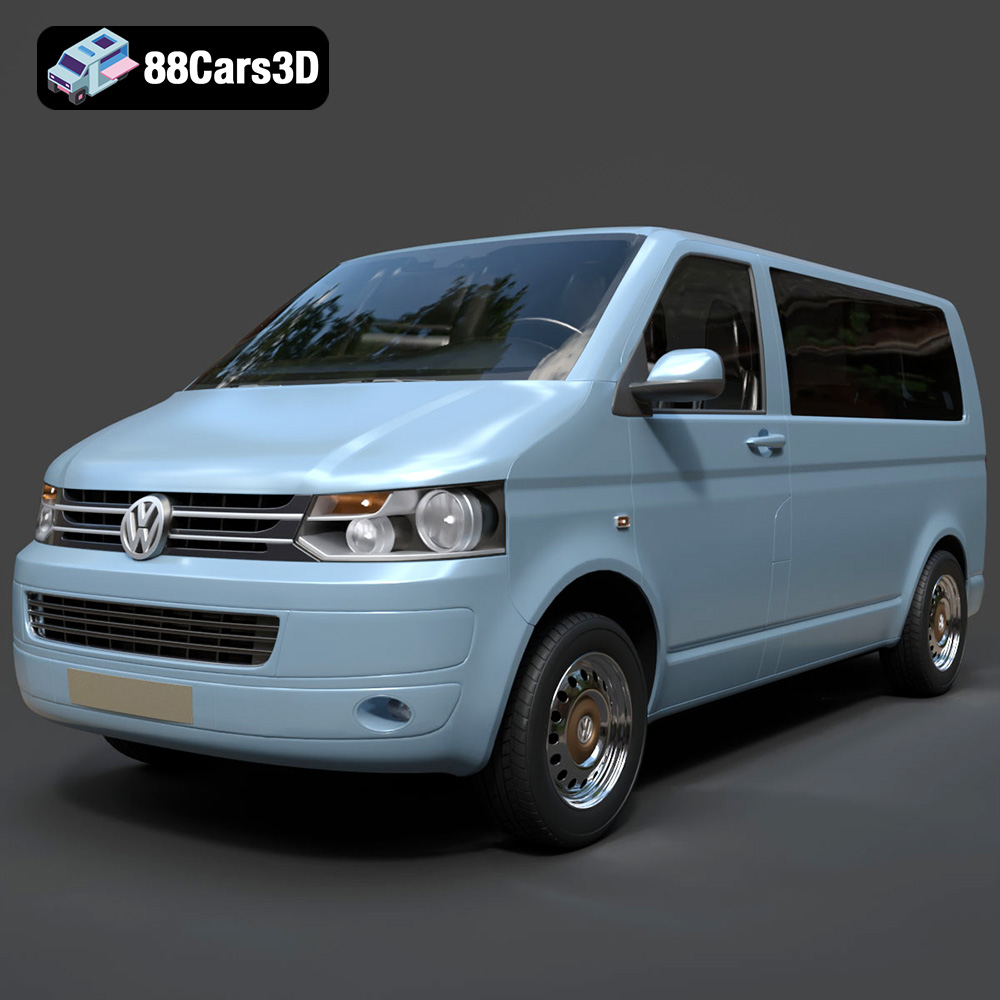
Texture: Yes
Material: Yes
Download the Volkswagen Transporter T5 FL 2010 3D Model featuring clean geometry, realistic detailing, and a fully modeled interior. Includes .blend, .fbx, .obj, .glb, .stl, .ply, .unreal, and .max formats for rendering, simulation, and game development.
Price: $22.99
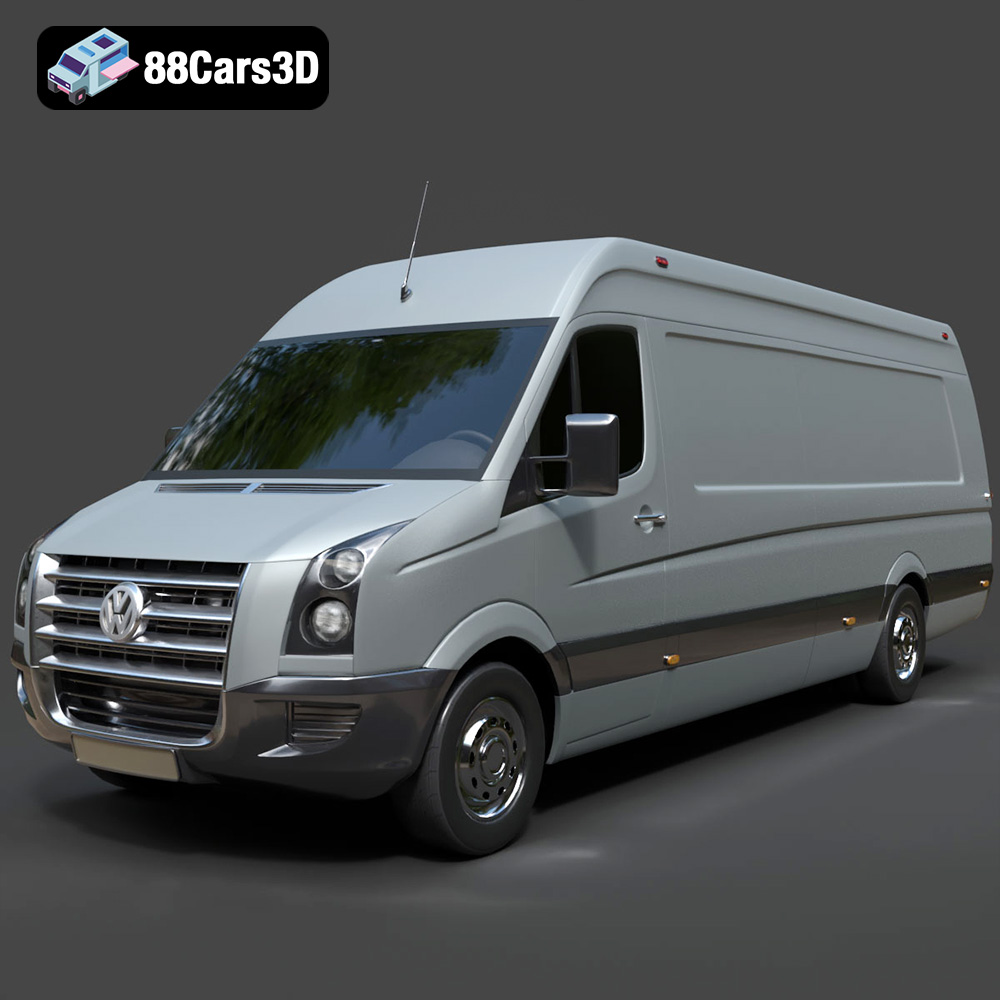
Texture: Yes
Material: Yes
Download the Volkswagen Crafter 2020 3D Model featuring clean geometry, realistic detailing, and a fully modeled interior. Includes .blend, .fbx, .obj, .glb, .stl, .ply, .unreal, and .max formats for rendering, simulation, and game development.
Price: $22.99
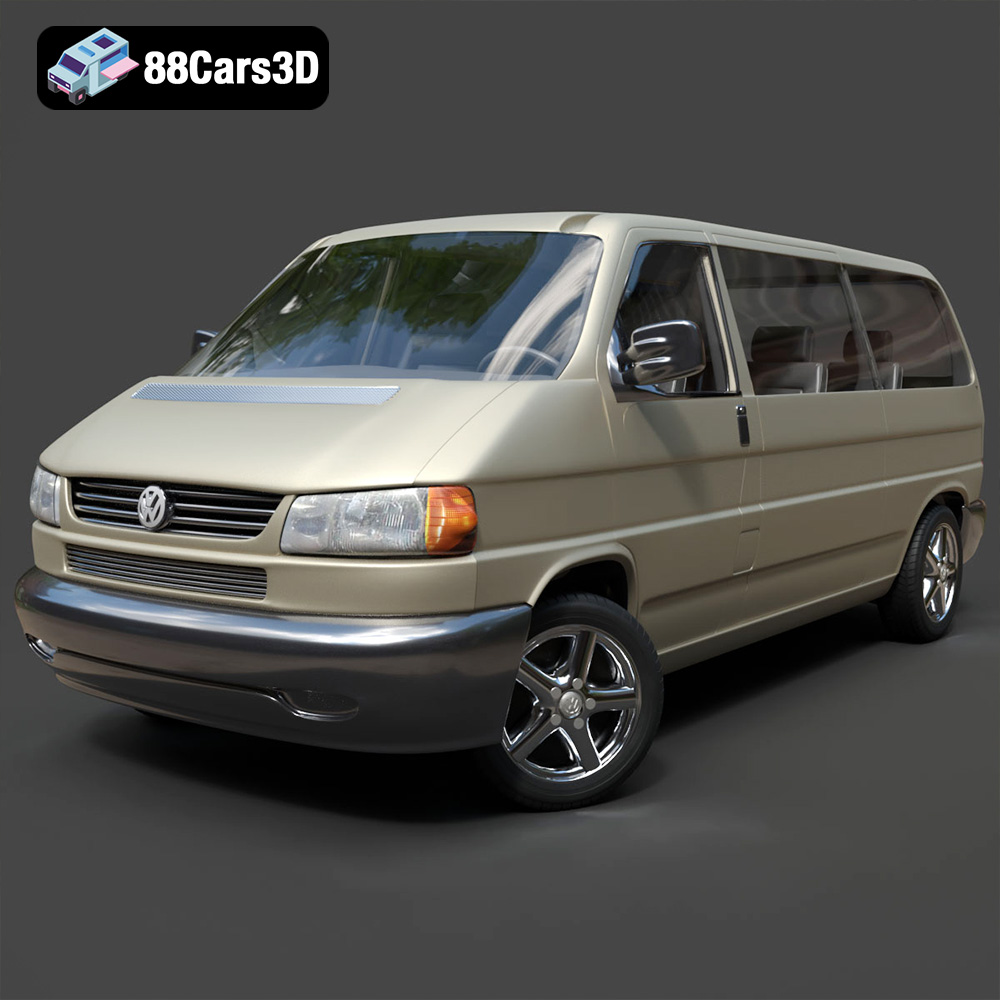
Texture: Yes
Material: Yes
Download the Volkswagen Caravelle 3D Model featuring a detailed exterior, functional interior, and optimized topology. Includes .blend, .fbx, .obj, .glb, .stl, .ply, .unreal, and .max formats for rendering, simulation, and game development.
Price: $23.99
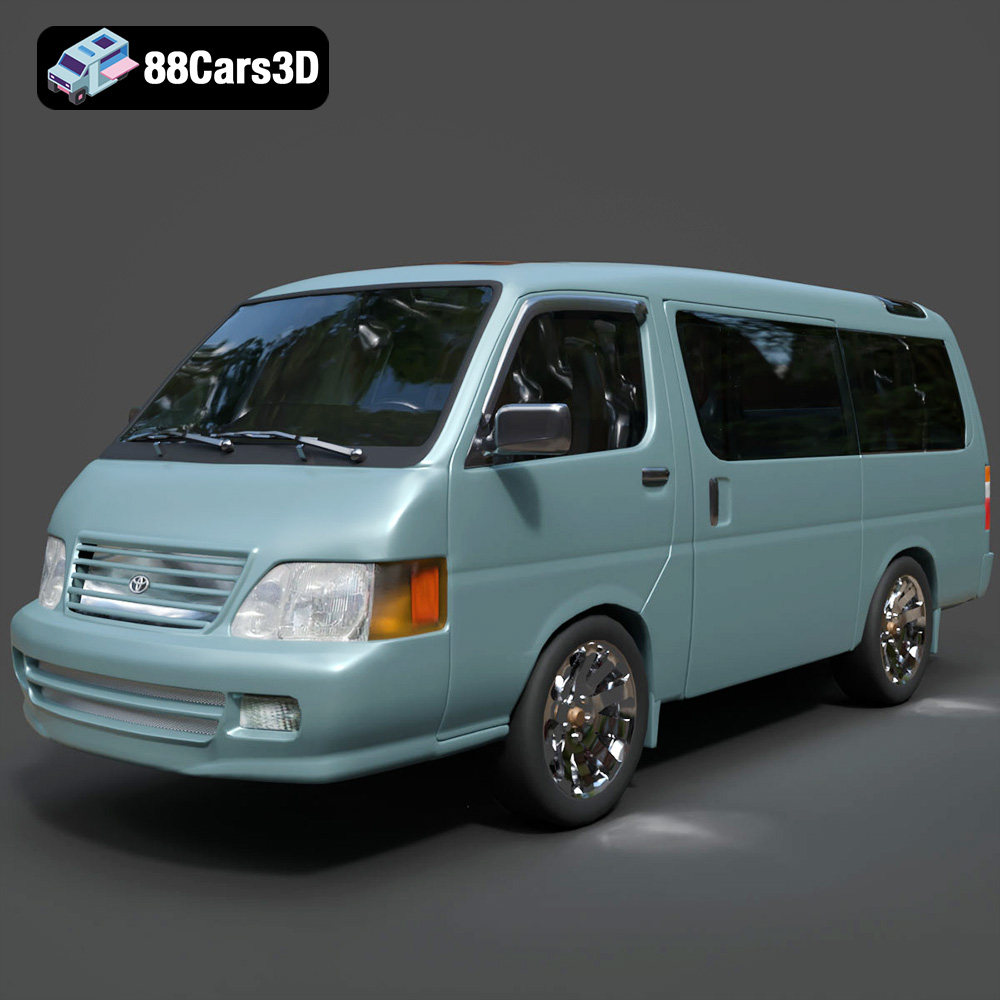
Texture: Yes
Material: Yes
Download the Toyota Hiace 3D Model featuring versatile design and detailed exterior. Includes .blend, .fbx, .obj, .glb, .stl, .ply, .unreal, and .max formats for rendering, simulation, and game development.
Price: $21.99
Texture: Yes
Material: Yes
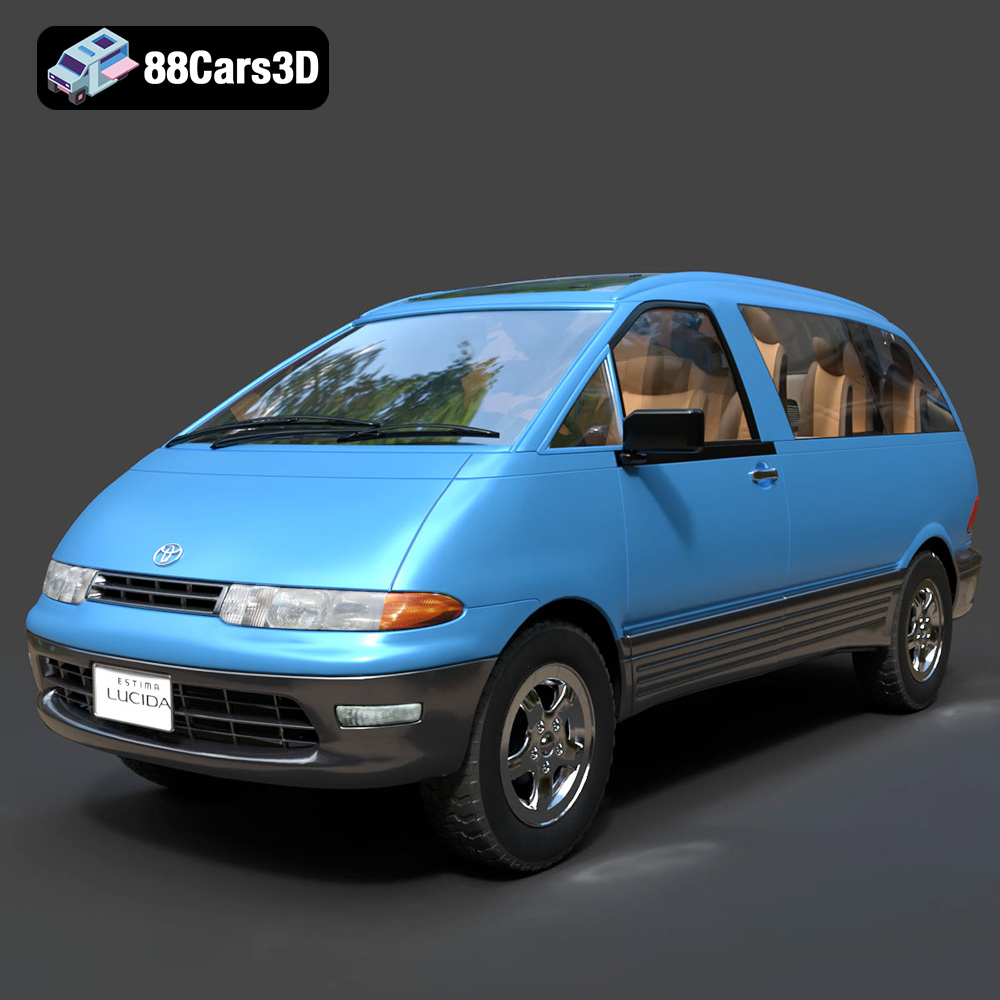
Download the Toyota Estima Lucida 3D Model featuring its iconic compact MPV design, versatile interior, and accurate exterior details. Includes .blend, .fbx, .obj, .glb, .stl, .ply, .unreal, and .max formats for rendering, simulation, and game development.
Price: $24.99

Texture: Yes
Material: Yes
Download the Toyota Alphard 3D Model featuring a detailed luxury minivan design with an accurate exterior and interior. Includes .blend, .fbx, .obj, .glb, .stl, .ply, .unreal, and .max formats for rendering, simulation, and game development.
Price: $21.99
Texture: Yes
Material: Yes
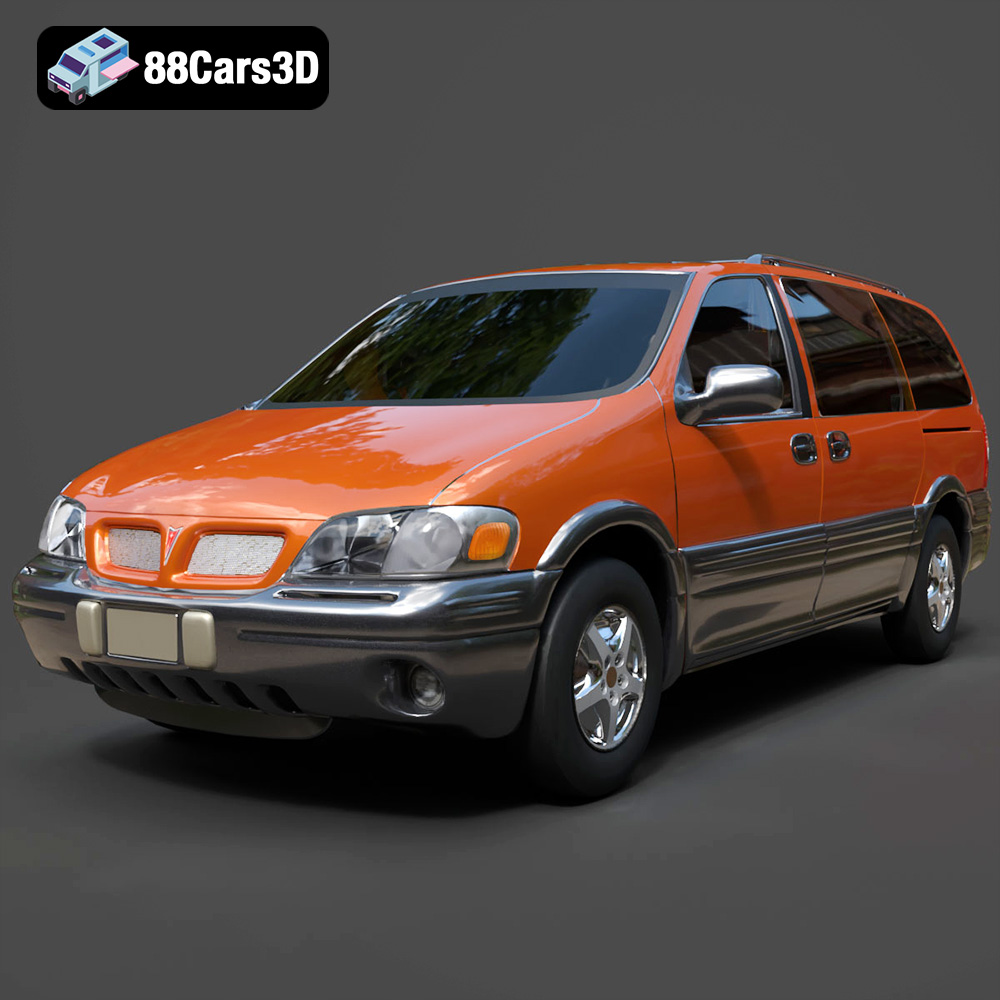
Download the Pontiac Montana 1998 3D Model featuring a detailed exterior, functional interior, and optimized mesh. Includes .blend, .fbx, .obj, .glb, .stl, .ply, .unreal, and .max formats for rendering, simulation, and game development.
Price: $21.99
Texture: Yes
Material: Yes
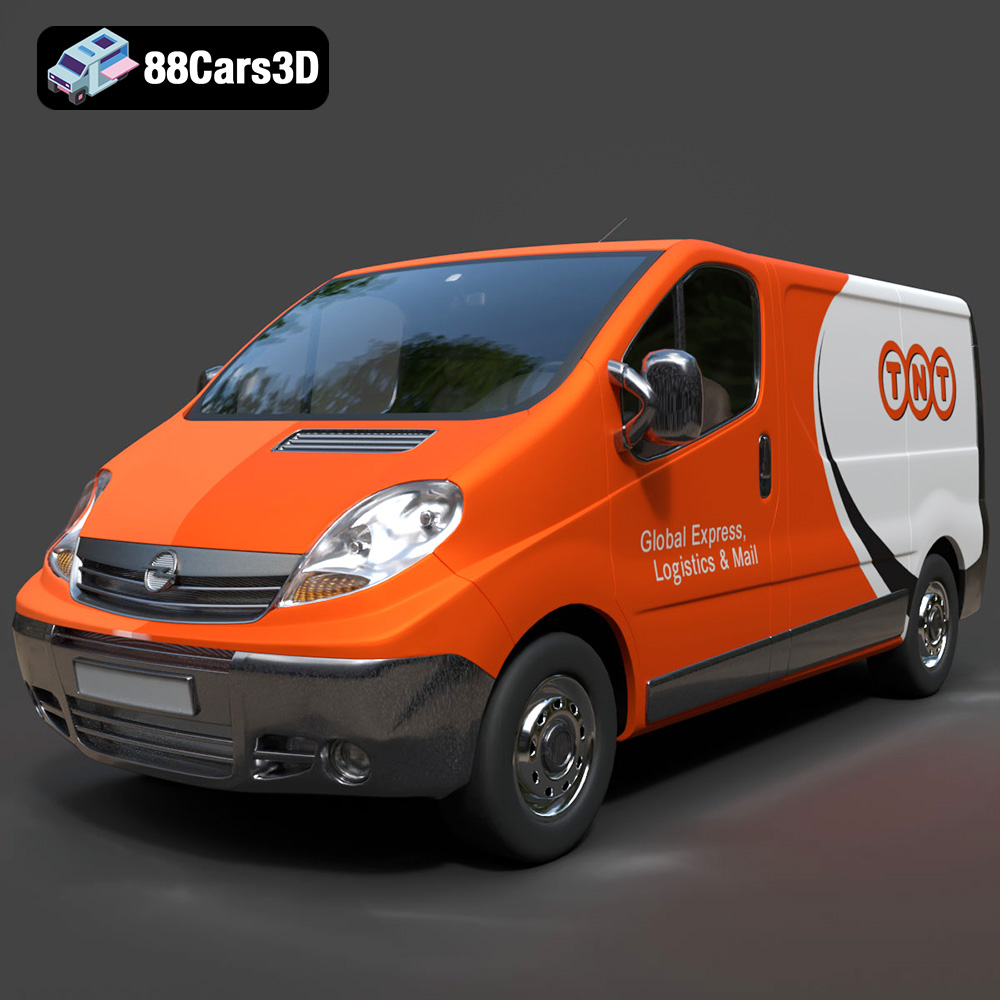
Download the Opel Vivaro 3D Model featuring a versatile commercial van design with balanced detailing. Includes .blend, .fbx, .obj, .glb, .stl, .ply, .unreal, and .max formats for rendering, simulation, and game development.
Price: $21.99
Texture: Yes
Material: Yes
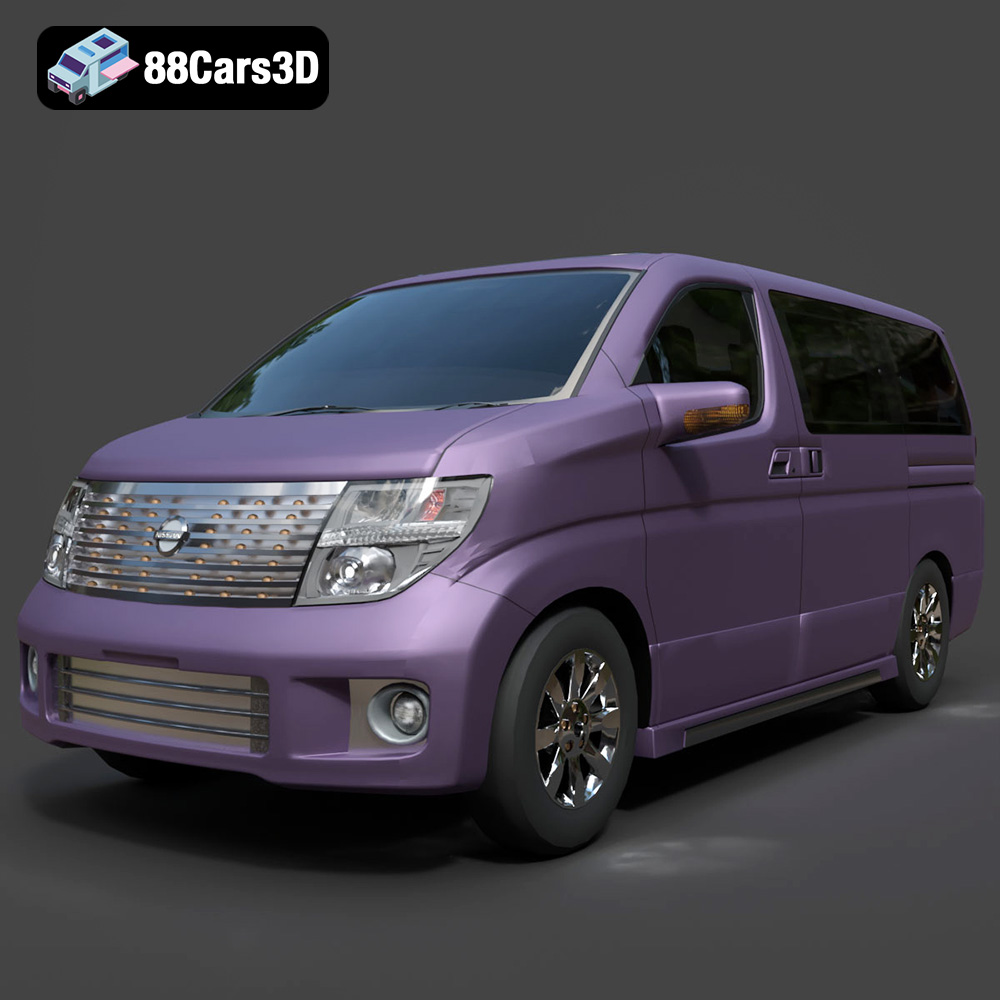
Download the Nissan Elgrand 3D Model featuring a versatile minivan design. Includes .blend, .fbx, .obj, .glb, .stl, .ply, .unreal, and .max formats for rendering, simulation, and game development.
Price: $21.99
Texture: Yes
Material: Yes
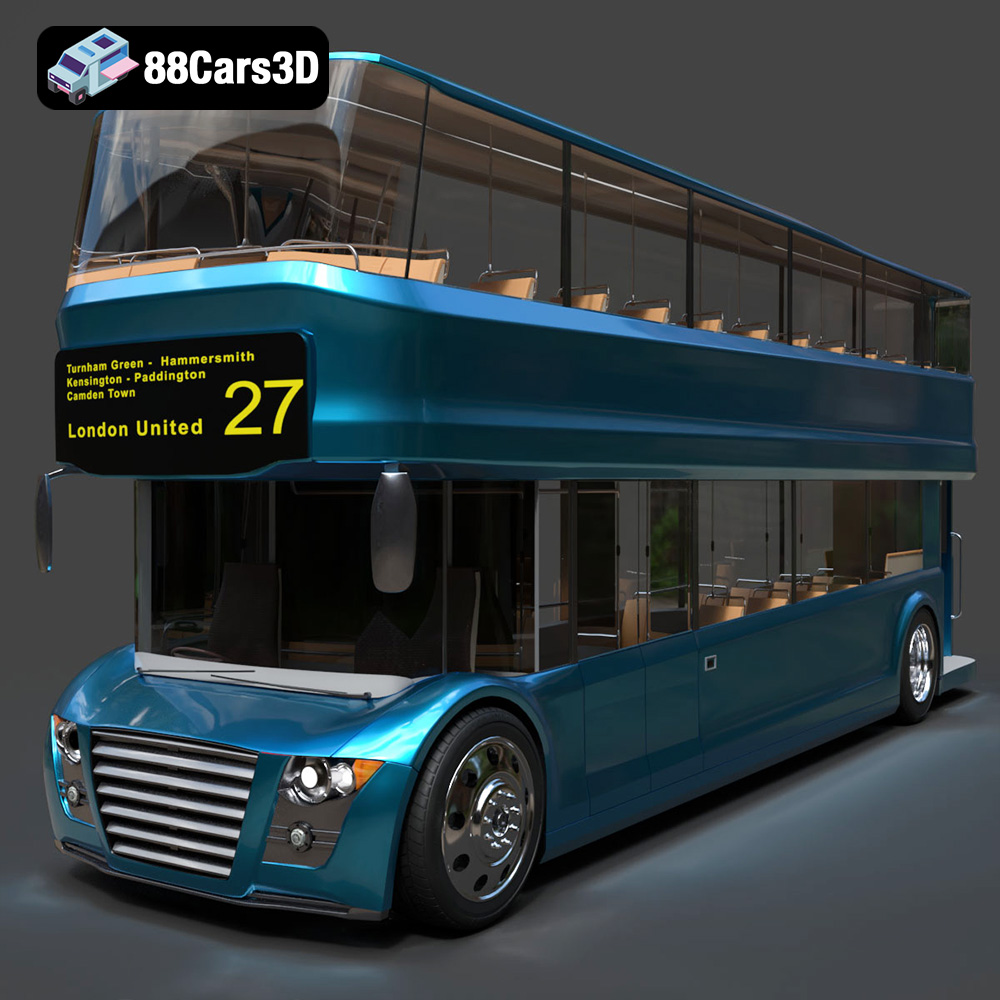
Download the New Bus For London 3D Model featuring a detailed exterior and interior, optimized for rendering and animation. Includes .blend, .fbx, .obj, .glb, .stl, .ply, .unreal, and .max formats for rendering, simulation, and game development.
Price: $21.99

