⚡ FLASH SALE: Get 60% OFF All Premium 3D & STL Models! ⚡

The automotive industry has embraced real-time technology with unprecedented enthusiasm, transforming everything from design visualization and engineering review to marketing configurators and interactive driving experiences. At the heart of this revolution lies Unreal Engine, a powerful platform capable of rendering breathtakingly realistic vehicles and environments in real time. However, achieving this level of visual fidelity while maintaining optimal performance across diverse platforms – from high-end workstations and virtual production stages to mobile devices and AR/VR headsets – presents a unique set of challenges. It’s a delicate balancing act: pushing the boundaries of realism without sacrificing interactivity or frame rate.
This comprehensive guide delves into the essential techniques and best practices for optimizing Unreal Engine projects specifically for automotive visualization and real-time experiences. Whether you’re a game developer creating a racing simulation, an automotive designer visualizing a new concept, or a marketing professional building an interactive configurator, understanding these principles is crucial. We’ll explore project setup, intelligent asset management, material and lighting strategies, cutting-edge features like Nanite and Lumen, and how to apply these optimizations to ensure your automotive creations run flawlessly across a spectrum of target devices. By the end of this article, you’ll be equipped with the knowledge to bring your high-fidelity 3D car models to life, perfectly balanced between stunning visuals and unparalleled performance.
A successful real-time automotive project in Unreal Engine begins with robust planning and an optimized foundation. The initial project setup and how you manage your core 3D car model assets significantly impact performance and development efficiency down the line. It’s not just about importing a beautiful model; it’s about preparing it for the demands of real-time rendering and interactivity, ensuring every polygon and texture serves a purpose without becoming a performance bottleneck.
When starting an Unreal Engine project for automotive visualization, selecting the right template and configuring initial settings is paramount. While the “Games” or “Film, Television & Live Events” templates offer good starting points, specific adjustments are often necessary. In the Project Settings, under the Engine section, focus on ‘Rendering’ to enable or disable features based on your target platform and visual goals. For high-fidelity automotive visualization, features like Lumen Global Illumination and Reflections, Ray Tracing (if targeting high-end hardware), and Virtual Shadow Maps are often enabled. Conversely, for mobile or AR/VR applications, these might be disabled or significantly scaled back, opting for more traditional rasterization methods to save performance. Adjusting ‘Frame Rate’ settings and ‘Engine Scalability Settings’ can also provide immediate gains by defining quality levels for different hardware profiles. For detailed information on specific settings, always refer to the official Unreal Engine documentation at dev.epicgames.com/community/unreal-engine/learning.
Sourcing high-quality 3D car models from marketplaces like 88cars3d.com is an excellent first step, but proper import is key. When importing FBX or USD files, ensure your 3D application (e.g., Blender, Maya, 3ds Max) has exported the model with correct scale, pivot point (ideally at the model’s base center for vehicles), and clean transforms. In Unreal Engine’s FBX Import Options, crucial settings include ‘Combine Meshes’ (often unchecked for automotive models to allow individual component access), ‘Generate Missing Collision’ (only for simpler collision needs, otherwise custom collision is preferred), and ‘Import Textures’ / ‘Import Materials’ (usually enabled). Ensure ‘Normal Import Method’ is set correctly (e.g., ‘Import Normals and Tangents’ if pre-calculated in your DCC app) to avoid shading artifacts. If your model uses a specific coordinate system, verify ‘Transform Vertex to Absolute’ is handled correctly. For complex scenes or large data sets, USD (Universal Scene Description) offers a robust pipeline for non-destructive asset assembly and interchange, making it increasingly valuable for collaborative automotive projects.
The quality of your source 3D car models directly impacts performance and visual fidelity. Clean topology with efficient polygon distribution is critical. Aim for quads where possible, minimize stretched or overlapping UVs, and ensure UV mapping is optimized for PBR texture workflow. Assets from platforms like 88cars3d.com are typically optimized for these standards, featuring clean topology, realistic materials, and proper UV mapping. For textures, stick to standard power-of-two resolutions (e.g., 2048×2048, 4096×4096) and use appropriate compression settings within Unreal Engine. PNG for detailed masks, TGA for uncompressed alpha, and EXR for HDR data are common choices. FBX remains the most common format for static and skeletal meshes due to its widespread support, while USD is gaining traction for its scene description capabilities, offering benefits in managing complex automotive assemblies and variations. Consider splitting complex vehicles into logical components (body, doors, wheels, interior parts) to allow for individual material assignments, LODs, and better culling.
Once your car models are properly imported, the next critical step is to bring them to life with stunningly realistic materials and lighting. This is where Unreal Engine truly shines, offering an advanced Physically Based Rendering (PBR) system and a suite of powerful lighting solutions, including the groundbreaking Lumen. Mastering these elements is essential for creating compelling automotive experiences, whether for cinematic renders or interactive applications. The goal is to achieve visual authenticity without overburdening the real-time rendering pipeline, a common challenge particularly with reflective surfaces like car paint and chrome.
Achieving realistic automotive surfaces like paint, glass, rubber, and chrome requires a deep understanding of PBR principles. In the Unreal Engine Material Editor, each material slot (Base Color, Metallic, Specular, Roughness, Normal, Emissive, Opacity) corresponds to physical properties. Car paint, for instance, is often a complex material involving clear coat, metallic flakes, and subtle subsurface scattering, which can be simulated using a layered material approach or custom shaders. Glass requires accurate transmission, refraction (using Screen Space Refraction or more expensive Ray Traced Refraction), and subtle reflections, often with a dedicated material. For efficiency, use Material Instances to create variations (different paint colors, tire wear) from a single master material, significantly reducing shader compilation times and memory footprint. Texture resolutions should be chosen carefully; 4K (4096×4096) for large body panels, 2K (2048×2048) for wheels and interior, and 1K (1024×1024) or lower for smaller details or less visible parts. Consolidate textures into channels (e.g., RGB for Base Color, R for Roughness, G for Metallic, B for Ambient Occlusion) to reduce texture sampling and memory.
Lumen is Unreal Engine’s fully dynamic global illumination and reflections system, providing incredibly realistic lighting for automotive scenes. It dynamically reacts to changes in lights, materials, and geometry, making it ideal for interactive configurators or changing time-of-day scenarios. To enable Lumen, navigate to Project Settings > Engine > Rendering and enable “Global Illumination” and “Reflections” methods to “Lumen.” Adjusting Lumen’s quality settings (e.g., ‘Lumen GI Quality,’ ‘Lumen Reflection Quality’) in the Post Process Volume is crucial for balancing fidelity and performance. While Lumen is powerful, it has a performance cost, especially on lower-end hardware. For the ultimate visual quality on high-end systems, hardware Ray Tracing can be enabled (also in Project Settings > Rendering), offering pixel-perfect reflections, global illumination, and shadows. However, Ray Tracing is significantly more demanding and typically reserved for cinematic renders or top-tier PC experiences rather than broad real-time interactive applications.
Even with advanced systems like Lumen, understanding and optimizing traditional lighting methods is vital, especially when targeting performance-sensitive platforms. For static environments surrounding your car model, baked lighting using Lightmass can provide highly optimized and visually impressive global illumination at a fraction of the runtime cost of dynamic solutions. This is achieved by converting static lights into lightmaps and pre-calculating indirect lighting. For dynamic elements, limit the number of dynamic lights casting shadows. Use ‘Stationary’ lights when possible, as they can bake static shadows but still offer dynamic light changes. For mobile and AR/VR, ‘Movable’ lights should be used sparingly, as each dynamic light adds significant rendering overhead, particularly with shadows. Employ ‘Light Functions’ for adding realistic patterns to lights (e.g., projected gobos) but be mindful of their shader complexity. Utilize ‘IES Light Profiles’ for realistic light distribution from point and spot lights, adding another layer of authenticity to your scene’s illumination without additional performance cost. Cull lights that are not contributing to the scene effectively to further reduce draw calls.
High-fidelity 3D car models are inherently complex, often featuring millions of polygons, which traditionally posed a significant challenge for real-time rendering. Unreal Engine 5 introduces revolutionary technologies like Nanite to address this, working in conjunction with established optimization techniques such as Level of Detail (LODs) and scalability settings. Mastering these tools is paramount for achieving stunning visual quality without compromising performance, allowing your automotive assets to shine on anything from a cinematic render to a mobile AR experience.
Nanite virtualized geometry is a game-changer for high-polygon automotive models. It intelligently streams and processes only the necessary detail, allowing artists to import film-quality assets with millions of triangles per car without concern for polygon budget. To enable Nanite, simply select your static mesh in the Content Browser, right-click, and choose ‘Enable Nanite’ from the Static Mesh Actions menu. Once enabled, the ‘Nanite Settings’ in the Static Mesh Editor allow for fine-tuning, such as ‘Fallback Relative Error’ and ‘Preserve Area.’ Nanite dramatically reduces draw calls and memory usage compared to traditional methods by rendering only the visible pixels at an appropriate level of detail. However, it’s important to note that Nanite currently has some limitations: it doesn’t support deformation (skeletal animation), it’s not ideal for very small meshes, and it requires specific material setups for features like World Position Offset. Transparent and masked materials might not fully benefit from Nanite’s culling. For vehicle deformation, Nanite is applied to the static parts, while animated components like tires or suspension might use traditional meshes or a combination with Nanite.
While Nanite handles geometry complexity for static meshes, Level of Detail (LODs) remain a crucial optimization strategy, especially for skeletal meshes, deformable parts, and when targeting platforms that don’t fully support Nanite (like many mobile devices). LODs allow you to swap out high-polygon meshes for simpler versions as the object moves further from the camera, drastically reducing the number of triangles rendered. Unreal Engine offers robust LOD generation. In the Static Mesh Editor, under ‘LOD Settings,’ you can choose ‘Auto Generate LODs’ or import custom LOD meshes. For automotive models, it’s best practice to manually create or carefully review auto-generated LODs for critical components like the car body, wheels, and interior, ensuring that silhouette and critical details are preserved across different LOD levels. Set ‘Screen Size’ thresholds for each LOD to control when the engine switches between them. A typical strategy for a car might be LOD0 (full detail, 100% screen size), LOD1 (50-70% reduction, 50% screen size), LOD2 (70-90% reduction, 20% screen size), and a final impostor or extremely low-poly mesh for very distant views. Proper LOD management can significantly improve frame rates, especially in scenes with multiple vehicles or when the camera frequently changes distance from the subject.
Unreal Engine’s Scalability Settings provide a powerful mechanism to adjust rendering quality and performance across different hardware profiles. These can be accessed via the main editor window (Settings > Engine Scalability Settings) or controlled via console commands or Blueprint scripting at runtime. For automotive applications targeting a range of devices, customizing these settings is key. For mobile and AR/VR, aggressive optimization is necessary. Disable costly post-processing effects like Screen Space Reflections (SSR), Global Illumination (Lumen), and complex anti-aliasing methods. Use simpler shaders, reduce texture resolutions, and minimize the number of dynamic lights. Prioritize static lighting (baked lightmaps) wherever possible. Leverage mobile-specific rendering features like ‘Forward Shading’ and ‘Mobile HDR’ in Project Settings. Ensure your materials are optimized for mobile by checking ‘Mobile & VR’ preview modes. For draw call reduction, merge meshes where appropriate, use instancing for repeated elements, and carefully set ‘Occlusion Culling’ distances. These granular controls allow developers to fine-tune the user experience, ensuring that even on less powerful hardware, the automotive visualization remains engaging and performant. Tools like the ‘ProfileGPU’ command and ‘Stat Unit’ are invaluable for identifying performance bottlenecks on target devices.
Beyond static beauty, the true power of Unreal Engine in automotive visualization lies in its ability to create dynamic, interactive experiences. This involves implementing custom behaviors, realistic physics, and intuitive user interfaces. Blueprint visual scripting empowers artists and designers to add complex functionality without writing a single line of code, while advanced physics systems provide a foundation for realistic vehicle dynamics. These elements transform a passive 3D model into an engaging, explorable, and customizable automotive experience.
Blueprint visual scripting is an indispensable tool for adding interactivity to your 3D car models. With Blueprint, you can create dynamic events like opening and closing car doors, changing paint colors, or toggling interior lights with simple button clicks or proximity triggers. A common example is building an automotive configurator:
This node-based system simplifies complex logic, allowing for rapid prototyping and iteration of interactive features, making it accessible even to those without extensive programming backgrounds. For advanced interactions or specific performance needs, C++ integration is always an option, but Blueprint provides incredible flexibility for most common automotive interactivity.
For simulations, racing games, or realistic driving experiences, Unreal Engine’s Chaos Vehicle plugin provides a robust framework for physics-based vehicle dynamics. Unlike older methods, Chaos Vehicle offers a more flexible and modular approach to simulating complex vehicle behavior.
Balancing realism with performance is key here. Highly complex physics calculations can be expensive. Consider simplifying collision geometry, especially for distant vehicles, and optimize the number of physics bodies. For purely visual demonstrations where ultra-realism isn’t needed, simpler animation or constrained movement via Blueprint can sometimes be more performant than full physics simulation, especially for mobile targets. However, for a truly immersive driving experience, Chaos Vehicles offers an unparalleled level of realism.
An intuitive User Interface (UI) is essential for any interactive automotive application. Unreal Engine’s UMG (Unreal Motion Graphics) UI Designer allows you to create elegant and functional interfaces. For an automotive configurator, this might include buttons for color selection, sliders for wheel size, or dropdowns for interior trim.
Performance optimization for UI is also important. Avoid excessive use of complex animations on UI elements, particularly on mobile. Use texture atlases for UI icons to reduce draw calls. Profile your UI to identify any performance bottlenecks. A well-designed UI not only enhances the user experience but also provides a clear and interactive way to showcase the features and customization options of your 3D car models, reinforcing the value of high-quality assets like those found on 88cars3d.com.
Unreal Engine’s capabilities extend far beyond interactive configurators, venturing into high-end cinematic content, cutting-edge virtual production, and immersive AR/VR experiences. These advanced applications demand meticulous optimization and specialized workflows to ensure the stunning visual quality of 3D car models translates seamlessly into dynamic narratives, real-world integrations, and interactive virtual environments. Each domain presents its own set of unique challenges and requires a tailored approach to Unreal Engine’s powerful toolset.
For creating stunning automotive commercials, product reveals, or short films, Unreal Engine’s Sequencer is an incredibly powerful non-linear editor. Sequencer allows you to orchestrate complex scenes by animating cameras, actors (like your 3D car models), materials, lights, and post-processing effects over time.
Optimization for cinematics often focuses on maximizing fidelity, as frames are pre-rendered or run on high-end hardware. However, maintaining good real-time performance during editing and scrubbing in Sequencer still benefits from efficient asset management and optimized lighting setups. Leveraging features like Lumen for dynamic GI and Reflections, and Nanite for high-detail car meshes, simplifies the artistic process by allowing immediate visual feedback.
Virtual Production (VP) using LED walls is revolutionizing film and broadcast, and 3D car models are central to this. Integrating virtual vehicles into physical sets allows for real-time interaction with actors and physical props, blurring the lines between digital and practical. Unreal Engine drives the content displayed on these massive LED volumes.
Performance is critical in VP, as the engine must render multiple high-resolution camera frustums in real time, often at high frame rates. Strict optimization of your car models, environment, and materials is paramount. Utilizing Nanite heavily for static geometry, efficient texture streaming, and careful budgeting of dynamic lights are common strategies. The ability to instantly change car models, colors, and environments on an LED stage offers unparalleled creative freedom and efficiency compared to traditional green screen methods.
AR (Augmented Reality) and VR (Virtual Reality) offer highly immersive ways to experience 3D car models, from interactive product showcases to virtual test drives. However, these platforms impose extremely strict performance budgets.
AR/VR optimization for automotive applications is an ongoing process of profiling and refining. Tools like the ‘GPU Visualizer’ and ‘Stat RHI’ in Unreal Engine are invaluable for identifying bottlenecks. The goal is to provide a smooth, comfortable, and visually compelling experience, allowing users to interact with stunning 3D car models in a truly immersive way, whether on a high-end VR headset or a smartphone. For this, starting with highly optimized assets from reliable sources like 88cars3d.com gives you a significant head start.
The journey of optimizing 3D car models in Unreal Engine for real-time applications is a continuous process of learning, iteration, and refinement. From the initial project setup to the final deployment on diverse platforms, every decision regarding asset management, material creation, lighting, and advanced engine features plays a pivotal role in balancing visual fidelity with performance. We’ve explored how a strong foundation with clean asset imports, intelligent PBR materials, and optimized lighting strategies sets the stage for success. Cutting-edge technologies like Nanite revolutionize how we handle high-polygon models, while traditional LODs and scalability settings remain vital for broader platform compatibility, especially for mobile and AR/VR.
Furthermore, Blueprint scripting empowers creators to craft engaging interactive experiences, and robust physics systems bring realistic vehicle dynamics to life. Whether you’re aiming for breathtaking cinematics with Sequencer, integrating virtual cars into physical sets with nDisplay for virtual production, or delivering immersive AR/VR automotive experiences, Unreal Engine provides the tools. The key takeaways are to always start with optimized, high-quality assets (such as those readily available on 88cars3d.com), understand your target platform’s limitations, leverage Unreal Engine’s powerful optimization features intelligently, and consistently profile your project to identify and address bottlenecks.
By applying these comprehensive strategies, you can unlock the full potential of Unreal Engine, transforming your high-fidelity 3D car models into captivating, performant, and truly immersive real-time experiences across the entire spectrum of automotive visualization. The power is in your hands to drive innovation; start building today, and don’t hesitate to consult the official Unreal Engine documentation at dev.epicgames.com/community/unreal-engine/learning for deeper dives into any of these topics.
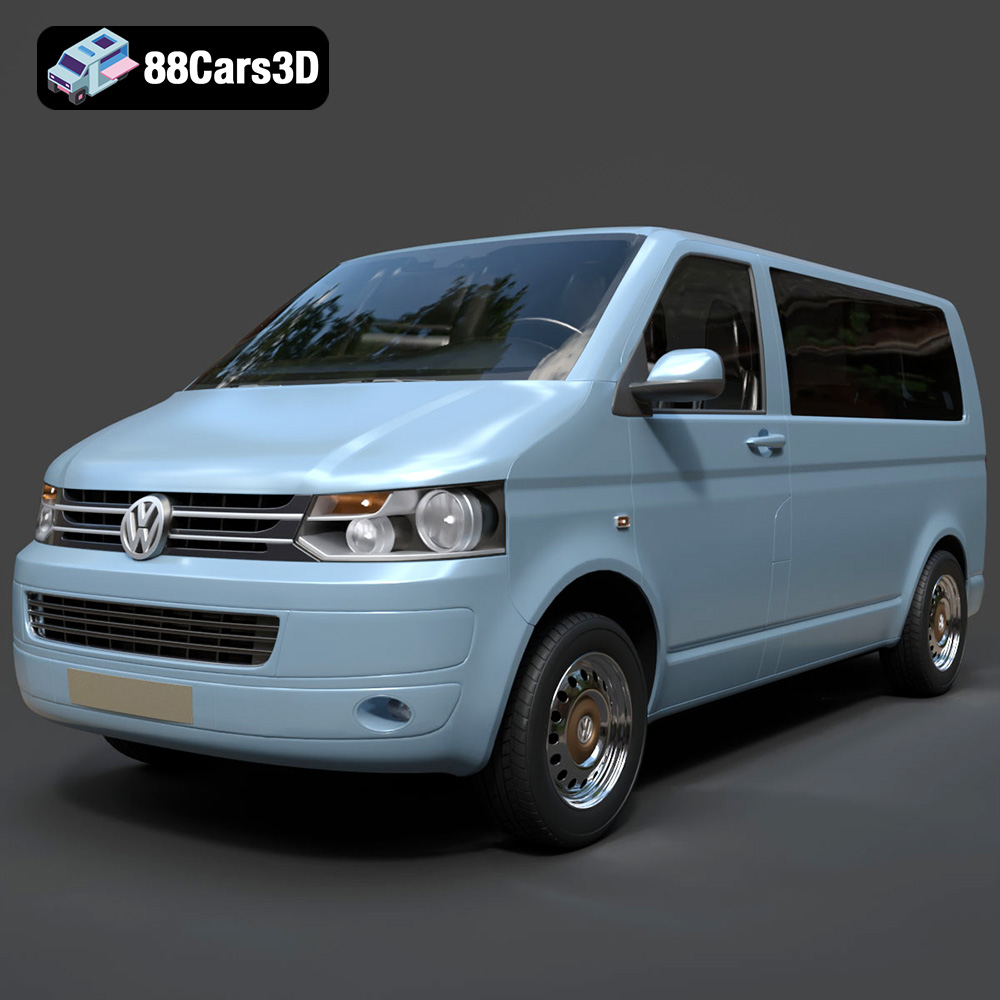
Texture: Yes
Material: Yes
Download the Volkswagen Transporter T5 FL 2010 3D Model featuring clean geometry, realistic detailing, and a fully modeled interior. Includes .blend, .fbx, .obj, .glb, .stl, .ply, .unreal, and .max formats for rendering, simulation, and game development.
Price: $22.99
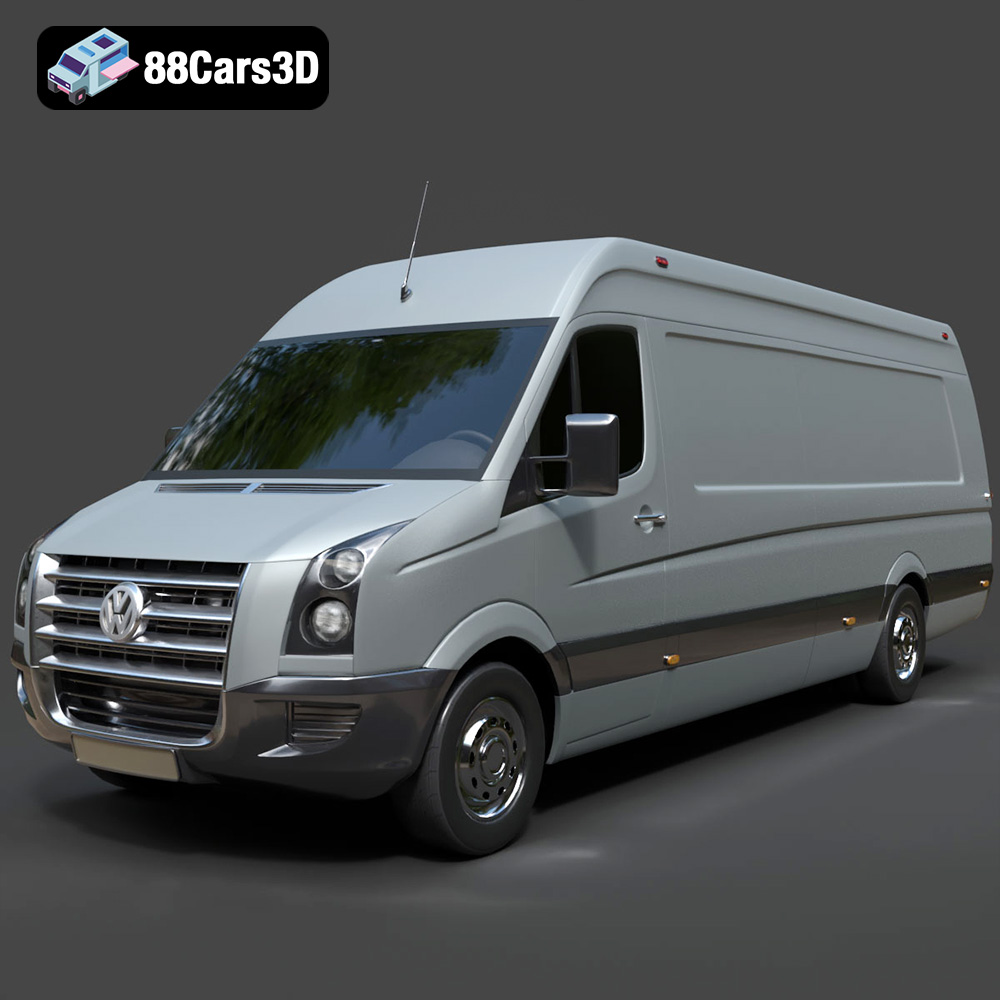
Texture: Yes
Material: Yes
Download the Volkswagen Crafter 2020 3D Model featuring clean geometry, realistic detailing, and a fully modeled interior. Includes .blend, .fbx, .obj, .glb, .stl, .ply, .unreal, and .max formats for rendering, simulation, and game development.
Price: $22.99
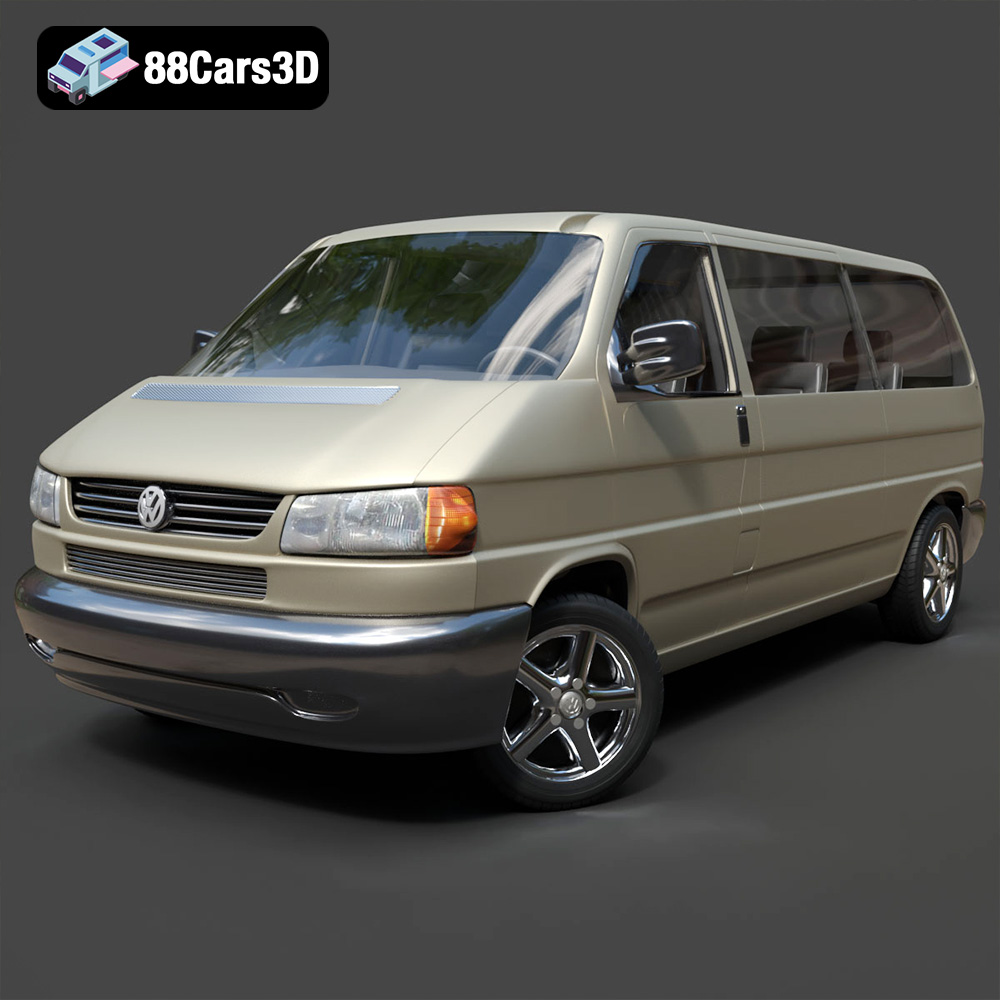
Texture: Yes
Material: Yes
Download the Volkswagen Caravelle 3D Model featuring a detailed exterior, functional interior, and optimized topology. Includes .blend, .fbx, .obj, .glb, .stl, .ply, .unreal, and .max formats for rendering, simulation, and game development.
Price: $23.99
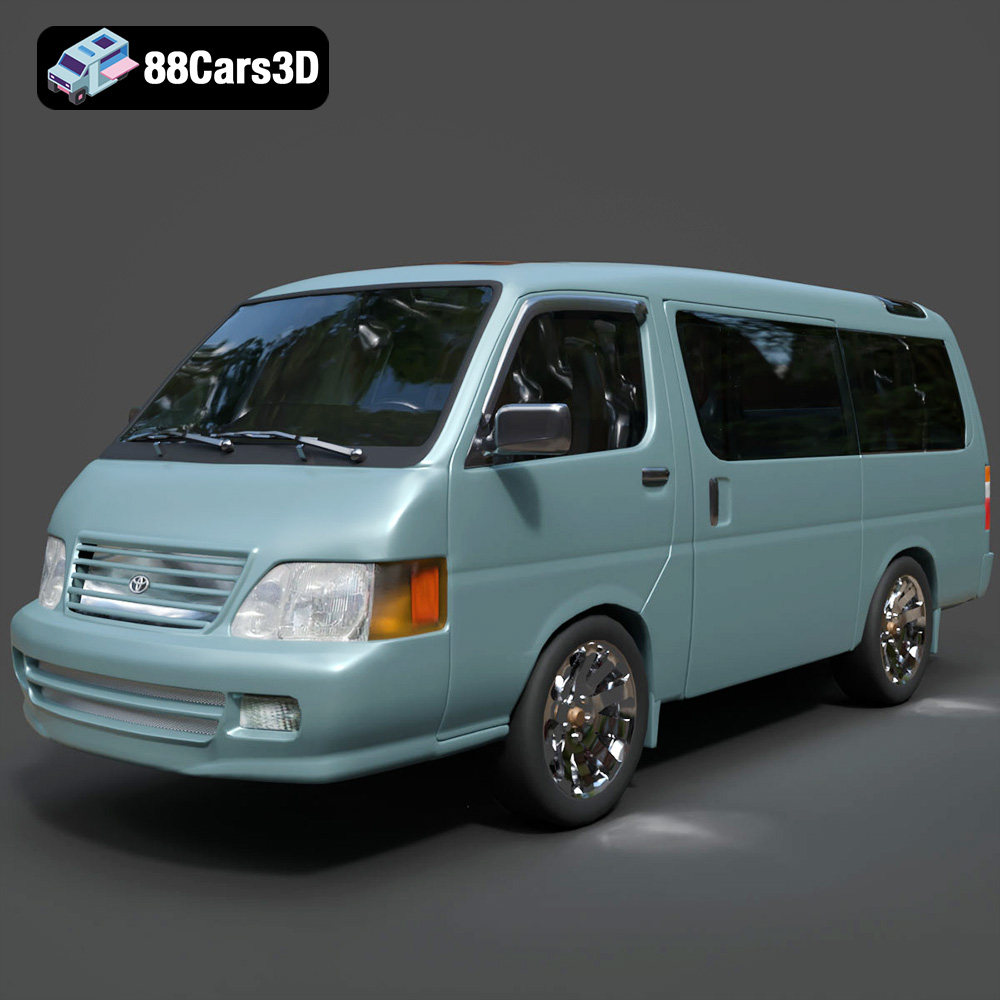
Texture: Yes
Material: Yes
Download the Toyota Hiace 3D Model featuring versatile design and detailed exterior. Includes .blend, .fbx, .obj, .glb, .stl, .ply, .unreal, and .max formats for rendering, simulation, and game development.
Price: $21.99
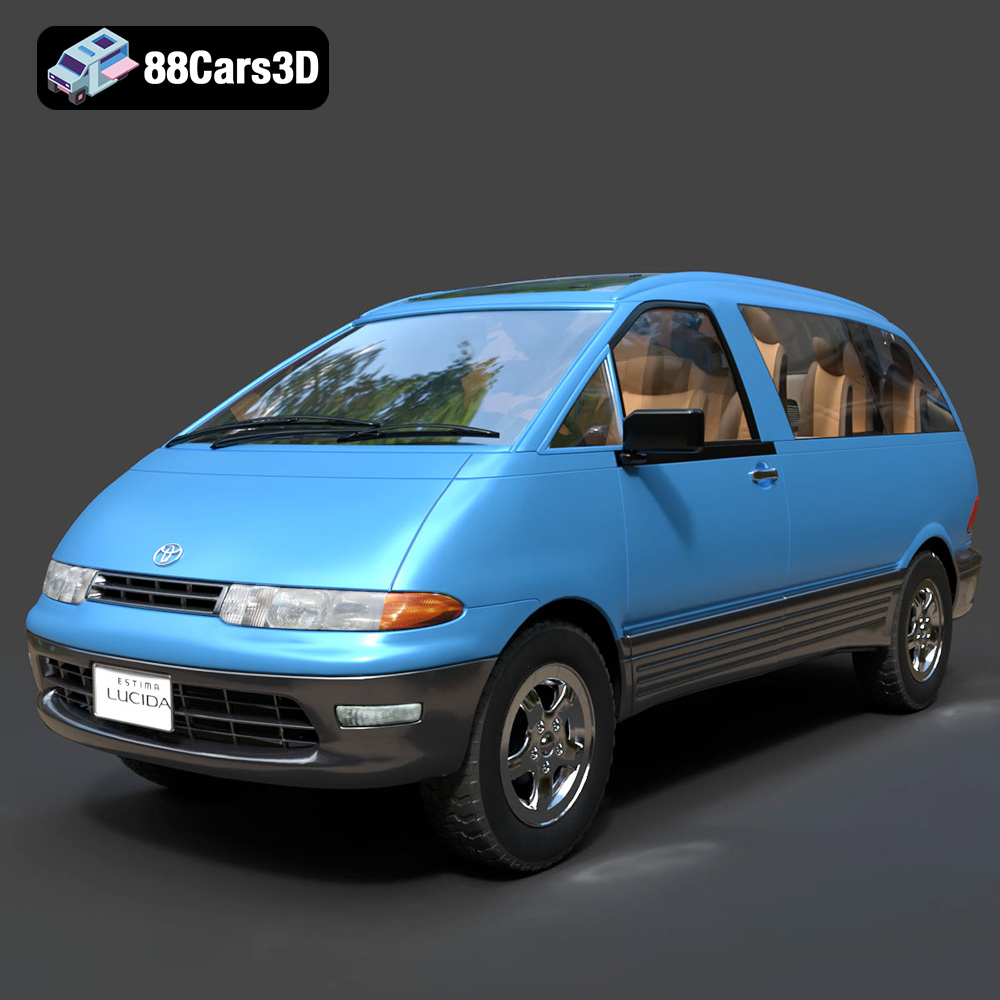
Texture: Yes
Material: Yes
Download the Toyota Estima Lucida 3D Model featuring its iconic compact MPV design, versatile interior, and accurate exterior details. Includes .blend, .fbx, .obj, .glb, .stl, .ply, .unreal, and .max formats for rendering, simulation, and game development.
Price: $24.99

Texture: Yes
Material: Yes
Download the Toyota Alphard 3D Model featuring a detailed luxury minivan design with an accurate exterior and interior. Includes .blend, .fbx, .obj, .glb, .stl, .ply, .unreal, and .max formats for rendering, simulation, and game development.
Price: $21.99
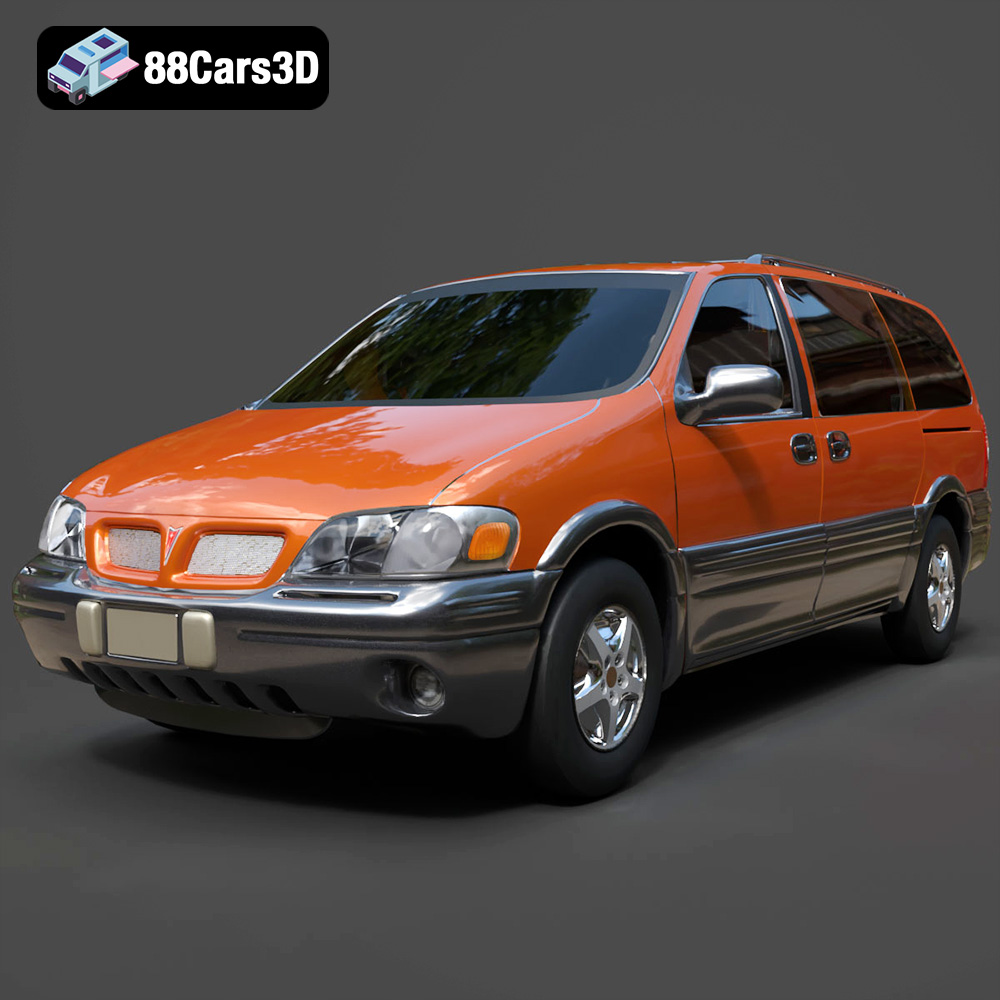
Texture: Yes
Material: Yes
Download the Pontiac Montana 1998 3D Model featuring a detailed exterior, functional interior, and optimized mesh. Includes .blend, .fbx, .obj, .glb, .stl, .ply, .unreal, and .max formats for rendering, simulation, and game development.
Price: $21.99
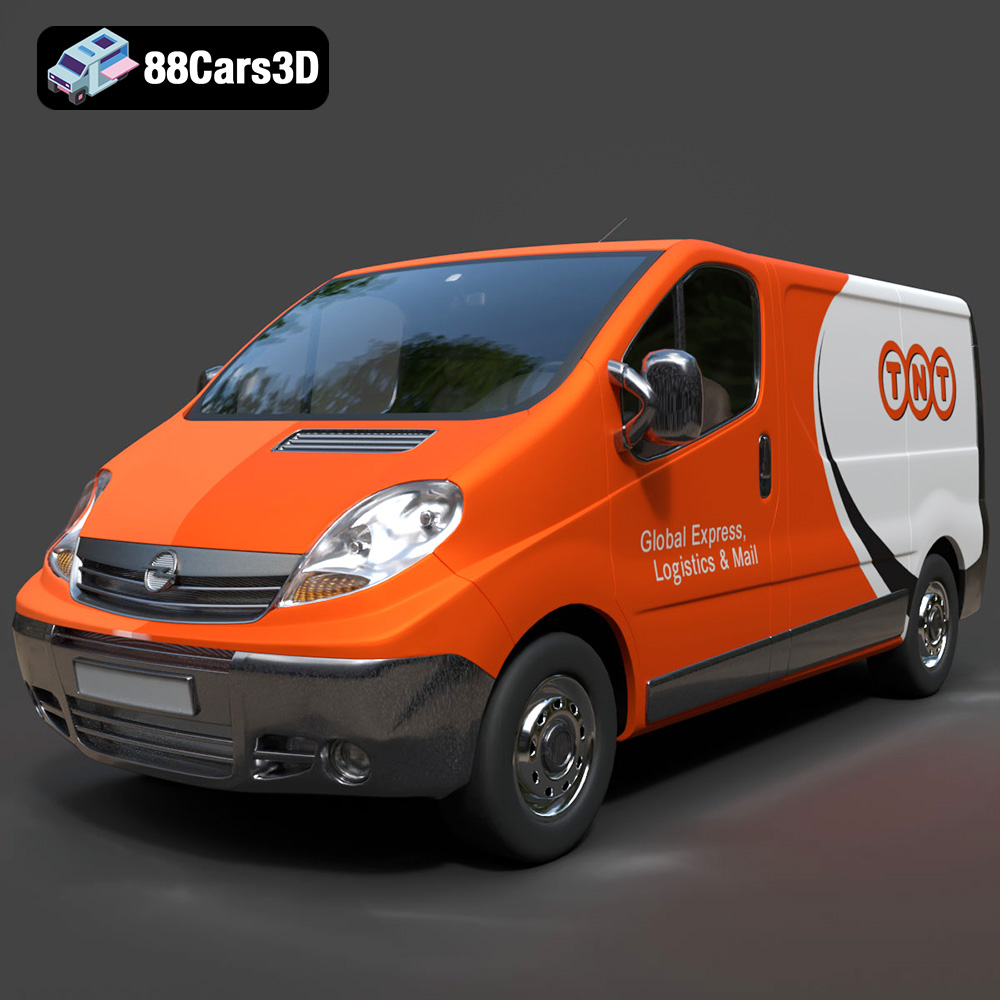
Texture: Yes
Material: Yes
Download the Opel Vivaro 3D Model featuring a versatile commercial van design with balanced detailing. Includes .blend, .fbx, .obj, .glb, .stl, .ply, .unreal, and .max formats for rendering, simulation, and game development.
Price: $21.99
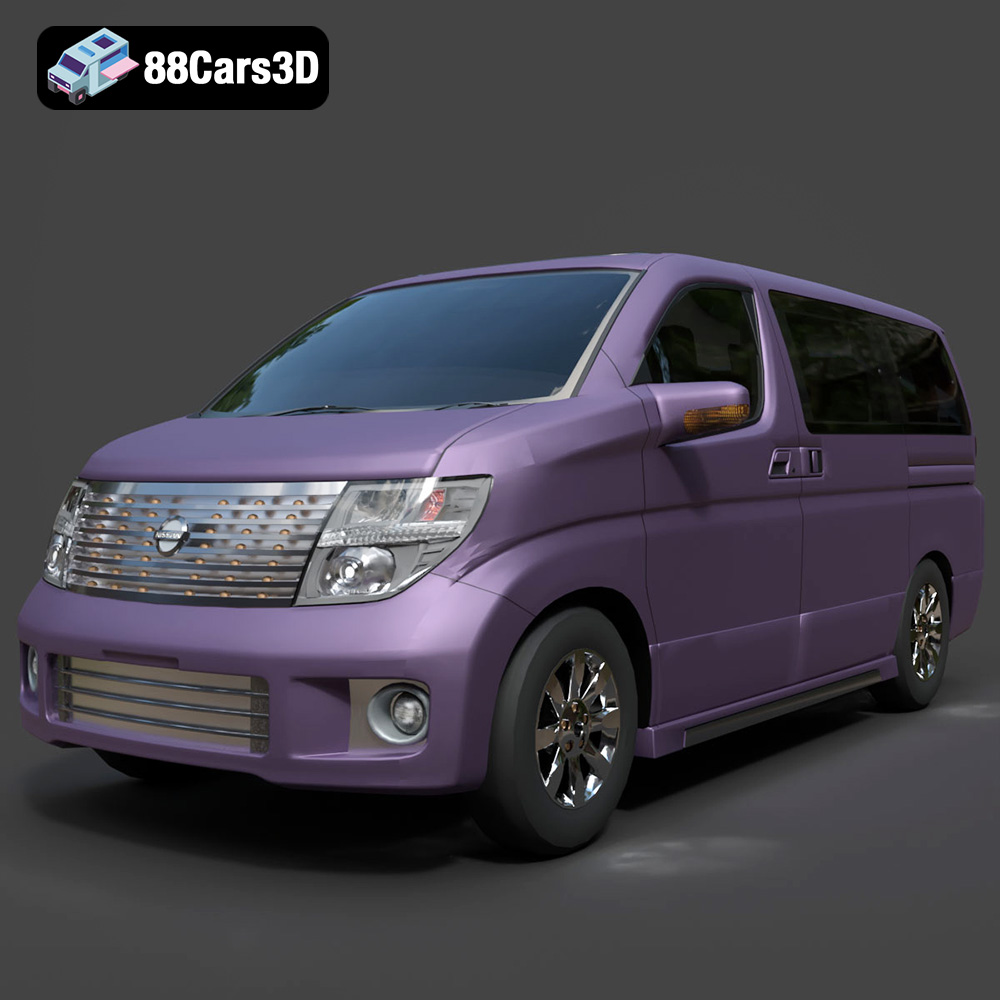
Texture: Yes
Material: Yes
Download the Nissan Elgrand 3D Model featuring a versatile minivan design. Includes .blend, .fbx, .obj, .glb, .stl, .ply, .unreal, and .max formats for rendering, simulation, and game development.
Price: $21.99
Texture: Yes
Material: Yes
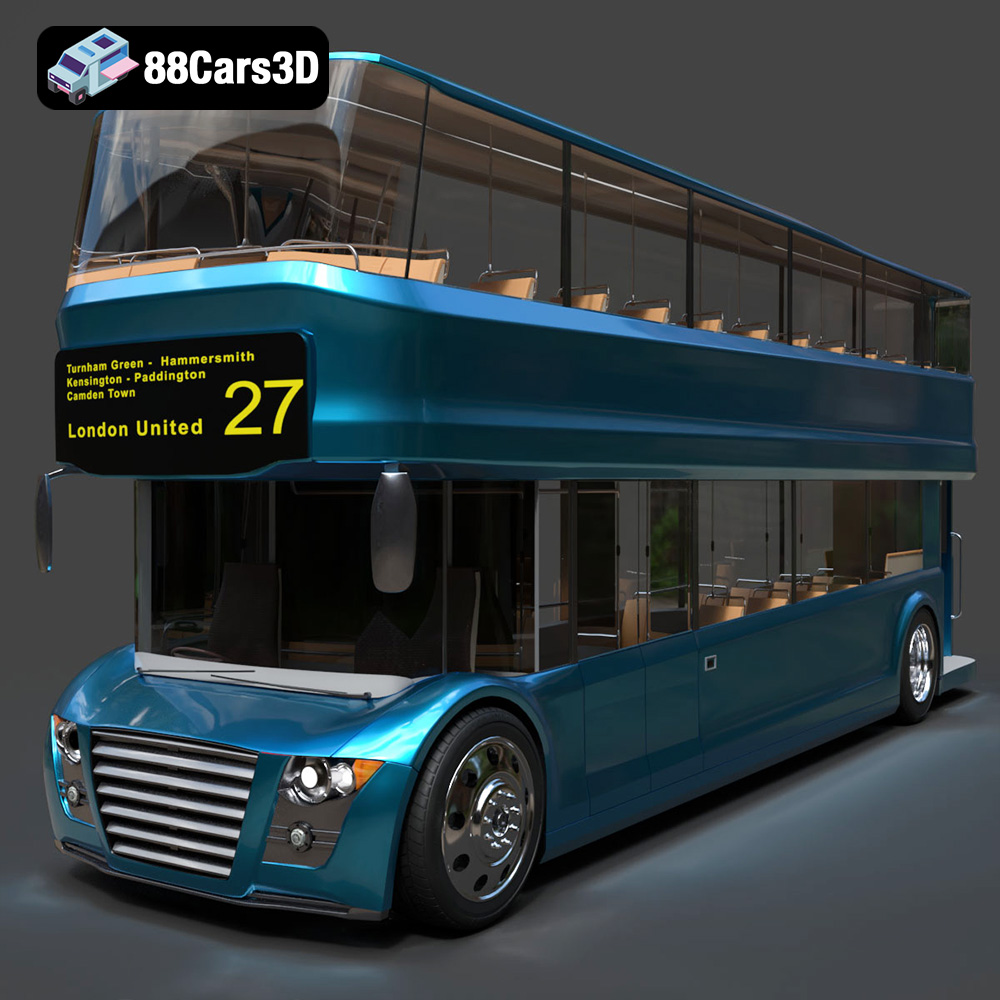
Download the New Bus For London 3D Model featuring a detailed exterior and interior, optimized for rendering and animation. Includes .blend, .fbx, .obj, .glb, .stl, .ply, .unreal, and .max formats for rendering, simulation, and game development.
Price: $21.99

