⚡ FLASH SALE: Get 60% OFF All Premium 3D & STL Models! ⚡

The automotive industry is in a constant state of evolution, driven by advancements in technology, manufacturing processes, and vehicle complexity. This rapid pace necessitates equally advanced training methods for engineers, technicians, sales professionals, and even end-users. Traditional training approaches – relying on physical prototypes, static manuals, or expensive on-site demonstrations – often fall short in scalability, cost-effectiveness, and engagement. Enter Unreal Engine, a powerful real-time 3D creation tool that is revolutionizing how we approach automotive training.
Unreal Engine provides an unparalleled platform for developing highly immersive and interactive training simulations. From intricate engine assembly procedures to advanced driver-assistance systems (ADAS) familiarization, the engine’s capabilities for realistic visualization, dynamic interaction, and robust scripting empower creators to build engaging experiences that boost knowledge retention and reduce operational risks. This comprehensive guide will delve into the technical workflows, best practices, and advanced features within Unreal Engine that enable the creation of cutting-edge automotive training simulations, utilizing high-quality assets to achieve stunning fidelity and performance. Prepare to transform your approach to skill development and knowledge transfer in the automotive realm.
The journey to a compelling automotive training simulation begins with a solid foundation: proper Unreal Engine project setup and the integration of meticulously crafted 3D models. Choosing the right project template and ensuring optimal import settings are critical steps that influence performance and development efficiency. Unreal Engine offers various templates, but for automotive visualization, starting with a Blank Project or leveraging the Automotive Template is often ideal, as it provides a clean slate or pre-configured settings tailored for realistic rendering.
High-quality 3D car models are the bedrock of any realistic automotive simulation. These models must possess clean topology, accurate dimensions, and well-executed UV mapping to serve as reliable visual and interactive elements. Platforms like 88cars3d.com specialize in providing such assets, optimized for use in Unreal Engine projects and boasting features like multiple LODs (Level of Detail) and ready-to-use PBR materials. Sourcing professional-grade models significantly reduces development time and ensures a high level of visual fidelity from the outset, allowing developers to focus on interactivity and simulation logic rather than model cleanup.
Unreal Engine supports various file formats, with Datasmith and FBX being the most prevalent for automotive assets. For complex CAD data or entire scene imports, Datasmith is indispensable. It intelligently translates CAD data from software like 3ds Max, Maya, or directly from CAD programs into Unreal Engine, preserving scene hierarchy, material assignments, and metadata. This non-destructive workflow is crucial for maintaining design intent and allowing iterative changes. When importing via Datasmith, ensure you select the appropriate import options for static meshes, materials, and lights. For pre-optimized meshes and simpler imports, especially those from marketplaces such as 88cars3d.com, the FBX format is a robust choice. When importing FBX, pay attention to settings like “Combine Meshes” (often useful for a single car), “Import Normals,” “Import Materials,” and “Generate Missing Collision” to ensure your asset is ready for immediate use. Always verify scale upon import to match Unreal Engine’s default unit (centimeters).
Once imported, immediate optimization and organization are paramount. Create a logical folder structure within your Unreal Engine project (e.g., /Cars/[CarName]/Meshes, /Materials, /Textures) to keep assets tidy and easily accessible. Review the imported meshes: simplify collision meshes where possible (e.g., using ‘Complex As Simple’ or custom simplified collision geometry) to reduce physics calculation overhead. Adjust pivots of individual components (like doors or wheels) in your 3D modeling software before import, or use Unreal Engine’s modeling tools to ensure they rotate correctly around their intended axis for interactive elements. This meticulous setup ensures a streamlined workflow for the subsequent stages of material creation and interactivity.
Visual realism is a cornerstone of effective automotive training. It allows trainees to relate to the digital environment as if it were physical, enhancing immersion and comprehension. Achieving this realism in Unreal Engine hinges on two critical components: physically-based rendering (PBR) materials and dynamic real-time lighting solutions like Lumen.
PBR materials faithfully simulate how light interacts with surfaces in the real world, producing predictable and consistent results regardless of the lighting environment. For automotive models, this translates to believable car paint, reflective glass, textured tires, and metallic interior accents. Understanding the core PBR channels – Base Color, Metallic, Specular, Roughness, Normal, and Ambient Occlusion – is essential for recreating these diverse surfaces convincingly. For optimal results, ensure your textures are correctly calibrated for sRGB (Base Color) and linear space (Metallic, Roughness, Normal) and use appropriate resolutions (e.g., 2048×2048 or 4096×4096) for key components.
Within the Unreal Engine Material Editor, you’ll construct complex shaders for your automotive assets. A typical car paint material, for example, might involve a clear coat layer over a metallic flake base. This can be achieved by blending multiple material layers or using advanced material functions. Glass materials require specific attention to refraction and reflection; adjusting the IOR (Index of Refraction) and utilizing transparent blend modes will yield convincing results. For wear and tear, consider using dirt or scratch masks to add subtle imperfections, enhancing realism. Always leverage Material Instances to create variations (e.g., different car colors or levels of paint sheen) from a single master material, significantly improving efficiency and reducing shader compilation times. For detailed guidance on material creation, refer to the official Unreal Engine documentation at https://dev.epicgames.com/community/unreal-engine/learning.
Lumen Global Illumination and Reflections is Unreal Engine’s dynamic global illumination and reflection system, crucial for bringing automotive scenes to life. Lumen accurately simulates indirect lighting bounces and reflections in real-time, meaning your car models will beautifully reflect their environment and dynamically react to changes in light. Combine Lumen with a High Dynamic Range Image (HDRI) skysphere for realistic environmental lighting and reflections. The HDRI provides an infinite light source and detailed reflections, making the car appear integrated into its surroundings. Augment this with a Directional Light (representing the sun), a Skylight (capturing distant environment light), and strategically placed Rect Lights or Spot Lights for accentuating details or simulating interior cabin lights. Finally, fine-tune the Post-Process Volume settings – adjusting exposure, color grading, bloom, and screen-space reflections – to achieve the desired cinematic look and feel for your training environment.
For an interactive training simulation to be effective, it must run smoothly. Lag, stuttering, or low frame rates can severely detract from the user experience and hinder the learning process. Therefore, robust performance optimization is not merely an option but a necessity. Unreal Engine offers a suite of powerful tools and features to manage complexity and maintain high frame rates, even with highly detailed 3D car models.
The goal of optimization is to render the scene efficiently without compromising visual fidelity beyond an acceptable threshold. This involves intelligent management of polygon counts, texture memory, draw calls, and shading complexity. Understanding where bottlenecks occur is the first step, often identified using Unreal Engine’s built-in profiling tools like `stat unit`, `stat rhi`, and `stat gpu` console commands, which provide real-time performance metrics.
Nanite Virtualized Geometry is a game-changer for automotive visualization, allowing you to use incredibly high-polygon models without traditional performance constraints. Nanite automatically processes and renders only the necessary detail, dynamically streaming geometry based on camera distance and screen resolution. This means you can import high-fidelity CAD data or detailed meshes from 88cars3d.com with millions of polygons and still achieve excellent performance. Simply enable Nanite on your static meshes. For meshes not suitable for Nanite (e.g., skinned meshes, certain transparent objects), traditional Level of Detail (LOD) management remains crucial. Create or automatically generate multiple LODs, each with progressively fewer polygons, to ensure distant objects render with less detail, saving performance. Configure LOD distances carefully to avoid noticeable popping.
Effective texture management is vital. High-resolution textures consume significant memory. Utilize Unreal Engine’s texture streaming system by setting appropriate texture group and LOD Bias values for your textures. Consider using Virtual Textures for large, detailed surfaces to reduce memory overhead. Minimizing draw calls – the number of times the CPU tells the GPU to draw something – is another key optimization. Merge meshes where appropriate (e.g., small, static components) or use Instanced Static Meshes for repetitive objects like nuts and bolts. Regularly audit your project using the “Audit Assets” tool to identify unused textures, overly complex materials, or excessively high-polygon meshes that might be contributing to performance issues. Profiling tools like the “GPU Visualizer” can help pinpoint costly shader instructions or overdraw, allowing you to refine your materials for better performance.
A training simulation’s true value lies in its interactivity. Passive viewing delivers less retention than active engagement. Unreal Engine’s Blueprint Visual Scripting system is the engine’s secret weapon, empowering designers and technical artists to create complex interactive behaviors without writing a single line of code. This intuitive node-based interface allows you to define logic, respond to user input, manipulate objects, and guide the training experience dynamically.
Beyond visual interaction, realistic physics simulation adds another layer of immersion, especially for tasks involving vehicle dynamics or mechanical operations. Simulating how a component moves or how a vehicle handles in a virtual environment helps trainees understand real-world principles and develop muscle memory in a safe, controlled setting.
Blueprint allows for creating intricate step-by-step training modules. You can set up event handlers for user input, such as mouse clicks on specific car parts to trigger information pop-ups, animated component disassembly, or guided assembly sequences. For example, a “tire change” simulation could use Blueprints to:
This guided interaction transforms a static model into a dynamic teaching tool. You can also implement robust error handling, providing constructive feedback when trainees perform an incorrect action. For deeper dives into Blueprint, explore the extensive resources on Unreal Engine’s learning portal.
For simulations involving driving or component stress, Unreal Engine’s Chaos Vehicle Physics system offers a robust framework. You can configure realistic vehicle dynamics by defining engine torque curves, transmission gear ratios, suspension stiffness, and tire friction properties. This allows for creating realistic driving scenarios, from basic maneuvering to advanced driver assistance system (ADAS) training. Implement environmental interactions using trigger volumes and collision events:
For simpler component interactions, consider using Physics Constraints to define hinge joints for doors, sliders for seat adjustments, or spring constraints for suspension components. This level of physical realism, when combined with high-quality models, significantly enhances the training experience.
To truly elevate automotive training simulations, leveraging advanced Unreal Engine features can transform basic interactions into highly immersive and compelling experiences. This includes integrating cinematic sequences, sophisticated visual effects, and preparing for diverse deployment platforms like AR/VR or virtual production environments.
These advanced techniques allow for guided learning paths, scenario-based problem-solving, and the visualization of complex concepts that might be difficult or dangerous to demonstrate in the real world. From a detailed engine animation to a virtual showroom configurator, Unreal Engine provides the tools to push the boundaries of what’s possible in digital training.
Sequencer, Unreal Engine’s multi-track cinematic editor, is perfect for creating guided tours, narrated animations of internal engine workings, or step-by-step assembly instructions. You can keyframe object movements, camera paths, material changes, and even trigger Blueprint events within a timeline. Imagine a simulation that first shows a complete car, then uses Sequencer to automatically animate its disassembly layer by layer, revealing each component’s function, all synchronized with voice-over narration. Niagara, Unreal Engine’s powerful particle system, can add subtle but impactful visual effects (VFX) to your simulations. Visualize fluid dynamics for engine oil flow, electrical sparks during circuit diagnosis, smoke from a faulty component, or even complex fluid simulations for aerodynamics. These effects enhance realism and provide crucial visual cues for trainees.
Augmented Reality (AR) and Virtual Reality (VR) offer unparalleled immersion for automotive training. Unreal Engine supports various AR/VR platforms, from mobile ARKit/ARCore for phone-based experiences (e.g., viewing a virtual engine superimposed on a real workbench) to high-fidelity PC VR headsets. When optimizing 3D car models for AR/VR, prioritize efficiency:
Careful culling, LOD management, and shader optimization are paramount for delivering a smooth and comfortable experience across all AR/VR target hardware.
To assess the effectiveness of your training simulations, implementing data logging and analytics is invaluable. Using Blueprint, you can track various user actions:
This data can be stored locally, exported to CSV, or sent to an external database for comprehensive analysis. This allows educators and trainers to identify common sticking points, evaluate learning curves, and continuously refine the simulation content for maximum educational impact. This data-driven approach ensures that the training simulations are not just interactive but also measurably effective.
The application of Unreal Engine in automotive training extends far beyond theoretical concepts, actively addressing tangible industry needs and opening doors to innovative solutions. From the factory floor to the dealership showroom, real-time interactive simulations are proving to be indispensable tools for enhancing efficiency, safety, and understanding.
The pace of technological advancement in the automotive sector, particularly with electric vehicles, autonomous driving systems, and complex infotainment, demands training solutions that can keep up. Unreal Engine provides that agility, enabling the rapid creation and iteration of modules that reflect the latest industry standards and vehicle features. This adaptability ensures that training remains relevant and impactful, directly contributing to a skilled and knowledgeable workforce ready for tomorrow’s challenges.
The versatility of Unreal Engine allows for a wide array of automotive training applications:
Each of these scenarios benefits immensely from the high fidelity and interactivity that Unreal Engine, coupled with premium 3D car models, provides.
The horizon for automotive training in Unreal Engine is expansive and exciting. We can anticipate even deeper integration with emerging technologies:
The demand for realistic, optimized game assets and Unreal Engine expertise will only grow as these trends mature, with marketplaces like 88cars3d.com continuing to be a vital resource for high-quality content. The fusion of art and technology is continuously redefining what’s possible in automotive visualization and training.
The automotive industry stands on the precipice of a training revolution, and Unreal Engine is at its forefront. By harnessing its formidable capabilities for real-time rendering, robust interactivity through Blueprint, and cutting-edge features like Nanite and Lumen, developers can construct sophisticated and highly effective training simulations. These simulations not only provide unparalleled visual realism and immersive experiences but also offer significant advantages in terms of scalability, cost-effectiveness, and measurable learning outcomes compared to traditional methods.
From importing expertly crafted 3D car models and defining lifelike PBR materials to orchestrating complex interactive scenarios and optimizing for diverse deployment platforms like AR/VR, Unreal Engine empowers creators to transform abstract concepts into tangible, hands-on learning experiences. The future of automotive education is digital, dynamic, and deeply engaging. We encourage you to explore the power of Unreal Engine and integrate high-quality automotive assets, such as those available on 88cars3d.com, into your next training project. Embrace this transformative technology and drive the future of automotive skill development.
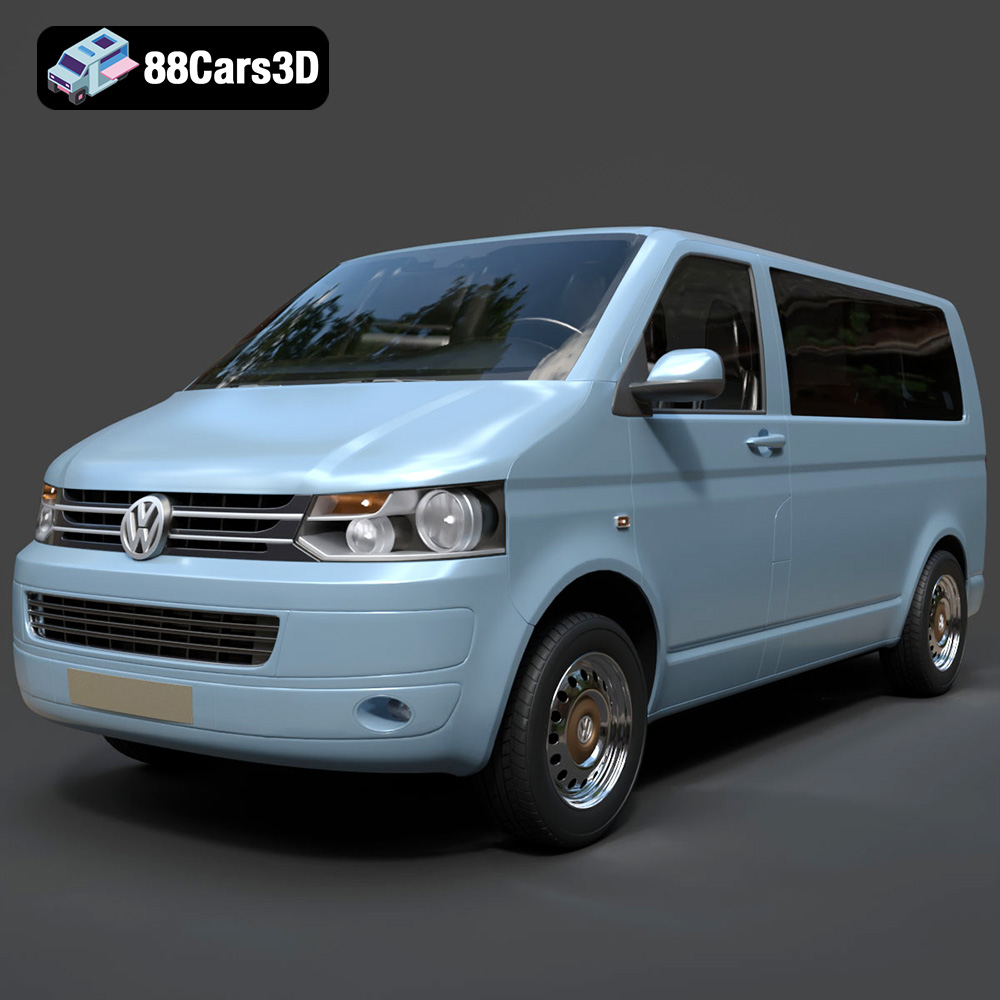
Texture: Yes
Material: Yes
Download the Volkswagen Transporter T5 FL 2010 3D Model featuring clean geometry, realistic detailing, and a fully modeled interior. Includes .blend, .fbx, .obj, .glb, .stl, .ply, .unreal, and .max formats for rendering, simulation, and game development.
Price: $22.99
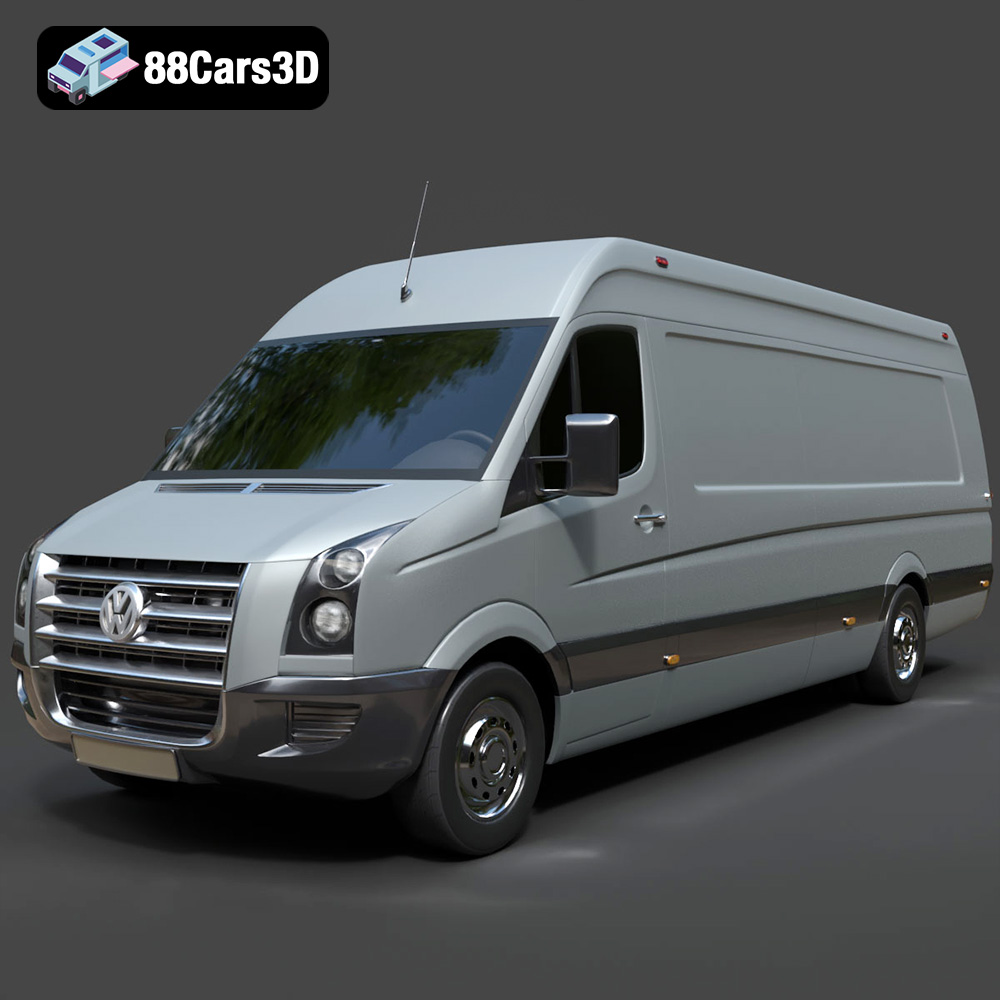
Texture: Yes
Material: Yes
Download the Volkswagen Crafter 2020 3D Model featuring clean geometry, realistic detailing, and a fully modeled interior. Includes .blend, .fbx, .obj, .glb, .stl, .ply, .unreal, and .max formats for rendering, simulation, and game development.
Price: $22.99
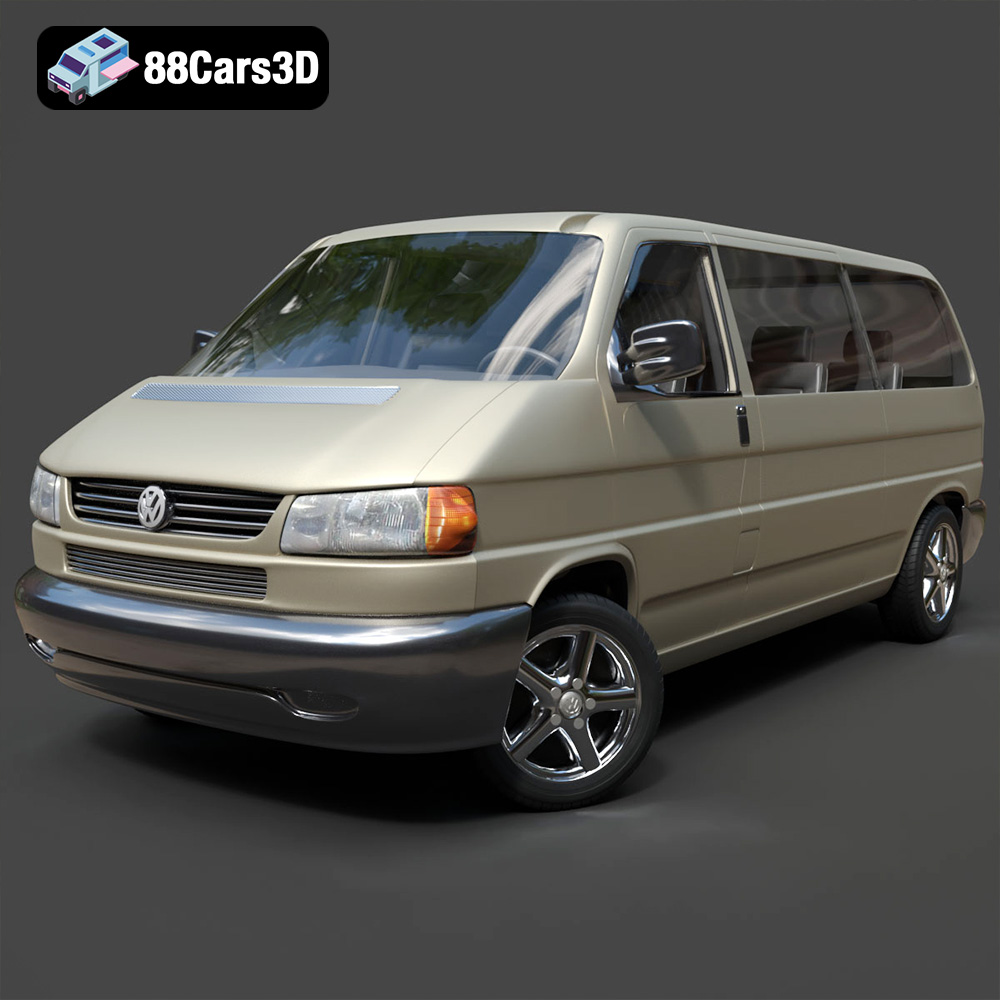
Texture: Yes
Material: Yes
Download the Volkswagen Caravelle 3D Model featuring a detailed exterior, functional interior, and optimized topology. Includes .blend, .fbx, .obj, .glb, .stl, .ply, .unreal, and .max formats for rendering, simulation, and game development.
Price: $23.99
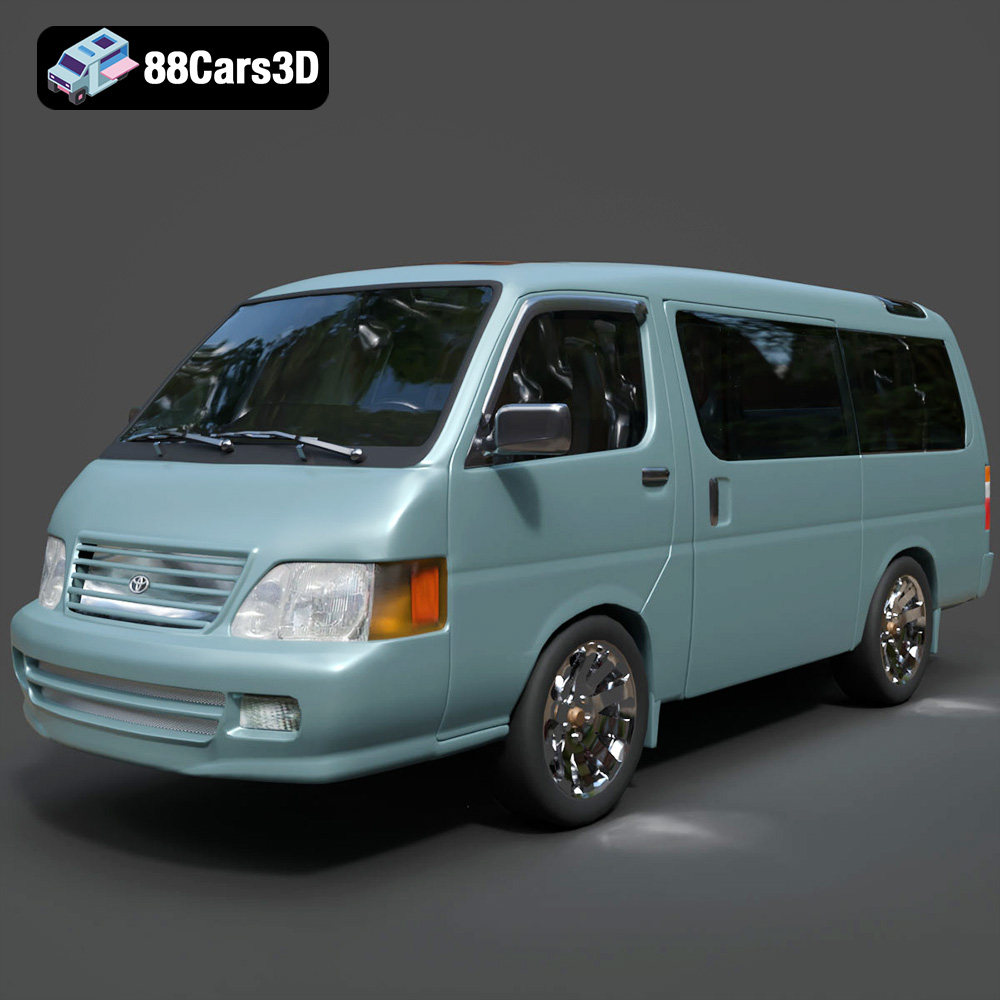
Texture: Yes
Material: Yes
Download the Toyota Hiace 3D Model featuring versatile design and detailed exterior. Includes .blend, .fbx, .obj, .glb, .stl, .ply, .unreal, and .max formats for rendering, simulation, and game development.
Price: $21.99
Texture: Yes
Material: Yes
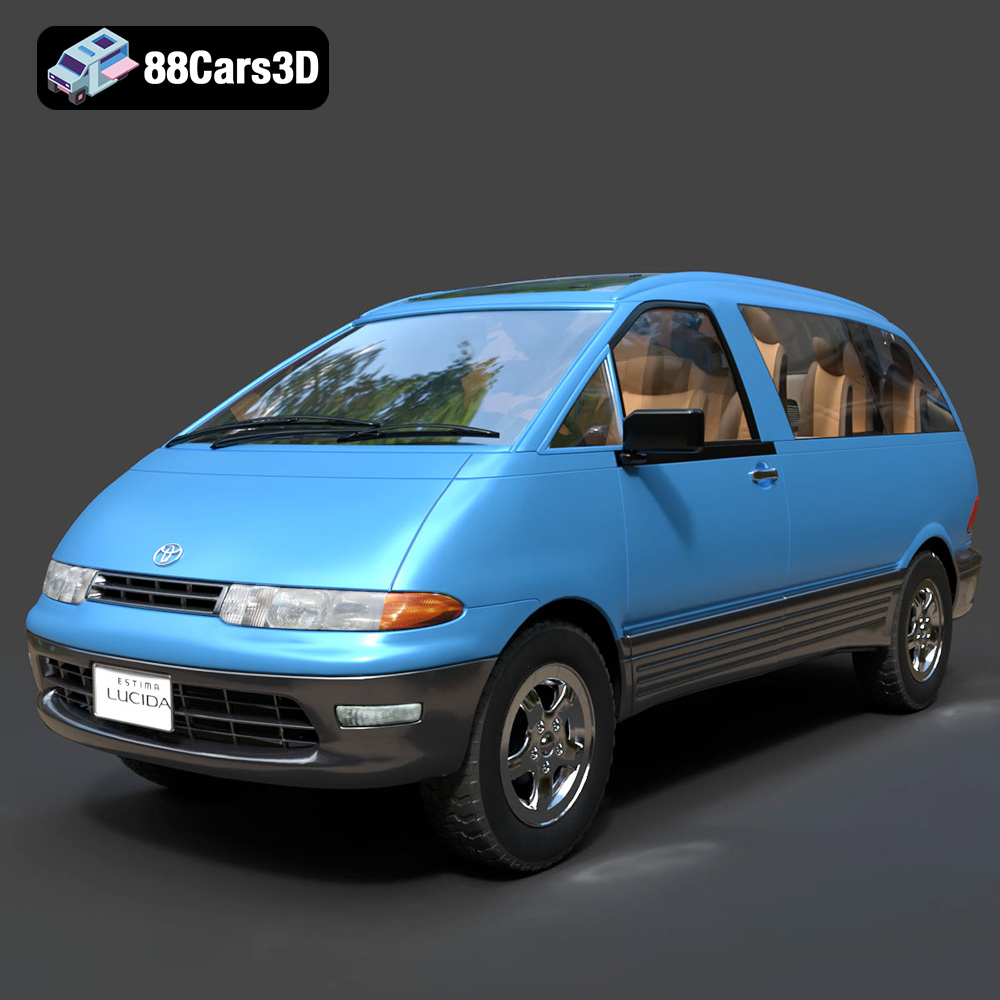
Download the Toyota Estima Lucida 3D Model featuring its iconic compact MPV design, versatile interior, and accurate exterior details. Includes .blend, .fbx, .obj, .glb, .stl, .ply, .unreal, and .max formats for rendering, simulation, and game development.
Price: $24.99

Texture: Yes
Material: Yes
Download the Toyota Alphard 3D Model featuring a detailed luxury minivan design with an accurate exterior and interior. Includes .blend, .fbx, .obj, .glb, .stl, .ply, .unreal, and .max formats for rendering, simulation, and game development.
Price: $21.99
Texture: Yes
Material: Yes
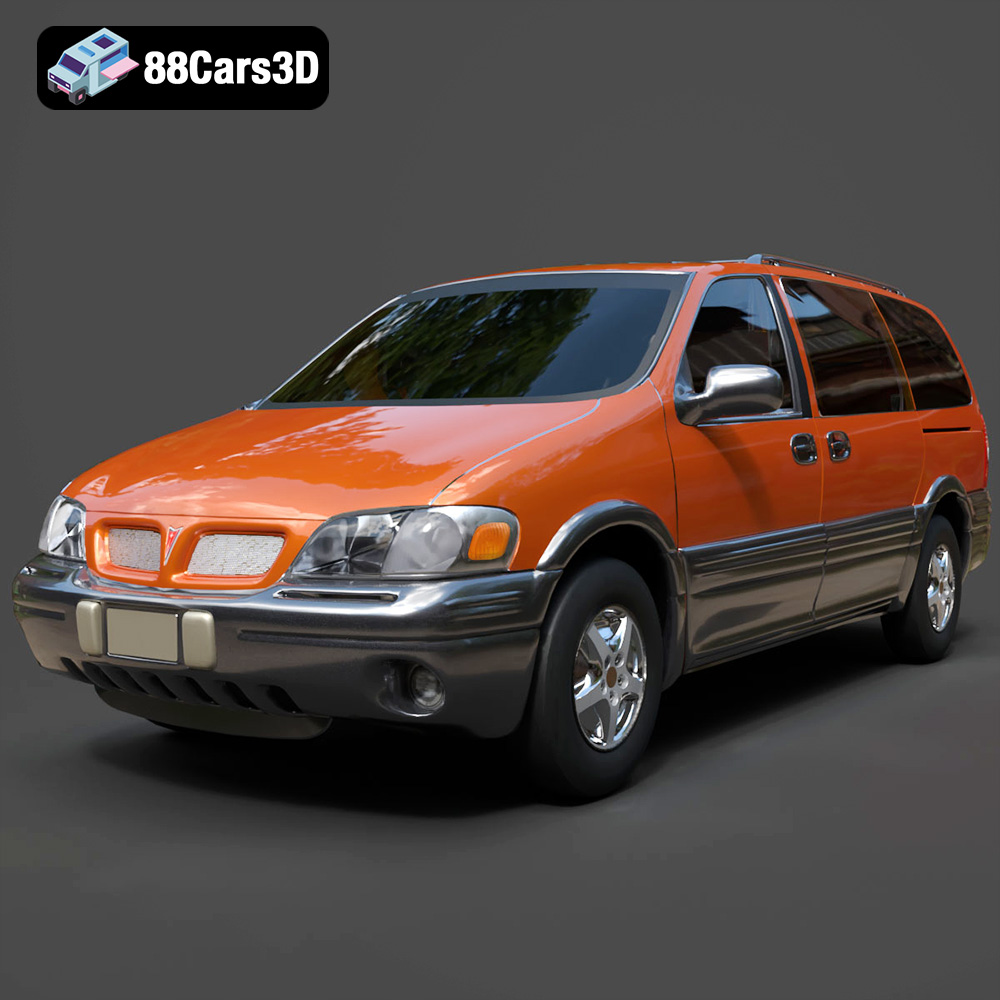
Download the Pontiac Montana 1998 3D Model featuring a detailed exterior, functional interior, and optimized mesh. Includes .blend, .fbx, .obj, .glb, .stl, .ply, .unreal, and .max formats for rendering, simulation, and game development.
Price: $21.99
Texture: Yes
Material: Yes
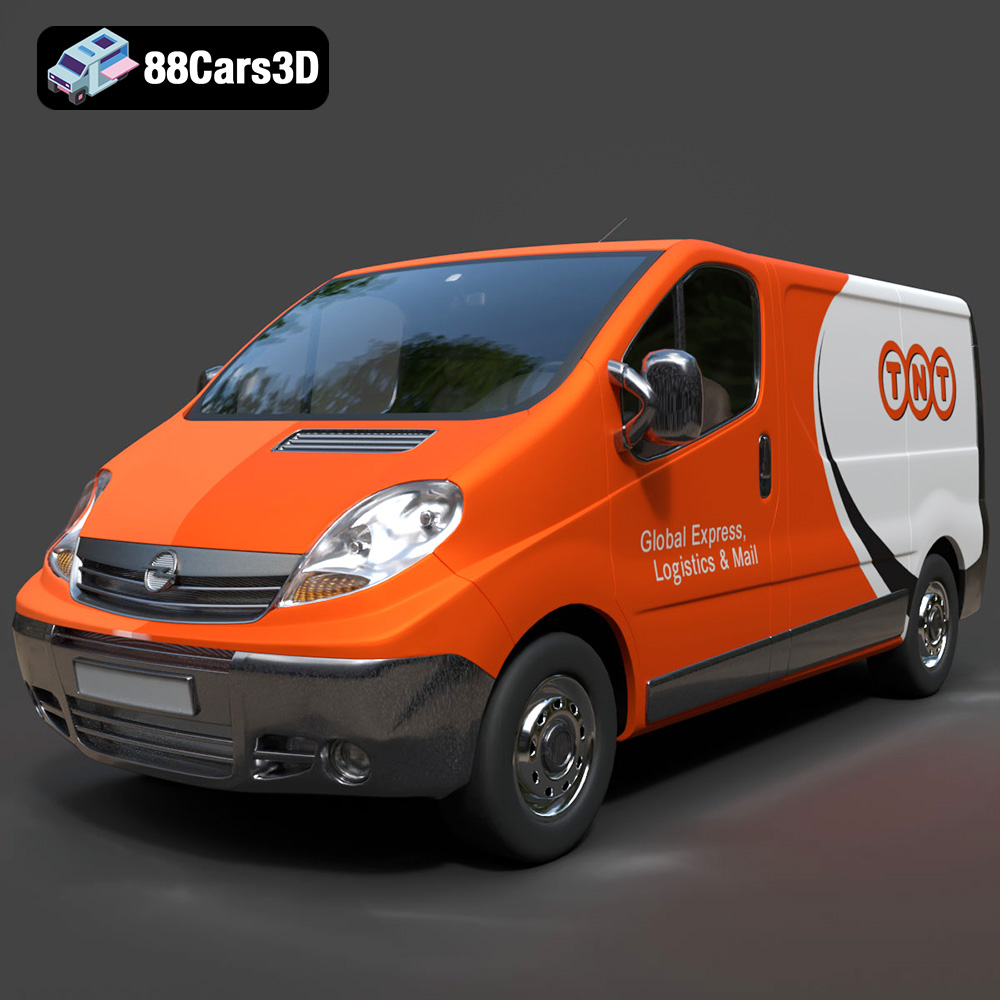
Download the Opel Vivaro 3D Model featuring a versatile commercial van design with balanced detailing. Includes .blend, .fbx, .obj, .glb, .stl, .ply, .unreal, and .max formats for rendering, simulation, and game development.
Price: $21.99
Texture: Yes
Material: Yes
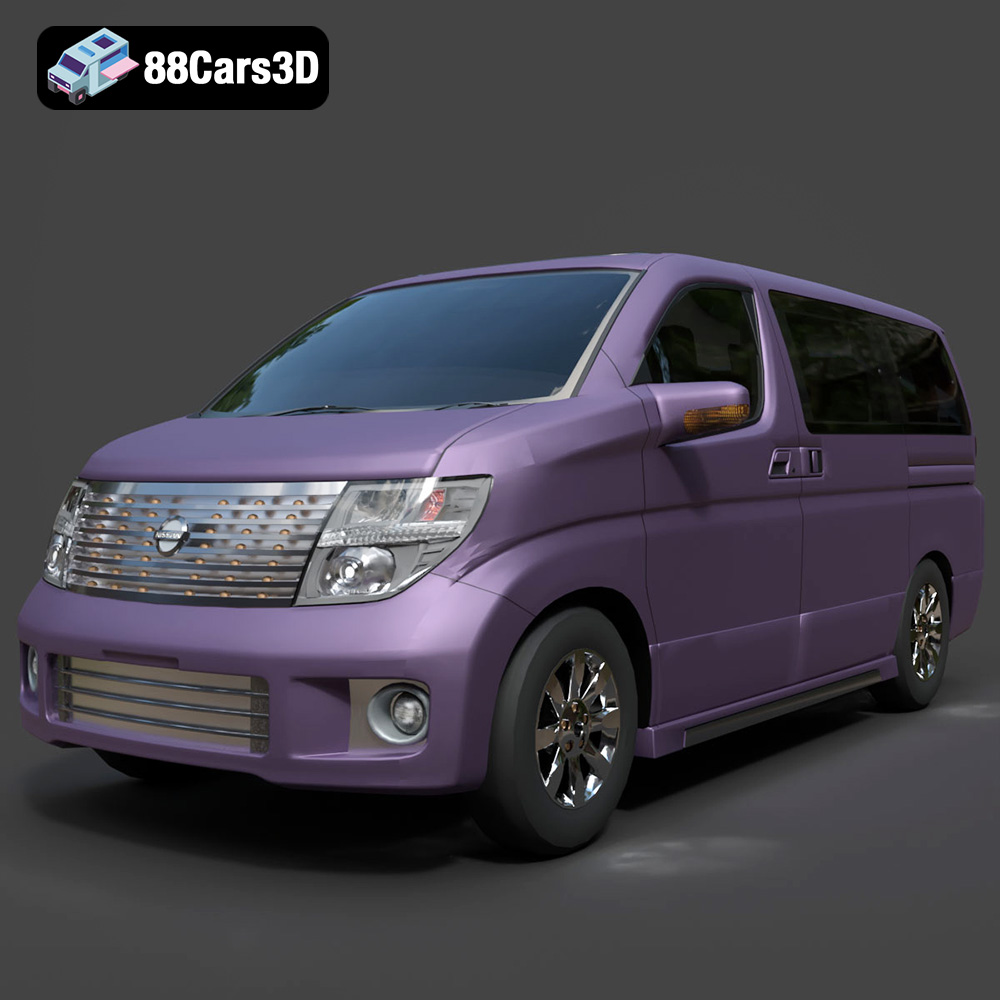
Download the Nissan Elgrand 3D Model featuring a versatile minivan design. Includes .blend, .fbx, .obj, .glb, .stl, .ply, .unreal, and .max formats for rendering, simulation, and game development.
Price: $21.99
Texture: Yes
Material: Yes
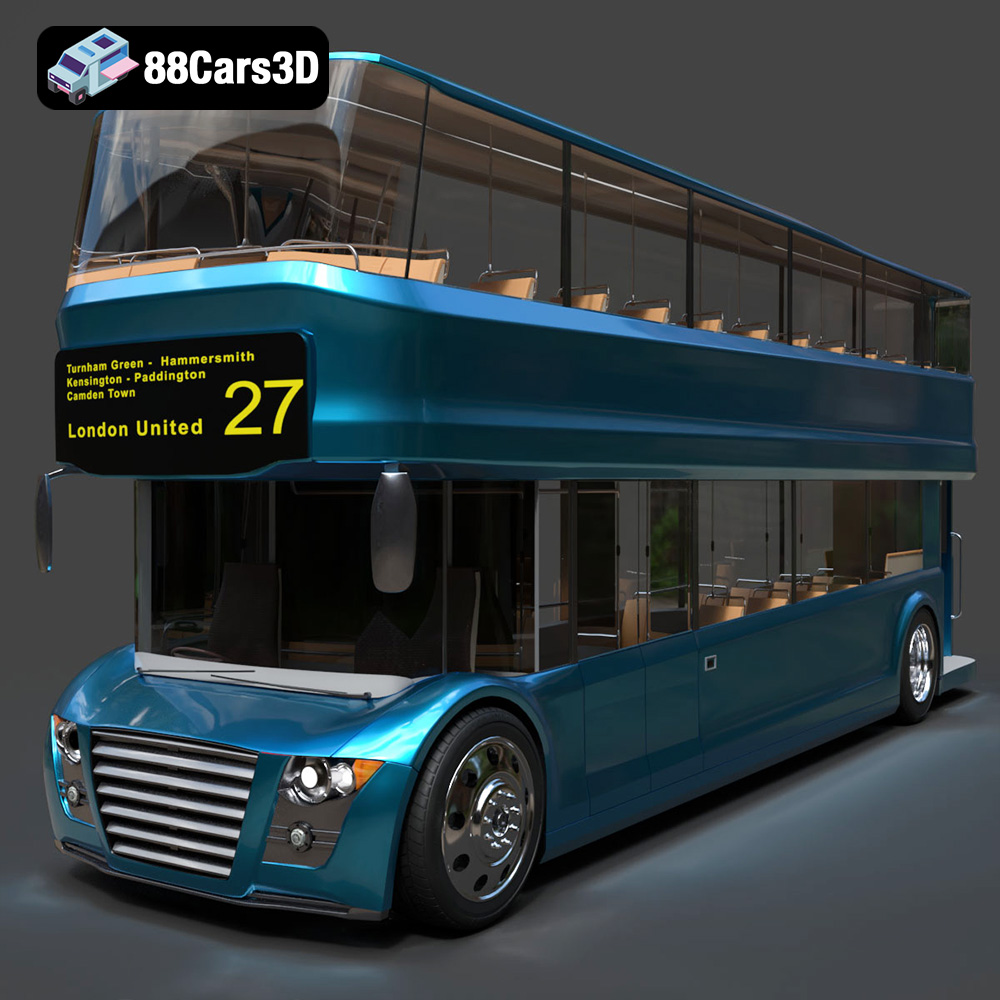
Download the New Bus For London 3D Model featuring a detailed exterior and interior, optimized for rendering and animation. Includes .blend, .fbx, .obj, .glb, .stl, .ply, .unreal, and .max formats for rendering, simulation, and game development.
Price: $21.99

