⚡ FLASH SALE: Get 60% OFF All Premium 3D & STL Models! ⚡

“`html
The world of scale modeling and automotive enthusiasts is experiencing a revolution, thanks to the accessibility and power of 3D printing. Creating your dream car model, from classic beauties to futuristic concepts, is no longer a distant aspiration but a tangible reality. However, achieving the intricate details, smooth surfaces, and durable parts that make a 3D printed car model truly shine depends heavily on the tools you use. Your 3D printer is the cornerstone of this process. But with a dazzling array of options available, from budget-friendly FDM machines to high-resolution resin printers, which features truly matter when you’re aiming for professional-quality results? This guide will dive deep into the essential characteristics of 3D printers that will elevate your model-making endeavors, ensuring every curve, vent, and spoiler is rendered with breathtaking accuracy. We’ll explore the nuances of resolution, build volume, material compatibility, and user-friendliness, providing you with the technical insights needed to make an informed decision and unlock the full potential of printable car models.
For model makers, particularly those focused on intricate subjects like automotive replicas, resolution and accuracy are paramount. These two closely related specifications dictate the level of detail your 3D printer can reproduce. When we talk about resolution, we’re primarily referring to the printer’s ability to lay down material in fine increments, defining the smoothness of curves and the sharpness of edges. For FDM (Fused Deposition Modeling) printers, this is often discussed in terms of layer height and XY-axis resolution. For resin printers, it’s about the pixel size of the LCD screen (for MSLA/LCD printers) or the laser spot size (for SLA printers) and the Z-axis layer height.
The goal for model makers is to minimize the visible “stair-stepping” effect on curved surfaces and to accurately reproduce small features like badges, panel lines, and intricate grilles. A lower minimum layer height is generally better. For FDM printers, aiming for a minimum layer height of 0.1mm or lower is ideal, with 0.05mm being excellent for high-detail parts. XY resolution, often related to the nozzle diameter in FDM printing, also plays a crucial role. A smaller nozzle diameter (e.g., 0.2mm or 0.25mm) allows for finer detail in the X and Y directions compared to a standard 0.4mm nozzle, though it will increase print times significantly. For resin printers, a smaller pixel size (e.g., 25-50 microns) or laser spot size translates directly into higher XY resolution. Similarly, a low Z-axis layer height (e.g., 0.02mm to 0.05mm) on resin printers is critical for smooth surface finishes and fine detail.
The layer height directly affects the vertical resolution of a print. On FDM printers, choosing a smaller layer height means more layers are stacked to achieve the same height, resulting in a smoother surface finish. For a 100mm tall model, printing at 0.1mm layer height will require 1000 layers, while 0.05mm requires 2000 layers. The trade-off is, of course, print time. While high detail is desirable, extremely low layer heights can extend print times for large models to days, requiring patience and careful planning. For parts of a car model, specific layer heights can be chosen. For example, the main body might be printed at 0.1mm for a balance of speed and detail, while smaller components like mirrors or emblems could be printed at 0.05mm or even less if the printer supports it.
XY resolution defines the printer’s ability to resolve details in the horizontal plane. In FDM printing, this is largely determined by the stepper motor’s microstepping and the extruder’s ability to precisely control filament flow, coupled with the nozzle diameter. A smaller nozzle allows for finer extrusion paths, enabling sharper lines and smaller details. Software settings within slicers like Cura or PrusaSlicer also play a role in “compensating” for nozzle width to achieve finer outlines. For resin printers, the XY resolution is fundamentally limited by the projector’s pixel grid (MSLA) or laser beam diameter (SLA). Higher resolution screens or smaller laser spots mean more distinct pixels/dots can be projected or traced, leading to sharper edges and the ability to reproduce much finer details than typically possible with FDM.
The build volume, or the maximum size of an object that a 3D printer can create, is a crucial factor when choosing a machine for model making. For detailed car models, the required size can vary dramatically. Some hobbyists might be interested in printing individual components like wheels, spoilers, or interior parts to assemble onto a pre-made chassis or to create a larger, more complex model. Others may want to print an entire vehicle body in a single piece, perhaps at a larger scale for display. Understanding your intended scale and the complexity of the models you plan to print will guide your choice of build volume.
For printing smaller, detailed parts of a car model, even a modest build volume might suffice. For instance, a build volume of 200x200x200mm is common on many entry-level to mid-range FDM printers and is ample for most individual car parts. However, if you intend to print larger scale models, such as 1:10 or 1:8 scale vehicles, a significantly larger build volume becomes essential. These larger printers can range from 300x300x300mm up to 500x500x500mm or even larger. For resin printers, build volume is typically smaller than FDM printers, often ranging from 130x80x150mm to 200x120x200mm. This means larger resin prints often need to be split into multiple parts and then assembled and glued, which requires good design for interlocking or alignment features. When downloading models from marketplaces such as 88cars3d.com, it’s important to consider the intended scale and how the model might be split or scaled to fit your printer’s build volume.
Many complex 3D printable car models are designed to be printed in multiple parts. This is particularly true for larger-scale models or when using smaller-volume printers. A well-designed multi-part model will include features like alignment pins, sockets, or keyed joints that make assembly straightforward and ensure parts fit together accurately. This modular approach allows for printing different sections with optimal orientation for detail and strength, and also enables the use of different filament colors or materials for specific components (e.g., transparent filament for windows, different color filament for the body). Learning to effectively split larger models in slicing software or design tools like Blender or Meshmixer can be an invaluable skill for overcoming build volume limitations.
When you download an STL file, it’s often designed at a specific scale (e.g., 1:24 scale). You can then scale this model up or down within your slicing software to fit your desired final size or your printer’s build volume. However, it’s important to be mindful of how scaling affects fine details. Scaling a model down too much can cause very fine features to become too small to print accurately, potentially disappearing or becoming fragile. Conversely, scaling a model up significantly might reveal limitations in the original model’s resolution or lead to visible layer lines if printed at a coarse layer height. Always check the original model’s design intent and test print small sections if you plan on significant scaling to avoid disappointment.
The choice of 3D printer often dictates the types of materials you can use, and each material has its own strengths and weaknesses when it comes to model making. FDM printers typically excel with thermoplastic filaments like PLA, PETG, ABS, and ASA, while resin printers use photopolymer resins. Understanding the properties of these materials and how they interact with different printing technologies is key to achieving the desired outcome for your car models.
For FDM printing, PLA (Polylactic Acid) is a popular choice for its ease of printing, low warping, and wide range of available colors. It’s great for general model parts where extreme durability or heat resistance isn’t critical. PETG (Polyethylene Terephthalate Glycol) offers improved strength, temperature resistance, and impact resistance over PLA, making it suitable for more robust parts or components that might experience slight stress. ABS (Acrylonitrile Butadiene Styrene) and ASA (Acrylonitrile Styrene Acrylate) are known for their high strength, temperature resistance, and impact durability, making them excellent choices for parts requiring significant toughness or outdoor exposure. However, they are more challenging to print, requiring an enclosed printer and careful temperature control to prevent warping. For resin printers, various types of resins are available, including standard, tough, flexible, and high-detail resins. Standard resins offer excellent detail and a smooth finish, ideal for body panels and intricate parts. Tough resins can be beneficial for components that need to withstand some handling or minor impacts.
When printing car models with FDM, selecting the right filament can dramatically impact the final result. For visual appeal and ease of finishing, standard PLA is often sufficient. However, for parts that require more dimensional stability or can withstand post-processing like sanding and filling, PETG can be a better option due to its slightly higher temperature resistance and toughness. If you’re aiming for a very smooth, paintable surface, some model makers prefer to print with ABS or ASA and then use post-processing techniques like vapor smoothing (with caution and proper ventilation) to achieve a near-injection molded finish. The availability of specialized filaments, like metallic or carbon fiber-filled filaments, can also add unique aesthetic qualities to your models.
Resin printing, especially MSLA and SLA technologies, is renowned for its ability to capture incredibly fine details, making it an excellent choice for highly detailed automotive components. The lower layer heights and XY resolution of resin printers allow for razor-sharp panel lines, intricate grille patterns, and delicate emblems that can be difficult or impossible to achieve with standard FDM printing. When selecting a resin, consider the trade-offs between detail, toughness, and ease of printing. High-detail resins are perfect for body panels and interior components, while tougher resins might be better for chassis parts or wheels that might see more handling. Proper post-curing of resin prints is also essential to achieve their full mechanical properties and durability.
While raw technical specifications are important, the overall user experience and ease of use of a 3D printer can significantly impact your enjoyment and productivity as a model maker. For beginners, a printer that is easy to set up, calibrate, and operate can make the difference between a rewarding hobby and a frustrating endeavor. More experienced users might prioritize features that streamline the workflow, such as reliable bed leveling, intuitive user interfaces, and robust software integration.
Key aspects of ease of use include:
For hobbyists who want to focus on printing and assembling beautiful car models rather than troubleshooting printer issues, investing in a user-friendly machine is often a wise decision.
The slicing software is your bridge between a 3D model (STL, OBJ, FBX) and the machine that prints it. A good printer should have well-supported slicing software, or be compatible with popular, powerful slicers like Cura or PrusaSlicer. These programs allow you to set critical parameters such as layer height, print speed, infill, support structures, and print orientation. For model making, features like fine-tuning support structures (e.g., tree supports, custom supports), precise control over retraction settings to minimize stringing, and the ability to adjust flow rates are particularly beneficial. Platforms like 88cars3d.com often provide print-ready STL files, but you’ll still need to configure your slicer effectively to achieve optimal results for your specific printer and material.
Consistent print quality relies heavily on a well-calibrated printer. Features like automatic bed leveling simplify the initial setup, but regular manual calibration, such as E-steps calibration (for FDM extruders) and ensuring belt tension is correct, is still important for precision. Filament runout sensors and print recovery features can save prints from being ruined by running out of filament or power outages, contributing to a smoother user experience. Understanding basic maintenance, like cleaning nozzles, lubricating rods, and replacing worn parts, is crucial for any 3D printer owner, regardless of the model. Printers with easy access to these components can make routine maintenance less daunting.
While detail and accuracy are paramount, the speed at which a 3D printer can produce parts is also a significant consideration, especially for larger or more complex models. Print speed is influenced by several factors, including the printer’s mechanical capabilities, the type of technology used (FDM vs. resin), and the chosen slicing parameters. For FDM printers, travel speed, outer wall speed, inner wall speed, and infill speed all contribute to the overall print time.
Resin printers, while capable of high detail, can also be surprisingly fast for multiple small parts printed simultaneously on the build plate, as the exposure time for each layer is uniform across the entire plate. However, for very tall, single parts, FDM might sometimes be faster. The key is to find a balance between speed and quality. Rushing a print by using excessively high speeds can lead to artifacts like ringing, ghosting, and poor layer adhesion, which are unacceptable for high-quality model making. Conversely, printing too slowly can lead to impractically long print times. Modern FDM printers often feature faster motion systems (like CoreXY kinematics) and better firmware (like Klipper) that enable higher print speeds without sacrificing quality.
In slicing software, you have granular control over various speed settings. For the main body of a car model, you might opt for a slower outer wall speed (e.g., 30-50 mm/s) to ensure a smooth exterior finish, while the infill can be printed much faster (e.g., 80-120 mm/s). For resin printers, the primary speed factor is the lift speed during layer separation and the re-curing time. Understanding these trade-offs allows you to tailor print settings to your priorities. For example, if you need to print multiple identical parts quickly, arranging them closely on the build plate of a resin printer can be more efficient than printing them sequentially on an FDM printer.
FDM printers build objects layer by layer by extruding melted plastic. Their speed is limited by how quickly the print head can move and extrude material without compromising quality. High-end FDM printers can achieve speeds of 150-250 mm/s or more with specialized hotends and motion systems. Resin printers use light to cure liquid resin. MSLA printers project an entire layer’s image simultaneously onto the resin vat. This means the print time for a layer is determined by the resin’s curing time, not the complexity of the layer’s geometry. While the Z-axis movement can add time, printing many small parts at once on a resin printer can often be faster overall than printing them individually on an FDM printer. For large, single-piece car bodies, FDM might edge out resin in terms of raw speed if printed efficiently.
Overhanging parts and complex geometries in 3D printable car models often require support structures to prevent them from collapsing during the printing process. The ability of a 3D printer and its associated software to generate, manage, and allow for easy removal of these supports is a critical feature for model makers. Poorly implemented supports can leave unsightly marks on the model’s surface, require extensive post-processing to clean up, or even damage delicate parts during removal. Therefore, the quality of support generation and the ease of their removal are essential considerations.
Both FDM and resin printing require supports, but the types and challenges differ. FDM supports are typically printed from the same material as the model or a dissolvable support material (if the printer has dual extruders). They are often denser and can leave more significant marks. Resin supports are usually fine needles or trees that attach delicately to the model. They are easier to remove with less surface damage but can sometimes be tricky to print reliably without breaking. The goal is to have supports that are strong enough to hold the overhangs but minimal enough to be easily removed with little to no surface scarring.
Advanced slicing software offers various support generation strategies. For FDM printers, options include “touching buildplate” only, or “everywhere.” You can also adjust the density, pattern (grid, lines, concentric), contact distance (the gap between the support and the model), and support interface layers. For resin printers, supports are typically generated automatically, but you can often customize their placement, size, and density. Many slicers offer “tree supports” or “organic supports” for FDM, which tend to be more material-efficient and easier to remove than traditional structures. Experimenting with these settings is crucial to find the sweet spot for your specific models and printer.
The ease with which supports can be removed without damaging the model is a key differentiator. For FDM, designing models with minimal overhangs or incorporating chamfers instead of sharp overhangs can reduce the need for supports. Using dissolvable supports can be a game-changer for complex FDM prints, allowing them to be dissolved away in a solvent, leaving a clean surface. For resin prints, careful removal with flush cutters or hobby knives is usually required. It’s often best to remove supports while the print is still slightly flexible (e.g., after a quick wash in IPA but before full UV curing) or after complete curing, depending on the resin type and support structure. Thoroughly cleaning up any support marks through sanding, filling, and priming is an essential part of the model-making process.
A 3D printer, especially one used for detailed hobbyist projects like car models, requires regular calibration and maintenance to ensure consistent print quality and longevity. Investing in a printer that is designed for ease of maintenance and has accessible components can save significant time and frustration in the long run. Understanding the basic maintenance procedures for your chosen printer technology (FDM or resin) is crucial for optimal performance.
For FDM printers, this includes tasks like PID tuning the hotend and bed for stable temperatures, calibrating extruder E-steps for accurate filament extrusion, ensuring belts are properly tensioned, lubricating Z-axis rods or lead screws, and periodically cleaning or replacing the nozzle. For resin printers, maintenance involves regular cleaning of the resin vat, ensuring the FEP film is in good condition, checking and cleaning the LCD screen, and maintaining the Z-axis mechanism. Many modern printers incorporate features that simplify these tasks, such as automatic bed leveling, modular hotends, or guided calibration routines.
Perfect first-layer adhesion is fundamental to successful 3D printing. For FDM printers, this means a level print bed and the correct distance between the nozzle and the bed. Features like auto bed leveling systems, or even assisted leveling with probes, are invaluable. The print surface itself also plays a significant role; options include glass, PEI sheets, BuildTak, or specialized coatings. For resin printers, ensuring the build plate is clean and level within the resin vat is critical, and proper adhesion is typically achieved through a slightly roughened surface or textured build plates.
Even with the best printers, occasional print failures can occur. Common FDM issues include warping, layer shifting, stringing, under-extrusion, and nozzle clogs. Resin printing failures might involve failed layers, “spaghetti” (failed prints that detach from supports), or surface defects. Understanding the potential causes of these issues – often related to temperature, material quality, printer calibration, or slicing settings – and knowing how to troubleshoot them is a vital skill. Resources like online communities, forums, and printer manufacturer support can be invaluable. For instance, if you encounter significant layer separation on an FDM print, it might indicate an under-extrusion issue or a temperature problem that needs addressing through calibration or slicer adjustments. Similarly, if resin prints are failing to adhere to supports, adjusting exposure times or support settings in the slicer is often the solution.
Choosing the right 3D printer for model making is an investment that pays dividends in the quality and detail of your creations. By focusing on features like high resolution and accuracy, adequate build volume, broad material compatibility, user-friendliness, efficient print speeds, and robust support management, you can select a machine that empowers you to bring your automotive visions to life. Whether you’re printing delicate interior components, aerodynamic body panels, or entire scale models, the right printer will be your most valuable tool. Explore options that align with your budget, technical skill level, and the specific demands of creating stunning, detailed car replicas. Remember that ongoing learning, calibration, and maintenance are key to unlocking the full potential of your chosen 3D printer and consistently producing high-quality models that you can be proud of.
“`
Texture: Yes
Material: Yes
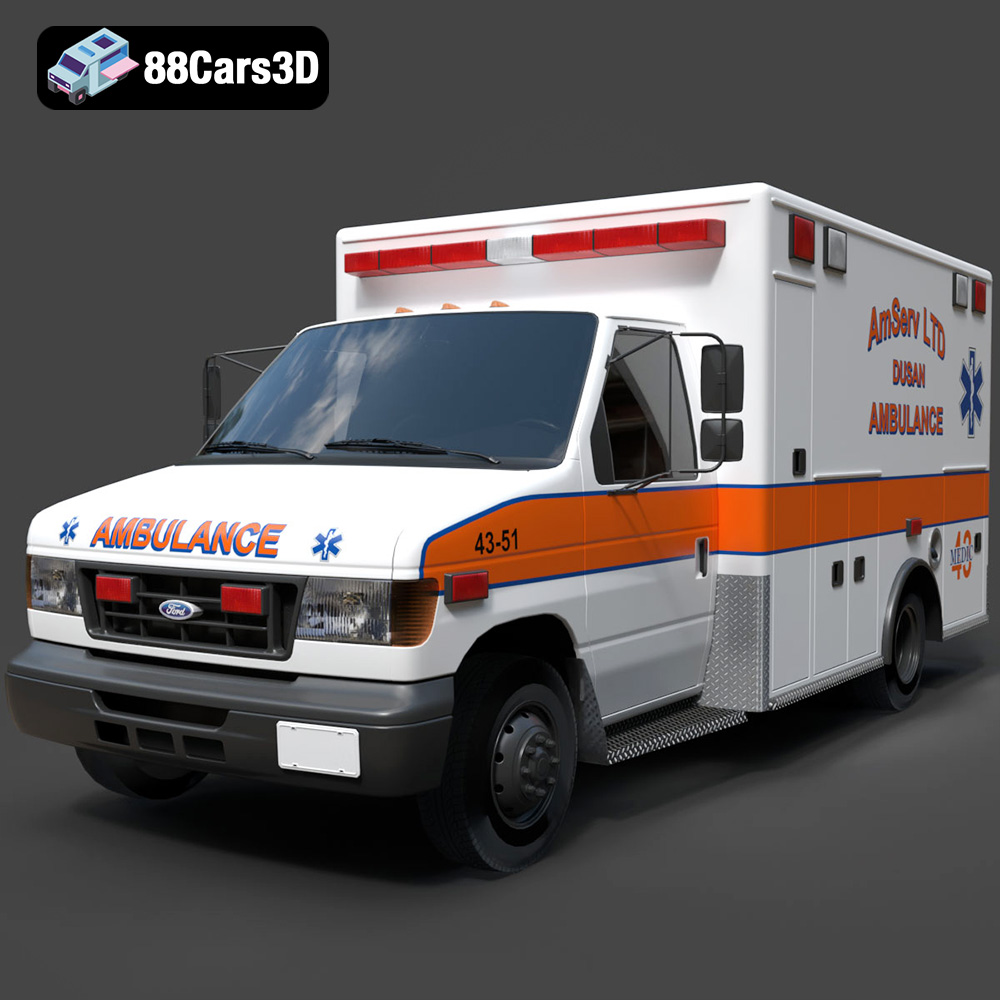
Download the Ford Ambulance AmServ LTD Dusan-002 3D Model featuring a high-detail exterior and interior, realistic textures, and emergency lighting. Includes .blend, .fbx, .obj, .glb, .stl, .ply, .unreal, and .max formats for rendering, simulation, and game development.
Price: $19.99
Texture: Yes
Material: Yes
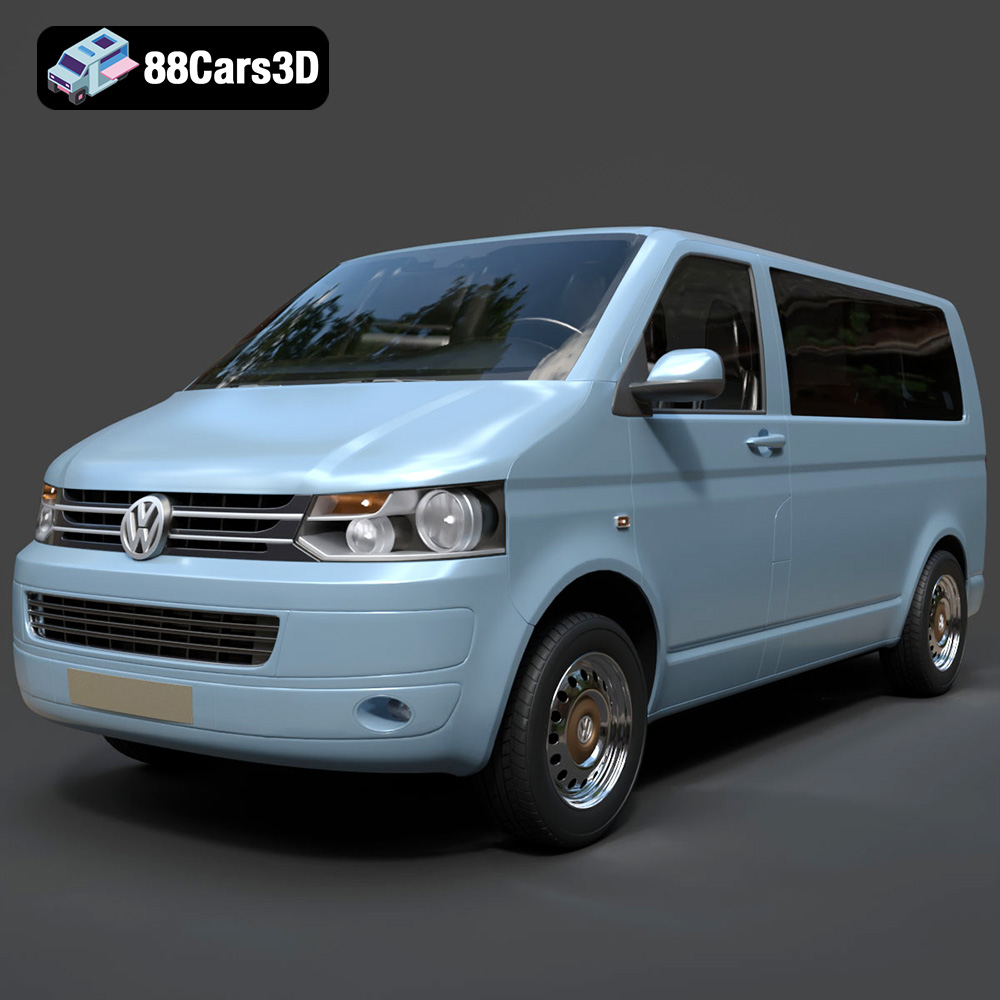
Download the Volkswagen Transporter T5 FL 2010 3D Model featuring clean geometry, realistic detailing, and a fully modeled interior. Includes .blend, .fbx, .obj, .glb, .stl, .ply, .unreal, and .max formats for rendering, simulation, and game development.
Price: $22.99
Texture: Yes
Material: Yes
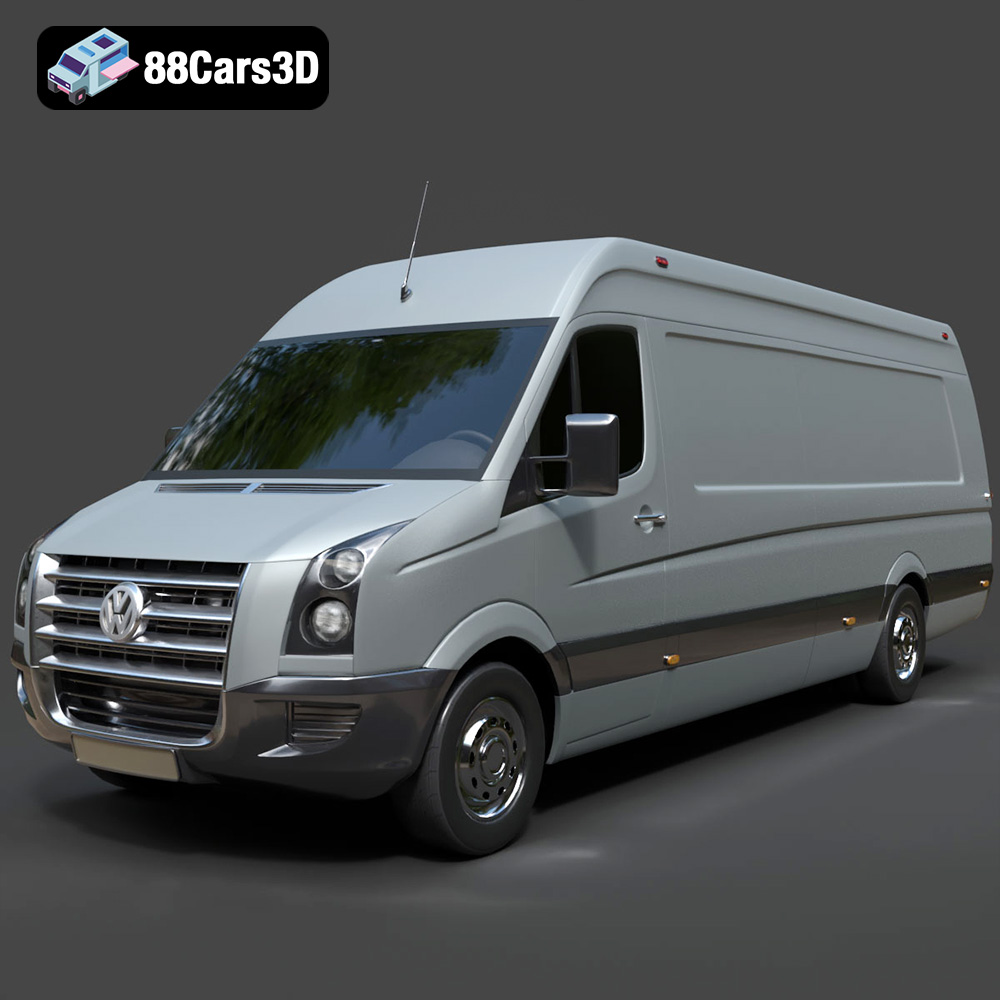
Download the Volkswagen Crafter 2020 3D Model featuring clean geometry, realistic detailing, and a fully modeled interior. Includes .blend, .fbx, .obj, .glb, .stl, .ply, .unreal, and .max formats for rendering, simulation, and game development.
Price: $22.99
Texture: Yes
Material: Yes
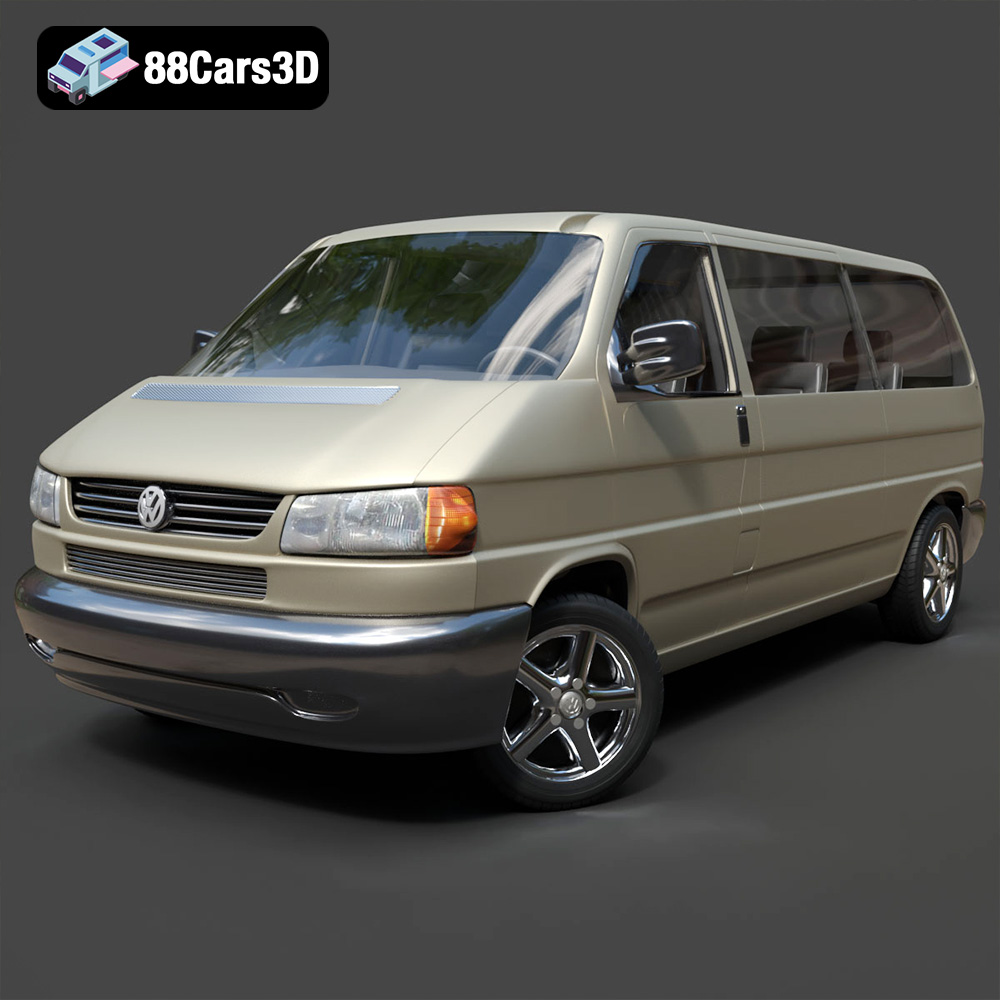
Download the Volkswagen Caravelle 3D Model featuring a detailed exterior, functional interior, and optimized topology. Includes .blend, .fbx, .obj, .glb, .stl, .ply, .unreal, and .max formats for rendering, simulation, and game development.
Price: $23.99
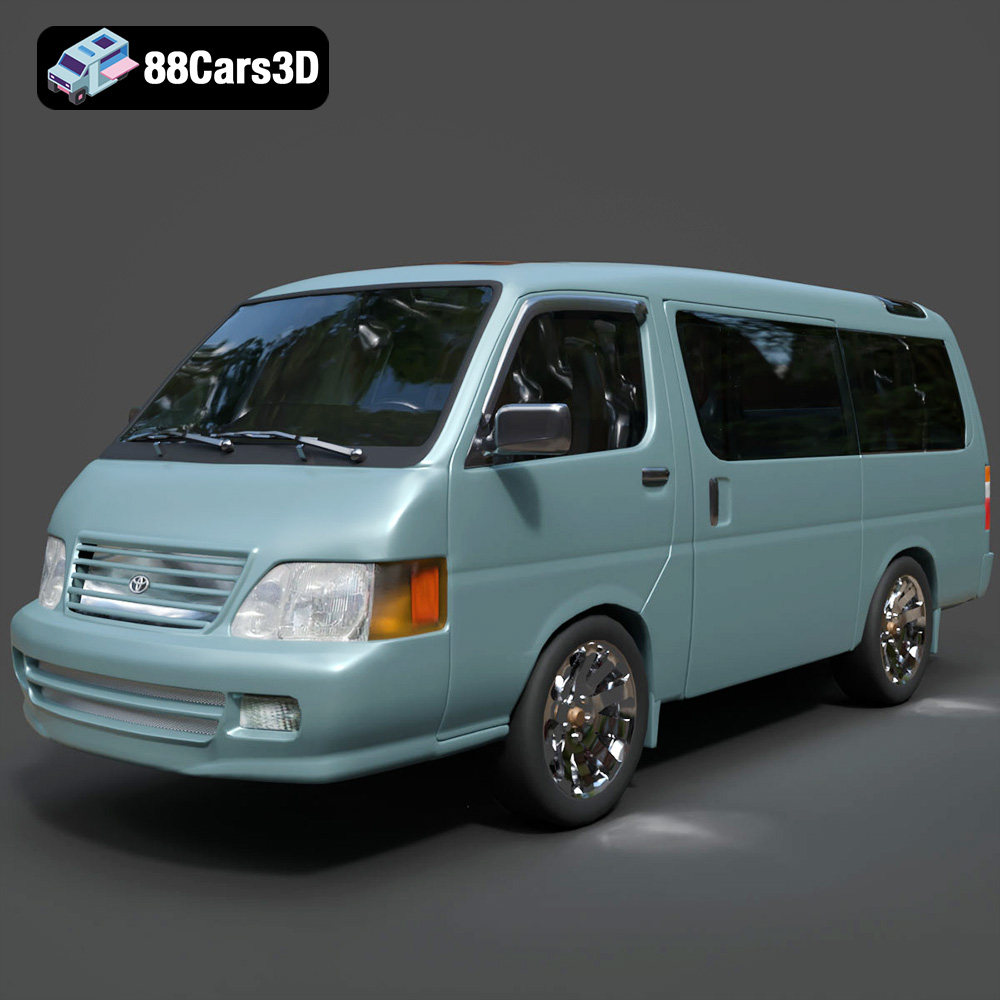
Texture: Yes
Material: Yes
Download the Toyota Hiace 3D Model featuring versatile design and detailed exterior. Includes .blend, .fbx, .obj, .glb, .stl, .ply, .unreal, and .max formats for rendering, simulation, and game development.
Price: $21.99
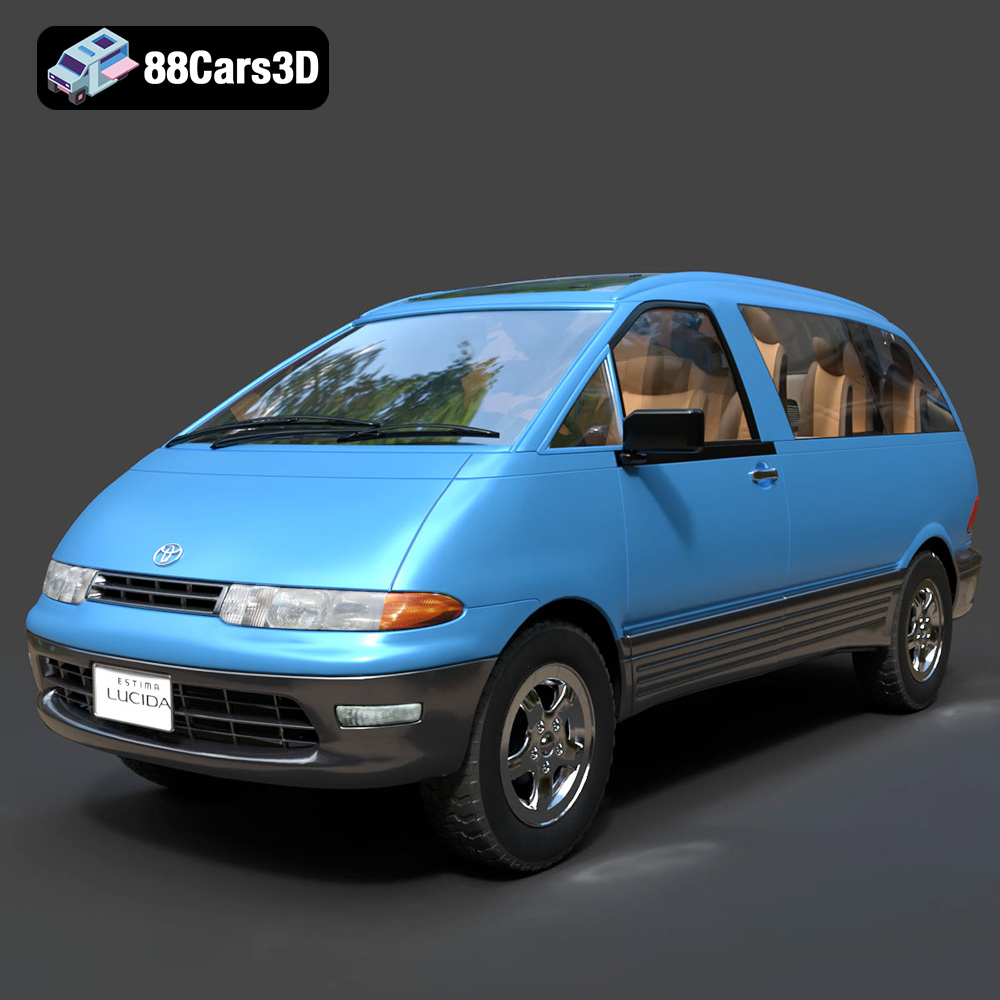
Texture: Yes
Material: Yes
Download the Toyota Estima Lucida 3D Model featuring its iconic compact MPV design, versatile interior, and accurate exterior details. Includes .blend, .fbx, .obj, .glb, .stl, .ply, .unreal, and .max formats for rendering, simulation, and game development.
Price: $24.99

Texture: Yes
Material: Yes
Download the Toyota Alphard 3D Model featuring a detailed luxury minivan design with an accurate exterior and interior. Includes .blend, .fbx, .obj, .glb, .stl, .ply, .unreal, and .max formats for rendering, simulation, and game development.
Price: $21.99
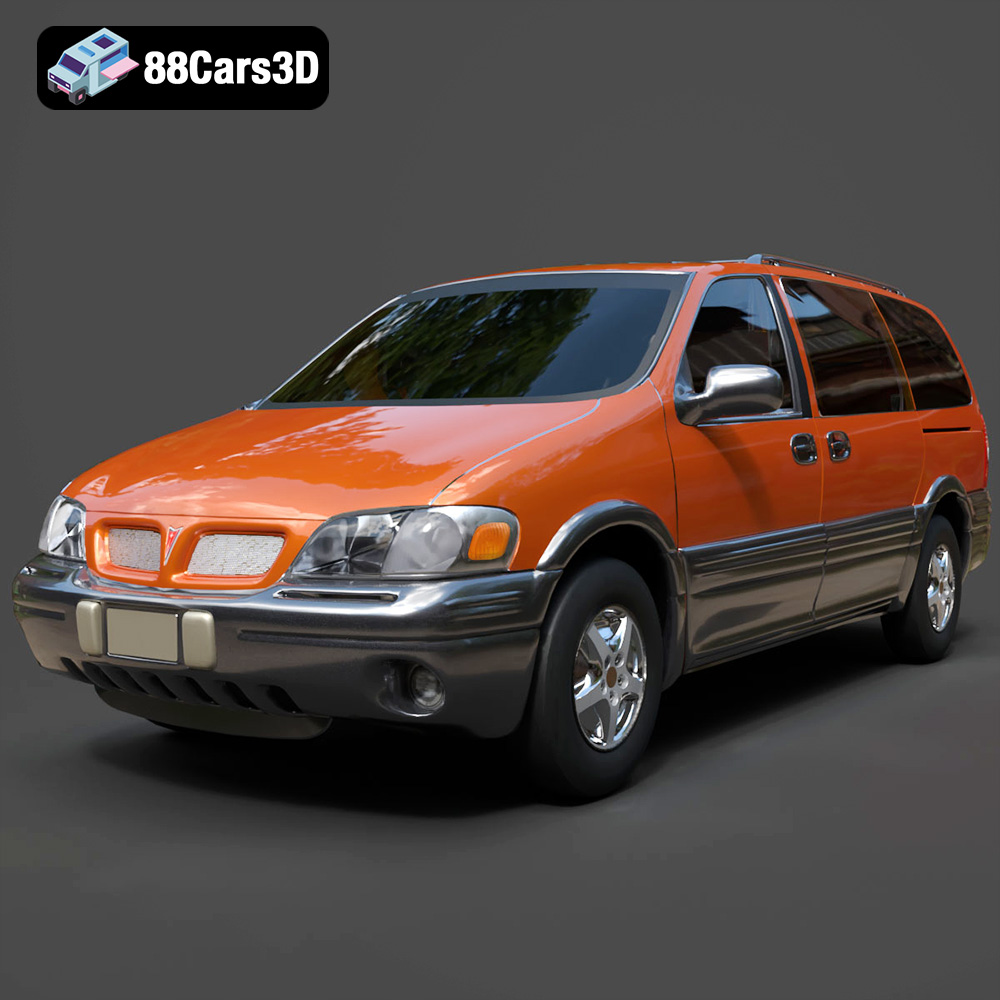
Texture: Yes
Material: Yes
Download the Pontiac Montana 1998 3D Model featuring a detailed exterior, functional interior, and optimized mesh. Includes .blend, .fbx, .obj, .glb, .stl, .ply, .unreal, and .max formats for rendering, simulation, and game development.
Price: $21.99
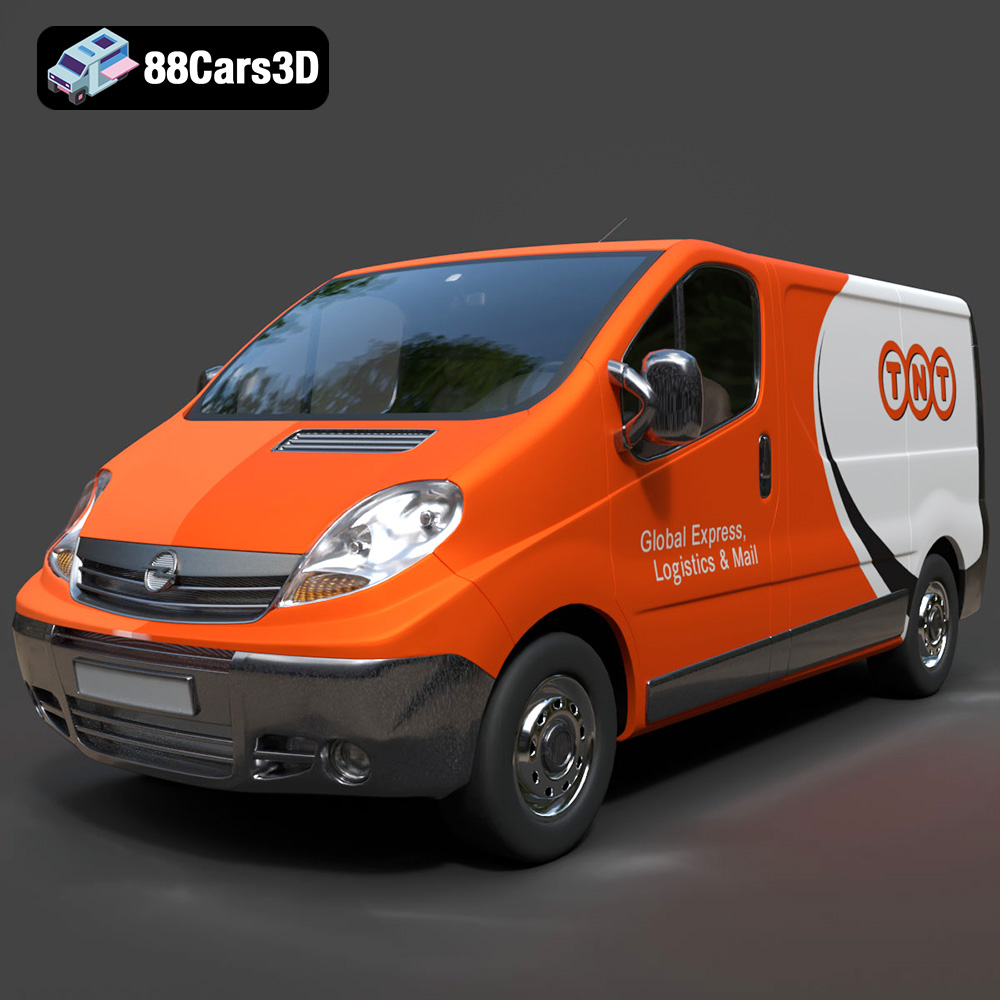
Texture: Yes
Material: Yes
Download the Opel Vivaro 3D Model featuring a versatile commercial van design with balanced detailing. Includes .blend, .fbx, .obj, .glb, .stl, .ply, .unreal, and .max formats for rendering, simulation, and game development.
Price: $21.99
Texture: Yes
Material: Yes
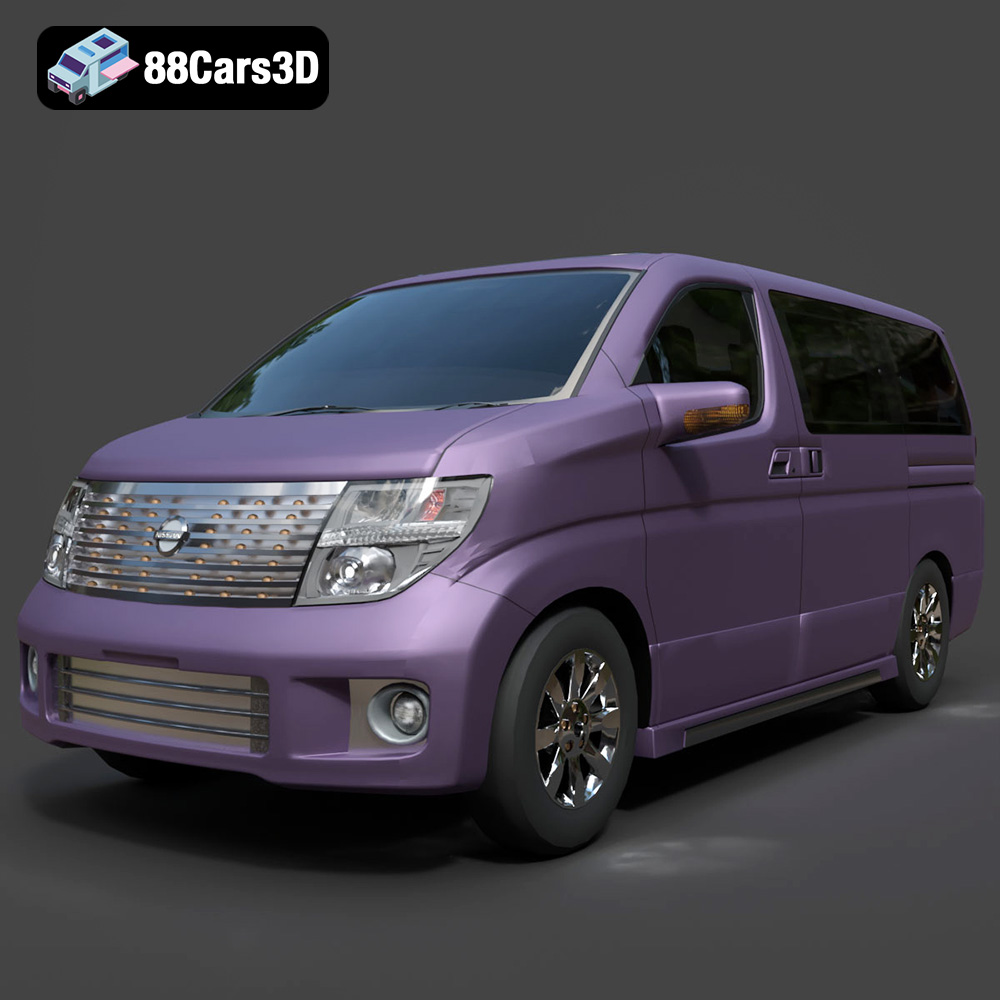
Download the Nissan Elgrand 3D Model featuring a versatile minivan design. Includes .blend, .fbx, .obj, .glb, .stl, .ply, .unreal, and .max formats for rendering, simulation, and game development.
Price: $21.99

