⚡ FLASH SALE: Get 60% OFF All Premium 3D & STL Models! ⚡

“`html
The thrill of bringing a meticulously designed 3D car model to life through printing is unparalleled. Whether you’re a seasoned maker or just starting your additive manufacturing journey, encountering errors with your STL files can be a significant roadblock. These seemingly small glitches in the digital blueprint can lead to print failures, wasted material, and frustrating hours of troubleshooting. But fear not! Understanding the common pitfalls of STL files and learning how to rectify them is a crucial skill for any 3D printing enthusiast. This comprehensive guide will equip you with the knowledge and techniques to identify, diagnose, and fix a wide range of STL file errors, ensuring your printable car models from platforms like 88cars3d.com emerge from your printer exactly as intended. We’ll delve into the intricacies of STL file structure, explore essential software tools, and provide step-by-step workflows to achieve print-ready perfection. Get ready to transform your printing success rate and unlock the full potential of your 3D printer.
The Stereolithography (STL) file format is the lingua franca of 3D printing. It represents a 3D model’s surface geometry as a collection of triangular facets. Each triangle is defined by three vertices and a normal vector, which indicates the outward-facing direction of the surface. This seemingly simple representation is incredibly powerful, but its simplicity also means it can be susceptible to errors that directly impact the printability of your model. When a slicer software attempts to interpret an STL file, it relies on this triangular mesh to generate toolpaths for your 3D printer. If the mesh contains inconsistencies, gaps, or non-manifold geometry, the slicer will struggle, leading to print failures. Understanding the underlying structure of an STL is the first step in effective troubleshooting. Think of it as understanding the grammar and syntax of a language before you can confidently write in it. Errors in the STL file are akin to grammatical mistakes that can confuse the interpreter (your slicer) and result in nonsensical output (a failed print).
At its core, an STL file is a list of triangles. Each triangle is defined by three vertices, which are essentially 3D coordinates (X, Y, Z). Crucially, the order of these vertices matters, as it, along with the normal vector, defines which side of the triangle is “inside” and which is “outside” the model. A consistent outward-facing normal vector is vital for the slicer to correctly interpret the model’s volume. Inconsistencies in vertex order or normal vectors are common sources of errors. The normal vector is calculated using the cross product of two edge vectors of the triangle. If the vertices are consistently ordered counter-clockwise when viewed from the outside of the model, the resulting normal vector will point outwards. Deviations from this convention can lead to reversed faces, which your slicer will interpret incorrectly.
STL files are inherently limited. They only describe the surface of an object, not its internal structure or color information (though newer formats like 3MF address some of these limitations). This surface-only representation means that many common modeling errors can occur that are not visually apparent in standard 3D modeling software but can wreak havoc on a print. Imagine a house with walls that don’t connect or a roof that has holes – the exterior might look fine from a distance, but it’s structurally unsound. Similarly, an STL file might look like a complete model on your screen but contain internal inconsistencies that prevent it from being properly sliced. Furthermore, the triangulation process itself, especially when exporting from complex CAD software or converting between file formats, can introduce small errors, such as overlapping triangles, gaps between facets, or degenerate triangles (triangles with zero area).
Before you even think about hitting “print,” it’s essential to perform a thorough inspection of your STL file. Many slicer programs and dedicated mesh editing tools offer built-in error detection features. Familiarizing yourself with these tools and the types of errors they report will save you significant time and material. The most common offenders include non-manifold geometry (like holes and disconnected sections), inverted normals (faces pointing inwards), self-intersecting geometry, and duplicate or degenerate triangles. Each of these errors can cause the slicer to misinterpret the model’s geometry, leading to slicing errors, missing sections in the print, or entirely failed prints. Learning to spot these issues early is like a surgeon performing a pre-operative check – it prevents complications during the procedure. Think of this stage as quality control for your digital model.
Holes are perhaps the most straightforward error to understand. They occur when there are gaps in the triangular mesh, meaning the surface is not fully enclosed. This is critical because a 3D printer builds objects layer by layer, and it needs a completely closed volume to define the boundaries of the print. If there’s a hole, the slicer doesn’t know whether to fill it, consider it an internal cavity, or if it’s a mistake. Small holes might be ignored or filled by the slicer, but larger ones can lead to the printer failing to create a solid surface, resulting in incomplete or hollow sections where a solid part was expected. When downloading models from marketplaces such as 88cars3d.com, you can often trust the quality, but for models you’ve designed or heavily modified, checking for holes is paramount.
Inverted normals occur when the normal vector of a triangle is pointing inwards instead of outwards. This confuses the slicer about which side is the exterior of the model. A model with many inverted normals can appear “inside out” to the slicing software, leading to it attempting to print the internal surfaces or failing to recognize the model as a solid object at all. Visually, this can be tricky to spot in some modeling software, but mesh analysis tools will flag it. This is particularly common when merging multiple STL files or performing complex boolean operations in CAD software.
Self-intersecting geometry is when different parts of the mesh pass through each other, creating impossible geometry. Imagine a crumpled piece of paper where different sections overlap in a way that defies 3D space – this is what a self-intersecting mesh looks like digitally. Duplicate triangles are simply two or more identical triangles occupying the same space, which can confuse the slicing process. Degenerate triangles are those with zero area, often due to coincident vertices (two or more vertices at the same point). These small, often invisible, errors can cause significant problems for the slicer, leading to unpredictable artifacts or slicing failures.
Fortunately, you don’t need to be a programming wizard to fix STL file errors. A variety of user-friendly software tools are available, ranging from free online services to powerful professional applications. The choice of tool often depends on the complexity of the error and your personal workflow. For simple fixes like closing small holes or correcting inverted normals, many slicer programs themselves have basic repair functions. More complex issues might require dedicated mesh editing software. Understanding the capabilities of these different tools will allow you to select the most efficient method for repairing your STL files. Having a toolkit of these software solutions at your disposal is as important as having the right printer settings.
Most modern slicers, such as Ultimaker Cura, PrusaSlicer, and Simplify3D, include automatic STL repair features. When you load an STL file, they often prompt you to repair it. These tools can typically fix common issues like holes, inverted normals, and some forms of non-manifold geometry. The “Mesh Fixes” or “Surface” settings in Cura, for example, include options like “Make Solid” which attempts to seal holes. PrusaSlicer also has a robust repair mode that can often mend minor imperfections. While convenient, these automatic repairs aren’t always perfect. They might sometimes make incorrect assumptions or fail to fix more intricate errors, necessitating manual intervention. Always inspect the repaired model to ensure the automatic fixes haven’t introduced new problems.
For more advanced repairs, dedicated mesh editing software is invaluable. Autodesk Meshmixer is a free and powerful tool specifically designed for working with 3D meshes. It offers comprehensive tools for inspecting, selecting, editing, and repairing meshes. Its “Inspector” tool is excellent for identifying and automatically fixing a wide range of errors, including holes, non-manifold edges, and intersecting triangles. You can manually mend holes, smooth rough surfaces, and even reconstruct missing parts. Blender, a free and open-source 3D creation suite, is another powerhouse. While it has a steeper learning curve, its modeling and sculpting tools, combined with add-ons like “3D-Print Toolbox,” provide unparalleled control over mesh editing and repair. For professionals, software like Autodesk Netfabb offers advanced repair capabilities and simulation tools for complex industrial applications.
Several online services offer automated STL repair. You upload your problematic STL file, and their algorithms attempt to fix it, returning a cleaned file. Services like MakePrintable or the Microsoft 3D Tools app offer quick and easy solutions for common issues. These are often a good first step for minor errors, especially if you’re not comfortable with desktop software. However, like slicer-based repairs, they are not foolproof. For highly complex or critical models, it’s always best to verify the repairs in dedicated desktop software. These services are excellent for quick checks on files that might not be perfectly manifold before sending them to the slicer.
A systematic approach to STL file repair will ensure you don’t miss any critical issues. The process typically involves inspection, identification, repair, and verification. Start with automated tools, then move to manual interventions for stubborn problems. This iterative process, combined with understanding your specific 3D printer’s capabilities and limitations, will significantly improve your success rate. For instance, when printing complex printable car models from 88cars3d.com, you might need to inspect and potentially repair the exhaust pipes, mirrors, or intricate grille details if you’ve scaled the model down significantly. A structured workflow prevents guesswork and ensures a robust, printable file.
Begin by loading your STL file into your preferred slicer or mesh editor. Most slicers will flag obvious errors when attempting to slice. In Meshmixer, use the “Inspector” tool (Edit > Inspector) and enable “Auto-Face Orientation” and “Show Triangles.” This will highlight non-manifold edges, holes, and inverted faces in different colors. In Blender, the “3D-Print Toolbox” add-on provides similar analysis capabilities, flagging non-manifold edges, inverted normals, and other common issues. Pay close attention to any highlighted areas – these are your problem zones. Sometimes, errors are not immediately obvious and might only manifest during slicing, so a thorough visual inspection of the model’s surface in your slicer is also beneficial.
In Meshmixer, after running the Inspector, you can click “Auto Repair All” to let the software attempt to fix detected issues. For more control, you can select specific problem areas and use tools like “Hole [X]mm” to fill holes of a certain size or “Make Manifold” to resolve non-manifold edges. In PrusaSlicer or Cura, simply enabling the repair function during import is often sufficient for basic fixes. These automated tools are quick and effective for the majority of common errors encountered with downloaded models. For example, if a model has small gaps where separate parts were joined, the “Make Solid” function in Meshmixer or the auto-repair in your slicer can often bridge these gaps seamlessly.
When automated tools fail or produce undesirable results, manual intervention is necessary. This is where the advanced features of Meshmixer or Blender shine. To fix a hole manually, you might select the boundary edges of the hole and use Meshmixer’s “Mesh > Edit > Fill” or Blender’s “Mesh > Fill” (F key) to create new triangles. For inverted normals, you can select the problematic faces and use Meshmixer’s “Edit > Normals > Recalculate Face Normals” or Blender’s “Mesh > Normals > Flip Normals.” Self-intersecting geometry might require careful manipulation of vertices and faces to untangle the mesh. This is the most time-consuming part of the process but offers the highest level of control and ensures the integrity of your model, especially for critical components like those found in detailed printable car models.
After performing repairs, always re-inspect the model thoroughly. Use the diagnostic tools again to ensure all errors have been resolved. Then, try slicing the model again. If the slicer generates the toolpath without errors and previews correctly, you’re likely in good shape. If you’ve made significant changes, consider exporting the model to a different slicer or viewer to cross-check the results. Once you are confident in the model’s integrity, export it as a binary STL file (which is generally smaller and more widely compatible) from your chosen software. Ensure the export settings are correct, typically with no compression.
Once your STL file is manifold and error-free, there are further optimizations you can perform to ensure the best possible print quality and minimize print time. This involves strategic decisions about print orientation, support structures, and scaling. For printable car models, these optimizations are crucial for capturing fine details like spoilers, wheels, and aerodynamic elements without compromising structural integrity or printability. The goal is to work *with* your printer’s capabilities, not against them. Thinking ahead about how the model will be sliced and printed will save you a lot of headaches later.
The orientation of your model on the print bed significantly impacts print quality, strength, and the need for support structures. For car models, consider how to orient them to minimize overhangs and capture the most detail. For example, printing a car body upright might require extensive supports for the undercarriage and wheel wells. Printing it on its side might reduce supports but could lead to visible layer lines on the doors or body panels. Often, a slight tilt or a combination of orientations for different parts (if printing in pieces) yields the best results. Experimentation is key, but general principles include: placing flat surfaces on the build plate for better adhesion, orienting layers to improve strength in critical directions (e.g., along the length of a chassis), and minimizing steep overhangs.
Support structures are temporary scaffolds printed to hold up overhanging parts of your model. Choosing the right support type (normal, tree, custom), density, and contact points is critical for both successful printing and clean removal. For detailed car models, supports can be challenging. Too few, and delicate parts like mirrors or spoilers will fail. Too many, or placed poorly, and they can damage the surface finish during removal. Slicers like Cura and PrusaSlicer offer advanced support settings. Consider using “tree” supports, which often use less material and are easier to remove from detailed surfaces. Always ensure supports are easy to break away without damaging the main model. Experiment with support interface layers to create a smoother surface where supports attach to the model.
When printing collectible car models, scaling is often necessary to fit your desired display size or your printer’s build volume. However, scaling down too much can cause very fine details (like badges, door handles, or grille mesh) to become too thin to print or even disappear altogether. Before scaling down drastically, examine the model in your slicer at the target size. Check wall thicknesses – most printers struggle to reliably print features smaller than 0.4mm (the typical nozzle diameter). If details are too fine, you may need to either increase the scale or consider selectively thickening certain features in a mesh editor. Conversely, scaling up can reveal underlying mesh imperfections that were previously unnoticeable.
The journey doesn’t end when the print is complete. Post-processing is where raw 3D prints are transformed into polished display pieces. This involves removing supports, sanding, filling imperfections, and painting. The level of post-processing depends on the intended use – a prototype might only need basic cleanup, while a display model requires meticulous attention to detail. Applying these techniques correctly can elevate a good print into a professional-looking model. For printable car models, achieving a smooth, glossy finish is often the desired outcome, mirroring real-world automotive aesthetics.
Carefully remove support structures using pliers, flush cutters, hobby knives, or specialized support removal tools. Take your time to avoid damaging the main model. For resin prints, this often involves washing the print to remove uncured resin and then curing it under UV light. For FDM prints, support material can sometimes be dissolved if using soluble support filaments (like PVA or HIPS) in a dual-extruder printer. After support removal, inspect the print for any remaining blemishes or rough spots left by the supports.
Sanding is crucial for achieving a smooth surface finish on FDM prints. Start with coarser grit sandpaper (e.g., 150-220 grit) to remove layer lines and rough patches, then progressively move to finer grits (400, 800, 1200, and even higher). For stubborn layer lines or small gaps, use modeling putty or fillers (like Bondo or automotive filler) to fill them, let dry, and then sand smooth. Multiple applications and sanding sessions may be necessary. For resin prints, sanding is also effective, but start with finer grits to avoid damaging the detail. Various smoothing techniques exist, including vapor smoothing for certain plastics like ABS (using acetone vapor), but this requires extreme caution and proper ventilation.
Before painting, ensure the model is clean and free of dust and oils. Apply a primer coat to create an even surface for paint adhesion and to help reveal any remaining imperfections that need filling or sanding. Use acrylic paints for most applications, which are readily available in a wide range of colors, including automotive-specific shades. Airbrushing can provide a very smooth, professional finish, especially for large car bodies. For smaller details, fine brushes are essential. If your car model consists of multiple printed parts, assembly with appropriate adhesives (e.g., super glue, epoxy, or plastic cement) will be necessary. Always test paints and adhesives on scrap prints first to ensure compatibility.
Mastering STL file repair is an essential skill that transforms potential printing frustrations into predictable successes. By understanding the underlying structure of STL files, identifying common errors like holes and inverted normals, and leveraging the power of tools like Meshmixer and your slicer’s built-in repair functions, you can ensure that your digital models translate accurately to the physical world. Remember to always inspect, repair, and verify your files before printing. Furthermore, strategic optimization through print orientation and support generation, coupled with meticulous post-processing, will elevate your 3D printed car models from simple objects to impressive displays. Platforms like 88cars3d.com provide high-quality, often print-ready STL files, but knowing how to perform these essential checks and repairs yourself is invaluable for any serious 3D printing hobbyist. Embrace these techniques, and you’ll be well on your way to producing flawless prints every time, showcasing the incredible detail and precision achievable with modern 3D printing.
“`
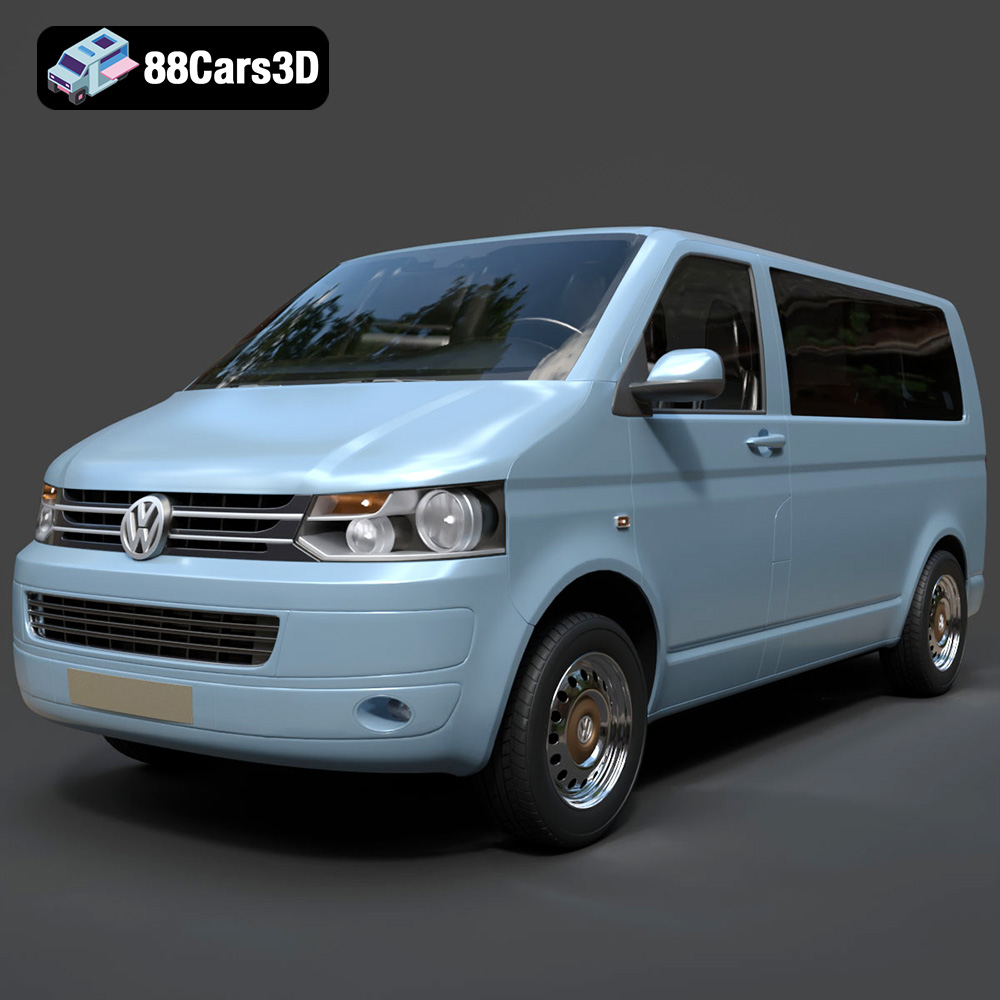
Texture: Yes
Material: Yes
Download the Volkswagen Transporter T5 FL 2010 3D Model featuring clean geometry, realistic detailing, and a fully modeled interior. Includes .blend, .fbx, .obj, .glb, .stl, .ply, .unreal, and .max formats for rendering, simulation, and game development.
Price: $22.99
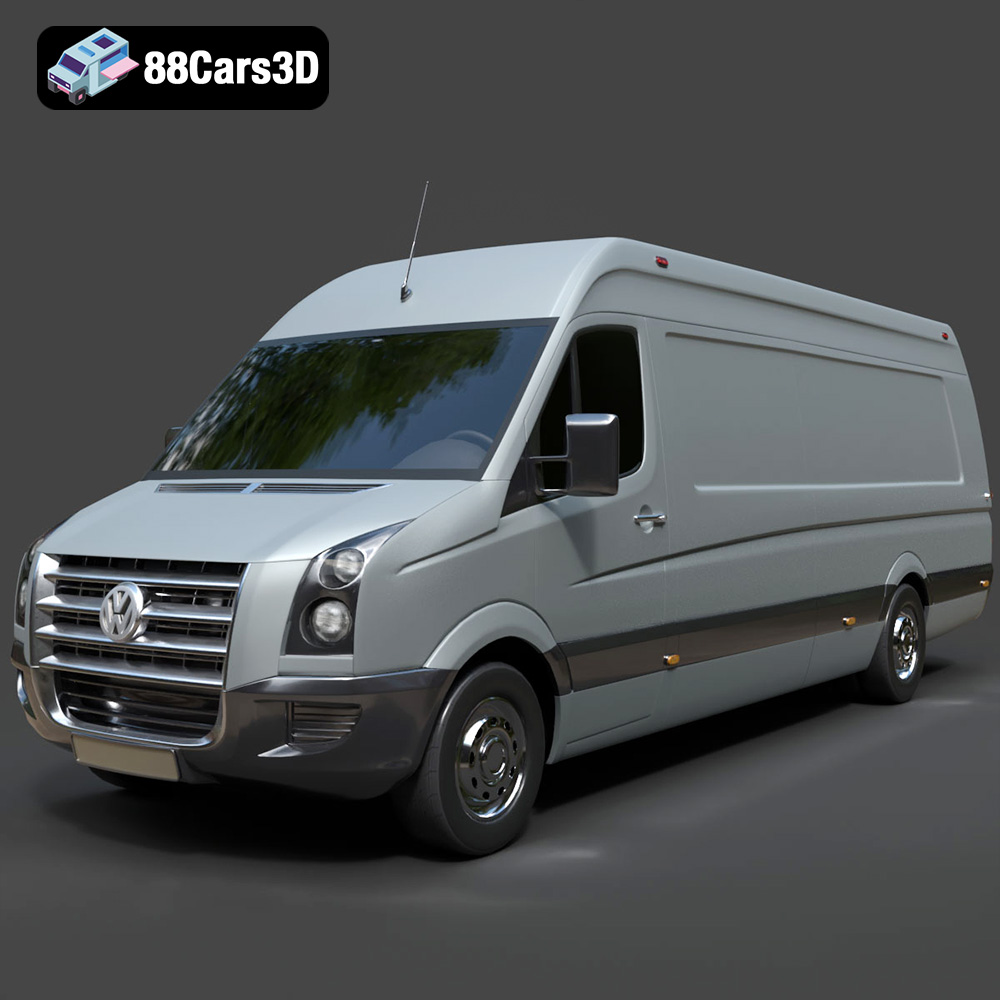
Texture: Yes
Material: Yes
Download the Volkswagen Crafter 2020 3D Model featuring clean geometry, realistic detailing, and a fully modeled interior. Includes .blend, .fbx, .obj, .glb, .stl, .ply, .unreal, and .max formats for rendering, simulation, and game development.
Price: $22.99
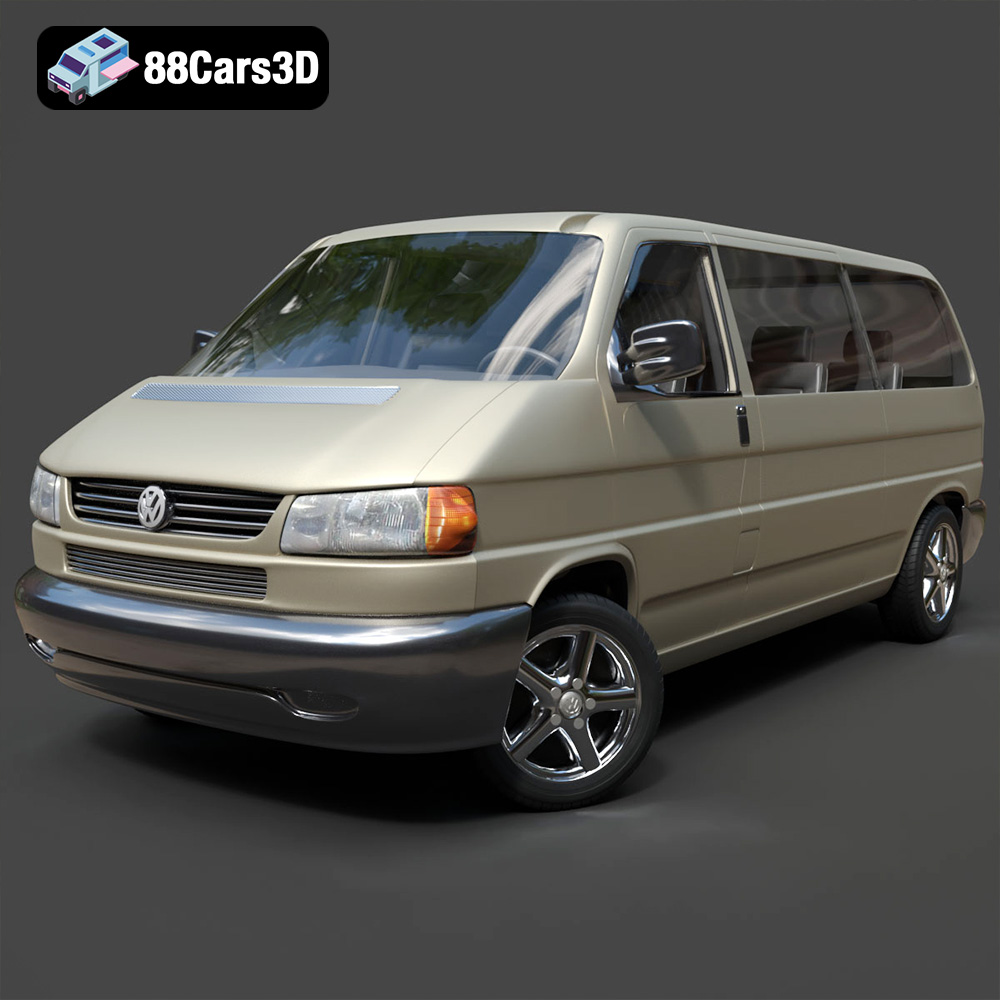
Texture: Yes
Material: Yes
Download the Volkswagen Caravelle 3D Model featuring a detailed exterior, functional interior, and optimized topology. Includes .blend, .fbx, .obj, .glb, .stl, .ply, .unreal, and .max formats for rendering, simulation, and game development.
Price: $23.99
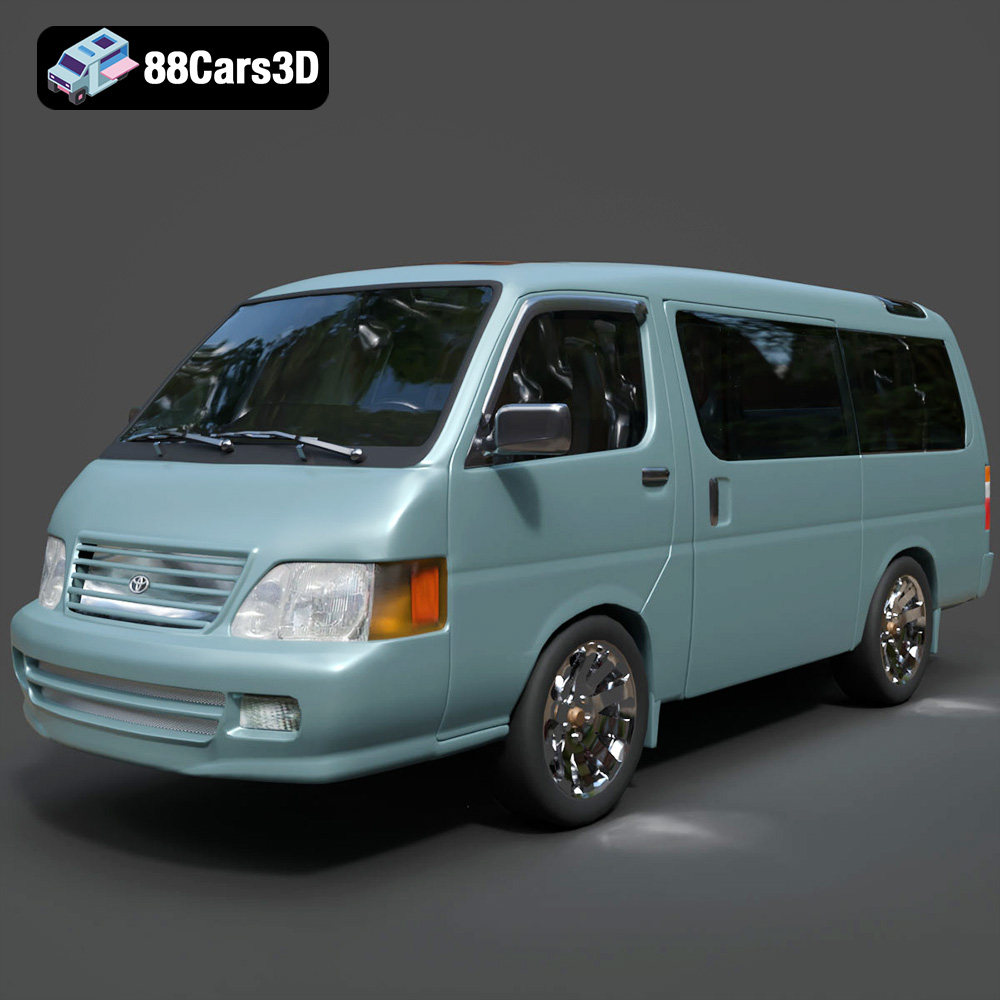
Texture: Yes
Material: Yes
Download the Toyota Hiace 3D Model featuring versatile design and detailed exterior. Includes .blend, .fbx, .obj, .glb, .stl, .ply, .unreal, and .max formats for rendering, simulation, and game development.
Price: $21.99
Texture: Yes
Material: Yes
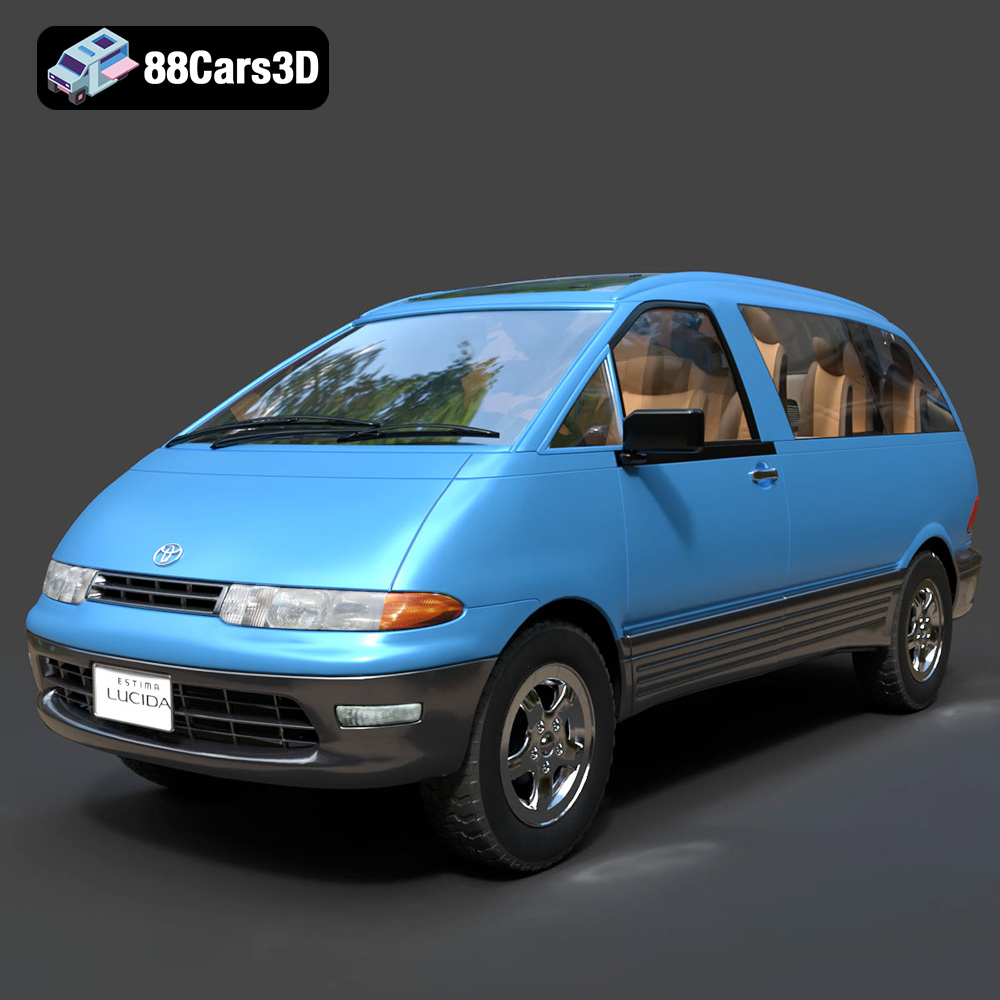
Download the Toyota Estima Lucida 3D Model featuring its iconic compact MPV design, versatile interior, and accurate exterior details. Includes .blend, .fbx, .obj, .glb, .stl, .ply, .unreal, and .max formats for rendering, simulation, and game development.
Price: $24.99

Texture: Yes
Material: Yes
Download the Toyota Alphard 3D Model featuring a detailed luxury minivan design with an accurate exterior and interior. Includes .blend, .fbx, .obj, .glb, .stl, .ply, .unreal, and .max formats for rendering, simulation, and game development.
Price: $21.99
Texture: Yes
Material: Yes
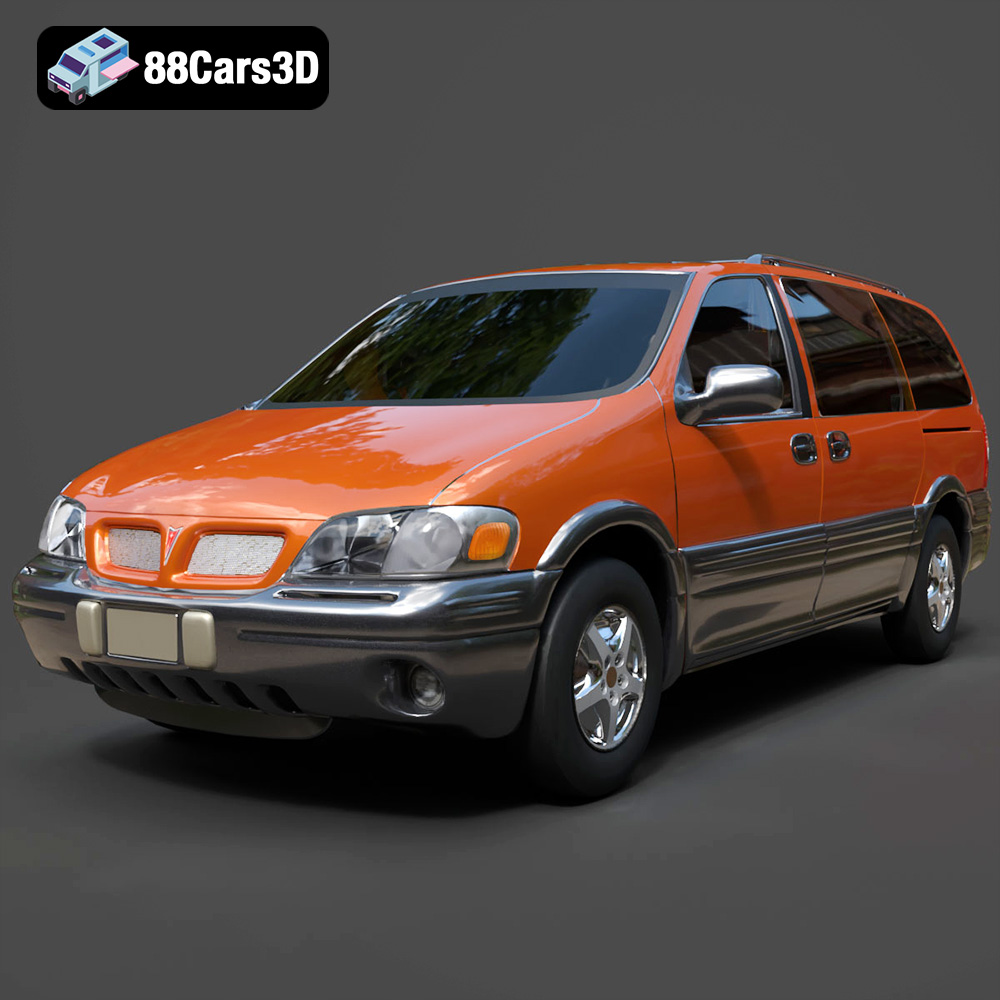
Download the Pontiac Montana 1998 3D Model featuring a detailed exterior, functional interior, and optimized mesh. Includes .blend, .fbx, .obj, .glb, .stl, .ply, .unreal, and .max formats for rendering, simulation, and game development.
Price: $21.99
Texture: Yes
Material: Yes
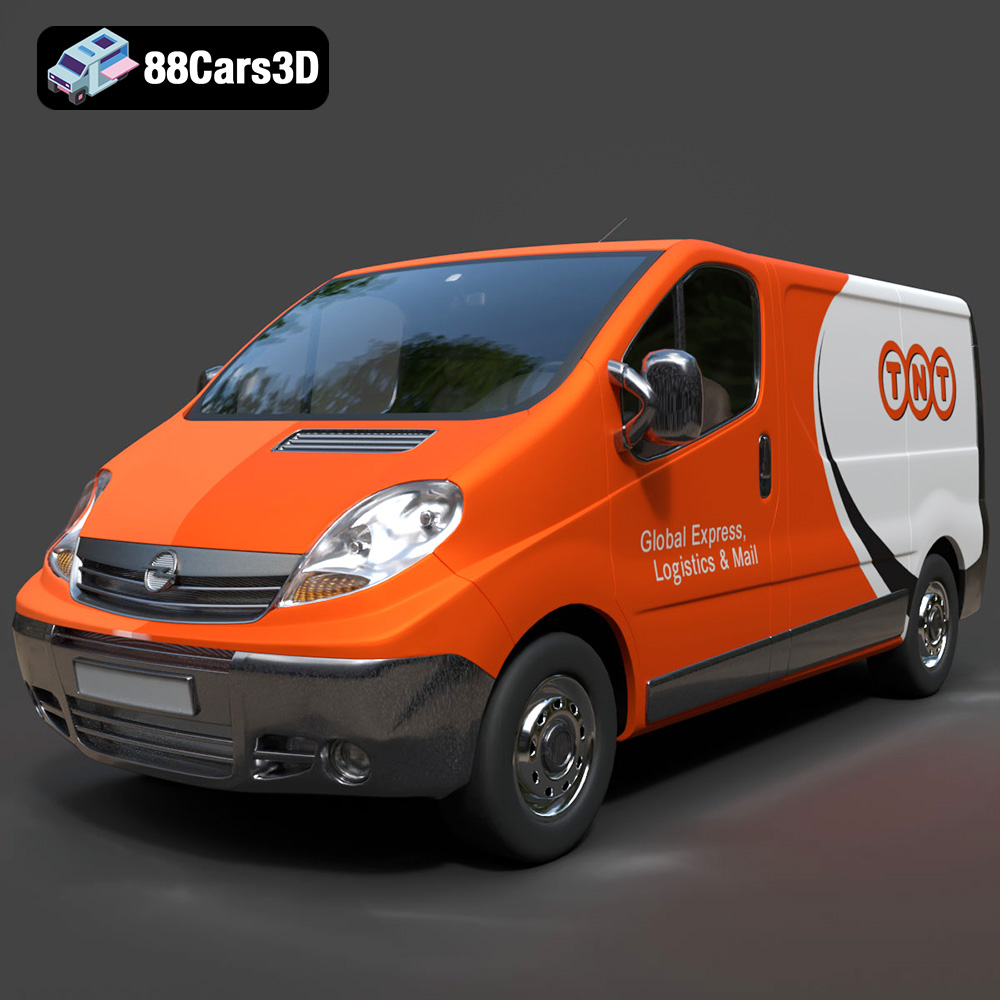
Download the Opel Vivaro 3D Model featuring a versatile commercial van design with balanced detailing. Includes .blend, .fbx, .obj, .glb, .stl, .ply, .unreal, and .max formats for rendering, simulation, and game development.
Price: $21.99
Texture: Yes
Material: Yes
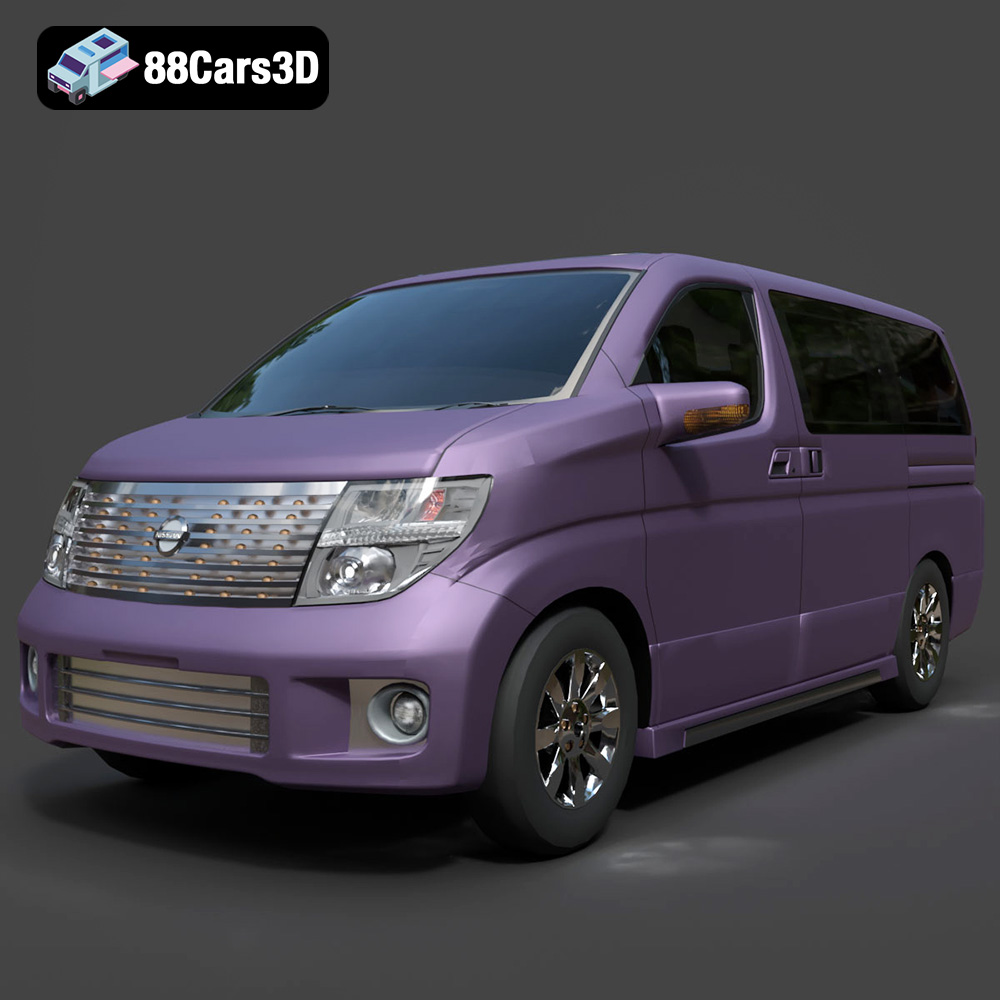
Download the Nissan Elgrand 3D Model featuring a versatile minivan design. Includes .blend, .fbx, .obj, .glb, .stl, .ply, .unreal, and .max formats for rendering, simulation, and game development.
Price: $21.99
Texture: Yes
Material: Yes
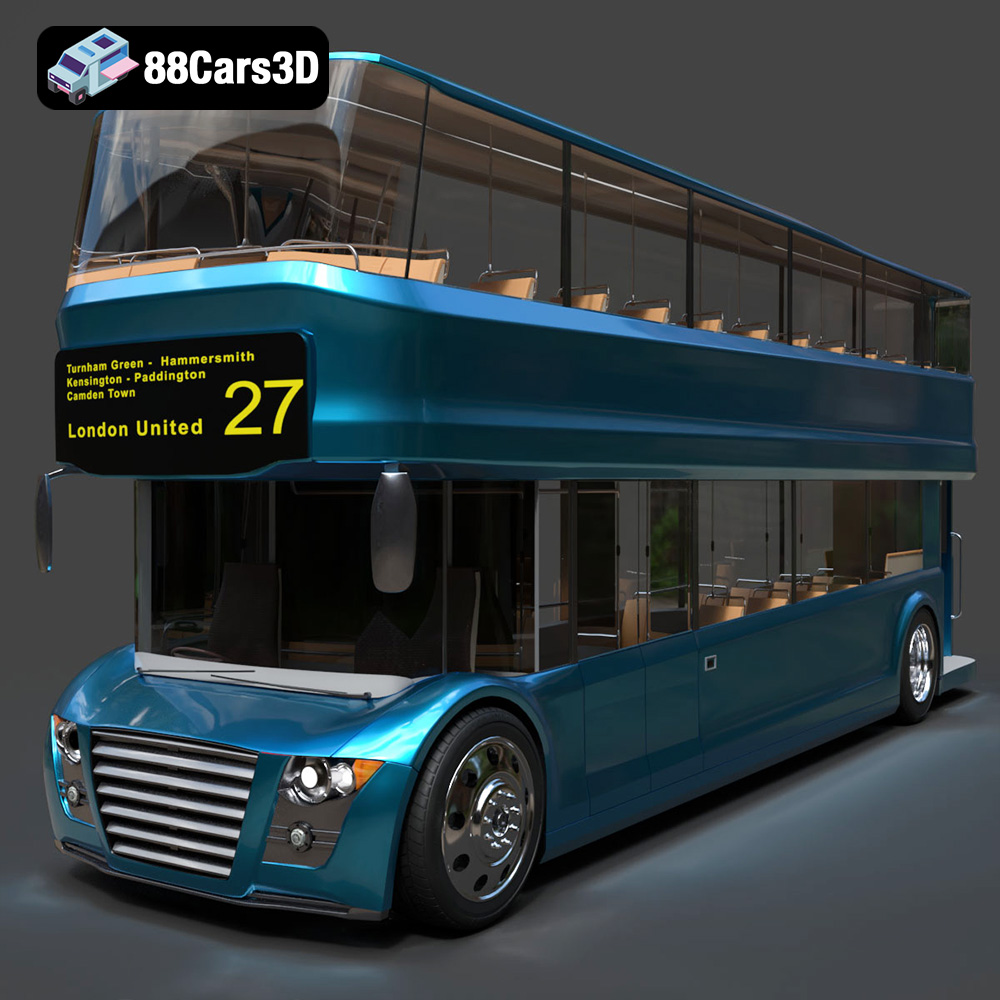
Download the New Bus For London 3D Model featuring a detailed exterior and interior, optimized for rendering and animation. Includes .blend, .fbx, .obj, .glb, .stl, .ply, .unreal, and .max formats for rendering, simulation, and game development.
Price: $21.99

