⚡ FLASH SALE: Get 60% OFF All Premium 3D & STL Models! ⚡

“`html
The world of 3D printing is a vibrant ecosystem, fueled by innovation, creativity, and the tangible reality of digital designs. At the heart of this revolution lies a file format that has become synonymous with additive manufacturing: the STL (STereoLithography) file. For hobbyists meticulously assembling their favorite cars from 88cars3d.com, or engineers prototyping critical components, understanding why STL reigns supreme is crucial for achieving flawless prints. This post delves deep into the technical underpinnings of the STL format, exploring its design, its widespread adoption, and the practical implications for your 3D printing workflow. We’ll dissect how STL files work, why they are the lingua franca of 3D printers, and how to best prepare and utilize them for stunning results, whether you’re printing intricate automotive miniatures or functional parts.
The STL format, originally developed by 3D Systems in the 1980s for their Stereolithography apparatus, was designed with a singular purpose: to represent the surface geometry of a three-dimensional object. Its simplicity and efficiency, though now a point of discussion, were revolutionary at the time. Unlike complex CAD formats that store vast amounts of parametric data, precise curves, and material properties, STL takes a fundamentally different approach. It describes a 3D model as a collection of connected triangles, forming a mesh that approximates the object’s surface. This is often referred to as a “faceted” or “tessellated” representation. Each triangle is defined by the coordinates of its three vertices and a normal vector, which indicates the outward direction of the surface at that point. This normal vector is critical for determining the interior and exterior of the object, a concept known as manifold geometry.
The process of converting a smooth, mathematically defined CAD model into a triangular mesh is called tessellation. The level of detail in the tessellation directly impacts the accuracy of the STL representation. A finer tessellation, meaning more, smaller triangles, will capture intricate curves and details more precisely but will result in a larger file size. Conversely, a coarser tessellation will create a smaller file but may lose surface fidelity, leading to a “faceted” appearance in the final print, especially on curved surfaces. Most CAD software and slicing programs offer parameters to control this tessellation process, allowing users to strike a balance between detail and file size. For highly detailed models, such as the collectible car models found on 88cars3d.com, a good tessellation is paramount to preserving the fine lines and aerodynamic contours of the vehicles.
For a 3D printer to successfully interpret an STL file and build an object, the mesh must be “manifold.” This means the surface must be watertight, with no holes, gaps, or intersecting faces. Imagine an STL file as the skin of a balloon; it should have no tears or internal partitions. In a manifold mesh, every edge is shared by exactly two triangles. If an edge is shared by more than two, it indicates intersecting faces. If an edge is part of only one triangle, it signifies a hole or a gap in the surface. Slicing software relies on this watertight property to determine which areas to fill with material (infill) and which areas form the outer shell. Errors in manifold geometry are a common cause of printing failures, and tools like Meshmixer, Netfabb, or even Blender are invaluable for repairing these issues.
The widespread adoption of the STL format wasn’t an accident; it was a strategic evolution driven by the needs of early 3D printing technologies and the accessibility of the format. Initially, Stereolithography (SLA) and Fused Deposition Modeling (FDM) printers, the pioneers of the industry, were well-suited to interpreting this simple triangular representation. These machines essentially slice the 3D model horizontally into layers, and the STL format, by defining surface facets, provided a straightforward way to calculate the cross-sectional area of each layer. This allowed for relatively straightforward path generation for the printer’s toolhead or laser. Furthermore, STL files are relatively easy to generate from virtually any 3D modeling software, from professional CAD packages to basic sculpting tools, making it universally compatible.
The core strength of STL lies in its simplicity. It focuses purely on surface geometry, stripping away complex information like color, texture, or material properties, which were beyond the capabilities of early 3D printers anyway. This streamlined approach made it easy for software developers to create parsers and for hardware manufacturers to build printers that could interpret the data. As the 3D printing industry grew, so did the ecosystem around STL. Almost every 3D modeling software can export to STL, and virtually every slicer program can import and process it. This universality is why you’ll find STL files readily available on marketplaces like 88cars3d.com, catering to a diverse range of printers and users.
Slicing software acts as the crucial intermediary between a 3D model file (like STL) and the 3D printer. Programs like Cura, PrusaSlicer, Simplify3D, and others take the STL geometry and “slice” it into hundreds or thousands of thin, horizontal layers. For each layer, the slicer calculates the precise path the printer’s nozzle or laser must follow to deposit material. The STL’s triangular facets are essential here, as they allow the slicer to determine the exact outline of the object at any given height. The normal vectors of the triangles help the slicer understand which parts of the mesh are facing upwards or downwards, which is critical for determining where support structures will be needed. Without the defined surface geometry provided by STL, this layer-by-layer path generation would be significantly more complex.
While STL is ubiquitous, simply downloading an STL file and hitting “print” isn’t always a recipe for success. The quality of the STL file itself, and how it’s prepared, has a direct impact on printability and the final output. Understanding common issues and how to address them is a hallmark of an experienced 3D printer operator. This involves checking for errors in the mesh, optimizing its structure, and ensuring it’s suitable for the intended printing technology.
As mentioned, manifold errors are a primary concern. Holes, non-manifold edges, inverted normals, and self-intersecting faces can confuse the slicer, leading to failed prints, missing sections, or incorrect geometry. Tools like Microsoft’s 3D Builder (often built into Windows), Netfabb (available as a standalone application or integrated into some CAD software), and Blender offer powerful mesh repair capabilities. These tools can automatically detect and attempt to fix common errors. For example, the “Make Solid” feature in Meshmixer can help create a watertight mesh from potentially problematic geometry. For printable car models, ensuring the chassis and body panels are perfectly sealed is crucial for a clean finish.
The tessellation density of an STL file directly affects its file size and the level of detail it can represent. High-resolution STLs, with millions of tiny triangles, can capture extremely fine details but result in very large files that can slow down slicing software and potentially cause memory issues. Low-resolution STLs, on the other hand, are small and fast to process but will exhibit a noticeable “stair-step” effect on curved surfaces. Finding the right balance is key. Often, slicers allow you to adjust the mesh density during export from CAD software or when importing a model. For display models, prioritizing detail might mean accepting a larger file size and longer slicing time, while for functional prototypes where surface smoothness is less critical, a lower resolution might suffice.
While STL dominates, it’s worth noting other formats exist. OBJ files can store color and texture information, making them useful for visually rich models, but they don’t inherently support all the data needed for 3D printing like support structures or print settings. Newer formats like 3MF (3D Manufacturing Format) and AMF (Additive Manufacturing File Format) were developed to overcome STL’s limitations. They can store more information, including color, materials, units, and metadata, and are designed to be inherently more robust and easier to repair. However, STL’s established ecosystem and universal compatibility mean it remains the most widely supported format for the foreseeable future, especially for basic geometry transfer.
Once you have a clean and well-prepared STL file, the next critical step is configuring your slicing software. This is where you translate the digital model into instructions your 3D printer can understand. Every setting, from layer height to infill density, plays a role in the final print’s quality, strength, and print time. Understanding how these parameters interact with the STL geometry is essential for achieving professional-level results.
Layer height is one of the most significant settings. It defines the thickness of each individual layer deposited by the printer. Standard FDM printers might use settings from 0.1mm (high detail) to 0.3mm (draft quality). A smaller layer height results in a smoother surface finish, with less visible “stair-stepping” on curved surfaces derived from the STL’s triangles. However, it also dramatically increases print time, as the printer has to lay down many more layers to build the object. For intricate car models, where smooth bodywork is desired, a lower layer height (e.g., 0.12mm or 0.15mm) is often preferred. For internal components or prototypes where speed is prioritized, a larger layer height (e.g., 0.2mm or 0.25mm) might be acceptable. Resin printers typically achieve much finer detail with layer heights as low as 0.025mm to 0.05mm.
Infill refers to the internal structure printed within the outer walls of your object. The infill density (percentage) and pattern significantly affect the part’s strength, weight, and the amount of material used, thus influencing print time and cost. For display models, a low infill density (e.g., 10-15%) is often sufficient, primarily to provide a stable base for the top layers. For functional parts that need to withstand stress, higher infill densities (30-70% or even 100% for maximum strength) might be necessary. Common infill patterns include grid, cubic, gyroid, and honeycomb. The gyroid pattern is often favored for its strength and ability to reduce stress concentrations, making it suitable for complex geometries like those found in automotive parts.
Print speed affects how quickly the nozzle moves while extruding material. Faster speeds reduce print time but can lead to decreased print quality, such as layer adhesion issues or poor surface finish, especially when printing complex STL geometries. Slower speeds generally yield better quality but increase print duration. Material type dictates optimal print temperatures for the nozzle and bed. For example, PLA typically prints at 190-220°C with a bed temperature of 50-60°C, while ABS requires higher temperatures (230-260°C nozzle, 90-110°C bed) and often an enclosed printer to prevent warping. Always consult the manufacturer’s recommendations for your specific filament.
Many 3D printable car models, especially those with intricate details like spoilers, mirrors, or undercarriage components, feature overhangs and bridges that cannot be printed in mid-air. This is where support structures come into play. Supports are temporary geometries generated by the slicer that hold up these overhanging sections during the printing process, ensuring they solidify correctly before the next layer is added. The effective generation and removal of supports are critical for a successful print and a clean final model.
Modern slicers offer sophisticated support generation options. You can typically choose between “touching buildplate” (supports only printed where the model overhangs the build plate) or “everywhere” (supports printed under any overhang, even where it’s connected to the model itself). Tree supports, a more advanced option available in some slicers like Cura, are designed to be more material-efficient and easier to remove, branching out like a tree from a single contact point. For car models, you’ll want to carefully consider where supports are placed to avoid damaging delicate features during removal. Enabling support interfaces can create a denser, smoother surface where the support touches the model, making cleanup easier.
Removing supports can be one of the most time-consuming post-processing steps. The goal is to remove them cleanly without damaging the actual model. For FDM prints, this often involves carefully breaking away the support material with pliers, hobby knives, or specialized tools. For soluble supports (using dual-extruder printers), the object can be submerged in a solvent like water or a specialized chemical to dissolve the support material. For resin prints, supports are typically removed with flush cutters or a craft knife before post-curing. Patience and the right tools are key. Sometimes, scoring the connection points between the support and the model with a sharp blade can make removal easier and cleaner.
Once your 3D print is off the build plate and any supports have been removed, the journey isn’t over. Post-processing is where you transform a raw 3D print into a polished, display-ready piece. This stage is particularly important for detailed models like those found on 88cars3d.com, where finishing can elevate the appearance significantly.
Sanding is essential for removing layer lines and blemishes, creating a smooth surface for painting. Start with a coarser grit sandpaper (e.g., 100-220 grit) to remove major imperfections and then progressively move to finer grits (e.g., 400, 800, 1200, and even higher) for a glass-smooth finish. For FDM prints, filling layer lines with putty or specialized smoothing agents (like XTC-3D for resin prints) before sanding can yield even better results. For ABS, vapor smoothing with acetone can create an incredibly smooth surface, but this requires extreme caution and ventilation.
A primer is crucial before painting, as it helps to seal the surface, fill minor imperfections, and provide a uniform base for your paint colors to adhere to. Spray primers offer the most even coverage. Once primed, you can apply your chosen paints. Acrylics are popular for their versatility and ease of use, applied either with brushes or an airbrush for a professional finish. Pay attention to details like window trim, headlights, and wheels to bring your car model to life. Decals can also be used to add realistic branding and details.
Many complex models, especially those with multiple parts like separate wheels, chassis, or interior components, will require assembly. This may involve using adhesives like super glue (cyanoacrylate) or epoxy. Careful alignment is key. Finishing touches can include applying a clear coat (gloss, satin, or matte) to protect the paint job and achieve the desired sheen. Adding small details like mirrors, antennas, or even tiny interior elements can further enhance the realism of your 3D printed car model.
The STL file format, despite its age, remains the cornerstone of the 3D printing world due to its simplicity, universality, and direct compatibility with slicing workflows. Understanding its triangular mesh structure, the importance of manifold geometry, and how it interacts with slicing software and printer hardware is fundamental for anyone serious about achieving high-quality 3D prints. From meticulously preparing your downloaded STL files from sources like 88cars3d.com to optimizing slicer settings, generating intelligent supports, and mastering post-processing techniques, each step contributes to the final success of your printed object. By embracing a systematic approach and understanding the technical nuances of the STL workflow, you can unlock the full potential of your 3D printer and bring your most ambitious projects, from intricate automotive masterpieces to functional engineering components, to life with stunning fidelity and precision.
“`
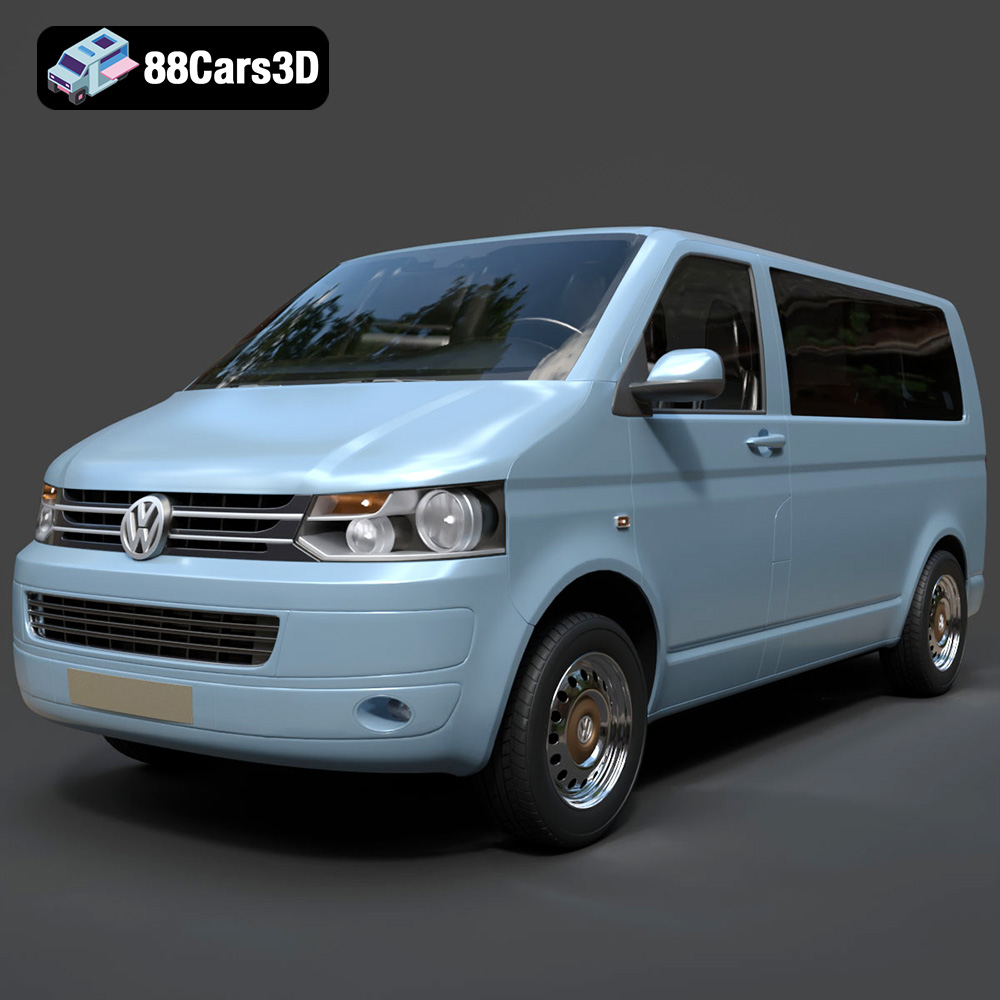
Texture: Yes
Material: Yes
Download the Volkswagen Transporter T5 FL 2010 3D Model featuring clean geometry, realistic detailing, and a fully modeled interior. Includes .blend, .fbx, .obj, .glb, .stl, .ply, .unreal, and .max formats for rendering, simulation, and game development.
Price: $22.99
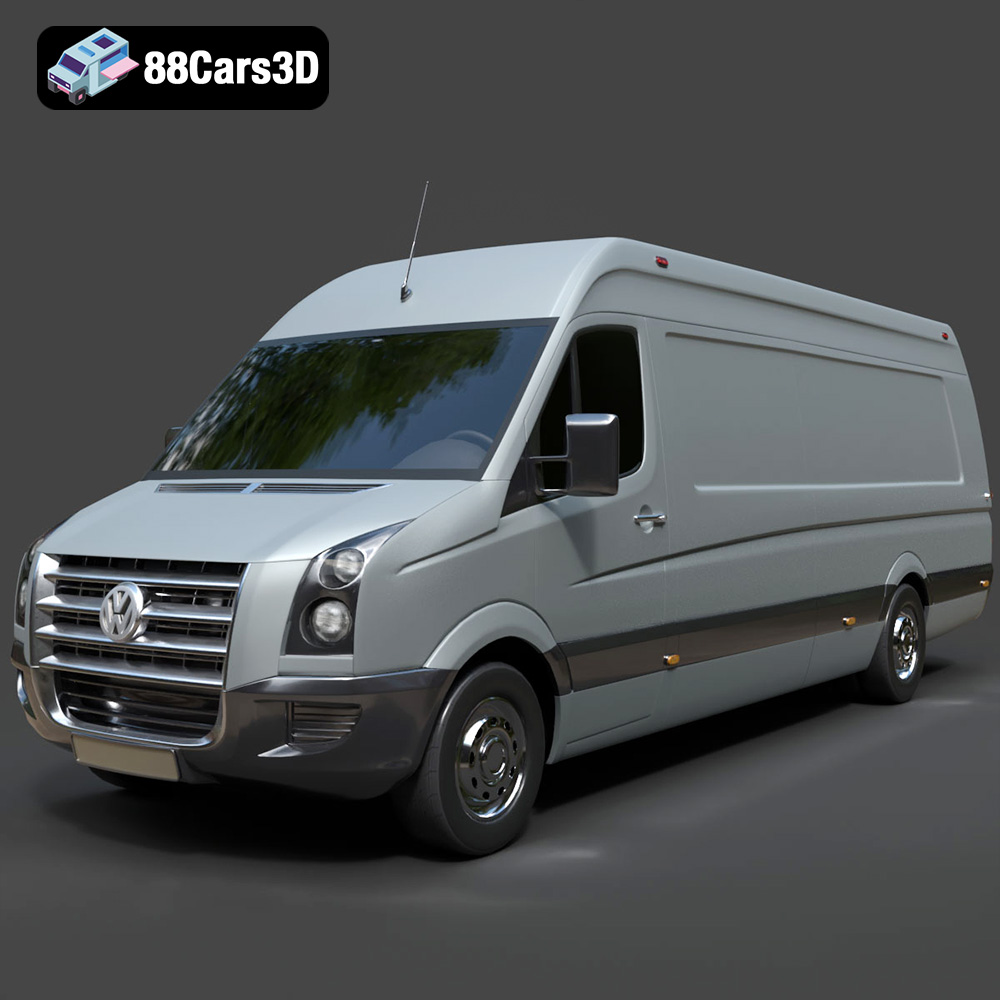
Texture: Yes
Material: Yes
Download the Volkswagen Crafter 2020 3D Model featuring clean geometry, realistic detailing, and a fully modeled interior. Includes .blend, .fbx, .obj, .glb, .stl, .ply, .unreal, and .max formats for rendering, simulation, and game development.
Price: $22.99
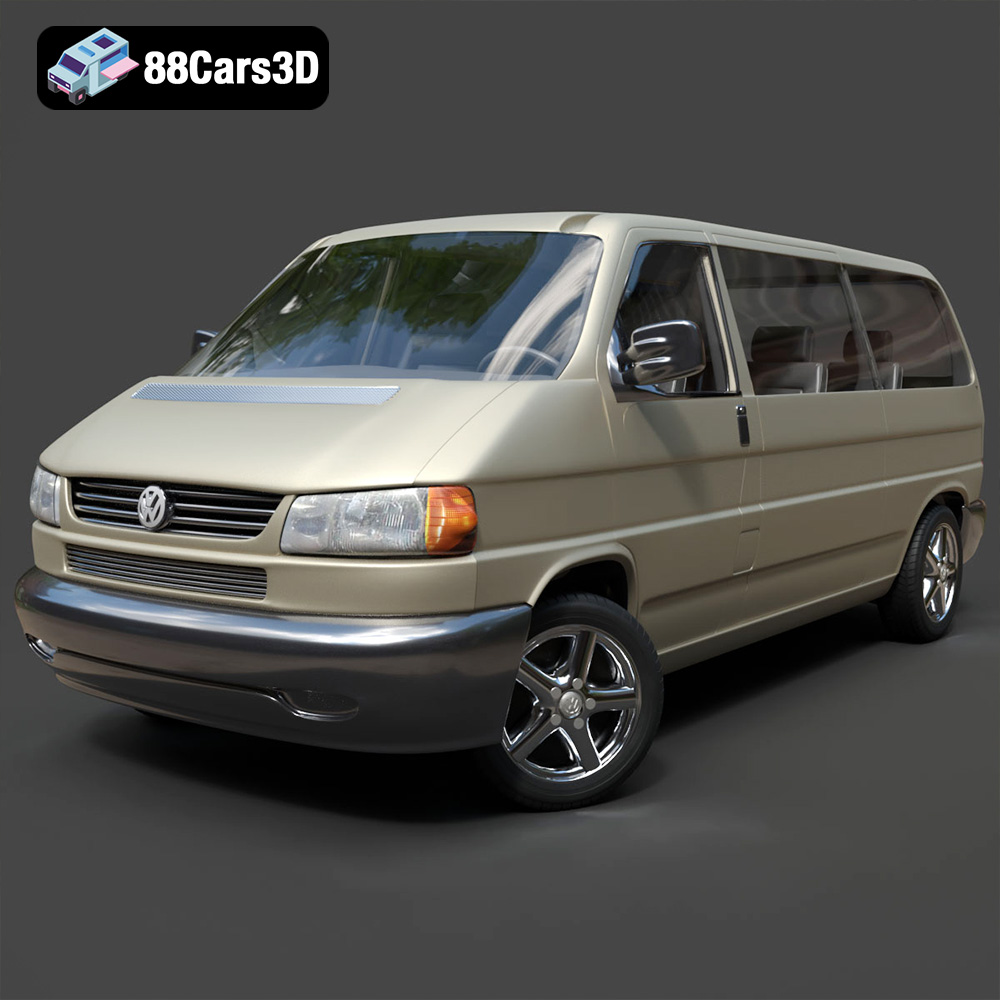
Texture: Yes
Material: Yes
Download the Volkswagen Caravelle 3D Model featuring a detailed exterior, functional interior, and optimized topology. Includes .blend, .fbx, .obj, .glb, .stl, .ply, .unreal, and .max formats for rendering, simulation, and game development.
Price: $23.99
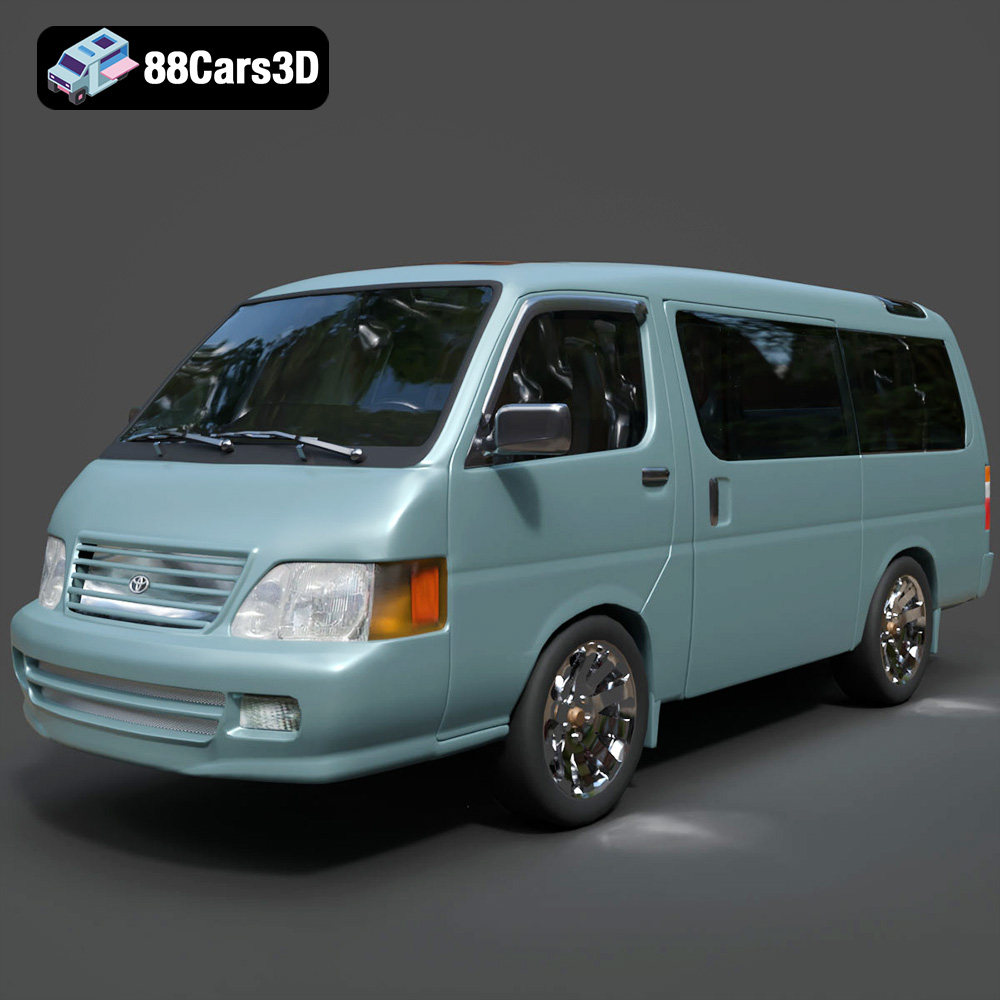
Texture: Yes
Material: Yes
Download the Toyota Hiace 3D Model featuring versatile design and detailed exterior. Includes .blend, .fbx, .obj, .glb, .stl, .ply, .unreal, and .max formats for rendering, simulation, and game development.
Price: $21.99
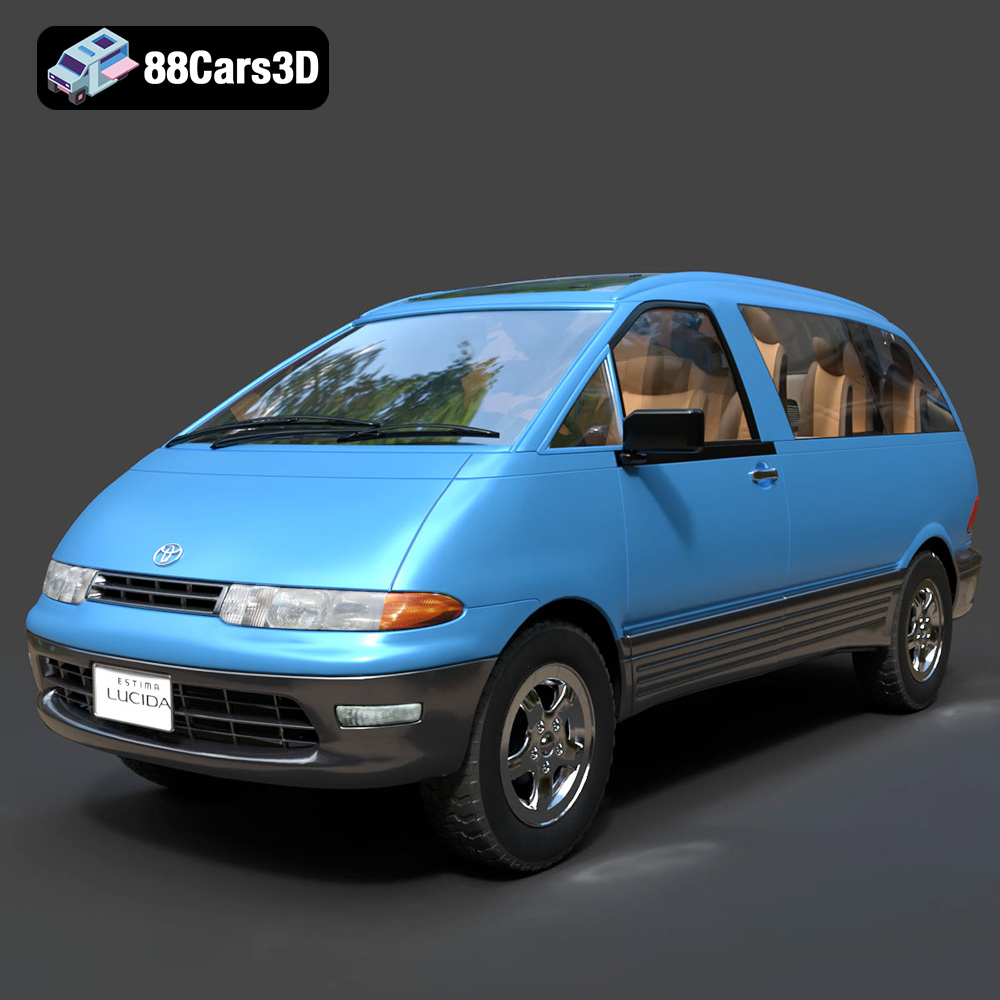
Texture: Yes
Material: Yes
Download the Toyota Estima Lucida 3D Model featuring its iconic compact MPV design, versatile interior, and accurate exterior details. Includes .blend, .fbx, .obj, .glb, .stl, .ply, .unreal, and .max formats for rendering, simulation, and game development.
Price: $24.99

Texture: Yes
Material: Yes
Download the Toyota Alphard 3D Model featuring a detailed luxury minivan design with an accurate exterior and interior. Includes .blend, .fbx, .obj, .glb, .stl, .ply, .unreal, and .max formats for rendering, simulation, and game development.
Price: $21.99
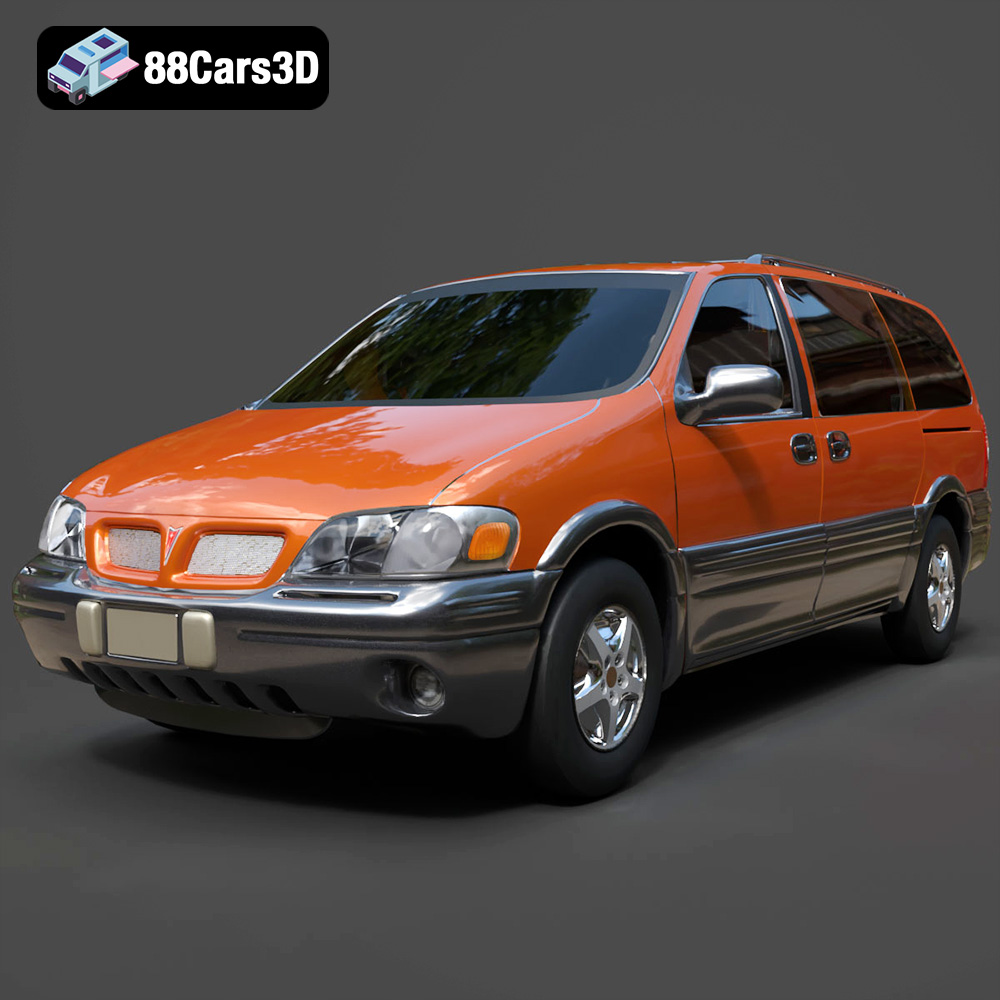
Texture: Yes
Material: Yes
Download the Pontiac Montana 1998 3D Model featuring a detailed exterior, functional interior, and optimized mesh. Includes .blend, .fbx, .obj, .glb, .stl, .ply, .unreal, and .max formats for rendering, simulation, and game development.
Price: $21.99
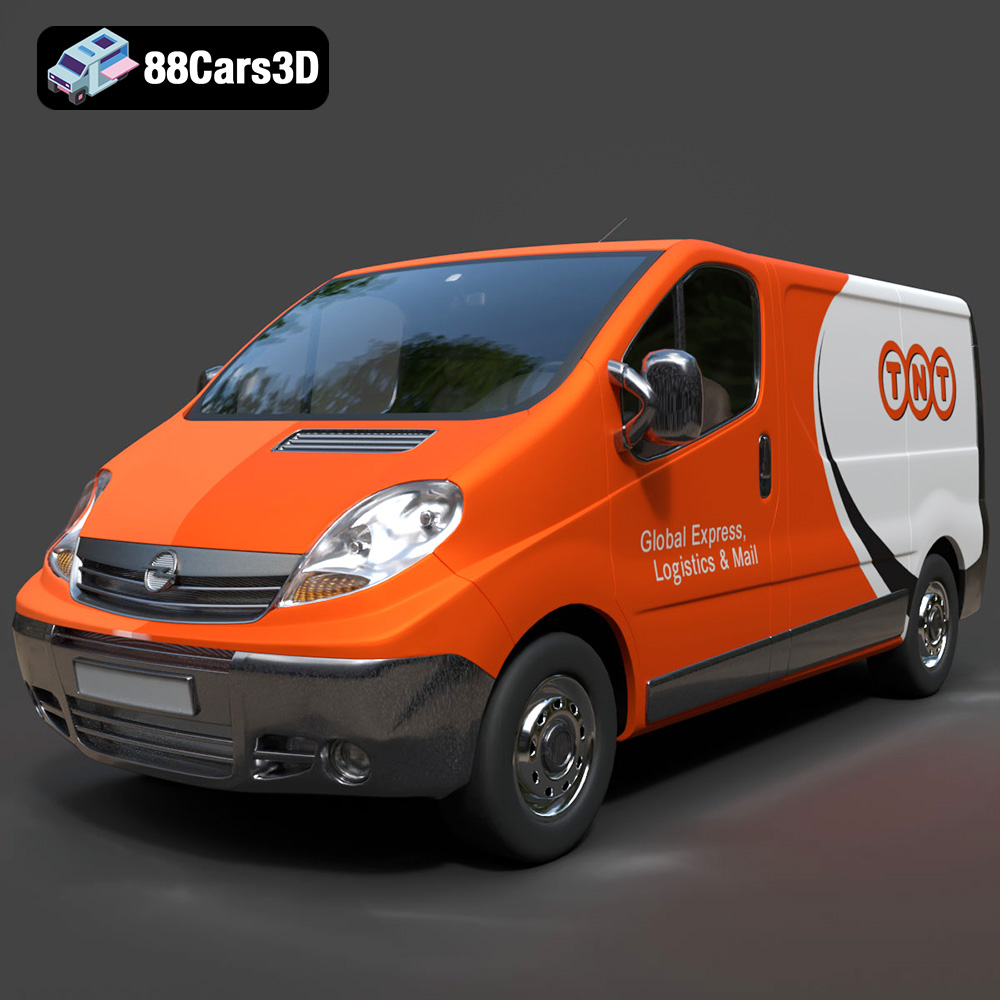
Texture: Yes
Material: Yes
Download the Opel Vivaro 3D Model featuring a versatile commercial van design with balanced detailing. Includes .blend, .fbx, .obj, .glb, .stl, .ply, .unreal, and .max formats for rendering, simulation, and game development.
Price: $21.99
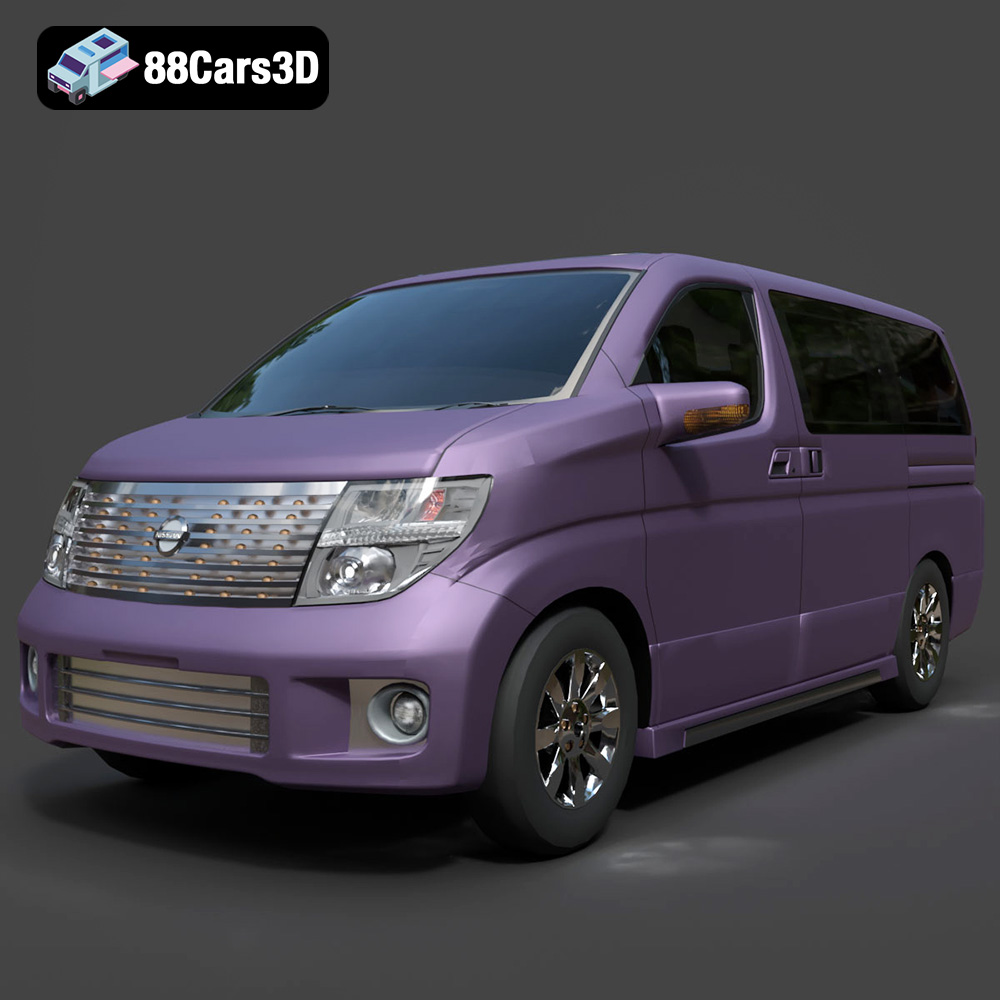
Texture: Yes
Material: Yes
Download the Nissan Elgrand 3D Model featuring a versatile minivan design. Includes .blend, .fbx, .obj, .glb, .stl, .ply, .unreal, and .max formats for rendering, simulation, and game development.
Price: $21.99
Texture: Yes
Material: Yes
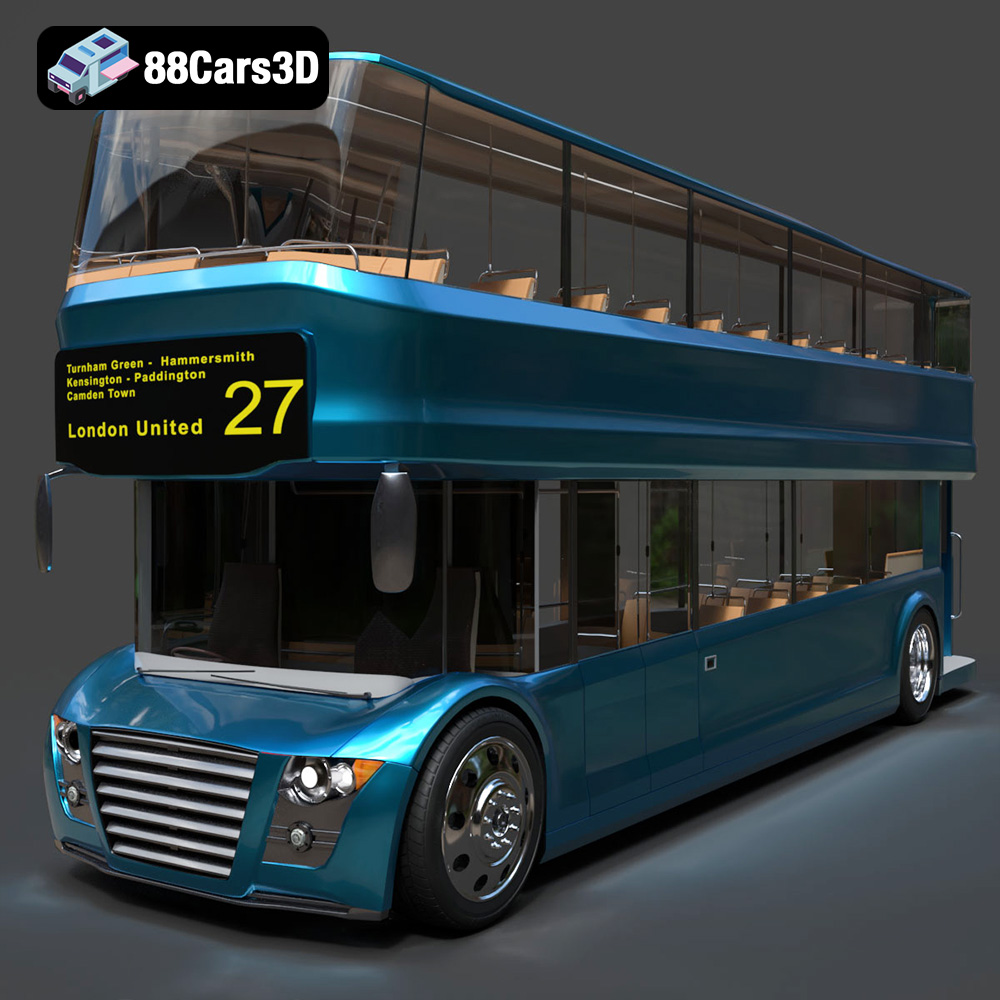
Download the New Bus For London 3D Model featuring a detailed exterior and interior, optimized for rendering and animation. Includes .blend, .fbx, .obj, .glb, .stl, .ply, .unreal, and .max formats for rendering, simulation, and game development.
Price: $21.99

