The allure of hyper-realistic automotive experiences is no longer confined to high-end PCs and consoles. With the exponential growth of mobile gaming and the increasing power of smartphones, developers are pushing the boundaries to deliver stunning visualizations of vehicles directly into players’ hands. For automotive enthusiasts, designers, and game developers, creating immersive mobile experiences featuring high-quality 3D car models in Unreal Engine presents both an exciting opportunity and a significant technical challenge.
Bringing intricate vehicle models, often boasting millions of polygons and complex material setups, from desktop-grade visualization to a handheld device requires a masterful blend of artistic refinement and technical optimization. While platforms like 88cars3d.com offer incredibly detailed and production-ready game assets, simply dropping them into a mobile project won’t yield optimal performance. This comprehensive guide will walk you through the essential strategies for optimizing your Unreal Engine projects, specifically focusing on how to integrate and optimize premium 3D car models for seamless, high-fidelity mobile gaming and interactive applications. We’ll cover everything from mesh reduction and material streamlining to intelligent lighting, efficient scripting, and robust profiling, ensuring your automotive visions run flawlessly on mobile hardware.
Optimizing Your 3D Car Models for Mobile Success
The foundation of any successful mobile automotive project in Unreal Engine lies in the strategic optimization of your 3D car models. Assets sourced from marketplaces like 88cars3d.com are typically built for high-fidelity rendering, featuring extensive detail perfect for cinematic automotive visualization or PC games. However, mobile devices have strict limitations on polygon counts, texture memory, and draw calls. Adapting these models effectively is paramount.
When importing your detailed car models into Unreal Engine, remember that every vertex, polygon, and material slot contributes to the performance budget. A common mistake is to assume Unreal Engine will automatically handle all optimization. While it offers powerful tools, manual intervention and a deep understanding of mobile rendering constraints are vital. The goal isn’t to sacrifice visual quality entirely, but to achieve an optimal balance between fidelity and frame rate. This involves reducing complexity strategically without compromising the vehicle’s core aesthetic appeal.
Strategic LOD Generation and Management
Level of Detail (LOD) management is arguably the most critical optimization technique for complex meshes like 3D car models on mobile. LODs allow you to switch between different versions of a mesh based on its distance from the camera. A high-polygon model (LOD0) is used when the car is close, while progressively lower-polygon versions (LOD1, LOD2, etc.) are used as it moves further away. This dramatically reduces the number of polygons rendered per frame.
- Target Polygon Counts: For mobile, typical LOD targets for a complex car might look like this:
- LOD0 (High Detail): 30,000-60,000 triangles (for close-ups, hero shots).
- LOD1 (Medium Detail): 10,000-20,000 triangles (for typical gameplay distances).
- LOD2 (Low Detail): 3,000-8,000 triangles (for cars at a moderate distance).
- LOD3+ (Imposter/Billboard): 500-2,000 triangles or even a simple billboard (for very distant cars or background elements).
- Unreal Engine’s LOD Tools: Unreal Engine provides excellent built-in tools for automatic LOD generation. You can right-click on a Static Mesh in the Content Browser, select “Asset Actions” > “Generate LODs.” You can then customize the number of LODs, the reduction settings (triangle percentage, screen size thresholds), and even manually assign meshes per LOD. For robust results, consider using Simplygon integration, which offers advanced mesh decimation algorithms, producing cleaner topology. However, for the most control and highest quality, manually creating LODs in your 3D modeling software (like Blender, Maya, 3ds Max) often yields superior results, especially for intricate car geometries, ensuring vital details are preserved.
Mesh Simplification and Decimation
Beyond automatic LODs, sometimes a specific component or even the base LOD0 of a car model might be too dense. Mesh simplification or decimation is the process of reducing the number of polygons in a mesh while trying to maintain its visual fidelity. This is often done by removing redundant vertices and edges.
- External DCC Tools: For precise control, performing decimation in your preferred 3D modeling software (e.g., using Blender’s Decimate modifier or Maya’s Reduce tool) allows artists to prioritize areas of detail and prevent unsightly deformations. When sourcing models from 88cars3d.com, you’ll often find a clean, high-poly base, which is ideal for creating optimized versions without compromising quality.
- Merging Static Meshes: Many car models are composed of numerous individual parts (body, wheels, windows, interior components). Each distinct static mesh contributes to draw calls. Where possible, merge smaller, non-interactive components into a single mesh. For instance, the main body shell, fenders, and doors (if not interactable) could be combined. Unreal Engine’s “Merge Actors” tool can assist with this, reducing the overall draw call count, which is a significant performance factor on mobile.
- Collision Meshes: Complex, per-poly collision is extremely expensive. Create simplified collision meshes (e.g., box, sphere, or convex hull collision primitives) for your vehicles. Only use detailed collision where absolutely necessary for gameplay, such as the tires for accurate physics.
Efficient UV Mapping and Atlas Creation
Optimized UV mapping and texture atlases are crucial for reducing draw calls and memory usage on mobile. Every material slot and unique texture contributes to the rendering overhead. Consolidating these can lead to significant gains.
- Single UV Channel: Ensure your models primarily use a single UV channel for textures to avoid additional processing. Lightmap UVs (usually UV Channel 1) are an exception and should be clean and non-overlapping.
- Texture Atlases: Combine multiple smaller textures (e.g., emblems, interior details, bolts) into a single, larger texture atlas. This allows a single material to reference one texture, drastically reducing the number of material slots and draw calls. It requires re-UVing the mesh parts to point to the correct sections of the atlas.
- Optimized UV Layouts: Maximize UV space utilization. Avoid wasted space in your UV layouts. Seams should be placed strategically where they are least visible.
Streamlining Materials and Textures for Mobile Performance
After optimizing your meshes, the next critical step for mobile optimization in Unreal Engine is to streamline your materials and textures. High-quality PBR materials, while stunning on desktop, can quickly overwhelm mobile GPUs. The goal is to achieve visual fidelity with the fewest possible instructions and texture samples per pixel.
Unreal Engine’s Material Editor is incredibly powerful, but it’s easy to create complex shaders that are too expensive for mobile devices. Remember, every node in your material graph contributes to the instruction count. Mobile GPUs are less forgiving of complex shader computations. Think lean and efficient when designing mobile materials.
Mobile-Friendly PBR Material Setup
While the principles of Physically Based Rendering (PBR) remain, the implementation needs simplification for mobile. Complex PBR materials often involve intricate reflection models, multiple texture samples, and expensive mathematical operations. Simplify these wherever possible.
- Reduced Instruction Count: Keep your material instruction count as low as possible. Aim for under 100 instructions for opaque materials and under 50 for transparent materials if feasible. Avoid complex nodes like parallax occlusion mapping, extensive custom lighting functions, or overly intricate material blending.
- Static Switch Parameters: Utilize Static Switch Parameters within your master materials. These allow you to compile different shader permutations at runtime based on parameters, effectively removing unused complexity. For instance, you could have a switch to enable or disable features like clear coat or complex normal map blending based on the target device profile.
- Simplified Shading Models: Stick to the default Lit shading model or explore mobile-specific ones if they offer performance gains for your use case. Avoid custom shading models unless absolutely necessary and thoroughly optimized.
- Consolidating Material Slots: Similar to mesh merging, try to reduce the number of unique materials on your car model. If parts share similar visual properties, they can potentially share a single material instance, which reduces draw calls.
Texture Resolution and Compression
Textures are often the largest contributors to memory usage and loading times in mobile games. Striking the right balance between resolution and file size is crucial for every game asset.
- Sensible Resolutions: While 4K or 8K textures are common for high-end visualizations, they are impractical for mobile.
- For primary car body textures (Albedo, Normal, Roughness, Metallic): Aim for 2048×2048 pixels.
- For smaller details (lights, badges, interior elements): 1024×1024 or 512×512 pixels.
- For less critical elements or atlases: 256×256 or 128×128 pixels.
Always test on target devices to see how much resolution you can afford without visual degradation.
- Texture Compression: Unreal Engine offers various compression settings for textures.
- DXT Compression: Standard for most textures, offering a good balance between quality and file size.
- ASTC (Adaptive Scalable Texture Compression): Crucial for Android. It offers superior quality at lower bitrates compared to DXT and is highly configurable. Enable it in your Project Settings under “Platforms” > “Android” > “Build” > “Support ASTC.”
- PVRTC (PowerVR Texture Compression): For iOS devices using PowerVR GPUs.
Ensure your textures are set to the correct compression type for your target platforms within their individual texture settings in Unreal Engine.
- Texture Streaming: Enable texture streaming for large textures. This ensures that only the necessary mip levels are loaded into memory based on the camera’s distance, saving valuable RAM.
Material Instancing for Variation
To create variations of your car models (e.g., different paint colors, interior trims) without creating new, expensive master materials, leverage Material Instances. A master material provides the core logic, and instances allow you to change parameters (like color, texture scales, metallic values) without recompiling shaders. This is incredibly efficient for automotive configurators on mobile.
- Parameterization: Expose common properties like Base Color, Metallic, Roughness, Normal Map strength, and Clear Coat amount as parameters in your master material.
- Runtime Changes: Use Blueprint Visual Scripting to dynamically change these parameters at runtime for interactive experiences, such as a user selecting a new car paint color. This is far more performant than swapping out entire materials.
Mastering Mobile Lighting and Rendering in Unreal Engine
Lighting and rendering are pivotal to creating believable real-time rendering for 3D car models. However, dynamic global illumination solutions like Lumen and high-fidelity ray tracing, while incredible for desktop and console, are prohibitively expensive for most mobile hardware. Mobile optimization demands a strategic approach, often favoring baked lighting and carefully managed real-time elements.
The key principle for mobile lighting is efficiency. Every light source, every shadow calculation, and every post-processing effect consumes precious GPU cycles. Prioritizing static lighting with optimized dynamic elements is the pathway to achieving compelling visuals at a smooth frame rate on mobile devices.
Baked Lighting with Lightmass and Lightmaps
Baked lighting, primarily achieved through Unreal Engine’s Lightmass system, is the cornerstone of efficient mobile rendering. Lightmass pre-calculates global illumination, shadows, and ambient occlusion, storing them in lightmaps that are applied to static geometry. This means lighting calculations happen once during development, not every frame.
- Setting Up Lightmass:
- Ensure your static meshes (like the car environment, ground, walls) have properly generated and non-overlapping lightmap UVs (typically UV Channel 1).
- Increase your lightmap resolution for critical surfaces. For detailed shadows around the car, a resolution of 1024×1024 or 2048×2048 for the ground plane might be necessary, while less critical surfaces can use lower resolutions (128×128, 256×256).
- Configure Lightmass settings in World Settings > Lightmass. Use a Production Quality build for final results. Optimize bounces and quality settings for faster bake times without compromising too much quality.
- Static vs. Stationary vs. Movable Lights:
- Static Lights: These are fully baked and have zero runtime cost. Use them for your primary environmental lighting (e.g., a dominant directional light for sunlight, skylight for ambient).
- Stationary Lights: Cast baked shadows and indirect lighting, but their direct lighting can be changed at runtime. They are more expensive than static lights but allow for some dynamic interactions (e.g., a car’s headlights turning on, though their direct light would still be costly). Limit their use, especially those overlapping, as they increase shadow map memory.
- Movable Lights: Fully dynamic and recalculate everything every frame. These are extremely expensive on mobile. Use them very sparingly, perhaps for a single car headlight or brake light if absolutely necessary and only if there are few of them.
- Indirect Lighting Cache: For movable objects (like your 3D car models) that move through baked environments, Unreal Engine’s Indirect Lighting Cache provides a low-cost approximation of global illumination, preventing them from looking out of place. Ensure your Lightmass settings are configured to build it.
Real-time Lighting Considerations and Mobile Shading Models
While baked lighting is paramount, some real-time lighting elements are often unavoidable for dynamic vehicles. Understanding mobile shading models and rendering paths is key.
- Mobile Deferred vs. Mobile Forward: Unreal Engine offers both Mobile Deferred and Mobile Forward rendering paths.
- Mobile Deferred: Generally supports more dynamic lights and features but can be heavier on memory.
- Mobile Forward: More restrictive in terms of dynamic lights but often faster, especially for scenes with limited dynamic lighting. It’s often preferred for optimal mobile performance, as it avoids the G-buffer overhead of deferred rendering. You can switch between these in Project Settings > Platforms > Android/iOS > Rendering.
- Per-Vertex vs. Per-Pixel Lighting: On some very low-end mobile hardware, per-vertex lighting can be an option for dynamic lights, though it produces less accurate results. Most modern mobile devices can handle limited per-pixel lighting.
- Shadow Optimization: Dynamic shadows are expensive.
- Limit dynamic shadow casting to only essential objects (e.g., the player car).
- Reduce shadow map resolution.
- Adjust shadow distance and cascades to avoid rendering high-resolution shadows far away.
- Consider using pre-rendered shadow blobs or masked decals for shadows for non-essential dynamic objects.
Post-Processing and Visual Effects (Niagara)
Post-processing effects can significantly enhance the visual appeal of automotive visualization, but they are computationally intensive. Minimize their use on mobile or use optimized versions.
- Selective Post-Processing: Enable only essential effects like Tone Mapping and a light Bloom. Avoid expensive effects like Depth of Field, Screen Space Ambient Occlusion (SSAO), and complex Anti-Aliasing solutions (e.g., Temporal AA can be too costly; consider FXAA or MSAA if supported and performant).
- Niagara for Mobile VFX: While the full power of Niagara might be overkill, it can be optimized for mobile. Keep particle counts low, use simple materials, and bake complex simulations into flipbook textures where possible. For exhaust fumes, tire smoke, or dust effects, create highly optimized particle systems with small texture sizes and short lifetimes to minimize overdraw.
Blueprint and Code Optimization for Responsive Mobile Experiences
Beyond visual assets, the underlying logic and interactive systems in your Unreal Engine project significantly impact mobile performance. Even the most optimized 3D car models and textures won’t yield a smooth experience if your Blueprint Visual Scripting or C++ code is inefficient. On mobile, every millisecond counts, and poorly optimized logic can lead to CPU bottlenecks.
Unreal Engine provides powerful tools for scripting game logic, but it’s crucial to understand how to use them efficiently for mobile targets. Avoiding unnecessary computations, optimizing event handling, and judiciously employing C++ for performance-critical tasks are key strategies.
Efficient Blueprint Scripting
Blueprint is incredibly versatile, but its interpreted nature can be less performant than compiled C++. Therefore, careful design and optimization are essential for mobile projects.
- Minimize Event Tick Usage: The “Event Tick” fires every frame. Avoid putting heavy or complex logic directly into Event Tick. If an operation doesn’t need to happen every frame, use alternatives like Timers, Custom Events, or Event Dispatchers. For example, rather than polling for input every tick, use input action events.
- Object Pooling: Instantiating and destroying actors (e.g., bullet projectiles, debris from a collision) frequently is costly. Implement object pooling, where you pre-spawn a pool of actors and reuse them, simply activating/deactivating them instead of creating/destroying. This is particularly effective for effects like tire marks or small debris generated during vehicle physics.
- Reduce Costly Operations:
- Line Traces/Sphere Traces: Limit the frequency and complexity of raycasts. Cache results if possible.
- GetComponentsByClass / GetAllActorsOfClass: These are expensive operations as they iterate through many actors. Use them sparingly, ideally once during initialization, and store references for later use.
- String Manipulation: Avoid extensive string operations in performance-critical paths.
- Native C++ for Critical Logic: For computationally intensive tasks, such as complex physics calculations, AI pathfinding, or advanced vehicle dynamics, consider implementing them in C++. Blueprint can then call these optimized C++ functions. This provides the best of both worlds: rapid iteration with Blueprint and raw performance with C++.
Physics and Vehicle Dynamics on Mobile
Realistic vehicle physics can be incredibly demanding. Unreal Engine’s Chaos physics engine is robust, but for mobile, it needs careful configuration.
- Simplified Collision Meshes: As mentioned before, use simplified collision for the vehicle body. For wheels, sphere collision is often sufficient and efficient. For detailed interaction points, keep collision geometry minimal.
- Physics Asset Optimization: Review the physics assets generated for your car. Ensure unnecessary collision bodies are removed, and constraints are set up efficiently.
- Physics Substeps and Iterations: Adjust these in Project Settings > Physics > Simulation. Reducing the number of substeps and iterations can save CPU time at the cost of some simulation accuracy. Find a balance that feels good and performs well. For mobile, fewer substeps are usually acceptable.
- Vehicle Blueprint Tuning: If using Unreal Engine’s built-in Vehicle Blueprint system, extensively tune parameters like engine torque curves, gear ratios, suspension settings, and tire friction. Realistic values can sometimes lead to unstable or overly complex simulations. Simplify these for mobile, focusing on responsive and fun gameplay over absolute realism, unless your project is an automotive configurator where precise physics might be less critical than visual fidelity.
Input Management and UI Responsiveness
Touch input is fundamental for mobile. Optimizing how your game handles input and renders the User Interface (UI) is crucial for a smooth user experience.
- Efficient Touch Input: Use event-driven input rather than polling. Consolidate touch events where multiple fingers might be involved to avoid redundant processing.
- UMG (Unreal Motion Graphics) Optimization:
- Reduce Widget Complexity: Keep your UI widgets as simple as possible. Minimize layers, complex animations, and expensive materials on UI elements.
- Batching Draw Calls: Group similar UI elements to allow Unreal Engine to batch their rendering. Using a single texture atlas for all your UI icons is a common practice.
- Invalidation Box: Use the “Invalidation Box” widget around areas of your UI that change infrequently. This tells Unreal Engine not to redraw that section every frame if its content hasn’t changed, saving GPU time.
- Hide/Collapse Instead of Remove: For dynamic UI elements, use “Set Visibility” to “Collapsed” or “Hidden” rather than constantly adding and removing them from the viewport.
Unreal Engine Project Configuration and Mobile Deployment
Even with highly optimized assets and code, improper project settings can negate your efforts. Configuring your Unreal Engine project specifically for mobile deployment is a critical step, allowing you to fine-tune performance, memory usage, and packaging size. This involves leveraging device profiles, careful packaging settings, and considering platform-specific optimizations.
Unreal Engine offers a robust framework for multi-platform development, but mobile platforms each have unique requirements and performance characteristics. Understanding and utilizing these features will ensure your 3D car models and interactive experiences run optimally across a wide range of devices.
Device Profiles and Scalability Settings
Device profiles allow you to define different sets of rendering and engine settings for various hardware tiers. This is invaluable for targeting a diverse mobile market, ensuring good performance on lower-end devices while still leveraging the power of high-end phones.
- Custom Device Profiles: In Project Settings > Platforms > Android/iOS > Device Profiles, you can create custom profiles. These profiles override global engine settings (scalability commands, rendering features) based on the detected device. For example, you might disable advanced post-processing or lower shadow quality for “low-end” devices while enabling more features for “high-end” devices.
- Engine Scalability Settings: Unreal Engine’s built-in scalability system (accessible via console commands like
sg.PostProcessQuality 0 or sg.ShadowQuality 0, or through the “Scalability Settings” UI) is a powerful way to manage visual quality. These settings often map to console variables (CVars) that you can adjust within your device profiles or dynamically in Blueprint based on performance metrics. For mobile, it’s common to start with low or medium settings for most categories (View Distance, Anti-Aliasing, Post-Processing, Shadows, Textures, Effects) and incrementally increase them where performance allows.
- Mobile Renderers: As discussed in the lighting section, explicitly choose between Mobile Deferred and Mobile Forward rendering paths based on your project’s needs and performance targets. Mobile Forward is generally recommended for maximum performance.
Packaging and APK/IPA Optimization
The size and structure of your packaged application (APK for Android, IPA for iOS) directly impact download times and user engagement. Efficient packaging is crucial for any successful mobile game.
- Stripping Unused Assets: Ensure Unreal Engine is configured to strip out any assets not referenced by your project. This includes textures, meshes, and code that might have been imported but aren’t actively used. The “Asset Audit” tool can help identify unused assets.
- Data Asset Cooks: When packaging, Unreal Engine “cooks” your assets into platform-specific formats. Optimize this process:
- Exclude Editor Content: Make sure “Exclude Editor Content” is checked in your Project Settings > Packaging.
- Cook only maps that are used: Specify which maps should be cooked for your game.
- Enable Texture Streaming: Ensure this is enabled for relevant textures to reduce initial memory load.
- Pak File Compression: Enable compression for your .pak files in Project Settings > Packaging.
- Split APKs (Android): For Android, consider using Split APKs by architecture or by texture format (e.g., ASTC, ETC2). This allows users to download only the assets relevant to their specific device, reducing download size significantly. Configure this in Project Settings > Platforms > Android > Build.
- Shipping Builds: Always package for “Shipping” when creating final builds. This enables additional optimizations, removes debug symbols, and reduces executable size.
AR Integration for Automotive Visualization
Mobile devices are fantastic platforms for Augmented Reality (AR), making them ideal for interactive automotive visualization experiences. Integrating ARKit (iOS) and ARCore (Android) allows users to place and interact with 3D car models in their real-world environment. Optimizing AR experiences follows similar principles but with added considerations.
- AR Scene Complexity: Keep the complexity of your AR scene low. While the car model might be detailed, surrounding elements should be minimal to maintain a stable framerate.
- Anchors and Tracking: Optimize the number of AR anchors and ensure smooth tracking. Poor tracking can lead to visual instability, which is very jarring in AR.
- Lighting and Shading in AR: Use baked lighting for the car model where possible. Dynamically matching scene lighting from the real world is computationally intensive. Consider faking it with ambient occlusion and subtle shadows. Unreal Engine’s AR features can help approximate real-world lighting for your virtual objects.
- Performance Budgets: AR experiences often share CPU/GPU resources with the camera feed and AR tracking algorithms, making performance budgets even tighter. Aggressively optimize meshes, materials, and code.
Profiling, Debugging, and Continuous Improvement
Optimization is an iterative process, not a one-time task. Even after implementing all the techniques discussed, continuous monitoring, profiling, and debugging are essential to identify performance bottlenecks and ensure your Unreal Engine mobile game remains performant across various devices. Unreal Engine provides a suite of powerful tools to help you diagnose and resolve performance issues.
Understanding where your project is spending its CPU and GPU cycles is the first step toward effective optimization. Without solid data, you’re merely guessing. Regular profiling on target hardware is indispensable for success in mobile game development and automotive visualization.
Utilizing Unreal Engine’s Profiling Tools
Unreal Engine’s built-in profiling tools are your best friends for identifying performance bottlenecks.
- Stat Commands: Use console commands during PIE (Play In Editor) or on-device builds:
Stat FPS: Displays current frame rate.Stat Unit: Shows CPU game thread, render thread, and GPU times. The highest value indicates your primary bottleneck.Stat RHI: Provides detailed information about rendering hardware interface, including draw calls, primitives, and batches.Stat Engine, Stat Render, Stat GPU: More granular stats for various engine subsystems.Stat SceneRendering: Detailed breakdown of rendering passes.
- GPU Visualizer: Accessible via
profilegpu console command. This tool provides a waterfall breakdown of GPU frame time, showing exactly which rendering passes (e.g., base pass, shadows, post-processing) are taking the most time. It’s invaluable for identifying costly shaders, textures, and post-effects.
- Session Frontend (via Unreal Insights): A comprehensive profiling suite. Connect your mobile device to your development machine and launch your game. Session Frontend captures detailed CPU and GPU data, including call stacks, memory usage, and frame times. You can analyze Blueprint execution, C++ performance, asset loading, and more. This is the ultimate tool for deep performance analysis. (Learn more about Unreal Insights)
- Device Monitor (Android/iOS): Use platform-specific tools (e.g., Android Studio’s Profiler, Xcode’s Instruments) to monitor CPU, memory, and battery usage of your application directly on the device. These can reveal system-level bottlenecks that Unreal Engine’s internal tools might not fully expose.
Common Mobile Optimization Pitfalls and Solutions
Even with careful planning, certain issues frequently emerge in mobile Unreal Engine projects. Being aware of these common pitfalls can help you troubleshoot effectively.
- Overdraw: Occurs when pixels are rendered multiple times by overlapping transparent or complex meshes. Causes: many transparent materials (windows, particles, foliage), UI elements, unoptimized meshes.
- Solution: Reduce transparent materials, optimize particle systems, merge opaque meshes, use simpler UI. Use the “Shader Complexity” view mode in Unreal Editor to visualize overdraw.
- Excessive Draw Calls: Each unique mesh, material, and light typically generates one or more draw calls, which are costly for the CPU.
- Solution: Merge meshes, use texture atlases, reduce unique materials, use material instancing, reduce dynamic lights.
- Unoptimized Textures/Materials: High-resolution textures, uncompressed textures, or complex material instruction counts.
- Solution: Use appropriate texture resolutions, enable ASTC/PVRTC compression, simplify material graphs, use static switches.
- Heavy Physics Simulation: Too many dynamic objects or complex collision.
- Solution: Simplify collision meshes, adjust physics substeps, only enable physics for relevant objects.
- Inefficient Blueprint Logic: Costly operations on Event Tick, unnecessary loops, repeated searches.
- Solution: Use Timers, Event Dispatchers, cache references, optimize algorithms, consider C++ for heavy tasks.
Testing Across Diverse Mobile Hardware
The mobile landscape is vast, with a huge range of device specifications. What runs smoothly on a flagship phone might crawl on an older or lower-cost device. Comprehensive testing is paramount.
- Target Hardware Matrix: Define a matrix of target devices representing different performance tiers (e.g., high-end, mid-range, low-end Android, recent iOS, older iOS). Test on actual hardware, not just emulators.
- Automated Testing: Implement automated performance tests to catch regressions. Run benchmarks at key points in your game (e.g., complex scenes with multiple cars) and compare results across builds.
- User Feedback: For public releases or betas, gather feedback from users on various devices. This often uncovers real-world performance issues that internal testing might miss.
Conclusion
Bringing high-fidelity 3D car models and compelling automotive visualization to mobile devices in Unreal Engine is a challenging yet incredibly rewarding endeavor. While the detailed assets from platforms like 88cars3d.com provide an exceptional starting point, the journey from desktop-ready models to a seamlessly performing mobile experience demands a meticulous approach to optimization.
We’ve explored a comprehensive range of techniques, from strategically reducing polygon counts with LODs and simplifying collision meshes, to streamlining PBR materials with efficient texture compression and minimal instruction counts. We delved into the power of baked lighting via Lightmass, understanding the nuanced differences between mobile rendering paths, and optimizing dynamic elements. Furthermore, we emphasized the importance of lean Blueprint Visual Scripting, efficient physics, and fine-tuning project settings with device profiles and smart packaging. Finally, we underscored the critical role of continuous profiling and debugging with Unreal Engine’s powerful tools to ensure your game maintains optimal performance across a diverse range of mobile hardware.
Remember, optimization is not a one-time task but an ongoing commitment throughout your development cycle. By embracing these strategies and maintaining a performance-first mindset, you can unlock the full potential of Unreal Engine on mobile, delivering stunning, responsive, and engaging automotive experiences that captivate your audience and truly bring your real-time rendering visions to life on the go. Start with quality assets, optimize intelligently, and profile rigorously – your mobile players will thank you.
Featured 3D Car Models

Texture: Yes
Material: Yes
Download the Ford Ambulance AmServ LTD Dusan-002 3D Model featuring a high-detail exterior and interior, realistic textures, and emergency lighting. Includes .blend, .fbx, .obj, .glb, .stl, .ply, .unreal, and .max formats for rendering, simulation, and game development.
Price: $19.99
View Product
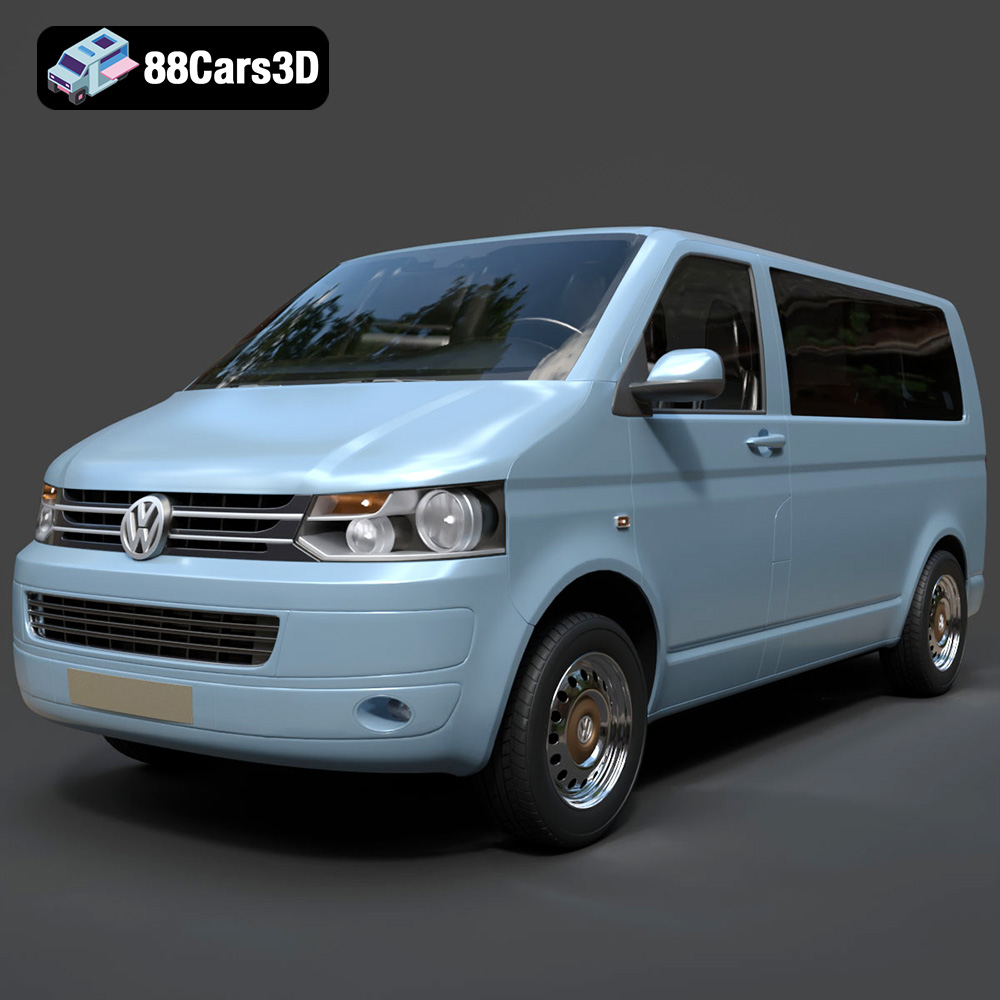
Texture: Yes
Material: Yes
Download the Volkswagen Transporter T5 FL 2010 3D Model featuring clean geometry, realistic detailing, and a fully modeled interior. Includes .blend, .fbx, .obj, .glb, .stl, .ply, .unreal, and .max formats for rendering, simulation, and game development.
Price: $22.99
View Product
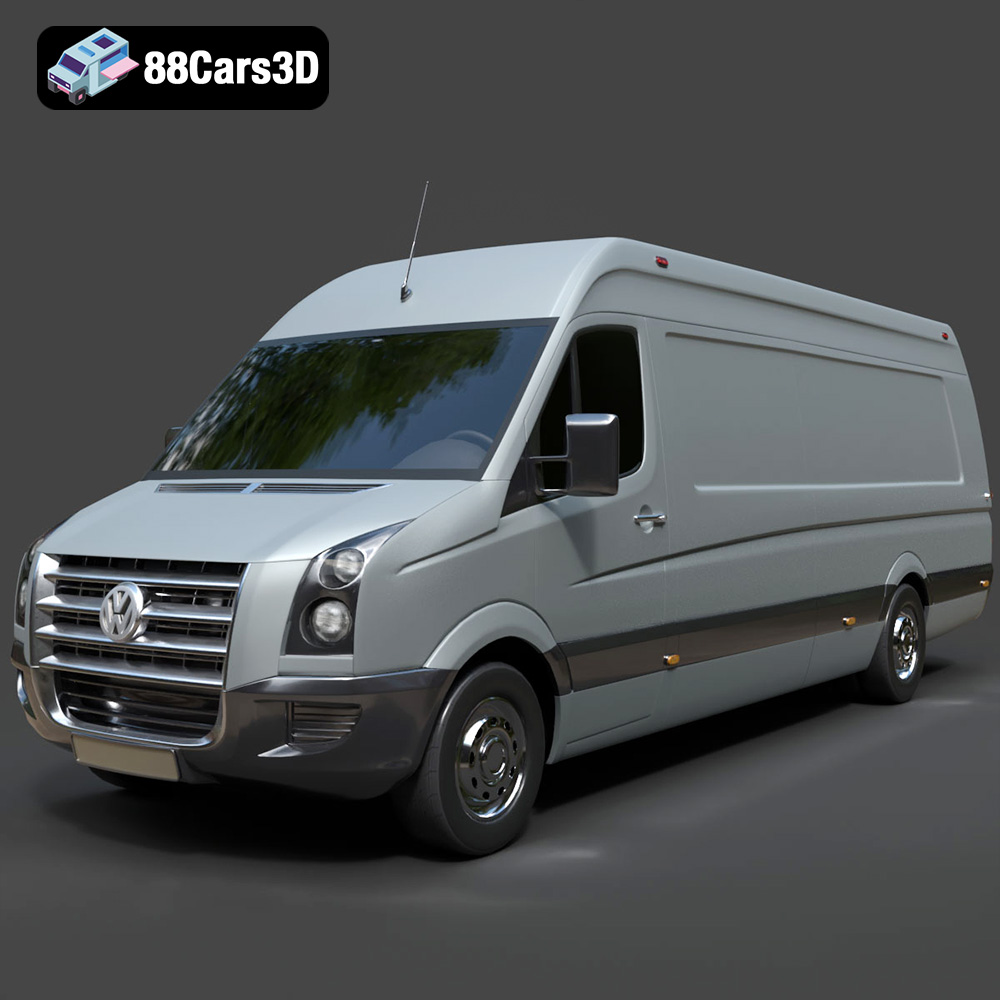
Texture: Yes
Material: Yes
Download the Volkswagen Crafter 2020 3D Model featuring clean geometry, realistic detailing, and a fully modeled interior. Includes .blend, .fbx, .obj, .glb, .stl, .ply, .unreal, and .max formats for rendering, simulation, and game development.
Price: $22.99
View Product
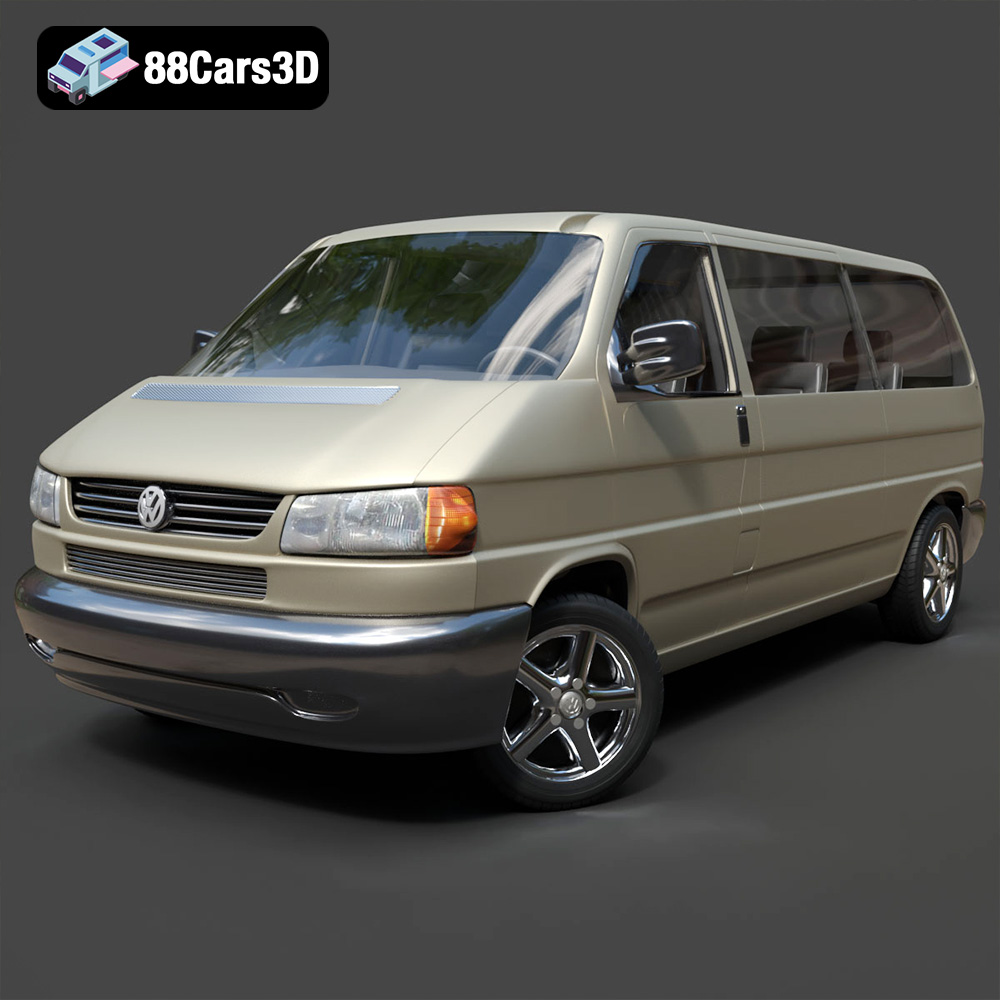
Texture: Yes
Material: Yes
Download the Volkswagen Caravelle 3D Model featuring a detailed exterior, functional interior, and optimized topology. Includes .blend, .fbx, .obj, .glb, .stl, .ply, .unreal, and .max formats for rendering, simulation, and game development.
Price: $23.99
View Product
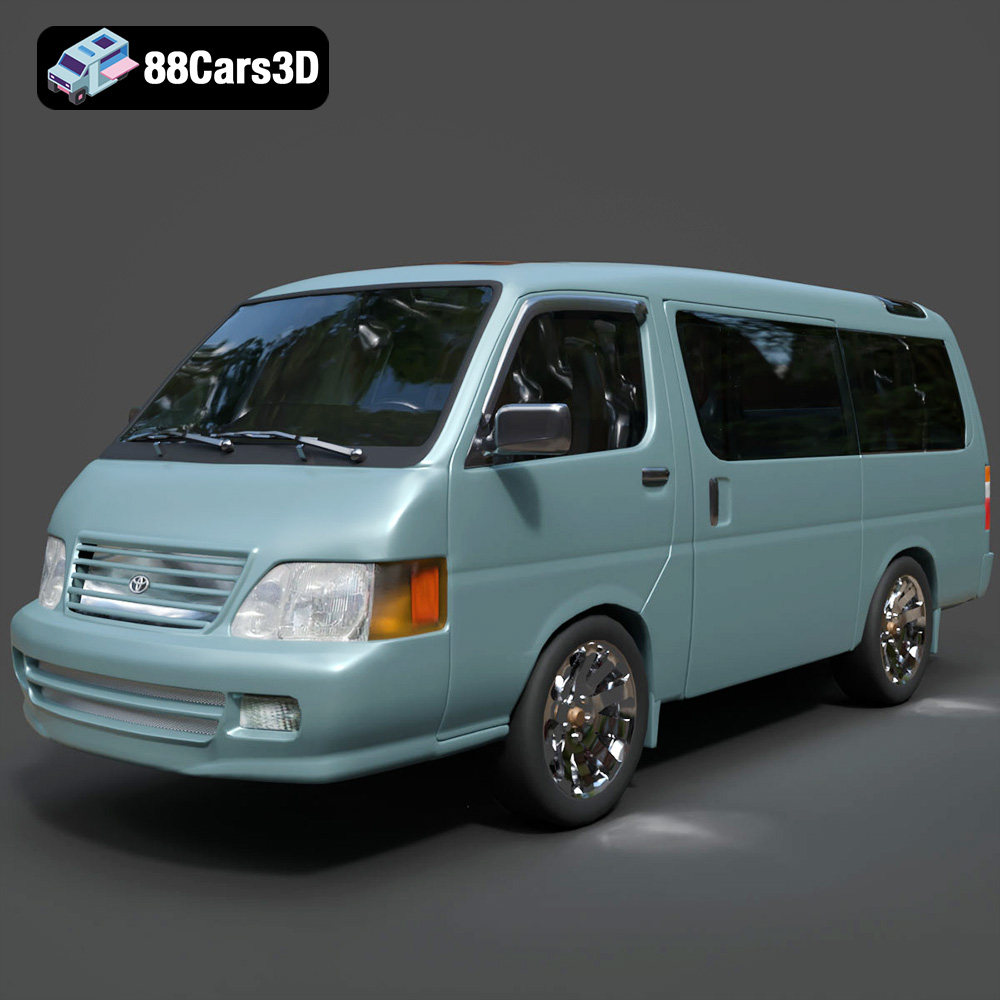
Texture: Yes
Material: Yes
Download the Toyota Hiace 3D Model featuring versatile design and detailed exterior. Includes .blend, .fbx, .obj, .glb, .stl, .ply, .unreal, and .max formats for rendering, simulation, and game development.
Price: $21.99
View Product
Texture: Yes
Material: Yes
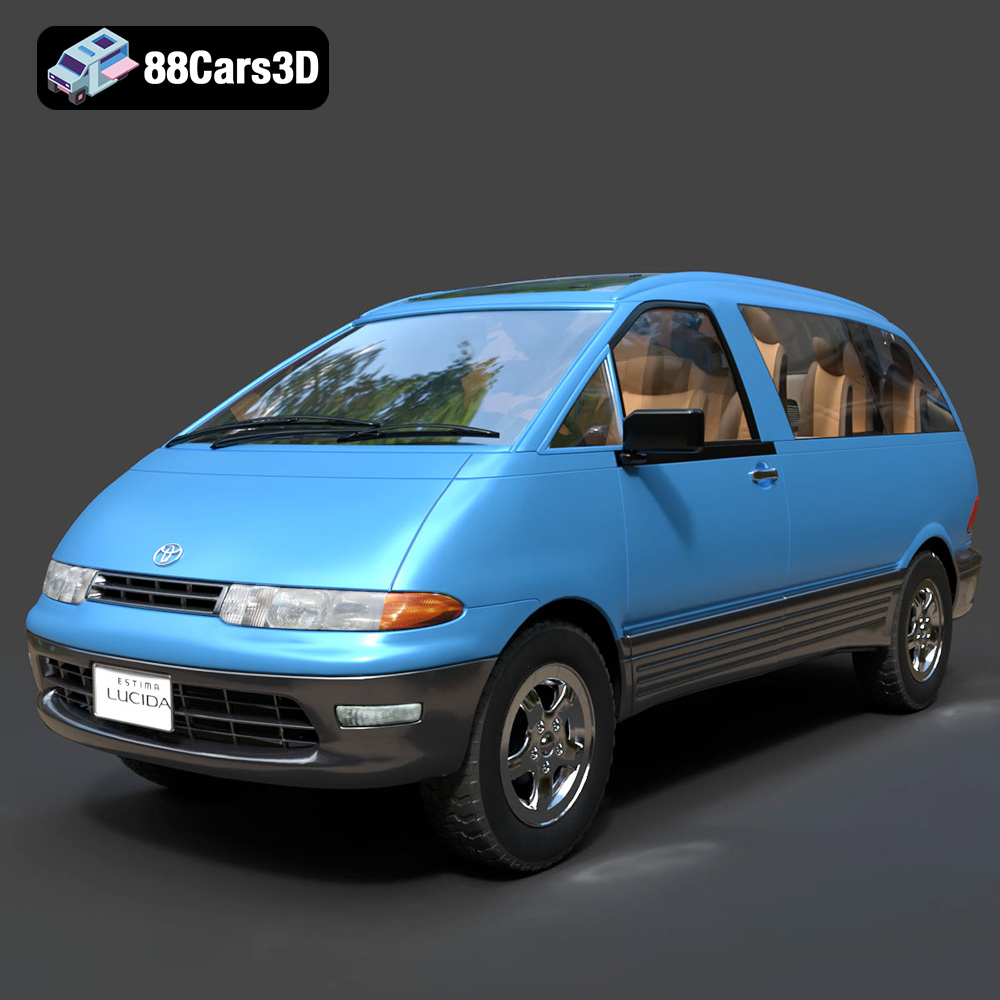
Download the Toyota Estima Lucida 3D Model featuring its iconic compact MPV design, versatile interior, and accurate exterior details. Includes .blend, .fbx, .obj, .glb, .stl, .ply, .unreal, and .max formats for rendering, simulation, and game development.
Price: $24.99
View Product

Texture: Yes
Material: Yes
Download the Toyota Alphard 3D Model featuring a detailed luxury minivan design with an accurate exterior and interior. Includes .blend, .fbx, .obj, .glb, .stl, .ply, .unreal, and .max formats for rendering, simulation, and game development.
Price: $21.99
View Product
Texture: Yes
Material: Yes
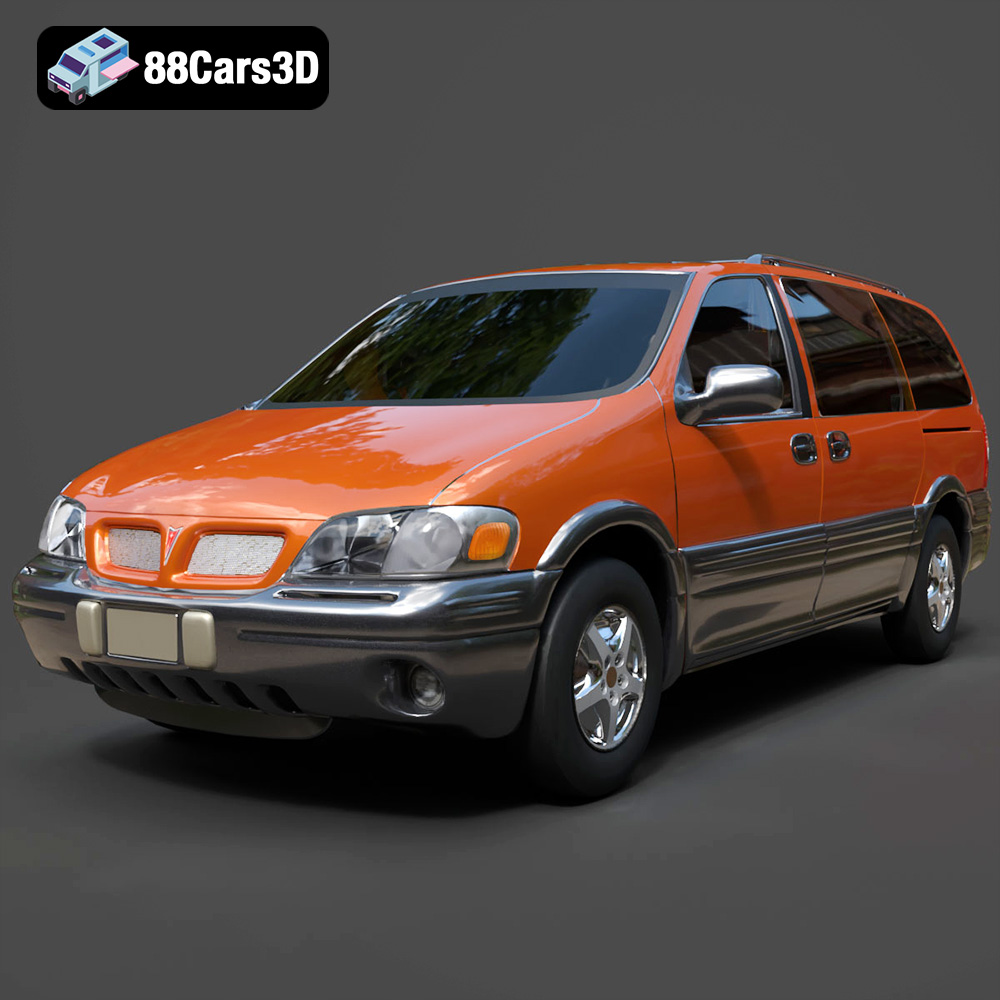
Download the Pontiac Montana 1998 3D Model featuring a detailed exterior, functional interior, and optimized mesh. Includes .blend, .fbx, .obj, .glb, .stl, .ply, .unreal, and .max formats for rendering, simulation, and game development.
Price: $21.99
View Product
Texture: Yes
Material: Yes
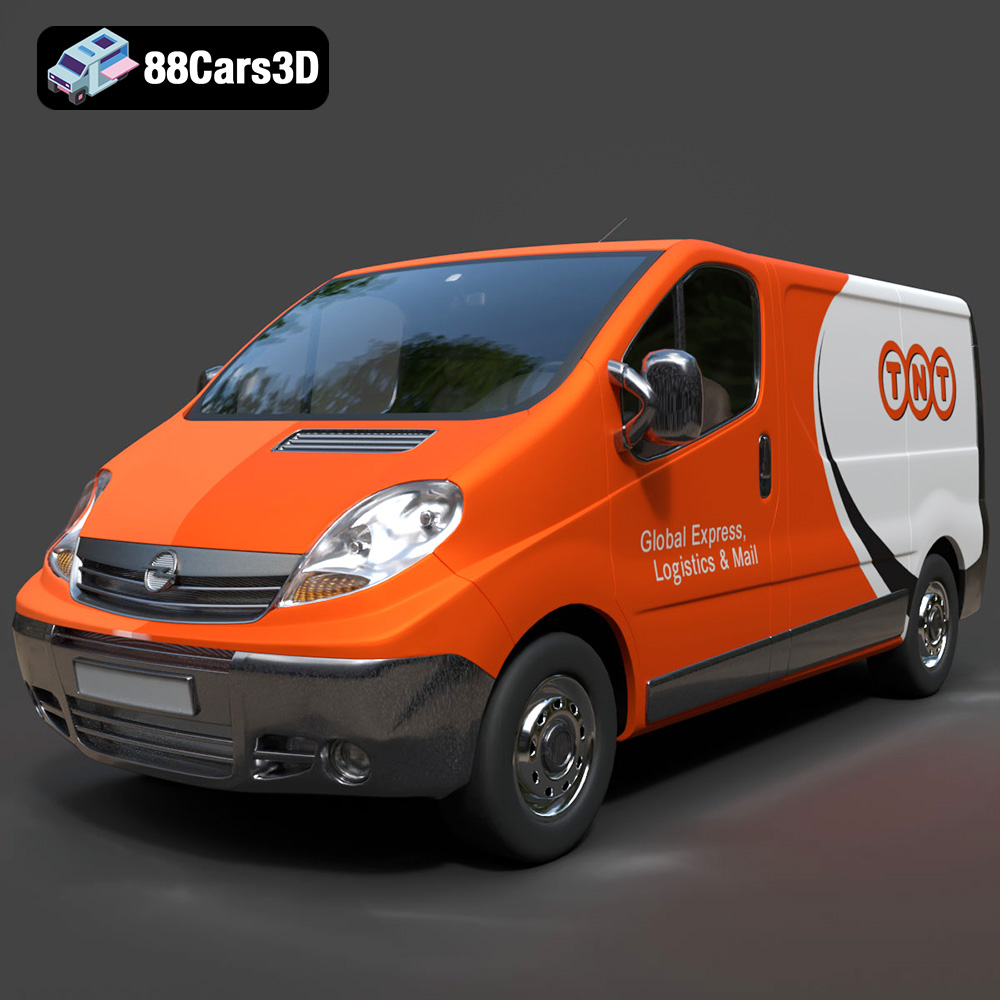
Download the Opel Vivaro 3D Model featuring a versatile commercial van design with balanced detailing. Includes .blend, .fbx, .obj, .glb, .stl, .ply, .unreal, and .max formats for rendering, simulation, and game development.
Price: $21.99
View Product
Texture: Yes
Material: Yes
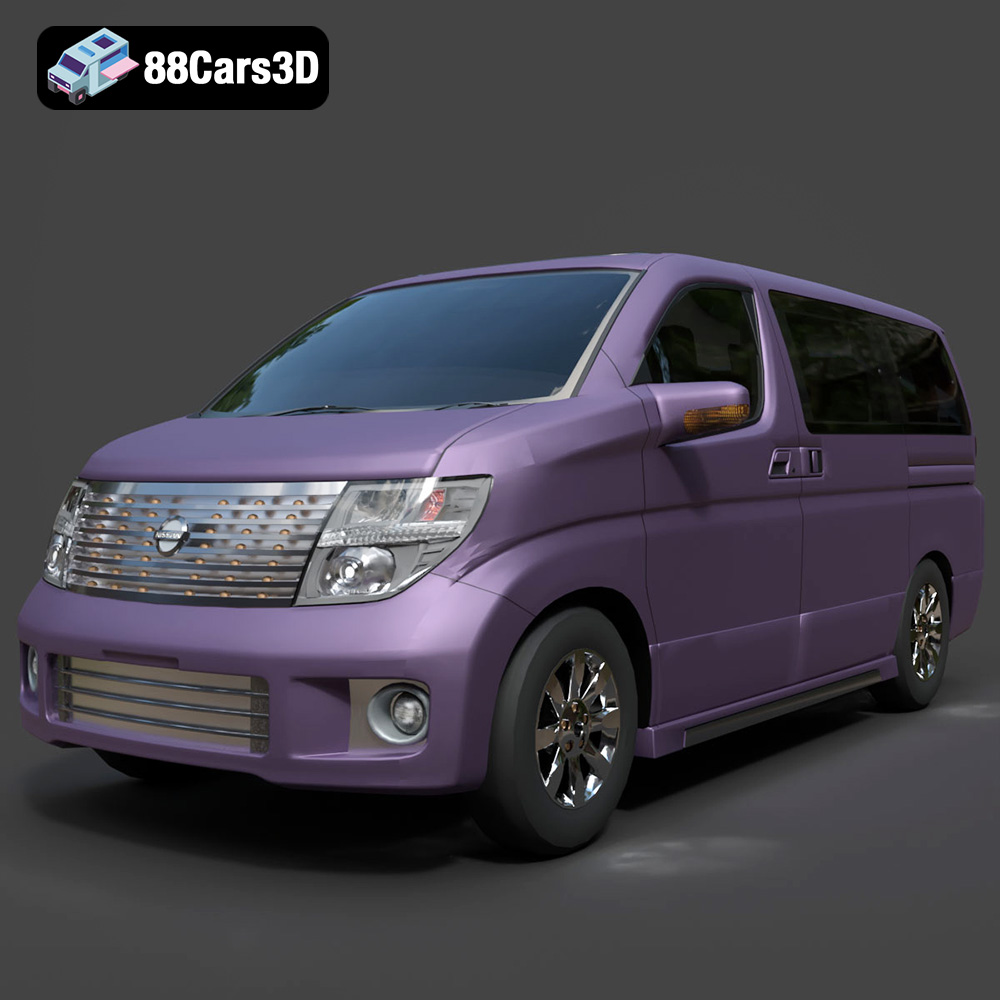
Download the Nissan Elgrand 3D Model featuring a versatile minivan design. Includes .blend, .fbx, .obj, .glb, .stl, .ply, .unreal, and .max formats for rendering, simulation, and game development.
Price: $21.99
View Product


