⚡ FLASH SALE: Get 60% OFF All Premium 3D & STL Models! ⚡

The automotive industry is undergoing a profound transformation, moving beyond traditional showrooms to embrace dynamic, interactive digital experiences. At the heart of this revolution lies Unreal Engine, a powerful real-time 3D creation tool that empowers artists and developers to craft breathtakingly realistic and engaging product demos. Imagine a customer exploring a new car model, changing its color, swapping out rims, and even stepping inside – all in a seamless, high-fidelity virtual environment that runs in real-time. This level of immersion is no longer a futuristic fantasy; it’s a tangible reality, and it’s redefining how vehicles are presented, sold, and even designed.
Creating such interactive automotive experiences requires a deep understanding of Unreal Engine’s advanced features, from importing meticulously crafted 3D car models to implementing sophisticated lighting, materials, and interactivity. This comprehensive guide will walk you through the essential steps and best practices for developing compelling interactive product demos using Unreal Engine. Whether you’re an automotive designer looking to visualize concepts, a game developer venturing into visualization, or a marketing professional seeking innovative presentation tools, you’ll discover how to harness the power of real-time rendering to captivate your audience and deliver unparalleled engagement.
Embarking on an interactive automotive demo project in Unreal Engine begins with a robust foundation. Proper project setup ensures optimal performance, visual fidelity, and streamlined development workflows. The initial choices you make regarding project templates and plugin configurations significantly impact the project’s capabilities and efficiency.
When creating a new project, selecting the right template is crucial. For automotive visualization, the “Blank” or “Games – Third Person” template often serves as a good starting point, providing a clean slate or basic character interaction, respectively. However, the true power comes from enabling specific plugins. Navigate to Edit > Plugins and search for the following:
Beyond plugins, adjust your project settings for performance and quality. Under Edit > Project Settings, consider:
These initial steps lay the groundwork for a visually stunning and performant interactive experience, allowing you to leverage Unreal Engine’s cutting-edge rendering capabilities from the outset.
The visual quality of your interactive demo hinges significantly on the fidelity of your 3D car models. Sourcing optimized, high-polygon models with clean topology and proper UV mapping is paramount. Marketplaces like 88cars3d.com offer an excellent selection of professionally prepared 3D car models specifically designed for Unreal Engine, featuring clean topology, realistic PBR materials, and multiple file formats.
When importing, FBX and USD (Universal Scene Description) are the most common and robust formats. For FBX, ensure your 3D model is exported with embedded media (textures), proper unit scale, and smoothed normals. The Unreal Engine import dialogue provides options to:
For more complex scenes or CAD data, Datasmith is invaluable. It allows direct import of CAD files (e.g., SolidWorks, Catia) or scene descriptions from software like 3ds Max or Maya, maintaining scene hierarchy, layers, and even some material properties. This is particularly beneficial in automotive visualization where precise engineering data is often the starting point. Post-import, always perform a quick check: inspect mesh normals, UV maps, and scale. Address any issues in your 3D modeling software or use Unreal Engine’s mesh editing tools for minor adjustments.
Once your 3D car models are in Unreal Engine, the next critical step is to imbue them with photorealistic materials and atmospheric lighting. This combination transforms raw geometry into a believable, interactive experience, crucial for high-fidelity automotive visualization.
Physically Based Rendering (PBR) is the cornerstone of realism in modern real-time engines. PBR materials accurately simulate how light interacts with surfaces, resulting in consistent and believable visuals under varying lighting conditions. In Unreal Engine, this is achieved through the Material Editor.
For automotive models, you’ll primarily work with the “Standard” material model, which relies on a few key texture maps:
To create a realistic car paint material, you’d typically blend a base color (often a Vector3 parameter for color customization) with a subtle metallic map, a very low roughness value, and potentially a clear coat layer (via a Material Function or custom shader). For detailed components like tires, use high-resolution PBR textures for tread patterns and sidewall text. A common practice is to create Material Instances from a master material, allowing artists to quickly adjust parameters like color, roughness, and metallic values without recompiling the shader, which is ideal for a configurator.
Unreal Engine’s Lumen Global Illumination and Reflections system is a game-changer for real-time rendering. Lumen provides incredibly realistic indirect lighting and reflections, eliminating the need for complex lightmaps and allowing for dynamic time-of-day changes or interactive light sources without re-baking. Setting up Lumen is straightforward: in Project Settings > Rendering, ensure Global Illumination and Reflections are set to Lumen.
To light your automotive scene effectively:
Experiment with light temperatures, intensities, and shadow biases to achieve the desired mood and accentuate the car’s design. Lumen excels at updating lighting in real-time as objects move or properties change, making it perfect for interactive demos where light sources or environments might be adjusted.
Post-processing effects are the final layer of polish that can elevate your interactive demo from good to outstanding. Applied at the end of the rendering pipeline, these effects can dramatically alter the mood, enhance realism, and guide the viewer’s eye. Unreal Engine provides a comprehensive Post Process Volume system to control these effects.
Key post-processing effects for automotive visualization include:
Place a Post Process Volume in your scene, ensure its “Unbound” property is checked to apply globally, and then fine-tune each setting. These subtle enhancements contribute significantly to the perceived realism and visual impact of your interactive automotive visualization.
The essence of an “interactive” demo lies in empowering the user to make choices and observe their immediate impact. Unreal Engine’s Blueprint visual scripting system and the UMG (Unreal Motion Graphics) UI editor are the perfect tools for this, enabling developers to create complex interactions and intuitive user interfaces without writing a single line of C++ code.
An automotive configurator is a prime example of an interactive demo, allowing users to customize a vehicle in real-time. With Blueprint, you can create a robust system for changing vehicle attributes.
Here’s a common workflow:
Blueprint allows for modular and expandable configurators. You can easily add options for interior colors, steering wheel types, or even dynamically toggle accessories like roof racks. This level of customization transforms a static model into a dynamic experience.
A well-designed User Interface (UI) is crucial for a smooth and intuitive interactive experience. Unreal Motion Graphics (UMG) provides a powerful drag-and-drop editor for creating UI widgets. For an automotive configurator, your UI might include buttons for color selection, dropdown menus for wheel options, and sliders for camera control.
Key UMG concepts:
Designing a clean, responsive, and visually appealing UI is as important as the 3D content itself. Ensure your buttons are clearly labeled, easy to understand, and provide immediate feedback to the user, enhancing the overall user experience of your automotive visualization.
For some interactive demos, static customization isn’t enough; users might want to see the vehicle in motion or interact with its dynamics. Unreal Engine’s Chaos Physics system offers robust capabilities for simulating vehicle dynamics. While creating a full-fledged racing game is complex, implementing basic drive functionality can greatly enhance a product demo.
Steps for basic vehicle physics:
Even basic vehicle dynamics, such as driving around a small environment or performing simple maneuvers, can provide a compelling level of interactivity, demonstrating the vehicle’s handling and suspension characteristics in a way static visuals cannot. This makes your real-time rendering experience even more immersive.
Achieving stunning visuals is only half the battle; ensuring your interactive demo runs smoothly at high frame rates is equally critical. Real-time rendering demands careful optimization, especially for complex 3D car models and detailed environments. Poor performance can break immersion and frustrate users.
Unreal Engine 5 introduced Nanite, a virtualized geometry system that revolutionizes how high-polygon models are handled. Nanite allows you to import film-quality assets with millions or even billions of polygons directly into Unreal Engine without significant performance penalties. It automatically handles LOD (Level of Detail) generation, culling, and streaming, delivering incredibly detailed geometry at real-time frame rates.
To use Nanite:
For components that can’t use Nanite (e.g., animated suspension, character models, glass materials), traditional LODs are still vital. Create multiple versions of your mesh, each with a progressively lower polygon count. Unreal Engine can automatically generate these LODs, or you can import custom ones. Configure the screen size thresholds for each LOD to ensure smooth transitions and optimal performance. For instance, a wheel might have an LOD0 with 50,000 triangles, an LOD1 with 15,000, and an LOD2 with 5,000, switching seamlessly as the camera moves further away.
By intelligently combining Nanite for core high-detail assets and traditional LODs for dynamic or non-Nanite compatible elements, you can achieve incredible visual quality while maintaining robust performance across various hardware.
High-resolution textures consume significant memory and bandwidth, directly impacting performance. Efficient texture management is essential for real-time rendering.
Careful texture optimization ensures your demo loads quickly and runs smoothly, providing a polished experience.
Even with careful planning, performance issues can arise. Unreal Engine provides powerful profiling tools to identify and address bottlenecks.
stat fps, stat unit, and stat gpu provide immediate feedback on frame rate, frame time, and GPU usage. stat rhi gives detailed rendering hardware interface information, while stat scenegraph helps identify costly rendering passes.UnrealInsights.exe) provides a visual timeline of CPU and GPU activity, memory usage, and streaming events. This allows you to pinpoint exactly where performance dips occur – whether it’s rendering, physics, Blueprint logic, or AI.profilegpu console command, this tool breaks down GPU render times by pass (e.g., Base Pass, Shadow Pass, Post Processing), helping to identify which visual effects are most expensive.Regular profiling throughout development helps catch issues early and ensures your interactive product demo delivers a consistently high-performance experience, essential for professional automotive visualization.
Unreal Engine’s versatility extends far beyond simple interactive product configurators. Its advanced features empower developers to push the boundaries of automotive visualization into cinematic virtual production and immersive augmented/virtual reality experiences, creating new paradigms for design review, marketing, and sales.
For marketing materials, presentations, or even internal design reviews, showcasing a car through a series of stunning cinematic shots can be incredibly impactful. Unreal Engine’s Sequencer is a powerful non-linear editor that allows you to choreograph complex scenes with cameras, actors, and events.
Using Sequencer for automotive cinematics:
Sequencer allows automotive visualization professionals to produce photorealistic marketing content directly from the real-time engine, dramatically accelerating traditional rendering pipelines and providing unparalleled creative control.
Taking a product demo into AR (Augmented Reality) or VR (Virtual Reality) offers an unparalleled sense of presence and scale. Imagine a customer “standing” next to a car in VR, opening its doors, or “placing” a virtual car on their driveway via AR. Unreal Engine is a leading platform for XR (eXtended Reality) development.
Key considerations for AR/VR automotive applications:
Developing for AR/VR requires a different mindset regarding performance and user interaction, but the immersive potential for automotive visualization is immense, offering unprecedented levels of engagement and understanding.
Virtual production, especially with LED walls, is transforming film and broadcast, and its application in automotive advertising and design reviews is rapidly growing. Instead of green screens, actors and physical cars are placed in front of massive LED screens displaying real-time Unreal Engine environments.
This workflow significantly reduces post-production time and costs while offering unparalleled creative flexibility, making it a powerful tool for showcasing 3D car models in stunningly realistic and dynamic contexts.
The journey of creating interactive product demos with Unreal Engine for automotive visualization is a multifaceted one, requiring a blend of artistic vision and technical proficiency. From meticulously setting up your project and optimizing high-fidelity 3D car models to crafting intricate PBR materials, dynamic lighting with Lumen, and responsive interactivity through Blueprint, every step contributes to a compelling user experience. Platforms like 88cars3d.com provide the essential foundation with their high-quality, pre-optimized game assets, enabling you to focus on the creative implementation.
We’ve explored the importance of Nanite for handling complex geometry, effective texture management, and rigorous performance optimization strategies to ensure smooth real-time performance. Furthermore, we delved into advanced applications like cinematic storytelling with Sequencer, immersive AR/VR experiences, and the cutting-edge world of virtual production with LED walls. Each of these avenues unlocks new possibilities for engaging audiences and revolutionizing how automotive products are presented.
The future of automotive visualization is undeniably real-time and interactive. By mastering these Unreal Engine workflows, you’re not just creating demos; you’re building immersive digital showrooms, empowering designers, and captivating customers with unprecedented levels of realism and engagement. Continue to explore, experiment, and push the boundaries of what’s possible with Unreal Engine to transform your automotive visualization projects into truly unforgettable experiences.
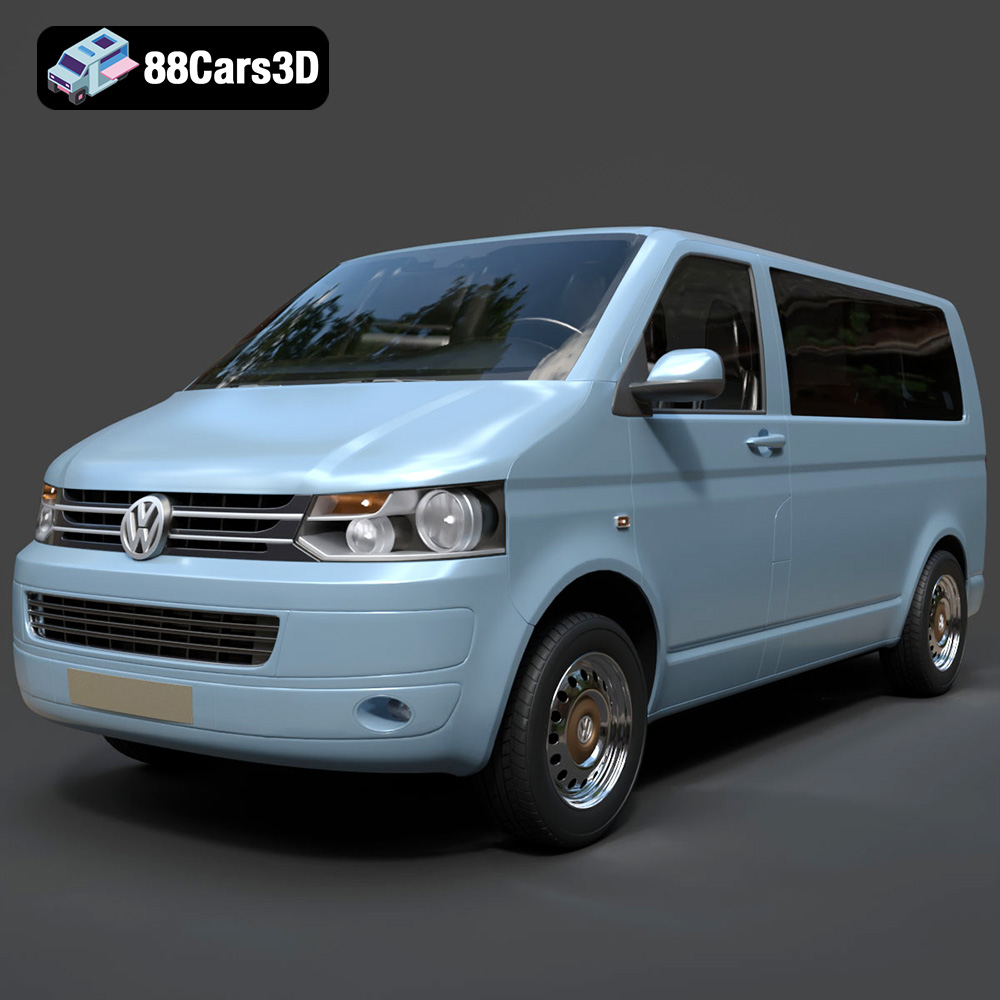
Texture: Yes
Material: Yes
Download the Volkswagen Transporter T5 FL 2010 3D Model featuring clean geometry, realistic detailing, and a fully modeled interior. Includes .blend, .fbx, .obj, .glb, .stl, .ply, .unreal, and .max formats for rendering, simulation, and game development.
Price: $22.99
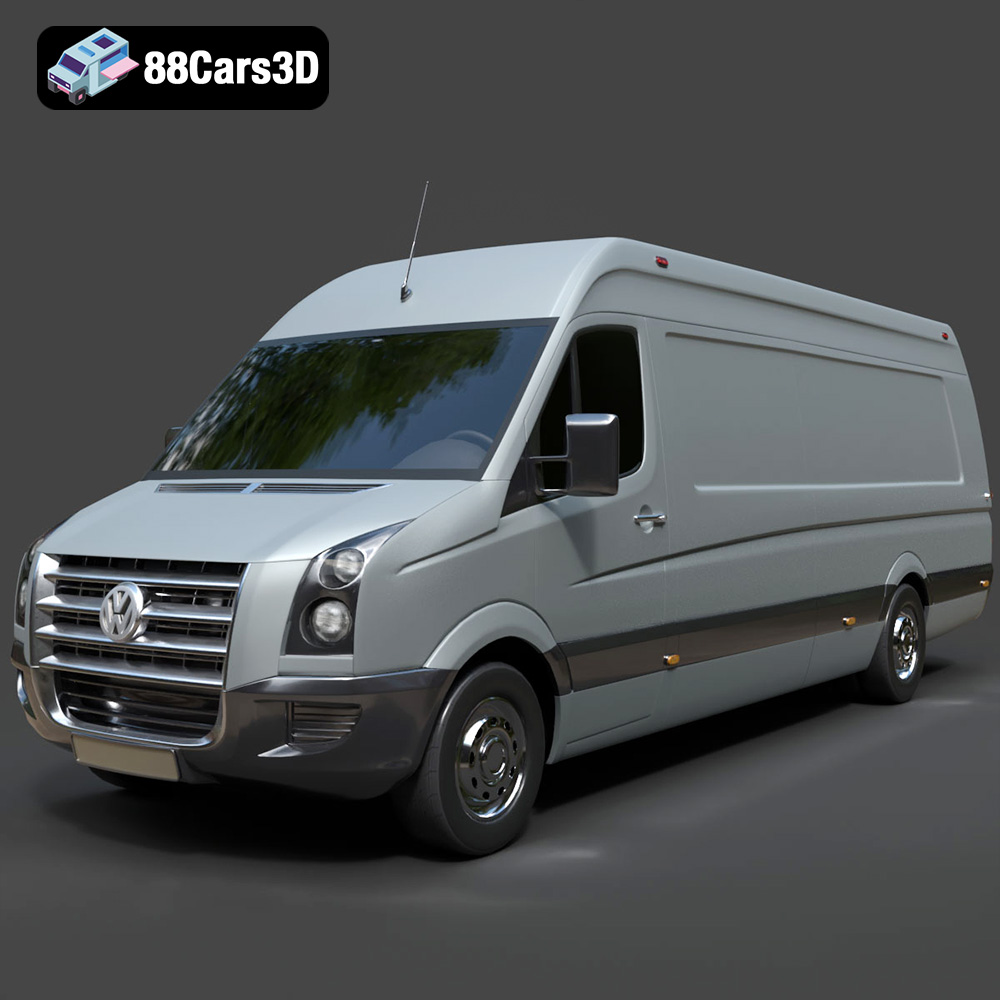
Texture: Yes
Material: Yes
Download the Volkswagen Crafter 2020 3D Model featuring clean geometry, realistic detailing, and a fully modeled interior. Includes .blend, .fbx, .obj, .glb, .stl, .ply, .unreal, and .max formats for rendering, simulation, and game development.
Price: $22.99
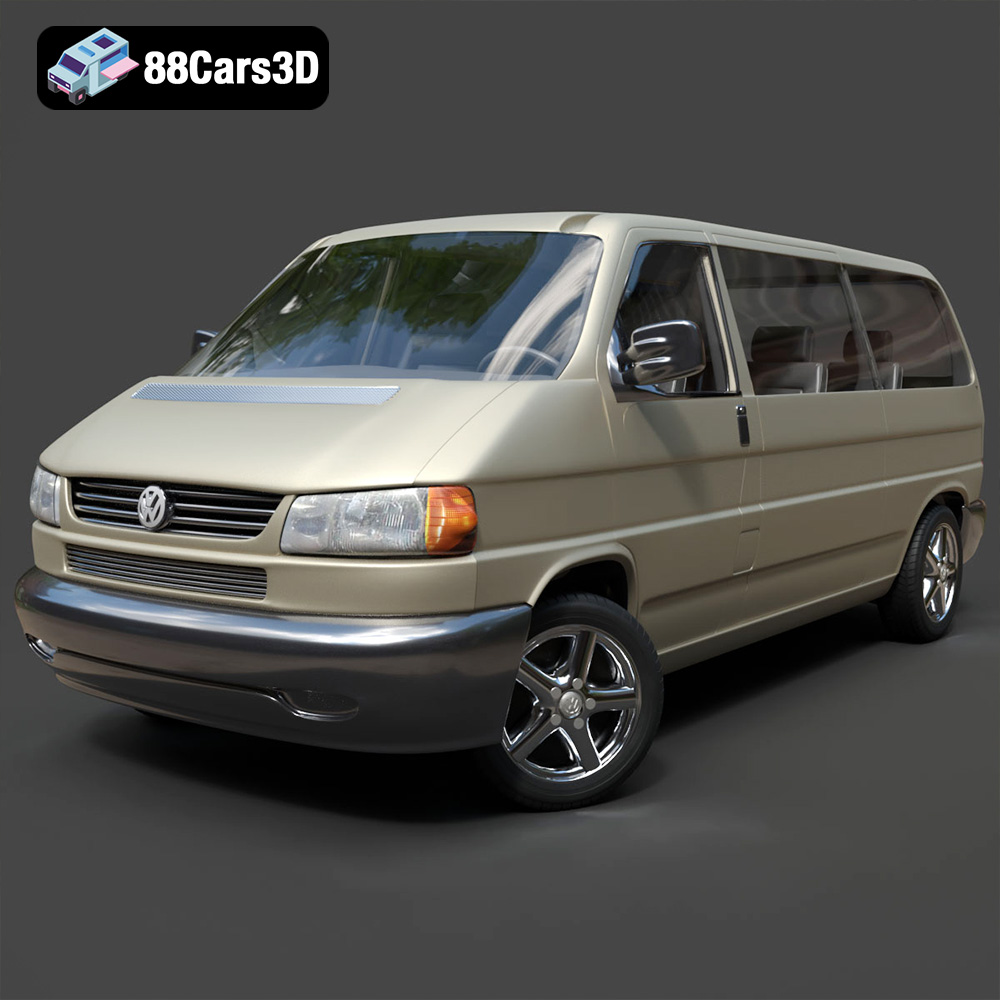
Texture: Yes
Material: Yes
Download the Volkswagen Caravelle 3D Model featuring a detailed exterior, functional interior, and optimized topology. Includes .blend, .fbx, .obj, .glb, .stl, .ply, .unreal, and .max formats for rendering, simulation, and game development.
Price: $23.99
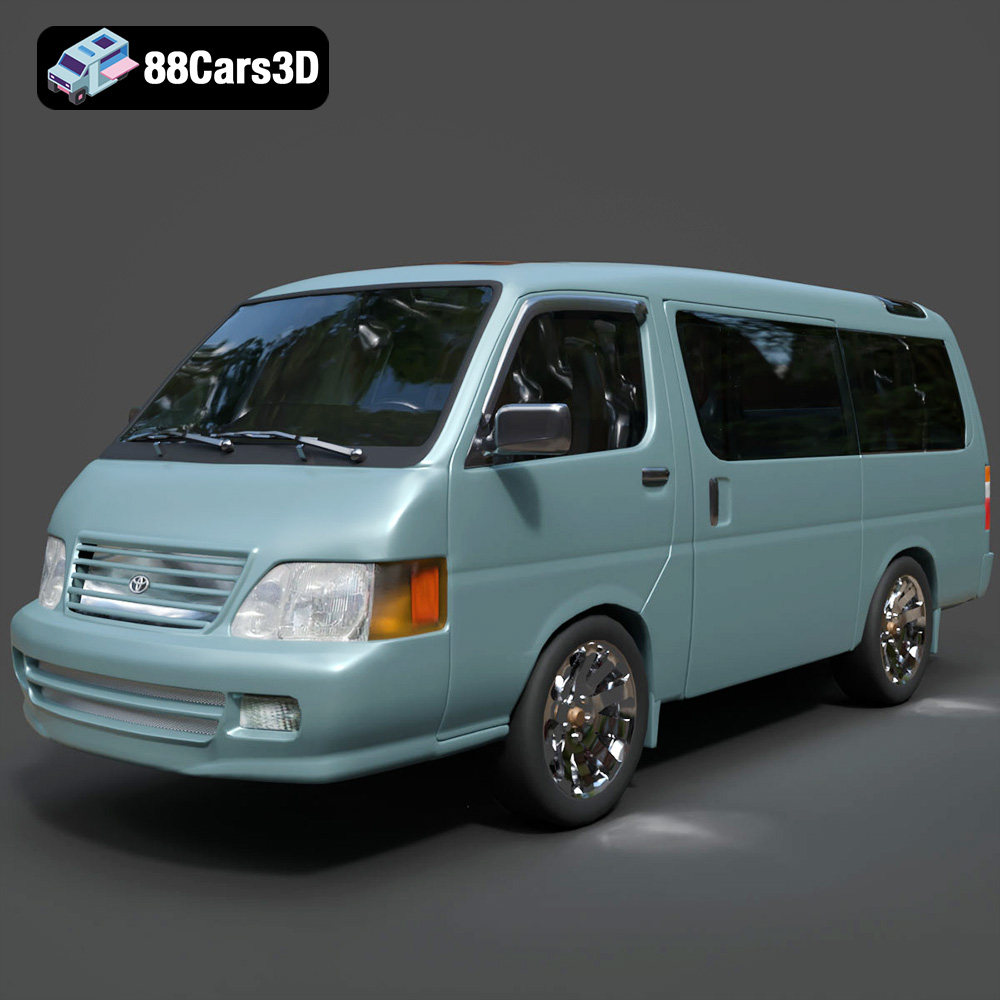
Texture: Yes
Material: Yes
Download the Toyota Hiace 3D Model featuring versatile design and detailed exterior. Includes .blend, .fbx, .obj, .glb, .stl, .ply, .unreal, and .max formats for rendering, simulation, and game development.
Price: $21.99
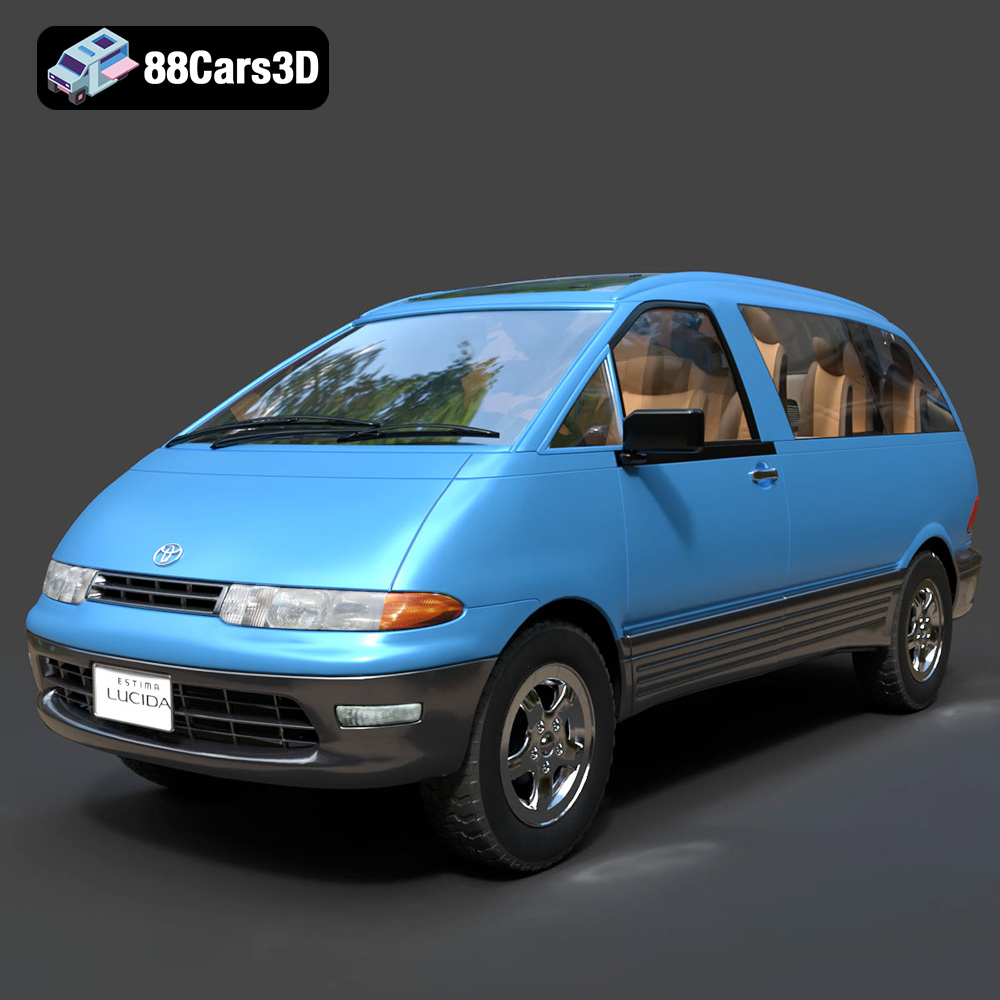
Texture: Yes
Material: Yes
Download the Toyota Estima Lucida 3D Model featuring its iconic compact MPV design, versatile interior, and accurate exterior details. Includes .blend, .fbx, .obj, .glb, .stl, .ply, .unreal, and .max formats for rendering, simulation, and game development.
Price: $24.99

Texture: Yes
Material: Yes
Download the Toyota Alphard 3D Model featuring a detailed luxury minivan design with an accurate exterior and interior. Includes .blend, .fbx, .obj, .glb, .stl, .ply, .unreal, and .max formats for rendering, simulation, and game development.
Price: $21.99
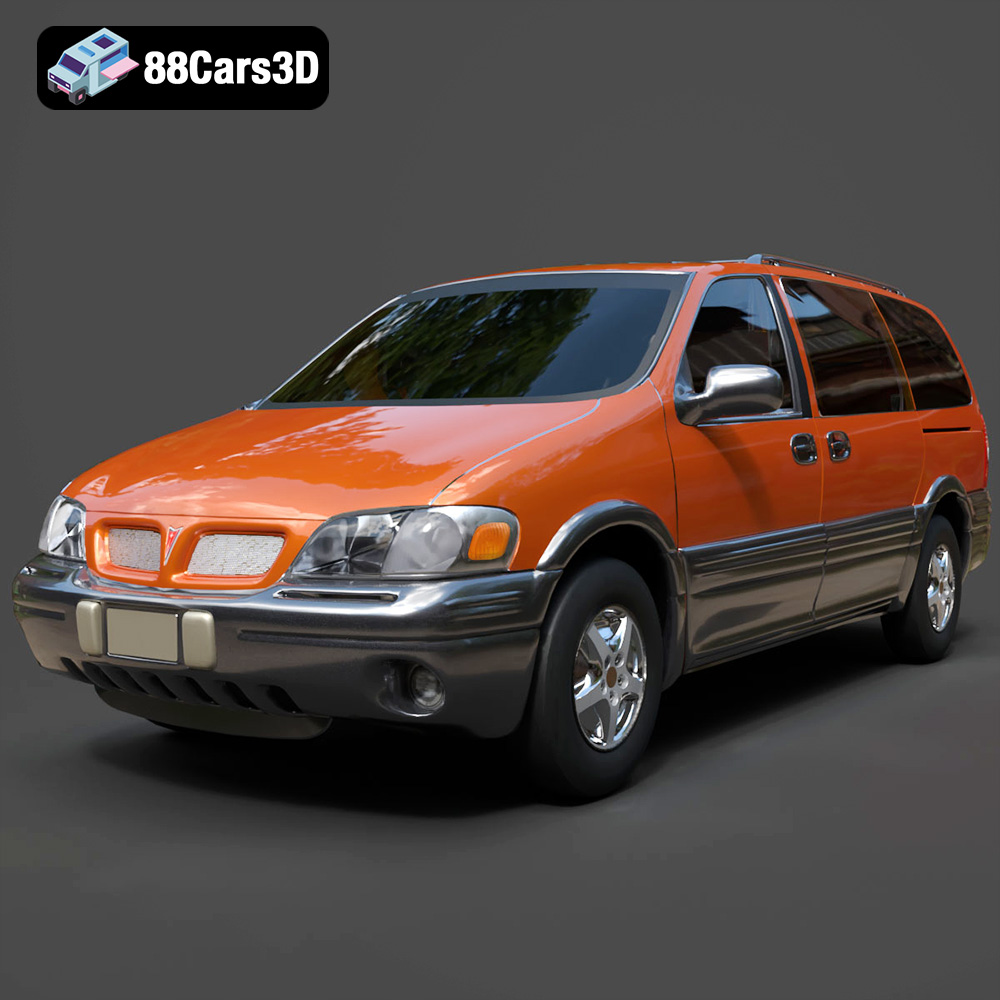
Texture: Yes
Material: Yes
Download the Pontiac Montana 1998 3D Model featuring a detailed exterior, functional interior, and optimized mesh. Includes .blend, .fbx, .obj, .glb, .stl, .ply, .unreal, and .max formats for rendering, simulation, and game development.
Price: $21.99
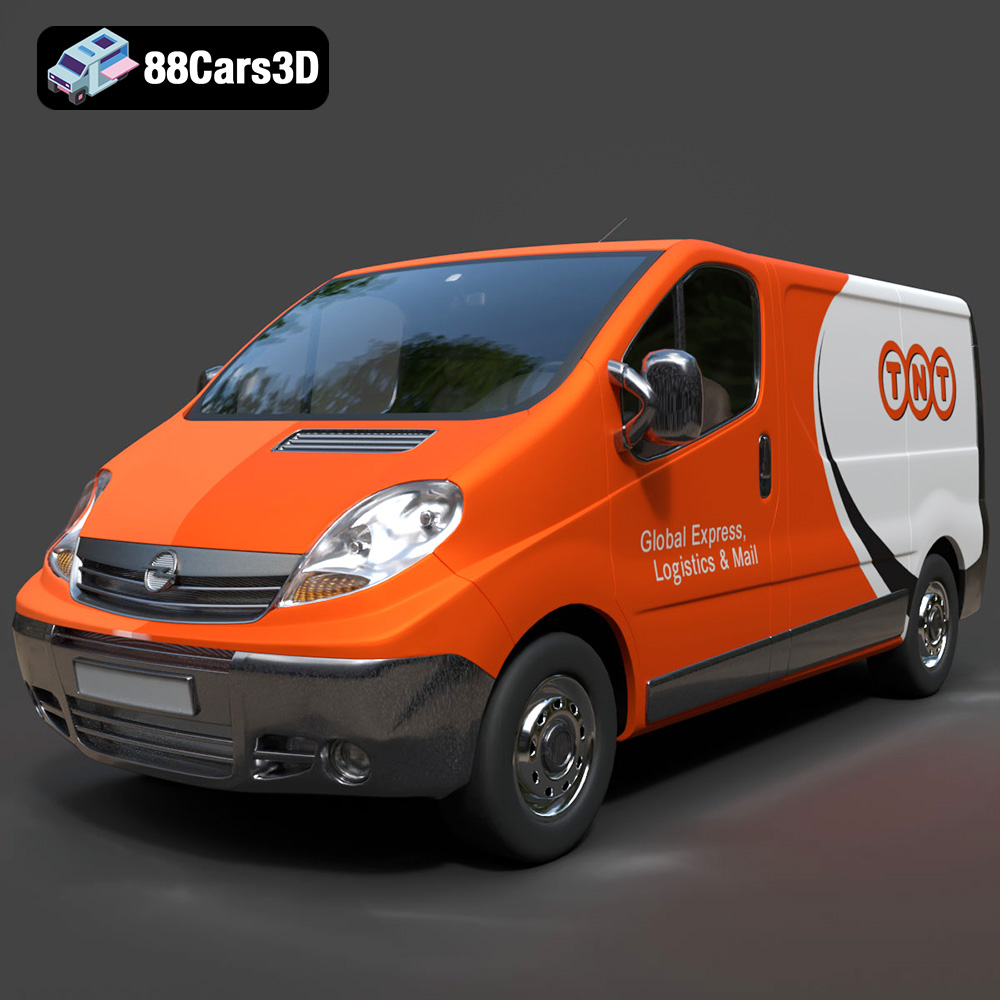
Texture: Yes
Material: Yes
Download the Opel Vivaro 3D Model featuring a versatile commercial van design with balanced detailing. Includes .blend, .fbx, .obj, .glb, .stl, .ply, .unreal, and .max formats for rendering, simulation, and game development.
Price: $21.99
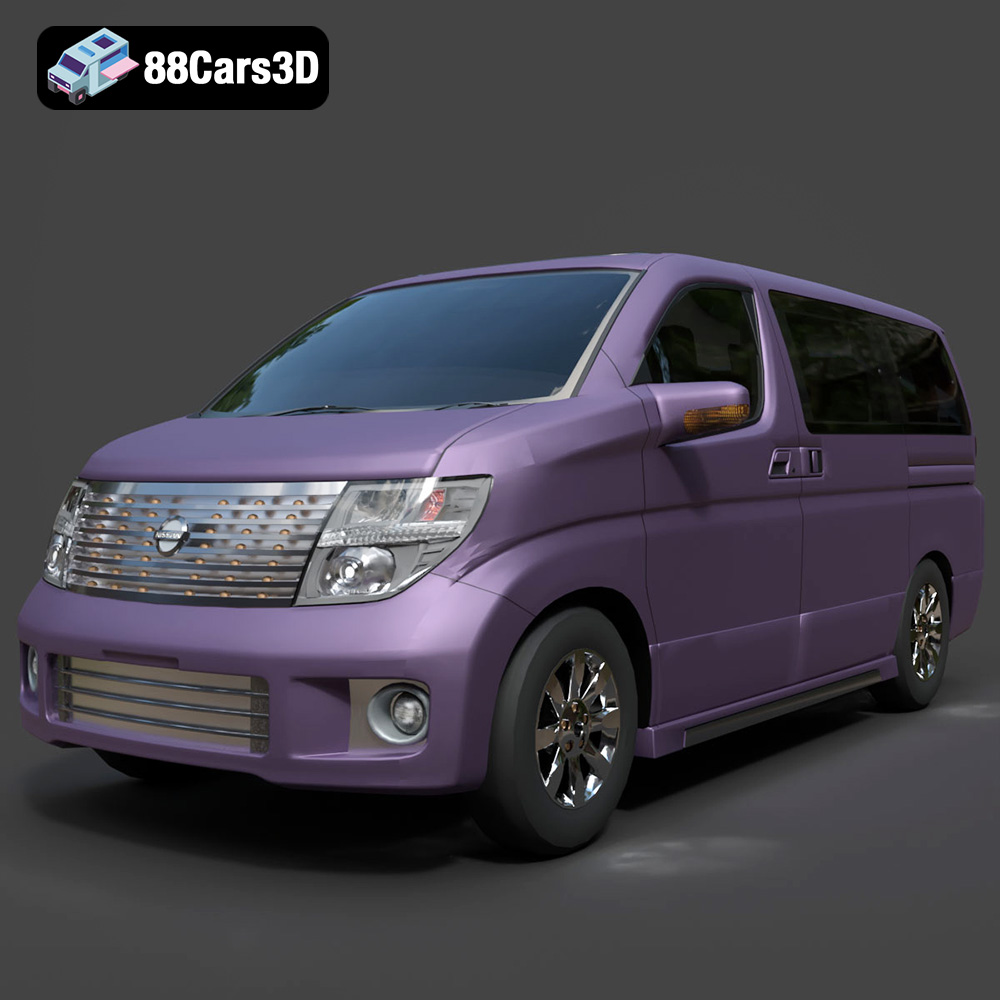
Texture: Yes
Material: Yes
Download the Nissan Elgrand 3D Model featuring a versatile minivan design. Includes .blend, .fbx, .obj, .glb, .stl, .ply, .unreal, and .max formats for rendering, simulation, and game development.
Price: $21.99
Texture: Yes
Material: Yes
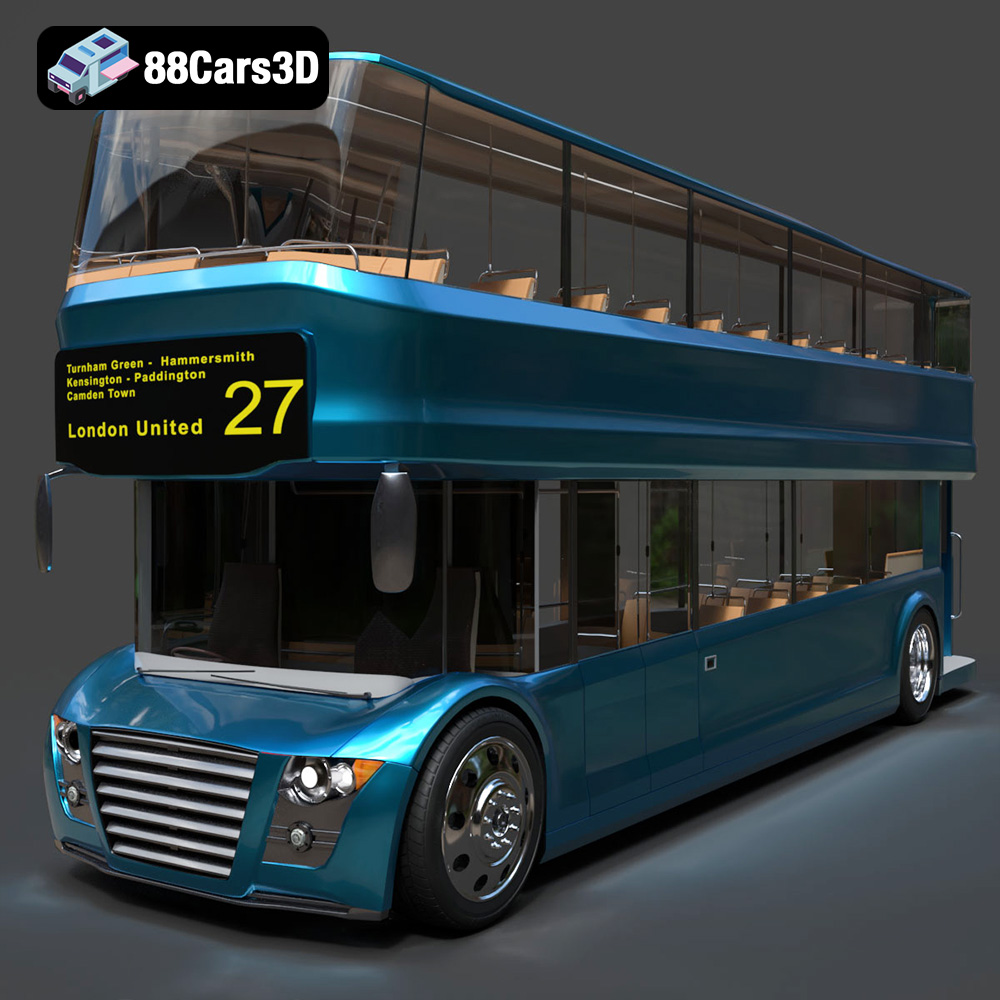
Download the New Bus For London 3D Model featuring a detailed exterior and interior, optimized for rendering and animation. Includes .blend, .fbx, .obj, .glb, .stl, .ply, .unreal, and .max formats for rendering, simulation, and game development.
Price: $21.99

