⚡ FLASH SALE: Get 60% OFF All Premium 3D & STL Models! ⚡

The world of 3D printing offers incredible possibilities, from bringing intricate printable car models to life to prototyping complex engineering parts. However, before you hit that “print” button, a crucial step often overlooked by beginners is understanding the file formats that define these digital creations. When you download 3D models, especially those intended for printing, you’ll encounter formats like STL, OBJ, and FBX. Each has its strengths and weaknesses, and choosing the right one can significantly impact your printing success. This guide will demystify these common file formats, dissect their structures, and provide clear recommendations on which is best suited for various 3D printing scenarios, ensuring your next print is a flawless replica of your digital design.
We’ll delve into the technical nuances of each format, explore how they interact with slicing software, and discuss how their inherent characteristics affect print quality, file size, and ease of use. By the end of this article, you’ll be equipped with the knowledge to confidently select and prepare the correct file format for your next project, whether you’re working with a detailed 3D printable car model from a marketplace or a custom-designed object.
At its heart, a 3D file format is a method of encoding information about a three-dimensional object into a digital file. This information includes the object’s shape, its surface characteristics, and sometimes, its color and texture. For 3D printing, the most critical piece of information is the object’s geometry – how its surfaces are defined. The printer’s slicing software translates this geometry into a series of layered instructions (G-code) that dictate the movement of the print head or laser. The fidelity and accuracy of this geometric data directly translate to the quality of the final printed object. Different file formats store this geometric information in fundamentally different ways, leading to varying levels of suitability for specific applications.
The primary distinction between 3D file formats lies in how they represent geometry. Most formats use one of two main approaches: mesh-based or vector-based. While vector-based formats (like those used in CAD software) define shapes using mathematical equations, mesh-based formats, which are dominant in 3D printing, approximate these shapes using a collection of interconnected polygons, most commonly triangles. These triangles form a “mesh” that defines the object’s surface. The density and quality of this mesh are paramount. A well-defined mesh with clean topology ensures that the slicing software can accurately interpret the object’s boundaries, avoid errors, and produce a printable surface. Poorly constructed meshes can lead to print failures, gaps, or distorted features.
While geometry is king for 3D printing, some formats can store additional data. This can include:
For basic 3D printing, especially with single-extruder FDM printers or standard resin printers, color and texture information are often irrelevant. The printer is concerned solely with the physical shape. However, for advanced multi-material printing or specific artistic applications, these additional data points can become important.
The Stereolithography (STL) file format, also known as Standard Triangle Language or Stereolithography, is by far the most common format encountered in 3D printing. Developed by 3D Systems in the 1980s, its simplicity and focus on raw geometry made it the perfect fit for the nascent 3D printing industry. An STL file describes the surface geometry of a 3D object using a collection of triangles. Each triangle is defined by the XYZ coordinates of its three vertices and a normal vector (a vector perpendicular to the triangle’s surface, indicating the outward-facing direction). This straightforward approach ensures that virtually all slicing software and 3D printers can interpret STL files.
The simplicity of STL is both its greatest strength and its primary limitation. It strips away all non-geometric information, such as color, texture, units, or metadata. This makes STL files universally compatible but also means that if a model was designed with specific colors or textures in mind, that information is lost when saved as an STL. For users looking for high-quality printable car models on platforms like 88cars3d.com, STL is the standard offering, ensuring broad compatibility with most slicing software and printers.
An STL file can be stored in two primary formats: ASCII and Binary. The ASCII STL format is human-readable, storing each triangle’s data as text. While useful for debugging, it results in significantly larger file sizes. A typical ASCII STL file might look like this:
solid object_name
  facet normal nx ny nz
    outer loop
      vertex v1x v1y v1z
      vertex v2x v2y v2z
      vertex v3x v3y v3z
    endloop
  endfacet
  ... (more facets)
endsolid object_name
The Binary STL format is much more efficient, storing the same information in a compact binary representation. This leads to smaller file sizes and faster loading times, making it the preferred choice for complex models. A binary STL file contains a header, followed by the data for each triangle, typically comprising 12 floats (3 for the normal vector, and 3 for each of the 3 vertices).
Because STL only defines surface geometry with triangles, it has inherent limitations:
Fixing STL errors often requires specialized mesh repair software like Netfabb, Meshmixer, or Blender.
The Wavefront OBJ (Object) file format is another widely supported 3D file format that offers more versatility than STL. Unlike STL, which is solely focused on tessellating surfaces into triangles, OBJ can represent geometry using not only triangles but also quadrilaterals and polygons. More importantly, OBJ files can store additional data, such as vertex colors, texture coordinates (UV mapping), and material definitions. This makes it a more comprehensive format for representing 3D objects with visual properties, though for pure 3D printing, the primary advantage often lies in its ability to handle more complex polygonal structures and potentially cleaner topology.
The ability to store UV coordinates and material libraries (MTL files) allows OBJ to define how textures are mapped onto the model’s surface. While many 3D printers cannot directly print in color or with textures (except for specialized multi-material or full-color printers), this information can be invaluable for pre-visualization, rendering, or for guiding manual painting efforts. When downloading models from marketplaces, you might find OBJ files that come with associated MTL files, indicating a richer dataset.
OBJ files are typically stored in an ASCII format, making them human-readable. Key elements include:
f 1/1/1 2/2/1 3/3/1, indicating vertex 1 with UV 1 and normal 1, vertex 2 with UV 2 and normal 2, etc.The OBJ format is highly flexible, allowing for complex geometric definitions and rich material properties. The inclusion of UV coordinates is a significant advantage if you plan to texture paint your prints or create detailed visual representations.
While not as universally ubiquitous for basic printing as STL, OBJ offers several advantages:
However, for direct 3D printing, the extra data (color, UVs, materials) is often ignored by the slicer. The crucial aspect for printing is the geometric definition. Sometimes, OBJ files can be larger than equivalent binary STL files due to their ASCII nature and the inclusion of extra data. Also, ensure that the OBJ file represents a watertight “manifold” model suitable for printing; the flexibility of OBJ can sometimes lead to more complex internal structures that might require repair.
The Filmbox (FBX) file format, developed by Autodesk, is a proprietary format designed for interoperability between different 3D software packages. It’s widely used in the animation, game development, and VFX industries. FBX is an incredibly rich format, capable of storing a vast array of data beyond just geometry. This includes meshes, skeletal animations, lights, cameras, textures, materials, and even scene hierarchy information. For 3D printing, FBX’s extensive capabilities are often overkill, but its widespread use means it’s a format you might encounter.
When considering FBX for 3D printing, the primary challenge is that not all slicing software has robust support for importing and correctly interpreting the complex data within an FBX file. While many 3D modeling programs can export to FBX and import it, the translation to a print-ready mesh can be problematic. The format’s ability to store animations or complex scene structures means that a slicer needs to effectively “bake” these elements down into a static, watertight mesh suitable for printing. This translation process is not always perfect, and FBX files can sometimes contain geometry that is difficult for slicing engines to process.
FBX files can be stored in binary or ASCII formats, with binary being far more common due to its efficiency. The structure is complex, designed to represent a complete scene and its elements:
The richness of FBX means it can carry a significant amount of data, leading to potentially large file sizes even for relatively simple objects if animations or complex scene elements are included.
Directly printing from an FBX file can be challenging:
If you have an FBX file intended for printing, the best practice is often to import it into a 3D modeling software (like Blender or Meshmixer), ensure it’s a static, watertight model, and then export it as a clean STL or OBJ file. This conversion step acts as a form of mesh repair and simplification, ensuring compatibility with your slicing software.
When deciding which file format to use for your 3D printing projects, consider the specific requirements of your task. For hobbyists and professionals alike, the choice often boils down to compatibility, data integrity, and ease of use. STL remains the king of simplicity and compatibility, making it the default choice for most single-color, single-material prints. OBJ offers a step up in data richness, which can be beneficial for pre-visualization or if you intend to post-process with custom painting. FBX, while powerful, is generally less suitable for direct 3D printing due to its complexity and limited support.
The origin of your 3D model also plays a role. For example, downloading intricate 3D printable car models from specialized marketplaces like 88cars3d.com typically means you’ll be provided with STL files, as this format guarantees the widest compatibility with users’ slicing software and printers. If a model is offered in multiple formats, it’s worth considering which best suits your workflow. However, for the vast majority of FDM and resin 3D printing applications, an STL file is precisely what you need.
Here’s a general breakdown of how each format fits into a typical 3D printing workflow:
File size is a critical consideration, especially for complex models. Generally, the order of file size for the same geometric complexity tends to be:
When dealing with highly detailed models, such as intricate printable car models with numerous small components, a binary STL is often preferred for its balance of detail and manageable file size. If an OBJ file is significantly larger than an equivalent STL, it might be due to redundant vertex information or complex polygonal structures that could be simplified. Slicers often triangulate any non-triangular polygons upon import anyway.
Navigating the world of 3D file formats can seem daunting, but for the specific application of 3D printing, the choice often simplifies significantly. STL remains the undisputed champion for general 3D printing due to its universal compatibility across slicing software and hardware. Its focus on raw, tessellated geometry makes it ideal for printers that are concerned solely with shape and dimensions. If you’re downloading print-ready models, especially from platforms like 88cars3d.com, you’ll most frequently find them in STL format, and for good reason.
OBJ offers a compelling alternative when you need to preserve additional data like color or UV coordinates, particularly for visualization or for guiding post-processing painting. However, for most standard printing tasks, the extra data in an OBJ file will be ignored by the slicer. FBX, while a powerful format for interoperability in other industries, is generally the least suitable for direct 3D printing due to its complexity and the potential for translation errors. If you encounter an FBX file, it’s usually best practice to convert it to a clean STL or OBJ first.
Ultimately, the best file format is the one that is most compatible with your tools and workflow, and that accurately represents the geometry you intend to print. For most users, especially those new to 3D printing or working with existing models, sticking with STL is a safe and reliable bet. Always ensure your chosen file format represents a watertight, manifold mesh for the best printing results. By understanding these formats, you take a crucial step towards mastering your 3D printing projects and achieving perfect prints every time.
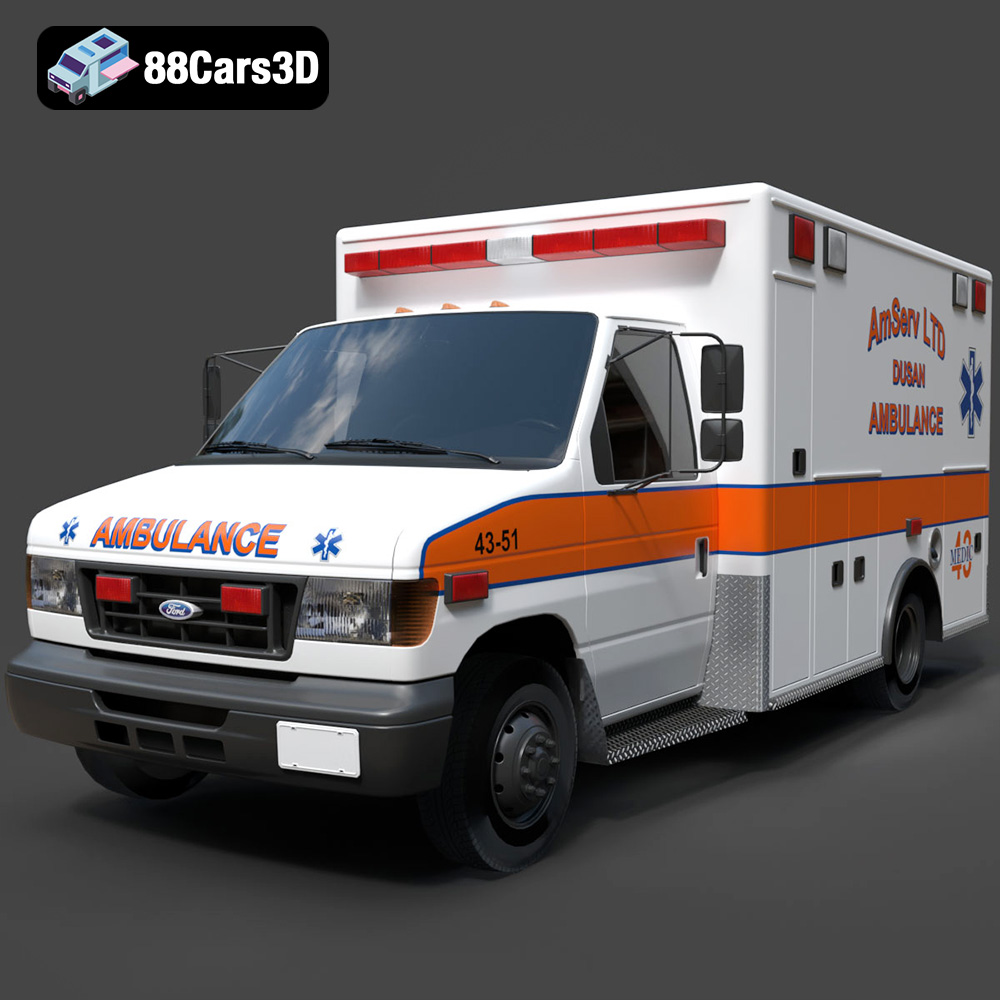
Texture: Yes
Material: Yes
Download the Ford Ambulance AmServ LTD Dusan-002 3D Model featuring a high-detail exterior and interior, realistic textures, and emergency lighting. Includes .blend, .fbx, .obj, .glb, .stl, .ply, .unreal, and .max formats for rendering, simulation, and game development.
Price: $19.99
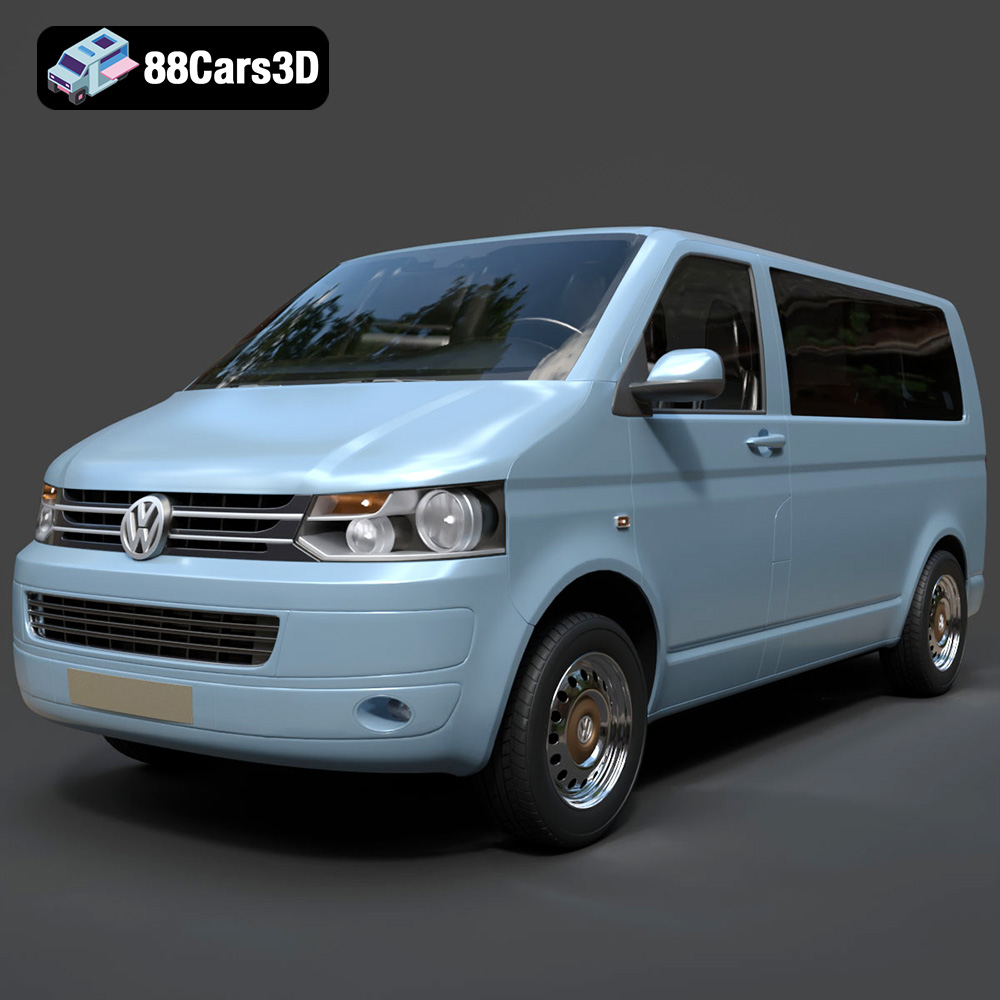
Texture: Yes
Material: Yes
Download the Volkswagen Transporter T5 FL 2010 3D Model featuring clean geometry, realistic detailing, and a fully modeled interior. Includes .blend, .fbx, .obj, .glb, .stl, .ply, .unreal, and .max formats for rendering, simulation, and game development.
Price: $22.99
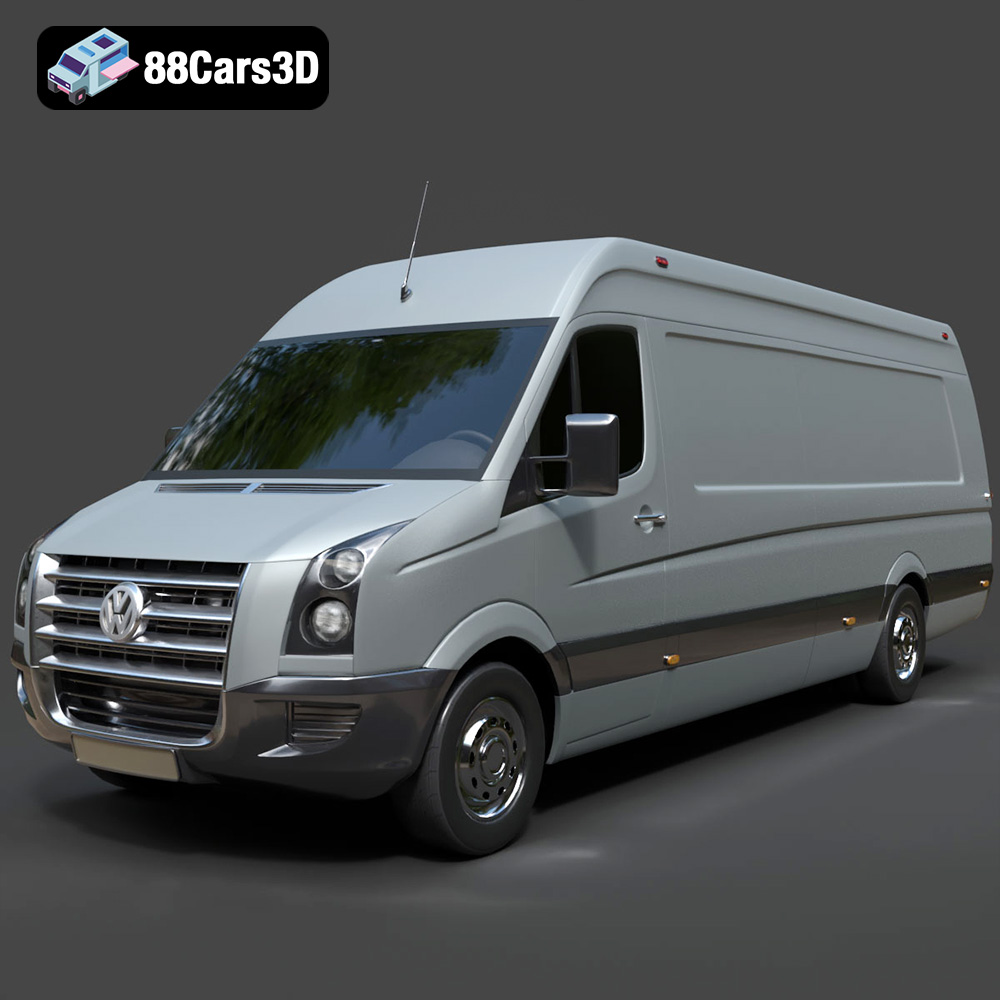
Texture: Yes
Material: Yes
Download the Volkswagen Crafter 2020 3D Model featuring clean geometry, realistic detailing, and a fully modeled interior. Includes .blend, .fbx, .obj, .glb, .stl, .ply, .unreal, and .max formats for rendering, simulation, and game development.
Price: $22.99
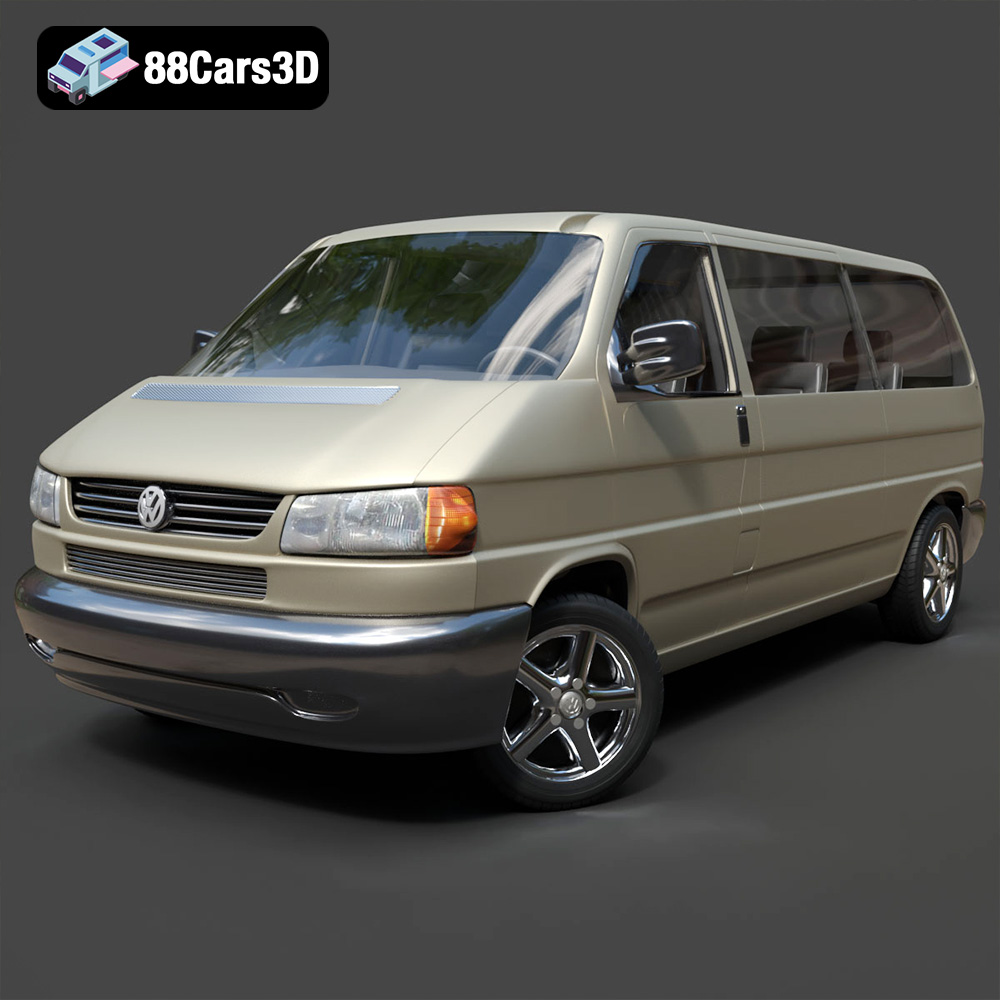
Texture: Yes
Material: Yes
Download the Volkswagen Caravelle 3D Model featuring a detailed exterior, functional interior, and optimized topology. Includes .blend, .fbx, .obj, .glb, .stl, .ply, .unreal, and .max formats for rendering, simulation, and game development.
Price: $23.99
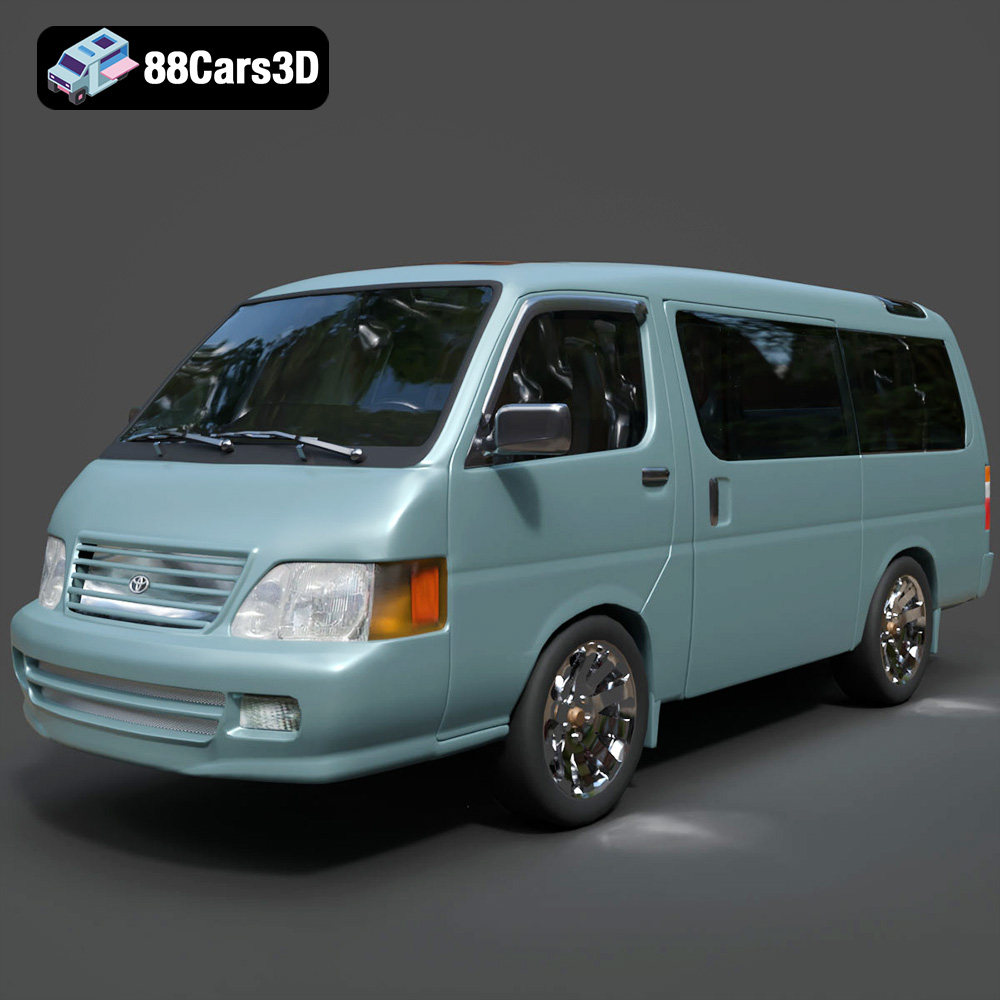
Texture: Yes
Material: Yes
Download the Toyota Hiace 3D Model featuring versatile design and detailed exterior. Includes .blend, .fbx, .obj, .glb, .stl, .ply, .unreal, and .max formats for rendering, simulation, and game development.
Price: $21.99
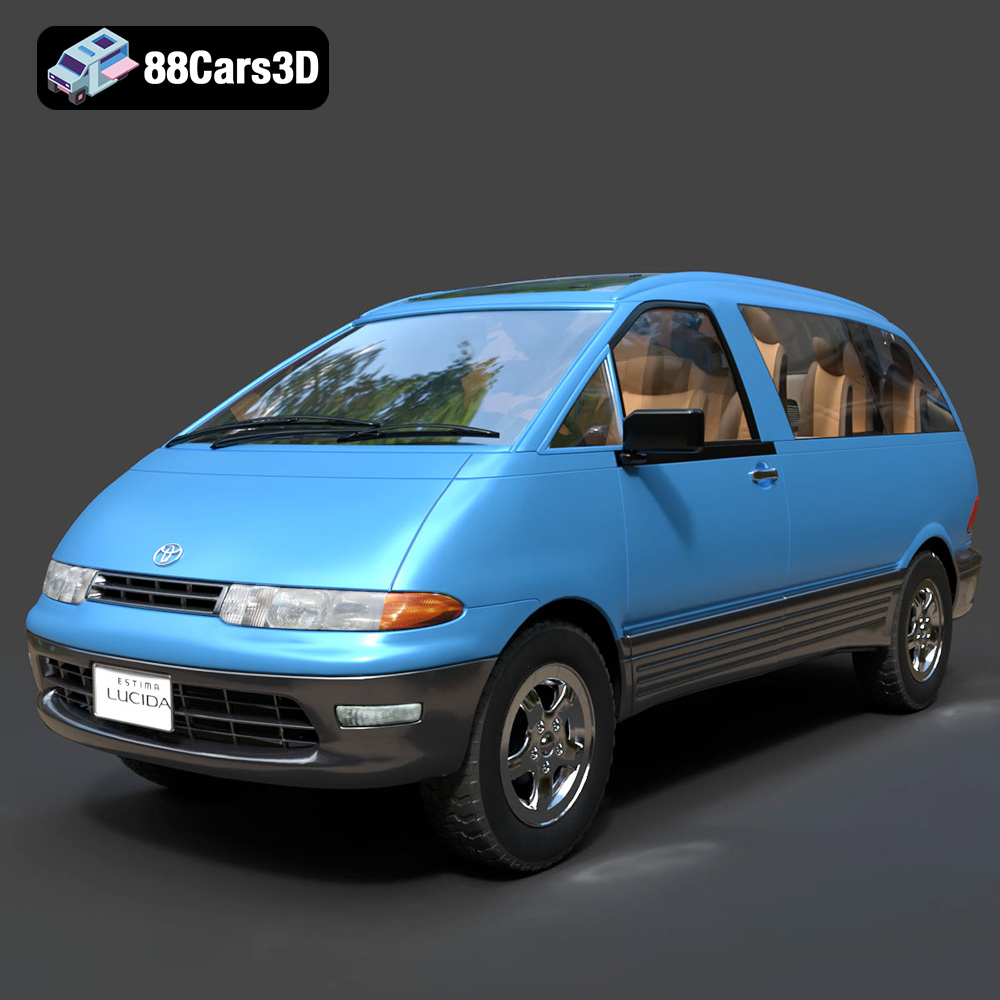
Texture: Yes
Material: Yes
Download the Toyota Estima Lucida 3D Model featuring its iconic compact MPV design, versatile interior, and accurate exterior details. Includes .blend, .fbx, .obj, .glb, .stl, .ply, .unreal, and .max formats for rendering, simulation, and game development.
Price: $24.99

Texture: Yes
Material: Yes
Download the Toyota Alphard 3D Model featuring a detailed luxury minivan design with an accurate exterior and interior. Includes .blend, .fbx, .obj, .glb, .stl, .ply, .unreal, and .max formats for rendering, simulation, and game development.
Price: $21.99
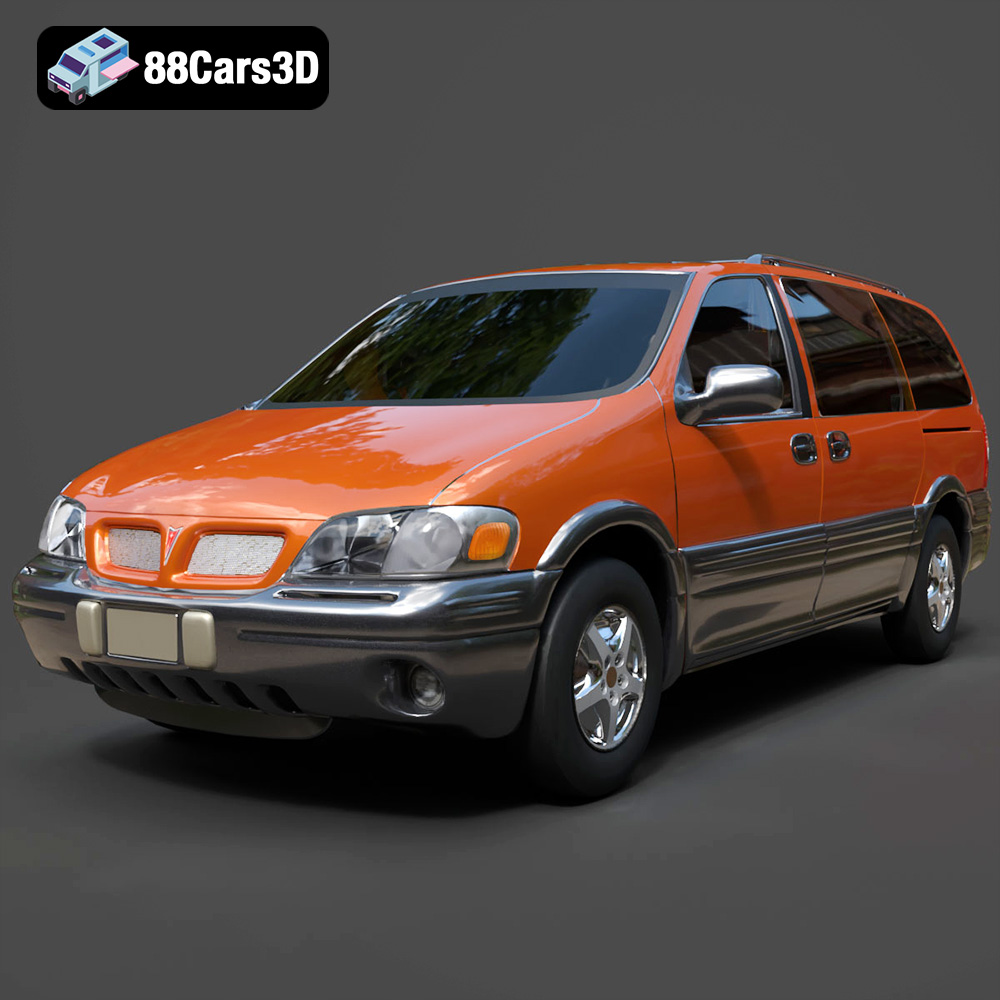
Texture: Yes
Material: Yes
Download the Pontiac Montana 1998 3D Model featuring a detailed exterior, functional interior, and optimized mesh. Includes .blend, .fbx, .obj, .glb, .stl, .ply, .unreal, and .max formats for rendering, simulation, and game development.
Price: $21.99
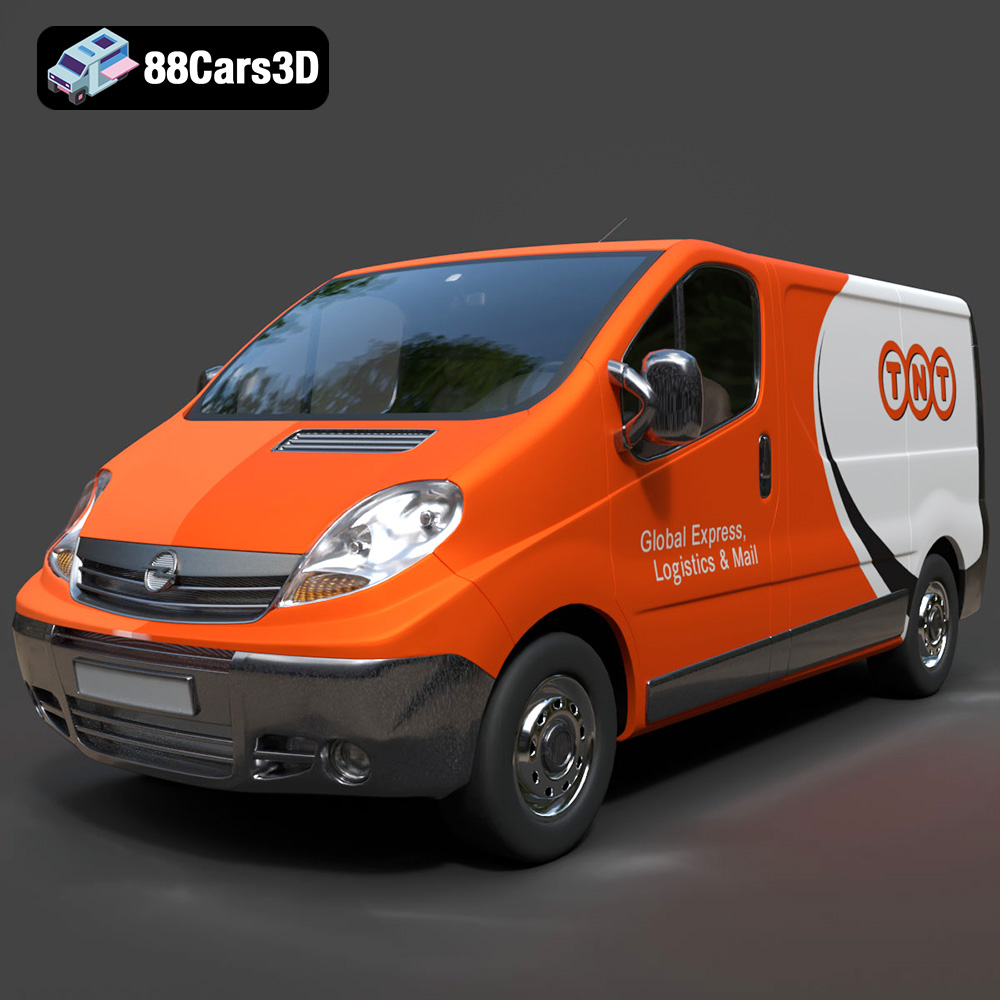
Texture: Yes
Material: Yes
Download the Opel Vivaro 3D Model featuring a versatile commercial van design with balanced detailing. Includes .blend, .fbx, .obj, .glb, .stl, .ply, .unreal, and .max formats for rendering, simulation, and game development.
Price: $21.99
Texture: Yes
Material: Yes
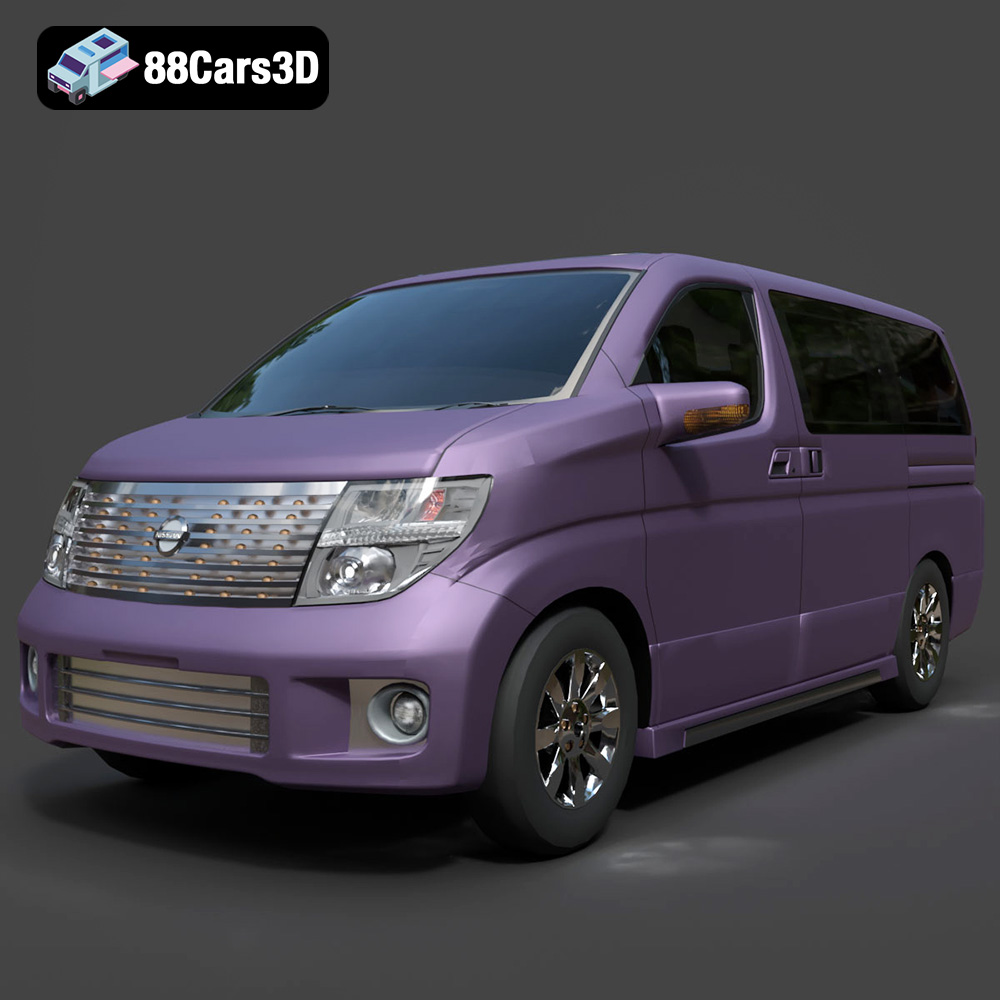
Download the Nissan Elgrand 3D Model featuring a versatile minivan design. Includes .blend, .fbx, .obj, .glb, .stl, .ply, .unreal, and .max formats for rendering, simulation, and game development.
Price: $21.99

