⚡ FLASH SALE: Get 60% OFF All Premium 3D & STL Models! ⚡

Unreal Engine has revolutionized real-time rendering, empowering artists and developers to create breathtakingly realistic visuals across industries. While its intuitive Material Editor offers an incredible array of tools for crafting sophisticated shaders, there comes a point where predefined nodes reach their limits. For those seeking truly unique visual effects, unparalleled control, and hyper-realistic material properties, especially in demanding fields like automotive visualization, diving into HLSL (High-Level Shading Language) within Unreal Engine becomes not just an option, but a necessity.
HLSL is the bedrock of modern GPU rendering, the language that directly instructs your graphics card on how to process pixels and vertices. By harnessing its power within Unreal Engine’s Material Editor, you unlock a universe of possibilities: custom clear coats that perfectly mimic real-world automotive paint, intricate procedural patterns, advanced lighting models, and optimized shader logic for peak performance. This comprehensive guide will take you on a deep dive into Unreal Engine shader development with HLSL, equipping you with the knowledge and techniques to elevate your automotive projects, game assets, and visualizations to an entirely new level of fidelity and uniqueness.
Before we wield the raw power of HLSL, it’s crucial to understand its place within Unreal Engine’s highly optimized material system. The Material Editor is a node-based visual programming environment where you combine textures, mathematical operations, and engine-defined functions to define how a surface looks and reacts to light. Each node in this editor ultimately translates into HLSL code during the shader compilation process, but the “Custom” node provides a direct window into this low-level language.
The “Custom” node allows you to inject your own HLSL code directly into the material graph. This is where you can implement algorithms that are either too complex, too performance-critical, or simply not available as standard nodes. It acts as a bridge, taking inputs from your material graph (e.g., texture samples, scalar parameters) and processing them with your custom HLSL logic, then outputting the result back into the graph. This output can then feed into any of the standard PBR (Physically Based Rendering) material inputs like Base Color, Normal, Roughness, Metallic, or even custom material attributes. Mastering this node is the first step towards true shader mastery in Unreal Engine.
When you add a “Custom” node, you’ll see several fields: Inputs, Output Type, and the Code editor. Each input you define in the “Inputs” array (e.g., “TextureIn”, “ScaleValue”) becomes an accessible variable within your HLSL code. The “Output Type” dictates whether your code returns a float (scalar), float2 (vector of 2), float3 (vector of 3, commonly used for colors/normals), or float4 (vector of 4, often for colors with alpha). Inside the “Code” editor, you write your HLSL. Here’s a basic example demonstrating how to multiply a texture color by a scalar parameter:
// Custom Node Code
// Input 0: TextureIn (sampler2D)
// Input 1: ScaleValue (float)

float4 TexColor = Texture2DSample(TextureIn, TextureInSampler, UV);
return TexColor.rgb * ScaleValue;
This snippet illustrates fundamental HLSL concepts: declaring variables (`TexColor`), using built-in functions (`Texture2DSample`), and returning a result. Understanding common HLSL data types like `float`, `float2`, `float3`, `float4`, `int`, and `bool`, along with basic operators (+, -, *, /) and control flow (`if`, `for`), is essential for writing effective custom shaders. The Unreal Engine environment provides many global variables and functions that you can leverage, such as UV coordinates, camera vectors, and time, further expanding the possibilities within your custom HLSL code.
The beauty of the “Custom” node is its ability to integrate seamlessly into Unreal’s PBR workflow. You might use it to calculate a unique roughness value based on multiple factors, generate a complex normal map procedurally, or even define an entirely new lighting contribution for specific effects. For instance, when designing realistic car paint, you might use a custom node to blend multiple metallic and clear coat layers, each with its own physically-based properties, before feeding the final result into the Material’s Base Color, Metallic, and Roughness outputs. This modular approach allows you to extend the engine’s capabilities without entirely reinventing the wheel, ensuring your custom logic still benefits from Unreal’s advanced rendering pipeline, including Lumen and Nanite.
While Unreal Engine’s standard PBR material model is highly robust, certain complex materials, especially in automotive visualization, demand a level of nuance that goes beyond the default inputs. This is where custom HLSL truly shines, allowing you to implement advanced reflection models, unique subsurface scattering, or specialized clear coat layers that precisely mimic real-world physics. When you source high-quality 3D car models from marketplaces like 88cars3d.com, the ability to apply bespoke, physically accurate materials becomes paramount to achieving photorealism.
One of the most common applications for custom HLSL in automotive rendering is the creation of sophisticated car paint shaders. Modern car paint often features multiple layers: a base metallic coat, a colored mid-coat, and a clear protective topcoat. Simulating the interaction of light with each of these layers, particularly the two distinct specular reflections from the metallic flakes and the glossy clear coat, requires more than a simple PBR setup. A custom HLSL shader allows you to accurately define and blend these interactions, resulting in stunningly realistic surfaces that react correctly to varying lighting conditions, providing a powerful tool for automotive configurators and high-end marketing renders.
Let’s consider a simplified custom clear coat model using HLSL. A clear coat typically adds an additional specular reflection layer over the base material. This reflection is often dielectric (non-metallic) and exhibits strong Fresnel effects – meaning it reflects more light at grazing angles. Here’s a conceptual outline of how you might approach this within a “Custom” node:
// Custom Node Code for Clear Coat Layer
// Inputs:
//   BaseColor (float3)
//   BaseRoughness (float)
//   BaseMetallic (float)
//   ClearCoatFactor (float, 0-1, strength of clear coat)
//   ClearCoatRoughness (float)
//   WorldNormal (float3, from TransformVector: Tangent to World)
//   CameraVector (float3, from CameraVector node)

// Get standard PBR inputs
float3 N = WorldNormal; // Surface normal
float3 V = CameraVector; // View vector

// Calculate Fresnel for the clear coat
float VoN = saturate(dot(V, N));
float F0 = 0.04; // Standard F0 for dielectric
float Fresnel = F0 + (1.0 - F0) * pow(1.0 - VoN, 5.0); // Schlick's approximation

// Assuming some engine-provided lighting calculation for the clear coat.
// In a full custom shader, you'd implement your own lighting model.
// For simplicity here, we'll blend.
float3 ClearCoatSpecular = Fresnel; // Placeholder for actual specular calculation

// Blend the base color and clear coat reflection
// This is a simplified blend. In reality, you'd apply the clear coat
// on top of the base material's calculated lighting.
float3 FinalColor = lerp(BaseColor, ClearCoatSpecular, ClearCoatFactor);

return FinalColor;
This example is highly simplified; a real-world clear coat shader would involve calculating the base material’s lighting, then applying the clear coat’s reflection on top, factoring in energy conservation and proper blending. However, it demonstrates how you can bring together various parameters and HLSL functions to achieve a specific look that would be difficult with standard material nodes alone. You’d typically feed outputs like the `ClearCoatSpecular` into the `Custom` output, which would then be fed into an existing `ClearCoat` input if available, or combined with the base color in more complex scenarios.
Beyond extending existing PBR channels, HLSL allows you to define custom material attributes and even entirely new shading models. This is an advanced topic, usually requiring C++ engine modifications, but it unlocks the ability to create unique lighting behaviors, such as specialized subsurface scattering for car interiors or complex anistropic reflections that accurately model brushed metal finishes. When working with custom shading models, understanding how Unreal Engine passes data to the GPU and integrates with the Deferred Shading pipeline is crucial. This level of customization ensures that even the most complex material properties of your 3D car models are accurately represented, pushing the boundaries of real-time rendering fidelity.
The quest for realism in automotive visualization often pushes the boundaries of rendering technology. With HLSL in Unreal Engine, developers and artists can move beyond standard material presets to craft truly bespoke visual effects that capture the intricate nuances of automotive design. These advanced techniques are particularly valuable for creating marketing materials, virtual configurators, and high-fidelity real-time simulations.
Consider the iridescent “flip-flop” effect seen on many high-end car paints, where the color appears to shift dramatically based on the viewing angle. This complex optical phenomenon is incredibly challenging to reproduce with standard PBR and often requires specialized shader logic. Similarly, creating realistic, functional headlights with intricate light patterns, or dynamically adding environmental effects like rain droplets and dirt, demands the granular control offered by HLSL. By leveraging custom shader code, you can simulate these effects with precision, making your 3D car models, like those available on 88cars3d.com, indistinguishable from their real-world counterparts.
Achieving iridescent or “flip-flop” paint involves more than just a simple color ramp. It typically requires manipulating the spectral reflection of light based on the Fresnel effect and the angle between the view and light vectors. A common technique involves using a custom lookup texture or a procedural function within HLSL to define how the base color shifts. This can be combined with the clear coat logic discussed earlier. Here’s a conceptual HLSL approach:
// Custom Node Code for Iridescent Effect
// Inputs:
//   BaseColor (float3)
//   IridescenceMap (sampler2D - a lookup texture defining color shifts)
//   IridescenceFactor (float)
//   WorldNormal (float3)
//   CameraVector (float3)

float3 N = WorldNormal;
float3 V = CameraVector;

// Calculate the grazing angle factor
float VoN = saturate(dot(V, N));
float AngleFactor = 1.0 - VoN;

// Sample iridescence map based on angle or a combination of angles
// A more complex setup might use a cubic lookup texture for better results
float2 IridescenceUV = float2(AngleFactor, AngleFactor); // Simplified example
float3 IridescenceColorShift = Texture2DSample(IridescenceMap, IridescenceMapSampler, IridescenceUV).rgb;

// Blend with base color
float3 FinalColor = BaseColor + IridescenceColorShift * IridescenceFactor;

return FinalColor;
This approach can be further enhanced by incorporating specific wavelengths or interference patterns for a truly scientific simulation. Similarly, multi-layered materials can benefit from custom HLSL to manage blending modes, opacity, and reflective properties between layers, essential for complex surfaces like car dashboards with multiple material types (plastic, leather, chrome, carbon fiber).
HLSL is perfect for generating procedural effects. Imagine creating a dynamic dirt or dust accumulation shader that responds to the car’s movement or environment. This could involve using world position, vertex normals, and a noise function (implemented in HLSL) to generate a mask that blends in dirt textures. Similarly, procedural headlight patterns, where the beam shape and intensity are defined by mathematical functions rather than simple textures, can lead to highly realistic and optimized lighting. Unreal Engine’s Material Parameter Collections and Blueprint scripting allow you to pass dynamic values (like vehicle speed, elapsed time, or even weather conditions) to your custom HLSL shaders, enabling interactive and reactive visual effects.
For example, a rain droplet shader could use a sine wave function and the current time to animate droplets flowing across the car’s surface, distorting reflections and refractions. These dynamic parameters bridge the gap between static material appearance and interactive, real-time experiences, making your automotive visualizations more engaging and immersive. The flexibility to drive these parameters from C++ code or Blueprint graphs means your custom shaders can be integrated into full game logic or interactive demos, reacting intelligently to user input or environmental changes.
The power of custom HLSL shaders comes with a critical responsibility: performance. In real-time rendering, every millisecond counts, especially for demanding applications like automotive visualization or AR/VR experiences. An inefficient shader can quickly tank frame rates, rendering even the most stunning visuals unusable. Optimizing your HLSL code and knowing how to debug issues efficiently are skills as crucial as writing the code itself.
Unreal Engine provides powerful tools to analyze and profile shader performance. The Shader Complexity view mode, for instance, offers a visual representation of how expensive your materials are to render, allowing you to identify bottlenecks at a glance. High instruction counts, especially in the pixel shader, are often the primary culprits for performance dips. When working with high-quality models, such as those optimized for performance available on 88cars3d.com, ensuring that their accompanying materials are also optimized is key to maintaining high frame rates and a smooth user experience.
The “Shader Complexity” view mode (accessible via the ‘Show > Visualize’ menu in the viewport) displays materials in different colors based on their instruction count, with green indicating efficient shaders and red/white indicating very expensive ones. For pixel shaders, a lower instruction count generally translates to better performance. You can also view the exact instruction count for vertex and pixel shaders in the Material Editor’s Stats window (Window > Stats). Aim to keep pixel shader instruction counts as low as possible, especially for materials that cover large screen areas, like car bodies.
Tips for Optimization:
pow, sqrt, sin, cos, tan) are more expensive than simpler ones. Use approximations when visual quality allows.#if, #ifdef, #else, and #endif to compile different code paths based on material parameters or shader platform. This ensures features are only computed when enabled, reducing instruction count for simpler variations.half instead of float can reduce memory bandwidth and computation time on some platforms, although modern GPUs often treat them similarly.Debugging custom HLSL can be challenging as you’re working directly with the GPU. Unlike CPU code, you can’t set breakpoints and inspect variables directly within Unreal Engine’s Material Editor. However, several strategies can help:
Remember that even a single problematic line in your HLSL can lead to visual artifacts or crashes. Diligent testing and a systematic approach to debugging are crucial for stable and performant custom shaders.
Unreal Engine 5 introduces groundbreaking technologies like Nanite and Lumen, fundamentally changing how real-time scenes are rendered. When developing custom HLSL shaders, it’s vital to understand how they interact with these systems and how you can leverage them to enhance your automotive visualizations. Properly integrating your bespoke materials ensures that your high-fidelity 3D car models benefit from the full power of the engine’s rendering pipeline.
Nanite, Unreal Engine’s virtualized geometry system, handles incredibly high polygon counts with unprecedented efficiency. Lumen, its real-time global illumination and reflection system, provides dynamic and believable lighting without complex lightmap baking. Custom shaders need to be written with these features in mind to avoid visual inconsistencies or performance bottlenecks. For instance, a custom car paint shader that generates intricate reflections will look even more stunning when properly integrated with Lumen’s accurate environment capture. This synergy between custom shader logic and advanced engine features allows for truly next-generation realism in interactive automotive experiences.
Nanite primarily concerns vertex data and geometric rendering, making it less direct for pixel shaders. However, there are important considerations:
The overall message is that Nanite handles the geometry, but your custom pixel shader still needs to be efficient to process the resulting pixels effectively.
Lumen uses a software ray-tracing approach to generate dynamic global illumination and reflections. For your custom shaders to interact correctly with Lumen, they need to output physically plausible values.
By staying within the PBR framework and providing accurate material data, your custom HLSL shaders will seamlessly integrate with Lumen, enhancing the realism of your automotive environments.
Unreal Engine’s Sequencer is a powerful multi-track editor for creating cinematic sequences and virtual production content. Custom shaders play a crucial role here, enabling artists to create unique visual effects for specific shots. Imagine a custom HLSL shader that drives a dynamic grime effect on a car for a dramatic scene, or a bespoke refraction shader for vehicle glass that interacts specifically with a camera’s depth of field. Parameters within your custom shaders can be exposed to Sequencer, allowing animators to keyframe shader properties over time, bringing dynamic visual storytelling to life. This level of control ensures that even the most ambitious artistic visions for automotive films or interactive experiences can be realized with precision and efficiency.
The power of custom HLSL shaders in Unreal Engine truly comes to fruition in real-world automotive visualization. From developing marketing assets and interactive configurators to creating virtual production scenes, the ability to fine-tune material properties at a granular level is indispensable. When starting with high-quality, pre-optimized 3D car models—such as those found on 88cars3d.com—leveraging custom shaders allows you to push the boundaries of realism, creating unique paint finishes, intricate lighting details, and dynamic environmental interactions that set your projects apart.
The goal is always to achieve photorealism, where a rendered vehicle is indistinguishable from its physical counterpart. This often involves replicating complex optical phenomena like multi-layered paint interference, highly detailed glass refraction, or anisotropic reflections on brushed metals. By understanding the underlying physics and translating them into efficient HLSL code, you can elevate the visual fidelity of your automotive assets, making them suitable for everything from high-resolution print advertising to real-time AR/VR applications.
A prime example of HLSL’s impact is crafting photorealistic car paint. As discussed, modern car paint is not a monolithic material but a stack of layers. To accurately replicate this, a custom HLSL shader might combine:
Each of these components, when meticulously crafted in HLSL, can be blended and layered to create an incredibly deep and nuanced material that reacts to light precisely like real car paint. Parameters for each layer (color, roughness, metallicness, clear coat thickness, flake size) can be exposed as material instances, giving artists immense control without needing to touch the HLSL code itself for common adjustments.
AR/VR applications for automotive visualization demand even stricter performance budgets. For custom HLSL shaders, this means:
By adhering to these best practices, you can create visually stunning and highly optimized custom shaders that truly push the boundaries of real-time automotive rendering in Unreal Engine.
Unreal Engine’s Material Editor provides an incredible visual toolkit, but for those who demand ultimate control, unparalleled realism, and truly unique visual effects in automotive visualization and beyond, mastering HLSL is the next logical step. By delving into the “Custom” node, you gain the power to craft bespoke physically based materials, implement advanced lighting models, and engineer intricate procedural effects that transcend the limitations of standard nodes.
From simulating the multi-layered depth of automotive clear coats and iridescent paint shifts to creating dynamic weather effects and optimizing for the demanding performance requirements of AR/VR, HLSL empowers you to achieve a level of visual fidelity previously reserved for offline renderers. Coupled with modern Unreal Engine features like Lumen and Nanite, your custom shaders can breathe extraordinary life into high-quality 3D car models, like those available on 88cars3d.com, making your projects stand out in a competitive landscape.
The journey into custom shader development is challenging but immensely rewarding. It requires a blend of artistic vision, a fundamental understanding of rendering principles, and the discipline of a programmer. Embrace the power of HLSL, experiment with its capabilities, and continually refine your techniques. The results will be stunningly realistic real-time experiences that captivate audiences and redefine what’s possible in automotive visualization. Start experimenting today and unlock the full potential of your Unreal Engine projects!

Texture: Yes
Material: Yes
Download the Ford Ambulance AmServ LTD Dusan-002 3D Model featuring a high-detail exterior and interior, realistic textures, and emergency lighting. Includes .blend, .fbx, .obj, .glb, .stl, .ply, .unreal, and .max formats for rendering, simulation, and game development.
Price: $19.99
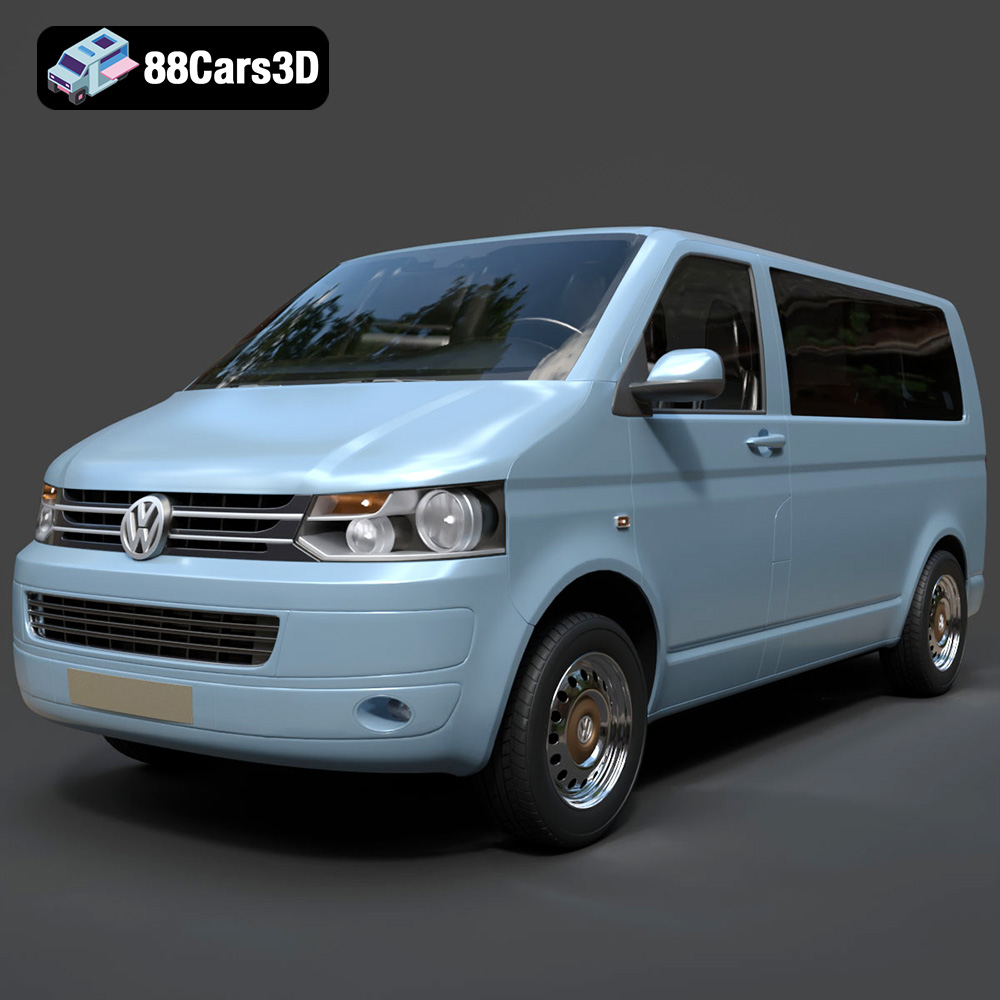
Texture: Yes
Material: Yes
Download the Volkswagen Transporter T5 FL 2010 3D Model featuring clean geometry, realistic detailing, and a fully modeled interior. Includes .blend, .fbx, .obj, .glb, .stl, .ply, .unreal, and .max formats for rendering, simulation, and game development.
Price: $22.99
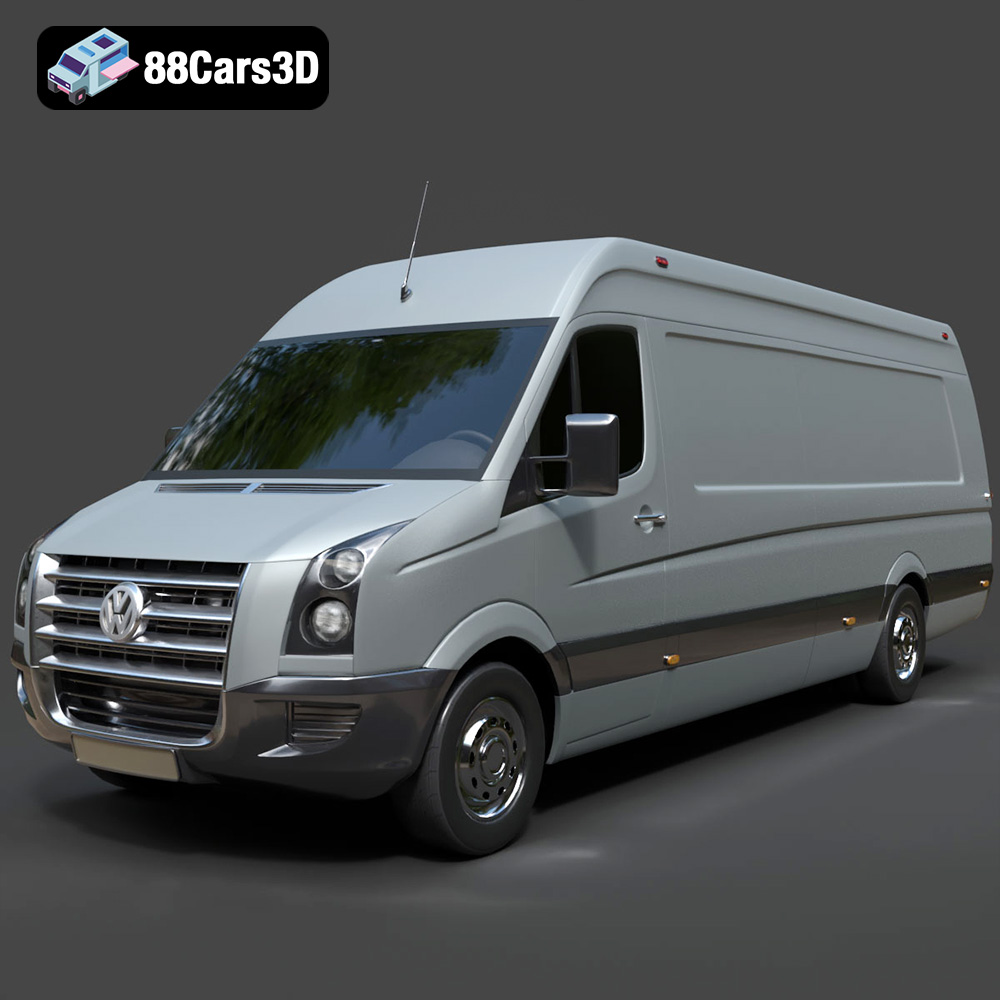
Texture: Yes
Material: Yes
Download the Volkswagen Crafter 2020 3D Model featuring clean geometry, realistic detailing, and a fully modeled interior. Includes .blend, .fbx, .obj, .glb, .stl, .ply, .unreal, and .max formats for rendering, simulation, and game development.
Price: $22.99
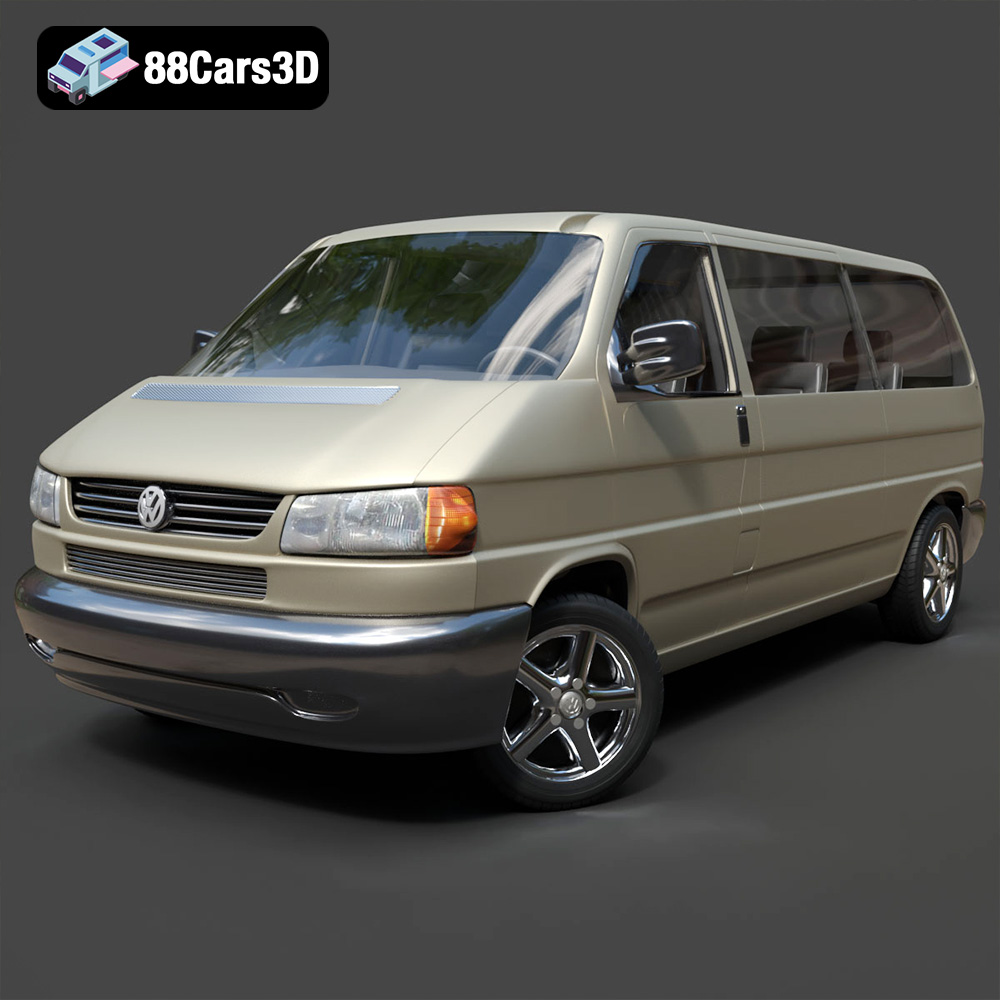
Texture: Yes
Material: Yes
Download the Volkswagen Caravelle 3D Model featuring a detailed exterior, functional interior, and optimized topology. Includes .blend, .fbx, .obj, .glb, .stl, .ply, .unreal, and .max formats for rendering, simulation, and game development.
Price: $23.99
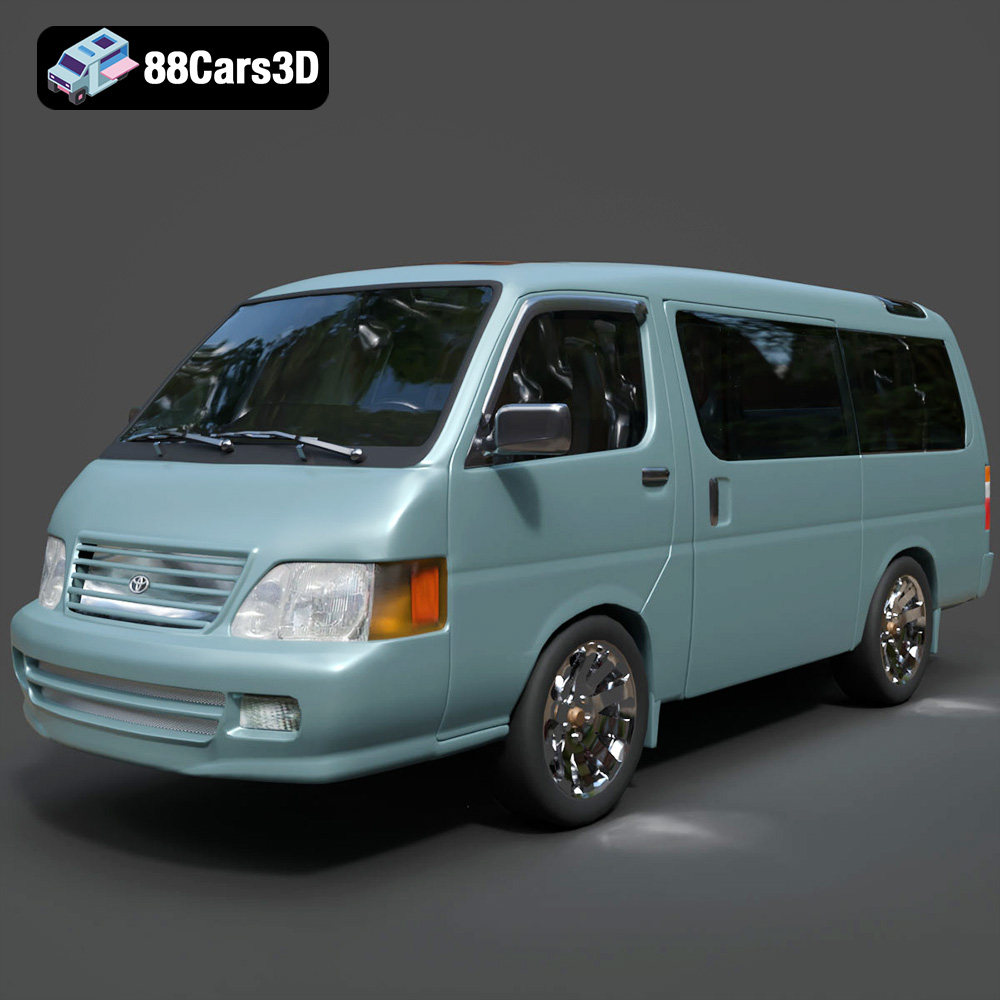
Texture: Yes
Material: Yes
Download the Toyota Hiace 3D Model featuring versatile design and detailed exterior. Includes .blend, .fbx, .obj, .glb, .stl, .ply, .unreal, and .max formats for rendering, simulation, and game development.
Price: $21.99
Texture: Yes
Material: Yes
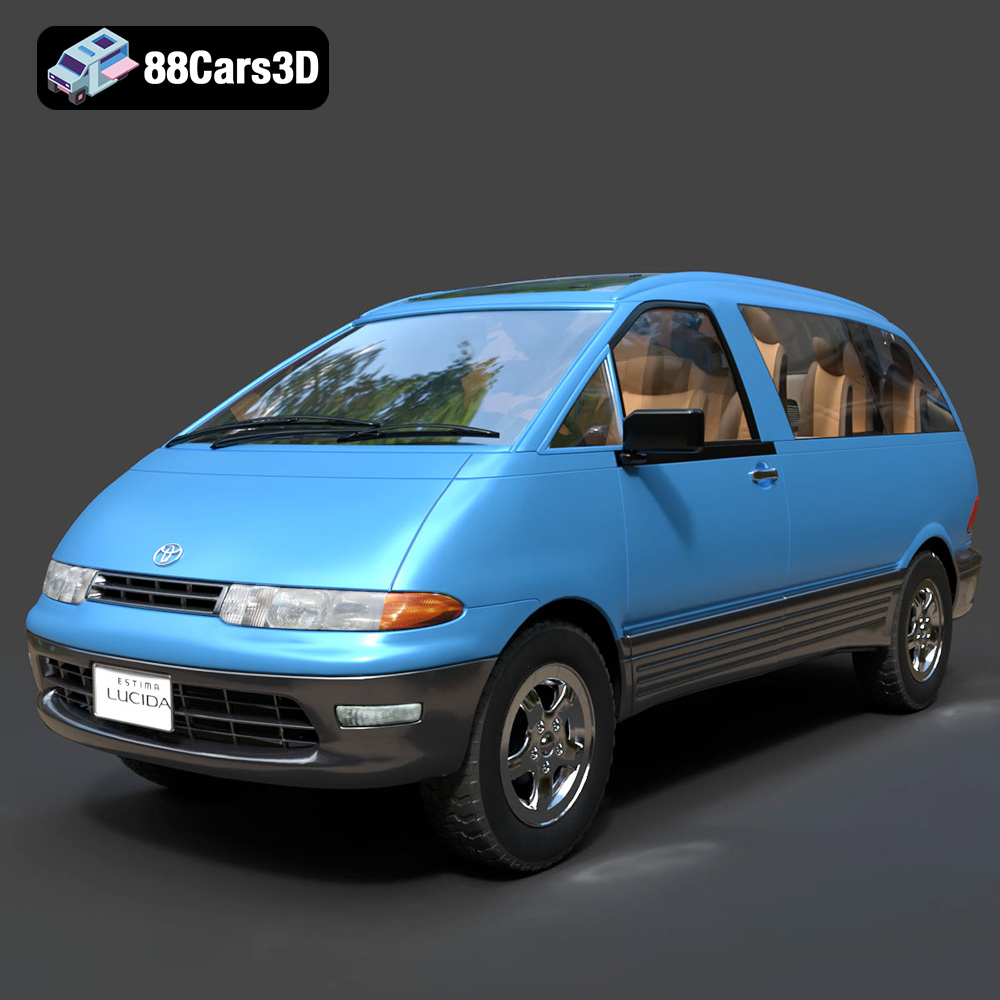
Download the Toyota Estima Lucida 3D Model featuring its iconic compact MPV design, versatile interior, and accurate exterior details. Includes .blend, .fbx, .obj, .glb, .stl, .ply, .unreal, and .max formats for rendering, simulation, and game development.
Price: $24.99

Texture: Yes
Material: Yes
Download the Toyota Alphard 3D Model featuring a detailed luxury minivan design with an accurate exterior and interior. Includes .blend, .fbx, .obj, .glb, .stl, .ply, .unreal, and .max formats for rendering, simulation, and game development.
Price: $21.99
Texture: Yes
Material: Yes
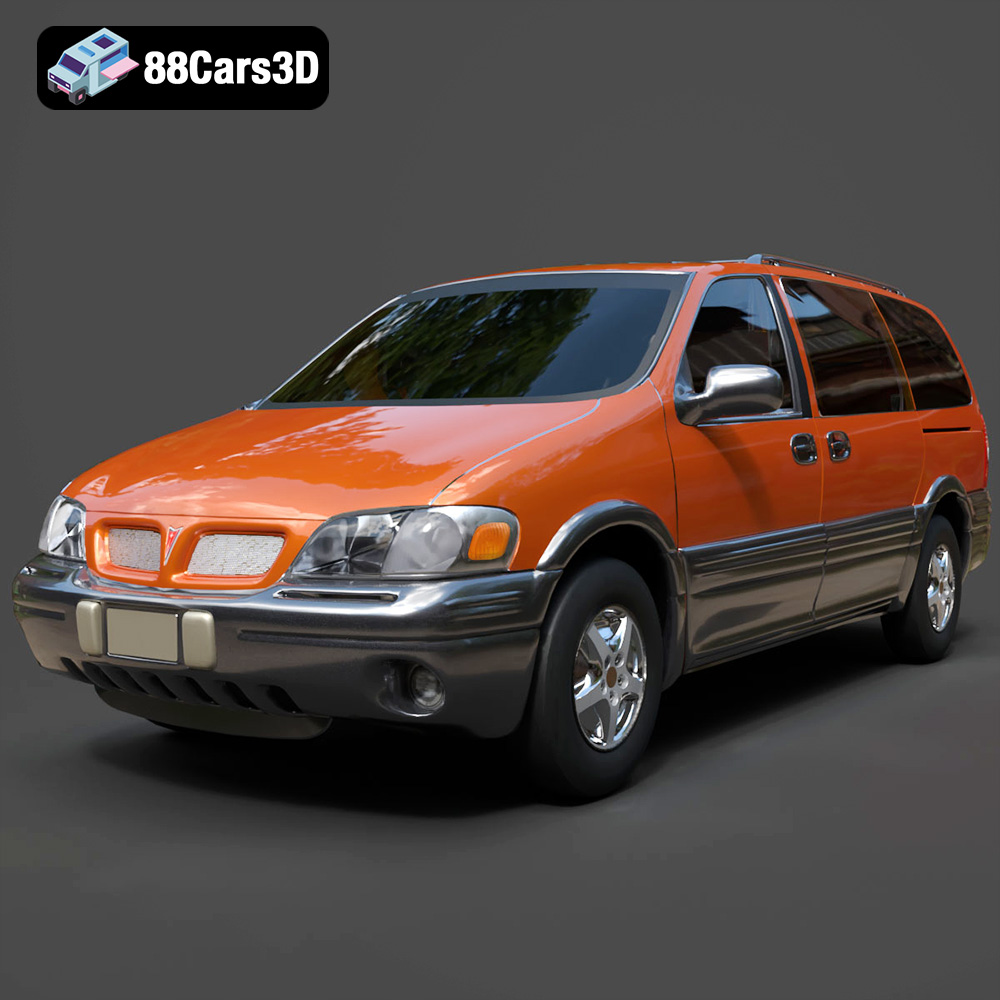
Download the Pontiac Montana 1998 3D Model featuring a detailed exterior, functional interior, and optimized mesh. Includes .blend, .fbx, .obj, .glb, .stl, .ply, .unreal, and .max formats for rendering, simulation, and game development.
Price: $21.99
Texture: Yes
Material: Yes
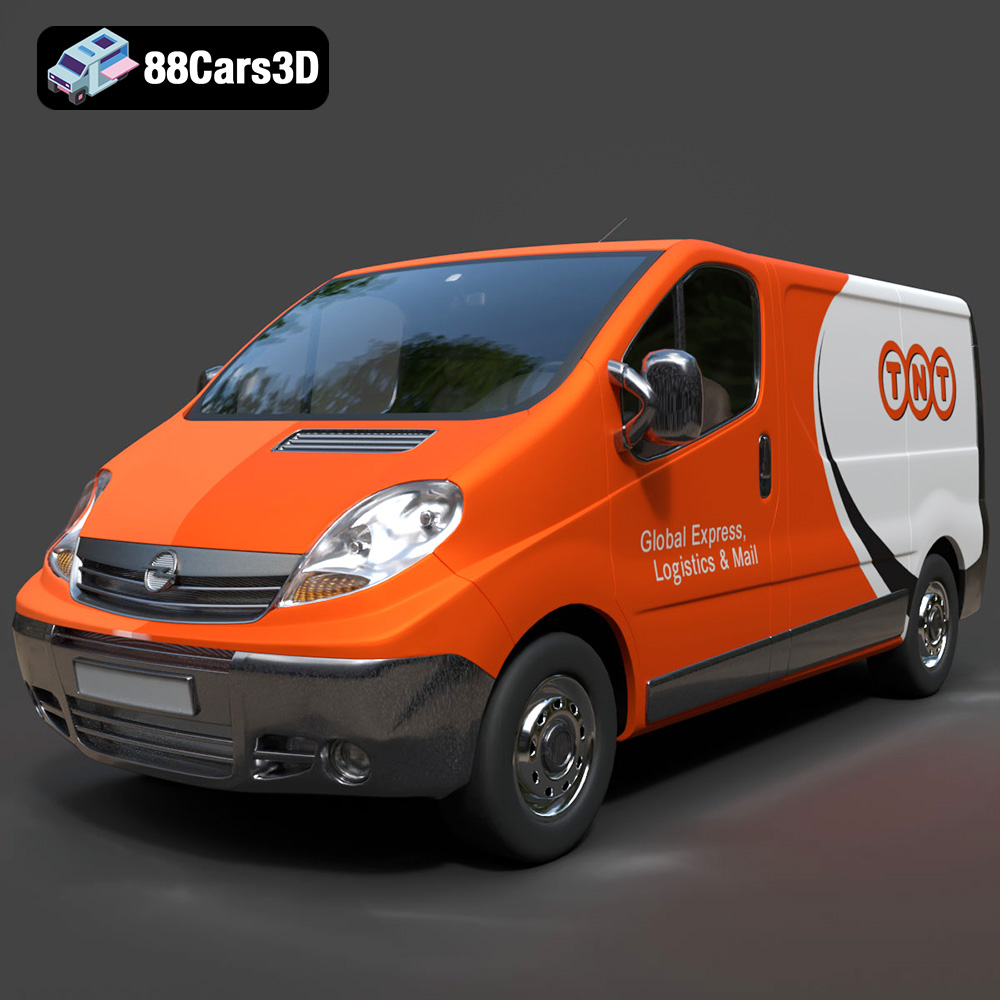
Download the Opel Vivaro 3D Model featuring a versatile commercial van design with balanced detailing. Includes .blend, .fbx, .obj, .glb, .stl, .ply, .unreal, and .max formats for rendering, simulation, and game development.
Price: $21.99
Texture: Yes
Material: Yes
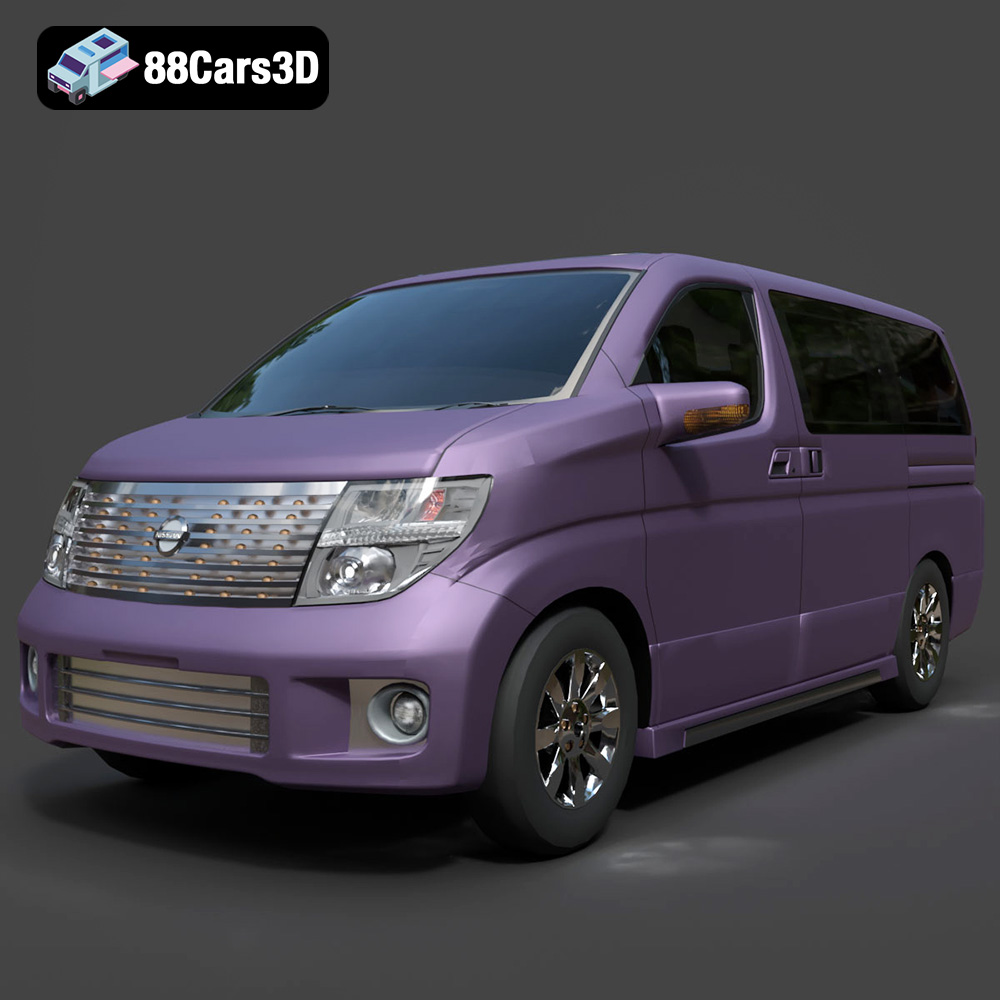
Download the Nissan Elgrand 3D Model featuring a versatile minivan design. Includes .blend, .fbx, .obj, .glb, .stl, .ply, .unreal, and .max formats for rendering, simulation, and game development.
Price: $21.99

