⚡ FLASH SALE: Get 60% OFF All Premium 3D & STL Models! ⚡

In an era dominated by visual content and digital experiences, the automotive industry has undergone a profound transformation in how it presents and markets its vehicles. Gone are the days when traditional photography and static brochures were the sole arbiters of a car’s appeal. Today, the unseen engine driving modern automotive marketing is the high-quality 3D car model. These meticulously crafted digital assets have moved beyond mere conceptualization tools to become indispensable elements across the entire automotive lifecycle, from initial design reviews to immersive virtual showrooms and interactive online configurators.
The ability to create, manipulate, and deploy photorealistic vehicle representations in virtually any environment offers an unparalleled level of flexibility and efficiency. This shift empowers marketers to showcase every intricate detail, custom option, and dynamic scenario without the logistical complexities and exorbitant costs associated with physical prototypes or elaborate photoshohoots. For 3D artists, game developers, automotive designers, and visualization professionals, understanding the technical intricacies behind these models is paramount. This comprehensive guide will delve deep into the technical workflows, industry best practices, and innovative applications of 3D car models, revealing how they are not just marketing tools, but powerful engines of engagement and sales in today’s digital-first automotive landscape.
The journey of any high-quality 3D car model begins with its foundational structure: the mesh topology. For automotive assets, precision is paramount. Unlike organic models, cars are defined by clean lines, crisp edges, and smooth, reflective surfaces that unforgivingly expose any imperfections in the underlying geometry. Achieving this requires a deep understanding of polygon flow and subdivision surfacing, ensuring that the model not only looks good but also deforms correctly and renders efficiently.
Clean topology, specifically an all-quad mesh, is the golden standard for automotive 3D models. Quads (four-sided polygons) are ideal because they distribute subdivision smoothly, preventing unsightly pinching or artifacts when modifiers like “Subdivision Surface” are applied. Crucial areas like door seams, wheel arches, hood lines, and character lines demand impeccable edge flow. Edges should follow the natural contours and direction of the car’s design, concentrating more polygons in areas of high curvature or where sharp creases are needed. For instance, creating a tight loop of edges along a body panel’s edge will allow the subdivision surface to retain sharpness without needing an excessive amount of polygons overall.
A typical high-resolution 3D car model intended for marketing renders might have a polygon count ranging from 150,000 to 500,000 triangles (after triangulation) for a complete exterior and basic interior, excluding extreme detail like engine bays. For hero shots or close-ups, specific components might be even more detailed. Conversely, game-ready models or AR/VR applications will require optimized, multi-LOD (Level of Detail) versions with significantly lower polygon counts (e.g., LOD0 at 50,000-100,000, LOD1 at 10,000-20,000, LOD2 at 2,000-5,000). The key is to strike a balance: enough detail to capture the design intent and surface integrity, but not so much that it becomes unmanageable or inefficient for rendering or real-time applications.
Several modeling approaches are prevalent in automotive design. Box modeling, starting from a primitive shape and progressively refining it, is common for blocking out overall forms. Spline modeling (using NURBS or Bezier curves) is particularly powerful for creating the smooth, precise curves that define a car’s silhouette, often then converted into polygons for further detailing. Another technique involves using scan data or blueprints as precise references, projecting curves, and then lofting or patching surfaces.
Software like 3ds Max excels with its robust Editable Poly tools and comprehensive spline functionality, allowing for intricate surface construction. Blender, with its powerful Subdivision Surface modifier, accurate snapping tools, and the ability to work with various curve types (see Blender 4.4 Curves documentation), has become a favorite for many artists due to its flexibility and open-source nature. Maya’s extensive modeling toolkit, including its retopology tools, also makes it a strong contender for complex automotive projects. Regardless of the software, meticulous attention to reference images, consistent scale, and continuous mesh inspection (checking for n-gons, non-manifold geometry, or flipped normals) are critical steps in building a professional-grade 3D car model, such as those found on platforms like 88cars3d.com.
Once the geometric foundation is solid, the next crucial step is to breathe life into the 3D car model through sophisticated materials and textures. This is where the magic of photorealism truly begins, turning a bare mesh into a gleaming automotive masterpiece. Physically Based Rendering (PBR) materials are the industry standard for achieving consistent and believable surface properties under varying lighting conditions, a cornerstone of modern automotive rendering.
PBR materials are defined by a set of maps that accurately describe how light interacts with a surface. The core components include: Albedo/Base Color (the pure color without lighting information), Roughness (micro-surface detail dictating specularity), Metallic (distinguishing between dielectric and metallic surfaces), Normal Map (adding fine surface detail without increasing polygon count), and sometimes Displacement Map (for true geometric detail at render time). For automotive models, these maps are carefully crafted to mimic the unique properties of car paint, glass, rubber, chrome, and interior fabrics.
Car paint, in particular, is a complex PBR material. It typically involves a metallic base layer (controlled by the metallic map) combined with a clear coat (controlled by a separate roughness and normal map, sometimes even an additional layer for iridescent flakes). High-quality car paint shaders often simulate metallic flakes embedded within the paint, contributing to the shimmering effect. Tire rubber requires fine-grained normal and displacement maps to capture the intricate tread patterns and subtle surface irregularities. Glass, too, is more than a simple transparent shader; it requires accurate IOR (Index of Refraction), tint, and potentially absorption properties to look truly convincing. Creating these complex shader networks involves artistic skill combined with a deep understanding of physical material properties, often leveraging tools like Substance Painter for texture creation and nodal material editors within rendering software.
Effective UV mapping is indispensable for applying textures accurately and without distortion. UVs are the 2D coordinates that tell the renderer how to project a 2D image (texture) onto a 3D surface. For complex automotive surfaces, strategic UV unwrapping is critical. Large, contiguous body panels benefit from large UV islands to minimize texture stretching and maximize texture resolution. Often, artists will utilize UDIMs (UV Dimension tiles), which allow multiple 2K or 4K textures to be applied across a single mesh, effectively increasing the overall texture resolution for expansive surfaces like the car body. This approach is common for high-end cinematic or close-up renders.
Other parts, like interior components, engine parts, or undercarriage details, might benefit from texture atlasing, where multiple smaller parts share a single UV map and texture sheet to optimize draw calls in real-time applications. Wheel arches, grilles, and intricate details require carefully placed seams to minimize visible distortions. Texture resolutions are chosen based on the asset’s importance and proximity to the camera: 8K or 4K maps for hero body panels, 2K or 1K for interior components, and smaller resolutions for less visible parts. In Blender, the “UV Editor” and “Mark Seam” tools (as detailed in the Blender 4.4 UV Unwrapping documentation) provide extensive control over seam placement and unwrapping algorithms, including methods like “Conformal” and “Angle Based” for different unwrapping needs. Achieving clean, non-overlapping UVs with minimal distortion is a meticulous process, but essential for photorealistic results.
Even the most meticulously modeled and textured 3D car model will fall flat without expert illumination. Lighting is the cornerstone of realism in rendering, shaping the perception of form, texture, and environment. Advanced rendering workflows go beyond basic light placement, employing sophisticated techniques to emulate real-world physics and create emotionally resonant imagery.
A fundamental technique for achieving photorealistic automotive renders is the use of High Dynamic Range Image (HDRI) lighting. HDRIs capture real-world lighting information, including intensity, color, and direction, providing a rich, natural environment map that bathes the car in realistic ambient and direct light. Choosing the right HDRI – a sunny outdoor scene for a vibrant look, an overcast sky for softer shadows, or a studio environment for controlled reflections – dramatically impacts the mood and appearance of the render. In addition to HDRIs, strategic placement of virtual studio lights (e.g., area lights, softboxes, spotlights) can highlight specific design features, emphasize curves, and add dramatic flair. A classic three-point lighting setup (key, fill, and back light) is often a starting point for controlled studio renders.
Physical camera settings are equally critical. Mimicking real-world camera properties such as f-stop (aperture) for depth of field, shutter speed for motion blur (if rendering animation), and ISO for exposure, helps ground the virtual scene in reality. Careful consideration of composition, rule of thirds, leading lines, and negative space transforms a mere render into a compelling image. The interplay of direct lighting, global illumination (GI) – where light bounces off surfaces, illuminating other areas – and accurate reflections ensures that the car interacts believably with its surroundings, making the difference between a good render and a breathtaking one.
The choice of rendering engine significantly impacts workflow, visual quality, and render times. Each engine has its strengths: Corona Renderer is renowned for its ease of use, intuitive interface, and high-quality, physically accurate results, particularly favored for architectural and product visualization. V-Ray offers unparalleled versatility and has been a production standard for decades, providing extensive control over every aspect of the rendering process, suitable for complex large-scale projects. Blender’s Cycles is an integrated, powerful path tracer, providing excellent physically based rendering directly within Blender, capable of stunning realism (further explored in the Blender 4.4 Cycles documentation). Arnold, another industry standard, is celebrated for its robust handling of complex scenes and exceptional quality, widely used in film and animation.
Optimizing render settings is crucial for balancing speed and quality. This involves adjusting parameters like sampling rates (e.g., increasing samples for cleaner images, using adaptive sampling), utilizing denoisers (like NVIDIA OptiX or Intel Open Image Denoise) to remove noise efficiently, and selectively rendering different passes (e.g., diffuse, specular, reflection, depth) for greater flexibility in post-processing. For large projects or tight deadlines, leveraging render farms, which distribute the rendering workload across multiple machines, becomes indispensable. This technical expertise in lighting and rendering workflows elevates 3D car models from static objects to dynamic, captivating visual narratives.
The power of 3D car models extends far beyond static images and animations. In modern automotive marketing, the ability to integrate these assets into interactive, real-time environments like game engines and augmented/virtual reality (AR/VR) experiences unlocks unparalleled engagement, allowing customers to explore and configure vehicles in a truly immersive way.
Bringing a high-fidelity 3D car model into a game engine like Unity or Unreal Engine requires significant optimization to maintain performance at interactive frame rates. The most critical technique is creating Levels of Detail (LODs). This involves generating multiple versions of the same model, each with a progressively lower polygon count. The highest detail LOD0 is displayed when the car is close to the camera, transitioning to LOD1, LOD2, and so on as the car moves further away. This dramatically reduces the computational load on the GPU. LODs can be generated through automated decimation tools within the game engine or 3D software, or meticulously crafted manually for critical assets to preserve visual integrity. For example, a hero car might have LOD0 at 30,000-60,000 triangles, LOD1 at 10,000-20,000, and LOD2 at just 2,000-5,000.
Further optimizations include reducing draw calls by combining meshes (e.g., merging all body panels into one mesh) and using texture atlasing, where multiple smaller textures are packed into a single, larger texture map. This minimizes the number of times the engine has to “call” for new textures. Custom shaders are often developed to mimic the complex clear coat effects of car paint within the limitations of real-time rendering. Additionally, creating optimized collision meshes (simplified proxy meshes for physics calculations) and setting up rigid body dynamics are crucial for realistic vehicle interaction in a game environment. Platforms like 88cars3d.com often provide pre-optimized versions or guidance for game-ready assets, simplifying the integration process for developers.
Augmented Reality (AR) and Virtual Reality (VR) offer revolutionary ways to showcase cars, allowing potential buyers to “see” a vehicle in their driveway (AR) or explore it in a virtual showroom (VR). However, these platforms impose even stricter optimization requirements due to their demanding performance needs and often mobile hardware. For AR/VR, polygon budgets are typically lower than high-end PC games, sometimes requiring main vehicle models to be well under 50,000 triangles, with aggressively optimized LODs. Baked lighting (pre-calculated light information stored in textures) is frequently used instead of real-time global illumination to save performance, especially for static environments. Single-pass stereo rendering (rendering both eyes in one pass) is also employed to reduce draw calls for VR applications.
Specific file formats are favored for AR/VR. GLB (glTF Binary) is excellent for web-based AR experiences due to its compact size and efficiency. USDZ is the proprietary format for Apple’s ARKit, offering rich scene descriptions and PBR material support, enabling high-quality AR experiences on iOS devices. Interactive configurators built for AR/VR allow users to change paint colors, wheel options, and interior trims in real-time, providing an unparalleled personalized experience. Imagine a potential buyer walking around a virtual car, opening doors, and even sitting inside, all before stepping foot in a dealership. This level of immersion, powered by optimized 3D car models, is reshaping how automotive brands connect with their audience.
The utility of high-quality 3D car models extends beyond digital screens, touching realms like physical prototyping and sophisticated image enhancement. Understanding various file formats, their specific applications, and the techniques involved in preparing models for diverse outputs is crucial for maximizing their marketing potential.
The 3D industry employs a variety of file formats, each with its strengths and intended uses. Navigating these formats and ensuring seamless interoperability is a critical technical skill.
When converting between formats, it’s essential to be aware of potential data loss, especially concerning complex materials, rigging, or animations. Always verify the exported model in the target application to ensure fidelity. Platforms such as 88cars3d.com often provide models in multiple popular formats, ensuring maximum compatibility for various project types.
The ability to transform a digital car model into a physical object via 3D printing opens up new avenues for marketing, from scale models for dealerships to rapid prototyping for design review. However, 3D printing requires specific model preparation. The mesh must be watertight (no holes or gaps in the geometry) and manifold (every edge connected to exactly two faces). Wall thickness is another crucial consideration, ensuring the printed object has sufficient structural integrity. Tools like Netfabb, Meshmixer, or Blender’s 3D Print Toolbox (check Blender 4.4 3D Print Toolbox documentation) are invaluable for identifying and repairing mesh issues, generating support structures, and preparing slices for printing.
Finally, even the most stunning raw renders can be significantly enhanced through post-production and compositing. This involves taking various render passes (e.g., beauty, reflections, shadows, depth) and combining them in software like Adobe Photoshop, Nuke, or Fusion. Techniques include color grading to set the mood, adding lens effects like flares or bokeh for photographic realism, incorporating subtle dust or atmospheric haze, and fine-tuning contrast and sharpness. For animations, adding realistic motion blur and subtle camera shake can dramatically increase believability. A high-quality base render from a platform like 88cars3d.com serves as an excellent foundation, allowing artists to focus on artistic embellishments and create truly captivating final images that stand out in competitive automotive marketing campaigns.
The journey through the intricate world of 3D car models in modern automotive marketing reveals a landscape where artistic vision, technical prowess, and strategic deployment converge. From the foundational precision of topology and the meticulous crafting of PBR materials to the sophisticated artistry of lighting and rendering, every step is crucial in creating compelling visual narratives that resonate with today’s digitally native audience. The transition from static imagery to dynamic, interactive experiences in game engines and AR/VR showcases the incredible versatility and future-proof nature of high-quality 3D assets.
As the automotive industry continues to embrace digital transformation, the demand for exceptionally detailed, optimized, and versatile 3D car models will only grow. These digital twins are not just tools; they are the architects of engagement, driving everything from conceptual design validation to personalized customer experiences and efficient global marketing campaigns. For professionals in 3D modeling, rendering, and game asset development, mastering these techniques offers a pathway to impactful contributions in a rapidly evolving sector. By continuously refining skills in areas like advanced topology, PBR workflows, real-time optimization, and multi-format deployment, artists and developers can ensure they remain at the forefront of this exciting revolution. Explore platforms like 88cars3d.com to find industry-standard models that serve as excellent starting points for your next automotive visualization project and stay ahead in this thrilling digital frontier.
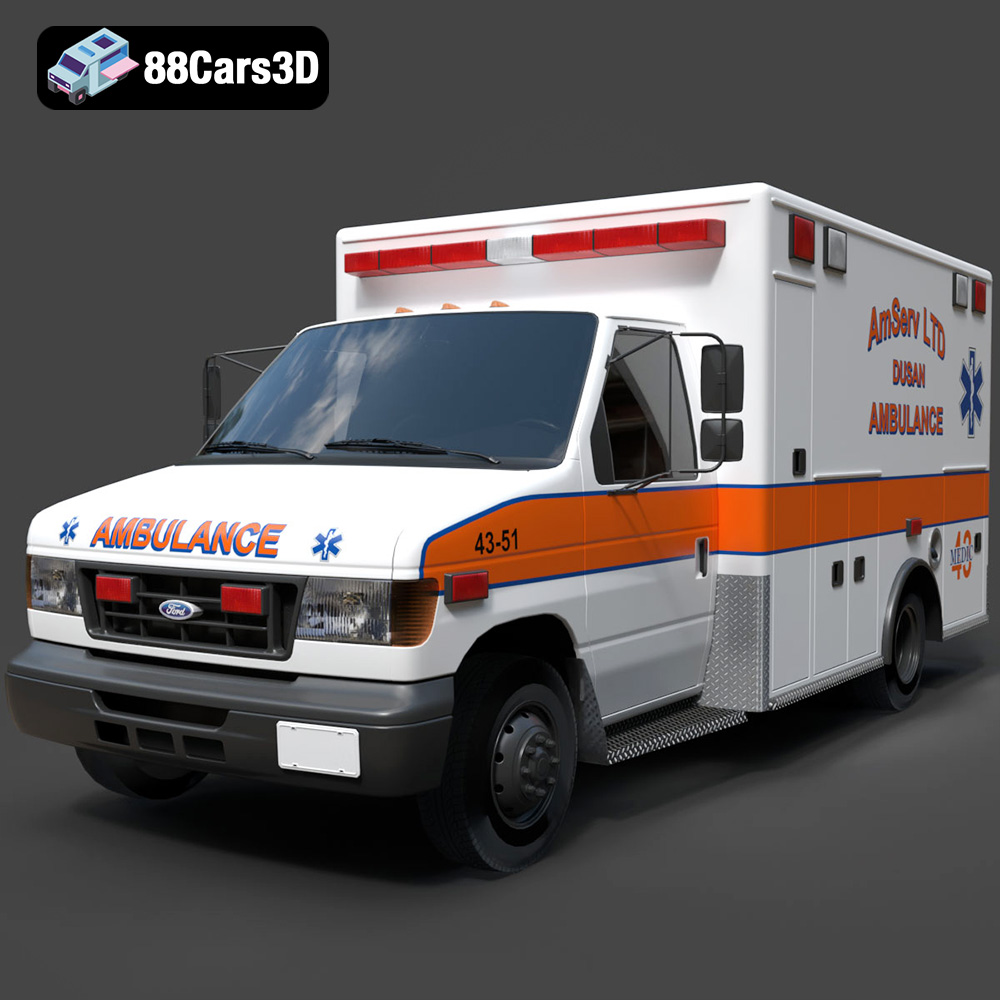
Texture: Yes
Material: Yes
Download the Ford Ambulance AmServ LTD Dusan-002 3D Model featuring a high-detail exterior and interior, realistic textures, and emergency lighting. Includes .blend, .fbx, .obj, .glb, .stl, .ply, .unreal, and .max formats for rendering, simulation, and game development.
Price: $19.99
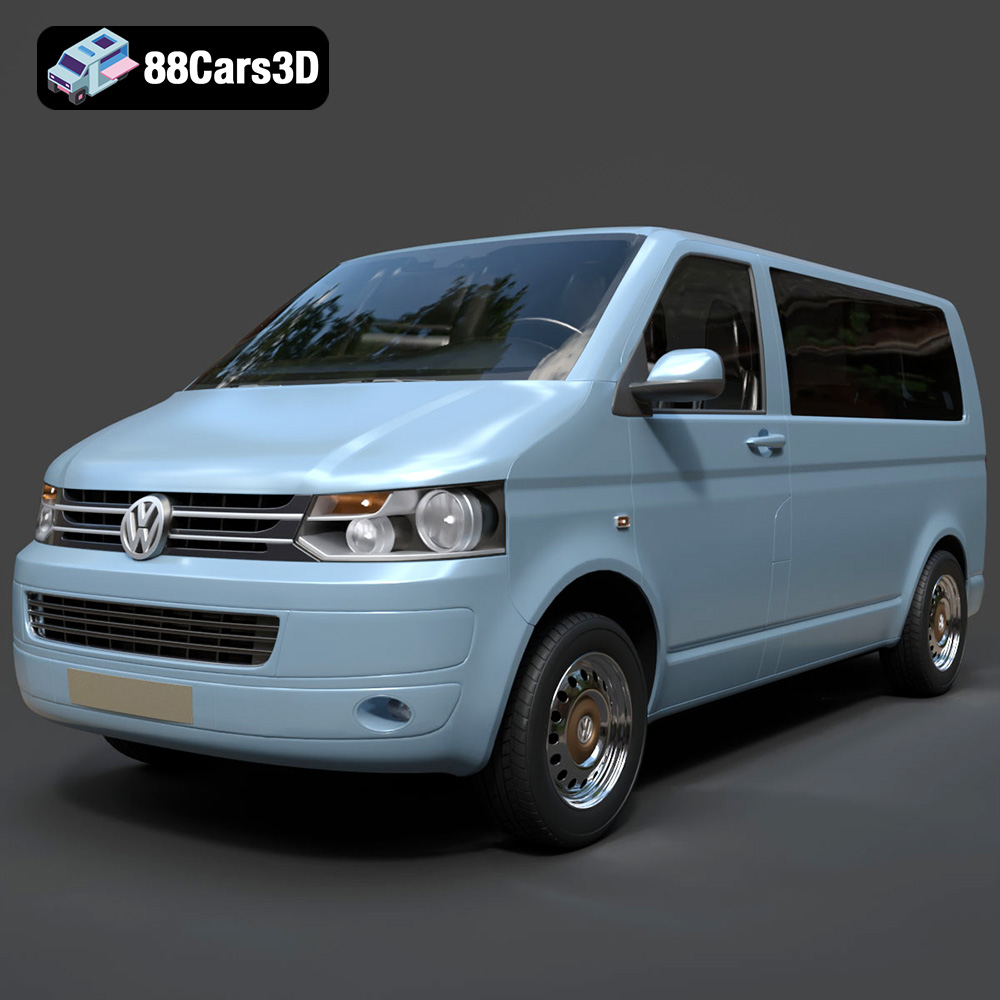
Texture: Yes
Material: Yes
Download the Volkswagen Transporter T5 FL 2010 3D Model featuring clean geometry, realistic detailing, and a fully modeled interior. Includes .blend, .fbx, .obj, .glb, .stl, .ply, .unreal, and .max formats for rendering, simulation, and game development.
Price: $22.99
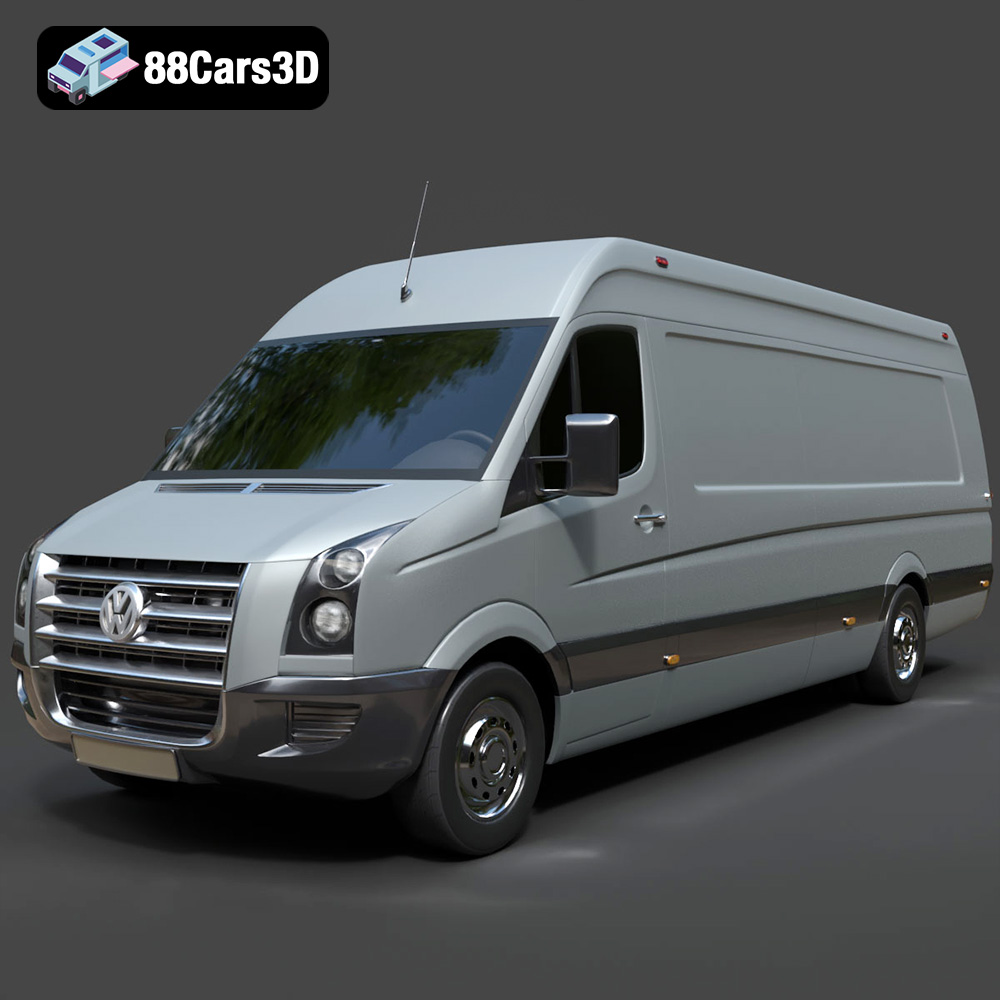
Texture: Yes
Material: Yes
Download the Volkswagen Crafter 2020 3D Model featuring clean geometry, realistic detailing, and a fully modeled interior. Includes .blend, .fbx, .obj, .glb, .stl, .ply, .unreal, and .max formats for rendering, simulation, and game development.
Price: $22.99
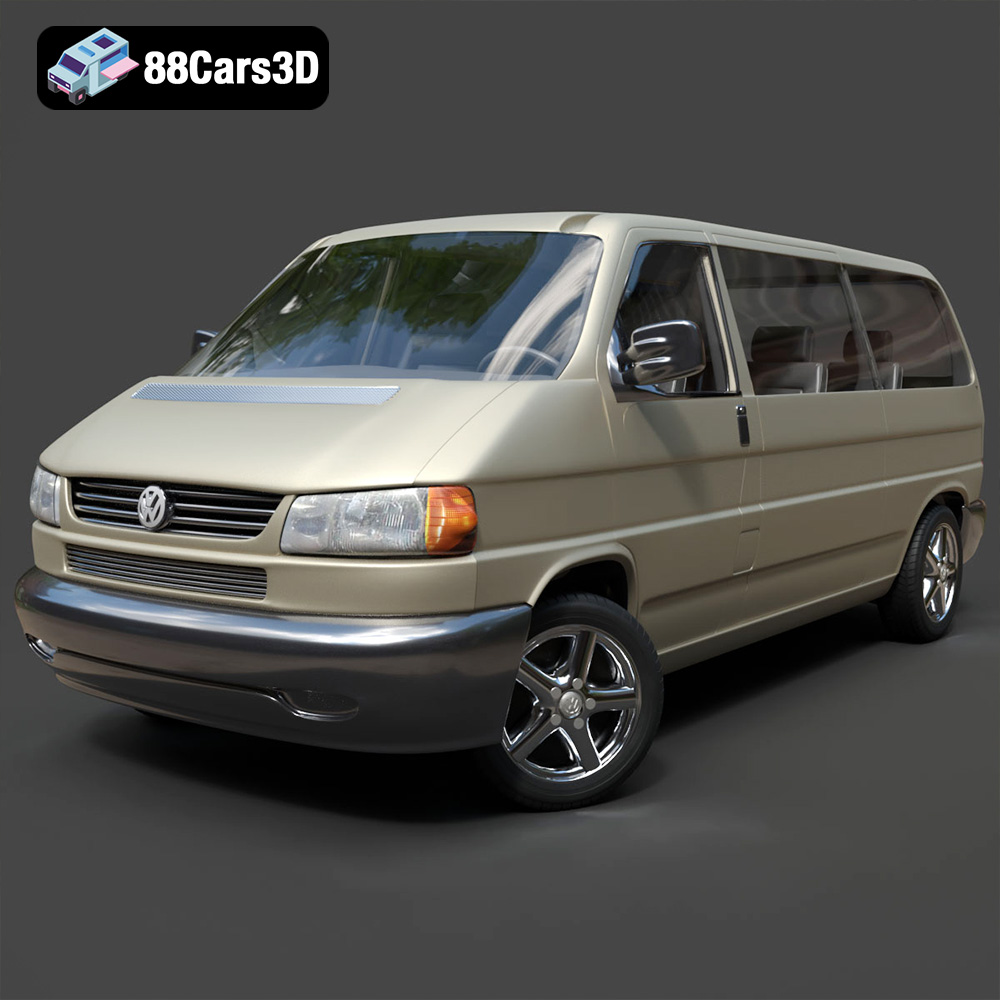
Texture: Yes
Material: Yes
Download the Volkswagen Caravelle 3D Model featuring a detailed exterior, functional interior, and optimized topology. Includes .blend, .fbx, .obj, .glb, .stl, .ply, .unreal, and .max formats for rendering, simulation, and game development.
Price: $23.99
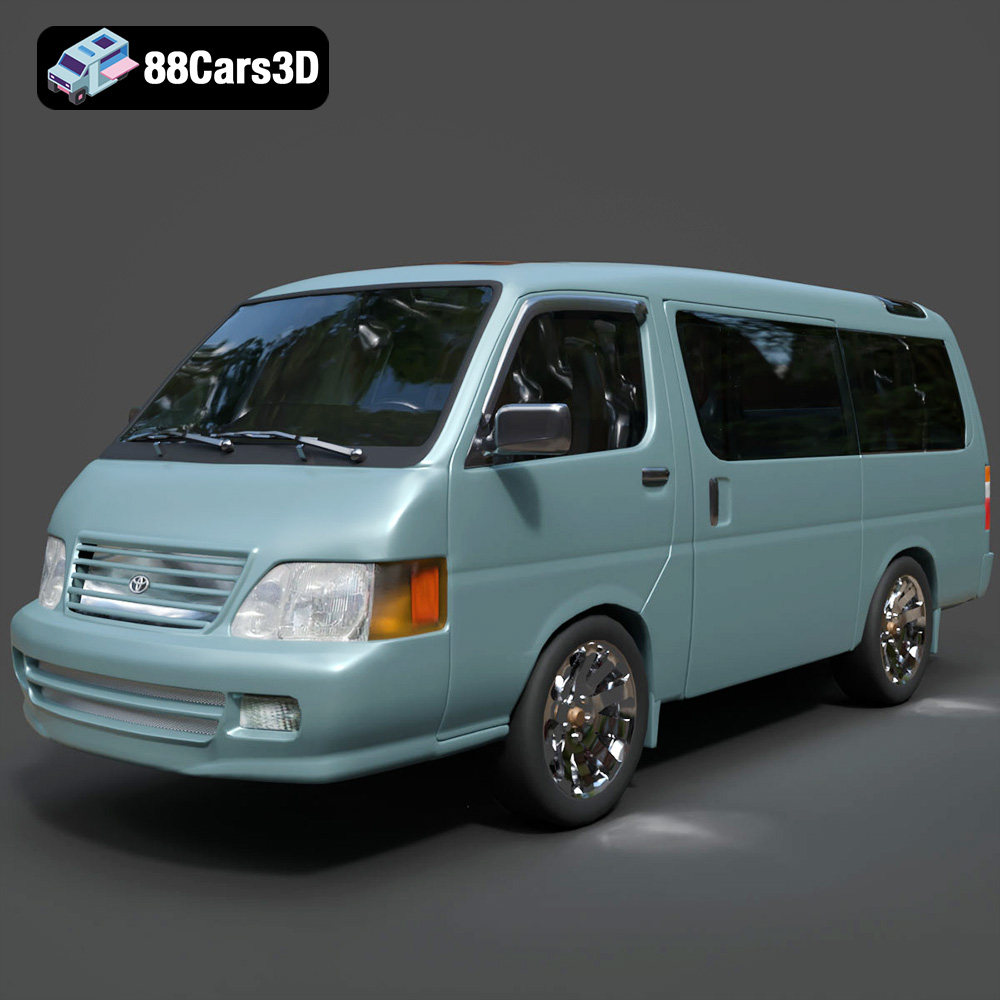
Texture: Yes
Material: Yes
Download the Toyota Hiace 3D Model featuring versatile design and detailed exterior. Includes .blend, .fbx, .obj, .glb, .stl, .ply, .unreal, and .max formats for rendering, simulation, and game development.
Price: $21.99
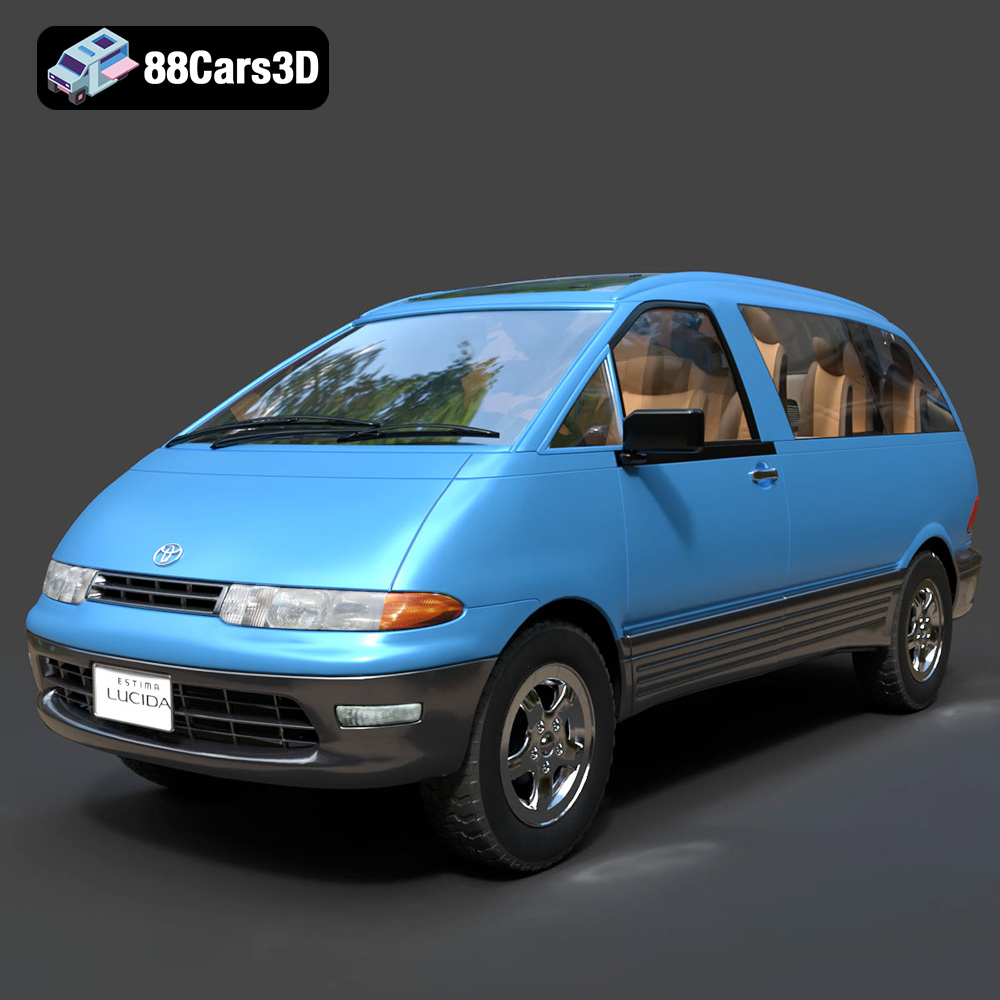
Texture: Yes
Material: Yes
Download the Toyota Estima Lucida 3D Model featuring its iconic compact MPV design, versatile interior, and accurate exterior details. Includes .blend, .fbx, .obj, .glb, .stl, .ply, .unreal, and .max formats for rendering, simulation, and game development.
Price: $24.99

Texture: Yes
Material: Yes
Download the Toyota Alphard 3D Model featuring a detailed luxury minivan design with an accurate exterior and interior. Includes .blend, .fbx, .obj, .glb, .stl, .ply, .unreal, and .max formats for rendering, simulation, and game development.
Price: $21.99
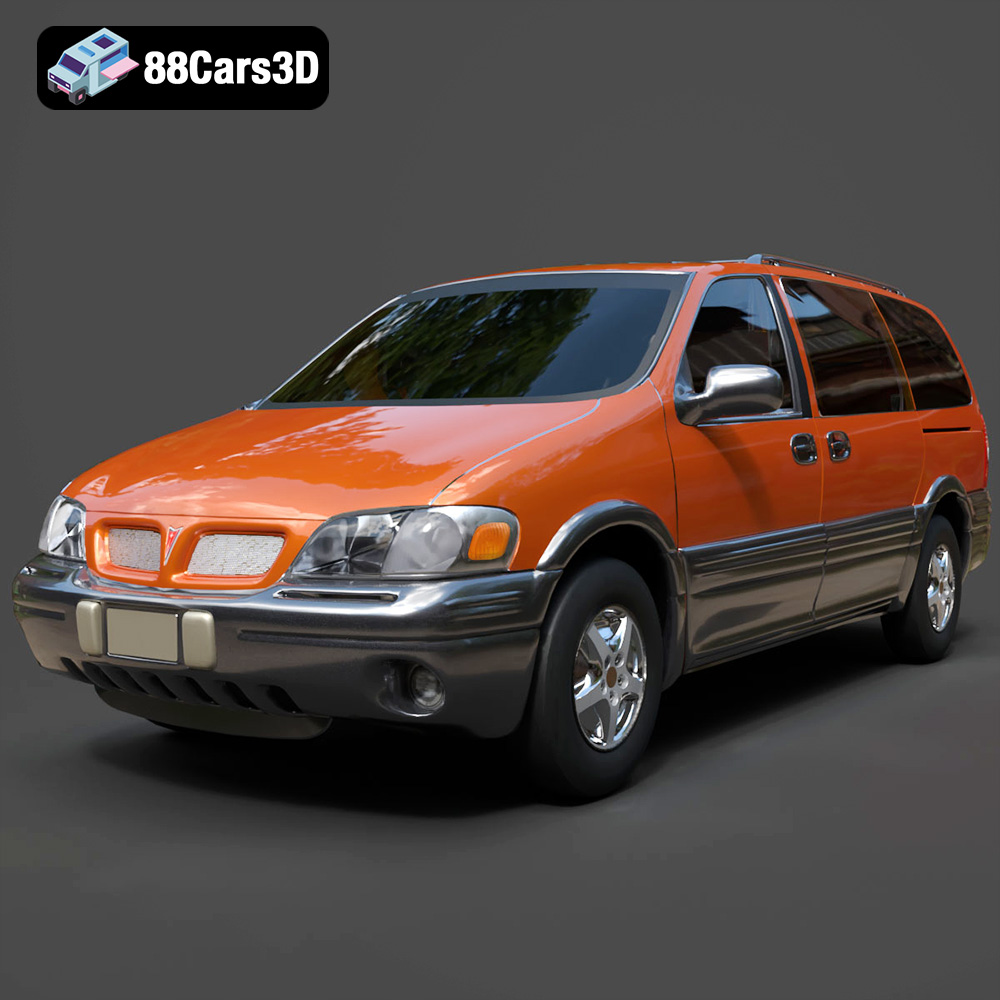
Texture: Yes
Material: Yes
Download the Pontiac Montana 1998 3D Model featuring a detailed exterior, functional interior, and optimized mesh. Includes .blend, .fbx, .obj, .glb, .stl, .ply, .unreal, and .max formats for rendering, simulation, and game development.
Price: $21.99
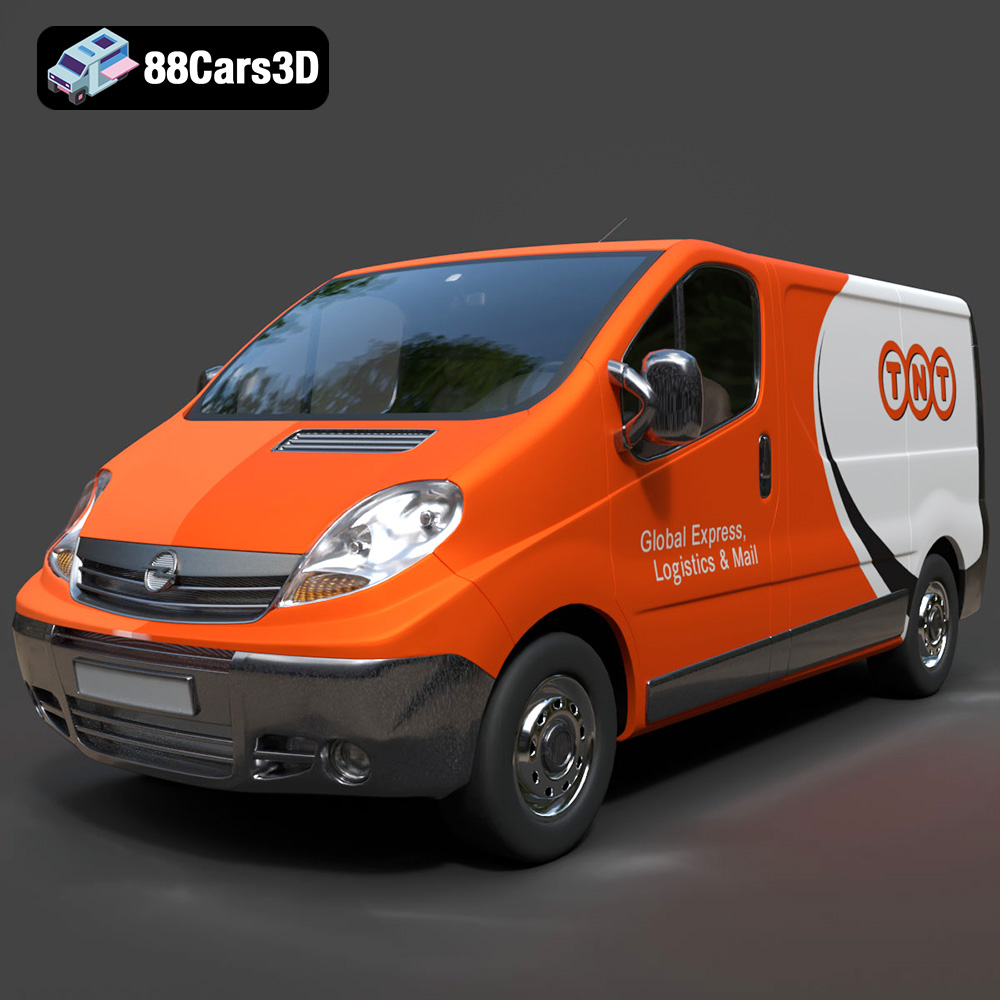
Texture: Yes
Material: Yes
Download the Opel Vivaro 3D Model featuring a versatile commercial van design with balanced detailing. Includes .blend, .fbx, .obj, .glb, .stl, .ply, .unreal, and .max formats for rendering, simulation, and game development.
Price: $21.99
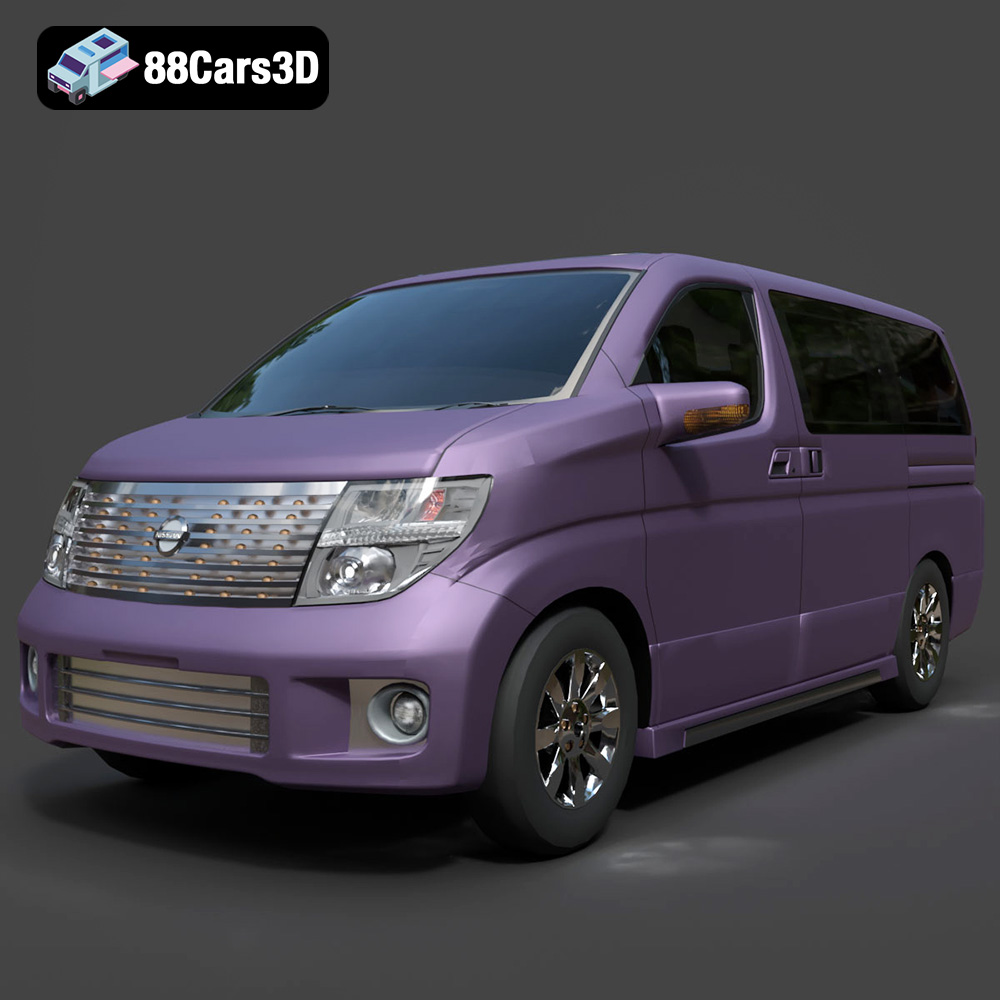
Texture: Yes
Material: Yes
Download the Nissan Elgrand 3D Model featuring a versatile minivan design. Includes .blend, .fbx, .obj, .glb, .stl, .ply, .unreal, and .max formats for rendering, simulation, and game development.
Price: $21.99

