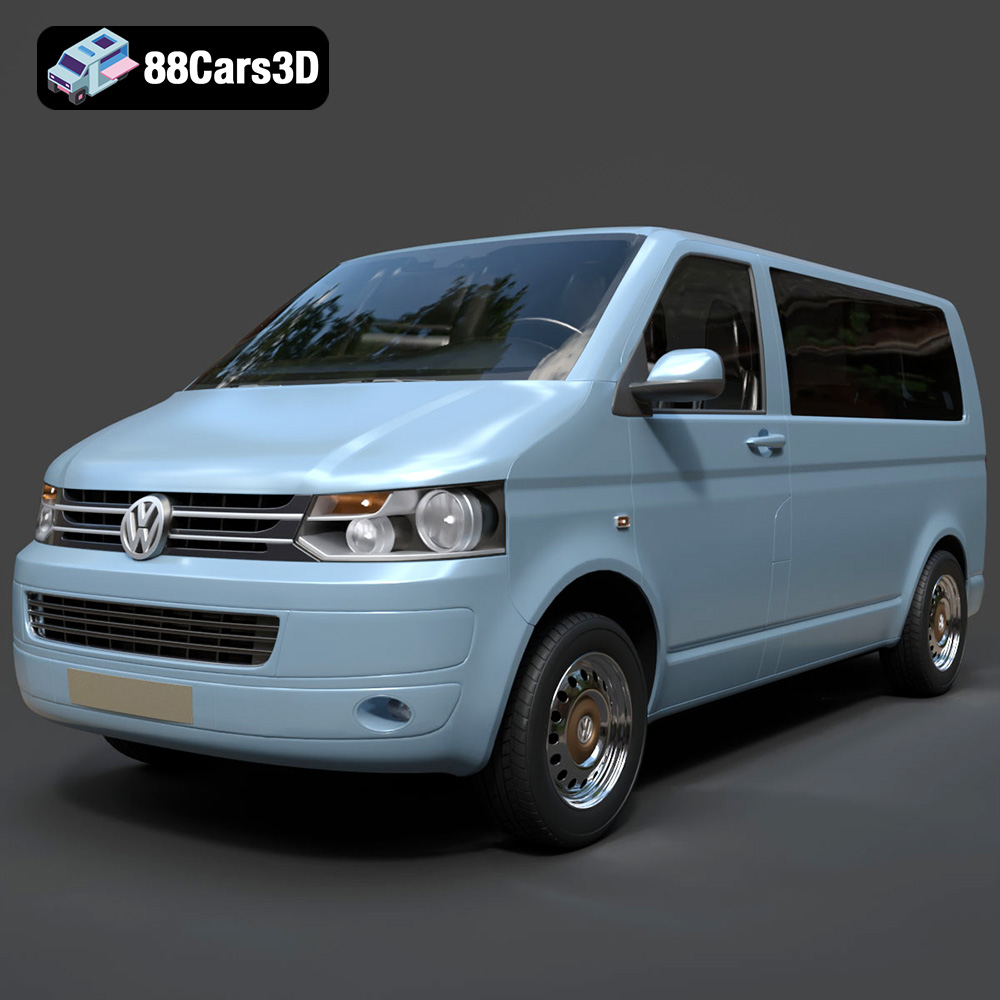
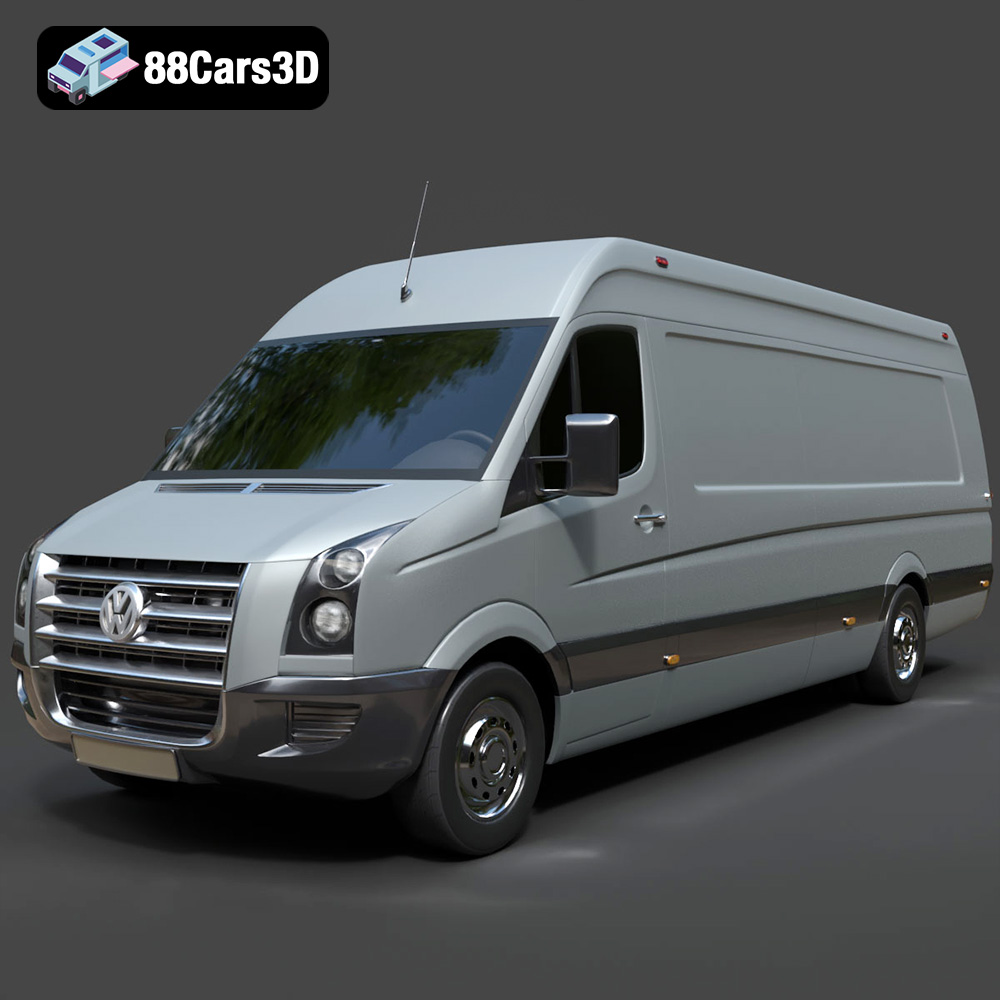
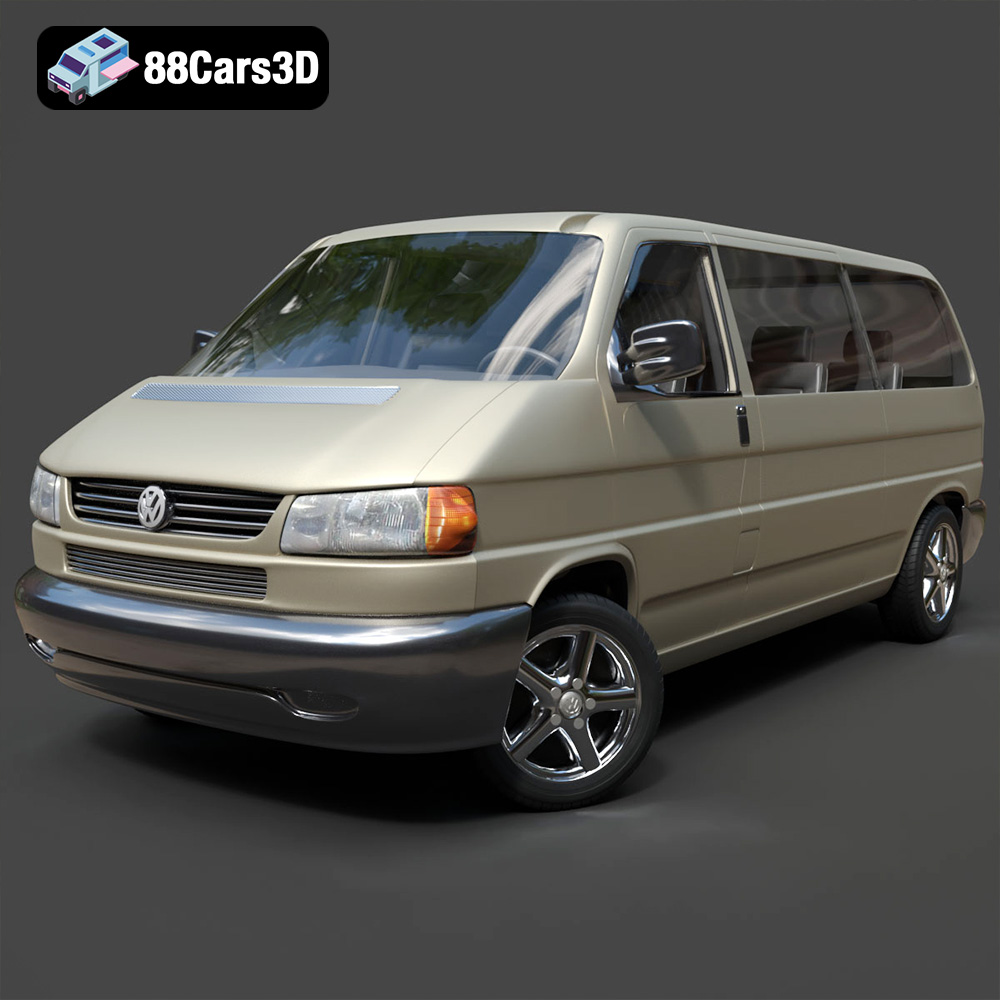
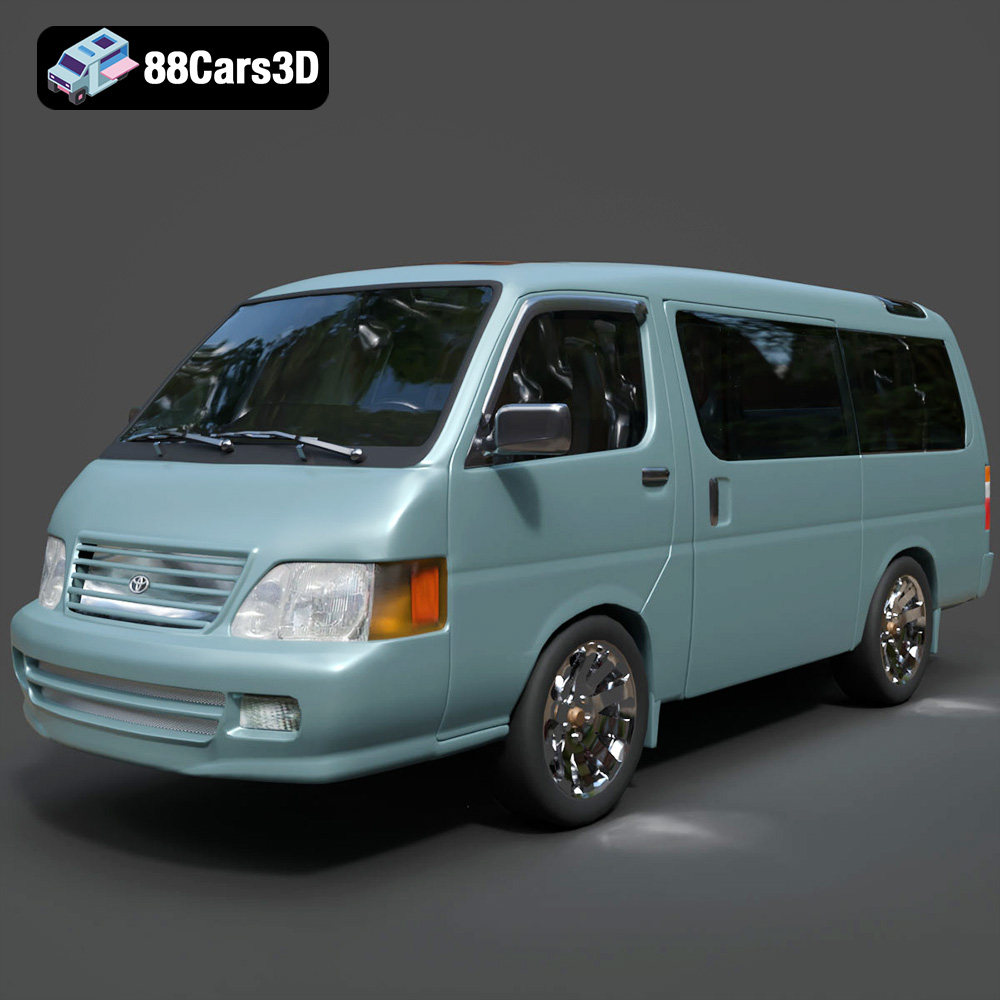
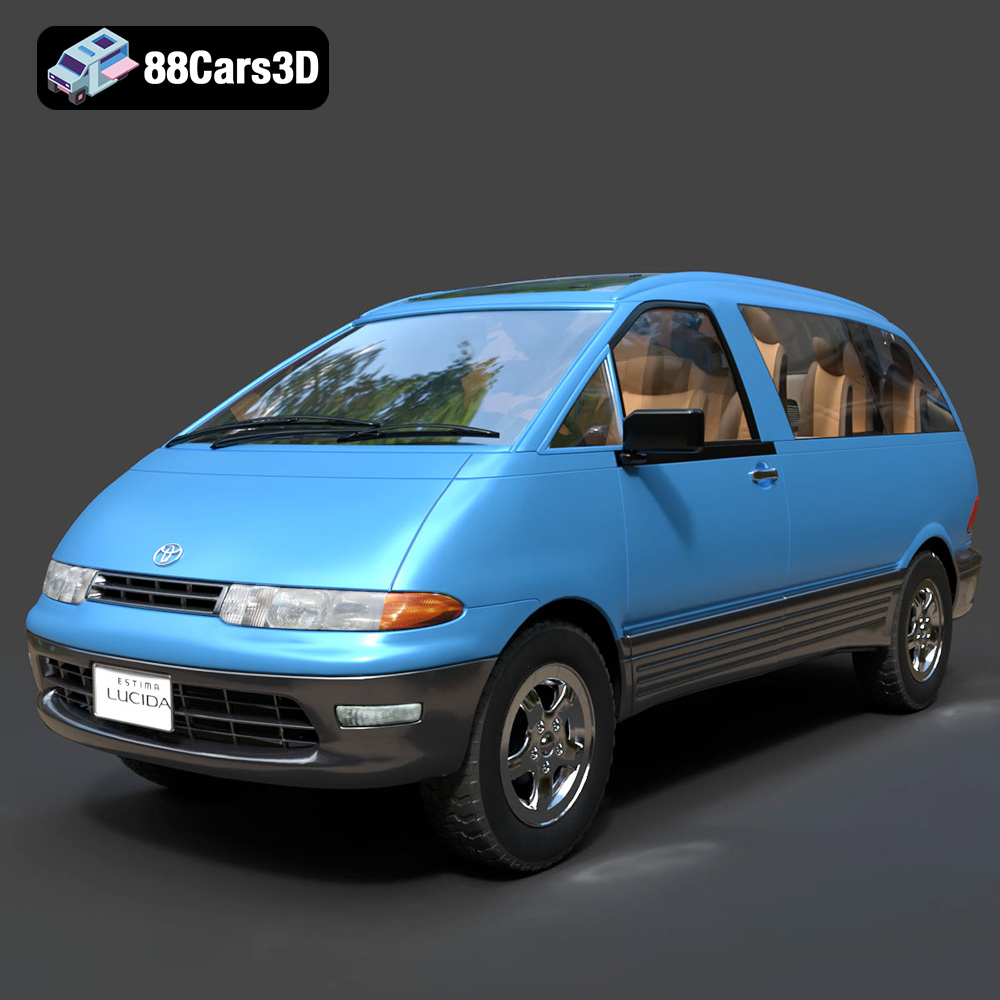
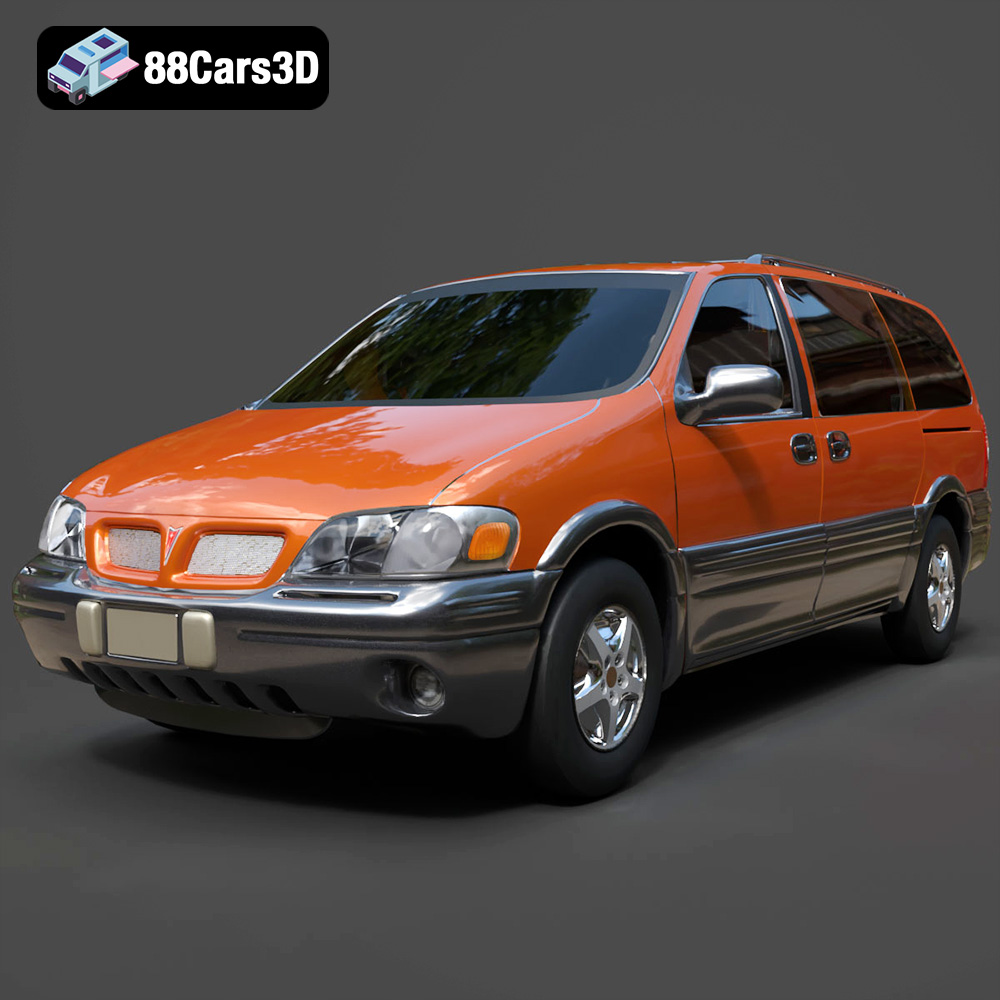
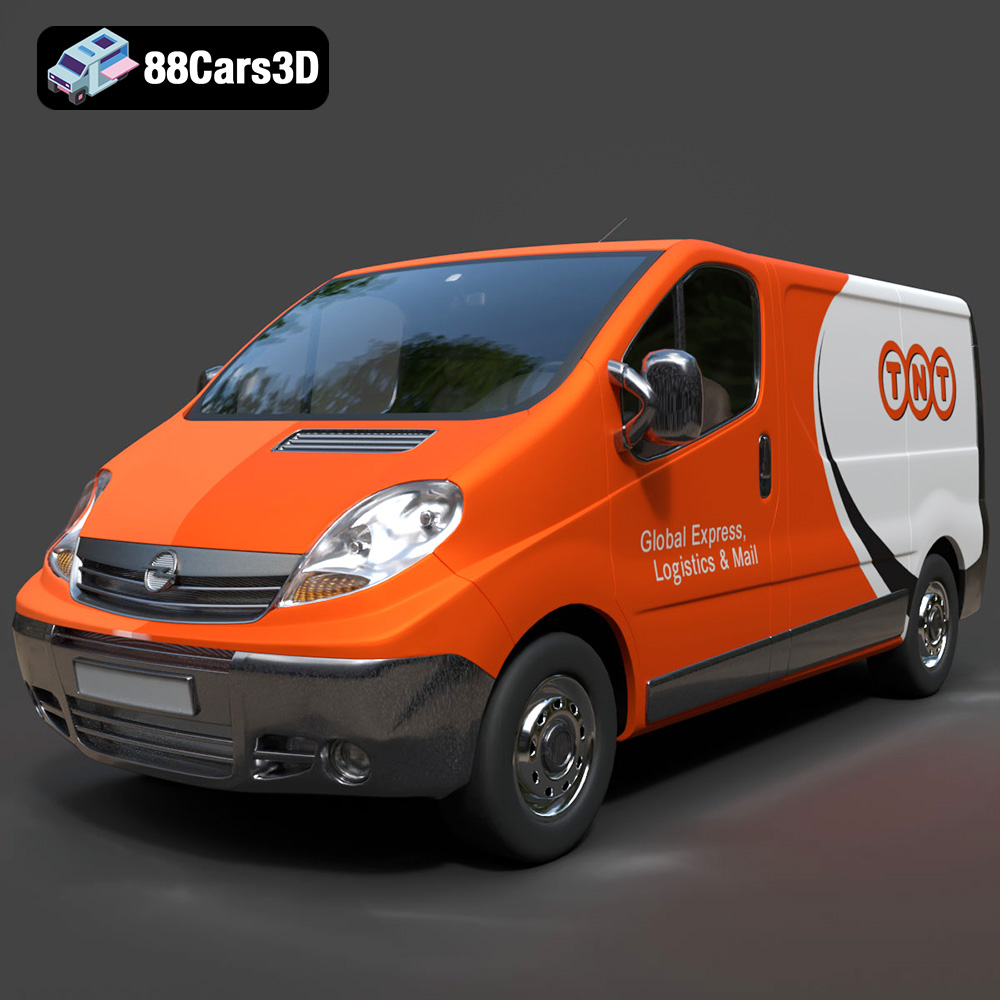
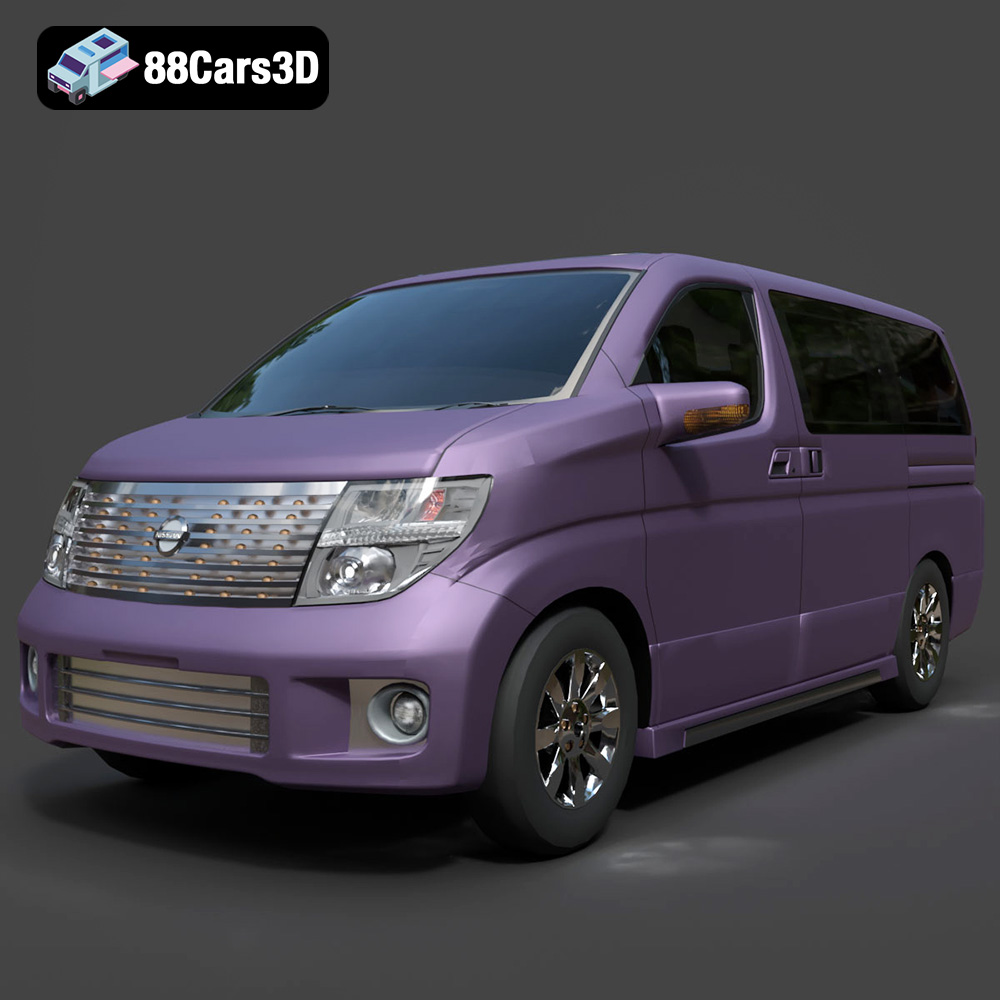
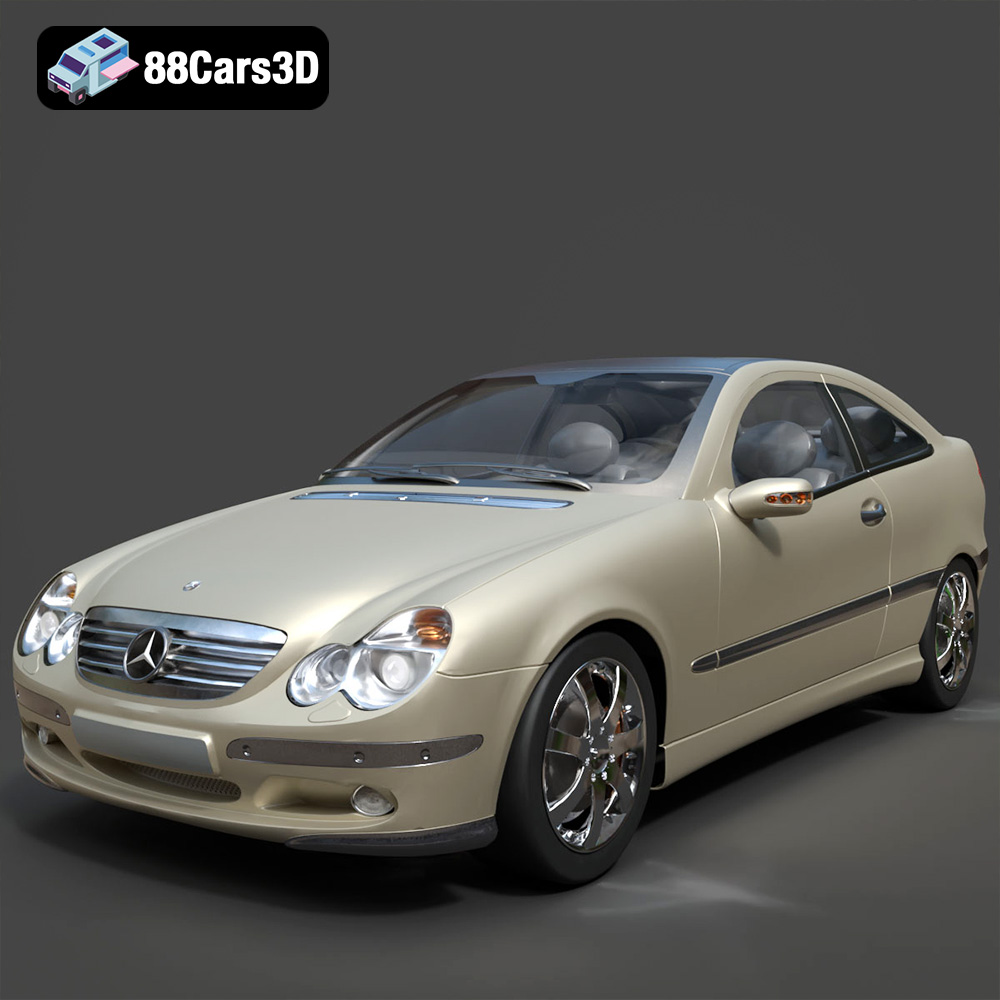
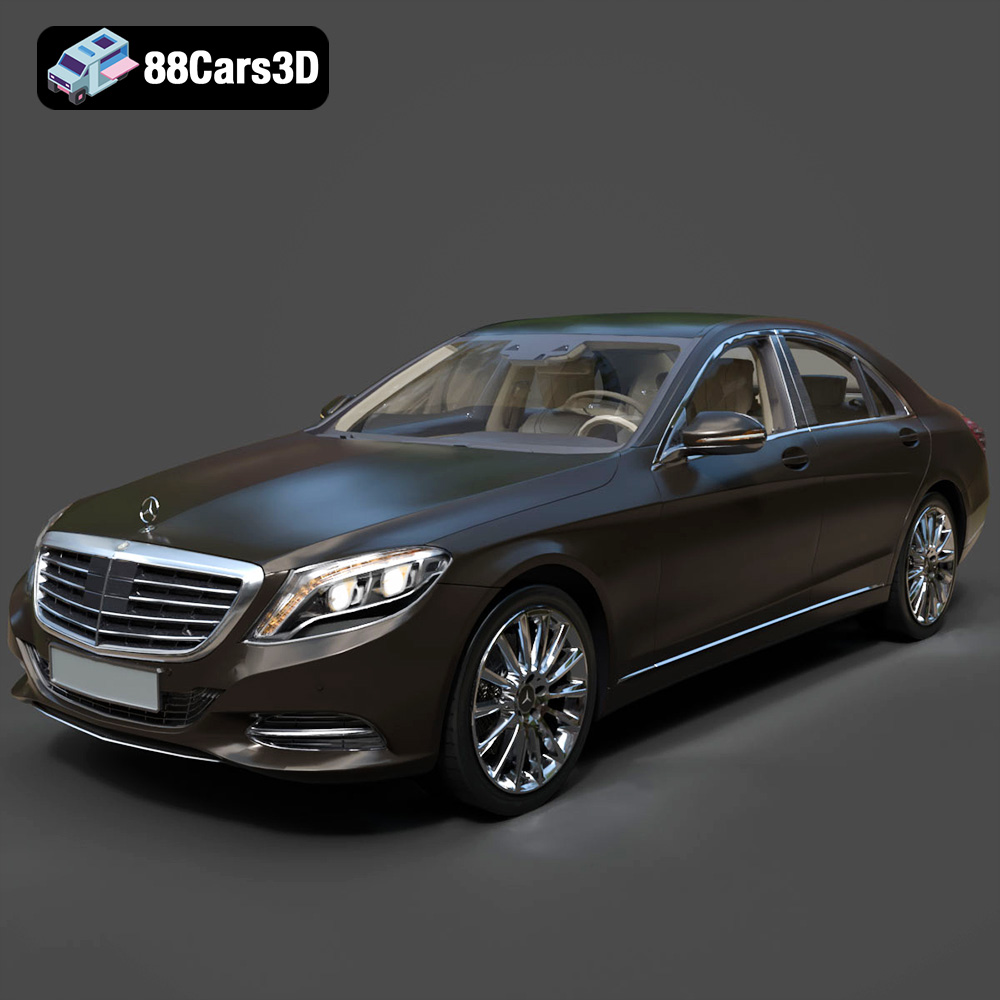
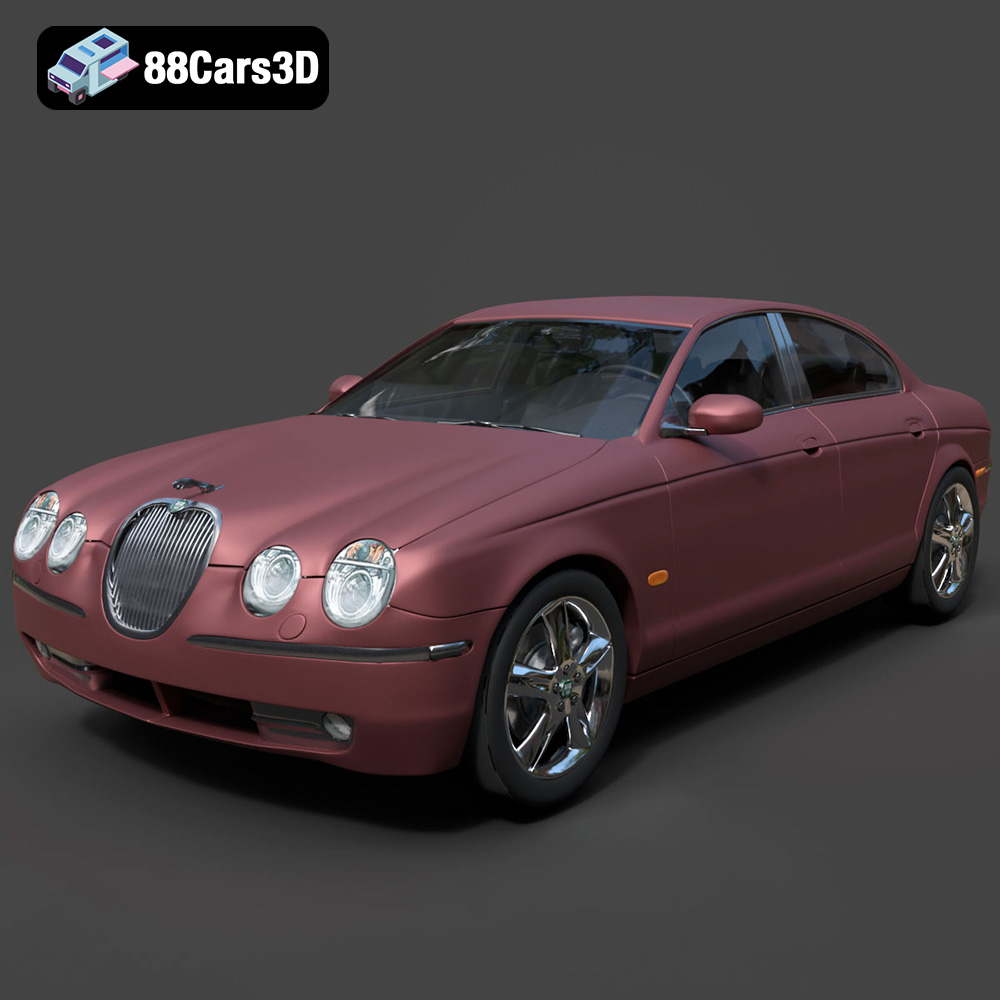
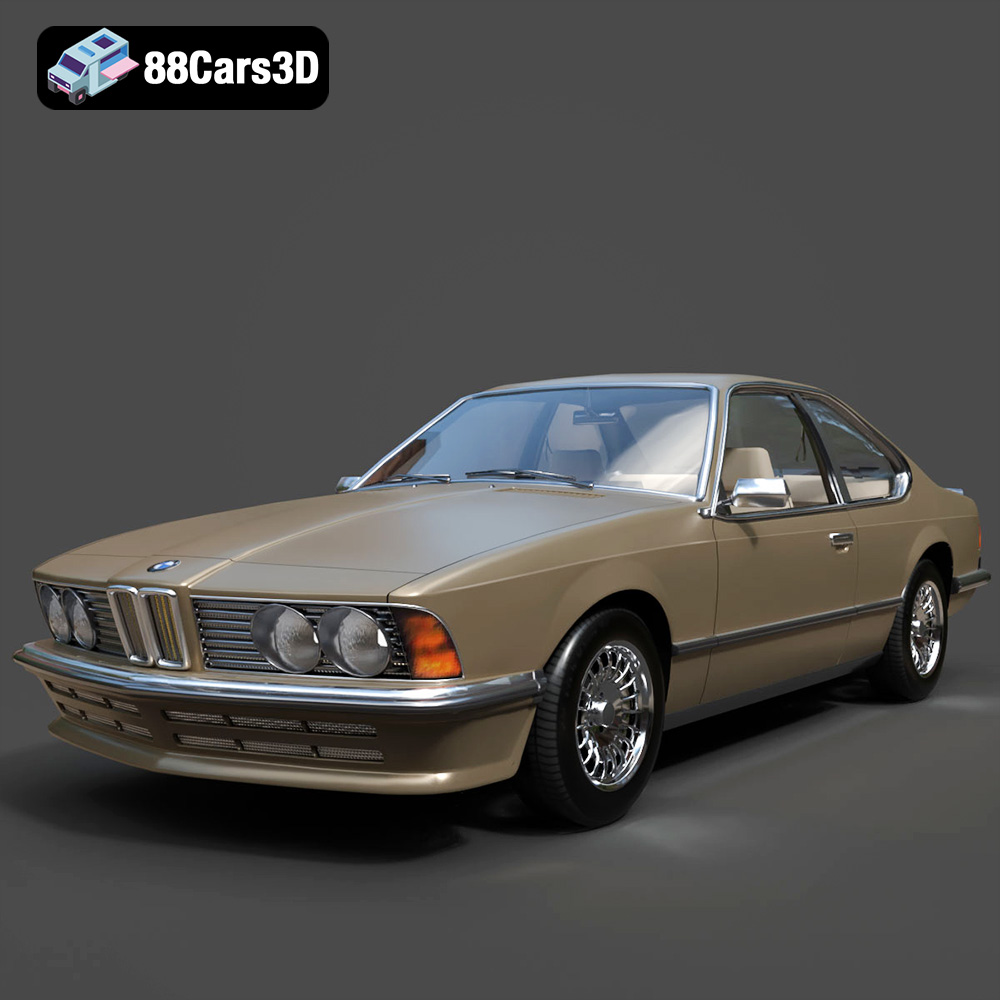
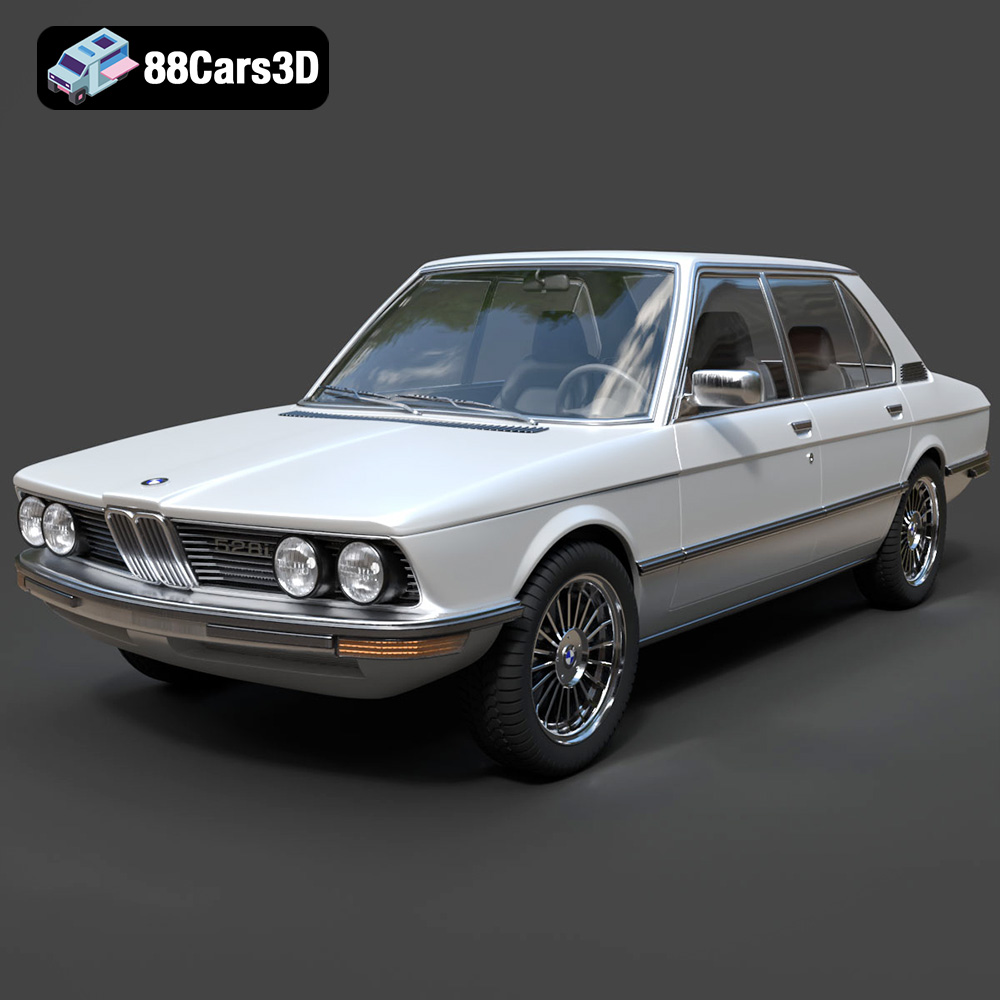
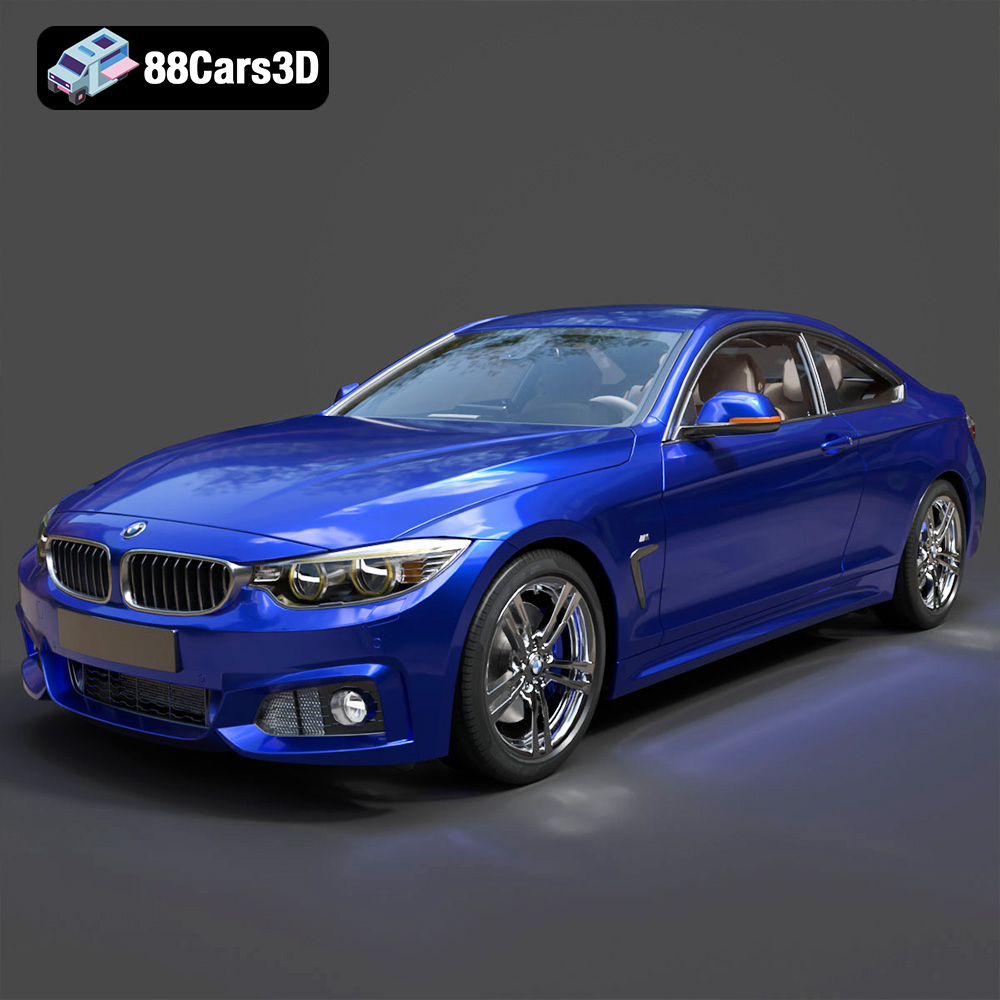
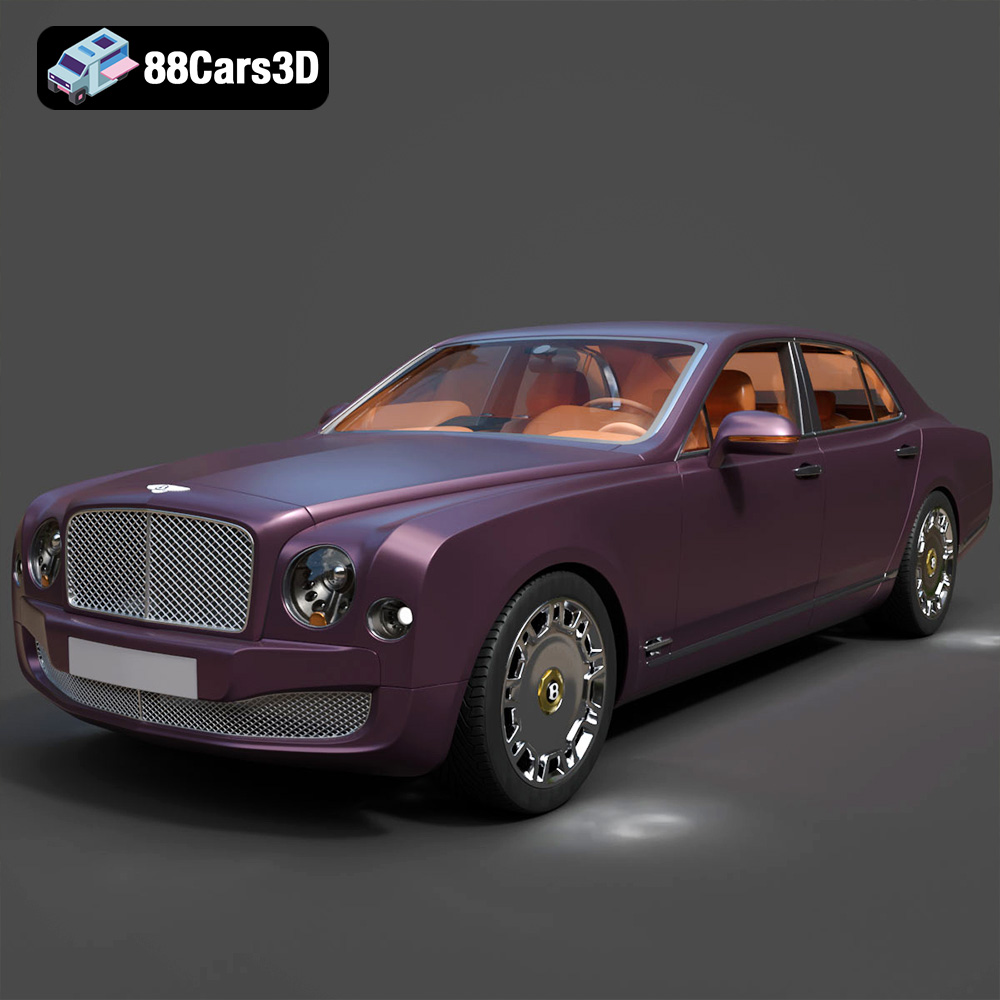
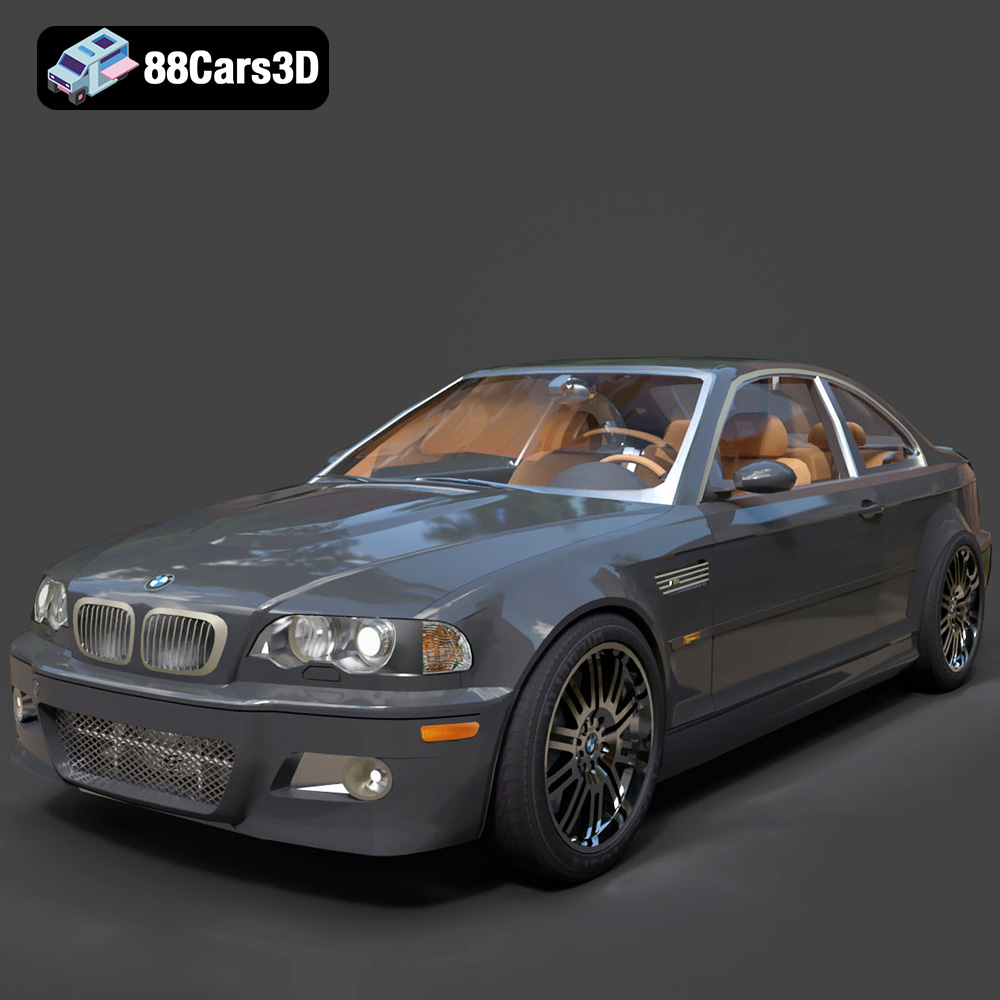
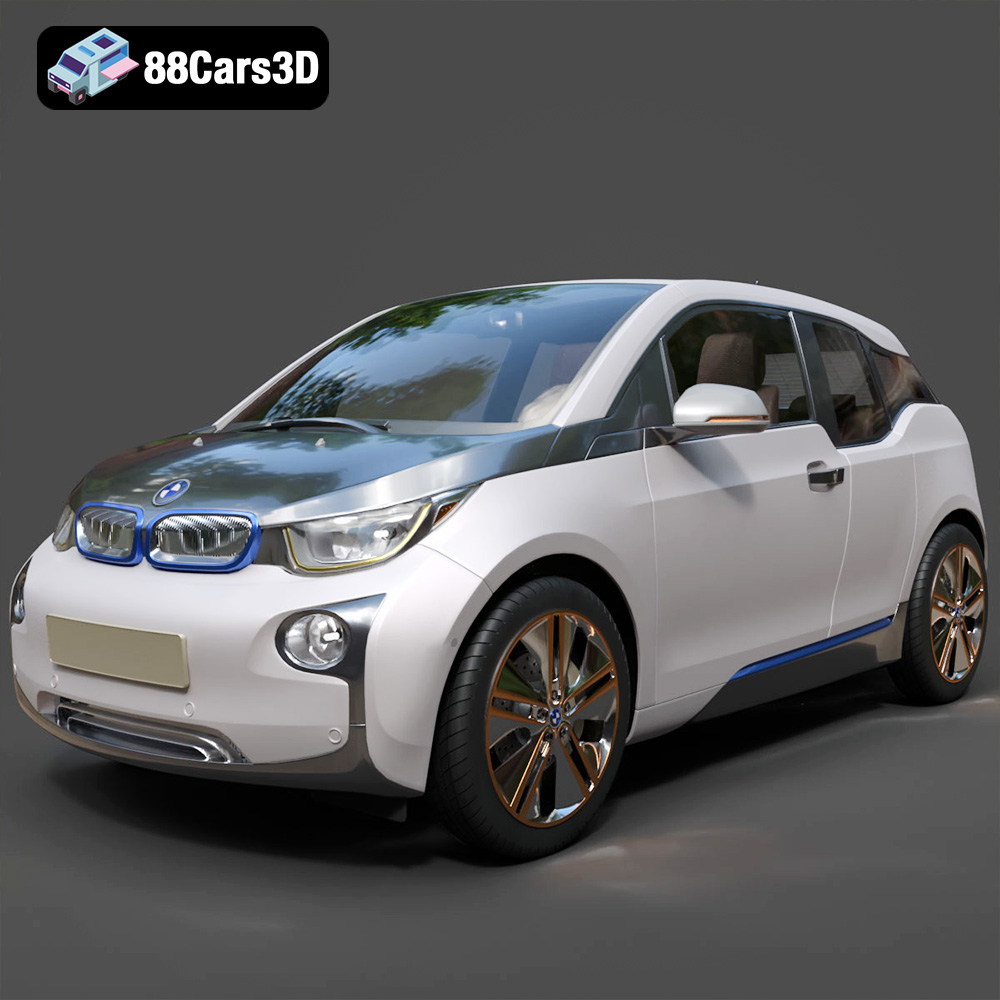
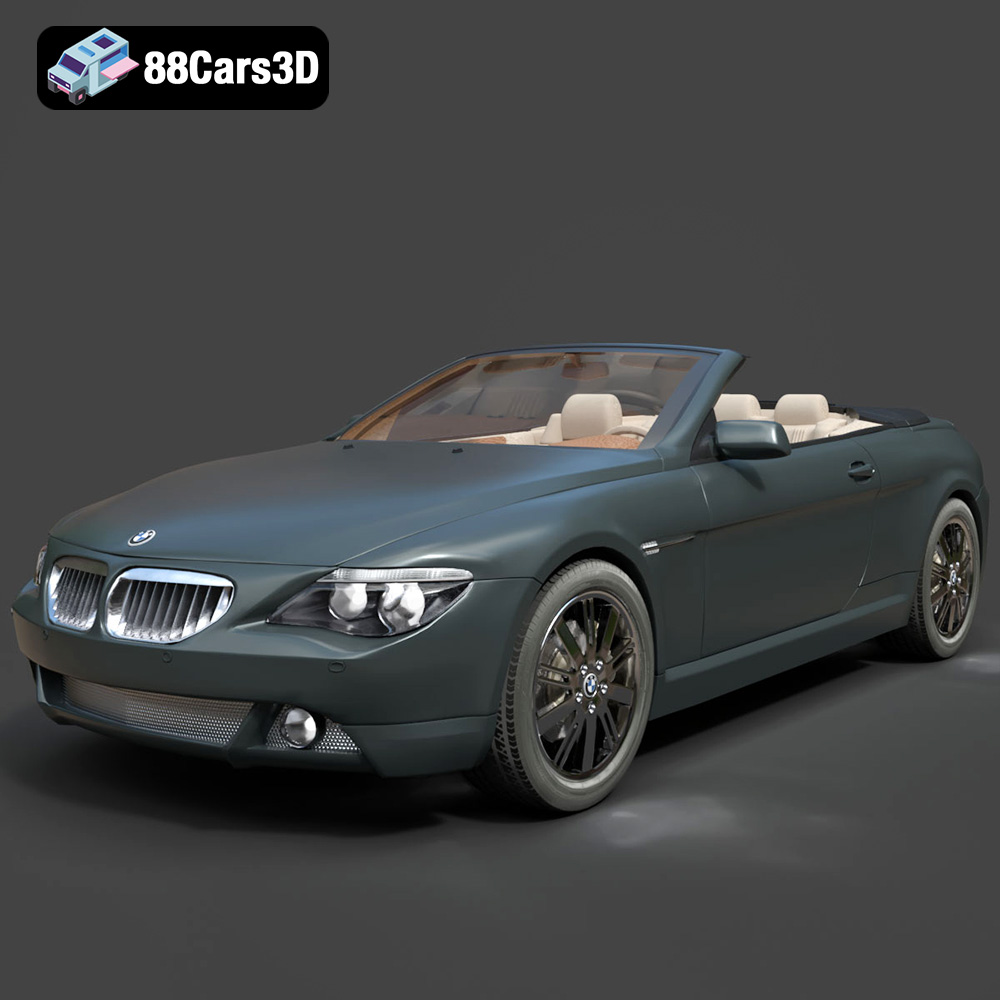
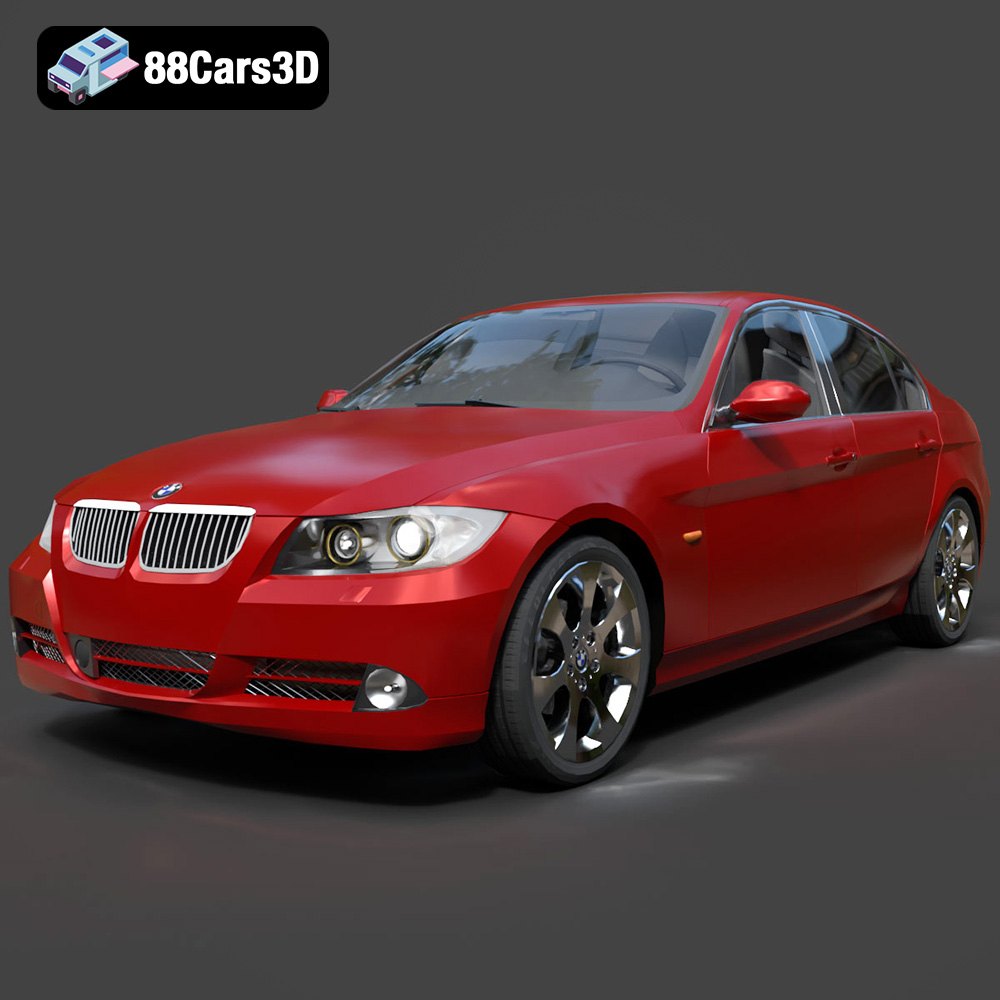
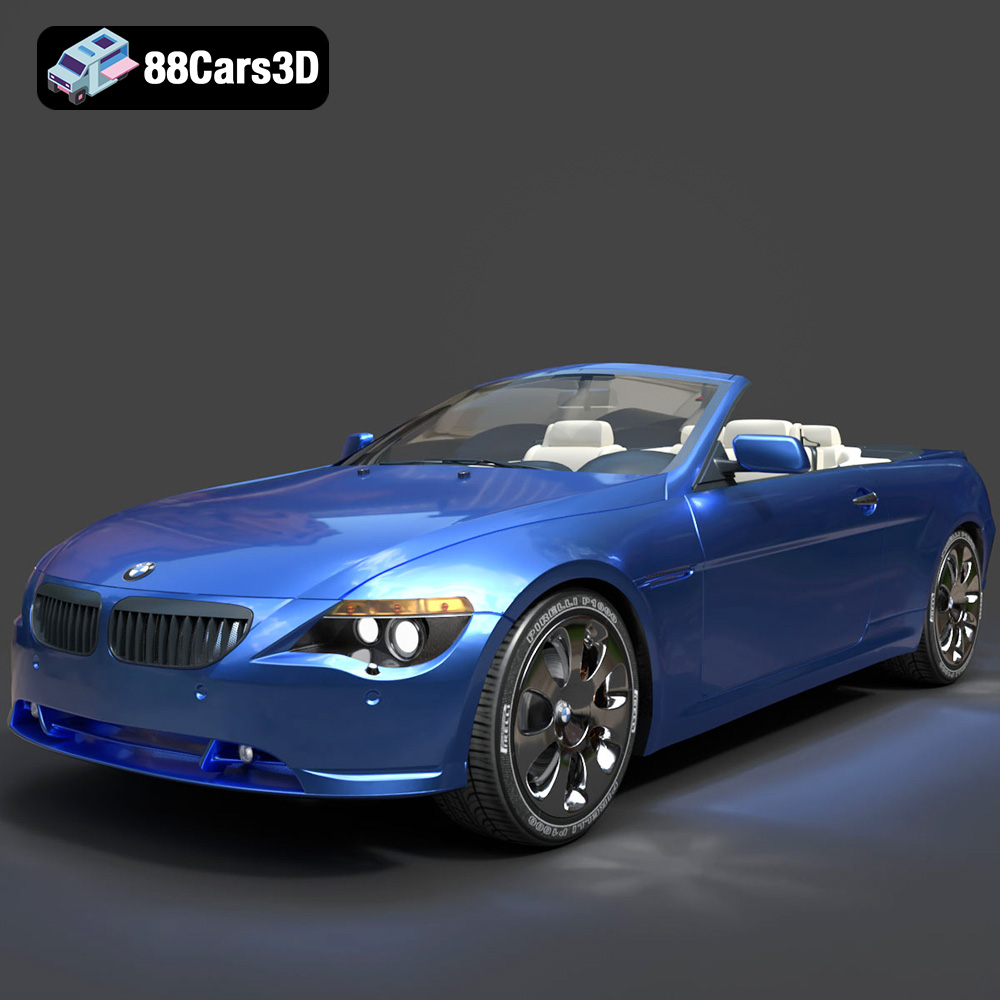
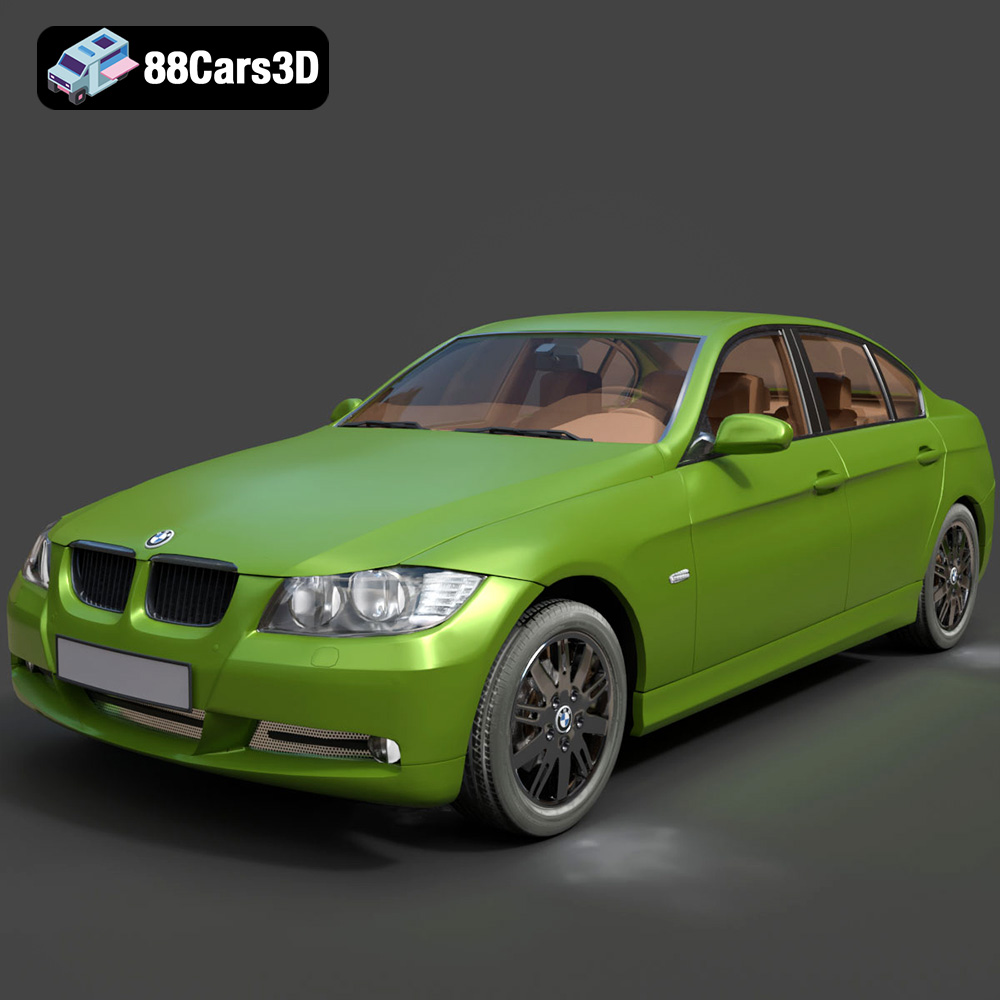
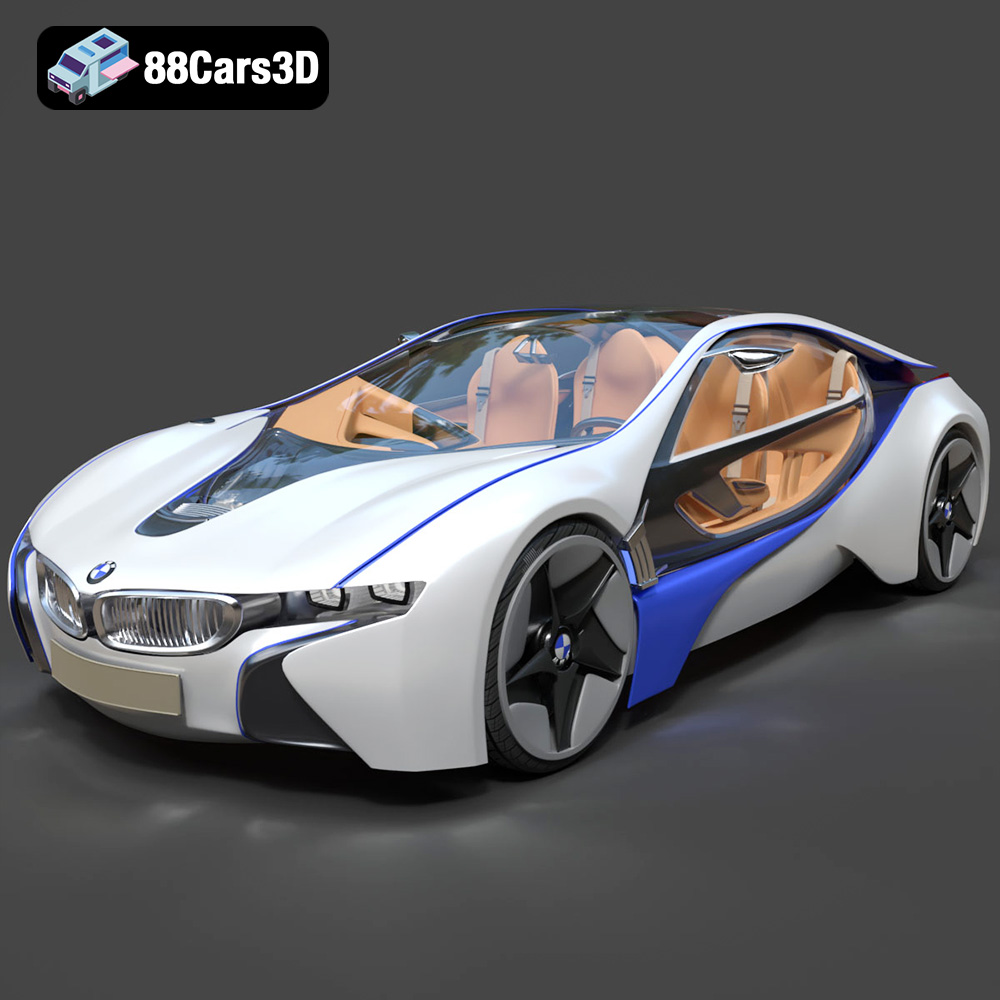
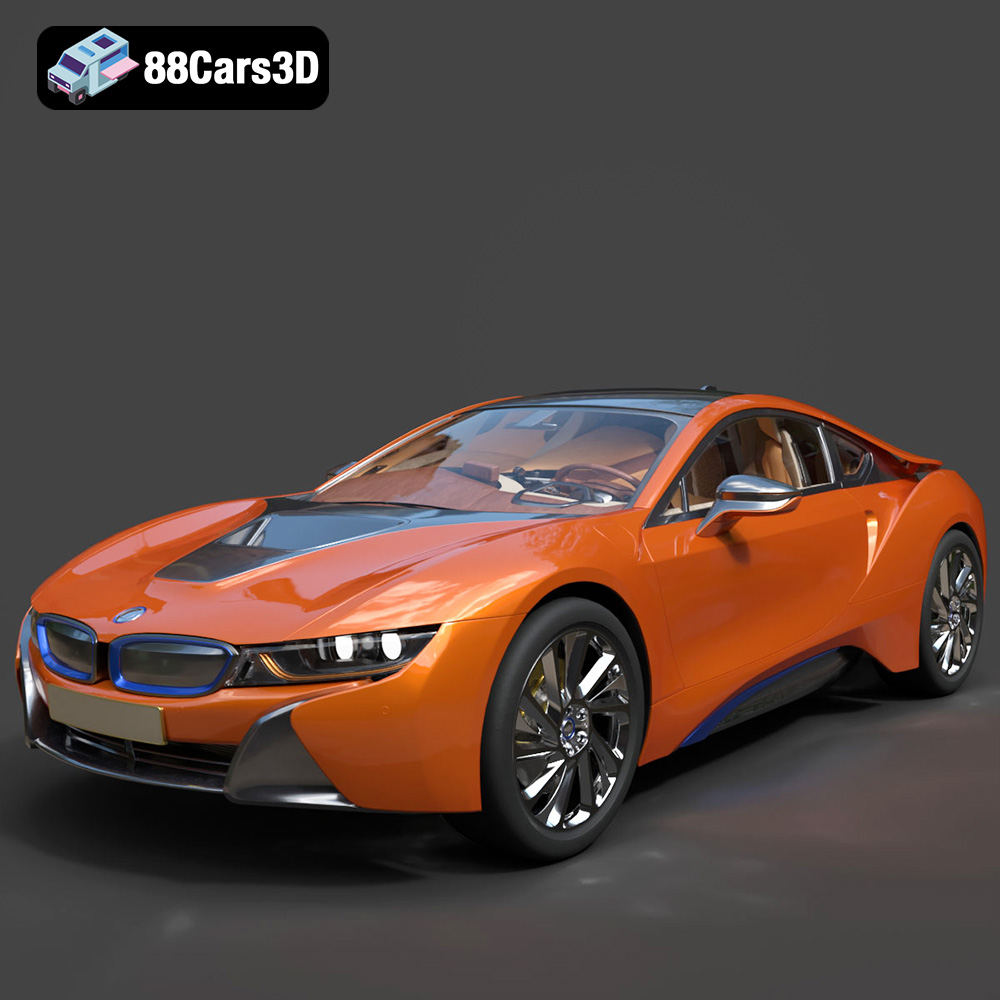
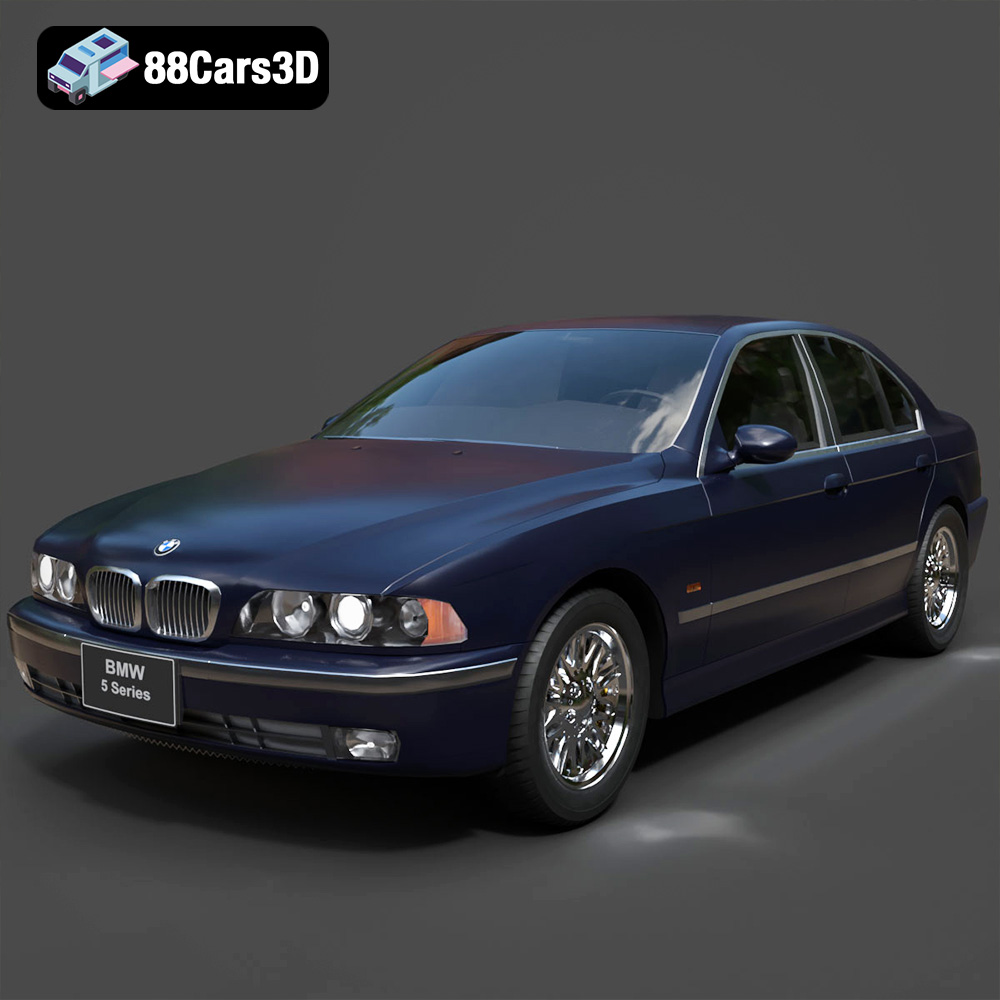
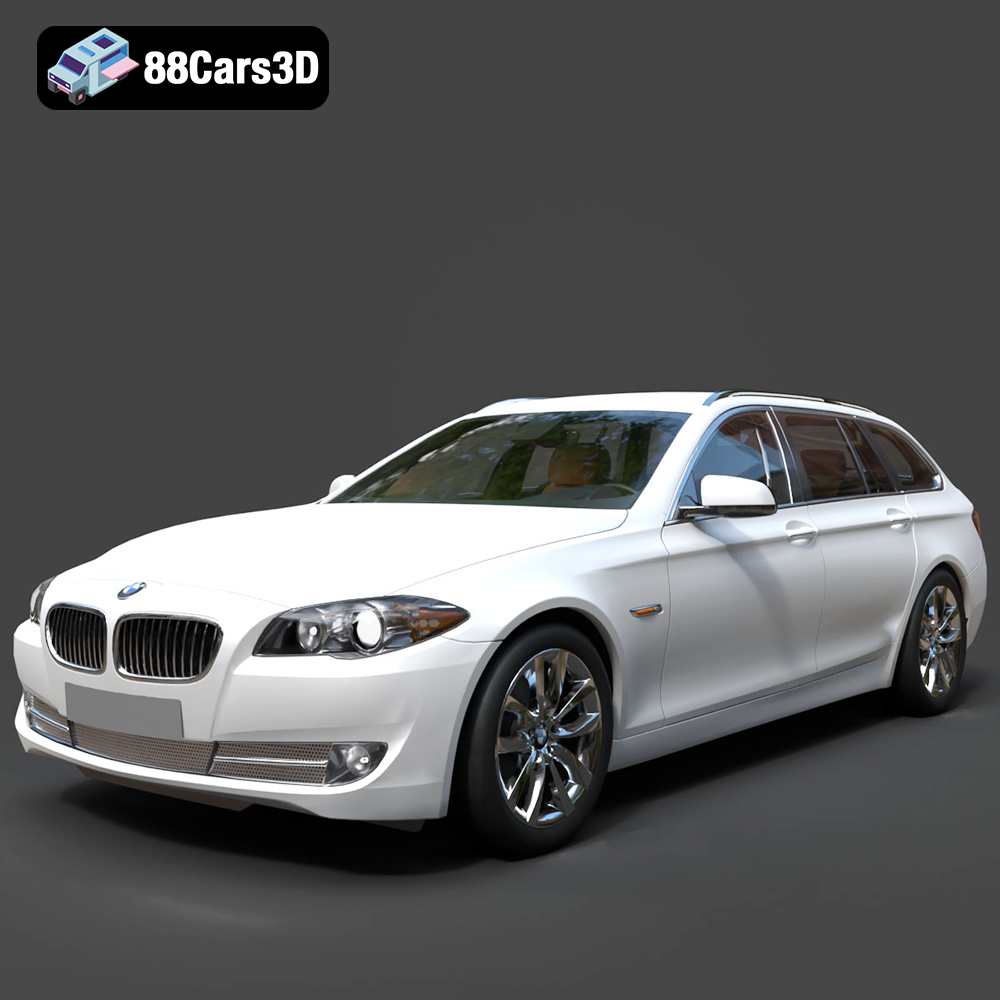
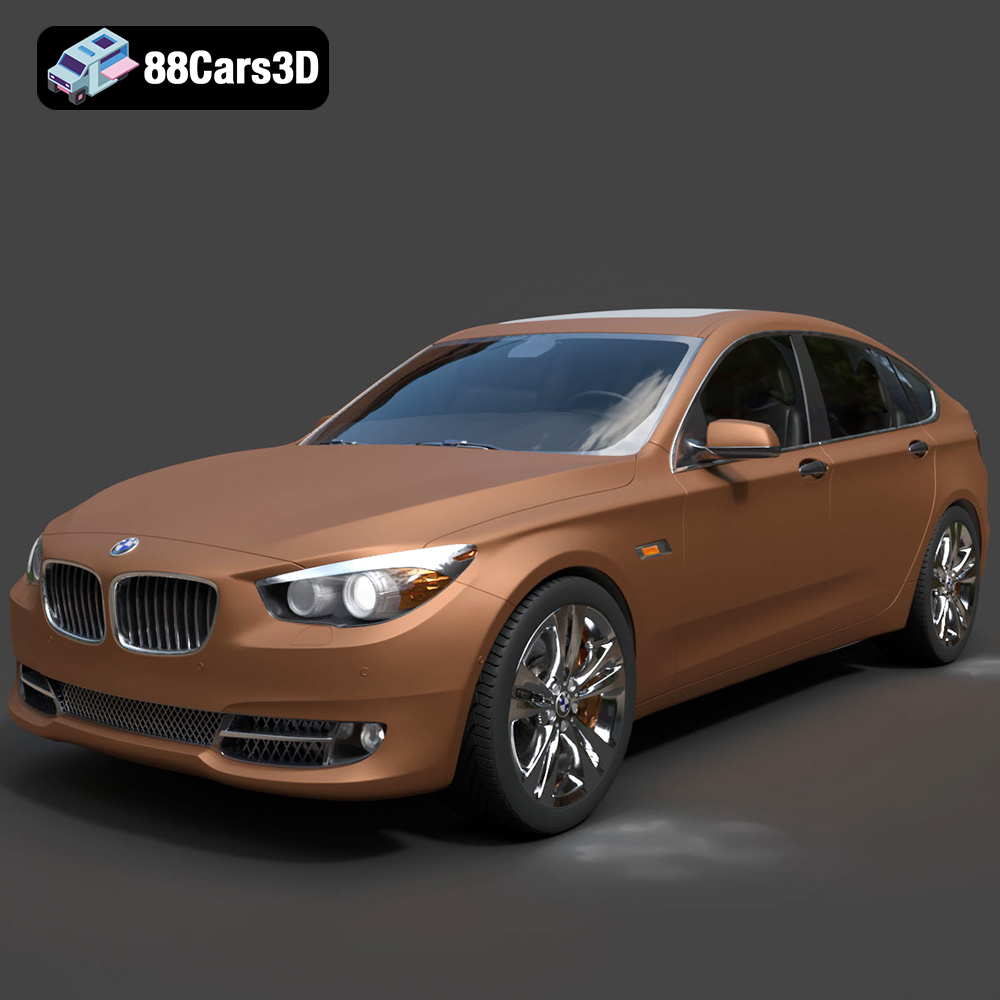
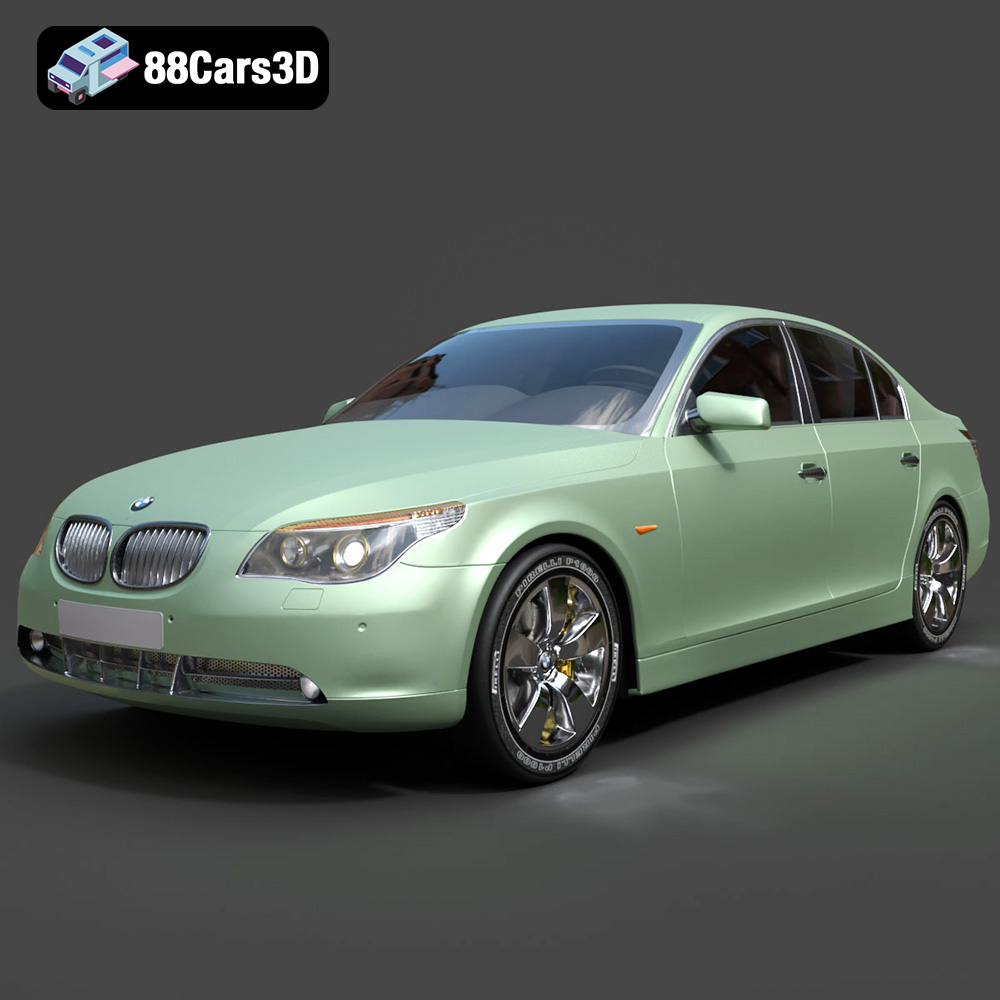
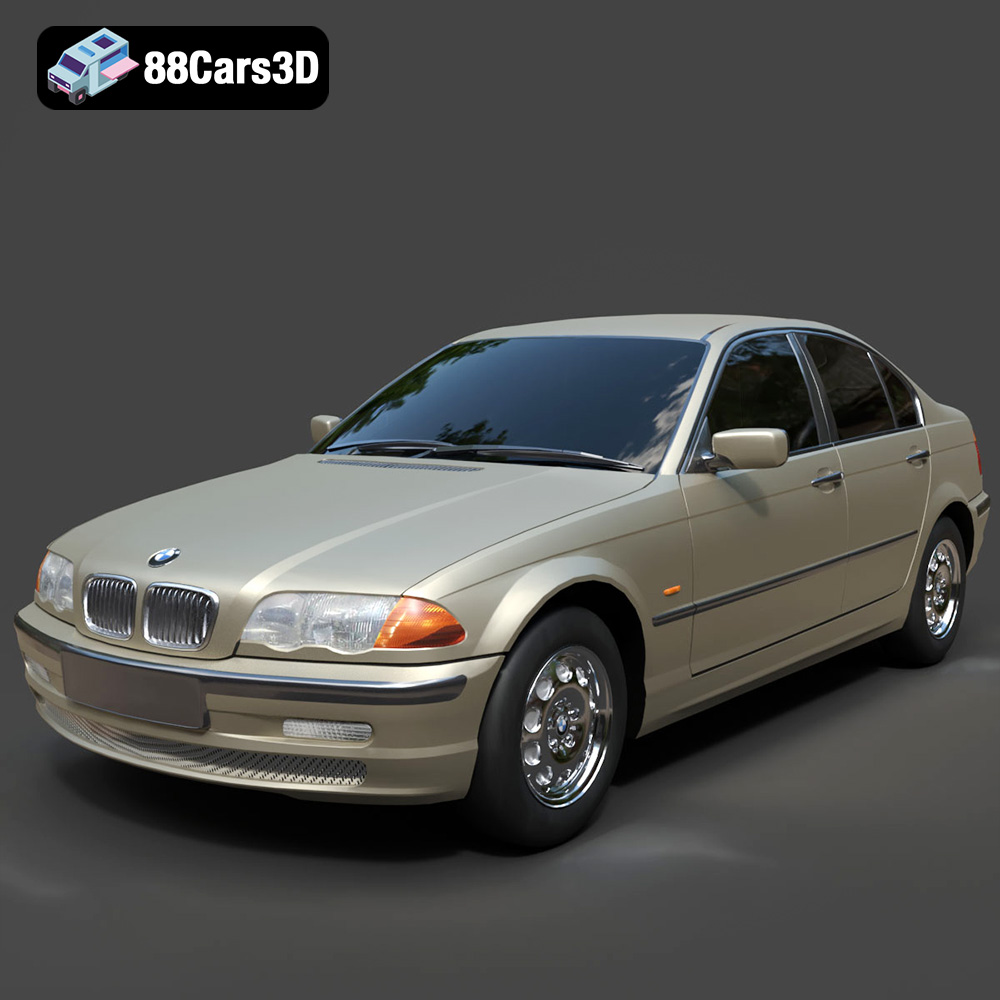
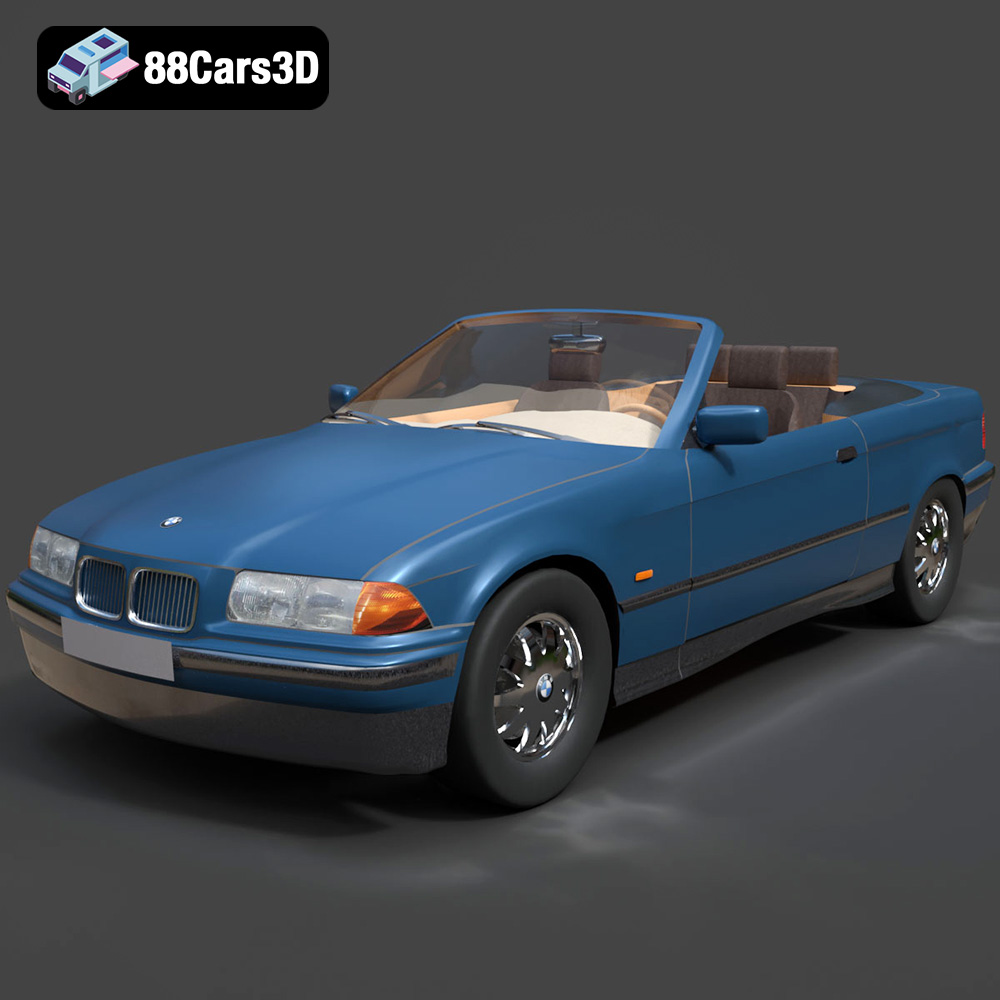
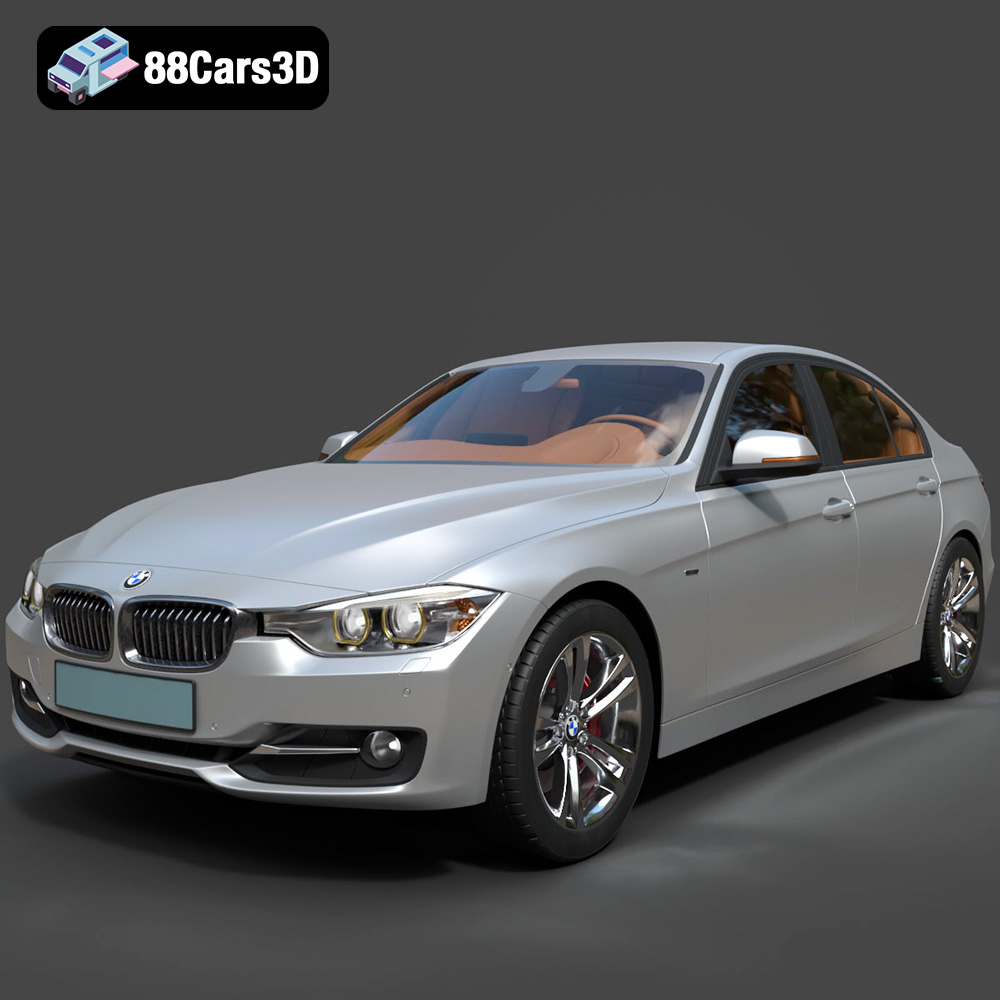
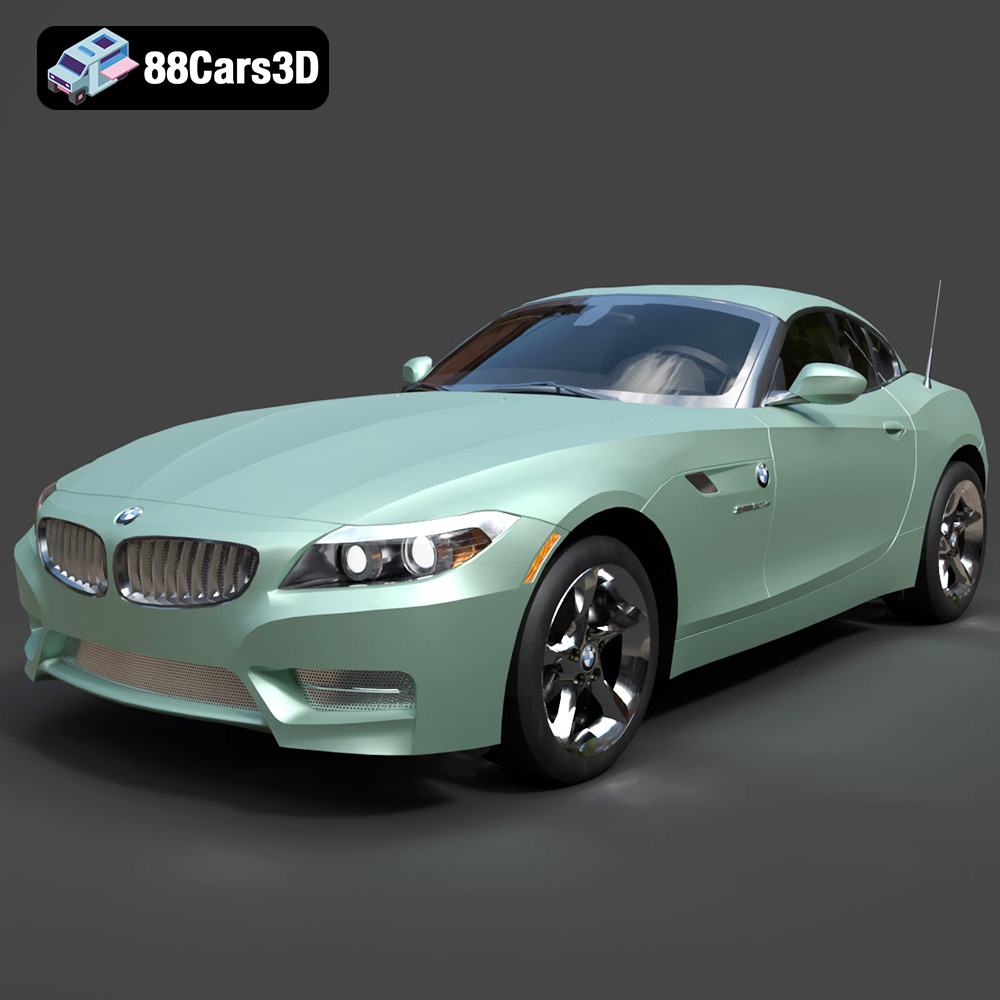
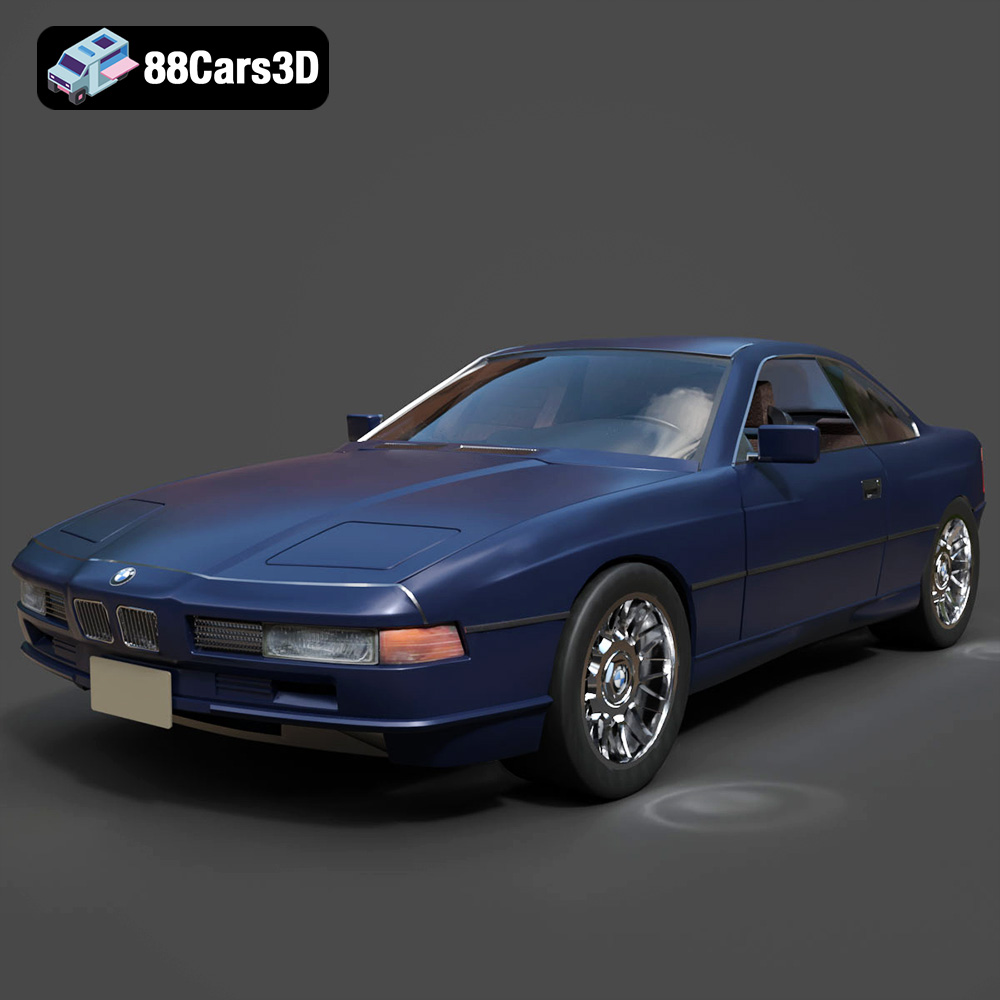
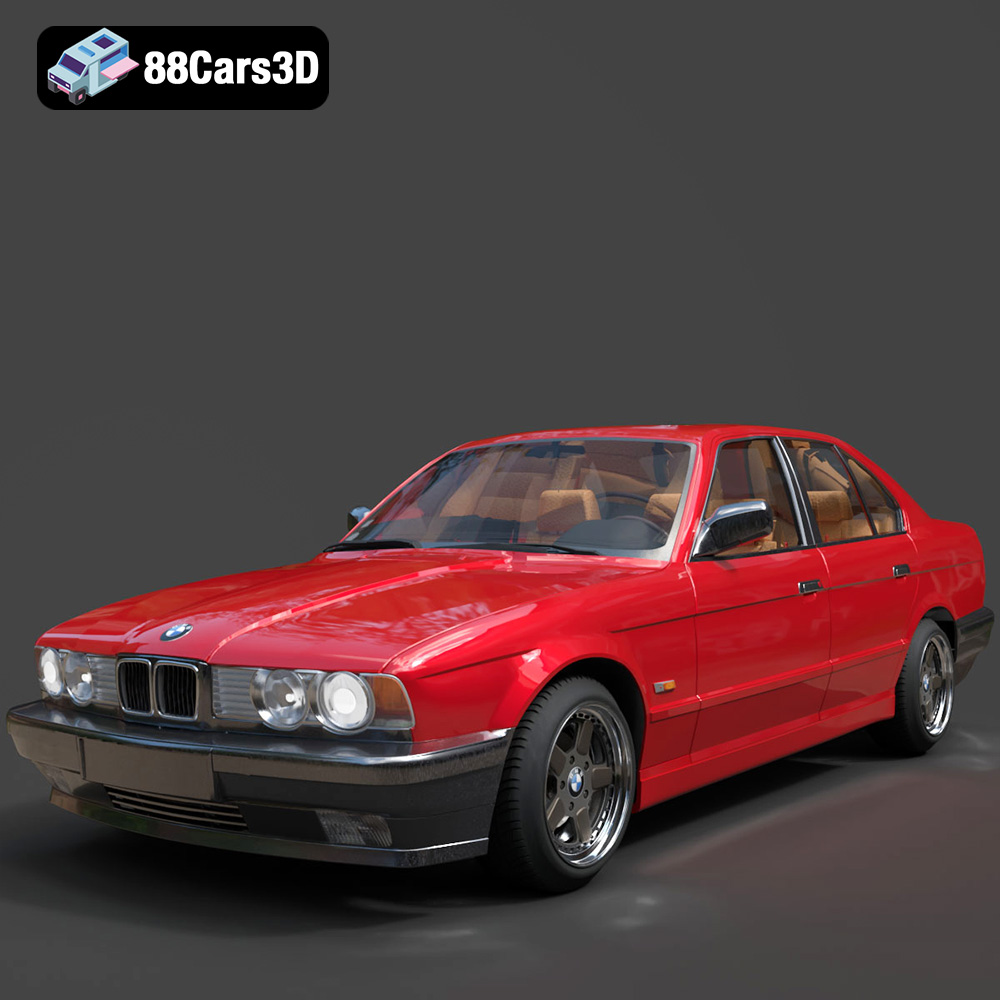
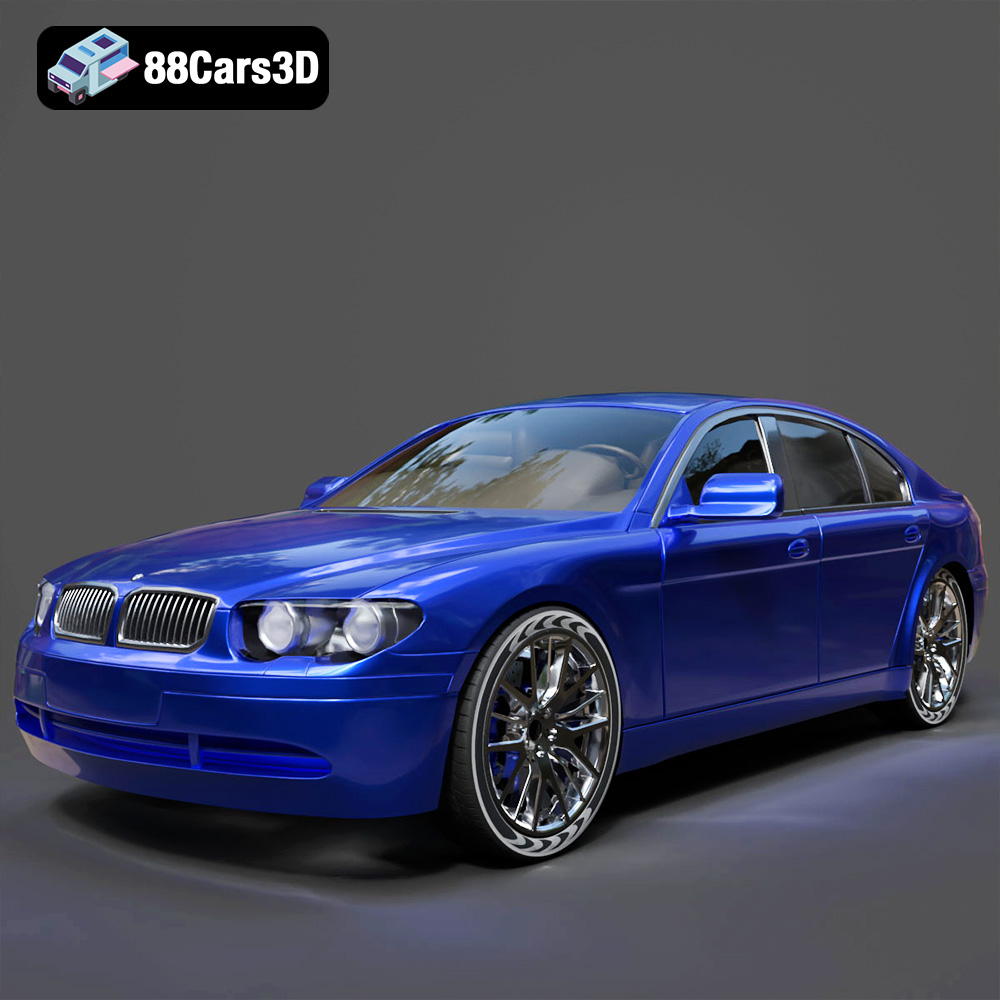
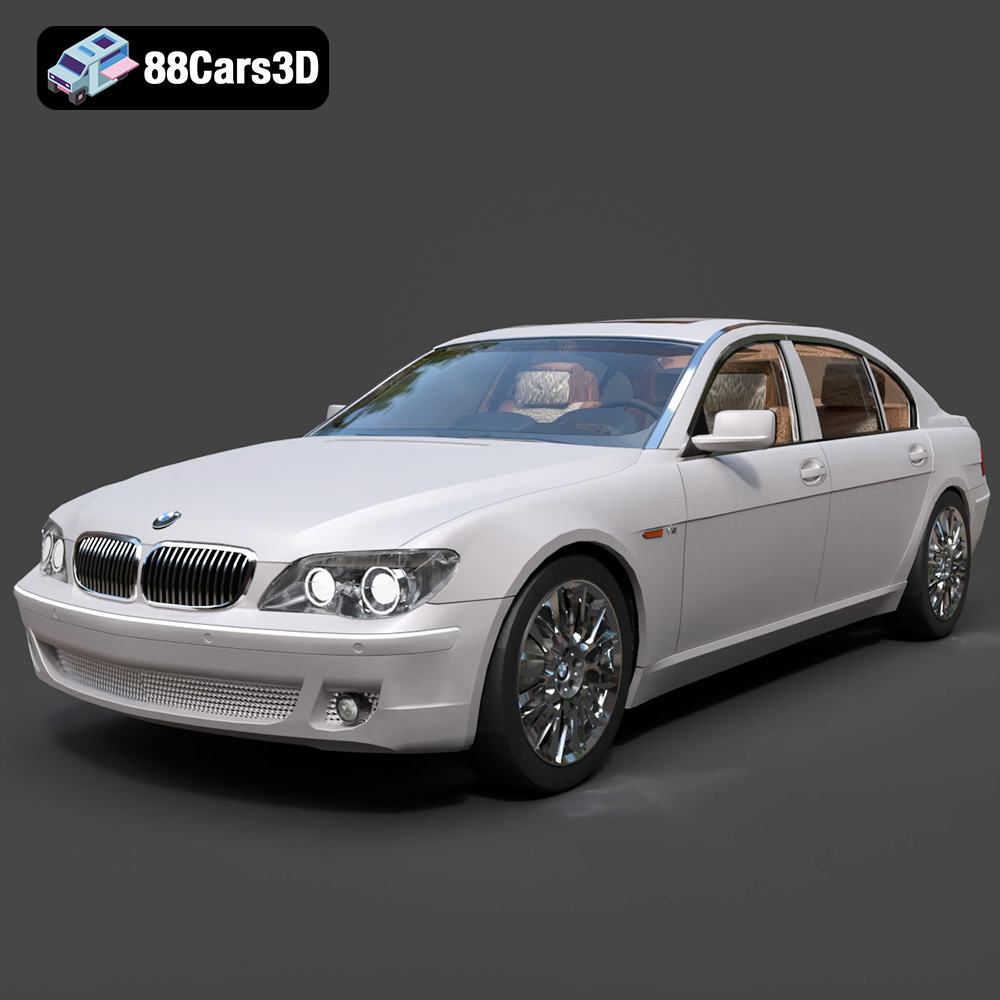
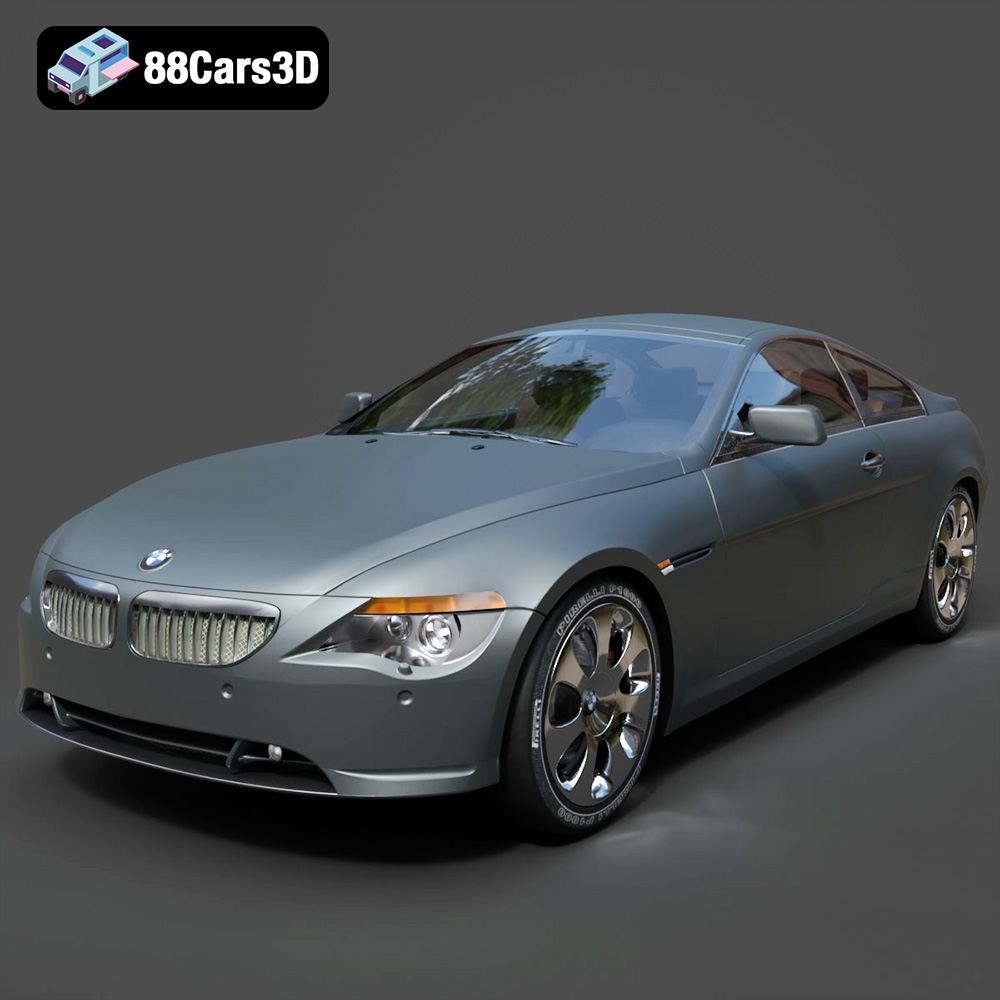
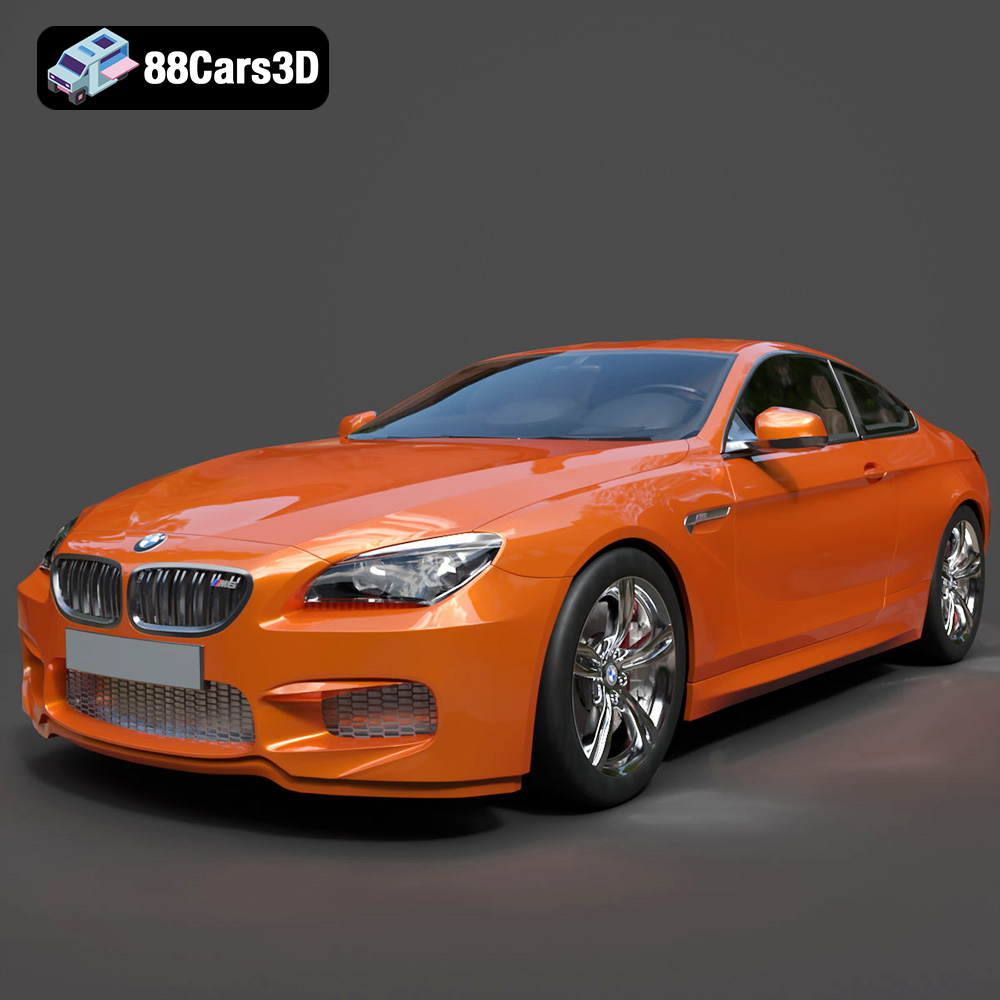
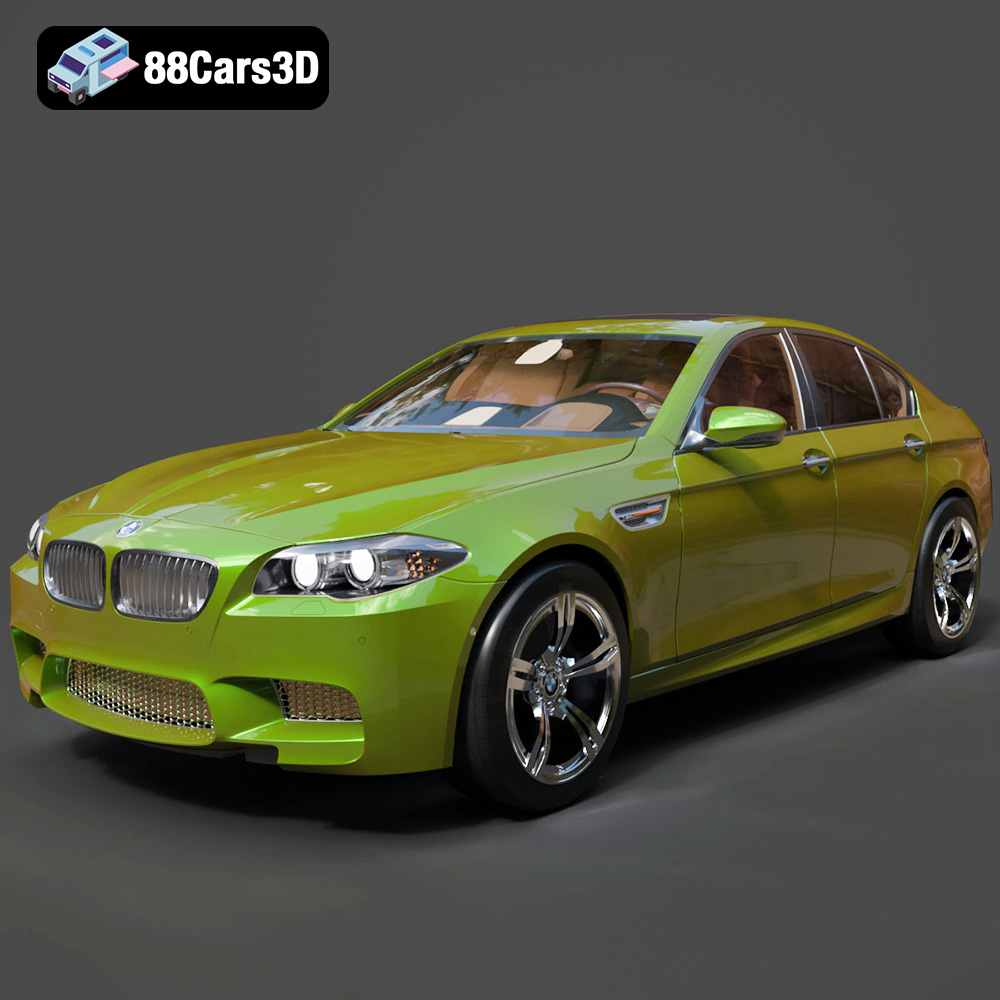
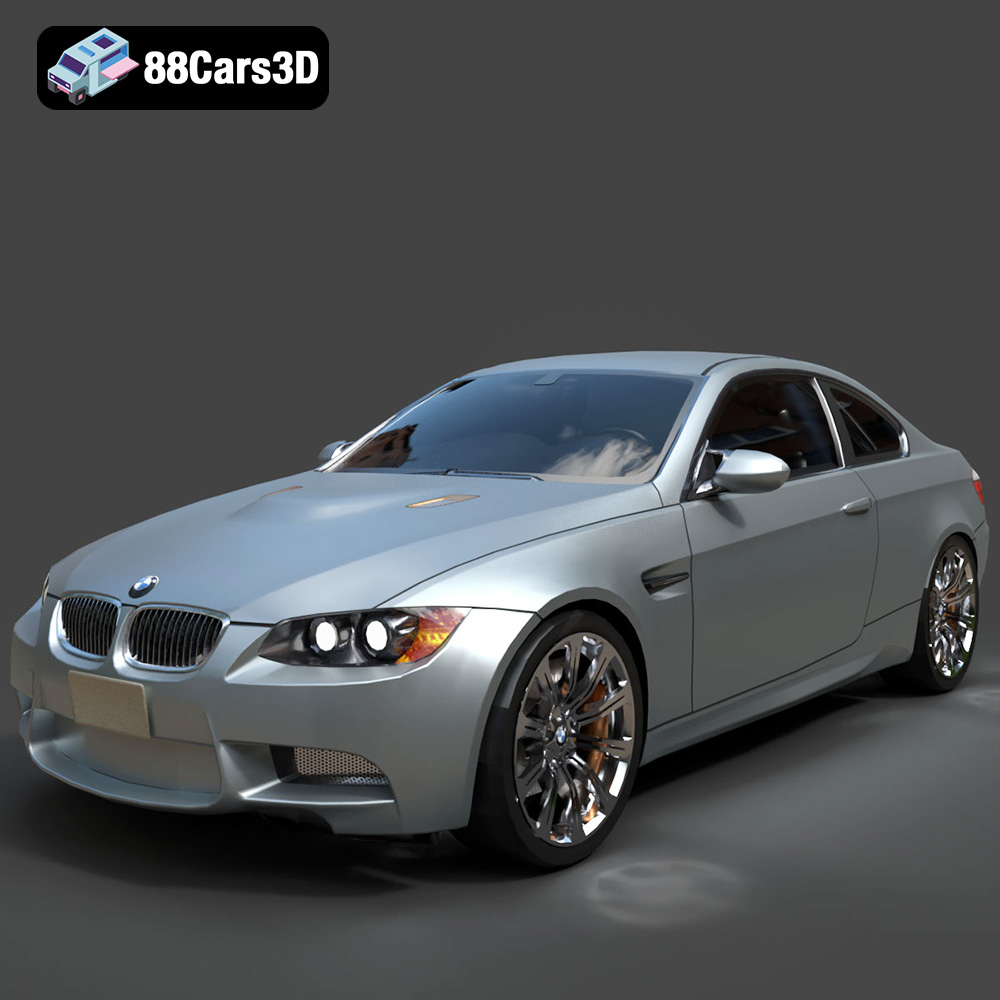
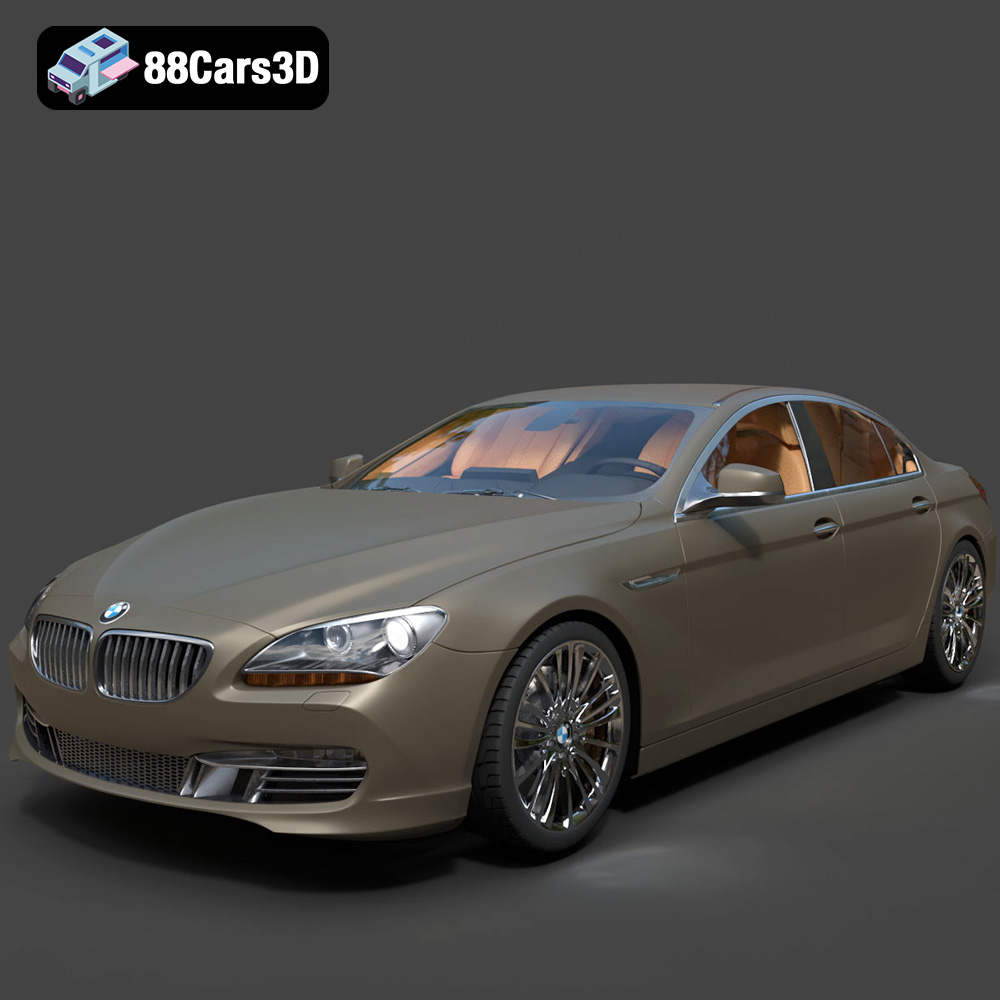
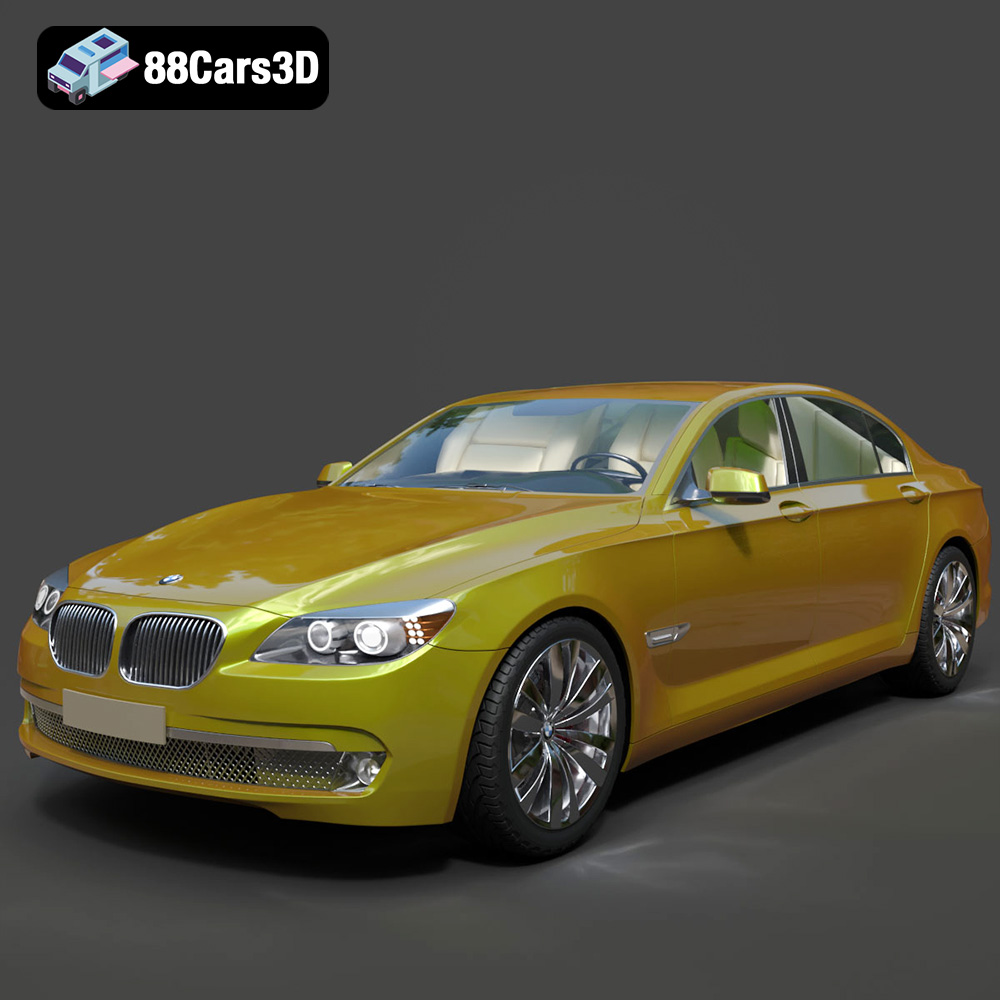
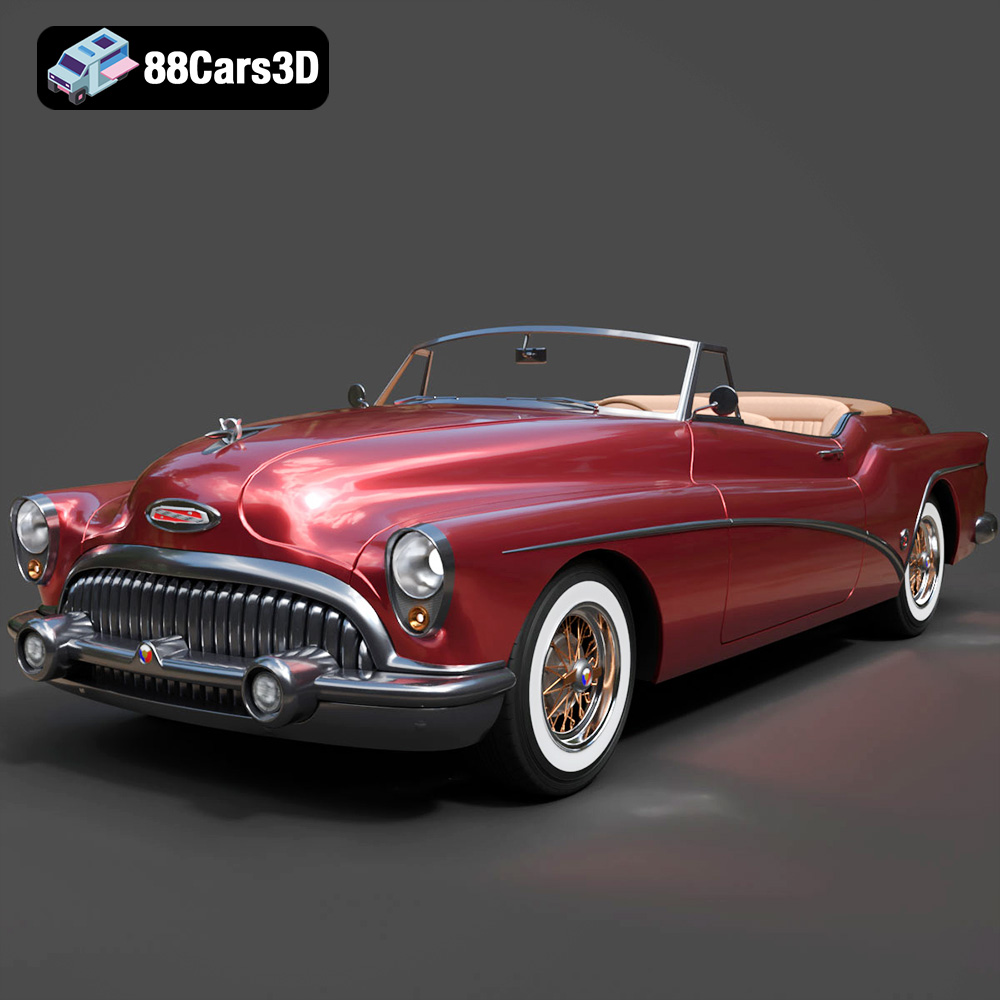
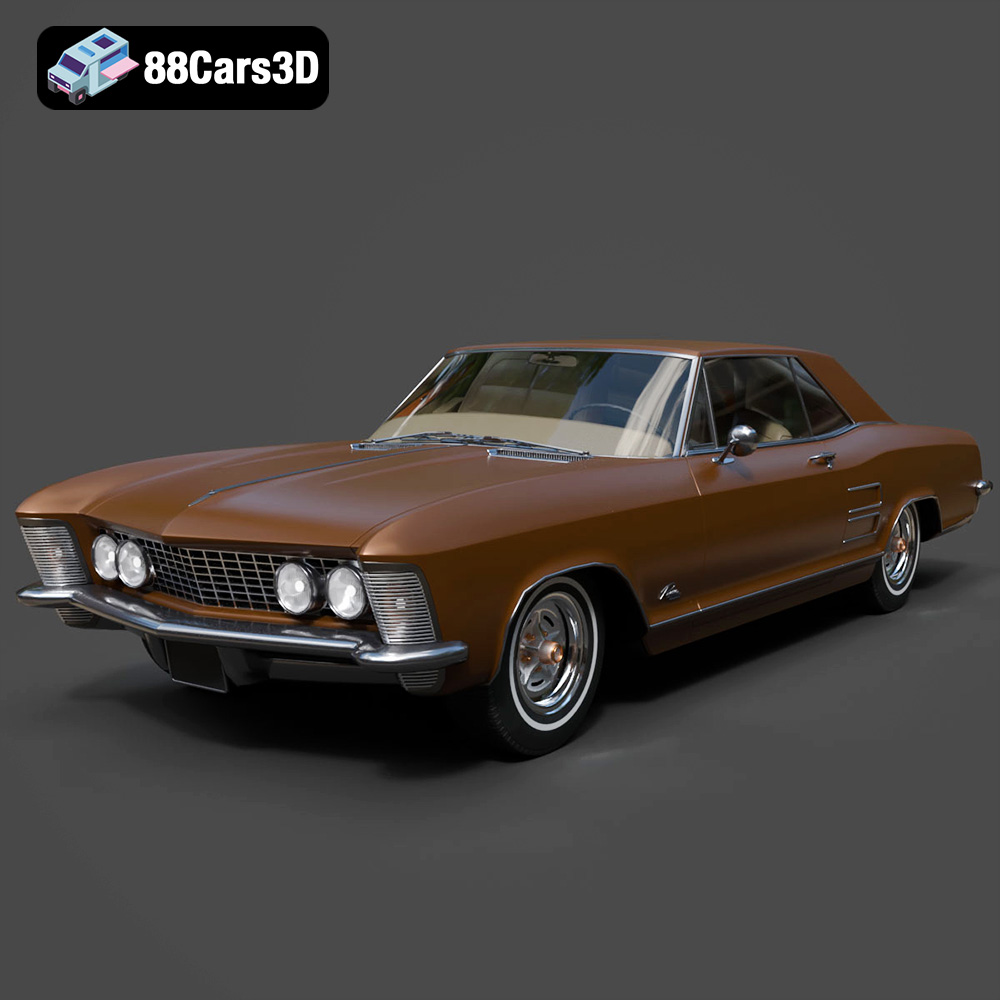
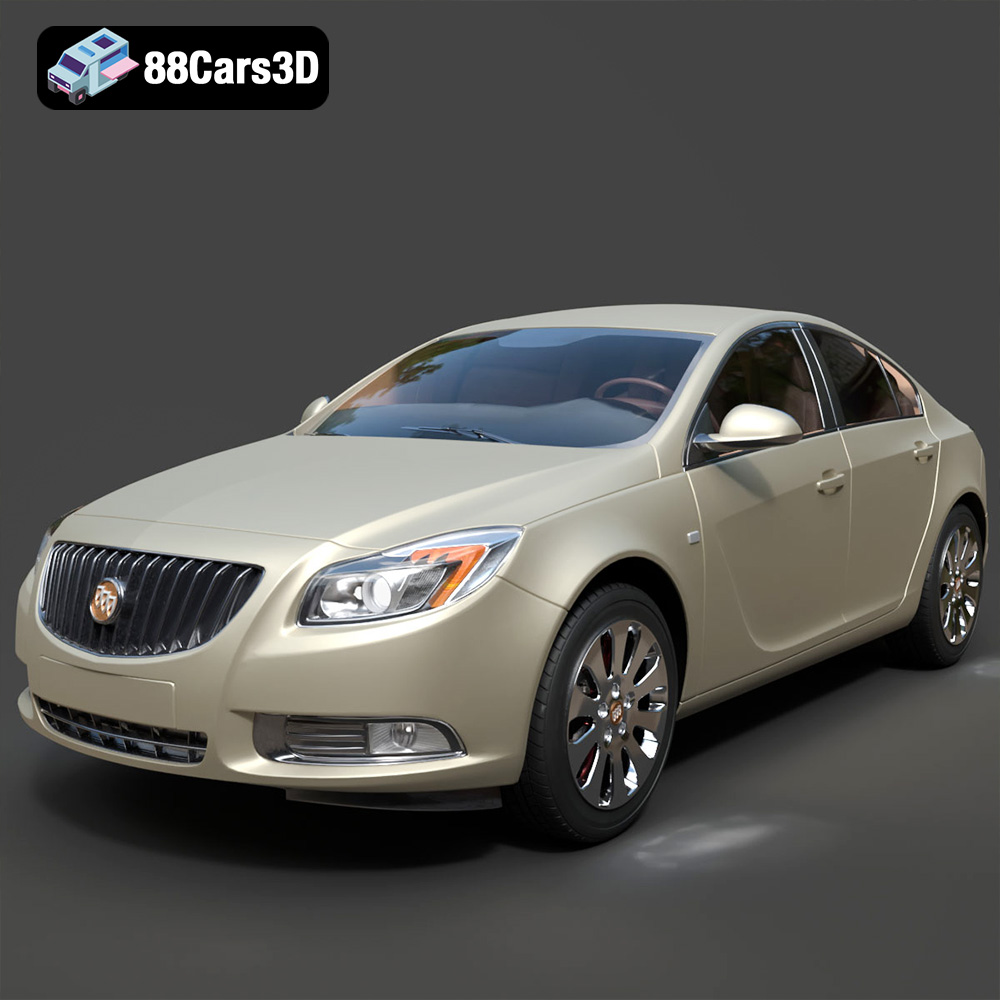
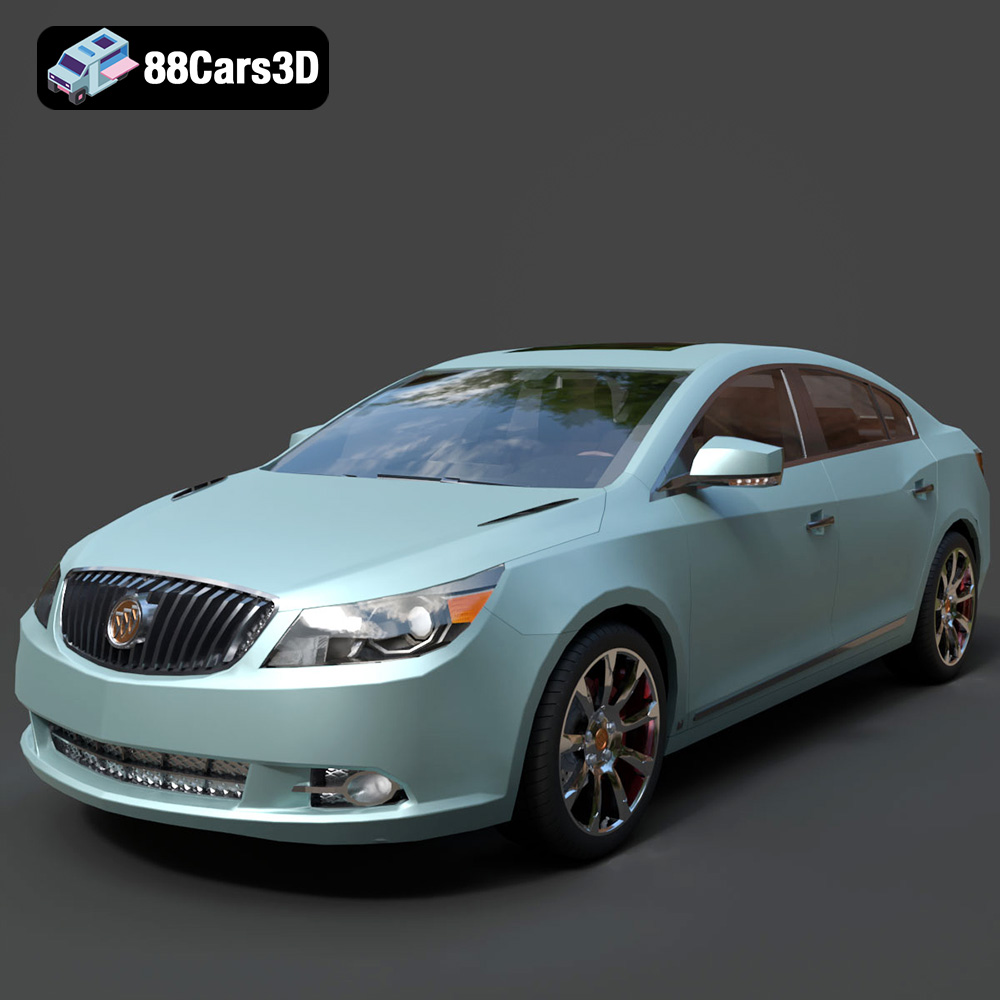
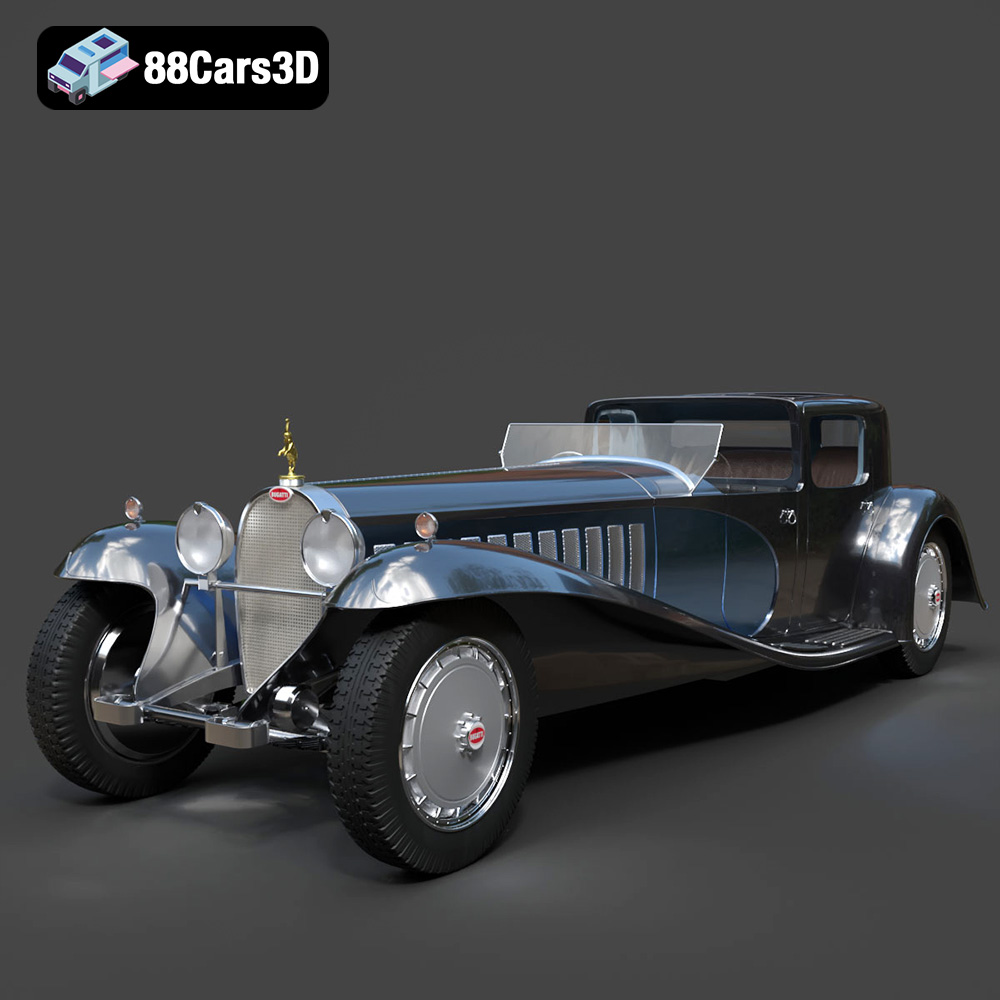
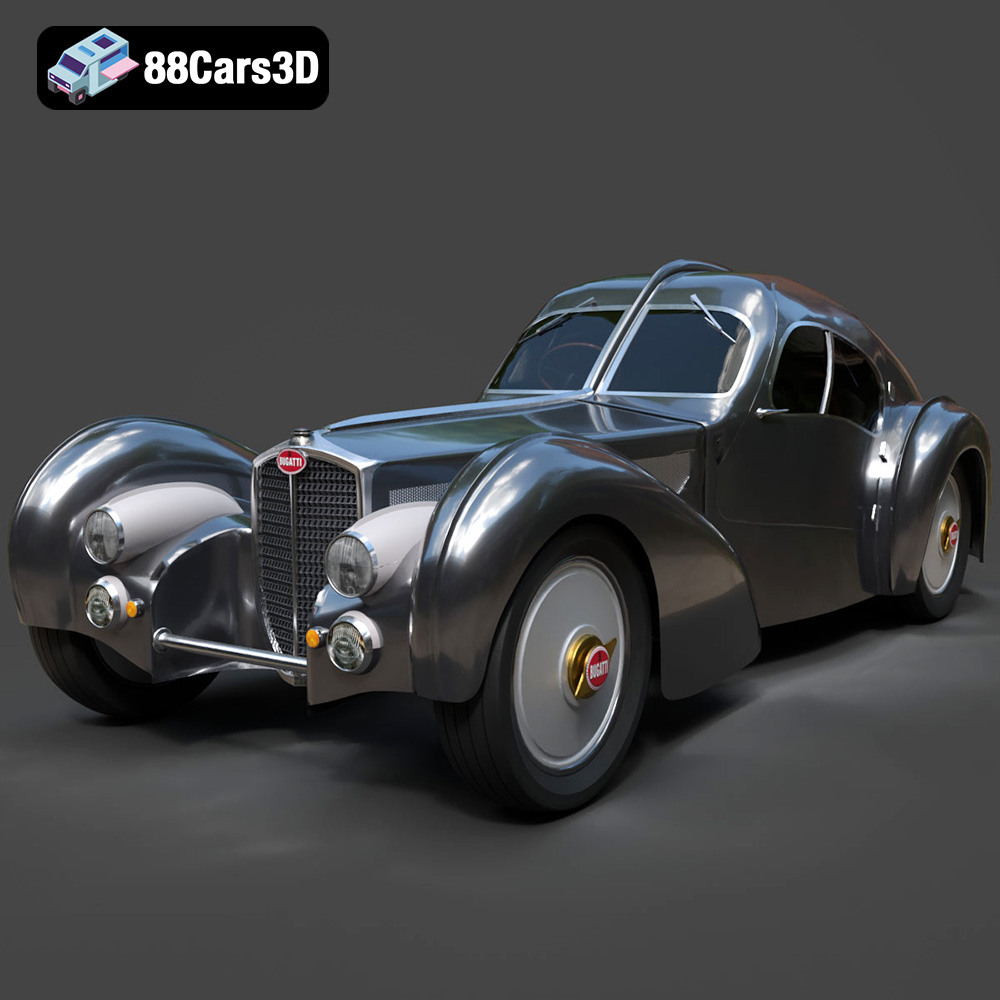
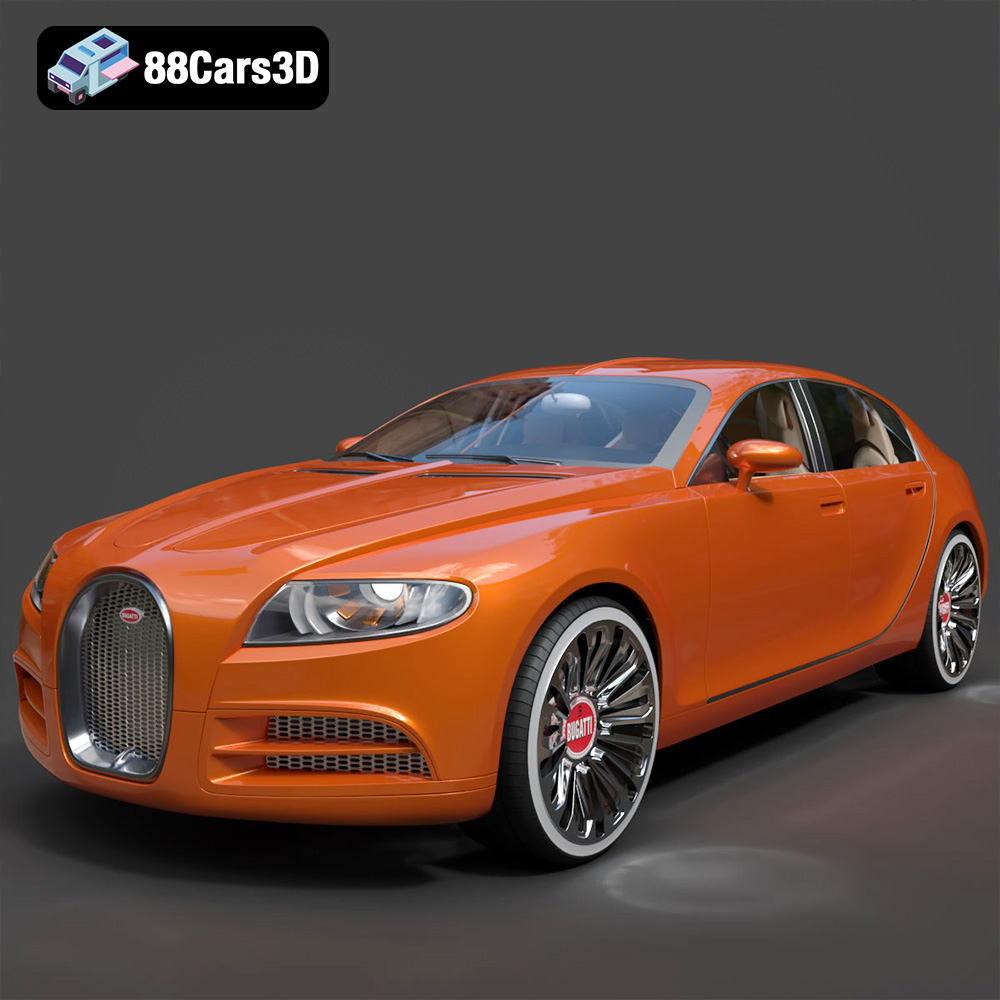
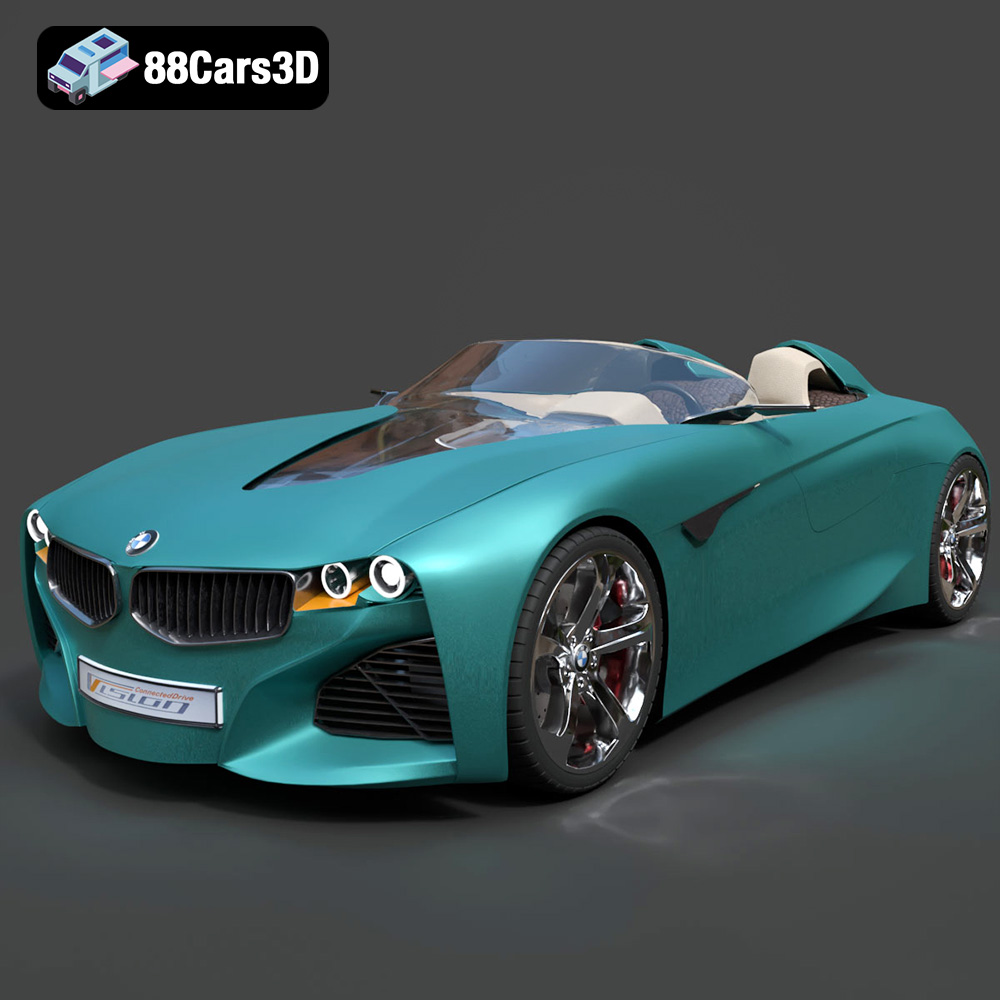
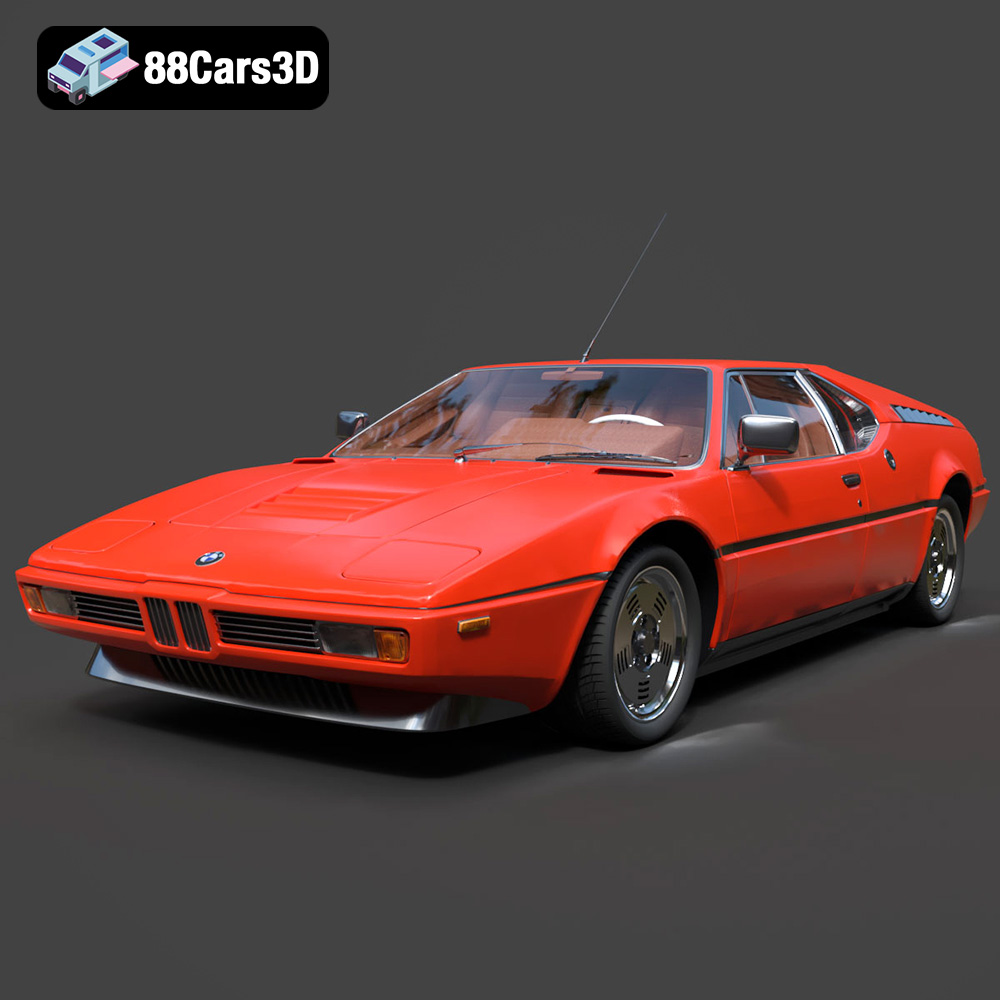
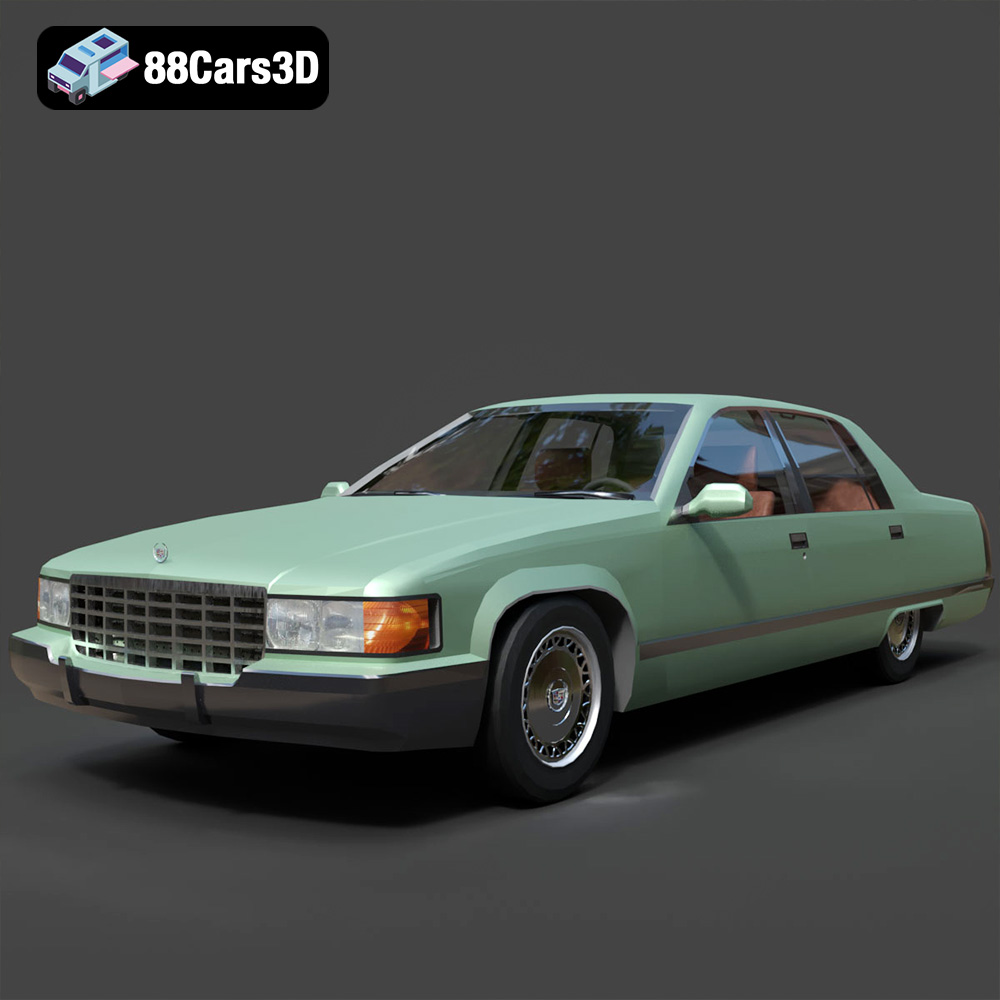
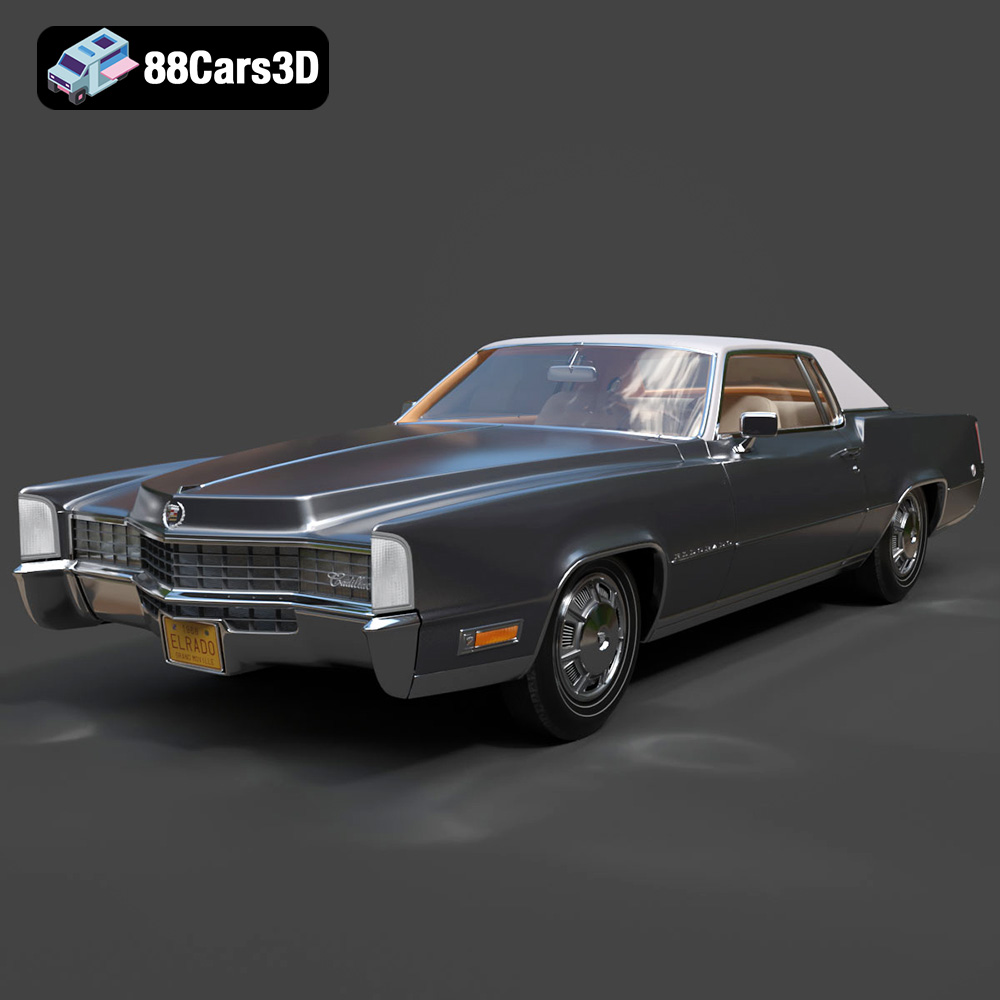
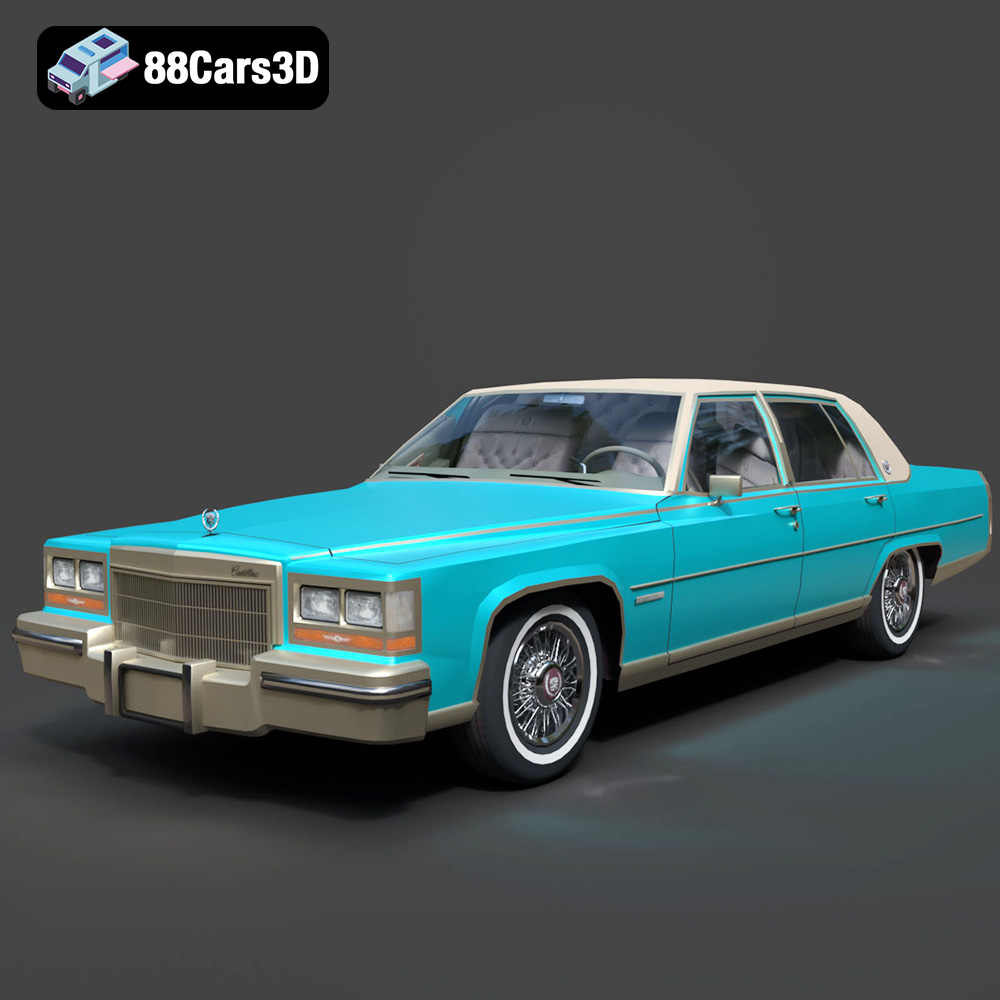
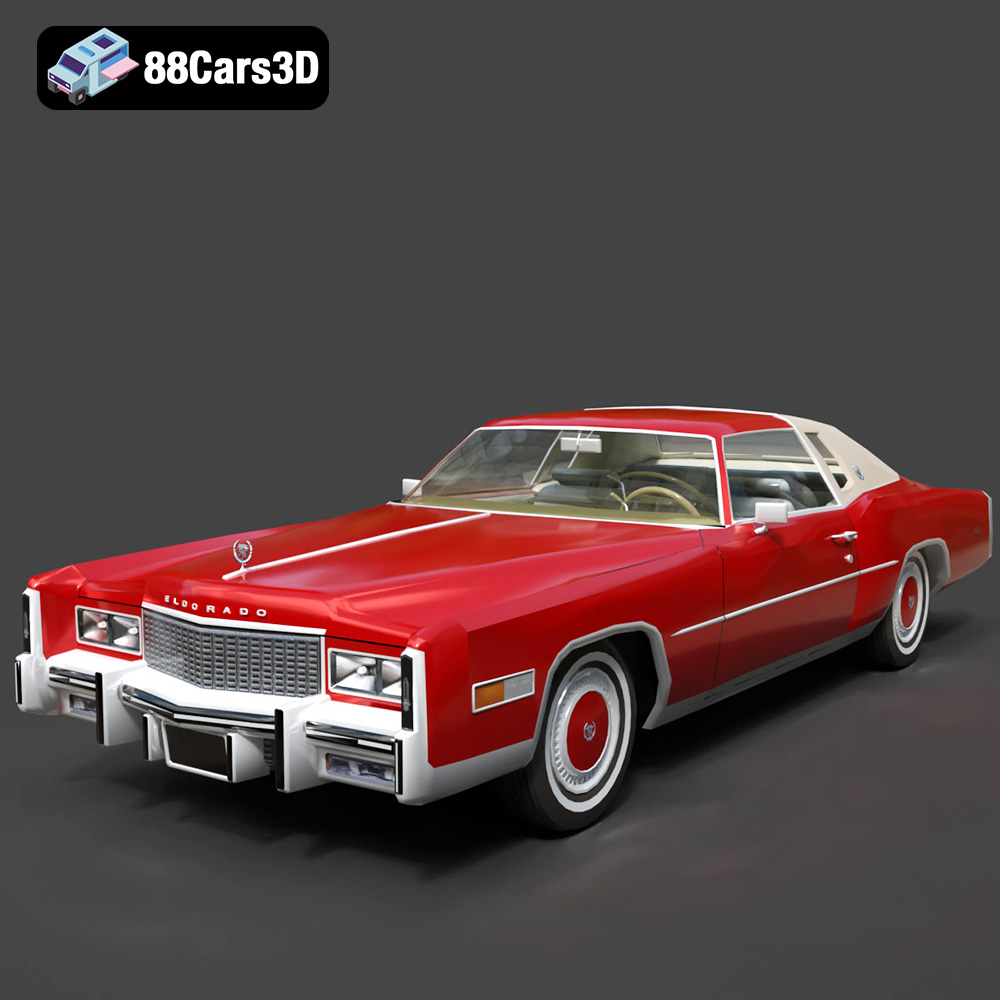
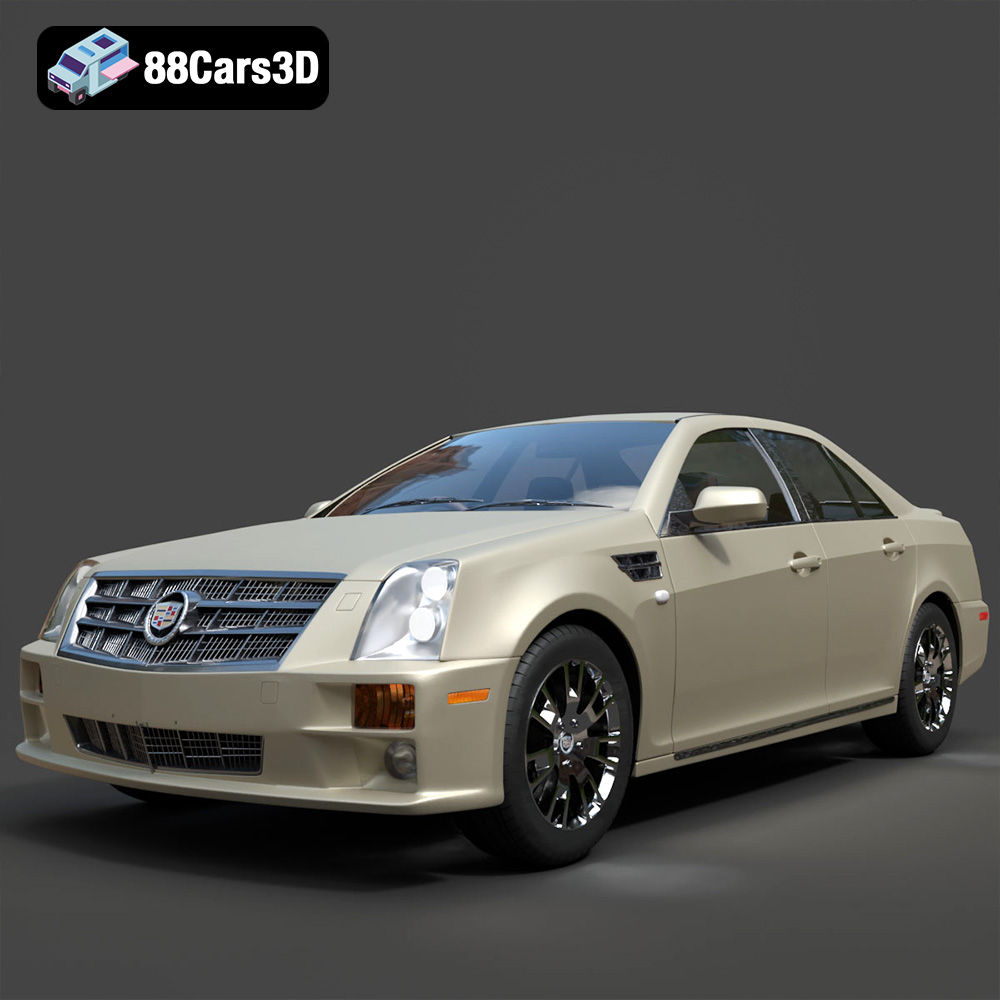
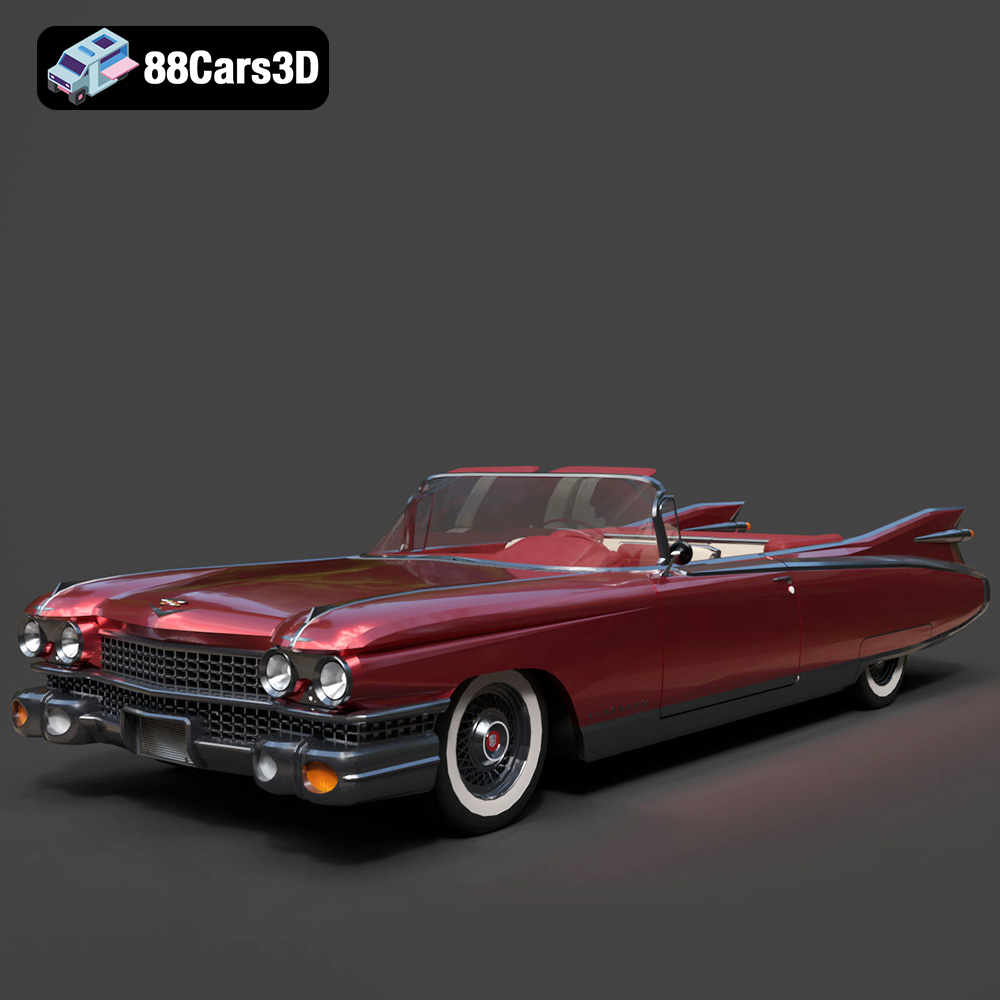
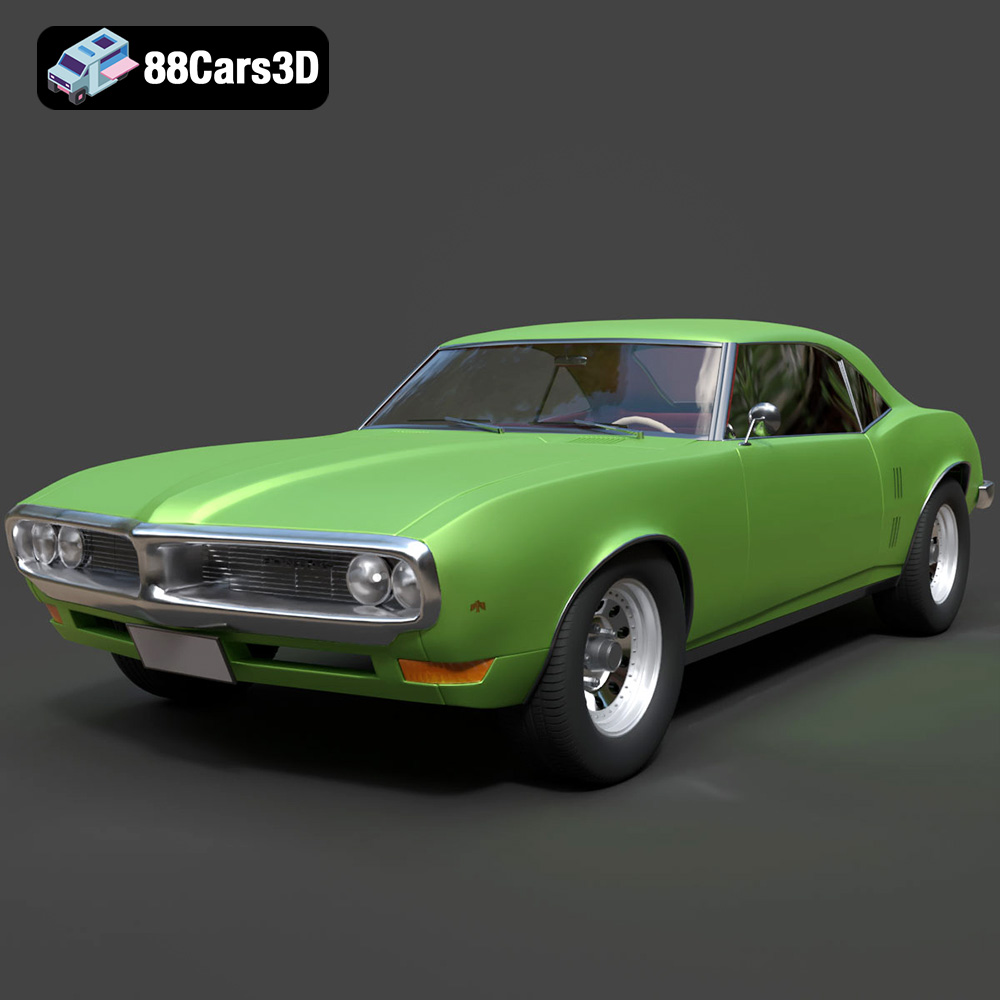
The sleek lines of a supercar, the rugged utility of an off-road truck, or the vintage charm of a classic automobile – these aren’t just vehicles; they are expressions of design, engineering, and cultural impact. In the digital realm, capturing this essence requires meticulous attention to detail, sophisticated software, and a deep understanding of 3D modeling principles. From blockbuster film visual effects and cutting-edge video games to interactive product configurators and architectural visualizations, high-quality 3D car models are indispensable assets.
The demand for photorealistic vehicles has exploded across industries. Automotive designers use them for rapid prototyping and client presentations, game developers integrate them for immersive driving experiences, and advertisers leverage them for compelling marketing campaigns. The journey from a conceptual sketch to a fully realized digital vehicle is complex, involving intricate geometry, advanced texturing, and optimized performance considerations. At 88cars3d.com, we understand these intricate demands, providing a curated marketplace for premium 3D vehicle assets designed to meet the highest industry standards.
This comprehensive guide delves into the technical nuances of 3D car models, exploring everything from fundamental file formats and model construction to advanced automotive rendering techniques and their crucial role as game assets. Whether you’re a seasoned professional or an aspiring enthusiast, understanding these elements is key to unlocking the full potential of digital automotive design.
Understanding 3D Model File Formats
Choosing the correct file format for your 3D car model is a critical decision that impacts compatibility, feature retention, and overall workflow efficiency. Different formats are optimized for distinct purposes, from full scene editing to real-time engine integration or 3D printing. Understanding their strengths and limitations is paramount for any digital artist or developer.
The Ecosystem of Editable Scene Files
- .blend (Blender Scene File): This is Blender’s native file format, storing an entire scene including all meshes, materials, textures (packed within the file or linked), animations, cameras, lights, modifiers, and rigging data. It offers full editability and is ideal if your primary workflow is within Blender. It ensures all aspects of a complex car model, from its intricate suspension rig to its PBR shader setup, are preserved exactly as created. For artists working collaboratively or needing to make significant modifications, a .blend file offers maximum flexibility.
- .max (3ds Max Project File): Similar to .blend, .max is Autodesk 3ds Max’s proprietary scene file format. It encapsulates the complete 3ds Max project, including geometry, materials (especially complex V-Ray or Corona setups), lighting, cameras, animation tracks, and plugins. For users of 3ds Max, this format is essential for retaining all original scene data and advanced rendering features. Many professional studios in visualization and film leverage .max files for their extensive feature set in rendering and animation.
Exchange Formats for Interoperability
- .fbx (Filmbox): Developed by Autodesk, FBX is arguably the most widely adopted interchange format in the 3D industry, particularly for animation and game development. It excels at transferring geometry, UVs, basic materials, skeletons, animation data, and blend shapes between different 3D applications (like 3ds Max, Maya, Blender) and game engines (Unreal Engine, Unity). While it can carry material information, complex shader networks often need to be rebuilt in the destination software. Its robust support for skeletal animation makes it ideal for exporting rigged 3D car models with suspension or door animations, directly into real-time environments.
- .obj (Wavefront OBJ): A classic and universally supported format, OBJ is excellent for transferring static mesh geometry and UV mapping data. It’s a simple text-based format that defines vertex positions, normals, UV coordinates, and faces. While it can reference external material files (.mtl), it does not natively support animation, rigging, or advanced material properties. OBJ files are highly compatible across almost all 3D software, making them a safe choice for basic geometry exchange when animation is not a concern.
Specialized Formats for Specific Outputs
- .glb (GL Transmission Format Binary): GLB is the binary version of glTF (GL Transmission Format), designed for efficient transmission and loading of 3D scenes and models by applications. It’s a self-contained file that can embed all necessary assets like geometry, textures, animations, and PBR material definitions. GLB is rapidly becoming the standard for web-based 3D, AR (Augmented Reality), and VR (Virtual Reality) experiences due to its compact size and optimization for real-time rendering on various devices and browsers. If your 3D car model needs to be showcased interactively on a website or in an AR app, GLB is the format of choice.
- .stl (Stereolithography): STL is the de facto standard format for 3D printing. It represents a 3D model as a collection of unconnected triangular facets, without any color, texture, or material information. Its simplicity makes it universally compatible with 3D printers and slicing software. When preparing a 3D car model for physical output, ensuring it’s “manifold” (watertight with no holes or intersecting geometry) is crucial, a common requirement for successful STL generation.
- .ply (Polygon File Format): PLY is primarily used to store 3D data from 3D scanners, particularly point clouds and meshes. It can store a variety of properties including color, transparency, normals, texture coordinates, and even data confidence values for each vertex or face. While not as common for general 3D model distribution as FBX or OBJ, PLY is invaluable in fields like reverse engineering, scientific visualization, and capturing complex real-world car details via scanning.
- .unreal (Unreal Engine Asset): While not an external file format that you export directly from a DCC application, “.unreal” refers to assets that have been imported, optimized, and saved within an Unreal Engine project. When you import an .fbx or .obj 3D car model into Unreal Engine, the engine processes it, optimizes it for real-time performance, and stores it internally as a specific asset type (e.g., Static Mesh, Skeletal Mesh, Material). This “Unreal asset” is then engine-ready, leveraging Unreal’s advanced rendering capabilities, physics, and Blueprint scripting system. Developers typically export FBX files from their modeling software and then import them into Unreal Engine to create these engine-native assets.
The Anatomy of a High-Quality 3D Car Model
Creating a compelling 3D car model extends far beyond simply replicating its shape. It involves a meticulous process of crafting geometry, applying lifelike textures, and preparing the asset for diverse applications. High quality in this context means not only visual fidelity but also technical robustness.
Geometry and Topology: The Foundation
The underlying mesh structure, or topology, is the backbone of any 3D model. For cars, this is particularly critical due to their complex curved surfaces and intricate details. A good topology ensures smooth deformations, efficient texturing, and predictable rendering results.
- Polygon Count and Optimization: The number of polygons (poly count) in a model directly impacts performance and detail. For high-end automotive rendering in film or visualization, models can easily exceed millions of polygons to capture every subtle curve, panel gap, and interior detail. Conversely, for game assets, optimization is key. A high-fidelity game car might range from 80,000 to 300,000 triangles, leveraging normal maps to simulate high-poly detail. LOD (Level of Detail) systems are crucial here, switching to lower-poly versions of the model as the camera moves further away, maintaining performance without sacrificing visual quality up close.
- Clean Mesh and Edge Flow: A clean mesh means efficient geometry with no non-manifold edges, coincident vertices, or overlapping faces. Proper edge flow, characterized by predominantly quad-based topology (four-sided polygons), is essential for smooth subdivision surfaces and correct deformation during animation. This is particularly vital around panel lines, door seams, and wheel wells, where sharp creases meet flowing curves.
Texturing and UV Mapping: Bringing Surfaces to Life
Geometry defines the shape, but textures provide the surface detail, color, and material properties that make a car look real. PBR (Physically Based Rendering) workflows are now the industry standard, ensuring consistent and realistic material responses under various lighting conditions.
- PBR Material Workflow: PBR materials rely on a set of texture maps that accurately describe how light interacts with a surface. Common maps include:
- Albedo/Base Color: The inherent color of the surface, free from lighting information.
- Normal Map: Simulates high-resolution surface details (like subtle bumps or scratches) without adding extra geometry.
- Roughness Map: Defines how rough or smooth a surface is, influencing specular reflections.
- Metallic Map: Indicates which parts of the surface are metallic and which are dielectric.
- Ambient Occlusion (AO) Map: Simulates subtle self-shadowing in crevices and corners, adding depth.
For a car, these maps are crucial for rendering realistic paint, chrome, glass, rubber, and interior fabrics.
- UV Unwrapping and Layout: UV mapping is the process of flattening the 3D surface of a model into a 2D space, allowing 2D textures to be applied. A well-executed UV layout is characterized by minimal stretching, efficient use of UV space, and logically placed seams that are often hidden from view. For a complex model like a car, multiple UV sets might be used – one for general bodywork, another for intricate interior details, and perhaps a third for decals or specialized effects. Clean UVs are vital for preventing texture distortion and ensuring high-quality baked lighting and shadows.
Rigging and Animation Readiness
Beyond static representation, many projects require a 3D car model to be animated. This demands proper rigging.
- Basic Control Rigs: A functional car rig typically includes controls for steering, wheel rotation, suspension compression, and possibly opening/closing doors, hood, and trunk. These controls simplify the animation process, allowing animators to manipulate complex movements intuitively.
- Driver-Ready Features: For interactive applications like games or simulators, car models often need to be prepared with collision meshes, suspension joints, and pivot points correctly defined. These are crucial for accurate physics simulations and player interaction.
Automotive Rendering: Crafting Photorealistic Visuals
Automotive rendering is an art form focused on creating visually stunning and photorealistic images of vehicles. It’s where the technical precision of the 3D model truly comes to life, captivating audiences with its realism.
Lighting Techniques for Automotive Glory
Lighting is paramount in rendering. It defines mood, highlights form, and dictates how materials appear. For cars, specific approaches are often employed:
- HDRI (High Dynamic Range Image) Environments: HDRIs are spherical panoramic images that capture real-world lighting information, including both direct light and ambient reflections. They are invaluable for realistic automotive renders, providing accurate and nuanced environmental lighting that beautifully reflects off metallic car surfaces and glass. An HDRI of a studio, an urban street, or a natural landscape can instantly immerse the car in a believable context.
- Studio Lighting Setups: For showcasing design features or product shots, controlled studio lighting is common. This involves carefully positioned area lights, softboxes, and reflectors to sculpt the car’s form, emphasize its curves, and create dramatic highlights. Techniques like three-point lighting (key, fill, and back lights) are often adapted to highlight specific parts of the vehicle.
- Global Illumination (GI): GI simulates how light bounces and interacts within an environment, creating realistic indirect lighting and color bleeding. Modern renderers extensively use GI algorithms (like path tracing or photon mapping) to achieve stunning realism, ensuring shadows are soft and diffused, and colors accurately reflect off surfaces.
Material Shading and Real-World Physics
The materials applied to a 3D car model are what truly sell its realism. PBR shaders, combined with physically accurate parameters, are the key.
- Car Paint Shaders: Automotive paint is notoriously complex, often featuring multiple layers: a base color, a metallic flake layer, a clear coat, and sometimes a pearlescent effect. Advanced car paint shaders simulate these layers, including metallic sparkle, clear coat reflections, and Fresnel effects, which make reflections stronger at glancing angles. This complexity requires careful calibration of roughness, metallic, and normal maps.
- Glass and Chrome Realism: Realistic glass requires accurate refraction (how light bends as it passes through), reflection, and often a subtle tint. Chrome and other metallic surfaces demand high reflectivity with very low roughness values, accurately capturing environmental reflections. Imperfections like subtle fingerprints or dust maps can further enhance realism.
- Tire Rubber and Interior Fabrics: Textures and shaders for tires need to convey the matte, slightly porous nature of rubber, often with subtle wear and tear. Interior fabrics, leather, and plastics also require specific roughness and normal map details to distinguish their unique surface qualities.
Post-Production Enhancements for Impact
A raw render is just the beginning. Post-production in software like Photoshop or Fusion elevates the image to its final, polished state.
- Color Grading and Tone Mapping: Adjusting colors, contrast, and exposure to achieve a desired mood and aesthetic. Tone mapping ensures the image has appropriate dynamic range, preventing blown-out highlights or crushed shadows.
- Effects and Atmospheric Touches: Adding subtle effects like depth of field (blurring distant objects), motion blur (for dynamic shots), lens flares, and atmospheric haze can dramatically enhance the render’s realism and storytelling potential.
- Compositing with Backplates: Often, the rendered car is composited onto a real-world photograph (a backplate). This requires careful matching of perspective, lighting, and color temperature between the render and the plate to create a seamless integration.
Integrating 3D Car Models into Game Development
For game developers, 3D car models are more than just static objects; they are interactive elements that demand optimization, performance, and engaging gameplay. The transition from high-fidelity rendering assets to efficient game assets involves a careful balance of visual quality and real-time performance.
Optimization Strategies for Real-Time Performance
Game engines like Unreal Engine and Unity need assets that run smoothly at high frame rates. This necessitates rigorous optimization.
- Polygon Reduction and Baking: High-polygon models, suitable for rendering, must be significantly reduced for games. This often involves creating a “low-poly” version of the car and then “baking” the detailed information (like normal maps and ambient occlusion) from the high-poly model onto the low-poly one. This allows the game engine to render a simpler mesh while retaining the visual fidelity of complex details.
- Efficient UVs and Texture Atlases: Game assets benefit from optimized UV layouts that minimize texture memory usage. Using texture atlases, where multiple smaller textures (e.g., for different car parts) are packed into a single larger texture map, can reduce draw calls and improve rendering performance.
- Collision Meshes: Instead of using the render mesh for physics calculations (which is too complex), simpler “collision meshes” are created. These invisible meshes provide accurate collision detection for gameplay while being far more efficient for the physics engine to process.
Implementing Car Physics and Interactions
Beyond visuals, the driving experience is paramount in racing games or simulators.
- Vehicle Physics Systems: Modern game engines offer robust vehicle physics systems that simulate wheel rotation, suspension, friction, downforce, and damage. These systems require specific setup within the engine, linking the 3D model’s wheels and suspension components to the physics simulation.
- Rigging for Gameplay Features: For interactive elements, a basic rig is often integrated. This allows for dynamic animations like turning wheels, flexing suspension, or opening doors triggered by player input or in-game events.
Level of Detail (LOD) and Performance Scalability
To maintain consistent frame rates, especially in open-world games with many vehicles, LOD systems are indispensable.
- Multiple LOD Stages: A 3D car model typically has several LODs – a high-detail mesh for close-ups, a medium-detail mesh for mid-range viewing, and a low-detail mesh for distant views. These are generated and implemented in the game engine to automatically switch based on the distance from the camera, significantly reducing the polygon count of off-screen or distant vehicles.
- Occlusion Culling and Frustum Culling: These optimization techniques prevent the rendering of objects that are either completely hidden by other objects (occlusion culling) or outside the camera’s view frustum (frustum culling). While not specific to car models, they are critical for maintaining performance in scenes with many vehicles.
Beyond Rendering and Games: AR/VR, Visualization, and 3D Printing
The utility of high-quality 3D car models extends far beyond traditional rendering and game development, powering innovation in emerging technologies and professional applications.
Immersive Experiences with AR/VR
Augmented Reality (AR) and Virtual Reality (VR) are transforming how we interact with digital content, and 3D car models are at the forefront of this revolution.
- Interactive Car Configurators: Imagine standing in your driveway, and through your phone’s AR app, a virtual car appears, perfectly scaled and interactive. You can change its color, wheels, and interior, and even walk around it. This is a powerful marketing tool for automotive brands, offering an immersive shopping experience. For these applications, models must be highly optimized (often using .glb format) for mobile performance while maintaining visual fidelity.
- Virtual Showrooms and Driving Simulations: VR environments allow users to “step inside” a virtual car, explore its interior, and even take it for a drive in a simulated environment. This provides an unparalleled level of immersion for training, entertainment, and product evaluation, demanding highly detailed models that can be rendered efficiently in real-time VR headsets.
Architectural and Product Visualization Synergy
3D car models play a vital role in showcasing proposed designs in context.
- Enhancing Architectural Renders: Placing realistic cars into architectural visualizations (e.g., a modern sedan parked outside a luxury home, or a fleet of vehicles in a parking garage) adds scale, realism, and a sense of activity to the scene. The quality of the car model directly impacts the overall credibility of the architectural render.
- Product Placements and Advertising: Beyond automotive advertising itself, high-quality 3D car models are used in advertisements for other products – imagine a watch on a car dashboard, or a phone integrated into a car’s infotainment system. The car provides a premium backdrop, enhancing the perceived value of the featured product.
Prototyping and Manufacturing with 3D Printing
While often used for digital output, 3D car models can also bridge the gap to the physical world.
- Rapid Prototyping of Components: In automotive design, specific car parts (e.g., custom rims, body kits, interior console elements) can be 3D printed directly from their 3D models for rapid prototyping. This allows designers to physically evaluate fit, form, and ergonomics before committing to expensive tooling and manufacturing.
- Scale Models and Memorabilia: Enthusiasts, collectors, and model makers use 3D printable car models (often in .stl format) to create highly detailed physical scale models, custom parts for existing models, or unique fan memorabilia.
Choosing the Right 3D Car Model for Your Project
With the vast array of options available, selecting the ideal 3D car model for your specific project can be a nuanced decision. It’s not just about aesthetics but also technical specifications and suitability for your intended use. This is where a marketplace like 88cars3d.com becomes invaluable, offering models categorized by quality and application.
Assessing Model Fidelity vs. Project Needs
The “best” model isn’t always the highest polygon count or the most detailed. It’s the one that perfectly fits your project’s requirements.
- Rendering and Visualization: For photorealistic renders, film, or high-end architectural visualization, you’ll need models with extremely high polygon counts, meticulous topology, comprehensive PBR texture sets (4K or higher), and potentially complex material setups (like multi-layered car paint). Accuracy of proportions and fine details are paramount.
- Game Development: For game assets, the balance shifts towards optimization. Look for models with efficient low-poly meshes, baked normal maps from a high-poly version, optimized UVs, and multiple LOD stages. Rigging for animation (wheels, suspension) and proper collision meshes are also crucial.
- AR/VR and Web: These applications demand highly optimized, lightweight models to ensure smooth real-time performance on various devices. Lower poly counts, efficient textures (perhaps 2K), and formats like .glb are preferred.
- 3D Printing: Models intended for 3D printing must have watertight (manifold) geometry, often supplied in .stl format. Detail is preserved through geometry rather than textures, and internal structures for printing support might be a consideration.
Licensing and Usage Rights
Understanding the licensing terms associated with a 3D car model is non-negotiable. Different licenses dictate how and where you can use the asset.
- Commercial vs. Personal Use: Ensure the license permits commercial use if your project is for profit. Some licenses are strictly for personal, non-commercial projects.
- Resale and Modification Rights: Check if you’re allowed to modify the model, and crucially, if you can then resell the modified version or the original. Most marketplaces, including 88cars3d.com, provide clear licensing information for each asset.
- Attribution Requirements: Some licenses may require you to credit the original artist or marketplace.
Support and Customization Options
Even the best models sometimes need tweaking or support.
- Format Availability: Does the model come in the file formats you need (.fbx, .obj, .blend, .max, .glb, etc.)? Having multiple formats offers greater flexibility.
- Technical Support: If you encounter issues with the model, is there a support channel available from the seller or marketplace?
- Customization Potential: Assess how easily the model can be modified. Is the topology clean? Are the materials well-organized? This is crucial if you plan to re-texture, re-rig, or adapt the model for specific project needs.
Conclusion
The world of 3D car models is a dynamic and essential pillar of modern digital content creation. From the intricate geometry that defines its shape to the sophisticated materials that convey its essence and the complex optimizations that enable real-time interaction, every aspect contributes to a truly immersive and believable experience. Whether you are crafting a cinematic masterpiece with breathtaking automotive rendering, developing the next hit racing game with optimized game assets, or pushing boundaries with AR/VR experiences, the quality of your 3D vehicle assets directly impacts the success of your project.
Understanding the nuances of file formats, the principles of high-quality model construction, and the specific demands of different applications empowers creators to make informed decisions and achieve their artistic and technical goals. As technology continues to evolve, the demand for high-fidelity, production-ready 3D car models will only grow. By choosing meticulously crafted assets from trusted sources like 88cars3d.com, you are not just acquiring a digital file; you are investing in a foundation for unparalleled visual fidelity and performance, driving your projects forward into the future.
Featured 3D Car Models