Unleashing Photorealism: A Deep Dive into High-Quality 3D Car Models for Rendering and Game Development
In the dynamic worlds of automotive design, cinematic rendering, and cutting-edge game development, the quality of your 3D assets can make or break a project. From breathtaking showroom visualizations to immersive virtual reality experiences, high-fidelity 3D car models are the foundational element that transforms concepts into tangible realities. But what exactly defines a “high-quality” model, and how do specialists leverage them across diverse platforms and pipelines? This comprehensive guide delves into the technical intricacies, workflows, and vast applications of premium 3D car models, showcasing their indispensable role in today’s digital landscape.
Whether you’re an architect seeking to populate a street scene, a game developer building a new racing title, or a marketing agency crafting a compelling automotive advertisement, understanding the nuances of 3D car models is paramount. The journey from a raw mesh to a polished, render-ready or game-optimized asset involves meticulous attention to detail, a deep understanding of file formats, and mastery of rendering and optimization techniques. Platforms like 88cars3d.com specialize in providing these meticulously crafted assets, empowering professionals to elevate their projects without compromising on visual fidelity or technical integrity.
Understanding 3D Model File Formats
The choice of file format is often the first critical decision in any 3D workflow, dictating compatibility, feature transferability, and the overall efficiency of your pipeline. Each format is designed with specific use cases in mind, optimized for different stages of production and deployment. Understanding these distinctions is crucial for seamless collaboration and successful project execution.
- .blend – Fully Editable Blender Scene with Materials: The native format for Blender,
.blend files are comprehensive scene packages. They contain not just the mesh data, but also all associated materials, textures, animations, rigging, lighting, cameras, and even custom scripts. This makes them ideal for users working entirely within the Blender ecosystem, as they offer maximum editability and a complete snapshot of the project. For artists who prefer an open-source workflow, a .blend file provides an excellent starting point, allowing for deep customization and integration into their Blender-centric projects. However, sharing with users of other software can require conversion, which may not always perfectly translate every intricate detail.
- .fbx – Ideal for Unreal, Unity, and Real-Time Pipelines: Autodesk’s FilmBox, or
.fbx, is arguably the most widely adopted interchange format in the 3D industry, particularly for game development and animation. It supports a vast array of data including geometry, materials, textures, animations (including skeletal animations and blend shapes), cameras, and lights. Its robustness makes it the go-to choice for transferring assets between different 3D software (e.g., 3ds Max to Maya, or Blender to Unreal Engine/Unity). For game assets, .fbx is highly favored due to its efficient handling of animation data and its reliable import into popular game engines, making it a cornerstone of real-time production pipelines. Its versatility ensures that complex animated car models can be seamlessly integrated into interactive environments.
- .obj – Universal Format for Cross-Software Compatibility: The Wavefront OBJ format,
.obj, is one of the oldest and most universally supported 3D formats. It’s a simple, text-based format primarily storing geometry (vertices, normals, UVs) and group information. Materials are typically defined in an accompanying .mtl (material template library) file. While it doesn’t support animation, rigging, or advanced scene data, its simplicity makes it incredibly robust for basic mesh transfer between virtually any 3D software. For tasks requiring only static mesh geometry, such as initial modeling exchange or exporting for some rendering applications, .obj remains a dependable choice due to its unparalleled compatibility.
- .glb – Optimized for AR, VR, and Browser-Based Display: GLB (GL Transmission Format Binary) is the binary version of glTF, a royalty-free specification for the efficient transmission and loading of 3D scenes and models by engines and applications.
.glb files package all necessary data—geometry, materials, textures, animations—into a single, self-contained binary file, making them extremely efficient for web-based 3D applications, augmented reality (AR), virtual reality (VR), and social media platforms. Its compact size and optimized structure ensure fast loading times and smooth performance, making it an excellent choice for interactive 3D car configurators on websites or AR apps that let users place a virtual car in their driveway.
- .stl – Suitable for 3D Printing Output: STL (STereoLithography) is the standard file format for 3D printing and CAD/CAM software. It represents a 3D model as a series of connected triangles, describing only the surface geometry without any color, texture, or material information. The simplicity of
.stl makes it universally accepted by 3D printers and slicing software. When preparing a 3D car model for physical fabrication, converting it to .stl is a crucial step. It’s vital that the model has a “watertight” mesh (no holes or non-manifold geometry) to ensure a successful print.
- .ply – Precision Mesh Format for CAD or Analysis: The Polygon File Format, or
.ply, is another common format for storing 3D data, particularly useful for scanned data, precision CAD, or scientific analysis. It can store a wider range of properties than .stl, including color, transparency, surface normals, and even confidence values for each vertex. .ply is often used for high-resolution point cloud data or meshed models derived from 3D scanning, where accuracy and additional vertex attributes are important. While less common for general rendering or game development, it serves a niche for highly detailed, analytically driven 3D models.
- .unreal – Engine-Ready Asset for Real-Time Environments: It’s important to clarify that
.unreal isn’t a direct export format from 3D modeling software. Rather, when assets like an .fbx file are imported into Unreal Engine, they are processed and converted into Unreal’s internal asset format. This includes static meshes, skeletal meshes, materials, textures, and animations, all optimized for the engine’s real-time rendering pipeline. A “.unreal” asset refers to a fully integrated and optimized asset *within* the Unreal Engine project, ready for deployment. This process involves automatic LOD generation, collision mesh setup, and PBR material assignments, ensuring performance and visual consistency within the engine.
- .max – Editable 3ds Max Project for Animation and Rendering: As the native file format for Autodesk 3ds Max,
.max files are comprehensive scene files, much like .blend for Blender. They encapsulate everything within a 3ds Max project: geometry, modifiers, materials (including V-Ray, Corona, Arnold setups), textures, lighting, cameras, animations, and render settings. This format offers complete editability and access to all the features and plugins used during creation. For professionals working within a 3ds Max pipeline, particularly for high-end automotive rendering and complex animations, .max files provide the ultimate level of control and fidelity, allowing for deep customization and fine-tuning before final output.
The Anatomy of a High-Quality 3D Car Model
A truly high-quality 3D car model is more than just a visually appealing mesh; it’s a meticulously engineered digital asset. Its value lies in its clean topology, precise UV mapping, and sophisticated material setup, all of which contribute to its versatility and render fidelity.
Mesh Topology and Polygon Count
The foundation of any great 3D model is its mesh topology. For 3D car models, this means clean, all-quad geometry, ensuring smooth subdivision and distortion-free deformation. Automotive surfaces are notoriously complex, with sweeping curves and sharp creases that demand careful edge flow. A well-constructed mesh minimizes triangles (unless specifically optimized for real-time) and poles, making the model easier to edit, sculpt, and animate.
- Clean Quads and Edge Flow: Professional models are built primarily with quadrilaterals (quads), as they subdivide predictably and avoid pinching artifacts when smoothed. Edge loops follow the natural contours and design lines of the car, allowing for crisp details and accurate reflections.
- Subdivision Readiness: High-quality models are typically modeled at a base resolution and designed to be subdivided (e.g., using a TurboSmooth modifier in 3ds Max or Subdivision Surface in Blender). This allows for dynamic control over detail levels, essential for close-up renders or optimization for different applications (e.g., lower poly for games, higher poly for cinematics).
- Level of Detail (LODs): For game assets, multiple LODs are crucial. These are progressively simpler versions of the same model that are swapped out based on the camera’s distance, significantly optimizing real-time performance without noticeable visual degradation. A well-prepared model provides these seamlessly.
UV Mapping and Texturing
UV mapping is the process of flattening the 3D surface of a model into a 2D plane, allowing textures to be applied. Impeccable UVs are non-overlapping, efficiently packed, and minimize stretching, serving as a clean canvas for detailed textures.
- Non-overlapping and Efficient UVs: For PBR (Physically Based Rendering) workflows, unique, non-overlapping UVs are essential for baking ambient occlusion, normal maps, and other procedural details. Efficient packing ensures maximum texture resolution and minimizes wasted space.
- PBR Workflows: Modern rendering relies heavily on PBR materials, which accurately simulate how light interacts with surfaces in the real world. This involves sets of textures like Albedo (Base Color), Normal, Roughness, Metallic, Specular, and Ambient Occlusion. High-quality 3D car models come with carefully crafted PBR texture sets that accurately represent the nuances of paint, glass, rubber, and metal.
- Texture Resolution: The resolution of textures (e.g., 2K, 4K, 8K) directly impacts the visual fidelity. Premium models often provide high-resolution textures, allowing for extreme close-ups without pixelation, crucial for stunning automotive rendering.
Material Setup and Shading Networks
Beyond textures, the material setup defines how light interacts with the model’s surfaces, influencing reflections, refractions, and overall realism. This is where the artistry and technical expertise truly converge.
- Complex Shading Networks: Realistic car paint, for instance, is not just a single color texture. It involves layers of clear coat, metallic flakes, subtle imperfections, and accurate reflection properties. High-quality models often feature sophisticated shading networks that simulate these complex interactions, using blend materials, layered shaders, and procedural nodes.
- Physical Accuracy: Materials are calibrated to physically accurate values for properties like roughness, metallicness, and index of refraction (IOR) for glass. This ensures that the car looks realistic under any lighting condition, not just specific studio setups.
- Pre-configured for Render Engines: Many premium models come pre-configured with materials for popular render engines like V-Ray, Corona Renderer, Redshift, Octane, or Arnold. This significantly speeds up the workflow, allowing artists to drop the model into their scene and achieve stunning results immediately.
Mastering Automotive Rendering for Photorealism
Automotive rendering is an art form, demanding a meticulous approach to lighting, camera work, and post-processing to achieve showroom-quality photorealism. A high-quality 3D car model is merely the starting point; its true potential is unlocked through expert rendering techniques.
Lighting Techniques for Studio and Environment Shots
Lighting is paramount in rendering. It defines shape, highlights details, and sets the mood. For cars, subtle reflections and sharp highlights are key.
- HDRI (High Dynamic Range Image) Lighting: HDRIs are images containing a vast range of light information, perfect for realistic environmental lighting. They provide subtle color variations, intricate reflections, and realistic shadows that simulate outdoor or studio conditions. Using an HDRI that matches the desired setting (e.g., overcast sky for soft light, sunny day for sharp shadows) is fundamental.
- Area Lights and Reflectors: In a studio setup, large area lights mimic softboxes and strip lights used in photography. These are carefully positioned to sculpt the car’s form, create appealing reflections along its contours, and emphasize design elements. Digital reflectors can be used to bounce light into darker areas, filling shadows and enhancing dimensionality.
- Caustics and Global Illumination: Advanced rendering techniques like caustics (light refracted through glass, creating bright patterns) and robust Global Illumination (GI) contribute significantly to realism, especially for headlights, taillights, and reflections on the car body.
Camera Settings and Composition
Just like real-world photography, the virtual camera plays a crucial role in framing and presenting the 3D car model.
- Aperture, Focal Length, and Depth of Field: Manipulating aperture controls the depth of field (DoF), allowing you to blur the background and draw focus to the car. A shallow DoF can add cinematic flair, while a deeper DoF keeps more elements in focus. Appropriate focal length (e.g., 85mm-135mm for flattering automotive shots) avoids distortion and maintains realistic perspective.
- Compositional Rules: Adhering to compositional rules like the Rule of Thirds, leading lines, and negative space helps create visually appealing and balanced images. Experimenting with low camera angles can emphasize power, while higher angles can showcase overall design.
- Motion Blur: For action shots or animations, realistic motion blur (both camera and object blur) adds a sense of speed and dynamism, making the car feel alive rather than static.
Post-Processing and Color Grading
The render output is rarely the final image. Post-processing in tools like Photoshop or Affinity Photo enhances realism and polish.
- Exposure and Contrast Adjustment: Fine-tuning exposure and contrast brings out details and ensures the image has a pleasing tonal range.
- Color Grading and LUTs: Applying Look-Up Tables (LUTs) or manual color grading can unify the image’s colors, evoke a specific mood, and achieve cinematic aesthetics.
- Vignetting, Lens Flares, and Grain: Subtle artistic effects like vignetting (darkening edges), lens flares (simulating light scattering in a camera lens), and film grain can add realism and character to the final render, mimicking real camera imperfections.
Integrating 3D Car Models into Game Engines
For game developers, integrating 3D car models involves a delicate balance between visual fidelity and real-time performance. Assets must be optimized to run smoothly on target hardware while still looking impressive. Premium models, such as those found on 88cars3d.com, are often already optimized for game engine integration, offering significant time savings.
Optimization for Real-Time Performance
Achieving high frame rates requires careful management of polygon counts, draw calls, and texture memory.
- Level of Detail (LODs): As mentioned, LODs are critical. A car might have 3-5 LODs, ranging from tens of thousands of polygons for close-ups to a few hundred for distant views. These are typically set up within the game engine to switch automatically based on camera distance.
- Occlusion Culling and Frustum Culling: These techniques prevent objects outside the camera’s view or hidden behind other objects from being rendered, further optimizing performance. While engine-level features, models prepared with modularity in mind can benefit more.
- Texture Atlases and Instancing: Combining multiple smaller textures into one larger atlas reduces draw calls. Instancing allows multiple copies of the same mesh to be rendered efficiently with a single draw call, ideal for car parks or large crowds of identical vehicles.
Setting Up Materials and Shaders in Unreal Engine/Unity
Game engine materials translate the PBR textures into real-time shaders.
- PBR Material Setup: Importing 3D car models (usually via
.fbx) into Unreal Engine or Unity involves assigning the PBR texture maps (Albedo, Normal, Roughness, Metallic, etc.) to the respective slots in the engine’s standard or custom PBR material. Correctly setting up these materials ensures that the car responds realistically to the engine’s lighting.
- Shader Customization: While basic PBR setups are sufficient, advanced game developers often create custom shaders to achieve unique effects, such as dynamic paint effects (dirt, scratches, damage), advanced reflections, or unique light interactions (e.g., flashing emergency lights).
- Performance Considerations: Complex shaders with many instructions can impact performance. Striking a balance between visual complexity and computational cost is key. Often, texture resolution is reduced slightly for game assets compared to high-end renders.
Physics and Collision Models
For interactive game experiences, cars need to behave physically and interact with the environment.
- Collision Meshes: Game engines require simplified collision meshes for performance. These can be automatically generated by the engine or custom-built by artists for greater accuracy. Simple box colliders are often used for basic interaction, while more complex convex hull meshes provide better fidelity for driving simulators.
- Vehicle Physics Systems: Integrating the 3D car model with the engine’s physics system (e.g., Unreal Engine’s Chaos Physics or Unity’s Wheel Colliders) is essential for realistic driving behavior, suspension simulation, and impact responses. This involves defining mass, friction, wheel properties, and center of gravity.
Beyond Rendering: Diverse Applications of 3D Car Models
The utility of high-quality 3D car models extends far beyond static renders and interactive games. Their versatility allows them to serve a multitude of industries and innovative applications, expanding their impact across the digital and physical realms.
AR/VR Experiences and Interactive Configurators
Augmented Reality (AR) and Virtual Reality (VR) are transforming how we interact with products, and 3D car models are at the forefront of this revolution.
- Immersive Product Visualization: In AR, users can place a life-sized virtual car in their driveway or living room using a smartphone, exploring its features and design as if it were physically present. VR takes this further, allowing users to sit inside the car, open doors, and experience its interior in a fully immersive environment.
- Interactive Configurators: Automotive manufacturers increasingly use 3D car models in online configurators. Customers can customize paint colors, wheel options, interior trims, and view the changes in real-time 3D, often using formats like
.glb for web-based applications. This empowers informed purchasing decisions and enhances the online shopping experience.
- Training and Simulation: 3D car models are vital for driver training simulators, virtual maintenance guides, and design review processes within automotive companies, providing safe and cost-effective ways to learn and iterate.
3D Printing for Prototyping and Collectibles
The digital fidelity of 3D car models can directly translate into physical objects through 3D printing.
- Rapid Prototyping: Designers can quickly print scale models of car concepts to evaluate ergonomics, aesthetics, and fitment before committing to expensive physical prototypes. The
.stl format is the standard for this application.
- Custom Collectibles and Aftermarket Parts: Enthusiasts and businesses can leverage 3D models to print highly detailed scale models, unique custom parts, or miniature dioramas. This democratizes manufacturing, allowing for bespoke creations.
- Educational Models: 3D printed car models can be used for educational purposes, helping students understand automotive engineering and design principles through tangible objects.
Architectural Visualization and Environmental Design
Cars are integral to urban landscapes and architectural scenes, and their accurate representation adds realism and context to visualizations.
- Populating Scenes: High-quality 3D car models are essential for adding realism and scale to architectural renderings and animations. They breathe life into street scenes, parking lots, and driveways, making the environment feel inhabited and complete.
- Contextualizing Designs: By placing a car model next to a building, architects can demonstrate how the structure relates to human scale and how vehicles will interact with the designed space, informing traffic flow and parking considerations.
- Virtual Set Design: For film and television productions, 3D car models serve as virtual vehicles in digital sets, allowing for dynamic camera movements and scene compositions that would be impossible or too costly with physical vehicles.
Choosing the Right 3D Car Model for Your Project
With the vast array of 3D car models available, selecting the perfect asset can be daunting. It’s crucial to evaluate several factors to ensure the model meets your project’s specific requirements for quality, detail, and compatibility. Reputable marketplaces like 88cars3d.com streamline this process by offering curated collections of professional-grade assets.
Evaluating Quality and Detail Levels
Not all 3D models are created equal. Knowing what to look for ensures you invest in assets that deliver.
- Poly Count and Topology: Assess if the polygon count is appropriate for your intended use (e.g., lower for games, higher for cinematic renders). Examine screenshots of the wireframe to ensure clean, all-quad topology and proper edge flow, which are indicators of a professionally built model.
- Texture and Material Fidelity: Look for high-resolution PBR textures and complex material setups that accurately represent real-world surfaces. Check for realistic paint shaders, intricate tire textures, and accurate glass properties.
- Interior and Engine Detail: Depending on your needs, a model might require a fully detailed interior, engine bay, or undercarriage. Verify if these elements are present and modeled with sufficient detail for your close-up shots or interactive experiences.
- Accuracy and Authenticity: For specific car models, verify the accuracy of the proportions, details, and branding to ensure it authentically represents the real vehicle.
Licensing and Usage Rights
Understanding the licensing terms associated with a 3D model is critical to avoid legal issues, especially for commercial projects.
- Commercial vs. Personal Use: Differentiate between licenses for personal projects (e.g., learning, portfolio pieces) and commercial projects (e.g., client work, games, advertisements).
- Royalty-Free vs. Rights-Managed: Most marketplace assets are royalty-free, meaning you pay once and can use them multiple times without further fees, typically with some limitations (e.g., not for redistribution). Always read the specific terms provided by the vendor.
- Exclusions and Limitations: Be aware of any restrictions, such as limitations on reselling the model itself, using it in logos, or specific attribution requirements.
Why 88cars3d.com Stands Out
For professionals seeking reliability and excellence, a trusted source for 3D car models is invaluable. 88cars3d.com prides itself on offering a curated selection of models that meet stringent quality standards.
- Extensive Catalog: From classic muscle cars to cutting-edge electric vehicles, 88cars3d.com offers a diverse range of meticulously modeled cars, ensuring you find the perfect vehicle for any scene.
- Professional Grade Assets: Every model is crafted by experienced artists, featuring optimized topology, high-resolution PBR textures, and robust material setups, ready for high-end automotive rendering and seamless integration into game engines.
- Multiple Formats for Versatility: With support for various file formats including
.max, .fbx, .blend, .obj, and .unreal (referring to Unreal-ready assets), 88cars3d.com ensures compatibility across different software and pipelines, catering to a wide range of professional needs.
- Dedicated Support: Access to expert support helps you integrate assets smoothly into your workflow, resolving any technical queries and ensuring a successful project outcome.
Conclusion
The journey through the world of high-quality 3D car models reveals a complex yet fascinating interplay of artistic vision and technical mastery. From the foundational importance of clean mesh topology and accurate UVs to the sophisticated techniques of photorealistic automotive rendering and stringent optimization for game assets, every stage demands precision and expertise. These digital vehicles are not just static objects; they are versatile tools that power cinematic visualizations, immersive interactive experiences, and even tangible 3D prints.
As digital content creation continues to evolve, the demand for truly exceptional 3D assets will only grow. By understanding the nuances of file formats, the principles of quality modeling, and the specifics of integration into various platforms, professionals can unlock the full potential of these incredible assets. Whether you’re a seasoned veteran or an aspiring creator, investing in high-quality 3D car models from trusted sources like 88cars3d.com is a direct investment in the success and visual impact of your projects. Explore the possibilities, push the boundaries of realism, and drive your creative visions forward with the unparalleled quality of premium 3D car models.
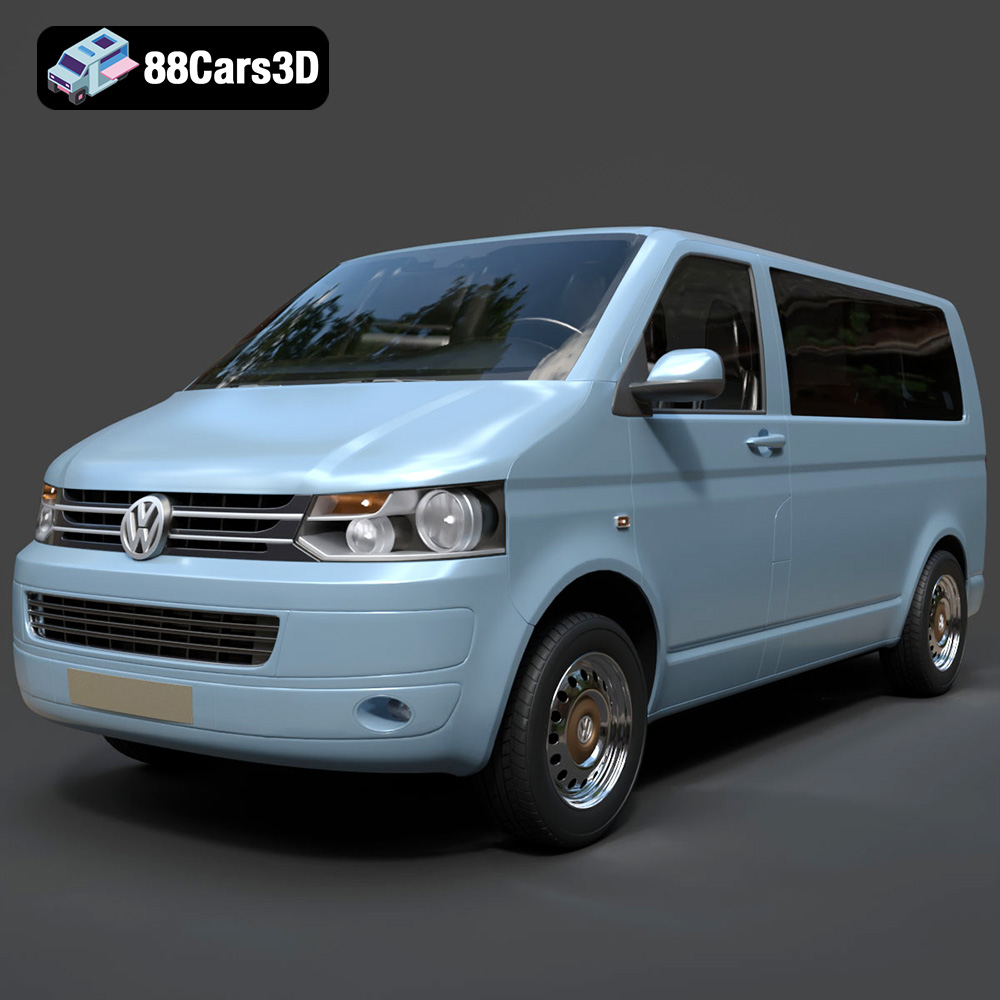
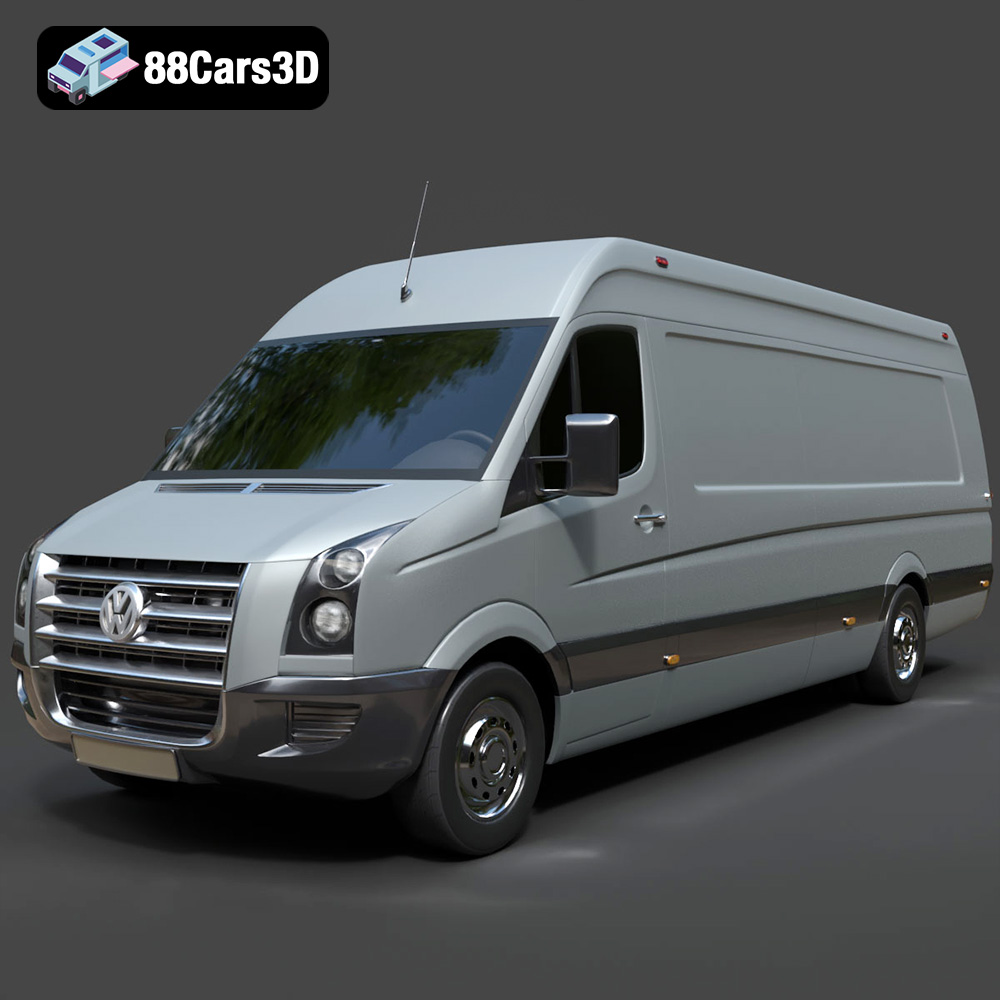
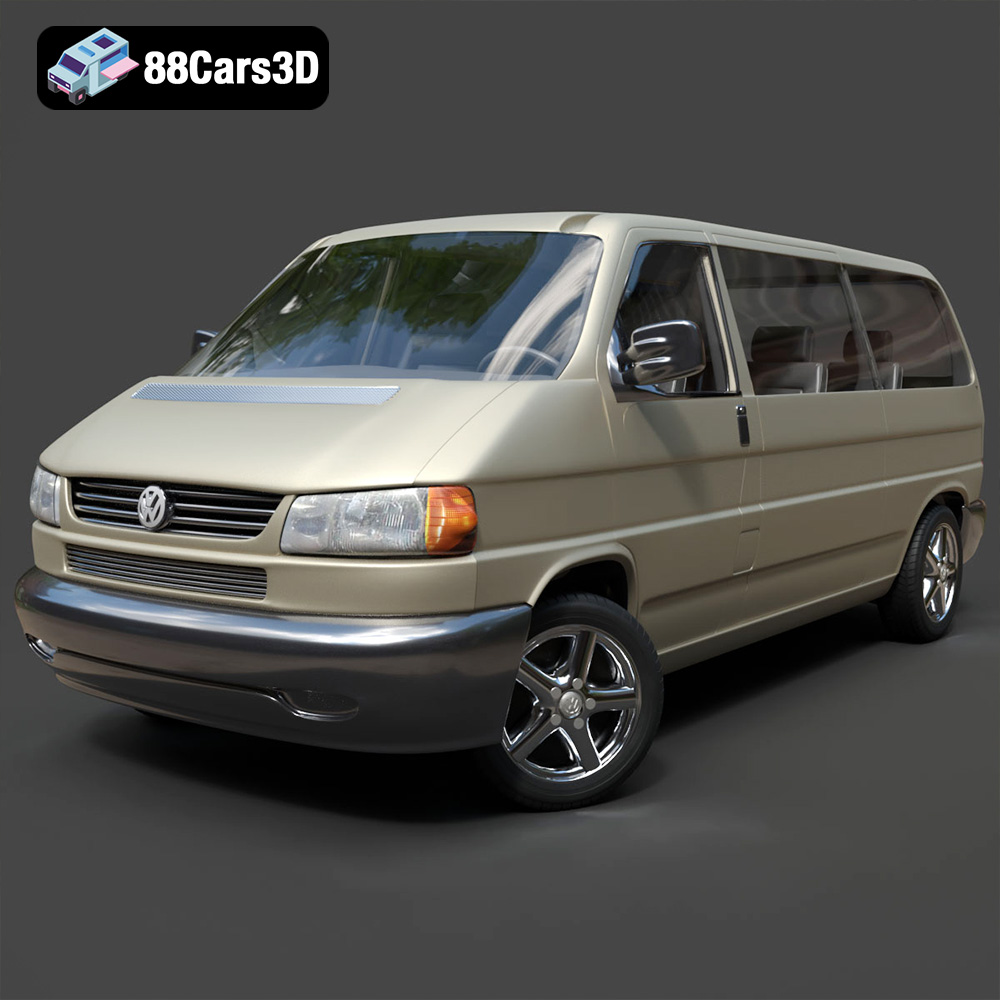
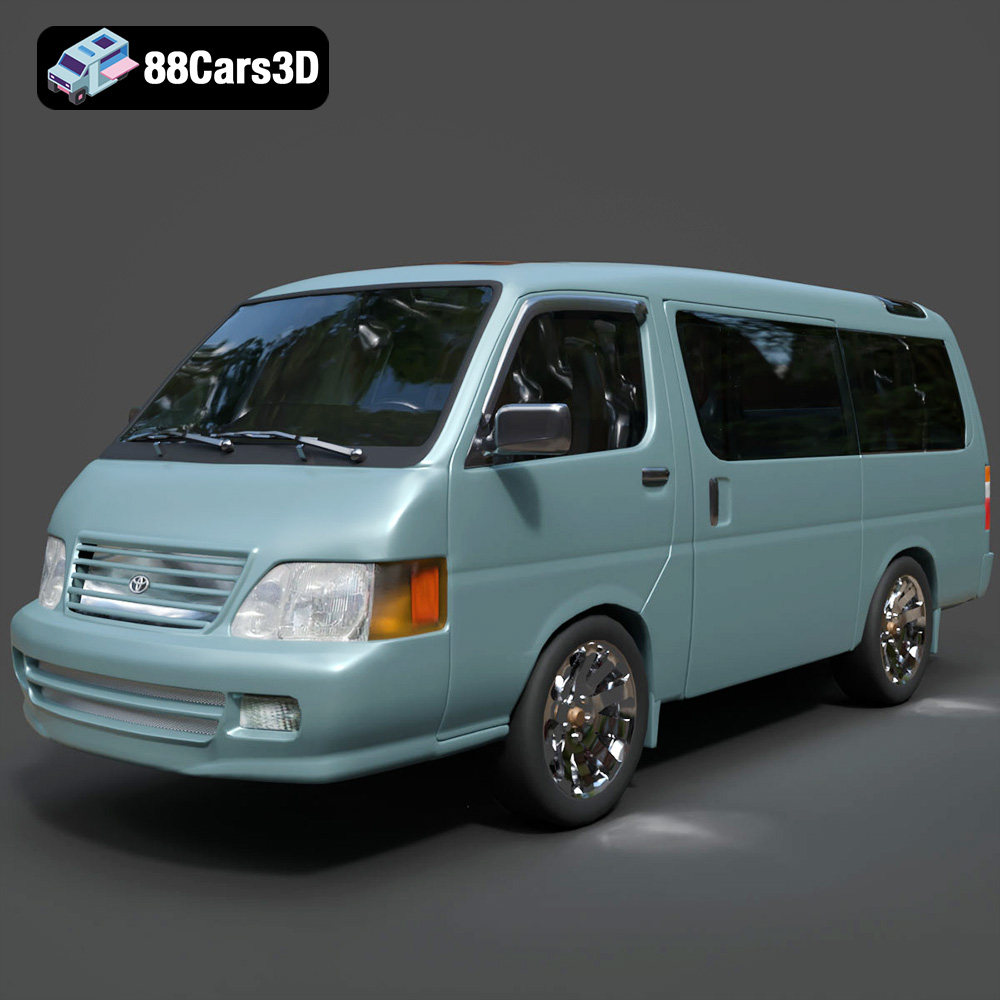
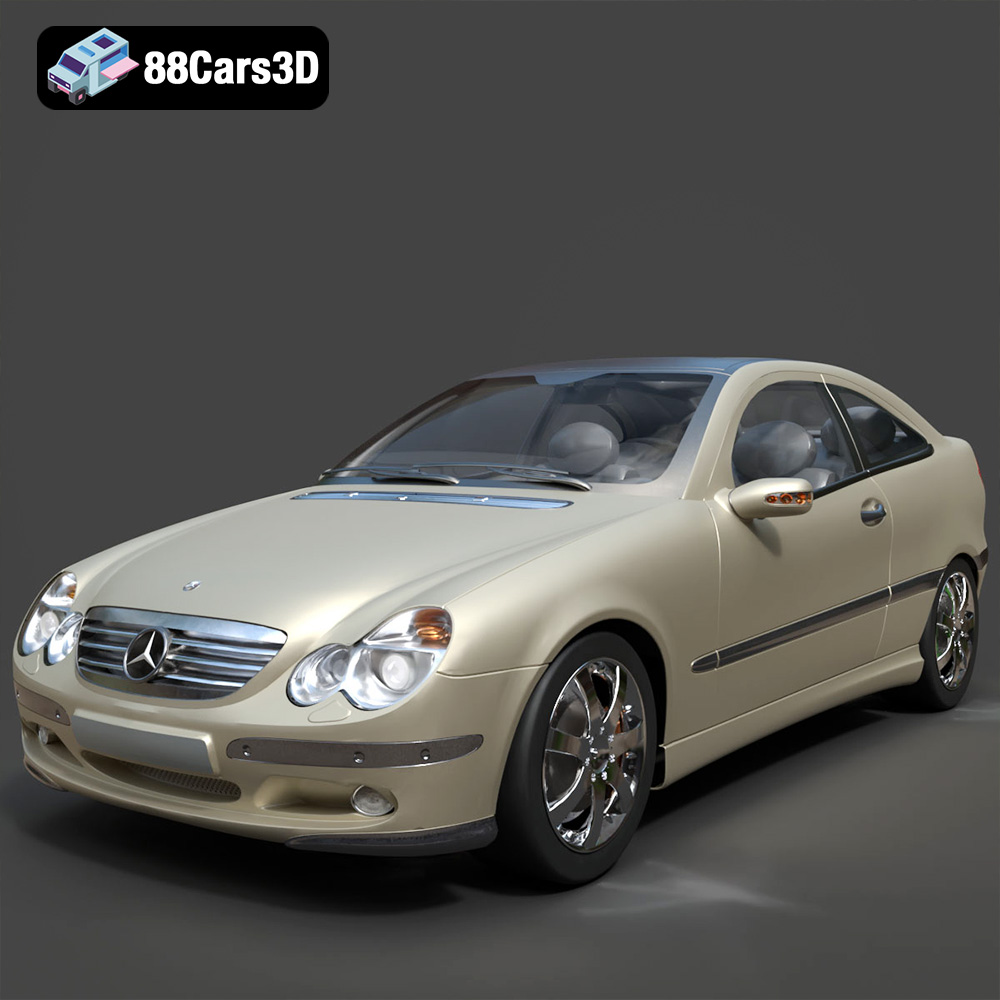
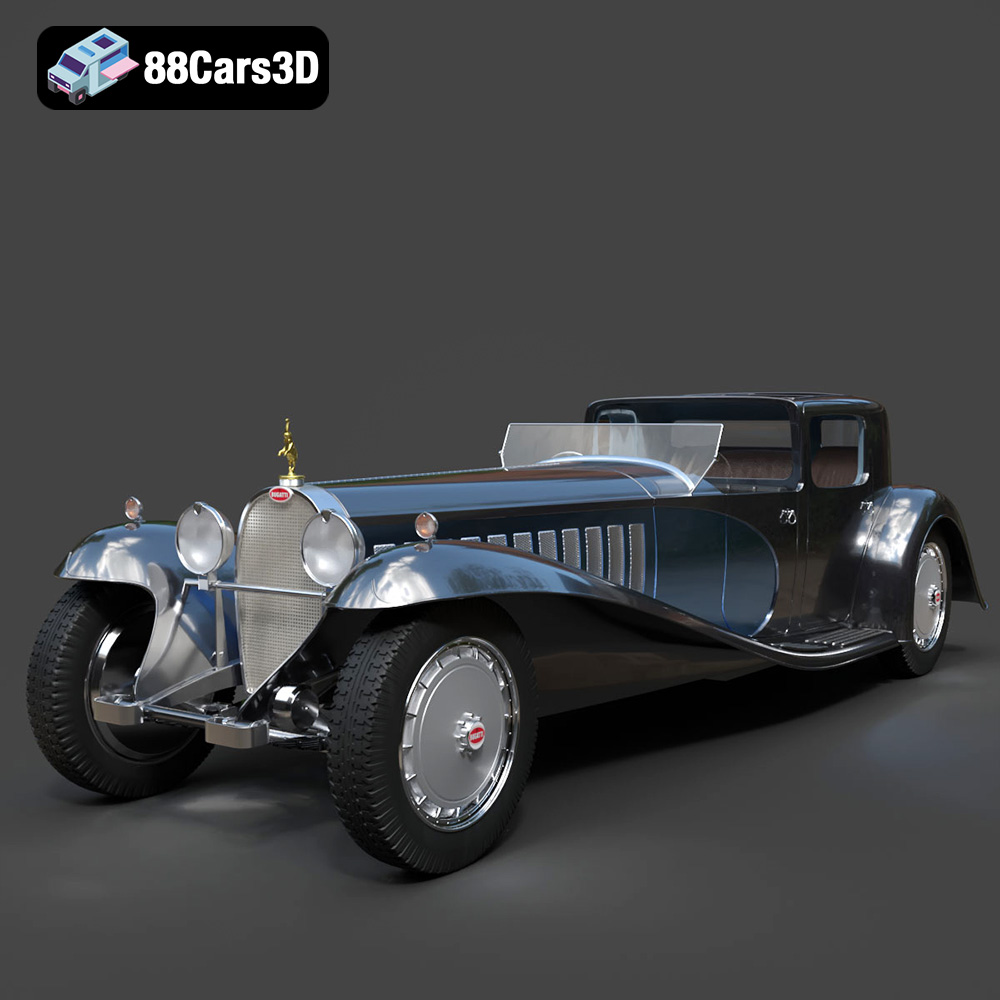
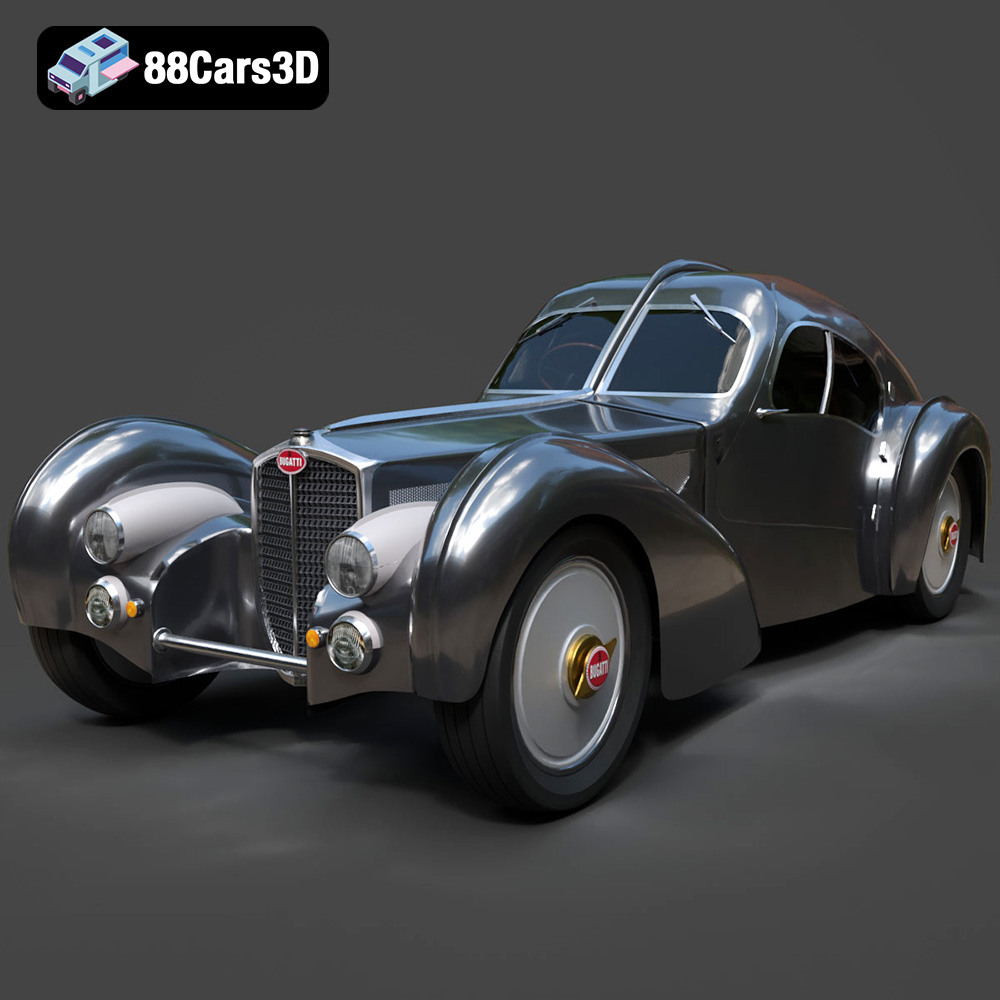
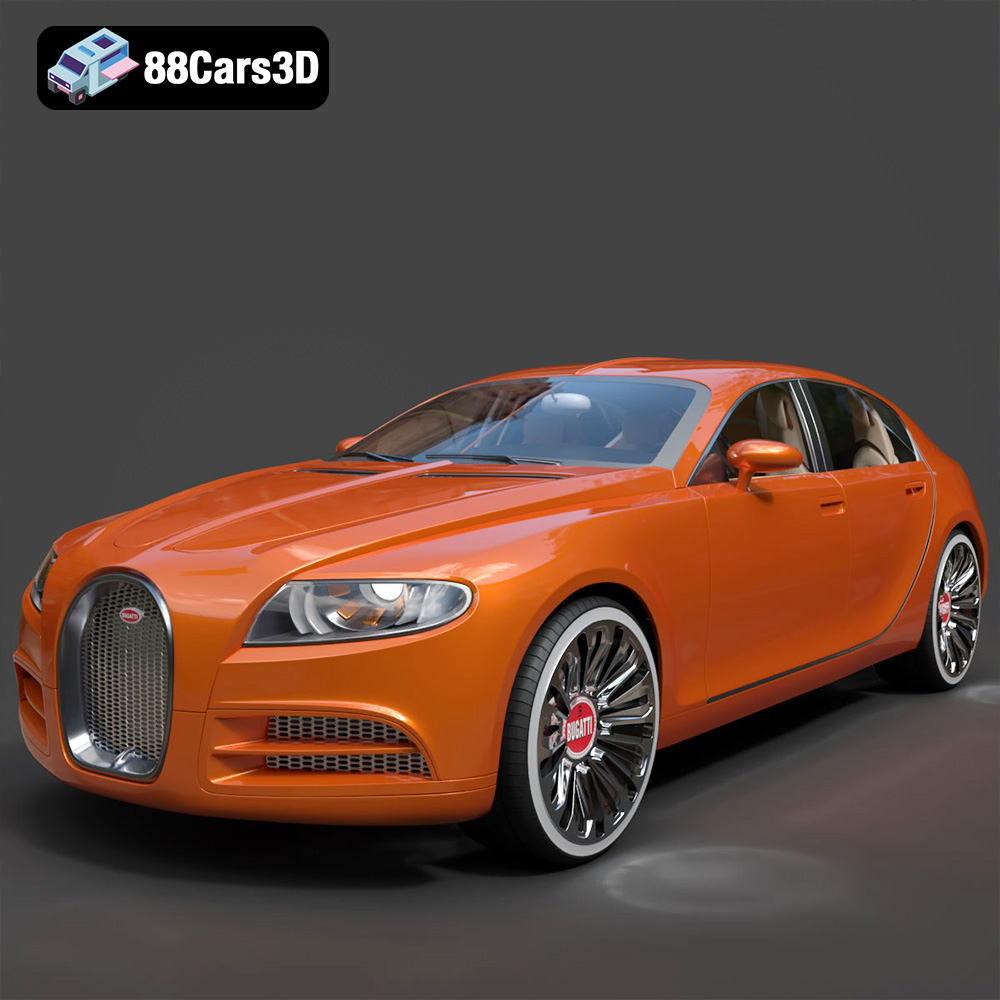
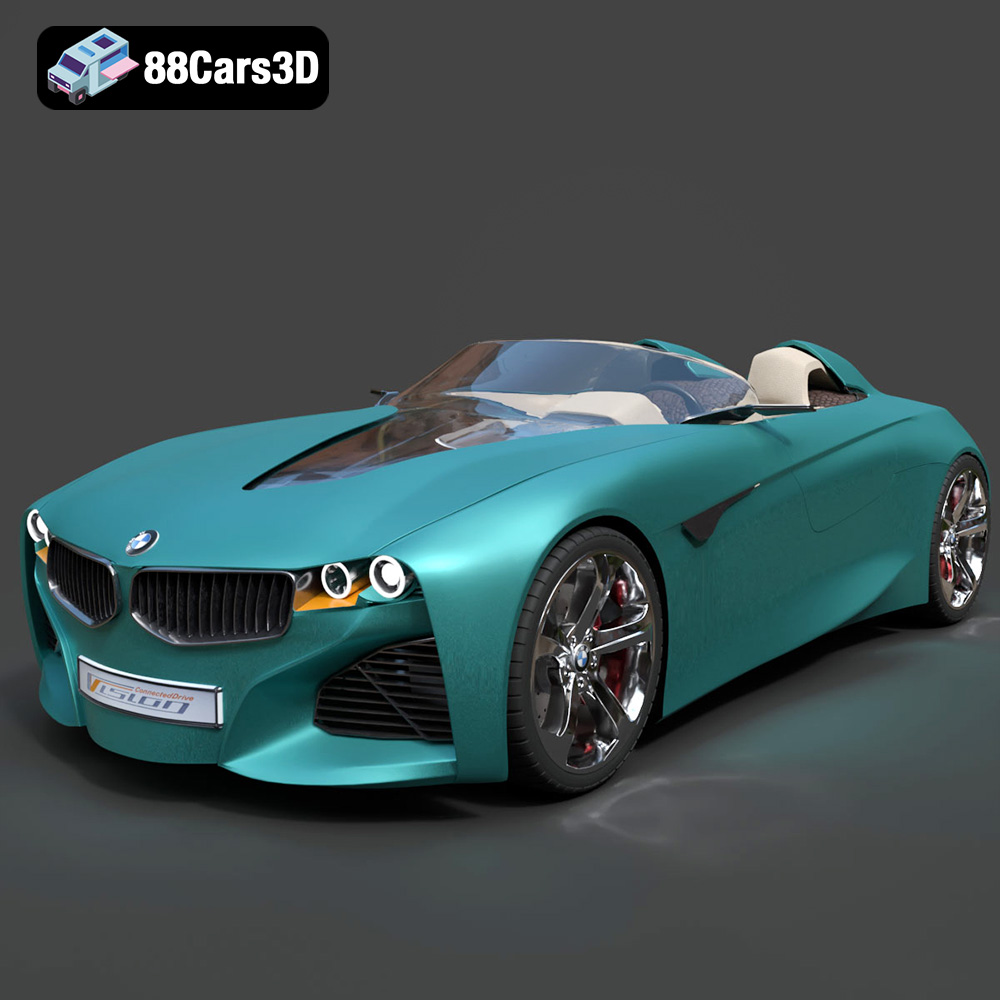
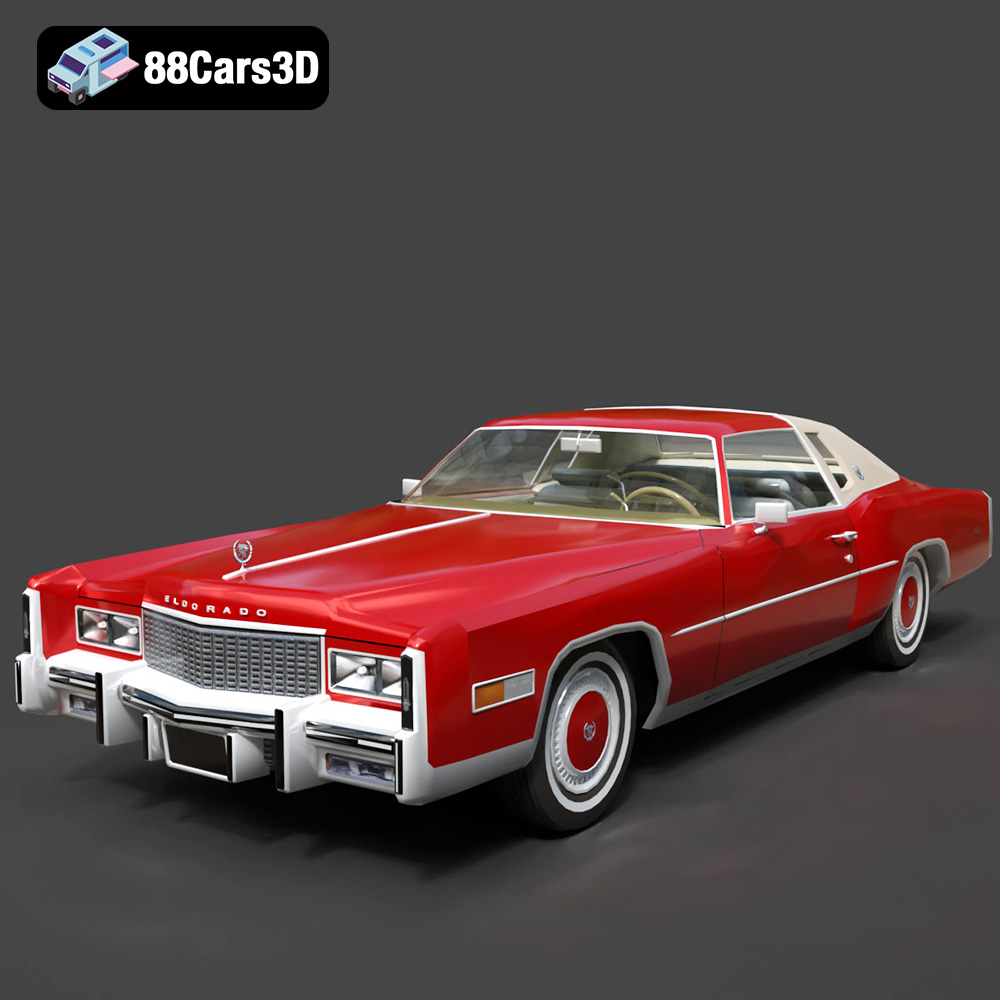
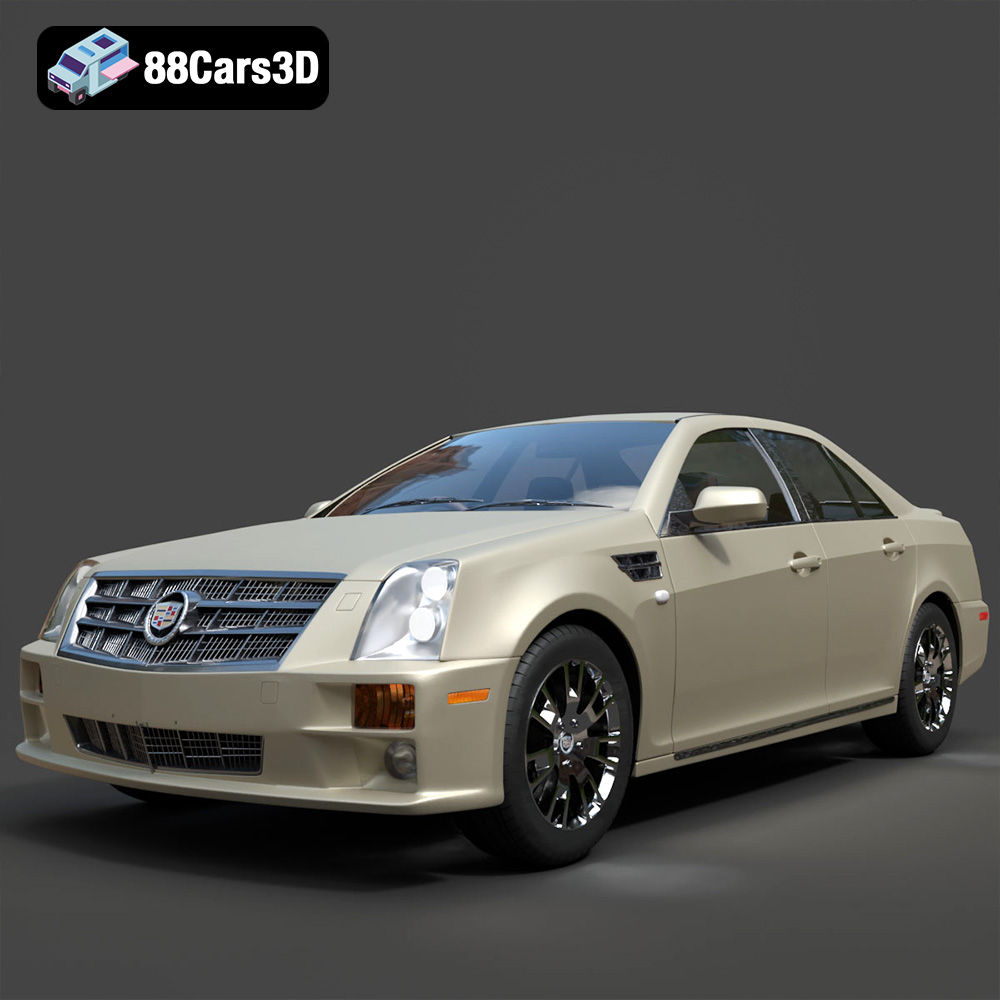
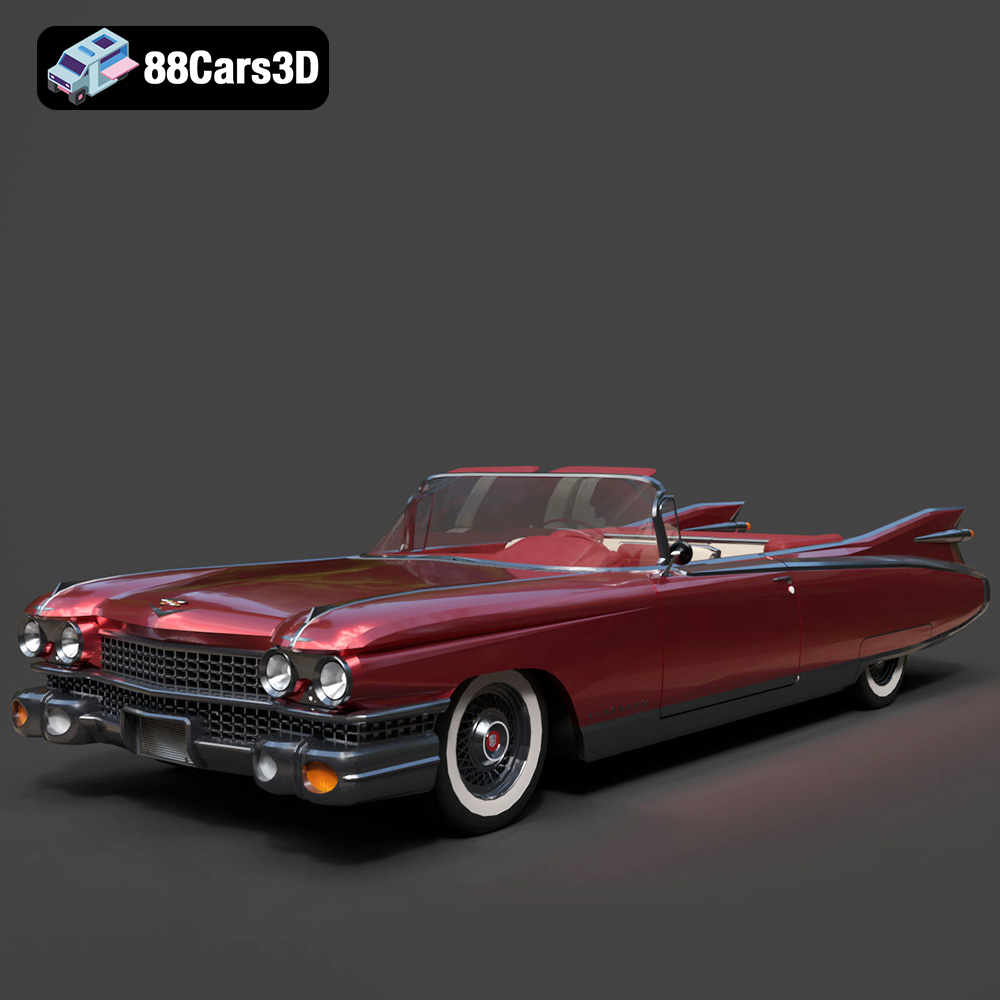
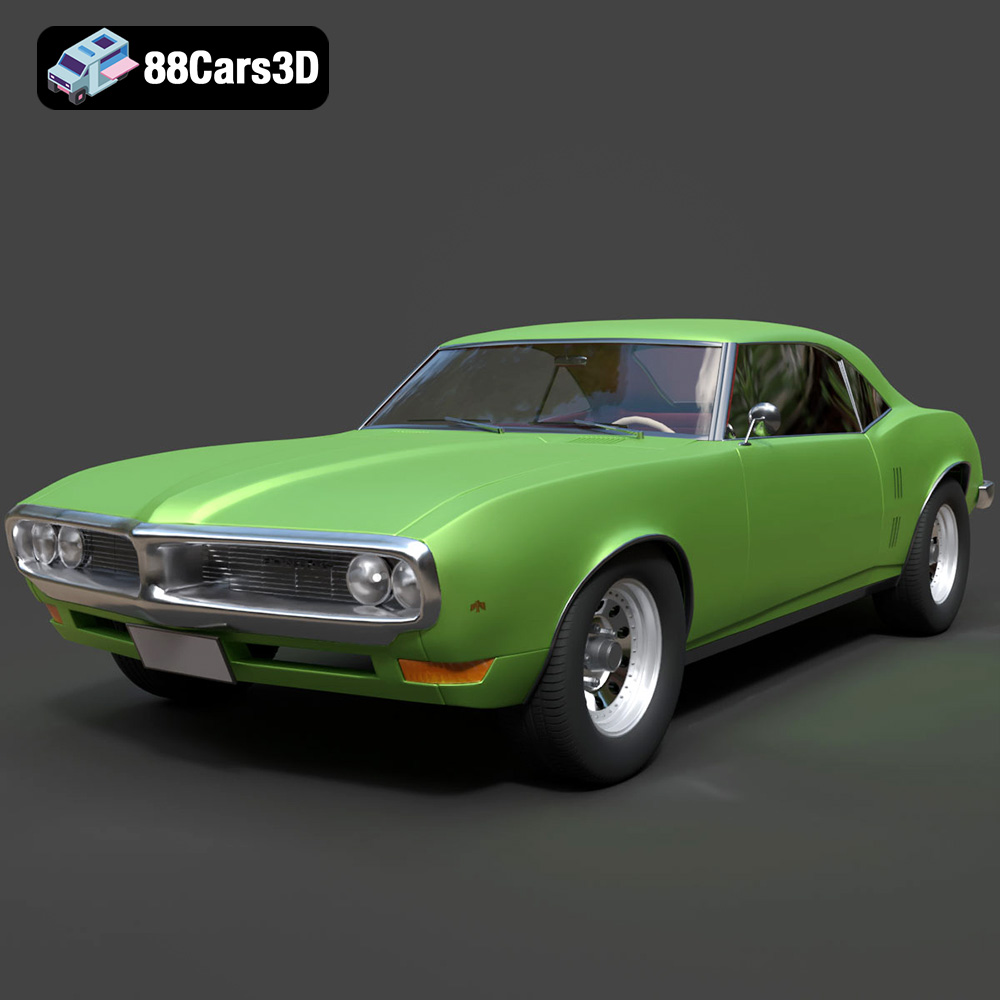
Featured 3D Car Models