⚡ FLASH SALE: Get 60% OFF All Premium 3D & STL Models! ⚡

The automotive industry is rapidly evolving, moving beyond static images and pre-rendered videos towards highly interactive, real-time experiences. From immersive car configurators to breathtaking virtual showrooms and cutting-edge virtual production, Unreal Engine stands at the forefront of this transformation. But what if you’re a skilled 3D artist, a visionary designer, or an automotive professional with incredible ideas, yet traditional programming languages like C++ feel daunting? This is where Unreal Engine’s Blueprint Visual Scripting comes into its own.
Blueprint empowers non-programmers to build complex functionalities, create dynamic interactions, and orchestrate cinematic sequences without writing a single line of code. It bridges the gap between artistic vision and technical implementation, allowing you to bring your 3D car models to life with unparalleled ease and speed. In this comprehensive guide, we’ll delve into the world of Blueprint, exploring its fundamental principles, practical applications in automotive visualization, and advanced techniques to elevate your projects. You’ll learn how to transform static assets into dynamic, responsive experiences, optimize performance, and leverage the full power of Unreal Engine’s feature set, all through an intuitive visual interface. Get ready to supercharge your automotive visualization workflow and unlock a new realm of creative possibilities.
The journey to an interactive automotive visualization begins with the foundation: a high-quality 3D car model. Platforms like 88cars3d.com offer meticulously crafted car models optimized for Unreal Engine, featuring clean topology, realistic PBR materials, and proper UV mapping. Once you have your assets, the next step is to integrate them into your Unreal Engine project and begin to lay the groundwork for interactivity using Blueprint. This section will guide you through the process, from importing your models to setting up your first basic Blueprint interactions.
When sourcing automotive assets from marketplaces such as 88cars3d.com, you’re often provided with models in industry-standard formats like FBX or USD (Universal Scene Description). These models are typically prepared with separate material slots for different parts (body, wheels, interior, glass), making them ideal for customization.
1. Import Process: To import, simply drag and drop your FBX or USD file into the Content Browser, or use the “Import” button. Unreal Engine will present you with import options. For car models, ensure “Combine Meshes” is often unchecked if you want individual components (doors, wheels) to be separate Static Meshes for later Blueprint control. Make sure “Generate Missing Collisions” is enabled if you plan to use physics.
2. Initial Checks: After import, examine your assets. Verify the pivot points of components like doors or wheels are correctly positioned for rotation. If not, you might need to adjust them in your 3D modeling software or use Unreal Engine’s modeling tools. Ensure the scale is correct (Unreal Engine defaults to centimeters, where 1 unit = 1 cm).
3. Creating a Blueprint Class for the Car: Rather than dragging individual Static Mesh components directly into your scene, it’s best practice to encapsulate your entire car within an Actor Blueprint. Right-click in the Content Browser, select “Blueprint Class,” choose “Actor,” and name it (e.g., `BP_SportsCar`). Open this Blueprint, drag your car’s Static Mesh components into the Components panel, and parent them hierarchically (e.g., body as root, doors attached to body). This centralizes control over all car parts, making it easier to manage interactions through Blueprint.
With your car model neatly organized within an Actor Blueprint, you can start adding the logic that brings it to life. The Event Graph within your Blueprint is where all the visual scripting magic happens.
1. Event Graph Fundamentals: The Event Graph processes events. The most common entry points are `Event BeginPlay` (executes once when the game starts) and `Event Tick` (executes every frame). While `Event Tick` offers real-time updates, it should be used judiciously to avoid performance bottlenecks; prefer custom events or timers for less frequent actions.
2. Input Events: To make your car interactive, you need to respond to user input. This typically involves setting up Input Actions in your Project Settings (under Engine > Input). Map a keyboard key (e.g., ‘O’ for Open Door) to an Input Action. Then, in your car’s Blueprint Event Graph, right-click and search for your Input Action. This will give you nodes like “Pressed” and “Released” to trigger actions.
3. Referencing Components: To interact with a specific car part (like a door), you need a reference to its Static Mesh component within your Blueprint. You can simply drag the component from the Components panel into the Event Graph, and it will create a reference node.
4. First Practical Example: Toggle Component Visibility: Let’s create a simple Blueprint to toggle the visibility of a car part, like a removable roof.
* In your `BP_SportsCar`, select the `Roof` Static Mesh component.
* In the Event Graph, create an “Input Action `ToggleRoof`” node (assuming you set this up).
* From the “Pressed” pin, drag out and search for a “FlipFlop” node. This node alternates between two execution paths (A and B) each time it’s called.
* From the “A” pin of the “FlipFlop,” drag out and search for “Set Visibility” (targeting the `Roof` component reference). Set “New Visibility” to `true`.
* From the “B” pin of the “FlipFlop,” drag out and search for “Set Visibility” again, this time setting “New Visibility” to `false`.
* Compile and save your Blueprint. Place an instance of `BP_SportsCar` in your level. Now, pressing your assigned key will toggle the roof’s visibility, demonstrating a fundamental interactive principle. This basic setup forms the building block for more complex interactions, turning a static 3D model into a responsive element within your real-time scene. For more information on Event Graph execution flow and input handling, refer to the official Unreal Engine documentation.
Interactive car configurators are a cornerstone of modern automotive visualization, allowing potential customers to explore various options, colors, and features in real time. Blueprint is the perfect tool for building these complex interactive systems, providing the flexibility to handle dynamic material changes, component animations, and user interface (UI) interactions. This section delves into creating a robust configurator experience, driven entirely by Blueprint logic.
One of the most requested features in any car configurator is the ability to change paint colors, wheel finishes, or interior trims. Blueprint makes this process intuitive and highly customizable.
1. Material Instances for Efficiency: Before diving into Blueprint, understand Material Instances. Instead of creating a new Material for every color, you create a parent Material (e.g., `M_CarPaint`) with adjustable parameters (like Base Color, Roughness, Metallic, Clear Coat color). Then, you create Material Instances (e.g., `MI_RedPaint`, `MI_BluePaint`) from this parent, allowing you to quickly change parameter values without recompiling shaders. This is crucial for performance and flexibility.
2. Blueprint Nodes for Material Manipulation:
* `Create Dynamic Material Instance`: This node is used when you need to change material parameters at runtime. It creates a copy of a Material Instance and allows you to modify its parameters. You typically store the output of this node in a variable for later use.
* `Set Material`: This node applies a specific Material (or Material Instance) to a Static Mesh component. You’ll use this to swap out entire materials, such as changing a wheel design.
* `Set Vector Parameter Value` / `Set Scalar Parameter Value` / `Set Texture Parameter Value`: Once you have a Dynamic Material Instance, these nodes allow you to modify its specific parameters (e.g., paint color represented by a Vector, roughness by a Scalar, or a decal texture).
3. Driving Material Changes via UI (UMG Widget Blueprints): The configurator’s interface is typically built using Unreal Motion Graphics (UMG), which also uses Blueprint.
* Create a Widget Blueprint (e.g., `WBP_CarConfigurator`). Design buttons for each color or option.
* In the Widget’s Event Graph, when a color button is clicked (using the `On Clicked` event), you’ll need to communicate with your `BP_SportsCar` Actor.
* A common pattern is to “Get All Actors Of Class” (finding your `BP_SportsCar`), cast it to your specific car Blueprint, and then call a custom event or function defined within the car Blueprint (e.g., `ChangePaintColor`).
* Inside the car’s Blueprint, the `ChangePaintColor` function would receive the new color value, get a reference to the car body’s Dynamic Material Instance, and then use `Set Vector Parameter Value` to update the car’s paint. This modular approach keeps your logic organized and efficient.
Beyond material swaps, configurators often feature interactive elements like opening doors, turning on headlights, or adjusting interior lighting. Blueprint’s Timelines and component manipulation are key here.
1. Using Timelines for Smooth Animations: Direct rotation or movement of components can look jarring. Timelines provide a powerful, visual way to animate properties over time.
* In your car’s Blueprint, add a “Timeline” node. Double-click it to open the Timeline editor.
* Add a “Float Track” (for scalar values like alpha blend for opening/closing doors) or a “Vector Track” (for position/rotation).
* Define keyframes for the start and end states of your animation (e.g., door rotation from 0 degrees to 90 degrees over 1 second).
* Back in the Event Graph, connect the Timeline’s “Update” pin to a “Set Relative Rotation” (or “Set Relative Location”) node, targeting your door component. The Timeline’s float track can drive the interpolation of the rotation value.
* Trigger the Timeline with “Play” (for opening) and “Reverse” (for closing) nodes, often linked to input actions or UI buttons, potentially using a “FlipFlop” node to alternate between playing and reversing.
2. Blueprint Communication: For more complex setups, where multiple Blueprints need to interact, consider:
* Direct Actor Communication: As used in the UI example, finding an Actor and calling its functions.
* Event Dispatchers: A powerful way for one Blueprint to “broadcast” a message that other Blueprints can “listen” for. This decouples Blueprints and is excellent for modular systems, like having an environment Blueprint respond to a car’s headlight toggle event.
3. Integrating Sound Effects: Blueprint can easily play sound cues. Use the “Play Sound 2D” (for UI sounds) or “Play Sound at Location” (for spatial sounds like an engine start or door closing) nodes. You can link these directly into your Timeline logic (e.g., play a “door close” sound when the Timeline finishes reversing).
By combining dynamic material instances, intuitive UI elements, and precise component animations driven by Timelines, you can construct a highly interactive and visually compelling car configurator. Further exploration into Blueprint communication and advanced UI concepts can be found on the Unreal Engine learning portal, specifically regarding UMG and Blueprint Interfaces.
Once you’ve mastered the fundamentals of interactive configurators, Blueprint’s potential expands dramatically into enhancing realism and orchestrating cinematic experiences. Unreal Engine’s cutting-edge rendering features – Lumen, Nanite, and Niagara – can all be integrated or controlled through Blueprint, allowing for truly next-generation automotive visualization and virtual production workflows.
Blueprint acts as the central nervous system, connecting user input and logical decisions to the engine’s most powerful rendering systems.
1. Lumen and Nanite: Pushing Visual Fidelity:
* Lumen: Unreal Engine’s fully dynamic global illumination and reflections system, which delivers stunning real-time lighting. While Lumen itself is a rendering feature, Blueprint can be used to drive scenarios that fully showcase its capabilities. For example, a Blueprint might allow a user to toggle different environmental lighting setups (e.g., day/night cycle, different studio backdrops), each dynamically lit by Lumen. You could use Blueprint to trigger a time-of-day sequence via a timeline, smoothly transitioning lighting and shadows, all beautifully rendered by Lumen.
* Nanite: The virtualized geometry system that allows for massive polygon counts without performance penalties. High-fidelity 3D car models, especially those with intricate details from 88cars3d.com, are perfect candidates for Nanite. While Nanite is largely automatic, Blueprint can control factors that influence its rendering, such as dynamically loading/unloading entire high-detail environments (which benefit from Nanite) or controlling the visibility of extremely detailed interior components that are Nanite-enabled based on camera distance or user interaction. This ensures optimal performance without sacrificing visual quality.
2. Niagara for Dynamic Effects: Unreal Engine’s Niagara particle system provides incredible flexibility for creating stunning visual effects, from subtle dust particles to dynamic smoke and water simulations.
* Blueprint can be used to spawn Niagara particle systems based on events. Imagine pressing a button to start the car engine, and Blueprint not only plays an engine sound but also spawns a subtle exhaust smoke effect from the tailpipes using a “Spawn Emitter at Location” node.
* You can also use Blueprint to dynamically adjust Niagara system parameters (e.g., smoke density, color) based on user input or in-scene conditions, further enhancing realism.
3. PBR Materials and Blueprint: While Material Editor handles the PBR setup, Blueprint can dynamically adjust Material parameters. For instance, you could have a Blueprint that, upon a user selecting a “muddy” preset, not only changes the car’s texture but also dynamically increases the roughness parameter of the body paint Material Instance via `Set Scalar Parameter Value` and overlays a dirt texture, simulating a weathered look. This adds another layer of realism and customization.
For product showcases, commercials, or engaging narratives, cinematic sequences are indispensable. Unreal Engine’s Sequencer is a powerful non-linear editor, and Blueprint serves as the perfect conductor to trigger and control these sequences.
1. Triggering Sequencer from Blueprint:
* Create your cinematic sequence in Sequencer, animating camera movements, car components, and environmental elements.
* In your `BP_SportsCar` or a dedicated Level Blueprint, add a “Spawn Play Sequence” node. Select your Sequencer asset.
* Connect this node to an input event (e.g., “Press ‘C’ for Cinematic”) or a UI button click. This allows users to trigger a beautiful product showcase reel at will.
* You can also use the “Play” and “Stop” nodes on a Sequence Player variable to control playback.
2. Event Tracks within Sequencer Calling Blueprint Functions: Sequencer can also call back to Blueprint. Within a Sequencer track, you can add an “Event Track.” At specific points in your timeline, you can add “Event” keys that trigger custom Blueprint events or functions.
* For example, halfway through a camera fly-around, a Sequencer event could call a Blueprint function that flashes the car’s headlights, adding an extra layer of dynamic visual interest to your cinematic.
3. Virtual Production and LED Wall Workflows: In virtual production, where real-time graphics are displayed on LED walls as backgrounds for physical sets, Blueprint plays a critical role.
* Blueprint can be used to build “control panels” for the virtual environment. A technical director or artist might use a UMG Blueprint interface to instantly change the virtual backdrop displayed on the LED wall, dynamically adjust ambient lighting, or spawn digital props in real-time, all interacting seamlessly with the physical set and actors. This dynamic control, powered by Blueprint, is vital for responsive, in-camera VFX production and greatly streamlines on-set workflows.
The synergy between Blueprint and Unreal Engine’s advanced features opens up a vast array of possibilities, allowing artists and designers to create not just interactive, but truly immersive and cinematic automotive experiences that were once only achievable with highly specialized programming.
While Blueprint offers incredible ease of use, it’s crucial to write efficient and performant code, especially when dealing with complex 3D car models and real-time rendering. Unoptimized Blueprints can lead to performance bottlenecks, dropped frame rates, and a subpar user experience. This section will cover best practices for writing clean, efficient Blueprints and strategies for optimizing your automotive projects for various platforms, including AR/VR.
Good Blueprint design isn’t just about functionality; it’s about creating logic that runs smoothly and is easy to maintain.
1. Avoid “Event Tick” for Non-Critical Updates: This is perhaps the most common optimization mistake. `Event Tick` fires every single frame. If you have logic that doesn’t need to update constantly (e.g., checking if a door is fully open), don’t put it on `Event Tick`.
* **Alternative Strategies:** Use `Timers by Event` or `Timers by Function Name` for periodic checks. Use `Custom Events` triggered by specific input or conditions. Leverage `Blueprint Interfaces` for communication between actors without direct casting, which can be more efficient.
2. Caching References: Repeatedly calling “Get Actor Of Class” or “Find Component By Class” can be expensive, as the engine has to search the entire scene.
* **Best Practice:** On `Event BeginPlay`, get a reference to frequently used Actors or Components and store them in a Blueprint variable. Then, use these cached references throughout your Blueprint, significantly reducing overhead.
3. Local Variables vs. Global Variables: Use local variables within functions or custom events when the data is only needed for that specific execution path. Global variables (member variables) use more memory and can lead to harder-to-debug issues if modified unexpectedly.
4. Blueprint Nativization (for Packaging): For production builds, especially for performance-critical applications, consider Blueprint Nativization. This process converts select Blueprints into C++ code during the packaging phase, offering potential performance improvements, particularly for complex and frequently executed Blueprint logic. While it adds compile time, it can provide significant runtime benefits for shipping products.
5. Debugging Tools: Unreal Engine provides robust debugging tools:
* **Blueprint Debugger:** Found under “Window > Developer Tools,” this allows you to step through Blueprint execution, set breakpoints, and inspect variable values in real-time.
* **Print String:** A simple but effective way to output messages and variable values to the screen or output log for quick checks.
* **Breakpoints:** Right-click on any Blueprint node and select “Toggle Breakpoint.” Execution will pause at that node, allowing you to examine the flow.
* **Stat Commands:** Commands like `Stat Unit`, `Stat FPS`, `Stat Game`, `Stat Engine`, and `Stat GPU` in the console (accessed by pressing `~`) provide invaluable insights into your project’s performance.
Optimizing your 3D car models is just as crucial as optimizing your Blueprints. High-quality models from sources like 88cars3d.com are typically well-optimized, but you still need to manage them effectively.
1. Level of Detail (LODs): While Nanite handles geometric detail for static meshes incredibly efficiently, traditional LODs are still important for non-Nanite meshes and Skeletal Meshes (if you were animating a car’s suspension or interior elements).
* **Unreal Engine’s LOD System:** Generate multiple LODs for your meshes. As the camera moves further away, Unreal Engine automatically switches to lower-polygon versions, drastically reducing rendering cost. For complex vehicles, having 3-5 LODs is standard. Blueprint can override automatic LOD selection *if manual control is absolutely necessary*, but typically the engine’s automatic system is preferred.
2. Optimizing Texture Resolutions: Textures contribute significantly to memory usage and GPU load.
* Ensure textures are appropriately sized. A 4K texture might be overkill for a small, distant detail. Use 2K or 1K where possible without sacrificing perceptible quality.
* Utilize Unreal Engine’s texture streaming and mip-map generation, which Blueprint doesn’t directly control but relies upon for efficient texture management.
3. Draw Call Reduction: Every unique mesh and material requires a “draw call” to the GPU, which can be expensive.
* **Combine Meshes:** Where possible and sensible, combine small, non-interactive meshes into a single mesh.
* **Material Instancing:** As discussed, using Material Instances reduces the number of unique materials, which in turn reduces draw calls.
* **Blueprint for Visibility Culling:** For complex interior parts or under-the-hood details not immediately visible, Blueprint can be used to toggle their visibility based on camera angle or user interaction (e.g., only show engine details when the hood is open). This effectively “culls” unseen geometry from the rendering pipeline, saving performance.
4. AR/VR Optimization: AR/VR experiences demand extremely high and stable frame rates (90+ FPS). All optimization strategies are magnified here.
* **Aggressive LODs:** More aggressive LODs are often needed for AR/VR.
* **Reduced Overdraw:** Minimize transparent materials where possible.
* **Simplified Blueprint Logic:** Prioritize minimal `Event Tick` usage, streamlined event flows, and efficient data handling to keep the game thread light, as performance overheads are much more noticeable in immersive environments.
By adopting these Blueprint optimization practices and carefully managing your 3D assets, you can ensure your automotive visualizations run smoothly across various platforms, delivering a high-quality, responsive experience to your audience.
We’ve journeyed through the dynamic landscape of Unreal Engine’s Blueprint Visual Scripting, uncovering its immense power for transforming static 3D car models into vibrant, interactive experiences. From demystifying its node-based logic for non-programmers to crafting sophisticated car configurators, enhancing realism with features like Lumen and Nanite, and orchestrating cinematic sequences, Blueprint has proven itself as an indispensable tool in modern automotive visualization.
You’ve learned how to import and set up your high-quality 3D car models, lay the groundwork for basic interactions, and build complex systems for dynamic material changes and component animations. We’ve also explored how Blueprint acts as a bridge to Unreal Engine’s advanced rendering capabilities and discussed crucial optimization strategies to ensure your projects run smoothly and efficiently, even in demanding real-time environments like AR/VR. The ability to prototype, iterate, and deploy sophisticated interactive content without diving into traditional code empowers artists and designers like never before.
The journey doesn’t end here. The true power of Blueprint lies in continuous exploration and experimentation. We encourage you to delve deeper into its functionalities, explore the Unreal Engine learning portal (https://dev.epicgames.com/community/unreal-engine/learning) for further tutorials and documentation, and connect with the vibrant Unreal Engine community. To kickstart your next groundbreaking project, explore the extensive collection of meticulously optimized 3D car models available at 88cars3d.com, designed to integrate seamlessly into your Unreal Engine workflows and provide the perfect foundation for your Blueprint-powered interactive visions. Embrace the creative freedom that Blueprint offers, and continue to push the boundaries of real-time automotive visualization.
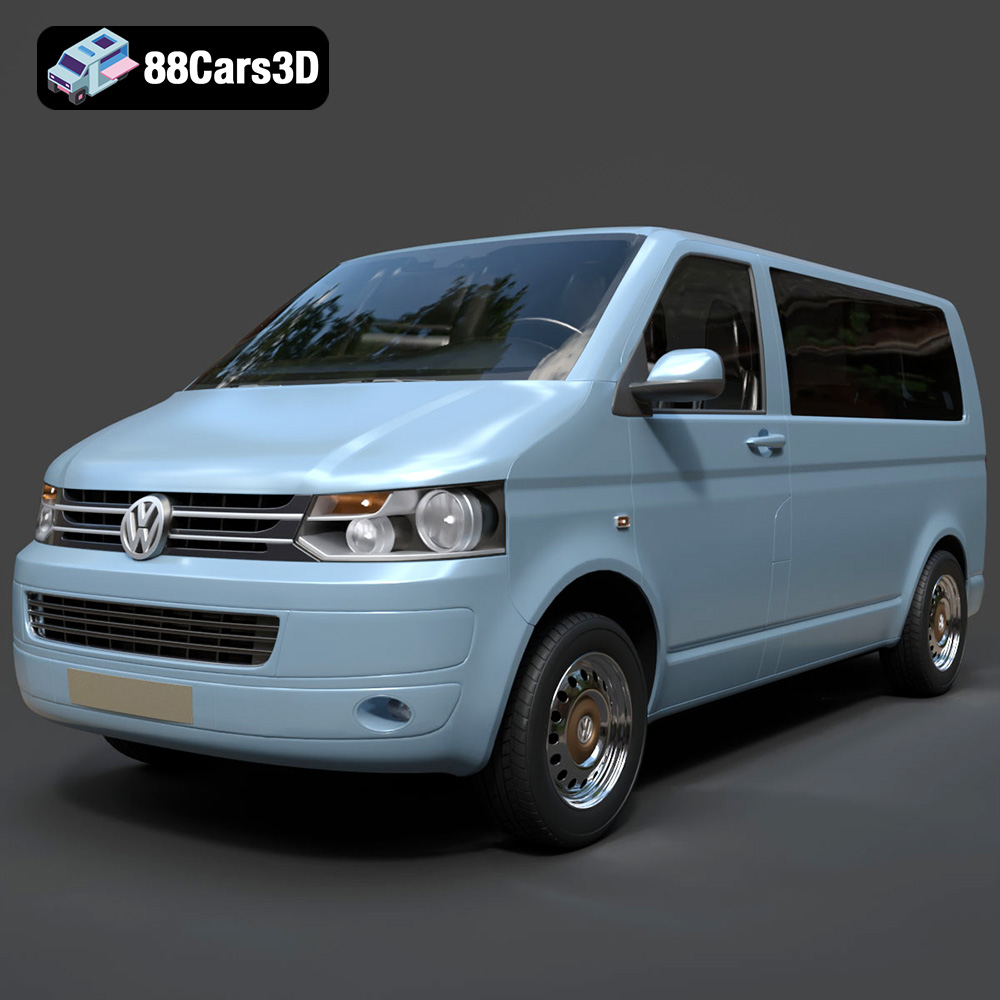
Texture: Yes
Material: Yes
Download the Volkswagen Transporter T5 FL 2010 3D Model featuring clean geometry, realistic detailing, and a fully modeled interior. Includes .blend, .fbx, .obj, .glb, .stl, .ply, .unreal, and .max formats for rendering, simulation, and game development.
Price: $22.99
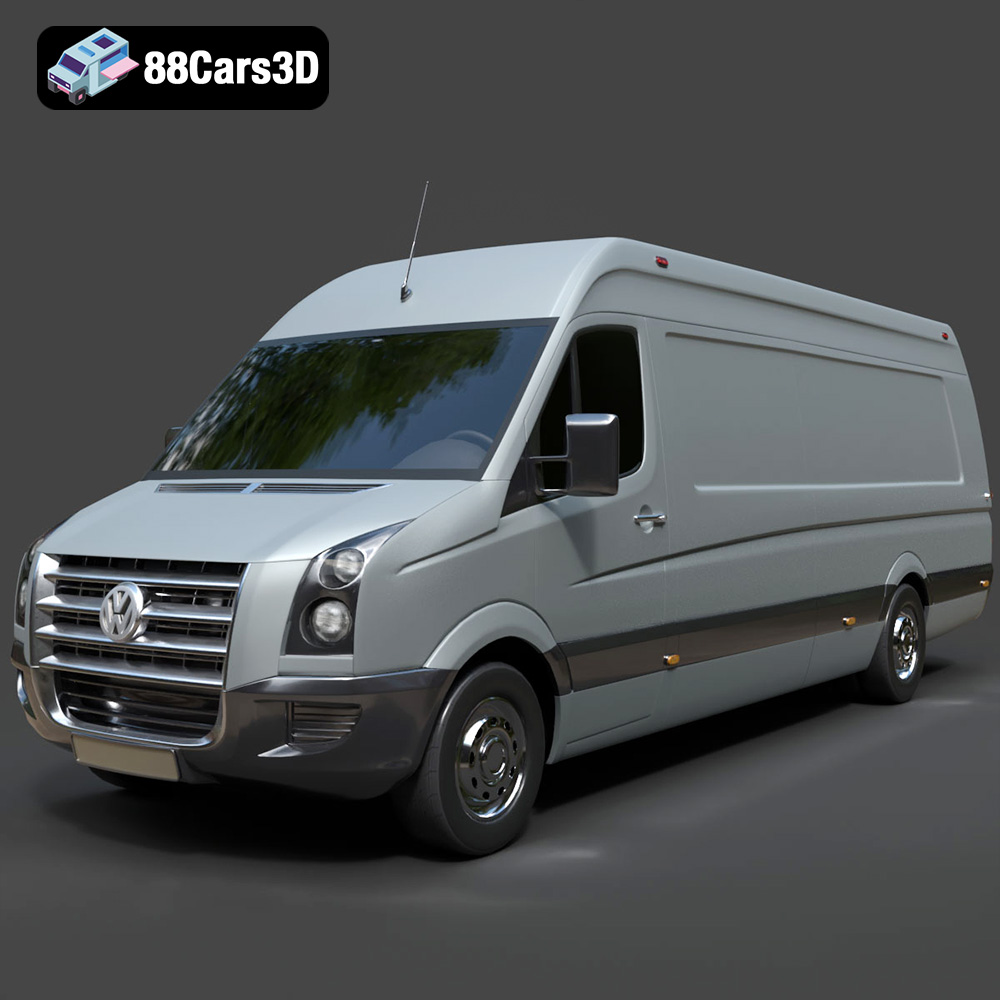
Texture: Yes
Material: Yes
Download the Volkswagen Crafter 2020 3D Model featuring clean geometry, realistic detailing, and a fully modeled interior. Includes .blend, .fbx, .obj, .glb, .stl, .ply, .unreal, and .max formats for rendering, simulation, and game development.
Price: $22.99
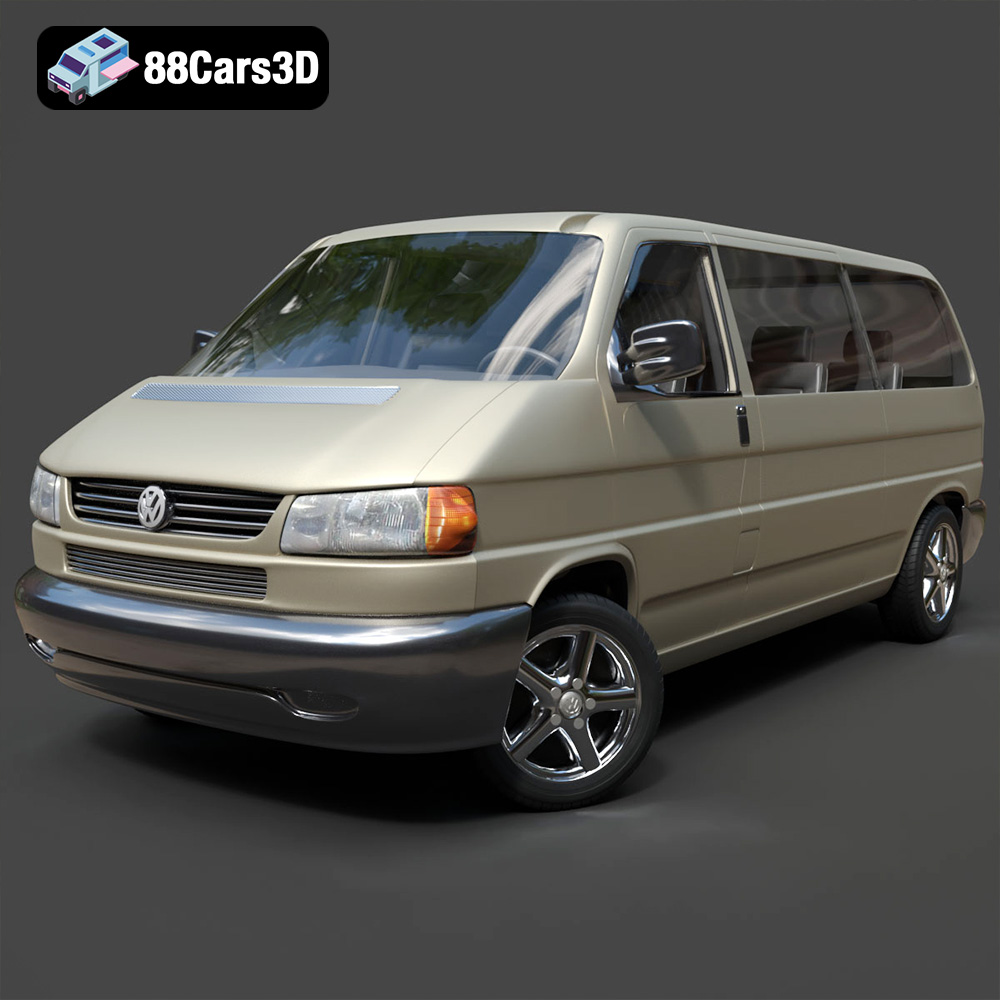
Texture: Yes
Material: Yes
Download the Volkswagen Caravelle 3D Model featuring a detailed exterior, functional interior, and optimized topology. Includes .blend, .fbx, .obj, .glb, .stl, .ply, .unreal, and .max formats for rendering, simulation, and game development.
Price: $23.99
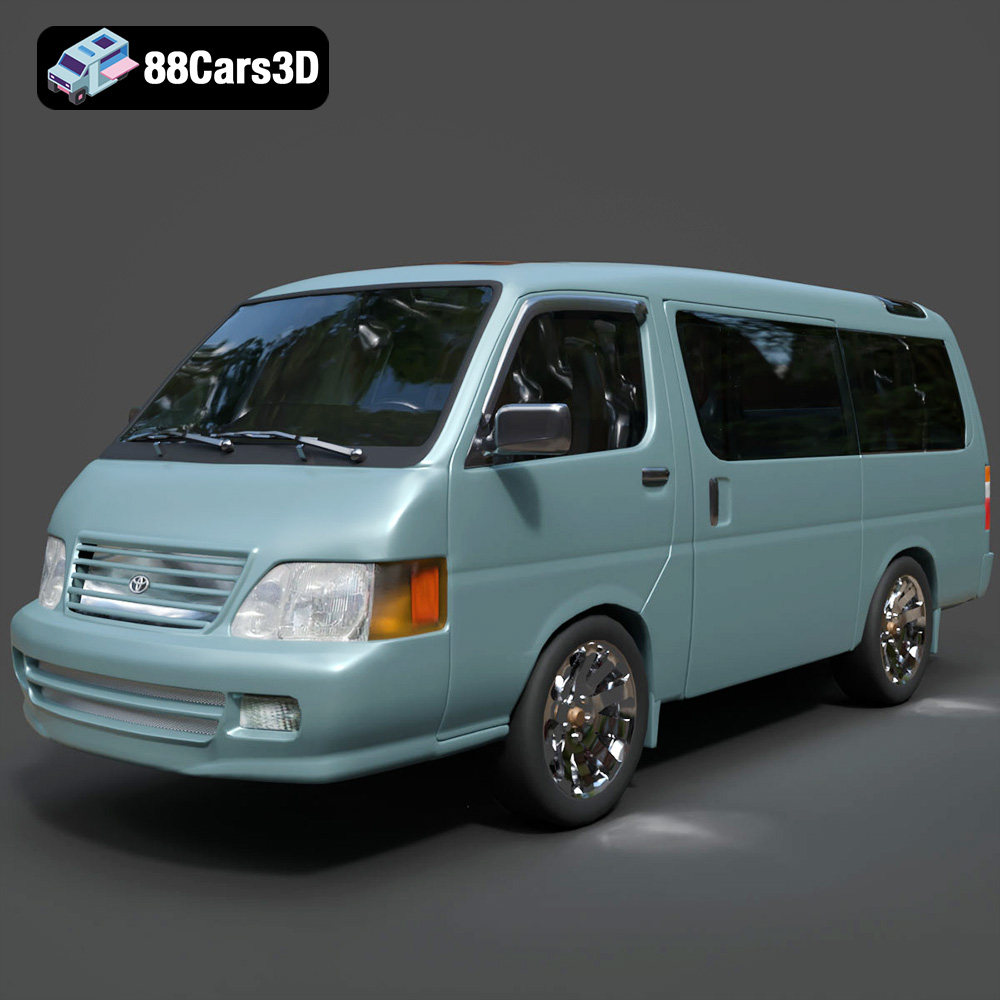
Texture: Yes
Material: Yes
Download the Toyota Hiace 3D Model featuring versatile design and detailed exterior. Includes .blend, .fbx, .obj, .glb, .stl, .ply, .unreal, and .max formats for rendering, simulation, and game development.
Price: $21.99
Texture: Yes
Material: Yes
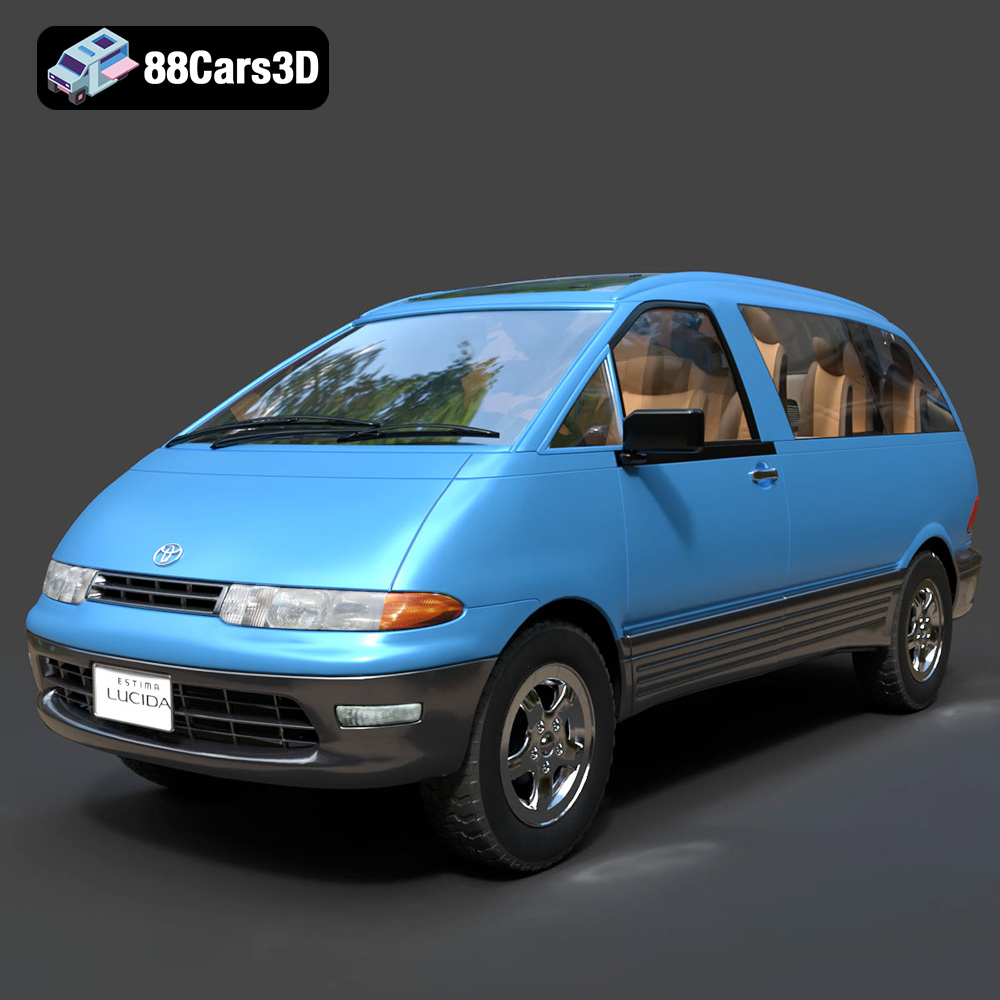
Download the Toyota Estima Lucida 3D Model featuring its iconic compact MPV design, versatile interior, and accurate exterior details. Includes .blend, .fbx, .obj, .glb, .stl, .ply, .unreal, and .max formats for rendering, simulation, and game development.
Price: $24.99

Texture: Yes
Material: Yes
Download the Toyota Alphard 3D Model featuring a detailed luxury minivan design with an accurate exterior and interior. Includes .blend, .fbx, .obj, .glb, .stl, .ply, .unreal, and .max formats for rendering, simulation, and game development.
Price: $21.99
Texture: Yes
Material: Yes
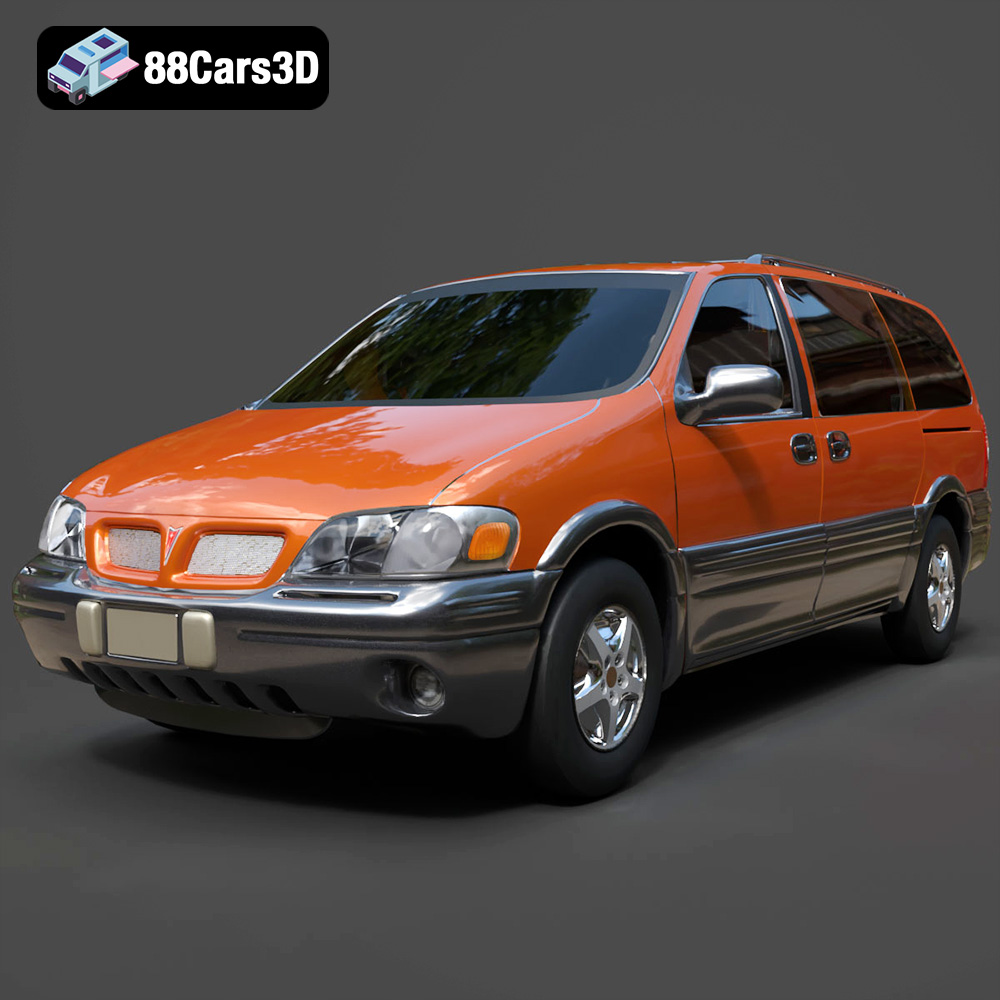
Download the Pontiac Montana 1998 3D Model featuring a detailed exterior, functional interior, and optimized mesh. Includes .blend, .fbx, .obj, .glb, .stl, .ply, .unreal, and .max formats for rendering, simulation, and game development.
Price: $21.99
Texture: Yes
Material: Yes
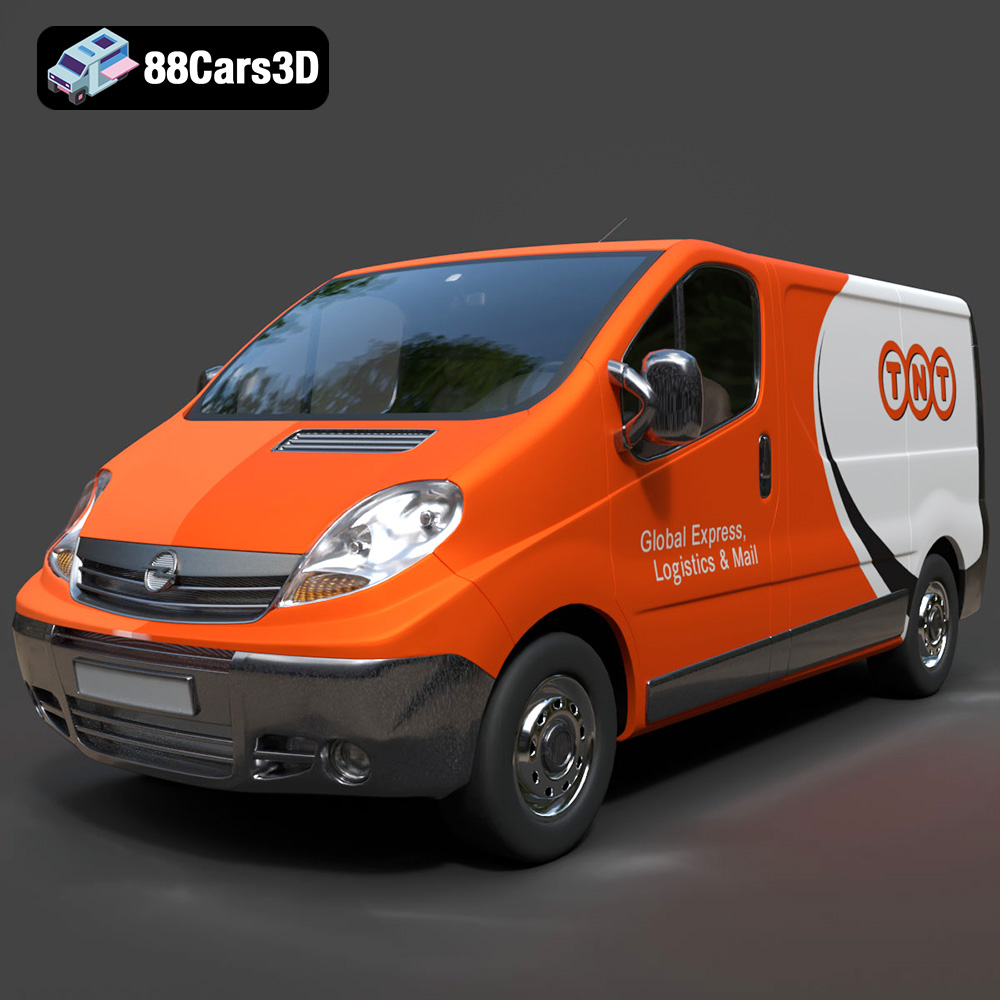
Download the Opel Vivaro 3D Model featuring a versatile commercial van design with balanced detailing. Includes .blend, .fbx, .obj, .glb, .stl, .ply, .unreal, and .max formats for rendering, simulation, and game development.
Price: $21.99
Texture: Yes
Material: Yes
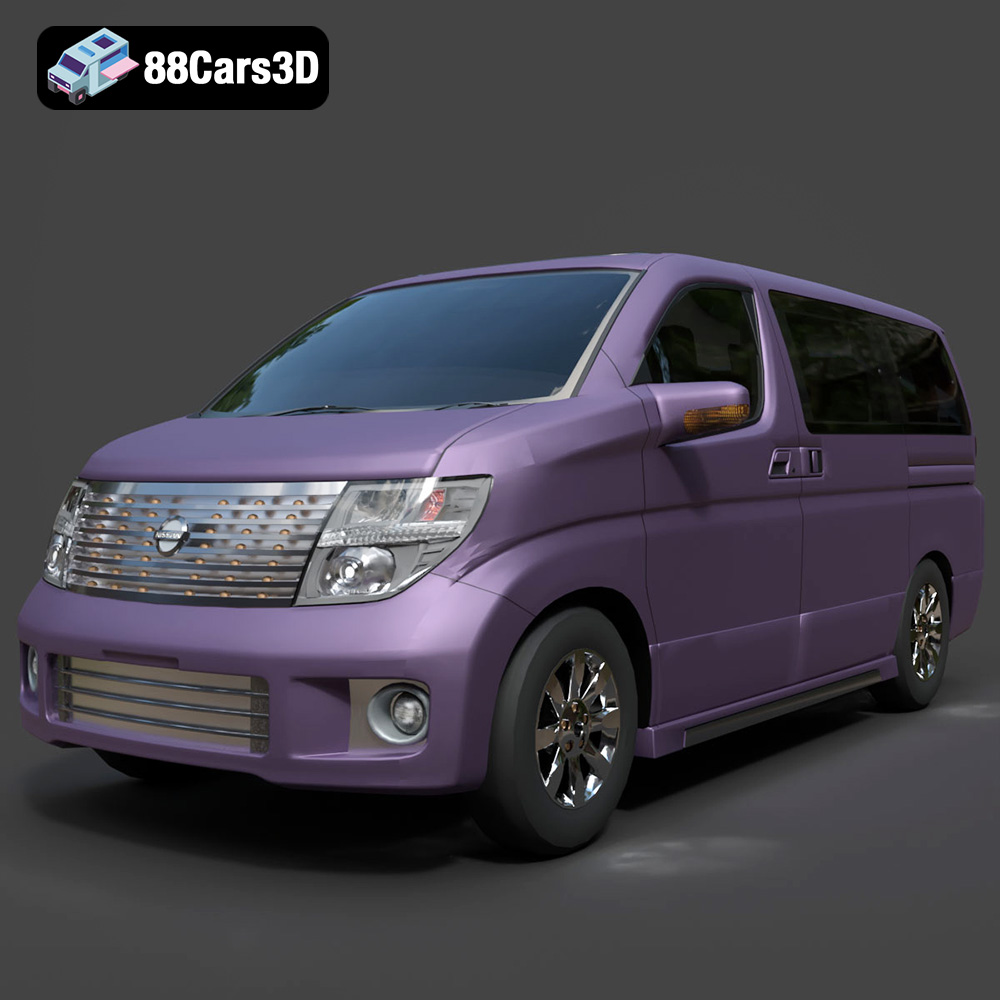
Download the Nissan Elgrand 3D Model featuring a versatile minivan design. Includes .blend, .fbx, .obj, .glb, .stl, .ply, .unreal, and .max formats for rendering, simulation, and game development.
Price: $21.99
Texture: Yes
Material: Yes
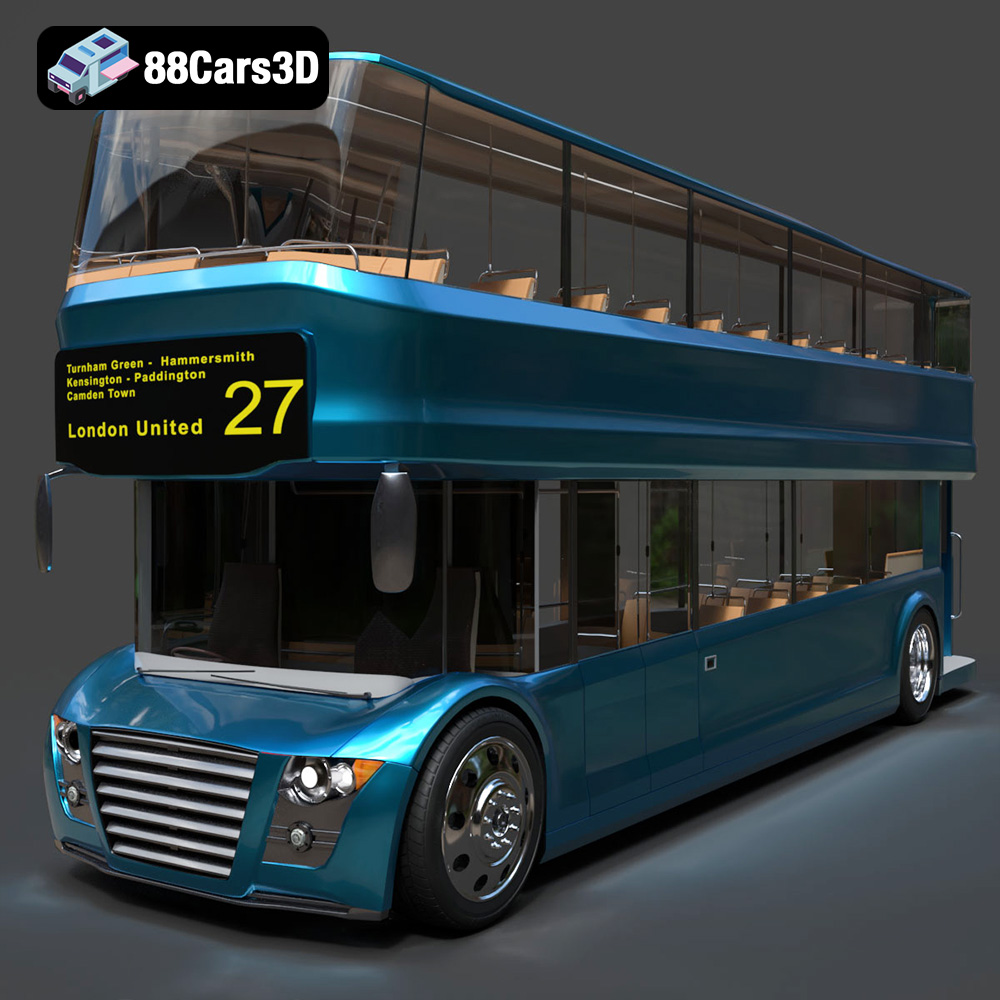
Download the New Bus For London 3D Model featuring a detailed exterior and interior, optimized for rendering and animation. Includes .blend, .fbx, .obj, .glb, .stl, .ply, .unreal, and .max formats for rendering, simulation, and game development.
Price: $21.99

