⚡ FLASH SALE: Get 60% OFF All Premium 3D & STL Models! ⚡

The landscape of real-time 3D rendering and visualization has been irrevocably transformed by Unreal Engine 5. At the heart of this revolution lies Nanite, a virtualized geometry system that shatters traditional polygon budget constraints, enabling artists and developers to achieve unprecedented levels of detail and fidelity. For the automotive industry, where precision, photorealism, and rapid iteration are paramount, Nanite represents a monumental leap forward. Imagine showcasing a meticulously crafted car model with millions of polygons, down to the intricate stitching of its interior and the subtle imperfections of its paintwork, all rendered in real-time with buttery smooth performance. This isn’t a distant dream; it’s the reality Nanite delivers.
This comprehensive guide delves into how Unreal Engine 5’s Nanite technology is revolutionizing 3D workflows, particularly for automotive visualization. We’ll explore its core mechanics, best practices for integrating high-fidelity 3D car models, and how it synergizes with other powerful UE5 features like Lumen to create breathtaking interactive experiences and cinematic content. Whether you’re an Unreal Engine developer, a 3D artist, an automotive designer, or a visualization professional, understanding Nanite is crucial for staying ahead in this rapidly evolving field. Prepare to unlock new possibilities for realism, efficiency, and creative freedom in your automotive projects.
For decades, 3D artists and game developers have been engaged in a constant battle against polygon counts. Every mesh, every asset had to be meticulously optimized, often involving painstaking manual creation of multiple Levels of Detail (LODs) to ensure smooth performance across various platforms. This process was time-consuming, costly, and inherently limited the visual fidelity achievable in real-time applications. Nanite fundamentally changes this equation by introducing a new approach to rendering highly detailed geometry.
Nanite’s genius lies in its virtualized geometry system, which allows Unreal Engine 5 to intelligently process and render only the micro-polygon detail that is visually necessary for each frame, at any given distance. Instead of traditional polygon-based rendering, Nanite treats meshes as a dense cloud of “micro-triangles.” When a Nanite-enabled mesh is imported, it’s converted into a specialized internal format. At runtime, as the camera moves, Nanite automatically streams and draws only the necessary clusters of these micro-triangles, dynamically adjusting the level of detail on the fly. This means that an object close to the camera receives full fidelity, while distant objects are rendered with significantly fewer polygons, all without any noticeable pop-in or visual degradation due to LODs. This process is fully automated, eliminating the need for manual LOD generation and management entirely for Nanite meshes.
For automotive visualization, Nanite is nothing short of a game-changer. The demands for photorealism in depicting vehicles are incredibly high, often requiring models with millions of polygons to capture every curve, seam, and intricate component. With Nanite, artists can now import incredibly dense 3D car models, rich with fine details like complex grilles, detailed tire treads, precise panel gaps, and intricate interior elements, without fear of crippling real-time performance. This translates directly into unprecedented visual fidelity, allowing for more accurate design reviews, immersive marketing materials, and stunning game assets. Furthermore, the significant reduction in manual optimization tasks means artists can spend more time on creative endeavors and less time on technical concessions. This accelerates iteration cycles and reduces overall project timelines, making it a powerful tool for rapid prototyping and high-quality final renders.
Leveraging Nanite begins with sourcing or creating high-quality 3D car models and properly integrating them into your Unreal Engine 5 project. The beauty of Nanite is its forgiveness; it thrives on high-density meshes, making the traditional pre-optimization steps often less critical for geometry itself. However, a structured approach still yields the best results, especially when combining Nanite with other UE5 features.
While Nanite handles geometry complexity with ease, starting with a well-constructed base model is always a good practice. When sourcing automotive assets from marketplaces such as 88cars3d.com, ensure they are designed with clean topology and proper UV mapping. Even if Nanite is forgiving with mesh density, a clean mesh can simplify material application and avoid potential issues with normal maps or texture baking. Ideal models for Nanite will typically have:
Common file formats like FBX and USD (Universal Scene Description) are excellent choices for importing into Unreal Engine. USD, in particular, is gaining traction due to its robust scene description capabilities and potential for future interoperability.
Importing a high-poly 3D car model and enabling Nanite in Unreal Engine 5 is straightforward:
It’s important to note that while Nanite supports most features, there are a few considerations. Initially, Nanite didn’t directly support masked materials or custom UVs for World Position Offset, but continuous updates to Unreal Engine 5 are rapidly addressing these limitations, making it increasingly versatile. Always refer to the official Unreal Engine documentation at https://dev.epicgames.com/community/unreal-engine/learning for the latest features and best practices regarding Nanite.
While Nanite delivers geometric fidelity, it’s the interplay with physically based rendering (PBR) materials that brings truly convincing photorealism to your automotive projects. High-resolution textures, combined with sophisticated material setups, transform a dense wireframe into a breathtaking digital counterpart of a real vehicle.
PBR materials are fundamental to achieving realism in modern rendering. They mimic how light interacts with surfaces in the real world, based on physical properties rather than subjective artistic interpretation. For automotive models, this means carefully calibrated textures for:
Thanks to Nanite, you can confidently use extremely high-resolution textures (4K, 8K, or even higher) across your entire vehicle model without fear of running into performance bottlenecks related to geometry. UDIM support in Unreal Engine further streamlines the texture workflow for large, complex models by allowing a single material to use multiple texture atlases, making UV unwrapping and texturing much more manageable for large surfaces.
Unreal Engine’s Material Editor is a node-based system that allows artists to create incredibly complex and physically accurate shaders. For automotive visualization, you’ll frequently utilize advanced techniques to replicate materials like:
The flexibility of the Material Editor, combined with Nanite’s ability to render the underlying geometric detail, empowers artists to push the boundaries of visual fidelity, making every surface on your vehicle model look as convincing as its real-world counterpart.
While Nanite handles the geometry, Lumen is Unreal Engine 5’s fully dynamic global illumination and reflections system, providing an unprecedented level of real-time lighting realism. The synergy between Nanite and Lumen is where true photorealism for automotive visualization truly shines.
Lumen eliminates the need for baking lighting, allowing for completely dynamic, real-time lighting changes with instant feedback. When combined with Nanite’s incredibly detailed meshes, Lumen accurately bounces light off every micro-polygon surface of your vehicle. This means:
The computational efficiency of Nanite in managing vast amounts of geometric data is what allows Lumen to perform its complex lighting calculations in real-time, resulting in a cohesive and stunningly realistic visual experience. For detailed explanations of Lumen’s capabilities, consult the official Unreal Engine documentation at https://dev.epicgames.com/community/unreal-engine/learning.
To truly showcase your Nanite-powered 3D car models, strategic lighting is essential. Here are some common and effective setups:
By carefully orchestrating these lighting elements, you can create immersive and visually arresting automotive visualizations that highlight the exceptional detail provided by Nanite and the realistic lighting provided by Lumen.
While Nanite drastically reduces the burden of geometry optimization, achieving optimal real-time performance in complex automotive projects still requires a holistic approach. Understanding how Nanite contributes to performance and where other optimizations are needed is key.
Nanite fundamentally redefines performance budgeting for geometry. Instead of being limited by polygon counts and draw calls, Nanite focuses on screen space. Its primary performance characteristic is driven by the amount of visible detail on screen, rather than the raw polygon count of the source mesh. This means a car model with 10 million polygons can perform just as well as one with 1 million, provided they occupy a similar screen space and have similar detail density.
Key performance benefits of Nanite include:
This allows artists to focus on visual quality without the constant worry of traditional performance bottlenecks related to geometry, dramatically accelerating asset creation and scene assembly.
Even with Nanite handling geometry, other aspects of your Unreal Engine project require optimization to maintain smooth frame rates, especially for interactive experiences or high-resolution cinematic renders:
By combining Nanite’s geometric efficiency with smart optimization across all other aspects of your project, you can deliver stunning, high-performance automotive visualizations.
Nanite doesn’t just improve static renders; it transforms the possibilities for interactive automotive experiences. From configurators to virtual production, the ability to render immense detail in real-time opens new avenues for engagement and content creation.
Automotive configurators are powerful tools for sales, marketing, and design review, allowing users to customize a vehicle in real-time. Nanite makes these configurators more immersive than ever before. With high-fidelity 3D car models (like those optimized for modularity found on 88cars3d.com), users can swap out wheels, change paint colors, alter interior trims, and even open doors or trunks, all while maintaining exquisite visual detail.
This is achieved primarily through Unreal Engine’s Blueprint visual scripting system:
The ability to instantly see the impact of design choices with photorealistic fidelity, driven by Nanite geometry and Lumen lighting, provides an unparalleled user experience in automotive configurators.
Nanite, alongside Lumen and other UE5 features, has also revolutionized real-time cinematics and virtual production workflows for the automotive industry.
This convergence of high-fidelity real-time rendering with production tools empowers automotive brands to create compelling visual narratives with unprecedented speed and flexibility.
The journey with Nanite is just beginning. As Unreal Engine continues to evolve, Nanite will become even more integral to future-proofing automotive visualization pipelines, especially when paired with powerful interoperability standards like Universal Scene Description (USD).
Augmented Reality (AR) and Virtual Reality (VR) are transforming how automotive designers visualize and iterate on vehicles. Historically, getting high-fidelity models into AR/VR experiences has been a significant challenge due to the extremely tight performance budgets of these platforms, often requiring aggressive polygon reduction and complex LOD schemes.
Nanite dramatically simplifies this. While AR/VR still has unique performance considerations (e.g., high frame rates, specific rendering pipelines), Nanite’s efficiency in rendering complex geometry means that designers can now experience their detailed CAD models directly within immersive AR/VR environments with far fewer compromises on visual quality. This enables:
Nanite bridges the gap between high-fidelity design data and the performance demands of immersive technologies, unlocking new possibilities for collaboration and experience.
Universal Scene Description (USD) is Pixar’s open-source technology for robust interchange of 3D data. It’s quickly becoming the standard for asset and scene assembly across the media and entertainment industry, and its integration with Unreal Engine, especially with Nanite, is incredibly powerful for automotive pipelines.
USD allows for:
When you have a highly detailed 3D car model, potentially composed of numerous Nanite meshes and complex material setups, USD provides the scaffolding to manage this complexity across different departments and software. It allows for efficient updates, version control, and seamless transfer of assets, ensuring that your Nanite-powered automotive projects remain agile and interoperable. Furthermore, formats like USDZ (an optimized package for USD for AR applications) are perfect for deploying these high-fidelity Nanite assets to mobile AR experiences, without compromising on geometric detail.
Unreal Engine 5’s Nanite technology marks a profound shift in how we approach 3D content creation and real-time rendering. For automotive visualization, it’s nothing short of a game-changer, shattering polygon limitations and empowering artists and designers to work with unprecedented levels of geometric detail. By harnessing Nanite’s virtualized geometry, combined with the dynamic global illumination of Lumen, the power of PBR materials, and the flexibility of Blueprint scripting, professionals can create truly photorealistic interactive experiences, stunning cinematics, and immersive AR/VR applications that were once deemed impossible in real-time.
The ability to eliminate tedious LOD generation, accelerate iteration cycles, and focus on pure visual fidelity translates into immense value for automotive design, marketing, and engineering. As you embark on your next automotive project in Unreal Engine 5, embrace Nanite as your ally. To kickstart your journey with high-quality, production-ready 3D car models optimized for Unreal Engine, explore the extensive collection available at 88cars3d.com. The future of automotive visualization is here, and it’s powered by Nanite.

Texture: Yes
Material: Yes
Download the Ford Ambulance AmServ LTD Dusan-002 3D Model featuring a high-detail exterior and interior, realistic textures, and emergency lighting. Includes .blend, .fbx, .obj, .glb, .stl, .ply, .unreal, and .max formats for rendering, simulation, and game development.
Price: $19.99
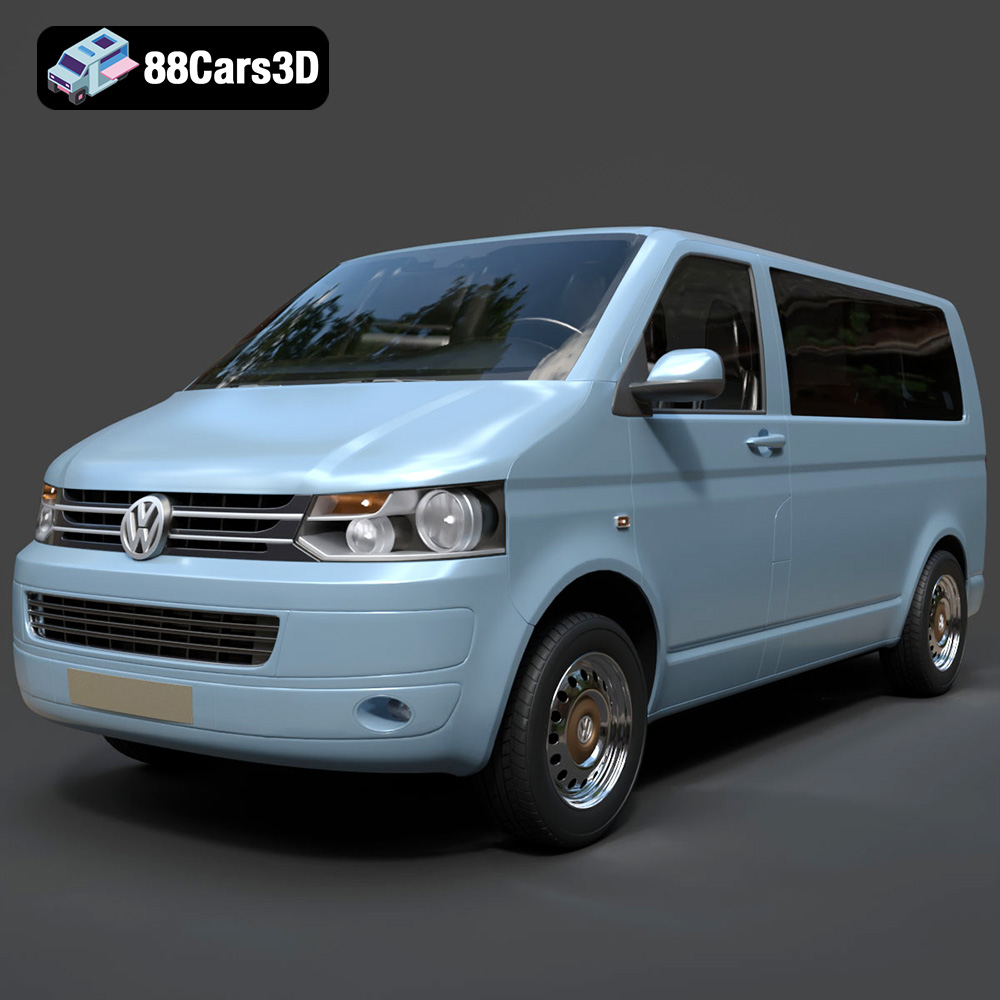
Texture: Yes
Material: Yes
Download the Volkswagen Transporter T5 FL 2010 3D Model featuring clean geometry, realistic detailing, and a fully modeled interior. Includes .blend, .fbx, .obj, .glb, .stl, .ply, .unreal, and .max formats for rendering, simulation, and game development.
Price: $22.99
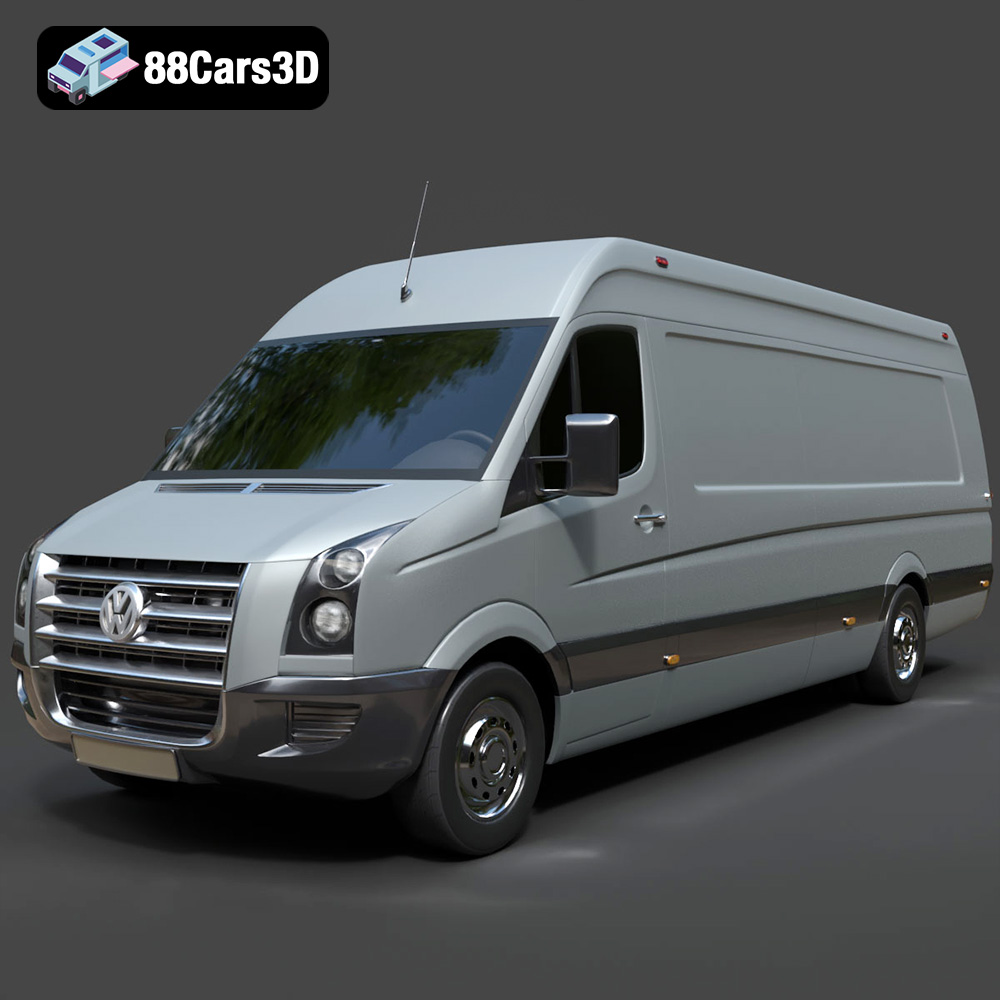
Texture: Yes
Material: Yes
Download the Volkswagen Crafter 2020 3D Model featuring clean geometry, realistic detailing, and a fully modeled interior. Includes .blend, .fbx, .obj, .glb, .stl, .ply, .unreal, and .max formats for rendering, simulation, and game development.
Price: $22.99
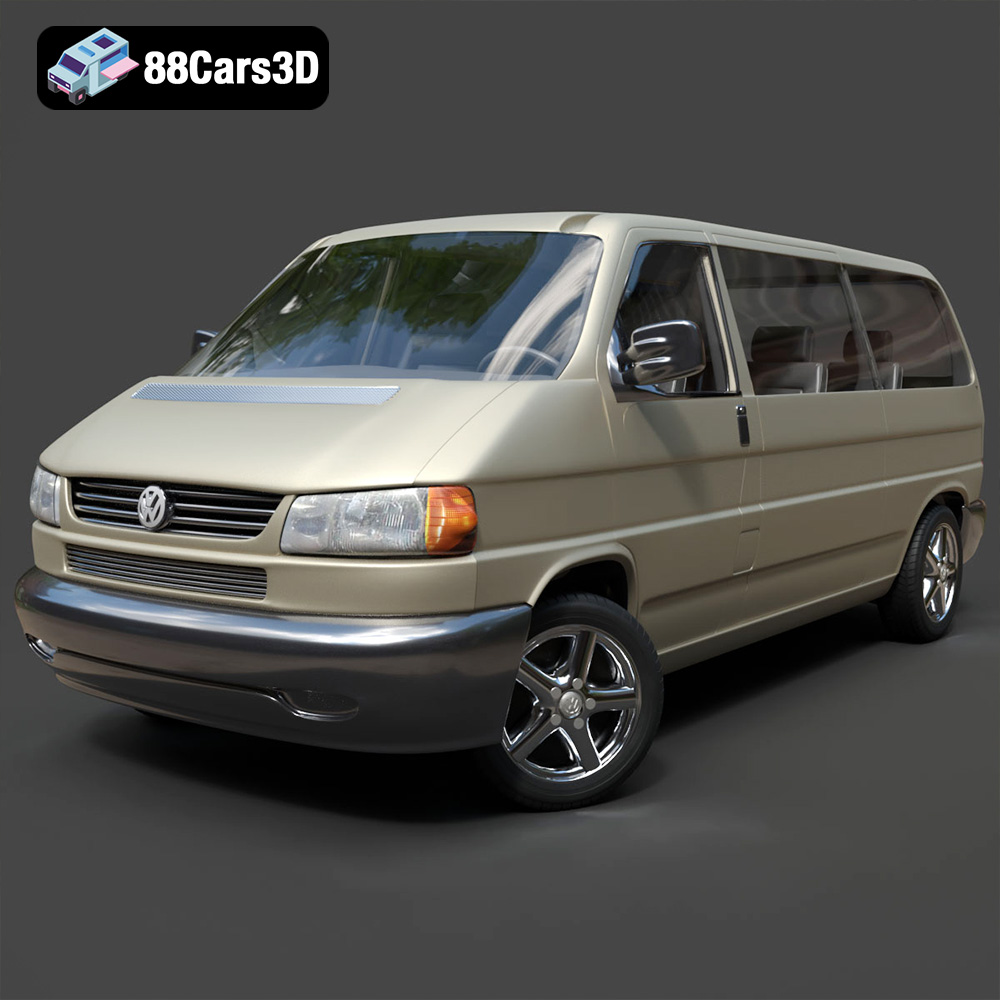
Texture: Yes
Material: Yes
Download the Volkswagen Caravelle 3D Model featuring a detailed exterior, functional interior, and optimized topology. Includes .blend, .fbx, .obj, .glb, .stl, .ply, .unreal, and .max formats for rendering, simulation, and game development.
Price: $23.99
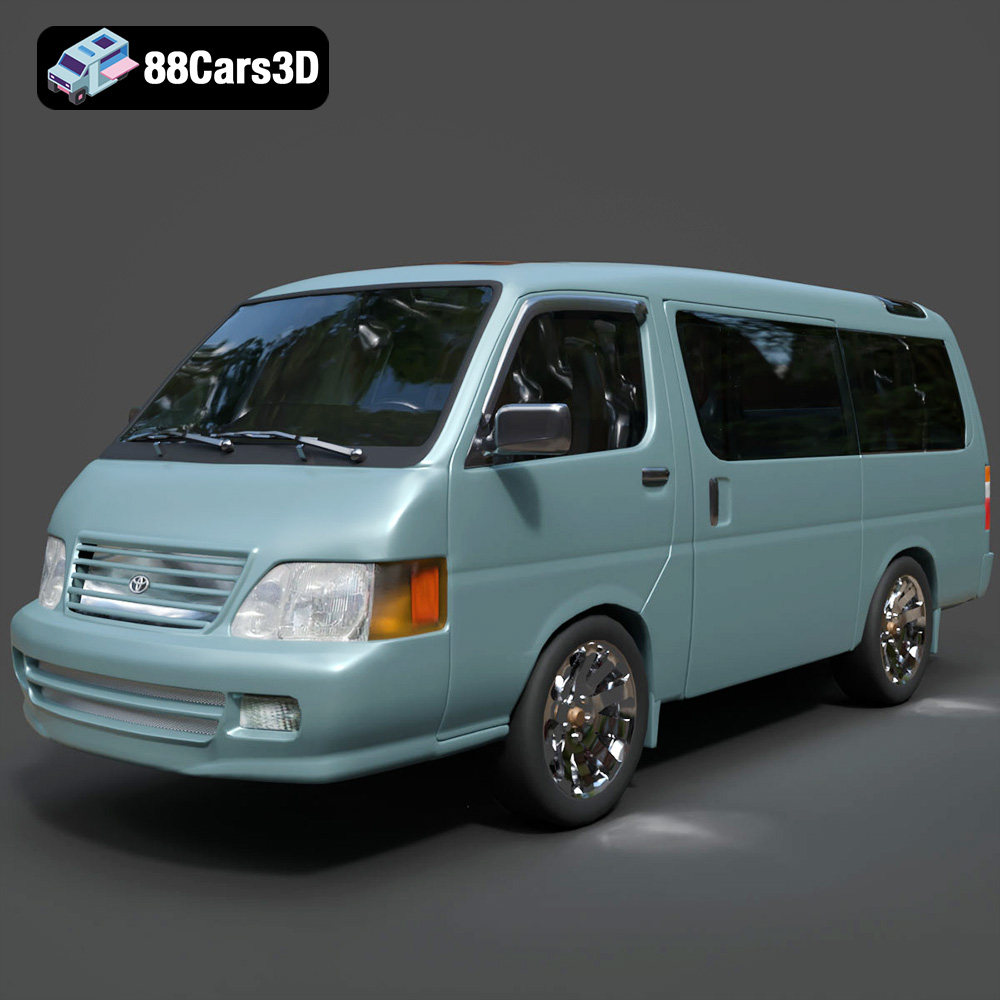
Texture: Yes
Material: Yes
Download the Toyota Hiace 3D Model featuring versatile design and detailed exterior. Includes .blend, .fbx, .obj, .glb, .stl, .ply, .unreal, and .max formats for rendering, simulation, and game development.
Price: $21.99
Texture: Yes
Material: Yes
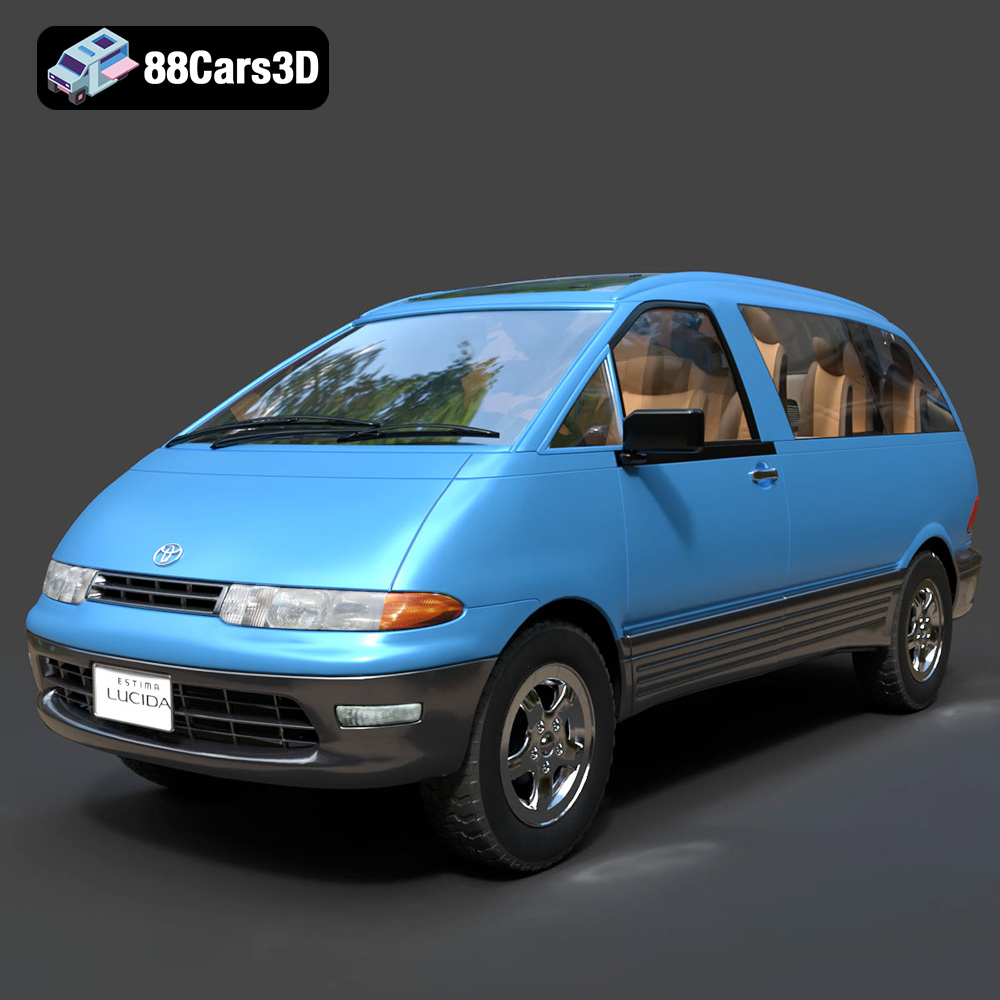
Download the Toyota Estima Lucida 3D Model featuring its iconic compact MPV design, versatile interior, and accurate exterior details. Includes .blend, .fbx, .obj, .glb, .stl, .ply, .unreal, and .max formats for rendering, simulation, and game development.
Price: $24.99

Texture: Yes
Material: Yes
Download the Toyota Alphard 3D Model featuring a detailed luxury minivan design with an accurate exterior and interior. Includes .blend, .fbx, .obj, .glb, .stl, .ply, .unreal, and .max formats for rendering, simulation, and game development.
Price: $21.99
Texture: Yes
Material: Yes
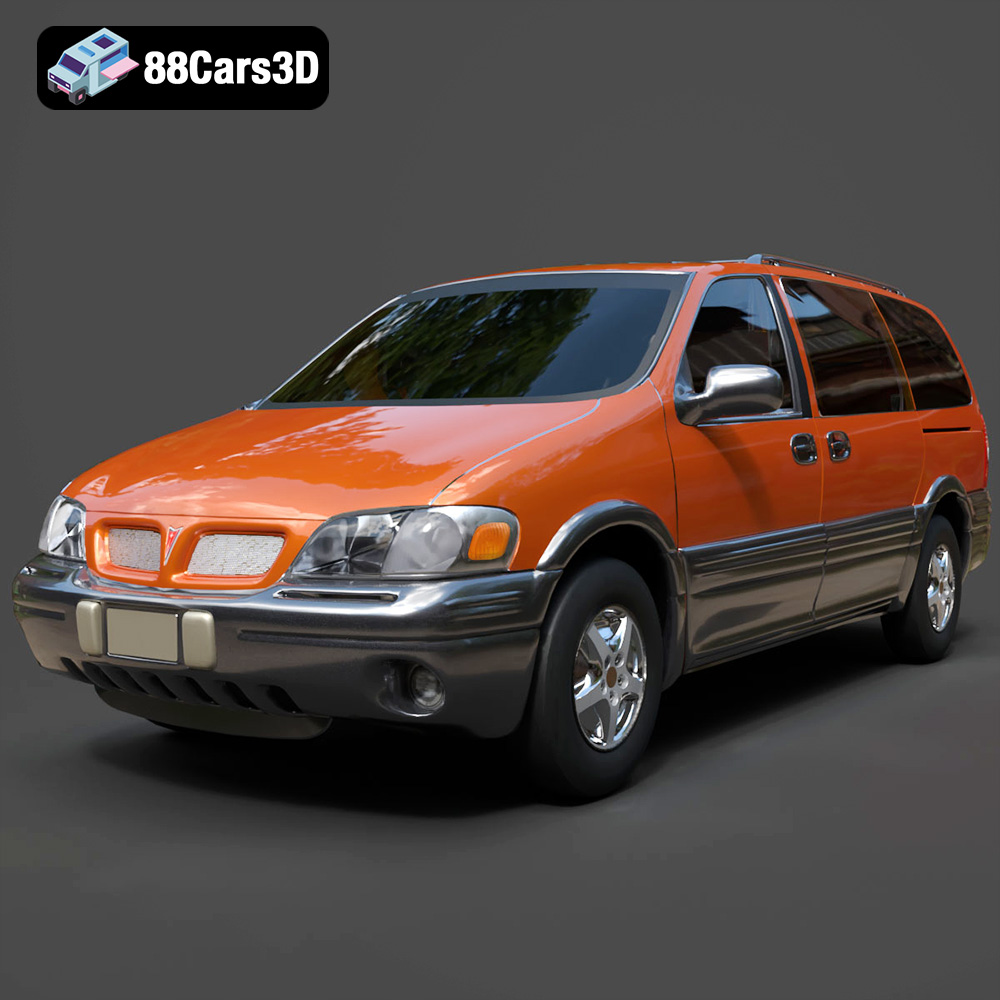
Download the Pontiac Montana 1998 3D Model featuring a detailed exterior, functional interior, and optimized mesh. Includes .blend, .fbx, .obj, .glb, .stl, .ply, .unreal, and .max formats for rendering, simulation, and game development.
Price: $21.99
Texture: Yes
Material: Yes
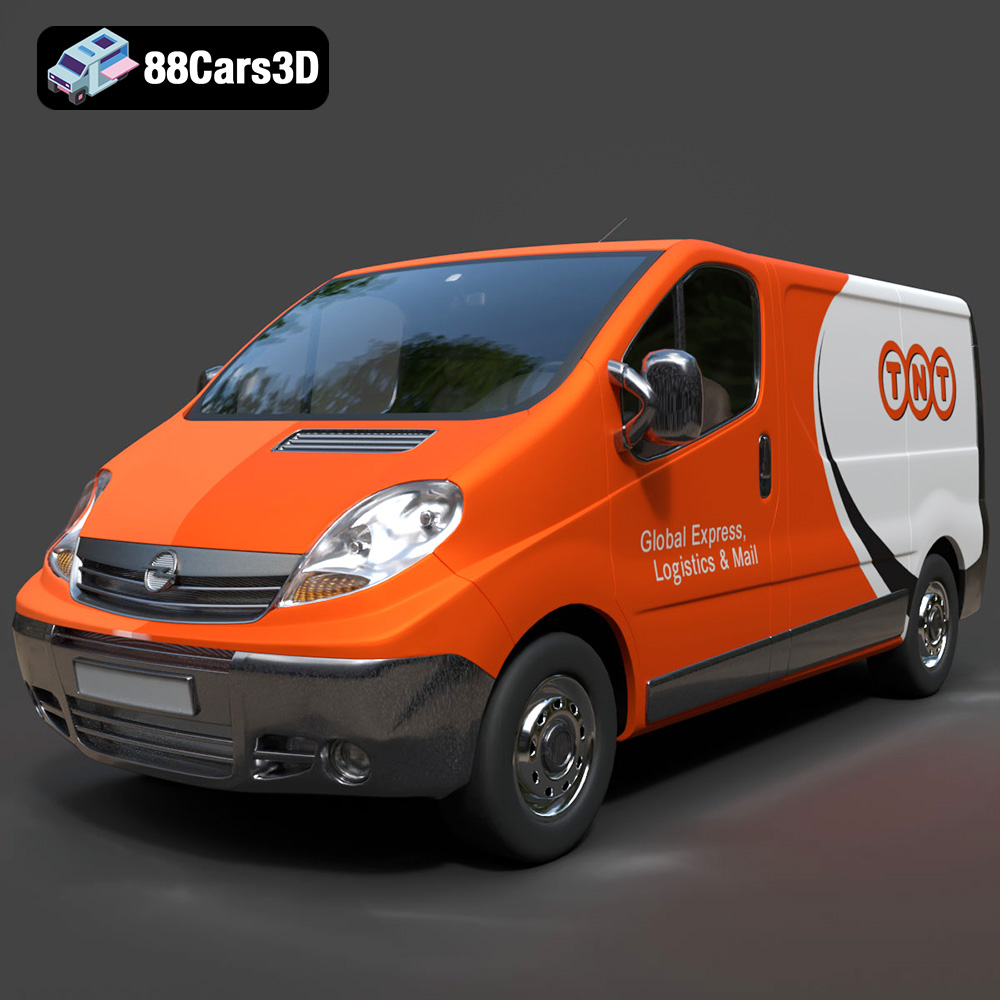
Download the Opel Vivaro 3D Model featuring a versatile commercial van design with balanced detailing. Includes .blend, .fbx, .obj, .glb, .stl, .ply, .unreal, and .max formats for rendering, simulation, and game development.
Price: $21.99
Texture: Yes
Material: Yes
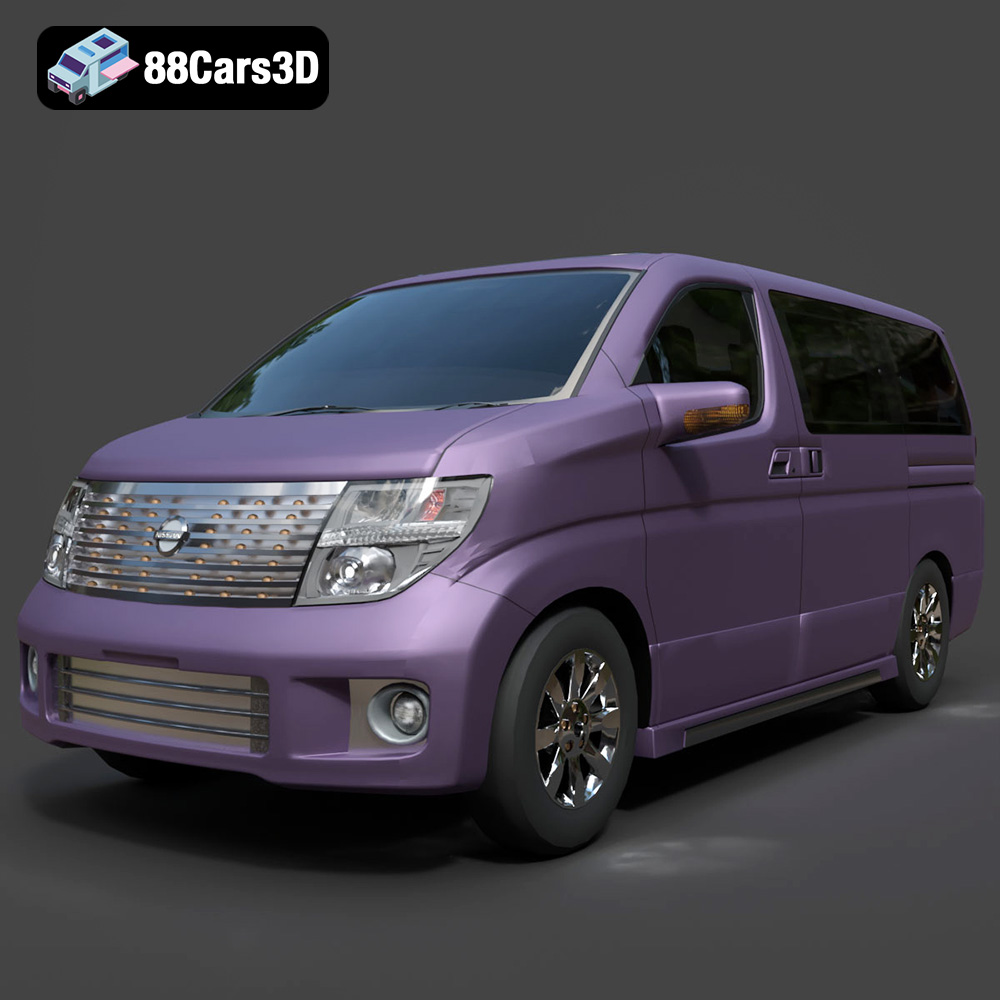
Download the Nissan Elgrand 3D Model featuring a versatile minivan design. Includes .blend, .fbx, .obj, .glb, .stl, .ply, .unreal, and .max formats for rendering, simulation, and game development.
Price: $21.99

